






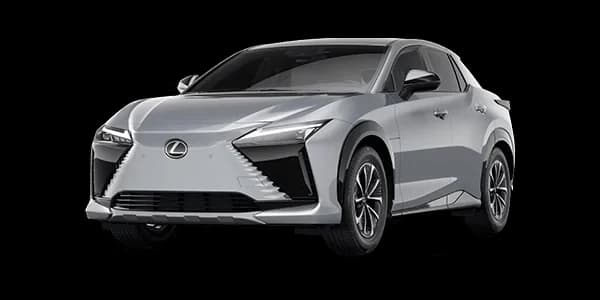
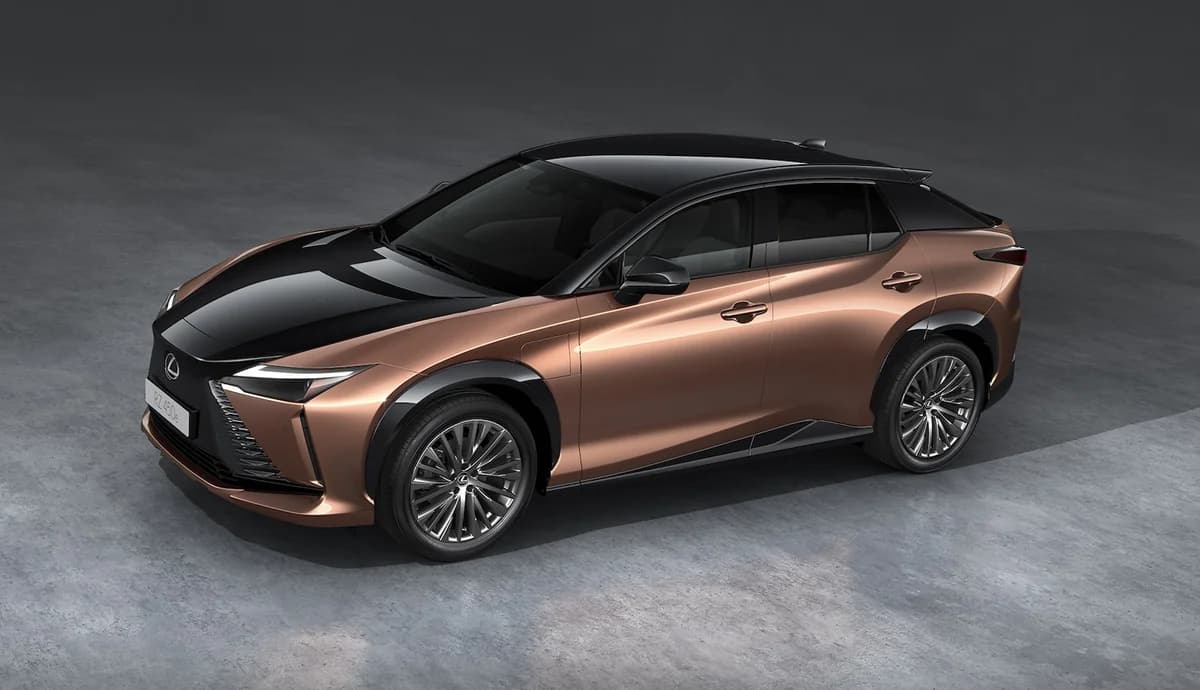
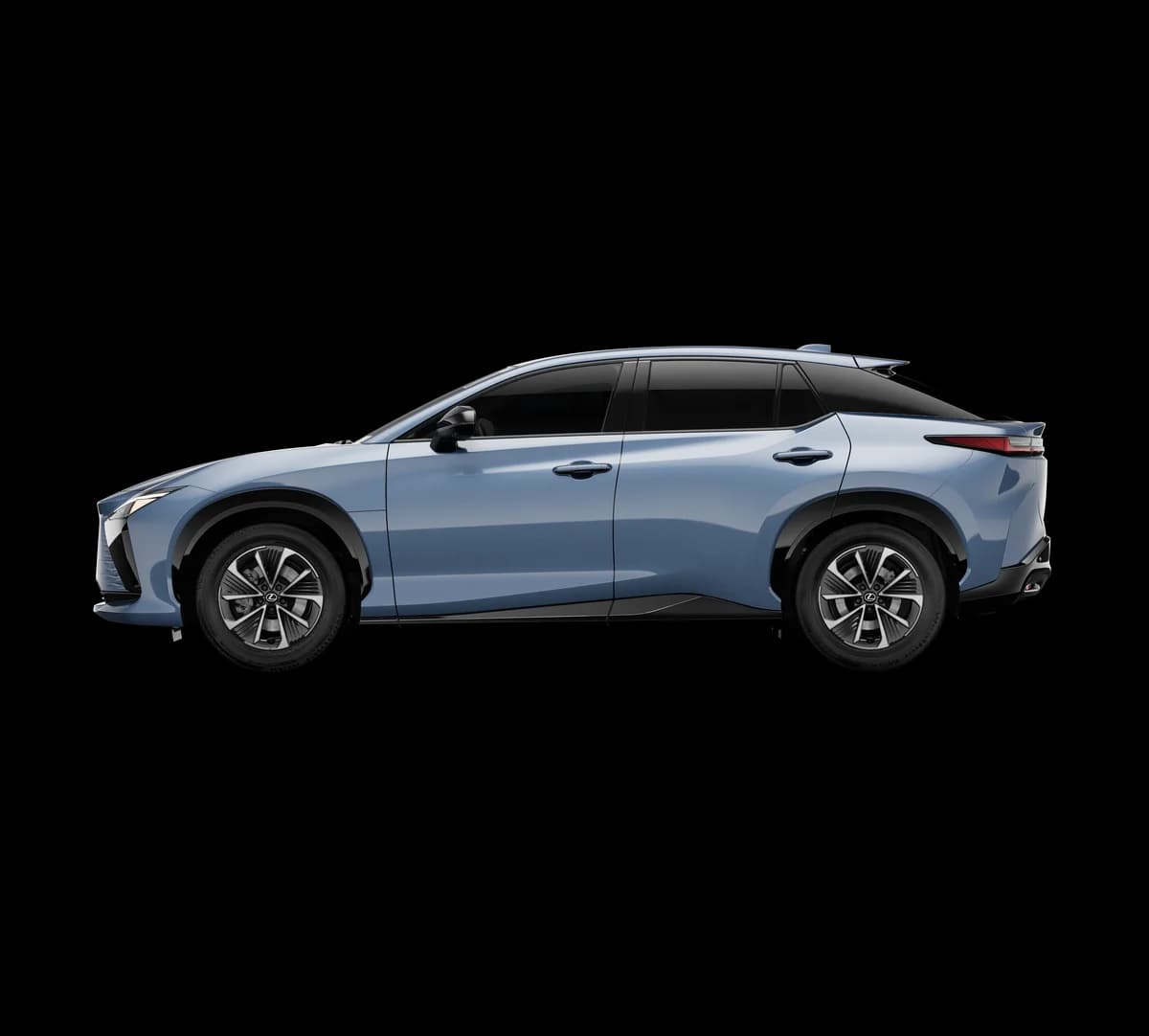
Lexus RZ (2026)
Quiet, refined, and much-improved, but range and charging remain only adequate.
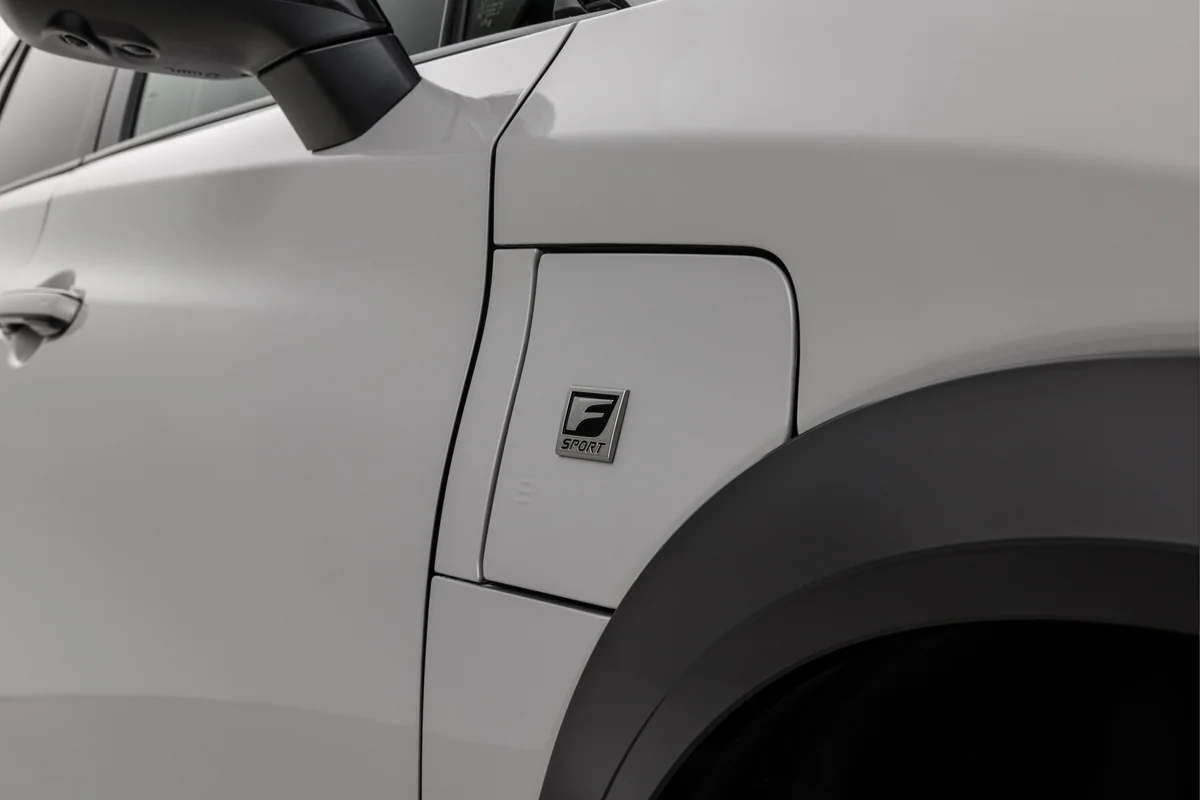
The 2026 Lexus RZ is a quiet luxury commuter with an EV learning curve, built for drivers who want a polished, low-stress alternative to gas-powered family SUVs. Its biggest fix is the 350e’s claimed 301-mile range, which users and experts see as a meaningful improvement, though cold weather, climate use, and the 550e’s shorter range can cut confidence. The cabin is genuinely serene, comfortable, and well made, while the 550e adds convincing acceleration, if gimmicky simulated shifting. NACS charging improves charger access, but 150-kW DC charging remains merely average. Starting near $47,000, the 350e offers the strongest value, especially with discounts. Overall appeal rests on Lexus refinement and daily usability, balanced against range, charging, and software compromises.
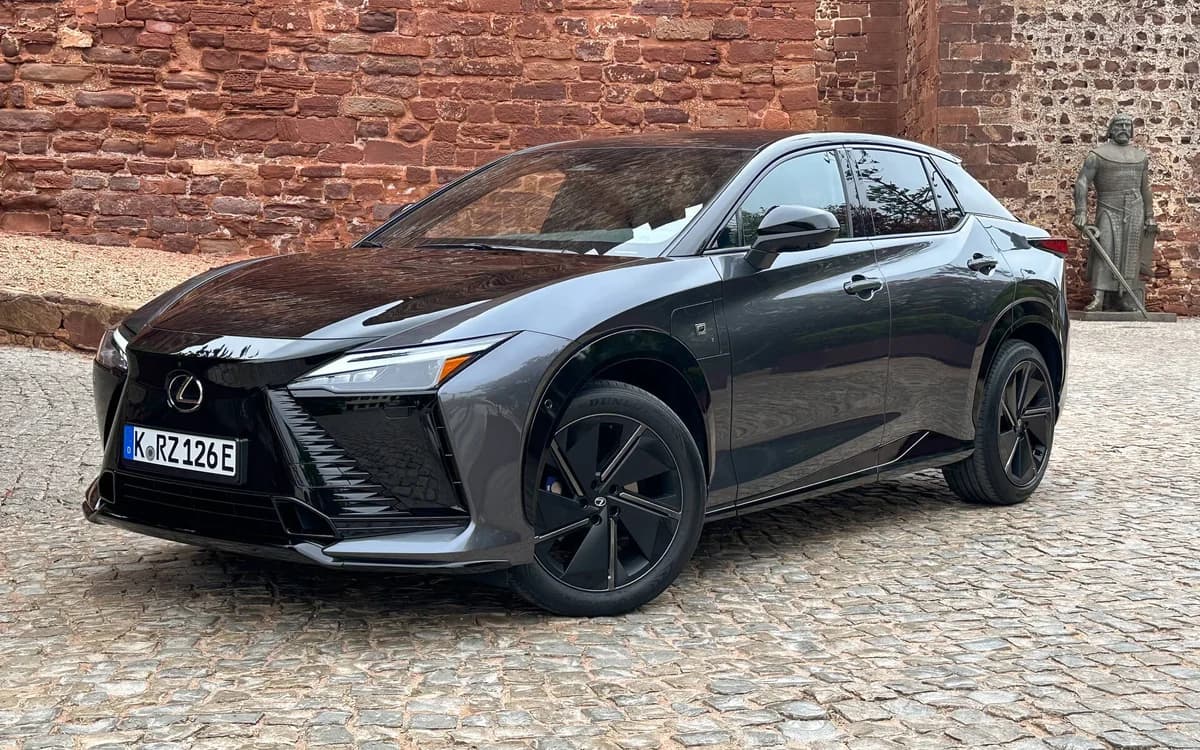
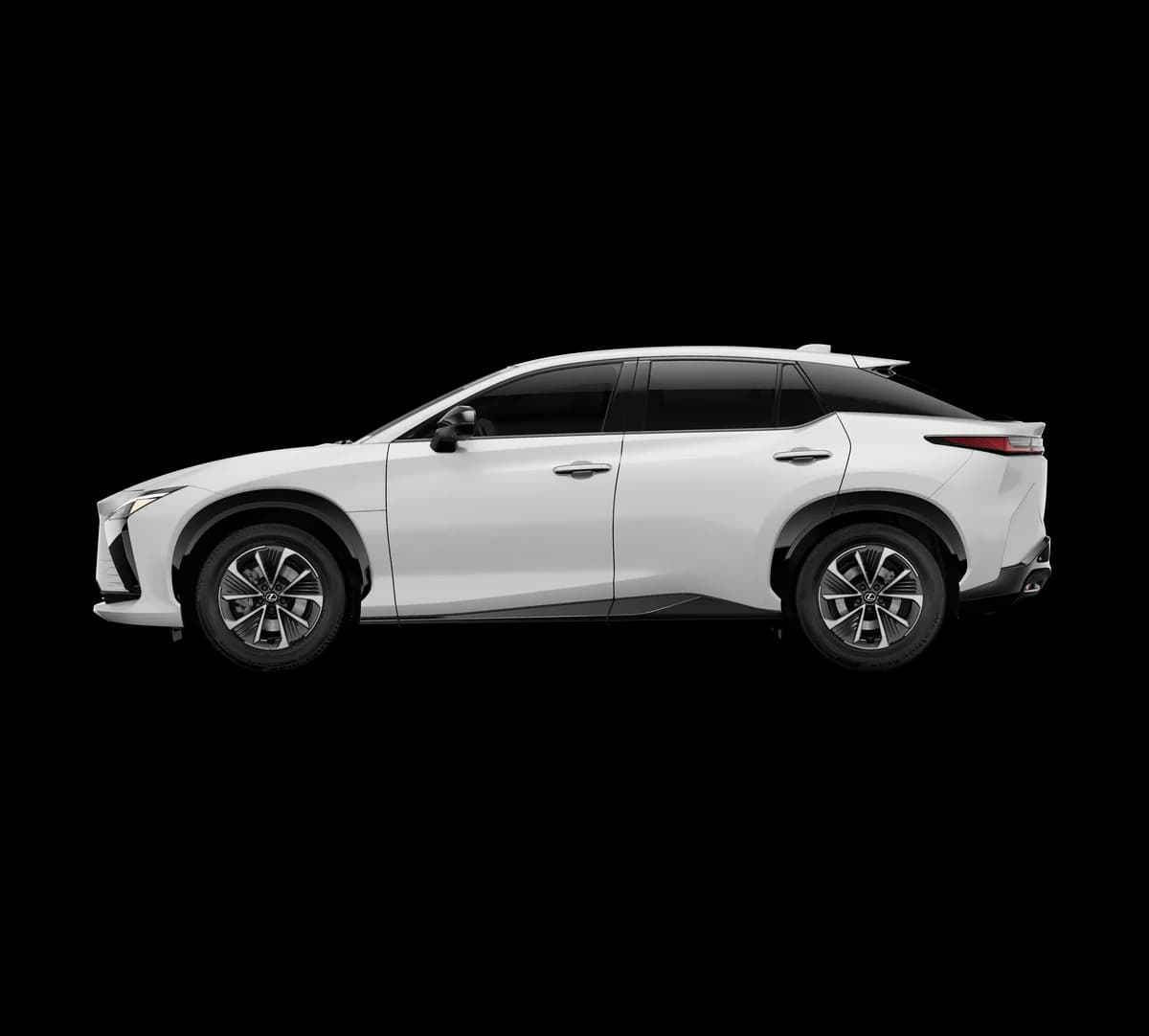
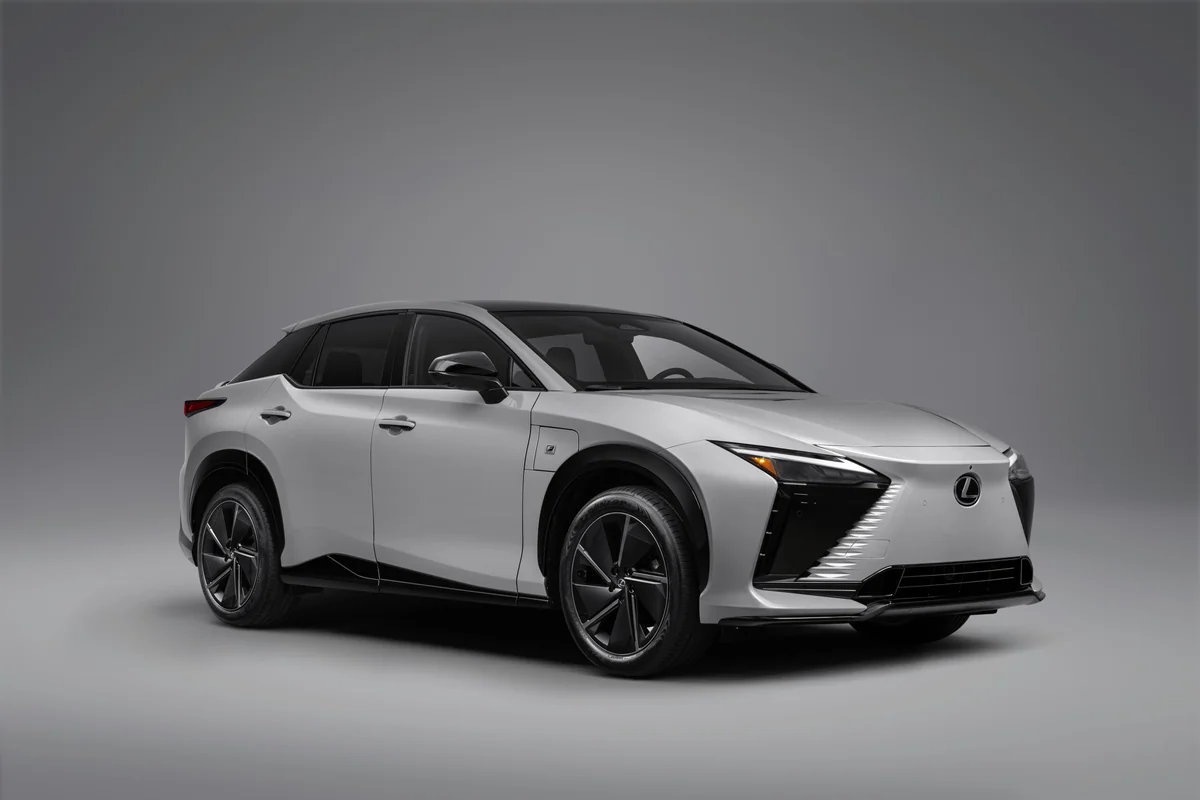
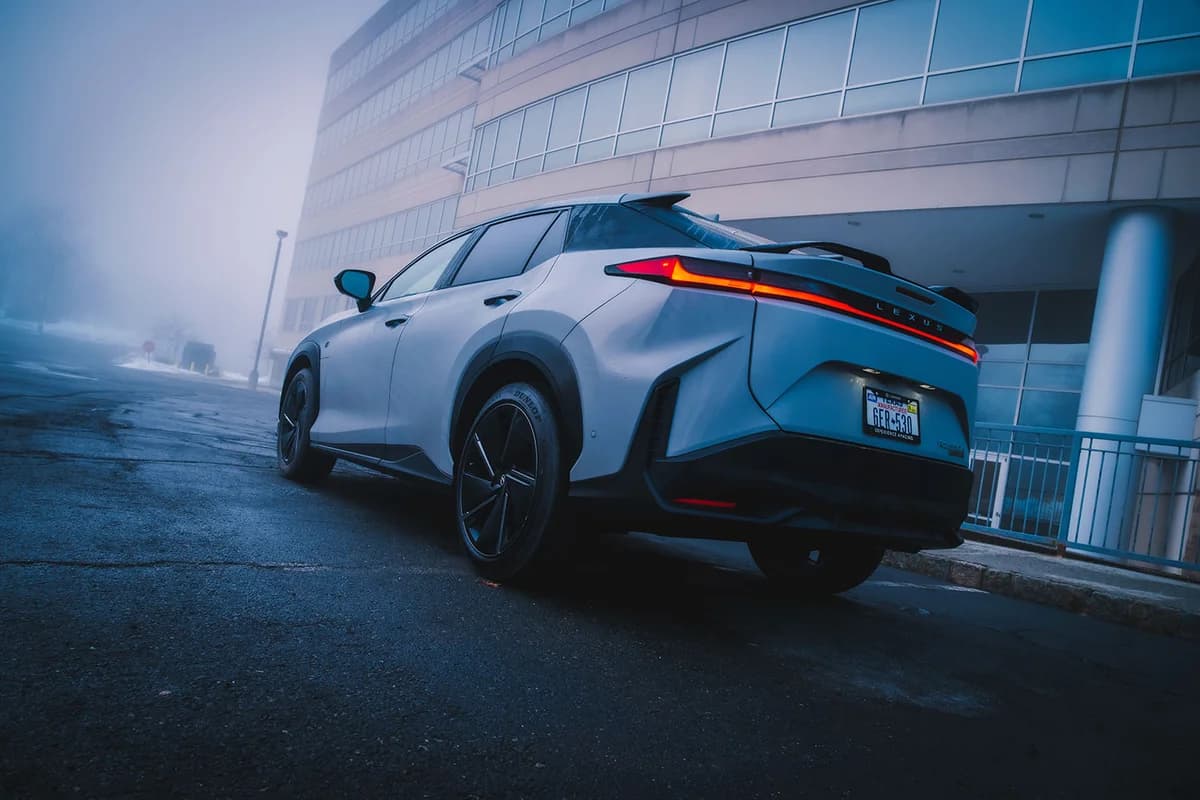
Find Yours
What is your top priority for an Electric SUV's battery performance?
Answer to find your best matches.

The Field
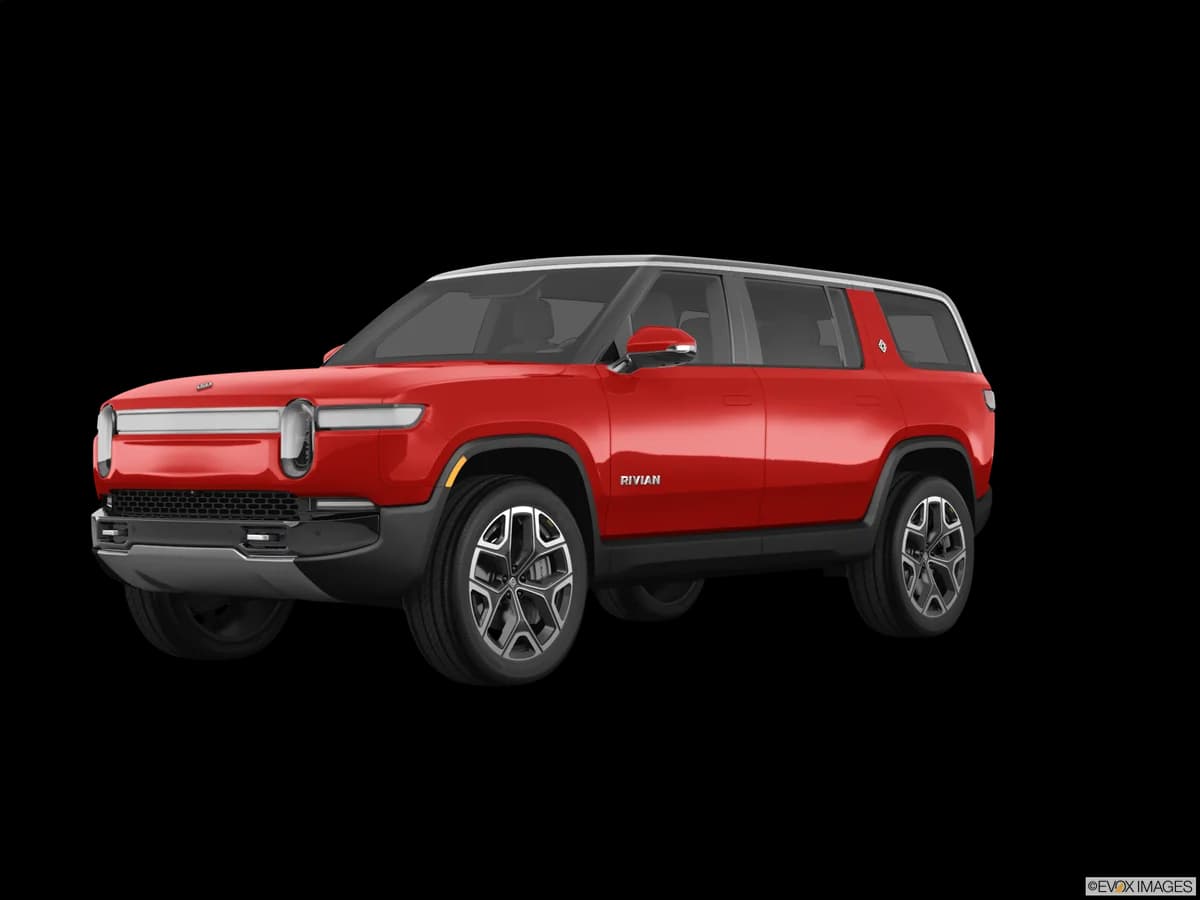
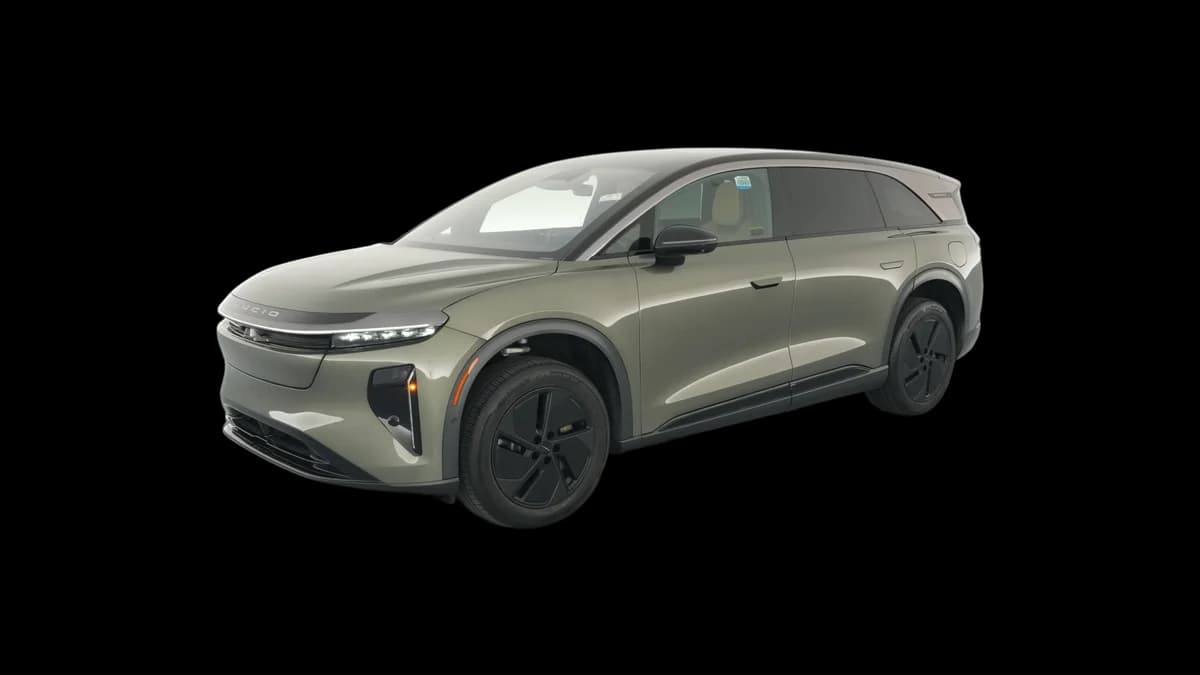
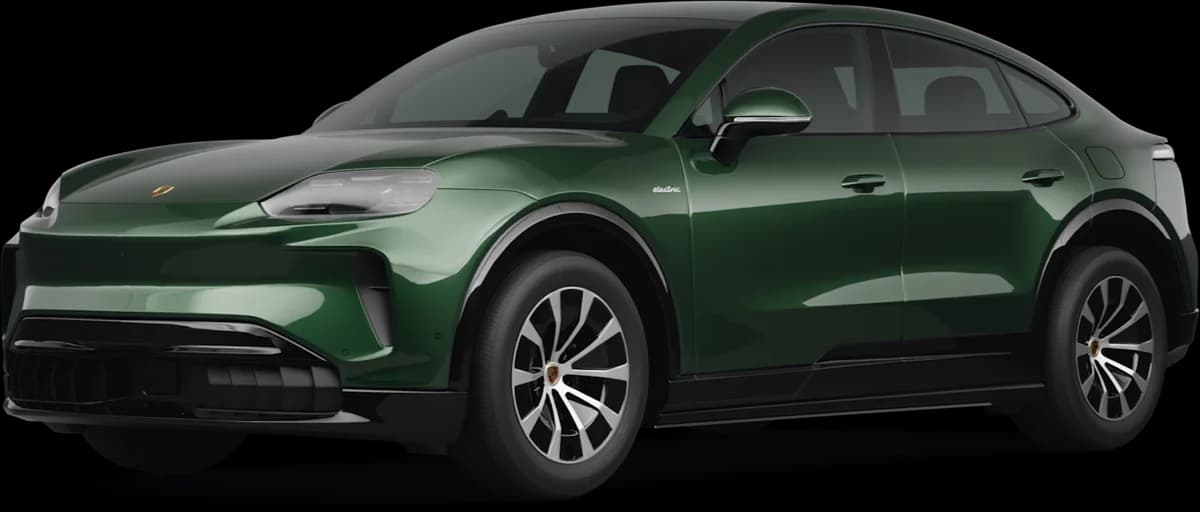
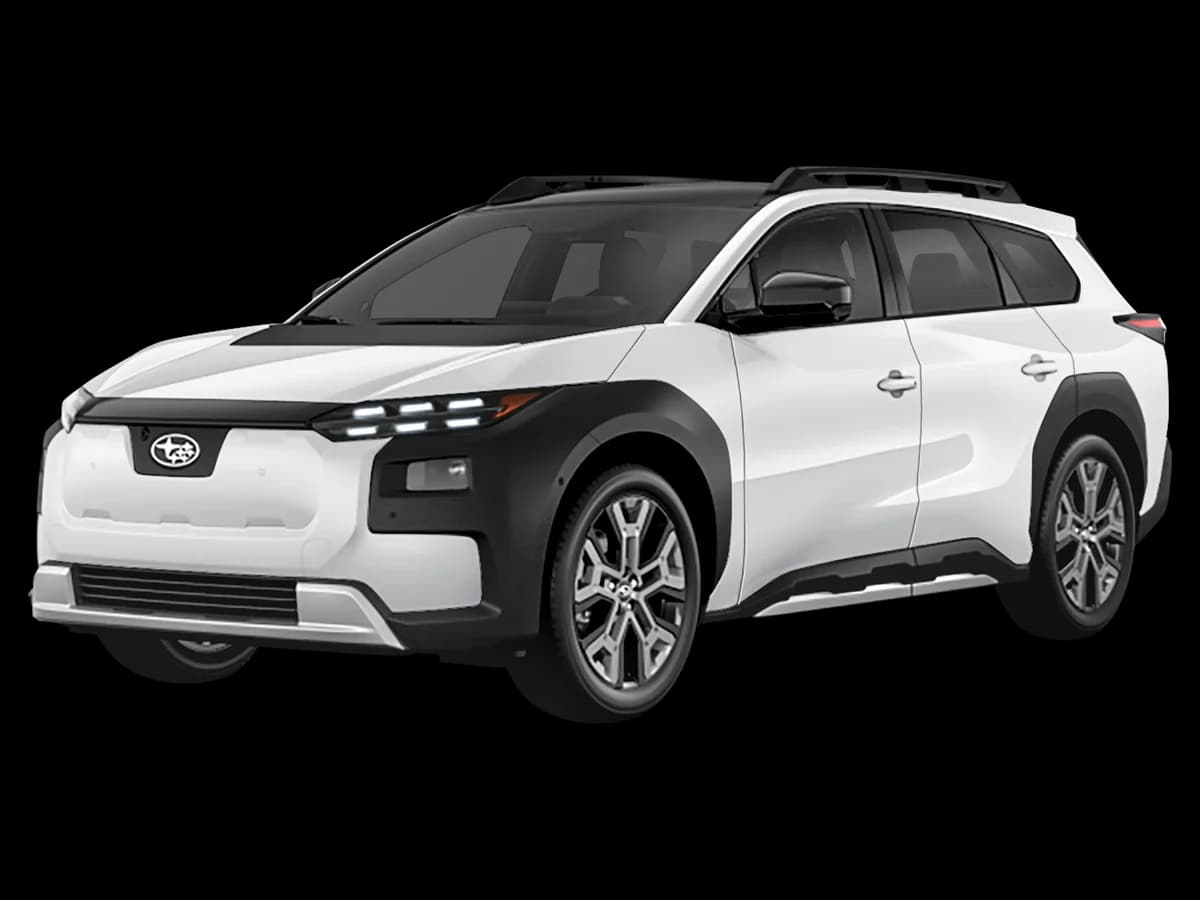
Browse top contenders, or compare all options ranked by score and key attributes.
5 Options


The Scoreboard
Does this improve your life? Considers, health, habits, and environmental impact.
Benefits
Soft ride and strong insulation make commuting calmer, conversations easier, and highway driving less tiring.
The 350e's roughly 300-mile range makes everyday charging less frequent and routine errands easier.
Supportive seats, quality materials, and predictable controls make ordinary family trips feel comfortably premium.
The 550e delivers quick, confident acceleration when merging, while remaining quiet and composed around town.
Trade-Offs
On longer trips, average fast charging and limited range mean more stops and longer waits.
Without true one-pedal driving, repeated stop-and-go traffic requires more brake-pedal work than many EVs.
Laggy steering-wheel touch controls can require extra glances, distracting you during frequent adjustments.
 Alternatives


Join the Circle
Where real meets deal
Know what's worth buying-and when.
Tips, special offers, and rewards for buying and sharing.

Publications
9 LEADING PUBLICATION REVIEWS

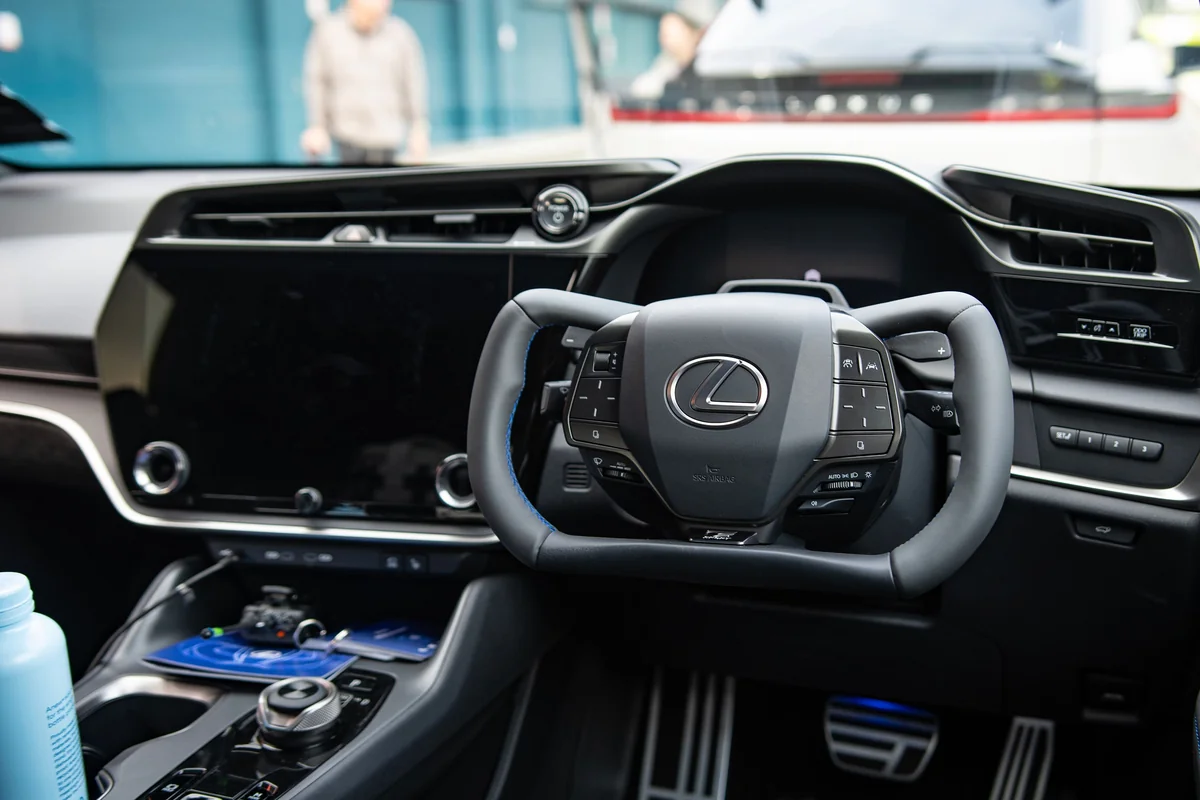
Car and Driver views the 2026 Lexus RZ as a worthwhile but incomplete step forward. The refresh brings substantially better range, more convincing acceleration, a quieter-than-ever cabin, and the comfortable, polished ride Lexus buyers expect. The new RZ550e F Sport is genuinely quick, reaching 60 mph in 4.0 seconds, while its playful simulated-gear system adds novelty—though most editors found it more annoying than entertaining. Serious drawbacks remain: the battery overheated during repeated acceleration testing, DC fast-charging is still limited to 150 kW, and Toyota’s overzealous driver-assistance alerts frustrate. The review also dismisses the optional steer-by-wire yoke as overengineered and awkward. Overall, the RZ is now a more competitive luxury EV and an excellent quiet cruiser, but its thermal-management and charging shortcomings keep it from feeling fully resolved.
By Andrew Krok
Auto Express is strongly positive about the improved 2026 Lexus RZ, calling it a comfortable and compelling premium electric SUV. The facelift brings more power, better range, quicker AC charging, and sharper handling, while the quiet motorway ride, polished interior, generous equipment, and useful warranty support strengthen its appeal. The 500e Premium is the standout choice, offering a better balance of performance, price, and usability than the expensive 550e F Sport. Still, the RZ is not class-leading: real-world efficiency and range can disappoint, DC charging remains merely average, and depreciation is poor. The steer-by-wire system and its unusual yoke are particularly awkward at low speeds, while the 550e’s simulated gears and synthetic sounds feel gimmicky. Limited rear visibility, modest storage, and a low towing limit for the 350e further temper the recommendation, but overall the updated RZ is judged a refined, well-equipped alternative to mainstream rivals.
By Shane Wilkinson; Darren Wilson
MotorTrend views the 2026 Lexus RZ as a meaningful improvement, though still a step behind the best electric luxury SUVs. Range, quieter refinement, 11-kW home charging, and a NACS port address major weaknesses, while the 408-hp RZ550e F Sport brings unexpected driving excitement. The European version’s steer-by-wire system, quick steering, engaging suspension, and playful simulated shift effects particularly impress the reviewer, making the RZ feel more entertaining than its comfort-focused reputation suggests. Unfortunately, U.S. buyers miss the yoke, steer-by-wire, and ride-enhancing technology that make that version distinctive. The RZ also lacks one-pedal driving, has a cluttered driver display, mediocre fast-charging speed, and less range than rivals such as the Genesis GV60 and Tesla Model Y. Overall, it is now a polished, enjoyable Lexus with genuine strengths, but its appeal remains strongest for loyal Lexus buyers rather than shoppers seeking the most capable EV.
By Zach Gale
Alex Kwanten of U.S. News views the 2026 Lexus RZ as a good-value luxury EV with meaningful compromises. He appreciates its quiet, refined ride, roomy cabin, polished technology, strong standard safety equipment, and surprisingly affordable pricing, calling the tested 402-hp RZ 550e a bargain among luxury electric SUVs. The distinctive styling also appeals, though the gray interior feels too much like the cheaper Toyota bZ and Subaru Solterra. The central drawback is range: even after improvements, the RZ trails newer rivals, while charging at home is slow and regeneration is weak without a true one-pedal mode. The RZ is comfortable and quick rather than genuinely sporty, and it lacks towing ability, a frunk, and generous storage. Overall, it suits Lexus loyalists seeking a calm, conventional electric SUV, but buyers wanting maximum range, faster charging, or more engaging driving can get more elsewhere.
By Alex Kwanten
CAR Magazine views the 2026 Lexus RZ as a promising but flawed pioneer. Its fundamentals are substantially better than before: the RZ is comfortable, quiet enough, efficient in real-world driving, roomy, well built, and packed with quality materials. Steer-by-wire is the standout success, becoming smooth and intuitive after a short adjustment period. However, Lexus’s ambition creates frustrating distractions, particularly the awkward yoke, poorly positioned shift paddles, blurry instruments, and confusing haptic steering-wheel controls. The simulated manual shifting also feels gimmicky beside Hyundai’s more convincing Ioniq 5 N system. The conventional 350e emerges as the sensible choice, offering the best range and adequate performance, while the F Sport’s extra technology adds novelty more than genuine enjoyment. Overall, the RZ is appealingly refined and distinctive, but its irritating interior decisions prevent it from challenging the class leaders.
By Jake Groves
Autoblog’s Chase Bierenkoven likes the 2026 Lexus RZ but remains unconvinced by its overall package. He praises its premium materials, quiet ride, refined looks, improved range, stronger acceleration, and useful NACS charging access, arguing that it genuinely feels like a $60,000 Lexus. The cabin’s puddle lighting and clever center console also stand out. Still, the RZ’s weaknesses are substantial: the RZ550e F Sport’s numb steering, mushy brakes, artificial M Mode, and lack of true one-pedal driving undermine its sporting ambitions. Awkward, laggy steering-wheel touch controls, limited cargo space, and less capable infotainment further frustrate. Compared with rivals such as the Hyundai Ioniq 5 N, Ford Mustang Mach-E, and upcoming Rivian R2, the Lexus offers less performance, space, or technology. The verdict is fond but guarded: excellent luxury, yet too many questionable choices to make it an easy recommendation.
By Chase Bierenkoven
Ars Technica’s Jonathan M. Gitlin is cautiously fond of the 2026 Lexus RZ, though he sees clear room for improvement. After disliking the original RZ, Gitlin was pleasantly surprised by the 550e F Sport’s quiet cabin, appealing Ultrasuede interior, comfortable city manners, strong highway cruising, and brisk 4.1-second acceleration. The redesign also brings a larger battery, quicker charging, and a useful NACS port. Still, its 229-mile range is poor for the price, especially in cold weather, and fast-charging access can be awkward. The steering feels numb, tire grip is limited, road harshness occasionally intrudes, and the simulated gearshifts in M Mode are jerky rather than engaging. Gitlin ultimately considers the 550e oddly charming but overpriced, suggesting the cheaper RZ may be the smarter choice thanks to its substantially longer range.
By Jonathan M. Gitlin
Jalopnik’s Andy Kalmowitz views the 2026 Lexus RZ as a better Lexus, but still a lagging EV. The refreshed lineup brings stronger acceleration, improved range, a Tesla-compatible NACS port, and a wonderfully silly eight-speed simulated gear mode in the 550e F Sport. The RZ remains exceptionally comfortable, spacious, refined, easy to use, and well suited to relaxed highway cruising, with an excellent touchscreen and polished driver assistance. But Kalmowitz is clearly frustrated by its shortcomings: range remains mediocre, charging is slow by current standards, one-pedal driving is absent, and the tiny gauge cluster feels dated. He also criticizes the experimental steer-by-wire system and yoke fitted to the European test car, though those aren’t coming to the U.S. soon. Overall, he considers the RZ a genuinely good Lexus whose half-hearted EV technology keeps it from being a compelling electric SUV.
By Andy Kalmowitz
USA TODAY’s Keith Laing gives the 2026 Lexus RZ a favorable but measured endorsement. After a week with the top-trim RZ 550e F Sport, he appreciated its smooth, quiet ride, quick-enough acceleration, strong efficiency, spacious cabin, useful cargo area, distinctive design, and generous standard technology. The starting price—about $47,395—also makes it unusually accessible among luxury electric SUVs, especially with features such as a 14-inch screen, panoramic roof, and driver-assistance systems. Still, Laing’s enthusiasm is tempered by the RZ’s close resemblance to the much cheaper Toyota bZ. He found the two vehicles similar enough that choosing the Lexus for maximum value would be difficult, despite the RZ’s extra polish and equipment. Overall, it comes across as a practical, comfortable, well-priced luxury EV, but not an especially compelling upgrade over its Toyota counterpart.
By Keith Laing

YouTube
16 LEADING EXPERT & INFLUENCER REVIEWS
 Redline Reviews
Redline Reviews is clearly impressed by the 2026 Lexus RZ’s luxury and performance, but remains wary of its EV shortcomings. After a week with the RZ 550e F SPORT, the reviewer praised its exceptionally quiet cabin, comfortable yet engaging ride, supportive seats, strong build quality, and genuinely quick sub-four-second acceleration. The upgrades make it a much better electric SUV, especially with NACS charging and faster AC charging, but cold-weather testing delivered under 200 miles of real-world range. Charging remains merely average, cargo space is modest, and the F SPORT’s simulated manual shifting feels less convincing than Hyundai’s. Overall, it is an excellent Lexus SUV but only a decent EV.
Kelley Blue BookKelley Blue Book is quite positive on the 2026 Lexus RZ, especially the 550e F SPORT’s quick, comfortable, and surprisingly playful handling. The review praises its quiet, polished cabin, clear technology, useful space, upgraded charging, and much-improved range, though the 350e feels floaty and underpowered by comparison. The simulated manual-shift mode is admittedly gimmicky, but entertaining. Still, charging speed and range—particularly the 550e’s roughly 225 miles—trail key rivals. Overall, the RZ is recommended as a refined, premium compact EV, especially for Lexus loyalists who value comfort over class-leading efficiency.
MotorWeekMotorWeek is strongly positive about the 2026 Lexus RZ, especially the new 550e F SPORT. It praises the 402-hp dual-motor setup, 4.5-second 0–60 run, confident handling, excellent brakes, improved range across the lineup, and quicker charging. The 550e feels surprisingly nimble despite weighing roughly 4,600 pounds, while its new M mode adds enjoyable simulated gear changes. The comfortable cabin, effective 14-inch screen, and Lexus-like refinement also land well. Minor squeaks, a few interior noises, and the 550e’s 229-mile range temper the praise, but MotorWeek views the broader, more capable lineup as a major improvement.
CarGurusDave Undercoffler is positive on the refreshed Lexus RZ, but not convinced by the performance model’s value. He enjoyed the 550e F SPORT’s quick acceleration, sharp handling, comfortable seats, quiet upscale cabin, useful physical controls, and surprisingly roomy rear and cargo areas. The new NACS port, faster 11-kW charging, and especially the base 350e’s 302-mile range make the lineup far more compelling. Still, the 550e’s 228-mile range feels inadequate near $60,000, while its basic instrument display, awkward removable roof shades, limited cargo capacity, and weak regenerative braking undermine the luxury experience.
Auto FocusAuto Focus is disappointed by the Lexus RZ 450e, despite genuinely liking its quiet, comfortable, well-built cabin. The reviewer praises the heated and ventilated seats, roomy rear accommodations, clever storage, physical controls, straightforward software, electrochromic roof, excellent head-up display, and smooth ride. But the roughly 200-mile range and weak EV drivetrain make it difficult to recommend at its $66,000 price, especially against quicker, longer-ranging alternatives such as the Kia EV6 and Tesla Model Y Performance. The overall feeling is frustration: Lexus created a pleasant luxury SUV, then undermined it with inadequate range and performance.
The Car Care NutThe Car Care Nut remains sharply skeptical of the 2026 Lexus RZ, despite meaningful improvements. He praises its exceptional build quality, quiet and refined cabin, attractive styling, roomy rear seat, faster charging, and NACS access. However, he argues that range remains frustratingly unpredictable, dropping dramatically with climate-control use, while the F SPORT’s seats and suspension are uncomfortable. He also criticizes the missing glove box, awkward controls, limited displays, storage compromises, and modest engineering changes. His verdict is that the RZ is a pleasant, well-priced Lexus first and a convincing EV second—better than before, but still far from competitive.
Car and Driving - Car ReviewsJonathan Crouch is strongly impressed by the 2026 Lexus RZ, calling it the brand’s most engaging mainstream model yet. He praises its near-best-in-class highway refinement, supportive seats, improved torque control, longer range, quicker charging, and genuinely distinctive One Motion Grip steer-by-wire system. The 550e F Sport adds convincing performance, though its simulated gearbox sounds artificial and the yoke takes considerable adjustment. Crouch’s main reservations are the disappointing real-world range, dated 400-volt architecture, modest 150-kW DC charging, awkward rear visibility, and some practical omissions. Overall, it feels substantially more competitive, if not quite class-leading.
Outsider ReviewsPat is strongly positive about the 2026 Lexus RZ, calling it the best-driving EV he has tested. He praises its spaceship-like styling, exceptionally smooth and light-feeling ride, quiet cabin, accurate winter range estimates, and dramatically improved charging curve, which cuts a 10–80% charge to about 30 minutes. The 350e’s roughly 300-mile range and sub-$50,000 U.S. starting price also impress him. Still, he criticizes the dated driver display, awkward drive-mode access, lack of full one-pedal driving, and constant reverse beeping. Overall, he sees the RZ as a convincing redemption, though not a flawless luxury EV.
GjeebsGjeebs is strongly negative on the 2026 Lexus RZ 550e, calling it one of the worst EVs he has reviewed. He praises its gorgeous exterior, solid Lexus build quality, comfortable cabin, excellent Mark Levinson audio, smooth ride, and surprisingly capable self-parking. But the $62,000 SUV’s poor efficiency, limited effective range, weak road-trip practicality, dated infotainment, paid navigation, and disappointing charging performance overshadow those strengths. His testing produced about 215 miles of real-world range and only 146 miles added in a 30-minute 10-to-80% session, leading him to conclude that Lexus made a good luxury vehicle—but a bad electric one.
TFLnowRoman Mica and Jen Howard are moderately positive about the 2026 Lexus RZ, but clearly frustrated by its range. They praise its quiet, comfortable Lexus-like cabin, quality materials, traditional controls, NACS charging port, and surprisingly quick 550e F SPORT acceleration. The playful Direct4-style paddle-shift simulation adds novelty, though they find the driving experience isolated and lacking road feel. Their central criticism is the performance model’s roughly 229-mile range—well below key rivals—and relatively slow 150-kW charging. At about $62,000, they view it as a refined, approachable starter EV rather than a class-leading choice.
MotormouthMotormouth is highly impressed by the 2026 Lexus RZ, calling it a major correction of the underwhelming original. The updated battery, stronger motors, improved thermal management, NACS access, and 350e’s roughly 302-mile range bring it much closer to competitive luxury EVs. On Portugal’s twisty roads, the RZ feels quiet, planted, refined, and surprisingly engaging, especially in 550e F SPORT trim with virtual gear shifts. They praise the upscale cabin, standard equipment, comfort, and useful cargo area, while wishing for faster than 150-kW DC charging, larger door pockets, a frunk, and confirmed pricing.
Nobby On CarsNobby On Cars is strongly impressed by the 2026 Lexus RZ, calling it the substantial update the model needed. He praises its dramatically improved range, faster charging, greater efficiency, whisper-quiet refinement, comfortable cabin, and sharper handling from the stiffer body and revised suspension. The 350e’s front-drive performance feels adequate, while the more powerful AWD and F SPORT versions add appeal without seeming essential for a family SUV. He flags the still-unknown pricing, some hard black interior trim, and uncertainty about front-wheel-drive traction in wet conditions. Overall, he considers it a serious luxury EV contender if Lexus keeps the price sensible.
Discerning CarsDiscerning Cars is highly impressed by the 2026 Lexus RZ 450e’s Bentley-like quietness, smooth acceleration, sublime ride, and upscale, well-equipped cabin. The Luxury trim feels solid and comfortable, with excellent seats, audio, and its clever electrochromic panoramic roof. Still, range is the defining weakness: aggressive driving and climate use reduced the 257-mile estimate to roughly 160 miles at an 80% charge. Rear footroom, the lack of a glove box, slower infotainment, and cabin heat buildup also disappoint. He views the RZ as an outstanding second or third vehicle and attractive lease, but not a sensible sole car.
EV Geek StudiosJoel and Sebastian are pleasantly surprised by how much better the 2026 Lexus RZ feels. The RZ 350e offers a genuinely luxurious, quiet cabin, comfortable seats, responsive infotainment, manual battery preconditioning, and a convincing 301-mile range. They especially appreciate the improved EV-focused usability and strong value at the dealer’s discounted price. Still, the review is measured: DC fast charging is only adequate, the possible three-stop charging limitation is concerning, route planning is unclear, one-pedal driving is absent, and the driver display feels dim. Joel would choose the Cadillac Optiq, while Sebastian prefers the RZ’s more traditional luxury-focused interior.
The Novak ReportEric Novak is cautiously positive about the 2026 Lexus RZ, calling it a meaningful improvement but not a segment leader. The larger battery, stronger powertrains, better range, NACS charging, and more refined Lexus-like driving experience address many of the original model’s shortcomings. However, he questions the RZ 550e F SPORT’s value, since its extra performance reduces range to roughly 224 miles—and even less in Canadian winter conditions. Novak sees the 350e and 450e as more sensible choices, while Lexus still trails BMW, Mercedes-Benz, Genesis, and other luxury EV leaders in overall advancement.
Motor IllustratedMotor Illustrated is strongly impressed by the 2026 Lexus RZ 350e, calling it the lineup’s sweet spot. After a wet-road first drive, the reviewer praises its quiet, composed ride, smooth 221-hp performance, and much-improved 478-km range, especially at its relatively reasonable $63,400 price. The front-wheel-drive layout is the main compromise, but it feels minor unless AWD is essential. Higher-output versions offer more power, yet their shorter range—particularly the 550e’s roughly 369 km—is considered unacceptable for the price. Overall, the 350e is viewed as a refined, practical, and finally compelling Lexus EV.

Forum Reviews
CUSTOMER REVIEWS FROM 1 FORUM
Redditors generally like the 2026 Lexus RZ, especially for its comfort, refinement, and attractive pricing. Owners describe a smooth, quiet, genuinely luxurious SUV with strong build quality, comfortable seats, and a pleasant daily-driving experience; several felt it was a meaningful upgrade from mainstream vehicles. The biggest reservation remains EV practicality: range, especially on 450e and larger-wheel versions, can disappoint, while charging is merely adequate and software—including the app and route planning—lags competitors. Still, improved 2026 range, faster charging, NACS, discounts, and 0% financing have made it much more compelling, particularly for buyers who charge at home and rarely road-trip.
Many comments

In-Depth Review

Highlights
- •Quiet, Comfortable RideReviewers consistently note exceptional cabin refinement.
- •Extended 350e RangeAdvertised to deliver roughly 301 miles.
- •NACS Charging AccessDesigned to access Tesla Superchargers.
- •Quick F SPORT AccelerationThe 550e reaches 60 mph rapidly.

Considerations
- •Variable Real-World RangeCold weather and climate use reduce range.
- •Moderate Charging Speed150-kW DC charging trails faster competitors.
- •Limited Regenerative BrakingNo true one-pedal driving increases brake use.
- •Fussy Cabin ControlsDated displays and laggy touch controls frustrate.
Lexus brings its reputation for quiet, polished luxury to the compact EV market with an RZ that is far more complete than its predecessor. Designed for commuters, downsizers, and small families, it now pairs a 301-mile 350e range with NACS charging access, making everyday ownership easier and public charging less daunting. The trade-off is that its 150-kW DC charging and real-world winter range still trail several rivals. Inside, exceptionally quiet cabin refinement, supportive seats, and quality materials matter more than flashy experimentation, while the 550e adds 402-hp performance for buyers wanting sharper acceleration. Practicality is respectable rather than class-leading, with comfortable rear space but no frunk and modest cargo room. Explore the range, charging, comfort, power, craftsmanship, and utility closely—the RZ finally feels like a Lexus first, but its EV credentials still deserve a careful look.
Charging Performance
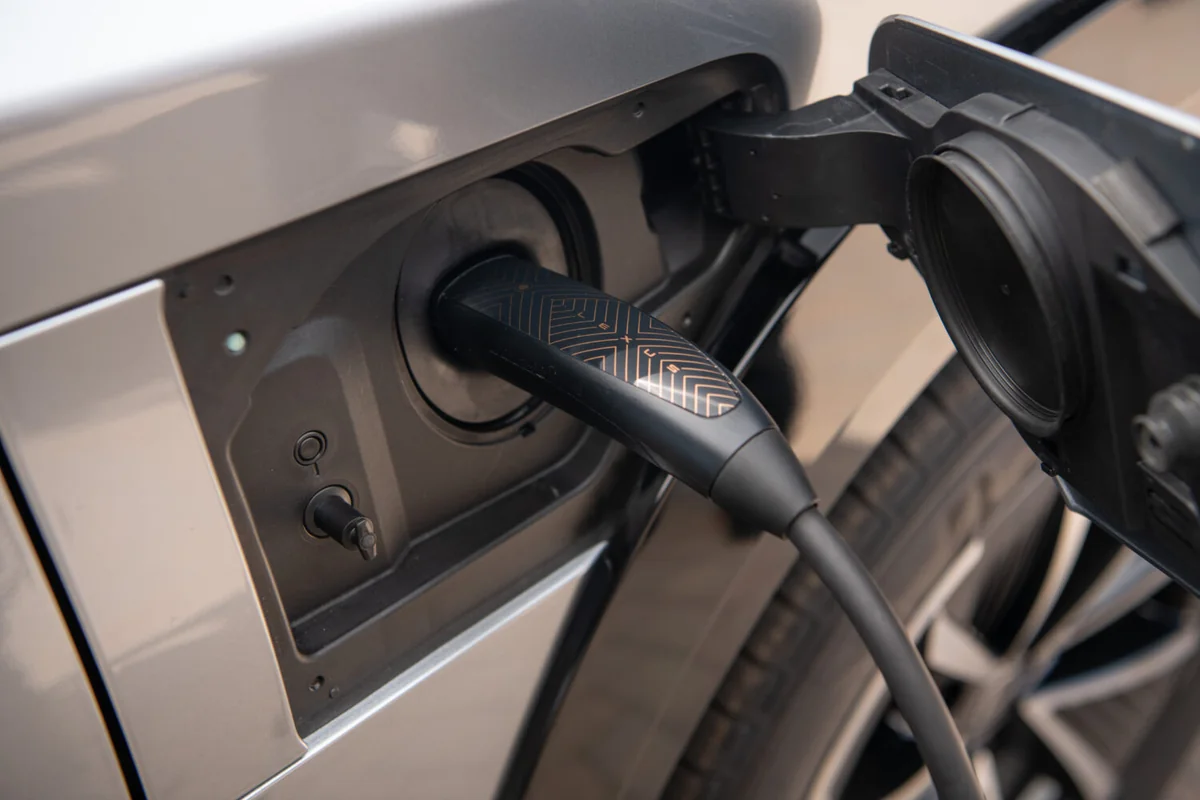
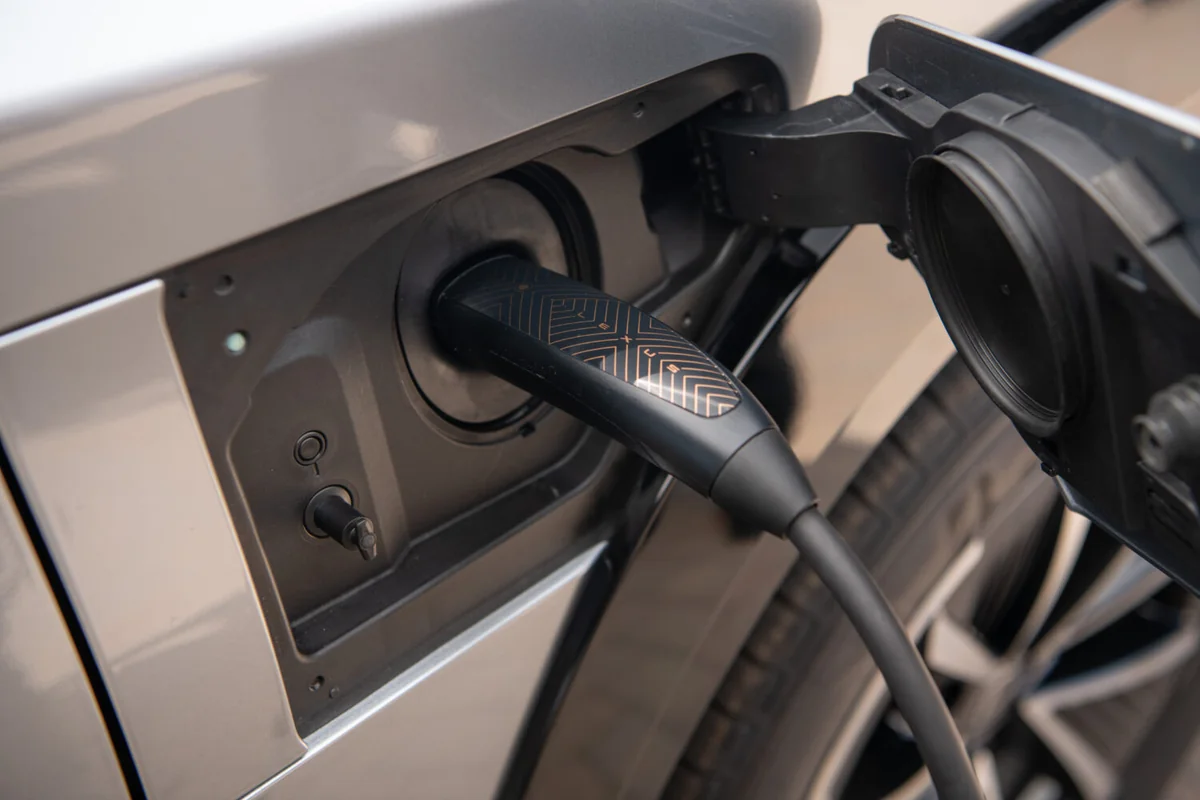
The RZ is easier to live with at public chargers, but it is not a charging leader. A new NACS port opens access to Tesla Superchargers, while the 11-kW onboard charger improves overnight AC charging at home. DC charging peaks at only 150 kW, with a claimed 10–80% session of about 30 minutes, and reviewers generally describe that as adequate rather than quick. Direct testing has sometimes added only about 146 miles in 30 minutes, so NACS improves availability more than it transforms trip times.
Driving Range Reality
The 350e finally makes the RZ practical for routine driving. Its 74.7-kWh battery supports an EPA estimate of roughly 301–302 miles, a major improvement over the previous model and the lineup’s clearest value. AWD versions fall to about 261–266 miles, while the 550e F SPORT manages only around 228–229 miles. Real-world tests, especially in cold weather or with climate control, sometimes landed near 200 miles or below, so the advertised range is most convincing for the 350e and home-based commuting rather than frequent road trips.
Upscale Interior Quality
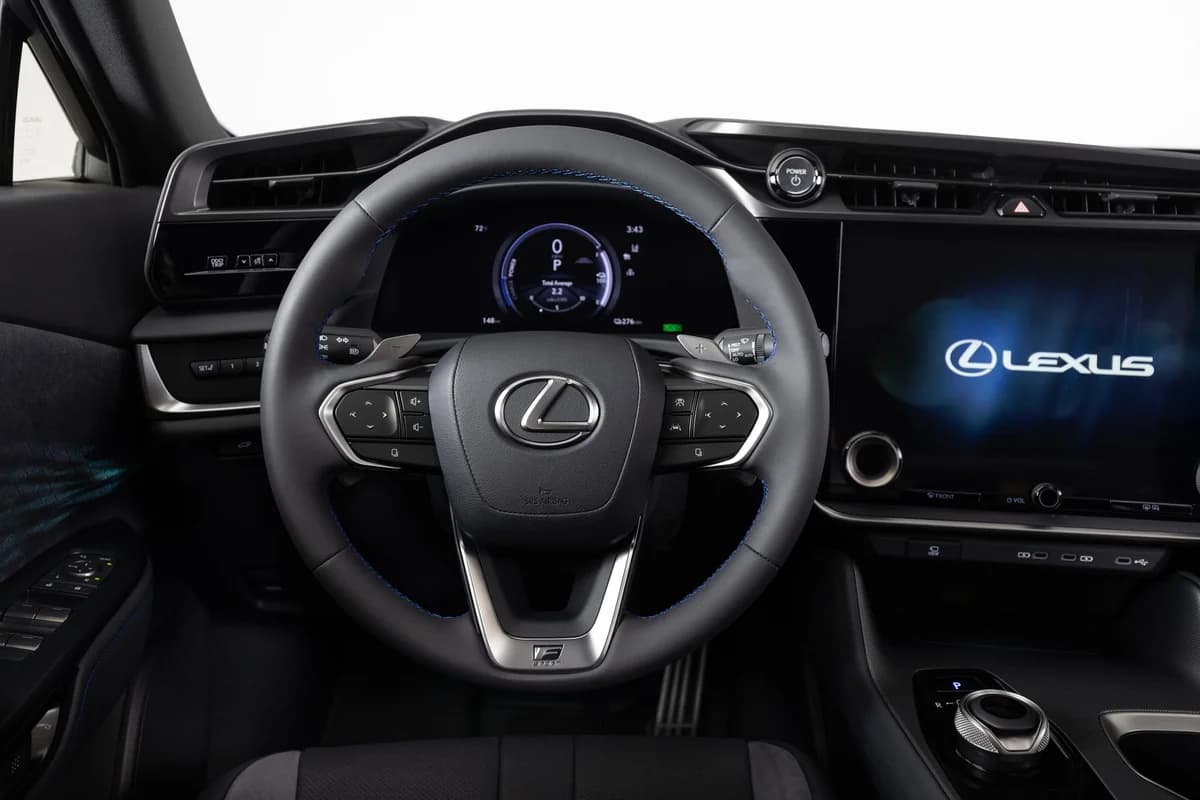
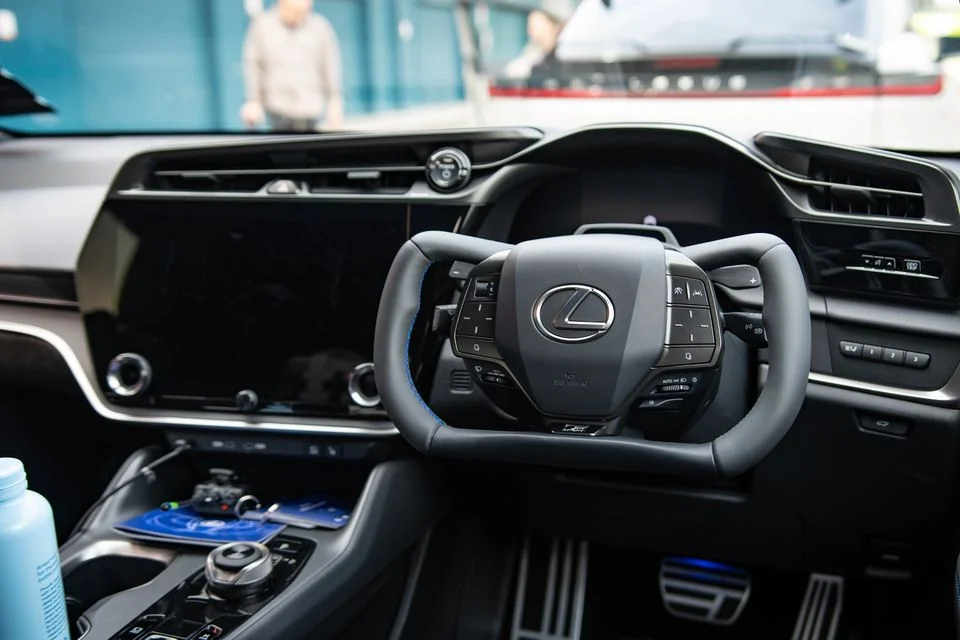
The cabin delivers the traditional Lexus appeal more successfully than the RZ delivers cutting-edge EV technology. Premium materials and solid construction, quiet operation, comfortable seats, and physical controls make the interior feel substantial and approachable. A 14-inch touchscreen with wireless Apple CarPlay and Android Auto is clear and useful, though the driver display looks dated and some steering-wheel touch controls feel laggy or awkward. The result is genuinely luxurious in daily use, but certain displays, storage decisions, and software details resemble less expensive Toyota products.
Power And Acceleration
The lineup now offers a clearer spread of personalities. The 221–224-hp 350e is smooth and adequate, though some reviewers find it floaty or underpowered, while the 313-hp 450e adds confident all-weather traction through dual-motor AWD. At the top, the 402–408-hp 550e F SPORT reaches 60 mph in roughly 4.0–4.5 seconds and feels surprisingly nimble for its weight. Its simulated eight-speed M Mode can be entertaining, but reviewers often call the virtual shifts gimmicky rather than genuinely useful.
Quiet, Comfortable Ride
Refinement is the RZ’s most dependable strength. Strong insulation creates an exceptionally quiet cabin, and the suspension delivers a soft, settled ride that makes commuting and highway travel noticeably less tiring. Supportive heated and ventilated seats, polished brakes, and Lexus-like build quality reinforce the premium feel. The 550e adds sharper handling without abandoning comfort, although some testers found its suspension firm and its steering numb. That balance supports Lexus’s luxury-first claim, even if it does not match sportier rivals for road feel.
Space For Passengers And Cargo
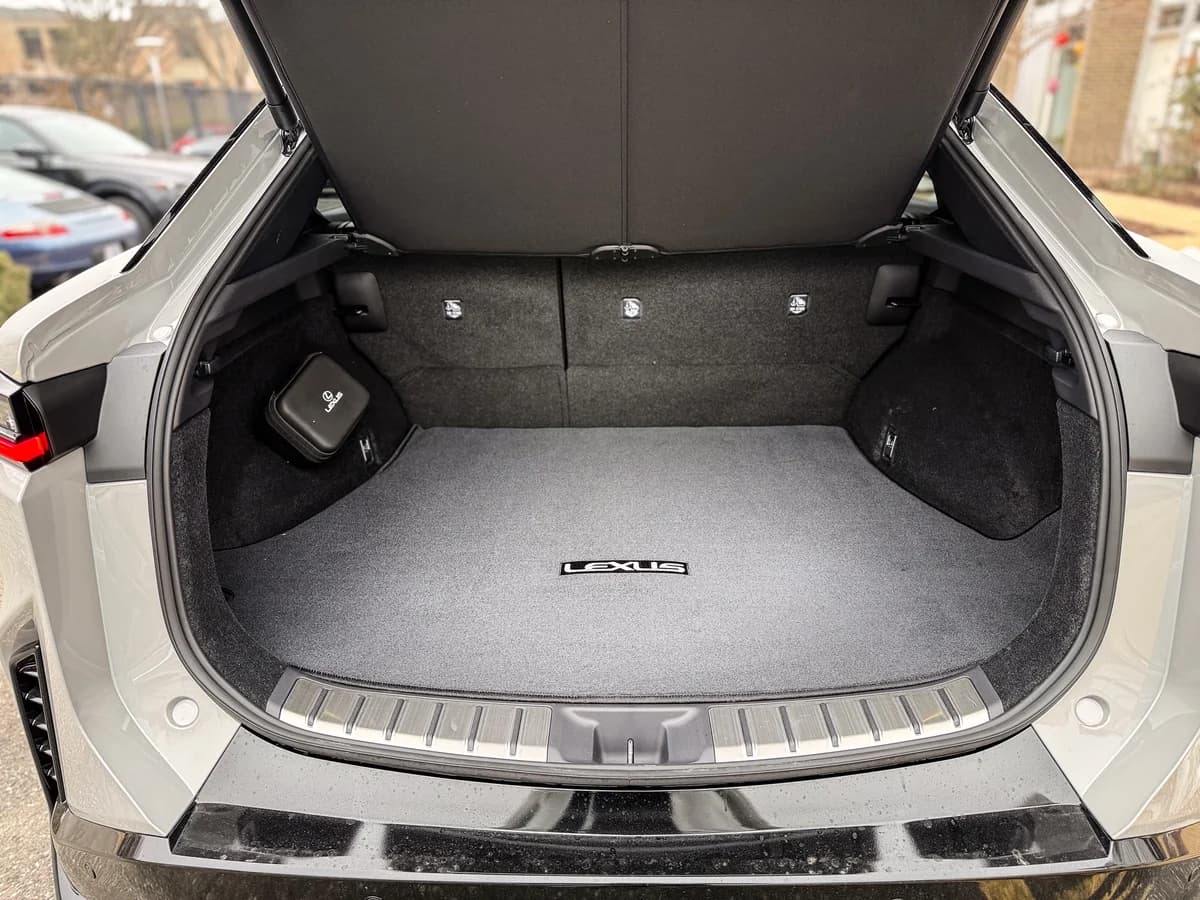
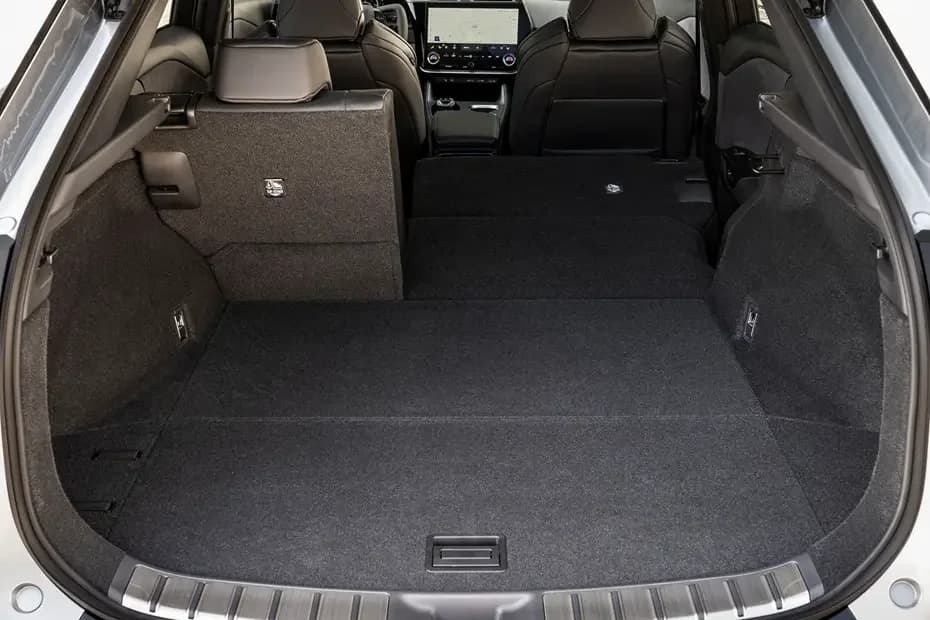
The RZ works well as a compact family SUV, though its utility is not exceptional. 37.5 inches of rear legroom provide comfortable seating for adults, and reviewers generally found the second row roomier than expected. Cargo capacity is about 23.74 cubic feet behind the rear seats and 55.57 cubic feet with them folded, enough for ordinary errands and luggage. There is no frunk, storage is limited in places, and the modest cargo area trails roomier rivals, so it suits downsizers and small families better than heavy haulers.
Conclusion
The verdict is clearer now: the 2026 Lexus RZ is a convincing luxury commuter, not an EV benchmark. The 350e’s roughly 301-mile EPA range makes it the smart pick for home-charging households, while cold weather, climate use, and the 550e’s shorter range can complicate longer trips. NACS improves charger access, but 150-kW DC charging remains merely adequate. Owners and experts consistently praise the exceptionally quiet ride, supportive seats, and solid materials; the 550e adds genuinely rapid acceleration, though its simulated shifting is more amusing than essential. Comfortable rear seating and useful cargo space suit small families, but the absence of a frunk and modest storage limit versatility. Choose the RZ for calm refinement, Lexus build quality, and daily usability; look elsewhere for maximum range, faster charging, or sportier EV technology. Its balanced strengths and notable compromises make it a sensible, appealing purchase rather than an unquestioned class leader.

Feature Scores
This reflects reviews and ratings from established critics, journalists, and users who have evaluated the item. Their opinions provide a comprehensive assessment.
Performance
Driving Range
4/5
Charging Speed
3/5
Acceleration
4/5
Handling and Ride Comfort
4/5
Energy Efficiency
3/5
Battery Durability
3/5
Value
Purchase Price Competitiveness
4/5
Total Cost of Ownership
4/5
Resale Value
2/5
Design
Exterior Styling
4/5
Interior Space and Packaging
4/5
Ergonomics and Controls
3/5
Health
Cabin Air Quality
3/5
Low-Toxicity Materials
TBD
Safety
Crashworthiness
TBD
Active Safety Systems
4/5
Battery Safety Systems
TBD
Sustainability
Lifecycle Emissions
4/5
Battery Recyclability
TBD
Use of Recycled Materials
TBD
Experience Style
Infotainment and Connectivity
4/5
Charging Ecosystem Integration
4/5
Customization and Driving Modes
3/5

Specifications
This section outlines the product's key facts, covering essential features, details, dimensions, materials, and any unique characteristics that define its functionality and usability.
Performance
Value
Design
Safety
Sustainability
Experience Style

Frequently Asked Questions
7 Questions

Find Yours
What is your top priority for an Electric SUV's battery performance?
Answer to find your best matches.