
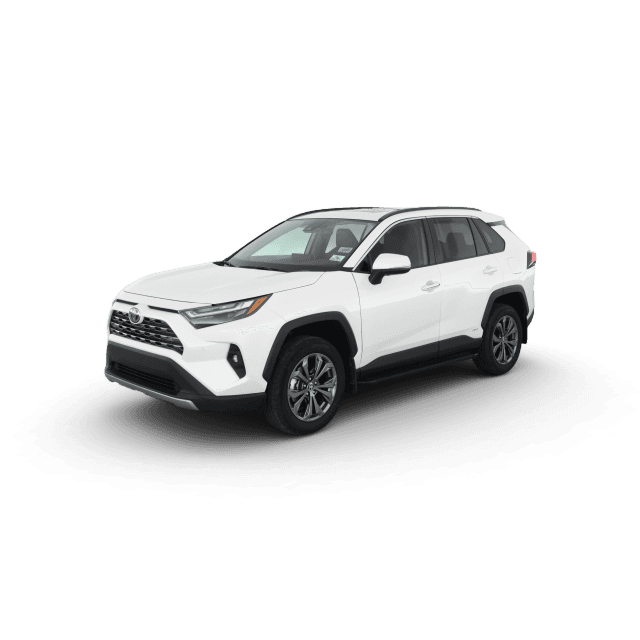
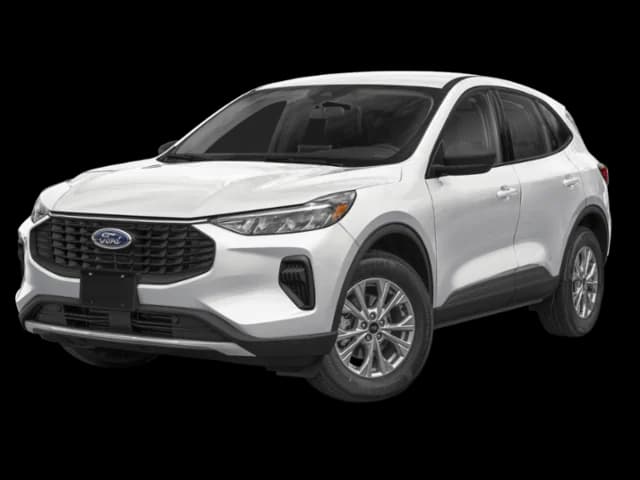
Ford Escape (2026)
Roomy, efficient, and versatile, with useful towing capability, but dated and less refined than rivals.
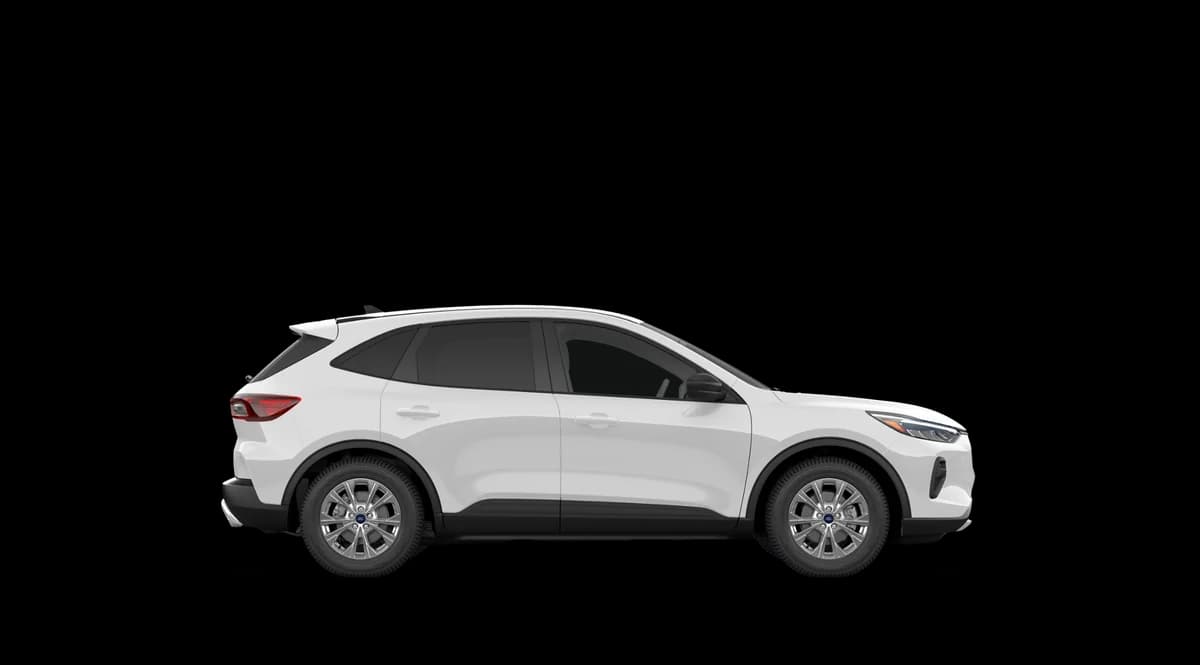
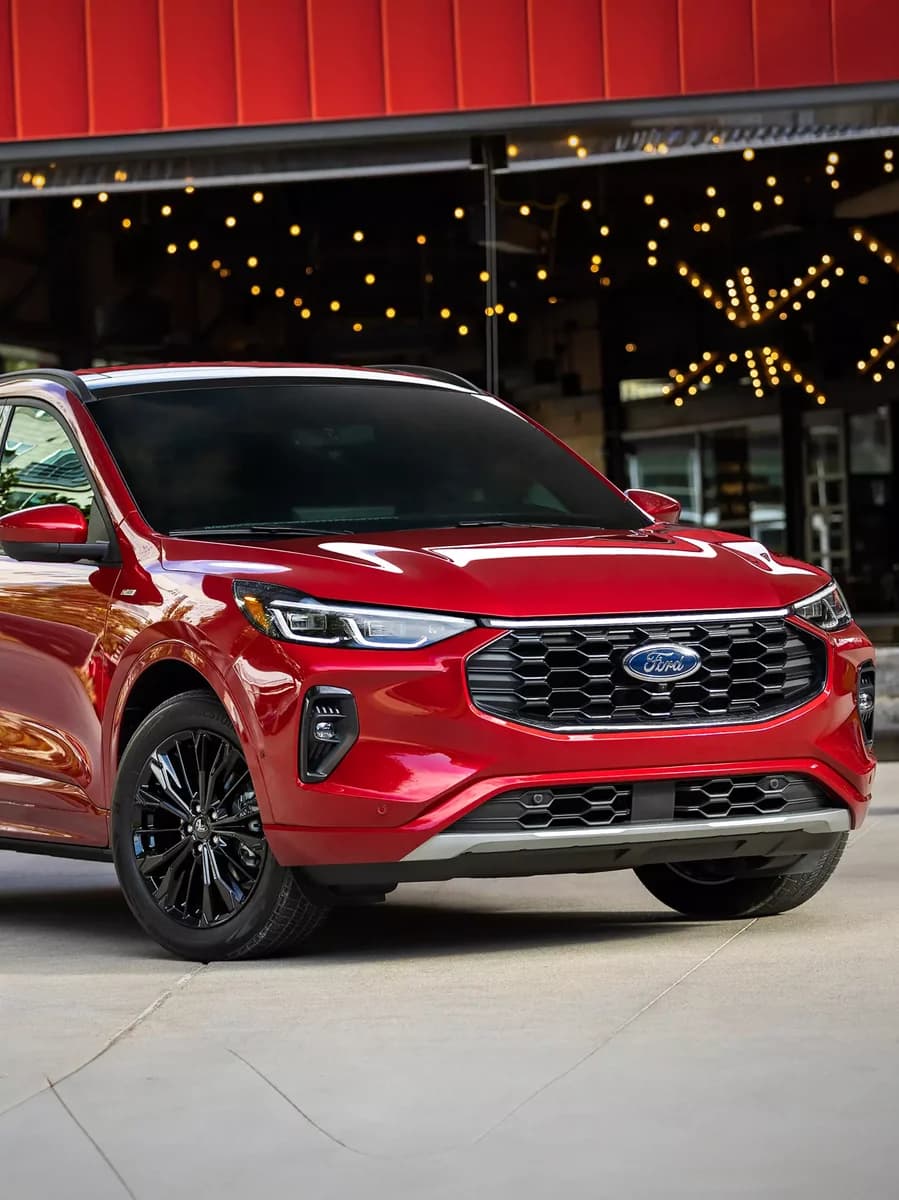
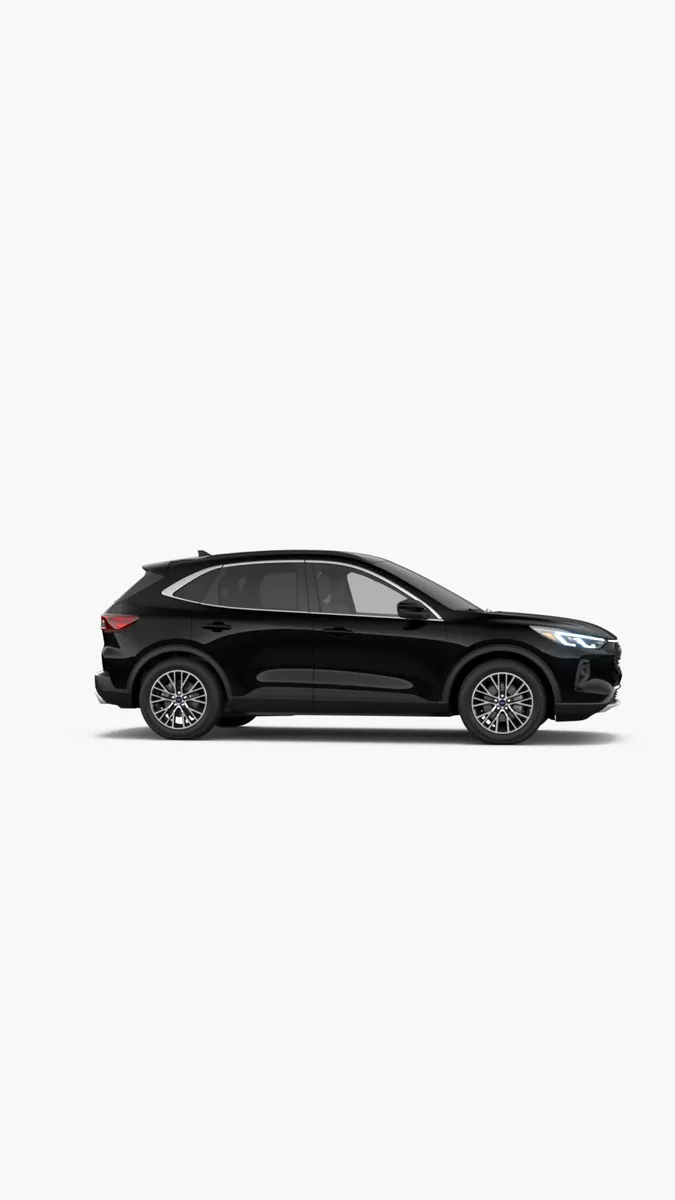
The 2026 Ford Escape is the compact SUV for commuters and small families who need flexible, efficient transportation without a bulky footprint. It offers a rare spread of gas, hybrid, and plug-in powertrains, and expert testing supports Ford’s promise of useful versatility: the hybrid approaches 39 mpg combined, while the 250-hp turbo-four feels genuinely quick and can tow up to 3,500 pounds. Drivers also praise its roomy cabin, smooth ride, and adaptable cargo area. Still, user and expert feedback tempers the pitch with hard plastics, dated styling, screen-heavy controls, and a strained base engine. Discounts can make it worthwhile, especially as a final-year model, but fresher rivals feel more polished. Its overall appeal rests on powertrain choice, practicality, and running costs.
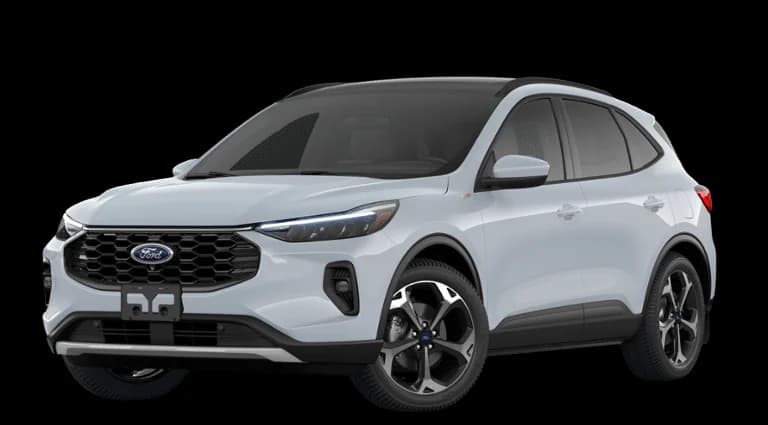
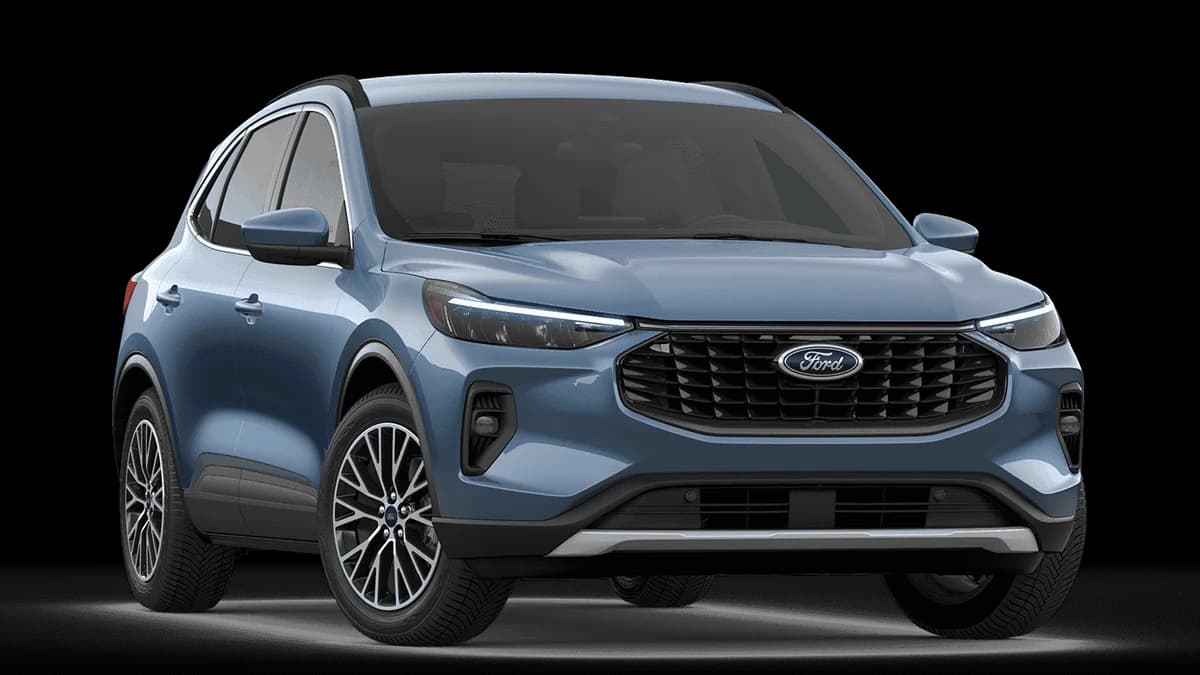
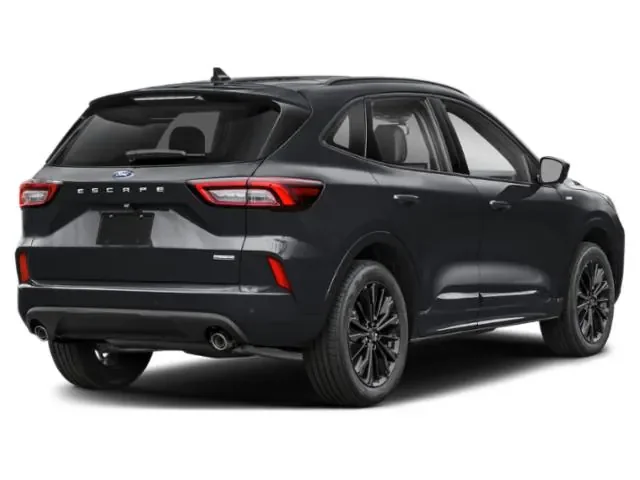
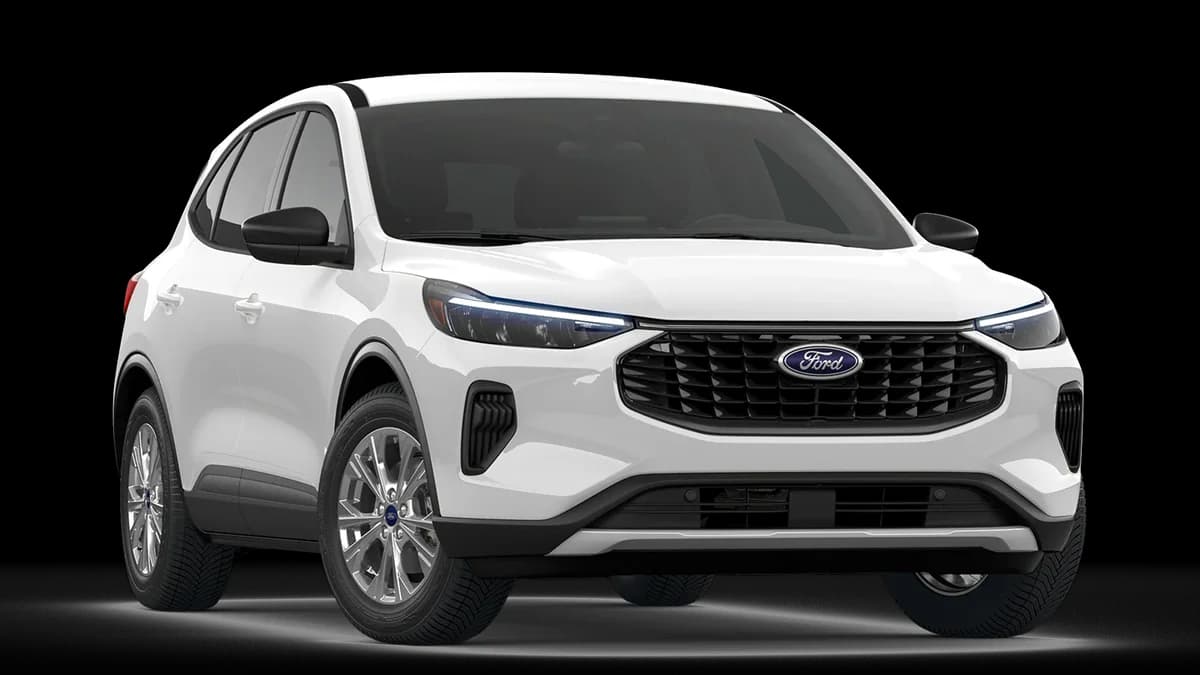
Find Yours
What is your primary use for a Gas-Powered SUV?
Answer to find your best matches.

The Field
Browse top contenders, or compare all options ranked by score and key attributes.
5 Options
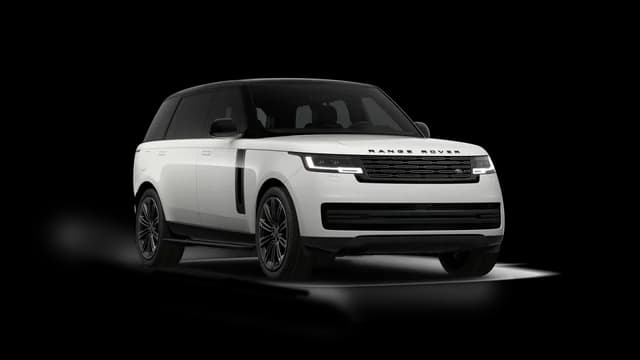
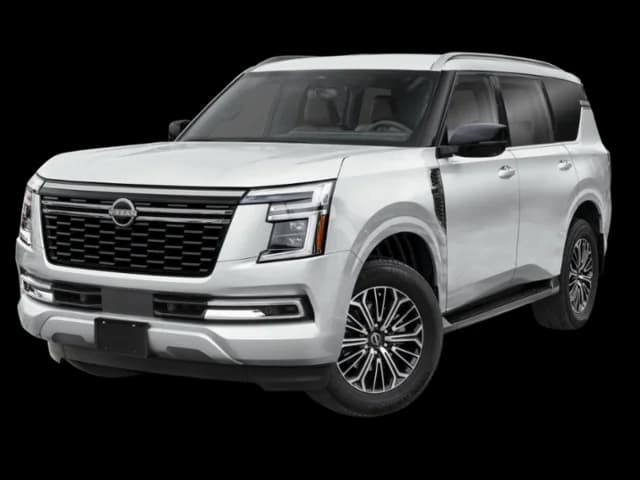
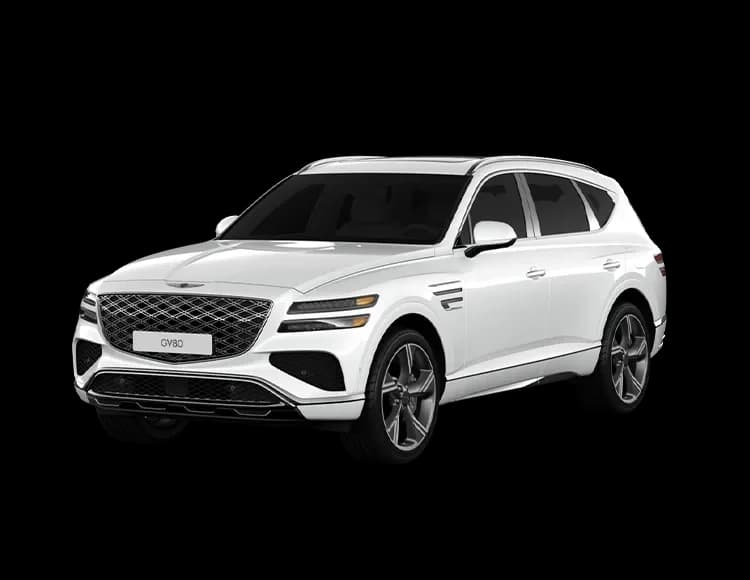

The Scoreboard
Does this improve your life? Considers, health, habits, and environmental impact.
Benefits
Supportive space for five makes commuting, errands, and family trips easier.
Gas, hybrid, and plug-in options let drivers match efficiency to daily routines.
Sliding rear seats and folding backs make groceries, gear, and luggage manageable.
Compact dimensions, clear visibility, and predictable handling simplify parking and city driving.
The stronger engine and tow package handle small trailers and weekend equipment confidently.
Trade-Offs
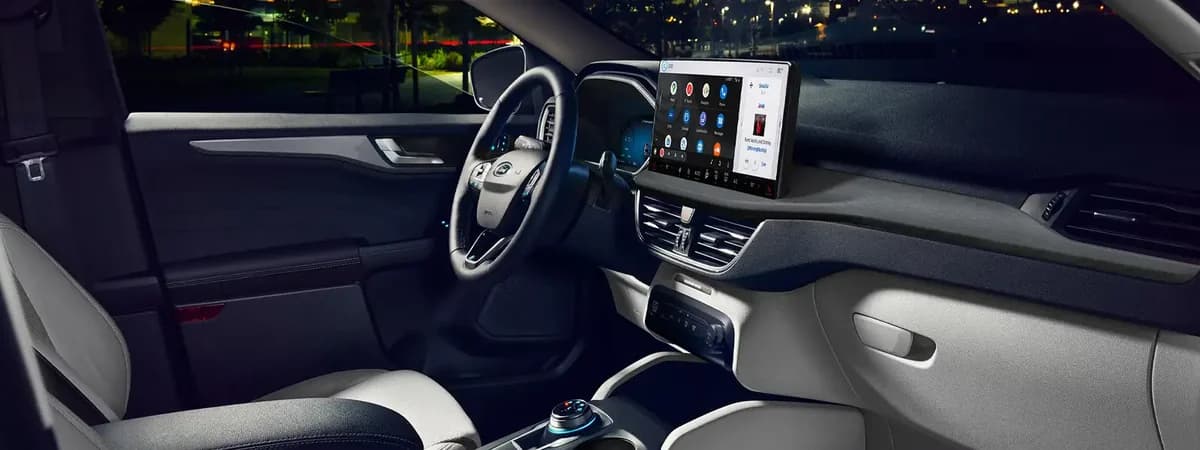
Adjusting temperature requires tapping the screen instead of using simple physical knobs.
Some drivers may find the seats unsupportive during longer commutes or road trips.
Larger wheels can make rough pavement noticeably louder and less comfortable.
The smaller engine feels strained during highway passing, especially with passengers or cargo.
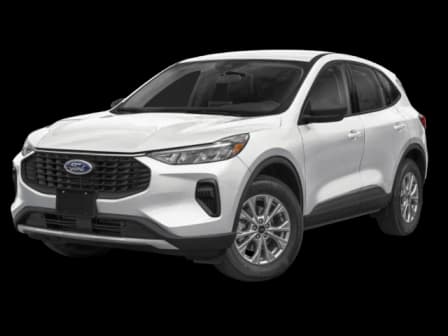
 Alternatives


Join the Circle
Where real meets deal
Know what's worth buying-and when.
Tips, special offers, and rewards for buying and sharing.

Publications
2 LEADING PUBLICATION REVIEWS

Car and Driver views the 2026 Ford Escape as practical and appealing, but ultimately too ordinary to lead its class. Its roomy cabin, generous cargo area, physical climate controls, and strong 250-hp turbo-four make it an easygoing daily driver, with a brisk 5.8-second zero-to-60 time and impressive tested highway mileage. The ST-Line is the recommended choice because it unlocks that livelier engine, though it requires all-wheel drive. Still, the Escape’s cheap-feeling plastics, unsupportive seats, lazy handling, and basic warranty leave it trailing more polished rivals such as the Mazda CX-50 and Volkswagen Tiguan. With the model ending production after 2026, the review’s measured verdict is that it remains a sensible, attractive family crossover—but not an especially exciting or upscale one.
By Austin Parsons
Kelley Blue Book views the 2026 Ford Escape favorably, though its aging design and lineup limit enthusiasm. Its strongest case is versatility: buyers can choose from turbocharged gas engines, a 39-mpg hybrid, or a 37-mile plug-in hybrid, with the conventional hybrid offering the best balance of efficiency, performance, and value. The Escape is also comfortable, roomy, and unusually practical, thanks to sliding rear seats, generous passenger space, and useful cargo capacity. Technology is generally strong, with user-friendly SYNC 4 and wireless smartphone integration, while available safety features fill important gaps. Still, the base engine feels strained during highway passing, lower trims use mediocre materials, adaptive cruise control costs extra, resale value trails key rivals, and the model is unavailable in six states. Overall, it remains a sensible, well-rounded choice—especially as a hybrid—but newer competitors offer more standard equipment and fresher designs.
By Matt Degen

YouTube
7 LEADING EXPERT & INFLUENCER REVIEWS
 Raiti's Rides
Raiti’s Rides views the 2026 Ford Escape as practical but ultimately underwhelming. He appreciates its comfortable seats, roomy cabin, useful cargo space, clear visibility, predictable handling, smooth ride, strong screen technology, and easy-to-drive character. The 1.5L turbo three-cylinder provides adequate pep and benefits from an eight-speed automatic rather than a CVT, though he would prefer the more powerful 2.0L EcoBoost. His main criticisms are the bland, inconsistently sporty styling, overly screen-dependent controls, and limited competitiveness against newer rivals. Overall, he sees it as an affordable, sensible commuter—not a compelling class leader.
Chabby's RidesChabby’s Rides is mildly positive about the 2026 Ford Escape, calling it a sensible value rather than an exciting SUV. He praises the comfortable seats, good visibility, smooth ride, useful technology, heated features, and reasonable $34,075 sale price, while finding the 1.5-liter turbo-three adequate but noticeably vibrational at stops. He prefers the stronger 2.0-liter engine, criticizes the wide turning radius and some cost-cutting touches, and considers the plug-in hybrid far too expensive. Overall, he views the Escape as a practical, zippy point-to-point crossover worth considering with discounts, but not a compelling enthusiast choice.
Hawkeye RidesAnthony from Hawkeye Rides is clearly positive about the 2026 Ford Escape Platinum Hybrid, calling it a smart value despite its discontinuation. He appreciates its 39-mpg combined rating, standard safety technology, roomy cabin, useful cargo space, towing capability, and relatively accessible pricing compared with rivals. The test drive reveals adequate power, comfortable ride quality, and good maneuverability, though upgraded 19-inch wheels contribute to road noise and harsher impacts. Anthony’s main complaints are the dated interior, oversized screens, hard materials, limited steering feedback, and missing cargo-seat release levers. Overall, he considers it a compelling, practical hybrid—especially for value-focused buyers.
Ben HardyBen Hardy is genuinely impressed by the 2026 Ford Escape ST-Line, calling its 2.0-liter turbo powertrain smooth, strong, comfortable, and well insulated. He likes the sharp styling, roomy rear seat, practical flat-folding cargo area, responsive infotainment, 360-degree camera, and heated-seat and steering-wheel features. The review is upbeat, though he points out that this version still uses single-pane glass and lacks some features found on the hybrid he previously tested. Hardy views the Escape’s discontinuation as understandable, arguing Ford should focus on improving the better-selling, boxier Bronco Sport instead.
Automotive Anonymous Automotive Anonymous is genuinely positive about the 2026 Ford Escape, calling it a compelling final-year compact crossover. They praise its comfortable ride, solid-feeling cabin, useful cargo space, easy maneuverability, strong heated features, and unusually broad choice of powertrains. The 1.5-liter turbo feels adequate but not especially quick, recording 0–60 mph in 9.54 seconds at high altitude, so frequent loading or towing favors the 2.0-liter EcoBoost. The reviewer also criticizes limited physical controls, average visibility, slight brake deadness, and the lack of a power liftgate, but ultimately recommends test-driving the Escape before it disappears.
RevsAndReviewsRevs and Reviews is genuinely fond of the 2026 Ford Escape, calling it a surprisingly fun, smooth daily driver. The Platinum’s 250-hp 2.0L EcoBoost, AWD, towing capacity, roomy rear seat, comfortable ActiveX upholstery, adaptive cruise control, 360-degree camera, and customizable displays earn consistent praise. Still, the review flags shortcomings for a roughly $40,000 SUV, including no ventilated seats, ambient lighting, or standard panoramic sunroof, plus touch-only climate controls. The reviewer’s family history with Escapes makes the model’s discontinuation feel especially disappointing, but he considers this well-equipped final edition a worthwhile, if not thrilling, purchase.
US Auto MarketUS Auto Market is strongly cautious about the 2026 Ford Escape, focusing on used models rather than the new final-year vehicle. The guide praises the 2007, 2011, 2015–2016 models with the naturally aspirated 2.5L, and 2018–2020 Escapes for reliability and practicality, while warning against 2008, 2013, and 2014 examples because of steering, transmission, overheating, coolant-intrusion, and engine-fire concerns. Its tone is urgent and protective, using repair-cost warnings to encourage VIN checks and independent inspections, though the analysis is research-based rather than clearly drawn from firsthand testing.

Forum Reviews
CUSTOMER REVIEWS FROM 1 FORUM
Redditors are cautiously positive about the 2026 Ford Escape, especially when heavily discounted. Owners praise its comfortable, roomy cabin, efficient hybrid and PHEV powertrains, useful technology, smooth ride, and strong everyday value. The PHEV is particularly appealing for affordable electric commuting, though its slow charging, front-wheel drive, and gas-engine transition draw criticism. Reliability opinions are mixed: many report trouble-free ownership and proven hybrid durability, while others warn about recalls, battery concerns, older-engine issues, and Ford’s uneven track record. Its discontinuation raises resale questions, but shared parts and continued service should limit practical worries.
Many comments

In-Depth Review

Highlights
- •Broad Powertrain ChoiceMarketed as offering gas, hybrid, and plug-in choices.
- •Hybrid Fuel EconomyAdvertised to return roughly 39 mpg combined.
- •Flexible Cargo SpaceDesigned to prioritize passengers or luggage.
- •Compact Towing CapacityPromoted as towing up to 3,500 pounds.

Considerations
- •Aging Interior MaterialsReviewers note hard plastics and dated design.
- •Base Engine StrainHighway passing feels strained when loaded.
- •Screen-Heavy ControlsTouch controls can distract during adjustments.
- •Final-Year UncertaintyDiscontinuation may weaken resale confidence.
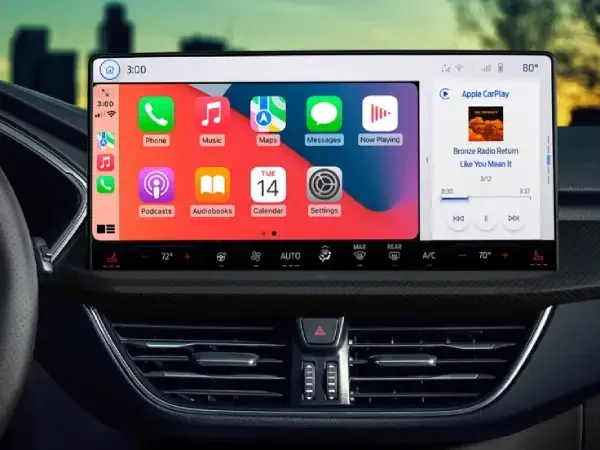
Ford’s Escape has long been a sensible alternative in the crowded compact-SUV market, and its final model year keeps that practical spirit intact. Positioned below pricier rivals such as the RAV4 and CR-V, it serves commuters, small families, and drivers wanting everyday flexibility without a bulky footprint. Its appeal starts with a broad lineup, from the adequate 1.5L EcoBoost to the brisk 250-hp 2.0L EcoBoost, plus hybrid and plug-in options. Reviewers also highlight roughly 39-mpg hybrid efficiency, a roomy five-passenger cabin, and flexible cargo space for changing passenger and gear needs. Properly equipped, it adds 3,500-pound towing, while available AWD improves bad-weather confidence—though the PHEV is front-drive only. Because refinement and resale confidence trail newer competitors, weigh the trade-offs carefully; the Escape may be leaving, but its practical case still deserves a thorough look.
Towing and Utility
The Escape can handle more than ordinary grocery duty when properly configured. The 3,500-pound maximum tow rating requires the 2.0L EcoBoost and Class II Trailer Tow Package, making it unusually capable among compact crossovers. That engine’s 280 lb-ft of torque also gives it useful reserve power with passengers or gear. The smaller 1.5L EcoBoost remains suitable for lighter everyday use, but reviewers caution that it feels strained under heavy loading or highway passing. Towing therefore makes the upgrade worthwhile only for buyers who will use it.
Powertrain and Acceleration
The Escape offers enough engine variety to suit relaxed commuting or quicker utility driving. The 1.5L EcoBoost three-cylinder makes about 180 horsepower and feels adequate, though reviewers recorded a 0–60-mph time of 9.54 seconds at altitude and noted vibration at idle. The 250-hp 2.0L EcoBoost is the better choice for passing, full loads, or towing, with Car and Driver testing 0–60 mph in 5.8 seconds. Hybrid output is adequate and smooth, but the base engine is less convincing than the lineup suggests.
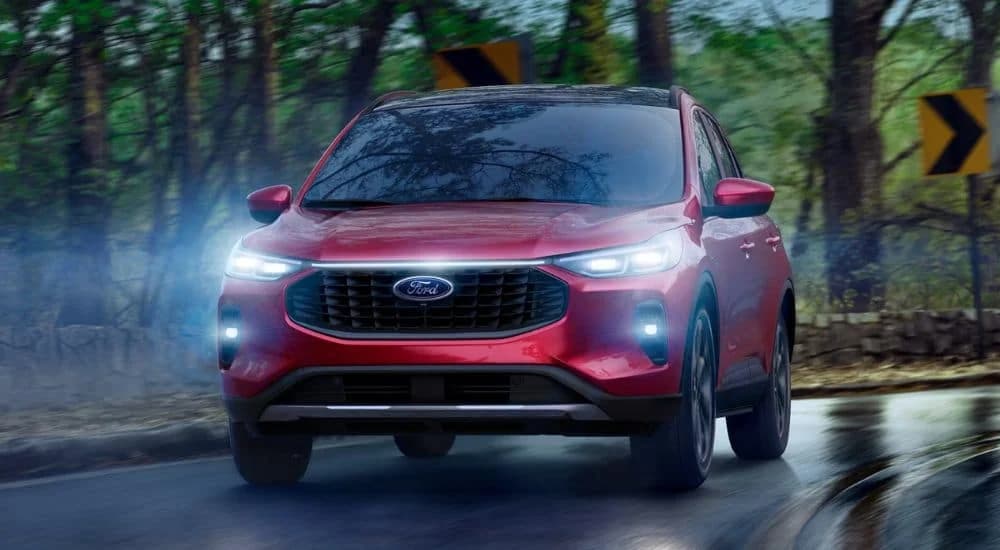
Passenger Space and Comfort
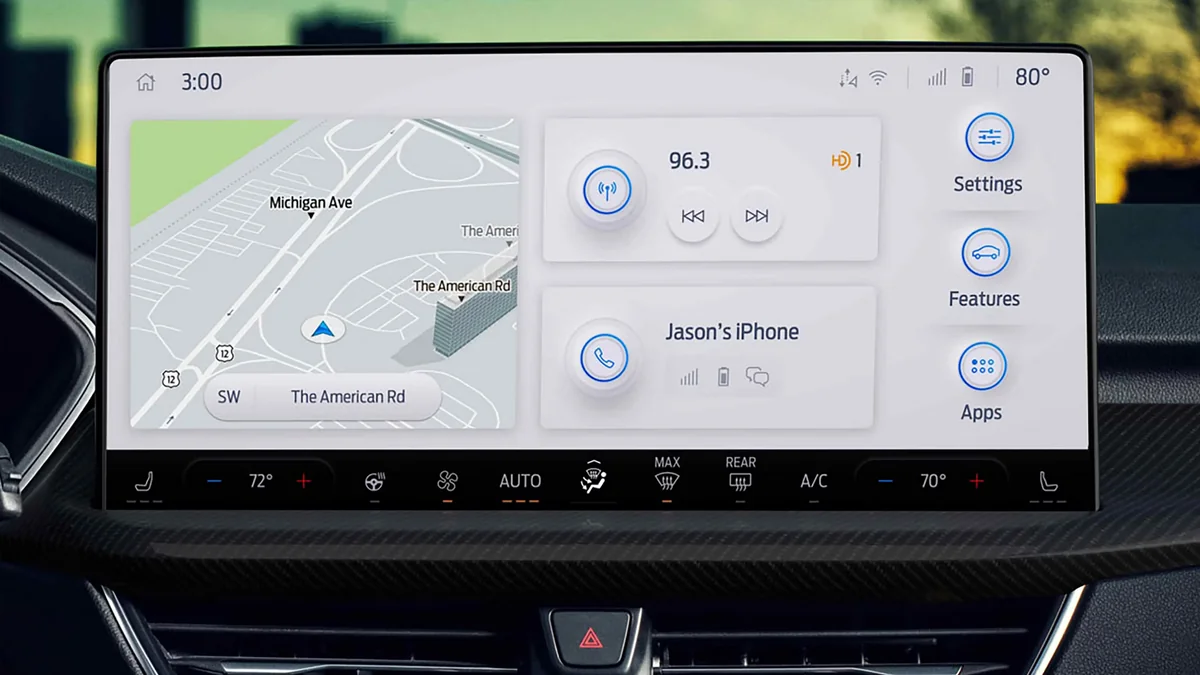
Comfort and roominess are recurring strengths, even though the Escape’s cabin is not especially upscale. The five-passenger interior provides generous rear legroom, reported at 40.7 inches, and reviewers generally like the seating position, visibility, and smooth ride. Available ActiveX upholstery, heated seats, and a heated steering wheel improve daily usability, while the cabin’s flexible rear bench helps families balance passengers and cargo. Feedback is not uniformly glowing: some reviewers find the seats unsupportive, and hard plastics make the interior feel behind newer rivals.
Fuel Economy Choices
Efficiency is one of the Escape’s clearest advantages, especially because buyers can choose among gas, hybrid, and plug-in powertrains. The hybrid’s roughly 39 mpg combined rating offers the strongest balance of running cost, performance, and convenience. The 1.5L EcoBoost is rated around 27/34 mpg city/highway with front-wheel drive, while the plug-in hybrid claims about 37 miles of electric range and 101 MPGe combined. Real-world appeal depends on routine: the PHEV suits short commutes, but slow charging and front-wheel drive reduce flexibility.
Cargo and Loading Flexibility
The Escape is particularly useful when passenger and cargo needs change from day to day. Its sliding rear seats let you prioritize legroom or luggage space, and the rearbacks fold flat for easier loading. Published capacity is about 37.5 cubic feet behind the second row and 65.4 cubic feet with the seats folded, while another specification lists 1,062 and 1,852 liters respectively. Reviewers consistently praise the roomy cargo area, although the lack of cargo-seat release levers and a power liftgate on some versions weakens convenience.
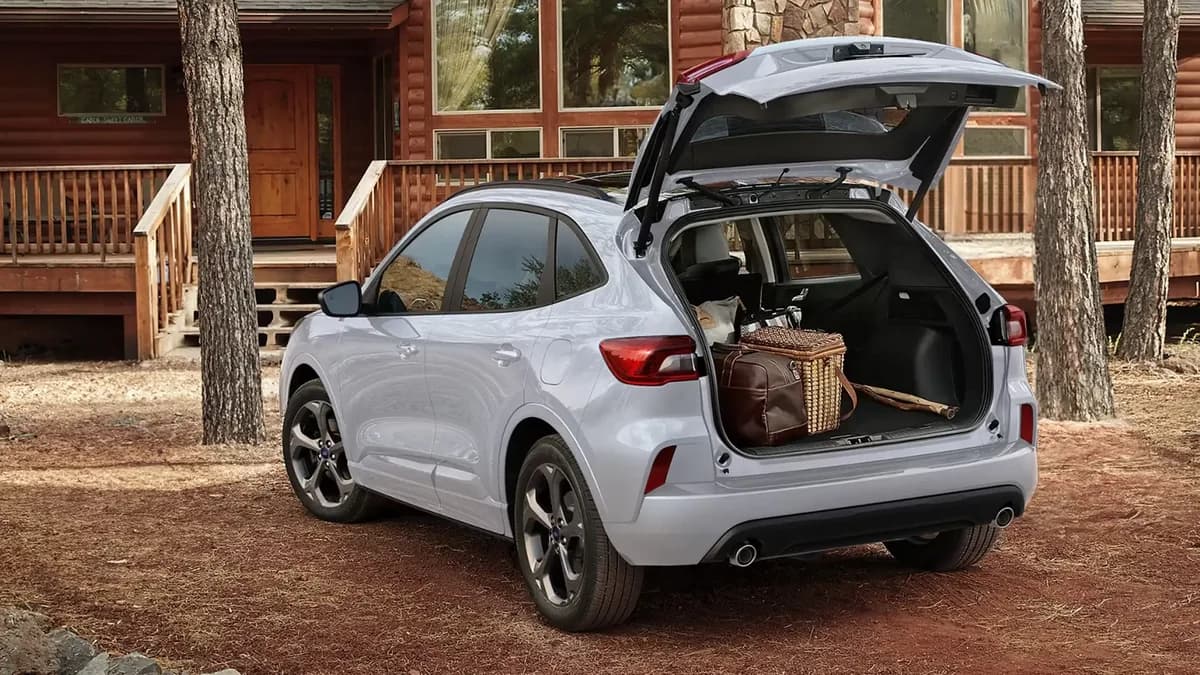
AWD Capability and Traction
Available all-wheel drive broadens the Escape’s usefulness in poor weather, but its availability varies by powertrain. The AWD-equipped gas models can use Ford’s AWD Disconnect system to reduce driveline drag when extra traction is unnecessary. The 2.0L EcoBoost pairs AWD with stronger acceleration and towing potential, while the hybrid AWD option adds efficiency without requiring a plug. The plug-in hybrid is front-wheel drive only, so shoppers prioritizing snow traction should look elsewhere in the lineup and recognize that AWD does not make the Escape an off-road specialist.
Conclusion
The Escape’s final chapter reads less like a victory lap than a well-equipped practical choice: the 2.0L EcoBoost delivers genuinely brisk acceleration and makes towing up to 3,500 pounds realistic, while the 1.5L feels adequate but strained when loaded. Efficiency is the stronger story, with the hybrid offering about 39 mpg combined and the PHEV suiting short electric commutes, though slow charging and front-wheel drive narrow its appeal. Owners and reviewers consistently value the roomy cabin, comfortable ride, sliding rear seats, and useful cargo flexibility. Available AWD improves foul-weather confidence, but it is not an off-road solution, and the PHEV cannot have it. Choose the Escape for practical space, powertrain choice, and incentives—not polished materials or cutting-edge refinement. That balanced mix of strengths and compromises supports a measured recommendation: sensible transportation with real utility, but not a segment-defining buy.

Feature Scores
This reflects reviews and ratings from established critics, journalists, and users who have evaluated the item. Their opinions provide a comprehensive assessment.
Performance
Engine Power
4/5
Acceleration
3/5
Towing Capacity
4/5
Fuel Efficiency
4/5
Reliability
3/5
Durability
3/5
Value
Purchase Price
4/5
Operating Cost
4/5
Resale Value
2/5
Design
Interior Space
4/5
Cargo Capacity
4/5
Ergonomics
3/5
Exterior Styling
3/5
Health
Cabin Air Quality
TBD
Interior Material Toxicity
TBD
Safety
Crashworthiness
TBD
Active Driver Assistance
4/5
Braking Performance
3/5
Visibility and Lighting
4/5
Sustainability
Tailpipe Emissions
4/5
Fuel Lifecycle Emissions
3/5
Use of Recycled Materials
TBD
End-of-Life Recyclability
TBD
Experience Style
Infotainment Features
4/5
Ride Comfort Tuning
4/5
Customization Options
4/5

Specifications
This section outlines the product's key facts, covering essential features, details, dimensions, materials, and any unique characteristics that define its functionality and usability.
Performance
Value
Design
Safety
Sustainability
Experience Style

Frequently Asked Questions
9 Questions

Find Yours
What is your primary use for a Gas-Powered SUV?
Answer to find your best matches.