
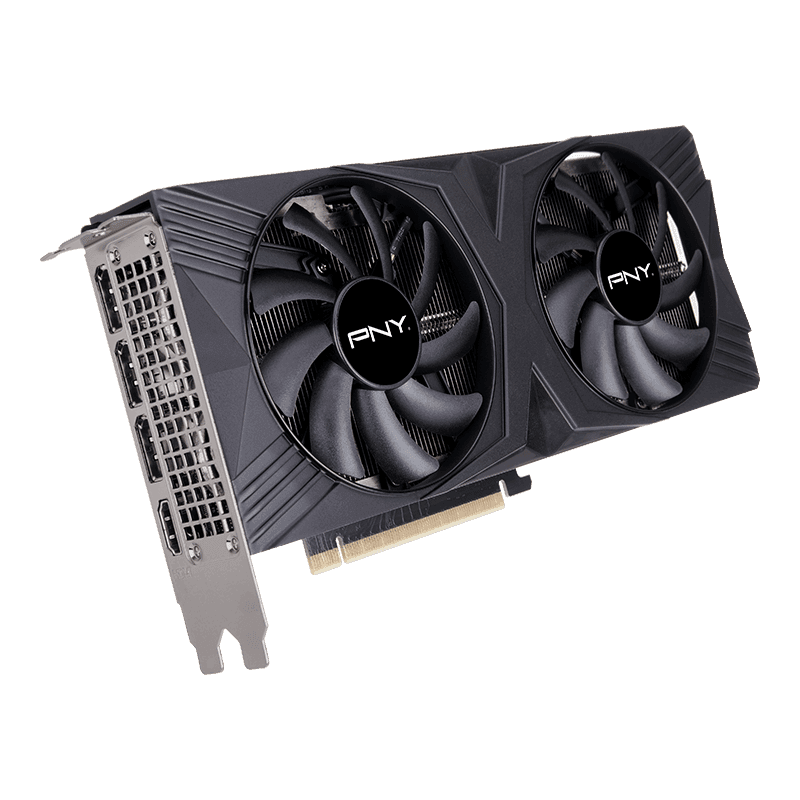
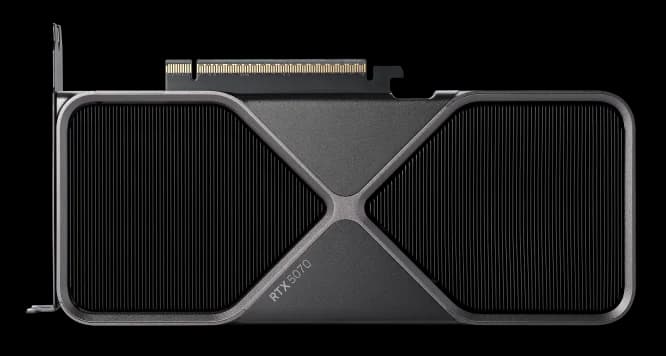
NVIDIA GeForce RTX 5070 Founders Edition
Solid 1440p performance with strong AI features and compact design, but limited VRAM and higher thermals temper appeal.
The NVIDIA GeForce RTX 5070 Founders Edition is a solid 1440p performer aimed at gamers craving sleek builds and AI-enhanced smoothness without breaking the bank. It flexes 6,144 CUDA cores and boasts an impressive 672–675 GB/s GDDR7 memory bandwidth, delivering respectable ray tracing with 48 fourth-gen RT cores plus DLSS 4’s clever frame generation. Experts and users applaud its compact design but raise eyebrows at the limited 12GB VRAM cap and noticeably higher thermals from its FE cooler. Priced around $550, it nudges value-conscious buyers to weigh modest gains against rising power draw—factors that shape this GPU’s nuanced appeal in today’s crowded midrange market.
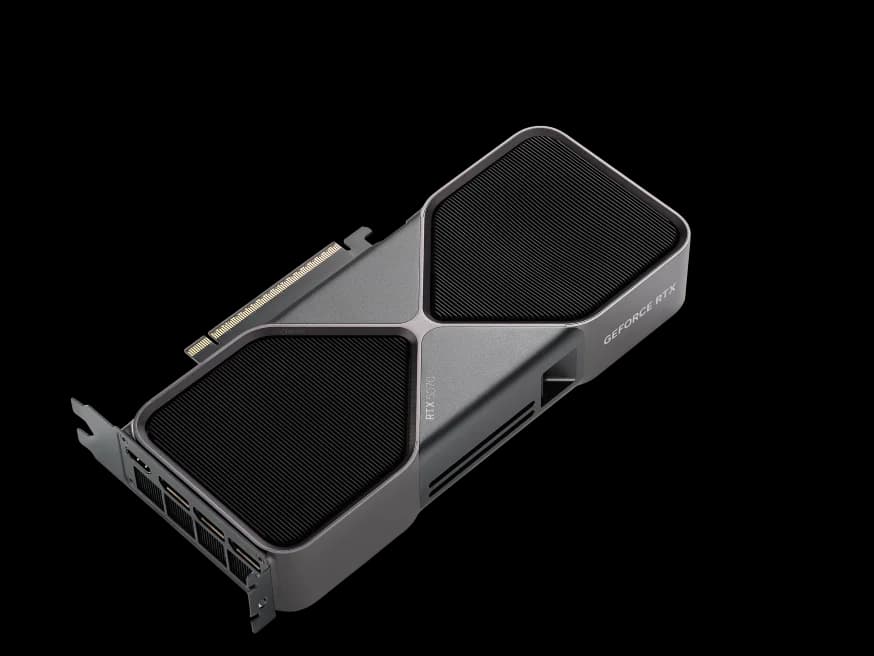
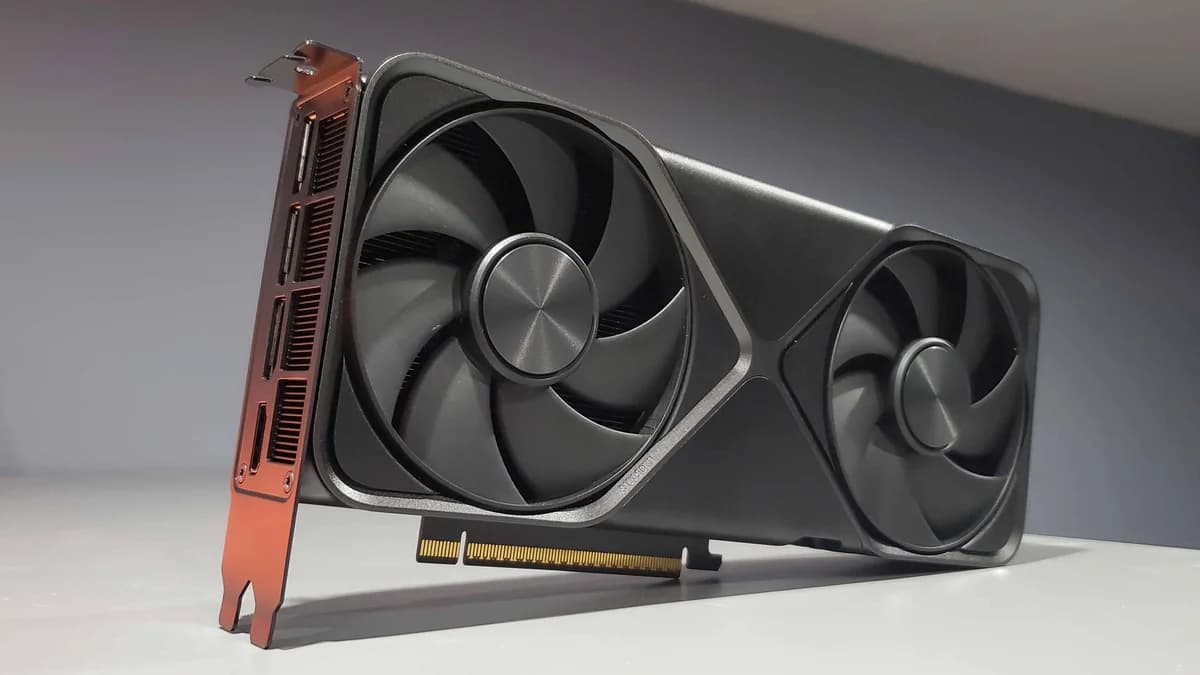

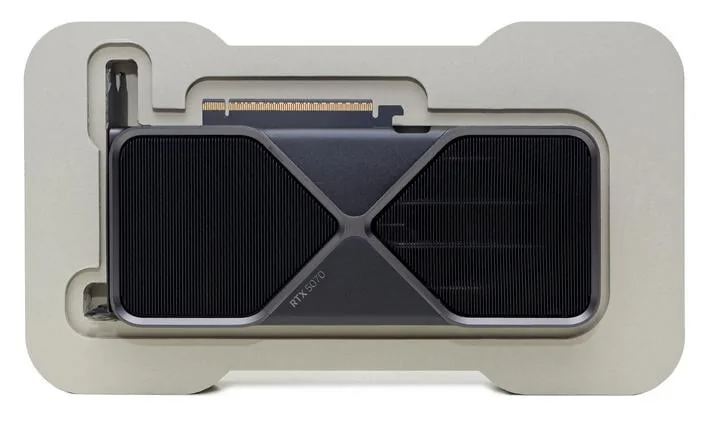


Find Yours
What is your primary intended use for the graphics card?
Answer to find your best matches.

The Field
Browse top contenders, or compare all options ranked by score and key attributes.
4 Options


The Scoreboard
Does this improve your life? Considers, health, habits, and environmental impact.
Benefits
DLSS 4 frame generation boosts perceived framerate instead of brute-force raw rendering, reducing eye strain.
Blackwell AI cores accelerate Blender and AI tasks, cutting task time and mental load.
Compact Founders Edition fits small builds, reducing desk clutter and improving ergonomic setups.
Mature drivers and features simplify setup and troubleshooting, lowering user stress and downtime.
Trade-Offs
GDDR7 and higher power budget increase electricity use versus efficiency-focused alternatives, raising emissions, home heat.
Founders Edition's compact cooling runs hotter and louder, potentially distracting or reducing comfort.
12GB frame buffer limits 4K textures and ray tracing, prompting quality reductions sooner.
MFG can inflate perceived performance while adding latency or artifacts, confusing responsiveness expectations.
Advanced die and new memory incur embodied carbon and future e-waste if upgrades happen.
 Alternatives


Join the Circle
Where real meets deal
Know what's worth buying-and when.
Tips, special offers, and rewards for buying and sharing.

Publications
10 LEADING PUBLICATION REVIEWS

Andrew Cunningham from Ars Technica highlights that the NVIDIA GeForce RTX 5070 Founders Edition, while positioned as a midrange GPU with a $549 price tag, falls short of the lofty “4090 performance at $549” claim made by Nvidia’s CEO. The review conveys a cautiously critical tone, acknowledging modest performance gains over the previous 4070 Super and solid 1440p gaming capabilities, with some potential for 4K at adjusted settings. Unique insights include the card’s reliance on AI-driven frame interpolation to boost perceived performance, a notable increase in power consumption, and a hotter, somewhat louder Founders Edition design. Cunningham points out that the 12GB VRAM may soon feel limiting at 4K, and that the RTX 5070 faces real competition from AMD’s upcoming RX 9070 series. While the card is compact and benefits from Nvidia’s software ecosystem, the review ultimately frames the RTX 5070 as an underwhelming, incremental upgrade that struggles to justify its price and power demands in a more competitive market.
By Andrew Cunningham
Richard Leadbetter and Will Judd from Digital Foundry assess the NVIDIA GeForce RTX 5070 Founders Edition as a solid but somewhat underwhelming midrange upgrade. While the card offers respectable performance gains over the RTX 4070 Super and benefits from DLSS 4 support, its real-world impact is limited, especially at lower tiers where multi-frame generation requires careful tuning to avoid latency issues. The review highlights that the RTX 5070’s improvements stem mainly from faster GDDR7 memory and a higher power budget rather than architectural leaps, resulting in modest performance uplifts and occasional regressions in some games. The Founders Edition’s design and quiet operation earn praise, though overclocking yields only incremental gains. The authors also note competitive pressure from AMD’s upcoming 9070 series, which may challenge the 5070’s value proposition. Overall, the tone is measured and analytical, recognizing the card’s strengths while tempering enthusiasm due to its restrained generational progress and emerging market alternatives.
By Richard Leadbetter & Will Judd
Marco Chiappetta from HotHardware highlights the NVIDIA GeForce RTX 5070 Founders Edition as a compelling, more affordable entry in NVIDIA’s Blackwell GPU lineup. The review conveys a measured enthusiasm, praising the card’s solid performance improvements over previous generations, especially in rasterization and DLSS 4-enhanced frame smoothing. Chiappetta offers detailed insights into the GPU’s architecture, noting the slight core count reductions and the use of fast 12GB GDDR7 memory, which together deliver a balanced blend of power and efficiency. The compact, premium design is described as a “mini-5090,” with thoughtful engineering choices like an angled 12VHPWR connector for better cable management and quieter, more capable cooling despite the absence of the “Double Flow Through” system found in higher-end models. While the tone is largely positive, the review remains analytical and cautious, setting the stage for forthcoming benchmark results to fully validate the card’s real-world performance.
By Marco Chiappetta
Michael Justin Allen Sexton from PCMag delivers a measured and somewhat disappointed assessment of the NVIDIA GeForce RTX 5070 Founders Edition. While acknowledging the card’s solid build quality and premium Founders Edition design, Sexton highlights that the RTX 5070 offers only modest performance improvements over its predecessor, the RTX 4070 Super, and falls short of Nvidia’s ambitious claims of matching RTX 4090-level performance. The review emphasizes that the RTX 5070 consumes more power and suffers from suboptimal thermal performance compared to AMD’s competing Radeon RX 9070 and RX 9070 XT, the latter of which earns the Editors’ Choice award for superior gaming performance at a slightly higher price. Unique insights include detailed AI and content creation benchmarks, where the RTX 5070 shows some advantage, but not enough to outweigh its gaming shortcomings. Overall, the tone is balanced but leans toward disappointment, suggesting the RTX 5070 is a less compelling choice unless found at a significant discount or if AI workloads are a priority.
By Michael Justin Allen Sexton
Dave James from PC Gamer highlights the NVIDIA GeForce RTX 5070 Founders Edition as a modest generational upgrade that struggles to justify its $549 price amid looming AMD competition. While the card delivers solid creator performance—matching RTX 3090 levels in Blender and AI tasks—and fits well in small form factor builds, its gaming prowess is overshadowed by the upcoming AMD RX 9070 series, which promises better performance at similar or lower prices. The RTX 5070’s Multi Frame Generation (MFG) technology offers notable frame rate boosts at 1440p but introduces latency issues and visual artifacts, limiting its appeal for high-end gaming. James praises the card’s compact design and overclocking headroom but criticizes its relatively small performance gains over the RTX 4070 Super and the questionable value proposition given the competitive landscape. Ultimately, he views the RTX 5070 as a GPU that feels more like a higher-tier chip priced as entry-level, making it a difficult recommendation for gamers unless AMD falters.
By Dave James
Jarred Walton from Tom’s Hardware highlights the NVIDIA GeForce RTX 5070 Founders Edition as a solid generational upgrade with a competitive $549 MSRP matching the previous RTX 4070, offering decent performance gains and new AI-driven features like DLSS 4 and Multi-Frame Generation (MFG). However, he expresses clear reservations about the current GPU market, emphasizing severe retail shortages and inflated prices that make buying at MSRP unlikely. Walton also critiques the marketing hype around MFG, noting it inflates benchmark scores without always translating to better real-world responsiveness. While the card’s specs and architectural improvements suggest meaningful performance boosts, especially in AI compute, the review tempers enthusiasm with concerns about availability and stiff competition from the imminent AMD RX 9070 series. Overall, Walton’s tone is measured and pragmatic—he acknowledges the card’s strengths but urges readers to weigh the practical challenges of pricing and supply before deciding.
By Jarred Walton
Steven Walton from TechSpot delivers a decidedly critical and disappointed assessment of the NVIDIA GeForce RTX 5070 Founders Edition. While initial hype suggested it would rival the RTX 4090’s performance at a fraction of the cost, Walton exposes this claim as misleading, attributing it to Nvidia’s use of multi-frame generation, which smooths visuals but does not boost actual performance. The review highlights the RTX 5070’s underwhelming real-world benchmarks, showing it performs nearly identically to the previous-generation RTX 4070 Super, with only marginal gains in select bandwidth-sensitive titles. A major drawback is the limited 12GB VRAM, which hampers ray tracing capabilities and future-proofing, especially in demanding games like Indiana Jones and the Great Circle. Walton also notes the Founders Edition’s higher temperatures and power consumption compared to partner models. Ultimately, the RTX 5070 is portrayed as a modest refresh rather than a true next-gen leap, with better value likely found in competing AMD offerings or older Nvidia cards, making it a cautious recommendation at best.
By Steven Walton
W1zzard from TechPowerUp highlights the NVIDIA GeForce RTX 5070 Founders Edition as a well-balanced, performance-focused graphics card designed for 1440p gaming with maxed-out settings, including ray tracing, at a competitive $550 price point. The review conveys a measured enthusiasm for the card’s integration of cutting-edge Blackwell architecture features such as Neural Rendering, enhanced ray tracing cores, and DLSS 4 Multi Frame Generation, emphasizing the innovative AI-driven graphics capabilities unique to this generation. W1zzard provides detailed technical insights into the GPU’s nearly maxed-out GB205 silicon, improved memory bandwidth, and efficient power design, noting a modest power increase over the previous generation. While the tone is largely positive, the review remains analytical, acknowledging the architectural continuity with the prior 4N process node and the trade-offs involved. Overall, the RTX 5070 is portrayed as a compelling option that balances price, performance, and next-gen features, setting a solid foundation for NVIDIA’s mid-range lineup.
By W1zzard
Steve Burke from Gamers Nexus delivers a sharply critical assessment of the NVIDIA GeForce RTX 5070 Founders Edition, condemning the company’s marketing claims as deliberately misleading. He highlights that NVIDIA’s promise of 4090-level performance at a $549 price point, aided by AI frame generation, is fundamentally untrue. The review conveys frustration with the current GPU market’s inflated prices and scarcity, advising potential buyers to wait for market stabilization or to consider AMD’s upcoming alternatives before committing. While the review acknowledges the card’s technical specs, such as 12GB of GDDR7 memory and 6144 CUDA cores, it emphasizes that these do not translate into the performance NVIDIA suggests. The tone is blunt and skeptical, warning readers against being swayed by hype and urging caution until more competitive options and clearer pricing emerge. This review stands out for its candid, no-nonsense approach and its focus on market context rather than just raw benchmarks.
By Steve Burke
Brad Bourque from WIRED provides a measured and cautiously critical assessment of the NVIDIA GeForce RTX 5070 Founders Edition. Praising its compact size, premium understated design, and lower power requirements, he highlights the card’s suitability for small builds and budget-conscious gamers. However, Bourque expresses reservations about its gaming performance, noting that while it handles 1080p gaming well, it struggles at 1440p—especially with high-refresh-rate monitors becoming more common. He contrasts the RTX 5070 with higher-end 50 Series models, recommending the RTX 5070 Ti or RTX 5080 for better value and future-proofing. Supply shortages and pricing above MSRP further dampen its appeal. Ultimately, Bourque suggests the RTX 5070 may serve as a secondary or casual gaming card but advises most buyers to save for more powerful options or consider previous-generation GPUs, reflecting a balanced but lukewarm enthusiasm for this entry-level 50 Series offering.
By Brad Bourque

YouTube
10 LEADING EXPERT & INFLUENCER REVIEWS
 Hardware Unboxed
Hardware Unboxed delivers a critical and measured review of the NVIDIA GeForce RTX 5070 Founders Edition, highlighting its underwhelming performance and misleading marketing claims about matching RTX 4090 speeds. While praising its faster GDDR7 memory bandwidth, the reviewer emphasizes the limited 12GB VRAM as a major bottleneck, resulting in poor ray tracing and future-proofing. Overall, the RTX 5070 is seen as a modest refresh of the RTX 4070 Super with minimal generational gains, making it a disappointing choice despite its $550 price point.
Linus Tech TipsLinus from Linus Tech Tips delivers a cautiously critical review of the NVIDIA GeForce RTX 5070 Founders Edition, praising its AI-driven frame generation and ray tracing performance but highlighting its underwhelming raw power compared to the RTX 4070 Super and limited 12GB VRAM. He notes thermal concerns and positions it as a niche choice for gamers prioritizing AI upscaling over pure raster performance.
Hardware CanucksHardware Canucks expresses cautious disappointment with the NVIDIA GeForce RTX 5070 Founders Edition, highlighting its minimal performance gains over the RTX 4070 Super and limited ray tracing improvements. While praising its compact design, the reviewer criticizes its cooling and power efficiency, suggesting it struggles to justify upgrading from previous generations or competing AMD cards.
JayzTwoCentsJayzTwoCents delivers a measured yet engaged review of the NVIDIA GeForce RTX 5070 Founders Edition, praising its solid 1440p performance, efficient 250W power draw, and Blackwell architecture improvements. He highlights driver-related 1% low frame time spikes as a current drawback but finds overall gaming smooth. The review is cautiously optimistic, noting strong value at $549 but urging buyers to watch upcoming competitors.
Paul's HardwarePaul’s Hardware finds the NVIDIA GeForce RTX 5070 Founders Edition delivers modest performance gains over the RTX 4070 Super but falls short of the lofty expectations set by Nvidia’s marketing. Praised for its compact design and efficiency, the card faces criticism for limited VRAM and uncertain value amid upcoming AMD RX 9070 launches and ongoing RTX 50-series issues.
Tech YES CityTech YES City finds the NVIDIA GeForce RTX 5070 Founders Edition offers only modest generational performance gains and lower efficiency than the RTX 4070 Super, but praises its strong undervolting potential and DLSS 4 upscaling improvements. Despite limited availability and middling value, the reviewer recommends buying it at $549 if found in stock.
zWORMz GamingzWORMz Gaming praises the RTX 5070 Founders Edition for solid 1440p performance, efficient DLSS 4 with Multi-Frame Generation, and good overclocking potential. However, he criticizes its high price relative to the RTX 4070 Super, limited raw power for ray tracing, and VRAM constraints in demanding titles, calling it a modest generational upgrade.
PC CentricPC Centric delivers a cautiously measured review of the NVIDIA GeForce RTX 5070 Founders Edition, praising its efficient design, solid 1440p/4K performance, and DLSS 4 frame generation. However, concerns about the limited 12GB VRAM and modest generational gains temper enthusiasm, framing it as a value option with notable longevity questions.
OverclockersClubChris from Overclockers Club praises the NVIDIA GeForce RTX 5070 Founders Edition for its solid performance, efficient 250W power use, and compact design matching the 4070’s size. He highlights DLSS 4 and frame generation as standout features that enhance gaming smoothness, while noting subtle fan noise and good cooling. Though awaiting the 5070 Ti for direct comparison, he sees the 5070 as a strong value upgrade, especially for users moving up from older GPUs, but suggests the upgrade from 40-series cards is less compelling.
CINEMATICS ONLYCINEMATICS ONLY praises the NVIDIA GeForce RTX 5070 Founders Edition as a well-balanced, efficient upgrade from the RTX 2080, ideal for 4K 240Hz gaming and Blender rendering. The reviewer highlights its 12GB VRAM, DLSS 4, and frame generation as key benefits, while noting it’s a solid mid-tier choice rather than a top-tier powerhouse.

Forum Reviews
CUSTOMER REVIEWS FROM 1 FORUM
Reddit users generally view the NVIDIA GeForce RTX 5070 Founders Edition as a solid 1440p graphics card offering good performance, especially when undervolted and overclocked to reduce heat and noise. Many appreciate its ability to handle modern games with ray tracing and DLSS 4, though some note the 12GB VRAM may limit future-proofing in highly demanding titles. The Founders Edition design receives mixed feedback; while praised for its aesthetics and compact size, it is often criticized for higher temperatures and noise compared to third-party models. Upgraders from older GPUs find it a worthwhile improvement, whereas new buyers express concerns about value given the price relative to alternatives. Overall, the card is seen as competent but with trade-offs in cooling and cost.
Many comments

In-Depth Review

Highlights
- •High memory bandwidth≈672–675 GB/s sustained bandwidth
- •DLSS 4 with MFGSignificant FPS boosts in supported titles
- •Strong compute specs6,144 CUDA cores; ~31 TFLOPS FP32
- •Compact Founders designSmall PCB and no RGB lighting
- •Tuning headroomUndervolt + OC yields extra performance
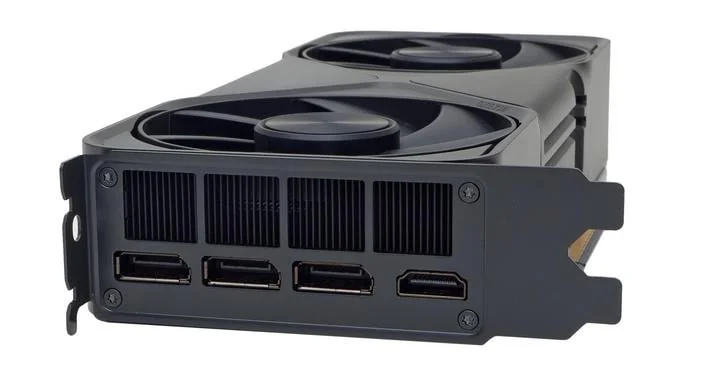
- •Modern display I/O3× DisplayPort 2.1b and 1× HDMI2.1b

Considerations
- •Limited VRAM capacity12GB may constrain future titles
- •Elevated FE thermalsFounders Edition runs hotter under load
- •Higher fan noise (stock)Noticeable until undervolted or tuned
- •Modest gains vs peersPerformance uplift sometimes small for price
- •Increased power draw250W TGP and GDDR7 raise consumption
- •Occasional driver/game issuesSome titles show post‑update regressions
The NVIDIA GeForce RTX 5070 Founders Edition arrives as a compelling option for gamers and creators targeting smooth 1440p experiences without breaking the bank. Backed by NVIDIA’s reputation for pushing graphics innovation, this card is marketed with 12GB of GDDR7 memory delivering an impressive 672–675 GB/s bandwidth, enabling rapid data handling crucial in modern games. It boasts 6,144 CUDA cores that fuel solid compute performance around 31 TFLOPS FP32, striking a balance between power and efficiency. The inclusion of 48 fourth-gen RT cores brings respectable ray tracing capabilities enhanced by DLSS 4’s Multi-Frame Generation to maintain fluid frame rates. While the compact Founders Edition design fits smaller builds, it runs warmer and louder than many aftermarket variants—important considerations for thermals and noise-sensitive users. Whether upgrading from older GPUs or building midrange rigs, understanding these core strengths will help you gauge if this GPU aligns with your gaming ambitions or creative workflows. Let’s unpack what makes this card tick—and where it might trip up under pressure.
Thermal Performance
Heat meets compactness in the Founders Edition’s design: reports reveal it runs warmer than many partner cards under load due to smaller cooler size yet benefits from efficient undervolting tricks reducing temps by up to ten degrees Celsius. While stock thermals are a mild sore spot cited by enthusiasts craving quieter rigs, those savvy enough to tweak voltage find improved comfort without losing punch—showing thermal management here rewards user intervention rather than plug-and-play perfection.
GPU Compute Performance
The RTX 5070 flexes with 6,144 CUDA cores delivering around 31 TFLOPS FP32 compute, putting solid muscle behind shading and AI tasks. Its Blackwell architecture balances core count and clock speeds well for midrange gamers targeting high settings at 1440p resolution. Users appreciate how it handles modern titles efficiently without bleeding-edge heat or power costs. Experts affirm that while not top-tier enthusiast class, its compute prowess delivers dependable day-to-day performance in gaming and content creation alike.
Noise Level
Silence isn’t golden out-of-the-box as FE coolers tend toward higher fan RPMs during heavy loads compared to aftermarket models; however undervolting calms fans considerably resulting in noticeably quieter operation favored by noise-conscious users. Although not whisper quiet like premium designs boasting larger heatsinks or vapor chambers, the balance between acoustic presence and cooling effectiveness is decent once adjusted — proving that patience (and software finesse) can yield better soundscapes for everyday play sessions.
Ray Tracing Performance
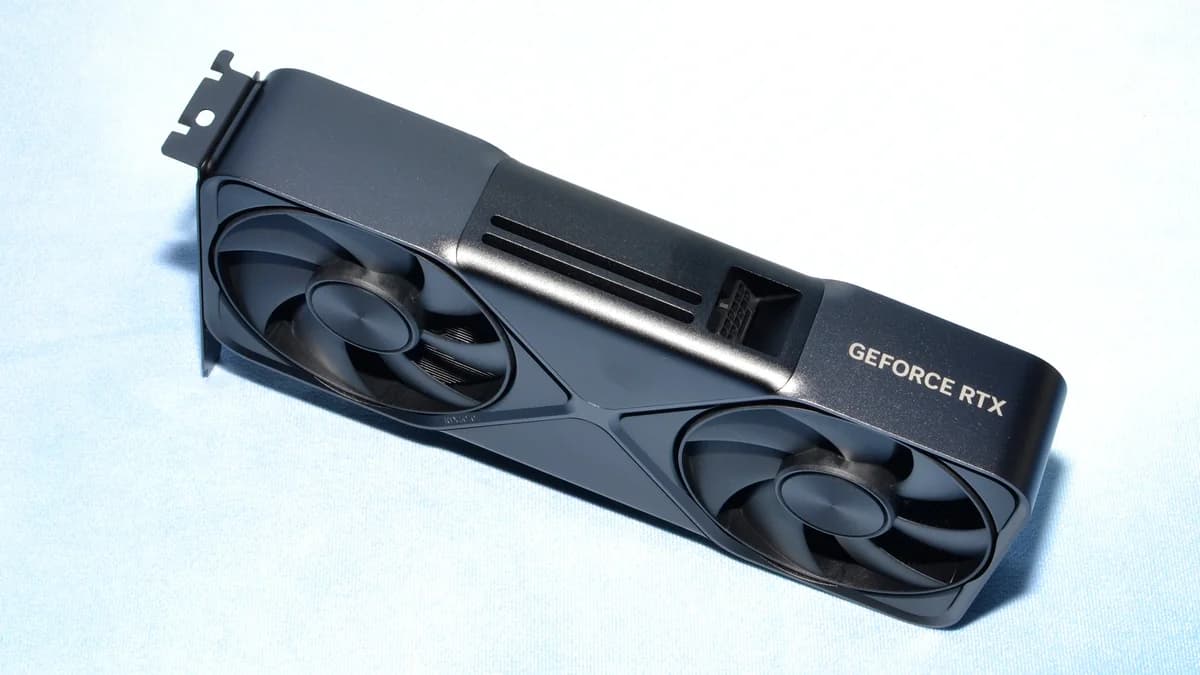
Equipped with 48 fourth-gen RT cores, the card brings respectable ray tracing chops to midrange builds but doesn’t quite match flagship firepower. DLSS 4 combined with Multi-Frame Generation helps maintain frame rates when lighting gets complex—a clever workaround noted by reviewers who praise smoother visuals despite hardware limits. Path tracing tests show it's capable but sometimes stretched thin at ultra settings; nonetheless, this GPU lets gamers enjoy immersive effects without wholesale compromise on frame pacing.
Memory Bandwidth
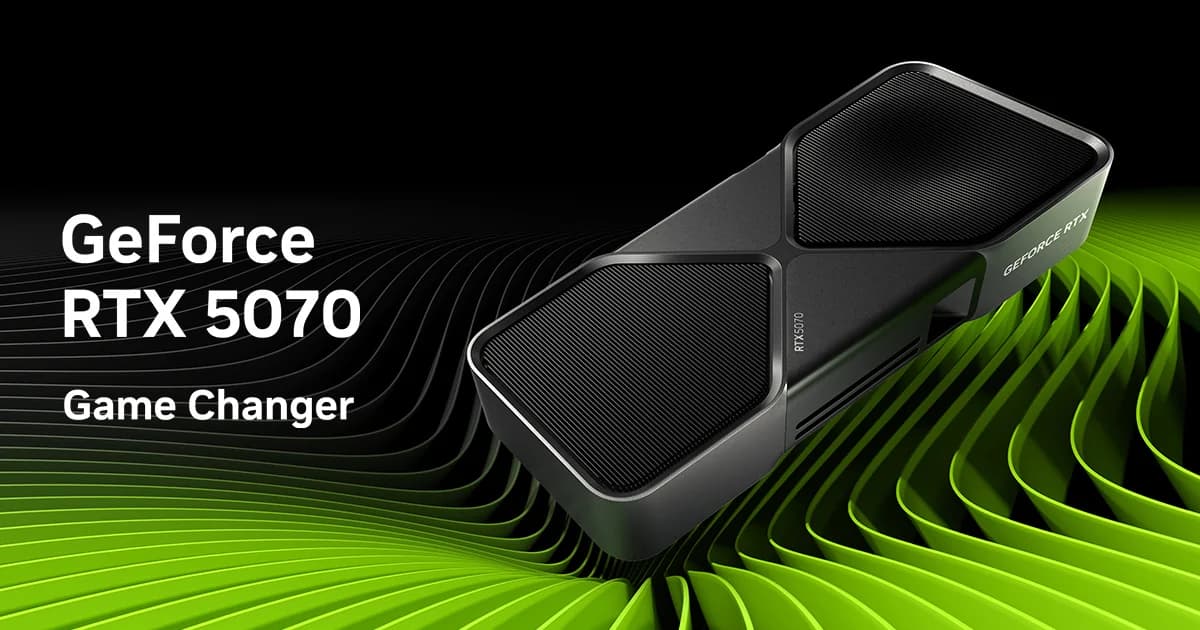
Dive into the heart of data flow with 12GB GDDR7 memory clocked at an impressive 28 Gbps, offering roughly 672–675 GB/s bandwidth. This leap over previous generations ensures textures and assets load swiftly, minimizing bottlenecks during gameplay or creative workloads. While some users highlight its power for 1440p gaming, experts note this speed edge is a key differentiator versus competitors still on older memory tech. The fast memory bus truly underpins smooth performance in demanding scenarios, making it a standout feature worthy of attention.
Conclusion
Navigating the balance of power and practicality, this card flexes with impressive memory bandwidth and a robust count of 6,144 CUDA cores, ensuring reliable GPU compute performance for most 1440p demands. Its 48 fourth-gen RT cores deliver ray tracing that’s smooth but not flawless—bolstered by DLSS 4's clever frame generation. Yet, the compact Founders Edition design comes at a cost: expect warmer operation and elevated noise levels compared to aftermarket coolers. These thermal quirks may test patience during marathon sessions but reward those willing to tweak settings. For gamers seeking a sleek form factor paired with solid graphics muscle without premium price tags, it hits many marks—but its modest VRAM ceiling and stock cooling remind us that every compromise leaves its trace in silicon sweat or sound waves. This GPU isn’t about breaking records; it’s about striking an agreeable chord between ambition and accessibility.

Feature Scores
This reflects reviews and ratings from established critics, journalists, and users who have evaluated the item. Their opinions provide a comprehensive assessment.
Performance
GPU Compute Performance
4/5
Ray Tracing Performance
4/5
VRAM Capacity
3/5
Memory Bandwidth
4/5
Thermal Performance
3/5
Noise Level
3/5
Driver Stability
4/5
Value
Price to Performance
4/5
Total Cost of Ownership
3/5
Availability
4/5
Warranty Coverage
TBD
Design
Form Factor
4/5
Visual Aesthetics
4/5
Build Quality
4/5
Health
Hazardous Materials Compliance
TBD
Heat Emission to User
3/5
Safety
Thermal Failure Protection
TBD
Electrical Safety
TBD
Regulatory Compliance
TBD
Sustainability
Energy Efficiency
4/5
Recyclability
TBD
Responsible Mineral Sourcing
TBD
Experience Style
Software Usability
4/5
Customization Options
4/5
Ease of Installation
4/5

Specifications
This section outlines the product's key facts, covering essential features, details, dimensions, materials, and any unique characteristics that define its functionality and usability.
Performance
Value
Design
Safety
Sustainability
Experience Style

Frequently Asked Questions
5 Questions

Also Consider
3 Options

Find Yours
What is your primary intended use for the graphics card?
Answer to find your best matches.