
NVIDIA GeForce RTX 5090 Founders Edition
Top-tier 4K performance and compact design impress, but high power draw and coil whine persist.
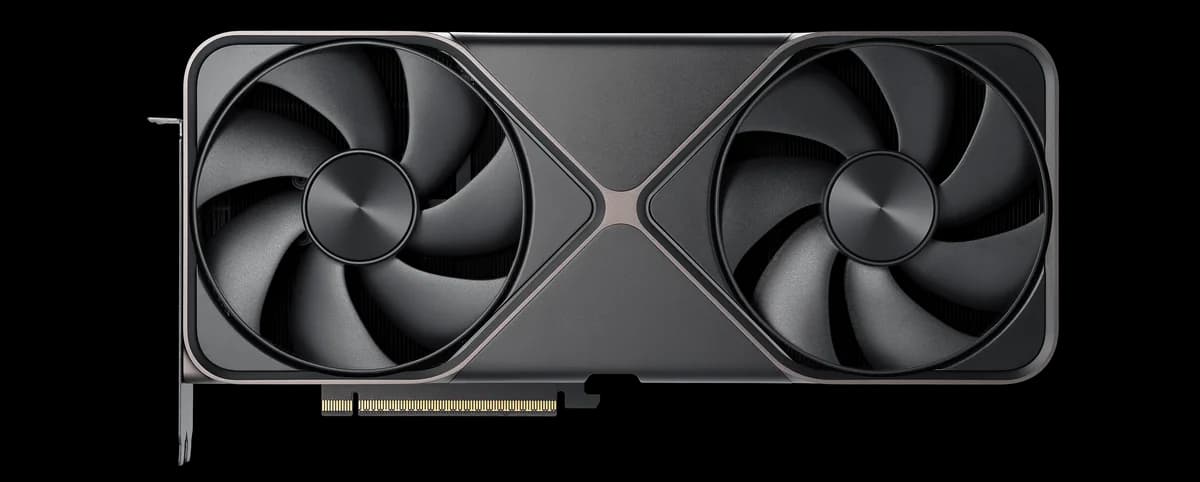
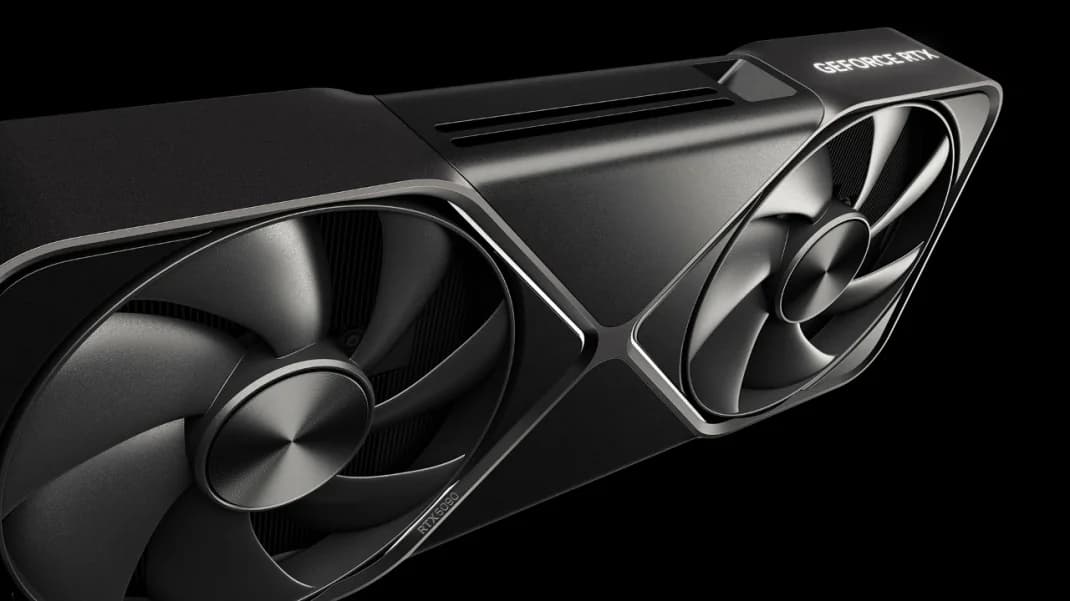
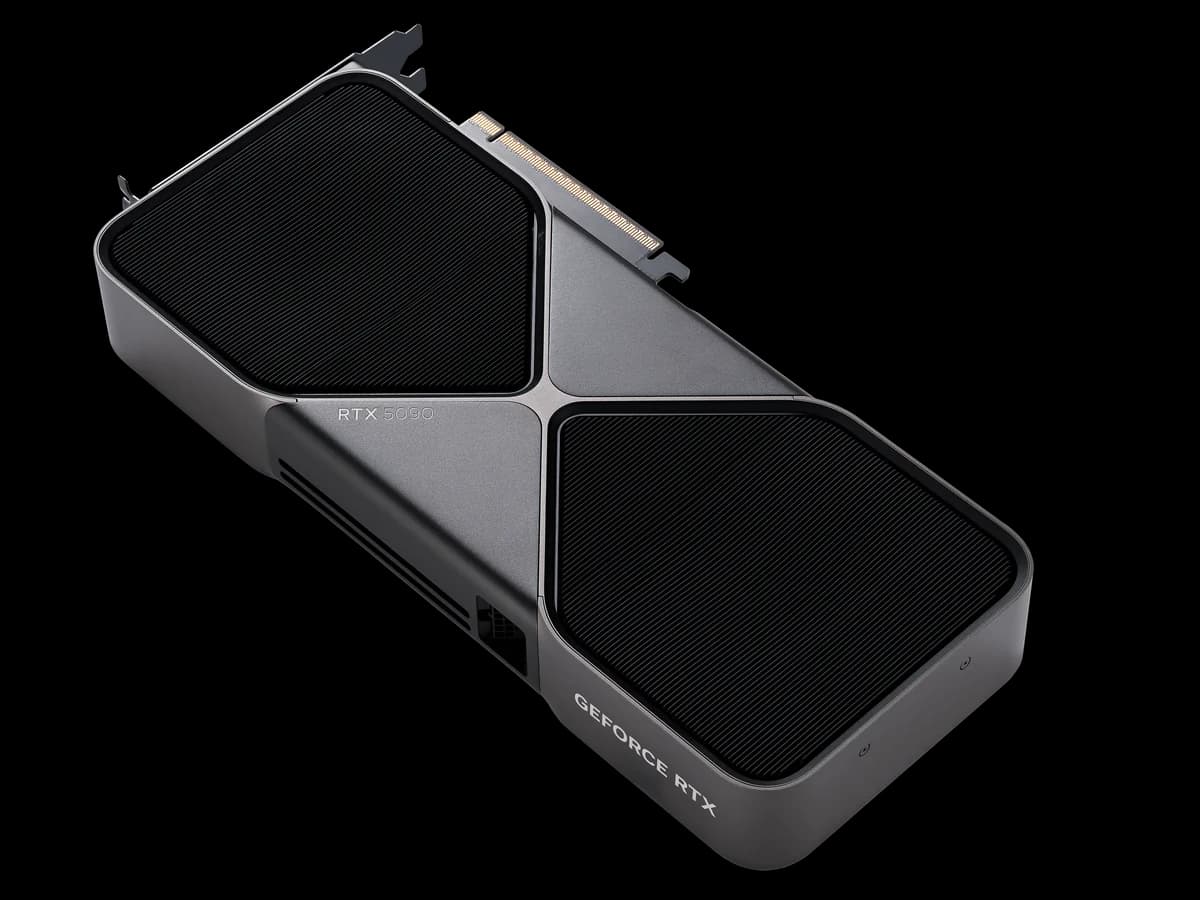
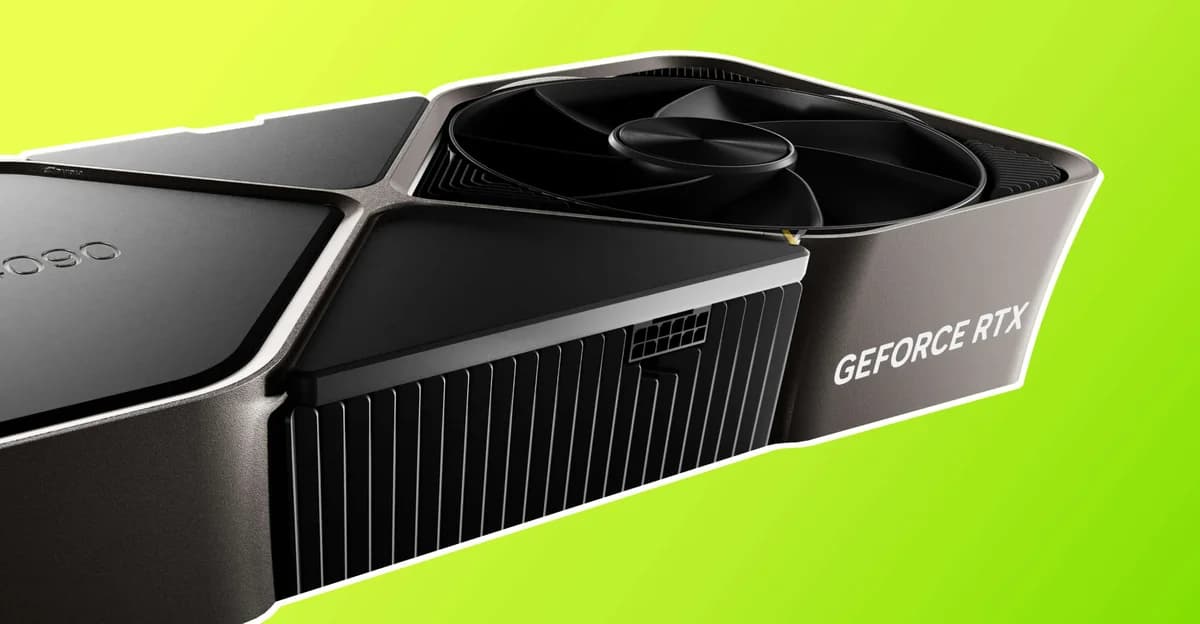
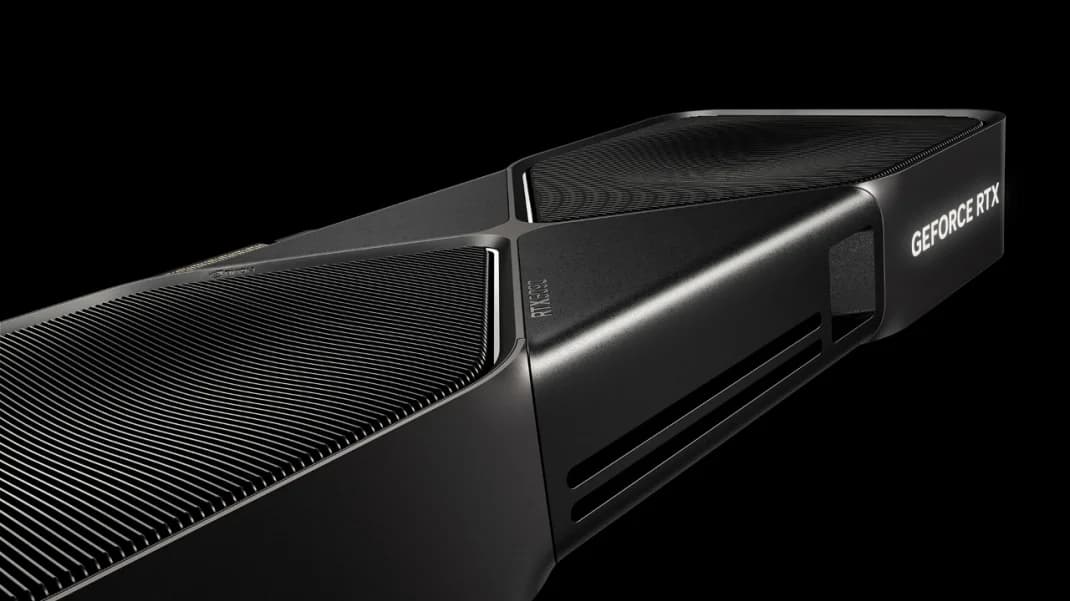
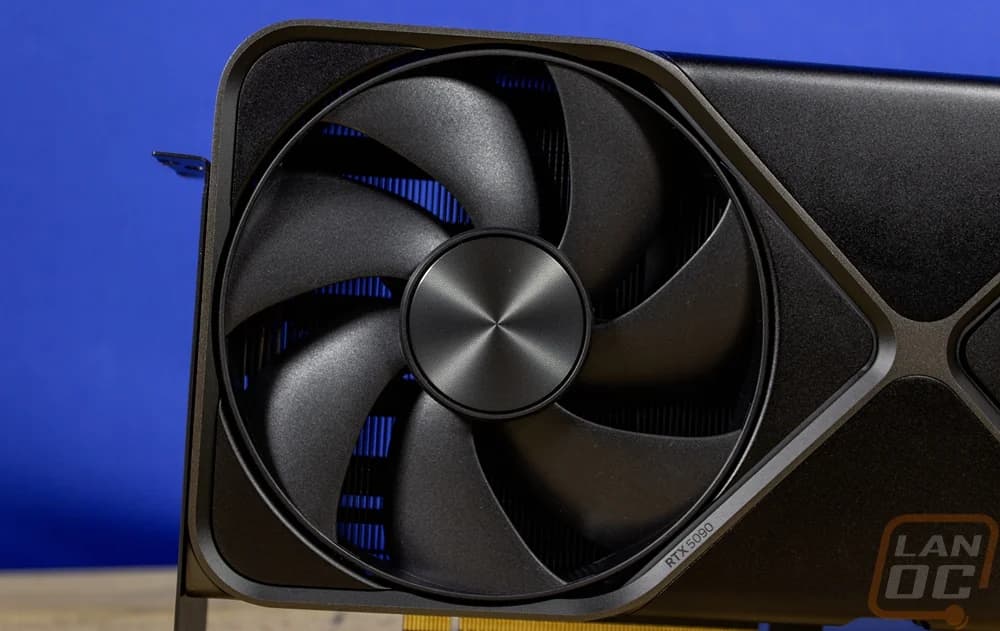
The NVIDIA GeForce RTX 5090 Founders Edition is a beastly flagship GPU designed for gamers and creators who demand top-tier 4K performance and AI-powered frame generation. It flexes with 21,760 CUDA cores, a hefty 32GB of GDDR7 memory, and an innovative dual-slot cooling system that’s impressively compact yet loud on coil whine. Experts applaud its raw power but question the steep $2,000 price tag versus modest gains over the RTX 4090. Users love the visuals but gripe about heat and noise, making this card a thrilling yet costly gamble best suited for enthusiasts chasing uncompromising muscle wrapped in sleek engineering.

Find Yours
What is your primary intended use for the graphics card?
Answer to find your best matches.

The Field
Browse top contenders, or compare all options ranked by score and key attributes.
4 Options



The Scoreboard
Does this improve your life? Considers, health, habits, and environmental impact.
Benefits
Delivers consistently higher 4K frame rates and faster AI/creation workloads via Blackwell compute.
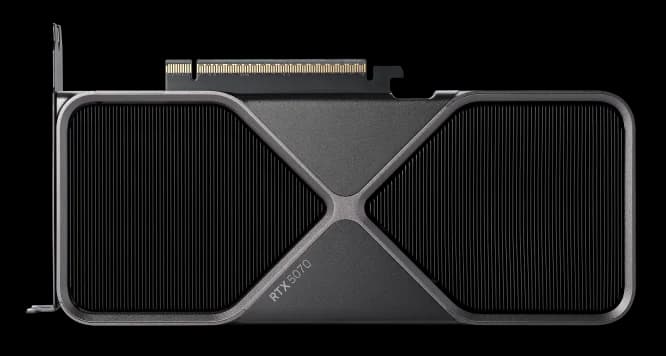
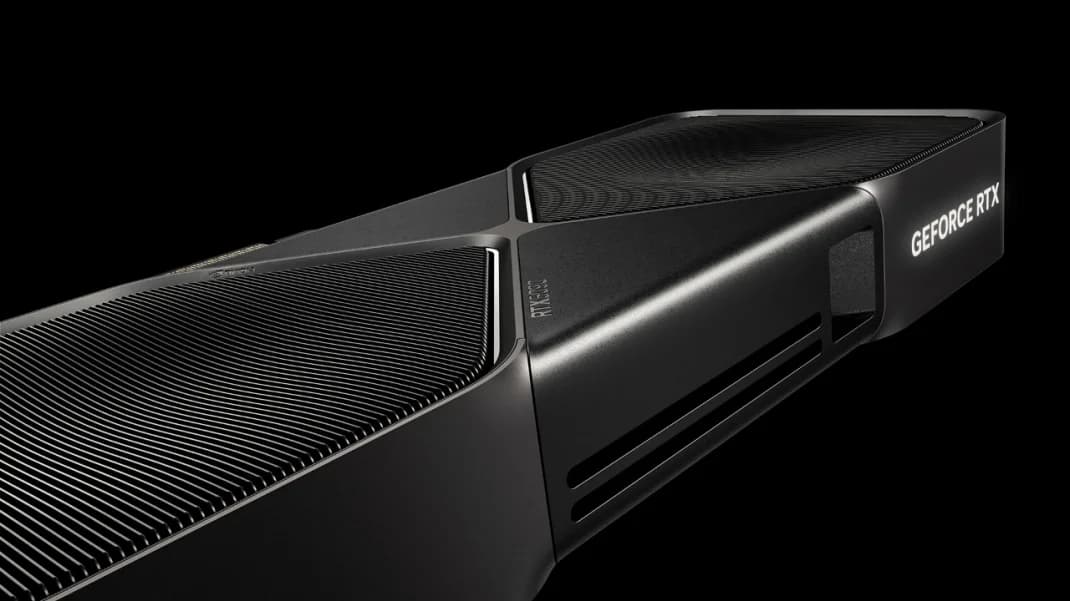
Two-slot 'Double Flow Through' cooling keeps GPU cooler and quieter in small cases.
DLSS4 multi-frame generation smooths motion, reducing stutter and potential visual discomfort.
Compact dual-slot construction fits small cases, enabling less cluttered, more ergonomic desk setups.
Massive AI and media engines cut render and encode times, lowering workflow stress and fatigue.
Trade-Offs
575W peak draw increases household electricity use and associated CO2 emissions significantly.
GDDR7 modules run warm; may raise case temperatures and long-term component stress.
Modular but fragile connectors and unavailable replacement parts increase repair difficulty and e-waste risk.
Audible coil whine may cause distraction, annoyance, and reduced comfort during long sessions.
Massive die and advanced GDDR7 fabrication imply higher embodied carbon and manufacturing energy.
Marketing of AI frame generation can mislead, causing confusion and decision-making stress for users.
 Alternatives


Join the Circle
Where real meets deal
Know what's worth buying-and when.
Tips, special offers, and rewards for buying and sharing.

Publications
12 LEADING PUBLICATION REVIEWS

Steve Burke from GamersNexus delivers a detailed and measured review of the NVIDIA GeForce RTX 5090 Founders Edition, balancing enthusiasm for its technical achievements with critical scrutiny of its marketing and value proposition. He highlights the card’s impressive 2-slot thermal design, which keeps GPU temperatures surprisingly low despite a high 575W power draw, and praises its quiet acoustics and innovative airflow engineering. Performance gains over the RTX 4090 are consistently solid, with 27-35% uplift in 4K gaming and notable ray tracing improvements, though benefits diminish at lower resolutions. Burke calls out NVIDIA’s misleading marketing claims, particularly around DLSS frame generation, urging consumers to understand the nuances behind advertised performance. He also flags the card’s high power consumption and warm memory thermals as areas for improvement. Overall, the review is enthusiastic about the 5090’s engineering and raw power but cautious on value and transparency, recommending it primarily for 4K gamers and VRAM-heavy professional users.
By Steve Burke
Richard Leadbetter and Will Judd from Digital Foundry highlight the NVIDIA GeForce RTX 5090 Founders Edition as a remarkable leap in flagship GPU design and performance, albeit at a steep $2000 price point. They emphasize the card’s compact two-slot form factor and innovative cooling solution, which defies expectations for such a powerful 575W GPU, making it suitable even for small form factor PCs. The review details impressive hardware upgrades over the RTX 4090, including a 33% increase in CUDA cores, 77% more memory bandwidth with 32GB of GDDR7, and advanced connectivity options supporting high-refresh 4K HDR displays. While the authors express clear enthusiasm for the card’s engineering and raw specs, they maintain a measured tone, noting the importance of rigorous benchmarking to verify real-world gains, especially with DLSS 4’s multi-frame generation. Their insights balance excitement about the RTX 5090’s potential with thoughtful anticipation of its actual performance in demanding gaming scenarios.
By Richard Leadbetter & Will Judd
Jarred Walton from Tom’s Hardware highlights the NVIDIA GeForce RTX 5090 Founders Edition as the fastest consumer GPU tested to date, boasting significant improvements in streaming multiprocessors, VRAM, and memory bandwidth over its predecessors. He emphasizes its dominance not only in gaming—especially at 4K resolutions—but also in AI workloads, thanks to native FP4 support and massive compute power. While the card commands a steep $1,999 price tag and is expected to be difficult to acquire initially, Walton acknowledges its appeal to well-funded gamers and professionals alike. However, he tempers enthusiasm with concerns about the Founders Edition’s thermal performance and the need for driver maturity to fully unlock its potential. The review balances excitement about the card’s raw power and new technologies like DLSS 4 with a measured caution regarding cost, availability, and some early software quirks, ultimately positioning the RTX 5090 as a groundbreaking but imperfect flagship GPU.
By Jarred Walton
Igor Wallossek from igor’sLAB delivers a detailed and enthusiastic review of the NVIDIA GeForce RTX 5090 Founders Edition, highlighting it as a milestone in GPU technology driven by the new Blackwell architecture. He praises the card’s impressive specifications, including its massive transistor count, advanced CUDA, RT, and Tensor cores, and the innovative GDDR7 memory system that significantly boosts bandwidth and efficiency. The review balances deep theoretical insights with extensive real-world benchmarking across multiple games and settings, emphasizing improvements in ray tracing, AI inference, and energy efficiency. While Wallossek expresses genuine excitement about features like DLSS4 and the architectural leaps over the previous Ada generation, he also transparently notes some delays, driver issues, and the absence of a teardown, signaling a measured and thorough approach. Overall, the review conveys both admiration for the RTX 5090’s cutting-edge performance and a commitment to comprehensive, ongoing evaluation.
By Igor Wallossek
Michael Justin Allen Sexton from PCMag highlights the Nvidia GeForce RTX 5090 Founders Edition as the fastest consumer graphics card available, delivering unparalleled performance in gaming, content creation, and AI workloads. Praised for its massive GPU die, advanced Blackwell architecture, and innovative cooling design, the card excels in 4K high-refresh-rate gaming and professional rendering tasks. However, Sexton emphasizes its steep $1,999 price tag and high 575W power draw, making it a niche choice primarily for enthusiasts with unlimited budgets or professionals leveraging AI and GPU acceleration. While the RTX 5090 earns an Editors’ Choice award for its sheer power and future-proofing, the review advises most users to consider the more affordable RTX 5080, which offers strong performance at a fraction of the cost. Unique insights include detailed AI benchmarking and the nuanced discussion of DLSS 4’s frame-generation improvements, alongside practical considerations about power, cooling, and real-world use cases.
By Michael Justin Allen Sexton
Sebastian Peak from PC Perspective highlights NVIDIA’s GeForce RTX 5090 Founders Edition as a remarkable engineering feat, especially praising its surprisingly compact dual-slot design paired with an innovative cooling solution that dedicates two-thirds of the card to thermal management. While questioning the timing of the release given the RTX 4090’s dominance and the lack of high-end competition, Peak acknowledges meaningful performance gains—ranging from 20% to nearly 40% in demanding titles at ultrawide resolution—alongside the transformative impact of DLSS 4’s new Frame Generation technology, which delivers smoother visuals and up to 4x frame generation. However, some early driver issues cause inconsistent 1% low frame rates with DLSS 4, tempering enthusiasm slightly. The review balances excitement over raw power and cutting-edge AI upscaling with a candid look at the steep $1999 price and the current market context, ultimately positioning the RTX 5090 as the fastest GPU available but one best suited for enthusiasts willing to pay a premium.
By Sebastian Peak
Marco Chiappetta from HotHardware highlights the NVIDIA GeForce RTX 5090 Founders Edition as a significant leap forward in GPU technology, combining impressive raw power with innovative engineering. He praises the card’s advanced Blackwell architecture, substantial increases in CUDA cores and memory bandwidth, and the thoughtfully redesigned, thinner form factor featuring a “Double Flow Through” cooling system. The review conveys genuine enthusiasm for the card’s premium build quality, improved thermal management using liquid metal thermal interface material, and practical design tweaks like the angled power connector for better cable management. While the tone is largely positive and appreciative of NVIDIA’s engineering feats, the review also notes some caveats, such as the partial disabling of the full GB202 GPU and the care required when reapplying thermal paste due to the liquid metal. Overall, Chiappetta’s detailed insights balance excitement with measured technical analysis, portraying the RTX 5090 as a powerful, well-engineered flagship that sets a new standard for PC gaming GPUs.
By Marco Chiappetta
Steven Walton from TechSpot highlights the NVIDIA GeForce RTX 5090 Founders Edition as the fastest gaming GPU currently available, delivering an average 27% performance boost over the RTX 4090 at 4K. However, this improvement comes with a 25% higher price tag and increased power consumption, leading to a disappointing value proposition compared to the previous generational leap. Walton praises the card’s impressive thermal and acoustic efficiency despite its increased power draw, calling the cooling solution an outstanding achievement. Yet, he points out inconsistent performance gains across various games, with some titles showing minimal uplift or even occasional slowdowns at lower resolutions, suggesting architectural inefficiencies. The review also critically examines Nvidia’s marketing of DLSS 4 frame generation, deeming it more of a frame-smoothing feature than a true performance enhancer. Ultimately, Walton views the RTX 5090 as more of a “4090 Ti” than a groundbreaking next-gen flagship, acknowledging its raw power but lamenting the lack of innovation and value for the steep price.
By Steven Walton
W1zzard from TechPowerUp provides a detailed, hands-on exploration of the NVIDIA GeForce RTX 5090 Founders Edition’s internal design and disassembly process, highlighting both the complexity and precision engineering involved. The review conveys a careful, methodical tone with practical tips for safely dismantling the card, emphasizing the importance of proper tools and gentle handling to avoid damage. Unique insights include the smooth magnetic attachment of the frame, the innovative liquid metal thermal interface with protective rubber gaskets, and the surprisingly easy removal of the PCB despite initial expectations. While the teardown is intricate and time-consuming for first-timers, the reviewer’s experience suggests it becomes manageable with practice. The temperature results after reassembly indicate excellent thermal performance, with only a slight increase in load temperatures. Overall, the review balances technical depth with cautionary advice, offering valuable guidance for enthusiasts interested in the card’s build quality and maintenance potential.
By W1zzard
Brad Bourque from WIRED highlights the NVIDIA GeForce RTX 5090 Founders Edition as a cutting-edge, AI-powered graphics card that pushes the boundaries of current GPU technology, especially with its advanced DLSS 4 frame generation feature that significantly boosts gaming performance. He praises its relatively compact design and improved cooling system, which make it more compatible with smaller PC cases compared to recent bulky GPUs. However, Bourque tempers enthusiasm with practical concerns: the card’s steep $2,000 price tag, high power requirements, and the need for expensive supporting hardware like a powerful PSU and high-refresh-rate monitor. While the RTX 5090 delivers impressive 4K and ultrawide gaming experiences, it still struggles to maintain ultra settings in the most demanding titles without relying heavily on AI frame generation. Ultimately, Bourque views the Founders Edition as a premium showpiece for enthusiasts with deep pockets, recommending most users wait for more affordable RTX 50 Series options before upgrading.
By Brad Bourque
Jacqueline Thomas from IGN highlights the Nvidia GeForce RTX 5090 Founders Edition as a powerful but somewhat unconventional leap in GPU technology. While it claims the performance crown over the RTX 4090, the generational uplift in traditional gaming performance is modest, often limited by CPU bottlenecks in current titles. The review emphasizes that the RTX 5090’s true strength lies in its advanced AI capabilities, particularly DLSS 4’s Multi-Frame Generation, which can dramatically boost frame rates in supported games, delivering a glimpse of future gaming experiences. Thomas praises Nvidia’s engineering feat in fitting a 575W powerhouse into a surprisingly compact dual-slot design with effective cooling. However, the card’s high power consumption and premium price make it a niche choice, best suited for gamers with high-end 4K, high-refresh-rate setups who want to embrace AI-driven frame generation. For most users, especially those with an RTX 4090, the upgrade may not justify the cost yet.
By Jacqueline Thomas
Dave Altavilla from Forbes highlights the NVIDIA GeForce RTX 5090 Founders Edition as the fastest PC graphics card currently available, reaffirming NVIDIA’s leadership in GPU technology. He enthusiastically details the advanced RTX Blackwell architecture, emphasizing innovations like AI-driven DLSS 4 multi-frame generation, improved ray tracing cores, and enhanced power efficiency. The review balances praise for significant performance gains—up to 65% over the RTX 4090 in some games—with acknowledgment of community debates around AI-generated frames and the card’s steep $1999 price tag. Altavilla underscores the card’s strengths in gaming, AI workloads, and content creation, noting reduced video render times and superior AI benchmark results. While recognizing the high cost may deter some, he frames the RTX 5090 as a cutting-edge investment that sets the stage for future mainstream GPUs leveraging similar technology. Overall, the review conveys measured excitement about the card’s technical prowess and its role in advancing PC graphics.
By Dave Altavilla

YouTube
6 LEADING EXPERT & INFLUENCER REVIEWS
 Hardware Unboxed
Steve from Hardware Unboxed finds the NVIDIA GeForce RTX 5090 Founders Edition impressive in raw performance and thermals but ultimately disappointing due to its modest 27% average 4K gain over the RTX 4090 despite a 25% price hike. He highlights inefficiencies at lower resolutions, CPU bottlenecks, and critiques NVIDIA’s marketing of DLSS 4 and frame generation as overstated.
JayzTwoCentsJayzTwoCents praises the RTX 5090 Founders Edition’s thoughtful eco-friendly packaging and improved, flexible 12VHPWR adapter, highlighting its practical design changes over the 4090. He appreciates the card’s compact two-slot form and space gray color but views it as a niche, high-cost “halo” product best suited for developers and prosumers rather than typical gamers.
Paul's HardwarePaul’s Hardware finds the RTX 5090 Founders Edition delivers solid 25–30% performance gains over the 4090 with an impressively efficient two-slot cooler, but criticizes its high $2,000 price, increased power draw, and overhyped DLSS 4 Multi Frame Generation. Testing woes and driver bugs also tempered enthusiasm.
RedGamingTechRedGamingTech advises against panicking over rumored $5,000 RTX 5090 prices, highlighting current availability and reasonable pricing despite supply concerns. He offers nuanced insights on GPU shortages, memory price impacts, and market speculation, emphasizing that while prices may rise, the flagship RTX 5090 remains accessible for now.
Tech NoticeTech Notice praises the NVIDIA GeForce RTX 5090 Founders Edition as a revolutionary, AI-focused GPU excelling in video editing and 3D workloads, thanks to its massive 32GB GDDR7 VRAM, advanced media engines, and exceptional AI performance. However, they note limited gains over the 4090 in some tasks, high power draw, and current software support issues.
NorthridgeFixNorthridgeFix delivers a strongly negative and cautionary review of the NVIDIA GeForce RTX 5090 Founders Edition, highlighting its fragile, modular design with multiple delicate connectors that complicate repairs and risk permanent damage. The reviewer’s unique insight reveals that replacement parts are unavailable, making the card difficult to service despite its high-end specs.

Social
5 INFLUENCER REVIEWS
 The Verge
The Verge highlights the impressive power of the NVIDIA GeForce RTX 5090 Founders Edition when paired with a handheld gaming PC via a $100 Minisforum DEG1 eGPU and a 64Gbps Oculink cable. They emphasize near-desktop performance at max settings, noting occasional crashes and the need for full shutdowns due to no hot-plug support. Overall, The Verge finds the RTX 5090 a thrilling upgrade for portable gaming, delivering speeds that surpass many desktops despite some technical quirks. They recommend it enthusiastically for users seeking extreme performance on the go, while acknowledging it’s not a flawless or plug-and-play solution.
Matthew MonizMatthew Moniz highlights the NVIDIA GeForce RTX 5090 Founders Edition’s sleek, thin design and premium build quality, noting it can fit into small form factor builds despite its high-end specs. He shares clear details about included accessories and ports, expressing genuine excitement while promising upcoming benchmarks for deeper insights. Overall, Matthew’s initial impression is positive and anticipatory rather than fully conclusive, recommending followers stay tuned for his full performance review. He balances enthusiasm for the card’s aesthetics and form factor with a measured approach, acknowledging the premium price and reserving final judgment until testing is complete.
 BastelNerd
BastelNerd highlights the audible coil whine of the NVIDIA GeForce RTX 5090 Founders Edition, rating it an 8 out of 10 on the coil-whine scale. While not extreme, the noise is clearly noticeable compared to other cards, offering a candid and direct comparison with personal testing. Overall, BastelNerd provides a balanced view, acknowledging the card’s performance but cautioning about the significant coil whine. The review suggests the RTX 5090 FE is solid but may be less appealing for users sensitive to noise, making it a fair but cautious recommendation.
SamsonGGSamsonGG shares their thoughts on the NVIDIA GeForce RTX 5090 Founders Edition with a mix of excitement and regret. They highlight the card’s impressive 32GB VRAM and DLSS 4, delivering triple-digit frame rates across games like League of Legends and Battlefield 6. However, they also express frustration with the difficult unboxing and the steep financial cost, humorously noting sacrifices made to afford it. Overall, SamsonGG’s sentiment is enthusiastically conflicted—they clearly value the card’s top-tier performance and have even purchased a second unit, yet they acknowledge the purchase’s financial strain. Their recommendation feels passionate but tempered by the high price, making it a thrilling but costly choice for serious gamers.
𝘿𝙖𝙋𝙤𝙚𝙩𝙨dapoets highlights the NVIDIA GeForce RTX 5090 Founders Edition as a powerful flagship GPU with impressive specs like 92 billion transistors and 21,760 CUDA cores. They emphasize its innovative, eco-friendly packaging and notably slim design, making it suitable even for small form factor builds. Overall, dapoets conveys strong enthusiasm for the RTX 5090 FE’s performance and design improvements, positioning it as a top-tier choice for demanding PC setups. While a full review is forthcoming, the initial impression is highly positive and recommends it for users seeking cutting-edge GPU power.

Forum Reviews
CUSTOMER REVIEWS FROM 1 FORUM
Reddit users generally acknowledge the NVIDIA GeForce RTX 5090 Founders Edition as a powerful GPU with notable performance gains, especially in rasterization and ray tracing, positioning it as a top-tier option for those seeking the best. However, many express concerns about its high power consumption, coil whine, and thermal management, which detract from the premium experience expected at this price point. While new shoppers appreciate its unmatched capabilities if paired with high-end displays, upgraders from recent models often question the value due to incremental improvements and efficiency trade-offs. Overall, the sentiment is mixed, balancing admiration for raw power with criticism of design and cost-effectiveness.
Many comments

In-Depth Review

Highlights
- •GPU performance upliftNotable 4K raster and RT gains
- •Large VRAM & bandwidth32GB GDDR7, 1,792 GB/s bandwidth
- •AI frame generationAdvertised to generate up to 4× frames
- •Advanced cooling systemDesigned to double airflow with vapor chamber
- •Compact two‑slot designTwo-slot Founders Edition for tighter cases
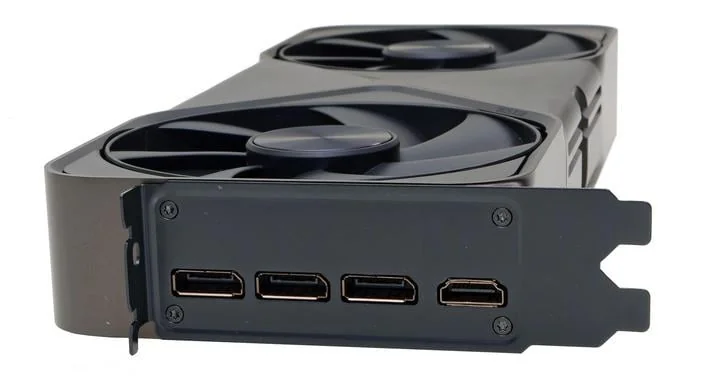
- •High‑resolution connectivityPCIe 5.0, HDMI 2.1b, DisplayPort 2.1b, 8K

Considerations
- •High power draw≈520–575W under heavy load
- •Acoustic coil whineAudible coil whine at very high FPS
- •Elevated memory temperaturesMemory junction temps reported near 90°C
- •High upfront costFlagship MSRP around $1,999
- •Limited initial availabilityEarly sellouts and scalping reported
- •No multi‑GPU supportDoes not support multi‑GPU configurations
The NVIDIA GeForce RTX 5090 Founders Edition stakes its claim as a powerhouse in the high-end GPU arena, boasting 21,760 CUDA cores and an impressive 32GB of GDDR7 memory running at 28 Gbps. Designed for gamers and creators demanding top-tier performance at ultra-high resolutions, it pushes boundaries with features like 4th-gen ray tracing cores and AI-driven frame generation that promise smoother visuals. Cooling is handled by a sophisticated system featuring a 3D vapor chamber and dual flow-through fans, though power consumption peaks around 520 watts, making efficiency a consideration. Users have noted some trade-offs in noise levels due to coil whine, balanced by the card’s compact two-slot design that fits tighter builds without sacrificing airflow. Whether you’re chasing flawless 4K gaming or heavy creative workloads, this card delivers serious muscle—just be ready to explore how these standout features play out under real-world conditions.
Thermals and cooling
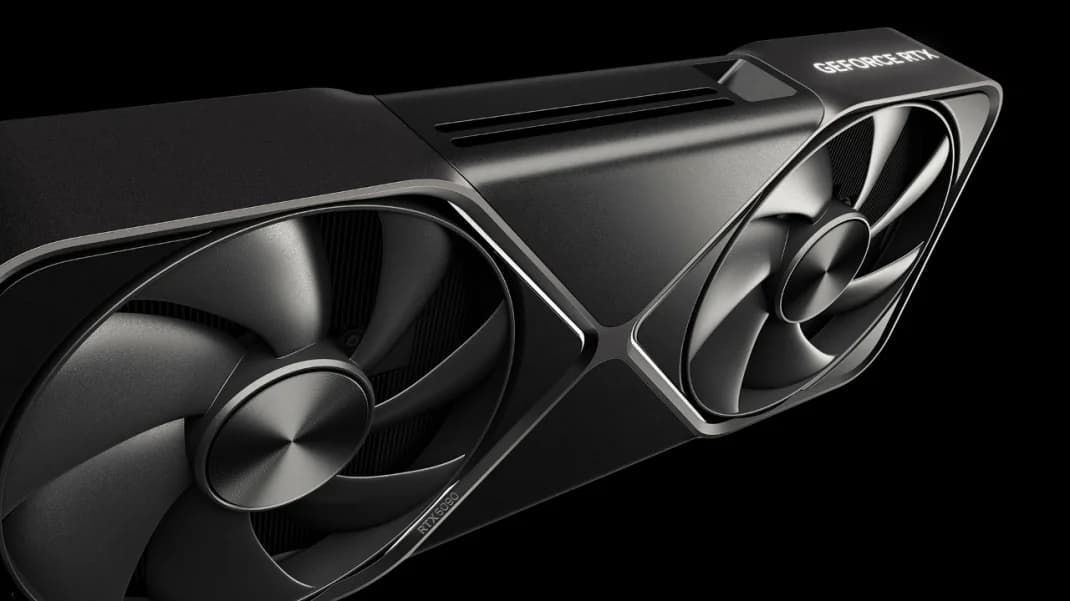
This Founders Edition’s cooling system is no wallflower: featuring a 3D vapor chamber, integrated heat pipes, active fins, plus dual flow-through fans designed for double airflow versus traditional coolers. These elements collectively manage hefty heat output from its powerhouse internals yet reviewers highlight elevated memory junction temps as a point worth monitoring over time. Despite advanced engineering claims backed by Schlieren imaging visuals showing efficient airflow patterns, some noise trade-offs accompany these thermal gains — giving users mixed feelings about comfort vs performance balance.
Power consumption / electrical draw
Be ready to feed this beast: averaging around 520W under heavy load, the RTX 5090 marches back into the era of high power draws reminiscent of past flagship GPUs. Though less energy-efficient than previous generations per watt rendered—especially when factoring idle states—the brute force design appeals primarily to enthusiasts who value raw output over efficiency metrics. Expert voices caution buyers about increased electricity costs alongside potential requirements for beefier PSUs or upgraded cooling setups to handle sustained peak loads without compromise.
Noise and coil whine
While delivering fierce performance silently isn’t quite reality here; reports consistently mention audible coil whine—a vibrating electronic hum especially noticeable at very high framerates—and fan noise levels above average desktop tolerances during intensive gaming sessions. This acoustic signature might annoy those seeking whisper-quiet rigs despite its two-slot dual-fan layout promising enhanced airflow benefits compared to bulkier designs. Prospective owners should weigh whether such sonic quirks are acceptable trade-offs against top-tier rendering capabilities before committing fully.
Performance (GPU compute & RT)
When it comes to raw muscle, this card flexes with 21,760 CUDA cores and a whopping 170 4th-gen ray tracing cores, delivering noticeable boosts in real-time lighting and shadows. Experts applaud the AI-driven frame generation that smooths gameplay while pushing boundaries of realism. User feedback echoes strong gains in rasterization and ray-tracing performance but notes diminishing returns for non-optimized titles. The fusion of Blackwell architecture and neural shaders crafts an experience where power meets precision — making it a true heavyweight champion in high-end graphics.
Memory subsystem (VRAM & bandwidth)
Equipped with an impressive 32GB GDDR7 memory at 28 Gbps on a 512-bit bus, this GPU ensures vast data pipelines flow seamlessly even under demanding creative workloads or ultra-high resolutions. Its massive 1,792 GB/s bandwidth obliterates bottlenecks common to lesser cards, providing headroom for AI models and complex textures alike. While some users report concerns about memory temperatures nearing 90°C during stress tests, the overall capacity and speed remain standout features that push visual fidelity beyond typical consumer expectations.
Conclusion
Peeling back the layers reveals a GPU that flexes with staggering compute power and ray tracing finesse, thanks to its massive 32GB GDDR7 memory and blistering bandwidth. The cooling system, anchored by a 3D vapor chamber and dual fans, tackles heat like a champ but whispers of coil whine remind you this beast demands respect. Its appetite for power—hovering around 520 watts under load—means your PSU better be ready to play along. The sleek two-slot form factor wraps it all in an elegant package, though build quirks surface in some reports. This card suits those who crave uncompromising performance at ultra-high resolutions or heavy AI workloads, yet casual users might find the trade-offs hefty. In sum, it’s a heavyweight contender that rewards enthusiasts willing to balance raw muscle with thermal management challenges—a nuanced titan built for serious aficionados rather than the faint-hearted.

Feature Scores
This reflects reviews and ratings from established critics, journalists, and users who have evaluated the item. Their opinions provide a comprehensive assessment.
Performance
GPU Compute Performance
5/5
Ray Tracing Performance
5/5
VRAM Capacity
5/5
Memory Bandwidth
5/5
Thermal Performance
4/5
Noise Level
3/5
Driver Stability
4/5
Value
Price to Performance
3/5
Total Cost of Ownership
3/5
Availability
3/5
Warranty Coverage
TBD
Design
Form Factor
5/5
Visual Aesthetics
4/5
Build Quality
4/5
Health
Hazardous Materials Compliance
TBD
Heat Emission to User
4/5
Safety
Thermal Failure Protection
4/5
Electrical Safety
4/5
Regulatory Compliance
4/5
Sustainability
Energy Efficiency
3/5
Recyclability
TBD
Responsible Mineral Sourcing
TBD
Experience Style
Software Usability
5/5
Customization Options
4/5
Ease of Installation
4/5

Specifications
This section outlines the product's key facts, covering essential features, details, dimensions, materials, and any unique characteristics that define its functionality and usability.
Performance
Value
Design
Safety
Experience Style

Frequently Asked Questions
7 Questions

Also Consider
3 Options

Find Yours
What is your primary intended use for the graphics card?
Answer to find your best matches.