
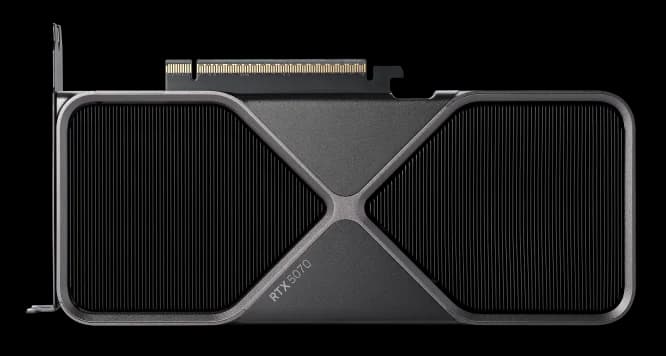
NVIDIA GeForce RTX 5080 Founders Edition
Efficient cooling and strong 4K performance impress, though gains feel incremental and VRAM limits apply.
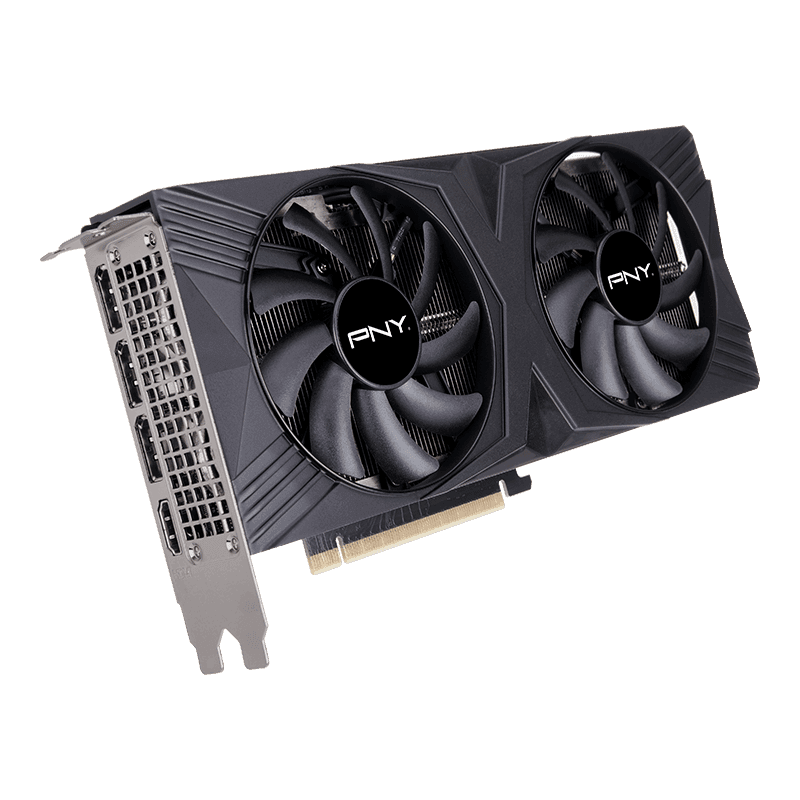
The NVIDIA GeForce RTX 5080 Founders Edition is a sleek powerhouse tailored for gamers and creators craving smooth 4K performance without flagship price drama. It flexes with 16GB GDDR7 memory delivering 960 GB/s bandwidth, keeping textures crisp and gameplay buttery thanks to DLSS 4 Multi Frame Generation and 4th-gen RT cores that elevate ray tracing finesse. Users rave about its whisper-quiet, cool-running design, though experts flag the modest generational gains as more nudge than leap. The compact two-slot form factor impresses but limits custom cooling options due to its split board architecture. Ultimately, this card balances power with pragmatism—making it a solid pick if you can live within those VRAM confines.


Find Yours
What is your primary intended use for the graphics card?
Answer to find your best matches.

The Field
Browse top contenders, or compare all options ranked by score and key attributes.
4 Options



The Scoreboard
Does this improve your life? Considers, health, habits, and environmental impact.
Benefits
DLSS 4 MFG hardware increases perceived frame rates, reducing stutter and visual fatigue during play.
Double flow-through cooling reduces fan noise and heat, lowering stress and distraction during long sessions.
Blackwell architecture plus optimized power envelope uses less electricity than flagship alternatives, reducing emissions.
Slim two-slot profile fits more cases and improves airflow, easing installation and thermal stress.
FP4 support and GDDR7 memory increase tensor throughput, speeding AI tasks and creative iterations.
Trade-Offs
Only 16GB GDDR7 can constrain large datasets or high-res texture work, causing slowdowns and frustration.
High-performance silicon and sustained load increase electricity use, raising household emissions and cooling demands.
Large GB203 die and advanced packaging require rare materials, increasing extraction and end-of-life recycling burdens.
Multi-Frame Generation can introduce input lag and visual artifacts, potentially causing nausea and reduced control.
Design pushes warm air upward, which can raise CPU temperatures and noise, complicating small-case thermals.

Ingredient Insights
 Alternatives


Join the Circle
Where real meets deal
Know what's worth buying-and when.
Tips, special offers, and rewards for buying and sharing.

Publications
10 LEADING PUBLICATION REVIEWS

Steve Burke from Gamers Nexus provides a detailed and measured assessment of the NVIDIA GeForce RTX 5080 Founders Edition, highlighting its solid but somewhat underwhelming generational uplift over the RTX 4080, typically ranging from 7% to 20% depending on the game. While the 5080 competes closely with AMD’s RX 7900 XTX in rasterization performance, it falls behind the RTX 5090 by a significant margin—30% to nearly 69% at 4K—illustrating a large performance gap within NVIDIA’s own lineup. The review praises the 5080’s power efficiency and thermal management improvements, noting its quieter operation and lower power draw compared to the 5090. However, the card’s 16GB VRAM limits its appeal for professional workloads, and the modest performance gains over the 4080 make it feel like a cautious, incremental update rather than a breakthrough. Unique insights include skepticism about NVIDIA’s marketing claims and the strategic role of the 5080 in driving 5090 sales, with the reviewer’s tone balanced but leaning toward disappointment in the card’s overall impact.
By Steve Burke
Richard Leadbetter and Will Judd from Digital Foundry assess the NVIDIA GeForce RTX 5080 Founders Edition as a nuanced but solid offering in the current GPU landscape. While the RTX 5080 is notably slower than the flagship RTX 4090 and the newer RTX 5090, it delivers a modest yet meaningful 13% performance uplift over its predecessor at the same price point, making it the best GPU available around $999/£979. The review highlights the card’s excellent industrial design, efficient cooling, and the inclusion of the latest DLSS 4 features, which add value beyond raw performance. Unique insights include detailed architectural comparisons showing the 5080 as a “4080 Super Super” with a balanced power envelope and improved memory bandwidth via GDDR7. The authors appreciate the card’s value proposition, especially against the backdrop of rising GPU prices, but express cautious optimism given potential cost increases and the close performance overlap with the RTX 4080 Super. Overall, the tone is measured and appreciative, emphasizing practical value over flagship dominance.
By Richard Leadbetter & Will Judd
Jarred Walton from Tom’s Hardware highlights the NVIDIA GeForce RTX 5080 Founders Edition as a solid but somewhat underwhelming step up from the previous generation 4080 Super. While the card boasts notable improvements such as faster GDDR7 memory, increased bandwidth, and native FP4 support that significantly boosts AI and tensor compute performance, its gains in core gaming performance are modest—only about 8–16% better than the 4080 Super. The review conveys a cautiously positive tone, acknowledging the RTX 5080’s value proposition at the same price point but emphasizing its reliance on multi-frame generation (MFG) to achieve performance gains, which may mask driver immaturity. Supply constraints and potential price inflation from third-party vendors also temper enthusiasm. Overall, Walton presents a balanced view that the RTX 5080 is a capable GPU with meaningful AI advantages but lacks the “wow factor” and broad performance leap expected from a new generation flagship, making it a reasonable but not thrilling upgrade.
By Jarred Walton
Michael Justin Allen Sexton from PCMag highlights the NVIDIA GeForce RTX 5080 Founders Edition as a compelling high-end graphics card that strikes an excellent balance between performance and price. Praised for its strong gaming capabilities, competitive $999 MSRP, and efficient two-slot design, the RTX 5080 delivers nearly half the CUDA cores of the flagship RTX 5090 but with higher clock speeds and significantly lower power consumption, making it more accessible for most gamers. The review emphasizes the card’s cutting-edge Blackwell architecture, potent AI performance, and advanced features like DLSS 4, while noting some trade-offs such as increased power draw and slightly higher operating temperatures compared to the previous generation. Real-world benchmarks show the RTX 5080 outperforming many last-gen and AMD rivals, though gains in content creation and AI workloads are more modest. Overall, Sexton recommends the RTX 5080 as the best value for enthusiasts seeking top-tier gaming performance without the prohibitive cost of the RTX 5090, earning it an Editors’ Choice award.
By Michael Justin Allen Sexton
W1zzard from TechPowerUp highlights the NVIDIA GeForce RTX 5080 Founders Edition as a powerful and well-engineered graphics card positioned as the second-best in the new Blackwell generation. The review conveys a measured but positive tone, emphasizing the card’s strong 4K gaming capabilities, efficient use of the GB203 silicon with all streaming multiprocessors enabled, and significant memory bandwidth improvements thanks to GDDR7 memory. Unique insights include the card’s hardware-level support for generative AI in rendering, the introduction of DLSS 4 with transformer-based AI models, and exclusive Multi Frame Generation technology enabled by new display engine hardware. The Founders Edition’s innovative cooling design, inherited from the RTX 5090, is praised for its efficiency at a lower power envelope. While the review is largely favorable, it maintains a balanced perspective by noting the card’s positioning relative to the flagship RTX 5090 and its $999 price point, suggesting strong value but without hyperbolic enthusiasm.
By W1zzard
John Loeffler from TechRadar highlights the Nvidia GeForce RTX 5080 Founders Edition as a compelling premium graphics card that nearly matches the RTX 4090’s performance at a significantly lower price point. Praising its next-gen features like PCIe 5.0, GDDR7 VRAM, and a slimmer dual-slot design with an innovative dual flow-through cooling system, Loeffler emphasizes the card’s excellent balance of power, efficiency, and form factor improvements. While the RTX 5080 delivers about 13% better performance than the RTX 4080 and outperforms AMD’s top GPU, it falls just short of the RTX 4090’s peak capabilities, which may disappoint some enthusiasts. The review notes minor trade-offs, such as a slight increase in power consumption and limited benefits for 1440p gamers, but overall, Loeffler conveys genuine enthusiasm for the card’s value, especially for 4K gaming and creative workloads. The detailed testing and nuanced insights make this a thoughtful, well-rounded endorsement of the RTX 5080 as a strong contender in the high-end GPU market.
By John Loeffler
Dave James from PC Gamer highlights the NVIDIA GeForce RTX 5080 Founders Edition as a somewhat underwhelming but pragmatically positioned graphics card. While it offers only a modest 15% generational performance boost over the RTX 4080 Super, its true standout feature is the innovative Multi Frame Generation (MFG) technology enabled by DLSS 4, which significantly enhances frame rates and gaming smoothness in supported titles. James notes that without MFG, the RTX 5080 would feel like a minor refresh rather than a meaningful upgrade, especially given its strong resemblance to the previous generation’s Ada architecture. The card’s $999 MSRP matches the RTX 4080 Super, but scarcity and market premiums may inflate prices. Although the RTX 5080 delivers impressive 4K performance in games like Cyberpunk 2077 and Alan Wake 2, some latency issues and limited game support for MFG temper enthusiasm. Ultimately, James views the RTX 5080 as a practical choice for gamers seeking solid 4K performance with AI-driven frame generation, but not a thrilling leap forward in GPU innovation.
By Dave James
Steven Walton from TechSpot assesses the NVIDIA GeForce RTX 5080 Founders Edition as a modest, somewhat underwhelming upgrade over the previous generation’s RTX 4080 Super. While the card impresses with efficient thermals and quiet operation, its performance gains across a broad range of modern games are generally single-digit or low double-digit percentages, falling short of expectations for a next-generation GPU. The shift to GDDR7 memory offers some bandwidth improvement, but real-world gaming results reveal only marginal benefits compared to the 4080 Super and AMD’s 7900 XTX. Ray tracing performance remains only slightly better, maintaining NVIDIA’s lead but without significant leaps. Pricing around $1,000 positions the RTX 5080 as a reasonable but uninspiring choice, offering little incentive to upgrade from the 4080 Super or to pay a premium. Walton highlights that unless priced competitively, the RTX 5080 risks repeating the commercial struggles of its predecessor, making it a cautious recommendation primarily for those seeking a newer model rather than substantial performance gains.
By Steven Walton
Ben Wilson from Windows Central highlights the NVIDIA GeForce RTX 5080 Founders Edition as a compelling choice for enthusiast gamers seeking high-end performance without the exorbitant price of the RTX 5090. He praises the card’s sleek two-slot design, improved cooling with the “Double Flow Through” fans, and the integration of DLSS 4 with Multi-Frame Generation, which significantly boosts 4K gaming smoothness. While acknowledging some trade-offs—such as the upward exhaust of hot air potentially impacting CPU temperatures and a modest performance deficit compared to the RTX 4090—the review emphasizes the RTX 5080’s excellent balance of power, efficiency, and price at $999 MSRP. Wilson also notes the challenges of limited stock and scalping but positions the RTX 5080 as the rational high-end pick for gamers who want future-proofing and AI-enhanced visuals without paying for the RTX 5090’s novelty-level premium. The review offers detailed benchmarks, real-world testing, and practical advice on power and cooling considerations, making it a thorough and measured endorsement.
By Ben Wilson
Brad Bourque from WIRED highlights the NVIDIA GeForce RTX 5080 Founders Edition as a compelling choice for gamers seeking high-end performance without the extreme cost and power demands of the RTX 5090. Praising its efficient two-slot design and significantly lower 360-watt power draw, Bourque emphasizes the card’s suitability for most existing gaming setups. He notes the impressive ability to maintain smooth 60 FPS at 4K in demanding titles like Cyberpunk 2077, even without AI frame generation, while acknowledging some limitations with the most intensive path tracing features. The review appreciates the balance between raw horsepower and AI enhancements, offering flexibility for gamers to fine-tune settings per title. Bourque also underscores the card’s strong performance in popular, less demanding games at 1080p and 1440p, making it a practical upgrade for the majority of players. The main drawback is limited availability, which may frustrate potential buyers. Overall, the RTX 5080 FE is seen as a well-rounded, premium GPU that hits a sweet spot in price, power, and performance.
By Brad Bourque

YouTube
5 LEADING EXPERT & INFLUENCER REVIEWS
 JayzTwoCents
JayzTwoCents praises the RTX 5080 Founders Edition’s solid 14% performance uplift over the 4080 at the same $999 price, highlighting its efficient cooling and improved NVENC encoder. However, he feels underwhelmed by the modest generational gains, limited 16GB VRAM, and poor Multi Frame Generation input latency, advising 40-series users to skip upgrading.
Paul's HardwarePaul’s Hardware delivers a cautiously critical take on the NVIDIA GeForce RTX 5080 Founders Edition, praising its solid GPU performance but condemning its pricing, positioning, and value compared to past generational leaps. He highlights disappointing incremental gains and Nvidia’s shift away from rewarding PC gamers, offering a nuanced historical context on GPU evolution.
optimumOptimum delivers a measured yet disappointed take on the NVIDIA GeForce RTX 5080 Founders Edition, highlighting modest performance gains over the RTX 4080 Super despite higher GDDR7 bandwidth and efficient thermals. He praises DLSS 4’s Multi Frame Generation for boosting frame rates in certain scenarios but warns of latency and artifacting at lower FPS, advising cautious use. Overall, he views the 5080 as underwhelming for its $1,000 price, recommending buyers consider alternatives like the 4080 Super or used 4090 instead.
SpawnPoiintSpawnPoiint praises the NVIDIA GeForce RTX 5080 Founders Edition for its sleek, compact design and impressive DLSS 4 Multi Frame Generation, delivering significant FPS boosts in 4K gaming. However, he notes only an 8–15% performance gain over the 4080 Super, suggesting the upgrade is worthwhile mainly for users with older GPUs or those prioritizing DLSS 4 features.
Tech OverwriteTech Overwrite praises the RTX 5080 Founders Edition for its strong content creation capabilities, especially improved video encoding and native 10-bit 4:2:2 support, reducing CPU load. Gaming performance is solid at MSRP, but driver bugs cause crashes in Cyberpunk 2077. The 16GB VRAM and high prices remain concerns.

Social
4 INFLUENCER REVIEWS
 Tony
TonyTony from TonyTechBytes shares his excitement about finally getting the NVIDIA GeForce RTX 5080 Founders Edition, praising its sleek two-slot design, dual fans, and large heat sink. He highlights the card as a “beast” and a worthy upgrade from his previous 3080 Ti, reflecting genuine enthusiasm and satisfaction. Overall, Tony’s review is clearly positive and enthusiastic, emphasizing the card’s design and cooling features as standout benefits. While brief, his firsthand excitement and upgrade perspective suggest a strong recommendation for those seeking a powerful, well-cooled GPU.
 mattmoniz
mattmoniz highlights the NVIDIA GeForce RTX 5080 Founders Edition’s close resemblance to the higher-end 5090, noting its identical design, ports, and unboxing experience. He emphasizes the card’s affordability, being $1,000 cheaper, while pointing out the reduced VRAM of 16GB versus 24GB in the RTX 4090. Overall, mattmoniz presents the RTX 5080 as a compelling, more budget-friendly alternative with solid features, though slightly scaled back in memory. His tone is measured and informative, suggesting it’s a worthwhile option for those seeking high performance without the top-tier price.
E-WattE-Watt highlights the NVIDIA GeForce RTX 5080 Founders Edition as a sleek, solid performer, especially at 1440p gaming with stable 60+ FPS in demanding AAA titles. He notes the advanced DLSS 4 upscaling with Multi Frame Generation boosts frame rates significantly, though 1% lows can be uneven. The card’s raw 4K performance is somewhat underwhelming compared to expectations and partner-brand models, and its high price (~20 million IDR) feels steep. Overall, E-Watt offers a cautiously positive take, appreciating the Founders Edition’s design and upscaling tech but questioning its value given the price and modest 4K gains. He stops short of a full recommendation, suggesting gamers might consider alternatives or wait, balancing excitement with practical reservations.
Kevin StratvertKevin Stratvert highlights the NVIDIA GeForce RTX 5080 Founders Edition as a powerful, next-level graphics card delivering exceptional gaming and AI performance. He notes its large size, robust dual-fan cooling, and multiple display outputs, while cautioning about its high power requirements and recommending a strong PSU for overclocking. Overall, Kevin presents the RTX 5080 as a premium, high-performance option priced at $999, implying it’s worth the investment for serious gamers and enthusiasts who can accommodate its size and power demands. His tone is enthusiastic yet measured, inviting viewers to weigh in on its value.

Store Reviews
CUSTOMER REVIEWS FROM 2 STORES
Amazon users praise the NVIDIA GeForce RTX 5080 Founders Edition for its outstanding performance and efficient cooling. Gamers highlight its ability to handle the highest graphics settings smoothly, often achieving frame rates above 200 FPS at 1440p resolution. Many reviewers emphasize the significant upgrade it offers over previous models like the RTX 4070 and 3080, noting a remarkable boost in graphics quality and stability under heavy loads. The card’s lightweight yet bulky design impresses users, who also appreciate that it rarely requires additional support brackets. Several customers mention the card’s quiet operation and surprisingly low temperatures, even during extended gaming sessions. However, some caution that the split board architecture complicates aftermarket cooling modifications, making it less ideal for users who want to install custom water blocks or push extreme overclocking. Opinions on value vary across Amazon reviews. While many find the price justified by the card’s capabilities and availability, others consider it expensive compared to alternatives. A few users also point out discrepancies in advertised specifications, such as memory size, but these do not detract significantly from overall satisfaction. In summary, Amazon reviewers consistently recognize the RTX 5080 Founders Edition as a powerful, cool-running GPU that delivers excellent gaming performance, with some trade-offs for enthusiasts interested in custom cooling solutions.
4.6 Stars / Few verified reviews
Customers on Best Buy provide positive feedback and generally express satisfaction with the NVIDIA GeForce RTX 5080 Founders Edition.
4.7 Stars / Some reviews

Forum Reviews
CUSTOMER REVIEWS FROM 1 FORUM
Reddit users generally view the NVIDIA GeForce RTX 5080 Founders Edition as a solid, reliable card with commendable design and build quality, often praised for its compact size, quiet operation, and effective cooling despite being a two-slot model. Performance is seen as a modest upgrade, particularly appreciated by those coming from older generations like the 3080 Ti, with some highlighting improvements in video editing workflows and ray tracing capabilities. However, many express disappointment over the limited generational gains and question its value compared to previous or higher-tier models, especially for current 40-series owners. New shoppers tend to appreciate the price-to-performance ratio of the Founders Edition, while upgraders are more critical, often suggesting to skip this generation unless aiming for the top-end 5090. Overall, the card is regarded as a dependable choice with a balanced mix of praise for its design and usability, tempered by critiques of its incremental performance improvements and pricing.
Many comments

In-Depth Review

Highlights
- •High GDDR7 bandwidthPromoted as 960 GB/s throughput
- •DLSS 4 Multi Frame GenerationDesigned to synthesize frames and boost FPS
- •Low operating temperaturesUsers report temps rarely exceed 70°C
- •4th‑gen RT coresDedicated hardware for ray-traced rendering
- •Advanced encode/decode enginesPromoted as dual NVENC/NVDEC hardware
- •Robust Founders buildUsers praise sturdy materials and finish

Considerations
- •16GB VRAM limitMay be insufficient for large models
- •Split board architectureMakes waterblock or custom cooling difficult
- •Higher price perceptionReviewers question incremental gains vs cost
- •Limited rasterization upliftNot much faster without frame generation
- •Large card footprintInstallation can be tight in small cases
- •Retail availability variabilityReports of restock issues and cancellations
The NVIDIA GeForce RTX 5080 Founders Edition arrives as a compelling choice in the upper midrange GPU market, building on the brand’s legacy of innovation and reliability. Designed for gamers and creators seeking smooth 4K experiences, it boasts 16GB of GDDR7 memory delivering an impressive 960 GB/s bandwidth, ensuring textures load swiftly even under demanding loads. Its cooling solution keeps temperatures comfortably low, with users noting operation rarely surpasses 70°C, while its sleek two-slot form factor balances power and size elegantly. The card shines with advanced ray tracing supported by 4th-gen RT cores and enhanced further through DLSS 4’s AI-powered frame generation for buttery gameplay. Content creators benefit from robust dual NVENC/NVDEC engines optimized for encoding workloads. While VRAM capacity suits most scenarios, those pushing boundaries should weigh this carefully. For anyone eyeing top-tier visuals without flagship price tags, these features warrant close attention—read on to see how they stack up in real-world use.
Thermal Performance
Heat management is no afterthought here; the Founders Edition’s dual blow-through cooling design keeps temperatures impressively low, rarely topping out beyond 70°C during heavy loads. Reviewers consistently highlight its ability to stay cool without excessive fan noise, making it both efficient and quiet—a tough balance to strike in high-performance GPUs. This effective thermal control not only protects hardware longevity but also lets users push their systems harder with confidence while enjoying whisper-quiet operation even under intense gaming or rendering sessions.
Memory Bandwidth
When it comes to feeding the GPU beast, this card flexes with 16GB GDDR7 memory running at blistering speeds on a 256-bit bus, delivering about 960 GB/s bandwidth. This upgrade over previous generations means faster texture streaming and smoother gameplay at high resolutions. Users and experts alike appreciate how this boost in bandwidth directly impacts real-world performance, especially for demanding 4K scenarios. The combination of advanced memory tech and wide interface helps maintain consistent frame rates under pressure — definitely a standout feature that powers your visuals.
NVENC/NVDEC Video Engines
For content creators juggling encoding workloads, dual sets of cutting-edge NVENC (9th-gen) and NVDEC (6th-gen) video engines make multitasking effortless—streaming meets editing without breaking sweat or stuttering frames. These specialized hardware blocks offload intensive tasks from your CPU/GPU cores improving workflow efficiency dramatically according to professional reviews while maintaining flawless playback quality across popular codecs—a boon whether you livestream or batch-render complex projects simultaneously while gaming smoothly elsewhere on your rig.
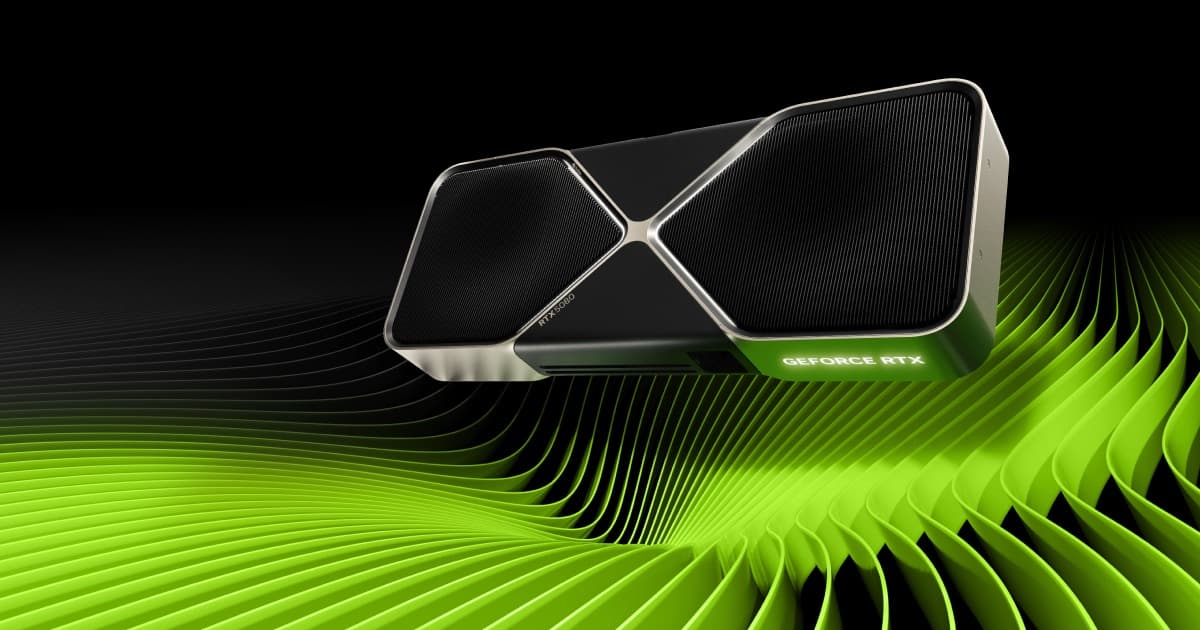
Ray Tracing / DLSS 4 (Frame Gen)
The ray tracing chops shine through with dedicated 84 RT cores (4th gen) paired seamlessly with DLSS 4’s revolutionary Multi Frame Generation technology, which can skyrocket frame rates by synthesizing additional frames via AI magic. Experts applaud how these features transform taxing scenes into buttery smooth experiences without sacrificing visual fidelity. Neural rendering further refines ray-traced lighting effects, setting a new standard for realistic graphics—making this card an excellent pick for enthusiasts craving immersive worlds bathed in lifelike illumination.
Build Quality & Form Factor
This Founders Edition sports a solid build using premium materials sans plastic frills; reviewers praise its robust assembly and sleek finish that ages gracefully over time. Its relatively compact two-slot form factor fits comfortably into many mid-tower cases but still commands respect on size constraints—a crucial consideration if you’re packing gear tightly. While custom cooling mods are limited due to split board architecture, the overall construction instills confidence that you're holding quality engineering crafted for durability as much as aesthetics.
Conclusion
Drawing the threads together, this card impresses with its high memory bandwidth and efficient thermal performance, keeping cool under pressure without screaming for mercy. Its 4th-gen RT cores paired with DLSS 4 frame generation elevate visuals while smoothing gameplay, though some might find the 16GB VRAM capacity limiting for ultra-demanding workloads. The sturdy build quality and sleek form factor make installation manageable but less customizable due to split board design. Content creators will appreciate the dual NVENC/NVDEC video engines, which ease encoding chores seamlessly. While it doesn’t rewrite the rules, this GPU confidently carves a niche as a reliable workhorse delivering crisp graphics and solid multitasking muscle—perfect for gamers and creators who want strong performance without chasing flagship prices or bleeding-edge specs.

Feature Scores
This reflects reviews and ratings from established critics, journalists, and users who have evaluated the item. Their opinions provide a comprehensive assessment.
Performance
GPU Compute Performance
4/5
Ray Tracing Performance
4/5
VRAM Capacity
3/5
Memory Bandwidth
4/5
Thermal Performance
4/5
Noise Level
4/5
Driver Stability
4/5
Value
Price to Performance
4/5
Total Cost of Ownership
3/5
Availability
3/5
Warranty Coverage
3/5
Design
Form Factor
4/5
Visual Aesthetics
4/5
Build Quality
4/5
Health
Heat Emission to User
4/5
Sustainability
Energy Efficiency
4/5
Experience Style
Software Usability
4/5
Customization Options
3/5
Ease of Installation
4/5

Specifications
This section outlines the product's key facts, covering essential features, details, dimensions, materials, and any unique characteristics that define its functionality and usability.
Performance
Value
Design
Safety
Sustainability
Experience Style

Frequently Asked Questions
7 Questions

Also Consider
3 Options

Find Yours
What is your primary intended use for the graphics card?
Answer to find your best matches.