

Intel Core i7-14700K
Powerful multi-core performance and memory support deliver value, but cooling demands remain high.
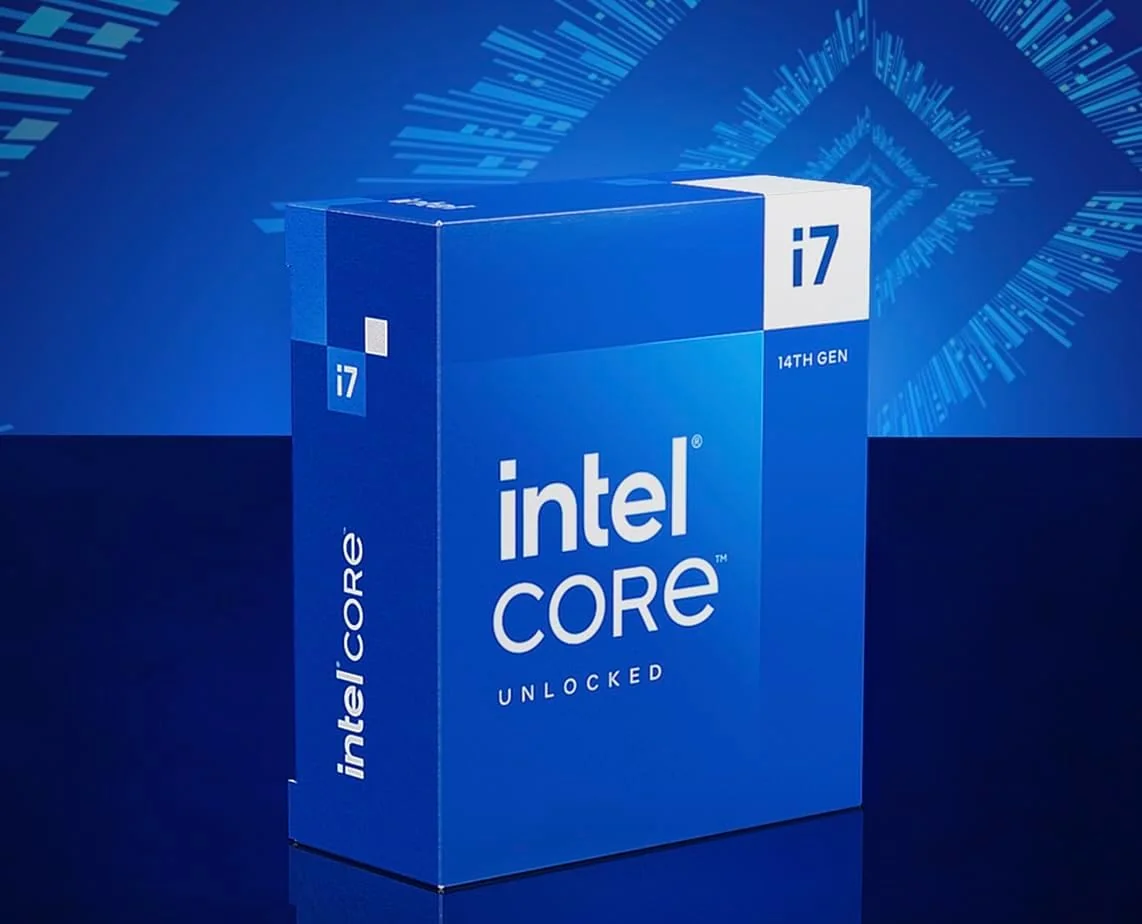
The Intel Core i7-14700K is a 20-core hybrid powerhouse designed for multitaskers and gamers craving more punch without flagship prices. It flexes serious muscle in multi-threaded workloads and boasts a sharp 5.6 GHz turbo boost, yet experts and users agree the gaming uplift feels more nudge than leap. The chip’s appetite for power means you’ll need a robust cooling solution, especially under heavy loads, but its flexible support for both DDR4 and DDR5 memory sweetens system-building options. With solid overclocking headroom balancing raw speed against thermal demands, this CPU delivers strong value—just be ready to manage its fiery temperament on your desk.



Find Yours
What is your primary use case for a CPU?
Answer to find your best matches.

The Scoreboard
Does this improve your life? Considers, health, habits, and environmental impact.
Benefits
Extra 12 E‑cores and higher clocks cut render/export times, reducing work-related stress.
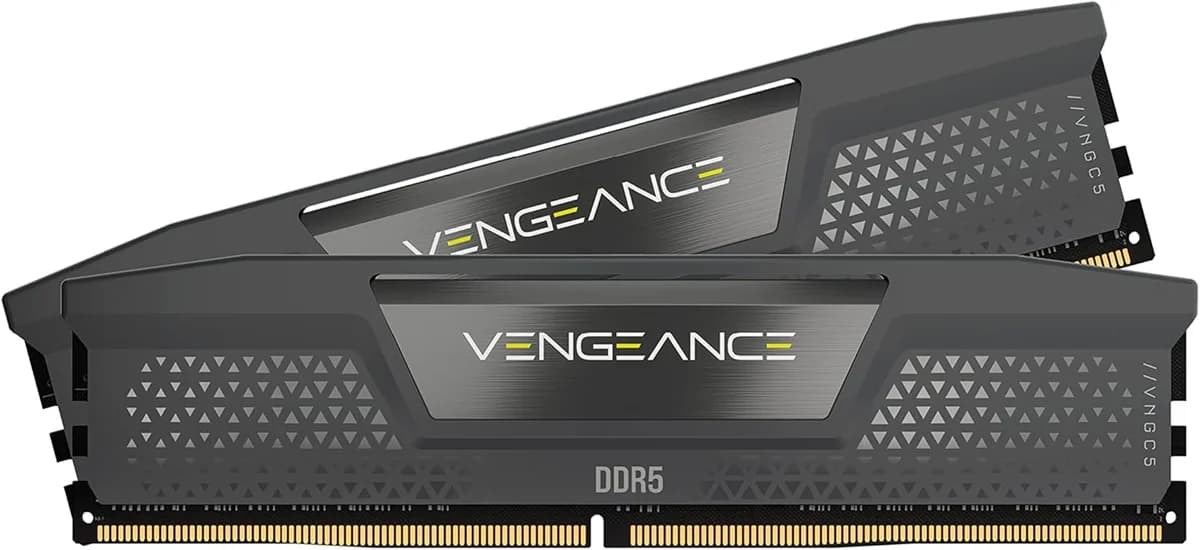
Updated memory controller supports faster DDR5, improving app responsiveness and reducing waiting.
Works with DDR4/DDR5 and 600/700-series boards, easing upgrades and reducing setup stress.
8 P‑cores plus 12 E‑cores with higher clocks deliver gaming and productivity in one.
Trade-Offs
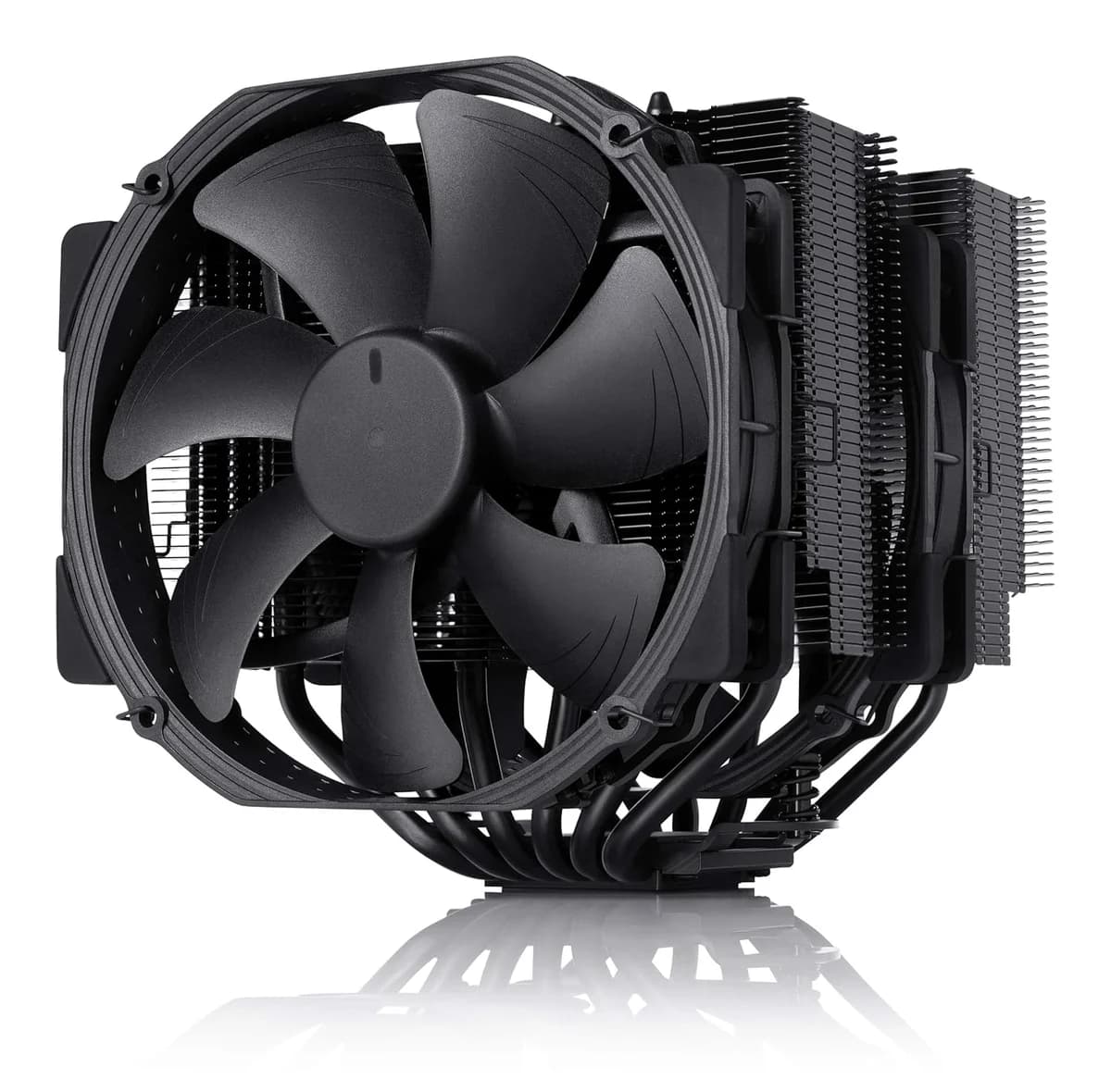
High TDP and power limits mean more heat and louder cooling, especially during long workloads.
Intel 7 process plus power tuning yields lower efficiency than AMD X3D, impacting low-emissions goals.
Intel's LGA1700 socket won't support future generations, which can increase e-waste over time.
High boost temps and sustained power can require heavy cooling, increasing noise and heat exposure.
Intel 7 fabrication uses energy and chemicals, adding manufacturing carbon and waste—important if prioritizing low-impact.
 Alternatives


Join the Circle
Where real meets deal
Know what's worth buying-and when.
Tips, special offers, and rewards for buying and sharing.

Publications
8 LEADING PUBLICATION REVIEWS

Steve Burke from Gamers Nexus delivers a measured yet critical assessment of the Intel Core i7-14700K, describing it as a somewhat desperate and underwhelming launch that largely feels like a modestly overclocked iteration of the previous 13700K. While the CPU benefits from an increased core count—adding four extra efficiency cores—and shows tangible improvements in productivity tasks like Blender and 7-Zip compression, its gaming performance gains over the 13700K are minimal and arguably not worth the price premium. Burke highlights Intel’s struggle to compete with AMD’s X3D CPUs, which often outperform the 14700K in gaming while offering better power efficiency and value. The review emphasizes the 14700K’s high power consumption and limited efficiency gains, framing it as a stopgap product rather than a true generational leap. Ultimately, the review advises potential buyers to carefully weigh pricing and use case, suggesting AMD alternatives for gaming and reserving the 14700K for specific productivity needs.
By Steve Burke
TechPowerUp’s W1zzard highlights the Intel Core i7-14700K as a notable evolution within Intel’s 14th Gen Raptor Lake Refresh lineup, emphasizing its increased core count and clock speed improvements over the previous generation. While the chip uses the same Intel 7 process node and lacks new silicon innovations, the i7-14700K stands out with 20 cores (8 performance and 12 efficiency cores) and a modest boost in frequencies, delivering enhanced multi-threaded performance potential. The review underscores the chip’s power limits matching those of the higher-end i9-14900K, which benefits boost residency and overall performance. Additionally, updates to the memory controller supporting faster DDR5 speeds add value. Pricing is positioned competitively at $409, with a cost-saving KF variant available. The tone is measured and informative, recognizing the i7-14700K as a solid, incremental upgrade rather than a revolutionary leap, offering practical insights into its architecture and positioning within Intel’s product stack.
By W1zzard
Michael Justin Allen Sexton from PCMag highlights the Intel Core i7-14700K as the standout gem in Intel’s otherwise underwhelming Raptor Lake Refresh lineup. Praising its significant improvements—most notably the addition of four extra Efficient cores and a slight clock speed boost—he emphasizes the value it offers at the unchanged $409 price point. The review details thorough testing, showing solid multi-threaded gains and competitive performance against AMD’s Ryzen 7 7700X, though gaming results are mixed, with one title showing unexpected dips. Sexton notes the processor’s increased power draw and thermal challenges under heavy load, suggesting robust cooling is necessary. While the improvements are modest rather than revolutionary, the i7-14700K is positioned as a smart upgrade for users with older or lower-tier 12th/13th Gen Intel CPUs, especially for multitasking and creative workloads. However, gamers with recent mid-range CPUs might prefer to wait for future generations. Overall, the tone is measured but optimistic, recognizing the i7-14700K as a meaningful and well-priced refresh.
By Michael Justin Allen Sexton
Tyler Bernath from TweakTown highlights the Intel Core i7-14700K as the standout gaming CPU in Intel’s 14th generation lineup, praising its significant performance gains and improved efficiency. The review emphasizes the addition of four efficiency cores, increased cache, and higher clock speeds, which collectively boost both single-threaded and multi-threaded workloads by notable margins compared to the previous generation. Bernath provides detailed benchmark results across synthetic and real-world tests, showcasing the 14700K’s strong positioning against competitors and even some higher-tier Intel models. Gaming performance is particularly lauded, with the CPU delivering top frame rates in demanding titles like Cyberpunk 2077 and Starfield, while maintaining competitive power consumption. The review also notes the attractive $40 price drop from last year’s model, reinforcing the 14700K’s value proposition. While the tone is enthusiastic, it remains measured, acknowledging incremental improvements and power trade-offs without overstating claims. Overall, the review presents the 14700K as a well-rounded, high-performance choice for gamers and power users alike.
By Tyler Bernath
Jacob Ridley from PC Gamer highlights the Intel Core i7-14700K as a compelling upgrade over the previous generation, offering four additional Efficient-cores and slightly higher clock speeds for just a few dollars more. He praises its strong multithreaded performance, which rivals pricier Core i9 models and outpaces AMD’s Ryzen 7 7800X3D in many benchmarks, making it an excellent choice for users who need both gaming prowess and heavy-duty processing power. However, Ridley notes the chip runs hot and consumes significantly more power than AMD’s more efficient alternatives, reaching temperatures up to 96°C under load despite robust cooling. While Intel’s Application Optimization feature helps with E-core utilization, it’s limited in scope. Ultimately, the review balances enthusiasm for the 14700K’s value and performance with measured caution about its thermal and efficiency drawbacks, positioning it as a strong contender for those prioritizing raw power over energy savings in their next PC build.
By Jacob Ridley
Antony Leather from Forbes highlights the Intel Core i7-14700K as a notable upgrade primarily for users moving up from 12th Gen CPUs, thanks to its increased core count and strong multi-threaded performance that even surpasses some pricier AMD Ryzen models. While the CPU delivers solid gains in gaming and content creation, especially in multi-threaded workloads, the reviewer points out that the performance improvements over the slightly cheaper Core i7-13700K are marginal for most use cases. The review emphasizes the high power consumption of the 14700K and questions its value for new builds, given the platform’s lack of future upgrade paths. Leather also notes Intel’s emerging Application Performance Optimizer, which could enhance gaming performance but currently supports few titles. Overall, the tone is measured and practical, recommending the 14700K mainly for existing 12th Gen owners seeking a drop-in upgrade, while suggesting the 13700K as a better value for most buyers.
By Antony Leather
Paul Alcorn from Tom’s Hardware highlights the Intel Core i7-14700K as a compelling mid-range CPU that strikes a strong balance between gaming and productivity performance. While the 14th-gen Raptor Lake Refresh series offers only modest generational improvements, the i7-14700K’s increase to 12 efficiency cores provides a meaningful uplift in threaded workloads, making it notably faster than its predecessor, the 13700K, and competitive against AMD’s Ryzen 9 7900X. Although it trails AMD’s Ryzen 7000X3D chips in gaming by a significant margin, the i7-14700K delivers better productivity performance and comes at a substantially lower price than Intel’s top-tier i9-14900K, which itself offers minimal gains over the previous generation. Alcorn points out that power consumption has risen, necessitating robust cooling solutions, but overall, the i7-14700K emerges as a solid, affordable all-rounder that offers excellent value for users seeking a versatile CPU without the premium cost of flagship models.
By Paul Alcorn
Steven Walton from TechSpot highlights that the Intel Core i7-14700K offers a modest but tangible upgrade over its 13th-gen predecessor, primarily due to the addition of extra efficiency cores, resulting in noticeable multi-threaded performance gains. While the CPU delivers consistent and strong performance across productivity and gaming workloads, the review conveys a measured enthusiasm tempered by significant criticisms. The 14th-gen series is characterized as a straightforward “Raptor Lake Refresh” with minimal architectural improvements and only slight frequency bumps. Power consumption emerges as a major drawback, with the i7-14700K consuming substantially more energy than comparable AMD Ryzen 7000 series CPUs, which also tend to be more power-efficient. The review also points out Intel’s platform limitations, as the LGA1700 socket will not support future generations, unlike AMD’s AM5 platform. Overall, the i7-14700K is seen as a decent upgrade for productivity users but less compelling for gamers, especially given the strong competition from AMD’s 3D V-Cache models and better value alternatives.
By Steven Walton

YouTube
3 LEADING EXPERT & INFLUENCER REVIEWS
 PCWorld
Adam from PCWorld praises the Intel Core i7-14700K for its notable multi-threaded performance boost thanks to four extra efficiency cores, making it a strong contender against AMD’s Ryzen 9 7900X in content creation and productivity tasks. While gaming gains are modest and power consumption remains high, the CPU offers solid value for heavy workloads and professional use.
Proceu TechProceu Tech praises the Intel Core i7-14700K for its strong multitasking and productivity performance, thanks to its 20-core hybrid architecture and high clock speeds. While gaming performance is solid and consistent, it’s outperformed by some AMD X3D chips in pure FPS. The reviewer highlights the chip’s flexibility with DDR4/DDR5 memory and stresses the need for robust cooling due to high power draw, offering a balanced, insightful perspective for both gamers and creators.
JacqieJacqie praises the Intel Core i7-14700K for its strong multitasking and productivity performance, especially in tasks like Blender rendering, while noting only marginal gaming improvements over the 13th-gen i7-13700K. She highlights its compatibility with DDR4 motherboards and stresses the need for robust cooling, advising gamers to consider AMD alternatives for better value.

Social
2 INFLUENCER REVIEWS
 Robeytech
Justin Robey highlights the versatility of AIO coolers for the Intel Core i7-14700K, sharing detailed insights from his 2025 test bench. He praises budget-friendly options like the Thermaltake Aqua Elite V6 for value and the Lian Li Galahad 2 Lite for top performance under $100, while also noting premium models with impressive LCD displays. Overall, Robey recommends that most AIO coolers will adequately support the 14700K, especially for gaming, emphasizing that choice depends on budget and desired features. His balanced overview helps users match cooling solutions to their specific needs without overstating any single product.
 nguyencongpc_hcm
nguyencongpc_hcm highlights that the Intel Core i7-14700K does not significantly outperform its predecessor, the 13700K, especially in gaming and creative workloads. While the 14700K shows a slight edge in multi-threaded benchmarks and rendering speed due to more cores and higher clock speeds, the real-world differences are minimal, and it consumes noticeably more power. Overall, nguyencongpc_hcm offers a cautiously critical view, suggesting that the 14700K’s higher price and power draw may not justify the modest performance gains for most users. The review implies that the 14700K is not the clear upgrade many expect, recommending buyers weigh these trade-offs carefully.

Store Reviews
CUSTOMER REVIEWS FROM 1 STORE
Amazon reviewers praise the Intel Core i7-14700K for delivering powerful, high-performance computing, especially excelling in gaming and multitasking scenarios. Gamers highlight noticeable FPS improvements over previous generations, with some attributing gains to the enhanced performance cores and additional efficiency cores. Users emphasize the significantly improved memory controller, enabling stable operation of faster DDR5 RAM with tighter timings, which contributes to overall system responsiveness. Several reviewers share unique insights about the CPU’s toughness, recounting experiences of physical mishandling without performance degradation, underscoring its durability. While the processor impresses with raw power and multi-core performance, many users stress the necessity of investing in a robust cooling solution. The chip runs hot under load, often reaching temperatures in the mid-80s Celsius during intensive gaming or benchmarking, prompting recommendations for quality 240mm or larger AIO coolers or high-end air coolers. Some users creatively manage heat and noise by undervolting or limiting power consumption, balancing performance with quieter operation. Despite concerns raised about potential premature CPU failures in earlier batches, several reviewers report stable, trouble-free operation after BIOS updates. Reviewers also note that the i7-14700K offers excellent value compared to higher-end Intel models, delivering comparable or better performance at a lower price point. Enthusiasts appreciate its ability to handle demanding simulations and AI-heavy workloads smoothly, outperforming some AMD counterparts in specific gaming contexts. Overall, Amazon users find the i7-14700K a formidable and versatile processor that rewards those willing to pair it with adequate cooling and memory configurations.
4.6 Stars / Many verified reviews

Forum Reviews
CUSTOMER REVIEWS FROM 1 FORUM
Reddit users generally view the Intel Core i7-14700K as a solid performer with notable improvements in tuning and power management, delivering strong gaming and productivity capabilities. Many appreciate its efficiency and thermal handling when properly configured, though some highlight its high power consumption under heavy loads. The CPU is often seen as a modest upgrade over previous generations, with some considering it more of a rebrand than a significant leap. While new buyers find it a reasonable choice for current builds, those upgrading from recent Intel models debate waiting for future releases due to platform longevity concerns and incremental performance gains. Overall, the sentiment balances respect for its capabilities with caution about its value relative to alternatives and upcoming Intel releases.
Many comments

In-Depth Review

Highlights
- •Multi‑Core performanceExcellent for threaded workloads
- •20‑core hybrid design8 performance + 12 efficient cores
- •High turbo frequencyUp to 5.6 GHz boost
- •Good price‑to‑performanceStrong value in its segment
- •Memory flexibilitySupports DDR4 and DDR5 memory
- •Advertised to support PCIe 5.0PCIe 5.0 & PCIe 4.0 lanes available

Considerations
- •Thermal demandsRuns hot under sustained load
- •High power drawMaximum turbo power approaches 253W
- •Robust cooling required240–360mm AIO often recommended
- •Mixed stability reportsSome users report crashes/instability
- •Modest gaming upliftSmall frame gains over recent CPUs
- •Platform upgrade limitsLGA1700 has limited future roadmap
Intel’s Core i7-14700K arrives as a mid-to-high tier contender in the 14th Gen lineup, designed for users craving robust multitasking and solid gaming chops without stepping into flagship territory. With its 20-core hybrid architecture combining 8 performance and 12 efficient cores, it aims to excel at both productivity tasks like rendering and video editing, as well as smooth single-threaded workloads thanks to boost speeds reaching 5.6 GHz. Supporting both DDR4 and DDR5 memory alongside PCIe 5.0 compatibility, this chip offers flexibility for varied system builds. However, with great power comes heat—its high turbo power demands call for serious cooling muscle, a theme echoed by expert reviews noting elevated thermal output under load. Whether you’re building an enthusiast workstation or seeking an upgrade that balances speed with multitasking prowess, understanding its thermal behavior, multi-core strengths, efficiency trade-offs, memory support options, gaming impact, and overclocking potential will help tailor your choice precisely—and yes, these details matter more than just raw core counts alone.
Multi‑Core Performance (Productivity)
This chip flexes its multi-threaded muscles with 20 cores (8 P + 12 E) that excel in productivity tasks like rendering and video editing. The expanded cache sizes complement these gains, delivering noticeable improvements over predecessors especially in software optimized for multiple threads. Reviews praise its ability to handle heavy workloads efficiently, positioning it as a strong contender for creators seeking raw compute firepower beyond gaming prowess.
Power Consumption & Efficiency
Expect hefty appetites: while delivering solid performance gains, this CPU draws significantly more juice than many competitors during intensive tasks. Power consumption can soar near or above 300 watts under full load, raising efficiency concerns despite Intel's process optimizations. This makes balancing performance versus energy costs crucial—users note higher electricity bills but appreciate the payoff when time savings kick in during heavy multitasking or content creation.
Single‑Core / Gaming Performance
Clocking up to 5.6 GHz Turbo Boost Max Technology 3.0, this processor offers commendable single-core speeds ideal for gaming scenarios reliant on high-frequency cores rather than sheer thread count. However, experts find only modest frame rate uplifts compared with previous generations; combined with high power draw and heat output, gamers might weigh incremental gains against cooling requirements carefully before upgrading from recent models.
Thermal Performance & Cooling Requirements
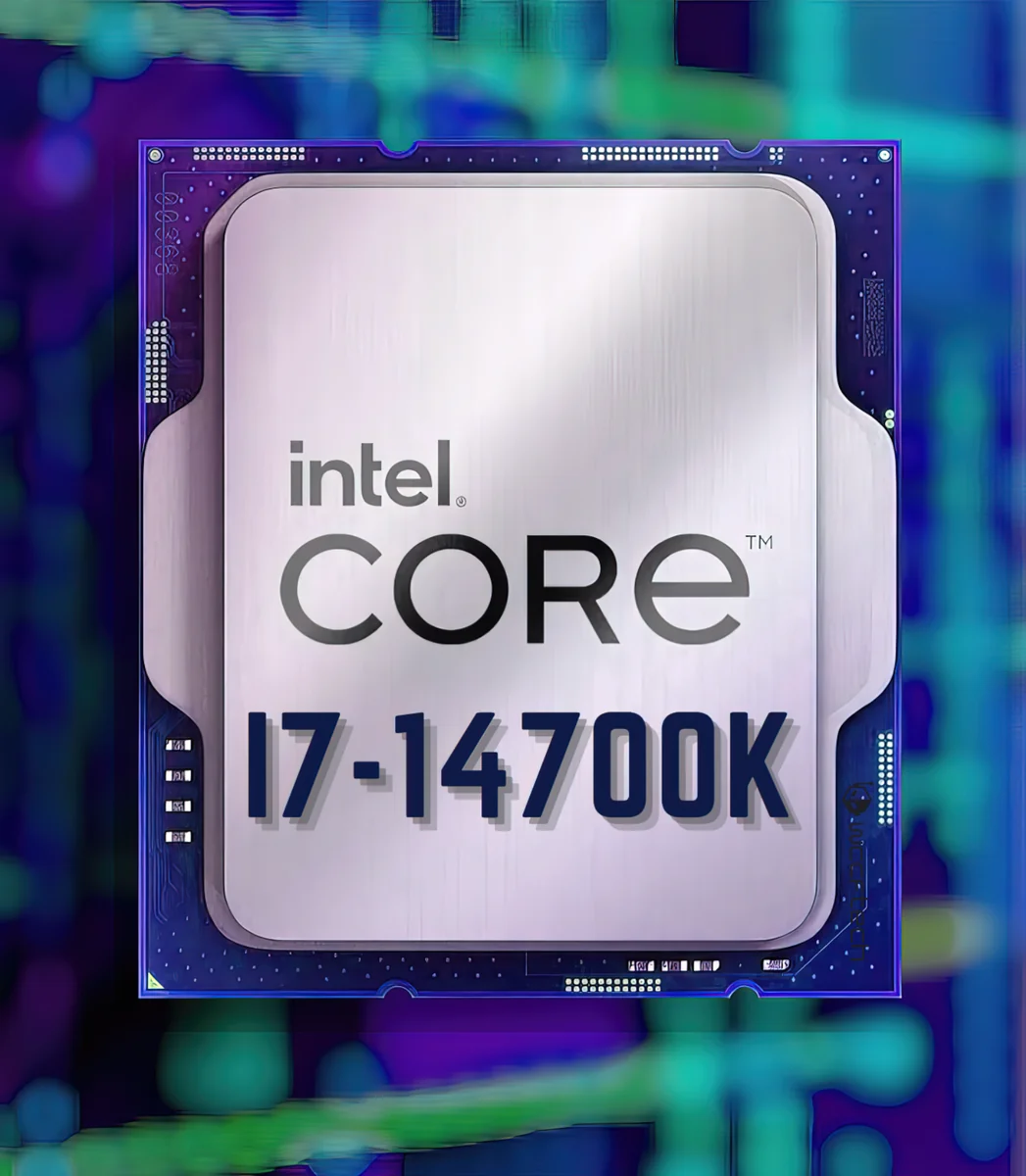
Dive into the heat zone with this CPU’s high power envelope and a tendency to run hot, demanding robust cooling setups like 240mm or 360mm AIO liquid coolers. While the base TDP is listed at 125W, real-world tests reveal spikes up to 253W max turbo power, causing thermal throttling if not managed well. Expert and user feedback consistently highlights the need for serious cooling muscle to keep performance steady under load—making it a must-know for builders aiming for sustained speed without overheating.
Conclusion
The story here is a dance of power and precision: thermal demands push the need for hefty cooling, while the 20-core hybrid design flexes impressive multi-threaded muscle for productivity. Users appreciate its high turbo frequencies, yet must balance those gains against a ravenous appetite reflected in elevated power consumption. Gaming benefits from solid single-core boosts but sees only incremental leaps over predecessors, highlighting that raw clock speed isn’t everything. The chip’s versatile support for both DDR4 and DDR5 memory, along with robust PCIe 5.0 lanes, offers system builders flexibility without compromise. Enthusiasts will find joy in its generous overclocking headroom, unlocking extra performance with tuning finesse. This processor suits creators who juggle heavy workloads and gamers seeking smooth frame rates but may challenge thermals if left unchecked—proof that mastery often requires managing fire as much as fueling it.

Feature Scores
This reflects reviews and ratings from established critics, journalists, and users who have evaluated the item. Their opinions provide a comprehensive assessment.
Performance
Single-Core Performance
4/5
Multi-Core Performance
5/5
Instructions Per Cycle
4/5
Base Clock Speed
4/5
Cache Size
4/5
Integrated GPU Performance
3/5
Sustained Thermal Performance
2/5
Reliability
4/5
Value
Price-to-Performance Ratio
4/5
Availability
4/5
Upgradeability
3/5
Warranty Support
4/5
Design
Visual Aesthetics
3/5
Package Size
TBD
Integrated Heat Spreader Finish
TBD
Health
Toxic Substance Use
5/5
Operational Heat Exposure
2/5
Safety
Thermal Protection
4/5
Electrical Fault Protection
TBD
Regulatory Compliance
4/5
Sustainability
Energy Efficiency
3/5
Recyclability
TBD
Packaging Sustainability
TBD
Product Lifespan
3/5
Experience Style
Software and Driver Support
4/5
User Customization Options
4/5
Out-of-the-box Setup Simplicity
4/5
Feature Richness
4/5

Specifications
This section outlines the product's key facts, covering essential features, details, dimensions, materials, and any unique characteristics that define its functionality and usability.
Performance
Value
Design
Safety
Sustainability
Experience Style

Frequently Asked Questions
6 Questions




Find Yours
What is your primary use case for a CPU?
Answer to find your best matches.