












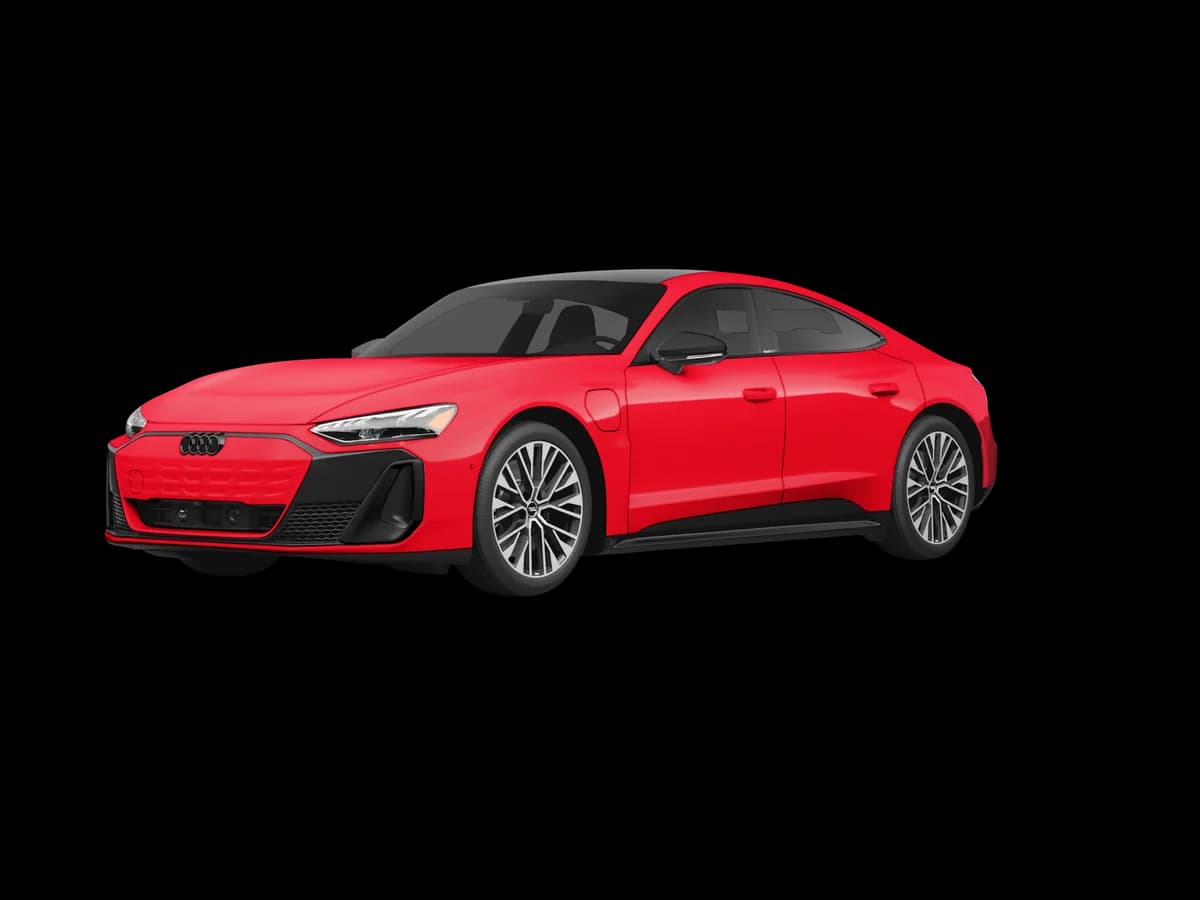
Audi RS e-tron GT (2027)
Supercar-fast, refined, and quick-charging, but costly with limited range and space.
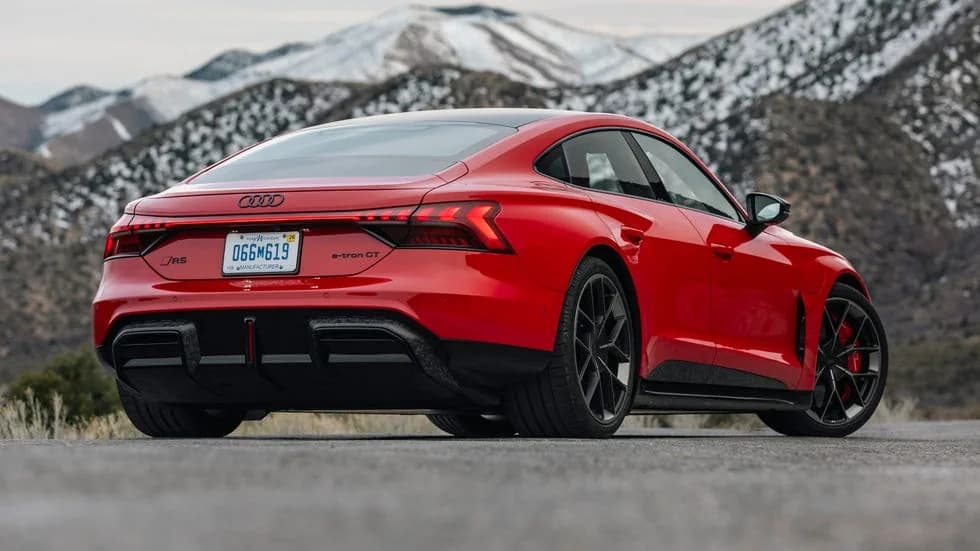
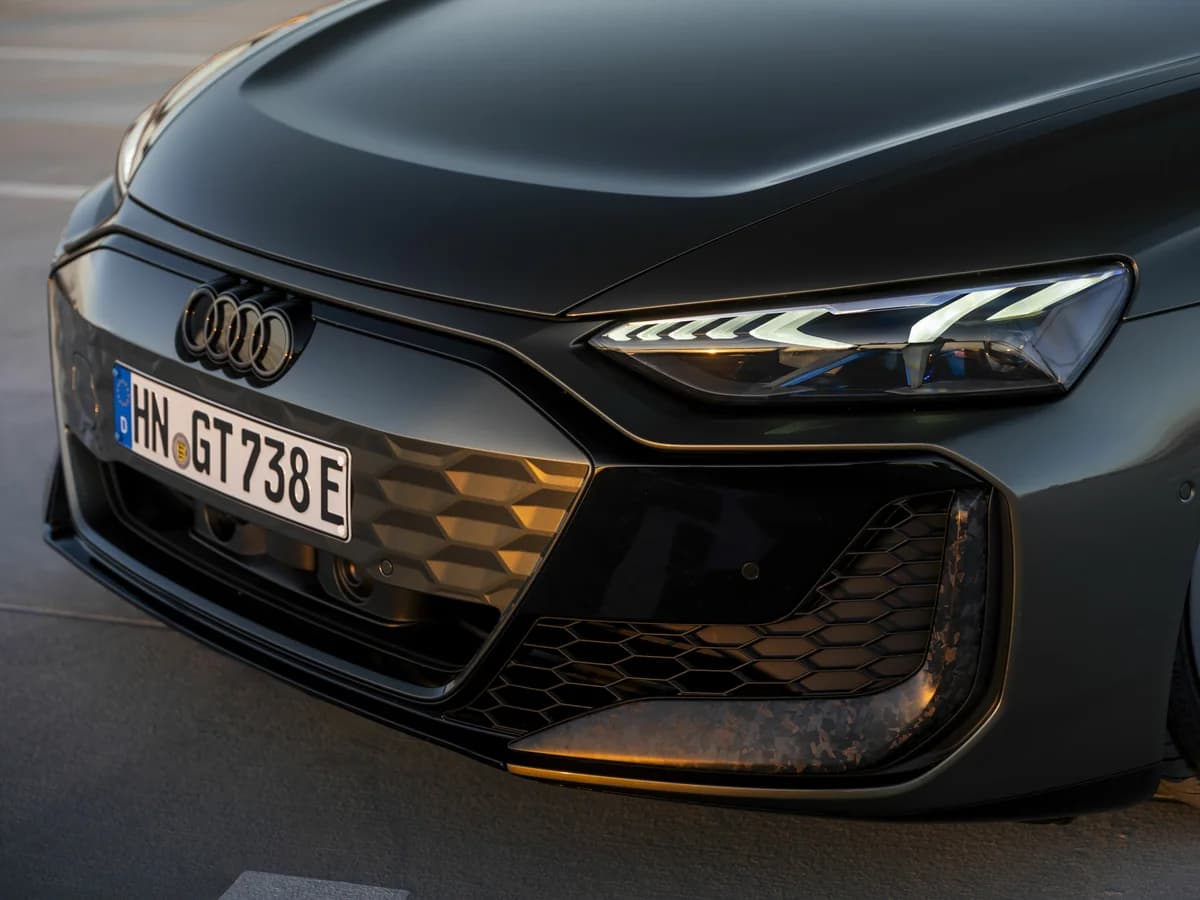
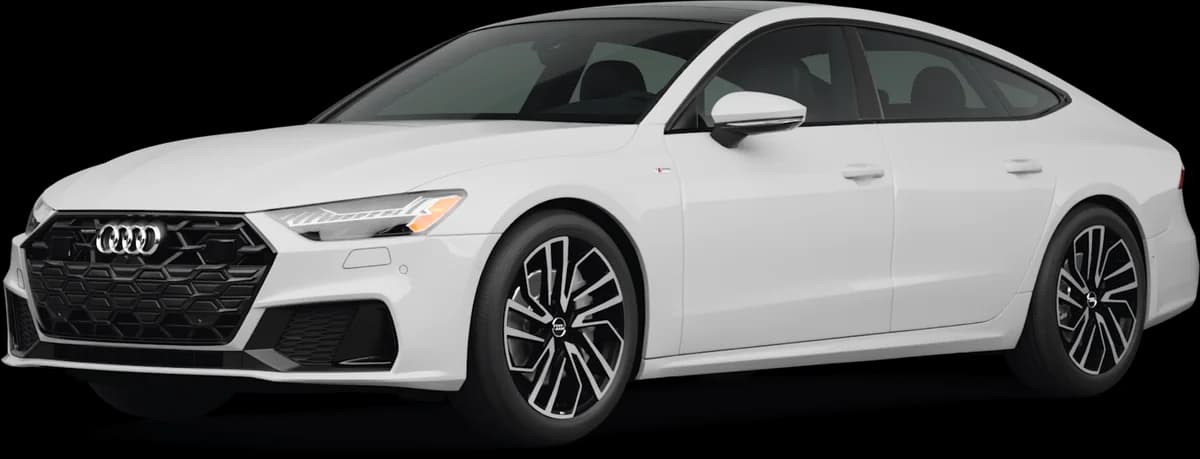
The Audi RS e-tron GT (2027) is a supercar in a tailored suit, built for luxury drivers who want explosive performance without giving up quiet, comfortable daily travel. Its supercar-level acceleration, composed handling, and polished ride win strong praise, while Audi’s 320-kW DC charging claim is broadly supported by testing, provided the right charger is available. The catch is that real-world range, especially in cold weather, falls well short of the headline WLTP figure, and the tight rear seats and small cargo area limit touring flexibility. At roughly $171,895, it feels emotionally special but financially difficult to justify against longer-range rivals. Overall appeal depends on whether refinement and speed outweigh charging planning, space, and depreciation.
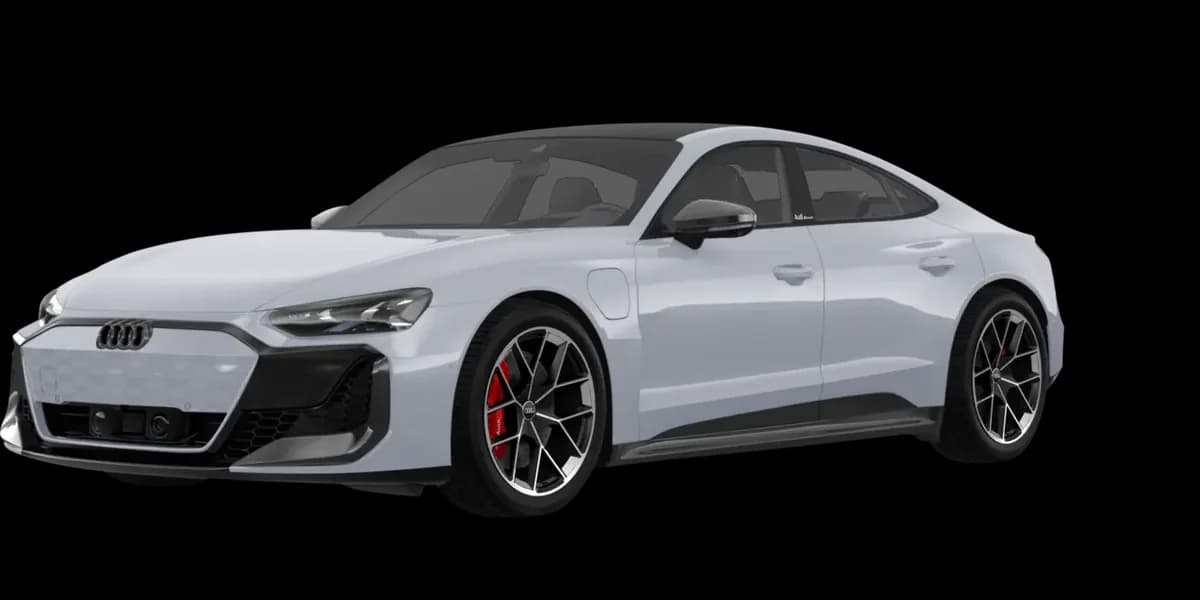
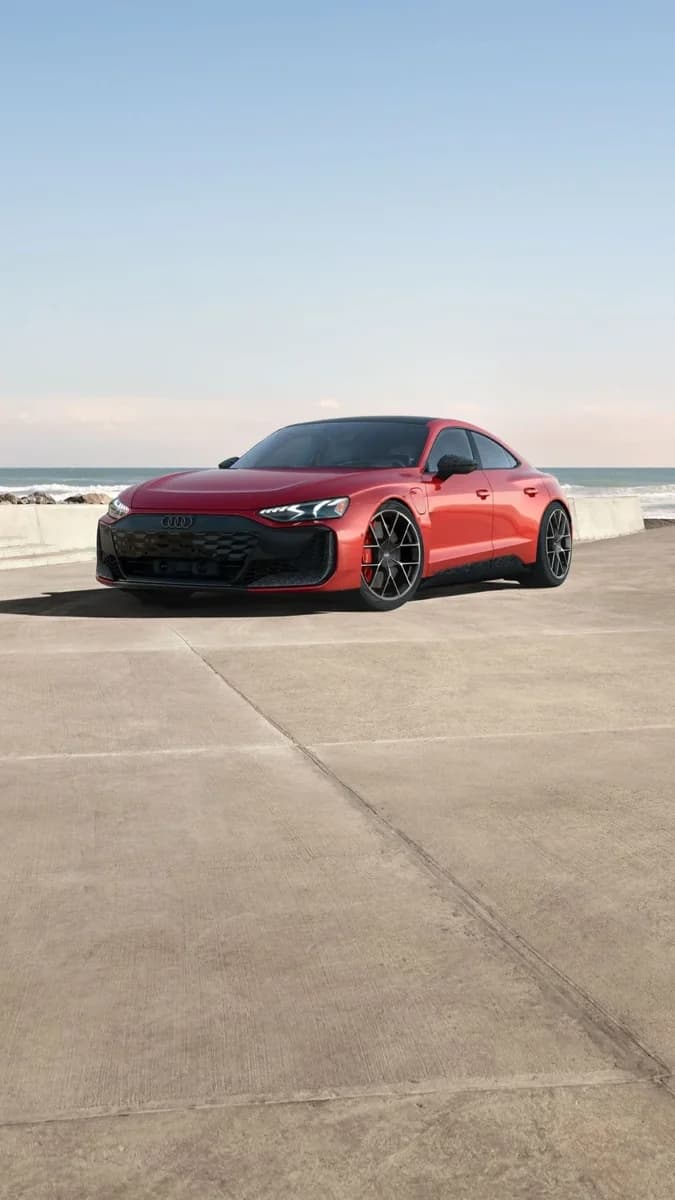
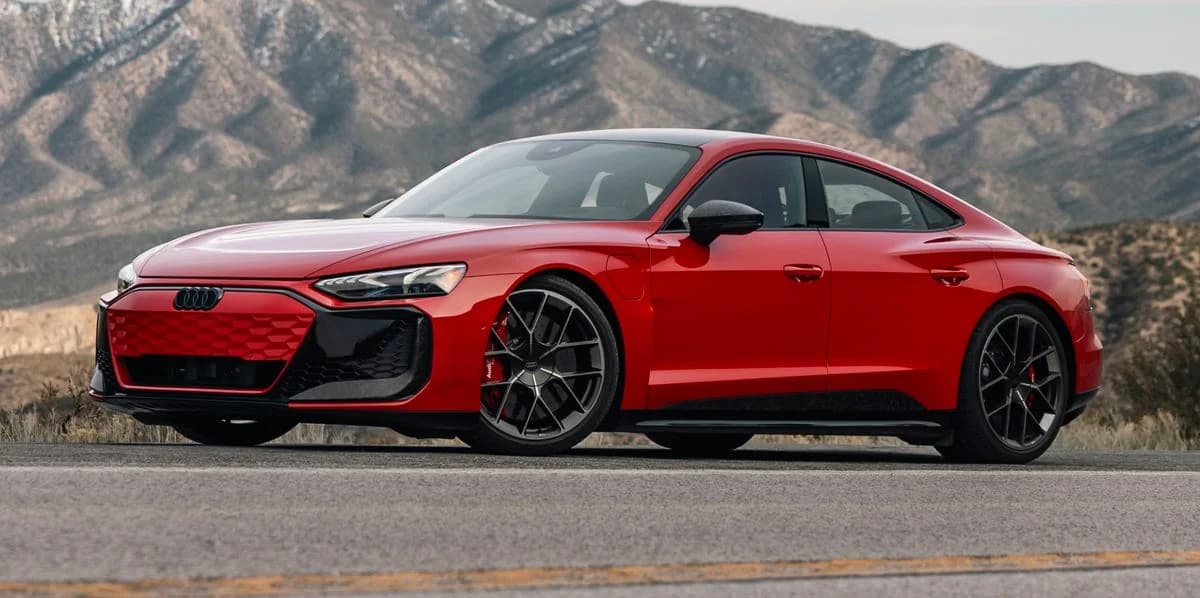

Find Yours
What is your primary intended use for an electric sedan or compact?
Answer to find your best matches.

The Field
Browse top contenders, or compare all options ranked by score and key attributes.
5 Options



The Scoreboard
Does this improve your life? Considers, health, habits, and environmental impact.
Benefits
Supportive seats, a calm cabin, and smooth suspension make long drives unusually easy.
Instant all-wheel-drive power makes merging, passing, and spirited roads feel remarkably straightforward.
Fast 800-volt charging can turn longer stops into manageable breaks on busy journeys.
Tactile controls and conventional climate buttons reduce fiddling when adjusting the car on the move.
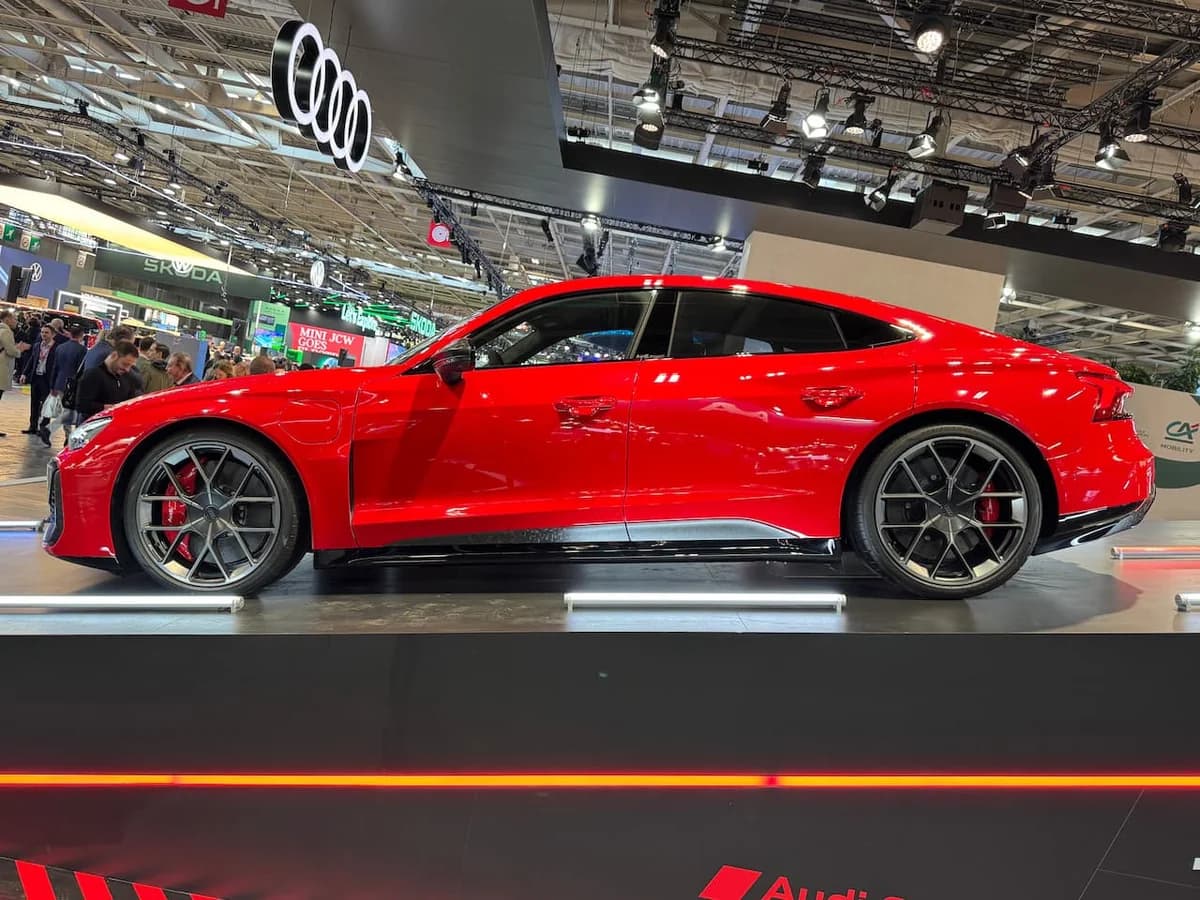
Low, distinctive styling feels special without demanding the attention of an exotic supercar.
Trade-Offs
Tight rear headroom and legroom make carrying adults uncomfortable during ordinary passenger trips.
The small trunk and restricted cabin storage make luggage, groceries, and bulky bags harder to manage.
Modest real-world range means longer journeys require regular stops, especially in colder weather.
The low roof and limited rear view make parking and reversing less comfortable without camera help.
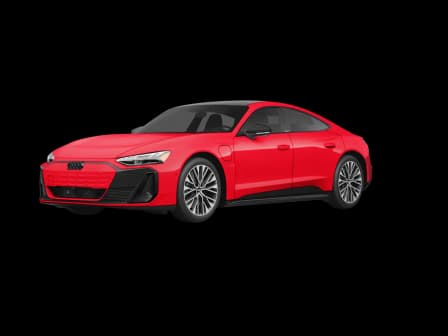
 Alternatives


Join the Circle
Where real meets deal
Know what's worth buying-and when.
Tips, special offers, and rewards for buying and sharing.

Publications
6 LEADING PUBLICATION REVIEWS

Car and Driver is highly enthusiastic about the 2027 Audi RS e-tron GT. It portrays this 912-hp electric sedan as a stealth supercar in a tailored suit, pairing astonishing acceleration with precise steering, a smooth ride, quiet comfort, and impressive back-road agility. Its sophisticated cooling system supports repeated hard runs, while the 280-mile real-world highway range slightly beats the EPA estimate. The cabin feels upscale and sporty, though rear headroom, the cramped middle seat, and limited cargo space temper its practicality. The biggest drawback is the extraordinary $171,895 starting price, especially with the more affordable S trim gone for 2027. Still, Car and Driver treats the RS Performance as the only compelling choice in the simplified lineup—and, despite the cost, clearly considers it worth going all-in.
By Andrew Wendler
MotorTrend’s Alexander Stoklosa is highly enthusiastic about the Audi RS e-tron GT, portraying it as a remarkably fast yet unusually civilized electric super-sedan. He praises its 912 horsepower, unofficial 2.3-second uphill sprint to 60 mph, sustained high-speed acceleration, powerful brakes, improved 278-mile range, and claimed 18-minute fast-charging capability. The optional active suspension is a standout, keeping the car impressively flat in corners while delivering a supple ride at speed, though 21-inch wheels still transmit some low-speed jiggles. Stoklosa’s most compelling insight is that the Audi offers much of a Porsche Taycan Turbo GT’s straight-line performance for roughly $60,000 less, with greater comfort, refinement, and five-seat practicality. It gives up some ultimate track sharpness, power, and top-speed freedom to the Porsche, but the review considers those compromises worthwhile. Overall, the RS e-tron GT is presented as an exuberant, everyday-friendly rocket that genuinely earns its GT badge.
By Alexander Stoklosa
Brian Wong’s Green Car Reports review is strongly positive about the RS E-Tron GT, especially its astonishing acceleration and polished comfort. The RS delivered a measured 2.99-second 0–60 mph run and kept pulling past 100 mph even in 100-degree heat on an unprepared runway. Its sleek design, supportive front seats, serene ride, quality materials, and thoughtfully conventional climate controls also impressed. Still, this is more grand tourer than sharp sports sedan: steering feedback trails the Porsche Taycan’s, rough roads introduce noise, rear-seat space is tight, and there’s no one-pedal driving. Wong is also unconvinced that the RS justifies its roughly $40,000 premium over the regular E-Tron GT, since both share the same comfortable suspension and similar range. His verdict is enthusiastic about the RS’s performance but pragmatic overall: the standard E-Tron GT offers about 90% of the fun for considerably less money.
By Brian Wong
InsideEVs reviewer Brett T. Evans is highly positive about the RS E-Tron GT, calling it an exceptionally polished luxury EV with real personality. He admires its futuristic, richly appointed cabin, serene ride, strong technology, rapid charging, and impressive 637-hp performance, including a 3.1-second sprint to 60 mph. Compared with the Porsche Taycan, the Audi feels less razor-sharp and more suited to fast grand touring, but it remains confident and exciting on a winding road. Evans is also candid about the drawbacks: cramped rear seating, a small trunk, mediocre EPA range, heavy reliance on the brake pedal instead of one-pedal driving, and an expensive options list. The cleverest twist is that he would personally choose the less powerful E-Tron GT, which offers similar style, more range, and substantially better value. Even so, he considers the RS a compelling, class-leading flagship and Audi’s quickest U.S. model.
By Brett T. Evans
Road & Track’s Bob Sorokanich is strongly impressed by the RS E-Tron GT’s ability to carve mountain roads. He portrays Audi’s electric sport sedan as a sleek, silent heavyweight that can genuinely run with modified Nissan 370Zs and Subaru WRX STIs, thanks to explosive torque, excellent body control, powerful brakes, grippy tires, and a beautifully finished, quiet interior. It drives much like the Porsche Taycan, which is high praise, while Audi’s cabin design and physical climate controls give it a distinct advantage. Still, Sorokanich’s enthusiasm is tempered by meaningful quirks: the estimated 232-mile range trails the Tesla Model S, the two-speed rear gearbox can hesitate in Comfort mode, steering offers little feel, and rear-wheel steering behaves unpredictably in certain corners. Overall, he views those flaws as understandable growing pains rather than deal-breakers, concluding that the RS E-Tron GT is an outrageously capable and compelling performance EV.
By Bob Sorokanich
Evo’s Stuart Gallagher views the Audi RS e-tron GT favorably, though as an impressive compromise rather than a flawless performance car. Over six months and 7,598 miles, it proved exceptionally quiet, comfortable, and calming, with a settled ride and remarkable ability to disguise its 2,347kg weight. Its 637bhp dual-motor powertrain makes it seriously quick, but the excitement fades because there are no engine sounds, gearshifts, or other analogue interactions to enjoy. Gallagher is also underwhelmed by the restrained styling, ordinary cabin materials, borrowed switchgear, light steering, and occasional lack of composure over mid-corner bumps. Real-world range—around 230 miles in summer and just over 200 in colder weather—falls short of making it a convincing RS7 replacement. Still, as a luxurious long-distance EV for owners with another, more characterful car, the e-tron GT has genuine appeal.
By Stuart Gallagher

YouTube
17 LEADING EXPERT & INFLUENCER REVIEWS
 savagegeese
Savagegeese is impressed by the RS e-tron GT’s polish but ultimately rejects its value. The car feels like a properly engineered Audi rather than an EV “science project,” with excellent fit and finish, intuitive physical controls, comfortable seats, superb ride isolation, and exceptional suspension tuning. Yet its compromised rear-seat and cargo space, mediocre efficiency, road noise, limited real-world range, and synthetic driving feel undermine its grand-touring mission. Compared with the Lucid Air, it offers less range and usability for more money, while lacking the emotional payoff of a true sports car. The verdict is essentially “right car, wrong price,” and perhaps the wrong generation.
Harry's garageHarry Metcalfe is highly impressed by the Audi RS e-tron GT, calling it a beautifully designed, comfortable, and exceptionally fast EV. He praises its refined cabin, physical controls, quiet ride, accurate range estimate, and effortless performance, preferring it to the closely related Porsche Taycan. His enthusiasm is tempered by the £130,000 price, modest real-world range, limited fast-charging infrastructure, slow home charging, and relatively small cargo capacity. Harry’s distinctive conclusion is that it is a cracking car for owners with predictable journeys and home charging, but not yet an entirely compromise-free grand tourer.
JayEmm on CarsJayEmm is highly impressed by the Audi RS e-tron GT, calling it one of his favorite electric cars and possibly his favorite Audi. After driving over 1,000 miles, he praises its astonishing acceleration, composed handling, comfortable ride, quiet long-distance ability, accurate range prediction, and superior design compared with the Porsche Taycan. He also appreciates its intuitive controls, practical luggage space, and genuine grand-touring character. However, weak steering feel, poor rear visibility, rattling Bang & Olufsen speakers, limited UK options, no standard 360-degree camera or head-up display, heavy tire wear, and frustrating public charging temper the enthusiasm.
CarExpertPaul Maric is strongly impressed by the Audi RS e-tron GT, especially its striking design, exceptional comfort, and supercar-like acceleration. He praises the air suspension, all-wheel-drive traction, quiet refinement, and remarkably capable handling for a 2.5-ton sedan, with testing confirming 0–100 km/h in 3.22 seconds. Still, his enthusiasm is tempered by poor real-world efficiency, limited cargo and rear-seat space, weak rear visibility, dated cabin details, and an unconvincing brake-pedal feel. Overall, he views it as a thrilling, beautifully executed first-generation performance EV, though its high price and practicality compromises limit its appeal.
AutotraderAuto Trader is overwhelmingly enthusiastic about the Audi RS e-tron GT, calling it fabulous, reliable, and exceptionally fun to drive. After six months, the reviewer praises its granite-solid build quality, comfort, quietness, easy rapid acceleration, rear-wheel steering, and surprisingly graceful track handling—even keeping pace with McLaren hypercars in a shoot. Everyday drawbacks include painful door handles, awkward phone storage, basic infotainment, a modest boot, expensive rapid charging, and real-world range that trails the Tesla Model S. Its biggest limitation is touring practicality: it is brilliant, but long journeys require regular charging stops.
carwowMat Watson is highly impressed by the Audi RS e-tron GT Performance’s explosive acceleration and composure. In Carwow’s races, its 925-hp launch-control system nearly beat a Ducati Panigale V4S over the quarter-mile, finishing in 10.0 seconds, and it remained devastating in rolling races. Watson also praises its stability and exceptional emergency braking, though the car’s considerable weight limits it against the bike. He dislikes some touch-sensitive controls and optional forged-carbon trim, but those are minor quibbles beside his clear excitement about the Audi’s remarkable performance and everyday comfort.
Auto FocusAuto Focus is impressed by the RS e-tron GT’s extraordinary speed, comfort, and everyday usability, but struggles to recommend it. The active ride suspension delivers a remarkably smooth ride, while the Audi’s distinctive styling, practical trunk, real climate controls, and quieter luxury-focused interior offer genuine advantages over the Porsche Taycan. It is also exciting on back roads, though its weight demands early braking and winter-tire grip was questionable. Ultimately, the Audi feels like an excellent, highly capable EV trapped by the Taycan Turbo GT: once prices, equipment, depreciation, and used-market bargains are considered, the Porsche seems worth the extra money.
Doug DeMuroDoug DeMuro is highly enthusiastic about the Audi RS e-tron GT, calling it a gorgeous, exceptionally capable sports sedan that feels simultaneously like a luxury car and a performance car. He praises its instant acceleration, precise handling, confident braking, quiet ride, comfort, and genuine sports-car character, ranking it alongside the Porsche Taycan and above Tesla for driving engagement. The drawbacks are its modest range, limited practicality, cramped middle rear seat, missing sunroof and rear amenities, and steep price. His 71/100 DougScore reflects those compromises, but he still considers it one of the most thrilling high-performance EVs available.
Remove Before RaceRBR is thrilled by the Audi RS e-tron GT, calling it Audi’s best modern RS car. The review praises its gorgeous, familiar styling, beautifully sculpted interior, supercar-like 3.1-second launch, confidence-inspiring handling, low center of gravity, compliant ride, and rear-biased quattro character. It feels more like a livable grand tourer than a Taycan, while retaining shared 800-volt hardware and extraordinary acceleration. Criticisms are specific: range feels inadequate, road and tire noise undermine refinement, the screens and steering wheel lack polish, the gear selector is confusing, and the wheels disappoint. Overall, enthusiasm is emphatic despite those caveats.
TFLEVKase is clearly impressed by the Audi RS e-tron GT performance, calling its acceleration shocking and its technology a tour de force. He enjoys how the understated exterior hides supercar-level pace, while the adaptive suspension, huge Pirelli tires, quiet cabin, physical controls, and comfortable ride make it surprisingly usable. His drive confirms excellent handling and effective counter-leaning, though the rear seat and trunk are tight, range is modest at 278 miles, and the nearly $192,000 price is daunting. Overall, his enthusiasm is strong, tempered by practical limitations and the acceleration’s physically overwhelming character.
2varishTavarish is highly enthusiastic about the Audi RS e-tron GT, especially as a lease. After a year and roughly 22,657 miles, he praises its astonishing acceleration, comfortable massaging seats, distinctive sound, everyday drivability, premium design, and home-charging convenience. He also appreciates the two-speed transmission and low running costs compared with his gas-powered cars. However, the MMI infotainment is frustrating, wireless Android Auto failed, speed-warning settings reset, and a charging failure required towing and dealer service. His conclusion is strongly positive for leasing, but he warns that buying at the $160,000 MSRP would be a very different—and potentially expensive—proposition.
Raiti's RidesJoe Rady is genuinely thrilled by the Audi RS e-tron GT, calling it a “German cruise missile” and his likely electric-vehicle choice. He praises its explosive acceleration, precise steering, strong brakes, rear-wheel steering, flat cornering, communicative Audi RS driving feel, premium carbon-fiber and Alcantara cabin, and lower price than a comparable Porsche Taycan Turbo S. His criticisms are limited but meaningful: no ventilated seats, some unnecessary gloss black, tight rear visibility, modest rear-seat comfort, and no true combustion-engine character. Overall, he views it as an exceptionally capable, stylish, and surprisingly usable performance GT.
GjeebsGjeebs is highly enthusiastic about the Audi RS e-tron GT, especially at today’s steeply depreciated prices. He loves its striking design, carbon-ceramic brakes, luxurious interior, massaging seats, air suspension, all-wheel steering, rapid charging, and genuinely engaging drive, including its simulated sound and two-speed transmission. However, he flags unreliable technology, Apple CarPlay glitches, rattles, road noise, cramped rear seating, poor trunk space, and potentially costly repairs outside warranty. His recommendation is conditional: it is an exciting bargain as a certified second or third car, but risky as an unaffordable daily driver.
Car and Driving - Car ReviewsJonathan Crouch is highly impressed by the Audi RS e-tron GT, calling it an astonishing technological achievement and one of Audi’s most desirable RS models. He praises its superbike-like acceleration, limousine-level cabin, distinctive Audi character, composed handling, and rapid 800-volt charging. Still, his enthusiasm is tempered by a 283-mile range that feels disappointing for such an expensive EV, especially beside Tesla’s Model S Plaid, while the roughly £112,000 starting price limits its appeal. Overall, he views it as an exceptionally desirable, emotionally exciting luxury GT whose range and cost prevent perfection.
The Miles DrivenThe Miles Driven is broadly positive about the Audi RS e-tron GT, especially its performance and used-market value. The guide praises the distinctive grand-touring character, dual-speed rear motor, rapid charging, and extraordinary acceleration of the RS Performance, while calling the standard quattro a sensible, well-equipped choice. It also delivers a useful reality check: depreciation is steep, parts can take months to arrive, and buyers should verify recalls, battery work, electronics, spoiler operation, braking feel, and tire wear. Overall, enthusiasm is tempered by practical reliability and ownership cautions rather than outright criticism.
KRIS RIFA ELECTRICKris Rifa is thoroughly enthusiastic about the Audi RS e-tron GT, calling it one of the most beautiful and emotionally compelling cars he has driven. He especially loves its low-slung design, exceptional comfort, tactile controls, fast charging, and impressive real-world range. The Porsche Taycan offers sharper steering, sportier handling, and higher perceived interior quality, while the Audi is noisier on some roads and less practical in back-seat and trunk space. Still, its stronger comfort-and-emotion balance makes Kris question his new Porsche Macan Turbo order, particularly given the RS e-tron GT’s attractive used-car value.
GadgetsBoyGadgetsBoy is highly enthusiastic about the Audi RS e-tron GT, calling three months with it an experience he’ll genuinely miss. He praises its head-turning yet understated design, luxurious cabin, superb audio, comfortable air suspension, tight turning circle, and astonishing acceleration. The long-term testing adds useful realism: rear-seat and storage space are limited, motorway charging can be unreliable and expensive, and cold-weather range falls to roughly 190–200 miles. Still, its effortless performance, refinement, and everyday usability make it his preferred choice over the Porsche Taycan—and a car he’d buy if he won the lottery.

Forum Reviews
CUSTOMER REVIEWS FROM 1 FORUM
Redditors are broadly excited by the 2027 Audi RS e-tron GT, though its price and range remain sticking points. Its striking design, exceptional acceleration, refined ride, precise handling, quiet cabin, and upscale comfort earn consistent praise, with many calling it one of the best-driving and best-looking EVs available. The updated powertrain is seen as genuinely impressive, but some question the value of nearly 900 horsepower when efficiency and charging infrastructure still lag. Audi’s software, limited visibility, small trunk, aging platform, and potentially costly out-of-warranty hardware also worry buyers. Leasing or buying used is widely viewed as the smarter route than paying MSRP.
Many comments

In-Depth Review

Highlights
- •Explosive Electric AccelerationReviewers report supercar-level pace.
- •Rapid DC ChargingAdvertised to charge 10–80% in 18 minutes.
- •Quiet Comfortable CruisingSupportive seats and smooth suspension ease long journeys.
- •Composed Cornering AbilityTests find impressive stability despite its weight.

Considerations
- •Limited Real-World RangeHighway and cold-weather results vary substantially.
- •Exceptionally High PricingThe $171,895 starting price limits value.
- •Restricted Rear SeatingLow roofline compromises adult passenger comfort.
- •Limited Cargo CapacitySmall trunk restricts everyday luggage flexibility.
Audi’s RS e-tron GT is a flagship electric grand tourer that brings the brand’s performance reputation into the luxury EV era. Positioned against the Porsche Taycan and Tesla Model S Plaid, it pairs supercar-level acceleration with quiet, comfortable everyday manners. Its primary appeal is effortless long-distance performance, helped by 800-volt architecture and 320-kW DC charging, though real-world range deserves a closer look before touring plans are set. We’ll also examine how its substantial weight affects handling and braking, and whether the adaptive suspension delivers the right balance between composure and comfort. Finally, the 255-liter trunk and tight rear seats reveal where this five-seat GT is less practical than its price suggests. Performance-minded luxury buyers should explore each trade-off closely—because this Audi may be a rocket, but even rockets need charging stops.
Confident High-Speed Braking
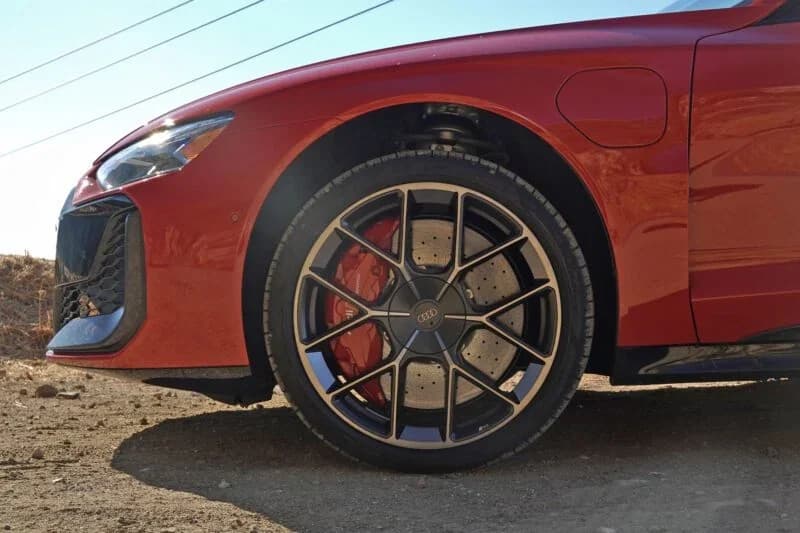
The RS e-tron GT stops with the authority its acceleration demands. Four-wheel disc brakes, broad performance tires, and sophisticated electronic control support strong emergency braking and repeated hard use, with reviewers specifically praising confidence under heavy deceleration. The substantial mass means braking points arrive earlier on demanding roads, and one test noted an unconvincing brake-pedal feel. Regenerative braking is also less configurable than some rivals because the Audi lacks true one-pedal driving, slightly reducing its intuitive everyday usability.
Range And Efficiency
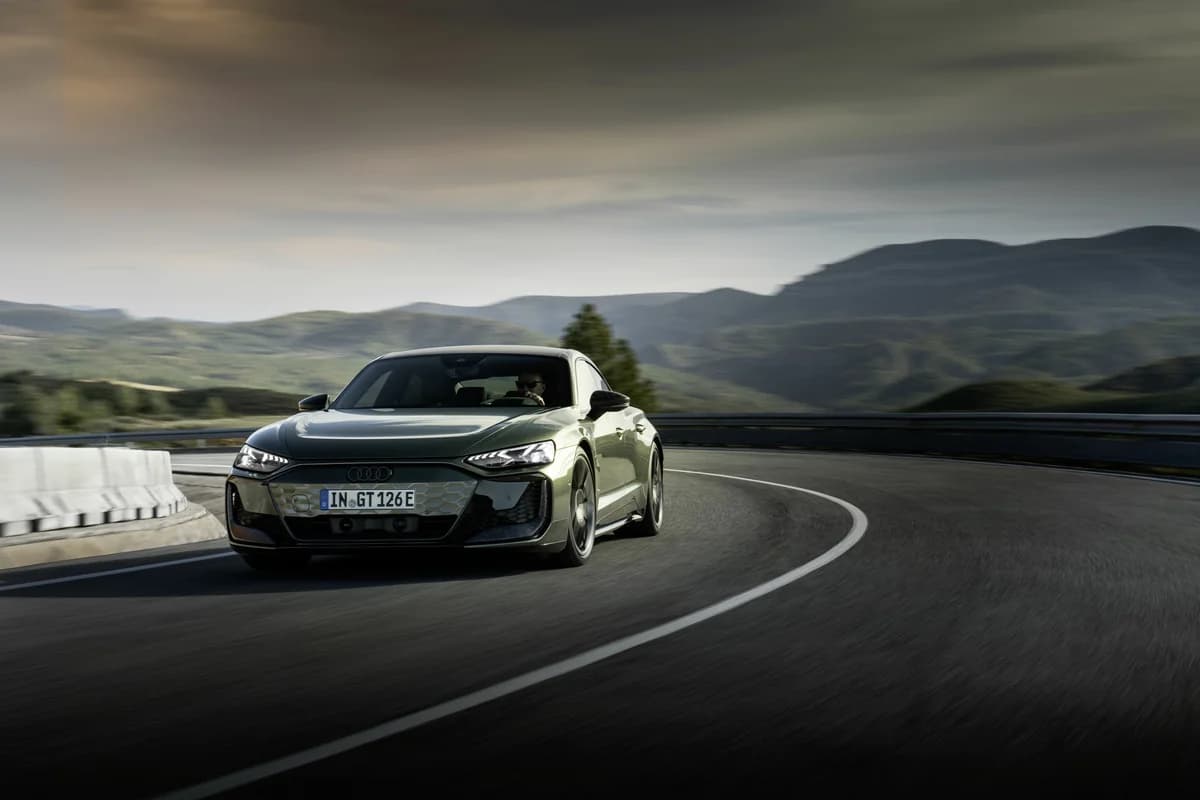
Range is the RS e-tron GT’s clearest grand-touring compromise. Audi lists 528–598 km WLTP range, but independent reports commonly land near 230–280 highway miles, with cold-weather testing sometimes falling around 190–200 miles. The 97 kWh usable battery is substantial, yet supercar output, large tires, speed, and weight limit efficiency to roughly 18.4–21.1 kWh/100 km in official data. Its range estimates are often praised as accurate, but long trips still require deliberate charging planning.
Sporty Cabin, Limited Space
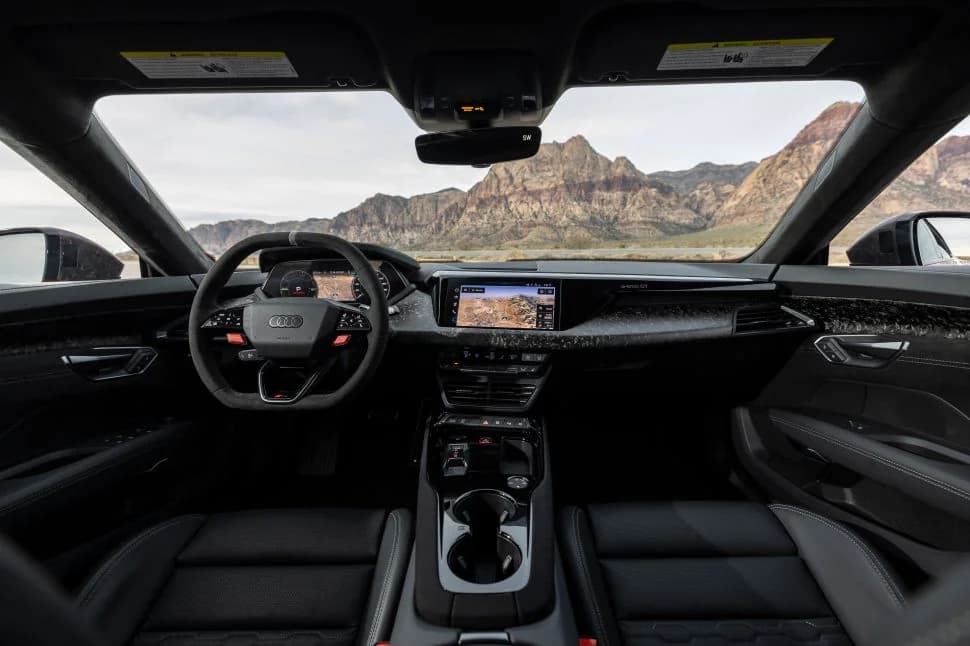
The interior feels premium and purposeful, but it is not especially practical for a five-seat sedan. Supportive sports seats, physical climate controls, and available Bang & Olufsen audio reinforce its comfort-focused GT character, while quiet isolation suits long drives. The rear seats have restricted headroom and legroom, the middle position is awkward, and the 255-liter trunk plus 57-liter front compartment trail more useful luxury EVs. Software glitches, limited rear visibility, and expensive options further temper an otherwise attractive cabin.
Rapid DC Charging
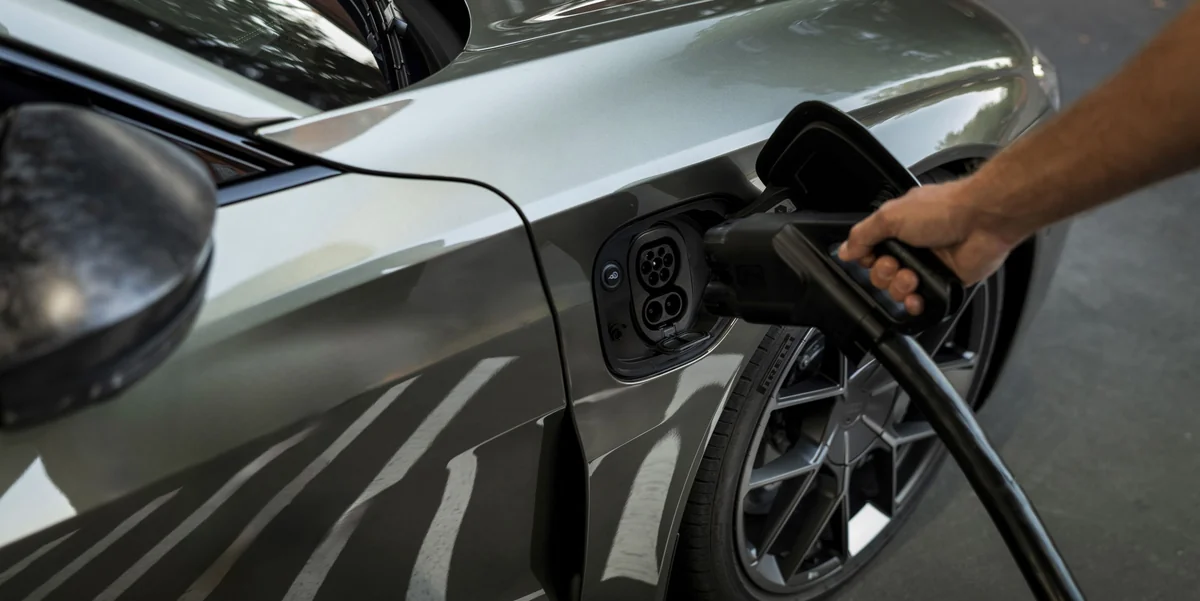
Fast charging is one of the Audi’s strongest practical technologies. Its 800-volt battery system supports up to 320 kW DC, with a claimed 10–80% session in about 18 minutes under suitable conditions. That can make a high-power stop genuinely manageable, and reviewers appreciate the car’s thermal management during repeated performance runs. The qualification matters, though: real-world speed depends on charger availability, battery temperature, and station capability, while some owners report unreliable or expensive public charging.
Explosive Electric Performance
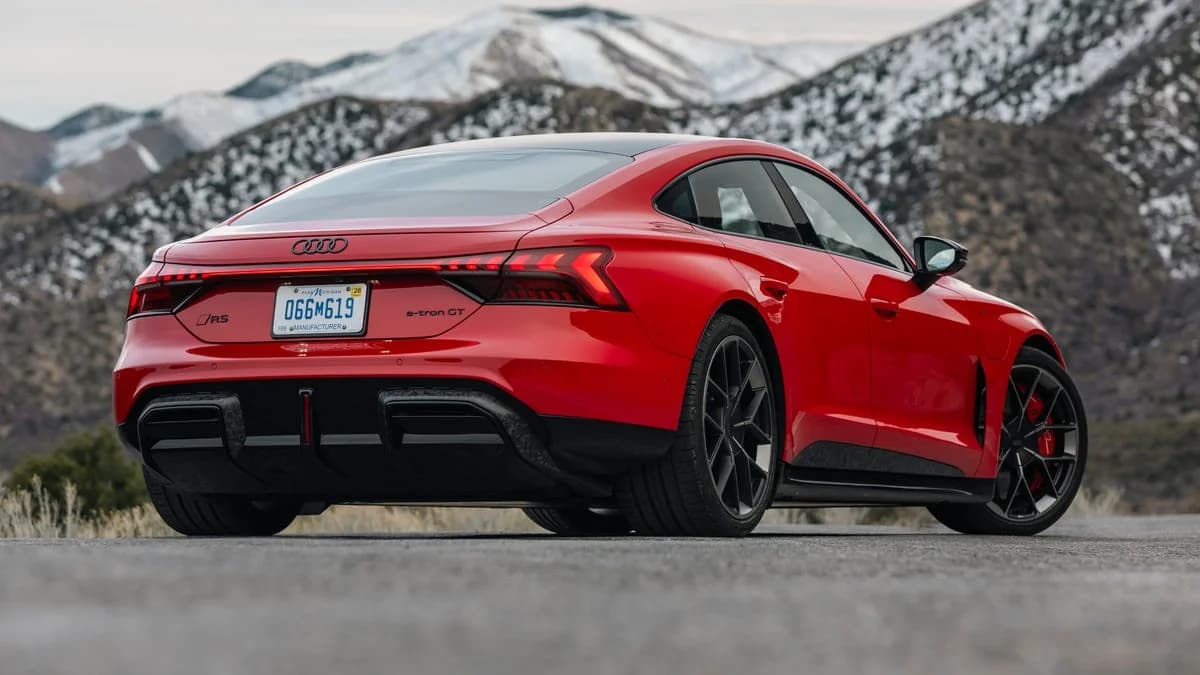
The RS e-tron GT delivers supercar pace without sacrificing composure. Audi quotes 630 kW and 3.1 seconds to 100 km/h, while testing of newer U.S.-market performance versions has recorded roughly 2.3–3.0 seconds to 60 mph. Its dual permanent-magnet motors, rear two-speed gearbox, and all-wheel drive make acceleration repeatable and effortless rather than merely dramatic once. Reviewers consistently praise the traction and sustained power, although the car’s roughly 2.3-ton mass remains noticeable when the road turns technical.
Comfortable, Composed Handling
The Audi balances speed with unusually polished road manners. Adaptive air or active suspension, low-mounted battery mass, and available rear-wheel steering help disguise the car’s weight, producing a quiet ride and impressive cornering stability. Expert and owner impressions generally favor its grand-touring comfort over the sharper Porsche Taycan setup, while still praising back-road agility and body control. Steering feedback is comparatively light, and rough surfaces can generate tire or road noise, so it feels refined rather than intensely communicative.
Conclusion
The RS e-tron GT’s final verdict is wonderfully clear: it is a supercar-fast luxury EV that delivers effortless power, secure all-weather traction, and a polished ride without demanding track-day compromises. Its 320-kW DC charging can make travel stops brief, but real-world range and charger reliability still require planning, especially in cold weather; efficiency is merely adequate for such an expensive, heavy car. Handling is composed rather than communicative, while strong brakes inspire confidence despite some complaints about pedal feel. Inside, comfort and tactile controls appeal, but tight rear seating, limited visibility, and modest cargo space curb its grand-tourer credentials. Enthusiasts with home charging, predictable routes, and a tolerance for depreciation will find an emotionally special daily GT; buyers prioritizing range, utility, or value should look elsewhere. It earns a strong recommendation because the experience is exceptional, but the price and practical compromises prevent it from being an easy choice.

Feature Scores
This reflects reviews and ratings from established critics, journalists, and users who have evaluated the item. Their opinions provide a comprehensive assessment.
Performance
Driving Range
3/5
Charging Speed Capability
5/5
Energy Efficiency
2/5
Acceleration Performance
5/5
Handling and Ride Quality
5/5
Reliability and Durability
3/5
Battery Longevity
4/5
Value
Purchase Price Competitiveness
2/5
Total Cost of Ownership
3/5
Resale Value
2/5
Design
Exterior Design Appeal
5/5
Interior Materials Quality
4/5
Seating Comfort and Ergonomics
4/5
Cargo and Cabin Practicality
3/5
Health
Cabin Air Quality
TBD
Interior Material Safety
TBD
Safety
Crashworthiness
TBD
Advanced Driver Assistance Systems
4/5
Battery Safety and Thermal Management
4/5
Sustainability
Battery End-of-Life Management
TBD
Use of Recycled Materials
TBD
Operational Emissions (Well-to-Wheel)
4/5
Experience Style
Infotainment and Connectivity
3/5
Over-the-Air Software Support
2/5
Charging Ecosystem Convenience
3/5

Specifications
This section outlines the product's key facts, covering essential features, details, dimensions, materials, and any unique characteristics that define its functionality and usability.
Performance
Value
Design
Safety
Sustainability
Experience Style

Frequently Asked Questions
9 Questions




Find Yours
What is your primary intended use for an electric sedan or compact?
Answer to find your best matches.