










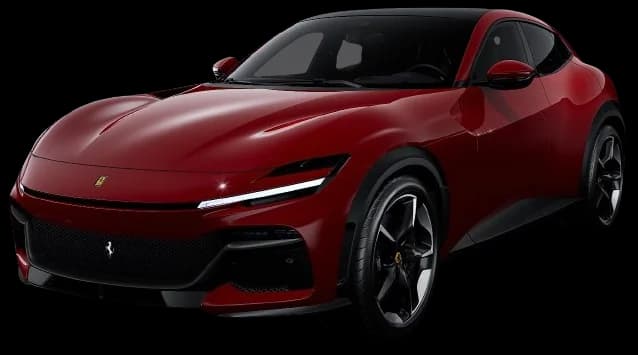
Ferrari Purosangue (2026)
715-hp V12 thrills and supercar agility with four-seat usability, at a staggering price.
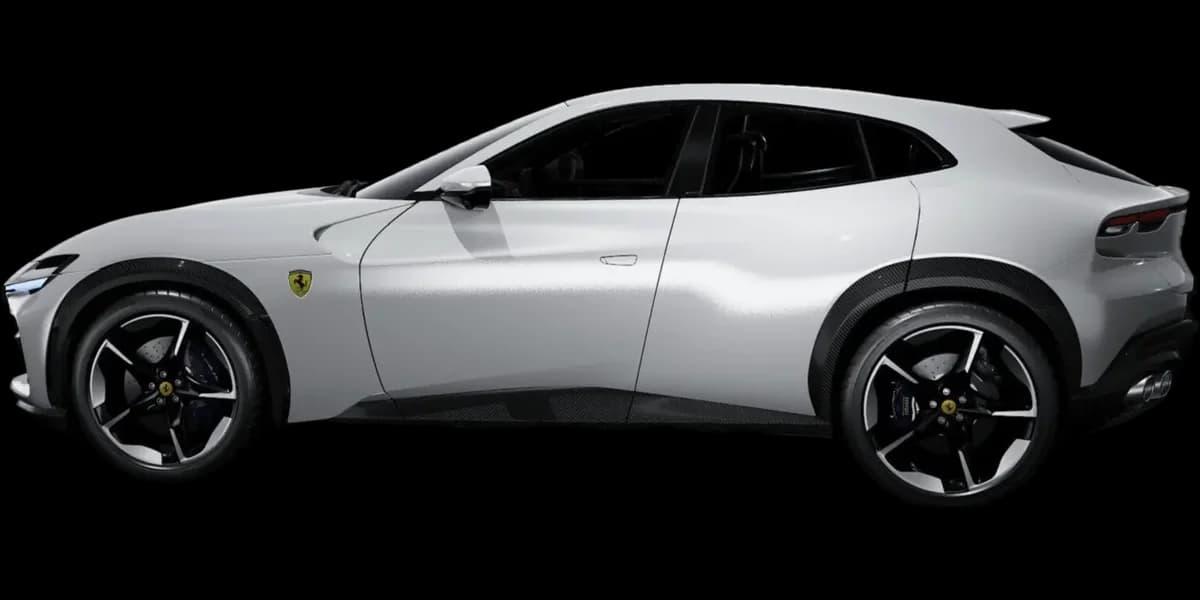
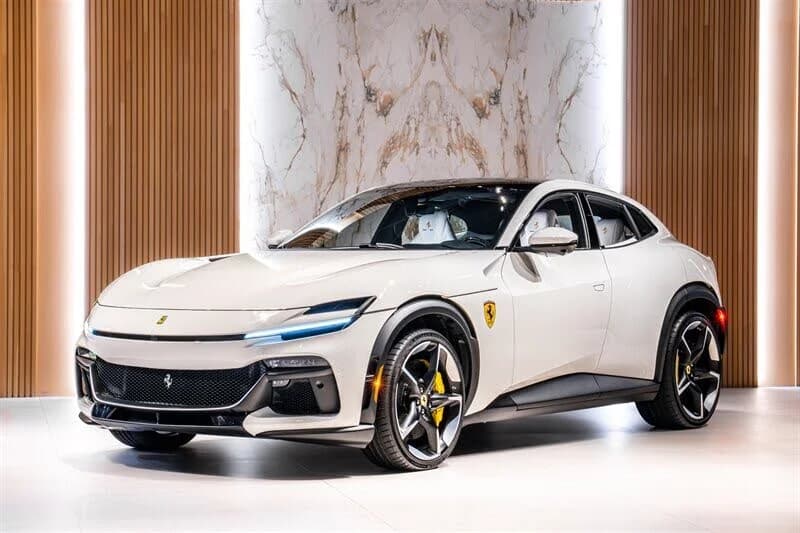
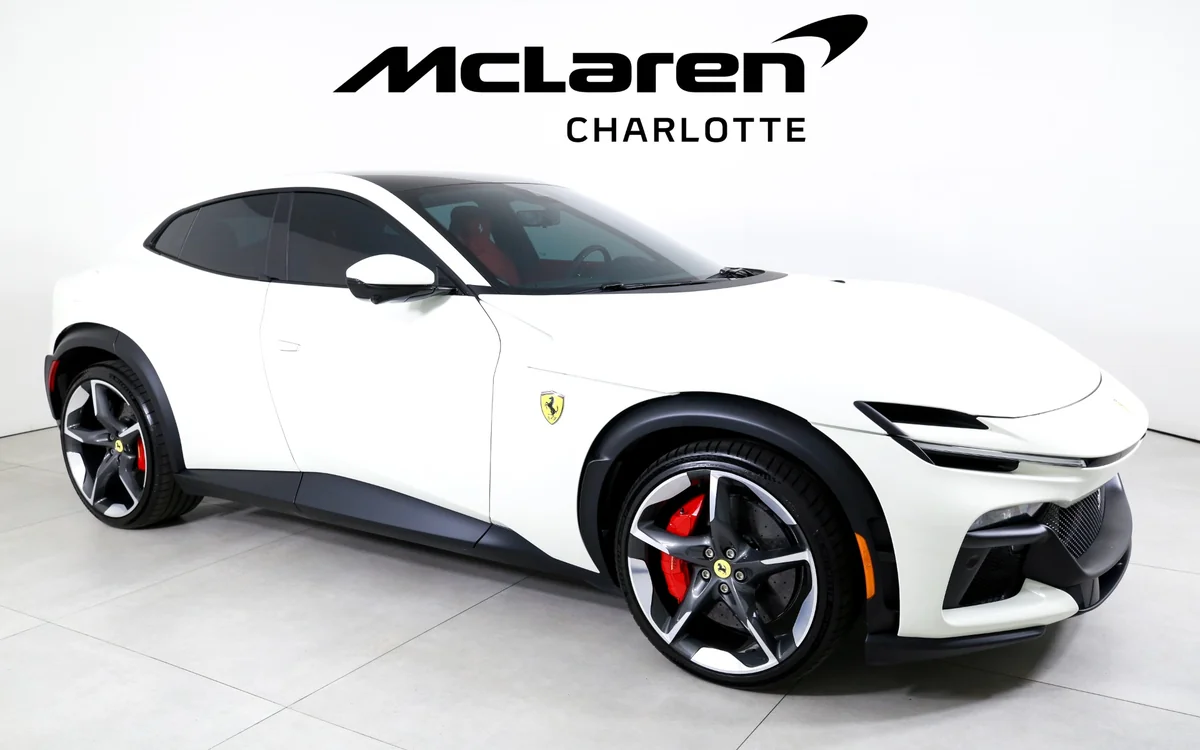
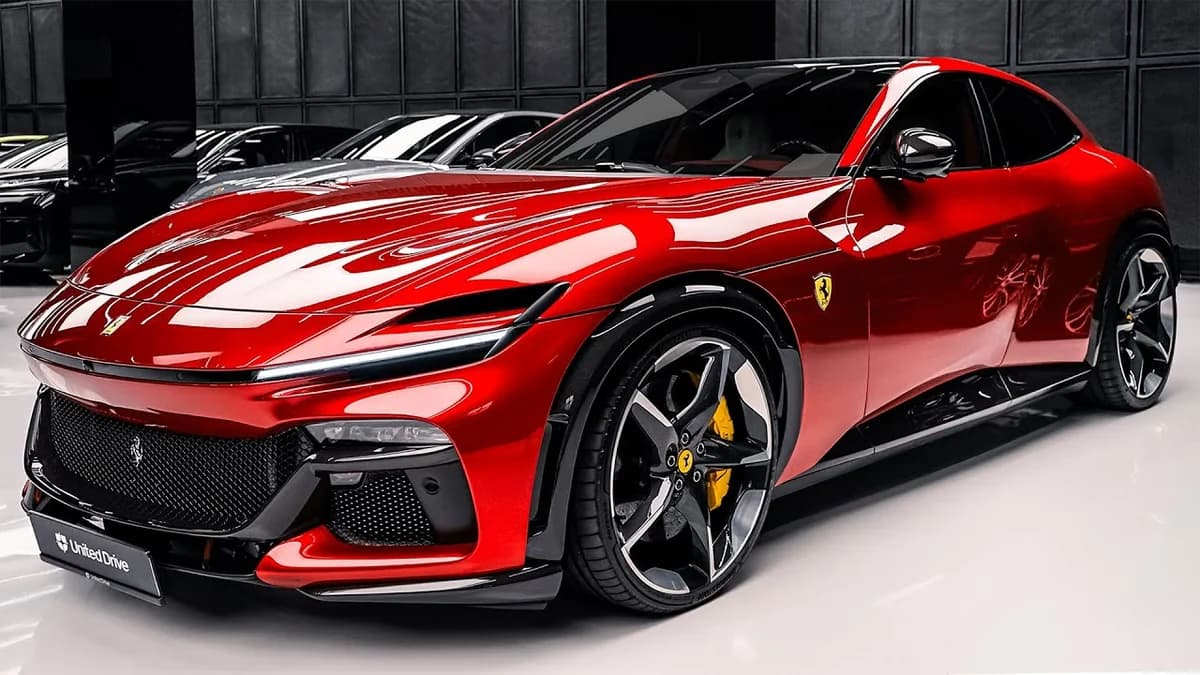
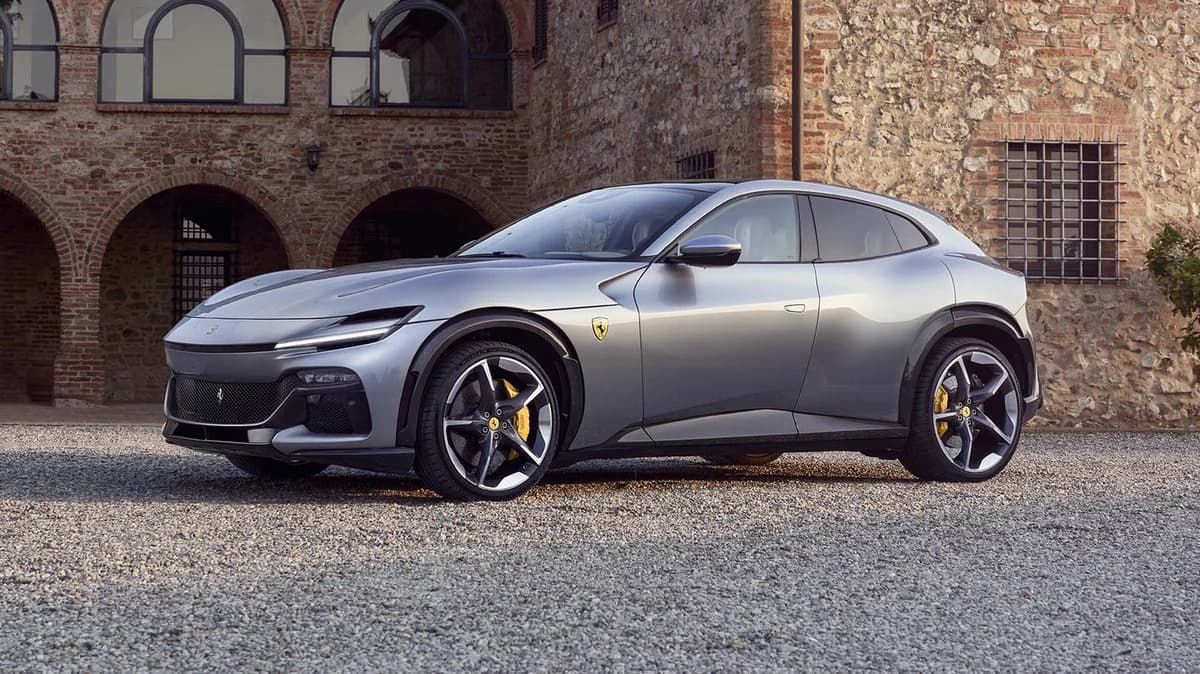
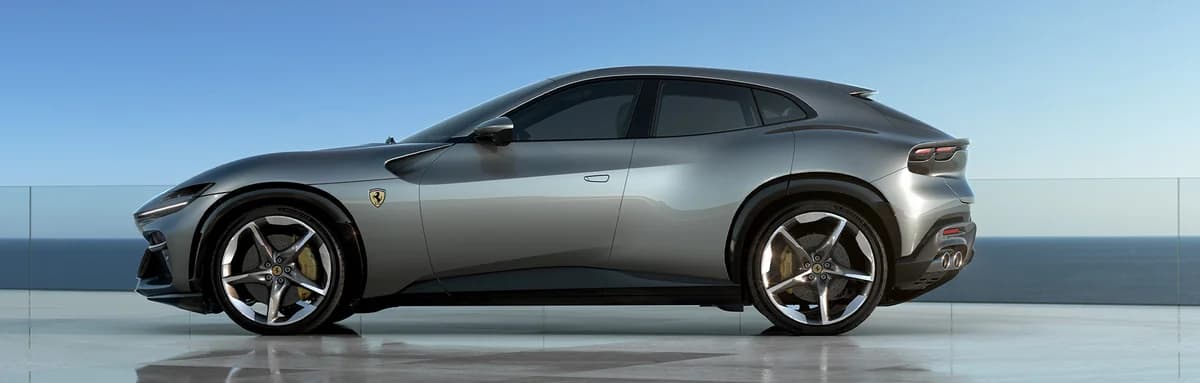
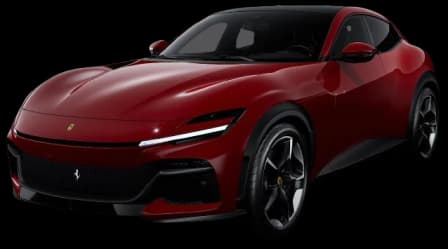
The Ferrari Purosangue is a family grand tourer wearing a supercar’s heartbeat, built for affluent enthusiasts who want everyday access and luggage space without surrendering Ferrari drama. Its 715-hp naturally aspirated V12 delivers the sound and instant response reviewers say rivals cannot replicate, while active suspension and balanced all-wheel-drive handling make this heavy, four-door machine remarkably agile. Ferrari’s practicality claim is partly earned: four seats, rear-hinged doors, and a 473-liter boot support commuting and weekend trips, though rear room and cargo flexibility fall short of a true SUV. The frustrating controls, firm ride, thirst, and roughly $400,000-plus pricing complicate the value case. Its overall appeal rests on rare character and usability, tempered by cost and compromise.
Find Yours
What is your primary use for a Gas-Powered SUV?
Answer to find your best matches.

The Field
Browse top contenders, or compare all options ranked by score and key attributes.
5 Options
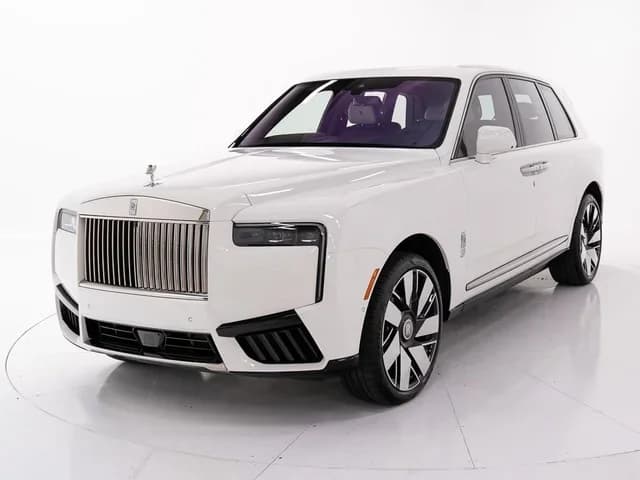
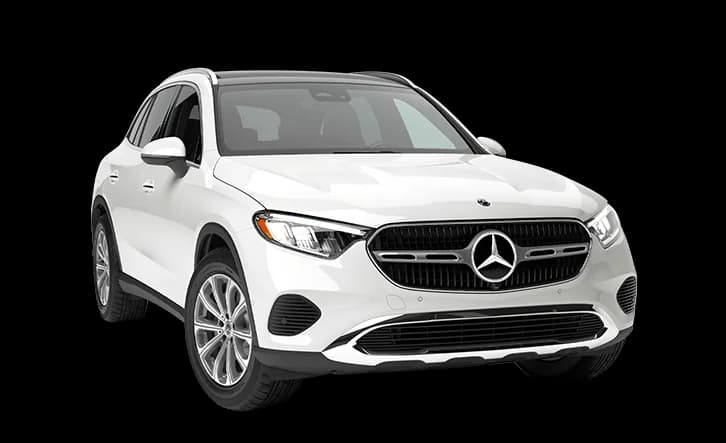
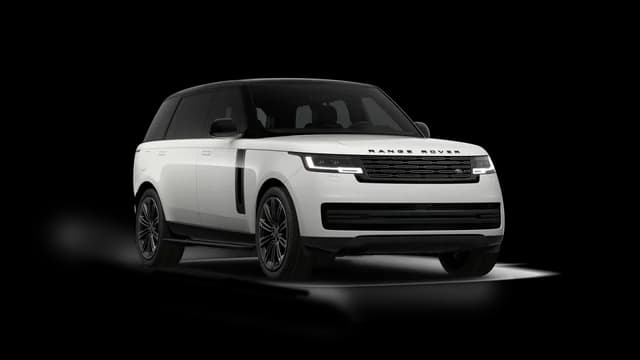
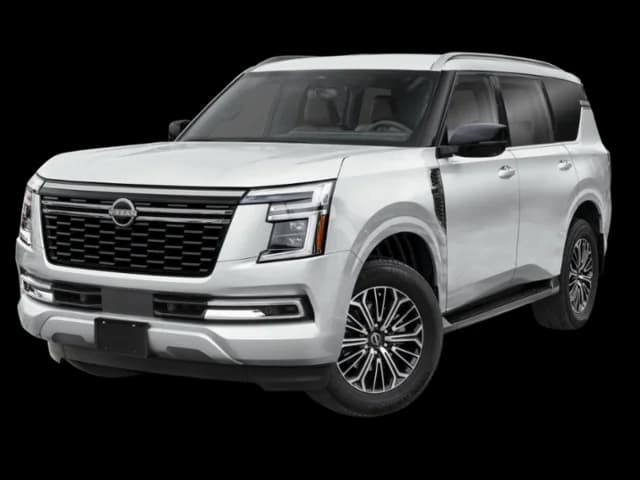

The Scoreboard
Does this improve your life? Considers, health, habits, and environmental impact.
Benefits
Supercar-like pace makes everyday trips feel exciting without sacrificing the comfort of four seats.
Supportive seats, quiet cruising, and polished materials make long-distance travel feel unusually comfortable.
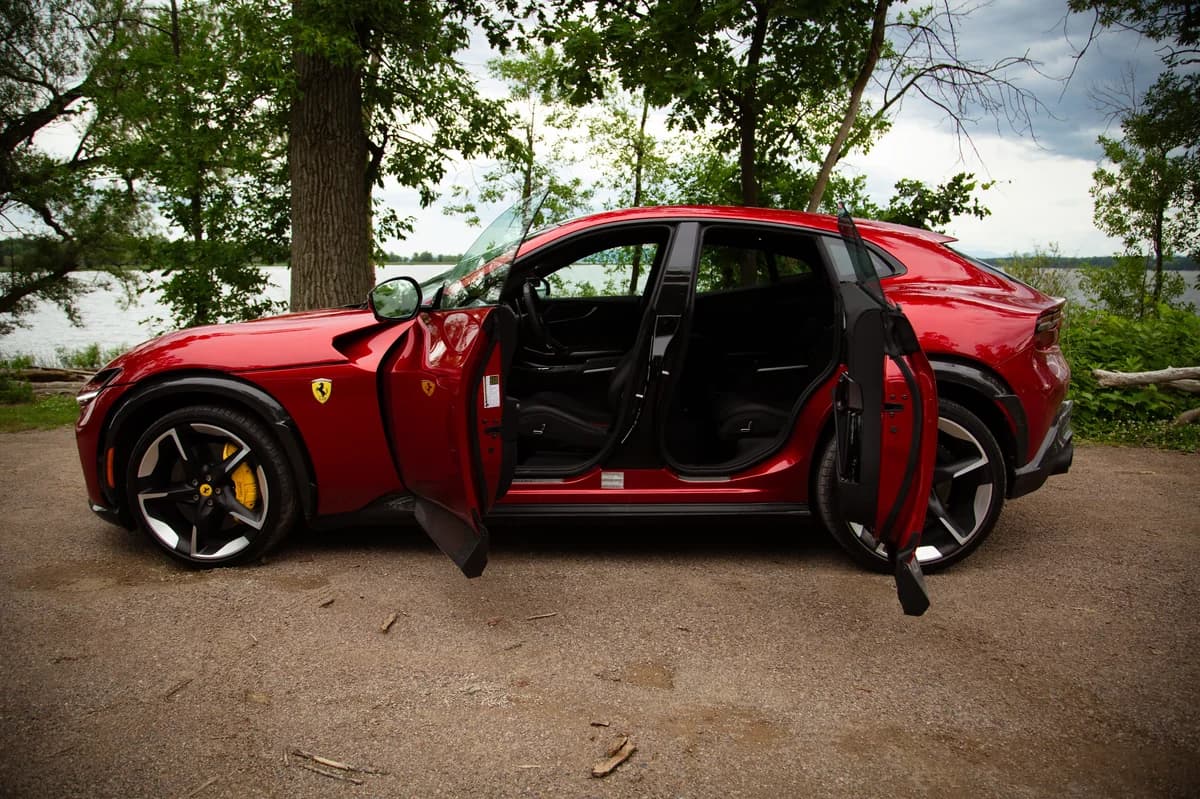
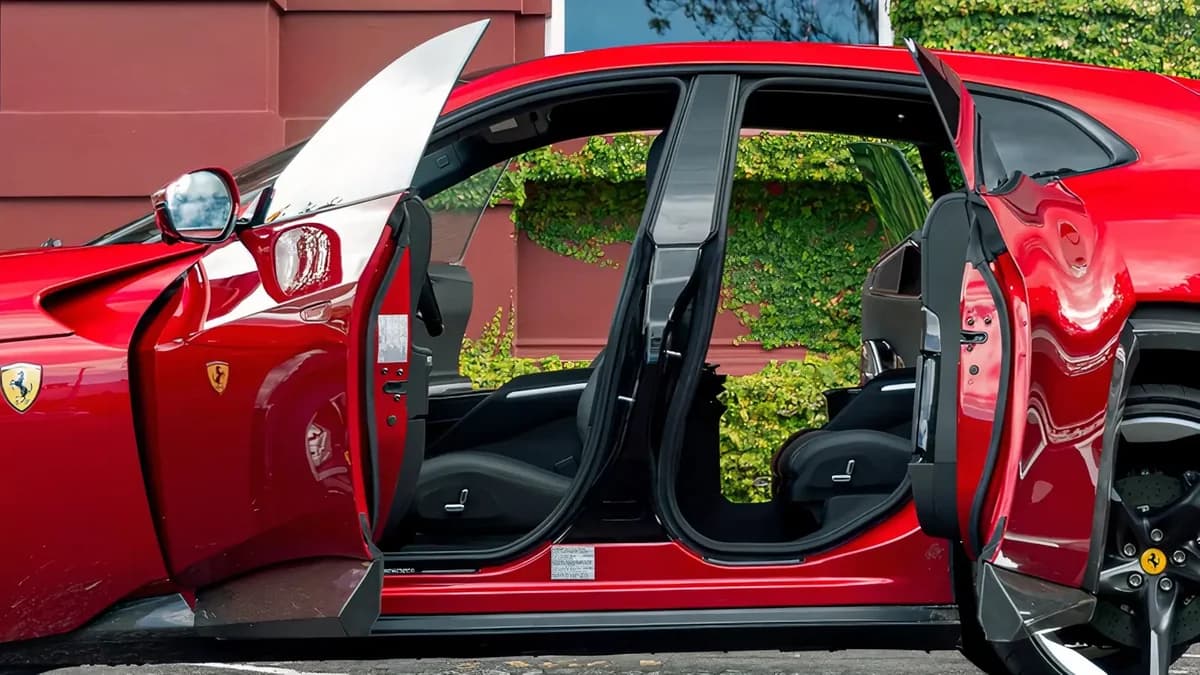
Rear-hinged doors and four proper seats make family access easier than traditional Ferraris.
All-wheel drive and composed handling make fast travel feel secure across changing road conditions.
Active suspension keeps the heavy car composed, comfortable, and easy to enjoy on varied roads.
Trade-Offs
Rear seats feel tight for taller adults, making longer journeys less comfortable.
Small cargo area and awkward loading make ordinary shopping runs less flexible than expected.
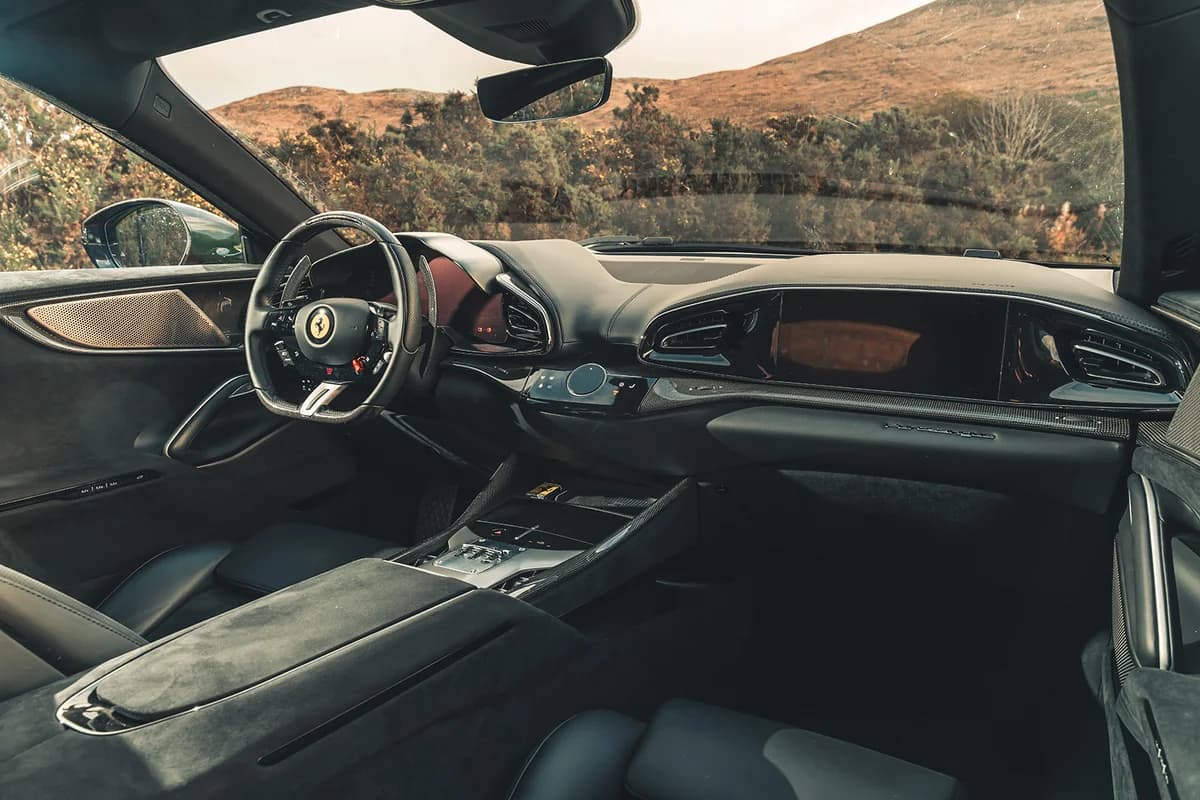
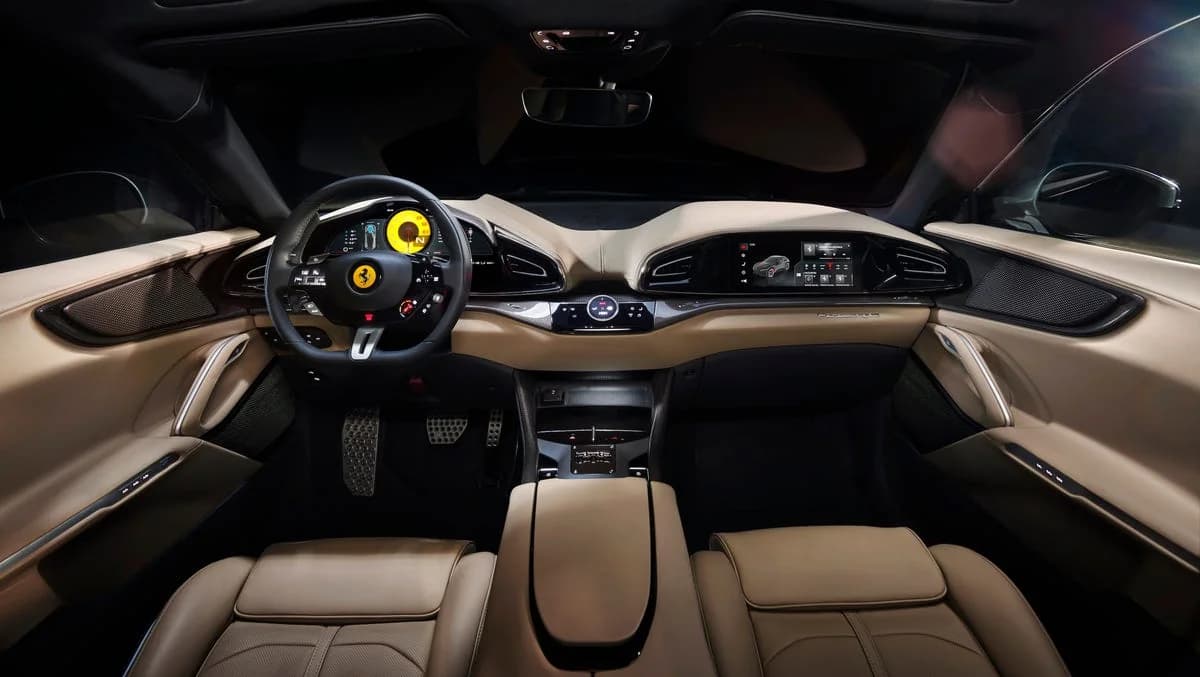
Touch controls and missing center screen make simple climate or media changes distracting.
Firm low-speed ride and huge wheels make potholes and rough streets noticeably uncomfortable.
A short fuel range means stopping often on longer drives, interrupting otherwise easy travel.
 Alternatives


Join the Circle
Where real meets deal
Know what's worth buying-and when.
Tips, special offers, and rewards for buying and sharing.

Publications
7 LEADING PUBLICATION REVIEWS

Car and Driver is highly enthusiastic about the Ferrari Purosangue, treating it as a genuine Ferrari rather than a compromised SUV. Its 715-hp naturally aspirated V-12, vivid exhaust note, sharp handling, and clever active suspension create the kind of emotional, sports-car experience expected from Maranello, while four comfortable bucket seats make it unusually practical for the brand. The reviewer also appreciates the luxurious cabin, rear-hinged doors, standard driver aids, and generous seven-year complimentary maintenance. Still, this is “Sport” far more than “Utility”: cargo room is limited, the steering wheel is overloaded with controls, there’s no center infotainment screen or built-in navigation, and fuel economy is poor. Rivals such as the Urus and Cayenne Coupe Turbo GT are quicker, too. At $432,986, it is extravagantly expensive, but the review considers its distinctive Ferrari magic and family-friendly layout worth the price for buyers who can afford it.
By Austin Parsons
Autocar’s Matt Prior and Richard Lane are hugely impressed, calling the Purosangue a spectacular achievement despite meaningful compromises. Its naturally aspirated V12, beautifully controlled handling, superb active suspension and genuine Ferrari character make it feel less like a conventional SUV than a raised, four-door sports estate. The review is especially enthusiastic about its poised ride, traction and playful ability on snowy roads, arguing that it changes what a super-SUV can do dynamically. Still, the Purosangue is extremely wide, relatively cramped in back, short on boot space and awkward to manoeuvre compared with roomier rivals. It also lacks the effortless low-down shove of turbocharged competitors, cannot tow, consumes fuel heavily and costs around £450,000 with options—far more than faster, more comfortable alternatives. Even so, its unusual blend of V12 drama, usability and class-defying body control makes it feel unmistakably, authentically Ferrari.
By Matt Prior & Richard Lane
Road & Track’s Jethro Bovingdon views the Purosangue as brilliantly engineered but ultimately difficult to love. Its naturally aspirated V-12, balanced chassis, sophisticated suspension, clean steering, and remarkable agility make it genuinely thrilling on a winding road, where it can feel more like an oversized sports car than an SUV. Yet the $500,000-plus Ferrari is slower-feeling than turbocharged rivals, less practical than a Range Rover, and compromised by a woeful infotainment interface, awkward controls, weak low-end torque, and strained air-conditioning. Bovingdon also remains unconvinced by its lumpy styling and questions why Ferrari built it when the company did not need an SUV-like profit machine. He deeply respects the Purosangue’s precision, fluidity, and technical achievement, but believes it lacks the awe, beauty, and emotional intoxication expected of a great Ferrari.
By Jethro Bovingdon
Top Gear is highly impressed by the Ferrari Purosangue, while remaining clear-eyed about its compromises. This is portrayed as a genuine daily Ferrari rather than a conventional SUV: its superb V12, precise rear-biased handling, uncanny ride quality, and usable four-seat cabin give it a distinct appeal over the Lamborghini Urus and Aston Martin DBX 707. The reviewer especially admires how Ferrari prioritizes sporting character without completely sacrificing practicality, making the Purosangue unusually convincing in this class. Still, it is expensive even by exotic-car standards, with options likely pushing the price beyond £400,000, while its four-seat-only layout, limited ground clearance, modest 473-litre boot, and punishing 16.3mpg fuel economy restrict its versatility. Overall, the tone is enthusiastic and admiring: despite the price and lack of hybrid assistance, Top Gear considers it an impressive, genuinely special, and uniquely Ferrari alternative to the hyper-SUV establishment.
By Top Gear Team
What Car?’s Neil Winn is highly impressed by the Ferrari Purosangue, while remaining clear-eyed about its compromises. He portrays it as an extraordinary driver’s SUV, pairing a glorious naturally aspirated V12 with breathtaking agility, superb balance, rapid shifts, and surprisingly refined ride quality. Its bespoke construction, low driving position, polished finish, supportive seats, and clever folding rear arrangement reinforce Ferrari’s claim that this is more than a conventional SUV. However, the experience is undermined by laggy, frustrating infotainment, limited rear-seat comfort and visibility, a small boot, occasional suspension bottoming, and more wind noise than key rivals. Ownership is the bigger drawback: the Purosangue is extravagantly expensive, costly to run, thirsty at under 13mpg, and emits 393g/km of CO₂. Winn’s verdict is therefore enthusiastic but conditional: it sets a new dynamic benchmark and delivers unmatched Ferrari character, yet rivals are more practical and far better value.
By Neil Winn
Carwow’s Tom Wiltshire is highly impressed by the Ferrari Purosangue, especially its extraordinary V12 performance and playful handling. He portrays it as a Ferrari first and an SUV second: the steering is communicative, the engine note is operatic, and the car masks its considerable weight remarkably well. It is also more usable than any previous Ferrari, with comfortable adjustable seats, four proper doors, adult-friendly rear space, and a 470-litre boot. However, the praise is not unqualified. The infotainment is awkward and visually clumsy, the steering-wheel controls are frustrating, rear practicality trails the Lamborghini Urus and Aston Martin DBX, and ride comfort is merely acceptable. Its huge price, poor fuel economy, and demanding wet-weather behavior further limit its appeal. Overall, Wiltshire regards it as an exhilarating, unusually versatile Ferrari whose driving magic outweighs its flaws—provided practicality and value are not priorities.
By Tom Wiltshire
Auto Express is overwhelmingly impressed by the Ferrari Purosangue, despite its extravagant price and practical compromises. The review portrays it as a remarkable hybrid: a four-seat grand tourer with near-supercar pace, a glorious 715bhp V12, exceptional steering and braking, and an astonishing breadth of ability. Its active suspension makes the 2.2-tonne car agile on twisting roads yet comfortably composed in its softer modes, setting it apart from rivals such as the Lamborghini Urus and Cayenne Turbo GT. Still, the rear headroom and boot are disappointing, the infotainment is complicated, fuel economy is dreadful, and a heavily optioned example can exceed £400,000. Those flaws make it excessive and hard to justify rationally, but the reviewer considers its uniqueness, engineering and driving excitement sufficient to make the Purosangue feel like “a presence of greatness.”
By Steve Sutcliffe

YouTube
11 LEADING EXPERT & INFLUENCER REVIEWS
 Chris Harris on Cars
Chris Harris is unexpectedly enthusiastic about the Ferrari Purosangue, calling it a genuinely special Ferrari rather than another luxury SUV. He praises its naturally aspirated V12, instant pace, and remarkably agile chassis, which disguises the car’s 2,100kg weight and makes covering ground feel effortless. The active Multimatic suspension is ingenious, though sharp potholes expose its limits and the huge 23-inch wheels make low-speed ride quality busy. Harris also criticizes the cramped rear seats, confusing controls, and limited practicality, but admires the superb cabin quality, characterful design, and theatrical V12 experience. Overall, it is flawed yet uniquely compelling.
Throttle HouseThrottle House is highly enthusiastic about the Ferrari Purosangue, calling it the best super SUV yet. Thomas and James praise its naturally aspirated V12, sharp steering, excellent weight distribution, and remarkably flat, sophisticated active suspension, which give it genuine Ferrari character rather than merely an exotic badge. They also appreciate its design, four-seat practicality, and improved cabin. However, the heavy car struggles under braking, the ride is good rather than magical, the interface remains frustrating—especially Apple CarPlay’s lag and loss of the tachometer—and overheating even disables the air conditioning during testing. Despite those flaws, they consider it emotionally compelling and worth its extraordinary price.
Doug DeMuroDoug DeMuro is highly impressed by the Ferrari Purosangue, especially its thrilling V12 performance and agility. He praises the instantly responsive 715-hp engine, confidence-inspiring handling, surprisingly comfortable daily usability, and genuinely practical cargo area. He also appreciates how unmistakably Ferrari it feels compared with the Lamborghini Urus. Still, the $400,000 price, somewhat harsh ride, confusing climate controls, limited four-seat layout, and styling he considers merely acceptable prevent an unqualified endorsement. Overall, Doug views the Purosangue as an exceptional, highly distinctive Ferrari utility vehicle whose driving experience far outweighs its compromises.
MilesPerHrMilesPerHr is genuinely thrilled by the Ferrari Purosangue’s extraordinary V12 sound, supercar steering, flat cornering, powerful carbon-ceramic brakes, and surprisingly practical four-seat layout. His day-in-the-life testing covers driveway access, commuting, Costco loading, child-seat installation, passengers, and highway performance, making a convincing case that it is unusually livable for a Ferrari. Still, it is not a conventional utility vehicle: storage is limited, rear-seat amenities omit heating and ventilation, the ride remains firm, fuel economy is poor, and the V12’s low-speed response can feel subdued outside Sport mode. Overall, he considers it an exceptional, emotionally engaging grand tourer.
DRIVETRIBERichard Hammond is emphatically unimpressed by the Ferrari Purosangue, despite admiring its capability. He praises the 715-hp naturally aspirated V12, sure-footed all-wheel-drive performance, nimble feel, and genuine four-seat practicality, calling it immensely competent and brutally fast. But the Ferrari’s complicated infotainment, intrusive driver aids, awkward controls, and extravagant pricing grate on him—especially the nearly £9,500 charge to paint the badge. Hammond’s deeper objection is philosophical: he feels modern Ferraris are computer systems wrapped around an engine, unlike the simpler V12 character of his old 550. Even as a daily driver, it does not change his mind about Ferrari.
Auto FocusAuto Focus is overwhelmingly enthusiastic about the Ferrari Purosangue, calling it the most rewarding performance SUV he has driven. The naturally aspirated V12, sharp throttle response, rear-biased all-wheel drive, near-50/50 balance, and clever suspension make it exceptionally fast and enjoyable, while its distinctive Ferrari styling reinforces the sense that it is not a rebadged SUV. Still, the steering-wheel controls and infotainment are frustrating, rear-seat practicality is limited, cabin sound insulation dulls the V12, and the transmission can be jarring for passengers. Despite its enormous price, he considers it an unmatched and compelling Ferrari.
DragTimesDragTimes is impressed by the Ferrari Purosangue’s V12 character, finish, ride quality, and crisp shifts, but remains unconvinced by its value. The 715-hp naturally aspirated engine sounds excellent, the carbon-ceramic brakes and Ferrari engineering feel special, and its 3.3-second corrected 0–60 mph time is strong. Still, the cramped four-seat cabin, modest cargo space, awkward infotainment controls, limited low-end torque, and subdued exhaust undermine its everyday appeal. Compared with a roughly $59,000 Tesla Model Y Performance, the Purosangue offers more top-end speed and exclusivity but little practical advantage, making its $524,000 price difficult to justify.
DriverReviewsVicki Butler-Henderson is thrilled by the Ferrari Purosangue’s character and performance. She especially loves the addictive naturally aspirated V12 soundtrack, instant paddle shifts, smooth power delivery, Ferrari-like driving position, and surprisingly agile handling from its all-wheel-drive chassis, rear steering, and active suspension. She also appreciates the four-seat layout, folding rear seats, and usable 473-litre boot. Still, the £314,000-plus price, heavy weight, poor 16-mpg economy, cramped rear space for taller passengers, and less intuitive technology limit its practicality. Her verdict is strongly positive: it is no true SUV, but an unusually versatile Ferrari that preserves the brand’s emotional appeal.
Cars with MilesCars with Miles is highly enthusiastic about the Ferrari Purosangue, especially its naturally aspirated V12, dual-clutch transmission, and supercar-like agility. He views its advanced active suspension as genuinely transformative, making the Purosangue more athletic and emotionally engaging than rivals such as the Urus, Cayenne Turbo GT, and DBX. Still, the praise is balanced by sharp criticism: the awkward steering-wheel infotainment, muted exhaust note, limited practicality, understated styling, daunting out-of-warranty suspension costs, and roughly $700,000 price. He ultimately considers the Aston Martin DBX707 the smarter usable SUV, but insists the Purosangue is far more exciting and authentically Ferrari.
Cars with LukeLuke is overwhelmingly enthusiastic about the Ferrari Purosangue, calling its naturally aspirated V12 magical and supercar-worthy. After daily-driving it for a week through snowy conditions, he praises its all-wheel drive, snow-tire capability, responsive steering, lively handling, luxurious interior, and genuine four-seat usability. He especially values that the V12 remains naturally aspirated, unlike turbocharged alternatives, preserving the engine’s emotional character. His main caveats are its huge size, tight rear legroom, extraordinary price, and obvious status-symbol appeal. Overall, he views the Purosangue as a uniquely special, practical Ferrari that can be enjoyed year-round.
DrivewithRoyDrivewithRoy is highly enthusiastic about the Ferrari Purosangue, calling it a genuine Ferrari rather than a badge-adapted SUV. He praises its naturally aspirated V12 sound, supercar-like nimbleness, refined comfort, spacious four-seat cabin, winter usability, and ability to switch effortlessly from relaxed daily driver to thrilling performance car. Its understated styling also keeps it relatively discreet. The major drawback is the extraordinary price—over $800,000 CAD in this example—and it offers no single category-leading advantage beyond its overall blend. Still, DrivewithRoy considers it an exceptionally successful, practical Ferrari for buyers who can afford it.

Social
2 INFLUENCER REVIEWS
 Faisal Khan
Faisal Khan is highly impressed by the Ferrari Purosangue, especially its thrilling V12 sound and unusual practicality. He highlights the 715-horsepower engine, rapid acceleration, four-seat layout, 473-litre boot, clever electrically operated doors, and darkening glass roof. Still, his enthusiasm is tempered by its enormous Rs. 12-crore price, heavy fuel consumption, limited rear thigh support, slow tailgate, awkward haptic controls, and surprising lack of a central infotainment screen. Overall, he views it as a genuinely practical Ferrari with exhilarating performance, though its compromises and extravagance make it a niche proposition.
 TheWolfofPassion
TheWolfofPassion is mildly positive about the Ferrari Purosangue’s practicality, but clearly sees compromises. He tests the trunk with two full shopping crates and water from Lidl and Rewe, finding that the crates fit and the trunk closes, while the water has to go on the back seat. He also admires the Ferrari’s beautiful appearance, yet the awkward loading process and limited cargo flexibility temper his enthusiasm. His final rating of 6/10 suggests the Purosangue is usable for ordinary errands, though far from exceptionally practical.

Forum Reviews
CUSTOMER REVIEWS FROM 1 FORUM
Redditors are broadly impressed by the Purosangue, though its SUV concept and styling remain divisive. Enthusiasts love the naturally aspirated V12, unusual four-door layout, sharp dynamics, and Ferrari’s decision to keep production limited, viewing it as a more authentic performance SUV than rivals. Others question the practicality, price, Alcantara-heavy interior, and whether the design feels special enough for a Ferrari, while some reject performance SUVs altogether. Purchase interest is strong among commenters despite frequent caveats, with many treating the Purosangue as an exciting, exclusive anomaly rather than a conventional utility vehicle.
Many comments

In-Depth Review

Highlights
- •Naturally Aspirated V12Marketed as delivering supercar emotion.
- •Agile Body ControlReviewers find it remarkably composed.
- •Supercar-Like PaceAdvertised to reach 193 mph.
- •Usable Four-Seat LayoutDesigned to add everyday Ferrari usability.

Considerations
- •Frustrating Cabin ControlsLaggy interfaces and overloaded steering-wheel switches.
- •High Purchase PriceOptions can push pricing beyond £400,000.
- •Limited Utility SpaceRear seats and boot remain relatively modest.
- •Thirsty Fuel UseHigh consumption demands frequent premium-fuel stops.
Ferrari’s Purosangue brings the marque’s supercar reputation into a more practical, four-door format. Built for affluent enthusiasts, collectors, and families wanting a dramatic grand tourer rather than a conventional SUV, it pairs a 6.5-liter naturally aspirated V12 with Ferrari-first steering and a sophisticated chassis. The result is an unusual alternative to turbocharged rivals such as the Urus: a car with supercar-like agility, rapid acceleration, and genuine all-weather confidence, yet room for four and a usable boot. Its rear-biased all-wheel drive and carbon-ceramic brakes support enthusiastic driving, while the cabin and cargo area broaden its daily role—within limits. Fuel thirst, range, cramped rear space, and awkward controls deserve equal attention before buying. Explore each feature closely; this is a family Ferrari, not a family SUV, and that distinction explains nearly everything.
Fuel Use And Range
Fuel economy is the Purosangue’s clearest everyday penalty. Officially listed consumption reaches 19.6 L/100 km combined, with real-world reviews reporting roughly 13 to 16 mpg depending on conditions and driving style. The 100-liter fuel tank provides an estimated 396-mile range, but enthusiastic driving can shorten that considerably, making frequent premium-fuel stops part of ownership. Its 393 g/km CO₂ output also highlights the environmental cost of retaining a large naturally aspirated V12. The numbers support Ferrari’s performance-first positioning, but they weaken long-distance convenience and overall running-cost value.
Acceleration And Speed
The Purosangue is brutally quick, even if some rivals post faster figures. Ferrari claims 0–60 mph in 3.2 seconds, while independent testing has recorded roughly 3.3 seconds to 60, making effortless overtaking and rapid high-speed touring routine. Its 310-km/h top speed is extraordinary for a four-door vehicle, though the naturally aspirated engine’s softer low-end torque can make turbocharged competitors feel punchier around town. Strong traction and rapid shifts support repeatable performance, but the car’s weight becomes more apparent under heavy braking. The result is supercar pace with grand-tourer breadth, not class-leading straight-line value.
Four-Seat Practicality
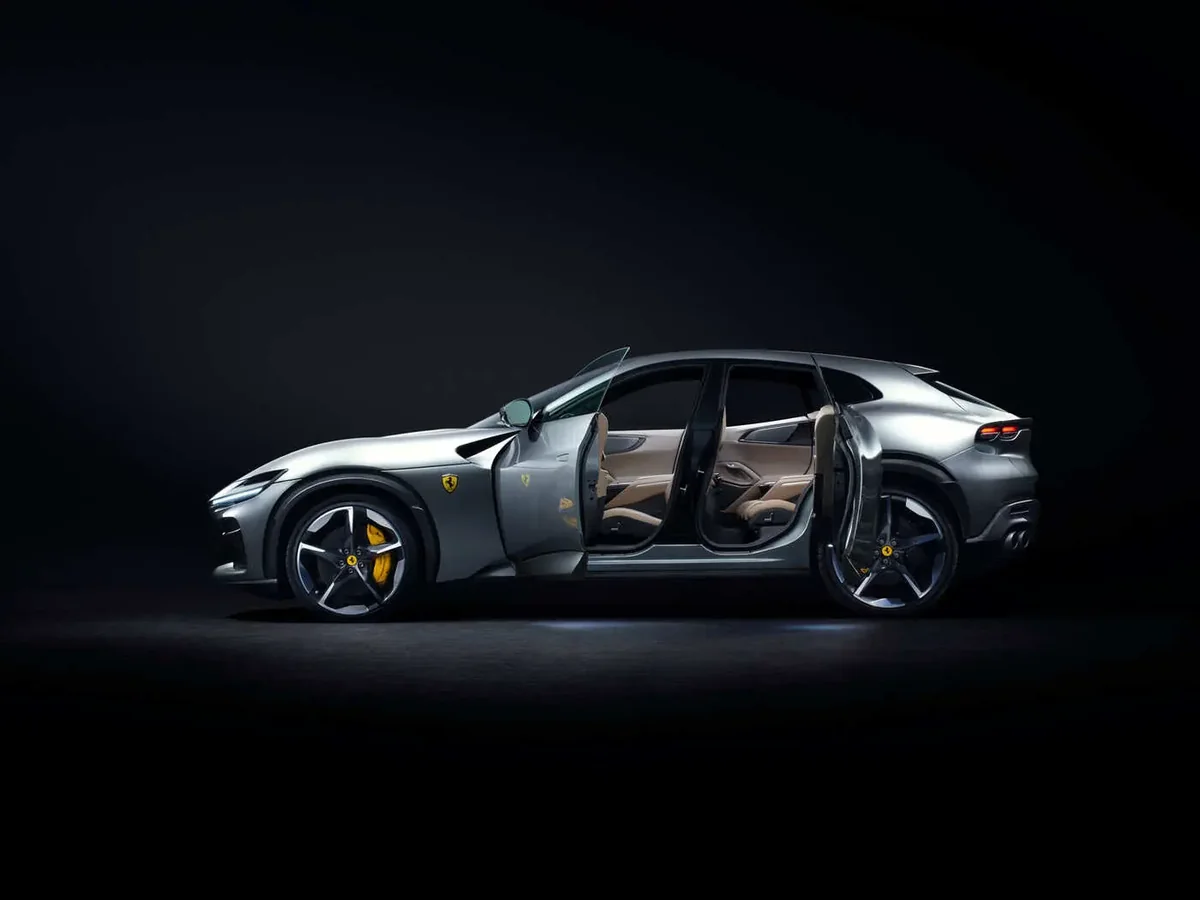
Four proper seats and rear-hinged doors make this far more usable than a conventional Ferrari. The four-seat cabin accommodates adults better than expected, while folding rear seatbacks and a 473-liter boot support weekend luggage or ordinary errands. Reviews confirm child-seat installation, shopping loads, and daily commuting are realistic, but the rear remains cramped for taller passengers and cargo flexibility trails a Urus or DBX. Ferrari’s claim of everyday usability is therefore supported, though selectively: it works well as a family grand tourer, not as a spacious utility SUV.
Ride And Handling
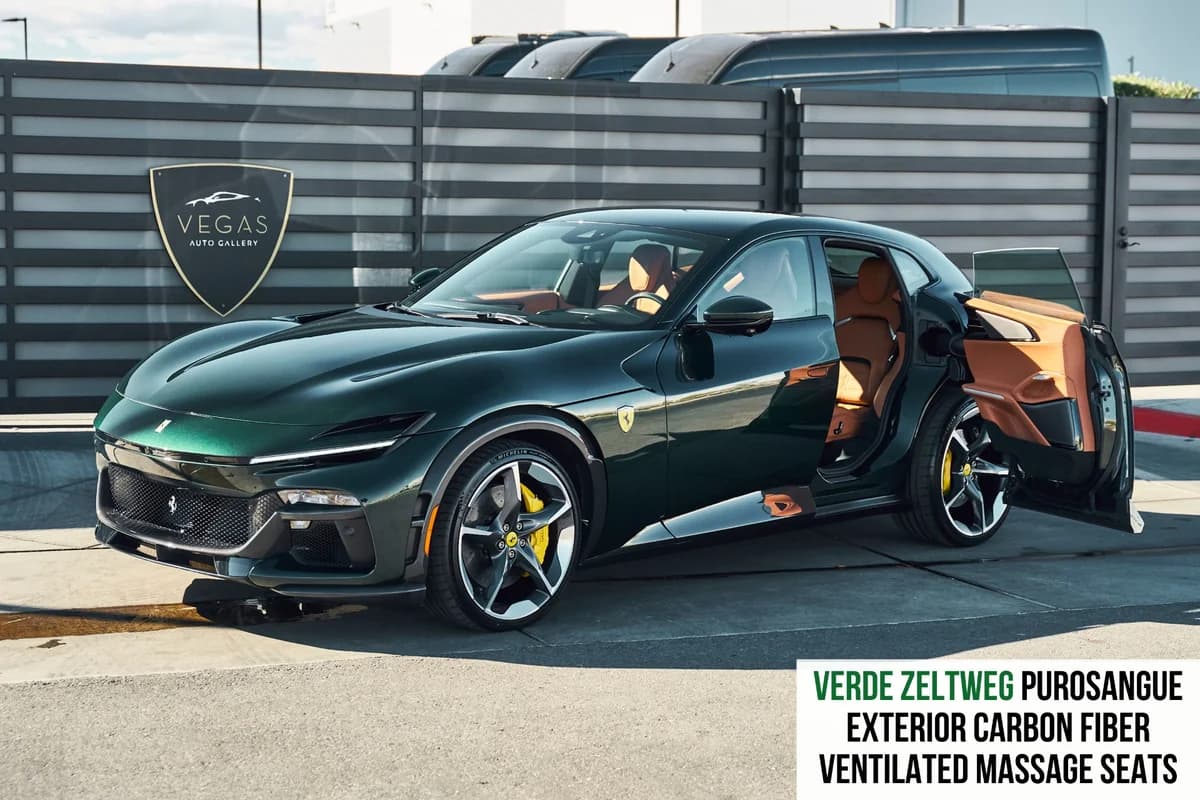
The Purosangue hides its mass remarkably well. Ferrari’s active Multimatic suspension keeps the 2,200-kg car impressively flat through corners while still allowing comfortable cruising, and its balanced 49:51 weight distribution supports clean, confidence-inspiring steering. Expert and video reviews consistently describe it as closer to a raised sports estate than a normal SUV. The tradeoff is a firm low-speed ride, especially with huge wheels over potholes, plus occasional suspension bottoming. Overall, the chassis is the car’s biggest engineering achievement, giving genuine Ferrari agility without completely sacrificing long-distance usability.
Naturally Aspirated V12
The Purosangue’s V12 is its defining reason to exist. The 6.5-liter naturally aspirated V12 produces 715 hp and 716 Nm without turbo lag, building power with a dramatic, rising soundtrack. Its response feels immediate once the revs climb, though reviewers note weaker low-end shove than turbocharged rivals and a quieter exhaust experience inside the insulated cabin. Paired with the 8-speed dual-clutch transmission, it delivers exceptionally crisp shifts and preserves the sense that this is a Ferrari first. The 715-hp engine adds emotion competitors struggle to replicate, but demands premium fuel and frequent refills.
Traction And Braking
The Purosangue combines all-wheel drive with rear-biased handling, helping it deploy V12 power in wet, snowy, or uneven conditions. Reviewers also praise the carbon-ceramic brakes for strong pedal feel and repeated stopping performance, while rear steering and sophisticated suspension add stability without making the car feel inert. Snow-tire testing and real-world winter driving support the all-weather case, but the heavy body can still feel demanding under hard braking. Its carbon-ceramic brake system is a performance advantage, although replacement costs are substantial and unnecessary for buyers who drive mainly in traffic.
Conclusion
The final takeaway is unusual: the Purosangue makes the strongest case for itself when driven like a Ferrari, not used like an SUV. Its naturally aspirated V12 delivers unmatched sound and response, while active suspension, balanced handling, all-wheel drive, and carbon-ceramic brakes make its weight feel surprisingly manageable; 193-mph capability adds genuine grand-touring reach. Owners and experts also find the four-seat cabin and 473-liter boot legitimately useful, though cramped rear space and limited cargo flexibility set clear boundaries. The compromises are substantial: awkward controls, a firm ride, expensive hardware, and high fuel consumption that can make the 100-liter tank feel less generous than expected. It suits affluent enthusiasts who value Ferrari character, rarity, and year-round usability—not buyers seeking maximum space, efficiency, or rational value. That distinctive blend earns strong admiration, but its severe cost and compromises keep the recommendation positive rather than overwhelming.

Feature Scores
This reflects reviews and ratings from established critics, journalists, and users who have evaluated the item. Their opinions provide a comprehensive assessment.
Performance
Engine Power
5/5
Acceleration
5/5
Towing Capacity
TBD
Fuel Efficiency
1/5
Reliability
3/5
Durability
3/5
Value
Purchase Price
1/5
Operating Cost
1/5
Resale Value
4/5
Design
Interior Space
3/5
Cargo Capacity
3/5
Ergonomics
2/5
Exterior Styling
4/5
Health
Cabin Air Quality
TBD
Interior Material Toxicity
TBD
Safety
Crashworthiness
TBD
Active Driver Assistance
4/5
Braking Performance
5/5
Visibility and Lighting
3/5
Sustainability
Tailpipe Emissions
5/5
Fuel Lifecycle Emissions
0/5
Use of Recycled Materials
TBD
End-of-Life Recyclability
TBD
Experience Style
Infotainment Features
2/5
Ride Comfort Tuning
4/5
Customization Options
4/5

Specifications
This section outlines the product's key facts, covering essential features, details, dimensions, materials, and any unique characteristics that define its functionality and usability.
Performance
Value
Design
Safety
Sustainability
Experience Style

Frequently Asked Questions
10 Questions


Find Yours
What is your primary use for a Gas-Powered SUV?
Answer to find your best matches.