










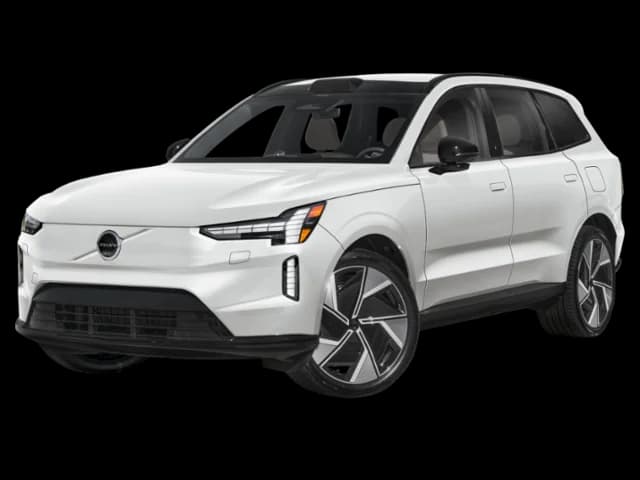
Volvo EX90 (2026)
A serene, spacious and powerful seven-seat EV with fast charging, but costly compromises.
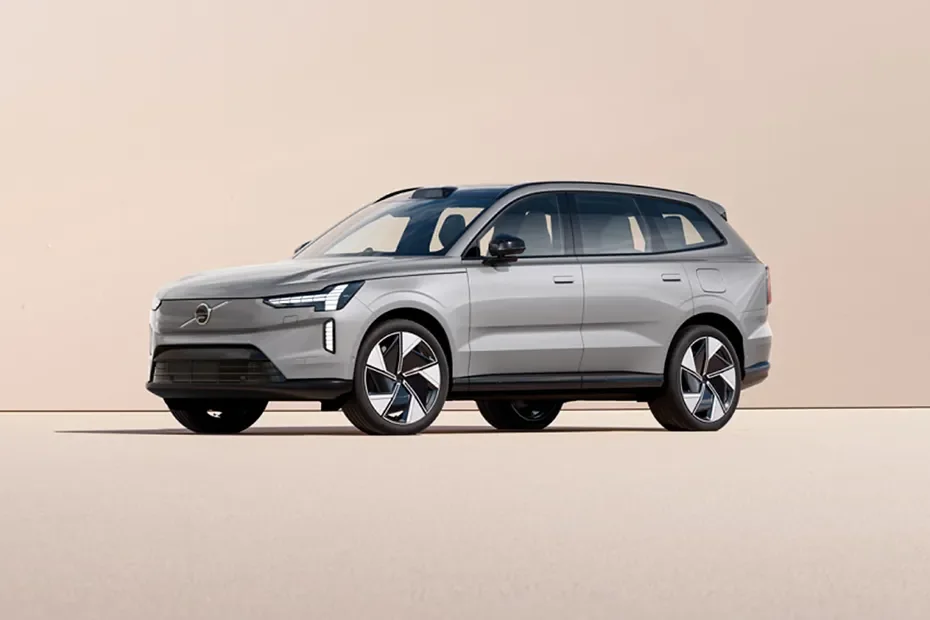
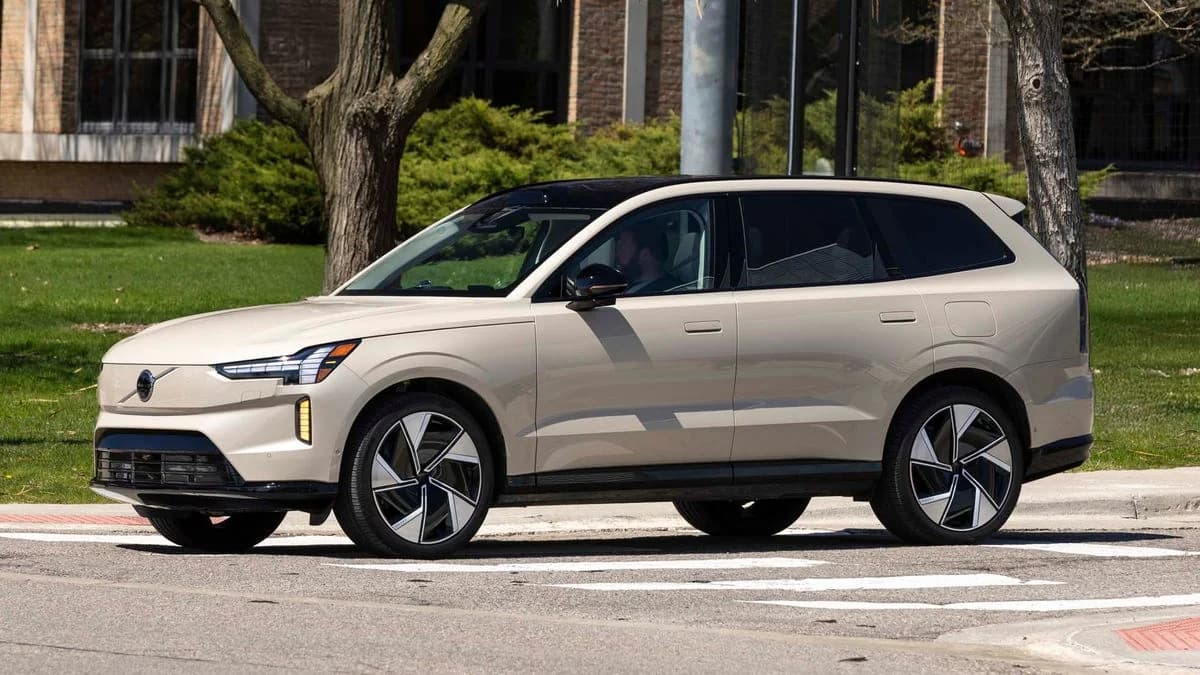
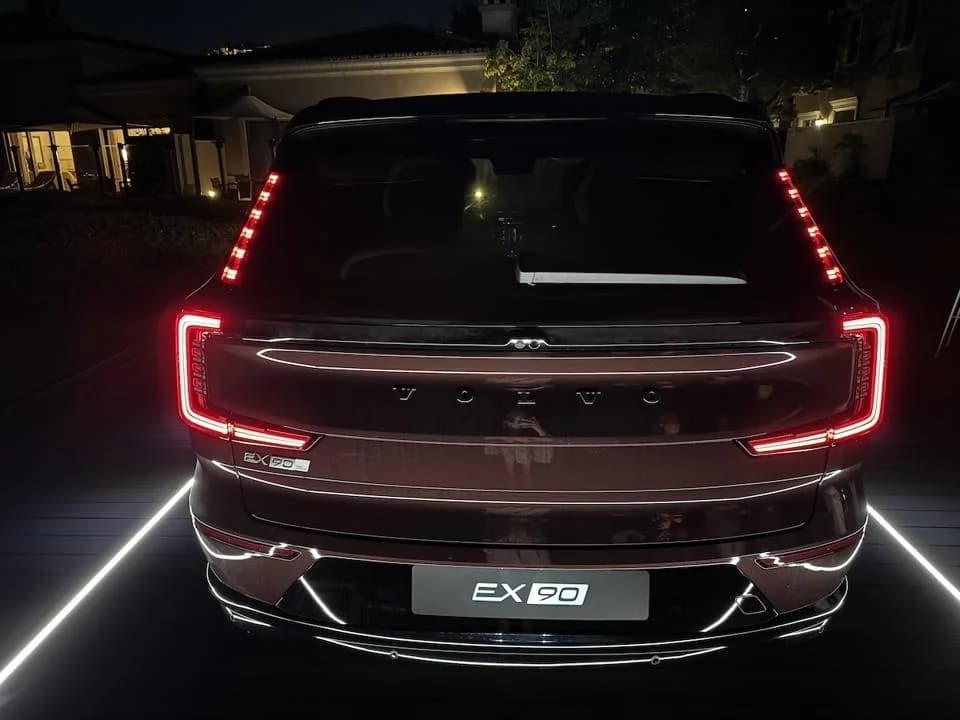
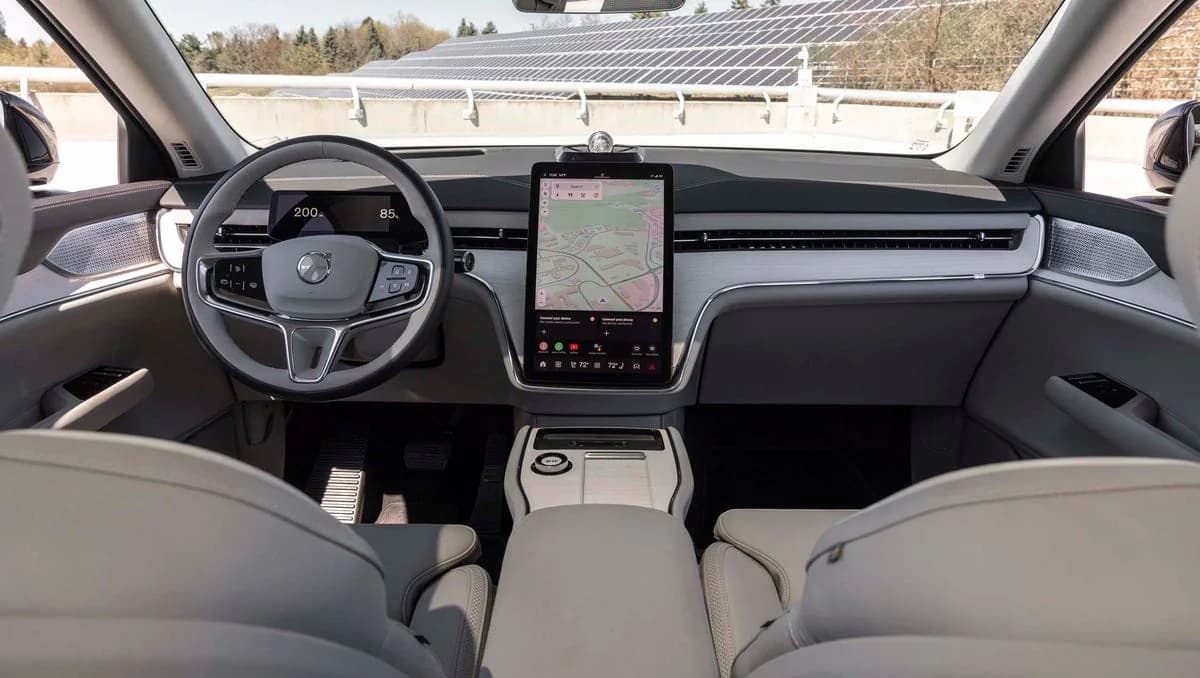
The Volvo EX90 is a serene, high-tech family lounge for buyers who need three rows without giving up luxury or electric power. Its quiet, cushioned ride, supportive first two rows, flexible cargo area, and effortless acceleration make it an excellent road-trip companion, while 800-volt charging gives Volvo’s up-to-305-mile range claim credible long-distance support. Real-world testing, however, often lands closer to 235–300 miles, especially in cold weather or on larger wheels. Experts and owners also flag cramped adult space in row three, heavy low-speed manners, and touchscreen-heavy controls. At roughly $76,695–$90,640, it feels premium, but rivals can offer more room or value. Its overall appeal rests on how you weigh family comfort and safety against variable efficiency and high cost.
Find Yours
What is your top priority for an Electric SUV's battery performance?
Answer to find your best matches.

The Field
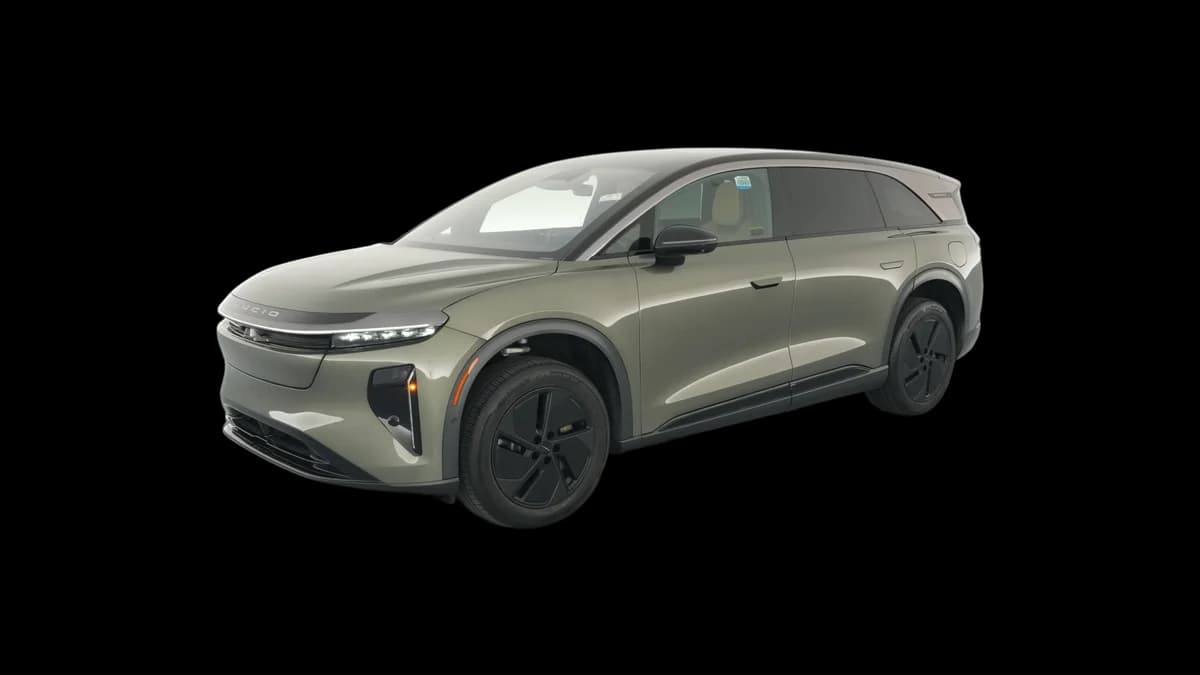
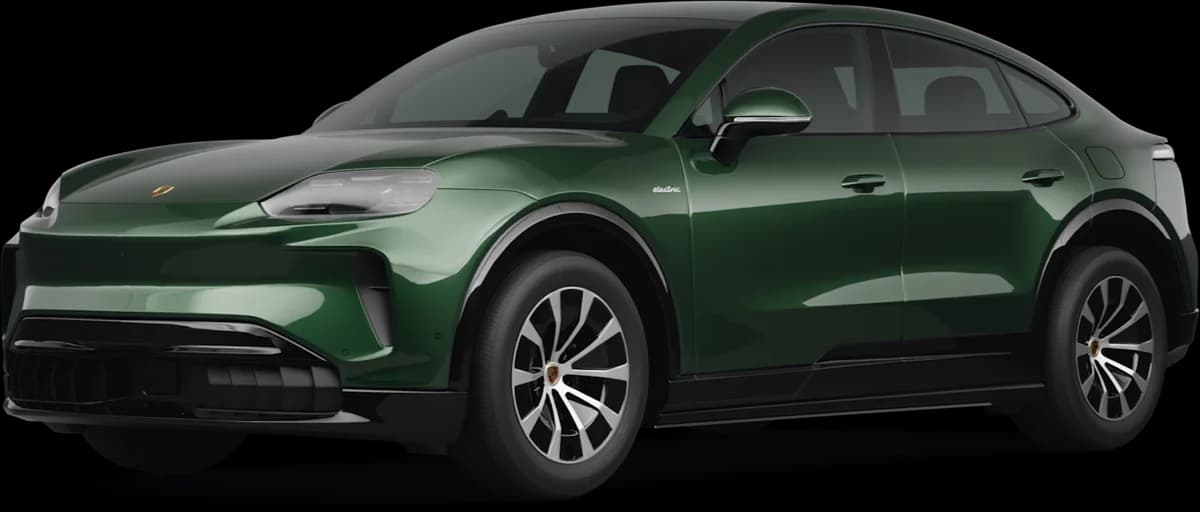
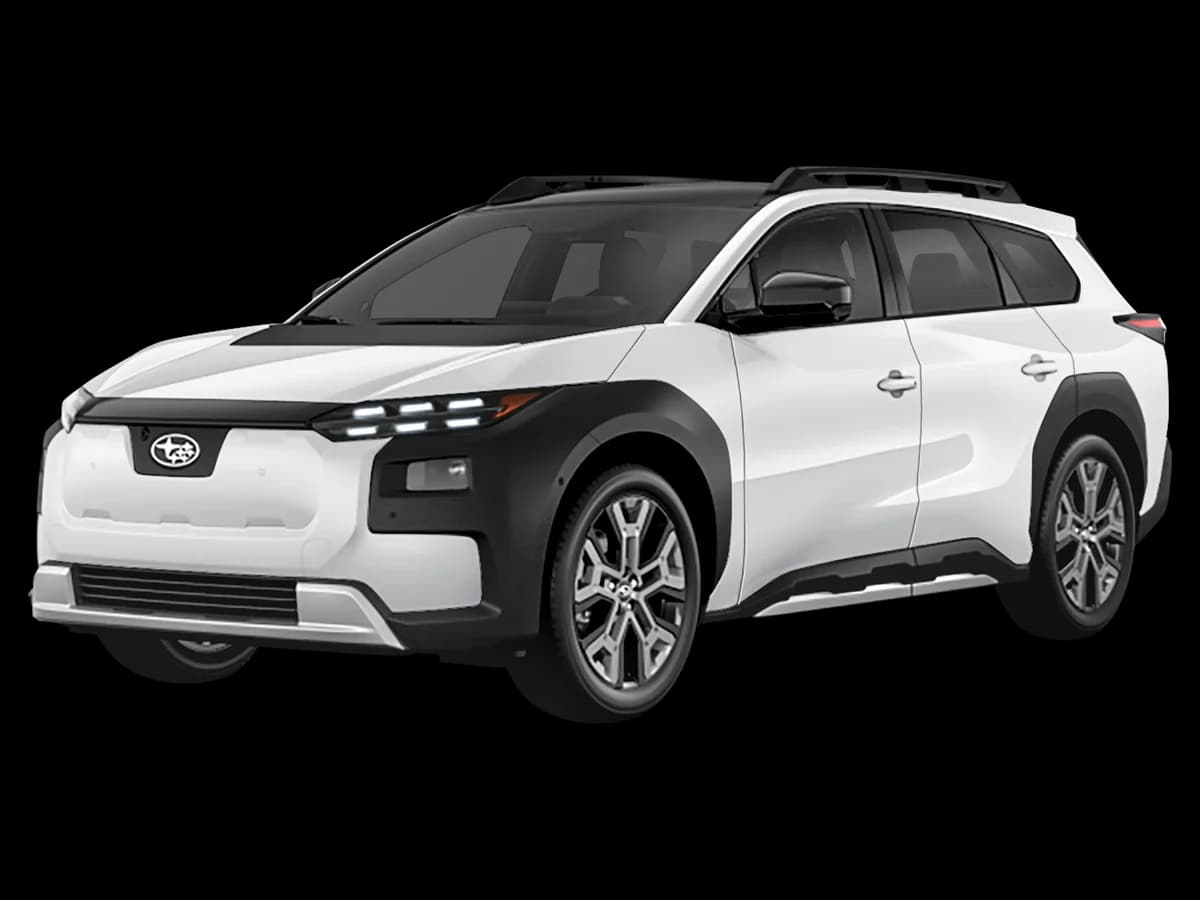
Browse top contenders, or compare all options ranked by score and key attributes.
5 Options


The Scoreboard
Does this improve your life? Considers, health, habits, and environmental impact.
Benefits
Quiet, cushioned cruising makes long trips feel calmer and leaves conversations easy.
Supportive seats and available air suspension keep daily drives comfortable for everyone aboard.
Seven-seat layout and huge boot make school runs, luggage, and family trips manageable.
Fast charging and strong range make longer journeys easier to plan and complete.
Clear sightlines and strong safety hardware make busy family driving feel more reassuring.
Trade-Offs
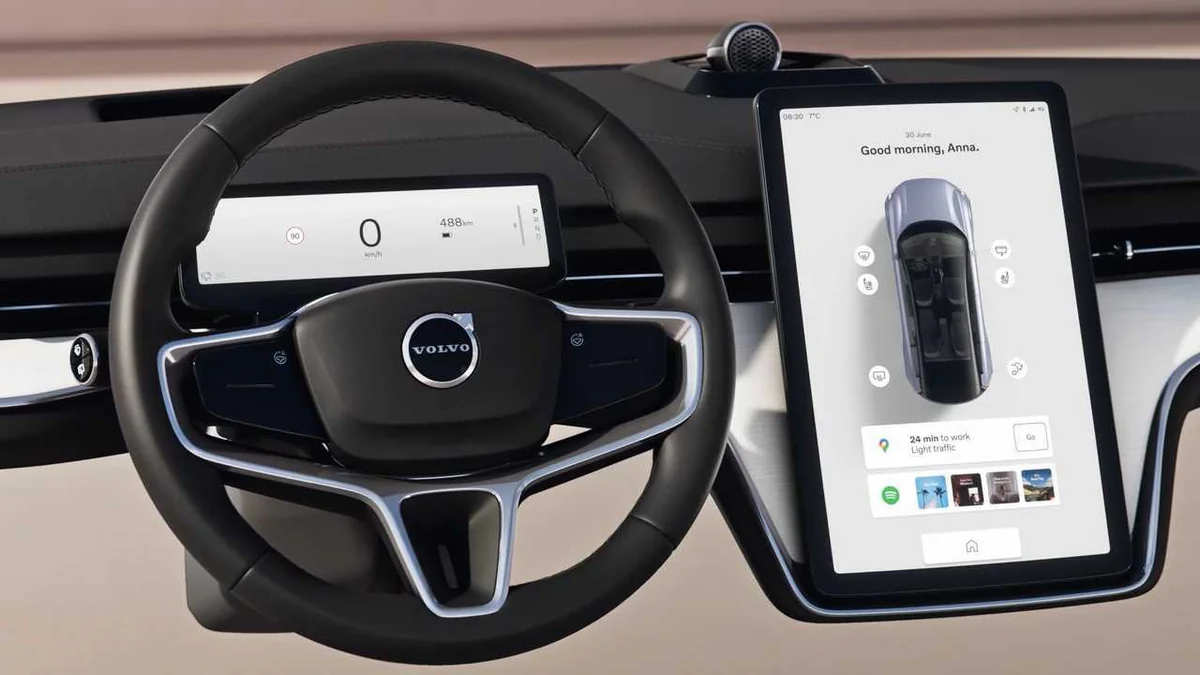
Touchscreen controls slow down simple tasks, like adjusting mirrors, climate, or opening glovebox.
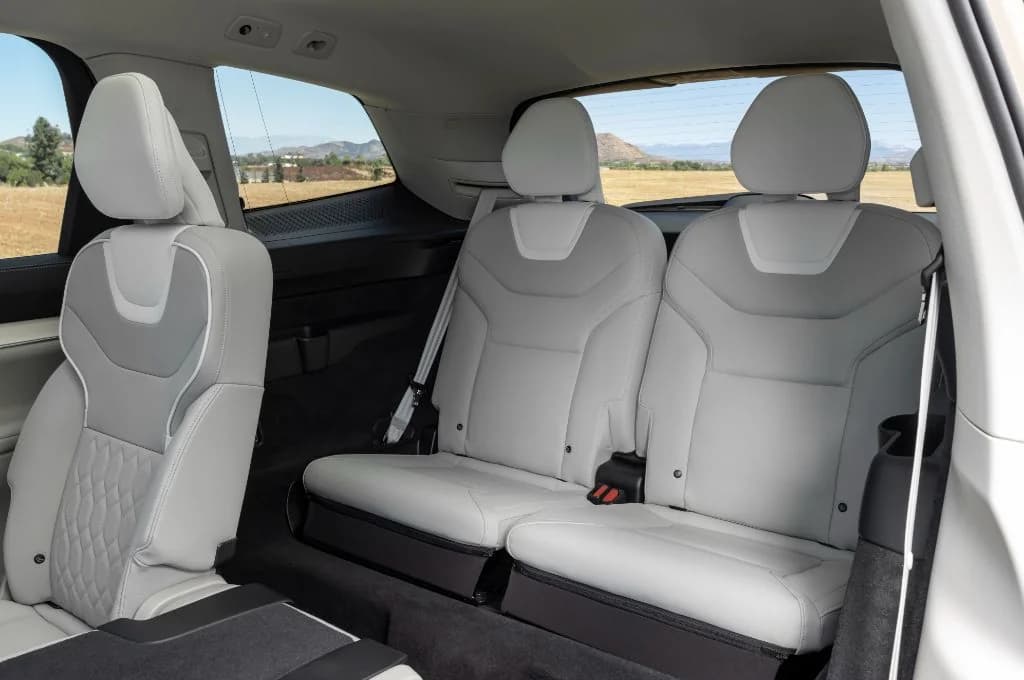
Adults in the third row sit cramped, making longer family journeys less comfortable.
Cold weather, big wheels, and heavy loads can shrink range, creating extra charging stops.
Low-speed maneuvering feels cumbersome, while rough roads can make larger-wheel rides unsettled.
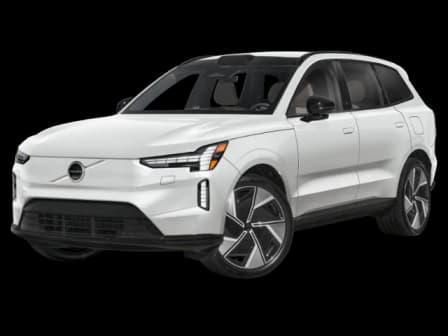
 Alternatives


Join the Circle
Where real meets deal
Know what's worth buying-and when.
Tips, special offers, and rewards for buying and sharing.

Publications
8 LEADING PUBLICATION REVIEWS

What Car?’s Doug Revolta is positive about the EX90, but its high price and compromises prevent a wholehearted recommendation. This is a polished, quiet and practical seven-seat SUV with strong performance, a long official range, excellent visibility, plush materials and an unusually generous standard equipment list. Its 111kWh battery should deliver roughly 300 miles in real driving, while fast charging is useful, though cold-weather efficiency falls noticeably. The EX90 is less convincing for families who regularly carry adults in the third row, where the Kia EV9 is roomier, and it is not especially agile despite its powerful motors. Revolta also criticizes the laggy, touchscreen-heavy interface, cheaper-feeling controls, missing launch features caused by software delays and only average warranty coverage. Overall, it feels luxurious and capable, but rivals offer better space or value, making it more appealing as a company car than a private purchase.
By Doug Revolta
BBC TopGear’s Ollie Marriage is highly enthusiastic about the Volvo EX90, calling it the best electric family SUV available. He praises its exceptionally thoughtful packaging, genuinely useful seven-seat layout, huge boot, serene ride, refined cabin, and clever family-friendly details such as excellent massage seats. Compared with the Kia EV9, Tesla Model X, and other premium electric SUVs, the EX90 feels more cohesive and purpose-built, while its understated Scandinavian design and smooth, effortless long-distance manners add real appeal. The review is not uncritical: the price is steep, real-world range falls well below the 374-mile claim, especially in cold or loaded conditions, and too many basic controls are buried in the touchscreen. Driver assistance can also feel jerky, and the cupholders disappoint. Even so, Marriage’s verdict is strongly favorable: the EX90’s practicality, comfort, and polish outweigh its compromises.
By Ollie Marriage
Auto Express is positive about the Volvo EX90 overall, but its 3.5/5 rating reflects some significant compromises. It praises the spacious, bright seven-seat cabin, premium build quality, comfortable long-distance manners, strong safety equipment, and distinctive position among electric family SUVs. The EX90 is especially convincing as a quiet motorway cruiser, while its powerful Twin Motor versions are startlingly quick. However, the review is much less impressed by its efficiency, achieving only 2mi/kWh in cold, wet testing despite Volvo’s generous official range claims. Around town, the heavy car can feel unsettled, with jerky pedal response, awkward brake modulation, and fidgeting on larger wheels. High pricing, expensive insurance, and limited third-row space also weaken its value. Auto Express ultimately favors the well-equipped Plus trim and Single Motor version, arguing that the extra performance and battery capacity of pricier models are difficult to justify.
By Shane Wilkinson; Alastair Crooks
CAR Magazine’s Ted Welford is positive about the EX90, but clearly sees it as an imperfect, conditional recommendation. The 2026 update makes a meaningful difference: 800-volt charging, improved efficiency, more range, extra power, and better computing help address the SUV’s troubled launch. Welford especially appreciates its exceptionally quiet ride, calm Scandinavian cabin, excellent visibility, huge boot, and effortless long-distance refinement. Yet the EX90’s enormous size brings ponderous handling, occasional ride jolts, and little steering feel, while its advanced safety systems still make frustrating mistakes. The near-total reliance on touchscreen controls also clashes with Volvo’s safety ethos. Third-row space is merely adequate for children, and the Kia EV9 and Hyundai Ioniq 9 are cheaper and more practical. Overall, it is now a much more appealing luxury electric XC90 alternative, but Welford still considers the conventional XC90 the better family car and views the EX90 as good rather than class-leading.
By Ted Welford
Autocar’s Matt Saunders is positive about the EX90, but sees an unfinished flagship rather than a clear class leader. He praises its serene, lounge-like cabin, excellent seating flexibility, useful seven-seat practicality, hushed refinement, effortless performance, and easygoing driving character. The review’s measured approval is tempered by substantial shortcomings: the EX90 is extremely heavy, expensive, slower to charge than key rivals, and managed only a 235-mile touring range. Its touchscreen-dependent controls can make simple tasks, such as folding the mirrors, maddening, while the suspension lacks an ideal middle setting and the third row suits only smaller adults. Saunders is encouraged by Volvo’s improving software and believes the EX90 is moving toward becoming a worthy electric flagship, but the 2026 upgrades will need to deliver meaningful gains. Overall, it is a comfortable, polished, capable SUV with genuine appeal, though its price and efficiency make the recommendation conditional.
By Matt Saunders
MotorTrend’s Alisa Priddle is intrigued by the EX90, though she approaches it with some understandable anxiety. Drawing on her affection for the calming, beautifully crafted XC90, Priddle sees promising echoes in the EX90’s airy wool interior, distinctive styling, advanced safety equipment, luxurious Ultra-trim features, and potent 670-hp all-wheel-drive powertrain. The software-defined architecture, faster 800-volt charging, and Google-based infotainment could address Volvo’s past weaknesses, while the Bowers & Wilkins system and air suspension add further appeal. Still, this is an investigative long-term test rather than a victory lap: Priddle has never lived with an electric SUV, regularly travels through remote areas, and is particularly concerned about Michigan’s charging network. At nearly $96,000, the EX90 also carries serious expectations. Overall, the tone is warmly optimistic but deliberately provisional, with a year of real-world use needed to determine whether Volvo’s flagship EV truly earns its premium.
By Alisa Priddle
Carwow’s Tom Wiltshire views the Volvo EX90 as impressive but ultimately overpriced and flawed. It offers a luxurious, calming cabin, generous space across the first two rows, strong safety credentials, rapid 250kW charging, and excellent motorway refinement. The Google-based infotainment is polished, while the powerful twin-motor version is startlingly quick. But the EX90’s real-world efficiency is disappointing, delivering about 260 miles rather than its official 375, and its huge weight makes it fidgety in town and less enjoyable on winding roads than a BMW iX. Third-row space and boot capacity also trail the Kia EV9. Most frustratingly, too many basic controls—including the glovebox—are buried in the touchscreen, undermining Volvo’s safety-focused image. Wiltshire considers it a genuinely premium, capable family SUV, but the £73,160-plus price demands more comfort, practicality, and driving polish than it consistently provides.
By Tom Wiltshire
CarExpert NZ’s Jono Capel-Baker is highly impressed by the Volvo EX90, calling it an unusually convincing luxury electric family SUV. He praises its extraordinary performance, serene highway refinement, premium cabin, excellent sound system, spacious seven-seat practicality, rapid charging, and strong safety credentials. The EX90 even feels like a bargain beside similarly equipped German SUVs, despite its $159,990 price. Its main weaknesses are frustratingly screen-dependent controls, especially for basic functions and driving adjustments, plus a firm ride on rough roads with the optional 22-inch wheels. The missing LiDAR hardware is another disappointment, although the reviewer believes it doesn’t undermine the car’s overall safety or completeness. Android Auto was also unavailable at launch. Overall, the EX90 comes across as a remarkably polished, comfortable, and impressively capable flagship whose usability quirks prevent an otherwise near-perfect result.
By Jono Capel-Baker

YouTube
12 LEADING EXPERT & INFLUENCER REVIEWS
 Out of Spec Reviews
Kyle Conner is highly impressed by the Volvo EX90, calling it one of the year’s best new cars despite a few quirks. He praises its exceptionally quiet, refined cabin, smooth one-pedal driving, strong straight-line performance, composed handling, excellent brake feel, spacious comfort, and outstanding Bowers & Wilkins audio system. The EX90 feels more sophisticated than the Kia EV9 without chasing sports-car behavior. His main criticisms are vague, slow steering, noticeable body roll, an unsettlingly delayed rear-motor reconnect outside Performance mode, inconsistent hands-on detection and lane changes, and charging that tapers early despite briefly exceeding 500 amps. Overall, he considers it easily recommendable.
AutogefühlAutogefühl is highly impressed by the Volvo EX90, calling it a worthy electric counterpart to the XC90. Thomas especially praises its exceptionally quiet, refined ride, comfortable air suspension, strong handling, premium Scandinavian cabin, excellent Bowers & Wilkins audio, and convincing real-world efficiency. The LiDAR-equipped safety suite and flexible seating and cargo layout add substance, while Performance AWD delivers effortless acceleration. Still, enthusiasm is tempered by an awkward touchscreen climate interface, limited third-row space for adults, a hot panoramic roof, occasionally flimsy cupholder hardware, and complicated key-card access. Overall, he views the EX90 as a polished, genuinely premium family EV.
AutotraderAuto Trader’s Rory is highly impressed by the Volvo EX90, calling it potentially the greatest Volvo yet. He praises its spacious seven-seat cabin, plush ride, quietness, excellent Bowers & Wilkins audio system, clever pet-presence detection, and unexpectedly engaging handling despite its 2.8-ton weight. The Performance version’s acceleration feels rapid but progressive rather than overwhelming. Criticisms include fiddly flush door handles, cheap-feeling trim on closer inspection, excessive reliance on the touchscreen, delayed power steering, an unshaded panoramic roof, mediocre real-world efficiency, and LiDAR hardware whose advanced functions are not yet active. Overall, his recommendation is strongly enthusiastic despite those usability and value concerns.
Doug DeMuroDoug DeMuro is highly enthusiastic about the Volvo EX90, calling it potentially the best family-focused three-row EV. He praises its serene, upscale cabin, intuitive Google-based infotainment, clever storage, distinctive lighting, roomy cargo area, and smooth, composed driving manners. He also appreciates that it avoids the usual electric-SUV compromises and feels like a conventional, practical Volvo. The tradeoffs are its screen-heavy controls, limited third-row amenities, light steering, and lack of standout performance or off-road ability. Still, Doug considers it an excellent, rational luxury family hauler and awards it a strong 65/100 DougScore.
Tim Rodie Drives StuffTim Rodie is positive about the 2026 Volvo EX90, though he would still choose an XC90. He praises its serene motorway manners, comfortable cabin, family-friendly second-row space, easy controls, safety systems, and impressive 5.5-second twin-motor acceleration. The EX90 feels surprisingly manageable for its size, but tight car parks expose its weight and lack of rear-wheel steering, while low-speed ride quality can be crashy. The third row is cramped, range is roughly 300 miles in real use, and pricing approaches £100,000. Overall, it is a polished, relaxing electric SUV, but expensive and less charming than Volvo’s lighter, better-riding XC90.
CarGurusDave Undercoffler is impressed by the EX90’s refinement but ultimately recommends rivals instead. He praises its breathtaking acceleration, quiet air-suspended ride, polished styling, comfortable high-quality cabin, and well-calibrated one-pedal driving. The 2026 model’s 800-volt charging, faster computer, and 670-hp Performance version make it more compelling. Still, he criticizes the expensive pricing, confusing range estimates, touchscreen-heavy controls, buttonless key fob, awkward window switches, limited third-row space, and poor adult access. His verdict is positive but clearly qualified: the EX90 is excellent to drive, yet the BMW iX, Rivian R1S, and Cadillac Vistiq offer a stronger overall package.
Ben HardyBen Hardy is clearly positive on the 2026 Volvo EX90, especially its smooth power, quiet cabin, comfortable seats, and practical three-row layout. He appreciates that it still looks unmistakably like a Volvo, while the 305-mile range and quick, refined acceleration make it easy to enjoy. However, the extensive screen-based controls and unusual card-key system create a noticeable learning curve, even for a tech-savvy driver. Large 21-inch wheels also reduce ride comfort on rough roads. Hardy’s biggest reservation is broader: many buyers may not need such a large EV, and charging time and range anxiety remain practical concerns.
Auto FocusAuto Focus is highly enthusiastic about the Volvo EX90, calling it a luxury sleeper that delivers nearly Rolls-Royce-level quietness and comfort at a fraction of the price. After driving it, the reviewer praises its exceptional sound isolation, superb Bowers & Wilkins audio, supportive seats, spacious second row, polished software, and remarkably smooth air suspension. The EX90 feels especially compelling as a refined family SUV, though the third row suits children better than adults. Criticisms include excessive reliance on touchscreen controls, awkward shared window switches, and slightly soft one-pedal-driving calibration. Overall, the EX90 is presented as a surprisingly accomplished luxury EV.
Car and Driving - Car ReviewsJonathan Crouch is strongly impressed by the 2026 Volvo EX90, calling it a remarkably complete seven-seat luxury EV. He praises its confident handling despite its size, excellent refinement, supportive seats, thoughtful family packaging, sophisticated lidar-based safety technology, and upgraded 800-volt charging. The 680-hp Performance model and exceptional Bowers & Wilkins audio system add real appeal. Still, the EX90 is expensive, third-row space is tight for adults, the roof-mounted lidar looks awkward, and touchscreen dependence creates usability annoyances. Overall, Crouch views it as a compelling, distinctive choice for buyers who need seven seats without settling for a conventional people carrier.
KRIS RIFA ELECTRICKris Rifa is highly impressed by the 2026 Volvo EX90, especially its exceptionally smooth, responsive drivetrain. He praises the upgraded Nvidia processor, refined infotainment, strong performance, and practical comfort, even calling the low-speed calibration world-class and the 680-hp Performance version “stupidly fast.” Still, his verdict is a mixed bag: real-world charging disappoints, with the car reaching 80% in about 24 minutes despite a 350-kW peak, while the optional Nappa leather feels incomplete and driver-assistance controls remain frustrating. Overall, it is a compelling but imperfect update.
House of CarsHouse of Cars is highly enthusiastic about the Volvo EX90, calling it an “absolute winner” that preserves Volvo’s safety-first, family-focused identity. The review praises its exceptionally comfortable seats, quiet and refined ride, spacious seven-seat interior, clever cargo solutions, strong body control, effortless performance, and genuinely fast 800-volt charging. The main reservations are its premium price and overreliance on the touchscreen for basic functions such as mirror, steering-wheel, glovebox, and regeneration adjustments. It is less dynamic than a BMW iX and less luxurious than a Range Rover, but the reviewer considers its comfort, practicality, safety, and refinement exceptionally well balanced.
TWFLDBobby Mabele is impressed by the EX90’s luxurious, family-first character, though he sees room for refinement. He praises its exceptionally quiet ride, soft dual-chamber air suspension, clever integrated booster seat, spacious seven-seat practicality, premium Bowers & Wilkins audio, and rapid performance. However, the 2.8-tonne weight affects low-speed bump control and braking, while body roll remains noticeable. Real-world range falls well short of Volvo’s claim, and the tiny rechargeable key fob, touch-sensitive window controls, screen-heavy interface, and bland front design frustrate him. Overall, it feels like a highly accomplished urban luxury EV, but not an unquestioned benchmark.

Forum Reviews
CUSTOMER REVIEWS FROM 1 FORUM
Redditors are cautiously positive about the 2026 Volvo EX90, praising its refinement while remaining wary of reliability. Owners describe it as exceptionally quiet, comfortable, powerful, and more polished than the 2025 model, with faster charging, stronger motors, a better computer, and a clever electrochromatic roof. The 2026 appears to resolve many early software and sensor problems, and several owners report no major issues. Still, isolated GHCA failures, charging problems, laggy interfaces, limited physical controls, and inconsistent dealer support sustain skepticism. Prospective buyers generally view it as promising, but recommend waiting for more reliability evidence or securing substantial discounts.
Many comments

In-Depth Review

Highlights
- •Long-Distance RangeAdvertised to reach 305 miles in select versions.
- •Flexible Family SpaceSeven seats and generous cargo support family travel.
- •Quiet, Cushioned RideReviewers consistently note exceptional cabin refinement.
- •800-Volt ChargingDesigned to support rapid long-distance charging.

Considerations
- •Variable Real-World RangeCold weather, loads, and wheels reduce efficiency.
- •Touchscreen-Heavy ControlsBasic adjustments can feel slow and frustrating.
- •Cramped Third RowRear-most seating suits children better than adults.
- •Premium Purchase PriceHigh pricing makes stronger alternatives worth comparing.
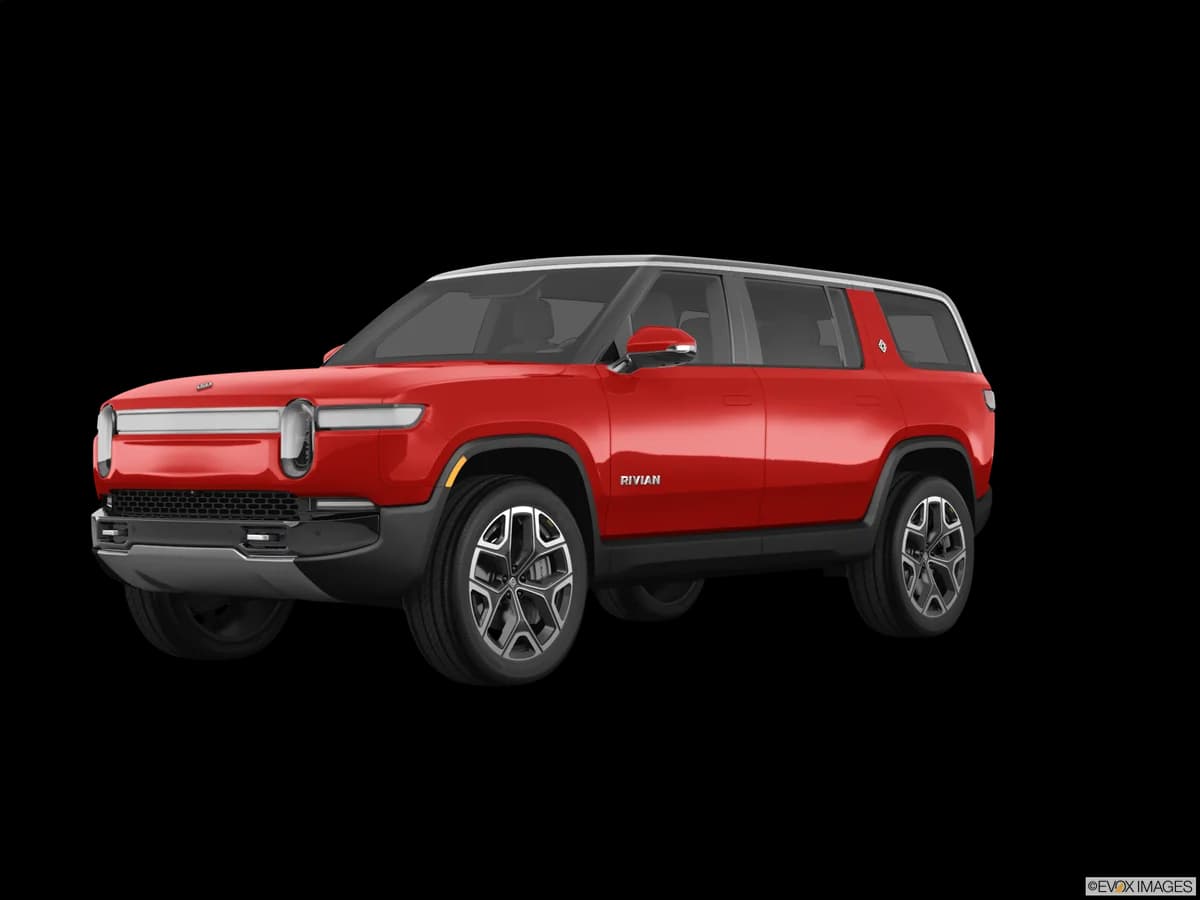
Volvo’s EX90 brings the brand’s safety-first reputation into the premium three-row EV market. Designed for affluent families, commuters, and road-trippers, it pairs up to seven seats with a quiet, upscale cabin and the practicality of a large SUV. The 2026 version is more compelling than early EX90s thanks to 800-volt charging, improved computing, and stronger real-world polish, while rivals such as the Kia EV9 and Rivian R1S may offer more space, efficiency, or adventure ability. The key questions are how its up to 305-mile range holds up in cold weather and with larger wheels, whether the cargo area offsets a cramped third row, and how its adaptive air suspension balances serenity with low-speed control. We’ll also examine acceleration, braking, handling, and charging beyond headline figures. If you need premium family comfort more than athletic agility, the EX90 makes a persuasive case—provided you check the fine print before plugging in.
Handling and Composure
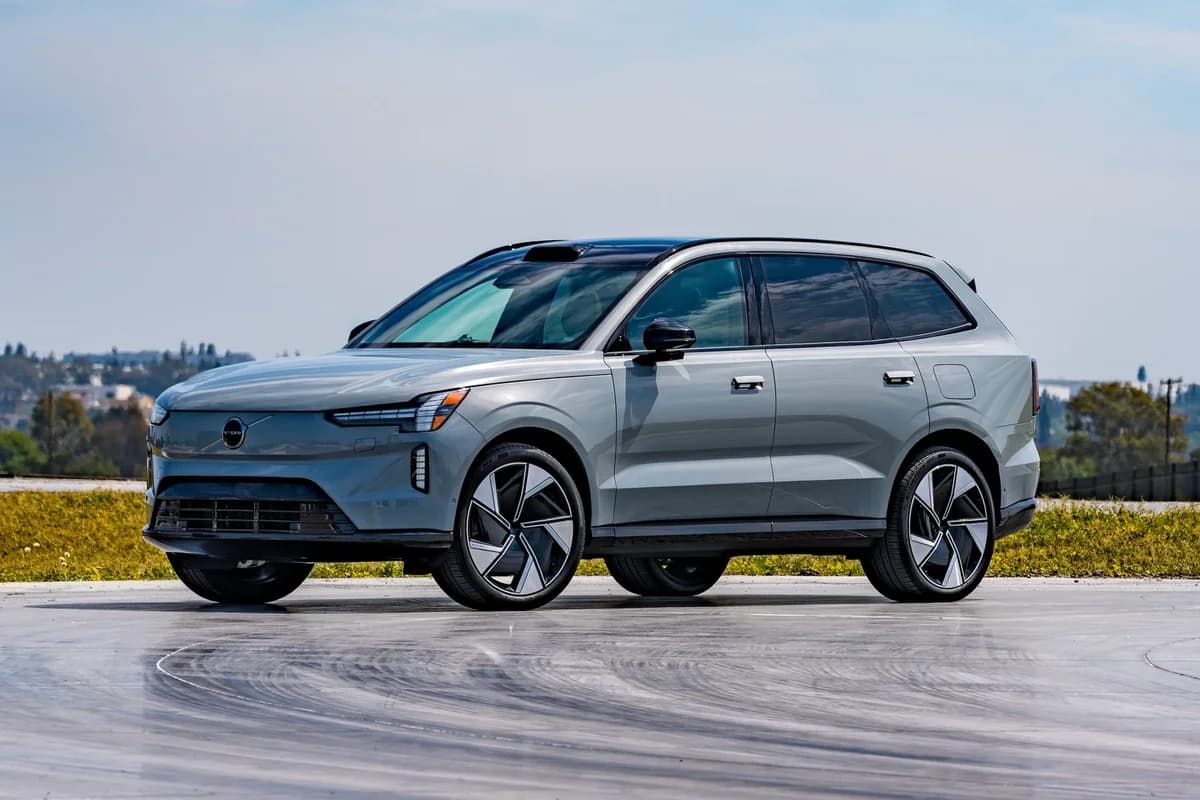
The EX90 feels composed at speed, but its size and weight are impossible to hide in town. Its 2.8-tonne-plus curb weight contributes to secure highway stability, yet reviewers mention light or vague steering, body roll, awkward parking behavior, and occasional brake or pedal abruptness. The lack of rear-wheel steering makes tight spaces harder than expected, while larger wheels can unsettle the ride. Handling is competent rather than engaging, so buyers should prioritize refinement and safety over nimble SUV dynamics.
Real-World Range
Range is capable, but it depends heavily on configuration and conditions. Volvo advertises up to 305 miles of EPA range for certain AWD versions, while expert testing has found roughly 235–260 miles on demanding routes and around 300 miles in ordinary use. Cold weather, heavy loads, and larger wheels can reduce efficiency sharply, so the EX90 suits road trips best when charging stops are planned conservatively. The 2026 model improves efficiency over early cars, but real-world results still trail the headline claim.
DC Charging Performance
The 2026 EX90’s 800-volt electrical architecture is a meaningful upgrade for long-distance usability. Volvo cites peak DC charging of up to 250 kW, and the system can deliver strong charging performance at compatible stations, with some tests reporting roughly 10–80 percent in about 22–24 minutes. However, charging may taper earlier than expected, and cold conditions or station limitations can reduce the advantage. The hardware is promising, but real-world results are less consistently rapid than the headline peak suggests.
Interior and Cargo
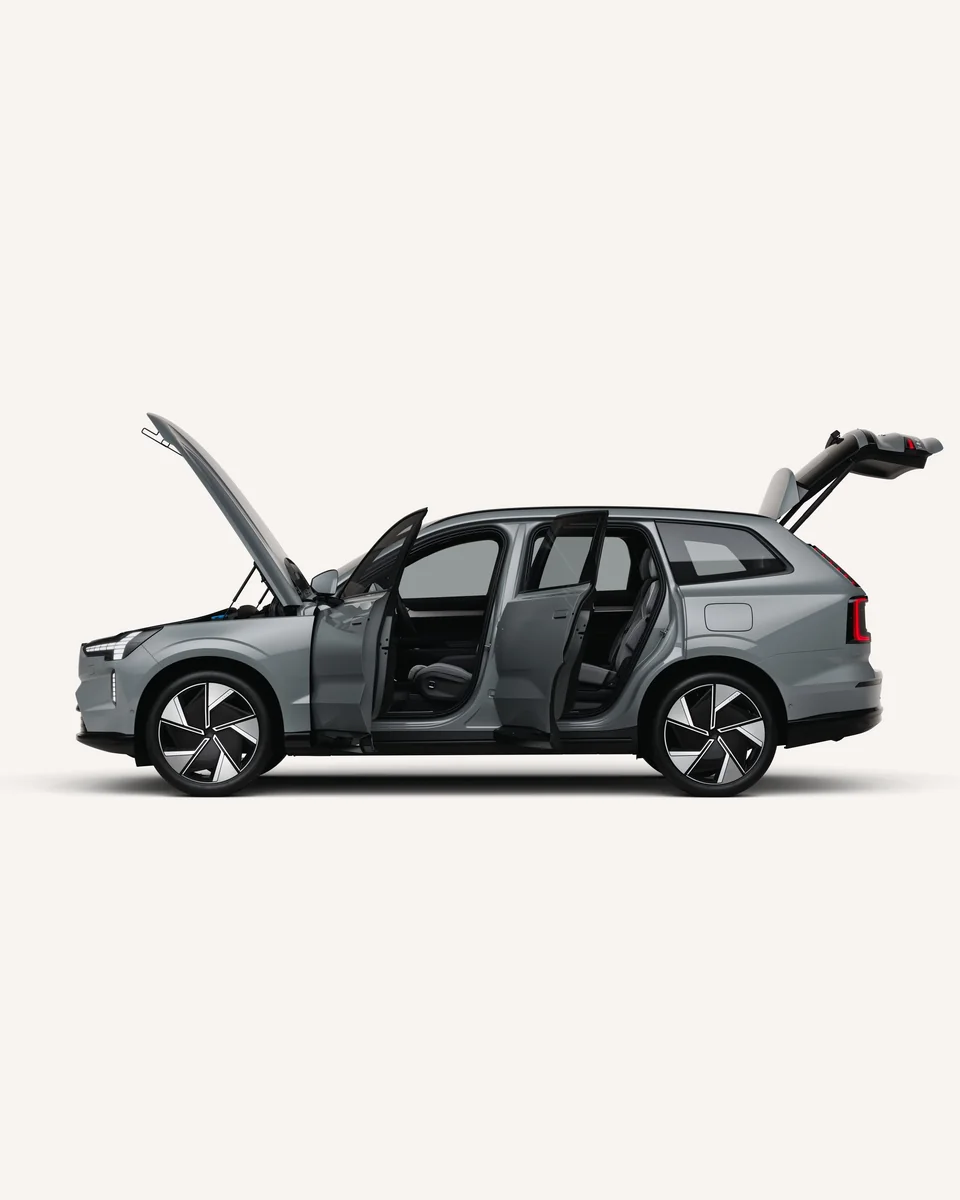
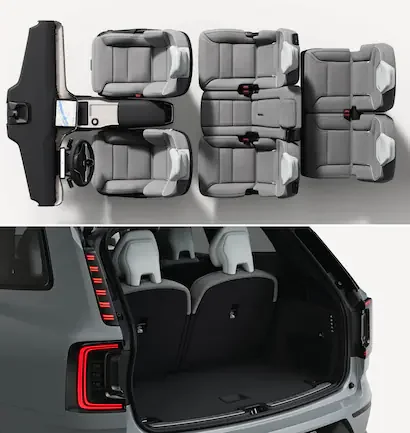
The EX90’s family usefulness is strongest in its first two rows and cargo flexibility. Its six- or seven-seat layout provides supportive, comfortable seating, while clever storage and a large boot make luggage and everyday errands easy. Maximum cargo space reaches 75.4 cubic feet, with 11.0 cubic feet available behind all seats, although the third row is better suited to children than adults. Compared with the Kia EV9, rear-most passenger space is a noticeable weakness, but overall packaging remains a major strength.
Power and Acceleration
Performance is effortless across the range, with the top version bordering on excessive for a family SUV. The Twin Motor Performance’s 670 hp enables approximately 4.0-second 0–60 mph acceleration, while the 449-hp Twin Motor remains comfortably quick. Reviewers praise the smooth power delivery, polished one-pedal calibration, and strong brake feel, though some note a delayed rear-motor reconnect in non-Performance driving modes. It is rapid without feeling frantic, prioritizing relaxed authority over sports-car drama.
Ride and Refinement
Quietness is arguably the EX90’s defining quality. Its adaptive air suspension, substantial sound insulation, supportive seats, and available Bowers & Wilkins audio create a remarkably calm, lounge-like cabin on highways. Reviewers regularly describe the ride as premium and exceptionally hushed, while owners also praise its comfort. The trade-off is less consistent low-speed polish: large 21- or 22-inch wheels can feel firm over rough surfaces, and the heavy body sometimes produces bumps or fidgeting around town.

Conclusion
The EX90’s case is clearest when viewed as a calm, capable family lounge rather than a driver’s SUV: its real-world range is usable but weather, wheels, and loads can erode the headline figure, while 800-volt hardware makes DC fast charging genuinely road-trip friendly, if not consistently class-leading. The first two rows are spacious, the cargo layout is flexible, and the exceptionally quiet ride earns strong praise from experts and owners alike. Power and acceleration are effortless, yet the heavy body brings vague steering, body roll, and awkward low-speed manners; braking and pedal responses can also feel inconsistent. The third row works best for children, and touchscreen-heavy controls test patience. For buyers prioritizing premium comfort, safety, and seven-seat practicality over efficiency, agility, or bargain pricing, it is a persuasive but conditional choice—refined enough to recommend, with enough compromises to demand careful comparison.

Feature Scores
This reflects reviews and ratings from established critics, journalists, and users who have evaluated the item. Their opinions provide a comprehensive assessment.
Performance
Driving Range
4/5
Charging Speed
4/5
Acceleration
5/5
Handling and Ride Comfort
4/5
Energy Efficiency
3/5
Battery Durability
3/5
Value
Purchase Price Competitiveness
3/5
Total Cost of Ownership
3/5
Resale Value
3/5
Design
Exterior Styling
4/5
Interior Space and Packaging
4/5
Ergonomics and Controls
2/5
Health
Cabin Air Quality
3/5
Low-Toxicity Materials
3/5
Safety
Crashworthiness
TBD
Active Safety Systems
4/5
Battery Safety Systems
TBD
Sustainability
Lifecycle Emissions
4/5
Battery Recyclability
3/5
Use of Recycled Materials
3/5
Experience Style
Infotainment and Connectivity
4/5
Charging Ecosystem Integration
4/5
Customization and Driving Modes
3/5

Specifications
This section outlines the product's key facts, covering essential features, details, dimensions, materials, and any unique characteristics that define its functionality and usability.
Performance
Design
Sustainability
Experience Style

Frequently Asked Questions
4 Questions



Find Yours
What is your top priority for an Electric SUV's battery performance?
Answer to find your best matches.