









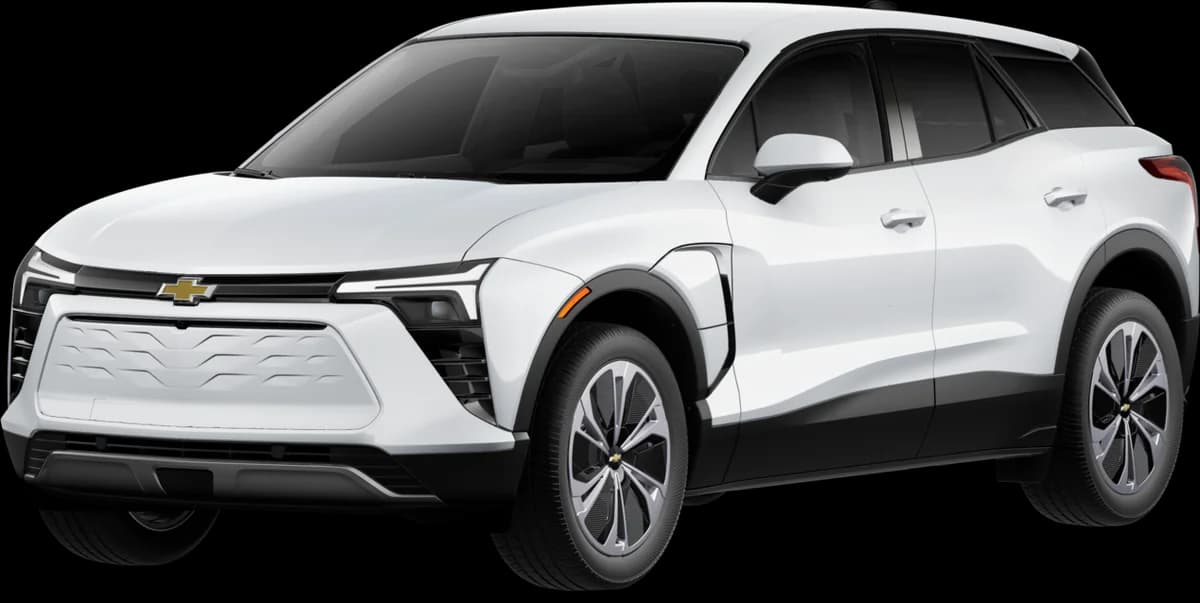
Chevrolet Blazer EV (2027)
Roomy, quiet, and powerful, but range, reliability, and value concerns warrant careful shopping.
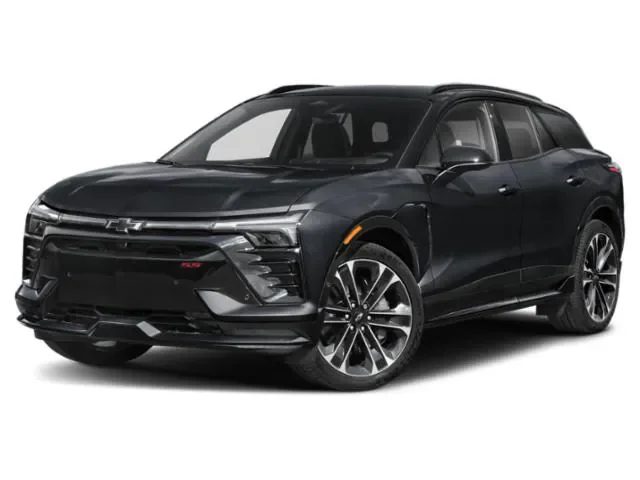
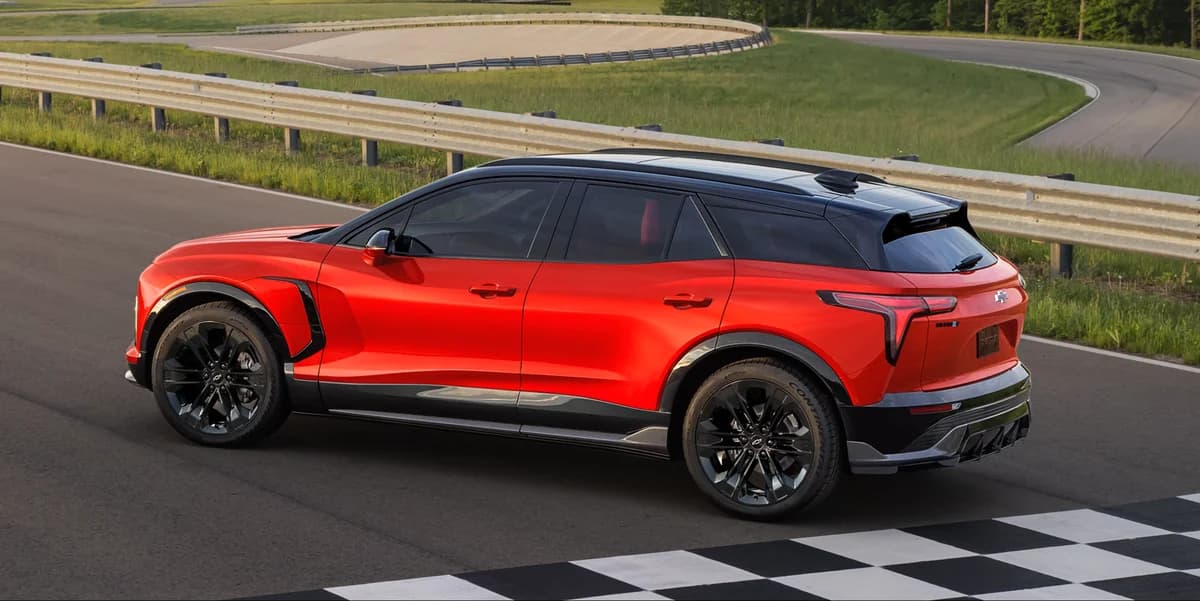
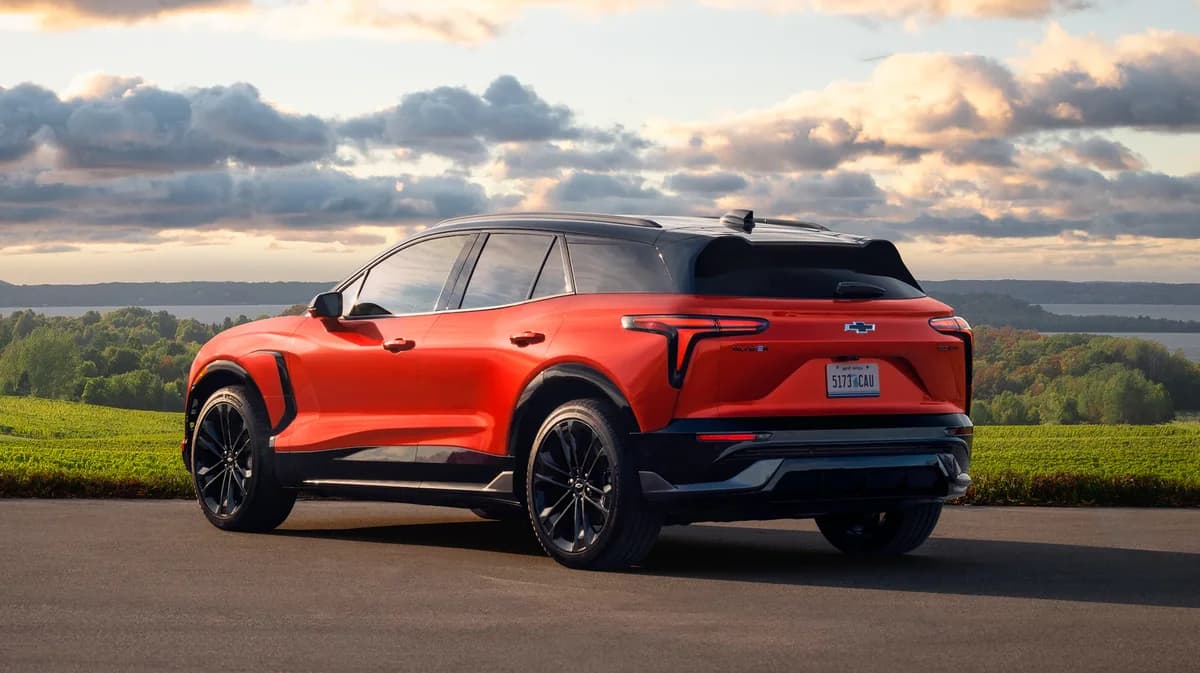
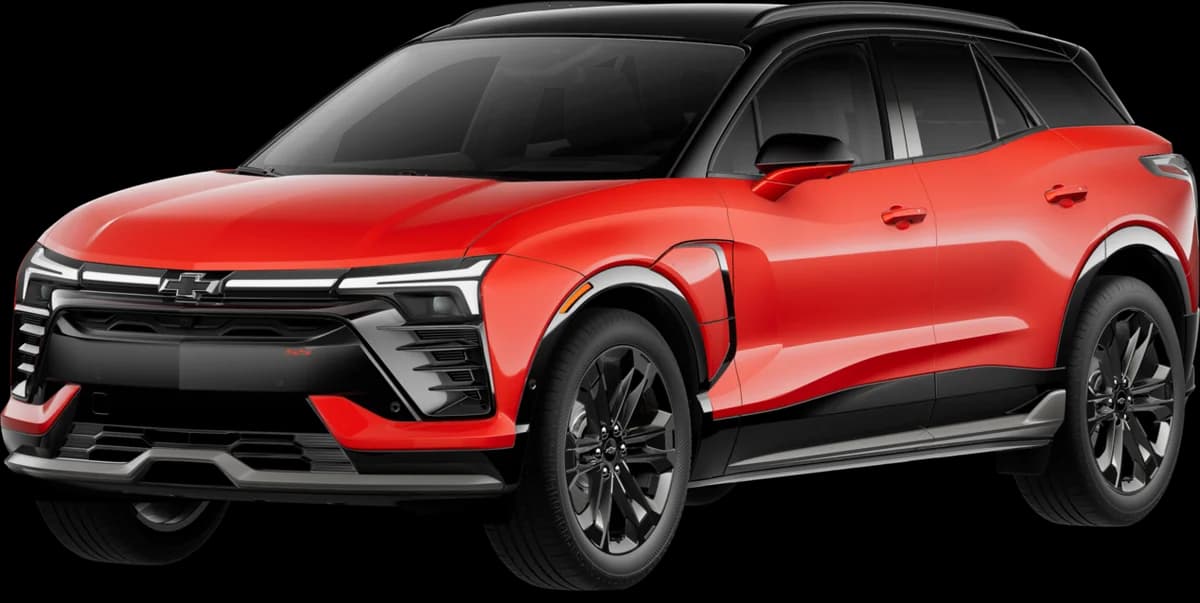
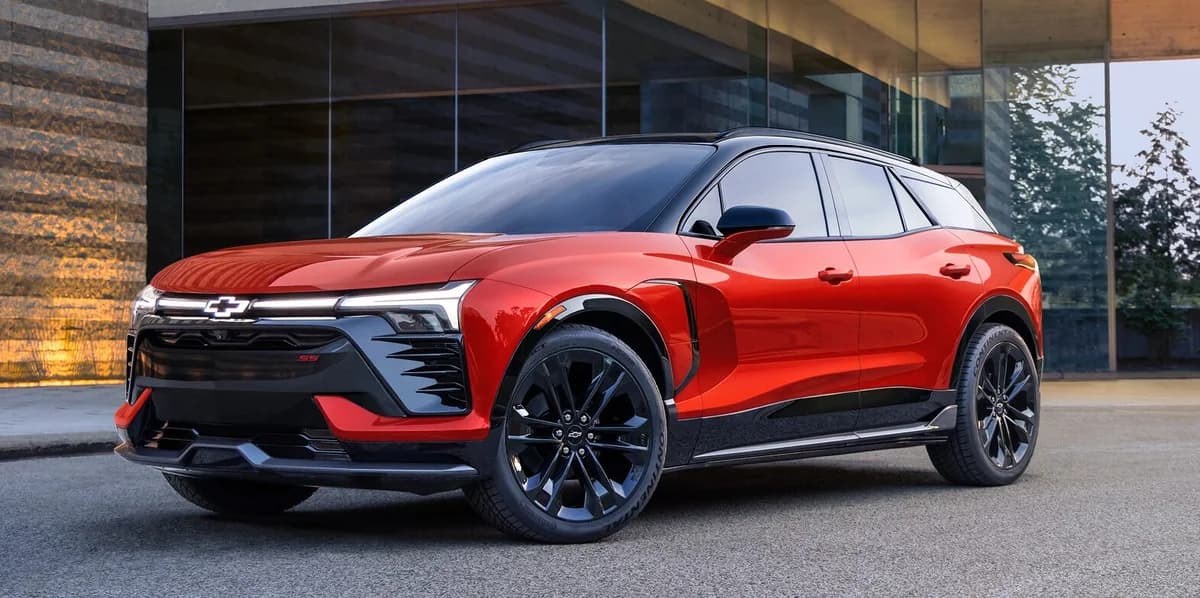
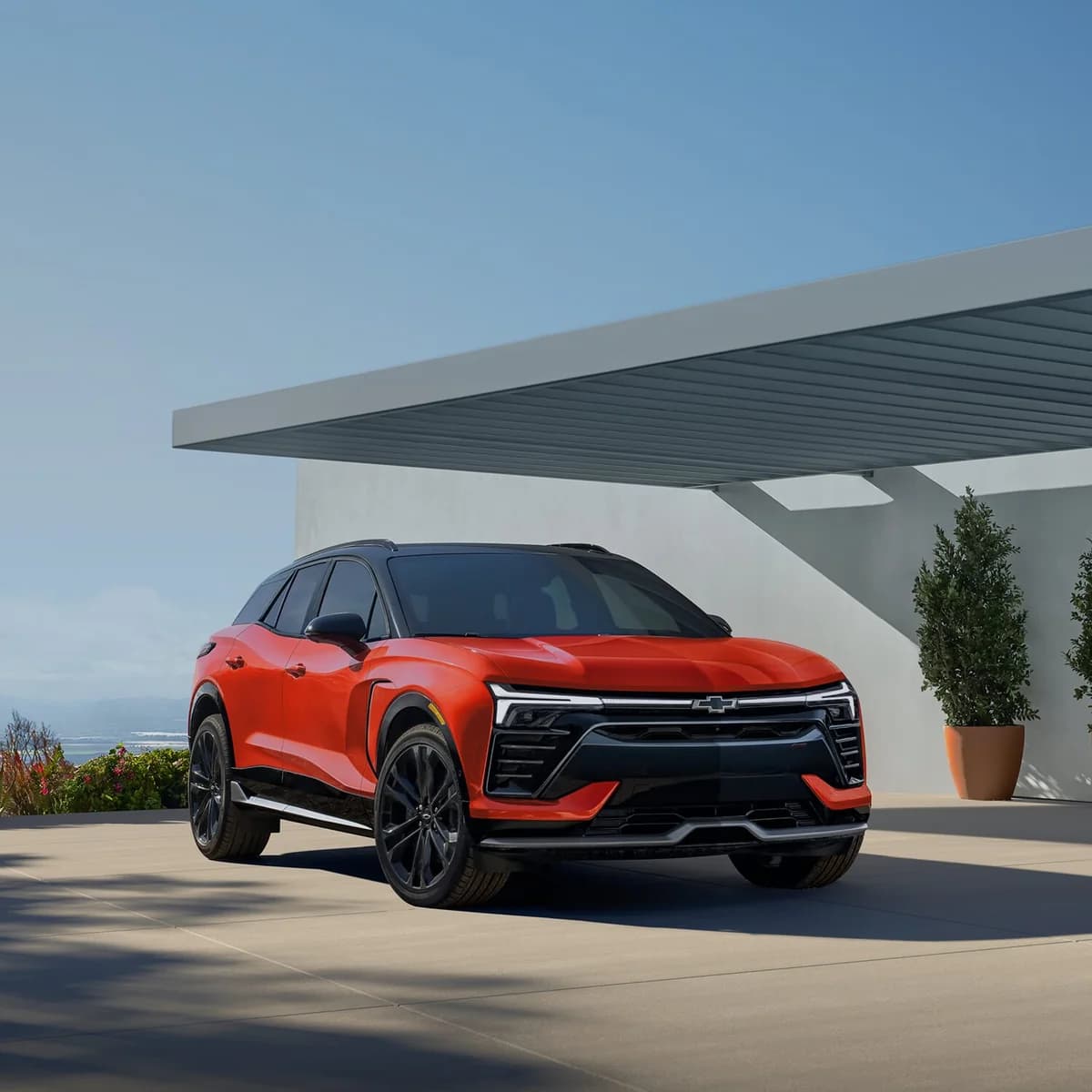
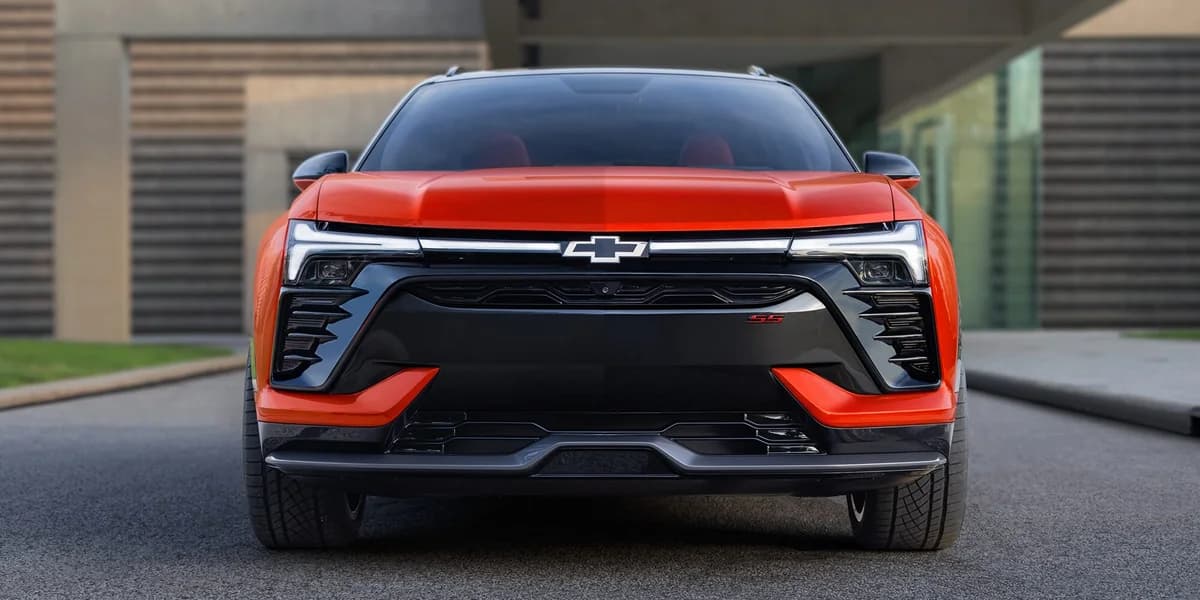
The Chevrolet Blazer EV (2027) is an electric family SUV that feels like a quiet lounge with a muscle-car escape hatch. It suits commuters and families seeking roomy rear seating, smooth travel, and less charging anxiety, with a claimed 312-mile EPA range and available Super Cruise. Experts and owners generally praise its comfort, Google-based infotainment, and usable space, while the 615-hp SS brings genuinely startling speed. Reality is less flattering: highway and winter range can fall well short of Chevrolet’s headline, cargo space is merely adequate, charging is respectable rather than class-leading, and early software faults raise reliability concerns. At roughly $45,000 to $65,000, it makes the most sense discounted, especially for buyers prioritizing passenger room. Overall appeal depends on range, reliability, tech compromises, and price.
Find Yours
What is your top priority for an Electric SUV's battery performance?
Answer to find your best matches.

The Field
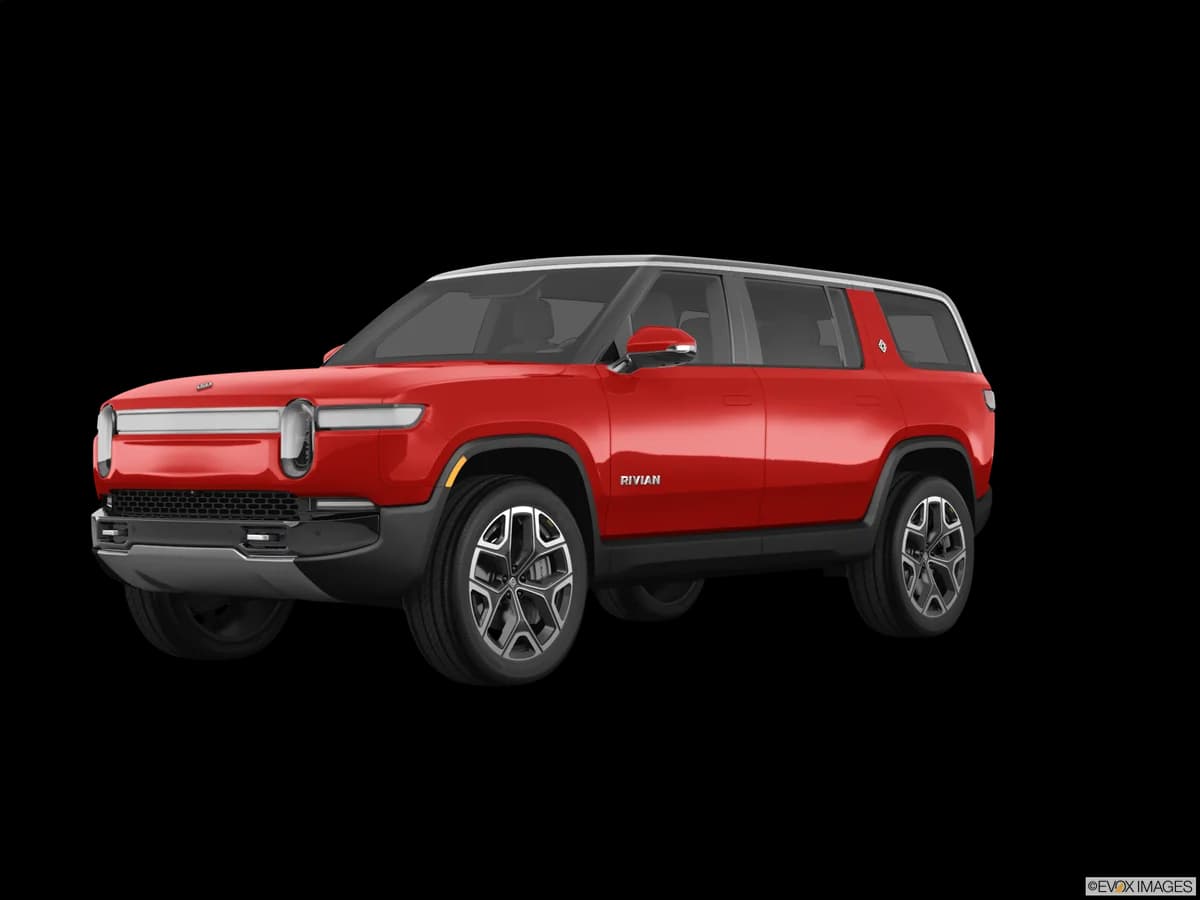
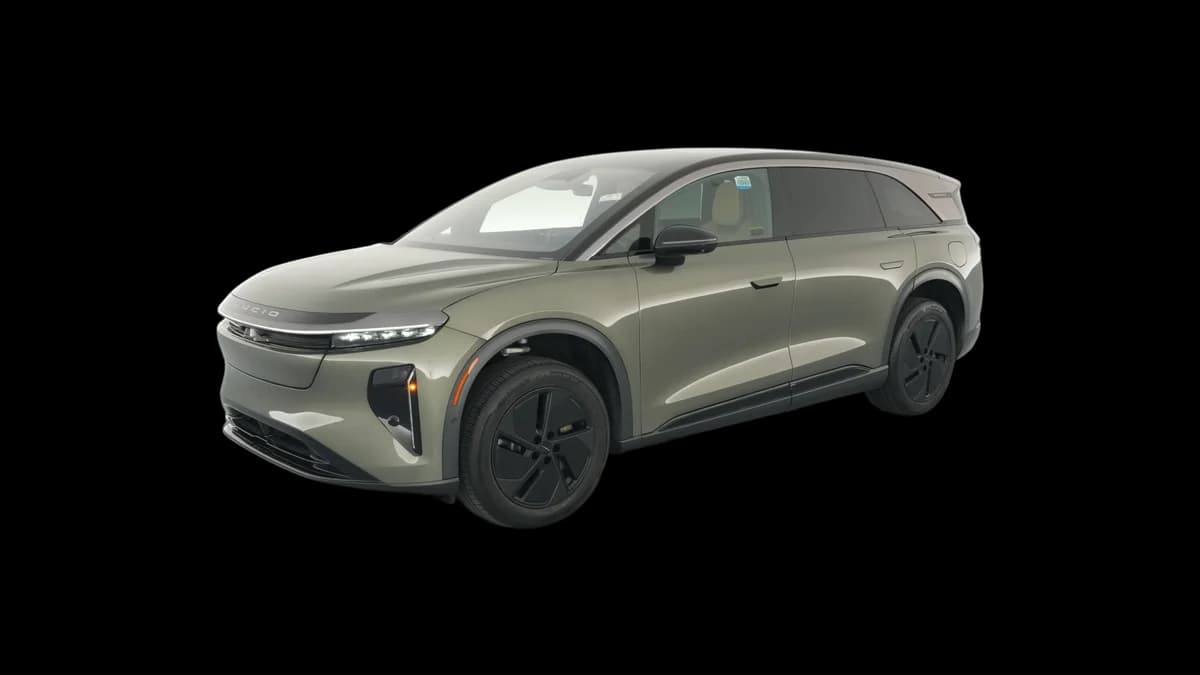
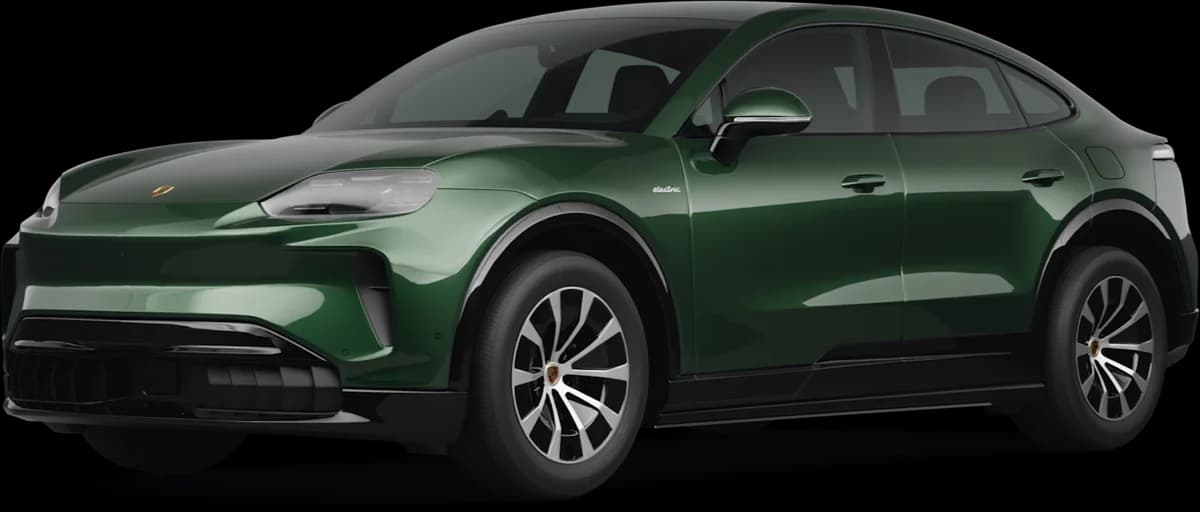
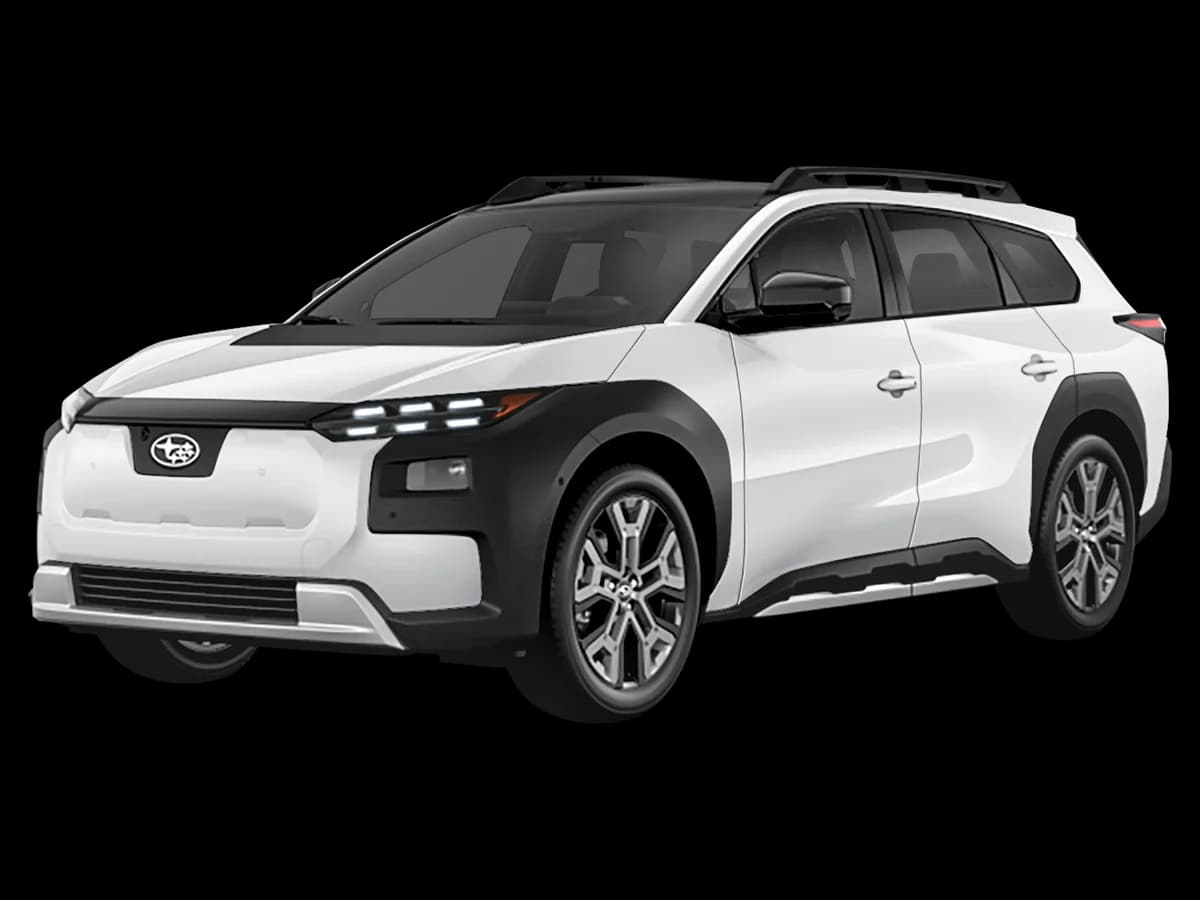
Browse top contenders, or compare all options ranked by score and key attributes.
5 Options


The Scoreboard
Does this improve your life? Considers, health, habits, and environmental impact.
Benefits
Generous rear-seat space keeps adults and child seats comfortable on everyday family trips.
The hushed cabin and smooth ride make commuting and longer drives feel pleasantly easy.
The FWD version’s available 312-mile range reduces charging stops during regular travel.
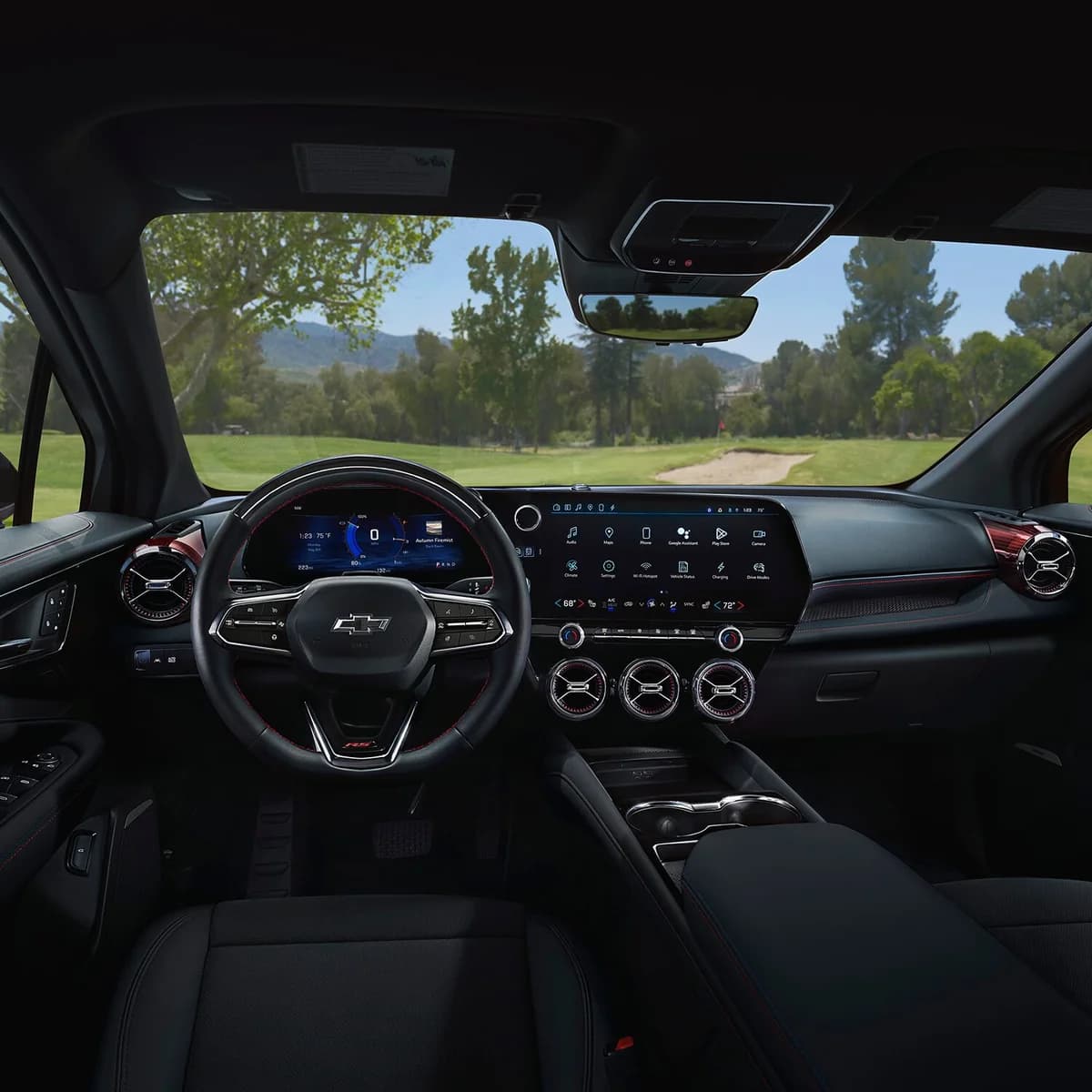
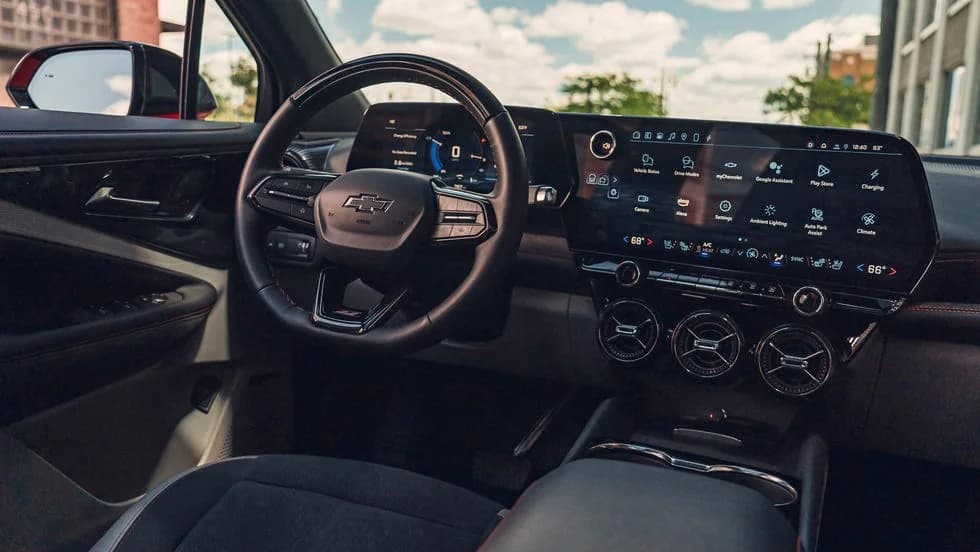
Google built-in, physical controls, and the large screen make navigation and basics straightforward.
Available Super Cruise can reduce steering effort and attention demands on compatible highways.
The SS delivers thrilling acceleration while the broader lineup preserves calmer everyday driving options.
Trade-Offs
iPhone users must rely on Google built-in instead of familiar CarPlay for everyday trips.
Common vehicle controls live in menus, making quick adjustments more distracting while driving.
Cold-weather driving can noticeably shorten range, making ordinary trips require more charging planning.
Frozen screens, warning messages, and software faults can interrupt routine drives and require service.
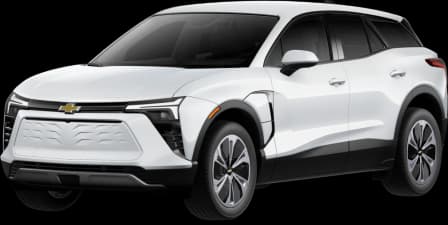
 Alternatives


Join the Circle
Where real meets deal
Know what's worth buying-and when.
Tips, special offers, and rewards for buying and sharing.

Publications
2 LEADING PUBLICATION REVIEWS

Car and Driver is broadly positive about the Blazer EV, though its enthusiasm is strongest for the SS. The reviewer appreciates the SUV’s handsome styling, comfortable ride, predictable handling, roomy two-row cabin, useful infotainment, and competitive EPA range, especially the front-drive models’ claimed 312 miles. Real-world highway testing was less impressive, however: the AWD RS managed only 200 miles, while the LT reached 210 and the SS 250. Acceleration ranges from merely adequate in the AWD RS to genuinely rapid in the 615-hp SS, which hit 60 mph in 3.3 seconds. Fast charging is respectable at 10–90 percent in 57 minutes, but vague steering, the lack of Apple CarPlay and Android Auto, unremarkable cargo testing, and weaker warranty coverage than the Hyundai Ioniq 5 temper the appeal. Overall, it comes across as a well-rounded, stylish electric SUV, with the SS providing the excitement the RS lacks.
By David Gluckman
U.S. News reviewer John M. Vincent is favorable but clearly sees the Blazer EV as imperfect. He enjoyed the SS’s thrilling acceleration, muscular styling, refined ride, spacious cabin, strong safety equipment, and excellent Super Cruise system, calling his spirited Mount Hood drive “a good work day.” The 300-horsepower RS AWD earns his practical recommendation for balancing equipment, confidence, and cost. Still, enthusiasm is tempered by below-average value, disappointing real-world highway range, limited cargo space versus the Tesla Model Y, modest towing ability, shorter warranty coverage, and distracting infotainment-based controls. The lack of Apple CarPlay is his biggest objection—potentially a deal-breaker for iPhone users—while the absence of meaningful off-road capability further narrows its appeal. Overall, Vincent views the Blazer EV as a much-improved, entertaining electric SUV, but one that trails better-rounded rivals such as the Ioniq 5, EV6, and Mustang Mach-E.
By John M. Vincent

YouTube
4 LEADING EXPERT & INFLUENCER REVIEWS
 Auto Buyers Guide | Alex on Autos
Alex on Autos is positive on the Chevrolet Blazer EV, especially for its exceptionally roomy rear seat and comfortable ride. Compared with Subaru’s Trailseeker, the Blazer feels quieter, offers more headroom and substantially better child-seat and adult space, while its available Super Cruise and one-pedal driving add useful advantages. However, Alex criticizes its smaller, less practical cargo area, front-biased all-wheel-drive traction, slower acceleration, lower ground clearance, and less convenient CCS charging setup. He ultimately prefers the less expensive, quicker, more efficient Trailseeker, but considers the Blazer the clear choice for families who prioritize maximum rear-seat room.
Edmunds CarsClint Simone is ultimately disappointed by the Blazer EV despite enjoying its smooth ride, quiet cabin, strong real-world range, comfortable seats, spacious back seat, and useful Google built-in system. Edmunds’ year-long ownership exposed repeated software and hardware failures, including dead screens, boot loops, warning messages, malfunctioning safety systems, lost regenerative braking, and extensive dealer repairs. The lack of Apple CarPlay and Android Auto, mediocre stereo, overly loud pedestrian alert, optional Super Cruise, and steep depreciation further weaken its appeal. Clint acknowledges that early production cars may be riskier, but believes cheaper, more reliable alternatives—especially the Equinox EV—make more sense.
Outsider ReviewsPat is unconvinced the Blazer EV justifies its higher price. In his hands-on comparison with his Equinox EV, the Blazer offers more front legroom, rear headroom, width, cargo room with the seats folded, and faster DC charging. However, he measured less usable cargo space with the seats up, saw roughly 50 km less real-world range in cold conditions, and disliked its motorized charge-port door and manual pop-out handles. His practical tape-measure testing is useful, but his conclusion is clear: unless you need the extra passenger room or find a substantial discount, he would choose the Equinox EV.
TheSketchMonkeyTheSketchMonkey is positive about the Blazer EV, but doubts its value in a crowded market. He praises its aggressive styling, spacious cabin, 312-mile available range, useful technology, and genuinely impressive 615-hp SS, which he enjoyed during a week-long review. However, the expired tax credit, cheaper Equinox EV, launch-related software baggage, slower-than-leading charging, lack of a front trunk, and no Apple CarPlay or Android Auto weaken its appeal. His central insight is that the Blazer EV is not a bad vehicle; it is an interesting, capable SUV whose pricing and positioning make it difficult to justify.

Social
1 INFLUENCER REVIEW
 Sara Webert
Sara Webert is warmly enthusiastic about the Chevrolet Blazer EV, choosing her third in 15 months. Two previous vehicles were totaled in crashes, yet she credits the Blazer EV with keeping her safe, making safety her strongest endorsement. She prefers the newer SS’s blue exterior and gray-and-orange interior, and dislikes returning to gasoline, joking that rental-car refueling was a “10 out of 10” experience to avoid. The video is personal and upbeat, though it offers little assessment of driving performance, range, charging, or everyday drawbacks.

Forum Reviews
CUSTOMER REVIEWS FROM 1 FORUM
Redditors are cautiously optimistic about the 2027 Chevrolet Blazer EV, but reliability, pricing, and winter efficiency remain concerns. Owners praise its quiet, comfortable cabin, strong acceleration, useful physical controls, roomy design, and impressive value when discounted, particularly the rugged PPV variant. The SS adds genuinely entertaining performance, though its weight and modest efficiency undercut that appeal. Recurring complaints include software glitches, missing Apple CarPlay and Android Auto, intrusive emergency braking, inconsistent build quality, slow-ish charging, and sharply reduced cold-weather range. Prospective buyers also distrust dealer reservation practices and question whether a well-equipped Blazer offers enough over cheaper EVs or luxury alternatives.
Many comments

In-Depth Review

Highlights
- •Advertised Long RangeFWD version is EPA-estimated at 312 miles.
- •Roomy Rear SeatFits adults and child seats comfortably.
- •Quiet Comfortable RideReviewers note smooth, hushed everyday driving.
- •Thrilling SS Acceleration615-hp SS reached 60 mph in 3.3 seconds.

Considerations
- •Variable Real-World RangeHighway and cold-weather driving reduce range substantially.
- •Recurring Software FaultsScreens, safety systems, and regeneration can malfunction.
- •Missing Phone MirroringNo Apple CarPlay or Android Auto support.
- •Limited Charging AdvantageFast charging is respectable, not segment-leading.
Chevrolet’s Blazer EV brings the brand’s familiar family-SUV approach into a crowded electric market, pairing a 312-mile EPA-estimated range with an unusually roomy cabin and available Super Cruise. It is aimed at commuters, families, and road-trip drivers who want quiet, comfortable transportation, while the SS adds startling performance with 615 horsepower—a broader spread than most direct rivals. The important question is how those headline strengths translate beyond the brochure: highway and winter efficiency, acceleration, charging speed, steering feel, usable cargo room, and early build-quality concerns all shape the ownership experience. Buyers comparing it with the Equinox EV, Model Y, Ioniq 5, or Mach-E should weigh passenger space against practicality and reliability, then scrutinize the details most relevant to their routines. The Blazer EV can be both family lounge and electric muscle car; the following sections reveal which side shows up at your driveway.
Cabin Space and Cargo
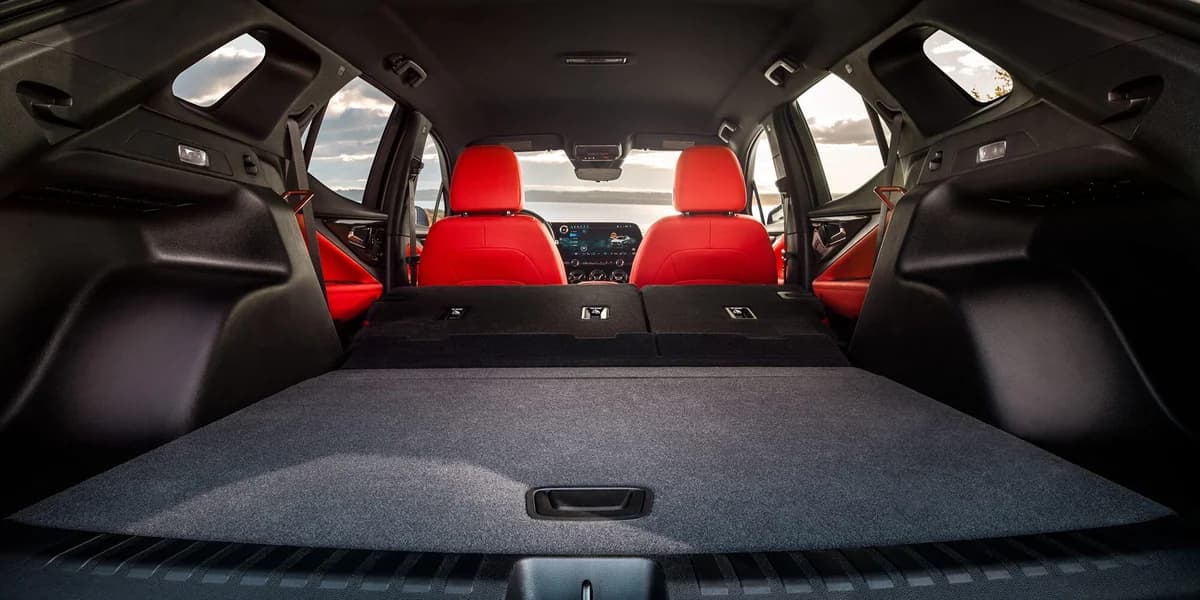
Passenger space is where the Blazer EV makes its strongest practical case. The long 121.8-inch wheelbase creates an exceptionally roomy rear seat, with reviewers noting comfortable adult and child-seat accommodation. Maximum cargo capacity reaches roughly 59.1 to 60 cubic feet with the rear seats folded, but usable space behind those seats is closer to 25.5–26 cubic feet and can feel less practical than a Tesla Model Y or Equinox EV. Families should prioritize passenger room over maximum luggage flexibility.
Real-World Range Results
The Blazer EV’s advertised range is useful, but road conditions can change the ownership experience. Chevrolet claims up to 312 miles EPA-estimated in FWD form, yet Car and Driver recorded about 200 miles for an AWD RS, 210 for an LT, and 250 for the SS in highway testing. Cold-weather feedback also points to a noticeable range drop, so winter road trips may require extra planning. The 85-kWh battery and standard preconditioning help, but efficiency is not a standout strength.
DC Charging Performance
Charging is serviceable for road trips, though it does not lead the segment. The Blazer EV uses an 11.5-kW onboard charger for home AC charging and can accept roughly 150–190 kW at compatible DC fast chargers, depending on configuration and source. Car and Driver observed a 10–90 percent charge in about 57 minutes, a respectable result but slower than the quickest Hyundai, Kia, and Tesla alternatives. CCS access has also been criticized as inconvenient, while newer NACS-equipped versions should improve charger compatibility.
Ride and Steering Feel
Comfort is one of the Blazer EV’s clearest strengths, especially for commuting and family travel. Its smooth, quiet ride and well-padded seats make the cabin feel more refined than its mainstream badge suggests, and predictable handling inspires confidence. The SS adds welcome urgency without abandoning that composure. Steering is the weak point: reviewers describe it as vague, and AWD traction can feel front-biased rather than especially confidence-inspiring. This is a relaxed cruiser, not a precision-driving benchmark.
Acceleration and Power
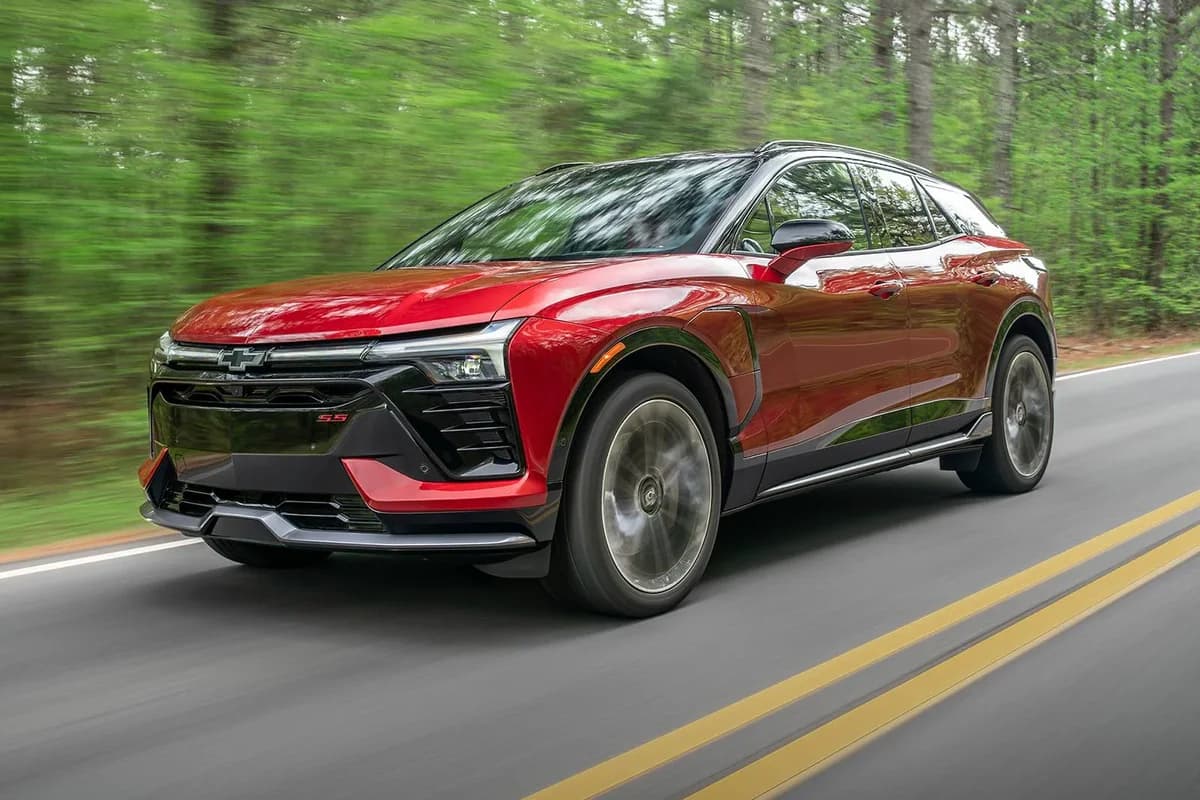
Performance varies dramatically across the lineup, which is both a strength and a shopping complication. Ordinary FWD models produce up to 220 horsepower, while AWD versions reach about 300 horsepower and feel adequate rather than rapid. The SS changes the character entirely with 615 horsepower and 650 lb-ft of torque, achieving 0–60 mph in 3.3 seconds in Car and Driver testing. That punch is genuinely entertaining, although the SS’s weight and modest efficiency reduce its everyday practicality.
Build Quality and Reliability
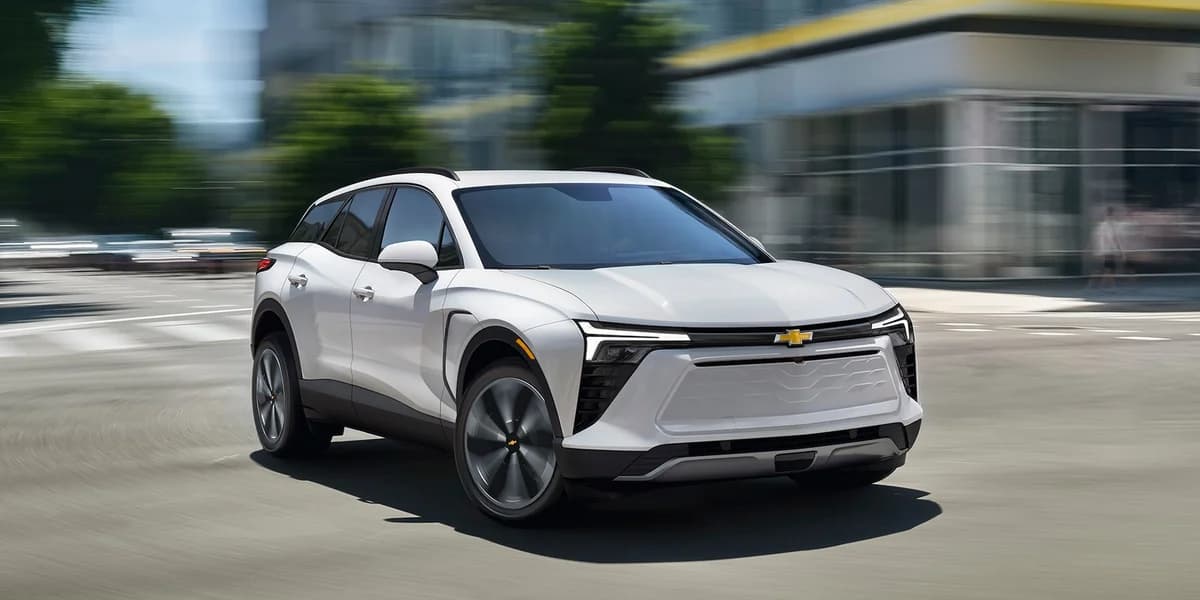
Early ownership evidence makes reliability the biggest caution around an otherwise appealing SUV. Owners and reviewers have reported frozen or dead screens, boot loops, warning messages, lost regenerative braking, and malfunctioning safety systems that sometimes required repeated dealer visits. These issues may reflect early-production vehicles rather than every 2027 example, so the long-term picture remains uncertain. Chevrolet’s Google built-in system is useful when functioning, but the missing Apple CarPlay and Android Auto further amplify frustration when software problems interrupt normal driving.
Conclusion
The Blazer EV’s appeal becomes clearest when you separate its roomy rear seat from its compromises: it is a quiet, comfortable family cruiser with dramatic SS power, but ordinary versions feel less quick and steering is vague. Its advertised range is useful, though highway testing and cold weather can cut expectations sharply, making real-world efficiency the detail to investigate before road trips. DC charging is serviceable rather than class-leading, while cargo space is merely adequate behind the second row. More concerning, reports of screen failures, warning messages, lost regeneration, and inconsistent assembly make software reliability the biggest ownership question. Buyers prioritizing passenger comfort, Super Cruise, or SS performance may find the Blazer compelling—especially with a discount—but shoppers seeking maximum efficiency, luggage flexibility, or proven dependability have stronger alternatives. It earns a moderate recommendation because the strengths are real, yet the price and unresolved caveats demand careful configuration and warranty-minded shopping.

Feature Scores
This reflects reviews and ratings from established critics, journalists, and users who have evaluated the item. Their opinions provide a comprehensive assessment.
Performance
Driving Range
4/5
Charging Speed
3/5
Acceleration
4/5
Handling and Ride Comfort
4/5
Energy Efficiency
3/5
Battery Durability
3/5
Value
Purchase Price Competitiveness
3/5
Total Cost of Ownership
3/5
Resale Value
2/5
Design
Exterior Styling
4/5
Interior Space and Packaging
4/5
Ergonomics and Controls
3/5
Health
Cabin Air Quality
TBD
Low-Toxicity Materials
TBD
Safety
Crashworthiness
3/5
Active Safety Systems
4/5
Battery Safety Systems
TBD
Sustainability
Lifecycle Emissions
3/5
Battery Recyclability
TBD
Use of Recycled Materials
TBD
Experience Style
Infotainment and Connectivity
4/5
Charging Ecosystem Integration
3/5
Customization and Driving Modes
3/5

Specifications
This section outlines the product's key facts, covering essential features, details, dimensions, materials, and any unique characteristics that define its functionality and usability.
Performance
Value
Design
Safety
Sustainability
Experience Style

Frequently Asked Questions
6 Questions


Find Yours
What is your top priority for an Electric SUV's battery performance?
Answer to find your best matches.