



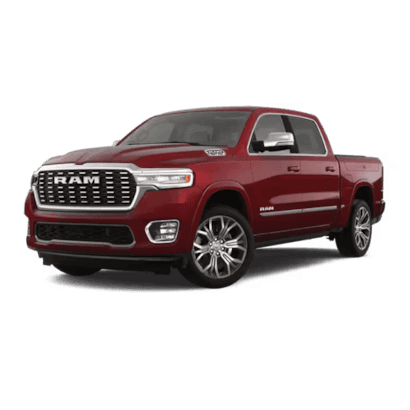



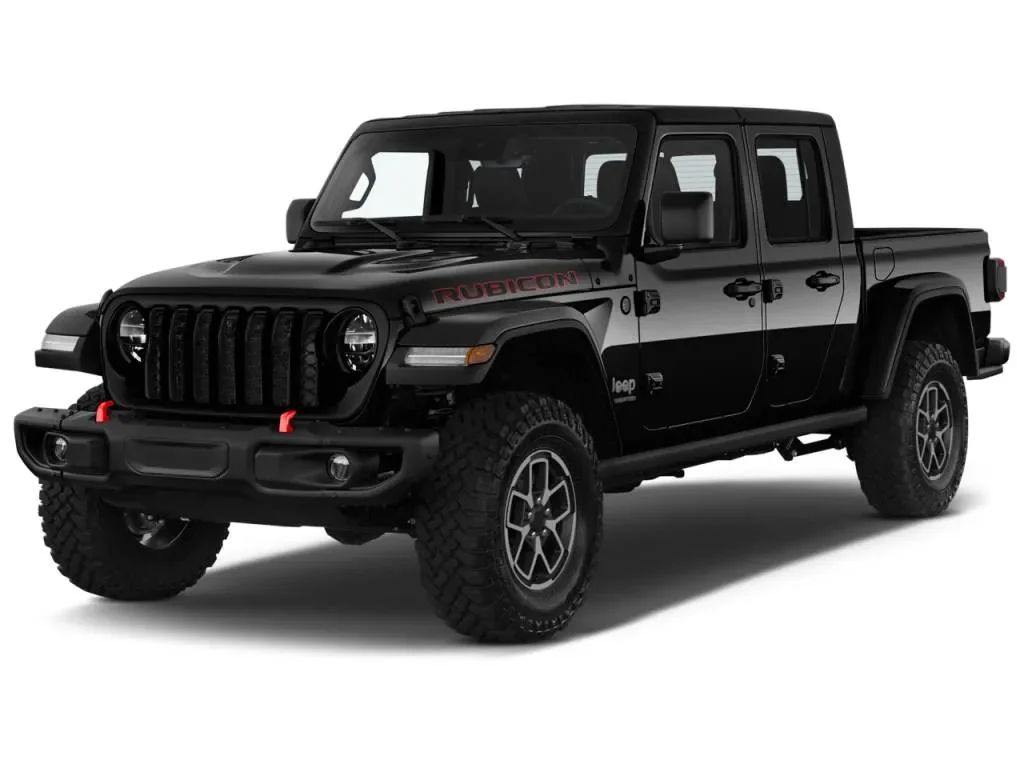
Jeep Gladiator (2025)
Rugged open-air capability and useful truck utility, best suited to adventure-focused buyers.
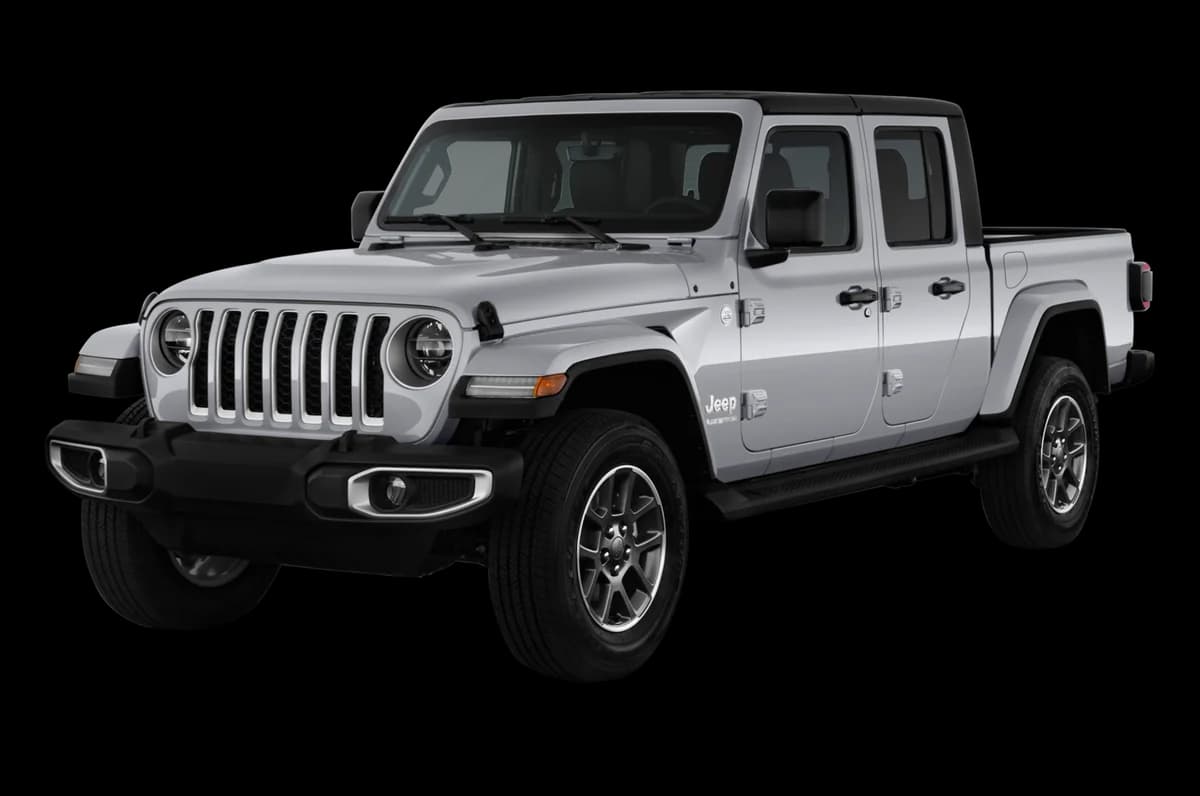
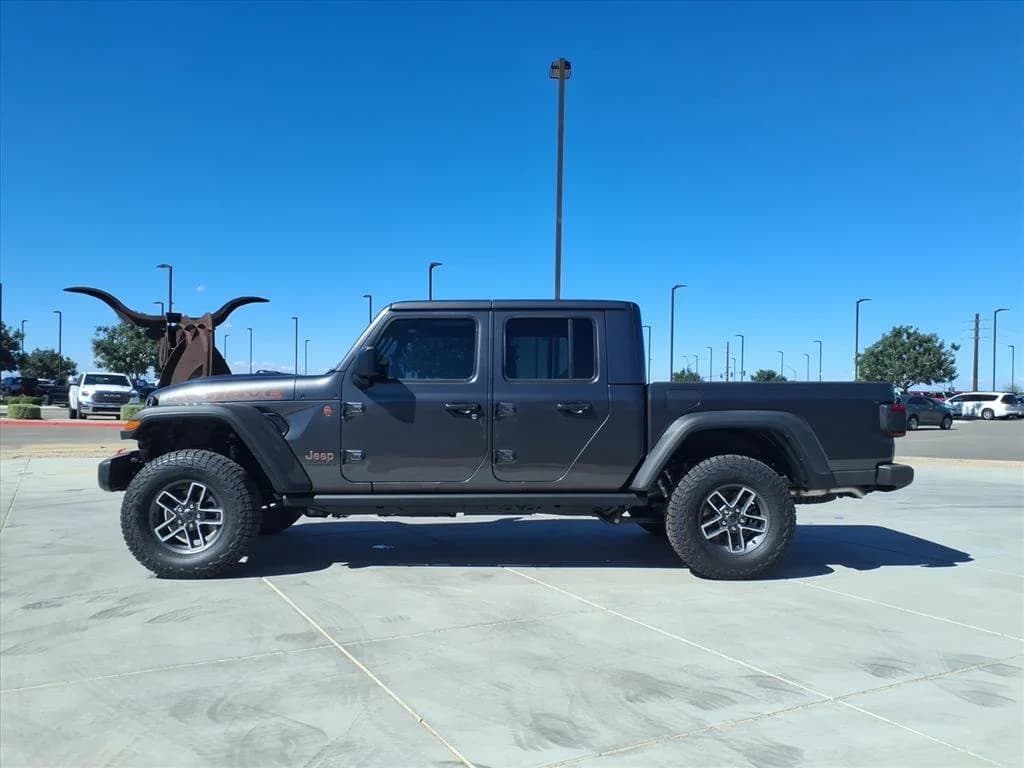
The 2025 Jeep Gladiator is a convertible trail rig that happens to be a pickup, built for drivers who want open-air freedom, serious off-road confidence, and a bed for camping or weekend hauling. Its standard four-wheel drive and Rubicon hardware support Jeep’s bold capability claims, with experts and owners praising its performance on rocks, mud, and steep trails. But that freedom comes with a bouncy ride, vague steering, cabin noise, and a merely adequate V6. The 7,700-pound towing claim adds real utility, though fuel use, pricing, and depreciation weaken its value against smoother rivals. It earns its keep for adventure-focused buyers, while the overall recommendation depends on how much they value personality over refinement and efficiency.
Find Yours
What is the primary use for your gas-powered truck?
Answer to find your best matches.

The Field
Browse top contenders, or compare all options ranked by score and key attributes.
5 Options



The Scoreboard
Does this improve your life? Considers, health, habits, and environmental impact.
Benefits
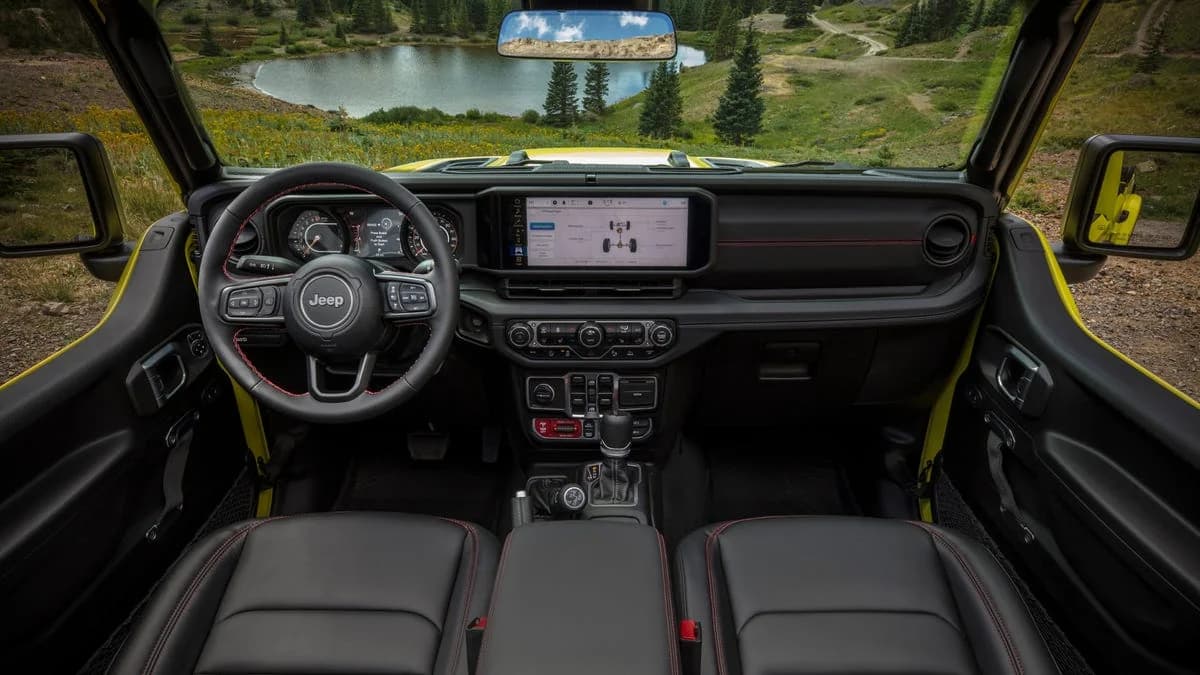
Removable doors and roof make everyday drives, camping, and social outings feel unusually open.
Standard four-wheel drive and serious hardware make rough roads feel more manageable and predictable.
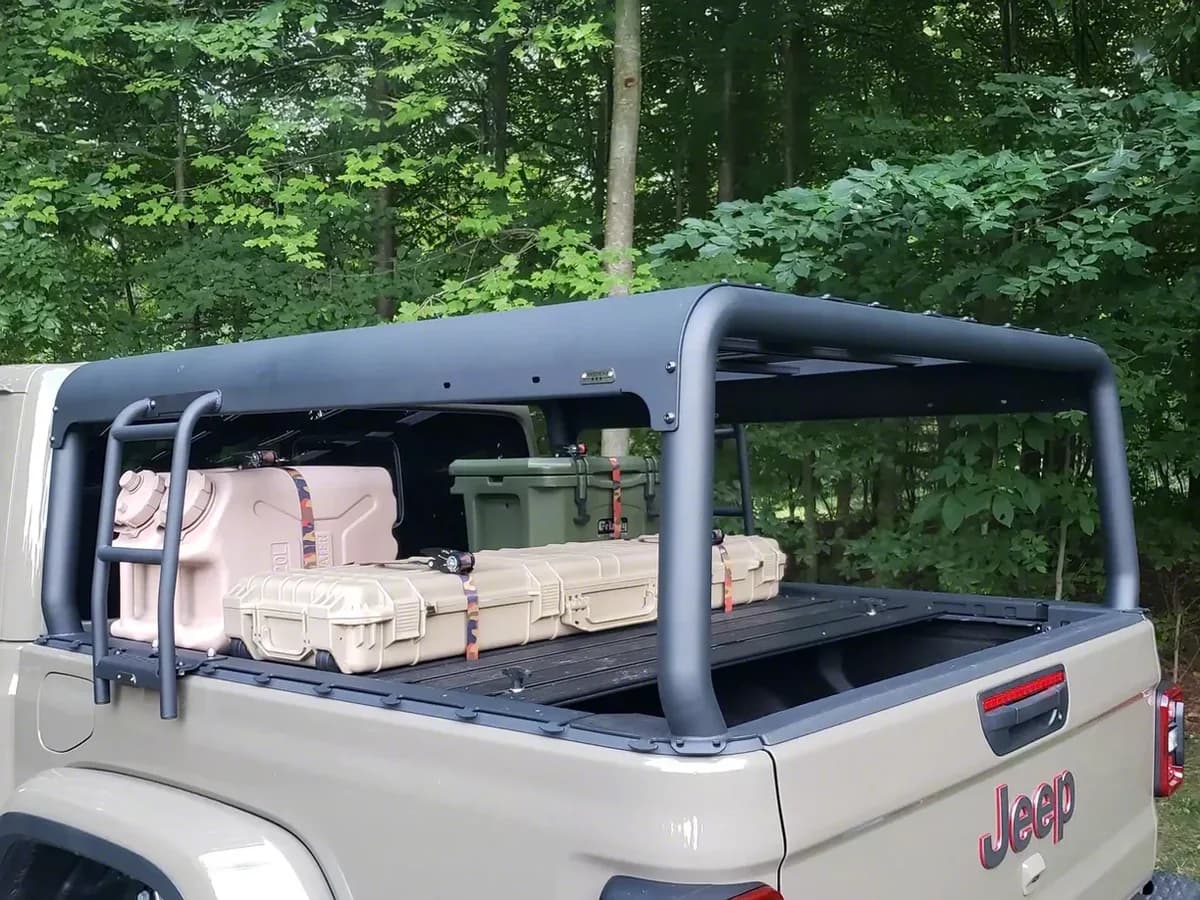
The bed, strong towing, and folding rear seats handle weekend hauling without giving up adventure focus.
Easy customization lets owners tailor storage, protection, and trail equipment to how they actually use it.
Trade-Offs
Wind and tire noise make highway conversations and music harder to enjoy during regular drives.
Bouncy ride and vague steering demand extra attention, making routine commutes feel less relaxed.
Thirsty fuel use means stopping more often on commutes and road trips, interrupting simple travel.
The V6 can feel strained when merging or passing, making routine highway moves less effortless.
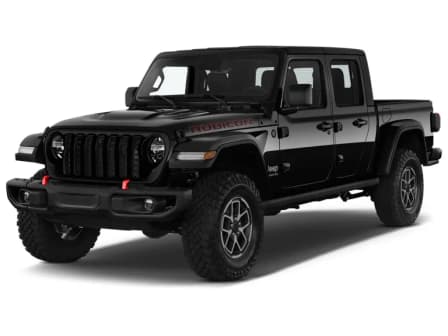
 Alternatives


Join the Circle
Where real meets deal
Know what's worth buying-and when.
Tips, special offers, and rewards for buying and sharing.

Publications
6 LEADING PUBLICATION REVIEWS

Edmunds is positive about the 2025 Jeep Gladiator, but only for buyers who genuinely prioritize off-road adventure. It praises the Rubicon’s exceptional trail ability, removable roof, thoughtful bed, supportive seats, useful rear-seat folding design, and unmistakable Wrangler-derived personality—the kind of charm that makes you forgive its faults. On pavement, however, the Gladiator feels slow, imprecise, noisy, and less comfortable than rivals, while its tech can lag and its safety-assistance features are incomplete. Fuel economy is mediocre, and pricing becomes difficult to justify for conventional truck shoppers, especially near $70,000. Towing is strong for the segment, though payload varies sharply by trim. Overall, Edmunds views it as a deliberately compromised but uniquely appealing pickup: a poor all-around truck, yet a compelling choice for drivers who want genuine Jeep trail capability and open-air fun.
By Jared Gall
Car and Driver views the 2025 Jeep Gladiator as a capable but compromised adventure truck. Its Wrangler-based DNA brings exceptional off-road ability, removable doors and roof, strong towing capacity, clever storage, and genuine trail equipment, including generous clearance and 31.5-inch water fording. But that capability comes with a noisy cabin, bouncy ride, vague steering, and clumsy on-road handling that competitors such as the Chevrolet Colorado and Toyota Tacoma largely avoid. The 285-hp V6 is adequate rather than exciting, fuel economy varies widely, and basic safety equipment is sparse on the Sport trim. Car and Driver especially recommends the Sport S as a customizable starting point, while suggesting lightly used examples may offer better value. Overall, the Gladiator earns a 7.5/10: a distinctive, nearly unstoppable off-road pickup for buyers willing to accept its everyday shortcomings.
By Mark Takahashi
Jil McIntosh of Driving.ca is broadly positive about the Gladiator’s serious off-road ability, but guarded about its everyday compromises. Tested on muddy public trails over large Canadian Shield rocks, the stock truck handled demanding terrain with strong articulation, effective skid plates, useful camera guide lines, and highly configurable mechanical hardware. The longer wheelbase also delivered a smoother ride than a Wrangler, while the Mojave’s Fox shocks added comfort. Still, the Gladiator was not the trail standout: shorter Wranglers cleared obstacles more easily, and the truck occasionally dragged its hitch or became stuck. On pavement, its noise and wandering steering are significant drawbacks, especially compared with the Ford Bronco. McIntosh appreciates the Gladiator’s distinctive blend of pickup utility and Jeep community appeal, but emphasizes that capable trims remain expensive and buyers should carefully weigh how much off-roading they’ll actually do.
By Jil McIntosh
U.S. News & World Report views the 2026 Jeep Gladiator favorably, but only for buyers who prioritize trail ability over refinement. Its standout strengths are exceptional off-road hardware, a genuinely spacious back seat, intuitive controls, strong towing capacity, and impressive predicted reliability. Even the base truck is capable, while the Willys offers appealing off-road value; the Sport S is presented as the smartest choice for most shoppers. The trade-offs are substantial: vague, unsettled pavement handling, a firm ride, pronounced wind and road noise, dated-feeling materials, mediocre fuel economy, limited standard safety technology, and a higher starting price than many rivals. The reviewer’s own experience reinforces that this is a specialized, characterful truck rather than a polished everyday pickup. Overall, the Gladiator earns an 8.6/10 as a rugged, practical adventure vehicle, with competitors making more sense for buyers seeking comfort, efficiency, or sophistication.
By Zach Doell
Road & Track’s Will Sabel Courtney views the 2025 Gladiator as lovable but hard to recommend. Its removable top and doors, genuine four-wheel-drive hardware, distinctive Wrangler styling, and unmistakable character make it uniquely entertaining, especially off-road. Yet the charm comes with substantial compromises: vague steering, a bouncy and noisy ride, a strained V-6, cramped seating, awkward proportions, and a difficult-to-remove hardtop. Its impressive towing claim also feels optimistic in real-world driving. Courtney argues that newer rivals such as the Ranger, Tacoma, Colorado, Canyon, and Frontier are better all-around trucks, while the Gladiator’s nearly $59,000 test price makes its shortcomings harder to overlook. Still, for buyers who genuinely want an open-air pickup and will regularly remove the top or doors, its charisma may outweigh its flaws; everyone else should choose something more practical.
By Will Sabel Courtney
Philip Lord’s Carsales review is cautiously positive, viewing the 2025 Gladiator Rubicon as a compelling specialist rather than an all-rounder. The price cut and expanded standard equipment improve its value, while the larger, easy-to-use infotainment system, comfortable ride, responsive V6, and serious off-road hardware make it unusually capable straight from the showroom. Its distinctive Jeep styling and genuine rock-crawling ability are especially appealing for buyers wanting a premium weekend adventure vehicle. However, the ageing platform still brings significant compromises: high real-world fuel use, a huge turning circle, limited ramp-over clearance, a narrow footwell, and weak practicality compared with mainstream dual-cab utes. Its 2721kg towing and 693kg payload fall well short of class expectations, while the expired three-star ANCAP rating and lack of lane-keeping assistance are notable concerns. Overall, Lord considers it reasonable value and worth a look for lifestyle off-roaders, but not an ideal work-and-play truck.
By Philip Lord

YouTube
10 LEADING EXPERT & INFLUENCER REVIEWS
 The Fast Lane Truck
The Fast Lane Truck is strongly positive about the Gladiator, calling it brilliant when buyers understand its compromises. After six months and 4,560 miles of road, off-road, and towing use, the team praised its exceptional stock Rubicon capability, comfortable ride, customization potential, open-air design, practical rear-seat space, and effective heating. They also criticized its high price, weak headlights, limited driver-seat adjustment, modest torque, poor towing fuel economy, low breakover angle, sparse standard safety technology, and manual rear window. Even so, they would buy it again, viewing it as a Wrangler with a genuinely useful bed.
Driving Sports TVRyan Dou is impressed by the 2025 Jeep Gladiator Rubicon X’s off-road capability, calling it exceptionally capable and effortless on difficult trails. Its lockers, articulation, approach angles, low-speed crawl control, and trail cameras help it conquer steep climbs and deep ditches with confidence, even in rain. However, he remains unimpressed by its highway manners, turning radius, solid-axle ride, and daily-driver comfort. The long wheelbase also causes breakover and underbody-drag issues, making larger tires or a lift worthwhile. His verdict is enthusiastic but conditional: an excellent choice for serious trail users, not comfortable enough for everyday commuting.
Ben HardyBen Hardy is moderately positive about the 2025 Gladiator, but clearly prefers the Rubicon over the Mojave. Back-to-back driving reveals that the Mojave’s Fox shocks provide a noticeably smoother ride and better on-road handling, while both share the capable V6, eight-speed automatic, and solid-axle character. Still, Hardy considers the Mojave no “Jeep Raptor,” and views its lack of a front locker and sway-bar disconnect as meaningful compromises for serious off-roading. His recommendation is the Rubicon with upgraded shocks; the Mojave makes more sense for mall-crawling or primarily road use.
Gearbox Car ReviewsGearbox Car Reviews is genuinely positive about the 2025 Jeep Gladiator, especially after a week of daily driving. The Sport S rides and tracks better than expected, with less noise and rattling than its Wrangler roots suggest, while the removable doors and Freedom Top create an unmatched open-air experience. The naturally aspirated V6 feels adequate and predictable, though not quick, and the steering is vague, the seats are uncomfortable, and the infotainment is laggy. Nearly $60,000 is steep, but heavy discounts can make it compelling for buyers who value personality and capability over refinement.
Outsider ReviewsPat is enthusiastic about the 2025 Jeep Gladiator, viewing it as an unapologetically rugged alternative rather than a conventional midsize truck. He praises its solid axles, rear locker, standard 4WD, convertible design, distinctive looks, and strong winter-trail performance, especially for the price. His hands-on Canadian testing also exposes real compromises: cramped shoulder room, mediocre fuel economy, road noise, limited driver assistance, and a rough, tractor-like ride. Still, he considers those flaws part of the Gladiator’s character and concludes that its “look-cool factor,” durability, and unmatched open-air capability make it a compelling lifestyle truck.
Everyman DriverEveryman Driver is strongly positive about the Jeep Gladiator, pushing back against common criticisms. He concedes its fuel economy, higher price, and smaller-than-some-rivals bed, but argues those drawbacks are overstated. After driving it, he found the highway ride smoother and quieter than expected, with no trouble talking over Bluetooth or with passengers. He also considers rear-seat space typical for a midsize truck and believes the Gladiator’s standard 4WD, exceptional off-road ability, removable Jeep character, and useful cargo bed justify its premium for adventure-focused buyers.
DIRT ROAD CREDDirt Road Cred is highly enthusiastic about the 2025 Jeep Gladiator, especially the Rubicon’s value at current discounts. In its Willys-versus-Rubicon comparison, the channel appreciates both trims’ open-air design, standard Jeep capability, heated features, storage, and towing hardware, but sees the Rubicon as the smarter buy when pricing gets close. Its front and rear lockers, disconnecting sway bar, 4:1 transfer case, high-clearance fenders, and stronger protection make it substantially more trail-ready. The Willys remains appealing, though the review criticizes its limited bed power, absent bed liner, and weaker value at near-Rubicon pricing.
Tech TriumphTech Triumph is notably skeptical of the 2025 Jeep Gladiator, presenting it as a niche truck rather than a smart all-around buy. The video credits its rugged styling, serious off-road hardware, customization potential, and strong towing capability, but emphasizes its bouncy on-road ride, noisy cabin, thirsty V6, cramped rear seat, short bed, modest interior quality, and steep pricing. It also cautions that a coming redesign could hurt resale value. Overall, the tone is cautionary and somewhat dismissive: the Gladiator makes sense for committed Jeep off-road enthusiasts, but offers poor value and versatility for everyday truck shoppers.
Rob’s RigRob’s Rig is highly enthusiastic about his 2025 Jeep Gladiator, calling it comfortable, smooth, powerful enough, and problem-free after several months. He appreciates the solid fit and finish, easy Mopar accessory installation, and distinctive styling, while praising the Air Raid intake for its deeper sound. Fuel economy is his biggest frustration at just 14 mpg, and he warns that wind noise is substantial. He is cautious about lifting or upsizing the tires because both could worsen mileage and ride quality, but he would buy the Gladiator again without hesitation.
Backyard Expedition Backyard Expedition is thrilled with the 2025 Jeep Gladiator after two months and 1,000 miles. He loves its open-air design, rugged trail confidence, naturally aspirated Pentastar V6, straightforward equipment, and distinctive character, especially compared with his former GMC 1500. Real trail use reinforces that confidence, even in two-wheel drive. His criticisms are minor but practical: small-feeling mirrors, weak base speakers, and disappointing fuel economy, worsened by mud-terrain tires. Overall, he views the Gladiator as a wonderfully versatile daily driver and weekend adventure vehicle, prioritizing simplicity, capability, and fun over speed, refinement, or technology.

Social
1 INFLUENCER REVIEW
 IIHS-HLDI
IIHS-HLDI is clearly encouraged by the 2025 Jeep Gladiator’s improved safety performance. After the 2022 model earned a marginal rating, the updated Gladiator received a good rating in the IIHS moderate-overlap crash test. The video attributes the gain to rear-seat belt pretensioners, force limiters, and a newly added side airbag, which reduce chest and neck injury risk and better protect occupants from side impacts. The tone is positive but evidence-based, celebrating Jeep’s safety revisions rather than offering a broad ownership recommendation.

Forum Reviews
CUSTOMER REVIEWS FROM 1 FORUM
Redditors are cautiously positive about the 2025 Jeep Gladiator, especially when heavily discounted. Its distinctive convertible truck design, off-road capability, longer-wheelbase ride, and open-air character inspire real enthusiasm, while owners often forgive its noise, wandering highway manners, modest power, and awkward storage. Still, value is central: inflated MSRP, depreciation, mediocre fit and finish, dealer frustrations, and reliability concerns make buying new at full price hard to justify. The discontinued manual transmission also disappoints enthusiasts, though automatic models remain generally well regarded. For shoppers who prioritize practicality, towing, refinement, or worry-free ownership, alternatives may make more sense; for lifestyle buyers, a steep deal can make the compromises worthwhile.
Many comments

In-Depth Review

Highlights
- •Exceptional Trail CapabilityDesigned for demanding rock and desert trails.
- •Open-Air DrivingMarketed as a removable-roof, removable-door pickup.
- •Strong Truck UtilityBrand claims up to 7,700-pound towing.
- •Specialized Off-Road TrimsPromoted as Rubicon rock-crawling and Mojave desert variants.

Considerations
- •Unsettled Pavement MannersBouncy ride and vague steering affect commuting.
- •Noisy CabinWind and tire noise remain prominent on highways.
- •Modest V6 PerformanceAcceleration feels adequate, especially when loaded.
- •High Ownership CostFuel use, pricing, and depreciation weaken value.
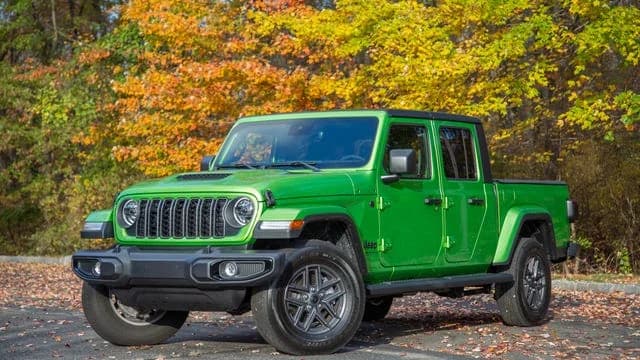
The 2025 Jeep Gladiator turns Wrangler-style adventure into a pickup, with standard four-wheel drive and a genuinely useful bed. Jeep’s reputation for trail toughness is central to its market position: this is less a polished midsize work truck than a lifestyle vehicle for off-road enthusiasts, campers, overlanders, and buyers who value personality over efficiency. Its standout combination of removable roof and doors is something rivals such as the Tacoma, Ranger, and Colorado simply cannot match, while available Rubicon and Mojave hardware targets different kinds of terrain. The sections ahead examine how that capability affects pavement comfort, how the 285-hp V6 performs under load, what its 7,700-pound towing claim means in practice, and whether its cargo flexibility offsets mediocre fuel economy. If you want a conventional daily truck, look closely at the compromises; if you want a convertible trail rig with hauling duties, explore why the Gladiator makes rough edges part of the charm.
Off-Road Capability
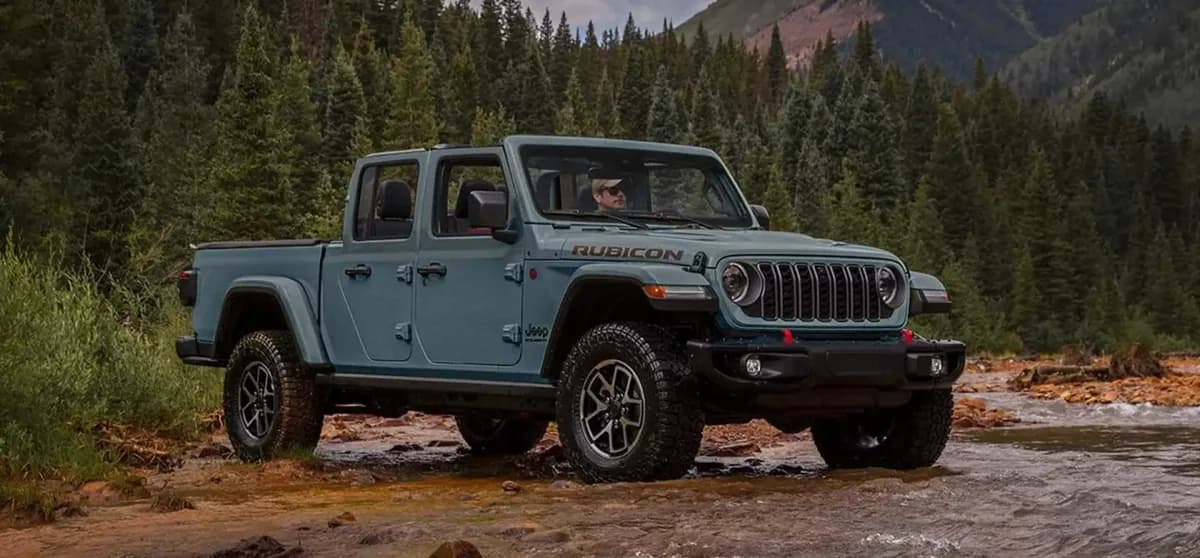
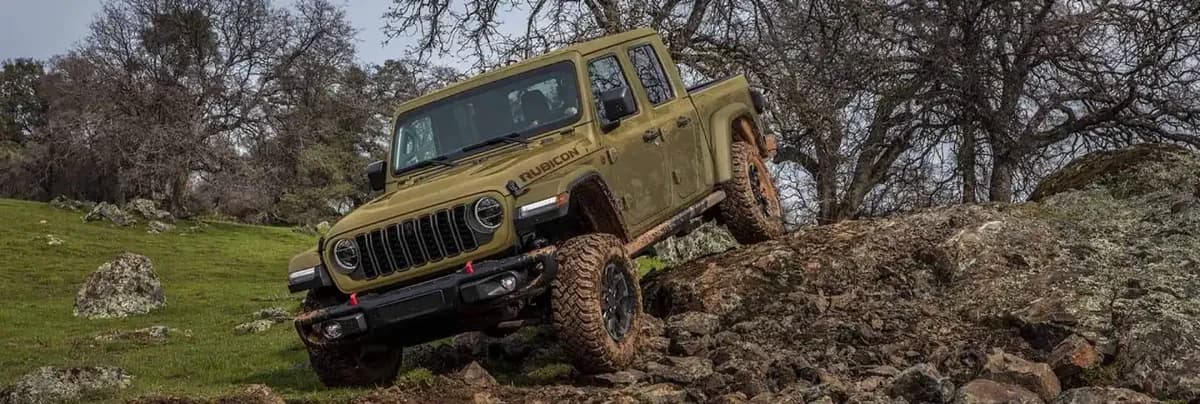
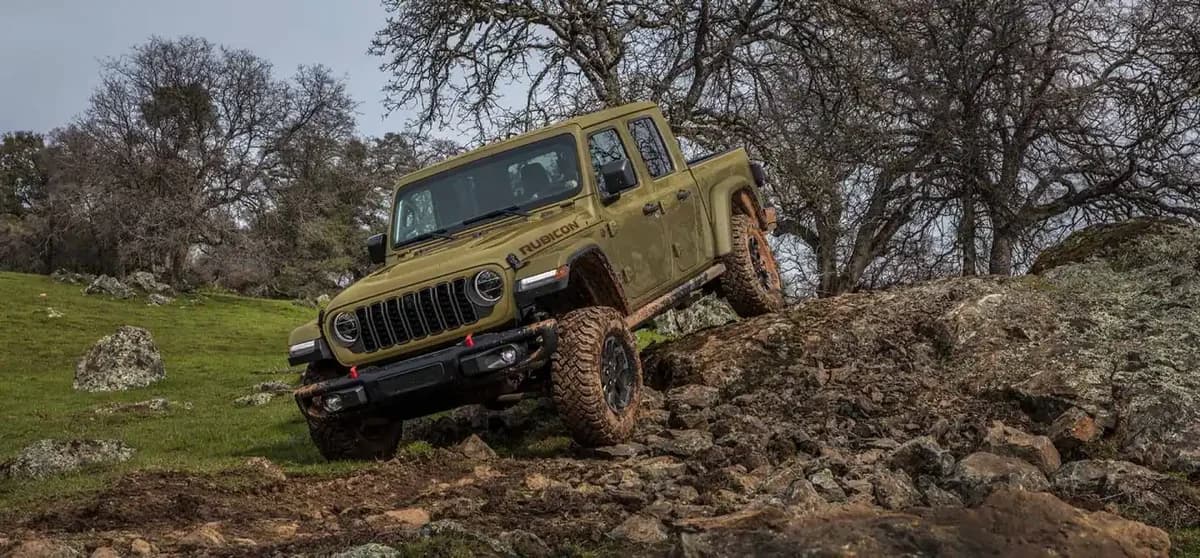
The Gladiator’s strongest argument is its ability to tackle trails straight from the showroom. Standard part-time four-wheel drive provides a solid foundation, while Rubicon models add front and rear lockers, a 4:1 transfer case, a disconnecting sway bar, trail cameras, and protective hardware. The Mojave instead uses Fox shocks for faster desert running. Real-world reviewers found it exceptionally confident on steep, muddy, and rocky terrain, though the long wheelbase can drag underneath and hurt breakover clearance. Rubicon hardware is outstanding, but specialized trims are expensive.
Towing and Payload
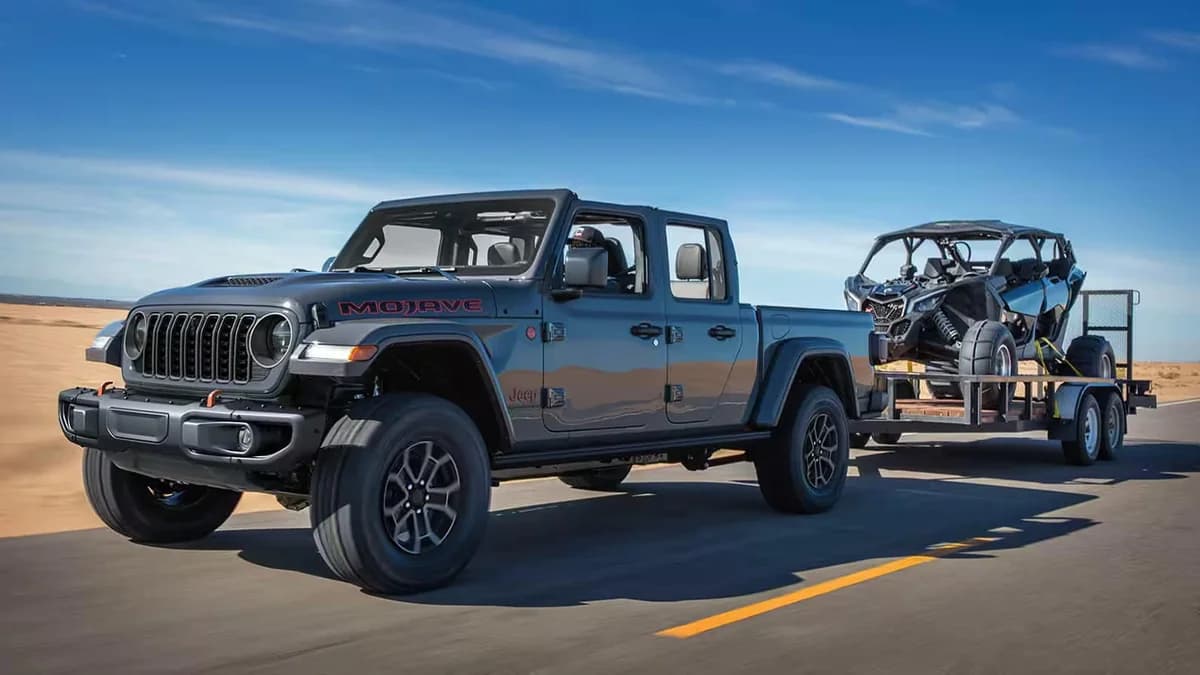
The Gladiator offers real truck usefulness, not just an adventure-themed bed. Jeep claims up to 7,700 pounds of towing, a strong figure for the class, and reviewers generally credit it with useful towing hardware and a practical cargo box. Maximum payload reaches 1,725 pounds, though capacity varies sharply by trim and equipment, so buyers should verify the exact door-sticker rating. In testing, towing can consume fuel quickly, and the long wheelbase does not make tight maneuvering easy. It works well for recreational hauling, but conventional work-truck shoppers may find competitors more practical.
Powertrain Performance
The familiar 285-hp Pentastar V6 is predictable and adequate, but rarely feels energetic in this heavy pickup. Its 260 lb-ft of torque arrives high in the rev range, so merging, passing, and loaded towing can require substantial throttle. The standard eight-speed automatic is easier to live with than the discontinued manual, shifting smoothly enough for normal use. Measured acceleration is around 8.3 seconds to 60 mph, supporting reviewers’ view that performance is sufficient rather than exciting. The naturally aspirated engine’s simplicity appeals to some owners, but it does not transform the Gladiator into a quick truck.
Open-Air Utility
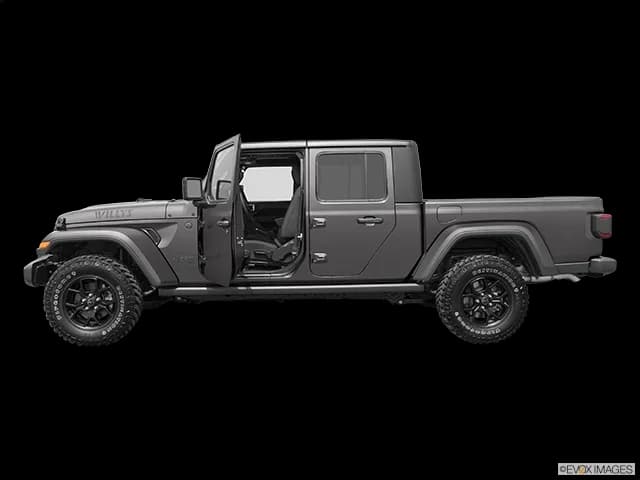
The Gladiator’s removable roof and doors give it a personality no conventional midsize pickup can duplicate. The open-air Jeep configuration is especially appealing for camping, trail driving, and warm-weather use, while the five-seat cabin, folding rear seats, under-seat storage, and roughly 60-inch bed add genuine versatility. The trade-off is awkward packaging: the rear area can feel cramped, the bed is smaller than some rivals’, and removing the hardtop is inconvenient. Still, the combination of convertible bodywork and a useful cargo box is the reason lifestyle buyers tolerate its noise and rough manners.
Fuel Economy
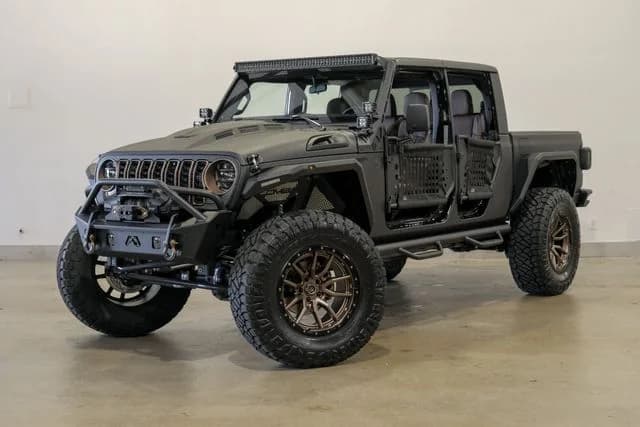
Fuel economy is a meaningful ownership drawback, especially when trail tires or accessories are added. Official figures are around 19 mpg combined, with approximately 17 mpg city and 22 mpg highway, but individual owners and reviewers report results as low as 14 mpg in real use. Towing, mud-terrain tires, lifts, and larger wheels can worsen consumption further. The 83.3-liter tank helps preserve useful range, yet frequent fuel stops remain part of the experience. Compared with turbocharged rivals, the V6’s appetite weakens the Gladiator’s value unless its off-road and open-air strengths are used regularly.
On-Road Ride
Pavement manners are the clearest reminder that this is an off-road specialist. The solid-axle suspension delivers a firm, bouncy ride, and vague steering can make highway tracking feel busy. Wind and tire noise are also persistent, although some drivers found the 2025 Sport S quieter and smoother than its Wrangler reputation suggests. The Mojave’s Fox dampers improve comfort and handling, but reviewers still place rivals such as the Ranger, Colorado, and Tacoma ahead for daily refinement. Its long wheelbase softens the ride somewhat, without eliminating the compromises.
Conclusion
The Gladiator makes the clearest sense when you treat it as a convertible trail tool that happens to be a pickup. Its off-road capability is exceptional, especially in Rubicon form, while the bed, folding rear seats, and up to 7,700-pound tow rating add meaningful recreational utility. The trade is everyday polish: its bouncy ride, vague steering, cabin noise, and large turning circle frustrate commuters, and the V6 delivers adequate rather than exciting performance. Removable doors and roof provide unmatched character, but the roughly 19-mpg combined economy—and potentially worse results with trail tires or towing—raises running costs. Owners and experts generally accept those flaws when the adventure matters more than refinement. Choose it for trails, camping, and open-air driving; choose a Ranger, Tacoma, or Colorado for calmer daily use. Its personality and capability justify consideration, but its compromises keep it a selective rather than universally strong recommendation.

Feature Scores
This reflects reviews and ratings from established critics, journalists, and users who have evaluated the item. Their opinions provide a comprehensive assessment.
Performance
Engine Power
3/5
Towing Capacity
4/5
Payload Capacity
4/5
Fuel Efficiency
2/5
Durability
3/5
Maintenance Ease
3/5
Value
Purchase Price
2/5
Total Cost of Ownership
2/5
Resale Value
3/5
Warranty Coverage
TBD
Design
Exterior Styling
5/5
Interior Comfort
2/5
Bed Utility
3/5
Visibility
3/5
Health
Interior Materials Safety
TBD
Cabin Air Quality
TBD
Noise Exposure
2/5
Safety
Crash Protection
3/5
Brake Performance
3/5
Electronic Stability Control
TBD
Driver Assistance Systems
2/5
Towing Safety Features
TBD
Sustainability
Operational Emissions
1/5
End-of-Life Recyclability
TBD
Materials Sourcing Transparency
TBD
Experience Style
Ease of Use
3/5
Customizability
5/5
Technology Integration
3/5

Specifications
This section outlines the product's key facts, covering essential features, details, dimensions, materials, and any unique characteristics that define its functionality and usability.
Performance
Design
Safety
Experience Style

Frequently Asked Questions
5 Questions



Find Yours
What is the primary use for your gas-powered truck?
Answer to find your best matches.