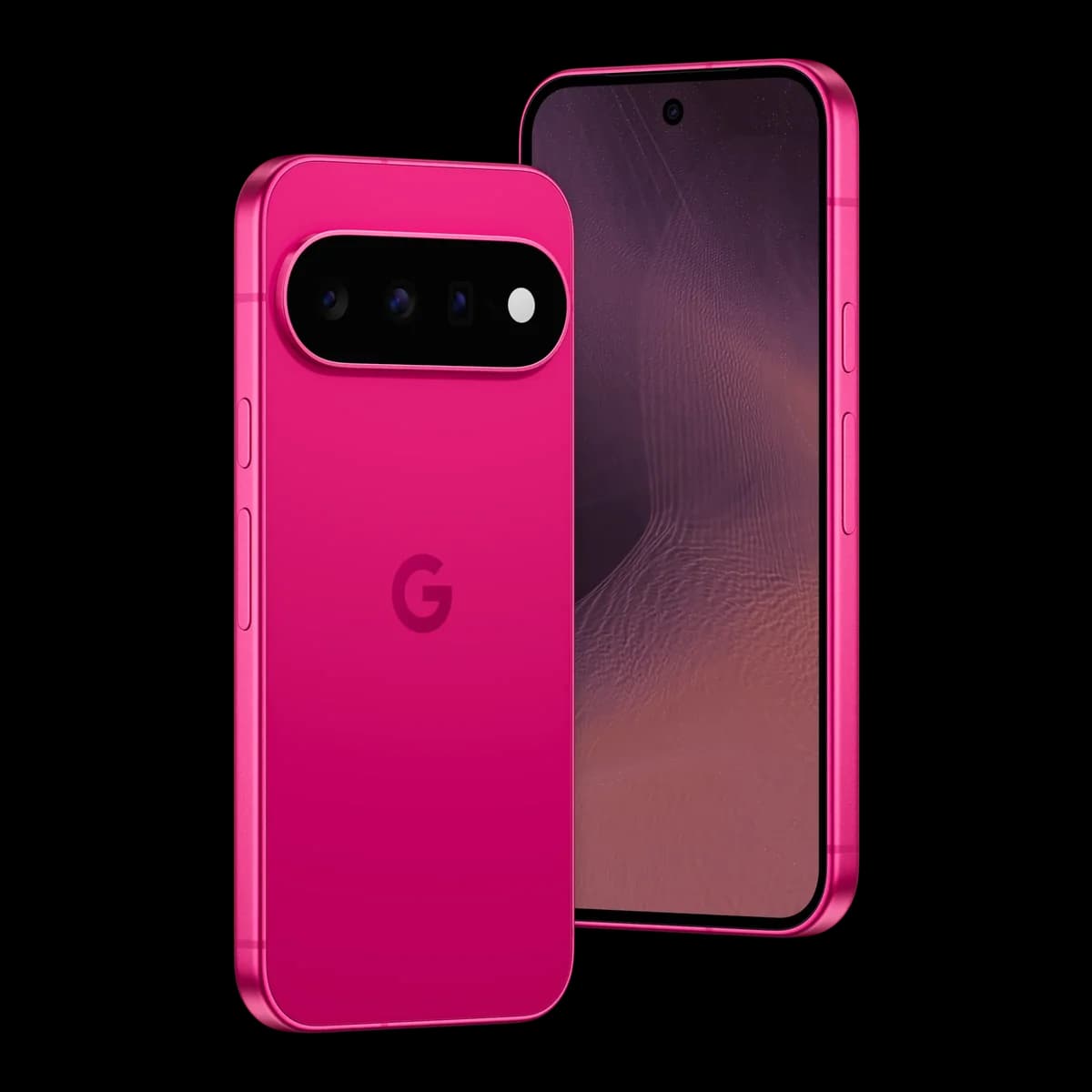
Google Pixel 11
Excellent cameras, clean AI software, and long battery life, but a modest upgrade for most buyers.
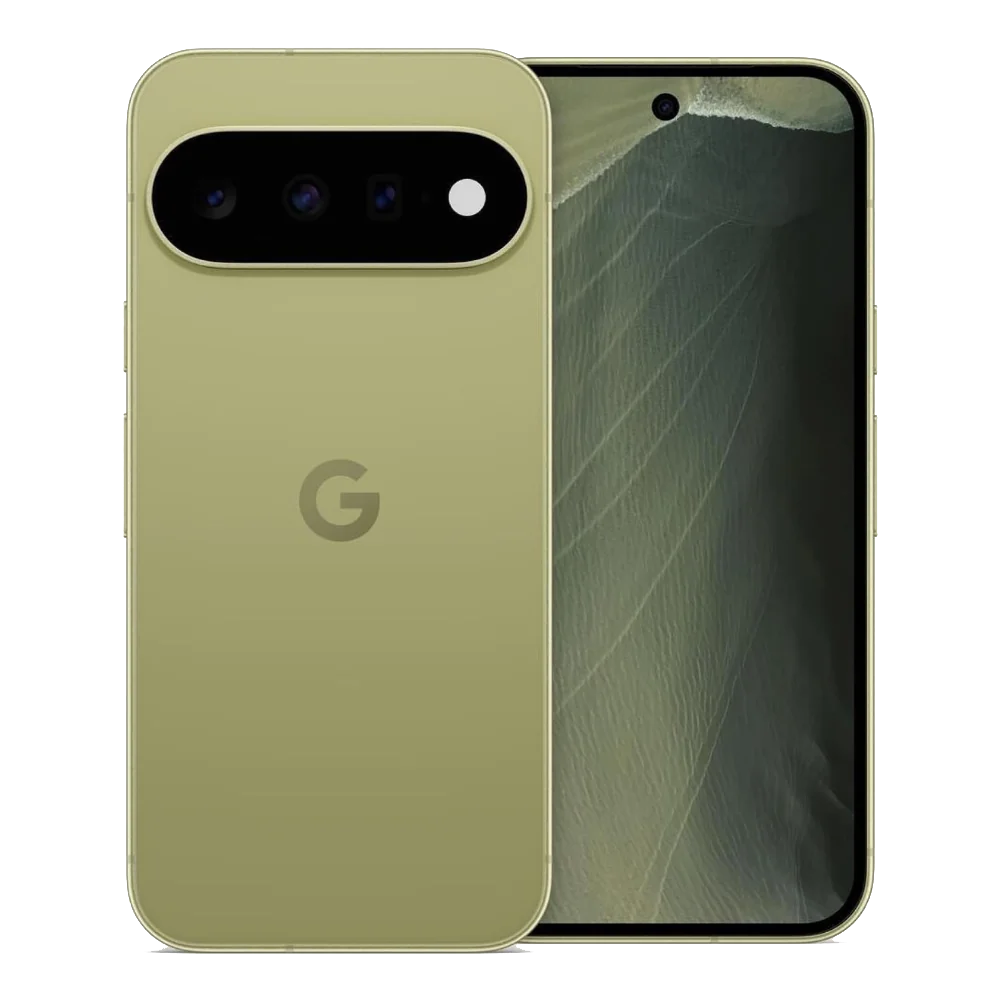
The Google Pixel 11 is the sensible camera-and-software flagship, solving the everyday hassle of getting great photos and helpful Android tools without carrying a giant phone. Its excellent 48 MP camera system and 5x telephoto are backed by reviewers’ praise for colorful images, faster Night Sight, and useful low-light performance. Google’s Gemini features, especially Rambler dictation, Live Translate, and Call Screen, feel genuinely practical, though some AI tools remain inconsistent. The bright 120 Hz OLED display and reliable all-day battery add comfort, while Qi2 magnets are a welcome convenience. At $899, however, weak gaming performance and slow 30 W charging make it poor value for recent Pixel owners. Its overall appeal rests on how much you value cameras, clean software, and longevity over raw hardware.
Find Yours
What's your top priority when choosing a smartphone?
Answer to find your best matches.

The Field
Browse top contenders, or compare all options ranked by score and key attributes.
5 Options



The Scoreboard
Does this improve your life? Considers, health, habits, and environmental impact.
Benefits
Captures colorful, sharp photos quickly, so casual moments usually look share-ready without much effort.
Strong all-day endurance means less searching for outlets during work, travel, and busy evenings.
The bright, smooth display stays easy to see outdoors and pleasant for everyday scrolling.
Clean Android tools, Call Screen, dictation, and Gemini features reduce small daily tasks.
Built-in Qi2 magnets make lining up compatible chargers and accessories simple and dependable.
Trade-Offs
When nearly empty, charging takes longer than rivals, extending the wait before heading out.
Some AI tools respond slowly or miss the point, adding extra corrections during everyday tasks.
 Alternatives


Join the Circle
Where real meets deal
Know what's worth buying-and when.
Tips, special offers, and rewards for buying and sharing.

Publications
7 LEADING PUBLICATION REVIEWS

Ars Technica’s Ryan Whitwam views the Pixel 11 as good but disappointingly incremental. The phones retain excellent, bright OLED displays, polished software, dependable cameras, strong thermal stability, and unusually long update support. Everyday performance feels fast despite weak benchmark results, while features like Camera Looks and improved night photography add useful polish. Still, Google’s hardware barely changes for a third generation, prices rise, batteries shrink, and base models lose RAM. The AI-heavy experience, especially the slow and unreliable app automation, can feel more intrusive than helpful. HiLight is the biggest misfire: a severely limited notification light that works only when the phone is face down and offers little practical value. Whitwam’s central insight is that Google is competing with its own older Pixels; owners of recent models have little reason to upgrade, and newcomers may prefer a discounted Pixel 10. The Pro Fold is capable but trails Samsung and Motorola in thinness, speed, and battery life.
By Ryan Whitwam
CNET’s Mike Sorrentino is highly enthusiastic about the Pixel 11 as an unusually compelling $899 upgrade. He was especially impressed by its colorful photography, sharp 30x zoom, satisfying haptics, fast unlocking, strong battery life, and genuinely useful tools such as Live Translate and Rambler dictation. The improved Android Switch process and built-in Qi2.2 magnets also make it the most iPhone-friendly Android phone he has tested, giving the Pixel broader appeal than its usual audience. Still, the praise isn’t unqualified: Gemini features are inconsistent, Magic Capture feels underdeveloped, and the Tensor G6 trails rivals badly for demanding games. Charging is merely competitive, and iMessage group-chat transfers can still be messy. Even so, Sorrentino considers the Pixel 11 a delightful, near-Pro experience and an easy recommendation for most casual users, awarding it CNET Editors’ Choice.
By Mike Sorrentino
WIRED’s Simon Hill views the Pixel 11 favorably, but sees it as a modest refinement rather than an exciting upgrade. It offers a slick, comfortable design, excellent cameras, strong all-day battery life, faster Qi2 wireless charging, and genuinely useful contextual AI features that make Google’s software feel unusually integrated. Hill especially appreciates the telephoto camera, effortless photo quality, improved signal performance, and handy Pixel staples like Call Screen and Now Playing. Still, the phone’s gains over the Pixel 10 are slight, the display lacks adaptive refresh, face unlock remains unreliable in darkness, and demanding games expose its performance limits. The $899 starting price is more defensible thanks to 256 GB of storage, but owners of last year’s model have little reason to switch. It is an appealing sweet spot for new buyers, especially camera-focused Google fans, but not a transformative release.
By Simon Hill
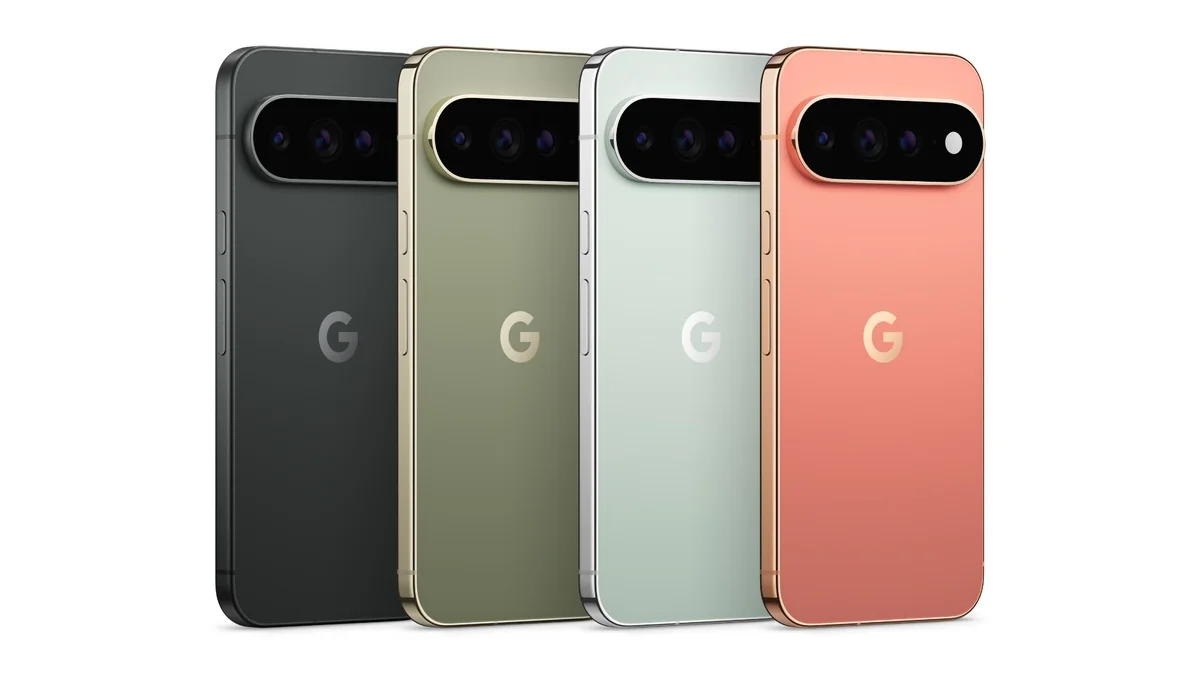
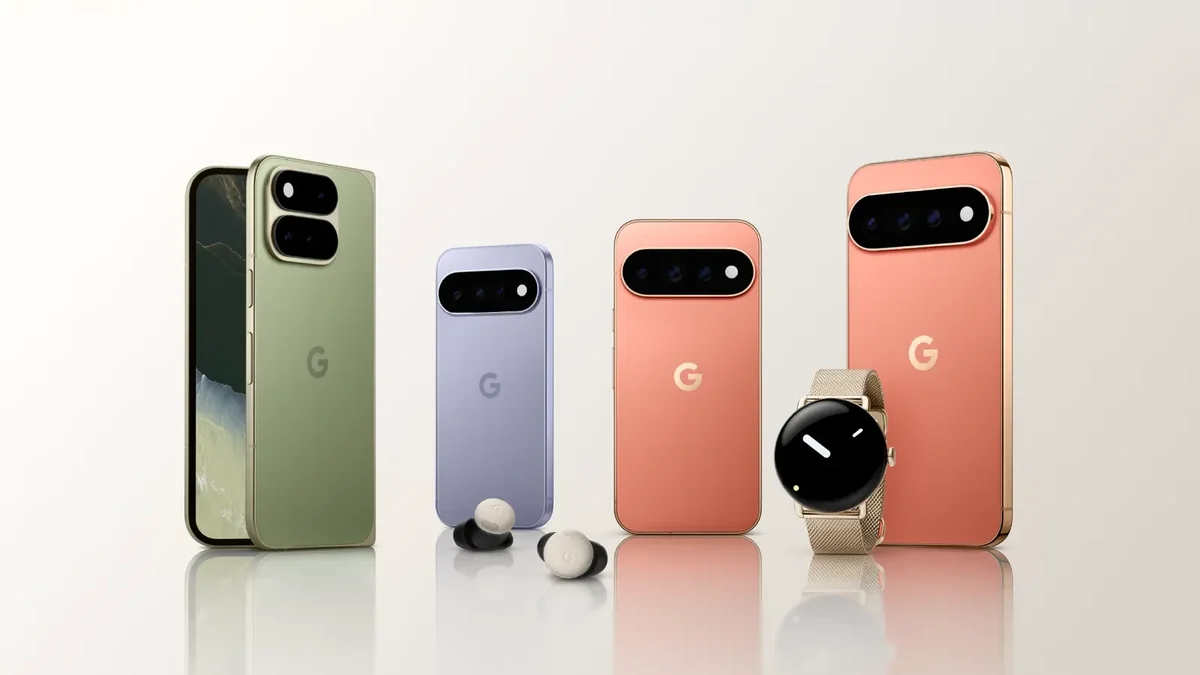
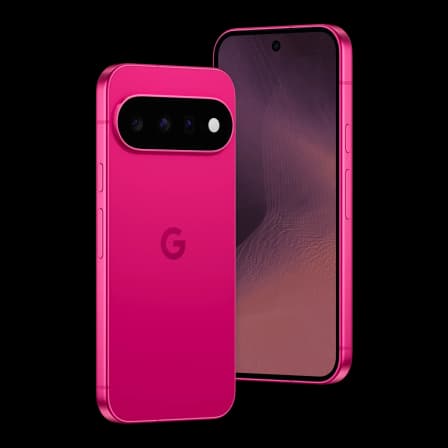
Engadget’s Nathan Ingraham is warmly positive on the Pixel 11, despite calling it a modest upgrade. He praises its excellent camera system—especially the retained 5x telephoto lens—bright display, smooth performance, nearly two-day battery life, and genuinely useful AI tools such as Proactive Intelligence, which connects conversations with calendars and restaurant searches. The phone also feels appealingly distinctive in hibiscus, pistachio, and other colors. Still, the hardware changes from the Pixel 10 are limited, Super Zoom produces merely acceptable detail, and the $899 price is $100 higher than last year. Ingraham’s enthusiasm is therefore aimed less at upgrading current flagship owners and more at people coming from a Pixel 9 or older phone, or iPhone users seeking an excellent first Android experience.
By Nathan Ingraham
CNN Underscored’s Mike Andronico is highly positive about the Pixel 11, calling it the best Android phone for most people. He praises its polished design, excellent 120Hz display, smooth everyday performance, stronger battery life, expanded 256GB base storage, and especially its impressive low-light photography, which outperforms the iPhone 17 and Galaxy S26 in several comparisons. New tools such as Magic Capture and Camera Looks add useful creative options, though Magic Capture can produce stuttery video and inconsistent stills. The familiar design, occasional artificial-looking facial processing, weaker selfie quality, and lack of major upgrades may disappoint Pixel 9 or 10 owners. Its $899 starting price is another meaningful drawback, particularly against the iPhone 17. Still, Andronico’s week of gaming, streaming, multitasking, and extensive camera testing leaves him confident that the Pixel 11 is an excellent, well-rounded Android flagship.
By Mike Andronico
Damien Wilde of 9to5Google sees the Pixel 11 as a good but underwhelming upgrade. Its lighter, flatter design, stronger Pixelsnap magnets, smooth performance, reliable battery life, and improved camera features—especially Magic Capture and Camera Looks—are worthwhile refinements. However, the phone feels remarkably similar to the Pixel 10, with few day-to-day benefits from the Tensor G6 or Android 17, and its AI additions do not yet seem transformative. Wilde also found Camera Looks cumbersome to access, charging disappointingly slow, and experienced worrying VPN-related connectivity problems in some locations, though those may be isolated. After a week, he considers the Pixel 11 difficult to recommend to recent-phone owners, particularly at full price; discounts may make it substantially more appealing.
By Damien Wilde
Popular Mechanics’ Stefan Vazharov is highly positive on the Pixel 11 Pro, calling it excellent despite its lack of major upgrades. He praises its distinctive design, fast everyday performance, all-day battery life, clean Android software, seven years of support, and especially its versatile cameras, with superb image quality and exceptional 5x-to-10x telephoto results. New features like Magic Capture are genuinely useful, while the smaller Pro model stands out for offering flagship specifications in a pocket-friendly size. Still, this is a refinement rather than a revolution: the Tensor G6 trails top Snapdragon chips under heavy loads, wired charging is slower than rivals, and the new HiLight notification is clever but currently limited to two use cases. Vazharov’s recommendation is strongest for people upgrading from older phones or prioritizing photography; Pixel 9 and 10 owners have little reason to switch, and Samsung’s Galaxy S26 Ultra offers more hardware features.
By Stefan Vazharov

YouTube
4 LEADING EXPERT & INFLUENCER REVIEWS
 Mrwhosetheboss
Mrwhosetheboss is disappointed by the Pixel 11’s modest, overpriced hardware upgrades, despite being genuinely impressed by its AI. The larger main sensor, faster Tensor G6, improved video processing, quicker Night Sight, and Gemini features—especially remarkably natural live dubbing and the excellent Rambler dictation—make the software feel exciting. Still, unchanged battery expectations, weak gaming prospects, reduced base RAM on Pro models, removed temperature sensing, and a $100 price increase are hard to overlook. His verdict is that Samsung offers more hardware for the money, while last year’s Pixel is the smarter buy for fans of Google’s cleaner software and AI.
GeekyranjitGeeky Ranjit is cautiously positive about the Pixel 11, praising its speakers, haptics, secure face unlock, cooler Tensor G6 performance, and genuinely useful AI tools like Rambler and Magic Capture. He also likes the improved cameras, portrait video, and 5x zoom, though low-light telephoto shots soften. However, the reflective display, thick bezels, fingerprint-prone glass, slow heat-limited charging, missing call screening in India, blocked benchmark apps, and weak gaming performance undermine its value. At ₹90,000, he considers it expensive and not a worthwhile upgrade from the Pixel 9 or 10.
Marques BrownleeMarques Brownlee is disappointed that the Pixel 11 feels more incremental than revolutionary. He appreciates the smoother performance, brighter displays, improved cameras, faster wireless charging, Pixel Snap magnets, and Google’s genuinely useful software features, especially Gemini, Call Screening, and Now Playing. But the new Highlight light feels frustratingly underused, while higher prices, reduced RAM on the base Pro, modest Fold improvements, and weaker charging and battery prospects make the premium models hard to justify. He sees the standard Pixel 11 as the closest thing to a good deal, though he remains interested enough to test it thoroughly.
Tech It Before You Wreck ItKirk is positive on the Pixel 11, calling it the best Pixel yet but not a major leap. He praises its faster Tensor G6, noticeably quicker Night Sight, and useful Gemini features such as Magic Capture, while finding Looks filters and the Highlight rear light less compelling. The nearly unchanged design, cameras, and display make upgrading from a Pixel 10 hard to justify, though Pixel 9 owners have a stronger case. He ultimately recommends it as his daily driver and a strong choice for new Android buyers, just not an earth-shattering upgrade.

Social
2 INFLUENCER REVIEWS
 The Verge
The Verge views the Pixel 11 as a strong, enthusiastic sweet spot in Google’s lineup. It matches the base Pixel 11 Pro’s performance for $200 less, while adding more RAM and storage, Qi2 charging, telephoto capability, and camera-focused tools. Camera Looks made photography noticeably more fun, and Magic Capture conveniently extracts moments from video, though its footage can look choppier. The hardware changes are modest, and some features may eventually reach older Pixels, but the Pixel 11 earns a confident recommendation for buyers wanting Pro-like performance without the Pro price.
Lim ReviewsLim Reviews is clearly positive about the Pixel 11 and Pixel 11 Pro, calling them complete phones rather than revolutionary upgrades. He points to the premium design, excellent display, strong cameras, clean Android software, and built-in Qi2 magnets for accessories. The Pro’s larger telephoto sensor is an added benefit, while Tensor G6 may disappoint serious gamers. Overall, he sees the Pixel 11 as especially compelling for people switching from another brand or upgrading from a three- or four-year-old phone, rather than Pixel 10 owners seeking a major leap.

Forum Reviews
CUSTOMER REVIEWS FROM 1 FORUM
Redditors are largely underwhelmed by the Google Pixel 11, especially at its near-flagship price. Users appreciate Pixel’s clean software, cameras, design, and reliable everyday responsiveness, while some would consider upgrading for improved photography. However, the Tensor chip is widely viewed as several years behind Snapdragon and Apple, with recurring complaints about gaming, overheating, battery life, and long-term hardware reliability. The phone’s incremental changes, larger size, reduced value, and AI-focused features further weaken its appeal. Existing Pixel owners generally see little reason to upgrade, though people prioritizing software experience over raw performance remain interested.
Many comments

In-Depth Review

Highlights
- •Strong Everyday CamerasColorful photos and improved low-light results.
- •Reliable Battery LifeOften lasts all day, sometimes nearly two.
- •Bright Smooth DisplayOutdoor-friendly OLED with fluid 120 Hz motion.
- •Useful AI ToolsRambler, Live Translate, and Call Screen simplify tasks.

Considerations
- •Limited Gaming PowerTensor G6 trails rivals during demanding games.
- •High Starting PriceThe $899 entry price weakens overall value.
- •Slow Wired Charging30 W charging can be heat-limited and prolonged.
- •Inconsistent AI ResultsSome features respond slowly or miss intended context.
Google’s Pixel line has earned a reputation for smart software and excellent cameras, and the Pixel 11 refines that formula into a compact premium phone. It is aimed at everyday users, mobile photographers, and Google fans who value clean Android software, useful Gemini tools, and effortless point-and-shoot results more than benchmark records. The 48 MP main camera and 5x telephoto are central attractions, while a bright 120 Hz OLED display makes scrolling, streaming, and outdoor use enjoyable. Its roughly 4,985 mAh battery promises dependable daily endurance, though Tensor G6 gaming performance and 30 W charging deserve closer scrutiny against Samsung, Apple, and faster-charging rivals. The polished build, Qi2 convenience, IP68 protection, and seven-year support strengthen its appeal, especially for newcomers or older-phone upgraders. Explore the trade-offs carefully—this Pixel’s best magic is practical, not pyrotechnic.
Camera System Quality
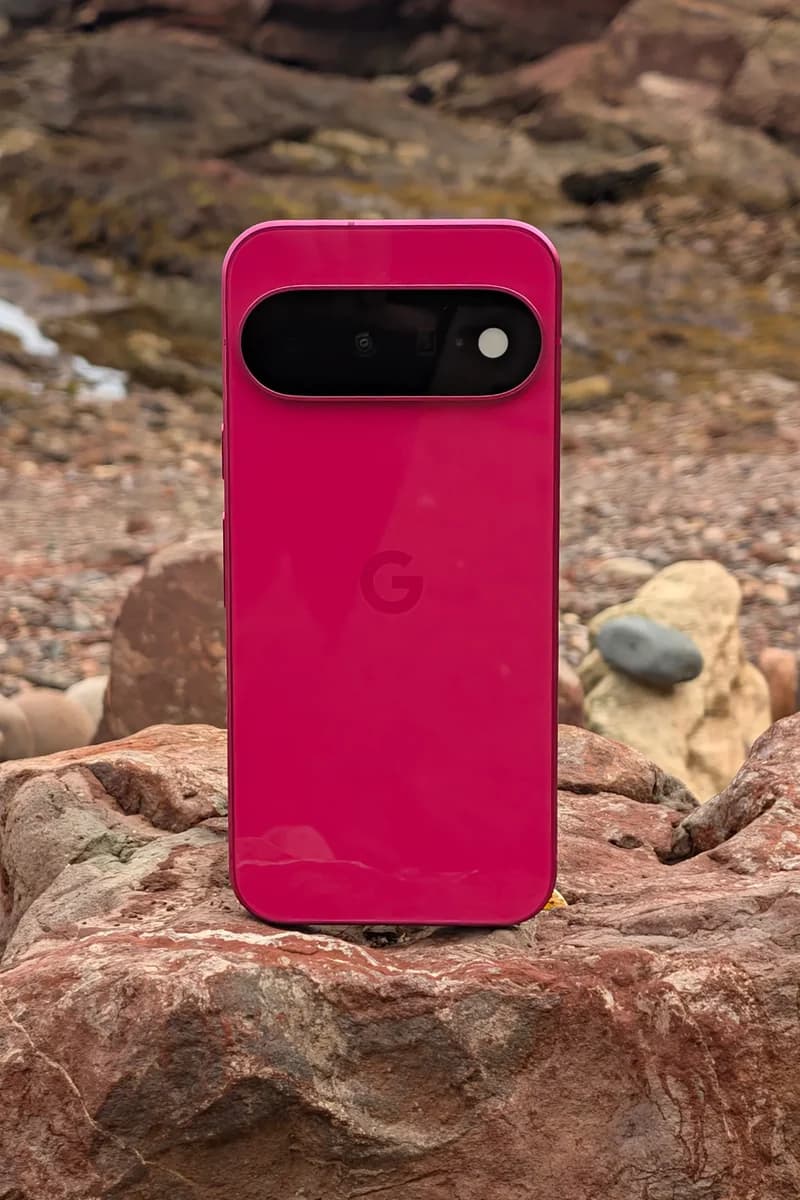
The Pixel 11’s camera setup is its clearest reason to buy. The 48 MP main sensor produces colorful, sharp photos with little effort, while computational processing improves low-light results and speeds up Night Sight. A retained 5x telephoto lens adds useful reach for portraits and distant subjects, although reviewers noticed softer telephoto images in dim conditions. Camera Looks and Magic Capture make shooting more creative, but Magic Capture can create choppy footage and facial processing occasionally looks artificial. Overall, expert testing supports Google’s camera claims, especially for casual photographers.
Build Ergonomics Durability
The Pixel 11 delivers a polished, compact flagship design without changing the formula dramatically. Its IP68 water and dust resistance, Gorilla Glass Victus 2, stereo speakers, strong haptics, and secure ultrasonic fingerprint reader create a reassuring everyday package. At about 197 grams and 8.6 mm thick, it is manageable, though some feedback calls the glass fingerprint-prone and the bezels thicker than rivals. The familiar design feels comfortable rather than exciting, and the lack of a headphone jack or expandable storage limits flexibility. Seven years of updates meaningfully strengthen its long-term durability.
Everyday Gaming Performance
The Pixel 11 feels quick in ordinary use, but Tensor G6 remains its biggest hardware compromise. Apps, unlocking, multitasking, and Google’s polished Android 17 interface are generally responsive, and 12 GB RAM supports demanding AI and everyday workflows. Reviewers also found improved thermal stability and cooler operation than earlier Pixels. However, benchmark performance trails Snapdragon and Apple chips, while gaming tests and user discussions repeatedly point to weak sustained performance, heat, or blocked benchmark access. It is excellent for normal users, less convincing for serious gamers or power users.
Charging Speed Convenience
Wireless charging is more convenient than fast, while wired charging is merely competitive. The built-in Qi2 magnetic charging support makes alignment simple and works well with compatible accessories, with some listings indicating up to 25 W wireless charging. USB-C charging reaches 30 W, but reviewers repeatedly describe it as slow or heat-limited beside OnePlus, Xiaomi, and Samsung alternatives. Qi2 is a genuinely useful daily upgrade, especially on a desk or nightstand, yet the missing in-box charger adds cost and makes the phone less compelling for buyers prioritizing rapid top-ups.
Battery Life Efficiency
Battery life appears to be a practical strength, though early user feedback remains limited and mixed. The roughly 4,985 mAh battery generally delivers a full day, with some reviewers reporting nearly two days under lighter use. Tensor G6 and modem improvements are intended to improve efficiency, and real-world testing often found dependable endurance rather than a dramatic generational leap. Concerns about heat and long-term battery behavior persist in forum discussions, so demanding gaming may produce different results. The phone is reassuring for daily use, but not clearly class-leading.
Display Brightness Motion
The Pixel 11’s display is bright, smooth, and easy to enjoy outdoors. Its 6.3-inch Actua OLED panel delivers crisp Full HD+ images, vivid color, and strong contrast, while adaptive refresh up to 120 Hz keeps scrolling and animations fluid. Google’s claim of up to 3,000 nits is supported by reviewers praising outdoor visibility, though one test noted a reflective surface and another criticized the bezels. The compact size suits one-handed use, but buyers seeking the most adaptive flagship panel may find the refresh behavior less sophisticated than rivals.
Conclusion
The Pixel 11’s final story is practical polish, not a hardware spectacle: its camera system delivers colorful, sharp everyday photos, quick Night Sight, and useful 5x reach, while the battery life generally covers a full day and sometimes more. The bright, smooth OLED is a pleasure outdoors, and clean Android, Gemini tools, and responsive daily performance give it a calm, capable feel. Yet the Tensor G6 remains a poor fit for serious gaming, 30 W wired charging is slow beside rivals, and the familiar build—though IP68-rated, comfortable, and backed by seven years of updates—doesn’t justify every price increase. Expert praise and user reservations point in the same direction: this is a strong choice for new Android buyers, photographers, and older-phone upgraders, but a weak upgrade for recent Pixel owners. Its balanced strengths earn a solid recommendation, provided you value software and cameras more than raw power or charging speed.

Feature Scores
This reflects reviews and ratings from established critics, journalists, and users who have evaluated the item. Their opinions provide a comprehensive assessment.
Performance
Processor Performance
4/5
Battery Life
4/5
Software Stability & Updates
4/5
Camera System Performance
4/5
Network Connectivity
4/5
Value
Price-to-Performance Ratio
3/5
Resale Value
3/5
Design
Display Quality
4/5
Ergonomics & Comfort
4/5
Materials & Fit/Finish
4/5
Health
RF Emissions
TBD
Blue Light Management
TBD
Safety
Biometric Security
4/5
Data Privacy & Security
4/5
Physical Safety Features
4/5
Sustainability
Repairability & Modular Design
2/5
Energy Efficiency
4/5
Responsible Sourcing
TBD
Experience Style
Customizability
4/5
Ease of Use
4/5
Accessibility Features
3/5

Specifications
This section outlines the product's key facts, covering essential features, details, dimensions, materials, and any unique characteristics that define its functionality and usability.
Performance
Value
Design
Safety
Sustainability
Experience Style

Frequently Asked Questions
3 Questions

Also Consider
2 Options


Find Yours
What's your top priority when choosing a smartphone?
Answer to find your best matches.