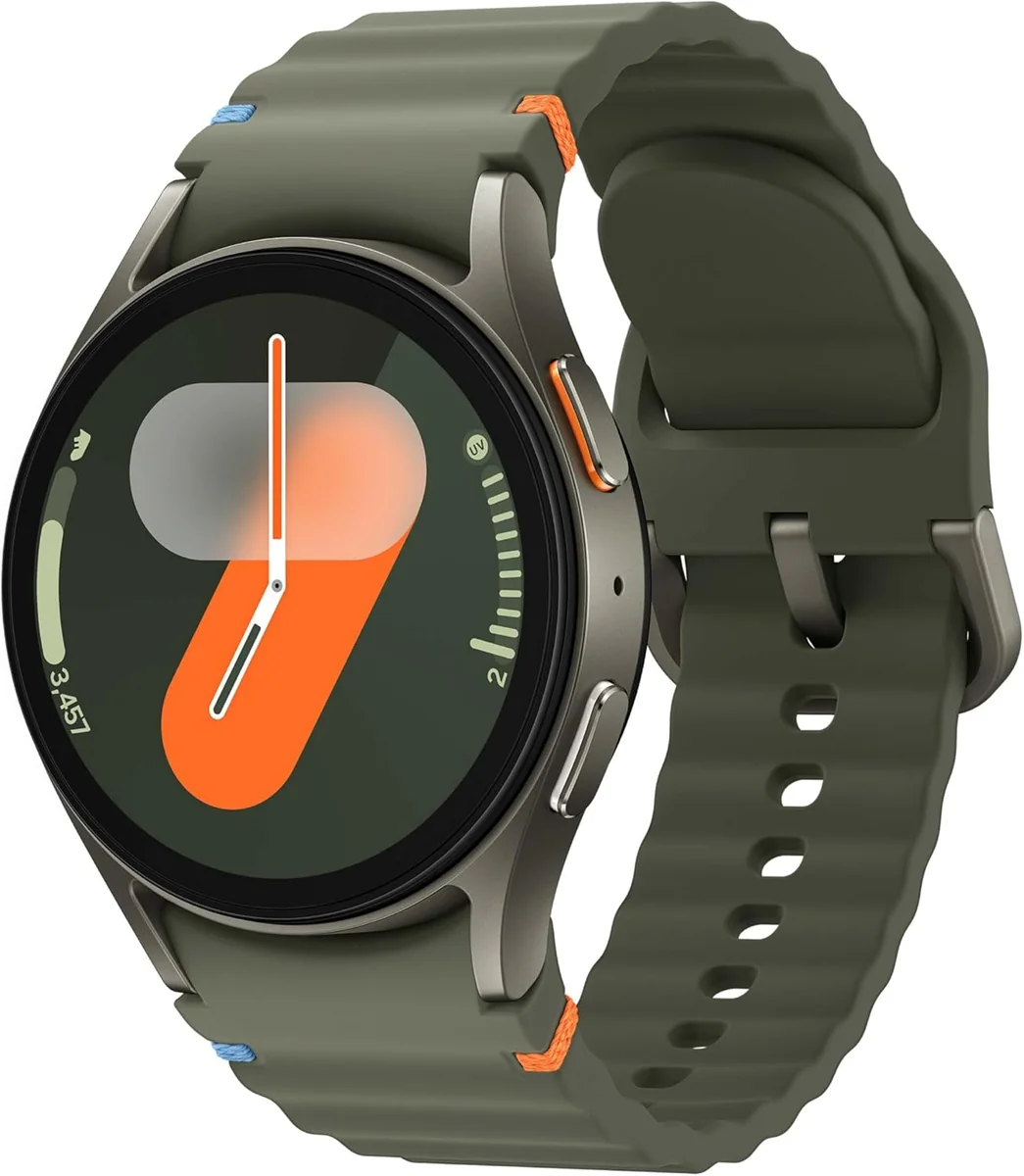
Samsung Galaxy Watch 7
Fast, health-focused smartwatch with bright display and smooth performance, though battery life is limited.
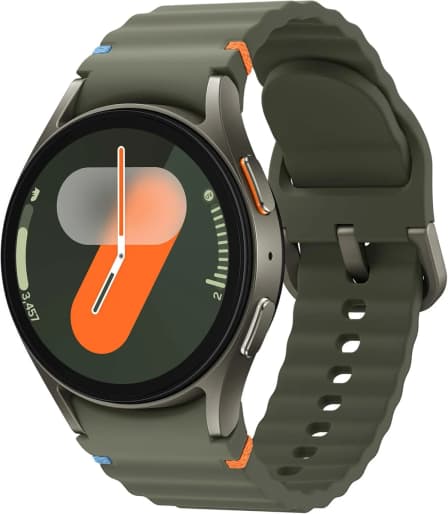
The Samsung Galaxy Watch 7 is a polished Android companion for people who want fewer phone interruptions without giving up serious health tools. Its 2,000-nit AMOLED display, lightweight design, and faster performance make everyday use genuinely pleasant, while ECG, sleep-apnea screening, and improved heart-rate tracking give wellness-minded users plenty to explore. Experts and owners broadly like the experience, though brand promises around dual-frequency GPS and battery life meet mixed reality: tracking can wobble during intervals or cycling, and active use often means charging daily. Turning off the always-on display may stretch endurance, but $300 feels easier to justify on sale, especially for Samsung-phone owners. Its overall appeal rests on balancing rich features and smooth usability against battery, accuracy, and ecosystem limitations.






Find Yours
What is the primary reason you want a smartwatch?
Answer to find your best matches.

The Field
Browse top contenders, or compare all options ranked by score and key attributes.
5 Options



The Scoreboard
Does this improve your life? Considers, health, habits, and environmental impact.
Benefits
Slim, lightweight design stays comfortable through workdays, sleep, and casual movement.
Fast performance makes notifications, apps, gestures, and voice assistants feel quick and dependable.
Bright display remains readable outdoors, so checking time or messages takes less squinting.
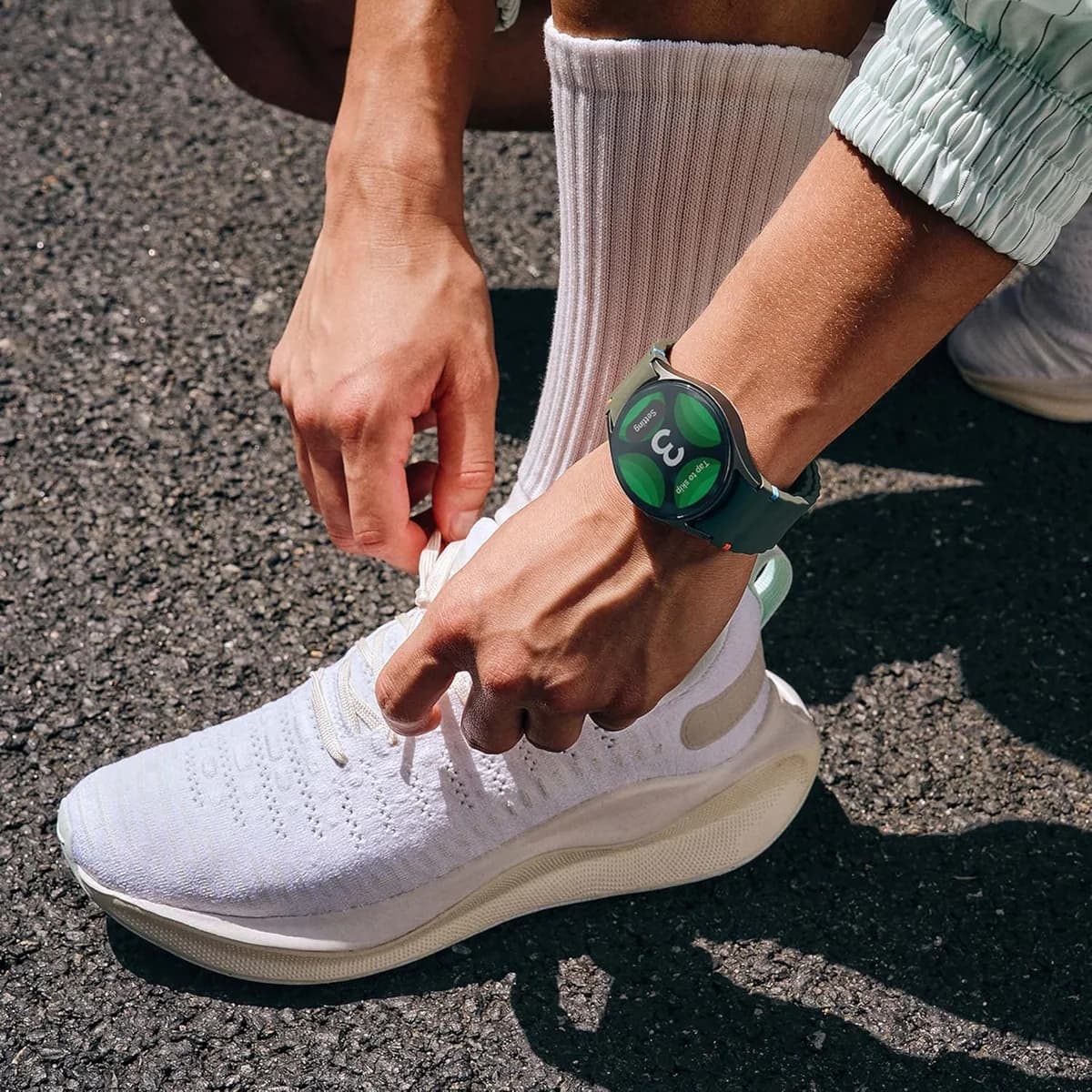
Heart rate, sleep, workouts, and sleep-apnea detection make everyday wellness easier to follow.
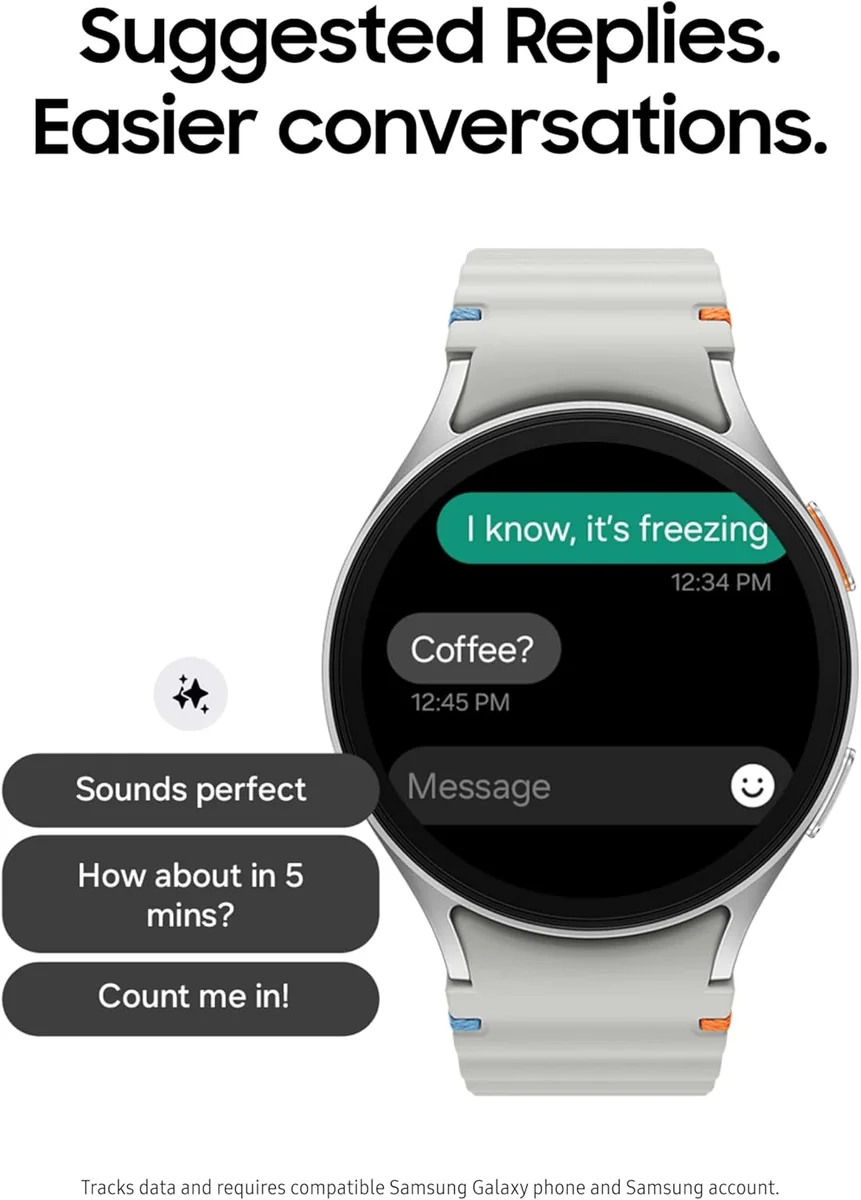
Calls, notifications, assistants, and camera gestures handle small tasks without reaching for your phone.
Trade-Offs
Daily tracking often means charging every night, interrupting sleep data and adding another routine.
The protruding underside can press against skin during sleep, exercise, or extended wear.
The watch or stiff strap can feel uncomfortable when sweating or lifting weights.
Some health tools require a Samsung phone, leaving other Android users with missing features.
 Alternatives


Join the Circle
Where real meets deal
Know what's worth buying-and when.
Tips, special offers, and rewards for buying and sharing.

Publications
10 LEADING PUBLICATION REVIEWS

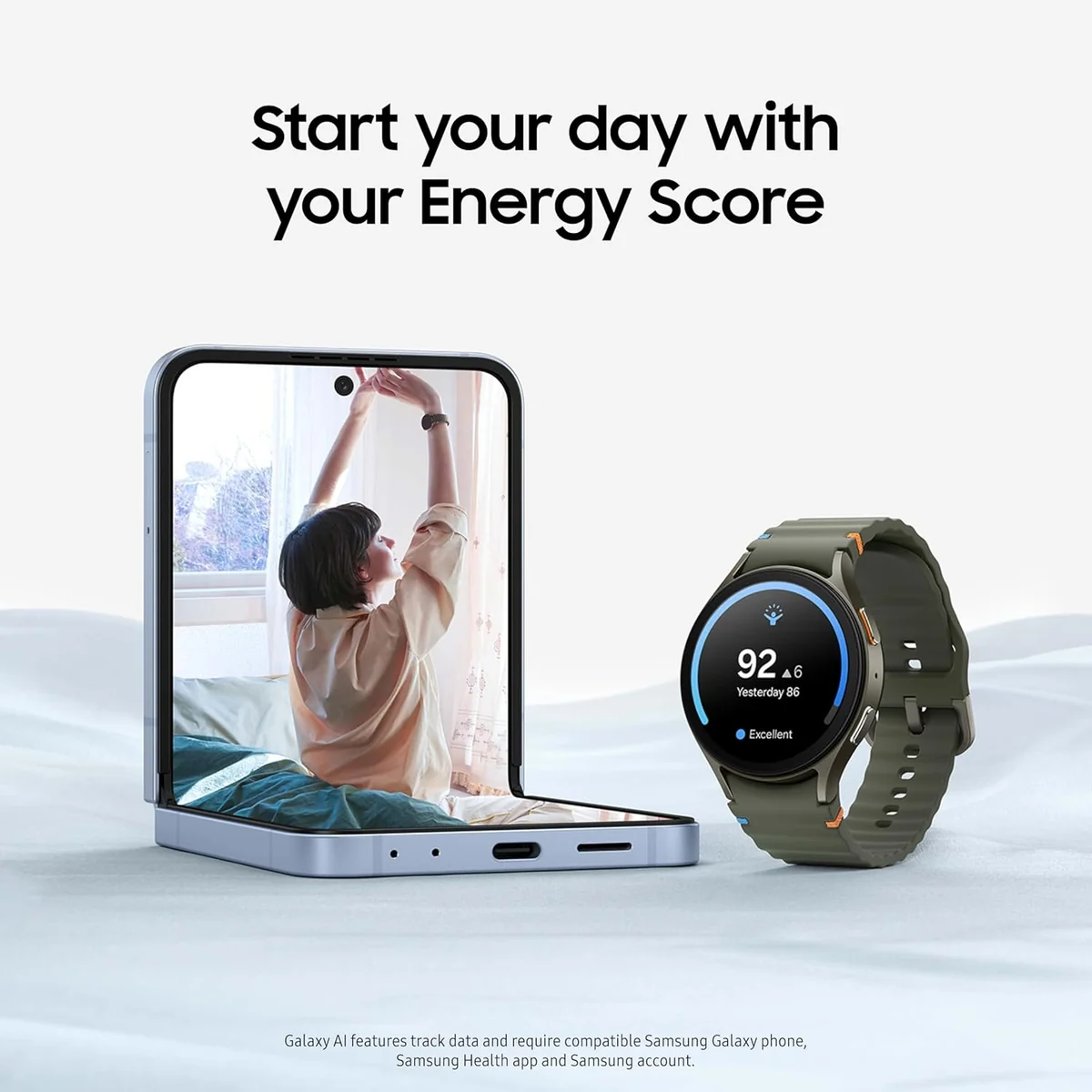
Ray Maker assesses the Samsung Galaxy Watch 7 as a compelling mainstream smartwatch option, especially given its aggressive pricing and feature set that closely mirrors the higher-end Galaxy Watch Ultra. He highlights the Watch 7’s strong points, including a bright 2,000-nit display, improved battery life with WearOS 5, and a robust suite of fitness metrics such as the new Energy Score and FDA-approved sleep apnea detection. However, the review conveys a cautiously optimistic tone due to notable shortcomings, particularly the inconsistent GPS accuracy, which frequently produces erratic tracks even in ideal conditions, and the less reliable heart rate sensor performance during cycling. The watch’s software and customization options are praised, though sensor connectivity and power meter integration are described as problematic. Ray also points out that some health features require a Samsung phone, limiting full functionality for other users. Overall, the Watch 7 offers solid value for casual users or those acquiring it through deals, but serious athletes may find its tracking limitations frustrating.
By Ray Maker
Andrew Gebhart from PCMag highlights the Samsung Galaxy Watch 7 as a solid, incremental upgrade over its predecessor, particularly excelling in AI-powered health insights and comprehensive fitness and sleep tracking. Praising its accurate heart rate monitoring, advanced sleep apnea detection, and detailed body composition metrics, Gebhart notes the watch’s robust sensor suite and improved dual-frequency GPS. The review emphasizes the smooth setup, responsive controls, and useful gesture features, making it a strong choice for Samsung phone users. However, the reviewer expresses clear disappointment with the unchanged, limited battery life, which requires daily charging and may hinder continuous health monitoring. Minor accuracy issues in running distance and sleep time measurements are acknowledged but deemed non-critical. While the Galaxy Watch 7 leads the Wear OS pack in health features, Gebhart suggests the OnePlus Watch 2 as a worthy alternative for those prioritizing longer battery life. Overall, the tone is measured but positive, recommending the Watch 7 for Android users seeking advanced wellness tracking.
By Andrew Gebhart
Ryan Haines from Android Authority highlights the Samsung Galaxy Watch 7 as a modest but meaningful update that deserves more attention than it received at Samsung’s 2024 Unpacked event. While the design remains largely unchanged—retaining its sleek, minimalist, and familiar Wear OS look—the real improvements lie in the enhanced health tracking powered by Galaxy AI, especially the new Energy Score metric that offers actionable insights. Haines praises the watch’s more accurate dual-frequency GPS and upgraded BioActive sensor, which deliver reliable heart rate and location data comparable to dedicated fitness devices. Although some Samsung-exclusive features require a Samsung phone, and GPS can still struggle in dense urban environments, the Galaxy Watch 7 strikes a strong balance between style, functionality, and price. It’s positioned as the practical choice for most users who don’t need the rugged, expensive Galaxy Watch Ultra, offering solid battery life and a comfortable everyday experience without flashy overhauls.
By Ryan Haines
Michael Sawh from Wareable highlights the Samsung Galaxy Watch 7 as a solid, feature-rich mid-range smartwatch that excels in accuracy and fitness tracking improvements, particularly with its upgraded BioActive sensor and dual-frequency GPS. The review praises the smooth Wear OS 5.0 experience, expanded storage, and useful health insights like the new Energy Score and metabolic AGEs index, which show Samsung’s ambition to deepen wellness tracking. However, Sawh notes the Watch 7’s design remains largely unchanged from its predecessor, and the battery life disappoints, lagging behind competitors despite performance gains. Some health features remain exclusive to Samsung phones, limiting appeal for other Android users. Overall, the review conveys a cautiously positive tone—appreciating the Watch 7’s refined tracking and software polish while expressing frustration that Samsung missed an opportunity to improve battery endurance, leaving room for future growth.
By Michael Sawh
Tshaka Armstrong from Android Police highlights the Samsung Galaxy Watch 7 as a refined and robust smartwatch that stands out as the best Android wearable currently available. Praising its lighter weight, improved BioActive sensor, larger battery, and notably accurate dual-frequency GPS, Armstrong emphasizes meaningful upgrades over previous models, especially for users upgrading from the Galaxy Watch 4. The review appreciates the enhanced AI features, gesture controls, and detailed health metrics like body composition and heart rate tracking, while also noting the watch’s excellent AMOLED display and outdoor visibility. However, Armstrong expresses disappointment over the removal of the beloved mechanical rotating bezel, the loss of Wireless PowerShare charging, and battery life that falls short of expectations under heavy use. Sleep coaching’s rigid scheduling and some feature limitations tied to Samsung phones are also critiqued. Overall, the review conveys a mostly enthusiastic tone, calling the Watch 7 a “no-brainer” upgrade for certain users and the gold standard for Android smartwatch integration.
By Tshaka Armstrong
Amy Skorheim from Engadget highlights the Samsung Galaxy Watch 7 as a refined, capable smartwatch that builds incrementally on its predecessor with a classic design and improved internal features. The watch impresses with fast performance powered by the upgraded Exynos W1000 chip, accurate and automatic activity tracking, and a Health app that is both intuitive and enjoyable to use. Unique health sensors, such as the advanced glycation end-products (AGEs) index and sleep apnea detection, add valuable insights beyond typical fitness metrics. However, the always-on display significantly drains battery life, limiting its use for sleep tracking, and some interface elements like bezel-swiping feel clunky. Notifications can be inconsistent, and the sensor’s protruding design initially causes discomfort. Despite these drawbacks, the Galaxy Watch 7 remains an attractive, affordable option for Samsung phone users seeking a stylish, health-focused wearable. Skorheim appreciates the watch’s steady evolution and its appeal as a fun, reliable companion, though she advises current owners of recent models that upgrading may not be necessary.
By Amy Skorheim
Michael Sawh from Trusted Reviews highlights the Samsung Galaxy Watch 7 as a solid, well-rounded smartwatch primarily for Android users, especially Samsung smartphone owners. While it doesn’t represent a major redesign from the Galaxy Watch 6, it builds on a strong foundation with improved health tracking accuracy thanks to an upgraded BioActive sensor and new metabolic health insights. The watch excels in core smartwatch functions, smooth performance, and offers rich fitness and sleep tracking features, including FDA-authorized sleep apnea detection and dual-frequency GPS for better outdoor accuracy. However, Sawh notes that battery life remains a weak point, offering less than 1.5 days with the screen on, which is disappointing given the performance upgrades. The design and screen remain largely unchanged, and some new software features feel like they could have been backported to the previous model. Overall, the Galaxy Watch 7 is praised as one of the best Android smartwatches available, though competition is heating up, and Samsung may need to push further in future iterations.
By Michael Sawh
Victoria Song from The Verge highlights the Samsung Galaxy Watch 7 as a reliable, comfortable smartwatch that embraces a classic, understated design rather than chasing ambitious innovation. Praising its slim, lightweight profile and improved wearability—especially compared to the bulkier Ultra model—she appreciates the watch’s practical fit for everyday use and the effective sleep apnea detection enabled by a snug fit. While the upgraded 3nm Exynos chip and enhanced BioActive Sensor offer snappy performance, the new AI-powered health features, including metabolic health metrics, feel underwhelming and inconsistent. Battery life remains a notable drawback, lasting about 24 hours under heavy use, though fast charging and the larger 44mm model mitigate this somewhat. Song positions the Watch 7 as a solid choice for users seeking a dependable, future-proof upgrade from older Galaxy Watches or those who find the Ultra too large, emphasizing its value in delivering a familiar, no-surprise smartwatch experience rather than groundbreaking advancements.
By Victoria Song
Lexy Savvides from CNET highlights the Samsung Galaxy Watch 7 as the more practical and affordable choice compared to the pricier Galaxy Watch Ultra, despite both sharing many core features like the new bioactive sensor, sleep apnea detection, and dual-frequency GPS. While the Ultra impresses with its bright 3,000-nit screen, durable titanium build, and a versatile Quick button, it feels bulky and has limited band compatibility. The review praises improved heart rate accuracy and innovative health tools but notes shortcomings such as confusing metabolic health metrics (AGEs index), limited cycling FTP test functionality, and lack of advanced diving features. Battery life on both watches falls short of Samsung’s bold claims, and some gestures and the touch bezel lack precision. Overall, Savvides recommends the Galaxy Watch 7 for most users due to its comfort, value, and nearly identical feature set, reserving the Ultra for those who prioritize ruggedness and extra workout tools.
By Lexy Savvides
Joe Fedewa from How-To Geek highlights the Samsung Galaxy Watch 7 as a refined and reliable Wear OS smartwatch that builds on Samsung’s established design with subtle but meaningful improvements. While initially hampered by battery issues, a timely software update dramatically improved endurance, restoring confidence in its daily usability. The review praises the watch’s bright, nearly bezel-less Super AMOLED display, faster performance thanks to the upgraded Exynos W1000 chip, and versatile, stylish design suitable for various occasions. Health and fitness features receive particular acclaim, especially the enhanced BioActive sensor, FDA-approved sleep apnea detection, and the innovative Energy Score metric, which offers actionable insights into daily energy levels. Although the software gestures feel underutilized and the 40mm model’s color options are limited, these are minor quibbles. Fedewa positions the Galaxy Watch 7 as Samsung’s best baseline smartwatch yet—an excellent choice for Android users seeking comprehensive health tracking and solid performance, though not a must-have upgrade for recent Galaxy Watch owners.
By Joe Fedewa

YouTube
8 LEADING EXPERT & INFLUENCER REVIEWS
 ShortCircuit
ShortCircuit’s Adam likes the Galaxy Watch 7, but feels its $300 price is hard to justify. He praises its premium design, comfortable standard bands, sharp performance, smooth interface, strong Samsung Health platform, accurate-feeling heart-rate tracking, and useful sensors. Battery life is adequate at roughly a day to a day and a half, though heavier use may require daily charging. He dislikes the loss of the physical rotating bezel, limited iPhone compatibility, Samsung ecosystem restrictions, and questionable body-composition accuracy. For most users, he recommends a cheaper Fitbit, unless LTE, a more watch-like design, and deeper features are worth the premium.
Wearable WhispererKelsey I. Clubb is strongly positive about the Samsung Galaxy Watch 7 after nearly a week of testing. She praises its responsive performance, comfortable new bands, dual-frequency GPS, and heart-rate tracking that broadly matched a Polar H10 and Apple Watch Series 9. Battery life averaged about 47 hours, though charging took roughly 79 minutes and Samsung’s phone-based wireless power sharing was incompatible. Sleep tracking was generally close on timing but its scores sometimes overstated how well she slept, while the AGEs Index felt underdeveloped. Overall, her measured testing suggests a capable, accurate smartwatch with worthwhile refinements.
Ho Young WonHo Young Won is strongly positive about the Galaxy Watch 7, especially at a discounted $180. He loves its balanced, premium design, excellent display, comfortable everyday strap, smooth One UI experience, responsive performance, and reliable GPS and health tracking. It suits running, cycling, and general fitness well, though strength-training controls are cumbersome and the strap is somewhat stiff for workouts. The main disappointment is battery life: roughly a day with sleep and fitness tracking, despite fast charging. He wouldn’t recommend it at $300, but considers it a compelling Wear OS choice on sale, while also suggesting Garmin’s Vivoactive 5 as an alternative.
Shannon MorseShannon Morse is impressed by the Galaxy Watch 7, but its short battery life keeps her recommendation conditional. She appreciates the lightweight 40mm design, crisp bright AMOLED display, smooth Wear OS experience, accurate GPS and fitness tracking, and extensive health features. Her hands-on testing found sleep tracking occasionally overestimated sleep, while sleep-apnea detection needed several nights to produce usable data. Battery life lasted only 22–28 hours, a major drawback beside the OnePlus Watch 3. She considers it excellent for Android and Samsung users, but says Watch 6 owners can comfortably skip upgrading.
JSyntaxJSyntax is genuinely enthusiastic about the Galaxy Watch 7, calling it a comfortable, thin, highly useful daily companion. He especially appreciates its faster performance, excellent Google Assistant gesture, improved GPS, sleep-duration tracking, and ability to reduce phone distractions. The 40mm model’s lightness and two-day battery life suit his routine, though exercise use is less appealing because sweat and bulk make it uncomfortable. He criticizes the lack of a crown, limited double-pinch controls, weak health insights, basic strength-training tools, and an irritating health notification. Overall, he strongly recommends it for Galaxy-phone owners seeking smartwatch utility, not advanced fitness tracking.
Mike O'BrienMike O’Brien is highly positive about the Galaxy Watch 7, calling it the better buy for most people than Samsung’s pricier Ultra. He praises its lighter, slimmer design, comfortable standard bands, bright display, faster chip, improved BioActive Sensor, dual-band GPS, and feature-rich health and workout tracking. His testing found heart-rate and GPS performance strong for steady workouts, though interval tracking sometimes lagged and missed data points. Battery life is only about a day to a day and a half, gestures can be inconsistent, and the exposed edges need care. Overall, he sees it as an impressive, enthusiastically recommended upgrade over the Watch 6.
Pratima AdhikariPratima Adhikari is highly enthusiastic about the Galaxy Watch 7, calling it Samsung’s best smartwatch for most people. After a month of use, she found the new Exynos W1000 chip noticeably smoother, battery life acceptable at roughly 30 hours with heavy tracking, and workout heart-rate readings more reliable. The upgraded health sensor, Energy Score, bright display, and polished design also impress her. Still, dual-frequency GPS remains inaccurate, the AGEs Index feels unhelpful, charging takes about 90 minutes, and there’s no reverse wireless charging or truly multi-day battery. Overall, she strongly recommends it, especially for Samsung-phone owners.
Jai VaghelaJai Vaghela is highly impressed by the Galaxy Watch 7 and confidently recommends it. After more than a month with the 44mm model, he praises its understated design, comfortable bands, bright durable display, much faster performance, useful Wear OS apps, and roughly a day and a half of battery life with always-on display enabled. Sleep tracking is adequate rather than perfect, while the AGEs feature feels under-explained and GPS accuracy has been inconsistent. Regional health-feature limits and the loss of reverse wireless charging are drawbacks, but he considers it a feature-packed, attractive alternative to the pricier Galaxy Watch Ultra.

Social
2 INFLUENCER REVIEWS
 Joy Cee 🇵🇭 Mom of Twins
Joy Cee 🇵🇭 Mom of Twins highlights a lesser-known Galaxy Watch 7 feature that lets users trigger their phone’s camera via customizable gestures, like the “Knock Knock” double tap. She enthusiastically explains how to set it up and notes the flexibility to assign other apps, showcasing practical, hands-on insight. Overall, Joy Cee’s review conveys genuine excitement about this intuitive gesture control, recommending the Galaxy Watch 7 for users who value convenient shortcuts. Her positive tone and clear instructions make the watch’s smart features feel accessible and useful, with no notable drawbacks mentioned.
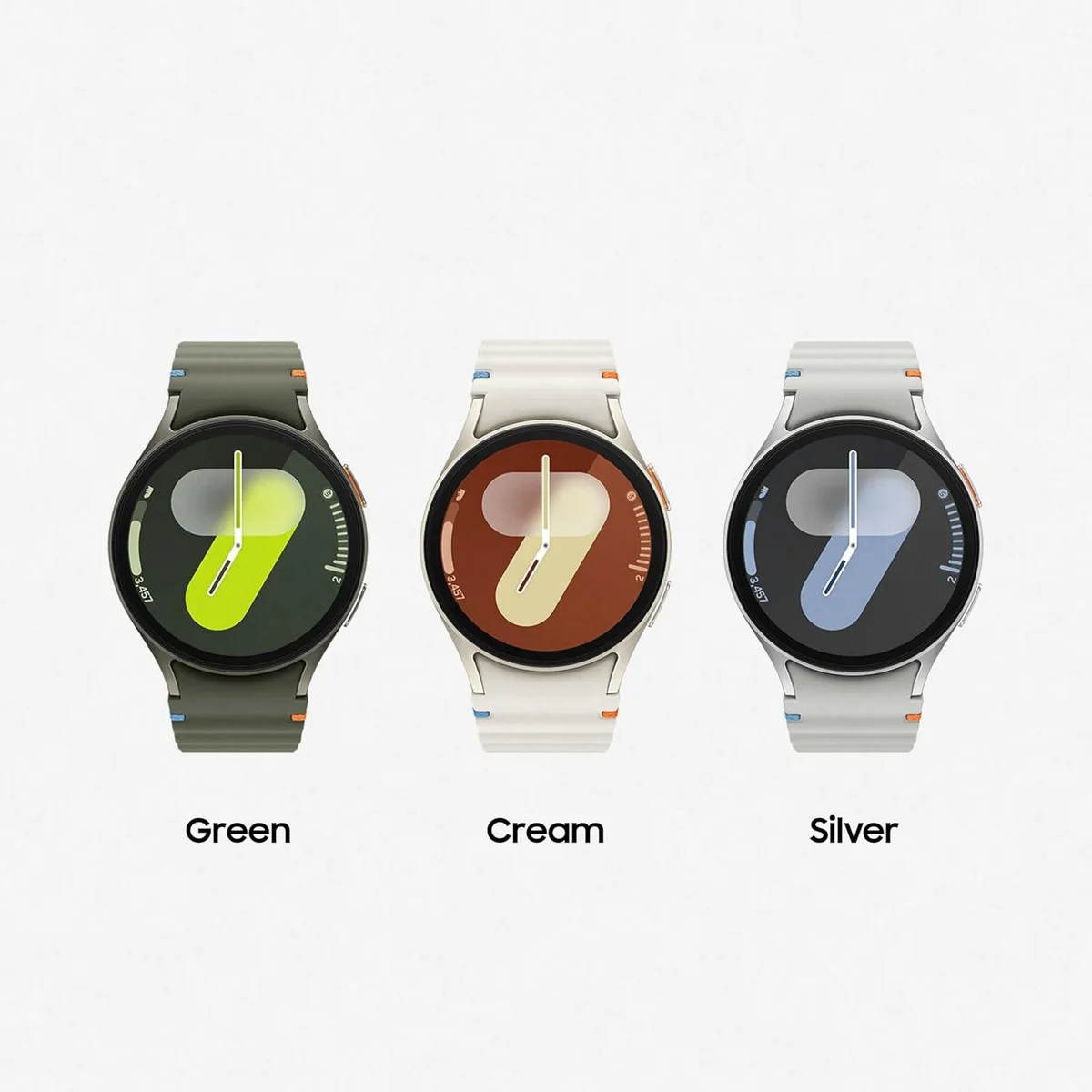
Saif | Tech + LifestyleSaif | Tech + Lifestyle highlights the Samsung Galaxy Watch 7’s new green color, improved health sensors, and FDA-authorized sleep apnea detection, praising its advanced health tracking and the most powerful smartwatch chip for better performance and battery life. While excited about these upgrades, Saif remains cautiously optimistic about lag improvements. Overall, Saif views the Galaxy Watch 7 as a solid, thoughtful upgrade with meaningful health features and design tweaks but stops short of a full endorsement, inviting viewers to weigh in before deciding if it’s worth buying.

Store Reviews
CUSTOMER REVIEWS FROM 1 STORE
Amazon users praise the Samsung Galaxy Watch 7 for its sleek design, intuitive setup, and robust fitness and health tracking features. Many highlight the watch’s fast charging and appreciate the new digital rotating bezel, which enhances navigation compared to the previous physical ring. Reviewers enjoy the integration of voice assistants like Alexa and Google Assistant, calling it a game changer for on-the-go convenience. Several users report excellent battery life when disabling the Always On Display, with some achieving over two days of use, though others experience shorter battery spans depending on usage patterns. The watch’s call quality impresses users, and its compatibility with Samsung devices creates a seamless ecosystem experience. While most find the default watch band uninspiring and opt for third-party replacements, they agree the overall aesthetics surpass expectations set by promotional images. Some customers express disappointment over the lack of reverse wireless charging and occasional connectivity hiccups with certain carriers. Despite mixed opinions on battery longevity and value for money, the consensus on Amazon leans strongly positive, with users valuing the Galaxy Watch 7 as a versatile, feature-rich smartwatch that balances style and functionality effectively.
4.4 Stars / Many verified reviews

Forum Reviews
CUSTOMER REVIEWS FROM 1 FORUM
Reddit users generally express a positive sentiment toward the Samsung Galaxy Watch 7, praising its improved performance, smooth user interface, and decent battery life, with many noting it as a solid upgrade from previous models. The design is well-received for its sleekness and comfortable fit, though some criticize the exposed screen and limited customization options. Health features receive mixed reviews; while heart rate monitoring is adequate, sleep tracking and new metrics like the AGEs score are viewed as unreliable or unhelpful. Battery consistency varies among users, causing some frustration. Overall, the watch is appreciated for everyday use and smart features, but serious fitness tracking and health monitoring remain areas needing improvement.
Many comments

In-Depth Review

Highlights
- •Health Tracking SuiteDesigned for ECG, SpO2, and sleep-apnea screening.
- •Responsive Daily PerformanceApps and notifications feel fast in testing.
- •Bright Outdoor Display2,000-nit AMOLED remains readable outdoors.
- •Improved Location TrackingDesigned for improved dual-frequency GPS accuracy.

Considerations
- •Daily Charging RoutineHeavy tracking often requires charging every day.
- •Variable Workout AccuracyGPS, cycling, and interval results can vary.
- •Touch Bezel FrictionDigital navigation can feel imprecise or unsatisfying.
- •Samsung Phone RequirementsSome health features require a Samsung phone.
Samsung’s Galaxy Watch 7 refines the company’s mainstream Android smartwatch with a bright 2,000-nit AMOLED display, faster performance, and a broader health toolkit than earlier models. Designed for notifications, calls, workouts, sleep tracking, and everyday phone-free convenience, it sits between basic fitness bands and pricier, bulkier sport watches. Its upgraded BioActive Sensor, ECG, sleep-apnea screening, and dual-frequency GPS make it especially appealing to Samsung-phone owners and casual fitness users, while the Exynos W1000 keeps apps and gestures feeling refreshingly quick. Still, competitors can offer longer endurance, and real-world tracking results vary. The sections ahead examine charging demands, sensor reliability, workout positioning, screen durability, and Bluetooth, Wi‑Fi, and LTE connectivity, including where Samsung’s ecosystem helps or limits the experience. For a practical watch with premium ambitions, the details matter—especially when the battery may ask for a bedtime ritual.
Bright Comfortable Display
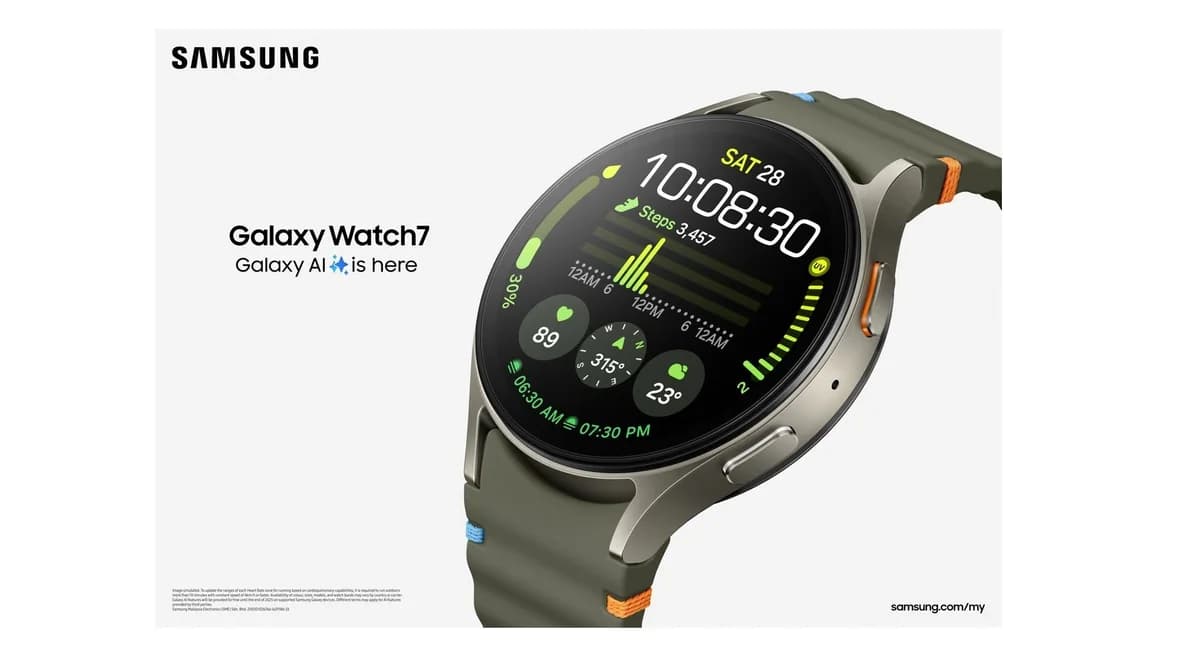
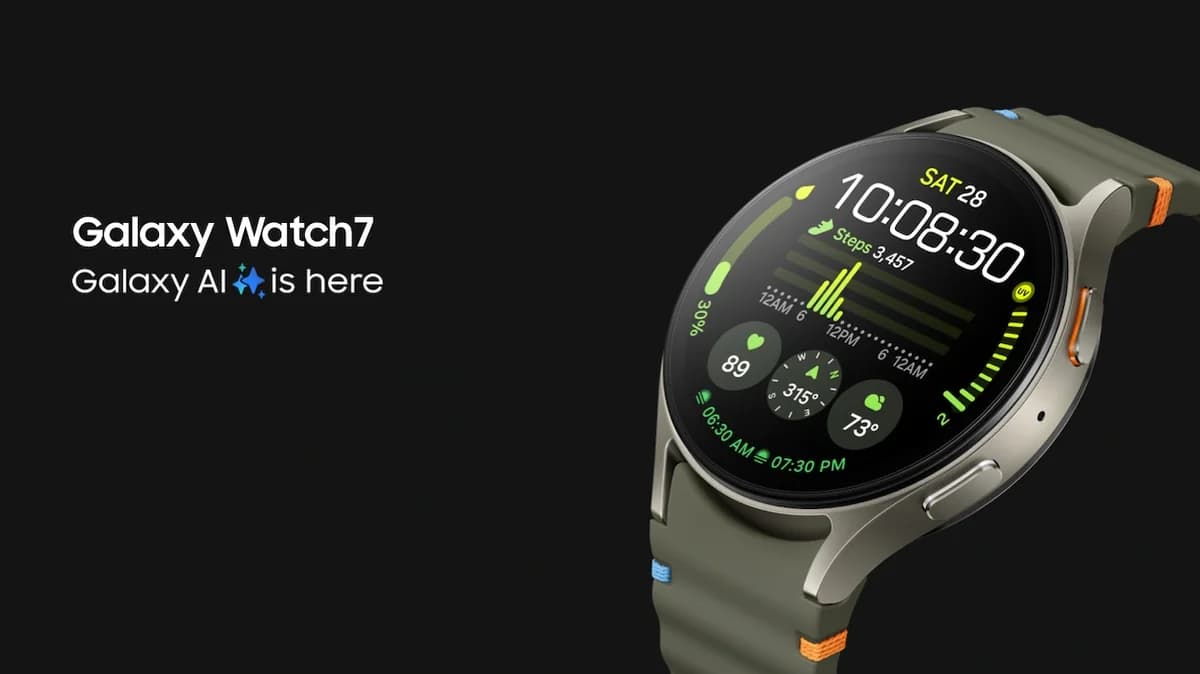
The Galaxy Watch 7’s AMOLED screen is one of its most dependable strengths. With up to 2,000 nits of brightness, it remains easy to read outdoors, while the slim, lightweight case feels comfortable for everyday wear and sleep. Its 5 ATM rating suits swimming and ordinary water exposure, but this is not a diving watch, and the screen edges are exposed rather than sapphire-protected. The switch from a physical bezel to a digital one also makes navigation less satisfying for some users.
Health Sensors And Tracking
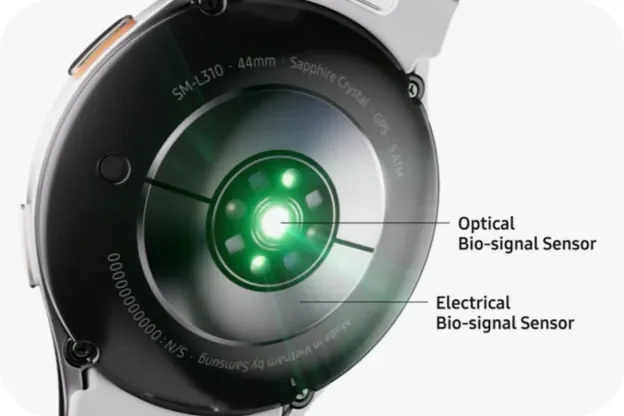
The Watch 7 offers unusually broad wellness tracking for a mainstream Wear OS watch. Its upgraded BioActive Sensor supports heart rate, SpO2, ECG, body composition, and sleep insights, while FDA-authorized sleep-apnea detection adds a useful screening feature. Heart-rate results generally matched devices such as the Polar H10 and Apple Watch Series 9, though cycling and interval readings were less dependable. Energy Score is potentially helpful, but the AGEs Index and sleep scoring often feel under-explained or overstated.
Faster Everyday Performance
The Exynos W1000 makes the Watch 7 feel substantially more polished in daily use. Apps, notifications, gestures, and the Wear OS interface are generally smooth and responsive, with reviewers noticing less lag than on older Galaxy Watches. Google Assistant and customizable camera gestures add practical convenience, especially when reducing phone use. Some gesture controls remain inconsistent, and the improvement is less compelling for recent Watch 6 owners. Still, the faster chip meaningfully improves the watch’s overall usability.
GPS Accuracy Limits
Dual-frequency GPS improves the Galaxy Watch 7’s fitness potential, but results are not uniformly reliable. Several tests found accurate tracks for steady running and cycling, supporting Samsung’s claim of better positioning, while others recorded erratic routes in open areas, urban struggles, or missed interval data. Heart-rate performance was similarly stronger for regular workouts than cycling or power-meter use. It is capable for casual fitness and navigation, but serious athletes may prefer a Garmin or dedicated training device.
Battery Life Reality
Battery life is the Galaxy Watch 7’s clearest compromise. Samsung’s 300 mAh battery is advertised for extended use, but testing commonly lands around 24 to 36 hours, or roughly 47 hours under lighter conditions. Always-on display and continuous workouts can push it toward daily charging, while some owners exceed two days by disabling AOD. Fast charging helps, but a 79-to-90-minute refill can interrupt sleep tracking. It is manageable for casual use, less convenient for continuous wellness monitoring.
Android Connectivity Choices
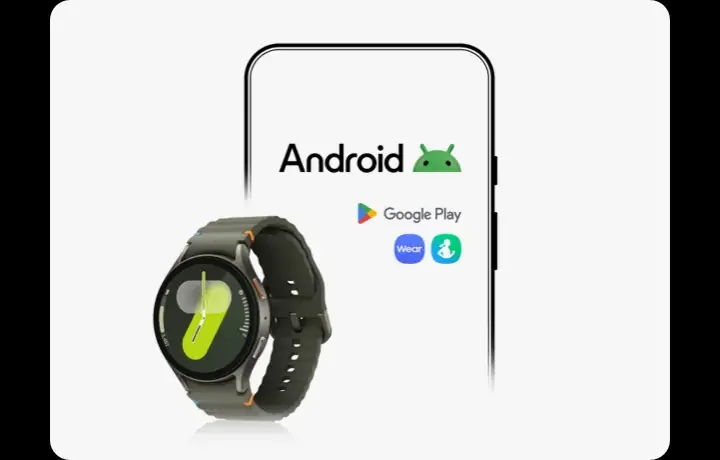
Connectivity is versatile, but the best experience is clearly tied to Samsung phones. Bluetooth 5.3, Wi-Fi, NFC, optional LTE, on-device music, and voice assistants let the watch handle calls, payments, workouts, and notifications away from a phone. Samsung’s ecosystem integration is especially seamless, though LTE can add carrier fees and users have reported occasional connection hiccups. More importantly, some health features require a Samsung phone, while iPhone compatibility is limited or unavailable, narrowing its audience.
Conclusion
The Galaxy Watch 7’s story is clear: it delivers fast, responsive performance, a bright AMOLED screen, and one of Wear OS’s richest health toolkits, including ECG, sleep-apnea screening, and generally convincing heart-rate tracking. Its dual-frequency GPS is good enough for everyday runs and rides, but inconsistent routes and missed interval data limit confidence for serious training. Battery life is the catch: expect roughly a day to a day and a half with active tracking, though turning off the always-on display can stretch it further. Bluetooth, Wi‑Fi, and LTE make it genuinely useful away from a phone, especially within Samsung’s ecosystem, but compatibility restrictions remain. The exposed display and digital bezel also feel less durable or satisfying than some alternatives. For Samsung-phone owners wanting a polished daily smartwatch, it is a strong recommendation; athletes and battery-first buyers should look elsewhere. Its broad capability and reasonable value justify a firmly positive verdict.

Feature Scores
This reflects reviews and ratings from established critics, journalists, and users who have evaluated the item. Their opinions provide a comprehensive assessment.
Performance
Battery Life
3/5
Processor Responsiveness
5/5
Display Legibility
5/5
Connectivity Reliability
4/5
GPS Accuracy
4/5
Durability
4/5
Value
Price-to-Feature Ratio
4/5
Software Update Longevity
3/5
Design
Comfort and Fit
5/5
Visual Design Appeal
4/5
Strap Compatibility
4/5
Health
Heart Rate Monitoring
4/5
Sleep Tracking
4/5
SpO2 Measurement
3/5
Advanced ECG and Clinical Features
4/5
Safety
Emergency and Fall Detection
TBD
Data Security and Privacy
3/5
Regulatory Compliance
4/5
Sustainability
Repairability
2/5
Recyclability and Materials Transparency
TBD
Energy Efficiency
3/5
Experience Style
Ease of Use
4/5
App Ecosystem
4/5
Customization Options
4/5
Fitness and Activity Features
4/5
Notification Handling
4/5

Specifications
This section outlines the product's key facts, covering essential features, details, dimensions, materials, and any unique characteristics that define its functionality and usability.
Performance
Value
Design
Safety
Sustainability
Experience Style

Frequently Asked Questions
4 Questions
Find Yours
What is the primary reason you want a smartwatch?
Answer to find your best matches.