Hatch Restore 3
Sunrise alarm, rich sounds, tactile bedside controls — thoughtful design with app/subscription caveats.
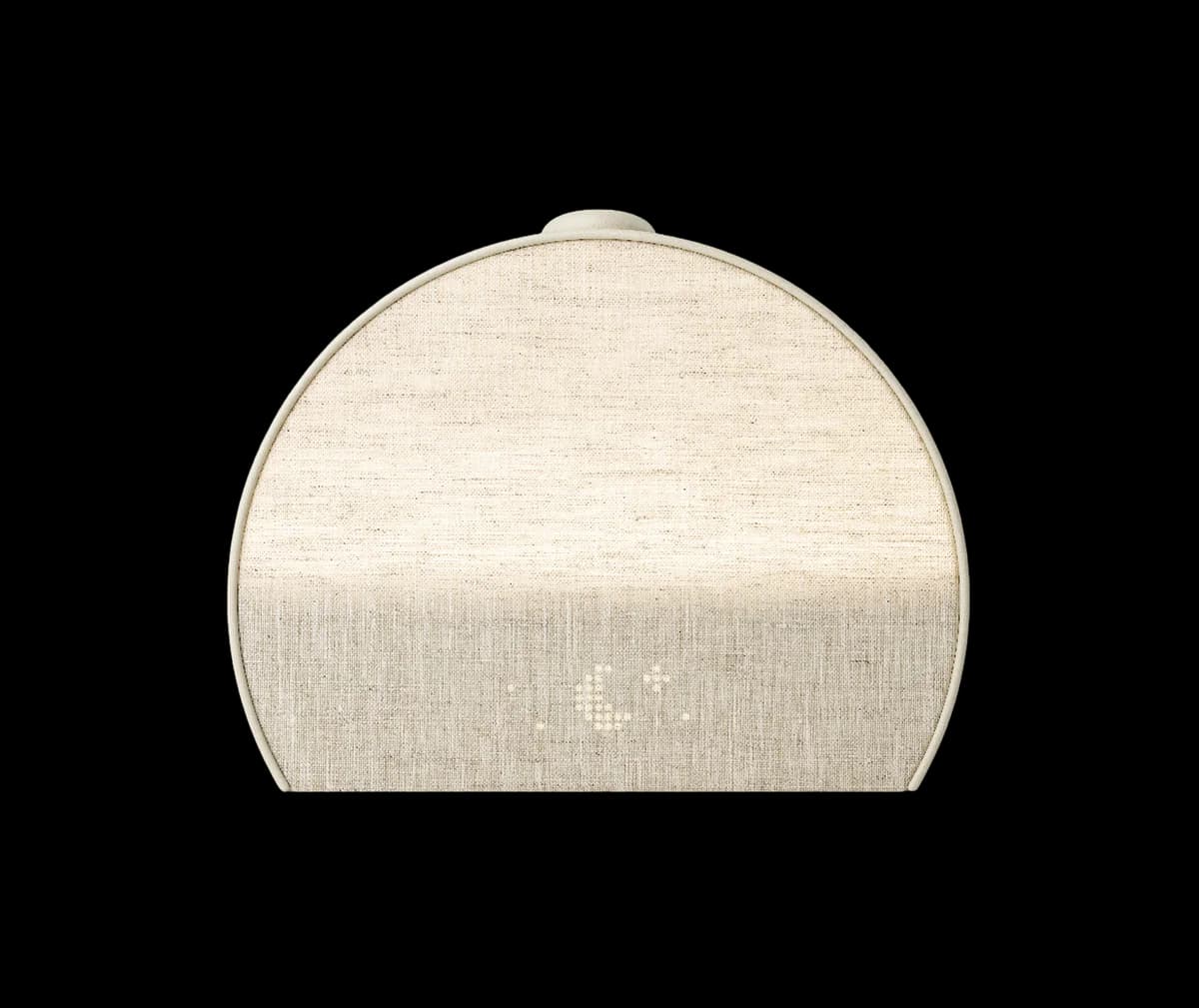
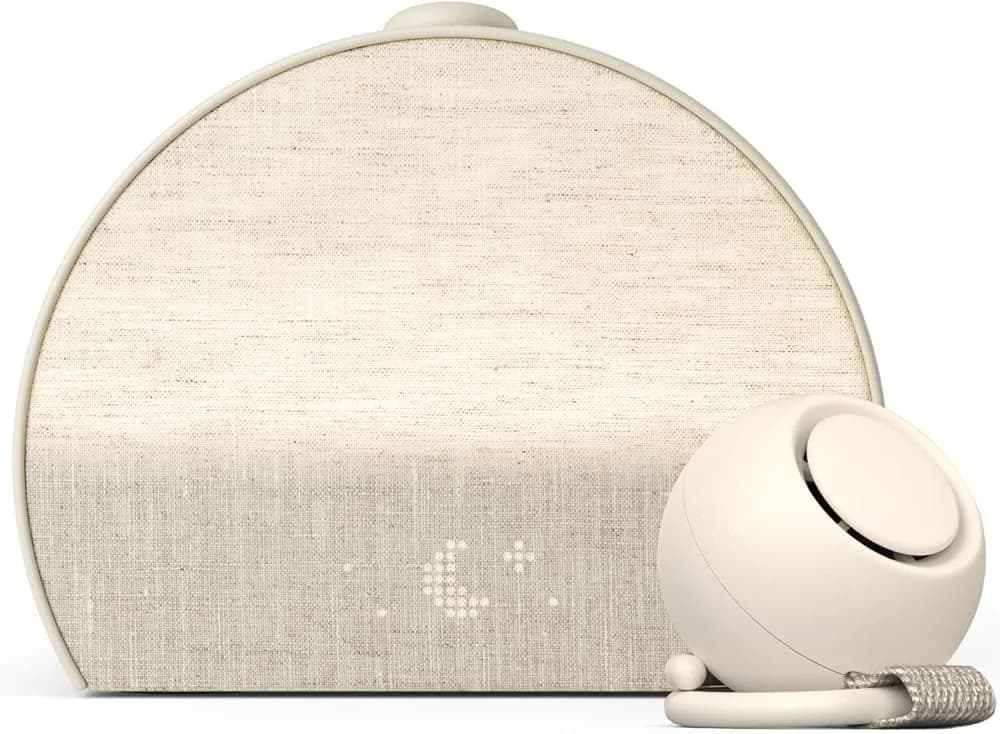
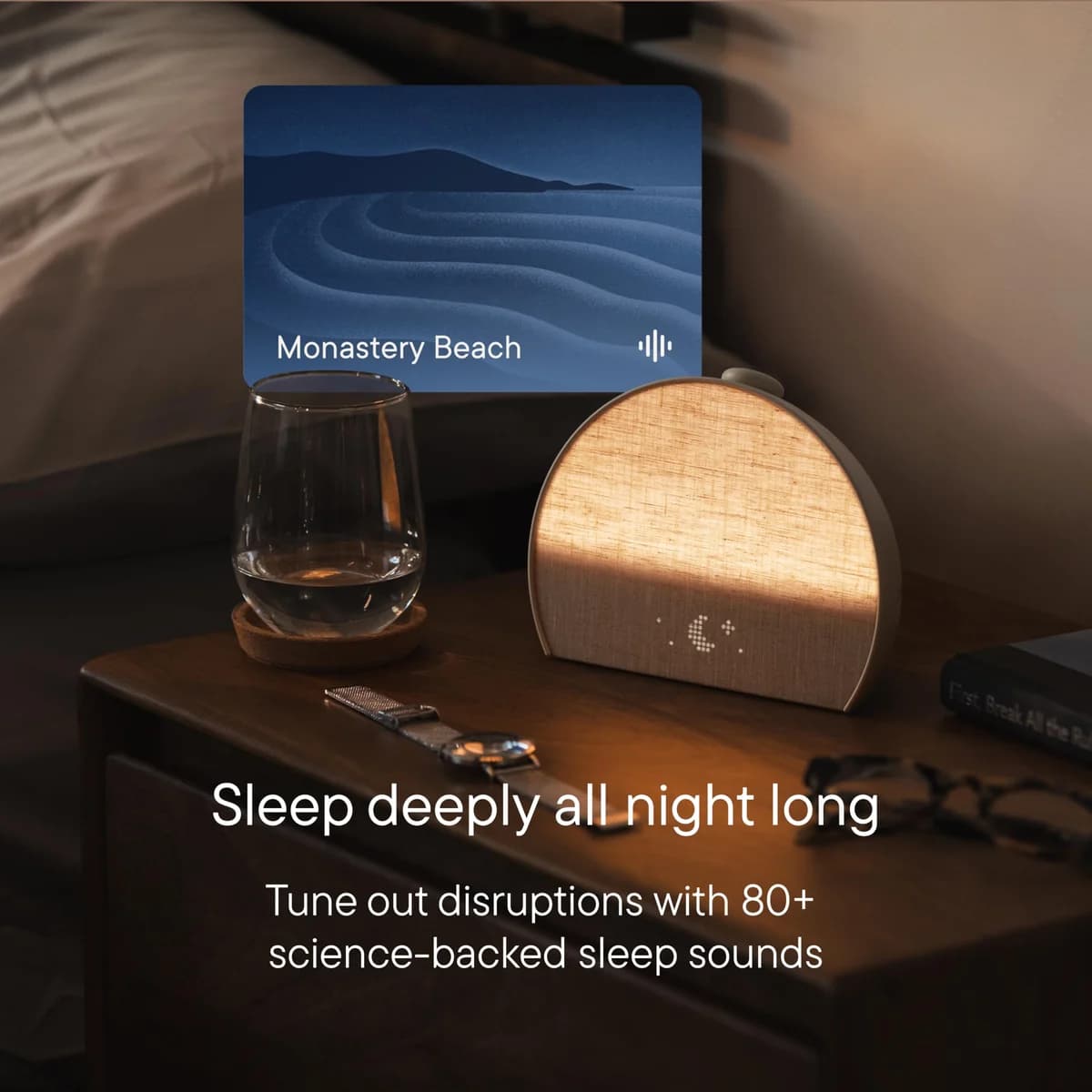
The Hatch Restore 3 is the sleek bedside ritual device that blends a sunrise alarm, a built-in sound library, and tactile bedside controls to help people who struggle with erratic sleep or jarring mornings build calmer routines. Experts praise its richer light, improved speaker, and the new Big Button that genuinely enable phone-free wind downs, while user reports back up better sleep for some but also flag an unstable app and a paywalled Hatch+ catalog that complicate the brand’s promise of an all-in-one system. The sunrise brightness and on-device playback behavior generally match company claims, though top output and premium meditations may require subscription access. At roughly a premium price, it lands as a thoughtful upgrade if you value design and routine, with app reliability and content gating shaping real-world value.


Find Yours
What is your primary goal when seeking wellness and relaxation products?
Answer to find your best matches.

The Scoreboard
Does this improve your life? Considers, health, habits, and environmental impact.
Benefits
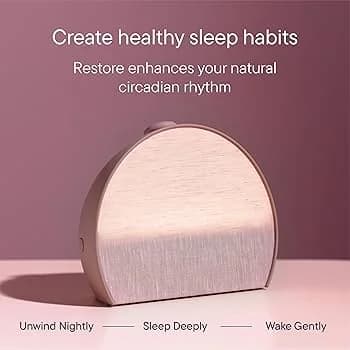
Gradually brightens to wake you gently, reducing jarring alarms and morning grogginess.
Built-in nature and noise tracks help you fall asleep faster and stay asleep.
Large physical buttons let you start routines or snooze without grabbing your phone.
Neutral, compact look fits nightstands and feels like a calm bedroom accessory.
Trade-Offs
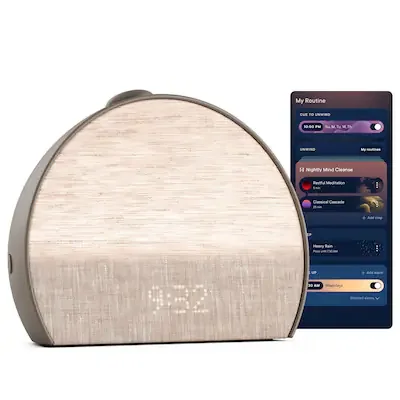
Editing or creating routines requires the app, pulling your phone back into bed.
Needs constant power and a nearby outlet, limiting placement and adding cord clutter.
Weak Wi‑Fi or drops can stop routines or sounds, leaving mornings or nights disrupted.
 Alternatives


Join the Circle
Where real meets deal
Know what's worth buying-and when.
Tips, special offers, and rewards for buying and sharing.

Publications
7 LEADING PUBLICATION REVIEWS

Sarah Felbin of SELF comes away favorably inclined toward the Hatch Restore 3. After a month of real-world use she praises its sleek, minimalist design, pleasant neutral colors, easy bedside controls, and the calming light-and-sound ecosystem that genuinely cut her screen time and improved mornings. She warns the app setup can be fiddly (and crashed during testing), the device depends on Wi‑Fi/Bluetooth and a nearby outlet, and getting the full experience likely requires a $5/month subscription — plus the Restore 3 isn’t a must-upgrade if you already own the Restore 2. Overall her tone is measured and mildly enthusiastic: she considers it a useful, well-designed tool for nudging better sleep habits rather than a miraculous cure, recommended if you want a polished, social-media-friendly alarm that helps you go phone-free.
By Sarah Felbin
WIRED’s Nena Farrell is broadly positive about the Hatch Restore 3 and likes its improvements. She praises the brighter sunrise, richer sound library, and the much-needed physical controls—especially the bedside light and the Big Button—that make it easier to use without a phone. Farrell still calls Hatch the best option for varied soundscapes and notes the Greige color and solid app workflows as wins, while acknowledging the Hatch+ paywall for some content. Criticisms are mild but real: the bedside lamp isn’t as bright as a full bedside light, some soundscape playlists rotate unpredictably, and the sunset mode could be better. Overall the tone is approving and measured—enthusiastic about sound and convenience, cautiously pleased with brightness and hardware refinements, and clear about the product’s remaining minor limitations.
By Nena Farrell
Jordan McMahon at The Strategist is genuinely enthusiastic about the Hatch Restore 3. He praises its sunlike glow, tactile fabric diffuser, and thoughtful on-device controls that let him leave his phone in another room—calling it the company’s best model yet. He’s impressed by the customizable sunrise and unwind/sleep routines, the pleasant narrated sleep shows, and the expanded offline usability with the new Big Button and dedicated light switch. He does flag that the most desirable alarm sounds and expanded routines are gated behind a Hatch+ subscription, but stresses the base unit still offers meaningful features and over 30 sounds without paying. Overall the review reads like a recommendable, measured endorsement from a tested-user perspective: highly approving of design and usability while fairly noting the subscription trade-off.
By Jordan McMahon
Business Insider reviewer Suzy Hernandez is upbeat about the Hatch Restore 3. She praises its phone-free controls, improved sound, generous library of sounds and light options, and thoughtful design that helps establish bedtime routines, calling it a near-ideal pick for sleep enthusiasts; she enjoyed the customizable unwind and sunrise routines and found the device pleasant and effective. Hernandez does flag drawbacks: it depends on Wi‑Fi and the Hatch app for setup and full functionality, has occasional brief connectivity hiccups, and won’t play Bluetooth music or radio without a subscription for premium content. Overall she recommends the Restore 3 for people who want a feature-rich, ritual-focused bedside companion, while noting budget buyers or those who prefer simple alarms or personal music playback might be better off with cheaper alternatives.
By Suzy Hernandez
Julia Fields at The Spruce is clearly sold on the Hatch Restore 3. She praises its calming design, richer app-driven routines, pleasant wake sounds, and new physical buttons that enable phone-free bedtime habits—features she says transformed her sleep in noisy NYC and make it worth buying (especially on sale). She admits the device is a bit large for small nightstands, the repeat-alarm default is mildly annoying for variable schedules, and the sunrise light matters less if you wear an eye mask, but those caveats feel minor next to its routine-building, red-noise sleep options, and improved customization over the Restore 2. Overall the tone is enthusiastic and personal—practical, appreciative, and convincing that this smart alarm is a useful, stylish sleep aid for city dwellers who want to ditch their phones at night.
By Julia Fields
T3’s Bethan Morgan comes away impressed and generally enthusiastic about the Hatch Restore 3. She praises its attractive compact design, easy physical controls, and convincing sunrise-style wake-up that reliably rouses her without oversleeping, plus a wide library of sounds and lights and flexible routines; she even says it’s the best-looking wake-up light she’s tried. Her main caveats are the required Hatch+ subscription after a 30-day trial, occasional app glitches and intrusive pop-ups during setup, and the US plug being inconvenient for UK buyers — issues that mostly affect initial setup rather than day-to-day use. Overall the reviewer recommends the Restore 3 for anyone wanting a well-designed, effective wake-up light, while warning that ongoing subscription costs and app polish may give some buyers pause.
By Bethan Morgan
Brent Dirks at How-To Geek is positively impressed overall. He describes the Hatch Restore 3 as a thoughtfully designed, highly customizable bedside companion that helped him build a consistent sleep routine—praising the new Big Button, versatile lights, extensive Unwind options, and ability to replace a phone-based habit—while acknowledging fiddly initial setup, some annoying sound choices, and the extra cost of the Hatch+ subscription. Dirks enjoyed the device’s build and color options, liked the bedside light and sunrise alarm, and found the app-driven persona and multi-step routines genuinely useful once tuned, but warns it takes time to dial in and that the best experience leans on paid content. In short: effective and well-made for people serious about improving sleep, albeit somewhat expensive and dependent on a subscription for the full benefit.
By Brent Dirks

YouTube
5 LEADING EXPERT & INFLUENCER REVIEWS
 Sleepopolis
Sleepopolis comes away positive about the Hatch Restore 3. They praise its all‑in‑one sunrise alarm, sound machine, and phone‑free routines for improving bedtime consistency and gentler mornings, noting easy setup, tactile on‑device controls, and lots of sounds/colors; downsides include the Hatch+ subscription for premium meditations/stories, higher upfront cost, and that it won’t suit fans of loud traditional alarms. Overall tone is favorable and measured—enthusiastic about routine benefits but realistic about subscription and price tradeoffs.
Optimize Your BiologyDerek is clearly positive about the Hatch Restore 3. He praises its sleek design, polished app, improved brightness, excellent flicker performance, and powerful routine builder that enables phone‑free unwind and wake rituals, while calling out the Hatch+ subscription, some quirky sunrise curves, and the inability to adjust brightness without the app as notable downsides. His testing (lumens/lux, flicker) and personal routine example give the endorsement weight: if you want a premium, ritual‑focused bedside device and don’t mind optional subscription dependence, Derek thinks it’s worth trying—especially with the 30‑day trial.
ashleyariadnaAshleyariadna is pleasantly surprised and upbeat about the Hatch Restore 3. She says the sunrise light plus calming sounds transformed her mornings—especially as a heavy sleeper—after she repositioned it and tweaked brightness and volume, though it didn’t work for her at first until she mastered the app setup. She praises gentler wakeups, improved mood, and easier mornings, but notes initial setup hiccups and that she needed persistence to get it right. Overall she recommends it as a phone‑free, mood‑boosting bedside tool for building better wake routines.
Tate's Take on TechTate says she’s generally positive but measured about the Hatch Restore 3. She likes the sleek design, solid speaker, customizable sunrise alarm, and that it keeps your phone out of the bedroom, calling the free sleep sounds “beefy” and the bedside controls useful; however, she criticizes the clunky app, confusing setup, and aggressive paywall for premium content, and questions whether $169 (plus subscription) is worth it if you don’t care about the light/clock aesthetics. Overall she recommends it for design-minded users who want a phone‑free routine, but warns the app and subscription model are real downsides.
Vivian Davila BeautyVivian Davila is positive about the Hatch Restore 3 and says it’s improved her nights and mornings. She praises the phone-free routine, calming unwind and sleep phases, crisp sunrise alarm, tactile smart knob, and variety of soundscapes (including zodiac and “dreamy destinations”), calling setup easy via the Hatch Sleep app and the device travel‑friendly. She mentions the optional Hatch+ trial/cost but frames it as small and optional. Overall Vivian finds it soothing, worth trying for gentler wakeups and less nighttime phone use, and recommends it for people wanting a more intentional bedtime ritual.

Social
1 INFLUENCER REVIEW
 Maddie Green ⭐️ Austin Texas Runner
Maddie Green is pleasantly surprised and largely positive about the Hatch Restore 3. She says it woke her up instantly and put her in a great mood, helped her get ready fast, and she’s honestly keeping it despite the price. Her main suggestions are feature requests: keep a light on after dismissing the alarm, add a coffee-shop ambient alarm sound, and offer a wake-up routine or motivational/meditation cue tied to a button gesture. Overall enthusiastic and delighted, but curious for small UX and sound additions to make mornings even smoother.

Forum Reviews
CUSTOMER REVIEWS FROM 1 FORUM
Redditors are mixed but leaning negative about the Hatch Restore 3. Many praise the sunrise light and certain sleep sounds for improving routines and sleep quality, with some longtime users happy after switching from phone noise. But frequent complaints center on an unstable, slow app, confusing paywalled content, and reliance on the app to set or edit alarms — issues that push people to return the device. Several users call the subscription model and hidden free-content awkward or scummy; others report hardware glitches. Upgraders worry about losing new sounds, while new buyers mainly fret about app and subscription trust.
Many comments

In-Depth Review

Highlights
- •Extensive sound libraryPromoted as having 80+ science-backed sounds
- •Gentle sunrise wakeDesigned to simulate gradual dawn
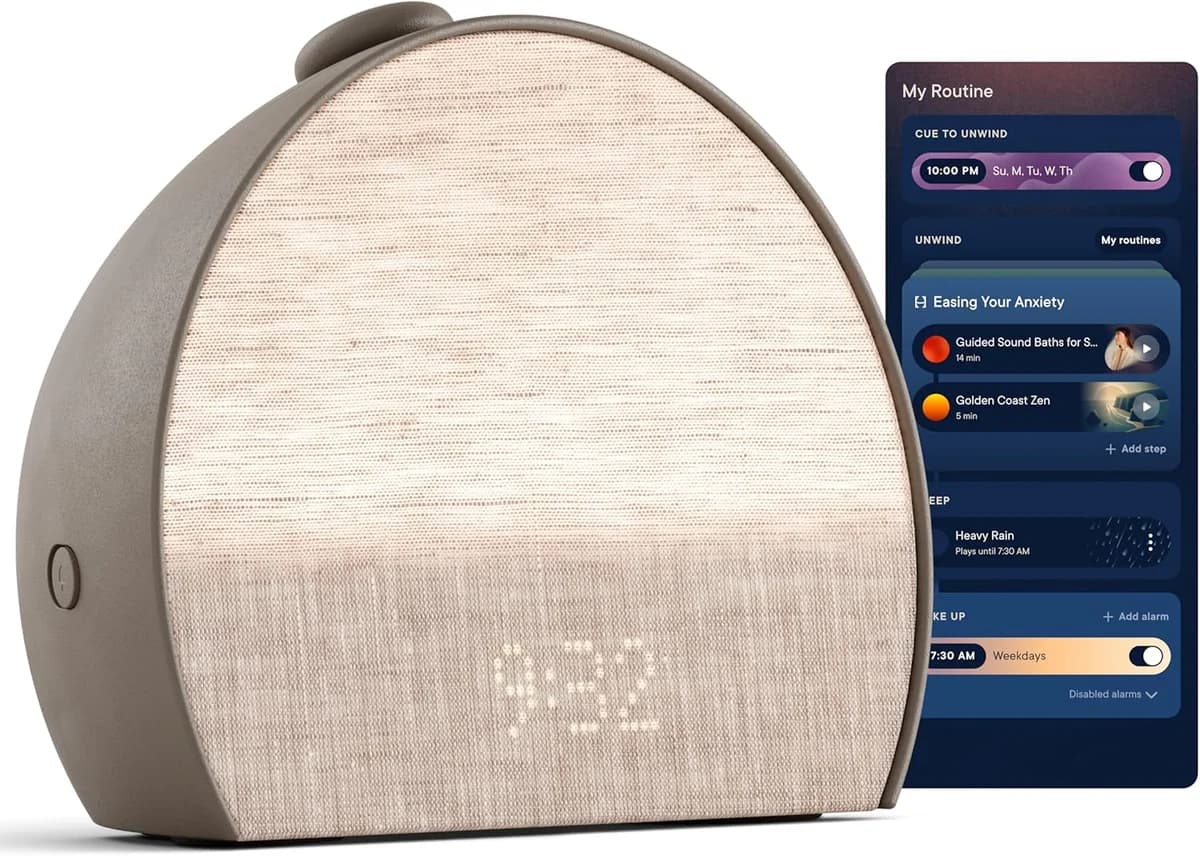
- •Tactile bedside controlsDesigned to run routines without phone
- •Phone-free routine focusMarketed as enabling phone-free bedtime

Considerations
- •Content paywall concernsSubscription locks some premium sounds
- •App setup frictionSetup and edits require app
- •Wi‑Fi dependency problemsWi‑Fi drops affect cloud features
- •Sunrise brightness limitsMax output won't replace room lamp
Hatch has built a tidy reputation for sleep-focused gadgets, and this model positions itself as a premium bedside system that nudges people away from phones and toward steadier routines. Designed primarily to help users fall asleep with calming audio and wake gently with a ramped light, it’s aimed at adults who value ritual over loud alarms—think shift workers easing circadian shifts, parents carving out phone-free wind‑down time, and design-minded buyers replacing cluttered nightstands. In the sections that follow we’ll look at its standout elements: the device’s on-device playback that works offline, the surprisingly nuanced sunrise dimming and diffusion, the ergonomics of the Big Button and bedside controls, real-world notes on 2.4 GHz Wi‑Fi and Bluetooth setup fragility, and the tactile finish of its fabric-diffused build and dimmable clock, comparing those to prior models and rival wake lights; take note of the topics that map to your biggest pain points, because a well-tuned routine can actually make mornings less tragic—read on.
Sunrise brightness
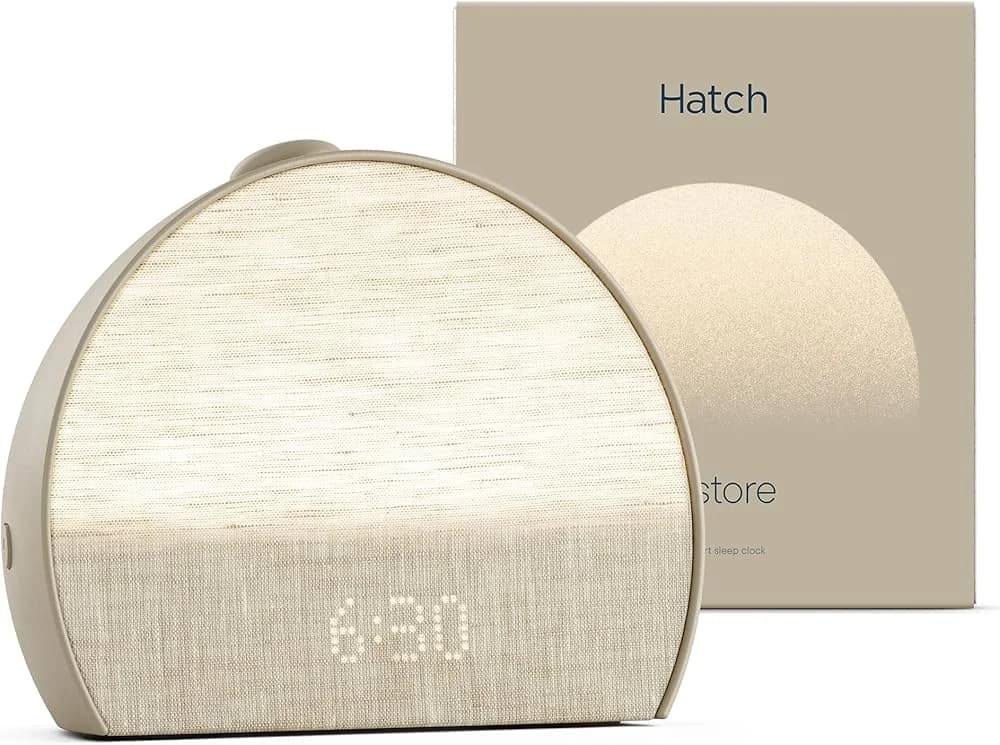
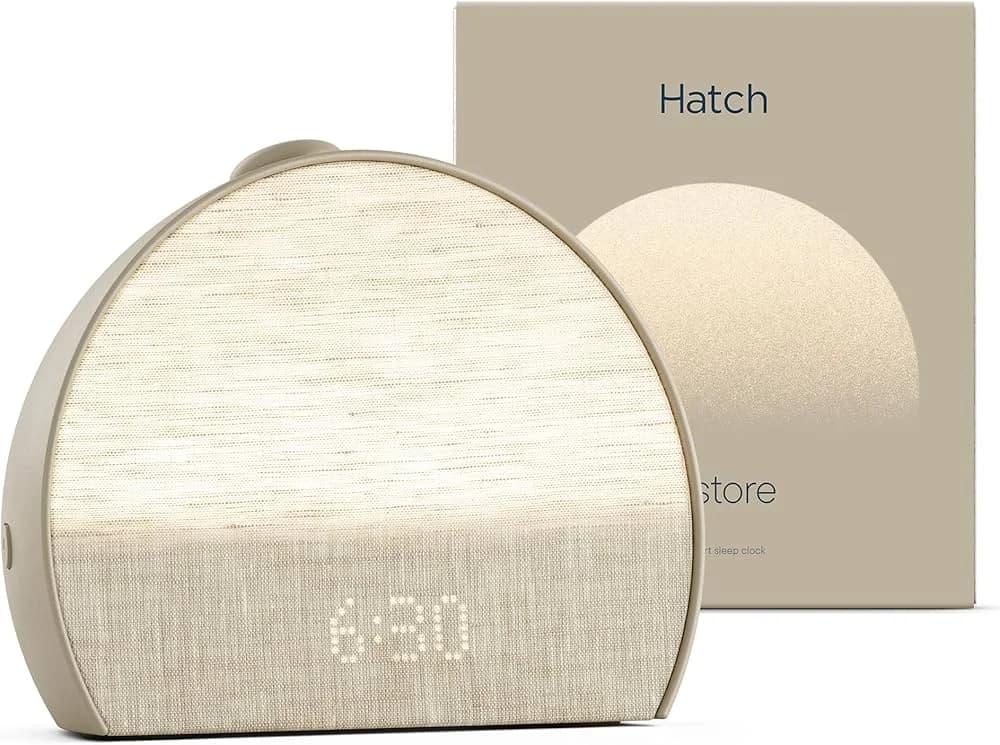
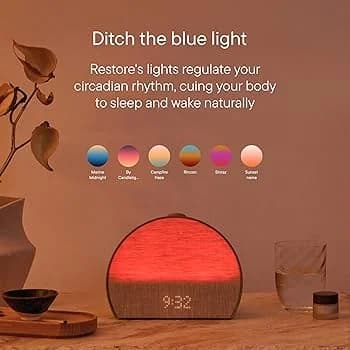
The sunrise effect is a genuine strength, gradually ramping light to mimic dawn and reduce jarring wakeups, with reviewers praising the gradual dawn simulation and adjustable intensity for bedside use. Experts measured improved brightness and low flicker compared with previous models, supporting the brand claim of a more natural wake; however, a few users say the sunrise curve feels quirky at certain settings and maximum output won’t replace a room lamp. Overall it’s effective for light-based circadian cues when you position the fabric-diffused face correctly.
Connectivity reliability
The Restore 3 uses Bluetooth for setup and a 2.4 GHz Wi‑Fi link for ongoing features, which enables cloud-synced routines and content updates but also introduces fragility if your network is weak. User reports and review testing highlight Wi‑Fi dependency as a common friction point, with intermittent drops affecting premium content and cloud-only features, while core on-device playback keeps working when local memory is used. If you value offline reliability, the device’s offline playback capability helps, but expect occasional setup or connectivity headaches.
On-device controls
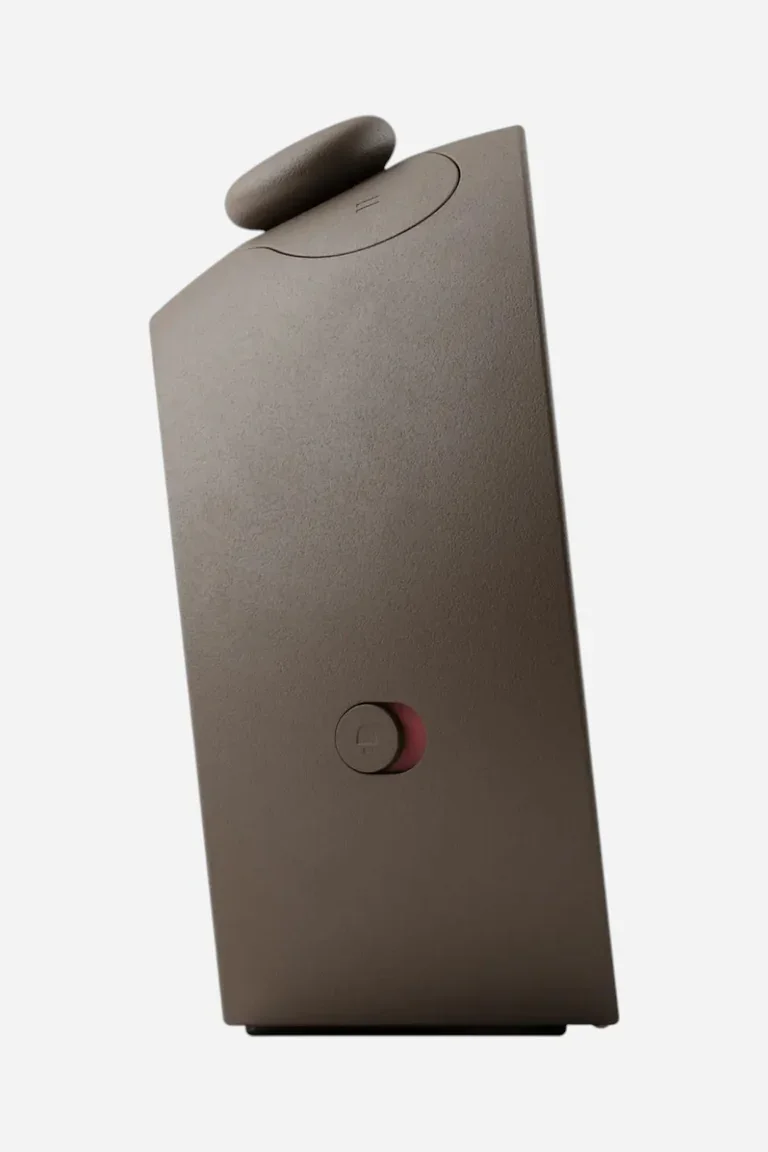
Physical controls are a major usability win, centered on the large tactile Big Button that starts routines and snoozes without the app, plus dedicated buttons for volume and the nightlight for quick adjustments. Critics and reviewers alike note the expanded on-device playback features reduce phone dependence and let core routines run from the unit, though full routine creation still requires the app. The trade-off is clear: you get strong bedside ergonomics and phone-free night use, but some advanced edits need the companion software.
Build and display
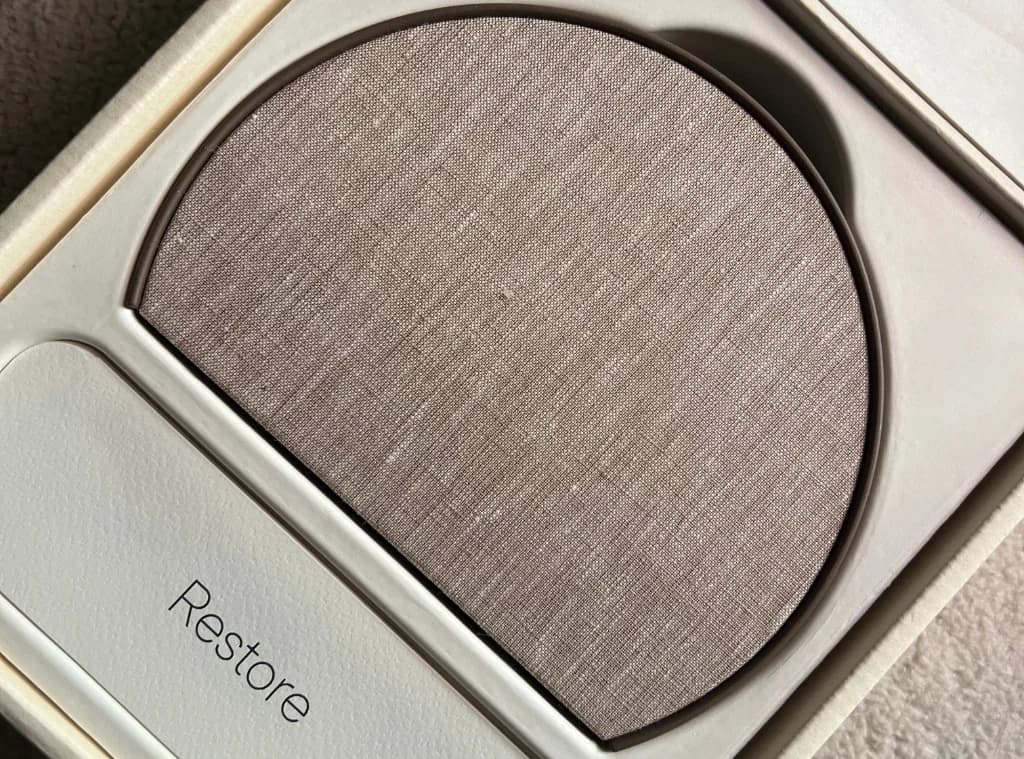
The unit feels well made with an ABS plastic body and fabric diffuser, offering a tasteful minimalist look that reviewers call sleek and nightstand-friendly, and it comes with a dimmable digital clock that won’t blast your room with light. Build feedback praises the fabric-diffused design for softening the sunrise and the dimmable clock for true dark-room usability, though some buyers mentioned size and plug-region issues as minor annoyances. Overall the materials and finish support the product’s premium positioning, even if placement and outlet needs constrain options.
Sound quality
The Restore 3 delivers impressively clear on-device audio that’s tuned for sleep, with a built-in speaker that reproduces white/green/pink noise, nature tracks, and narrated sleep shows without needing your phone. Reviewers and lab testers note improved audio fidelity versus earlier models and confirm the device can play core sounds reliably from on-device memory when Wi‑Fi is flaky. A weakness users report is that some premium guided content is locked behind Hatch+, which affects perceived value even though basic sounds remain usable offline.
Conclusion
Here’s the bottom-line read: after weighing sound, light, controls, connectivity, build and display, the Restore 3 is a thoughtfully engineered bedside system that largely delivers on its promise to help you sleep and wake better—its on-device playback is impressively reliable for core sounds, the sunrise simulation feels natural and softly diffused, and the Big Button ergonomics make phone-free routines genuinely usable; that said, expect occasional Wi‑Fi/Bluetooth fragility during setup or cloud-only features and remember the clock/nightlight won’t replace a full bedside lamp—experts praise the refined materials and users report real routine gains, yet the app-and-subscription trade-offs temper enthusiasm, so this is a smart buy for ritual-minded, design-conscious sleepers who accept some network dependence and app work to unlock the best experience.

Feature Scores
This reflects reviews and ratings from established critics, journalists, and users who have evaluated the item. Their opinions provide a comprehensive assessment.
Performance
Effectiveness in Relaxation
4/5
Consistency of Results
4/5
Durability
4/5
Portability
3/5
Battery Life
1/5
Value
Value for Money
3/5
Warranty and Support
4/5
Cost of Consumables
3/5
Design
Ergonomic Comfort
4/5
Aesthetic Appeal
5/5
Intuitiveness of Controls
4/5
Health
Hypoallergenic Materials
TBD
Chemical Exposure Risk
TBD
Long-Term Health Impact
TBD
Safety
Electrical Safety
4/5
Thermal Safety
4/5
Mechanical Hazard Controls
4/5
Sustainability
Recyclability
3/5
Sustainable Materials Use
4/5
Packaging Waste
3/5
Experience Style
Customizability of Experience
4/5
Noise Level
4/5
Maintenance Ease
4/5

Specifications
This section outlines the product's key facts, covering essential features, details, dimensions, materials, and any unique characteristics that define its functionality and usability.
Performance
Value
Design
Safety
Sustainability
Experience Style

Frequently Asked Questions
9 Questions

Also Consider
3 Options
Find Yours
What is your primary goal when seeking wellness and relaxation products?
Answer to find your best matches.