

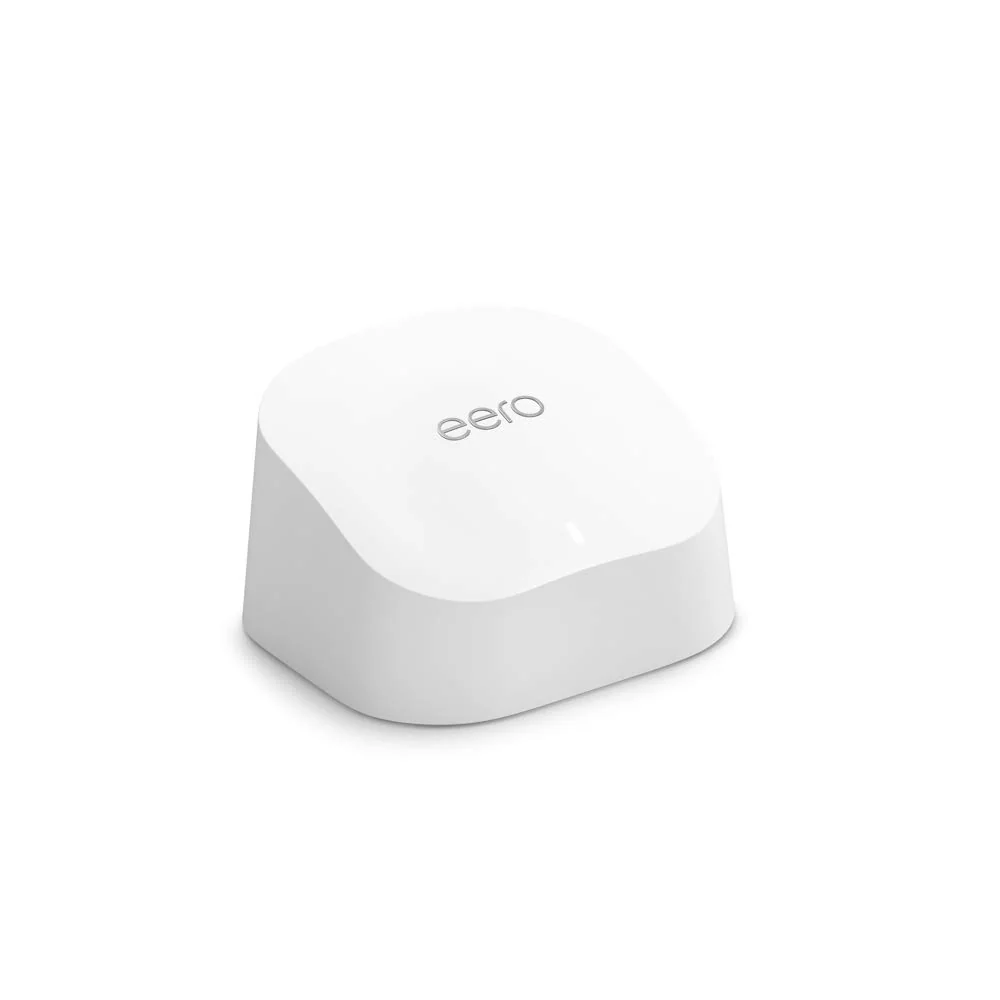
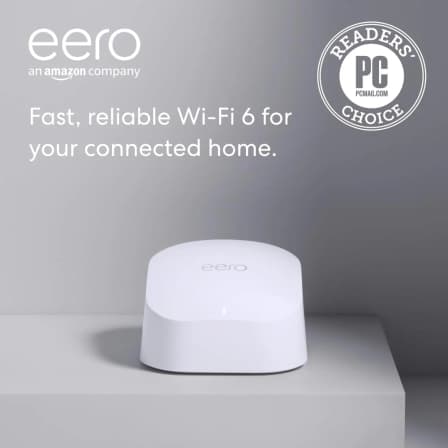
eero 6
Easy-to-use Wi-Fi 6 mesh with smart home hub and solid coverage, but limited Ethernet and band steering.
The eero 6 is a friendly Wi-Fi 6 mesh router designed to rescue homes plagued by dead zones and smart-home chaos. Tailored for users craving effortless setup and solid coverage across typical spaces, it delivers on its promise with an intuitive app and reliable TrueMesh traffic routing. Experts praise its built-in Zigbee hub, but call out the sting of limited Ethernet ports and hit-or-miss band steering that can throttle speeds. For those seeking straightforward performance without breaking the bank, this system offers smart perks at a fair price—though power users may find its dual-band design slightly underwhelming in wired flexibility.




Find Yours
What is the approximate size of your home or area needing WiFi coverage?
Answer to find your best matches.

The Field
Browse top contenders, or compare all options ranked by score and key attributes.
5 Options




The Scoreboard
Does this improve your life? Considers, health, habits, and environmental impact.
Benefits
Dual‑band mesh provides consistent signals, reducing buffering and stress during remote work and streaming.
Integrated Zigbee hub cuts extra hubs and clutter, simplifying smart‑home setup and lowering cognitive load.
Intuitive app and guided setup cut technical friction, lowering stress and setup time for users.
Automatic firmware updates and optional protections reduce attack risk, easing privacy-related worry and maintenance.
Trade-Offs
Dual‑band design sometimes leaves devices on slow 2.4GHz, causing lag and frustration during telework.
Only two gigabit ports restrict wired backhaul, which can limit reliability for wired‑heavy setups.
Cloud‑managed platform and subscription‑locked features limit local control, affecting privacy and user autonomy.
Integrated sealed design and typical electronics lifecycle increase e‑waste and lower repairability, raising environmental impact.
 Alternatives


Join the Circle
Where real meets deal
Know what's worth buying-and when.
Tips, special offers, and rewards for buying and sharing.

Publications
5 LEADING PUBLICATION REVIEWS

Ry Crist from CNET highlights the Eero 6 as an affordable Wi-Fi 6 mesh router with some forward-looking features like built-in Zigbee radios and a user-friendly app, making setup simple and accessible. However, despite its value pricing, the review expresses clear disappointment with the device’s real-world performance, particularly its poor band-steering that often leaves users stuck on the slower 2.4GHz band, causing speeds to drop by as much as 80%. The Eero 6’s dual-band design and limited Ethernet ports further constrain its capabilities compared to tri-band competitors. While the system maintains a stable connection without drops, its average speeds lag behind even some older Wi-Fi 5 routers. Crist acknowledges the potential for improvement through upcoming software updates but ultimately finds the Eero 6 underwhelming and unable to fully leverage Wi-Fi 6 benefits, recommending shoppers consider higher-end tri-band options or even top-performing Wi-Fi 5 systems for better performance.
By Ry Crist
RTINGS highlights the eero 6 as a solid dual-band Wi-Fi 6 router that excels in ease of use, sleek design, and smart home integration, making it well-suited for apartments, condos, or small houses. The review emphasizes its very good top speeds and decent range, especially when used in a mesh setup with additional access points. Unique features include built-in Zigbee and Amazon Alexa compatibility, plus support for DFS channels to improve performance in congested environments. However, the reviewer notes limitations such as only two single-gigabit Ethernet ports, which restrict wired device speeds, and the need for a paid subscription to unlock advanced app features like ad blocking and VPN. The eero 6 also cannot fully leverage newer Wi-Fi 6E or 7 devices. While it offers reliable coverage and performance for typical household use, the review suggests those seeking more configurability or multi-gigabit support might consider alternatives or the newer eero 7.
By Alexander Tozzi
David Ludlow from Trusted Reviews praises the eero 6 as a solid, budget-friendly mesh Wi-Fi 6 system that delivers stable and respectable speeds suitable for most households. He highlights its easy setup, compact design, and useful integration with Alexa, including Zigbee and Thread smart home hubs. The review appreciates the value-added subscription features like network-wide ad-blocking, content filtering, and internet backup, which enhance security and convenience. However, Ludlow points out notable limitations, especially the restricted Ethernet port availability—only on the router unit—and the absence of tri-band support, which affects performance compared to pricier alternatives. While the eero 6 performs well in real-world speed tests and offers good coverage, the slightly faster eero 6+ with more Ethernet ports is recommended for users needing better wired connectivity or higher throughput. Overall, the eero 6 stands out as a straightforward, affordable option with smart home perks but is somewhat eclipsed by its own upgraded sibling.
By David Ludlow
Thomas Newton from Tech Advisor highlights the eero 6 as a user-friendly, compact, and competitively priced whole-home mesh Wi-Fi system that effectively upgrades the original eero with Wi-Fi 6 support and an integrated Zigbee hub for smart home connectivity. He praises its simple setup process, intuitive app, and reliable coverage across large homes, noting the system’s ability to intelligently switch devices between 2.4GHz and 5GHz bands for optimal performance. Speed tests demonstrate significant improvements over traditional routers, especially with Wi-Fi 6 devices. However, Newton points out some limitations, such as the lack of Ethernet ports on extenders and slower handover times between access points, which may frustrate impatient users. The subscription-based advanced features are also seen as a drawback compared to competitors offering similar functionality without ongoing fees. Overall, the eero 6 is recommended as a solid, hassle-free mesh solution, particularly attractive during sales, though power users might consider the tri-band eero 6 Pro or alternatives with more wired connectivity.
By Thomas Newton
John Velasco from Digital Trends highlights the eero 6 as a well-rounded, affordable Wi-Fi 6 mesh system tailored for growing smart homes. He praises its whole-home coverage with easy extender deployment, seamless device management via a user-friendly app, and convenient Alexa voice controls, including a built-in Zigbee hub that simplifies smart device integration within Amazon’s ecosystem. Velasco notes solid speed improvements over his previous router, especially from the main unit, and appreciates the system’s automatic node selection for optimal connectivity. However, he points out limitations such as the limited number of Ethernet ports on the router and the absence of ports on extender nodes, which could restrict wired device connections. While the minimalist design is functional, the one-year warranty is modest. Compared to pricier alternatives like Google Nest Wi-Fi, the eero 6 offers strong value, though it lacks some smart speaker functionality. Overall, Velasco presents the eero 6 as a practical, easy-to-use choice for consumers seeking reliable mesh networking without a hefty price tag.
By John Velasco

YouTube
3 LEADING EXPERT & INFLUENCER REVIEWS
 landpet
landpet praises the eero 6 for its easy setup, solid Wi-Fi 6 speeds, and built-in Zigbee smart home hub, making it a strong choice for homes with internet plans up to 500 Mbps. While the router delivers consistent coverage and performs best with Ethernet backhaul, minor app bugs and limited range compared to the larger eero Pro 6 are noted. Overall, it offers good value for its price, especially in mesh configurations.
Cam // Power MovesCam from Power Moves praises the eero 6 as an easy-to-use, stable dual-band Wi-Fi 6 system ideal for homes under 4,000 sq. ft. and internet speeds up to 500 Mbps. He highlights its sleek design, seamless device handoff, and user-friendly app but notes limited Ethernet ports and slower speeds compared to tri-band models.
FAB Automotive Detailing & Tool ReviewsFAB Automotive Detailing & Tool Reviews praises the eero 6 dual-band mesh Wi-Fi system for significantly improving Wi-Fi coverage in challenging spaces like detached garages. The reviewer highlights easy setup, sleek design, and reliable performance supporting multiple devices. Minor issues include occasional brief outages and slower-than-advertised initial setup, but overall, it delivers excellent value and dependable connectivity.

Store Reviews
CUSTOMER REVIEWS FROM 1 STORE
Amazon users praise the eero 6 for its straightforward setup and dependable mesh WiFi performance. Many highlight how effortlessly the system integrates through the intuitive app, allowing even non-technical users to extend coverage seamlessly across challenging home layouts, including thick walls and outdoor sheds. Reviewers emphasize the router’s strong signal strength and consistent speeds, noting improvements such as stable Wi-Fi 6 connections and smooth streaming without buffering. Several customers appreciate the compact design of the add-on extenders, which blend discreetly into living spaces while effectively eliminating dead zones. Users also point out unique details like the system’s ability to monitor connected devices via the app and the convenience of automatic password handling during setup. However, some mention limitations such as having only one extra Ethernet port per unit, which restricts wired connections for multiple devices. A few reviewers report occasional connectivity drops with extenders, reflecting mixed experiences in signal reliability. Despite these minor drawbacks, many find the eero 6 a worthwhile investment that can replace costly rented routers from internet providers, ultimately saving money and enhancing home network quality. Overall, Amazon customers recommend the eero 6 for its ease of use, solid coverage, and modern features tailored to diverse home environments.
4.4 Stars / Many verified reviews

Forum Reviews
CUSTOMER REVIEWS FROM 1 FORUM
Reddit users generally view the eero 6 as a reliable and user-friendly mesh Wi-Fi system that performs well for typical home use, especially in setups with multiple devices and wired backhaul. Many appreciate its straightforward setup, stable connectivity, and effective coverage, though some note limitations in advanced features and customization options. Performance is praised for handling gigabit speeds wired, but Wi-Fi speeds can vary, with some users experiencing occasional connectivity issues or device compatibility quirks. While new shoppers find it a solid choice for ease of use, upgraders sometimes express mixed feelings due to modest improvements over previous models and occasional firmware-related problems. Overall, the eero 6 is seen as a good balance of simplicity and performance, though not ideal for networking enthusiasts seeking extensive control.
Many comments

In-Depth Review

Highlights
- •Setup simplicityApp‑guided onboarding
- •TrueMesh coverageDesigned to route traffic
- •Built‑in Zigbee hubBuilt‑in Zigbee smart hub
- •App management & updatesAutomatic updates enabled
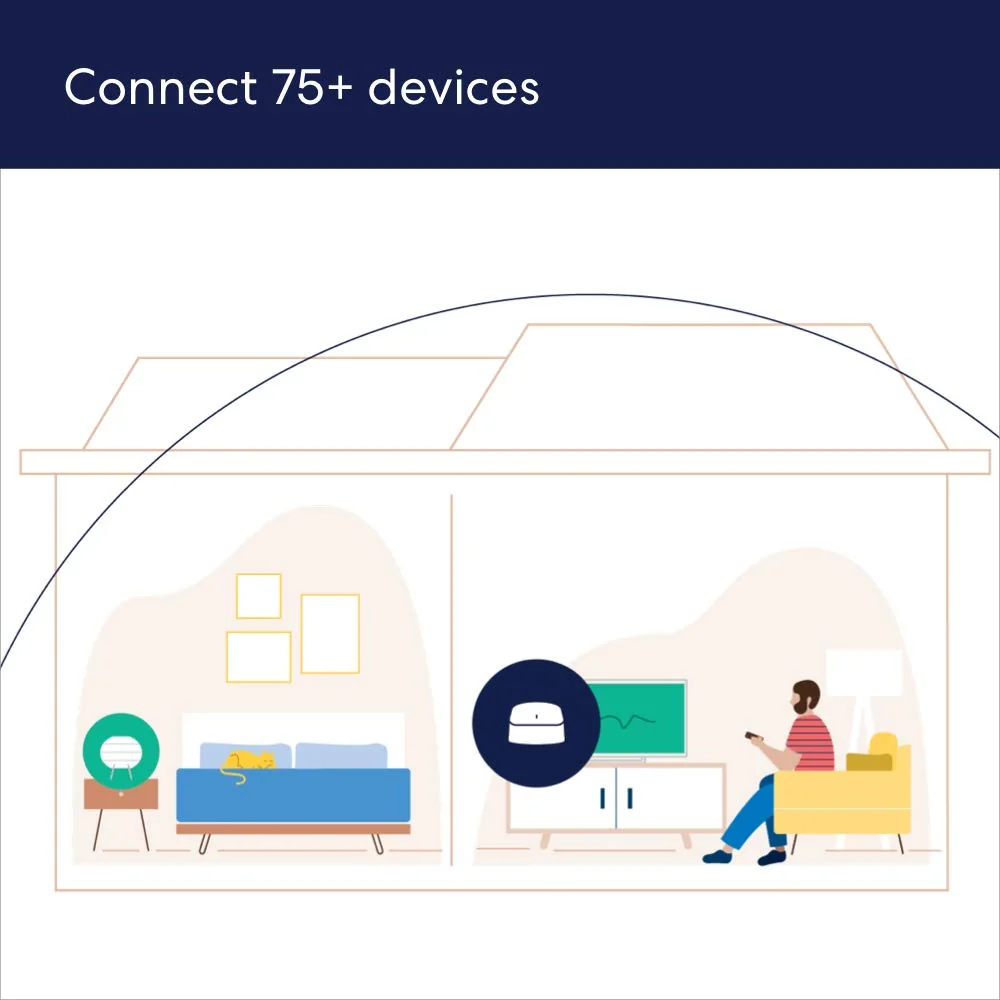
- •High device supportSupports 75+ devices
- •Compact design & portsCompact white enclosure

Considerations
- •Inconsistent band steeringDevices can stick to slower band
- •No Ethernet on extendersNo Ethernet on satellites
- •Subscription gatingAdvanced security behind paid plan
- •Limited advanced controlsFew granular routing options
- •Occasional reconnectsPeriodic drops or reboots reported
- •Dual‑band throughput limitNo tri‑band backhaul option
The eero 6, from a well-known mesh networking brand, is designed to bring reliable Wi-Fi 6 connectivity into homes craving seamless coverage and smart home integration. Marketed as an easy-to-use system supporting up to 1,500 square feet of coverage and handling 75+ connected devices, it aims to keep multiple gadgets streaming smoothly without dead zones or buffering. Its TrueMesh technology promises intelligent traffic routing for consistent performance across rooms. Notably, the built-in Zigbee smart home hub simplifies Alexa device management—an edge for smart-home enthusiasts seeking convenience without extra hubs. While its compact design offers placement flexibility, users should weigh the limited Ethernet ports on extenders against their needs for wired backhaul options. This product suits households looking for straightforward setup paired with modern wireless standards but mindful of modest throughput ceilings in dual-band configurations. Let’s unpack how these features stack up in real-world use—and whether this router hits the sweet spot you’re after.
Ethernet & backhaul options
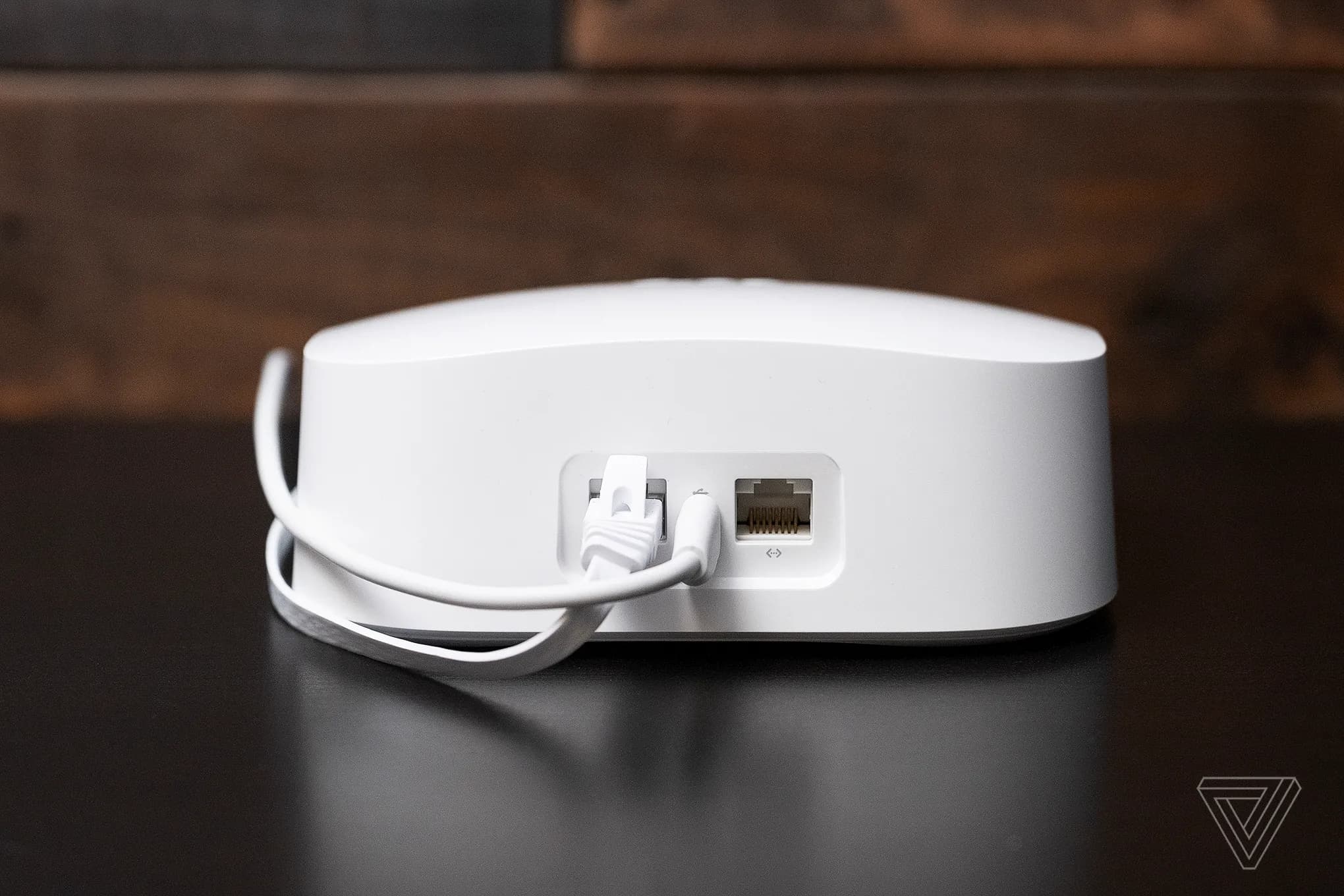
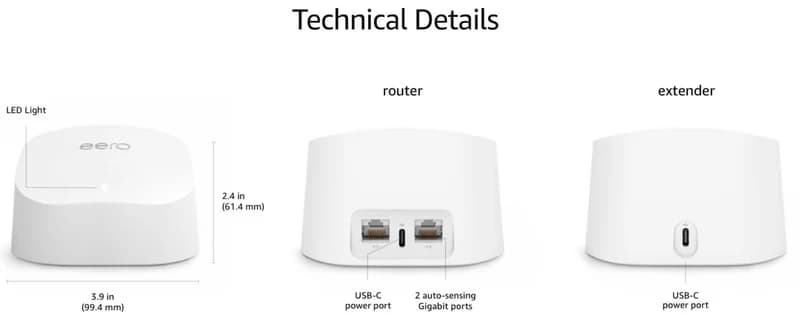
Equipped with two auto-sensing Gigabit Ethernet ports only on the main router unit, wired connectivity offers flexibility for connecting switches or devices needing stable links; however, extenders lack Ethernet jacks entirely which restricts hardwired backhaul possibilities commonly valued by advanced setups aiming for optimal speed consistency across mesh nodes—a limitation noted in expert reviews that tempers appeal among networking enthusiasts despite adequate baseline functionality for most households.
Throughput (real‑world speed)
Rated at AX1800 speeds supporting up to 900 Mbps internet plans, real-world throughput aligns closely with expectations when near routers but dips on wireless hops due to dual-band constraints and sometimes inconsistent band steering. Despite these limitations, many praise smooth streaming of multiple 4K videos simultaneously as evidence of dependable bandwidth handling under everyday conditions—though power users seeking gigabit-plus wireless may find it somewhat modest compared with pricier tri-band systems.
Setup simplicity
Setting up this router is a breeze thanks to the eero app’s intuitive interface and straightforward onboarding process. Users can expect a quick start with Bluetooth pairing, guided network naming, and password creation. This ease lowers barriers for non-technical users while maintaining solid control over their home networks. While some report minor hiccups during setup, overall it lives up to claims of delivering simple mesh installation that even novices appreciate—making configuration feel less like a chore and more like an accomplishment.
Wi‑Fi coverage & mesh scaling
With advertised coverage reaching about 1,500 square feet per device, this system delivers reliable whole-home Wi-Fi through its TrueMesh technology, which intelligently routes traffic to reduce dead spots. Expansion options let users add nodes seamlessly for broader range without complex setups. Some feedback notes excellent performance extending into garages or patios but occasional connection drops highlight real-world limits in dense or large spaces—a fair trade-off given its price point and focus on typical household sizes.
Conclusion
Balancing simplicity and smart tech, this router shines brightest in setup simplicity, where its app turns network chaos into child’s play. Its Wi‑Fi coverage & mesh scaling impress with reliable range for typical homes, though some signal dips hint at limits beyond average layouts. While the throughput delivers solid real-world speeds near routers, users navigating multiple hops may notice bandwidth thinning. The lack of Ethernet ports on extenders trims backhaul flexibility—a trade-off in wired connectivity options. Still, the built-in Zigbee smart-home hub integration adds genuine convenience for Alexa fans without extra hubs cluttering shelves. Overall, reliability holds firm despite occasional hiccups reported by users and experts alike. This system suits those craving fuss-free installation paired with steady performance but leaves power users eyeing richer features elsewhere—making it a savvy pick for straightforward home networking needs wrapped in modern wireless standards and smart integrations that matter most today.

Feature Scores
This reflects reviews and ratings from established critics, journalists, and users who have evaluated the item. Their opinions provide a comprehensive assessment.
Performance
Coverage Range
4/5
Maximum Throughput
4/5
Real-World Throughput
4/5
Latency Performance
4/5
Connection Density
4/5
Roaming Seamlessness
4/5
Backhaul Flexibility
3/5
Reliability
4/5
Firmware Update Frequency
4/5
Value
Price to Performance
4/5
Total Cost of Ownership
4/5
Warranty Coverage
3/5
Design
Aesthetic Integration
4/5
Size and Placement Flexibility
4/5
Heat Generation
4/5
Safety
Data Security Features
4/5
Sustainability
Energy Efficiency
4/5
Experience Style
Setup Simplicity
5/5
Mobile App Quality
4/5
Customization Options
3/5
Parental Controls
4/5

Specifications
This section outlines the product's key facts, covering essential features, details, dimensions, materials, and any unique characteristics that define its functionality and usability.
Performance
Value
Design
Safety
Sustainability
Experience Style

Frequently Asked Questions
11 Questions



Find Yours
What is the approximate size of your home or area needing WiFi coverage?
Answer to find your best matches.