WHOOP 5.0
Screenless, 14+ day battery, 24/7 recovery coaching praised—subscription and strap tradeoffs apply.
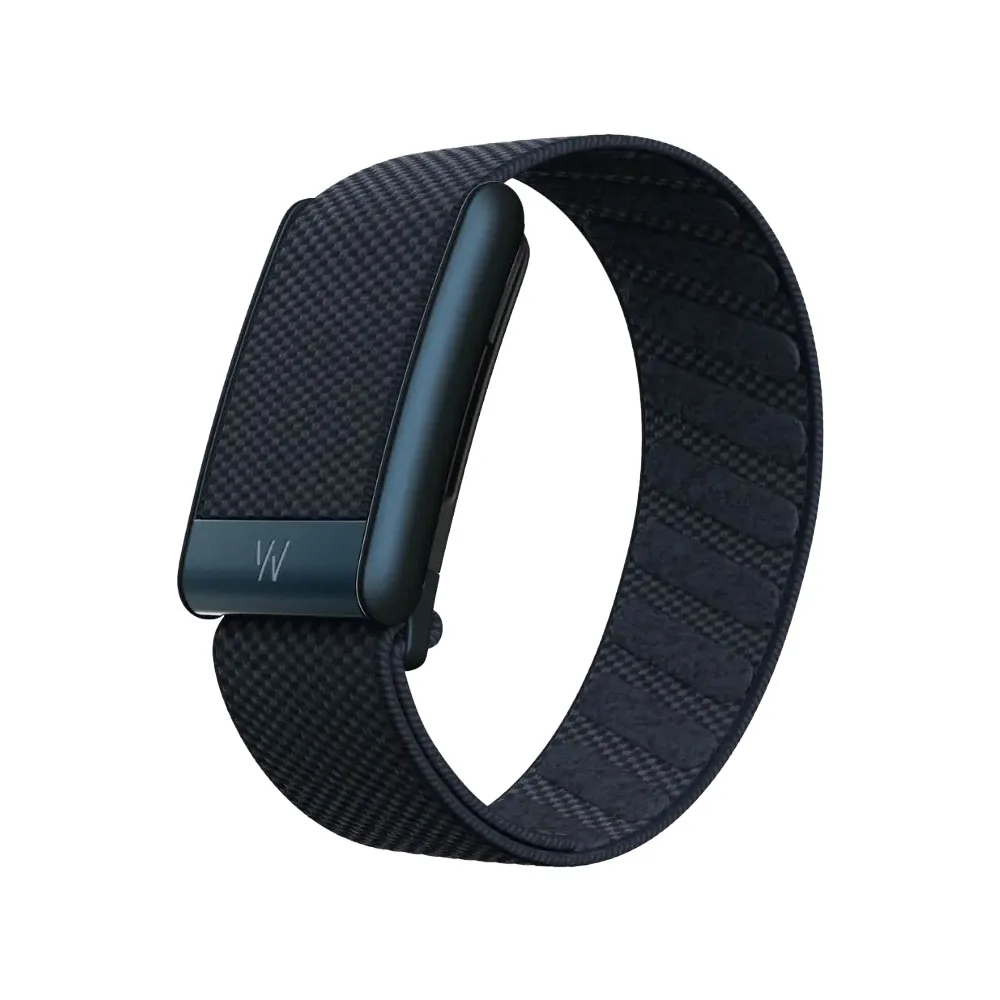
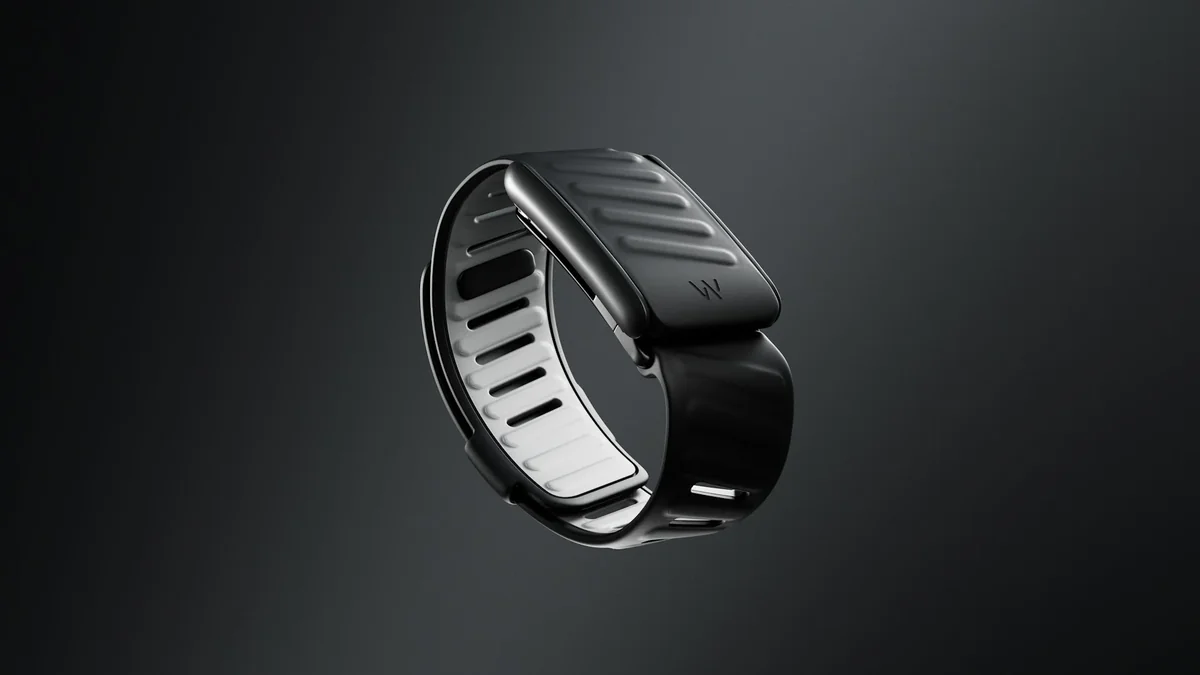
The WHOOP 5.0 is the no-nonsense, screenless wearable built to be a bedside coach for people who want clearer signals about rest and training rather than a smartwatch full of distractions. Designed for athletes and committed biohackers who need continuous 24/7 tracking, it delivers a genuinely useful 14+ day battery life and an on-wrist wireless PowerPack that reviewers and testers say meaningfully reduces charging friction. Experts praise its deeper sleep and recovery analytics while real-world users and forums note occasional heart-rate and strap durability quirks, so brand claims about precision are promising but not flawless. Given the subscription gating and accessory ecosystem, weigh ongoing costs against the device’s coaching strength, these tradeoffs largely shape the product’s practical value.
Find Yours
What is your primary goal for an activity tracker?
Answer to find your best matches.

The Field
Browse top contenders, or compare all options ranked by score and key attributes.
5 Options



The Scoreboard
Does this improve your life? Considers, health, habits, and environmental impact.
Benefits
Keeps tracker on for 14+ days, so you sleep and train without daily charging.
Barely noticeable overnight; lets you sleep naturally while capturing deep sleep data.
Personalized insights nudge better training and rest decisions without guesswork.
Passive monitoring consolidates sleep, strain, and recovery into one daily snapshot.
ECG and blood-pressure insights offer extra peace of mind for heart monitoring.
Trade-Offs
No screen means you must pull your phone to check time or notifications.
After swimming or sweaty workouts, fabric straps stay damp and rub the skin.
On small wrists the band can dig in during sleep or heavy lifting.
During intense intervals, heart-rate misreads can misstate strain and recovery recommendations.
 Alternatives


Join the Circle
Where real meets deal
Know what's worth buying-and when.
Tips, special offers, and rewards for buying and sharing.

Publications
9 LEADING PUBLICATION REVIEWS

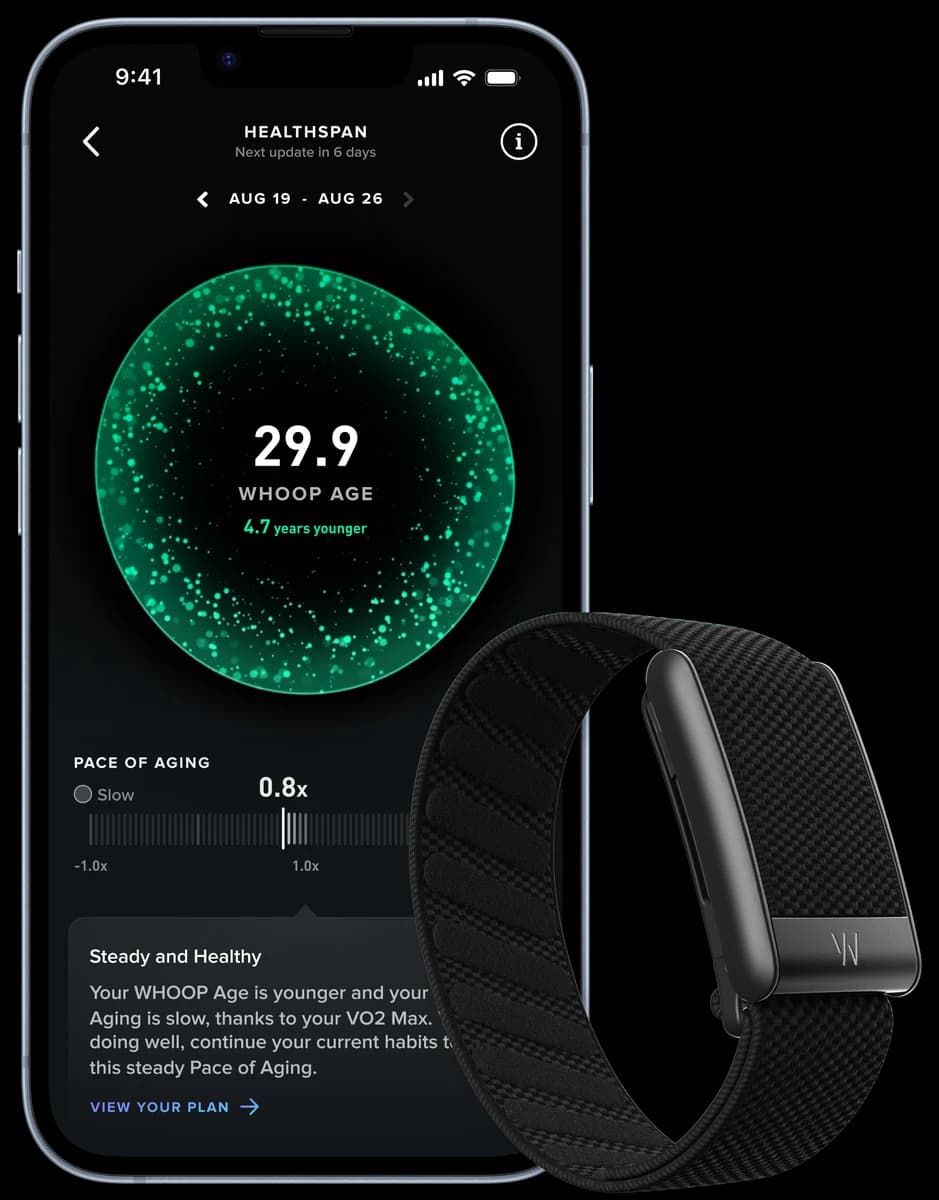
Wareable’s Conor Allison is cautiously impressed. He calls Whoop 5.0 a big, thoughtful pivot toward long‑term health—praising Healthspan, Advanced Labs, the beta blood‑pressure insights, much better battery life, and a snappier app—while still warning that inconsistent wrist heart‑rate readings and a pricey, subscription‑tiered model temper the enthusiasm. After testing the MG for a week (and years on older Whoop units), he finds the new features genuinely compelling for anyone focused on longevity and physiological insights, but stresses that HR variability across activities undermines Whoop’s core Strain and recovery calculations for users who need precise workout HR data. Overall the tone is upbeat but measured: this feels like a monumental step forward for health tracking, worth it if you value deep, long‑term metrics and don’t mind paying or tolerating some sensor quirks.
By Conor Allison
PCMag’s Andrew Gebhart is generally positive about the Whoop 5.0. He praises its much-improved battery life, accurate heart-rate and stress tracking, comfortable band, and useful long-term health features, and says it matches the pricier Whoop MG for everyday accuracy. That enthusiasm is tempered by clear reservations: the subscription-only model at $239/year makes it an expensive long-term commitment compared with Fitbit and Oura, the band’s utilitarian look limits versatility with dressier outfits, the app is crowded and sometimes prescriptive rather than granular, and the haptic alarm is frustrating in practice. Overall Gebhart recommends the Whoop 5.0 if you’re committed to the brand and value 24/7 biometric coaching, but suggests budget- or design-conscious buyers consider alternatives like the Fitbit Charge 6 or Oura Ring 4.
By Andrew Gebhart
Tom's Guide’s Jane McGuire is generally positive about the Whoop 5.0 and Whoop MG. She praises the lighter, smaller design, impressive two-week battery, improved processor and accurate sleep and recovery tracking, calling the MG’s ECG and Healthspan features standout additions for athletes or those wanting deeper medical insights. At the same time she flags the new membership tiers as a real drawback — the top-tier is pricey and the basic plan omits key sensors — and notes minor nuisances like soggy fabric after swimming and incompatibility with older accessories. Overall the review leans favorable and measured: the hardware and new features justify an upgrade for serious users, but casual buyers should weigh the yearly membership costs before committing.
By Jane McGuire
Digital Trends’ Andy Boxall is cautiously positive about the Whoop 5.0. He appreciates its comfort, durability and exceptional two-week battery life, and praises the app’s deep dataset and varied activity tracking—especially the intriguing Healthspan/Pace of Aging insights—yet he’s underwhelmed by the chunky, unsubtle hardware and the cluttered, sometimes unfriendly app presentation. Boxall emphasizes that Whoop’s lack of a screen and focus on health metrics can be a strength for distraction-free tracking, but the subscription model (and tiered feature locks) makes it costly and harder to justify versus smartwatches or rings that offer similar sensors without ongoing fees. Overall he finds the Whoop competent and useful for serious fitness fans who value data and long battery life, but not clearly superior enough to recommend broadly given its appearance, price structure, and only modest motivational edge.
By Andy Boxall
CNET’s reviewer Nasha Addarich Martínez is generally positive about the Whoop 5.0. After 11 months of hands-on use she praises its improved battery life, faster processors, sleeker fit and powerful recovery and Healthspan insights—calling the menstrual-cycle and Whoop Age features especially useful for training and long-term tracking—while noting trade-offs like the screenless, retroactive tracking model and disappointing default fabric band that traps moisture. She recommends the Peak membership for most users, questions whether the costly Life/MG tier is worth it unless you need ECG or blood-pressure monitoring, and compares favorably to Oura for performance-focused cycle coaching. Overall the tone is measured and upbeat: the reviewer values Whoop’s data-driven coaching and longevity features while candidly pointing out practical annoyances and membership complexity.
By Nasha Addarich Martínez
Claire Maldarelli (Gizmodo) is cautiously positive about the Whoop 5.0. She appreciates that the smaller, screenless band and long battery life make continuous, passive tracking less intrusive than before, and she found the app’s strain, sleep, and recovery insights compelling—especially for serious athletes—but she’s wary of the device’s relentless 24/7 wear requirement, subscription model, and occasional discomfort on small wrists. Maldarelli calls the data deep and sometimes overwhelming, notes that health outcomes tied to wearing Whoop remain murky (and that existing studies are often Whoop-funded), and suggests the tracker is most valuable to highly committed users training for performance rather than casual fitness fans. Overall, the review feels measured and mildly enthusiastic: impressed by the tech and potential, but realistic about who will truly benefit.
By Claire Maldarelli
WIRED’s Adrienne So is cautiously positive about the Whoop 5.0. She appreciates its unique, always-on approach, solid sleep tracking that aligns closely with her Oura, improved Whoop Coach, and new Healthspan, Pace of Aging, and cardiac features — especially the MG’s potential for early-warning blood-pressure signals — but she’s frustrated by tiered paywalls, inconsistent step and Strain measurements, lack of onboard GPS, flaky haptics, and battery life that fell short of claims. Her tone is measured: she admires Whoop’s niche strengths for recovery-focused users and lifters who value continuous metrics and novel cardiac insights, yet warns everyday active people that Strain can feel dismissive of ordinary activity and that some features still need calibration or validation. Overall she likes the direction and unique data Whoop provides, but recommends buying the MG only if you accept the subscription trade-offs and current limitations.
By Adrienne So
Emilie Lavinia of The Independent comes away genuinely impressed and upbeat about the Whoop 5.0. She praises its smaller, lighter design, much-improved battery life, stylish waterproof straps, and thoughtfully expanded app features — especially the AI coach, Healthspan longevity tools, and the long-requested step counter — and says it meaningfully improves on the 4.0. She also flags important caveats: the device leans heavily on the app (no watch face), some may dislike subscription tiers and cost, and regulatory questions around the MG/blood-pressure claims merit caution. Her testing was hands-on and comparative, and she reports measurable personal gains in sleep, VO2 max and habits, so the tone is enthusiastic but measured rather than blindly promotional — a strong recommendation for committed users who value coaching and long-term tracking, less so for casual or budget-conscious buyers.
By Emilie Lavinia
ZDNET’s Nina Raemont is cautiously positive about the Whoop 5.0. She appreciates that Whoop has broadened from athletic strain tracking into more medical-style monitoring—ECG, wrist blood-pressure reading, clinician-reviewed labs, and a Healthspan “physiological age” metric—and praises the longer battery, sleeker design, and improved sensors. Her tone is measured: she sees real value in the medical features and the subscription tiers that unlock them, but flags that many capabilities mirror rivals (Apple, Withings, Oura, Samsung), some features cost extra, and the MG model or higher-tier subscription is required for the full clinical tools. Overall she regards Whoop 5.0 as a polished, health-forward evolution that’s compelling for buyers willing to pay a premium, though not entirely unique in function and positioned toward users ready for ongoing subscription costs.
By Nina Raemont

YouTube
13 LEADING EXPERT & INFLUENCER REVIEWS
 Oliur / UltraLinx
Oliur / UltraLinx is generally positive about the WHOOP 5.0. He praises its long battery life, lightweight form, and superior continuous tracking for sleep, HRV, recovery and strain—calling the app-driven coaching the real value—while noting drawbacks: no screen, thicker edges that can snag clothing, incompatible 4.0 straps/battery, and the recurring subscription model that makes the device less useful if you stop paying. His overall take: WHOOP is a powerful, niche health tracker worth it for data-focused users or athletes, but the Apple Watch remains the more practical single-device choice for most people.
Marques BrownleeMarques Brownlee is cautiously positive about WHOOP 5.0. He respects WHOOP’s deep, athlete-focused analytics, long battery life, and recovery-first approach, but criticizes its subscription model as restrictive and expensive; without membership the device is effectively inert. MKBHD found WHOOP richer and more advanced than Fitbit Air for serious users, yet noted Fitbit matches much of the core tracking at lower ongoing cost and cleaner UI. His take: WHOOP is best for committed, data-driven athletes who want granular recovery tools and are willing to pay, while casual users may prefer cheaper, simpler alternatives.
Laura TryLaura Try is overall positive but measured about WHOOP 5.0 after six months. She praises the 14‑day battery, deep sleep/recovery coaching, cycle tracking, and motivating daily insights—saying WHOOP often nudged her to train smarter—and found its VO2max surprisingly accurate. Her critiques are real: intermittent heart‑rate/zone errors, occasional sync problems, confusing customer support, and frustrating subscription/upgrade policy changes. She keeps it because it meaningfully improved her habits and video experiments, but warns it’s best for users who’ll act on its guidance rather than just collect data.
Mike HannaMike Hanna is broadly positive about the WHOOP 5.0. He praises the long battery life, comfortable screenless design, deep sleep/recovery/strain coaching, bicep placement accuracy, and helpful AI-driven insights, but calls out planned obsolescence with new band connectors, mixed medical-feature accuracy (ECG/blood pressure estimates), the ongoing subscription cost, and some feature quirks. His tone is enthusiastic but measured: he finds it life-changing for training and behavior change if you accept the membership model and occasional accuracy/durability tradeoffs.
ORBITOrbit’s host is clearly positive about WHOOP 5.0. He calls it a game-changing, performance-first wearable—praising much longer battery life, deeper sleep/recovery insights, improved sensors, WHOOP Age, and useful AI coaching—while also flagging subscription costs, some sensor/HR quirks (cycling, assault bikes), band compatibility and durability, and slow offline access or timezone handling. He tested it for a month, found MG life features (ECG, nightly BP estimates) promising, and says WHOOP can be life-changing if you use the app—but it’s best for committed, data-driven users who accept trade-offs like cost and occasional inaccuracies.
The Fit FileDes and DC Rainmaker are cautiously critical. They praise WHOOP 5.0’s passive, always‑on tracking, excellent app, and long battery life, but they’re frustrated by WHOOP’s subscription model and a broken promise on free hardware upgrades—issues that damaged trust. They call the platform strong for strain/recovery and sleep analytics and like the MG option’s ECG/blood‑pressure insights, yet question value versus cheaper, non‑subscription alternatives and urge WHOOP to allow third‑party sensors or better loyalty incentives. Overall tone: appreciative of the tech, disappointed and skeptical about the company’s business decisions.
DesFitDesFit is cautiously positive about the WHOOP 5.0. He likes the longer battery, lighter design, and upgraded MG medical-grade option, but calls out annoying changes: expensive new subscription tiers (especially the Life plan), incompatible 4.0 bands, and limited value versus ECG-capable smartwatches. He frames Peak as the sensible middle ground, notes charge-to-wear tradeoffs on the entry plan, and warns the Life tier feels overpriced for a yearly model; still, he’ll upgrade to test long-term performance and promises a deeper follow-up review.
Ryan O’ConnorRyan O’Connor is generally positive about the WHOOP 5.0 after 30 days. He praises the game-changing 14+ day battery, comfortable screenless design, and deep sleep/recovery dashboards, but calls out a foolish band change, mixed heart-rate/strain accuracy (improved by recent firmware), and that the MG subscription features (ECG/blood-pressure) feel unnecessary for most. He still recommends WHOOP for sleep-focused athletes who value passive, long‑battery tracking, but advises keeping a 4.0 if you’re mid‑subscription and skipping the MG tier unless you specifically need the medical extras.
CoolTechZoneCoolTechZone’s host gives WHOOP 5.0 a generally positive, measured thumbs-up. After three weeks they praise the long 14+ day battery, comfy bands (especially with Peak tier options), detailed strain/recovery and sleep insights, and improving AI coaching, while flagging minor annoyances like slow-drying bands, membership gating of features, and data-privacy concerns. The reviewer leans toward Peak as the best value, notes useful metrics like VO2 and pace-of-ageing, and discloses an affiliate link—so it reads like an informed, enthusiastic recommendation with sensible caveats.
PeteOnPurposePeteOnPurpose is cautiously positive about the WHOOP 5.0. He praises the improved 14‑day battery life, light form factor, and Peak plan’s training metrics, but criticizes the expensive Life tier (MG strap) as heavier, pricier, and reportedly less accurate, and calls WHOOP’s upgrade/accessory pricing shady. He finds healthspan and ECG/blood‑pressure features useful only for specific medical needs, recommends the One or Peak plans for most users, and flags durability, sensor accuracy, and subscription value as real caveats despite liking the core tracking and coaching.
HealthnewsSteven Warren is clearly positive about the WHOOP 5.0. He praises its comfort, long battery life with on-wrist wireless charging, and accurate recovery/sleep insights that nudged better habits, while noting it’s screenless, subscription-locked, and needs a few days to learn baselines; he also flags minor sweat/positioning tweaks when side-sleeping. His tone is enthusiastic but measured—hands-on testing across workouts, sleep, and daily life convinced him the WHOOP’s coaching and strain/recovery metrics justify the ongoing cost for performance-focused users.
James ShinJames Shin is cautiously positive about WHOOP 5.0. He liked the lightweight, screenless design, two‑week battery life, and especially the sleep, recovery, and strain coaching, but found the band’s build feel cheap, missed Apple Watch conveniences (no screen, no quick timers/GPS), and disliked the $239/year subscription unless you truly value passive, performance-focused insights. His 30‑day, hands‑on trial shows WHOOP excels at digestible sleep and recovery data but isn’t a full smartwatch replacement—best for users who prioritize long battery life and deep recovery metrics over everyday smart features.
Mike ThurstonMike Thurston is clearly positive about the WHOOP 5.0 overall. He praises the much longer 14+ day battery, improved sensors and recovery/sleep insights that changed his habits (especially cutting alcohol), but calls out annoyances: incompatible bands, tiered subscription pricing, and occasional metric limitations like strain underestimating hard lifting. He values WHOOP for athletes who want continuous, screenless coaching and sleep/recovery guidance, while acknowledging Apple Watch and Oura suit other users. Tone is enthusiastic but measured—big fan with practical reservations about cost and accessory compatibility.

Social
5 INFLUENCER REVIEWS
 Tausif Hussain
Tausif Hussain likes the Whoop 5.0 and finds it quietly effective. He appreciates wearing it daily for recovery, sleep and performance coaching, praises the two‑week battery and app‑driven data, and values that it avoids adding another screen to his wrist. He admits the band is pricey and reminds viewers it’s not a watch, but says it pairs well with traditional watches and fits his data‑driven routine — overall a measured, positive endorsement from someone who uses it consistently.
 Emilio Fernandez
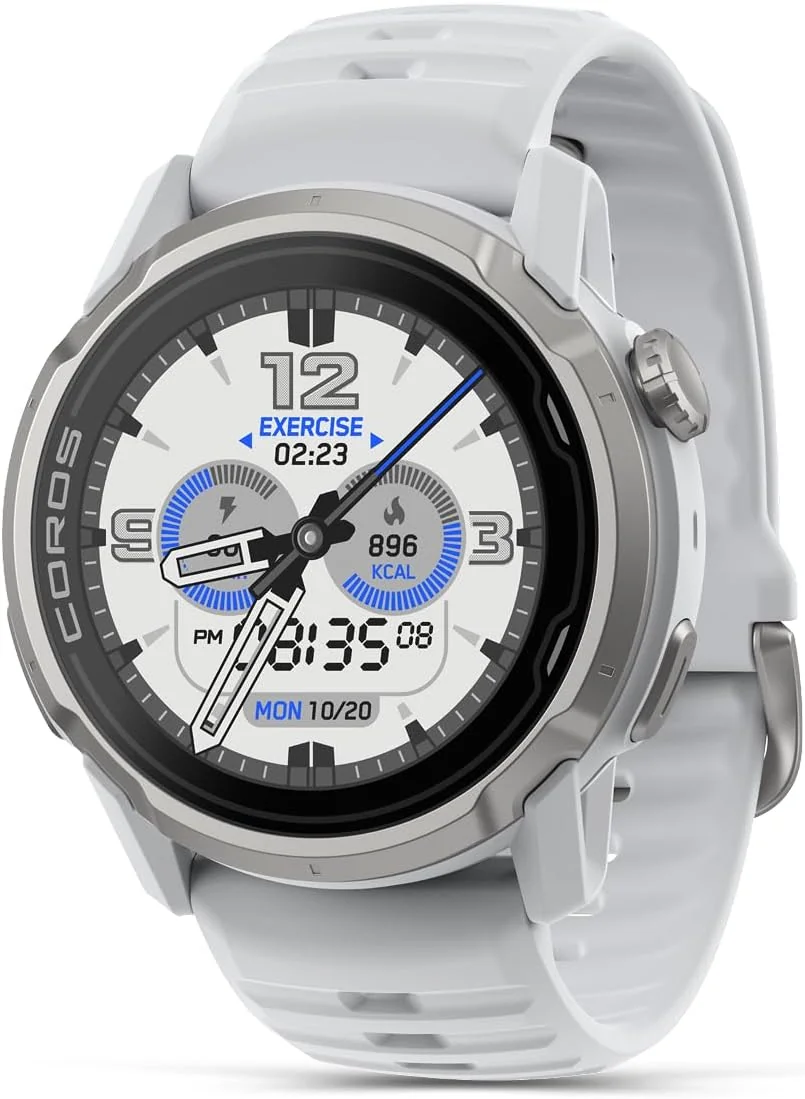
Emilio feels generally positive but pragmatic about the Whoop 5.0 after a year of use. He likes the deep recovery and sleep metrics, calls the data accurate and the AI coach helpful, and enjoys digging into insights, but warns it’s expensive, lacks a screen, and mostly duplicates what a good running watch (he cites a Coros Pace 3) already provides for many users; he says the Whoop is cool for data lovers or athletes but probably overkill for most people and plans to return to his running watch once the subscription ends.
will bowersWill Bowers is impressed and leaning in on the Whoop 5.0. He says it gives a more honest, 24/7 picture of strain, sleep, and recovery than his Apple Watch’s ring-driven rewards, catching day-to-day heart-rate trends the Watch misses; he still likes the Watch but plans to use Whoop for the rest of the year to push fitness goals. His lone clear gripe is price — “way too damn expensive” — but overall his tone is convinced and optimistic about Whoop’s deeper insights rather than its convenience or ecosystem fit.
Jessie LuongJessie Luong sounds cautiously curious and mildly positive. She unboxes the WHOOP 5.0, frames it as more specialized than her Apple Watch, and emphasizes sleep, recovery, heart-rate and stress tracking as its selling points; she notes the included charger and strap plus that she bought extra silicone and leather bands for workouts. Jessie plans a side-by-side wear test (WHOOP one wrist, Apple Watch the other) before deciding long-term, so her enthusiasm is tentative—interested because of recovery-focused metrics, but withholding a final verdict until she compares real-world performance.
Lucas FentonLucas Fenton really likes the Whoop after two weeks and thinks it’s worth the hype. He emphasizes the sleep tracking and heart-rate monitoring, praising detailed sleep stages and recovery scores and saying the AI coaching revealed actionable insight—specifically that he needs more Zone 2 work—to prevent late-game fatigue. He discloses paying about $400 with a two‑year subscription (~$14/month) and frames the device as ideal for athletes focused on measurable improvement, offering a positive, practice-driven endorsement with one clear caveat around cost.

Forum Reviews
CUSTOMER REVIEWS FROM 1 FORUM
Redditors are mostly skeptical. Many praise Whoop’s continuous data model, on‑wrist charging, and improved battery, but users criticize sensor accuracy (especially HR/steps/calorie estimates), the subscription value, and perceived bait‑and‑switch upgrade handling. Fans say the app and sleep/recovery insights are useful and some love the new health features, while a louder contingent feels MG/software perks and forced upgrade fees undermine trust. Those upgrading complain about limited software gains for 4.0 owners; new buyers see decent hardware but question whether the cost and company decisions justify switching.
Many comments

In-Depth Review

Highlights
- •Long battery lifeMarketed as up to 14+ days.
- •24/7 coachingDesigned to provide continuous, app-based coaching.
- •Deep sleep analyticsPromoted as having detailed sleep staging.
- •On-wrist chargingAdvertised to allow charging while wearing.

Considerations
- •Ongoing subscription requirementSubscription required for full features.
- •Sensor accuracy variabilityHeart-rate and clinical readings inconsistent.
- •Band moisture durabilityFabric can retain moisture; clasp failures.
- •Limited on-device feedbackNo screen or onboard GPS.
Early user feedback is still limited, so treat initial impressions with a little caution. WHOOP has quietly repositioned itself as a subscription-first, performance‑driven wearable from a brand known for athlete-focused coaching, and this model trades smartwatch frills for sustained, physiology‑led insight. Its primary purpose is to track recovery, sleep, and daily strain so athletes, endurance trainers, biohackers, and committed wellness seekers can make smarter training and rest choices—hence the emphasis on 14+ days battery life, continuous HRV and respiratory monitoring, and app‑based coaching rather than a wrist display. Compared with prior WHOOP generations and rivals like Oura or wrist smartwatches, the 5.0 leans into higher sampling (for example, 26 samples/sec capture) and new MG clinical tools while accepting tradeoffs like no GPS and accessory incompatibilities. Below we’ll unpack the practical meaning of its endurance, sensors, measurement fidelity, sleep/recovery algorithms, strap ergonomics, and the on‑wrist Wireless PowerPack so you can focus on what matters for your routine—think of this as a short tour before you choose whether the WHOOP lifestyle fits yours.
Sleep and recovery
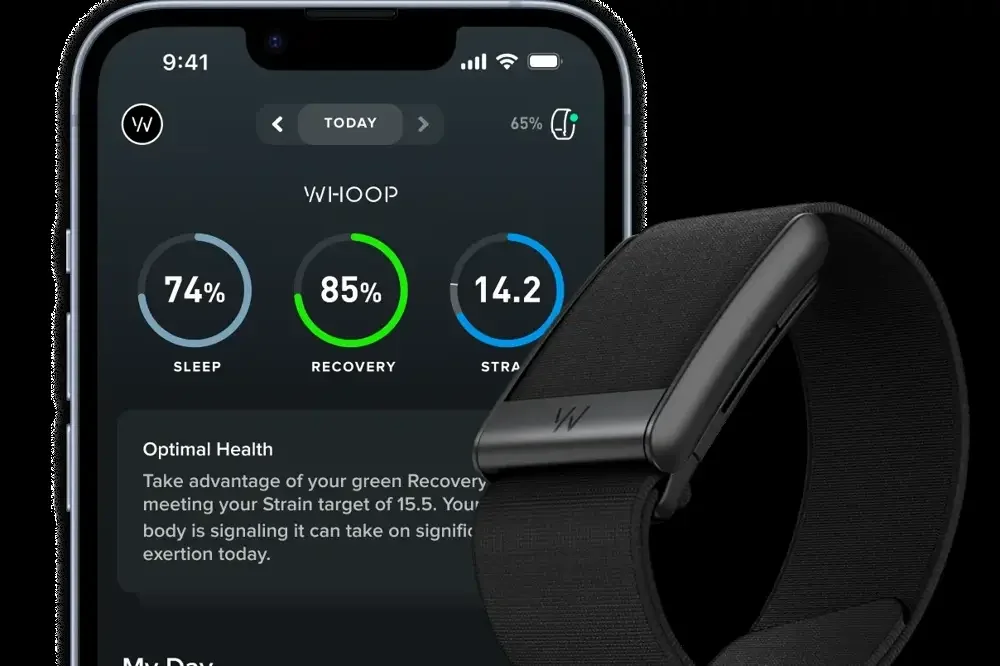
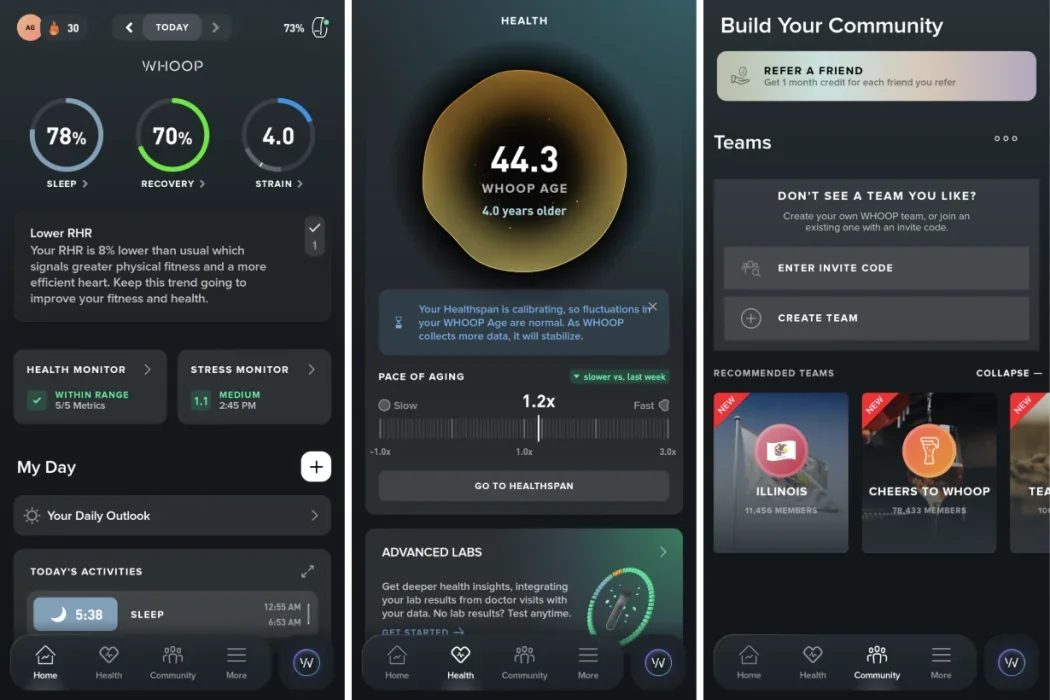
The product’s core strength is turning continuous biometrics into actionable daily guidance that nudges behavior and training choices. WHOOP’s app synthesizes HRV, respiratory rate, and sleep stages into a recovery score, uses deep sleep staging to explain restorative quality, and surfaces personalized coaching based on recent strain, which multiple reviewers called habit‑changing. That coaching is only as good as the input signals, so while sleep fidelity is widely praised, occasional sensor or algorithm misclassifications can alter recommended strain targets for some users.
Battery life
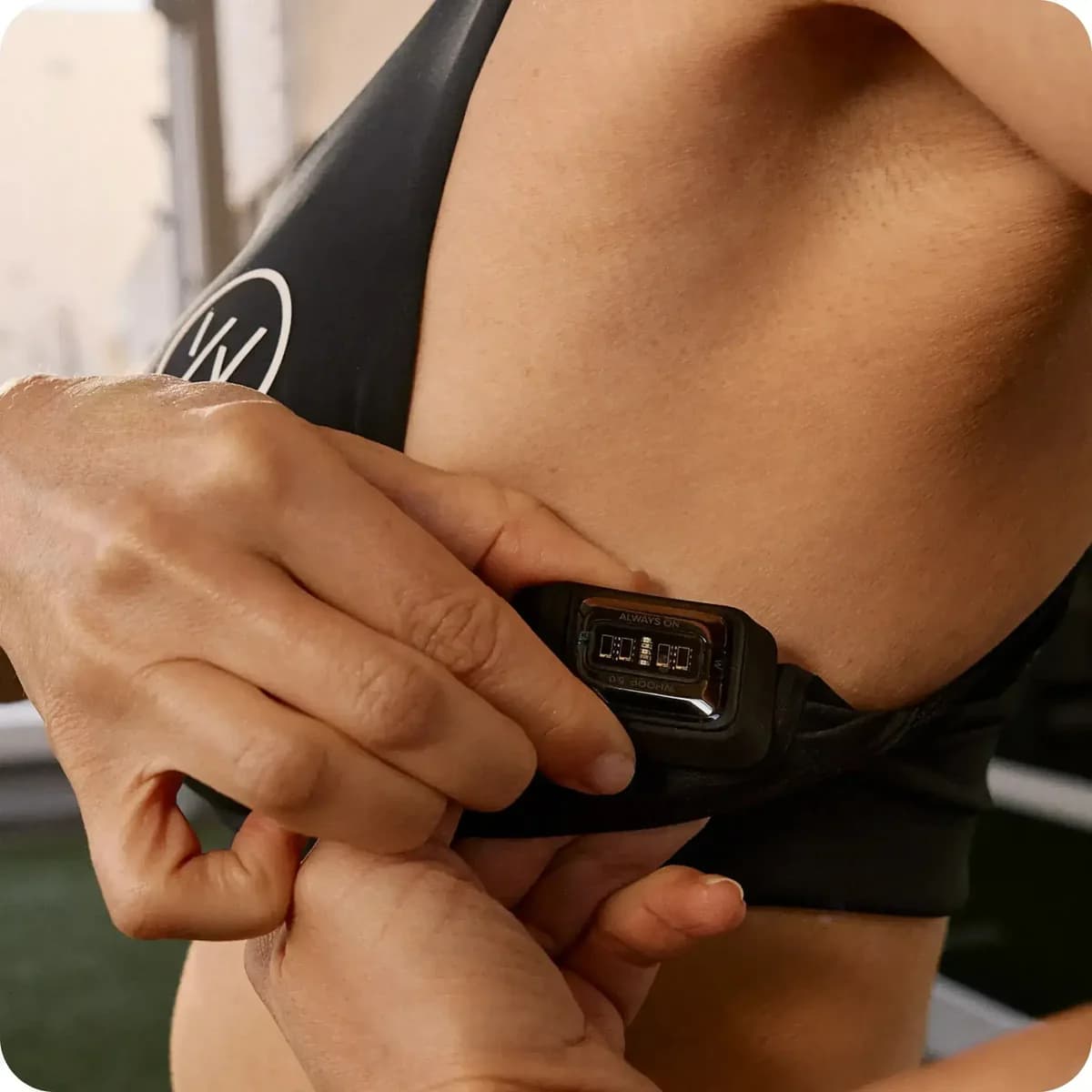
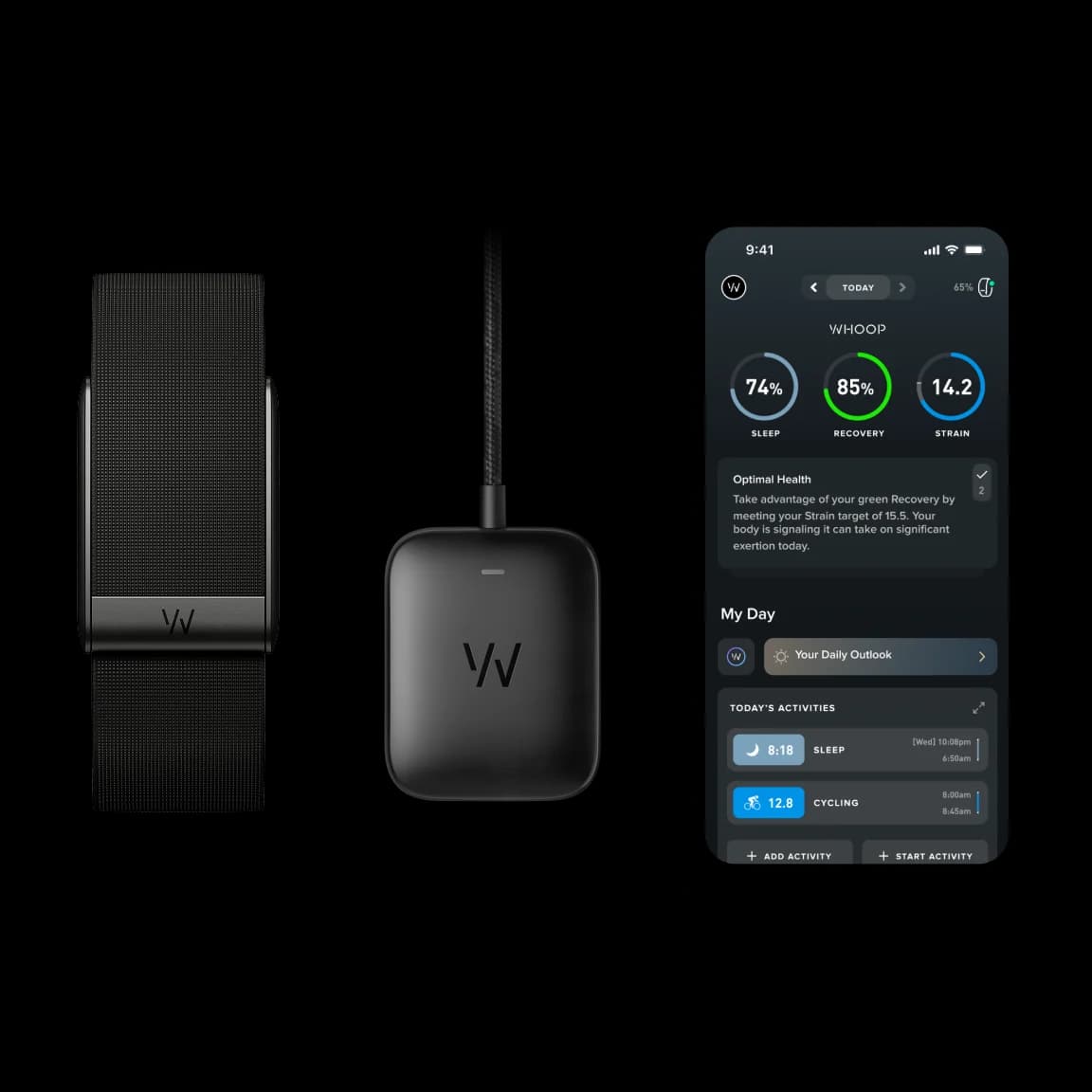
The WHOOP 5.0 genuinely extends time between charges, letting you wear it through long training blocks and sleep cycles without daily top-ups. WHOOP advertises 14+ days battery life, and reviewers and testers repeatedly praise the two‑week runtime, though a few noted real‑world results slightly underclaim in heavy-use scenarios. That long endurance directly affects usability because it reduces charge interruptions, supports continuous sleep and strain records, and pairs well with the included wireless PowerPack for on‑wrist charging when you do need to top up.
Sensor suite
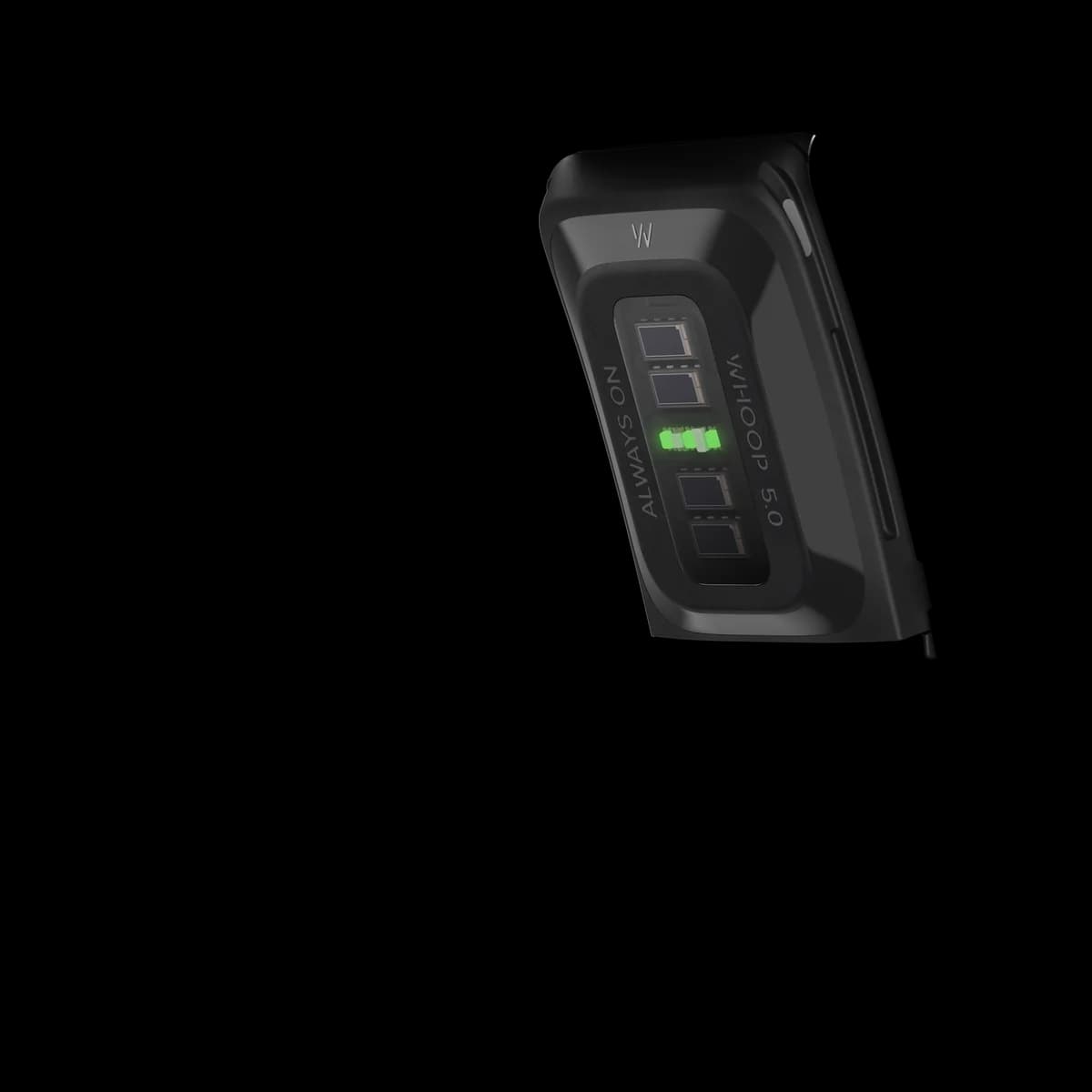
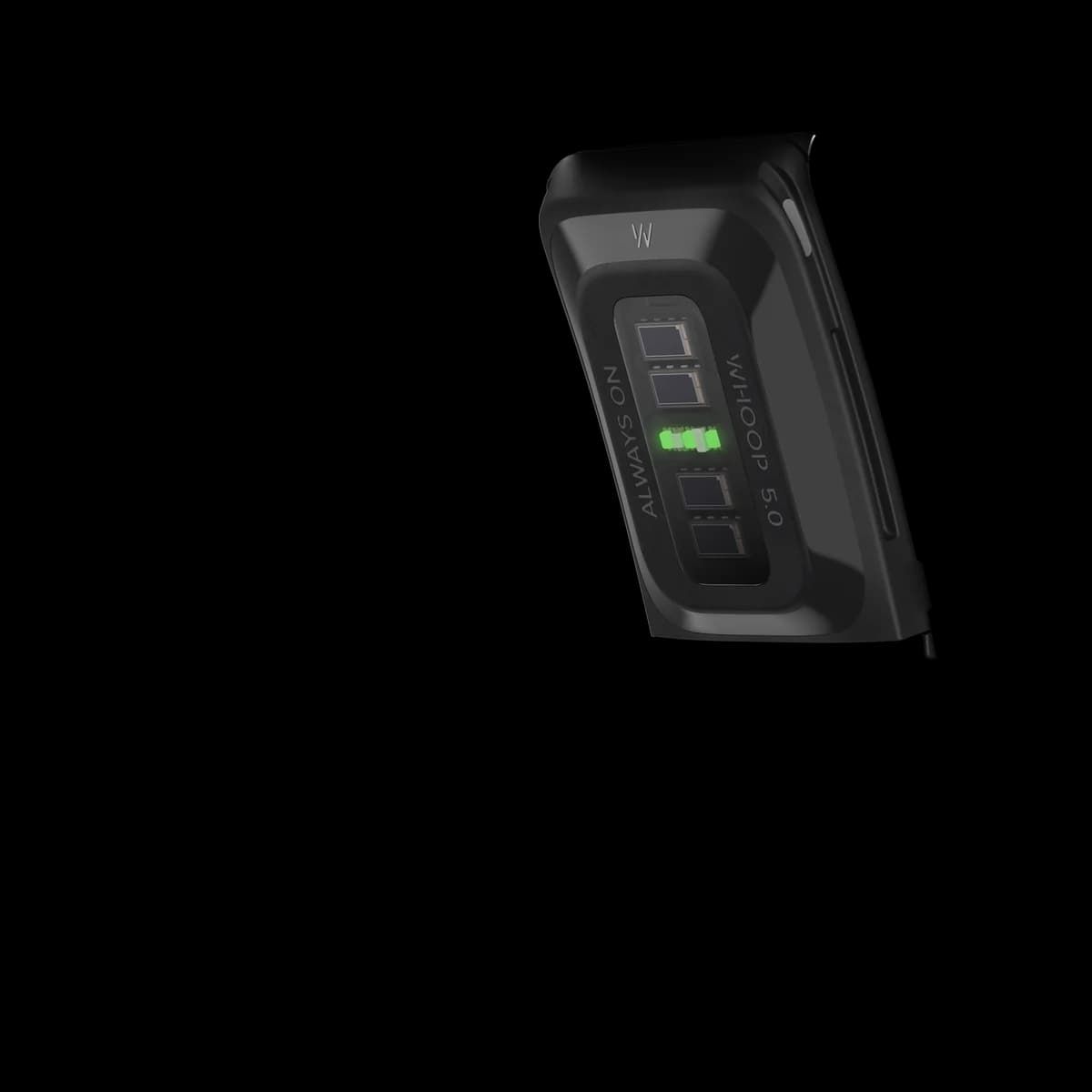
WHOOP 5.0 upgraded its sensing hardware to capture data at a higher rate, which matters for temporal accuracy during short efforts and sleep transitions. The device uses PPG optical sensors and bioimpedance sampling at about 26 samples per second, a combination designed to improve HRV and respiratory signal fidelity, but expert tests and forum posts highlight occasional wrist‑HR quirks during intense intervals. Overall the stronger sensor sampling rate boosts long‑term trend tracking and sleep staging, even though instant workout heart‑rate precision can sometimes lag chest‑strap level accuracy.
Band comfort
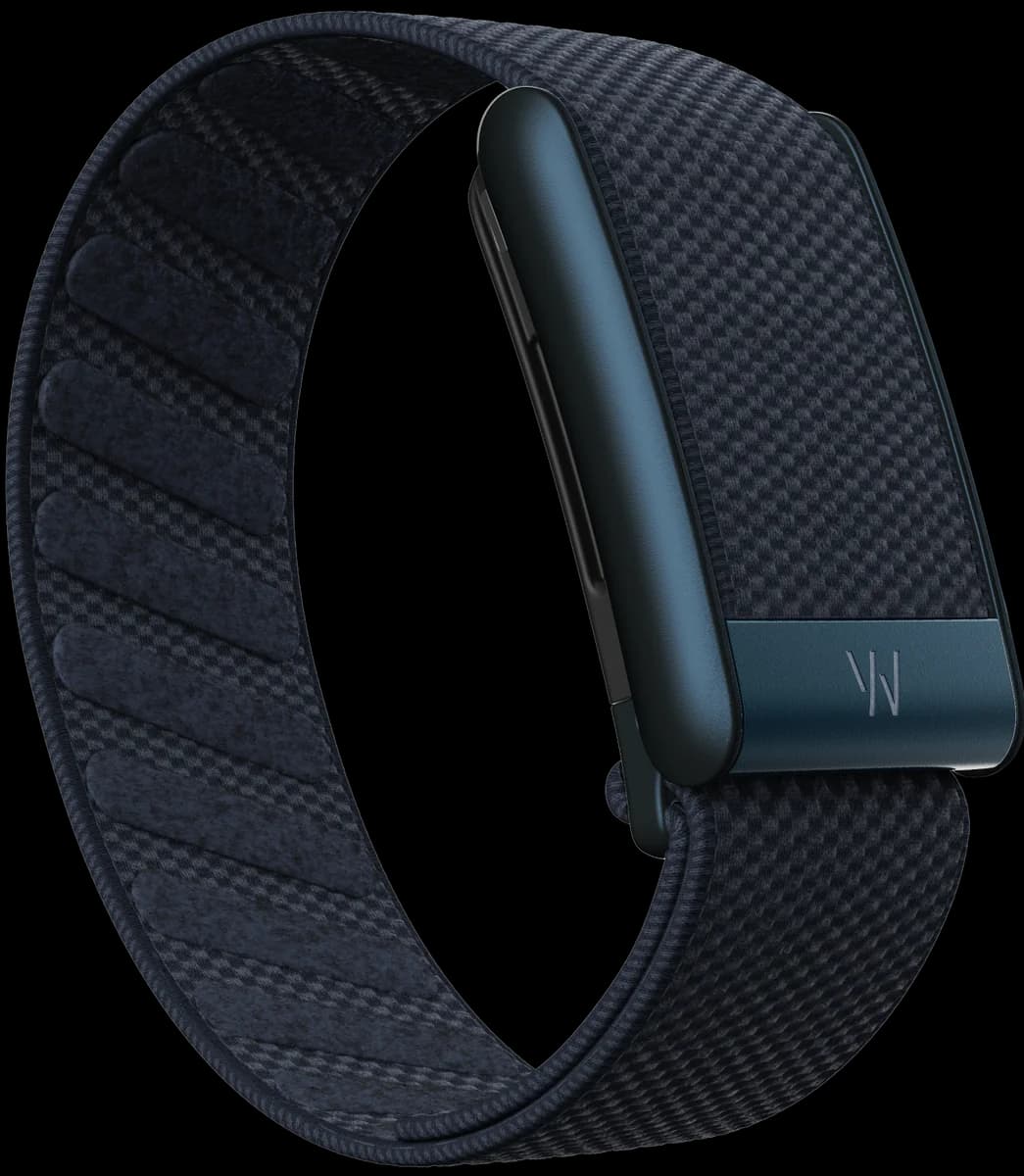
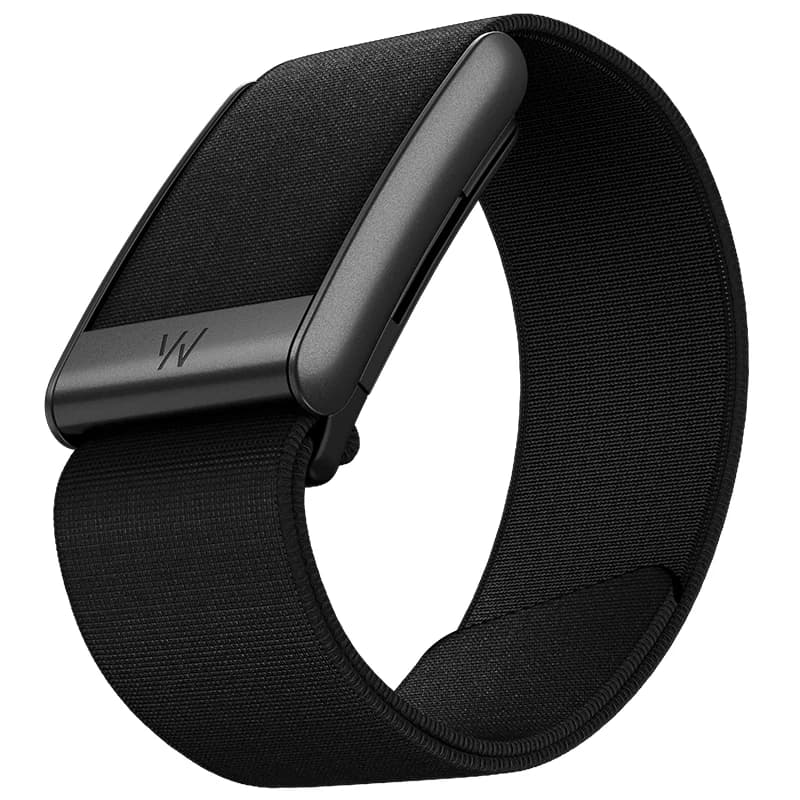
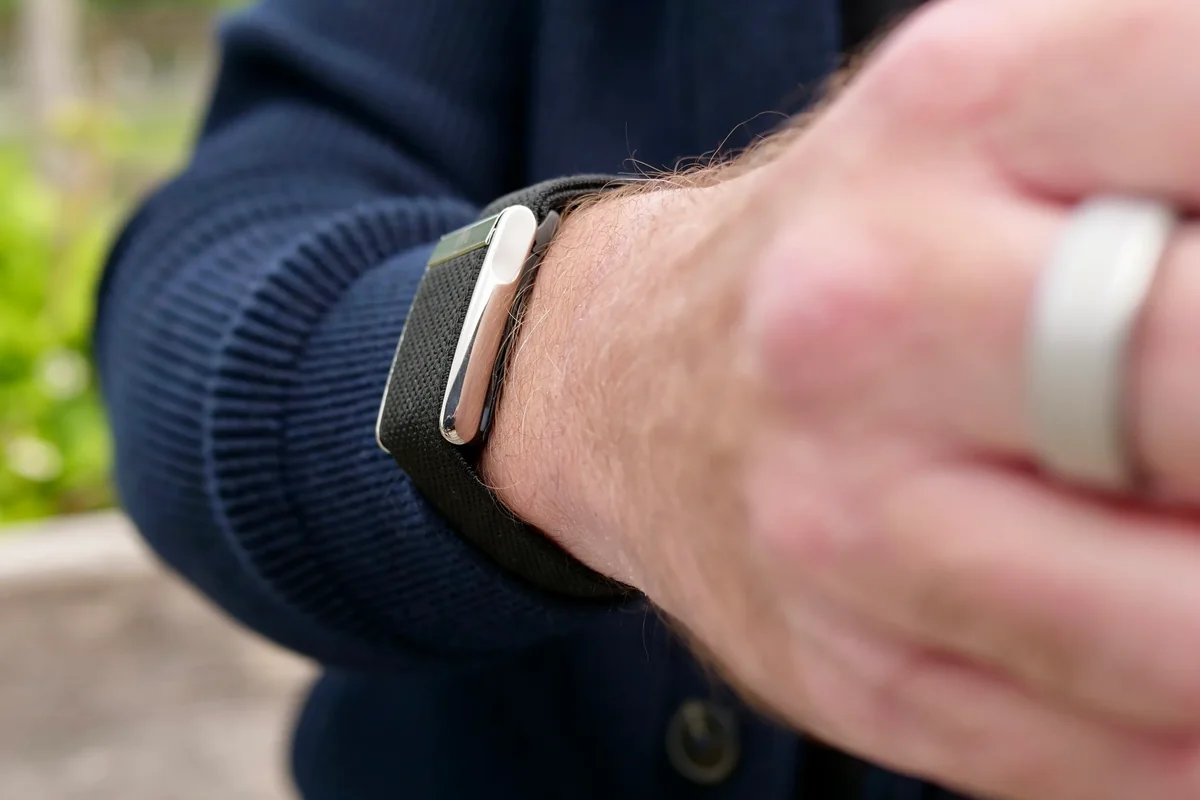
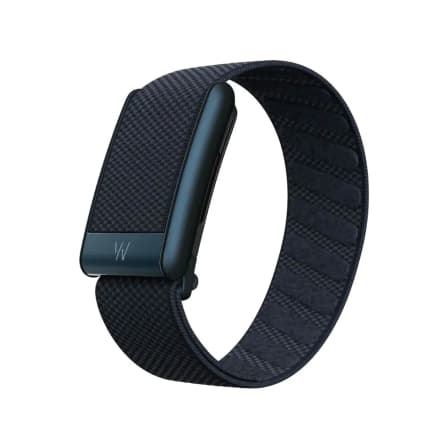
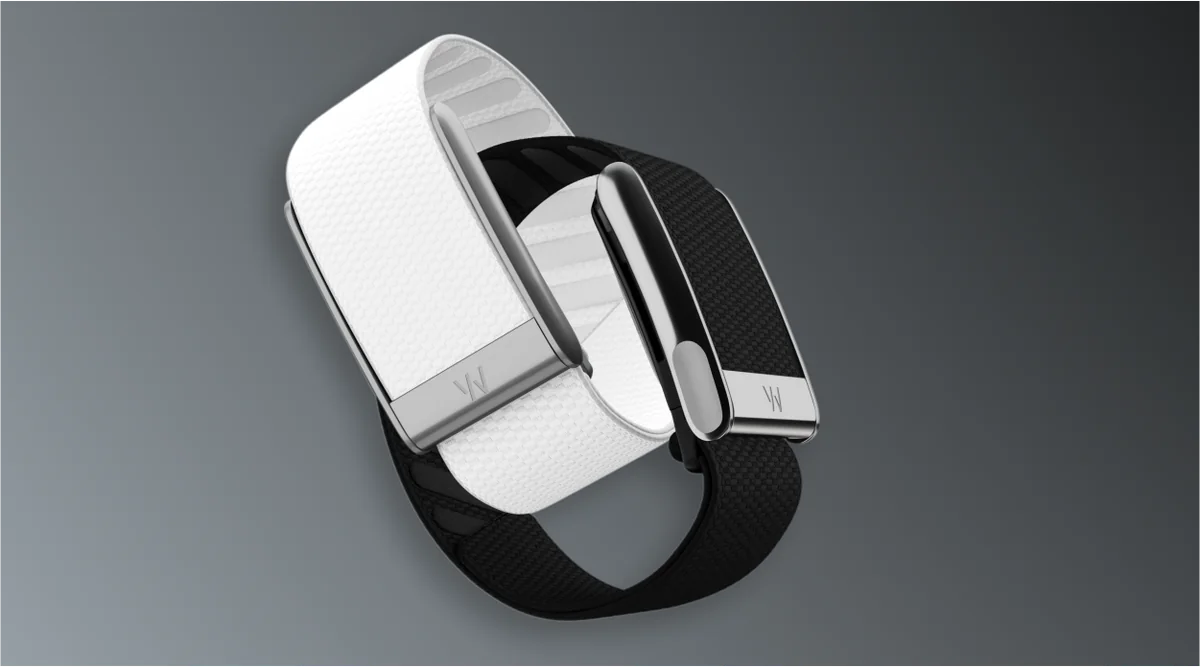
Wearing WHOOP 5.0 constantly relies on a strap that must be comfortable and durable through sweat and sleep. The included SuperKnit Luxe nylon band is light and generally comfortable for overnight wear, but users and reviewers noted issues like fabric moisture retention after swims and some reports of clasp or strap failures over months of use. Since bands are replaceable and 5.0 bands aren’t compatible with older models, durability and fit are practical considerations that affect long‑term ownership and should factor into accessory budgeting.
Charging system
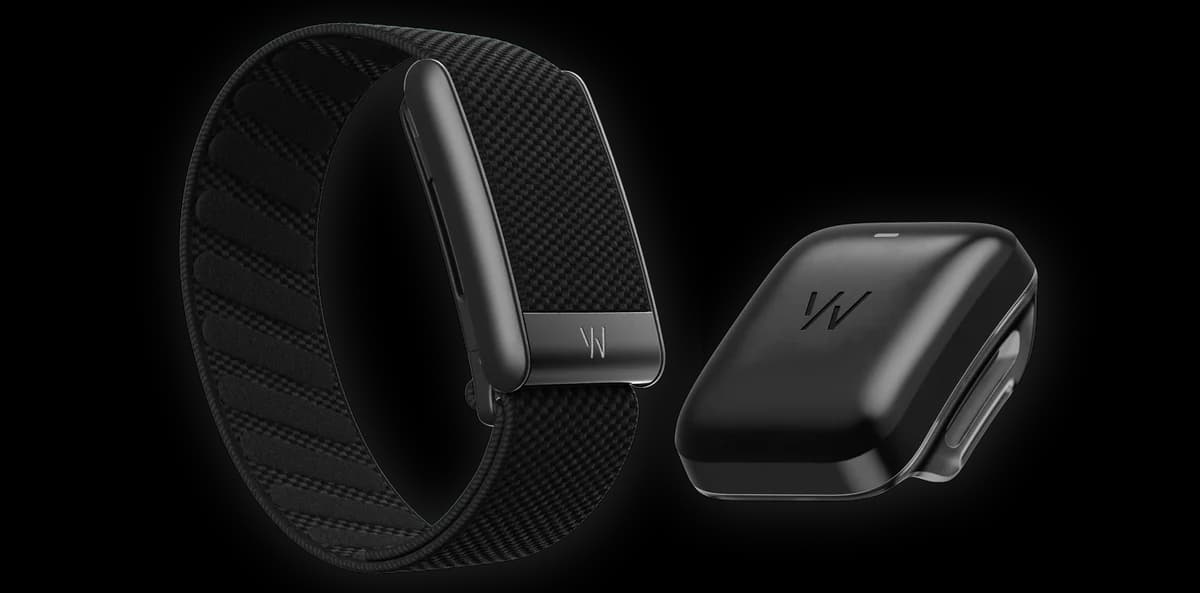
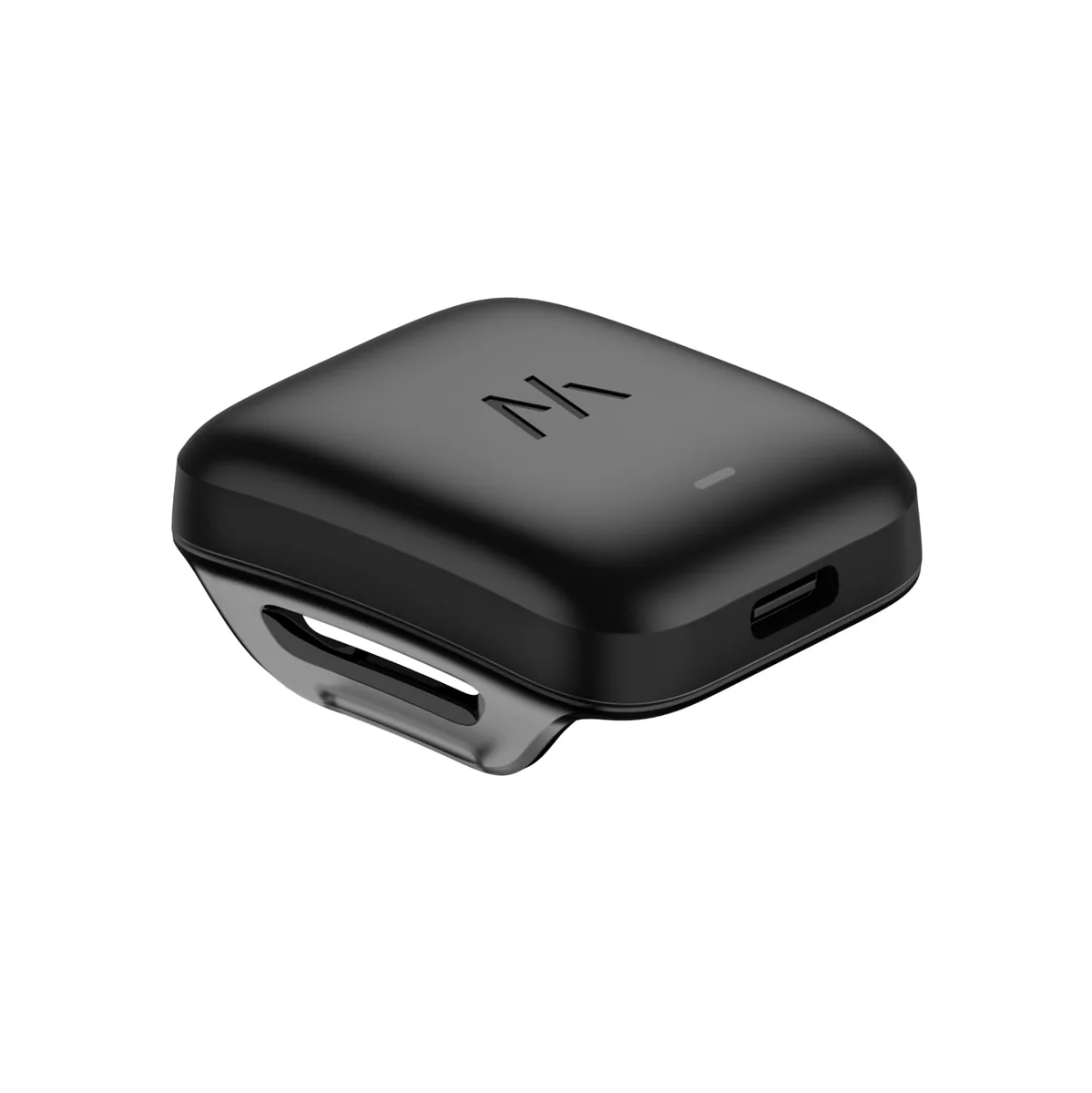
WHOOP 5.0’s charging approach aims to keep the device on‑wrist as much as possible, reducing data gaps and user friction. The device supports a wireless PowerPack that straps on for charging without removal, alongside the standard proprietary charger, and reviewers praised the charge‑while‑wearing convenience, though some mentioned charging speed and connector compatibility annoyances. That on‑wrist charging model meaningfully improves continuous data capture, but expect to manage proprietary accessories and occasional friction with older accessory compatibility.
Measurement accuracy
WHOOP 5.0 adds on‑demand clinical tools while still relying on wrist sensors, so its readings are useful but not a substitute for clinical devices. The MG option provides on‑demand ECG and experimental blood‑pressure insights, and continuous metrics like SpO2 and HRV feed the recovery model; reviewers found these features promising yet mixed in accuracy, with some real‑world discrepancies for heart‑rate during high‑intensity efforts and caution from experts about BP/ECG reliability. Treat the outputs as valuable trend and screening signals rather than definitive medical diagnoses.
Conclusion
After weighing the evidence, here’s the bottom-line judgment you can pocket: WHOOP 5.0’s standout advantage is its 14+ days battery life, which genuinely reduces charging friction and keeps sleep and strain records intact, while the upgraded sensor suite and 26 Hz sampling rate improves trend fidelity even if short, intense efforts still trip wrist‑HR quirks. The MG additions bring promising ECG and BP insights—useful for screening but best treated as signals rather than definitive diagnostics—and the recovery and sleep tracking deliver actionable coaching that users and experts say nudges better behavior. Practical downsides worth noting are strap comfort and durability (fabric can trap moisture; clips have reported failures) and dependency on proprietary accessories, balanced somewhat by the clever on‑wrist Wireless PowerPack charging. If you’re committed to continuous physiological coaching and can tolerate subscription and occasional accuracy tradeoffs, this is a smart, performance‑first choice; if not, consider simpler, lower‑commitment alternatives.

Feature Scores
This reflects reviews and ratings from established critics, journalists, and users who have evaluated the item. Their opinions provide a comprehensive assessment.
Performance
Battery Life
5/5
Tracking Accuracy
4/5
GPS Performance
5/5
Heart Rate Monitoring Accuracy
4/5
Firmware Reliability
4/5
Connectivity Stability
4/5
Water Resistance
4/5
Build Durability
3/5
Value
Price to Feature Ratio
3/5
Warranty
5/5
Customer Support
3/5
App Ecosystem Value
4/5
Design
Comfort Fit
5/5
Display Readability
1/5
Aesthetic Appeal
4/5
Health
Skin Material Safety
4/5
Sleep Tracking Quality
5/5
Long-Term Exposure Safety
4/5
Safety
Data Security
4/5
Overheating Risk Mitigation
4/5
Emergency Features
2/5
Sustainability
Battery Replaceability
2/5
Recyclability
2/5
Packaging Sustainability
3/5
Experience Style
Ease of Use
4/5
Customization Options
4/5
App Integration Quality
4/5

Specifications
This section outlines the product's key facts, covering essential features, details, dimensions, materials, and any unique characteristics that define its functionality and usability.
Performance
Value
Design
Safety
Sustainability
Experience Style

Frequently Asked Questions
10 Questions


Find Yours
What is your primary goal for an activity tracker?
Answer to find your best matches.