Flipper Devices Flipper Zero
A versatile, approachable wireless multitool, best for curious tinkerers and authorized testers.
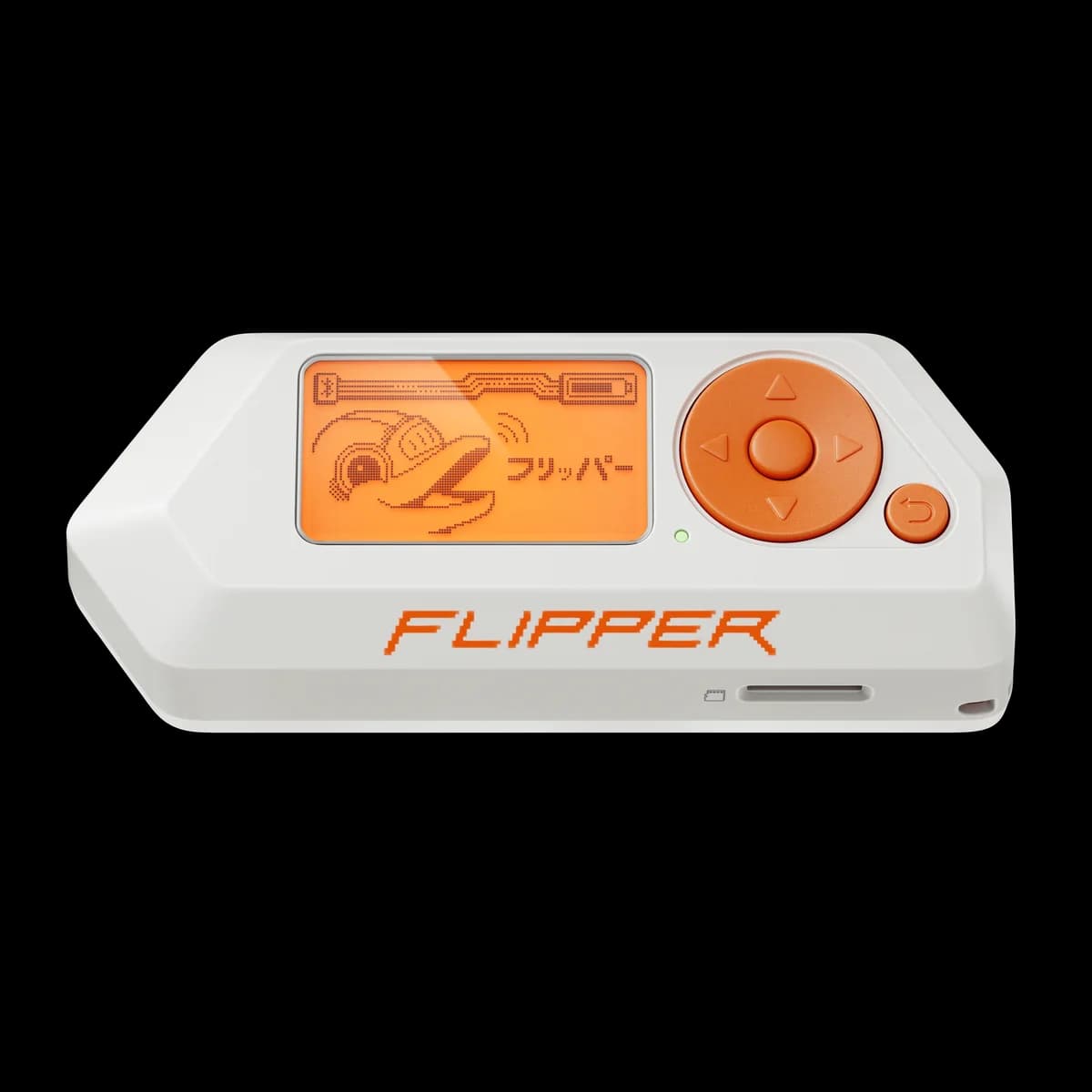
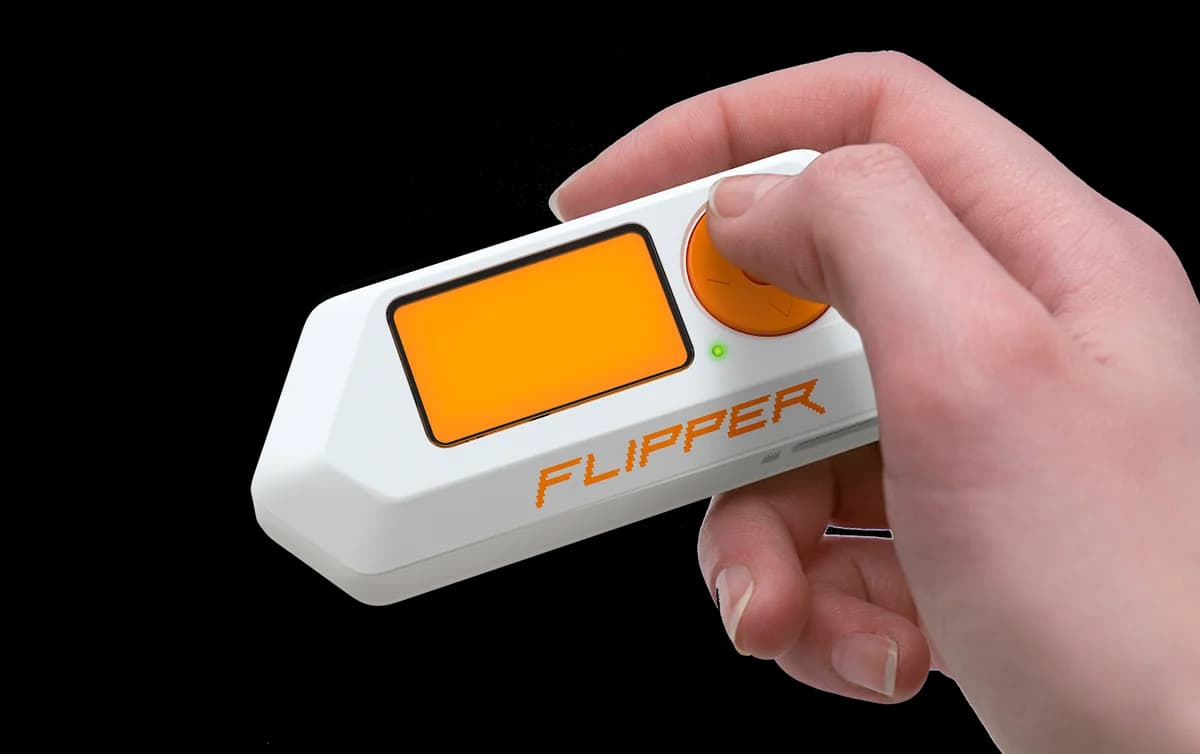
The Flipper Devices Flipper Zero is a pocket-sized wireless Swiss-army knife for curious tinkerers, learners, makers, and authorized testers who want to explore devices without assembling a bag of separate tools. Its NFC, RFID, infrared, Sub-GHz, Bluetooth, USB, and GPIO capabilities make it unusually inviting, and reviewers praise the standalone design, playful interface, and battery life that the brand claims can reach 28 days, with real-world testing supporting strong week-plus endurance. The catch is that encryption, rolling codes, regional rules, a required microSD card, and extra accessories narrow its reach. At roughly $170 to $200, it is compelling for active learners, less so for casual buyers. Its overall appeal rests on versatility, usability, realistic expectations, and continued curiosity.
Find Yours
What type of electrical equipment do you most often shop for?
Answer to find your best matches.

The Scoreboard
Does this improve your life? Considers, health, habits, and environmental impact.
Benefits
Replaces several remotes and testers, making wireless experiments easier to carry around.
Simple controls and playful feedback make unfamiliar wireless concepts easier to explore without a laptop.
One pocketable device handles remotes, tags, signals, and hardware projects across many everyday experiments.
Long battery life and standalone operation keep quick tests available away from a desk.
Trade-Offs
Its chunky shape takes noticeable pocket space, especially beside keys, cards, or a phone.
Small screen and layered menus can make a quick remote or tag check feel fiddly.
After initial experiments, many owners struggle to find regular tasks that justify carrying it.
 Alternatives


Join the Circle
Where real meets deal
Know what's worth buying-and when.
Tips, special offers, and rewards for buying and sharing.

Publications
7 LEADING PUBLICATION REVIEWS

WIRED’s Dhruv Mehrotra is impressed by Flipper Zero’s educational power but remains clear-eyed about its limitations and risks. After a week of testing, he used it to clone an RFID entry card, inspect tire-pressure and infrared signals, detect wireless broadcasts from everyday devices, and expose vulnerabilities in older garage doors and cars. The experience made the device feel less like a magical hacking toy and more like a “blacklight” for understanding the invisible wireless world. Mehrotra also punctures viral exaggerations: modern encrypted systems generally resist simple replay attacks, and reading payment-card data does not enable contactless purchases. Still, Flipper Zero is compact, approachable, customizable, and genuinely useful for curious learners and penetration testers. Its misuse potential is real, especially with vulnerable hardware or modified firmware, but the review’s overall impression is strongly positive, with the device inspiring greater technical curiosity rather than fear.
By Dhruv Mehrotra
PCMag UK’s Justyn Newman is strongly positive about the Flipper Zero, calling it fun, approachable, and surprisingly capable. He presents it as a beginner-friendly gateway into open-source hardware and signal exploration, with an unusually broad toolkit spanning NFC, RFID, infrared, sub-1GHz, Bluetooth, GPIO, USB devices, and even games. Newman appreciates that it works well out of the box, feels sturdy and pocketable, and offers much more functionality than a comparable DIY Pwnagotchi project. His hands-on examples—reading a pet microchip, controlling a digital audio player, and using the Flipper as a mouse jiggler—give the praise credibility. The review does acknowledge practical drawbacks: a microSD card is required, Linux setup can be fiddly, and useful accessories cost extra. Still, the overall impression is enthusiastic: the Flipper Zero is portrayed as both a practical backup tool and an excellent, entertaining starting point for learning how everyday control systems work.
By Justyn Newman
Custom PC’s Gareth Halfacree views the Flipper Zero as clever and useful, but ultimately limited by its novelty. He is impressed by its unusually broad toolkit, which can capture and replay infrared, RFID, NFC, iButton, and sub-GHz signals; in testing, it duplicated office remotes, copied a wireless doorbell signal, emulated tags, and even cloned a vintage Oyster card. The playful cyber-dolphin interface adds charm, while the desktop software and USB-UART functionality are genuinely practical. However, the mobile apps are buggy, storage is not included, regional radio restrictions limit some community files, and removing those safeguards with third-party firmware is illegal. Most importantly, there are only so many devices to clone before the excitement fades, especially since using it on other people’s gadgets can cause serious trouble. It is an entertaining hacker multitool with handy applications, but not a must-have purchase.
By Gareth Halfacree
c’t’s Daniel Dupré is strongly positive about the Flipper Zero, presenting it as an unusually approachable and versatile hacking tool. Its playful, toy-like design makes experimenting with wireless technology inviting for beginners while still offering practical value to security professionals. The review covers sub-GHz signals, NFC, RFID, Bluetooth, infrared, USB keyboard emulation, and optional Wi-Fi attacks, while giving useful boundaries: rolling-code car locks and secure payment cards cannot simply be cloned, and Wi-Fi requires an extra module. Dupré also appreciates the open-source ecosystem, community add-ons, games, and Tamagotchi-like personality, though limited internal storage makes a microSD card advisable. The main reservations concern its potentially dangerous capabilities and the legal responsibility surrounding radio attacks and unauthorized access. Overall, the Flipper Zero is portrayed less as a professional replacement for specialized tools than as a uniquely engaging, educational gateway into hardware and cybersecurity.
By Daniel Dupré
ZDNET’s Adrian Kingsley-Hughes is clearly impressed by the Flipper Zero, while remaining measured about its real-world limits. He portrays it as a remarkably capable, portable security tool disguised as a colorful toy, with infrared, sub-GHz, RFID, NFC, iButton, and GPIO capabilities packed into a $169 device. The week-long battery life, simple controls, and compact design add to its appeal, and his initial testing suggests the features work well. Still, this is an early assessment rather than a full review: he has not yet established how useful the device is across real-world situations, and stresses that it is no replacement for high-end pentesting equipment. Availability is another drawback, with the official store frequently sold out and third-party sellers charging more. Overall, he sees the Flipper Zero as an unusually affordable and accessible entry point for experimenting with RF and NFC technology.
By Adrian Kingsley-Hughes
How-To Geek’s Bill Loguidice gives the Flipper Zero a measured thumbs-up, but finds its usefulness narrower than its capabilities suggest. He enjoys the device’s playful design, cyber-dolphin companion, broad support for sub-GHz, RFID, NFC, infrared, GPIO, iButton, and USB functions, and was particularly impressed by reading his dog’s microchip and the surprisingly precise Video Game Module. Battery life is strong, documentation is helpful, and the hardware feels like an entertaining experimenter’s tool. Still, setup can require authentic microSD media and plenty of reading, while security systems may prevent successful cloning—as happened with a hotel wristband. Despite its impressive range, Loguidice struggled to find compelling everyday applications beyond backing up remotes or access cards. His 6/10 verdict reflects a distinctive, enjoyable gadget with genuine technical appeal, but limited mainstream practicality.
By Bill Loguidice
IT Pro’s Danny Bradbury is highly impressed by the Flipper Zero’s versatility and clever design. He portrays it as a remarkably capable, portable “communications wizard,” combining infrared, NFC, RFID, sub-GHz, iButton, BadUSB, and U2F tools in one approachable device. The thoughtful interface, strong battery life, open-source community, app ecosystem, and GPIO expandability make it especially appealing for electronics enthusiasts and security-minded tinkerers. Bradbury also demonstrates its capabilities with practical tests, including reading a MIFARE card, identifying a dog’s microchip, and using it successfully as a Google security key. Still, it is not a fully secure replacement for certified hardware keys, lacks NFC-based U2F, requires a microSD card and firmware setup, and can enable questionable or illegal experimentation. His central insight is that its value depends heavily on the user’s commitment: casual buyers may abandon it, while technically curious owners can turn it into an exceptionally useful platform.
By Danny Bradbury

YouTube
8 LEADING EXPERT & INFLUENCER REVIEWS
 Linus Tech Tips
Linus Tech Tips is strongly positive about Flipper Zero, while treating its risks with clear-eyed skepticism. The review argues that its individual tools—Sub-GHz radio, NFC, RFID, infrared, and BadUSB—are limited compared with specialized equipment and can often be replicated cheaply with Arduino, Raspberry Pi, or Android devices. Still, its compact all-in-one design, slick remote-control apps, GPIO expandability, and energetic community make it unusually versatile. The key insight is that Flipper Zero is less dangerous than the ingenuity of whoever uses it, while also serving as an accessible reminder to improve weak security systems.
saveitforpartsSaveitforparts is disappointed by the Flipper Zero, though he still finds it fun and educational. He tests its RFID/NFC functions, Sub-GHz radio, infrared, Bluetooth controls, and apps, discovering that several features are unreliable, region-restricted, or less capable than affordable single-purpose tools. The Flipper successfully reads a pet microchip, clones and emulates access cards, and controls a projector, but fails with his car and garage door. He sees it as a charming introduction to wireless technologies and a convenient multitool, not a serious replacement for dedicated equipment or a product with an obvious practical use.
Adam Savage’s TestedAdam Savage and Mel are genuinely impressed by Flipper Zero’s versatility and accessibility. They demonstrate cloning compatible RFID and NFC credentials, capturing IR remotes, running community apps such as a key-copying tool, and using BadUSB for benign automation. The device feels like an approachable gateway into wireless and hardware experimentation, especially compared with assembling specialized tools or virtual lab environments. They acknowledge its capabilities can be misused and stress authorized, white-hat exploration, while clarifying it cannot clone credit cards or safely analyze unknown USB drives. Overall, their reaction is warmly enthusiastic: compact, playful, surprisingly capable, and educational.
Talking SasquachTalking Sasquach is strongly positive about Flipper Zero as a legitimate learning and experimentation tool, while frustrated by exaggerated social-media claims. He demonstrates that it can read card data, capture some unencrypted radio signals, emulate simple access cards, and support external hardware, but cannot clone modern credit cards, reliably control traffic lights, defeat rolling-code car security, intercept encrypted police radio, or handle 5 GHz Wi‑Fi with typical ESP32 add-ons. His tone is energetic and technically confident, presenting the device as genuinely capable within its limits rather than a magical hacking gadget.
David BombalDavid Bombal is appreciative but ultimately lukewarm about the Flipper Zero. He credits it with introducing millions to software-defined radio and considers it useful for certain NFC, RFID, infrared, and Sub-GHz experiments, but calls its capabilities limited compared with dedicated SDR hardware. The discussion positions it as more of a gimmick than a serious radio-hacking platform, especially beside the RTL-SDR, HackRF One, LimeSDR, and BladeRF. A hands-on RTL-SDR and Dragon OS aircraft-signal demonstration reinforces the gap, while the speakers acknowledge the Flipper’s role in raising awareness of wireless security.
All Things ITAll Things IT is cautiously positive about the Flipper Zero, rating it five out of ten. He enjoys its tinkering potential, beginner-friendly design, custom firmware, GPIO apps, and educational value, especially with the Wi‑Fi Dev Board. However, he considers the $199 device expensive on its own and says the roughly $230 setup is mainly worthwhile for hobbyists and newcomers. Professional pentesters may find limited practical use, and the novelty can fade because testing is legally restricted to authorized devices. Overall, he recommends buying only if you’re curious, learning cybersecurity, or can find it on sale.
Kyser Clark - CybersecurityKyser Clark is strongly positive about the Flipper Zero, recommending it as an affordable gateway to cybersecurity learning. He admires its portability, approachable design, and expansive community ecosystem, while appreciating that it makes RFID/NFC, infrared, Sub-GHz, Bluetooth, and GPIO experimentation accessible. His professional experience also informs a clear warning: it is a jack of all trades, not a serious replacement for specialized penetration-testing equipment. He adds that the novelty can fade once you exhaust your own devices unless you explore community firmware, accessories, and projects. Overall, it is worth $199 for beginners and hobbyists, but not professionals seeking a workhorse.
GhostStratsGhostStrats is enthusiastic about the Flipper Zero, especially after four to five months of daily use. He relies on it as a universal remote for TVs, lights, air conditioning, garage doors, and music, while also appreciating its learning value, BadUSB tools, games, and Bluetooth controls. Still, he calls it bulky, warns that some functions can be illegal or hardware-limited, and considers the $170–$180 price less compelling when cheaper infrared adapters exist. His main advice is to wait for newer hardware with built-in Wi‑Fi, though he still recommends the Flipper Zero for enthusiasts and curious learners.

Social
3 INFLUENCER REVIEWS
 Naaackers
Naaackers is moderately positive about the Flipper Zero, enjoying it as a purpose-built tool for curious IT users. They bought it after seeing online demonstrations and appreciate having a focused device rather than relying entirely on a phone or computer, while avoiding malicious “hacker” use. Still, they criticize videos that force the Flipper Zero to handle tasks better suited to other devices, making simple jobs unnecessarily complicated. Overall, the enthusiasm is genuine but measured, with its value depending on using it realistically.
 Thom Code
Thom Code gives Flipper Zero a measured, mildly positive assessment. He’s impressed by its compact design, open-source firmware, and ability to read or emulate RFID, NFC, infrared, and some sub-GHz signals. Still, he frames it more as a convenient, mainstream package than a uniquely powerful hacking tool, since less portable equipment can do the same things. He also stresses that copying credentials or accessing systems without permission is illegal, while noting its reputation has prompted government restrictions.
WORLD NOCTRAWORLD NOCTRA is strongly positive about Flipper Zero’s usefulness in authorized physical-security research. The demonstration combines the Flipper Zero with a key-cutting machine to capture details from an owned, permitted test key and produce a working duplicate. The successful copy performs as smoothly as the original, giving the video a confident, impressed tone. However, it offers little broader evaluation of the device, and the process is framed as educational and strictly authorized rather than a general endorsement for duplicating keys.

Forum Reviews
CUSTOMER REVIEWS FROM 1 FORUM
Redditors generally view the Flipper Zero positively, especially as a learning tool and electronics multitool. Owners use it for IR remotes, BadUSB automation, RFID/NFC testing, pet-chip scanning, device troubleshooting, and consolidating access fobs, with enthusiasts praising its versatility and educational value. Still, it is not a universal hacking device: encryption, rolling codes, and challenge-response systems limit cloning, while some workflows are awkward or conspicuous. Several users find its practical benefits modest and usage sporadic, making it poor value for casual shoppers. The consensus is that curious tinkerers and professionals can justify it, but hype-driven buyers may quickly lose interest.
Some comments

In-Depth Review

Highlights
- •Broad Wireless ToolkitDesigned to handle tags, remotes, and signals.
- •Long Battery LifeAdvertised for up to 28 days.
- •Portable Standalone DesignCompact, self-contained, and approachable.
- •Expandable Hardware EcosystemGPIO, USB, and accessories support projects.

Considerations
- •Limited Signal CompatibilityEncryption and rolling codes block cloning.
- •Legal And Regional LimitsUnauthorized testing can be illegal.
- •Chunky Handheld DesignSmall screen and menus can feel fiddly.
- •Fading Everyday UtilityPractical uses may become sporadic over time.
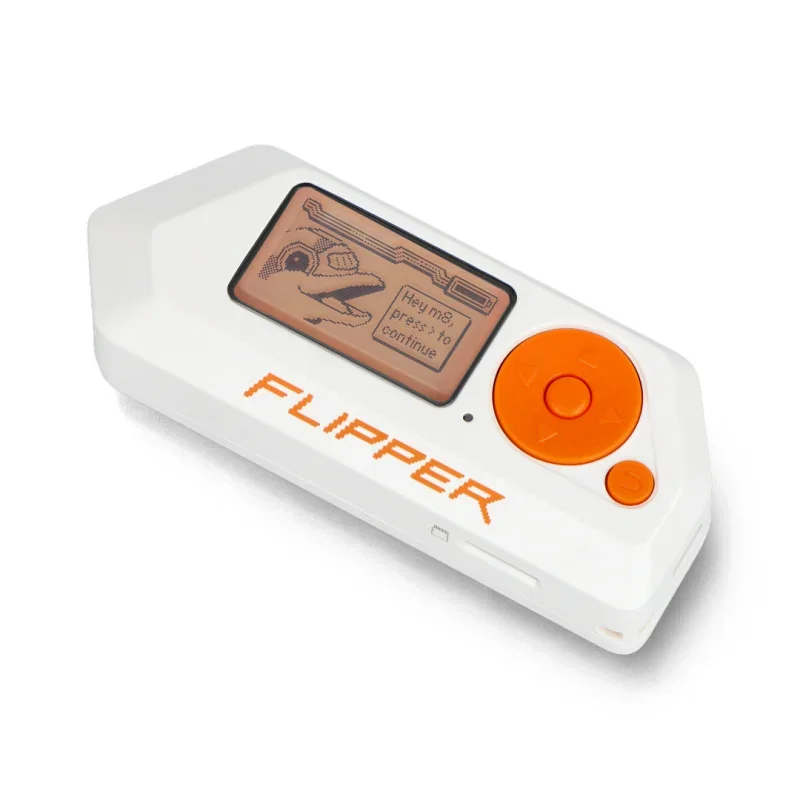
Flipper Devices has built a reputation for making security experimentation approachable, and Flipper Zero occupies the space between a consumer gadget and specialist lab tool. Its purpose-built, standalone design brings NFC, RFID, infrared, and Sub-GHz radio into one pocketable platform for authorized testing, remote control, hardware learning, and tinkering. Experts and owners praise the convenience, up to 28-day battery life, and playful interface, while noting that it cannot replace dedicated readers or SDRs—and that encryption, rolling codes, and regional rules set firm boundaries. The 1.4-inch monochrome display and chunky enclosure favor portability over polished speed, while GPIO, USB-C, and optional accessories give makers room to expand. A microSD card and firmware choices also shape the experience. It suits curious beginners, hobbyists, educators, and security professionals most; explore the details next to see whether this Swiss-army gadget earns space in your pocket.
Standalone Usability
The Flipper Zero is at its best when you want a focused tool rather than a phone, laptop, and collection of dongles. Its physical controls and menu-driven interface let you scan tags, capture remotes, browse files, and run experiments directly from the device. Reviewers generally find it approachable and functional out of the box, though some workflows involve layered menus or careful reading. That simplicity supports beginners, but it does not remove technical boundaries, and the novelty can fade if you lack personal projects or authorized equipment to explore.
Wireless Protocol Coverage
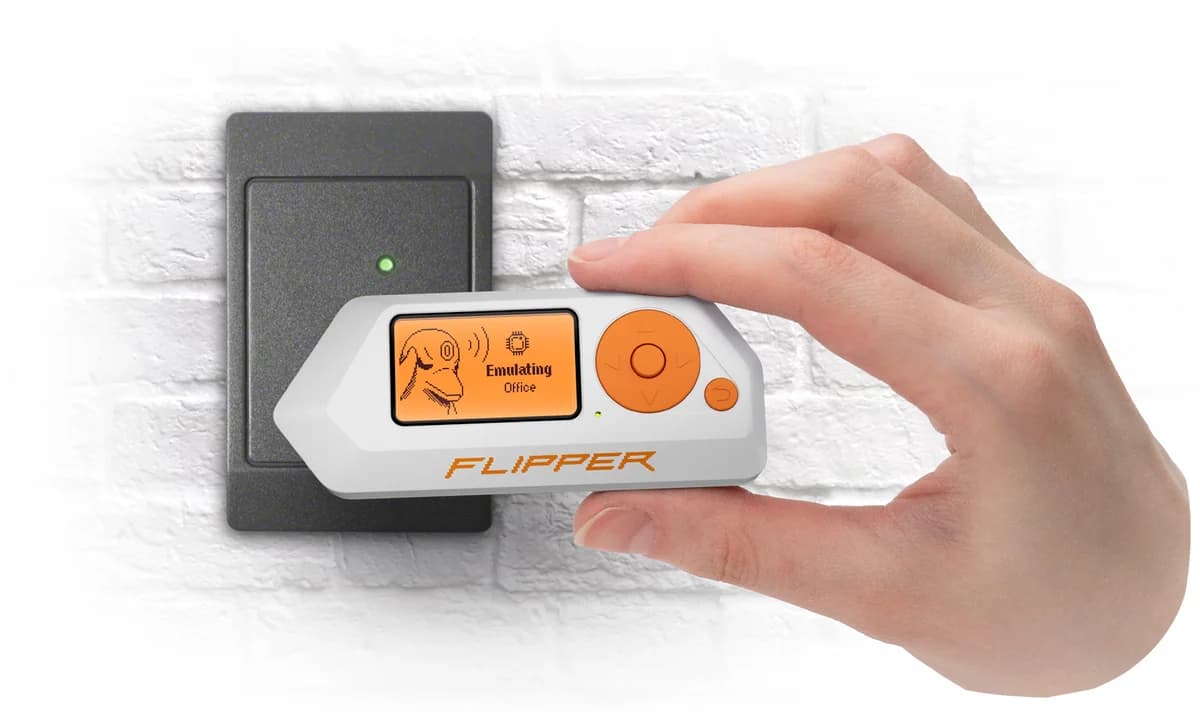
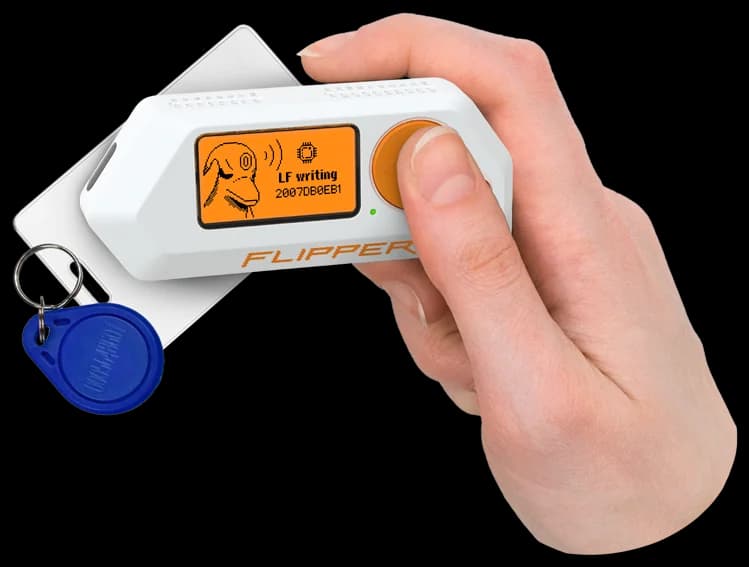
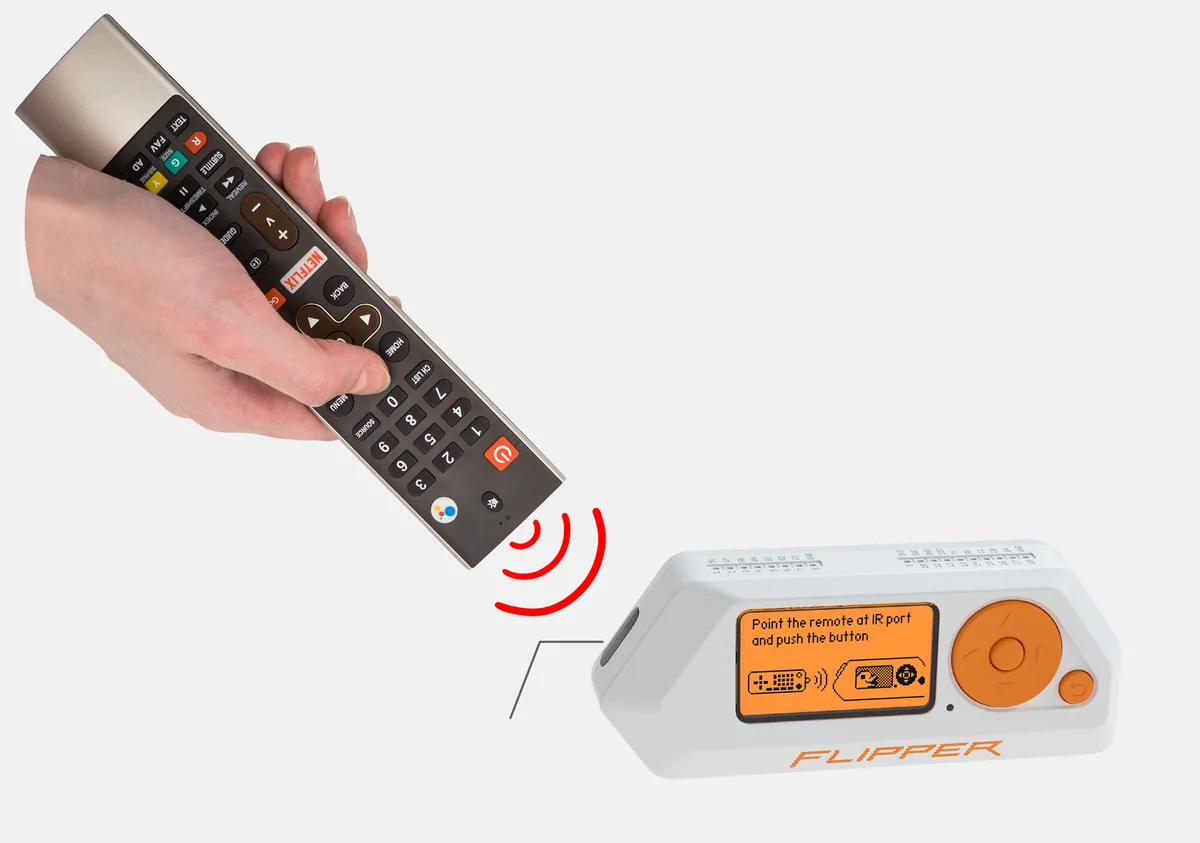
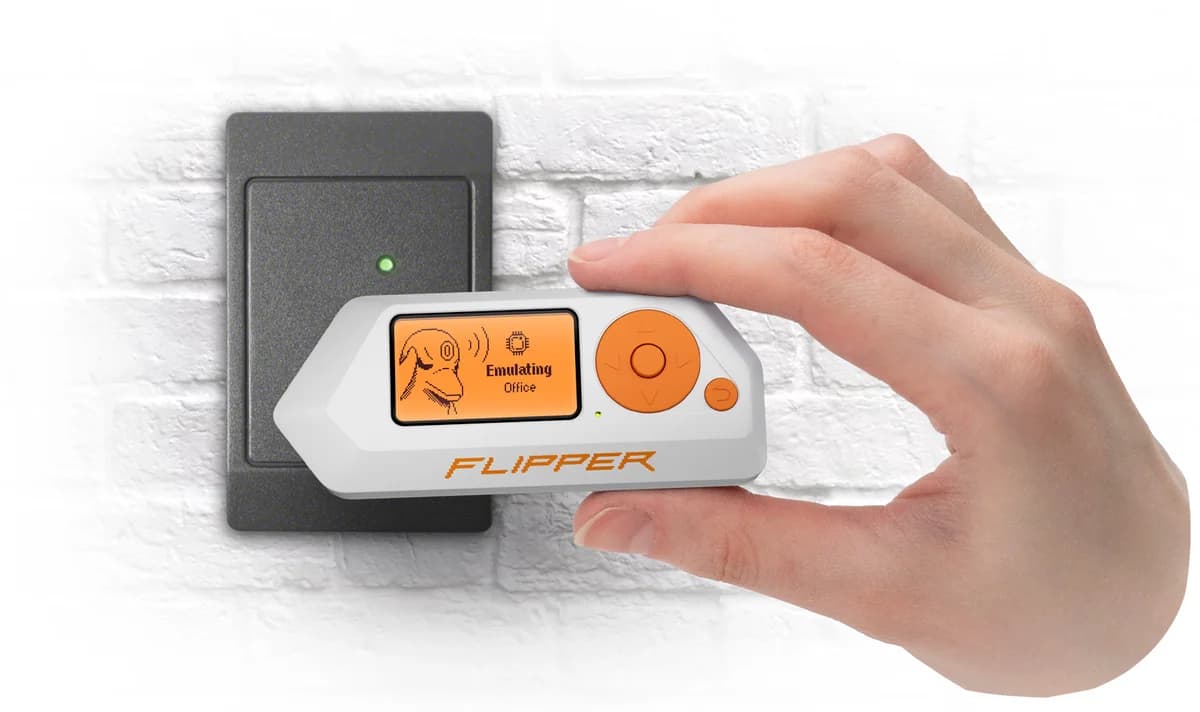
The Flipper Zero’s biggest appeal is fitting several useful interfaces into one handheld device. Its NFC and 125 kHz RFID tools can read, save, and emulate compatible tags, while infrared handles everyday remotes and Sub-GHz can capture or replay supported signals. Testing and reviews confirm real successes with access cards, pet microchips, doorbells, projectors, and older wireless systems, but encryption, rolling codes, regional rules, and hardware limits matter. It is a learning and convenience tool, not a universal cloner or substitute for an SDR.
Physical Design Quality
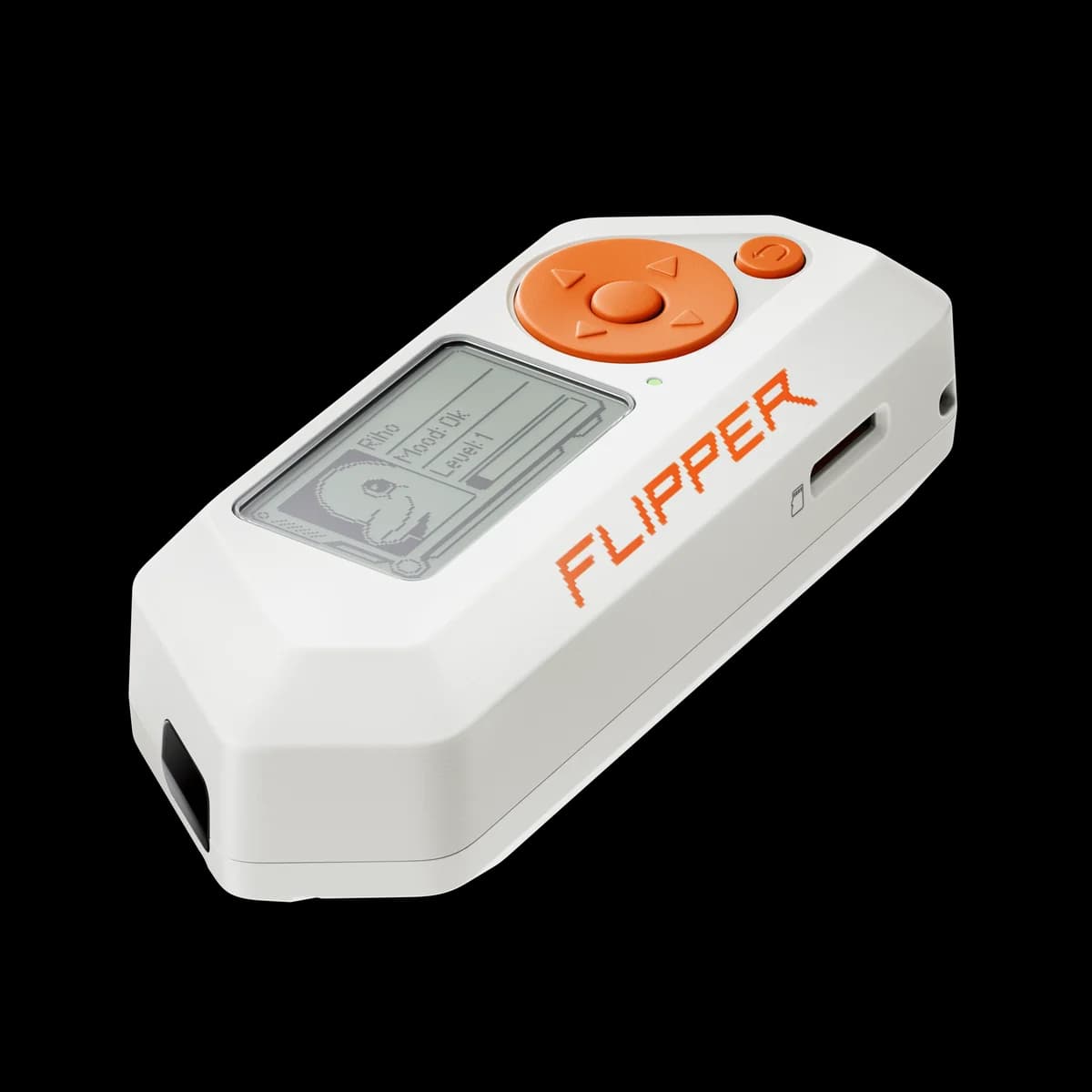
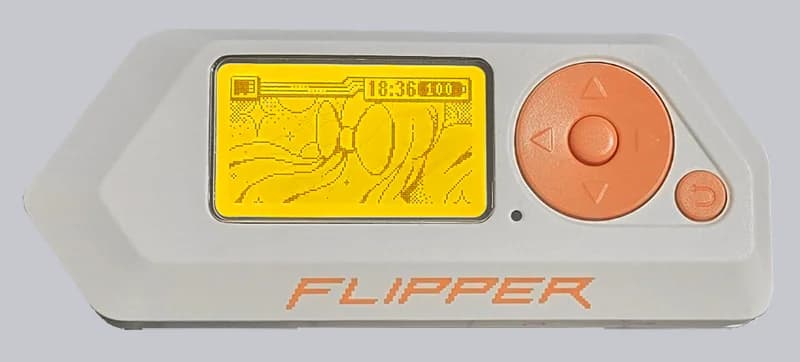
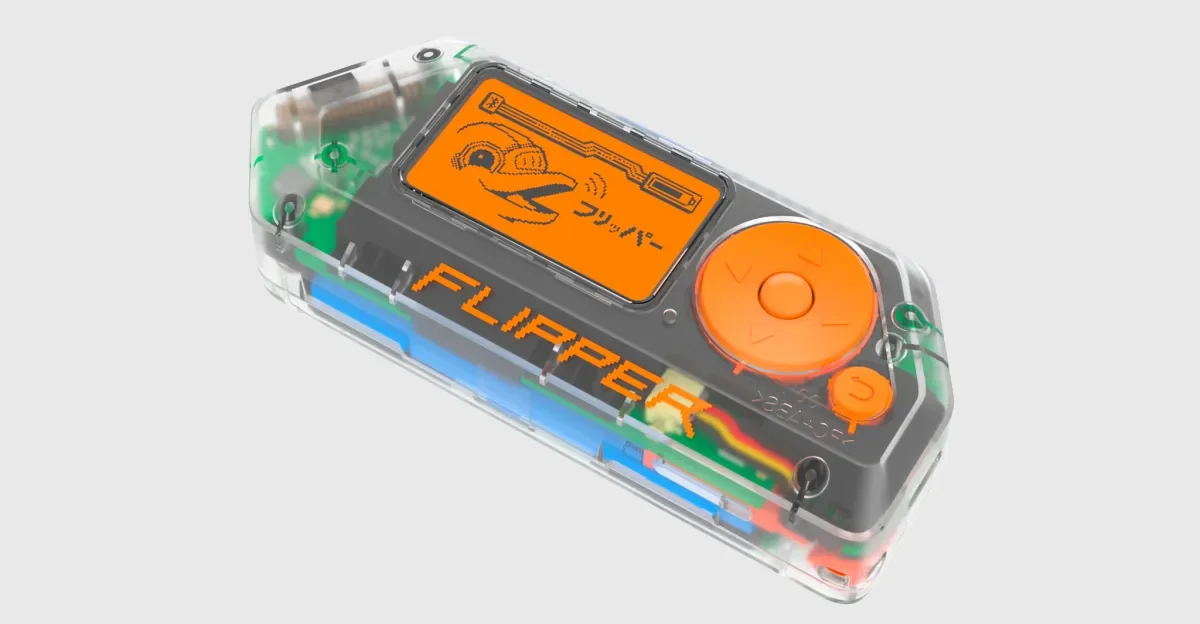
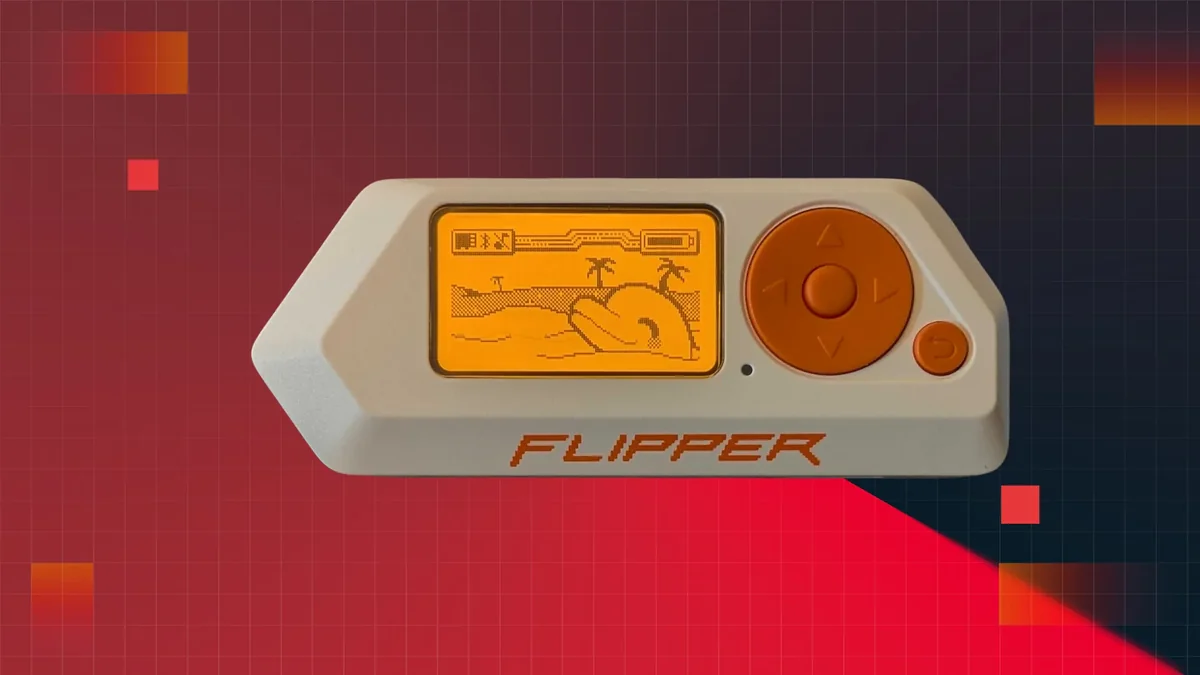
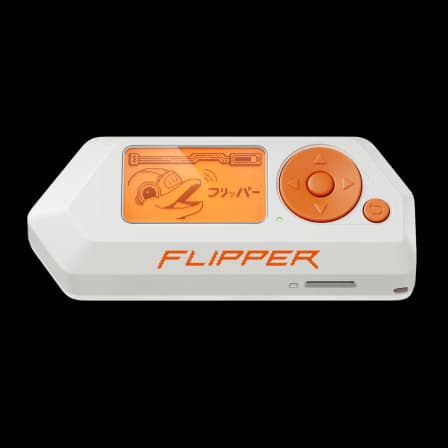
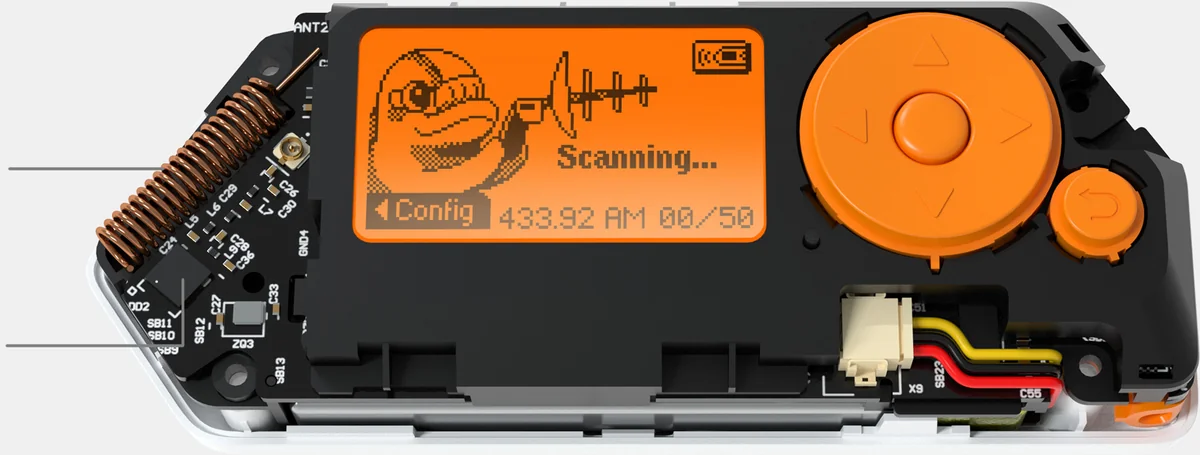
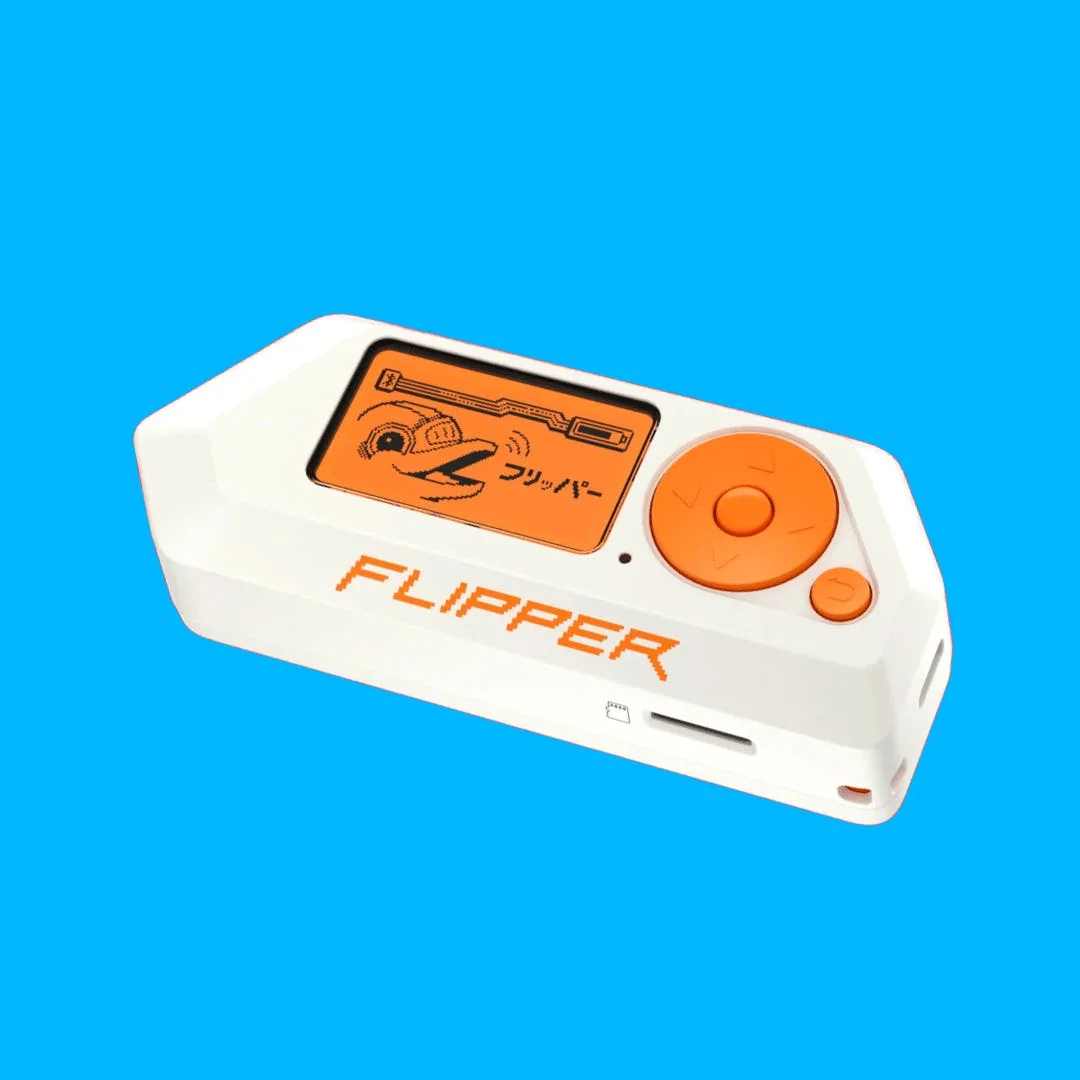
The Flipper Zero feels more distinctive than refined, with a sturdy, playful enclosure that makes technical experimentation approachable. Its 100 × 40 × 25 mm, 102 g body is genuinely portable, although users often describe it as chunky rather than effortlessly pocketable. The 1.4-inch monochrome LCD is clear and power-efficient, but its 128 × 64 resolution limits how much information fits onscreen. The controls, cyber-dolphin interface, and documented PC, ABS, and PMMA construction earn praise, while the bulk and small display can make quick tasks feel fiddly.
Storage And Firmware Setup
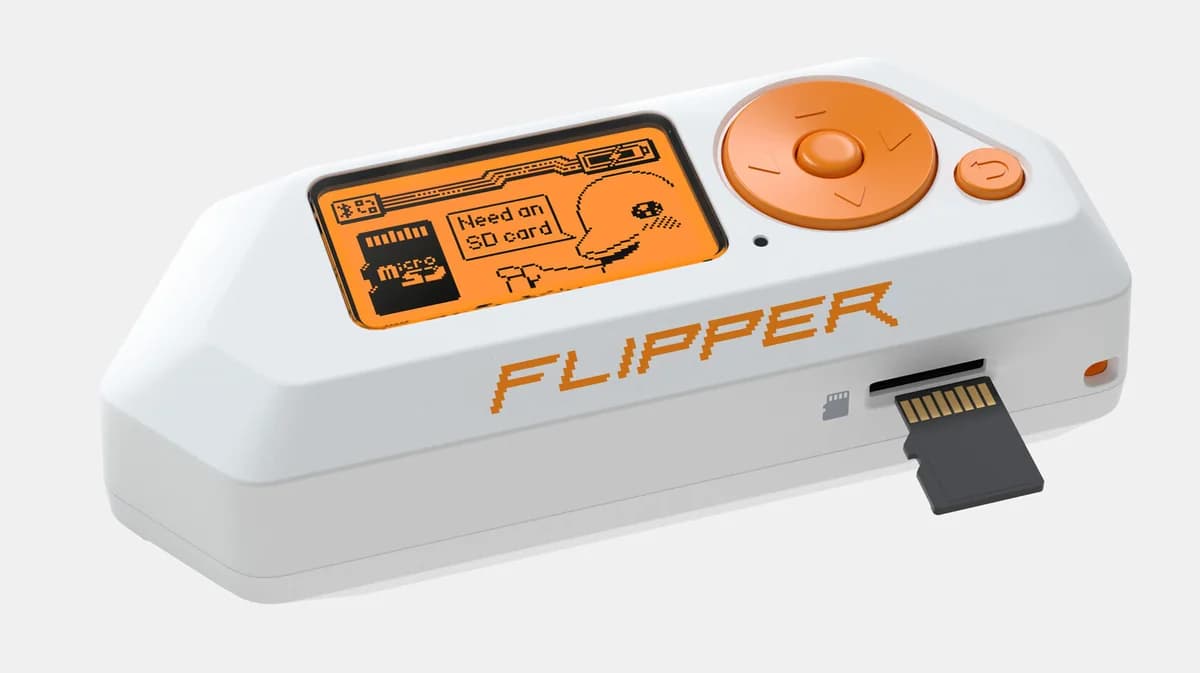
The software ecosystem is a major part of the Flipper Zero’s value, but getting comfortable with it takes some commitment. A microSD card is effectively essential for storing files, applications, and community content, even though it is not always included. Official firmware is approachable, while open-source and community firmware can add functionality, but setup quality varies and third-party changes may remove regional safeguards or create legal problems. Reviews praise ongoing support and customization, alongside recurring complaints about extra purchases, Linux friction, and occasional app bugs.
Battery Runtime
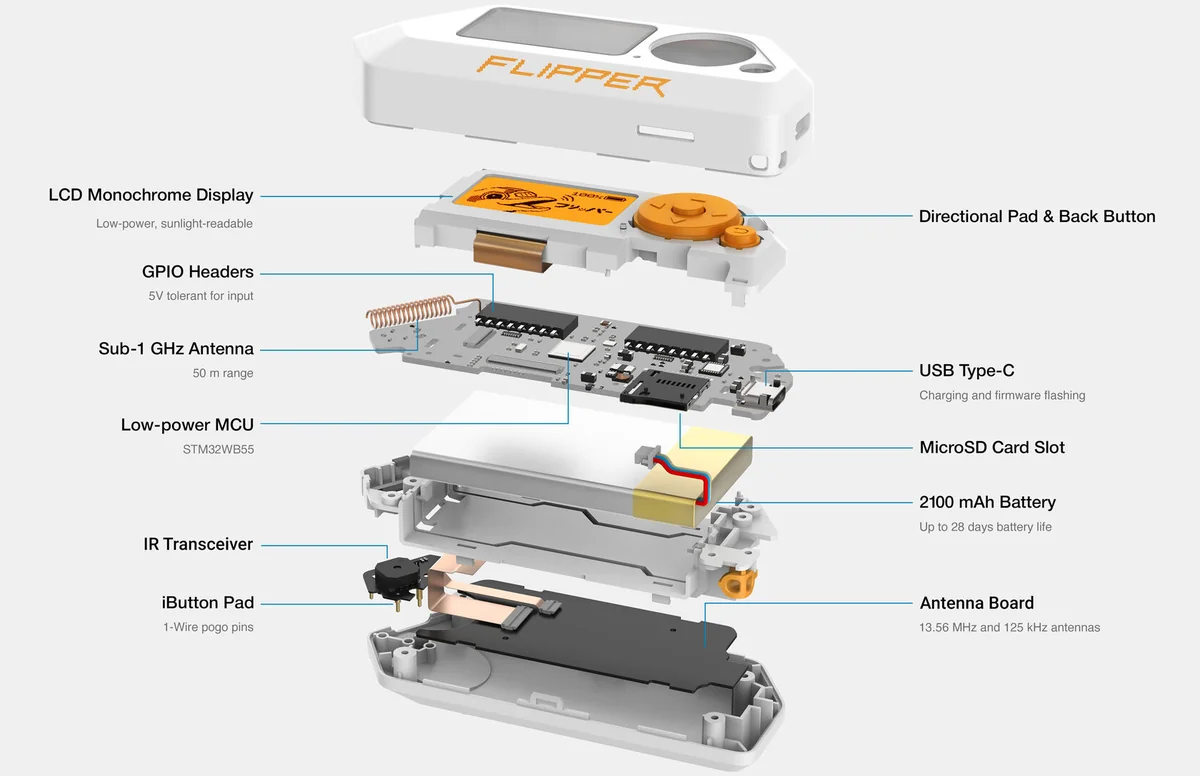
Battery life is a quiet strength for a device meant to be carried and used spontaneously. The 2,000–2,100 mAh LiPo battery is advertised for up to 28 days, depending heavily on activity and standby time. Expert testing generally praises its week-plus endurance, and the low-power monochrome interface helps it stay ready between experiments. Real runtime will drop with frequent radio use, Bluetooth, or accessories, but the device’s standalone design means you can investigate a signal without bringing a laptop or hunting for a charger.
Expansion And Accessories
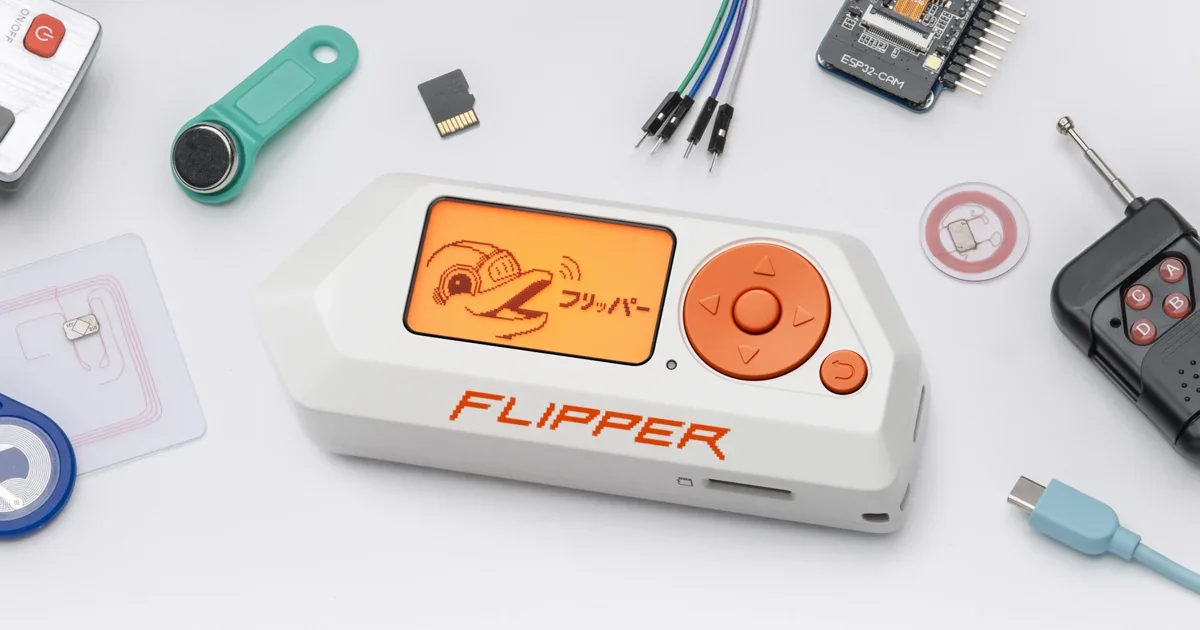
GPIO and USB turn the Flipper Zero from a fixed gadget into a small experimentation platform. The GPIO header supports sensors, custom modules, and community-built hardware, while USB-C enables charging, firmware management, data transfer, and BadUSB-style automation. Optional additions such as the Wi-Fi Dev Board can broaden its capabilities, but they increase the total cost and setup effort. Experts value the open ecosystem, yet consistently position these expansions as enthusiast features rather than evidence that the base device replaces specialized professional tools.
Conclusion
Flipper Zero earns its space by turning a pocketful of wireless concepts into something you can actually explore: broad protocol coverage handles compatible NFC, RFID, infrared, and Sub-GHz tasks, though encryption, rolling codes, and regional rules stop it short of universal cloning. Its long battery runtime and standalone controls make spontaneous experiments easy, while the sturdy, slightly chunky body and small screen can feel fiddly. GPIO and USB expandability keep makers interested, especially with community accessories, but add-ons raise the cost. Expect a learning curve around microSD and firmware setup, plus occasional app friction. It suits curious beginners, hobbyists, educators, and authorized testers—not buyers seeking professional SDR depth or a gadget with guaranteed daily utility. The verdict is a capable, approachable, fairly priced learning platform whose value depends on genuine curiosity and continued projects.

Feature Scores
This reflects reviews and ratings from established critics, journalists, and users who have evaluated the item. Their opinions provide a comprehensive assessment.
Performance
Operational Reliability
4/5
Load Capacity
3/5
Thermal Management
3/5
Electrical Efficiency
4/5
Signal Integrity
4/5
Durability
4/5
Value
Purchase Price Competitiveness
3/5
Total Cost of Ownership
3/5
Warranty and Support
3/5
Design
Visual Design Quality
4/5
Ergonomics
4/5
Modularity
5/5
Health
Hazardous Substances Compliance
TBD
Material Toxicity Risk
3/5
Safety
Electrical Safety Compliance
4/5
Overcurrent Protection
3/5
Isolation and Insulation Quality
3/5
Fire Risk Mitigation
3/5
Sustainability
Energy Use Efficiency
4/5
End-of-Life Recyclability
2/5
Experience Style
Installation Simplicity
3/5

Specifications
This section outlines the product's key facts, covering essential features, details, dimensions, materials, and any unique characteristics that define its functionality and usability.
Performance
Value
Design
Safety
Sustainability
Experience Style

Frequently Asked Questions
9 Questions
Find Yours
What type of electrical equipment do you most often shop for?
Answer to find your best matches.