Dodge Hornet (2025)
Quick, sporty AWD crossover with useful PHEV range, but cramped and reliability remains uncertain.
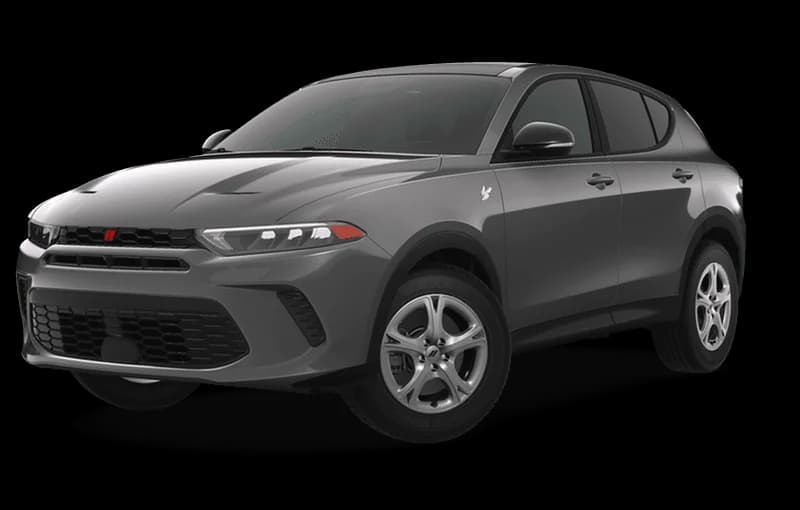
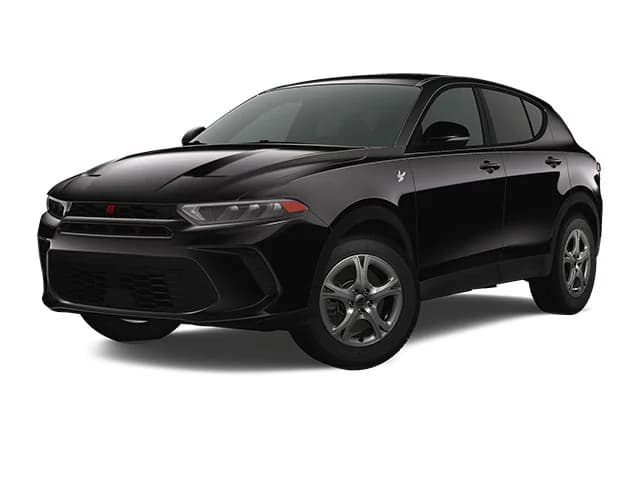
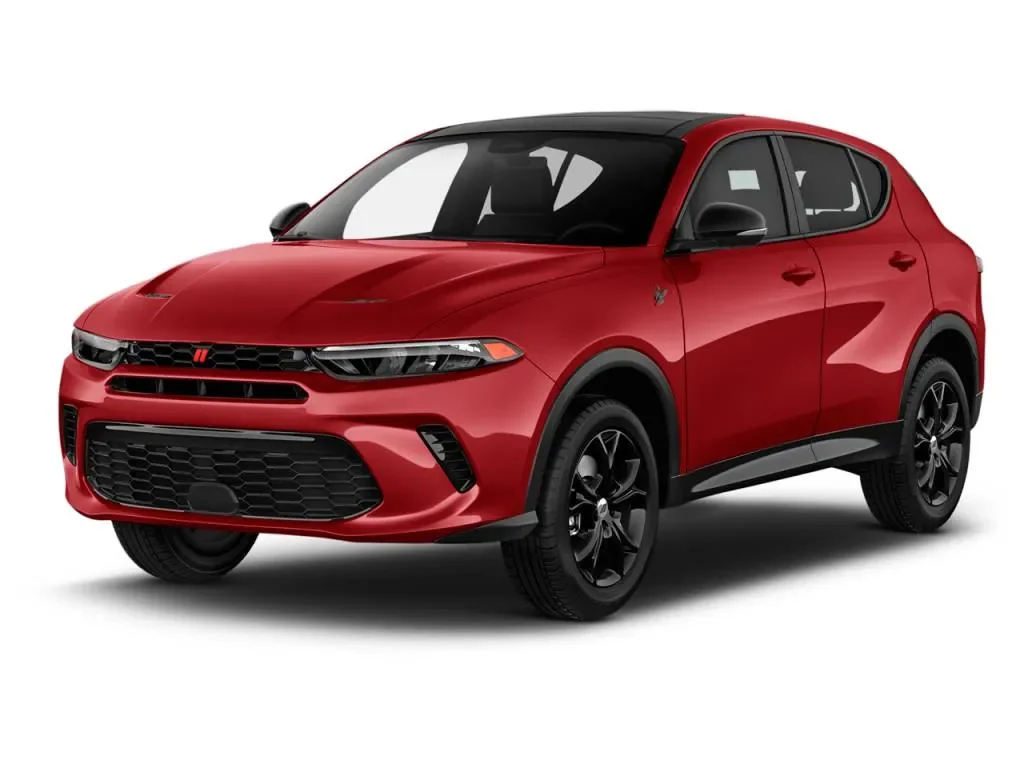
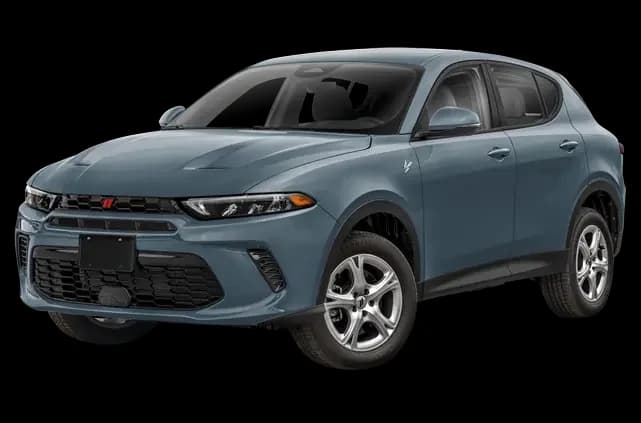
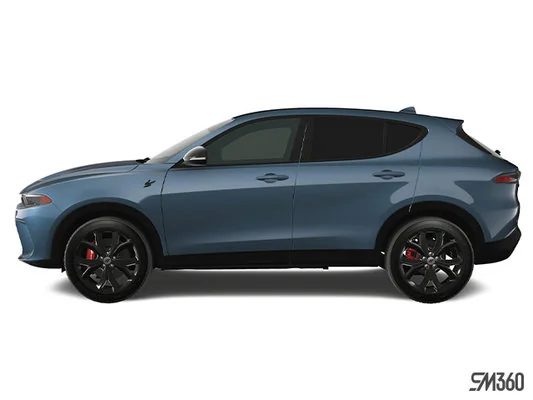
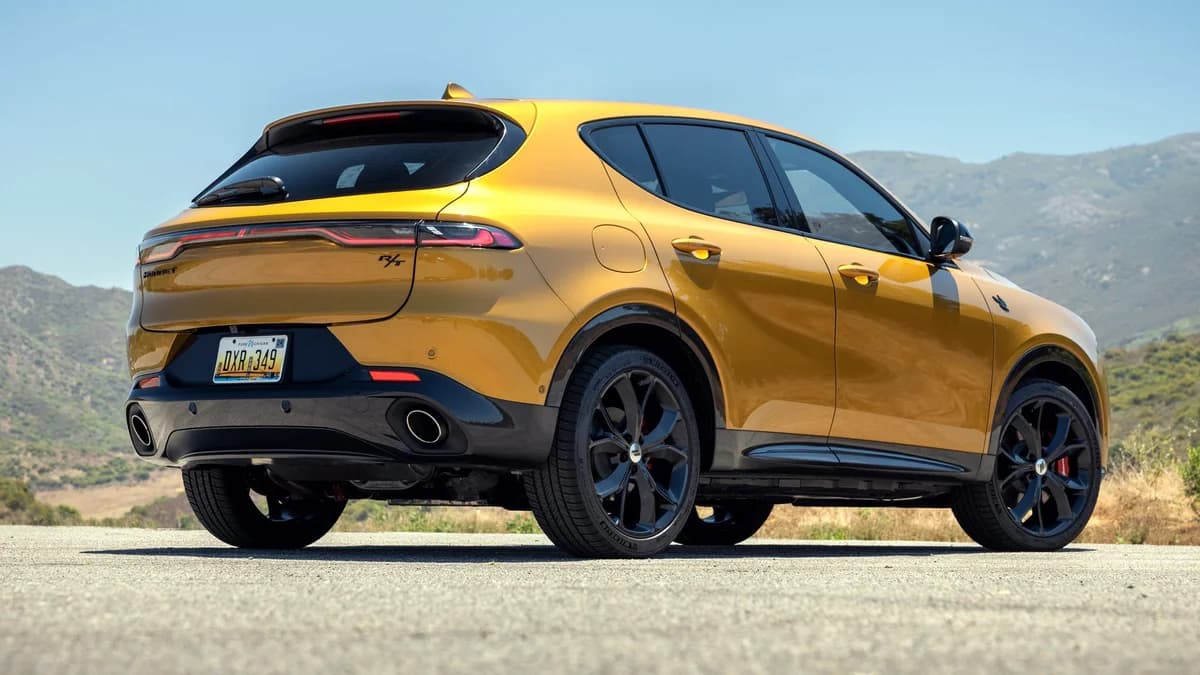
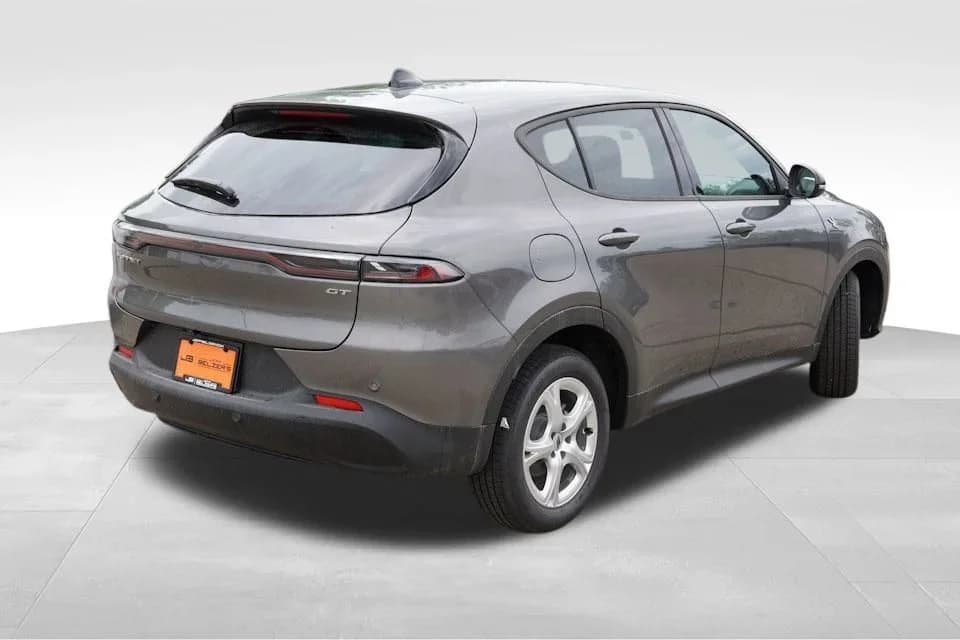
The Dodge Hornet (2025) is a small SUV for commuters and enthusiasts who want something quicker and more confident in bad weather than the usual family crossover. Its defining trick is standard all-wheel drive, backed by genuinely brisk turbo acceleration and sharp handling that experts find more entertaining than a CR-V or Tucson. The R/T plug-in hybrid supports roughly 30 to 33 electric miles, but reviewers say its extra cost, weight, and occasional awkward transitions weaken the efficiency argument. Owners appreciate discounts and distinctive styling, yet reports of glitches and dealer visits make reliability a serious question. With cramped rear space and steep depreciation, the discounted GT Plus is the safer value. Overall Buyary appeal rests on fun and traction outweighing practicality and ownership uncertainty.
Find Yours
What is the primary purpose for your vehicle?
Answer to find your best matches.

The Field
Browse top contenders, or compare all options ranked by score and key attributes.
5 Options
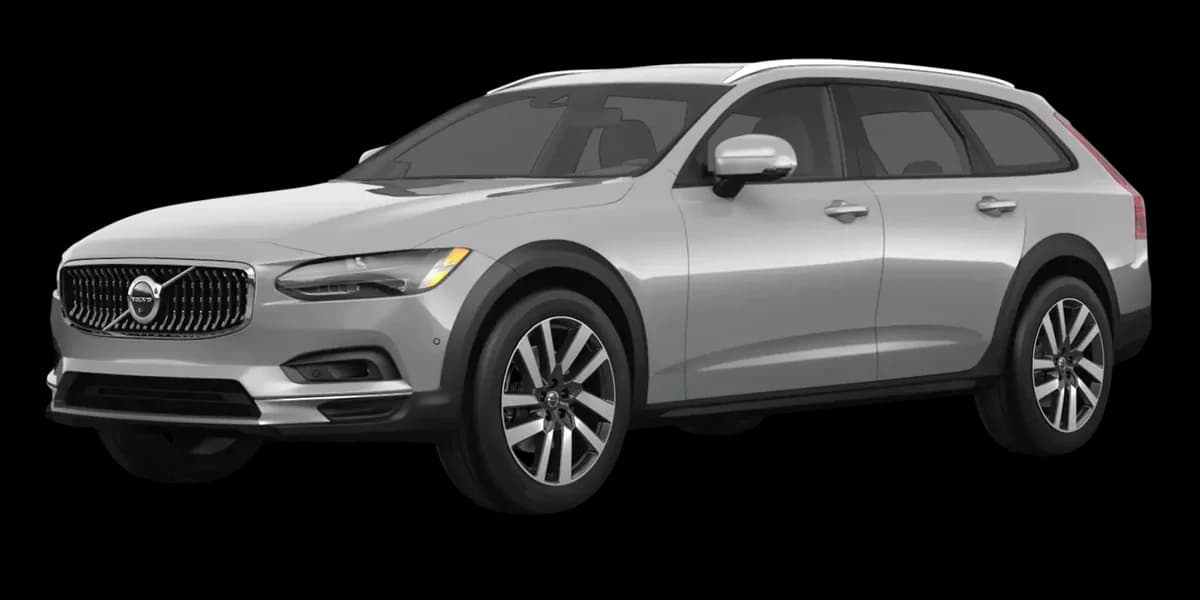
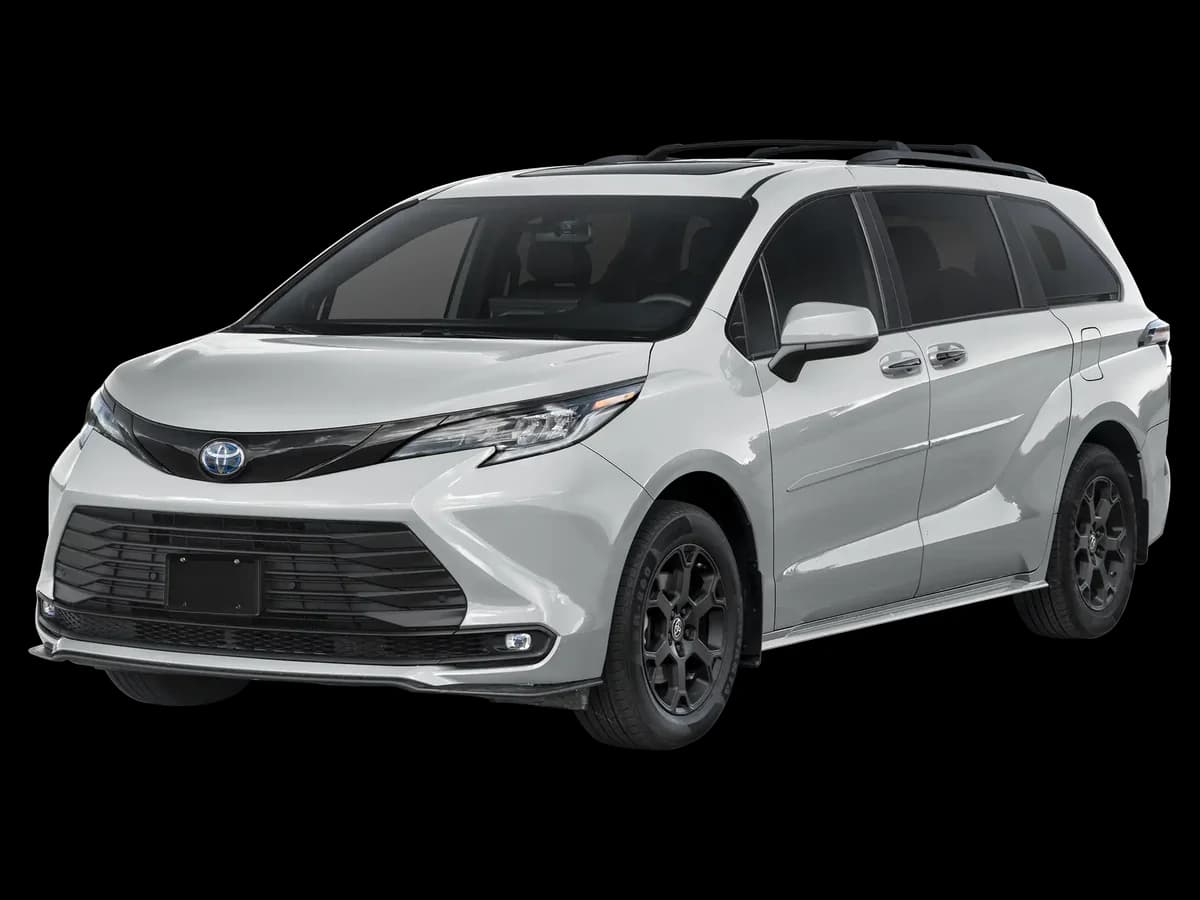
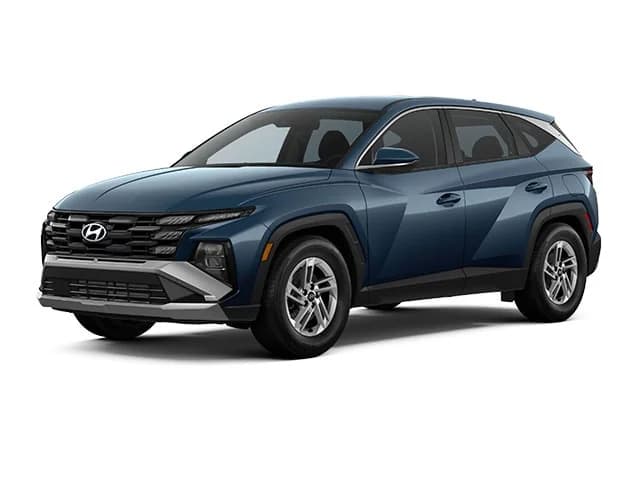
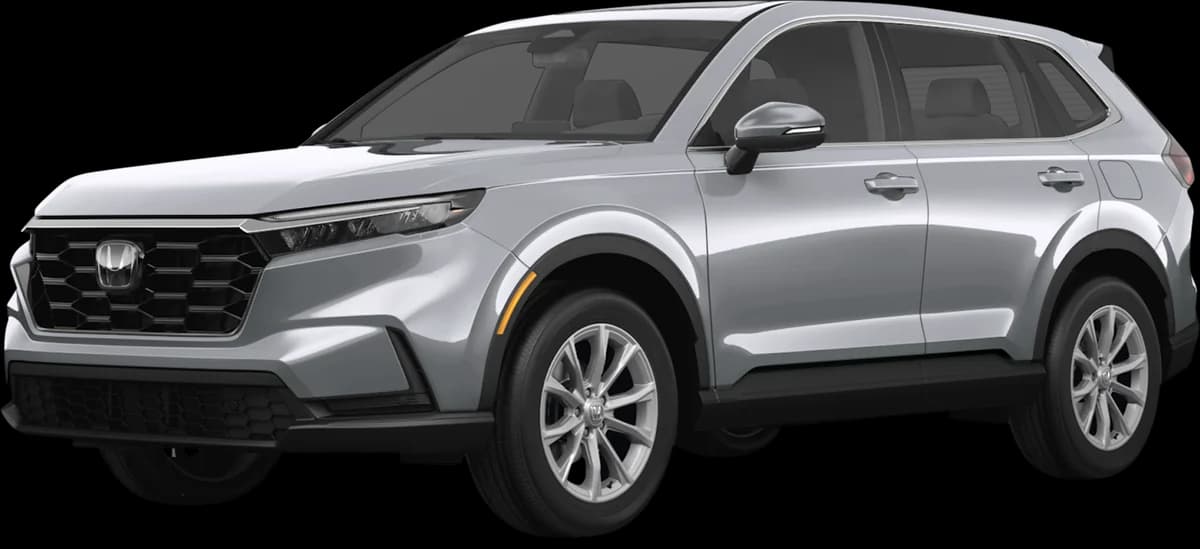


The Scoreboard
Does this improve your life? Considers, health, habits, and environmental impact.
Benefits
Quick acceleration makes merging, passing, and everyday errands feel more effortless and enjoyable.
Standard all-wheel drive gives drivers extra confidence on wet roads and winter commutes.
R/T electric range can cover short commutes quietly without using gasoline when charged regularly.
Clear screens, physical controls, and standard safety tech make routine driving easier to manage.
Trade-Offs
Tight rear seats and cargo space make family trips and bulky errands frustrating.
Firm ride and bump transmission can leave passengers jostled on rough city streets.
The GT can feel loud and clunky in traffic, making smooth low-speed driving harder.
Reported electrical glitches and warning lights can turn ordinary driving into repeated service visits.
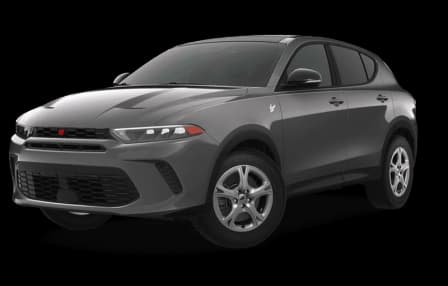
 Alternatives


Join the Circle
Where real meets deal
Know what's worth buying-and when.
Tips, special offers, and rewards for buying and sharing.

Publications
5 LEADING PUBLICATION REVIEWS

Car and Driver views the 2025 Dodge Hornet favorably, especially as a lively, well-equipped compact SUV. Its 268-hp turbocharged engine produces strong acceleration—the GT Plus reached 60 mph in 5.7 seconds—and confident handling makes it more engaging than the Hyundai Tucson or Kia Sportage. The Hornet also undercuts its Alfa Romeo Tonale twin while sharing much of that model’s attractive design and capable all-wheel-drive package. Still, the enthusiasm is qualified: rear-seat and cargo space are tight, fuel economy is mediocre, and rivals such as the Honda CR-V and Mazda CX-50 are more versatile, while the Mazda and Volkswagen offer sharper driving dynamics. Standard tech and safety equipment are generous, though desirable cold-weather features cost extra and the warranty is merely average. Overall, it is a playful, performance-minded choice for drivers who value fun over family practicality.
By David Gluckman
MotorTrend’s Billy Rehbock views the 2025 Dodge Hornet as enjoyable but ultimately compromised. Its muscular styling, punchy turbocharged and plug-in-hybrid powertrains, quick acceleration, and engaging handling make it unusually entertaining among compact SUVs, while the Track Pack’s Koni dampers are considered especially worthwhile. Standard technology and safety equipment also strengthen its value. Still, the Hornet’s cheap-feeling interior, cramped rear seats, limited cargo space, and the R/T’s high price undermine its usefulness as a family vehicle. The plug-in hybrid offers decent electric range, but its Power Shot feature feels awkward and delivers little meaningful benefit. Rehbock’s central insight is that the Hornet works better as a European-style hot hatch than as the compact muscle SUV Dodge buyers might expect, leaving it squeezed between more practical rivals and its own brand identity.
By Billy Rehbock
Car and Driver views the 2025 Dodge Hornet favorably, especially as a lively, well-equipped compact SUV. Its 268-hp turbocharged engine produces strong acceleration—the GT Plus reached 60 mph in 5.7 seconds—and confident handling makes it more engaging than the Hyundai Tucson or Kia Sportage. The Hornet also undercuts its Alfa Romeo Tonale twin while sharing much of that model’s attractive design and capable all-wheel-drive package. Still, the enthusiasm is qualified: rear-seat and cargo space are tight, fuel economy is mediocre, and rivals such as the Honda CR-V and Mazda CX-50 are more versatile, while the Mazda and Volkswagen offer sharper driving dynamics. Standard tech and safety equipment are generous, though desirable cold-weather features cost extra and the warranty is merely average. Overall, it is a playful, performance-minded choice for drivers who value fun over family practicality.
By David Gluckman
MotorTrend’s Billy Rehbock views the 2025 Dodge Hornet as enjoyable but ultimately compromised. Its muscular styling, punchy turbocharged and plug-in-hybrid powertrains, quick acceleration, and engaging handling make it unusually entertaining among compact SUVs, while the Track Pack’s Koni dampers are considered especially worthwhile. Standard technology and safety equipment also strengthen its value. Still, the Hornet’s cheap-feeling interior, cramped rear seats, limited cargo space, and the R/T’s high price undermine its usefulness as a family vehicle. The plug-in hybrid offers decent electric range, but its Power Shot feature feels awkward and delivers little meaningful benefit. Rehbock’s central insight is that the Hornet works better as a European-style hot hatch than as the compact muscle SUV Dodge buyers might expect, leaving it squeezed between more practical rivals and its own brand identity.
By Billy Rehbock
Car and Driver views the 2025 Dodge Hornet favorably, especially as a lively, well-equipped compact SUV. Its 268-hp turbocharged engine produces strong acceleration—the GT Plus reached 60 mph in 5.7 seconds—and confident handling makes it more engaging than the Hyundai Tucson or Kia Sportage. The Hornet also undercuts its Alfa Romeo Tonale twin while sharing much of that model’s attractive design and capable all-wheel-drive package. Still, the enthusiasm is qualified: rear-seat and cargo space are tight, fuel economy is mediocre, and rivals such as the Honda CR-V and Mazda CX-50 are more versatile, while the Mazda and Volkswagen offer sharper driving dynamics. Standard tech and safety equipment are generous, though desirable cold-weather features cost extra and the warranty is merely average. Overall, it is a playful, performance-minded choice for drivers who value fun over family practicality.
By David Gluckman
MotorTrend’s Billy Rehbock views the 2025 Dodge Hornet as enjoyable but ultimately compromised. Its muscular styling, punchy turbocharged and plug-in-hybrid powertrains, quick acceleration, and engaging handling make it unusually entertaining among compact SUVs, while the Track Pack’s Koni dampers are considered especially worthwhile. Standard technology and safety equipment also strengthen its value. Still, the Hornet’s cheap-feeling interior, cramped rear seats, limited cargo space, and the R/T’s high price undermine its usefulness as a family vehicle. The plug-in hybrid offers decent electric range, but its Power Shot feature feels awkward and delivers little meaningful benefit. Rehbock’s central insight is that the Hornet works better as a European-style hot hatch than as the compact muscle SUV Dodge buyers might expect, leaving it squeezed between more practical rivals and its own brand identity.
By Billy Rehbock

YouTube
12 LEADING EXPERT & INFLUENCER REVIEWS
 savagegeese
Savagegeese is cautiously impressed by the Dodge Hornet, but ultimately skeptical of its long-term case. They praise the sharp acceleration, standard AWD, improved interior, responsive handling, quiet cabin, and R/T’s useful plug-in-hybrid range. Yet the Hornet feels like a refined Jeep Compass underneath, with limited cargo room, occasional infotainment glitches, a clumsy brake-by-wire system, intrusive stability controls, and questionable practicality versus proven rivals. Their distinctive takeaway is that Dodge has made the best product it could from aging hardware—but its sporty marketing feels more convincing than the underlying driving experience.
The Car Care Nut ReviewsThe Car Care Nut is cautiously negative on the Dodge Hornet, appreciating its smooth, quick plug-in-hybrid system but questioning its purpose and long-term durability. He finds the unusual front- and rear-motor layout technically clever, with roughly 30 miles of real-world electric range and seamless power delivery. However, the drivetrain’s complexity, sprawling coolant and refrigerant lines, questionable serviceability, mediocre practicality, cramped passenger space, inconsistent materials, and high price undermine its appeal. In his view, it is an interesting step for Dodge, but an unfinished-feeling Alfa Romeo Tonale in Dodge clothing rather than a compelling family or performance SUV.
savagegeeseSavagegeese is cautiously impressed by the Dodge Hornet, but ultimately skeptical of its long-term case. They praise the sharp acceleration, standard AWD, improved interior, responsive handling, quiet cabin, and R/T’s useful plug-in-hybrid range. Yet the Hornet feels like a refined Jeep Compass underneath, with limited cargo room, occasional infotainment glitches, a clumsy brake-by-wire system, intrusive stability controls, and questionable practicality versus proven rivals. Their distinctive takeaway is that Dodge has made the best product it could from aging hardware—but its sporty marketing feels more convincing than the underlying driving experience.
The Car Care Nut ReviewsThe Car Care Nut is cautiously negative on the Dodge Hornet, appreciating its smooth, quick plug-in-hybrid system but questioning its purpose and long-term durability. He finds the unusual front- and rear-motor layout technically clever, with roughly 30 miles of real-world electric range and seamless power delivery. However, the drivetrain’s complexity, sprawling coolant and refrigerant lines, questionable serviceability, mediocre practicality, cramped passenger space, inconsistent materials, and high price undermine its appeal. In his view, it is an interesting step for Dodge, but an unfinished-feeling Alfa Romeo Tonale in Dodge clothing rather than a compelling family or performance SUV.
savagegeeseSavagegeese is cautiously impressed by the Dodge Hornet, but ultimately skeptical of its long-term case. They praise the sharp acceleration, standard AWD, improved interior, responsive handling, quiet cabin, and R/T’s useful plug-in-hybrid range. Yet the Hornet feels like a refined Jeep Compass underneath, with limited cargo room, occasional infotainment glitches, a clumsy brake-by-wire system, intrusive stability controls, and questionable practicality versus proven rivals. Their distinctive takeaway is that Dodge has made the best product it could from aging hardware—but its sporty marketing feels more convincing than the underlying driving experience.
The Car Care Nut ReviewsThe Car Care Nut is cautiously negative on the Dodge Hornet, appreciating its smooth, quick plug-in-hybrid system but questioning its purpose and long-term durability. He finds the unusual front- and rear-motor layout technically clever, with roughly 30 miles of real-world electric range and seamless power delivery. However, the drivetrain’s complexity, sprawling coolant and refrigerant lines, questionable serviceability, mediocre practicality, cramped passenger space, inconsistent materials, and high price undermine its appeal. In his view, it is an interesting step for Dodge, but an unfinished-feeling Alfa Romeo Tonale in Dodge clothing rather than a compelling family or performance SUV.
savagegeeseSavagegeese is cautiously impressed by the Dodge Hornet, but ultimately skeptical of its long-term case. They praise the sharp acceleration, standard AWD, improved interior, responsive handling, quiet cabin, and R/T’s useful plug-in-hybrid range. Yet the Hornet feels like a refined Jeep Compass underneath, with limited cargo room, occasional infotainment glitches, a clumsy brake-by-wire system, intrusive stability controls, and questionable practicality versus proven rivals. Their distinctive takeaway is that Dodge has made the best product it could from aging hardware—but its sporty marketing feels more convincing than the underlying driving experience.
The Car Care Nut ReviewsThe Car Care Nut is cautiously negative on the Dodge Hornet, appreciating its smooth, quick plug-in-hybrid system but questioning its purpose and long-term durability. He finds the unusual front- and rear-motor layout technically clever, with roughly 30 miles of real-world electric range and seamless power delivery. However, the drivetrain’s complexity, sprawling coolant and refrigerant lines, questionable serviceability, mediocre practicality, cramped passenger space, inconsistent materials, and high price undermine its appeal. In his view, it is an interesting step for Dodge, but an unfinished-feeling Alfa Romeo Tonale in Dodge clothing rather than a compelling family or performance SUV.
savagegeeseSavagegeese is cautiously impressed by the Dodge Hornet, but ultimately skeptical of its long-term case. They praise the sharp acceleration, standard AWD, improved interior, responsive handling, quiet cabin, and R/T’s useful plug-in-hybrid range. Yet the Hornet feels like a refined Jeep Compass underneath, with limited cargo room, occasional infotainment glitches, a clumsy brake-by-wire system, intrusive stability controls, and questionable practicality versus proven rivals. Their distinctive takeaway is that Dodge has made the best product it could from aging hardware—but its sporty marketing feels more convincing than the underlying driving experience.
The Car Care Nut ReviewsThe Car Care Nut is cautiously negative on the Dodge Hornet, appreciating its smooth, quick plug-in-hybrid system but questioning its purpose and long-term durability. He finds the unusual front- and rear-motor layout technically clever, with roughly 30 miles of real-world electric range and seamless power delivery. However, the drivetrain’s complexity, sprawling coolant and refrigerant lines, questionable serviceability, mediocre practicality, cramped passenger space, inconsistent materials, and high price undermine its appeal. In his view, it is an interesting step for Dodge, but an unfinished-feeling Alfa Romeo Tonale in Dodge clothing rather than a compelling family or performance SUV.
savagegeeseSavagegeese is cautiously impressed by the Dodge Hornet, but ultimately skeptical of its long-term case. They praise the sharp acceleration, standard AWD, improved interior, responsive handling, quiet cabin, and R/T’s useful plug-in-hybrid range. Yet the Hornet feels like a refined Jeep Compass underneath, with limited cargo room, occasional infotainment glitches, a clumsy brake-by-wire system, intrusive stability controls, and questionable practicality versus proven rivals. Their distinctive takeaway is that Dodge has made the best product it could from aging hardware—but its sporty marketing feels more convincing than the underlying driving experience.
The Car Care Nut ReviewsThe Car Care Nut is cautiously negative on the Dodge Hornet, appreciating its smooth, quick plug-in-hybrid system but questioning its purpose and long-term durability. He finds the unusual front- and rear-motor layout technically clever, with roughly 30 miles of real-world electric range and seamless power delivery. However, the drivetrain’s complexity, sprawling coolant and refrigerant lines, questionable serviceability, mediocre practicality, cramped passenger space, inconsistent materials, and high price undermine its appeal. In his view, it is an interesting step for Dodge, but an unfinished-feeling Alfa Romeo Tonale in Dodge clothing rather than a compelling family or performance SUV.

Forum Reviews
CUSTOMER REVIEWS FROM 1 FORUM
Redditors are broadly skeptical of the 2025 Dodge Hornet, despite some owners enjoying it. Fans appreciate its sharp styling, roomy, quick-feeling driving experience, AWD confidence, strong discounts, and the R/T’s useful electric range. However, reliability dominates the discussion, with repeated reports of warning lights, electrical glitches, battery and radar problems, transmission or cooling issues, frequent dealership visits, and vehicles going out of service. The PHEV especially attracts concern, while the GT earns more favorable ownership accounts. Steep depreciation, weak demand, bland rebadge-like design, and poor marketing further undermine its value. Most recommend leasing or buying only with substantial discounts and comprehensive warranty coverage.
Many comments

In-Depth Review

Highlights
- •Quick Turbo AccelerationGT reaches 60 mph in 5.7 seconds.
- •All-Weather GripDesigned to provide standard AWD confidence.
- •Useful Electric CommutingAdvertised to cover roughly 33 electric miles.
- •Well-Equipped CabinDigital displays and safety technology come standard.

Considerations
- •Cramped Rear AccommodationRear seats and cargo trail roomier rivals.
- •Reliability Remains UncertainReports cite warnings and repeated dealer visits.
- •Upper Trims CostlyR/T pricing approaches premium alternatives.
- •Awkward Low-Speed ShiftsSport mode improves the GT’s traffic response.
Dodge’s performance-first reputation takes an unusual small-SUV form in the Hornet, pairing standard all-wheel drive with quicker reflexes than practical rivals. It is aimed at commuters and enthusiasts who want compact dimensions, confident bad-weather traction, and genuinely brisk acceleration rather than maximum family space. The gas GT’s 268-hp turbo-four is the straightforward choice, while the R/T adds plug-in-hybrid electric range for short, charge-at-home trips. Reviews also point to a more engaging chassis, useful screens, and supportive available materials, but raise questions about rear-seat room, cargo capacity, low-speed refinement, and electronic-system reliability. Compared with a CR-V, RAV4, or Tucson, the Hornet is more spirited but less versatile—and its upper trims can be expensive. Prospective buyers should weigh reported ownership uncertainty alongside performance before choosing; the Hornet may be a fun daily driver, but its practical compromises deserve equal billing.
Handling Steering Braking
The Hornet is tuned to feel more alert than a typical family crossover. Its multilink rear suspension, standard AWD, available adaptive dampers, and optional Brembo brakes help it stay composed through corners, with reviewers praising its darty responses and confident grip. The Track Pack’s Koni dampers are a worthwhile upgrade for enthusiastic drivers. However, the steering is lighter than the chassis suggests, and some reviews note torque steer, intrusive stability control, or a clumsy brake-by-wire feel. Sporty hardware improves engagement, but the ride can be firm and braking consistency is not universally convincing.
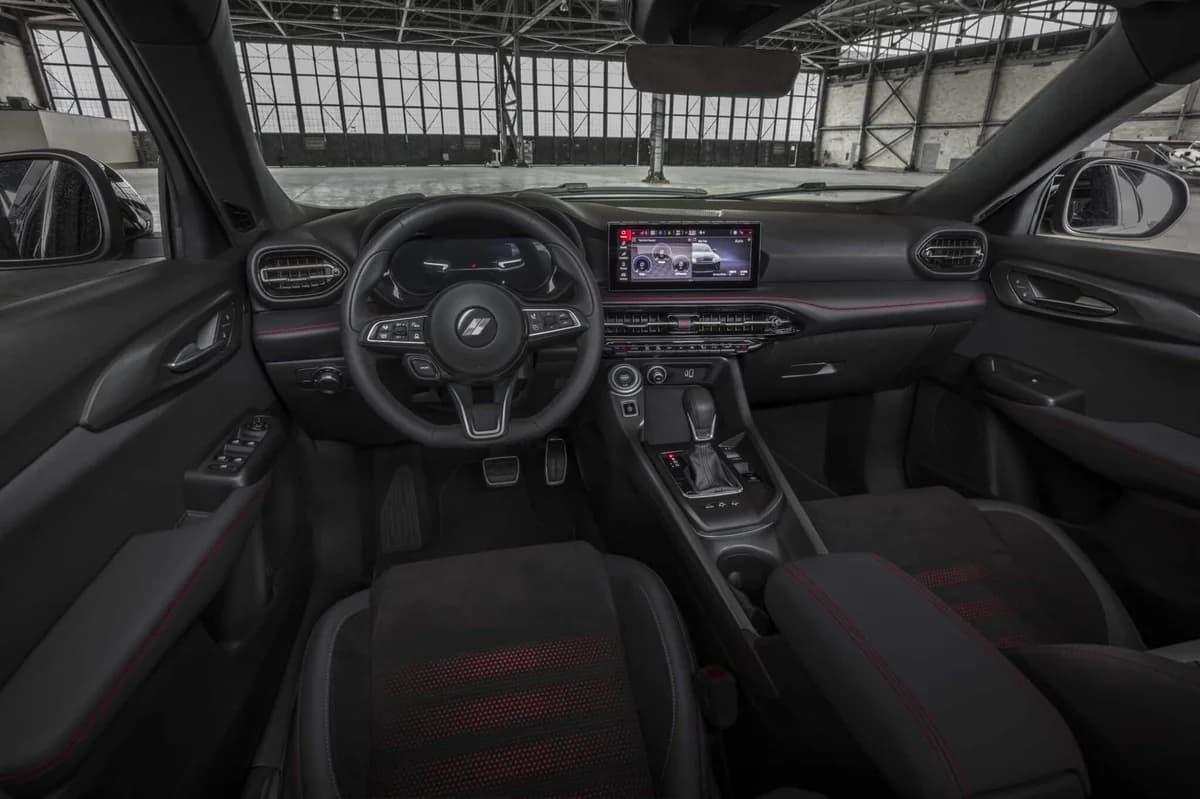
Plug-In Hybrid Operation
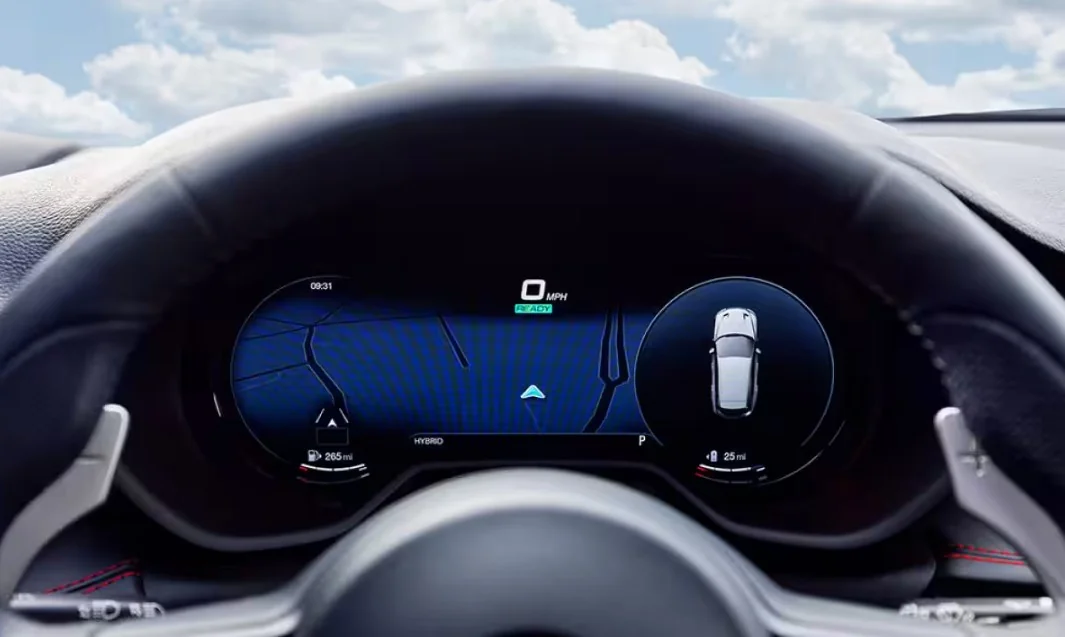
The R/T’s plug-in system is most useful when short trips can be charged at home. Its 15.5-kWh battery supports roughly 30 to 33 miles of electric driving, enough for some commutes, and the front-engine, rear-motor eAWD layout can deliver quiet, seamless power much of the time. Regenerative braking and a listed charging time near 2.5 hours add everyday convenience. Still, reviewers report occasional awkward transitions, and PowerShot adds more marketing theater than meaningful utility. The R/T favors torque and flexibility over simplicity, while its price and extra weight weaken the efficiency case.
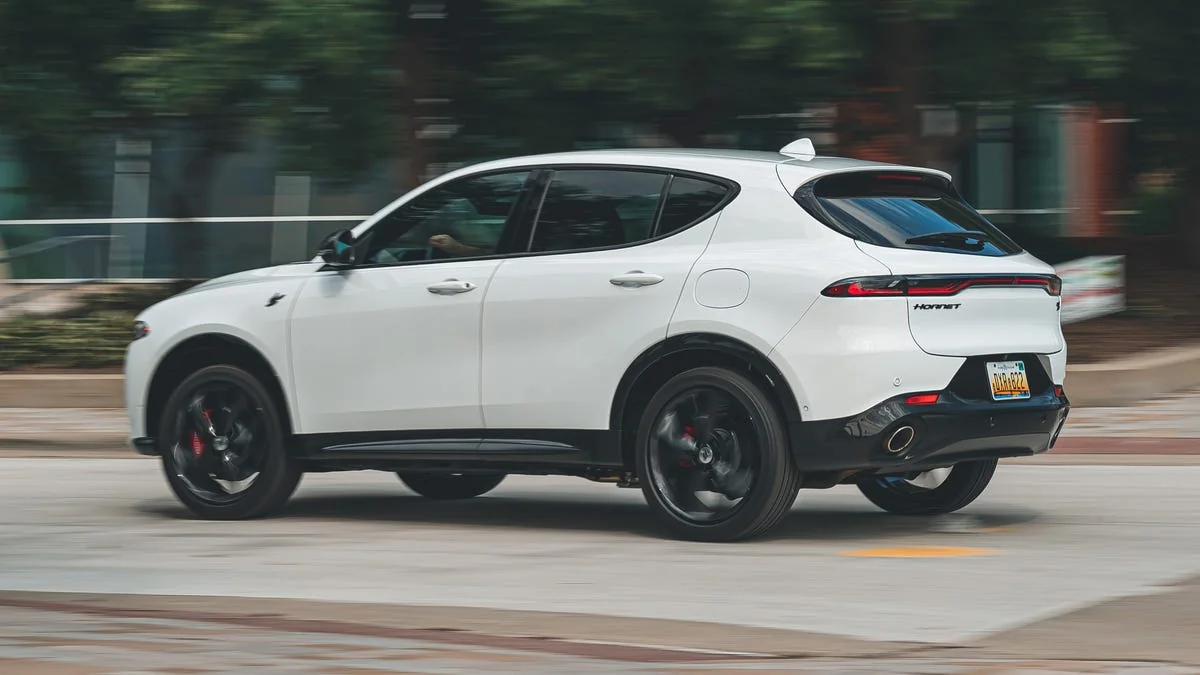
Acceleration and Powertrain
The Hornet feels unusually quick for a small SUV. The gas GT uses a 268-hp 2.0-liter turbo-four with 295 lb-ft and standard AWD, while the R/T plug-in hybrid combines a 1.3-liter turbo engine with electric motors for 288 hp and 383 lb-ft. Car and Driver recorded a GT Plus reaching 60 mph in 5.7 seconds, supporting Dodge’s performance message. The GT’s nine-speed can shift awkwardly in traffic, but Sport mode improves response, and the R/T delivers strong launches with some less-polished throttle transitions. Performance is the Hornet’s clearest advantage, provided practicality is secondary.
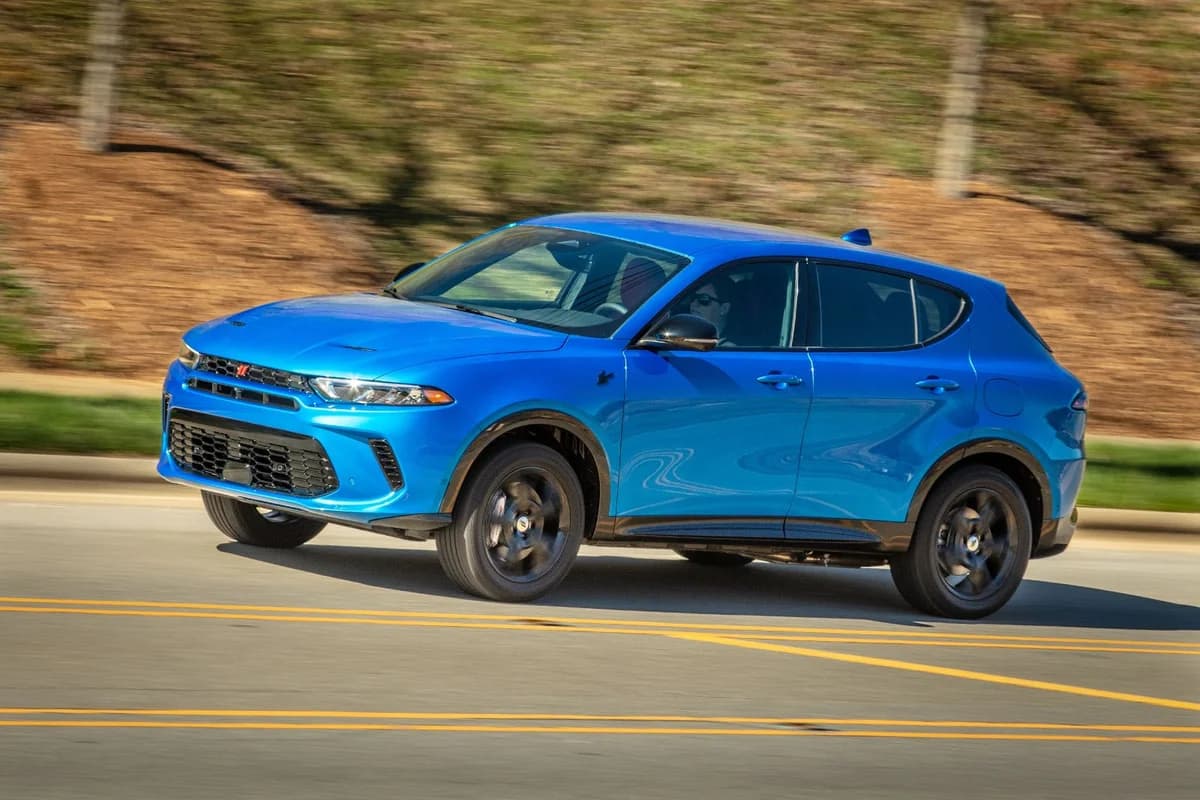
Interior Materials Build
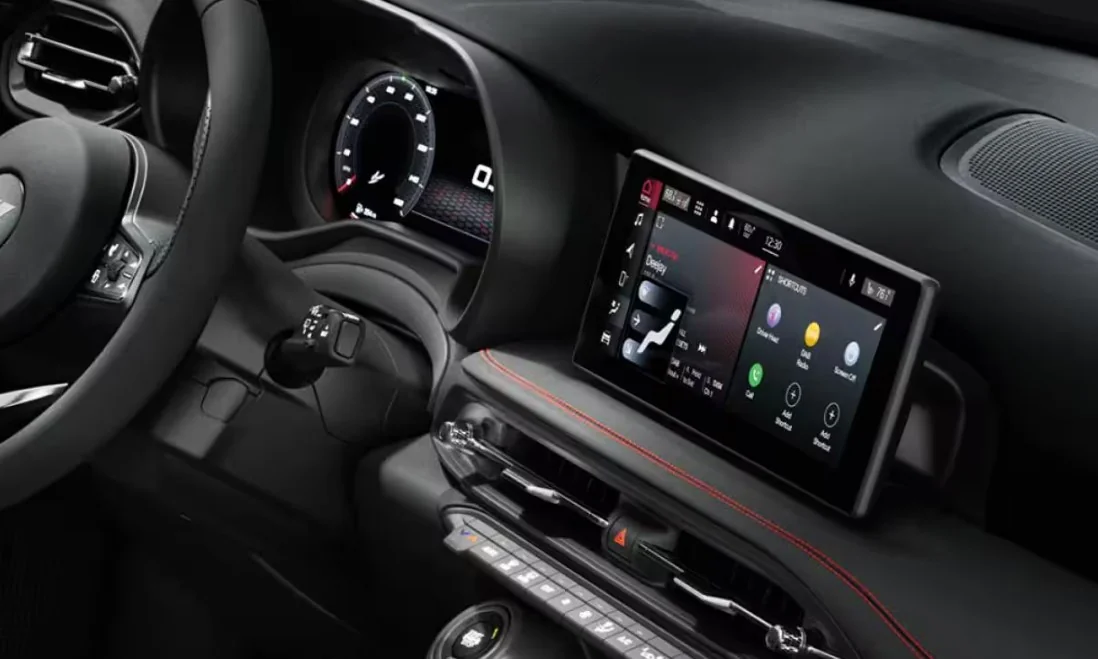
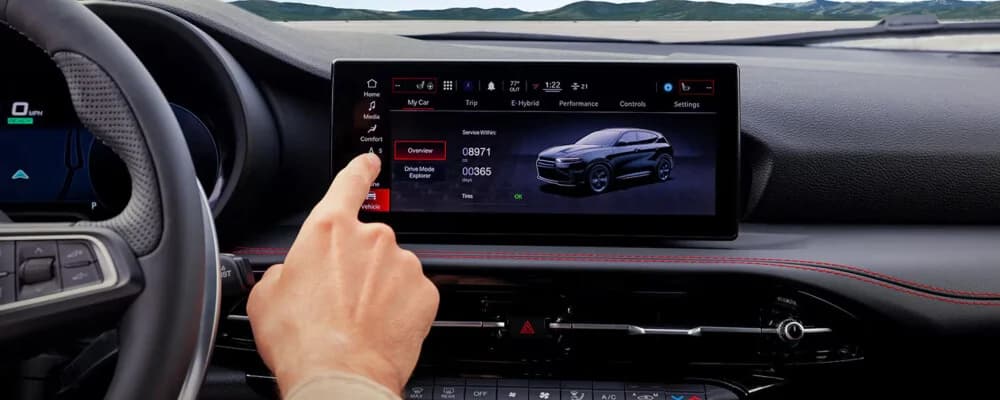
The Hornet’s cabin feels more thoughtfully equipped than its modest brand positioning suggests. A 12.3-inch digital gauge cluster, 10.25-inch Uconnect touchscreen, physical controls, smartphone integration, and available Alcantara help create a modern, driver-focused environment. Front seats are generally comfortable and supportive, though reviewers disagree about whether materials feel upscale or inconsistent. The screen is smaller than some newer rivals, and infotainment responsiveness or Apple CarPlay usability can be irritating. Equipment is a genuine strength, but trim pricing can approach premium territory without matching premium refinement or fit and finish.
Rear Seat Cargo Space
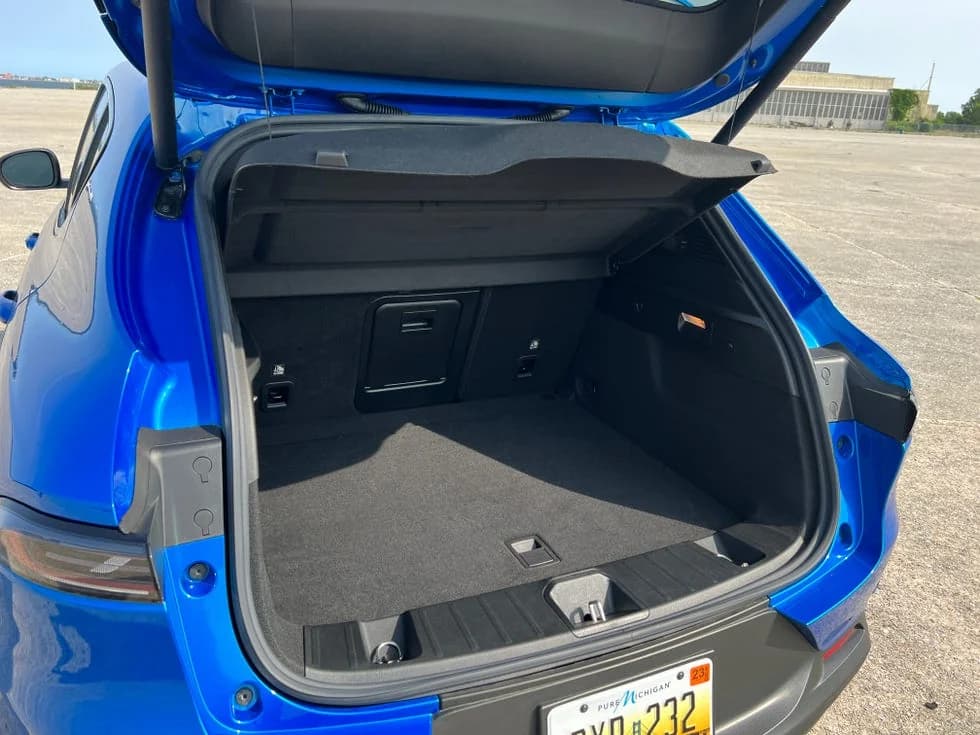
Utility is where the Hornet gives back much of its performance advantage. The 27-cubic-foot cargo area is usable for routine errands, and folding rear seats add flexibility, but rear-seat legroom, door openings, and overall storage trail roomier rivals. The R/T loses additional cargo space around its battery hardware, making the plug-in model less attractive for family hauling. Some reviewers find the rear accommodations adequate, while others describe them as surprisingly cramped. Five seats do not make it a true family-space leader, so buyers should test-fit passengers and gear before choosing it.
Reliability Electronic Systems
Reliability is the Hornet’s biggest unresolved ownership question. The standard driver-assistance suite is generous, including blind-spot monitoring, adaptive cruise control, lane assistance, and forward collision warning, but owner reports describe warning lights, radar faults, battery problems, cooling issues, and repeated dealer visits. These accounts are anecdotal rather than proof of a universal defect rate, and some GT owners report trouble-free use. The R/T’s more complex PHEV hardware raises additional service concerns. A strong warranty and substantial discount matter, especially because depreciation is steep and resale confidence appears weak.
Conclusion
The Hornet’s appeal is easy to understand: it delivers quick turbo acceleration, standard AWD, and sharper handling than most small SUVs, though light steering, firm ride, and inconsistent braking dilute the sporty promise. Its R/T adds roughly 30–33 electric miles and impressive torque, but the heavier, more complex system can feel awkward and costs substantially more. Inside, useful screens and physical controls are offset by uneven materials, while tight rear seating and cargo space limit family usefulness. User reports also make electronic reliability concerns impossible to ignore, especially for the PHEV, despite some trouble-free GT ownership. This is a sensible choice only for drivers who prioritize performance, traction, and distinctive character—and can secure a strong discount with solid warranty coverage. For shoppers seeking dependable, spacious transportation, the Hornet’s compromises make its overall proposition difficult to recommend confidently.

Feature Scores
This reflects reviews and ratings from established critics, journalists, and users who have evaluated the item. Their opinions provide a comprehensive assessment.
Performance
Power Delivery
4/5
Ride Comfort
3/5
Handling Stability
4/5
Mechanical Reliability
2/5
Driving Range
3/5
Value
Purchase Affordability
3/5
Ownership Cost
2/5
Warranty Coverage
2/5
Resale Strength
1/5
Design
Cabin Ergonomics
3/5
Passenger Space
2/5
Cargo Utility
2/5
Exterior Appeal
4/5
Health
Seating Support
3/5
Cabin Air Quality
TBD
Interior Material Exposure
2/5
Cabin Noise
3/5
Safety
Crash Protection
3/5
Driver Assistance
4/5
Visibility
3/5
Child Protection
3/5
Safety Compliance
3/5
Sustainability
Operational Efficiency
3/5
Lifecycle Emissions
3/5
Recycled Material Use
TBD
End Of Life Recovery
TBD
Experience Style
Control Simplicity
4/5
Infotainment Usability
3/5
Connectivity Features
4/5
Interior Configurability
4/5

Specifications
This section outlines the product's key facts, covering essential features, details, dimensions, materials, and any unique characteristics that define its functionality and usability.
Performance
Design
Safety
Sustainability
Experience Style

Frequently Asked Questions
8 Questions



Find Yours
What is the primary purpose for your vehicle?
Answer to find your best matches.