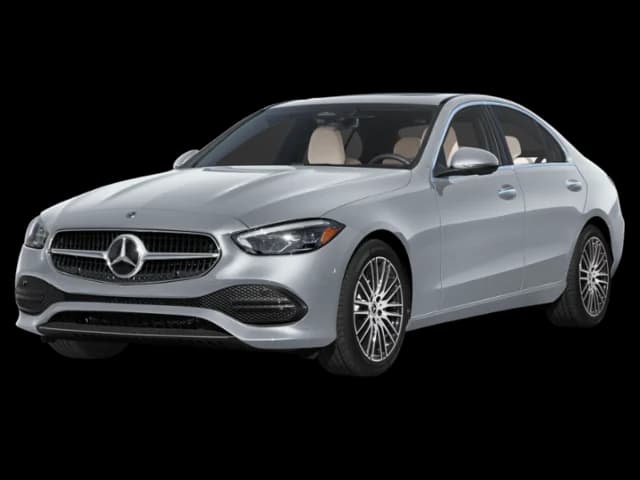
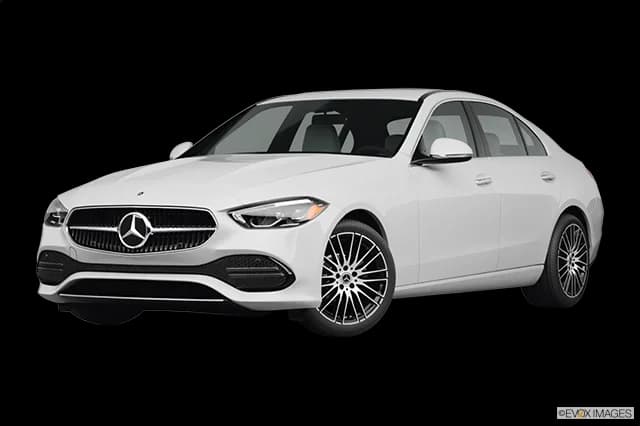
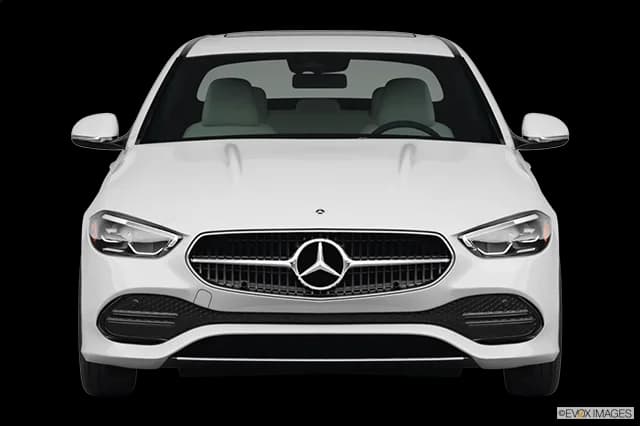
Mercedes-Benz C-Class (2026)
Polished, tech-rich comfort with broad performance, though value and engagement are mixed.
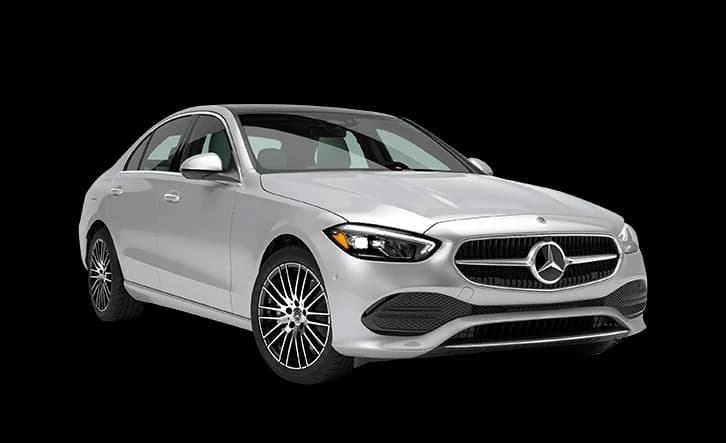
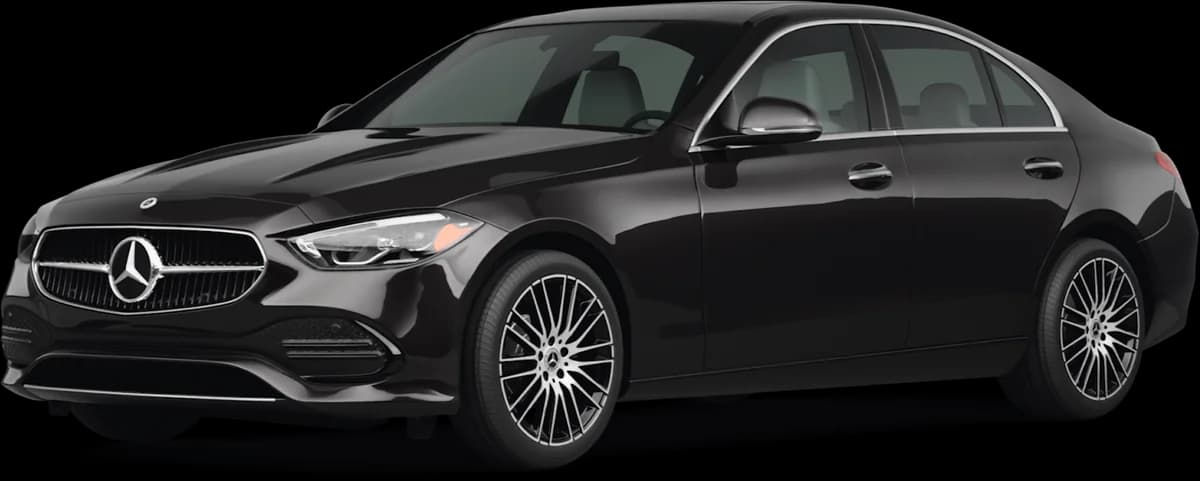
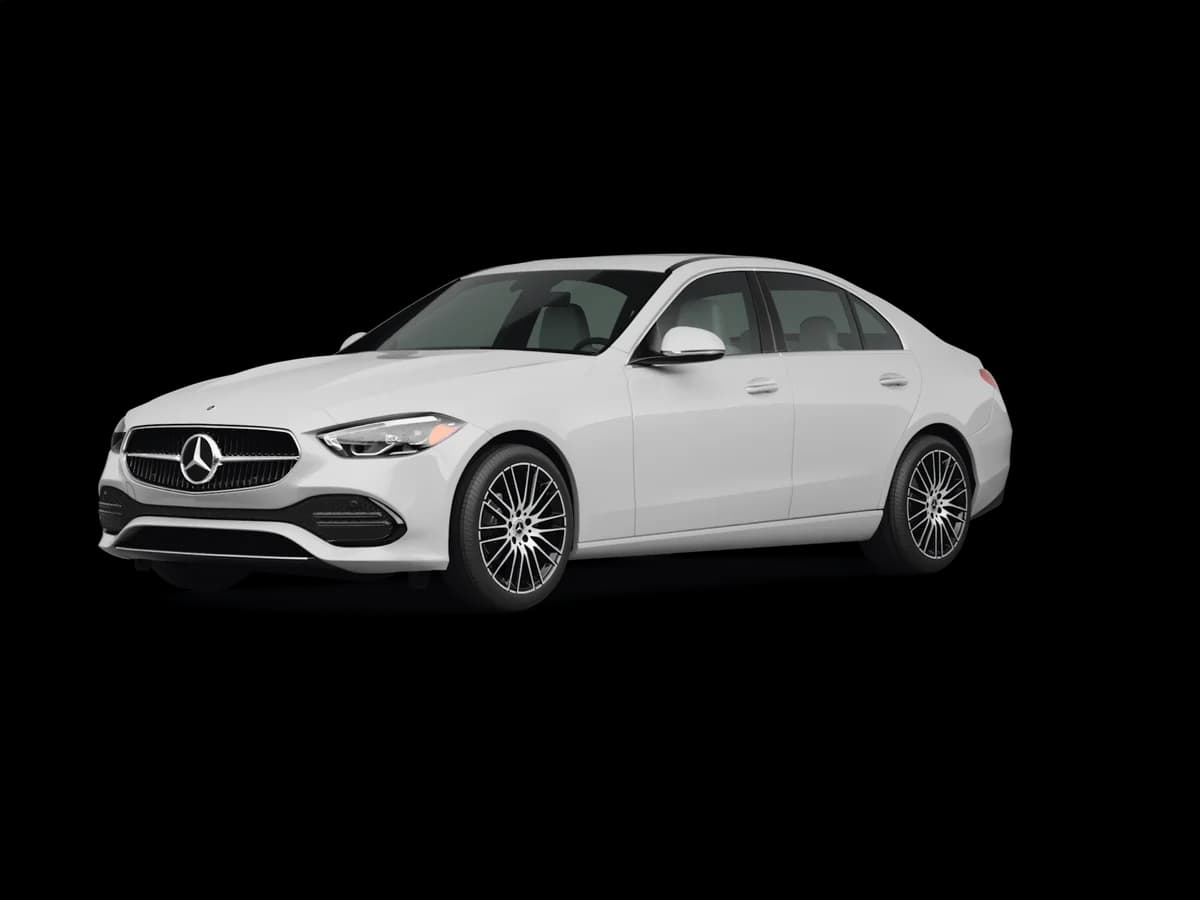
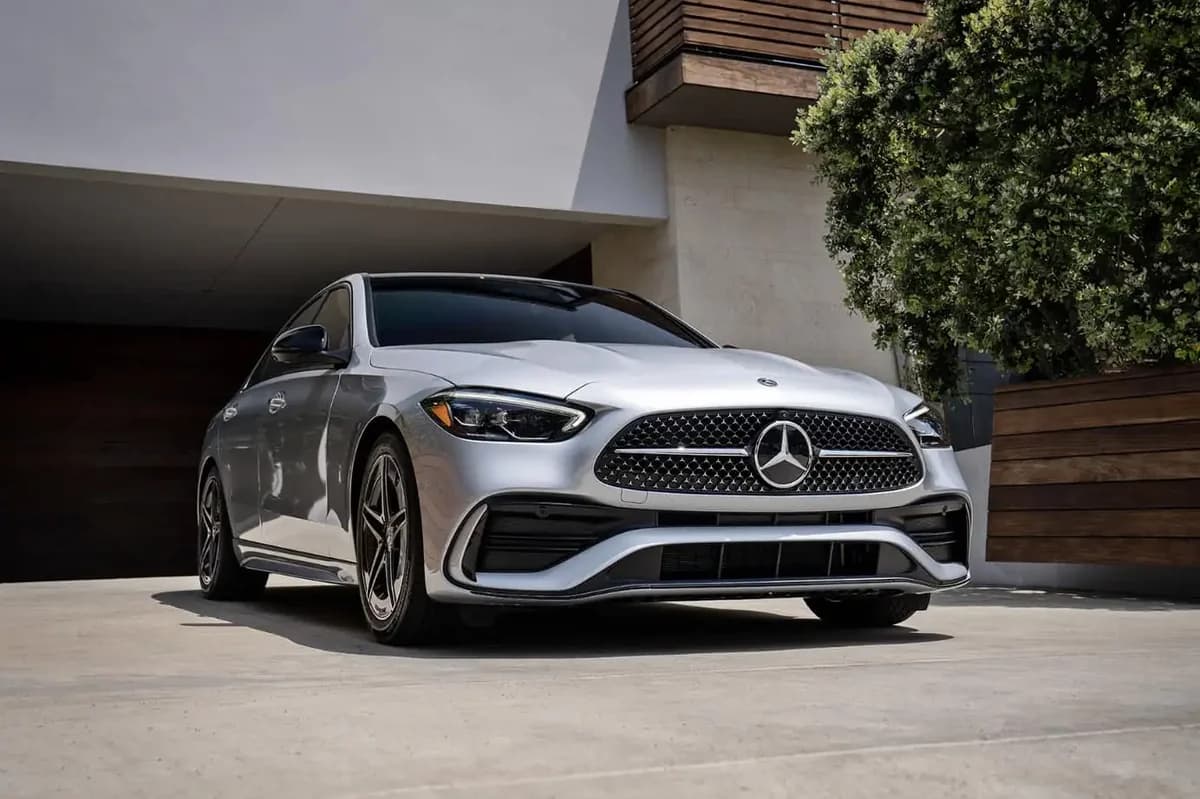
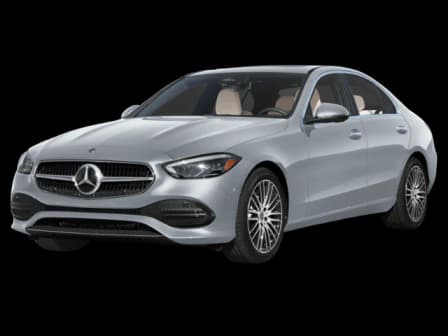
The Mercedes-Benz C-Class (2026) is a compact “mini S-Class” for commuters and professionals who want premium comfort, technology, and presence without moving up to a larger sedan. Its quiet, polished cabin, smooth mild-hybrid C 300, and intuitive MBUX system are strongly supported by expert praise, while real-world feedback confirms its relaxed daily manners. Still, the brand’s upscale promise is softened by uneven interior materials, a firm ride on rough roads, filtered steering, and a small trunk. At nearly $50,000 before options, it feels fairly priced rather than like a bargain, and AMG versions quickly become expensive, heavy, and complex. Overall, its Buyary outlook rests on refinement and tech, balanced against value, practicality, and ownership costs.
Find Yours
What is your top priority for a hybrid vehicle?
Answer to find your best matches.

The Field
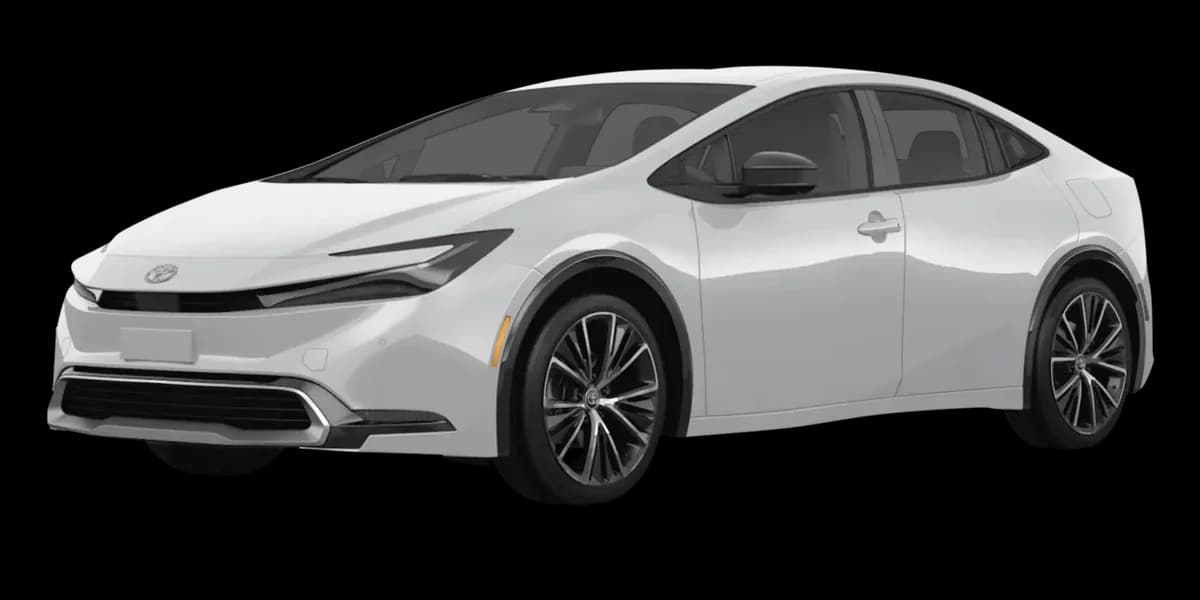
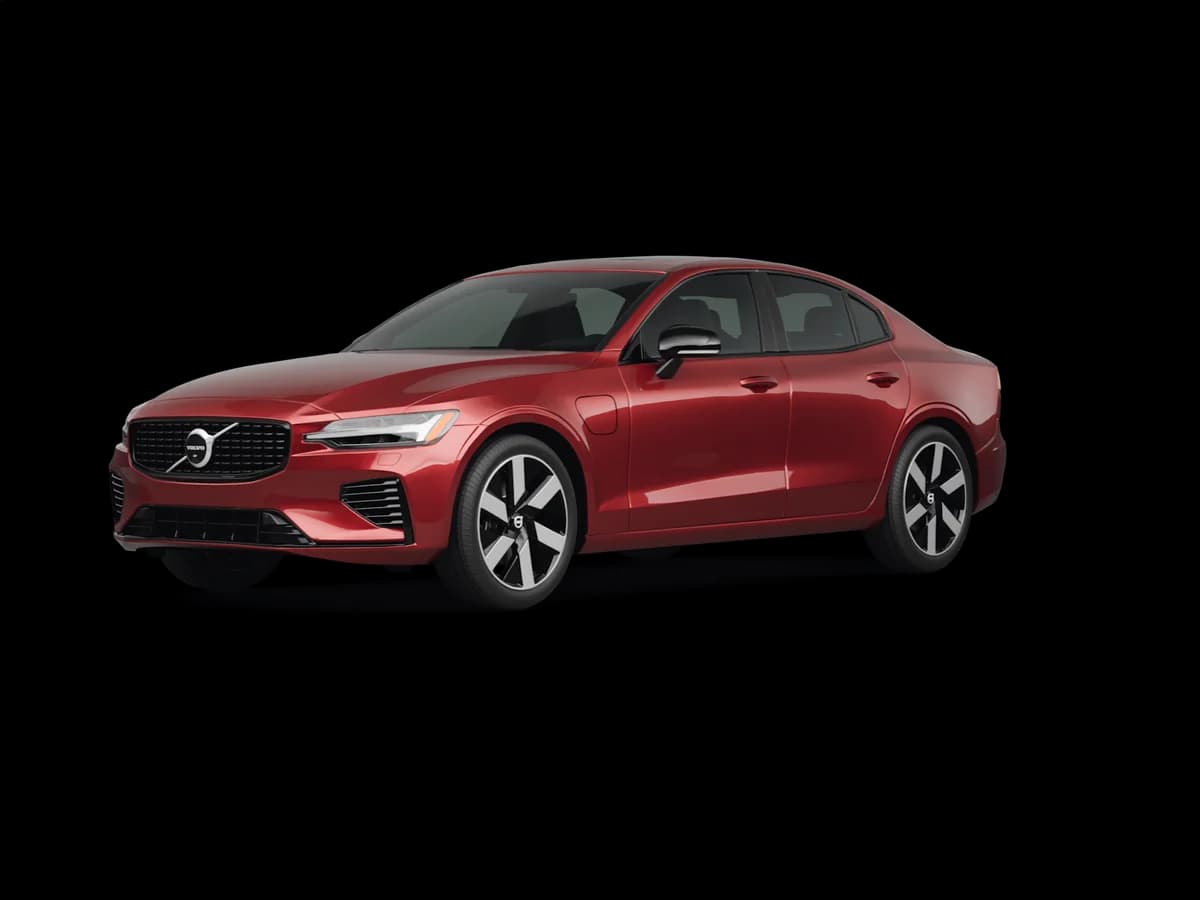
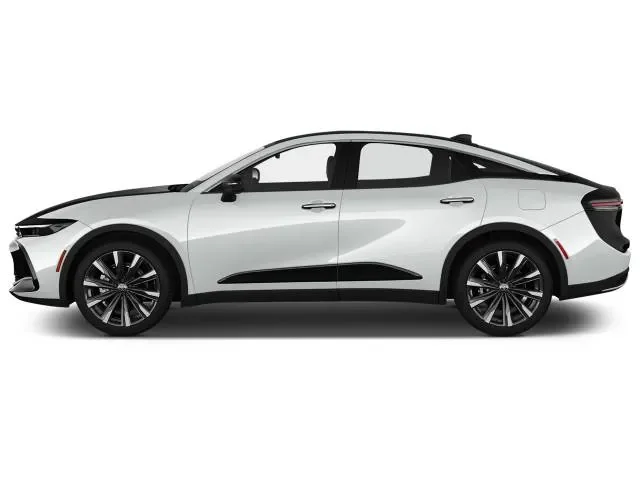
Browse top contenders, or compare all options ranked by score and key attributes.
5 Options



The Scoreboard
Does this improve your life? Considers, health, habits, and environmental impact.
Benefits
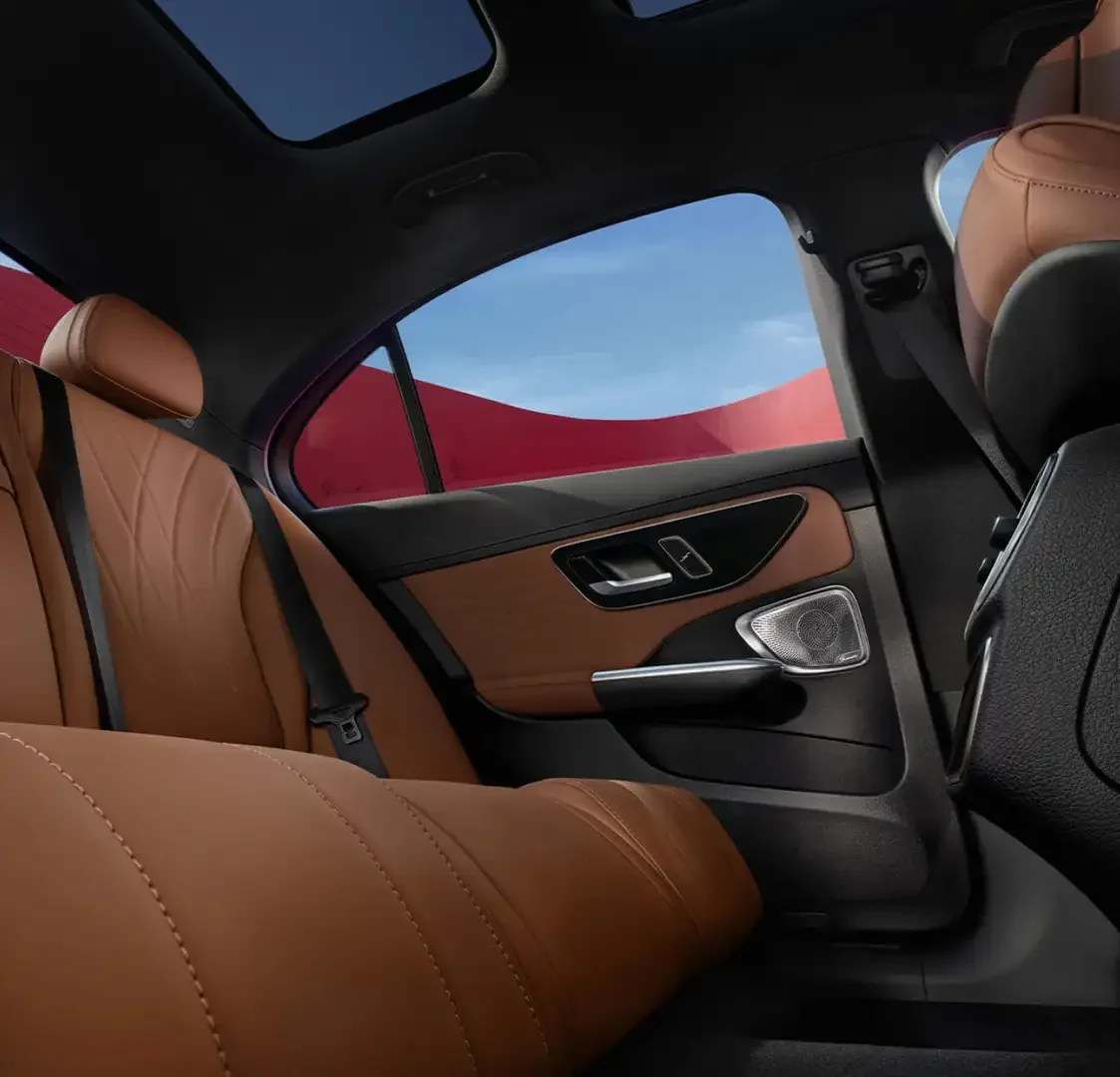
Quiet, well-cushioned cabin makes commuting and longer drives feel calmer and less tiring.
High-quality seats and thoughtful driving position help you settle comfortably behind the wheel.
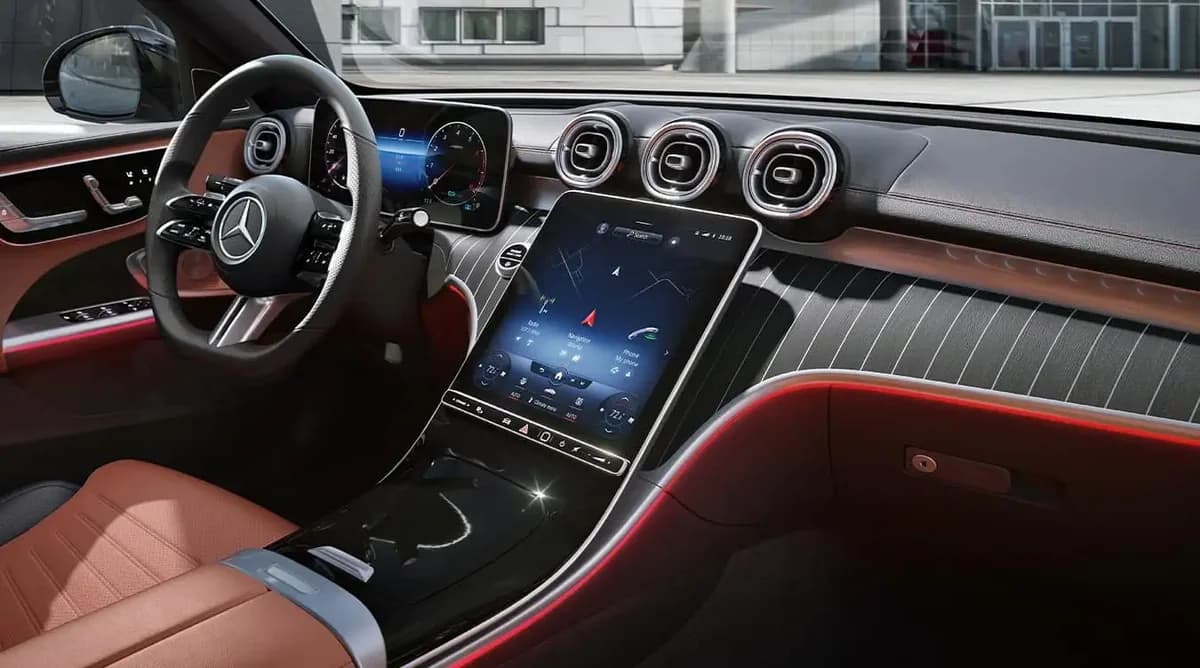
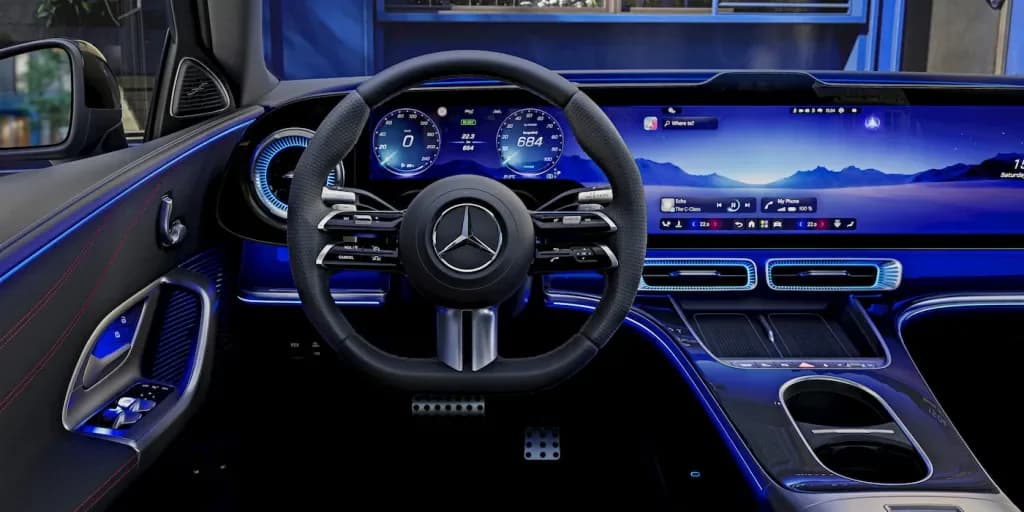
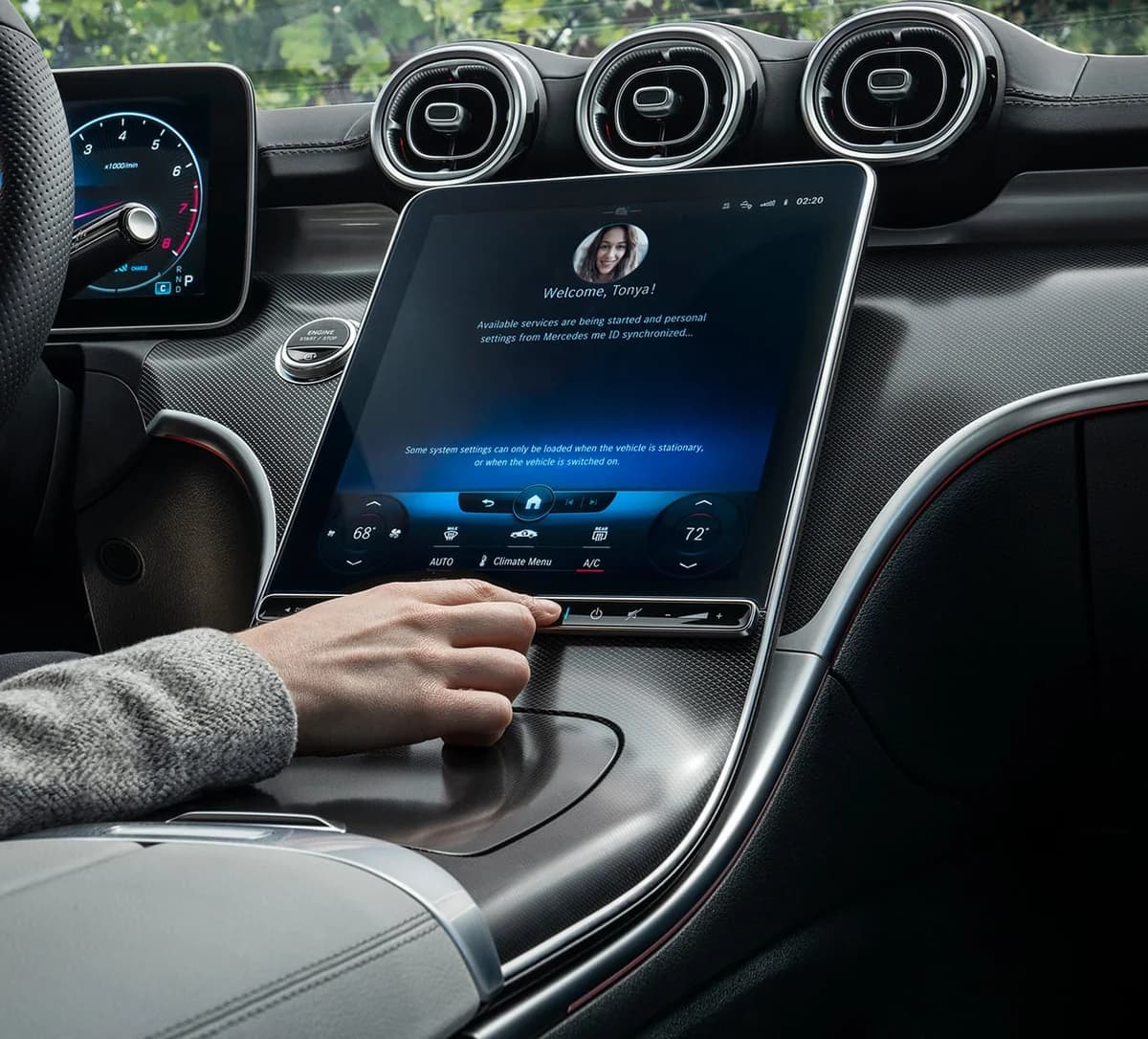
Large screens and intuitive MBUX keep navigation, media, and vehicle controls easy to reach.
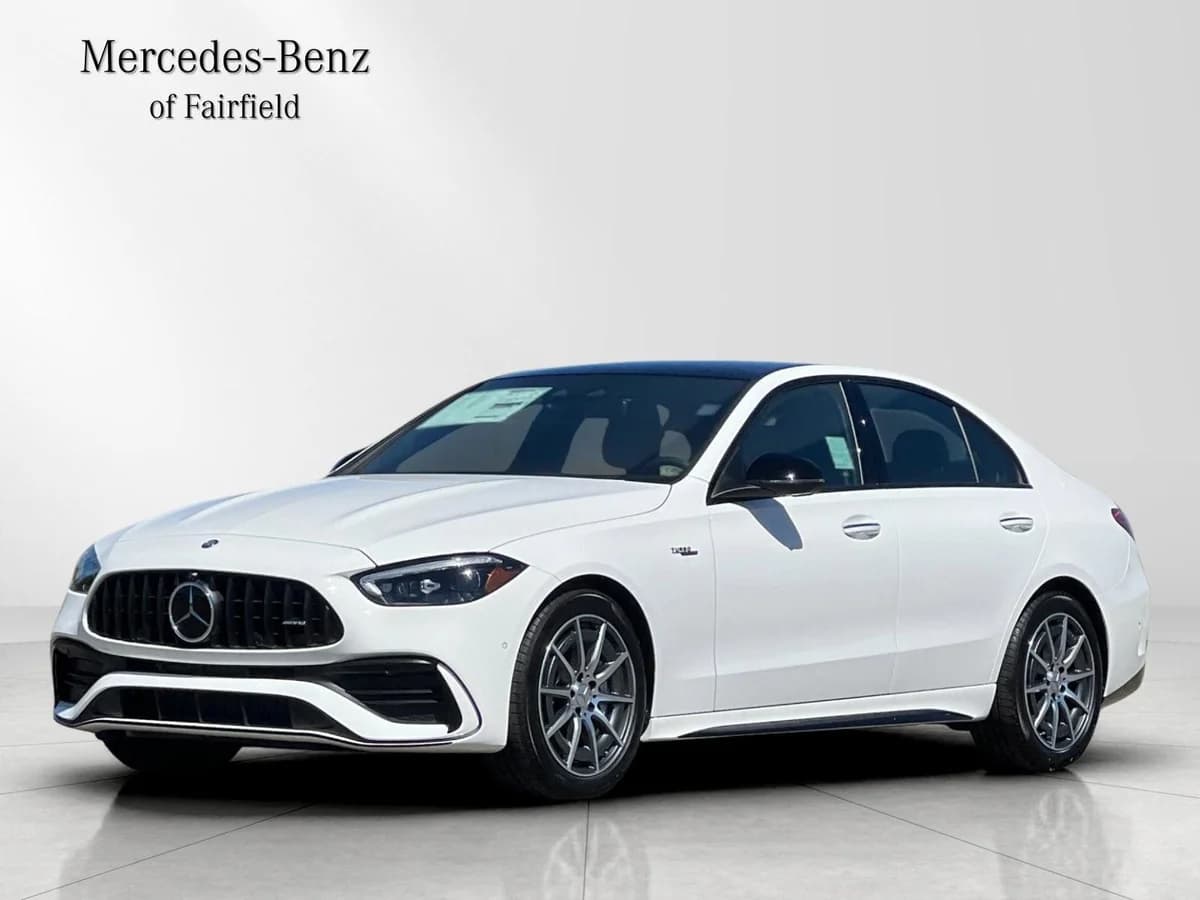
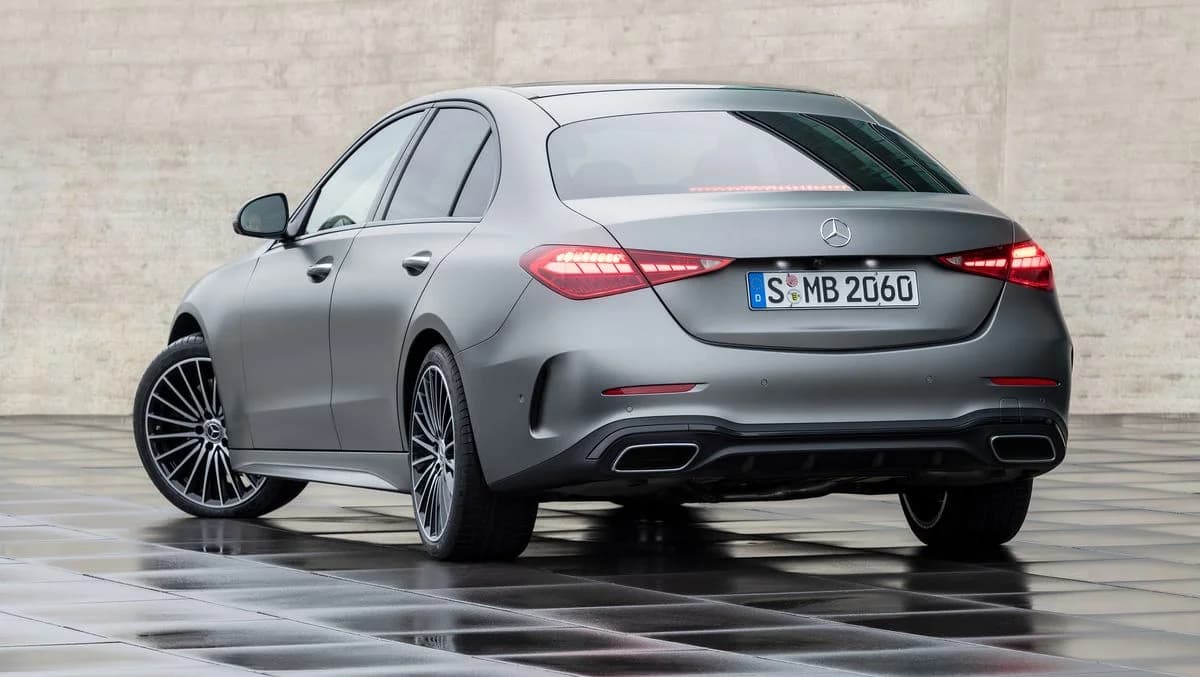
Distinctive styling and Mercedes presence make everyday arrivals feel polished without a larger sedan.
Trade-Offs
Firm suspension gets choppy over broken pavement, making ordinary commutes feel less comfortable.
Touchscreen-heavy controls can take extra attention for simple adjustments while you’re driving.
Small trunk and narrow opening make routine grocery runs and bulky bags awkward.
 Alternatives


Join the Circle
Where real meets deal
Know what's worth buying-and when.
Tips, special offers, and rewards for buying and sharing.

Publications
4 LEADING PUBLICATION REVIEWS

Car and Driver gives the 2026 Mercedes-Benz C-Class a favorable but measured recommendation. It portrays the C300 as a convincing entry-level luxury sedan, with a comfortable, beautifully finished cabin, classic proportions, useful rear-seat space, and strong braking performance. Its 255-hp turbocharged engine and mild-hybrid system provide respectable pace, while nimble handling keeps the car engaging. However, the experience falls short of Mercedes’s flagship refinement: the ride is overly firm, the steering feels numb, and the brake pedal lacks firmness. The C-Class is therefore more successful as a luxury car than a sports sedan. Car and Driver recommends sticking with the base C300 and adding select comfort features rather than paying for higher trims, while acknowledging that AMG variants offer much more dramatic performance. Overall, it’s an appealing, polished compact luxury sedan whose compromises are noticeable but not deal-breaking.
By Beth Nichols
Autocar’s Matt Saunders and Murray Scullion are strongly positive about the Mercedes-Benz C-Class. They portray it as a polished, versatile executive car whose plug-in hybrids are the real stars, combining near-70-mile claimed electric range with strong acceleration, impressive refinement, and useful long-distance economy. The C300e and especially diesel-electric C300de make a compelling case for fleet drivers who are not ready for an EV, while conventional diesels remain exceptionally frugal. The C-Class is comfortable, quiet, technologically rich, and easy to drive quickly, though it is less engaging than a BMW 3 Series. Criticisms include mediocre seat comfort, some cheap-feeling cabin details, an occasionally awkward touchscreen interface, limited rear and PHEV boot space, filtered steering and brakes, and expensive optional safety technology. Overall, it is a rational, luxurious, highly accomplished choice that wins more through breadth and composure than emotional excitement.
By Matt Saunders & Murray Scullion
Car and Driver gives the 2026 Mercedes-Benz C-Class a favorable but measured recommendation. It portrays the C300 as a convincing entry-level luxury sedan, with a comfortable, beautifully finished cabin, classic proportions, useful rear-seat space, and strong braking performance. Its 255-hp turbocharged engine and mild-hybrid system provide respectable pace, while nimble handling keeps the car engaging. However, the experience falls short of Mercedes’s flagship refinement: the ride is overly firm, the steering feels numb, and the brake pedal lacks firmness. The C-Class is therefore more successful as a luxury car than a sports sedan. Car and Driver recommends sticking with the base C300 and adding select comfort features rather than paying for higher trims, while acknowledging that AMG variants offer much more dramatic performance. Overall, it’s an appealing, polished compact luxury sedan whose compromises are noticeable but not deal-breaking.
By Beth Nichols
Autocar’s Matt Saunders and Murray Scullion are strongly positive about the Mercedes-Benz C-Class. They portray it as a polished, versatile executive car whose plug-in hybrids are the real stars, combining near-70-mile claimed electric range with strong acceleration, impressive refinement, and useful long-distance economy. The C300e and especially diesel-electric C300de make a compelling case for fleet drivers who are not ready for an EV, while conventional diesels remain exceptionally frugal. The C-Class is comfortable, quiet, technologically rich, and easy to drive quickly, though it is less engaging than a BMW 3 Series. Criticisms include mediocre seat comfort, some cheap-feeling cabin details, an occasionally awkward touchscreen interface, limited rear and PHEV boot space, filtered steering and brakes, and expensive optional safety technology. Overall, it is a rational, luxurious, highly accomplished choice that wins more through breadth and composure than emotional excitement.
By Matt Saunders & Murray Scullion

YouTube
4 LEADING EXPERT & INFLUENCER REVIEWS
 CarsGuide
Chris Thompson is clearly positive about the 2026 Mercedes-Benz C 350e, though he sees it as a lifestyle-dependent choice. He praises its comfortable, timeless cabin, intuitive MBUX setup, smooth hybrid transitions, confident handling, quiet ride, and genuinely useful electric range. His real-world drive returned 3.5 L/100 km with 65% electric running, reinforcing the PHEV’s appeal for shorter commutes. He also appreciates Mercedes’ restrained driver-assistance tuning. However, transmission hesitation, expensive servicing, and the fact that plug-in hybrids do not suit most drivers temper the recommendation. For buyers who can charge regularly, it is an impressive, refined alternative to the C300.
Nick O'LearyNick O’Leary is highly impressed by the new Mercedes-Benz C-Class, especially its smooth, refined driving experience. Despite weighing roughly 2.5 tons, the C400 4MATIC hides its mass remarkably well, feeling agile in Sport mode and almost S-Class-like in comfort. Its air suspension, rear-wheel steering, strong performance, long claimed range, and seamless regenerative braking all earn praise. He is less certain about the extensive screens, polarizing rear light bar, and whether the expensive refinement package is essential. Still, after testing it on roads, rough gravel, and a track, he comes away enthusiastically recommending a closer look.
CarsGuideChris Thompson is clearly positive about the 2026 Mercedes-Benz C 350e, though he sees it as a lifestyle-dependent choice. He praises its comfortable, timeless cabin, intuitive MBUX setup, smooth hybrid transitions, confident handling, quiet ride, and genuinely useful electric range. His real-world drive returned 3.5 L/100 km with 65% electric running, reinforcing the PHEV’s appeal for shorter commutes. He also appreciates Mercedes’ restrained driver-assistance tuning. However, transmission hesitation, expensive servicing, and the fact that plug-in hybrids do not suit most drivers temper the recommendation. For buyers who can charge regularly, it is an impressive, refined alternative to the C300.
Nick O'LearyNick O’Leary is highly impressed by the new Mercedes-Benz C-Class, especially its smooth, refined driving experience. Despite weighing roughly 2.5 tons, the C400 4MATIC hides its mass remarkably well, feeling agile in Sport mode and almost S-Class-like in comfort. Its air suspension, rear-wheel steering, strong performance, long claimed range, and seamless regenerative braking all earn praise. He is less certain about the extensive screens, polarizing rear light bar, and whether the expensive refinement package is essential. Still, after testing it on roads, rough gravel, and a track, he comes away enthusiastically recommending a closer look.

Forum Reviews
CUSTOMER REVIEWS FROM 1 FORUM
Redditors are broadly skeptical of the 2026 Mercedes-Benz C-Class, especially its AMG direction. Users appreciate the refined cabin, attractive styling, comfort, and strong acceleration, while some owners praise the W206’s everyday driving experience and hybrid efficiency. However, criticism centers on steep pricing, excessive screens, questionable quality, immense weight, drivetrain complexity, and diminished emotional appeal after replacing the V8 with a smaller engine. Enthusiasts feel Mercedes misunderstood its traditional AMG audience, prioritizing headline performance and electrification over sound, character, and engagement. Standard C-Class lease deals receive much warmer reactions, but the AMG version is widely viewed as poor value and a likely sales disappointment.
Many comments

In-Depth Review

Highlights
- •Quiet Comfortable CabinReviewers note calm long-distance refinement.
- •Smooth Hybrid PowerMild-hybrid assistance softens stop-start transitions.
- •Large MBUX DisplaysIntuitive touchscreen and digital instruments.
- •Broad Performance RangeLineup spans commuting to AMG performance.

Considerations
- •Firm Ride QualityBroken pavement can feel noticeably choppy.
- •Uneven Cabin MaterialsHard plastics weaken the premium impression.
- •Filtered Steering FeelBMW rivals offer more road feedback.
- •High Ownership CostsPricing, options, and servicing reduce value.
Mercedes’ C-Class remains the brand’s compact gateway to polished, tech-rich luxury. Positioned between the CLA and E-Class, it serves commuters, professionals, and drivers who want a quiet, comfortable cabin without moving to a larger sedan. The 2026 range spans the balanced 255-hp mild-hybrid C 300 through formidable AMG versions, giving it broader performance reach than rivals such as the BMW 3 Series, though BMW remains more engaging. Reviewers also find its 11.9-inch MBUX touchscreen and S-Class-inspired presentation appealing, while noting that material quality, ride firmness, and screen-heavy controls can vary by trim. Buyers should weigh everyday space, the 11.6-cubic-foot trunk, braking feel, steering feedback, and ownership costs against the car’s composed manners and strong technology. It’s a polished little Mercedes—but whether it feels like a bargain or an elaborate compromise depends on what happens beneath the showroom sparkle.
Cabin Materials Quality
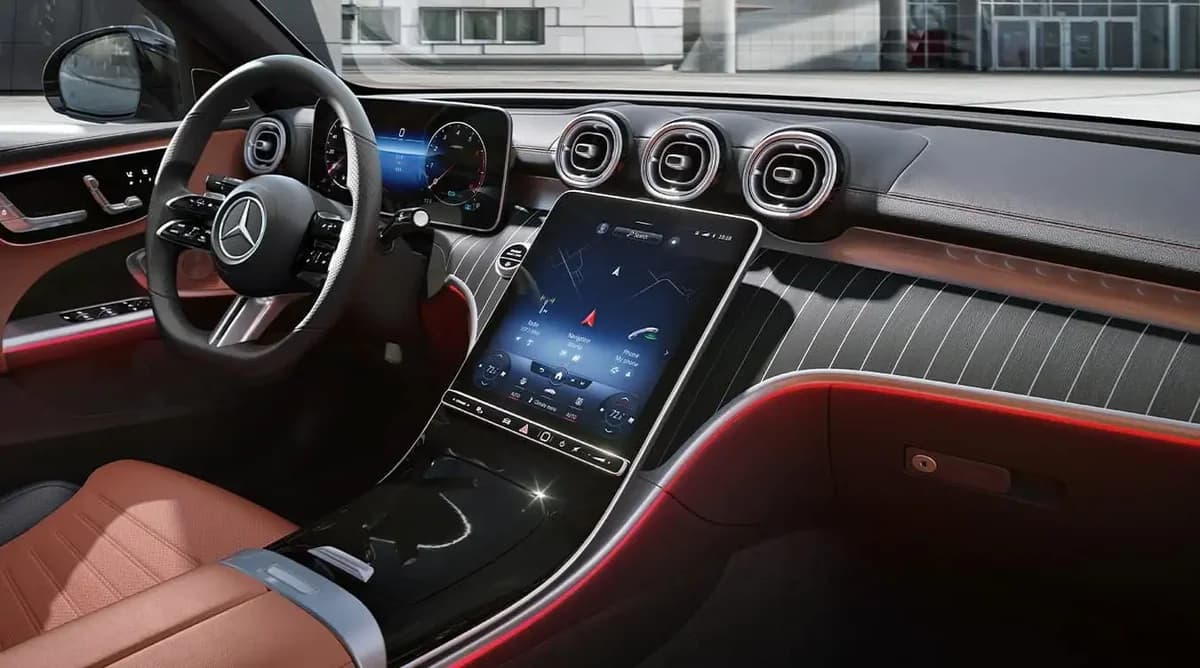
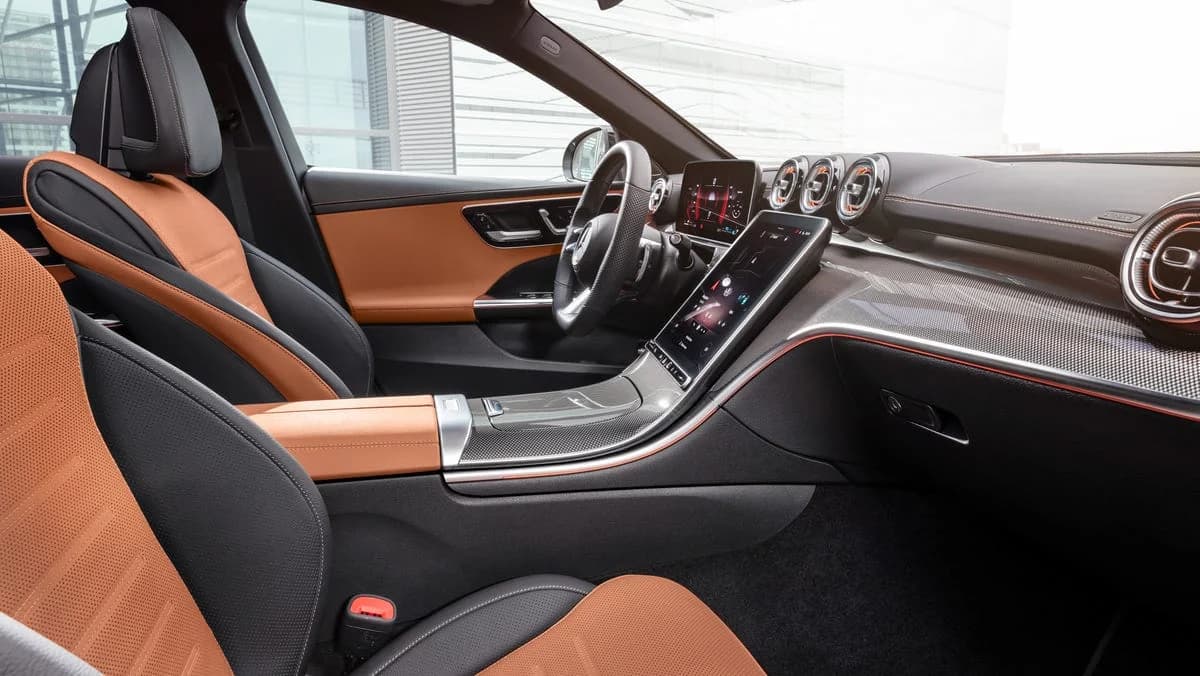
The C-Class makes a strong first impression with design and technology, though closer inspection reveals inconsistency. Its S-Class-inspired interior uses attractive shapes, supportive heated synthetic-leather seats, and a modern digital layout, while the 11.9-inch MBUX touchscreen and 12.3-inch instrument cluster feel impressively upscale. Some expert reviews report hard plastics, wobbly shortcut controls, and isolated cheap-feeling details that weaken the premium claim. In short, presentation is a major strength, but tactile quality does not uniformly match the cabin’s visual polish.
Powertrain Performance
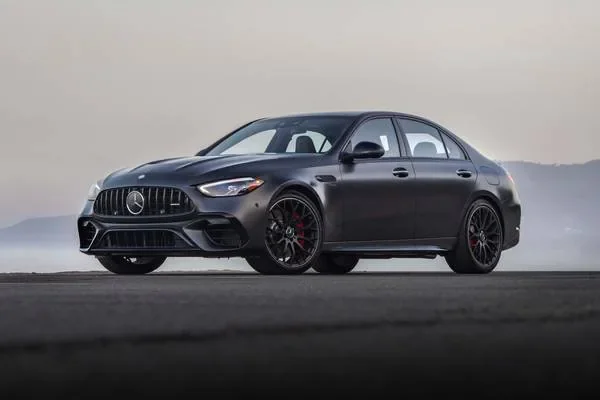
The C 300 has enough smooth, immediate power for everyday driving without feeling frantic. Its 255-hp turbocharged 2.0-liter inline-four works with a mild-hybrid system that makes stop-start operation unusually seamless and supports a claimed 0–100 km/h time of about six seconds. Reviewers find it punchy and refined, though not truly sporty. The lineup becomes dramatically quicker with the AMG C 43 and 671-hp plug-in-hybrid AMG C 63 S E Performance, but their added cost, weight, and complexity make the regular C 300 the more balanced choice.
Space And Cargo Use
The C-Class works well for front occupants but is less accommodating when passengers or luggage multiply. Its 41.7 inches of front legroom and 37.5 inches in back provide useful compact-sedan space, though rear headroom and legroom can feel limited for taller adults. The trunk holds about 11.6 cubic feet, or 328.3 liters, but its narrow opening makes bulky groceries awkward. Plug-in-hybrid models sacrifice additional luggage capacity, so buyers should test the trunk with their normal bags before choosing an electrified version.
Brake Pedal Feel
Stopping power is reassuring, but pedal response is not consistently convincing. Car and Driver praises the C-Class’s strong braking performance, while several reviews describe the pedal as soft, odd, or insufficiently firm. Plug-in-hybrid versions add regenerative braking, which can make transitions feel less natural even when energy recovery works smoothly. That distinction matters in daily use: the car can stop effectively, but the controls may not deliver the crisp confidence expected from a premium sport sedan. The C 300 is generally the simpler, more predictable configuration.
Handling And Steering
The C-Class is confident and easy to drive quickly, but it prioritizes composure over involvement. Its rear-wheel-drive layout gives the C 300 a natural balance, and available 4MATIC traction helps in poor weather. Testers praise the car’s agility, especially in Sport mode, while others describe the steering as filtered or numb compared with a BMW 3 Series. AMG models add sharper responses and much stronger acceleration, yet the sedan’s weight and restrained feedback remain noticeable when enthusiastic driving matters more than effortless refinement.
Ride Comfort Control
The C-Class feels composed on smooth roads but can turn busy over broken pavement. Its quiet, well-cushioned cabin supports relaxed commuting, while available air suspension on some variants improves body control and helps disguise the sedan’s substantial weight. The standard setup is less forgiving, and AMG Line versions can feel especially firm. Expert reviews generally praise long-distance comfort but criticize the ride’s occasional choppiness, so comfort depends heavily on trim and options rather than the Mercedes badge alone.
Conclusion
The C-Class makes its strongest case as a polished daily sedan, not a driver’s-car purist: its quiet, comfortable cabin and smooth mild-hybrid powertrain make commuting effortless, while the broader AMG range adds serious pace at a steep cost. Ride comfort varies, with firm setups turning rough pavement choppy, and the attractive S-Class-inspired interior is weakened by uneven cabin materials and screen-heavy controls. Handling is confident, but filtered steering limits engagement; braking is effective yet can feel soft or odd, especially in hybrid versions. Front-seat space is useful, though rear room and the 11.6-cubic-foot trunk restrict family practicality. Expert praise for refinement is balanced by owner concerns about price and complexity, making the C-Class a sensible fit for buyers who prioritize premium ambiance and technology over feedback or utility. Its polished strengths justify consideration, but compromises and ownership costs keep it from being an unquestioned value.

Feature Scores
This reflects reviews and ratings from established critics, journalists, and users who have evaluated the item. Their opinions provide a comprehensive assessment.
Performance
Fuel Efficiency
4/5
Electric Only Range
4/5
Acceleration
4/5
Handling
4/5
Reliability
3/5
Battery Longevity
TBD
Charging Speed
TBD
Value
Purchase Price
3/5
Total Cost of Ownership
2/5
Resale Value
3/5
Incentives Availability
3/5
Design
Interior Comfort
4/5
Cargo Space
3/5
Ergonomics
4/5
Exterior Styling
4/5
Health
Cabin Air Quality
TBD
Low VOC Materials
TBD
Noise Vibration Harshness
4/5
Safety
Crashworthiness
TBD
Active Safety Systems
4/5
Battery Safety
TBD
Sustainability
Lifecycle Emissions
3/5
Renewable Energy Use Potential
3/5
Battery Recycling
TBD
Sustainable Materials Use
TBD
Experience Style
Infotainment and Connectivity
4/5
Driving Customizability
4/5
Charging and Refueling Convenience
3/5

Specifications
This section outlines the product's key facts, covering essential features, details, dimensions, materials, and any unique characteristics that define its functionality and usability.
Performance
Design
Safety
Sustainability
Experience Style

Frequently Asked Questions
8 Questions


Find Yours
What is your top priority for a hybrid vehicle?
Answer to find your best matches.