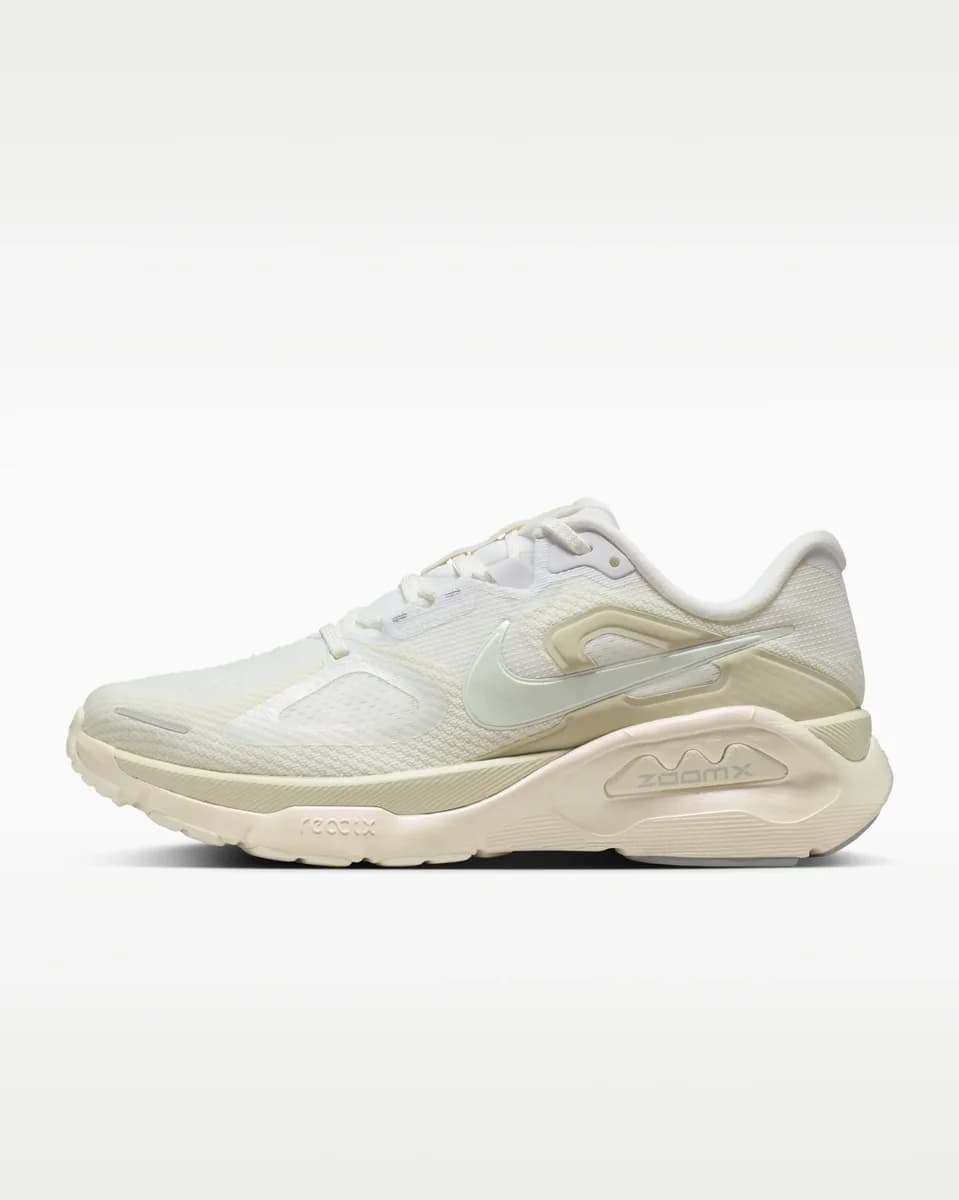
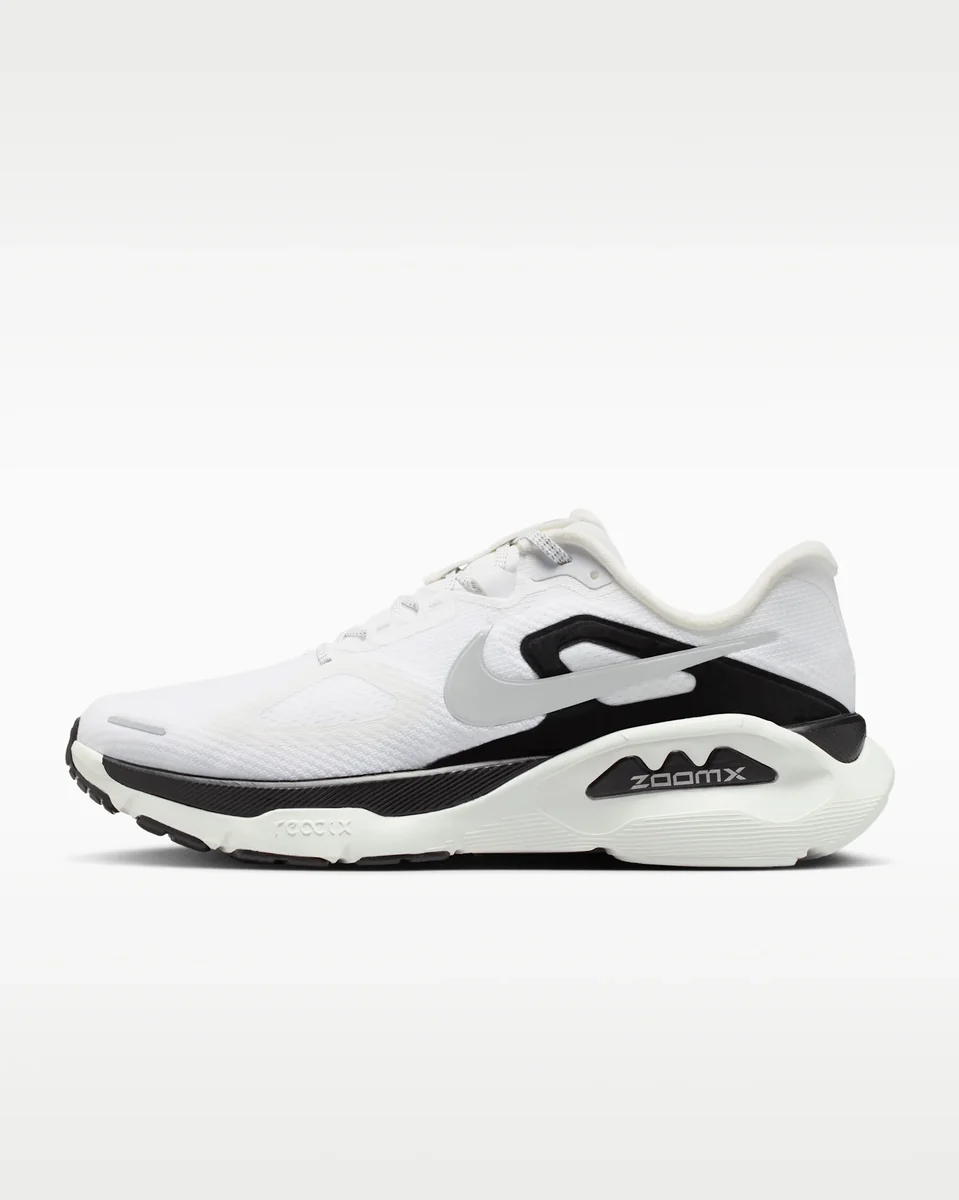
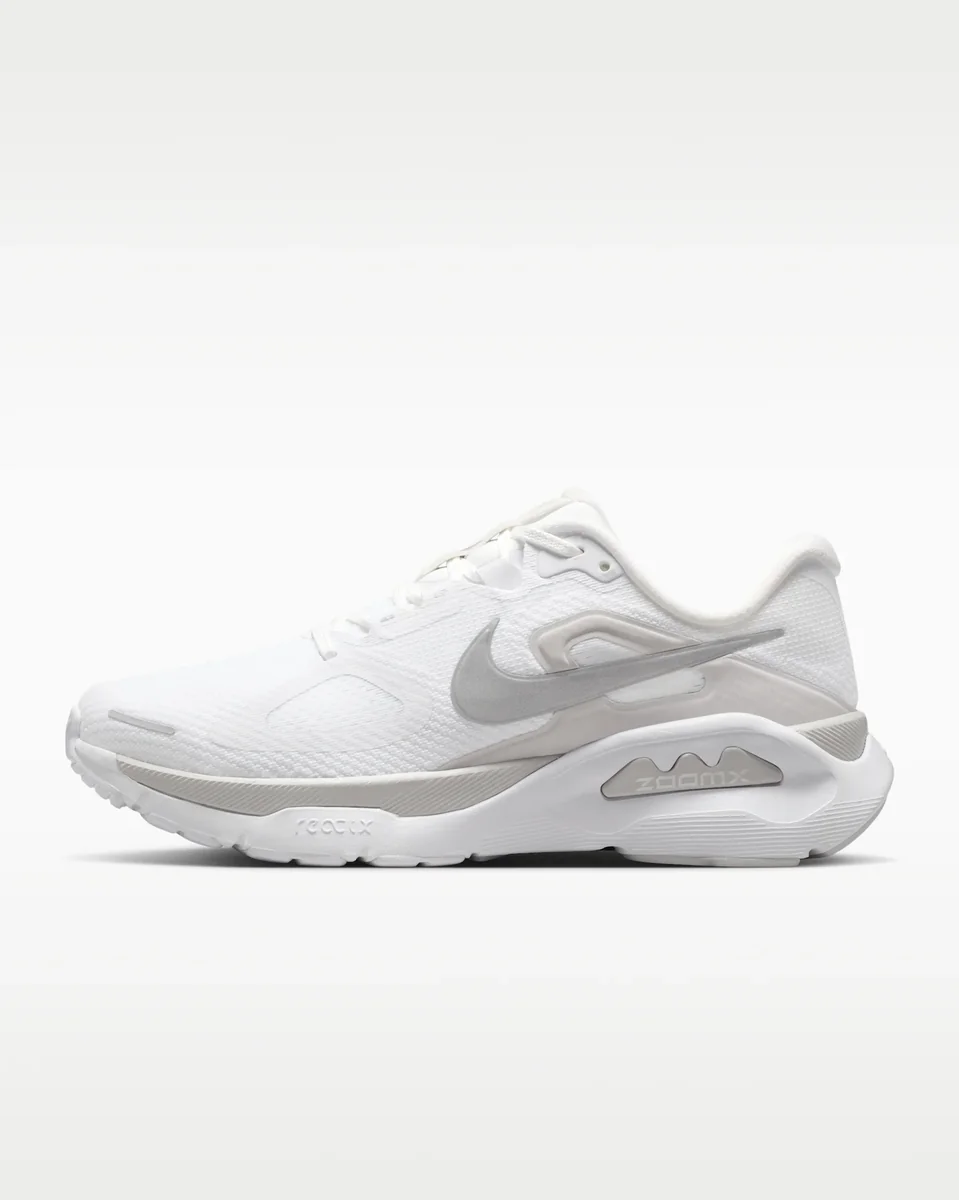
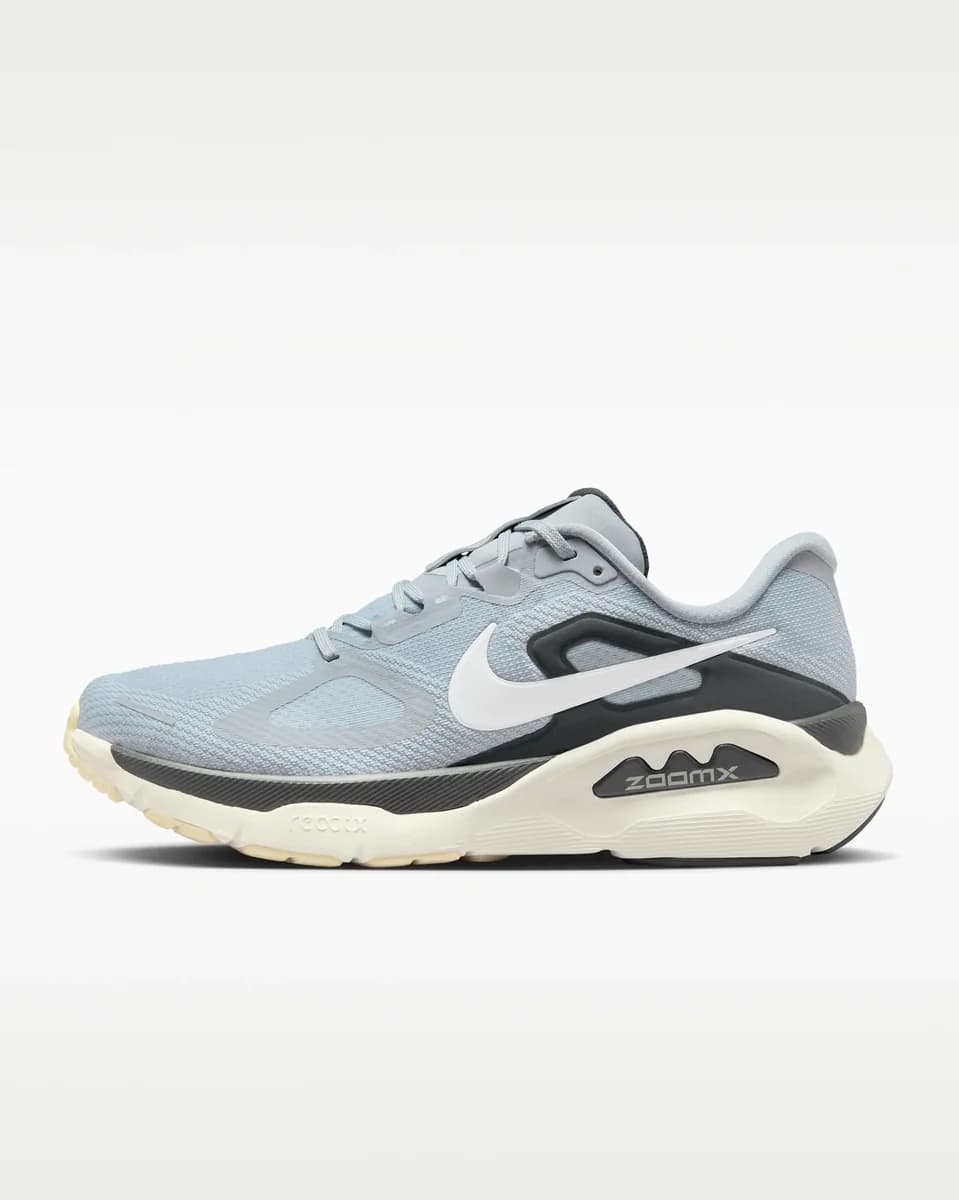
Nike Structure Plus
Plush ZoomX-over-ReactX stability for confident, recovery miles—heavy and muted for speed.
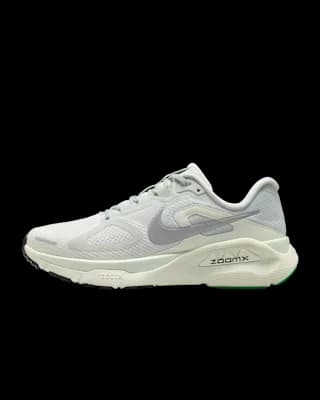
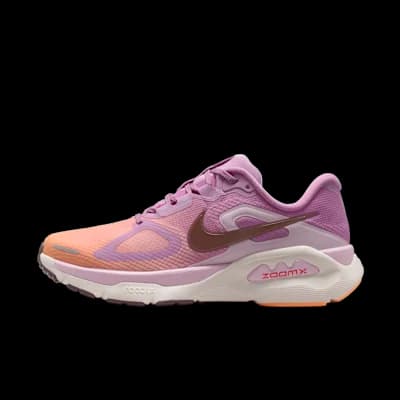
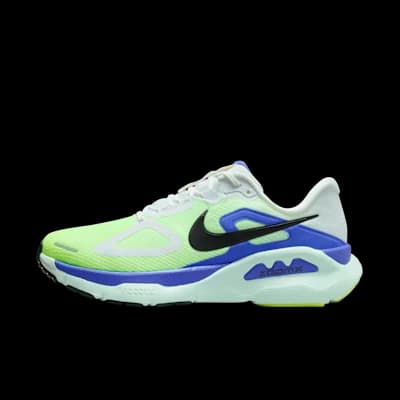
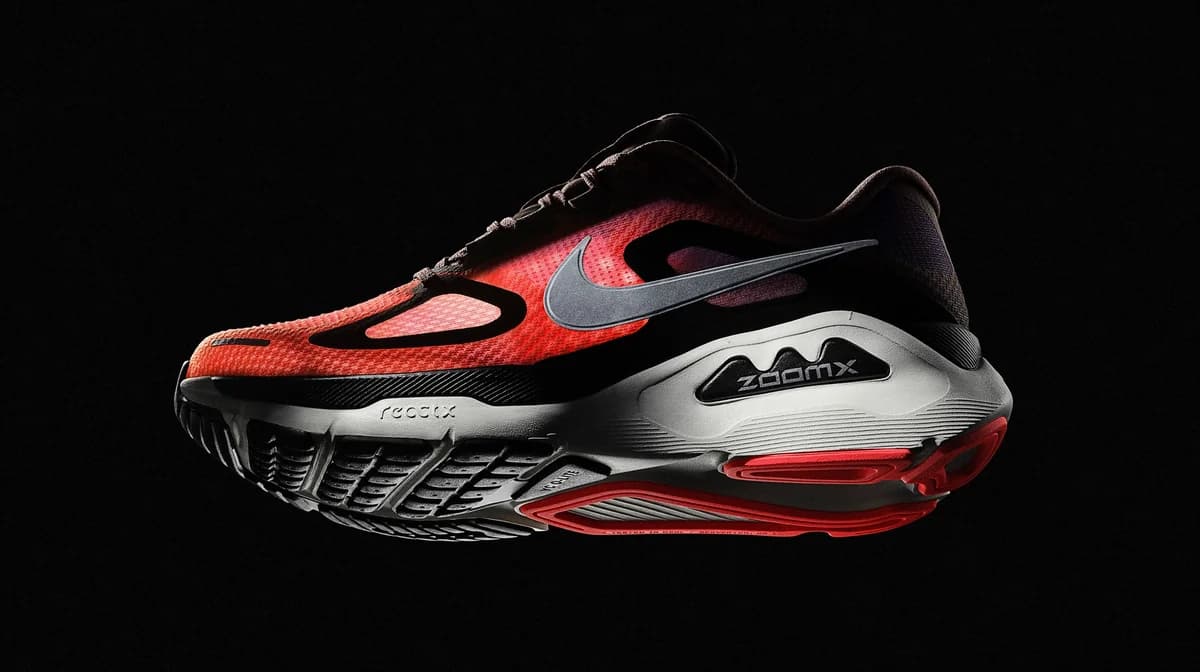
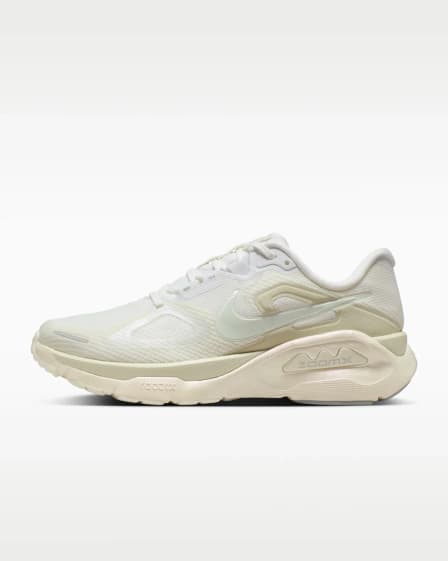
The Nike Structure Plus is Nike’s cheeky attempt to make stability shoes feel indulgent—a plush, confidence‑first trainer for runners battling overpronation or tired legs. Experts and users applaud the ZoomX-over-ReactX dual‑foam for cushy protection and measured pop, and the 42mm/32mm stack plus rockered geometry for silky transitions, though many note a bottom‑heavy, muted feel that blunts tempo ambitions. The Midfoot Support System earns praise for guidance without a clunky post, and reviewers largely confirm Nike’s durability and fit claims; at $170 you pay for comfort over speed. Final takeaway: promising, but more long‑term reviews will refine its worth—especially given its heavier build.
Find Yours
What type of running do you mostly do?
Answer to find your best matches.

The Field
Browse top contenders, or compare all options ranked by score and key attributes.
5 Options
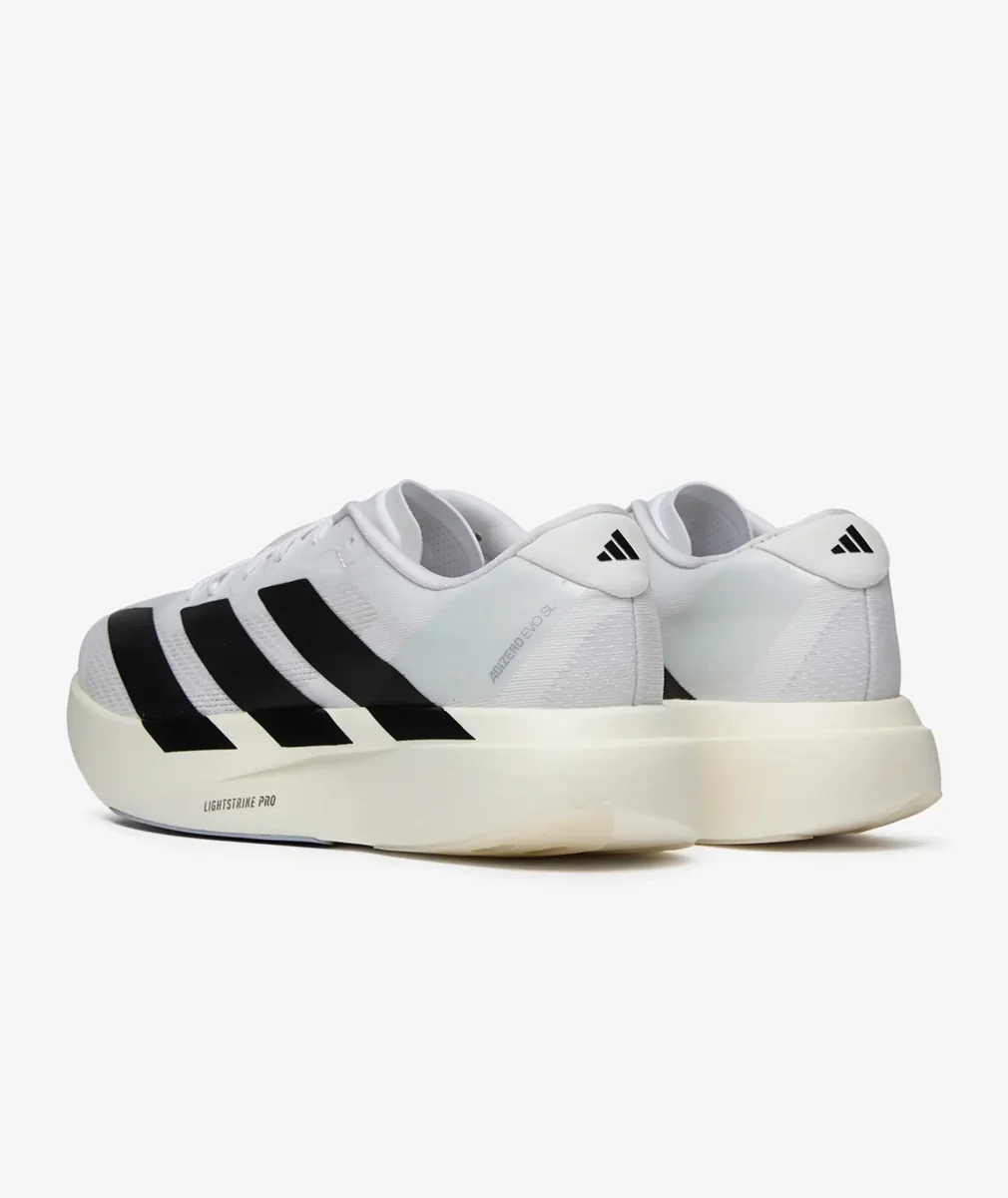
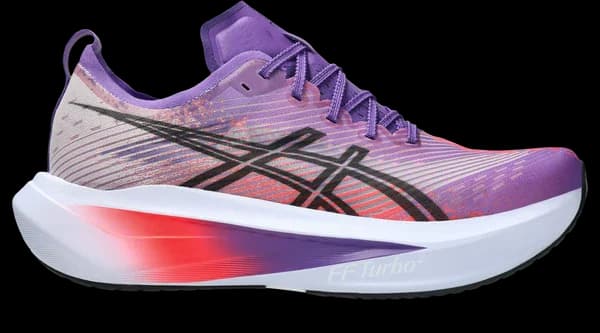
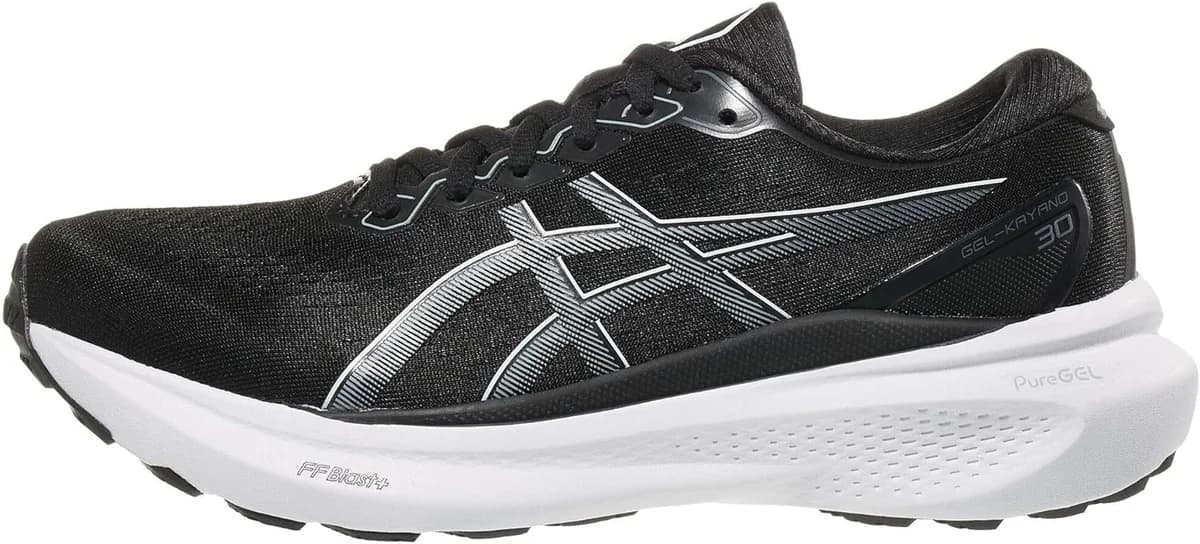

The Scoreboard
Does this improve your life? Considers, health, habits, and environmental impact.
Benefits
Soft ZoomX top layer gives cushioned, energy-returning steps for long, comfortable miles.
Midfoot system guides overpronation smoothly without stiff posts, reducing joint strain on runs.
Rocker geometry produces easy heel-to-toe roll, easing shin and calf fatigue on long outings.
Engineered mesh and fit band lock the foot comfortably for all-day wear and travel.
Trade-Offs
Heavier, bottom-heavy feel tires legs and limits quick paces or long tempo efforts.
ZoomX is toned down by ReactX, so sprints and tempo runs feel less propulsive.
Sidewall support can press on low arches during long runs, causing localized discomfort or rubbing.
Relatively stiff forefoot limits toe-off flexibility, making faster intervals and extended tempos tiring.
 Alternatives


Join the Circle
Where real meets deal
Know what's worth buying-and when.
Tips, special offers, and rewards for buying and sharing.

Publications
9 LEADING PUBLICATION REVIEWS

RoadTrailRun praises the Nike Structure Plus as a pleasantly surprising, softly guided stability trainer that balances plush ZoomX cushioning with adaptive sidewall-based support. The reviewers—Sam and Michael—are upbeat about its cocoon-like lockdown, roomy yet secure fit, and very comfortable long-run performance, praising the reactive midsole feel, smooth transitions, and durability; they also note it runs lighter than its listed weight. Criticisms focus on its limited speed range: Michael finds the shoe bottom-heavy and muted—great for easy or recovery runs but not energetic for tempo or sustained faster efforts—while Sam wishes for a lighter or lower-stack variant to expand versatility. Overall tone is positive and measured: enthusiastic about comfort and subtle stability but candid that the Structure Plus prioritizes control and cushioning over responsiveness.
By Sam Winebaum and Michael Ellenberger
RunningXpert's Jacob Sommer Simonsen highlights that the Nike Structure Plus successfully marries ZoomX superfoam comfort with dependable stability, producing a surprisingly lively yet secure ride. He praises the shoe's wide platform and high sidewalls for containing the foam's bounce, delivering a flexible, natural feel that still supports overpronation and heavy-legged days. Tested on treadmill runs, strides, and day-long wear (including travel and training camp use), the reviewer finds it more comfort-oriented than past Structure models and less bouncy than the Vomero Plus—ideal for easy runs, recovery days, and everyday wear. Criticisms are minimal and implicit: the shoe tones down ZoomX’s maximal liveliness, so runners seeking extreme springiness might prefer alternatives. Overall, Simonsen’s tone is positive and mildly enthusiastic, emphasizing the unique combination of soft energy and confident stability.
By Jacob Sommer Simonsen
Believe in the Run praises the Nike Structure Plus for delivering plush, ZoomX-powered cushioning wrapped in a subtly supportive ReactX carrier that makes this unusually soft, high-stack stability shoe surprisingly usable rather than gimmicky. The reviewers (Robbe Reddinger and Thomas Neuberger) sound generally positive but measured: they love the shoe’s comfort, premium upper, and all-day wearability, and note useful stability without an overbearing medial post. Criticisms center on weight, a blocky ride after ~5 miles, limited toe-off flexibility, and overlap with other Nike lines (many may prefer the cheaper Structure 26 or Vomero). Unique insights highlight ZoomX’s first use in the Structure line, the Shift from heavy corrective hardware toward nuanced foam-based support, and the shoe’s strongest role as a recovery/all-day or travel sneaker rather than a nimble trainer.
By Robbe Reddinger; Thomas Neuberger
Running Shoes Guru’s Brandon Law assesses the Nike Structure Plus as a competent, old‑school stability trainer that delivers reliable support and a plush ZoomX step‑in feel but lacks excitement and modern energy. He praises the comfortable, breathable Air Max–inspired upper, secure lockdown, reflective detailing, and durable outsole, and notes the Structure Plus is well suited for short, tired‑leg miles and runners accustomed to traditional stability cues. Criticisms focus on the intrusive midfoot sidewall for flat‑arched runners, a bland ReactX‑heavy ride with too little ZoomX for liveliness, a relatively stiff forefoot and hefty, flat sensation that limits speedwork and long runs, and a 10 mm drop that feels dated. Unique insights include comparisons across recent Structure iterations and direct contrasts with the Vomero Plus, Saucony Hurricane 25, ASICS Kayano 32 and Brooks Glycerin Max, highlighting where Nike’s approach feels traditional rather than progressive.
By Brandon Law
RunRepeat.com’s Carlos Sánchez highlights the Nike Structure Plus as a distinctive stability trainer that blends plush ZoomX cushioning with a street-ready, sneaker-like design. He sounds generally positive but measured: praising the soft, protective midsole, improved upper breathability, unobtrusive stability system, and solid durability and traction gains versus prior Structures, yet repeatedly noting the ride feels muted for a ZoomX shoe and the heavier, bottom‑heavy build. Lab data backs his impressions (shock absorption, energy return, stack heights, stiffness, weight), and he situates the shoe against rivals like the Structure 26, ASICS GT-2000, Saucony Tempus 2, and HOKA Arahi 8. Overall Sánchez recommends it for Nike loyalists, stability-seekers who favor classic geometry, and those wanting a comfy daily that doubles as a sneaker — but warns that the premium price and weight limit its appeal for tempo runners or budget-conscious buyers.
By Carlos Sánchez
RUN (Powered by Outside / Outside Online) praises the Nike Structure Plus as a surprisingly cushioned yet decidedly stable evolution of Nike’s long-running stability line. Cory Smith highlights the shoe’s tall 42/32 mm stack with a dual-density midsole—firmer ReactX below and a softer, durable ZoomX-like TPEE layer above—that delivers plush underfoot comfort without becoming tippy, aided by a widened footprint and a firmer midfoot rail. The reviewer admires the plush, supportive upper and grounded, smooth ride for easy miles, noting it’s ideal for overpronators, fatigued runners, or recovery runs. Criticisms are clear and measured: the relatively flat sole and minimal rocker reduce forward propulsion, so the Structure Plus isn’t built for speed. Overall, the tone is positive and balanced, emphasizing practical stability and comfort while candidly limiting the shoe’s suitability to steady, slower paces.
By Cory Smith
RTINGS praises the Nike Structure Plus as a cushioning-first support trainer that softens traditional stability cues into a more comfortable, modern package. The reviewer is mildly positive—appreciative of the plush ZoomX top layer, protective heel cushioning, wide, stable platform, and reassuring lateral sidewalls—while clearly noting the shoe’s trade-offs: it’s heavy, dampened (not bouncy), and muted for racing or quick paces. Unique insights include the dual-layer ZoomX/ReactX midsole that sacrifices rebound for control, its positioning within Nike’s “Plus” lineup versus the firmer Structure 26, and comparisons to peers like the Saucony Hurricane 25 and Brooks Adrenaline GTS 25. Overall the tone is measured and balanced: the Structure Plus is recommended as a comfy, training-focused stability shoe—especially for long runs or pronators—but not as a fast, responsive racer.
By John Cole
Tom's Guide praises the Nike Structure Plus as Nike’s softest, most enjoyable stability shoe to date, delivering a supportive, max-cushioned ride thanks to a ZoomX/ReactX dual-density midsole and midfoot support sidewalls. The reviewer—who logged 35 miles including wet and frozen winter runs and varied workouts—finds it very comfortable, stable, and grippy, especially suited to easy and long runs, and prefers it to rivals like the Asics Gel‑Kayano 32 and Saucony Hurricane 25. Criticisms are measured: it’s heavier and less lively than full-ZoomX neutral shoes (e.g., the Vomero Plus), and the firmer ReactX layer dampens some bounce, making it less ideal for faster intervals or tempo efforts. Unique insights include detailed stack-height measurements (42mm heel, 32mm forefoot), specific use-case recommendations (pair with a lighter trainer for speed), and reliable winter traction.
By Nick Harris-Fry
Matt Kollat from T3 praises the Nike Structure Plus as a surprisingly accomplished stability trainer that blends plush ZoomX cushioning with a firmer ReactX carrier to deliver comfort without wobble. He writes with warm enthusiasm, noting he “loved it through and through” after nearly two months of running and walking; the shoe’s subtle, non‑aggressive arch support provides guidance rather than correction, making it easy to live with day‑to‑day. Kollat highlights the high stack (42/32 mm) and effective midfoot platform, praises the engineered mesh lockdown and stylish colorways, and values its versatility beyond pure running. Criticisms are measured: heel lockdown could be better and it’s pricier than some rivals, but overall he recommends it to runners who want stability without the stigma or bulk often associated with support shoes.
By Matt Kollat

YouTube
12 LEADING EXPERT & INFLUENCER REVIEWS
 Foot Doctor Zach
Zach praises the Nike Structure Plus for its surprisingly plush, supportive ride—calling the ZoomX-over-ReactX combo and midfoot support system outstanding out of the box—while cautioning durability concerns (soft foams, wearing forefoot rubber) and minor upper/fit nitpicks; ideal as a daily casual or for midfoot strikers with orthotics.
Flawless Physio | Shoe ReviewsJames McCormack praises the Nike Structure Plus for its 42mm heel stack, ZoomX+ReactX dual-foam ride, and bouncy, smoother heel-to-toe transitions, calling it a more fun, protective option for long runs; he balances that with measured praise for the Structure 26’s firmer ReactX feel, better ground contact, and overall heavy, stability-focused design.
The Run TestersNick from The Run Testers praises the Nike Structure Plus as a plush, subtly supportive stability trainer—comfortably stacked (42/32mm) with ZoomX/ReactX foams and an effective midfoot support system—while noting it’s more cushioning-focused than bouncy, heavier than speed shoes, and rivals cheaper alternatives like the Puma Forever Nitro 2.
Sagasu RunningChris from Sagasu Running praises the Nike Structure Plus as a modern, fun stability trainer—more comfortable, bouncier, and noticeably more stable than the Structure 26 thanks to added ZoomX over ReactX, higher stack (42/32mm), wider last, and improved engineered mono mesh; minor caveat: still not a daily pick for a neutral-preferring runner.
FORDY RUNSFordy Runs praises the Nike Structure Plus as a competent, comfy max‑stack stability trainer—loved for its ZoomX/ReactX combo, subtle midfoot support, smooth rocker and true-to-size fit—while noting a heavy feel, a cheap‑feeling engineered mesh upper, and one of Nike’s weaker outsoles. Overall positive and measured.
Ben Is RunningBen Is Running praises the Nike Structure Plus as a surprisingly fun, bouncy, and highly cushioned stability shoe after ~100 km of testing, highlighting ZoomX/ReactX combo, 42mm stack, durable high-abrasion outsole, and a mild but effective Midfoot Support System; minor drawbacks: weight, break-in time, and $164.99 price.
AthleticoPraik from Athletico praises the Nike Structure Plus as a lively, plush stability shoe — a major win for those wanting ZoomX energy with ReactX support — while noting it’s not a speed shoe and is relatively heavy (~290 g); he highlights the 42mm stack, subtle Midfoot Support System (no plastic post), and excellent step‑in comfort.
YowanaYowana praises the Nike Structure Plus for its stable, protective ride and genuine ZoomX pop—calling it a “stable ZoomX shoe” with fun midfoot bounce—but criticizes the bulky 10mm heel and clipping geometry that make slow, relaxed miles feel clunky; overall a quirky, niche but solid stability trainer.
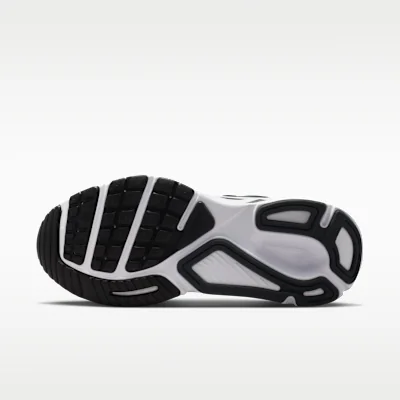
RUN SDJRUN SDJ finds the Nike Structure Plus visually striking with solid midfoot support and excellent winter grip, but ultimately disappointing: heavy, stiff, and poorly transitioned despite ZoomX/ReactX combo and 42/32mm stack. Praises stability; criticizes weight distribution and lack of cushioning/propulsion.
NORTHSOUTHNORTHSOUTH praises the Nike Structure Plus as a secure, comfortable stability trainer—softer and slightly bouncier than the Structure 26 thanks to ZoomX over a ReactX carrier—well suited for easy runs, higher-mileage days, and marathon buildup, while noting the bounce is modest and the rocker is limited.
Fleet Feet CincinnatiChase from Fleet Feet Cincinnati praises the Nike Structure Plus for blending ZoomX softness with React stability, calling it a surprising, plush stability shoe that avoids the usual rigidity. He’s enthusiastic after initial runs, noting confidence despite earlier concerns and promises a detailed 100-mile follow-up.
#JustZayJose praises the Nike Structure Plus for plush dual-foam cushioning (ZoomX over ReactX), reliable midfoot stability, smooth rocker transition, and striking reflective details—calling it worth the ~$25 price hike versus the Structure 26—while noting a firmer ReactX feel and softer tech that’s less pronounced underfoot.

Social
2 INFLUENCER REVIEWS
 Runner's World
Amanda Furrer highlights that the Nike Structure Plus makes "stability sexier," praising its lighter, bouncier feel versus the Structure 26 and celebrating the ReactX/ZoomX (PEBA) foam underfoot—though she notes the shoe comes at a slightly higher price. Overall recommendation: Amanda clearly likes the Structure Plus for runners wanting a livelier stability shoe and points readers to her full review for details, signaling a positive, first‑hand endorsement with a minor cost caveat.
 @palabraderunner
palabraderunner highlights the Structure Plus as a noticeably softer, more responsive take on Nike’s stability line, praising ZoomX+ReactX cushioning and secure midfoot/heel hold without stiffness. They clarify it complements—not replaces—the Structure 26, recommending it for daily stable training when you want a plusher, livelier ride.

Forum Reviews
CUSTOMER REVIEWS FROM 1 FORUM
Reddit reaction to the Nike Structure Plus is mixed-positive: many praise its improved stability, comfortable cushioning, and suitability for recovery or easy runs—users report it helps with Achilles or pronation issues and offers a more assured ride than prior Structure models. Critics call it heavy, bottom‑heavy, and less lively than neutral alternatives, questioning value at the price point and noting clunky aesthetics or fit quirks. Upgraders from older Structure or Vomero Plus often welcome the balance of stability and comfort, while new shoppers without stability needs are more likely to prefer lighter, bouncier options.
Many comments

In-Depth Review

Highlights
- •Dual-foam ZoomX/ReactX midsoleDesigned to provide plush, responsive cushioning.
- •Midfoot Support SystemDesigned to guide overpronation without rigid posts.
- •High stack with rocker geometryDesigned to smooth heel-to-toe transitions.
- •Engineered mesh upper with fit bandDesigned to offer breathable, locked-in fit.
- •Wide platform and lateral containmentPromoted as increasing lateral stability and confidence.
- •Reinforced heel rubber and tractionPromoted as durable heel grip for road use.

Considerations
- •Heavy, bottom‑heavy sensationFeels heavy and reduces quick responsiveness.
- •Muted ZoomX liveliness under loadTop-layer spring is noticeably toned down.
- •Limited suitability for faster pacesNot ideal for tempo or speedwork.
- •Midfoot sidewall pressure for low archesMay cause localized pressure or rubbing.
- •Soft forefoot rubber wear riskForefoot compound can show early abrasion.
- •Upper fit and heel lockdown quirksSome report heel looseness and thin mesh.
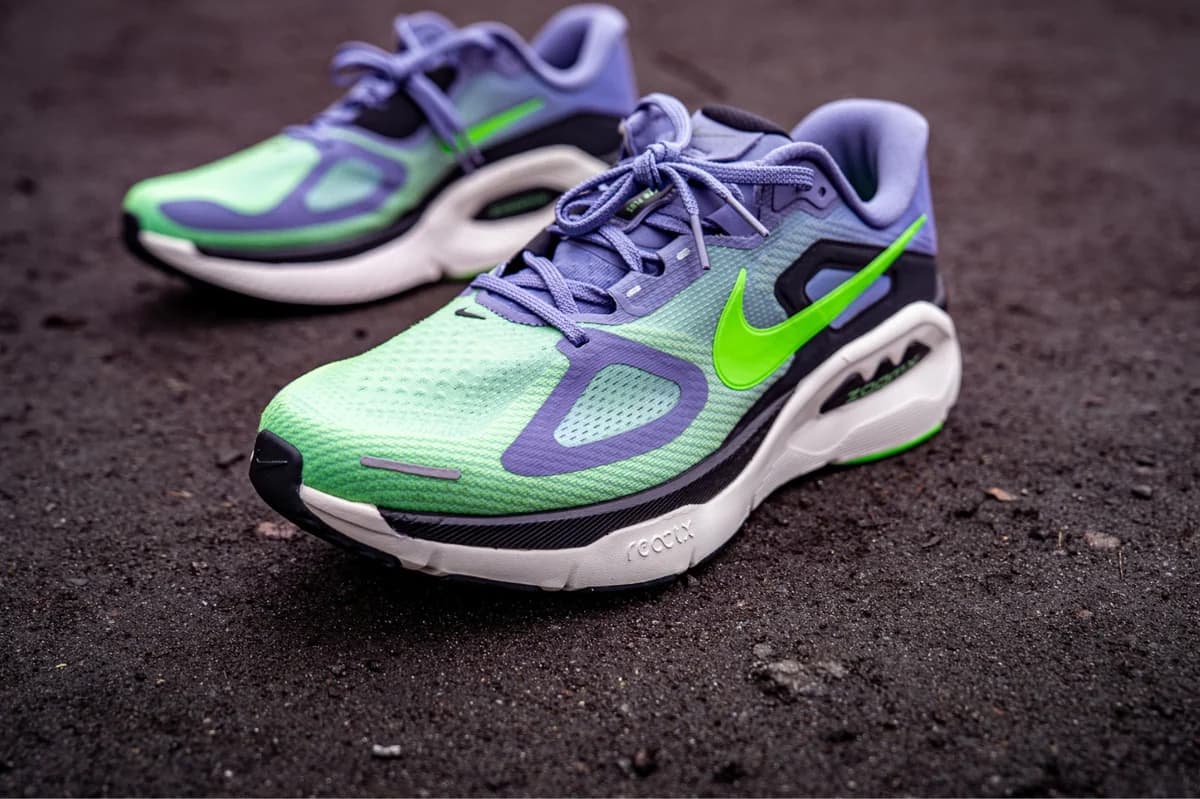
Real‑world feedback is still limited, so take early praise with a pinch of caution—but experts and testers agree Nike’s latest stability trainer stakes a bold claim. From a brand known for foam innovation, this shoe pairs a ZoomX top layer over ReactX support to deliver plush cushioning with measured control, and it ups the ante with a 42mm heel / 32mm forefoot stack that soaks long miles. The goal is daily training, recovery runs and long road miles for overpronators or tired‑leg runners who want guidance without a clunky post; think softer and livelier than past Structure models yet more grounded than full‑ZoomX neutrals. You’ll want to inspect the shoe’s midfoot support system, rockered heel‑to‑toe geometry, engineered mesh upper with an internal fit band, and pay heed to the listed weight—each factor shifts the balance between comfort and snap. Read on: these six features tell the story of who this shoe will help—and where it won’t.
Midfoot Support System (stability and pronation control)
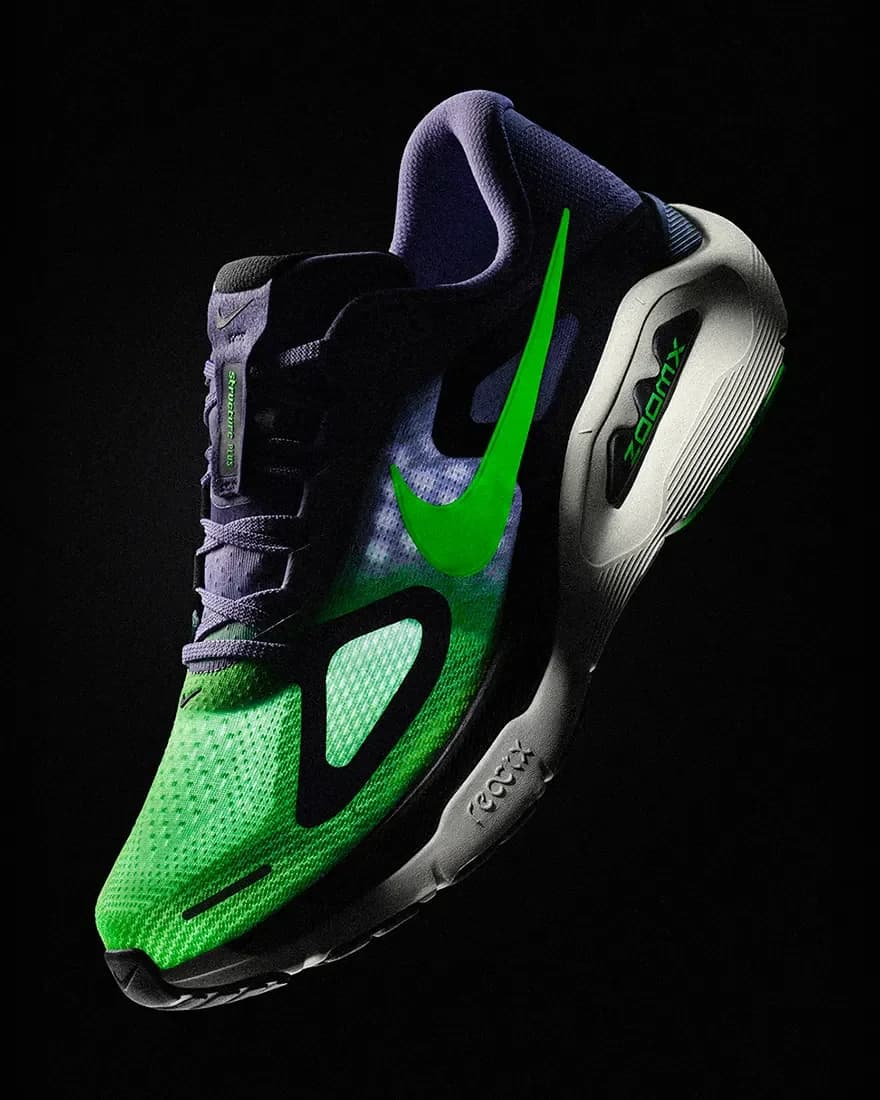
The midfoot sidewalls and internal fit band provide guidance rather than correction, wrapping the arch and heel for a secure, non‑intrusive hold; reviewers called it a subtle support system that beats stiff posts for everyday runs. Tension from the lacing‑linked band yields a reliable lockdown and lateral containment, though flat-arched runners may feel pressure from the sidewall over long miles. Overall, the design delivers confident pronation control without the usual bulk—solid for tired legs and recovery work. Controlled guidance.
Stack height and drop
At a lofty 42mm heel / 32mm forefoot with a 10mm drop, the Structure Plus reads like a max‑cushion trainer that still respects geometry. The tall stack soaks impact and smooths long miles, producing a plush ride that reduces shin and calf strain according to tests and user reports. That said, the height contributes to a bottom‑heavy sensation that dampens agility and makes quicker paces feel sluggish; great for endurance comfort, less so for tempo sessions. High‑stack comfort.
Weight
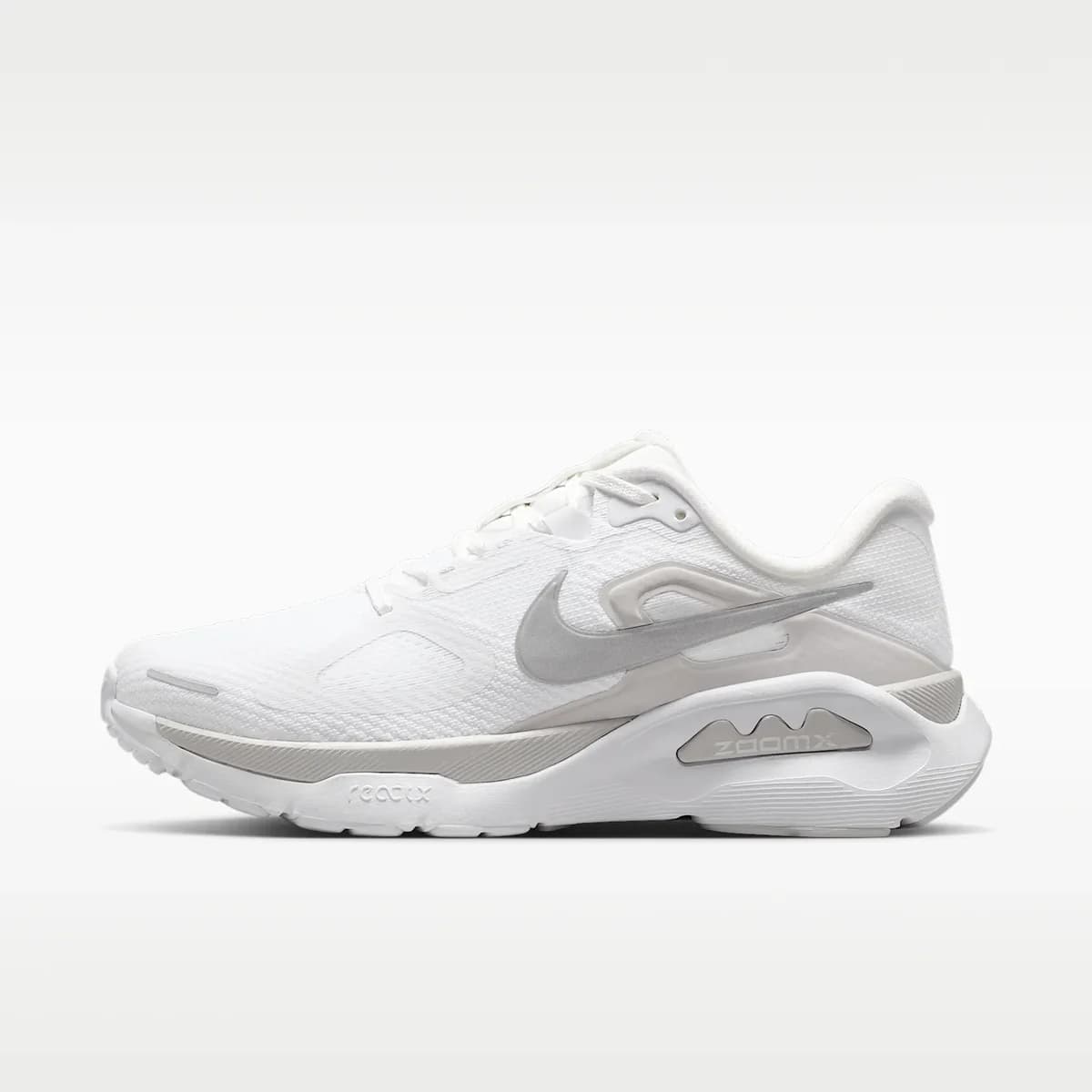
Clocking in on the heavier side for a trainer, the Structure Plus feels bottom‑heavy despite listed weights; testers and users noticed the mass underfoot saps snap and makes tempo work tiring. The extra grams buy cushioning and a stable base, so the trade is intentional: durability and support over speed. If you prioritize plush, confidence‑inspiring miles, the weight is acceptable; if lightness and quick responsiveness matter, this isn’t your pick. Stability over speed.
Dual-foam cushioning (ZoomX + ReactX)
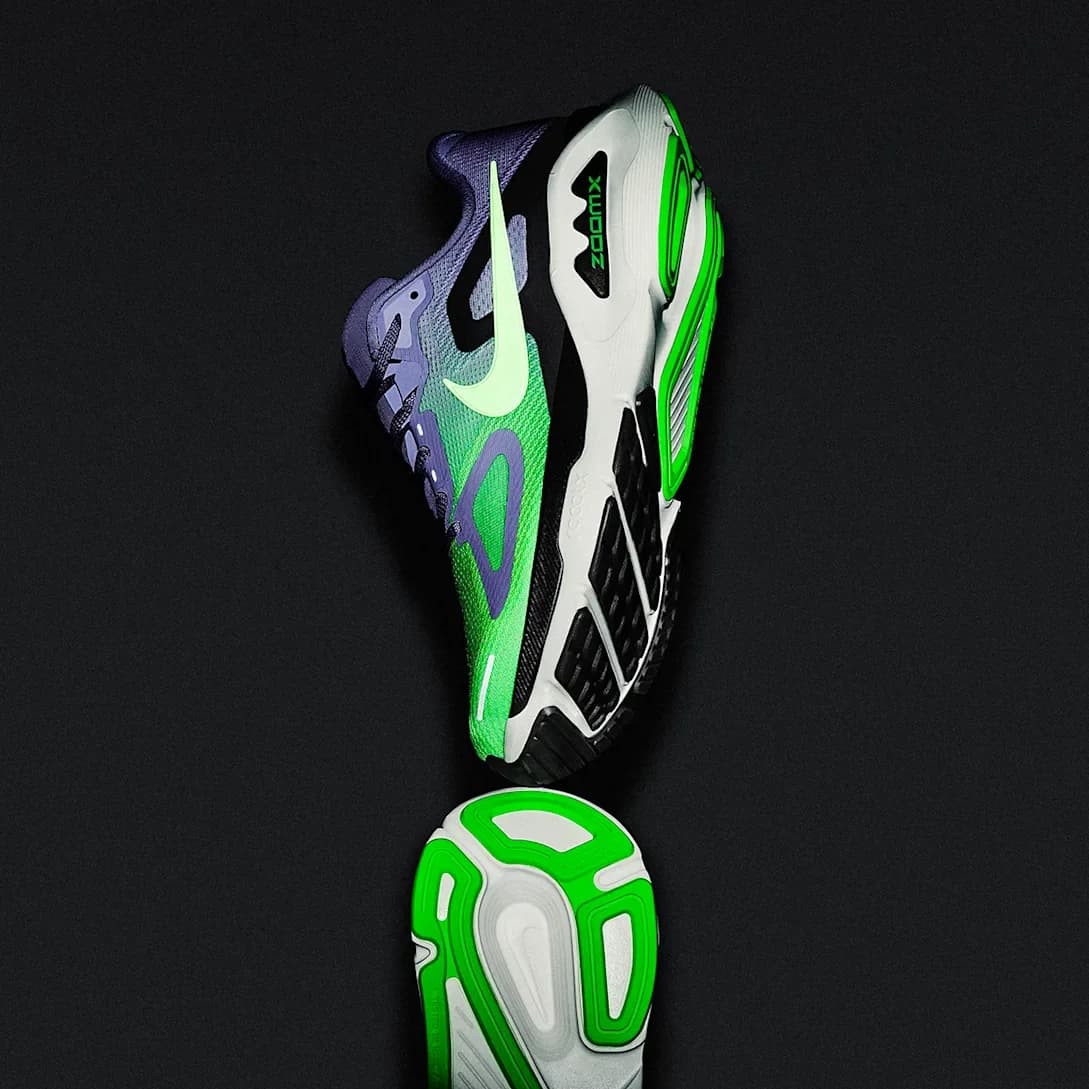
Nike’s headline combo — a soft ZoomX top layer riding on a firmer ReactX carrier — actually works: you get plush step-in comfort with measured energy return, not runaway spring. Lab and reviewer notes confirm the top layer’s responsive feel while the ReactX tames roll and adds durability, which explains the shoe’s slightly muted pop under load. It’s ideal for recovery miles where cushioning trumps snap; trade-offs include a dampened toe-off and potential forefoot wear on soft rubber, noted after extended use. Comfort-first stability.
Rocker geometry and heel‑to‑toe transition
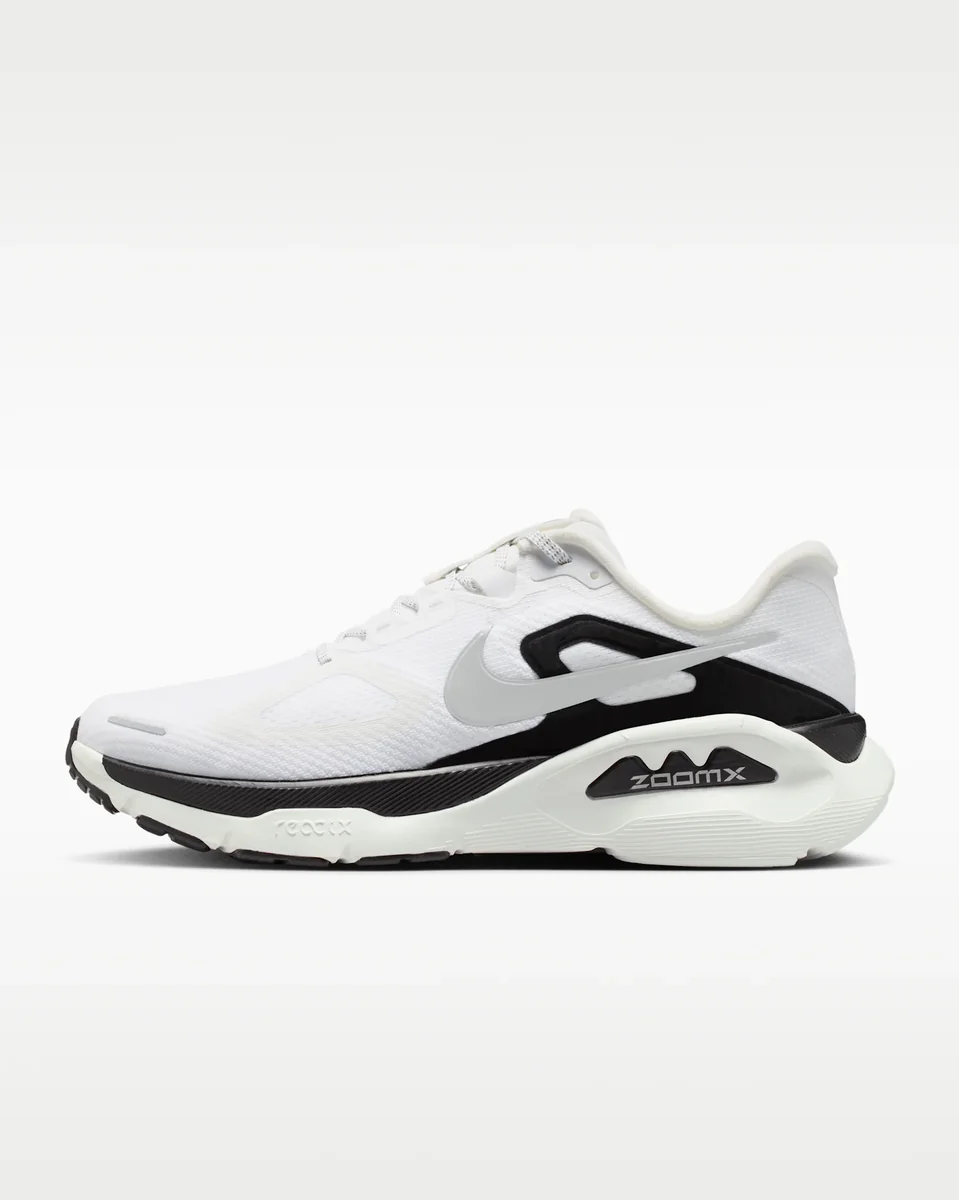
The mild rocker plus widened platform yields a pleasantly easy roll from heel to toe—reviewers praised the smooth transition that eases turnover on long runs. It masks some of the midsole’s muted rebound, helping gait efficiency without gimmicky wobble; however, the rocker isn’t aggressive enough to rescue the shoe’s limited propulsion at faster paces. For steady, recovery miles the combo is liberating; for intervals you’ll miss a snappier toe-off. Effortless roll.
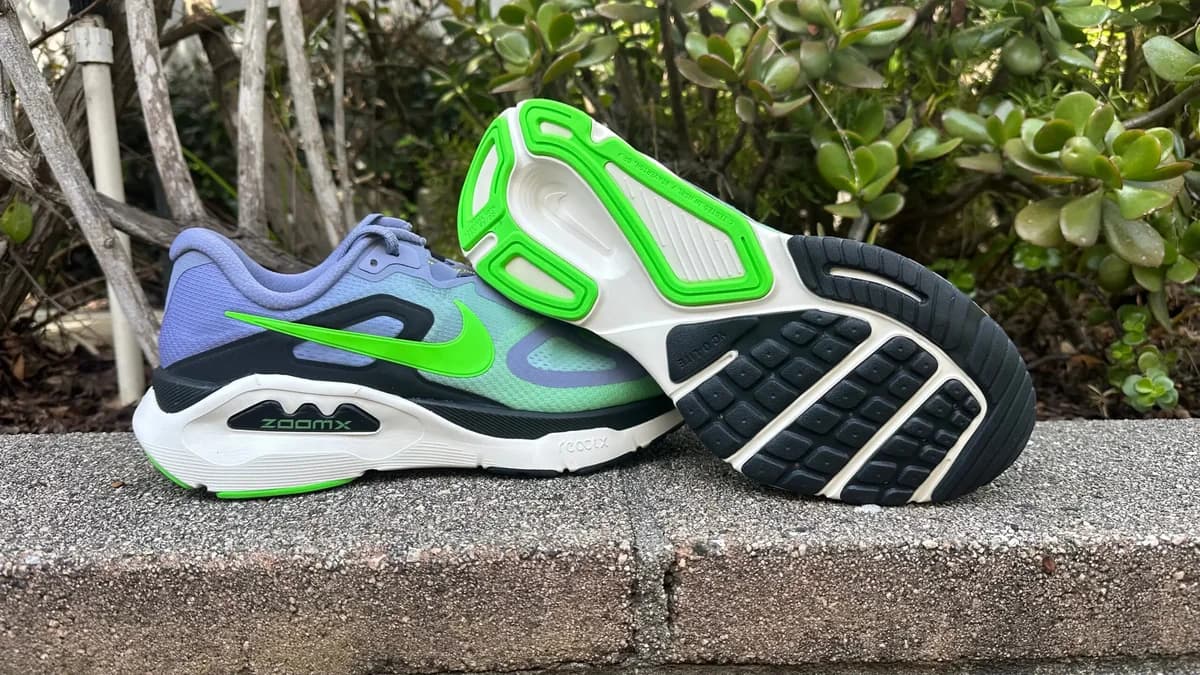
Upper construction and lockdown fit
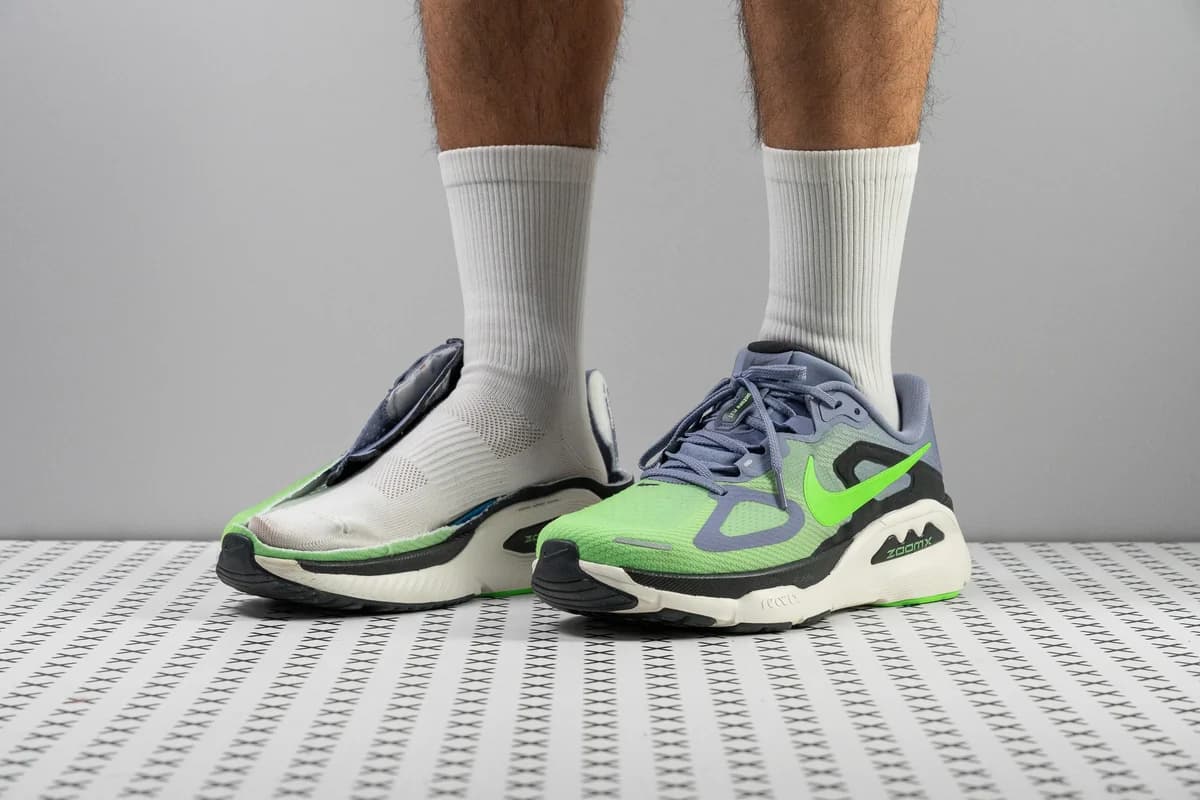
Engineered mesh, a stitched midfoot fit band and padded collar make the upper a comfy, breathable cocoon that reviewers called secure and roomy—good for orthotics and long wear. The lace‑attached band sharpens lockdown, though some flagged a slightly cheap‑feeling mesh and occasional heel looseness before break‑in. Overall it balances everyday comfort with practical lockdown, supporting prolonged runs and travel days without fuss. All‑day wearability.
Conclusion
Early returns are cautiously optimistic: the shoe stitches together striking comfort and dependable control. The ZoomX-over-ReactX dual-foam gives a cushioned, not gummy, step—great for recovery miles but muted when you chase pace. The Midfoot Support System guides overpronation with a gentle hand, not a corrective hammer. At 42/32mm stack and 10mm drop you get impact protection that softens long efforts while adding a bottom‑heavy feel. The mild rocker smooths roll but can’t fully rescue a dampened toe‑off. The engineered mesh and fit band create a roomy, secure cabin that welcomes orthotics and travel days. Expect noticeable weight underfoot—an intentional trade for plush stability. For runners who prize comfort, joint relief, and confident long miles, this is a smart daily pick; for tempo junkies, look elsewhere for livelier propulsion. In short: comfort-first stability with measured compromises.

Feature Scores
This reflects reviews and ratings from established critics, journalists, and users who have evaluated the item. Their opinions provide a comprehensive assessment.
Performance
Cushioning
5/5
Responsiveness
4/5
Durability
4/5
Traction
4/5
Fit Consistency
4/5
Value
Price to Quality Ratio
4/5
Price Accessibility
3/5
Warranty Support
TBD
Design
Aesthetic Appeal
4/5
Ergonomic Fit
4/5
Upper Craftsmanship
4/5
Health
Breathability
4/5
Arch Support
4/5
Injury Risk Mitigation
4/5
Hypoallergenic Materials
TBD
Safety
Reflective Visibility
4/5
Slip Resistance
4/5
Foot Protection
4/5
Stability Control
5/5
Sustainability
Recycled Materials Use
TBD
Product Longevity
3/5
Packaging Sustainability
TBD
End-of-Life Recyclability
TBD
Experience Style
Ease of Use
4/5
Adjustability
4/5
Customization Options
2/5
Feature Richness
5/5

Specifications
This section outlines the product's key facts, covering essential features, details, dimensions, materials, and any unique characteristics that define its functionality and usability.
Performance
Value
Design
Safety
Experience Style

Frequently Asked Questions
10 Questions
Find Yours
What type of running do you mostly do?
Answer to find your best matches.