
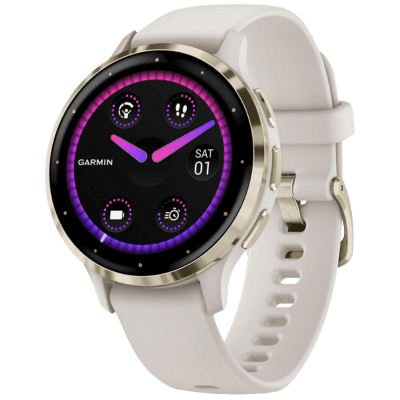

Garmin Forerunner 265
Vibrant AMOLED display and accurate GPS deliver solid training insights with some battery trade-offs.
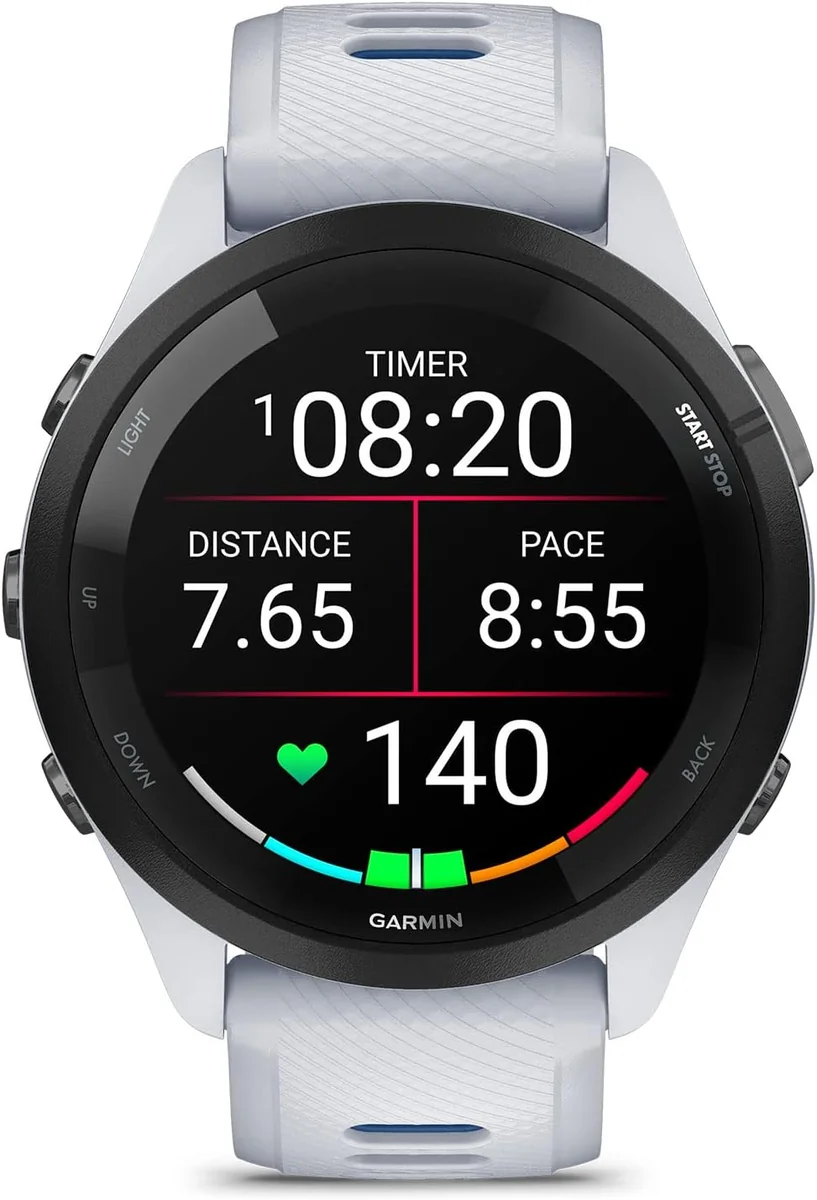
The Garmin Forerunner 265 is a vibrant AMOLED running watch crafted for serious athletes craving sharp visuals and pinpoint GPS. It nails multi-band GNSS accuracy, keeping pace with your toughest runs, while delivering up to 13 days of battery life—a rare feat for OLED lovers. Users praise its detailed training readiness metrics and seamless app syncing, though some grumble over a plasticky build and quirky music sync. Experts applaud its balance of style and substance but note the premium price tags trim value slightly. Ultimately, this watch shines brightest when you prioritize precise data over flashy extras or extended juice.
Find Yours
What is the primary reason you want a smartwatch?
Answer to find your best matches.

The Field
Browse top contenders, or compare all options ranked by score and key attributes.
5 Options

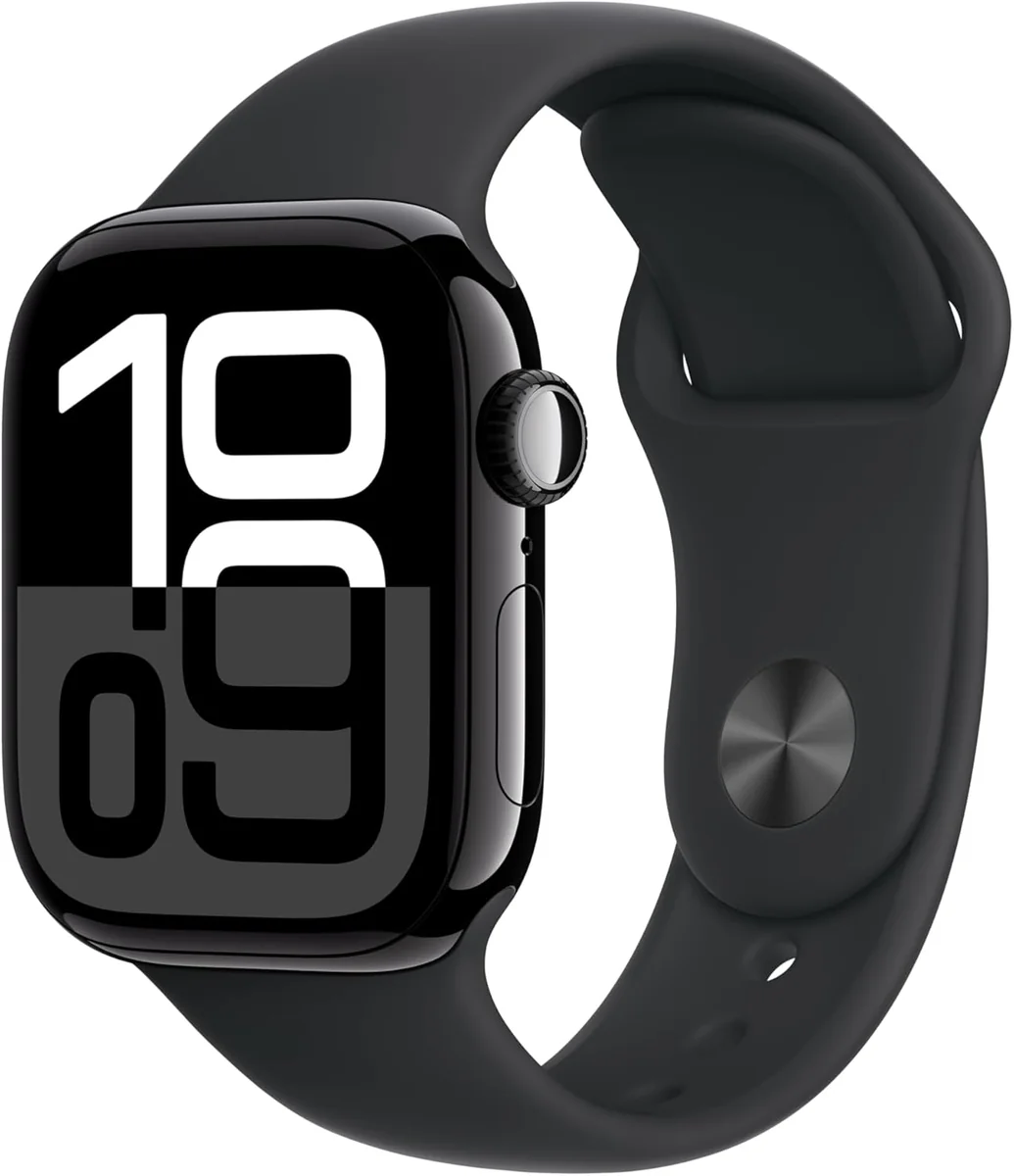


The Scoreboard
Does this improve your life? Considers, health, habits, and environmental impact.
Benefits
Multi-band GPS and refined wrist heart-rate deliver reliable pace, distance, and workout safety.
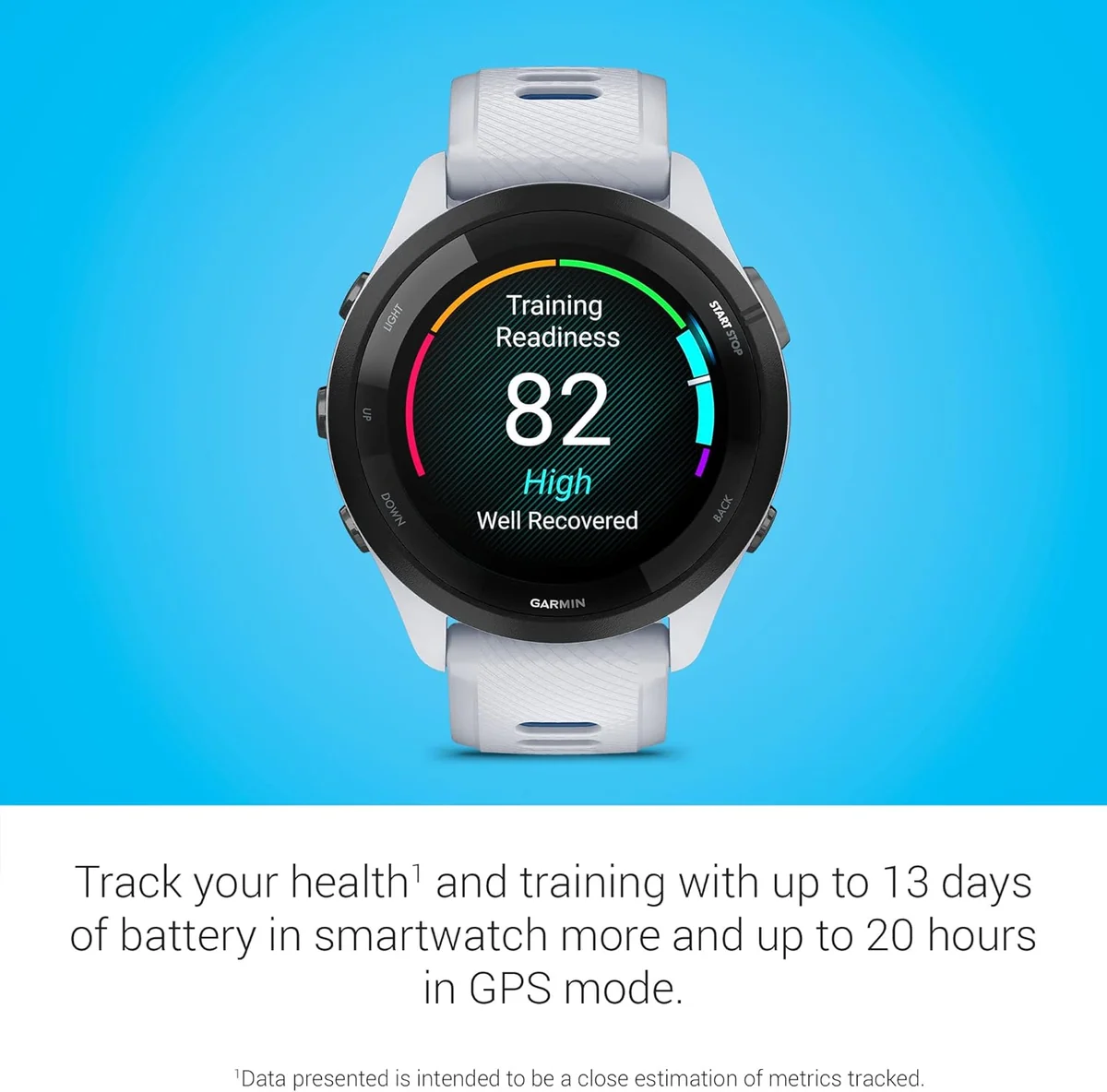
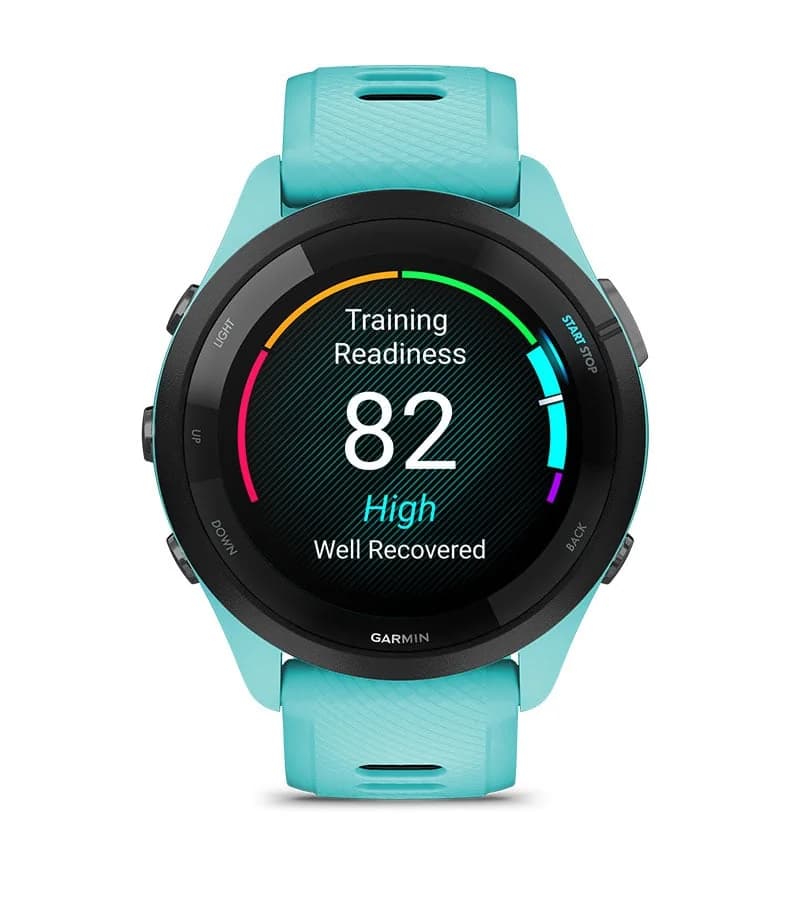
Training Readiness uses HRV, sleep, and load to suggest intensity and protect recovery.
Always-on AMOLED improves glanceability and motivation compared with dimmer MIP alternatives.
Wrist-based running dynamics remove external sensors, simplifying data collection and consistent feedback.
Built-in music storage and Garmin ecosystem let you train without your phone nearby.
Trade-Offs
AMOLED brightness shortens runtime versus reflective MIP; may be less ideal for multi-day outings.
Wrist optical HR can lag or misread intense efforts compared with chest straps, affecting training.
Plastic casing reduces perceived durability and increases lifecycle footprint versus recyclable-metal designs.
No speaker/mic or reply features—may be less ideal for hands-free communication.
Sealed battery and limited repairability increase electronic-waste risk compared with repairable designs.
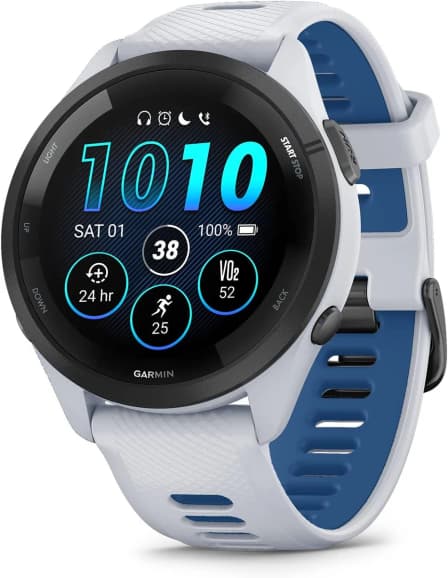
 Alternatives


Join the Circle
Where real meets deal
Know what's worth buying-and when.
Tips, special offers, and rewards for buying and sharing.

Publications
8 LEADING PUBLICATION REVIEWS

Ray Maker from DC Rainmaker highlights the Garmin Forerunner 265 as a well-rounded, enthusiast-focused endurance sports watch that delivers exactly what users requested: a vibrant always-on AMOLED display combined with Garmin’s advanced Training Readiness feature. Praising its accurate GPS and heart rate tracking across diverse real-world activities, the review emphasizes the watch’s extensive customization, robust multisport support, and seamless integration with Garmin’s ecosystem. While the Forerunner 265 lacks some premium features found in higher-end models—such as onboard maps, ECG, voice calls, and wireless charging—it remains competitively priced and offers excellent battery life. Unique insights include the introduction of wrist-based Running Dynamics without external sensors and a nuanced look at Training Readiness metrics, which provide valuable guidance on workout intensity and recovery. The reviewer appreciates the balance of new hardware and software improvements but notes some minor limitations, like the absence of cycling power FTP detection and the inability to display Training Readiness as a watch face data field. Overall, it’s a compelling choice for daily endurance athletes seeking a lightweight, feature-rich Garmin watch.
By Ray Maker
Conor Allison from Wareable highlights the Garmin Forerunner 265 as a significant step forward in Garmin’s AMOLED smartwatch lineup, blending vibrant display and a responsive UI with the trusted core tracking features of its predecessor. The review expresses clear enthusiasm for the improved screen quality and smoother interface, noting these upgrades bring a modern, premium feel without sacrificing Garmin’s hallmark accuracy and battery life, which remains strong despite the AMOLED trade-offs. While acknowledging that some users may prefer the older MIP display for efficiency or see little reason to upgrade from the Forerunner 255, Allison positions the 265 as one of the best sports watches available today. The review also praises the surprisingly accurate sleep tracking and robust GPS performance, though it points out the lack of ECG hardware and limited smartwatch features like voice assistants or Garmin Pay support. Overall, the Forerunner 265 is portrayed as a well-rounded, thoughtfully designed running watch that balances aesthetics and functionality, appealing especially to those valuing display quality alongside solid training metrics.
By Conor Allison
Michael L. Hicks from Android Central highlights the Garmin Forerunner 265 as a solid, if largely iterative, upgrade over the Forerunner 255, with its standout feature being a vibrant AMOLED touchscreen that significantly improves readability and everyday usability. While the watch lacks revolutionary new functions and omits lifestyle perks like a mic, speaker, or advanced mapping found on pricier models, it delivers nearly all the essential tools serious runners need, including accurate multi-band GPS, wrist-based running dynamics, and the new Training Readiness metric. Hicks appreciates the improved display’s impact on workout animations and daily use but notes trade-offs such as shorter battery life compared to MIP models and the absence of premium glass protection. The review balances praise for Garmin’s refined software and hardware foundation with measured criticism of the watch’s incremental nature and high price, ultimately recommending the 265 for runners who value display quality and coaching features over flashy extras or extended battery life.
By Michael L. Hicks
Matt Evans from TechRadar highlights the Garmin Forerunner 265 as a refined and visually striking update to an already excellent running watch. Praising its vibrant AMOLED touchscreen and dedicated Run button, he emphasizes how these enhancements bring the Forerunner series closer to mainstream smartwatches without sacrificing Garmin’s hallmark battery longevity—lasting around ten days with heavy GPS use. While the watch retains the core strengths of the previous 255 model, including accurate GPS tracking and robust fitness metrics, Evans notes the 265’s design refresh and added features like Training Readiness and built-in music storage as meaningful improvements. However, he tempers enthusiasm by pointing out the higher price compared to the 255, the absence of TopoActive maps (available only on the pricier 965), and minor LiveTrack glitches. Overall, Evans conveys a cautiously optimistic tone, recommending the 265 especially for runners seeking a stylish, durable, and feature-rich watch, but advising those with a 255 to hold off unless they want the latest screen and interface upgrades.
By Matt Evans
Kieran Alger from Runner’s World (UK) highlights the Garmin Forerunner 265 as a well-rounded mid-range running watch that strikes a strong balance between features and price. Praising its bright AMOLED touchscreen, improved multiband GPS accuracy, and comprehensive training and health insights, Alger emphasizes how the watch elevates the user experience compared to its predecessor, the Forerunner 255. Tested extensively over six months, the review notes solid heart rate tracking and excellent GPS reliability, though the optical sensor can lag slightly behind chest straps. Key drawbacks include shorter battery life—especially when using high-accuracy GPS and music—and the absence of onboard maps, which limits navigation capabilities. While the Forerunner 265 demands a higher price, it offers a compelling upgrade for runners who value display quality and detailed metrics. However, those prioritizing battery longevity or navigation might prefer older or higher-end Garmin models. Overall, Alger presents the Forerunner 265 as a “Goldilocks” watch that fits most runners’ needs without overpaying for premium features.
By Kieran Alger
Samuel Gibbs from The Guardian highlights the Garmin Forerunner 265 as a compelling evolution in Garmin’s running watch lineup, chiefly due to its bright, sharp OLED screen that significantly enhances readability and aesthetics, especially on the smaller 42mm model. While the watch retains the solid, class-leading sport tracking and training readiness features of its predecessor, the Forerunner 255 Music, the 265 introduces a more vibrant display and touchscreen interface alongside physical buttons. Gibbs praises the watch’s comfort, accurate multisport tracking, and week-long battery life—impressive for an OLED device—though he notes the battery life is roughly half that of the LCD-based 255. The review acknowledges the higher price point and the absence of offline maps and voice assistant features, positioning the 265 as a premium, visually upgraded alternative rather than a radical performance leap. Overall, Gibbs regards the Forerunner 265 as a stylish, practical choice for runners who value screen clarity and training insights, despite some trade-offs in battery and cost.
By Samuel Gibbs
Alan Martin from Expert Reviews highlights the Garmin Forerunner 265 as a brilliant and highly capable running watch, particularly praising its sharp AMOLED display, improved battery life on the smaller model, and accurate GPS and heart-rate tracking. The new Training Readiness feature, borrowed from higher-end models, adds valuable insights for serious athletes, while the on-wrist Running Dynamics caters to niche users. However, Martin expresses clear reservations about the steep £130 price increase over the Forerunner 255, which remains a strong contender at a significantly lower cost. He also notes the removal of a non-music version limits budget options, and Garmin Pay’s limited UK support remains a minor frustration. Despite these drawbacks, the review conveys measured enthusiasm for the watch’s design and functionality, suggesting it is an excellent choice if the price becomes more reasonable. Overall, the Forerunner 265 is praised as a stylish, feature-rich upgrade but one best considered carefully against its premium cost.
By Alan Martin
Andrew Williams from Live Science highlights the Garmin Forerunner 265 as a compelling athlete-grade fitness watch that successfully blends advanced training features with a vibrant OLED screen, all at a more accessible price point than Garmin’s flagship models. He praises its sharp, colorful display and robust heart rate and GPS accuracy, noting that the smaller 265S model impressively maintains strong battery life despite the OLED’s higher power demands. The watch’s rich fitness metrics, including Training Status and suggested workouts, set it apart from more casual Garmin options, making it ideal for serious runners and cyclists. However, Williams points out the lack of on-watch maps—a key feature in higher-end Garmins—and the relatively high price for a plastic-cased device as notable drawbacks. He also compares it thoughtfully to alternatives like the Forerunner 255, Venu 2, and Polar Grit X, emphasizing that the 265 strikes a solid balance between performance, design, and cost for fitness enthusiasts who don’t need full mapping capabilities.
By Andrew Williams

YouTube
12 LEADING EXPERT & INFLUENCER REVIEWS
 The Run Testers
Nick Ackerman praises the Garmin Forerunner 265 for its bright 1.3" AMOLED touchscreen, accurate multi-band GPS, and advanced training readiness feature, highlighting its comfort and comprehensive running metrics. While noting a price increase and some heart rate sensor quirks, he values its superior training analysis over smart features, making it a top mid-range Garmin.
Gauging GadgetsGauging Gadgets highlights the Garmin Forerunner 265’s vibrant 1.3" AMOLED touchscreen and lightweight design as key upgrades over the 255, praising its customizable hotkeys and ample 8GB storage. While battery life is slightly shorter and sunlight visibility less optimal than the 255’s reflective display, the reviewer appreciates the modern interface and feature parity, offering a balanced, informative comparison for serious runners.
foXnoMadFox Nomad praises the Garmin Forerunner 265 for its vibrant AMOLED display, extensive fitness and recovery metrics like Body Battery and Training Readiness, and impressive battery life. He highlights its comfort and customization but criticizes Garmin’s software tiering strategy, lack of metal bezels, and limited smartwatch features, making it ideal for serious athletes rather than those seeking full smartwatch connectivity.
DesFitDesFit provides a balanced, detailed comparison of the Garmin Forerunner 265 and 965, praising the 265’s AMOLED display, multi-band GPS, and robust training features like Training Readiness. While noting the 965’s superior maps and advanced metrics, he highlights the 265’s strong value and suitability for most athletes, with thoughtful insights on battery life and usability.
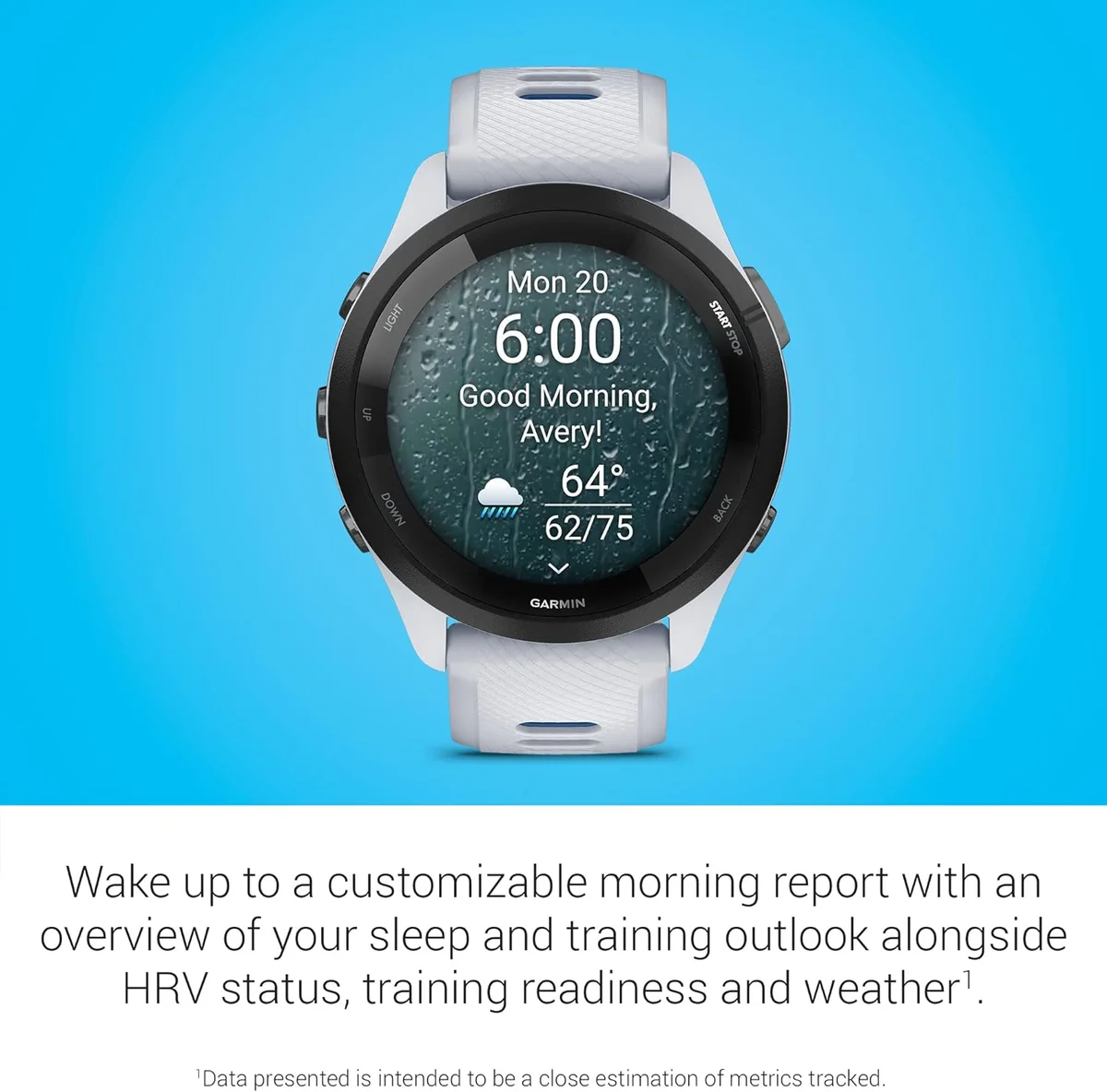
Connect The WattsConnect The Watts enthusiastically praises the Garmin Forerunner 265 for its vibrant AMOLED display, accurate dual-band GPS, and comprehensive recovery tools like Morning Report and Training Readiness. While noting its less rugged plastic build and lack of full maps, the reviewer highlights excellent battery life, extensive customization, and music support, making it a top choice for runners.
Matt LeGrandMatt LeGrand offers a thoughtful, balanced comparison of the Garmin Forerunner 265 and 965, highlighting the 265’s vibrant 1.3" AMOLED display, solid multisport tracking, and useful features like Morning Report and Training Readiness. He notes its lighter weight and breadcrumb navigation but points out the 965’s superior mapping, longer battery life, and extra activity profiles, making the choice depend on user priorities and budget.
Running Shoes GuruRunning Shoes Guru offers a measured review of the Garmin Forerunner 265, praising its vibrant 1.1" AMOLED display, lightweight comfort, and advanced recovery metrics like Body Battery and HRV. However, they criticize its plastic casing, limited yoga workouts, and unreliable navigation—especially for trail runners with tattoos affecting heart rate accuracy.
Meta EnduranceAlex from Meta Endurance praises the Garmin Forerunner 265’s vibrant AMOLED display, smooth touchscreen, and useful Morning Report feature, highlighting its solid battery life despite the power-hungry screen. However, he criticizes the lack of maps for navigation, poor integration with Stride, inconsistent wrist-based running power, and static training readiness and HRV metrics, making it feel less premium. He recommends it as the best Garmin for serious amateur runners but hesitates to keep it due to missing features and build quality compared to higher-end models.
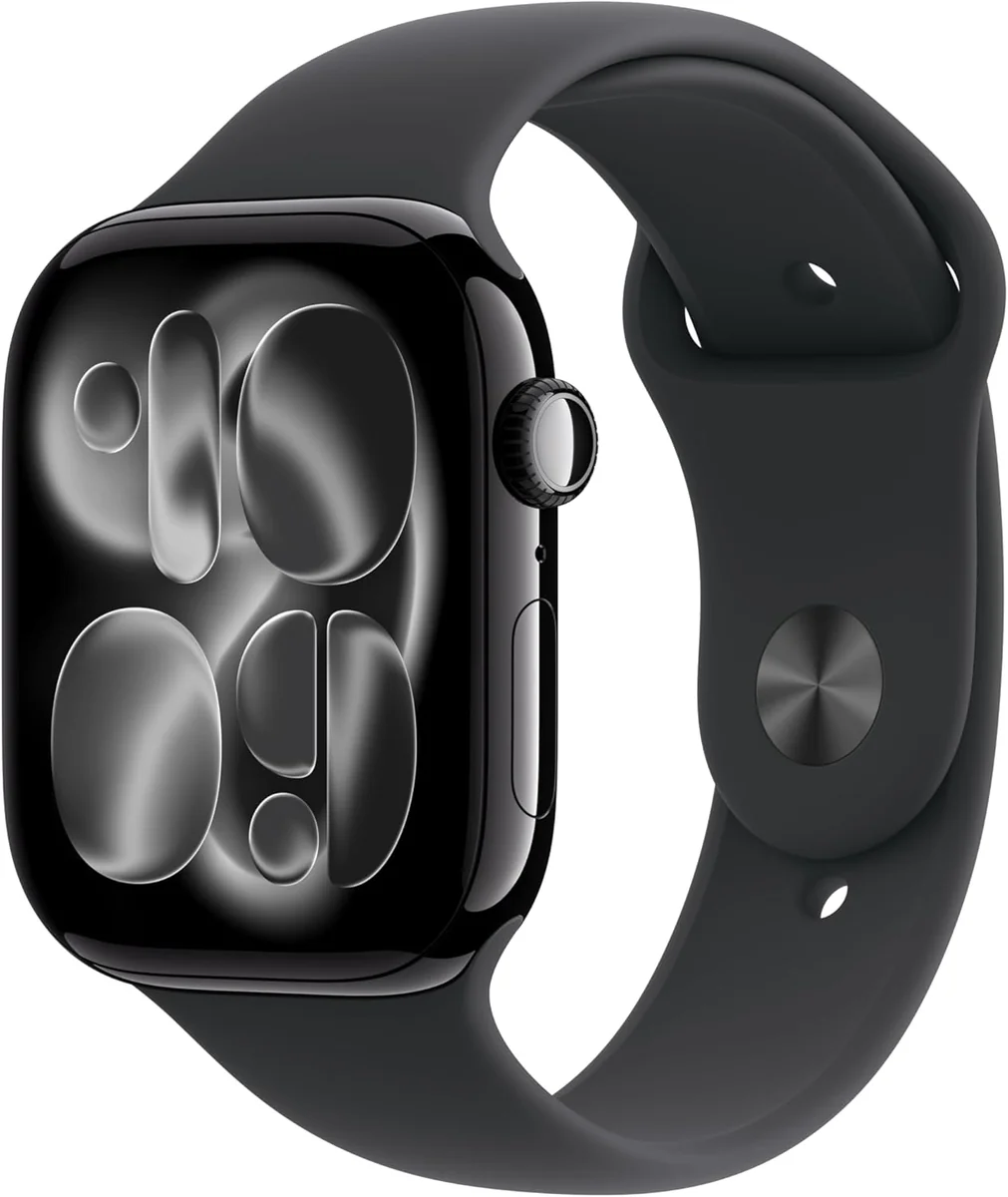
Shervin SharesShervin Shares offers a balanced, thoughtful comparison of the Garmin Forerunner 265 and Apple Watch Series 8, praising Garmin’s superior battery life, vibrant AMOLED display, and advanced recovery metrics like Training Readiness. He notes Garmin’s complexity and less polished touchscreen but values its running-focused features, recommending it for serious athletes over casual users.
Chase the SummitChase the Summit provides a balanced, insightful comparison of the Garmin Forerunner 265 and the newer 570. He praises the 265’s solid AMOLED display, accurate sensors, and excellent battery life, while noting the 570’s brighter screen, speaker/mic, and extra features. However, he questions the 570’s higher price and shorter battery, making the 265 a strong value choice.
OastharOasthar provides a balanced, insightful comparison of the Garmin Forerunner 265, praising its polished design, accurate heart rate tracking, and smart features like Spotify and Garmin Pay. While noting its shorter battery life and occasional GPS drift versus the newer Coros Pace 4, the review highlights Garmin’s strong ecosystem and training readiness metric as key advantages.
kofuziKofuzi offers a measured yet positive view of the Garmin Forerunner 265, praising its vibrant AMOLED display, responsive button-based interface, and superior pace tracking without lag. He notes a personal issue with an aftermarket band but highlights the watch’s value at a discounted $299 price, recommending it for serious road runners seeking accuracy and durability.

Social
4 INFLUENCER REVIEWS
 maribelle
maribelle highlights her positive experience switching from an Apple Watch to the Garmin Forerunner 265, praising its long battery life, accurate sleep and training readiness tracking, and convenient physical buttons. She also appreciates its smart gym workout detection, though she finds the design less sleek and the default watch appearance unattractive. Overall, maribelle recommends the Forerunner 265 especially for runners who value detailed stats and reliable performance over style. Despite some aesthetic drawbacks, she finds its functionality and durability well worth it for serious training.
lexmikaylaalexmikaylaa highlights three main drawbacks of the Garmin Forerunner 265: its limited smartwatch functionality (no text replies or call answering), bulky size, and a somewhat confusing interface with multiple buttons that require a learning curve. Despite these issues, she appreciates its running features and overall performance. She concludes that while the Forerunner 265 isn’t perfect—especially for those wanting full smartwatch capabilities—it remains a solid choice for runners. lexmikaylaa recommends it for its core fitness tracking but advises potential buyers to weigh the tradeoffs in usability and size.
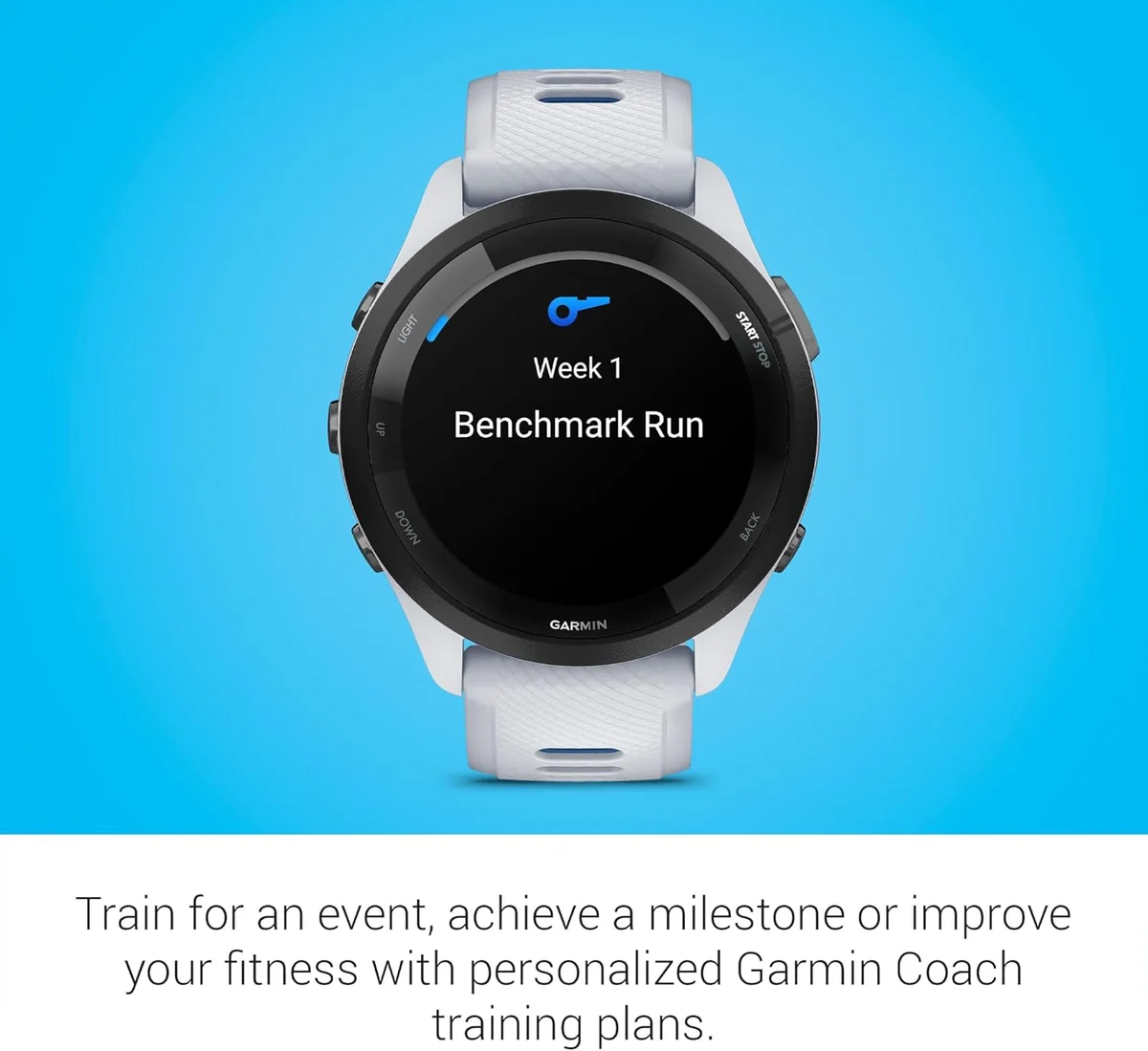
Kiskateboardki highlights the Garmin Forerunner 265’s vibrant AMOLED screen, excellent outdoor visibility, and helpful running pace guidance that aids endurance. They appreciate the strength workout suggestions and customizable training plans for events like marathons. The only minor gripe is the need for two separate Garmin apps, which feels inconvenient but not significant. Overall, skateboardki gives the Forerunner 265 a glowing 10/10 rating, expressing genuine satisfaction and excitement to continue using it in future races. They strongly recommend it for runners and fitness enthusiasts seeking a smart, motivating training companion.
Coach Adrian ⚡️Coach Adrian ⚡️ highlights the Garmin Forerunner 265’s accuracy and fitness tracking features with genuine enthusiasm, sharing personal stats like sleep score and training readiness. While some technical terms like HRV status remain unclear, the overall tone is positive and confident. The watch is praised as a reliable fitness companion. Overall, Coach Adrian ⚡️ gives the Forerunner 265 a strong endorsement, calling it a “10 out of 10” and recommending it without hesitation for fitness enthusiasts seeking precise and helpful health insights.

Store Reviews
CUSTOMER REVIEWS FROM 1 STORE
Users on Amazon praise the Garmin Forerunner 265 for its sharp AMOLED display, lightweight yet premium build, and highly accurate GPS and heart rate tracking. Runners especially value its intuitive interface during workouts, precise training metrics like VO₂ max and Body Battery, and motivating recovery insights that help optimize training. Several reviewers highlight the watch’s impressive battery life, which endures multiple days even with frequent use of GPS and notifications. People managing chronic conditions appreciate how the recovery tracking guides smarter rest and activity decisions. While many find the touchscreen and button controls user-friendly, some mention a learning curve with the interface and limited aesthetic options compared to higher-end Garmin models. Additionally, users enjoy seamless syncing with fitness apps and the ability to broadcast heart rate to devices like Peloton bikes, though workout data integration with Peloton requires manual steps or third-party apps. Overall, Amazon customers consider the Forerunner 265 a reliable, feature-rich sports watch that balances comfort, functionality, and durability for diverse fitness needs.
4.7 Stars / Many verified reviews

Forum Reviews
CUSTOMER REVIEWS FROM 1 FORUM
Reddit users generally view the Garmin Forerunner 265 positively, praising its advanced running features, accurate real-time pace tracking, and long battery life compared to competitors like the Apple Watch. Many appreciate its tailored workout suggestions and detailed health metrics, especially for serious runners. However, some users report software glitches, heart rate tracking issues, and a complicated music syncing experience. The design is seen as functional but somewhat plasticky and less premium than expected for the price. New shoppers find it a solid choice for growth in fitness tracking, while upgraders weigh the benefits against minor flaws and consider whether newer models offer enough improvements.
Many comments

In-Depth Review

Highlights
- •GPS accuracyDesigned to enable multi‑band GNSS
- •Battery lifeAdvertised to last up to 13 days
- •Training metricsPromoted as Training Readiness and Body Battery
- •AMOLED displayMarketed as 1.3" AMOLED touchscreen
- •Music playbackDesigned to store music, 8GB
- •Incident detectionAdvertised to send live location alerts

Considerations
- •Software reliabilityOccasional glitches and UI clunkiness
- •Heart-rate accuracyWrist heart-rate inconsistent for strength
- •Learning curveInterface can feel unintuitive for beginners
- •Music usabilityMusic sync and app annoyances reported
- •Material perceptionPlasticky feel compared to expectations
- •Safety dependencyAssistance requires paired smartphone and coverage
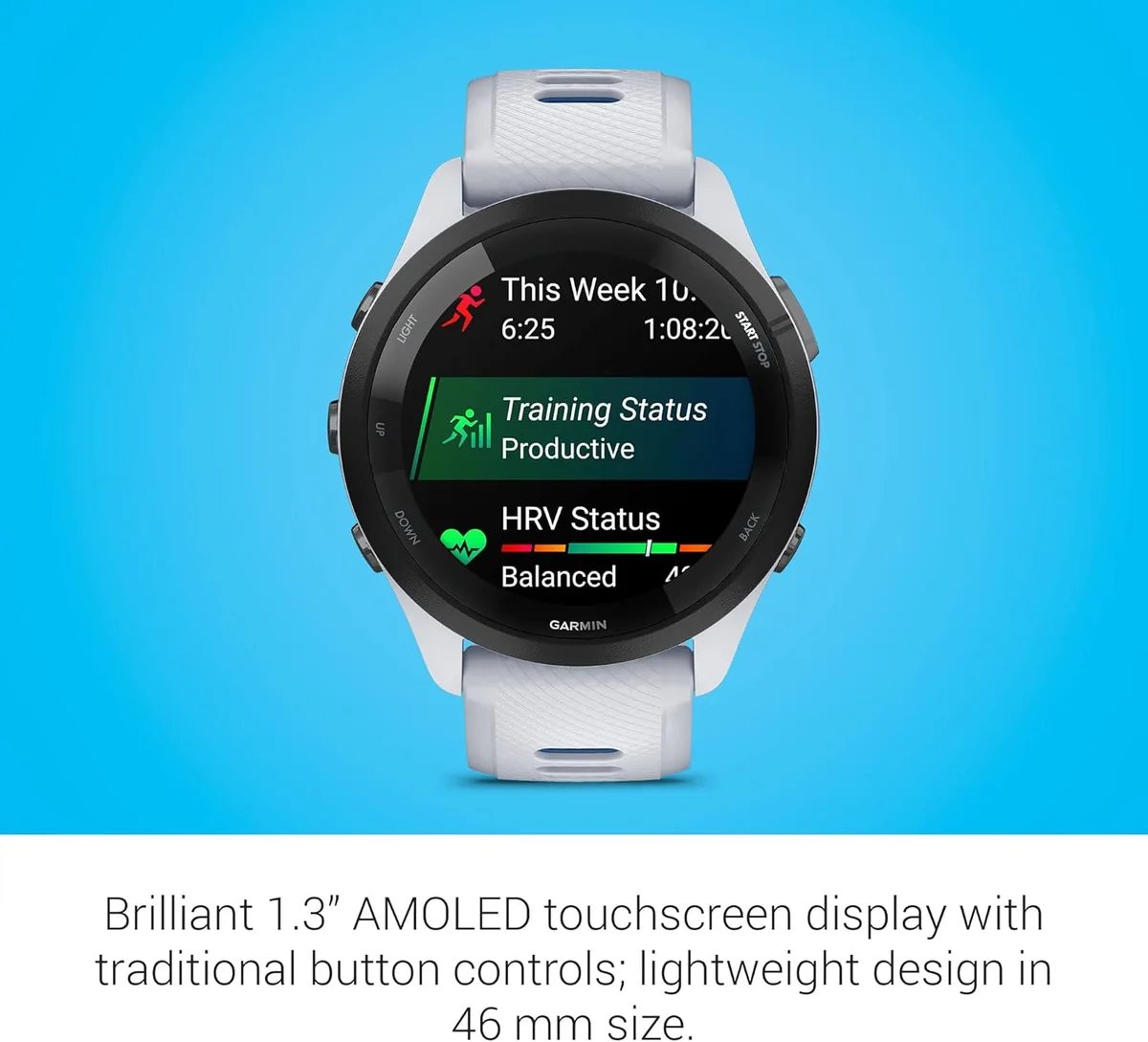
Garmin’s Forerunner 265 stakes its claim as a versatile running smartwatch tailored for athletes who demand precision and endurance. Marketed with multi-band GNSS technology, it aims to deliver pinpoint GPS accuracy even in challenging environments, a critical feature for serious runners and triathletes tracking every mile. Its standout 13-day battery life means fewer interruptions during training cycles, while the vibrant 1.3-inch AMOLED touchscreen offers sharp visuals that remain clear under sunlight—a boon when pacing outdoors. Designed to provide rich insights through advanced training metrics like Training Readiness and Body Battery, this watch suits those seeking data-driven performance optimization without compromise on comfort or durability thanks to its robust build quality. Connectivity options including Bluetooth, ANT+, and Wi-Fi keep users seamlessly linked with their devices and apps. Whether you’re mapping your next marathon or balancing daily workouts, understanding these core features will help determine if this is your ideal wrist companion—let’s explore what makes it tick in detail.
GPS Accuracy
Pinpoint precision is the name of the game with this watch, boasting multi-band GNSS technology that significantly enhances location tracking in tricky urban or wooded environments. This means runners get real-time pace and distance accuracy, a critical factor for training trustworthiness. User feedback often highlights its reliability over competitors, especially during longer runs where GPS errors can accumulate. The combination of SatIQ adaptive mode further optimizes battery life without sacrificing signal strength, making it a standout feature praised for balancing power efficiency and performance.
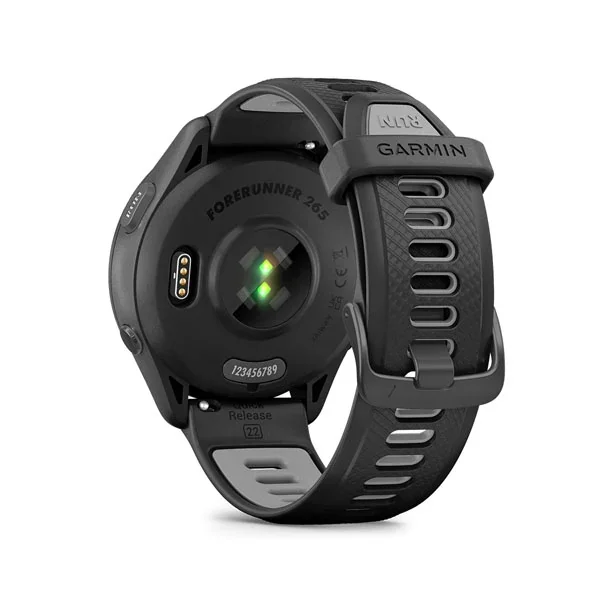
Display (AMOLED) Legibility
Vibrant colors meet sharp detail on a crisp 1.3-inch AMOLED touchscreen, designed to stay visible under direct sunlight—a boon for outdoor enthusiasts who hate squinting mid-run. Its hybrid control combines touch input with physical buttons offering versatile navigation options even when sweaty or gloved up. While some mention an initial learning curve navigating menus, most agree the display’s brightness and clarity elevate usability substantially compared to traditional MIP displays found in similar watches.
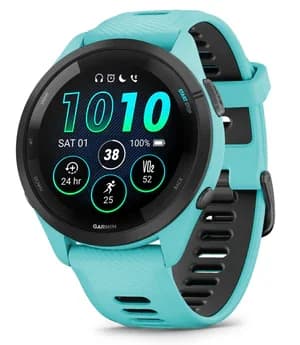
Battery Life
The endurance champ here offers up to 13 days in smartwatch mode, which frees athletes from daily charging rituals—a notable convenience for marathoners and multitaskers alike. Even with intensive GPS use capped at 20 hours, it outlasts many rivals relying on OLED screens. Reviews confirm that real-world usage aligns closely with these claims, allowing users to train extensively without interruption. This extended longevity supports not just workouts but also everyday wearability—an essential trait for those seeking both fitness insights and practicality.
Training Metrics & Sensors
This device goes beyond basic stats by integrating advanced sensors delivering metrics like wrist-based running power, HRV (heart rate variability), lactate threshold estimation (with chest strap), plus Body Battery energy monitoring—all tailored toward optimizing recovery and race-day strategy. These features cater well to serious runners craving data-driven insights rather than casual step counting; expert reviews applaud how such analytics empower smarter training decisions while acknowledging occasional software quirks may require patience initially.
Conclusion
Wrapping up, this watch stakes its claim with precise multi-band GPS accuracy that runners trust to map every stride. Its impressive battery life, stretching up to 13 days, means fewer pit stops for charging and more time on the move. The AMOLED display’s vivid legibility ensures stats are always crystal clear, even under blazing sun or dim streets. With a suite of advanced training metrics and sensors, it empowers athletes who crave data-driven insights without drowning in complexity. While the build strikes a balance between lightness and toughness, some may find its plasticky feel less luxe than expected. Connectivity options like Bluetooth and Wi-Fi keep things seamless but occasionally face minor hiccups reported by users. This device suits dedicated runners eager for reliable performance tools wrapped in an intuitive interface—offering just enough polish without overstepping into gadget overload or premium price tags that outpace features delivered.

Feature Scores
This reflects reviews and ratings from established critics, journalists, and users who have evaluated the item. Their opinions provide a comprehensive assessment.
Performance
Battery Life
5/5
Processor Responsiveness
4/5
Display Legibility
5/5
Connectivity Reliability
4/5
GPS Accuracy
5/5
Durability
4/5
Value
Price-to-Feature Ratio
4/5
Software Update Longevity
3/5
Design
Comfort and Fit
4/5
Visual Design Appeal
4/5
Strap Compatibility
4/5
Health
Heart Rate Monitoring
4/5
Sleep Tracking
4/5
SpO2 Measurement
4/5
Advanced ECG and Clinical Features
TBD
Safety
Emergency and Fall Detection
4/5
Data Security and Privacy
3/5
Regulatory Compliance
2/5
Sustainability
Repairability
2/5
Recyclability and Materials Transparency
2/5
Energy Efficiency
4/5
Experience Style
Ease of Use
4/5
App Ecosystem
4/5
Customization Options
4/5
Fitness and Activity Features
5/5
Notification Handling
4/5

Specifications
This section outlines the product's key facts, covering essential features, details, dimensions, materials, and any unique characteristics that define its functionality and usability.
Performance
Value
Design
Safety
Sustainability
Experience Style

Frequently Asked Questions
10 Questions
Find Yours
What is the primary reason you want a smartwatch?
Answer to find your best matches.