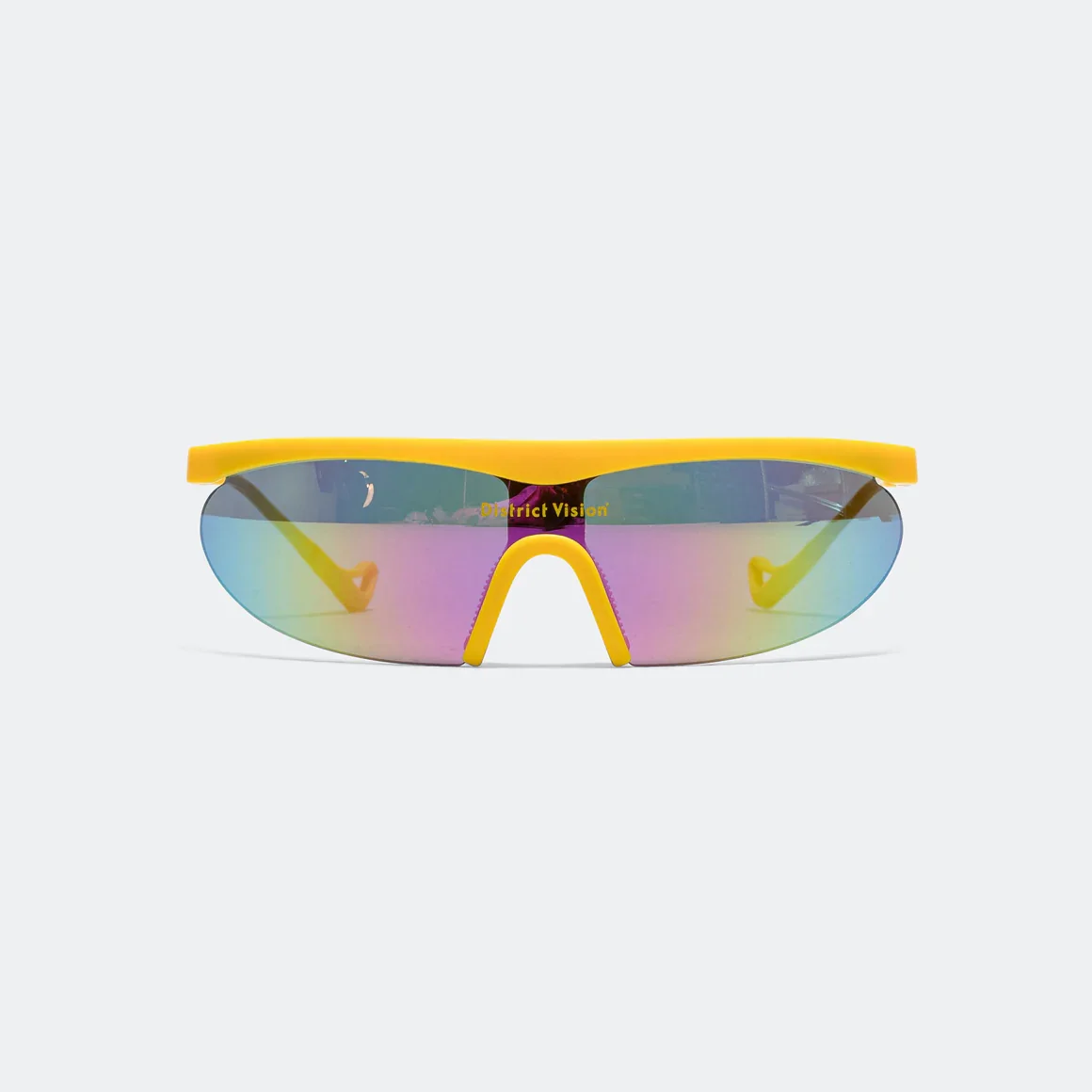
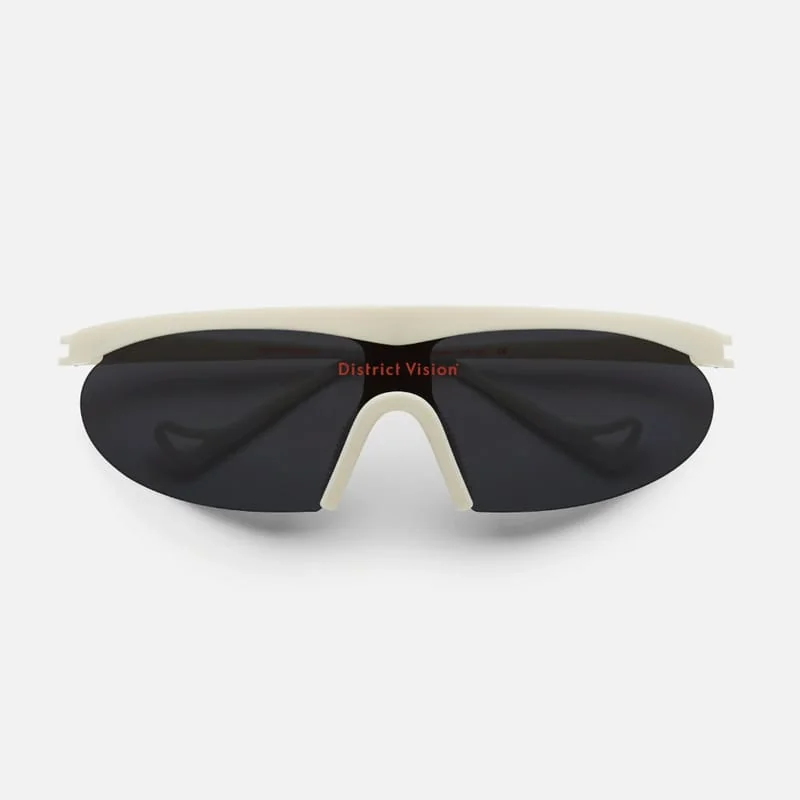
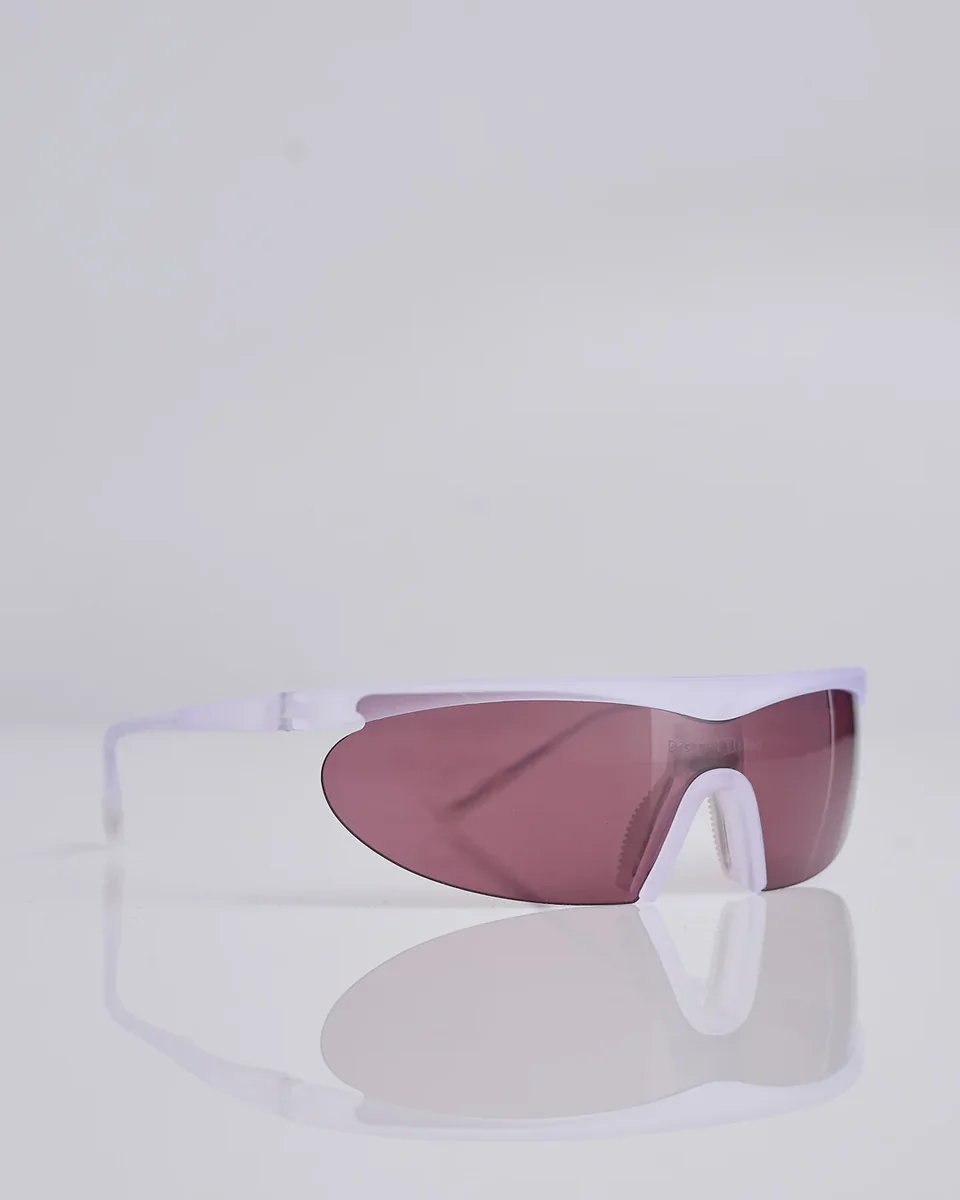
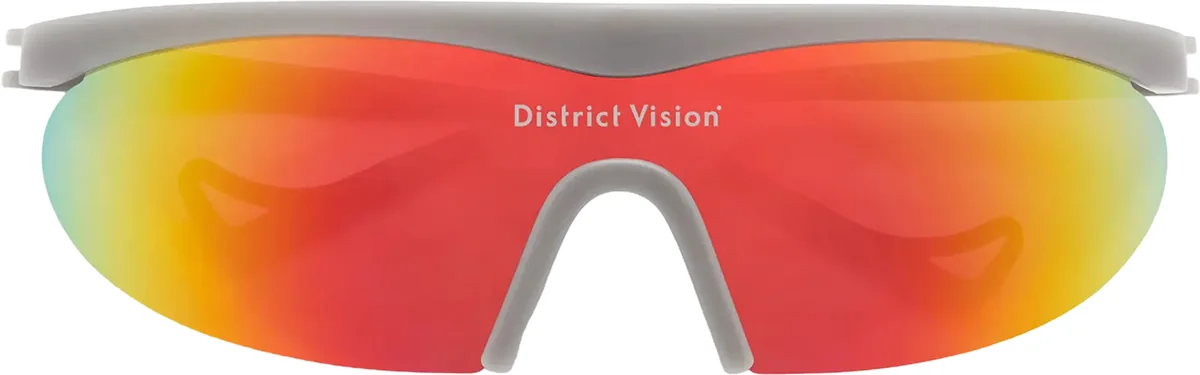
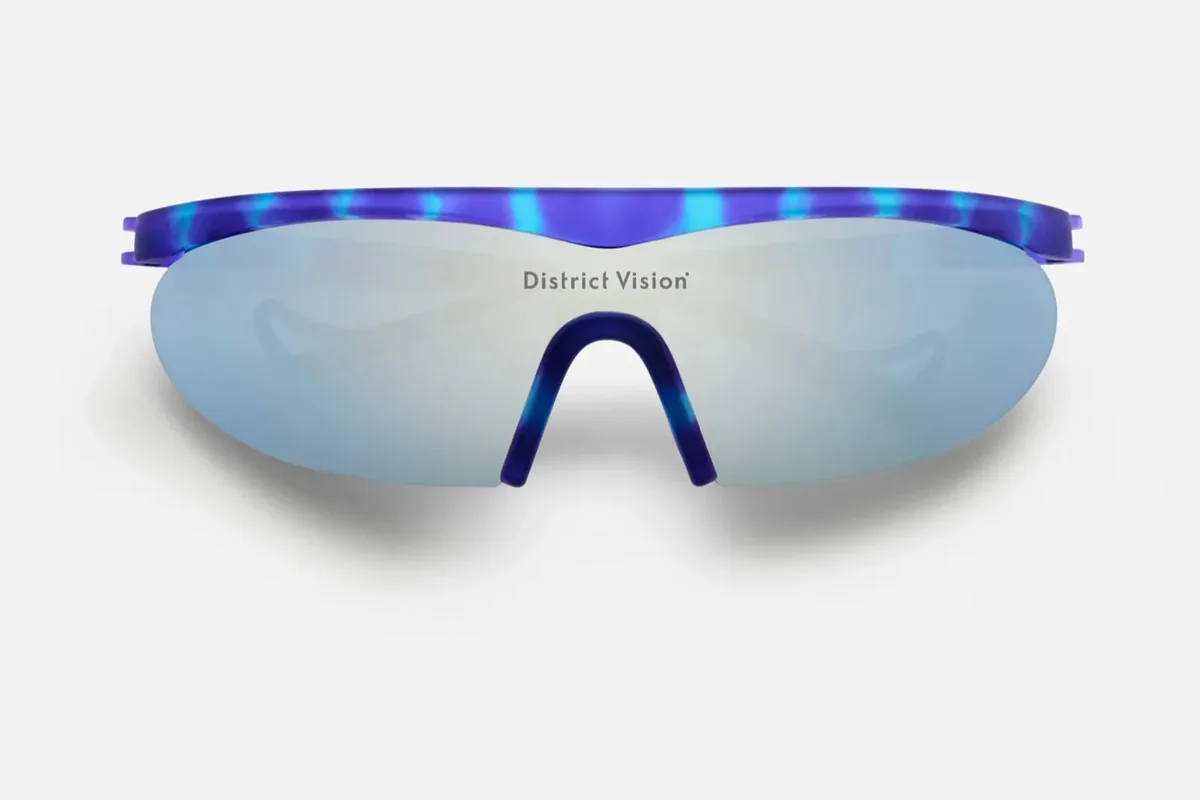
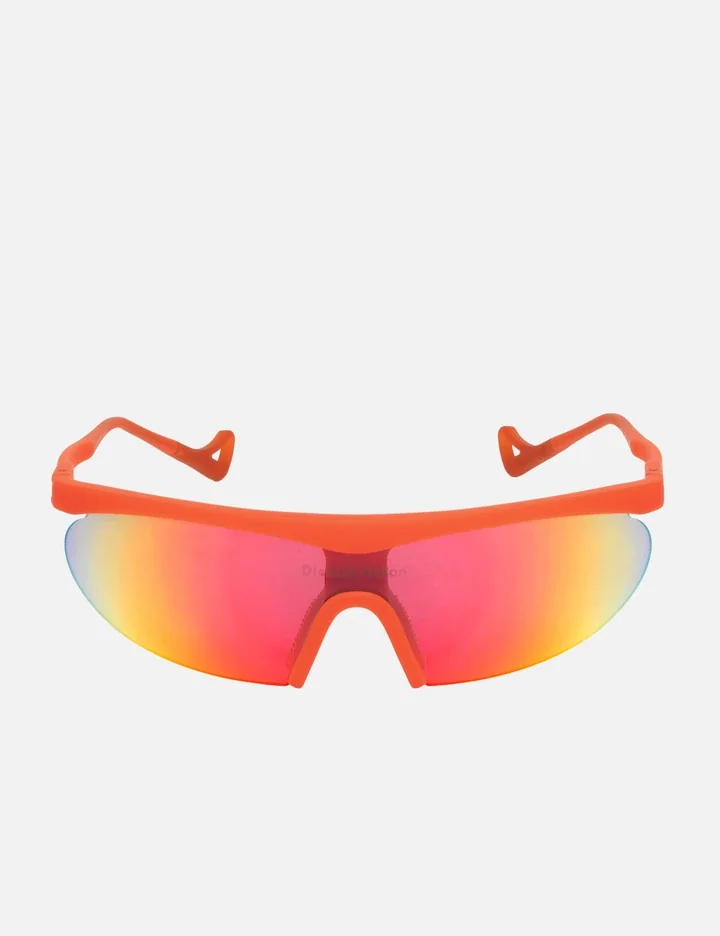
District Vision Koharu Eclipse
Helmet-ready, featherlight performance eyewear with high‑contrast D+ lenses, premium trade‑offs.
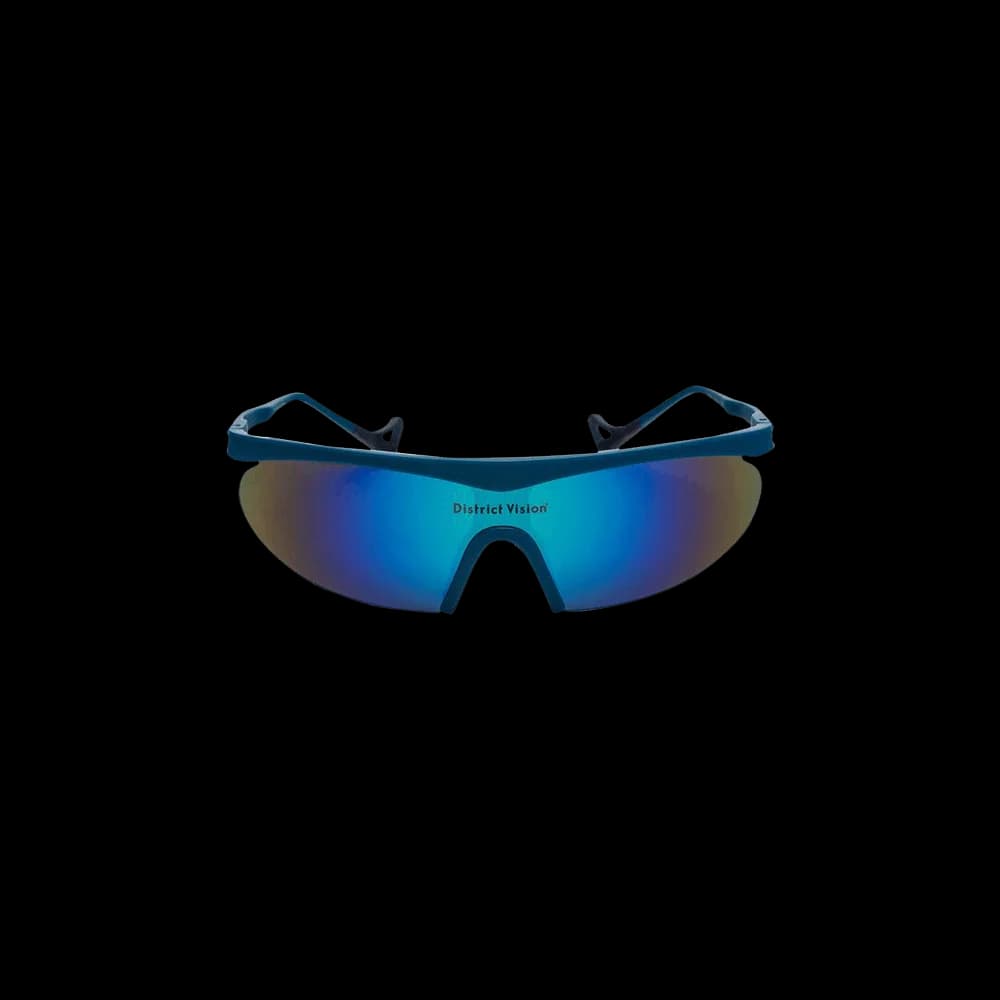
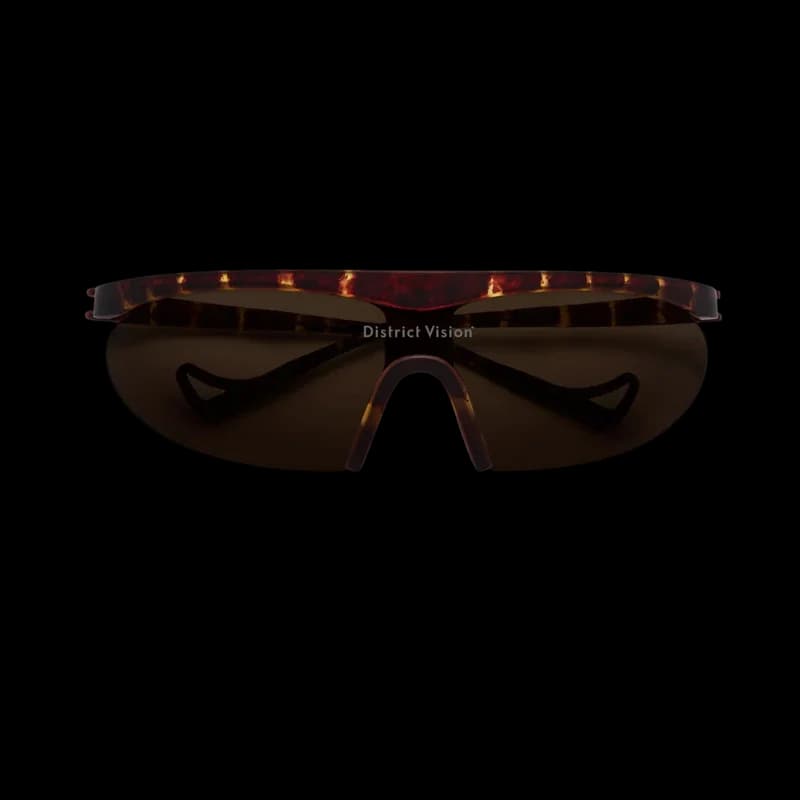
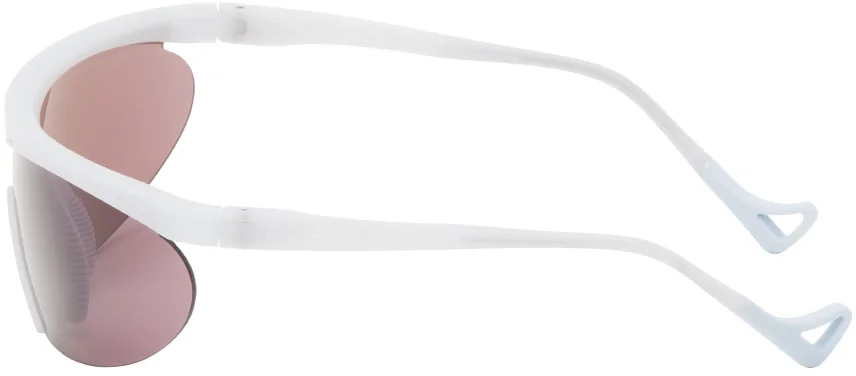
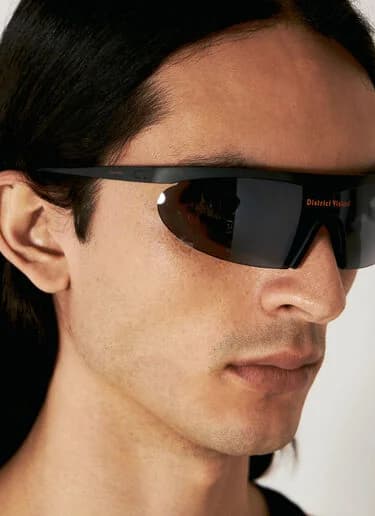
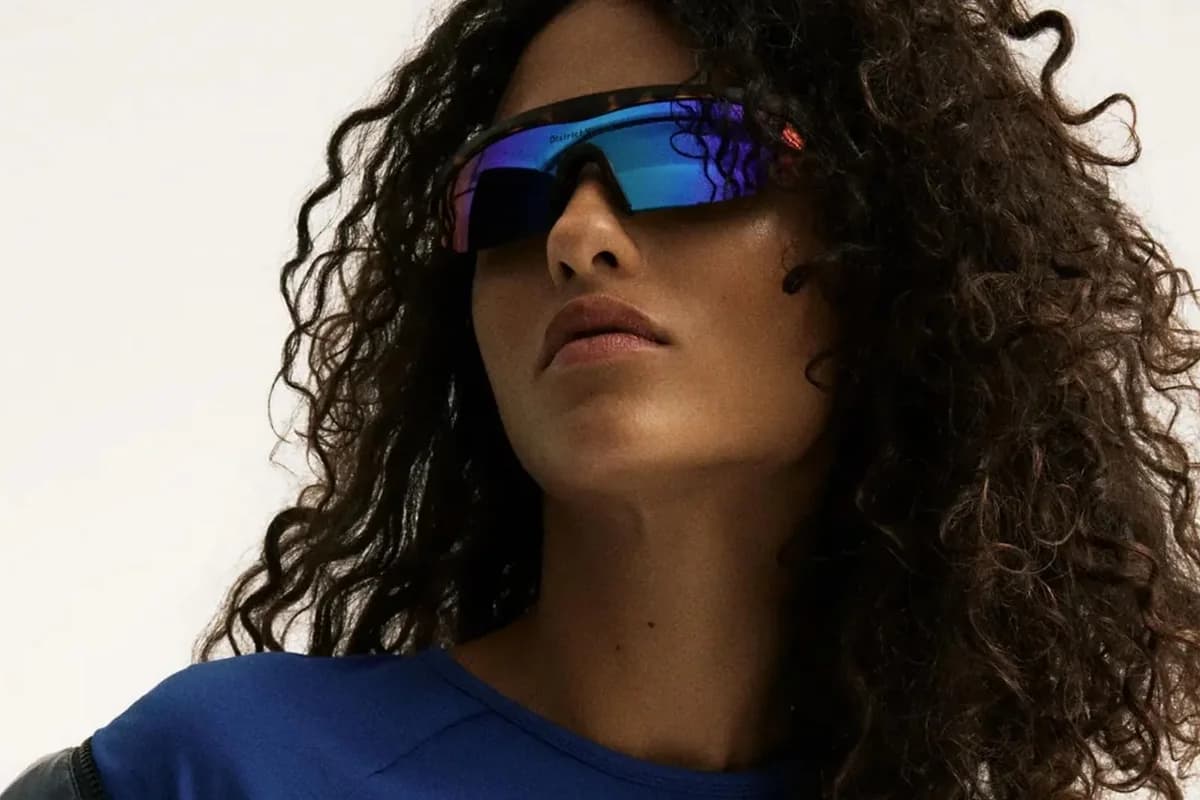
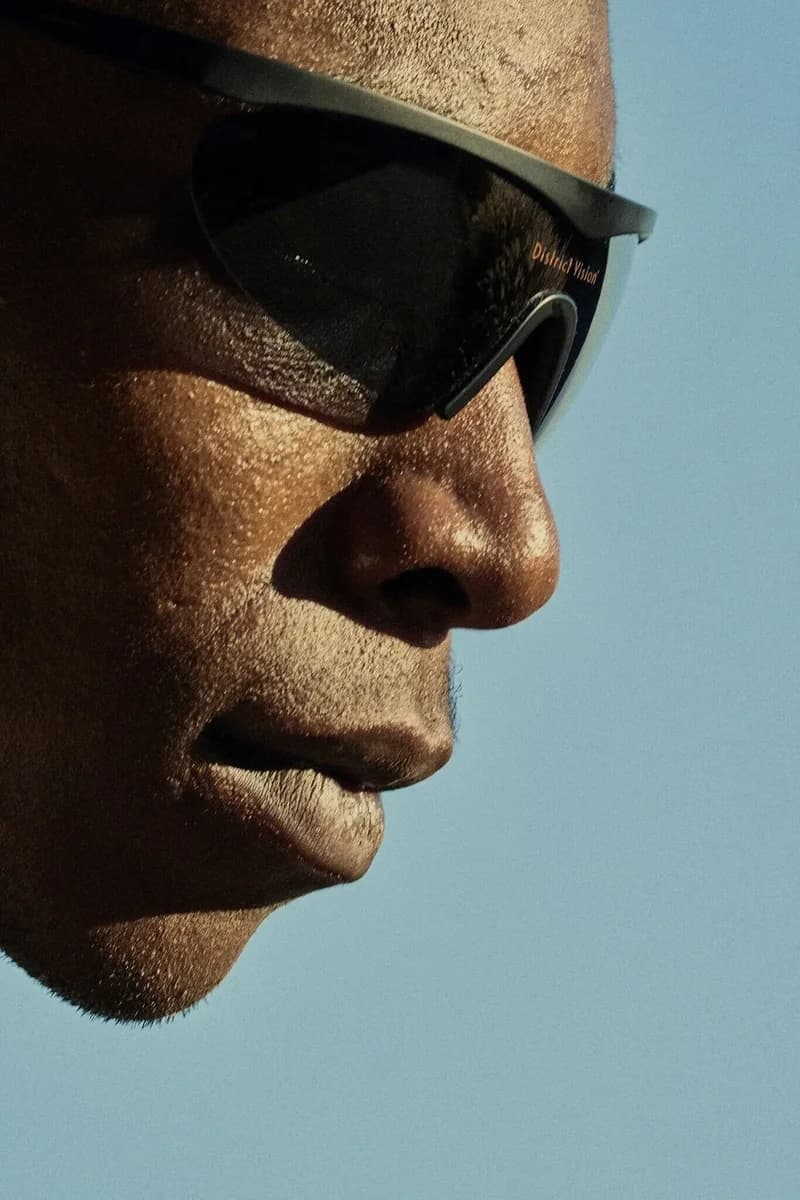
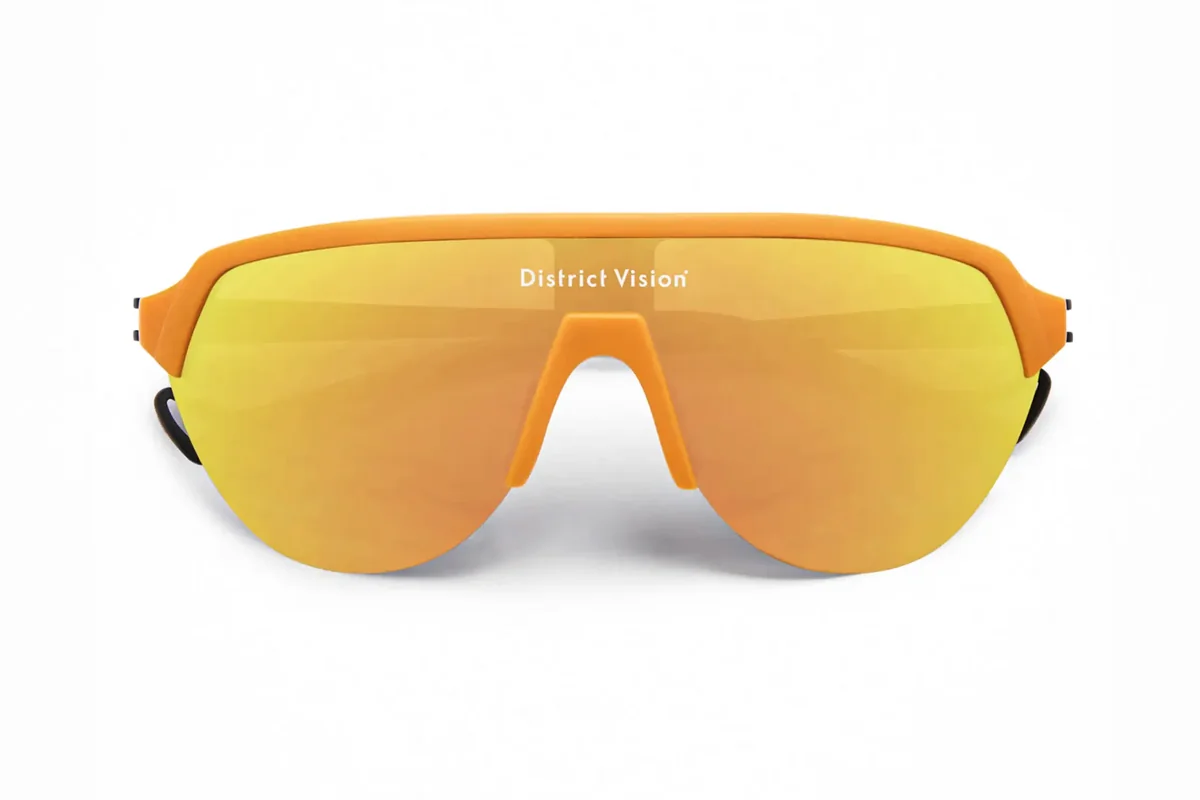
The District Vision Koharu Eclipse is the compact, purpose-built sunglass for athletes who need reliable eye protection and fit while moving fast, especially trail runners and helmeted cyclists. Reviewers and users praise its featherweight ~21 g construction and 125 mm helmet‑friendly temples for low lift and all‑day comfort, while the brand’s D+ therapeutic‑grade lenses earn support for contrast and interior anti‑reflective, oleophobic coatings, though real‑world feedback reminds buyers the lenses are non‑polarized so glare off water or road surfaces can still be an issue. Build quality and Japanese manufacturing feel premium for the $295–$365 price, so value depends on whether you prioritize focused performance over casual versatility, a practical factor that shapes purchasing recommendations.

Find Yours
What's your main use for running sunglasses?
Answer to find your best matches.

The Field
Browse top contenders, or compare all options ranked by score and key attributes.
5 Options

The Scoreboard
Does this improve your life? Considers, health, habits, and environmental impact.
Benefits
At 21g, barely noticeable on long runs, reduces helmet pressure and fatigue.
125mm temples designed to sit comfortably with helmets, minimizing gap and movement.
Six-base frame improves airflow and wide visibility, reducing fog during intense effort.
Anti-reflective, oleophobic D+ lenses block UV and resist water and oil streaks.
Adjustable hypoallergenic nose pads and titanium-reinforced tips let you fine-tune stability.
Trade-Offs
Non-polarized lenses let water and car-glare cause squinting and distracted vision.
Feels loose or rubs temples on narrower faces, requiring constant adjustment mid-run.
Looks very technical; wearing casually can feel out of place in everyday social settings.
 Alternatives


Join the Circle
Where real meets deal
Know what's worth buying-and when.
Tips, special offers, and rewards for buying and sharing.

Publications
1 LEADING PUBLICATION REVIEWS

HiConsumption praises the District Vision Koharu Eclipse as a purpose-built, high-performance running sunglass that excels at sun blockage, fit, and optical contrast. The reviewer is clearly impressed—calling its D+ lens tech “sports lens of the future,” noting shatterproof, anti-reflective, and water-/oil-repellent coatings, and praising the wide field of view, hypoallergenic nose pads, and secure fit under hats and helmets. Criticisms are measured and few: the Koharu isn’t stylish for everyday wear, lacks polarization (limiting water-sport use), and is one of the priciest options tested. Overall the tone is approving and confident: these are specialist, utilitarian shades that deliver on running and other active uses, valued more for engineered performance than fashion.
By Ethan Brehm and Cameron Cardwell

YouTube
1 LEADING EXPERT & INFLUENCER REVIEW
 Nes
NesNes praises the District Vision Koharu Eclipse for its blend of form and function—lightweight (≈21–22g), helmet-friendly sizing (136/125), titanium core, and crash-resistant D+ lenses—calling it a favorite for trail running and style, while acknowledging it’s a premium, collectible purchase not worth it for casual buyers.

Forum Reviews
CUSTOMER REVIEWS FROM 1 FORUM
Reddit conversation about the District Vision Koharu Eclipse is generally positive about design and style, with many users praising the pink moon/spectral colorway and slim profile compared with other DV models; several note the Koharu Eclipse is among the slimmest options and well-liked for aesthetics. Critiques focus on practicality: some buyers wish for slimmer wrap options for narrow faces and question value given non-polarized lenses, citing glare concerns and perceived high price. Overall sentiment balances enthusiasm for looks and fit with reservations about lens performance and suitability for certain face shapes; upgraders mainly discuss fit differences versus older oversized models.
Some comments

In-Depth Review

Highlights
- •Helmet compatibilityTemples and shape fit under helmets.
- •Promoted as D+ therapeutic-grade lensesPromoted as high-contrast, shatterproof optics.
- •Featherweight constructionAt about 21 g for long-run comfort.
- •Interior anti-reflective and oleophobic coatingsReduce internal glare and repel sweat/oil.
- •Mirror-coated infrared screening (mirror variants)Mirror lenses include extra infrared filtering.
- •Premium materials and manufactureGrade 2 titanium core; made in Japan.

Considerations
- •Non-polarized lensesCan allow glare from water and roads.
- •Premium price pointRetail roughly $295–$365, higher than alternatives.
- •Fit for narrow facesMay feel loose or rub on narrower faces.
- •Technical stylingVery sporty look may limit casual wear.
- •Specialist rather than all‑round useOptimized for trail/helmeted athletes specifically.
- •Limited public user dataFew user reviews available for consensus.
Not many real-world reviews exist yet, so take early praise with measured confidence: District Vision’s latest trail-focused eyewear arrives as a specialist, performance-first option from a brand known for athlete-led optics. Built for moving fast, it pairs a slim six‑base frame with 125 mm helmet‑friendly temples, featherweight ~21 g construction, and proprietary D+ lenses touted as shatterproof therapeutic-grade optics with mirror variants adding infrared screening. Targeted at trail runners, helmeted cyclists, and athletes who prize contrast and secure fit over street-style versatility, the glasses trade polarization for tuned transmission choices (roughly 10–16% VLT) and anti‑reflective/oleophobic interiors that resist sweat and smudges. Below we unpack how lens variants, fit, coatings, materials, comfort, and ventilation actually perform in the field—read on to judge which trade-offs matter for your next long run or race.
Weight and comfort
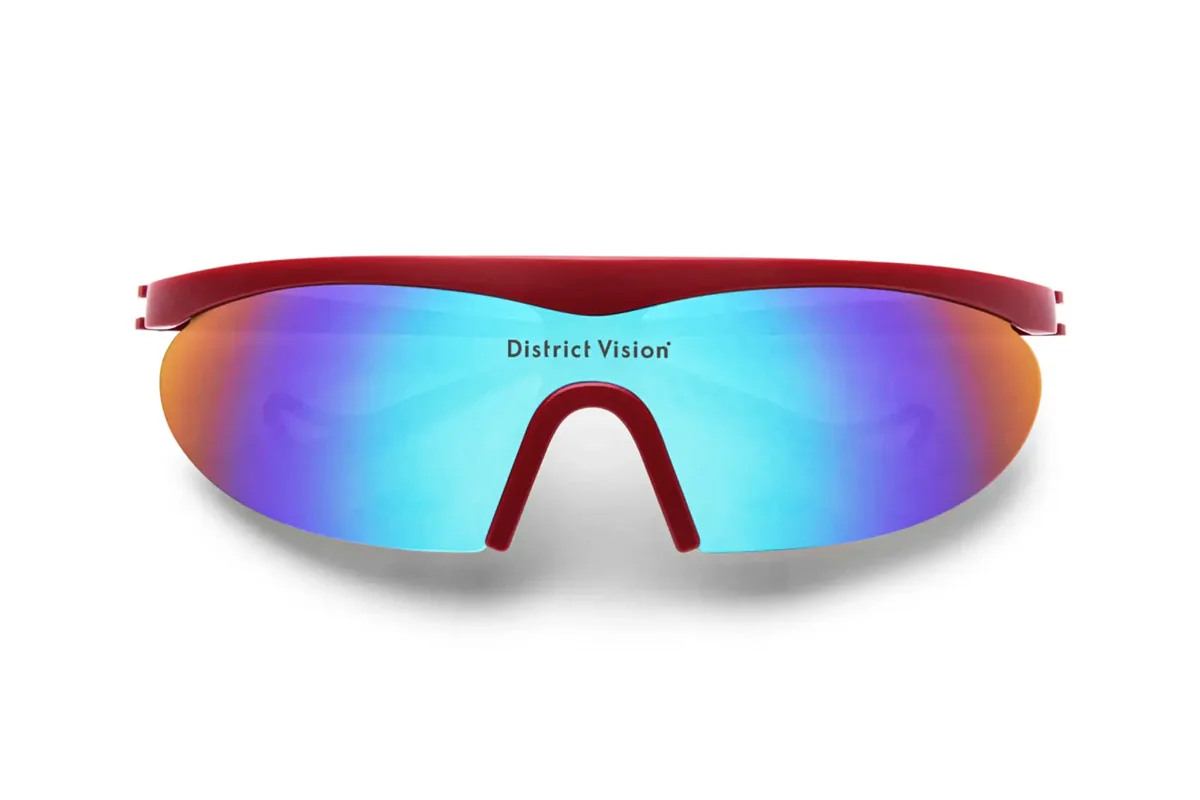
At roughly 21g, the Koharu feels featherlight on long runs, reducing helmet pressure and on‑face fatigue—exactly what endurance athletes ask for. The slim profile and ventilation-minded six‑base shape improve airflow and reduce fogging, pairing lightweight materials with customizable fit elements for sustained comfort. Collectors praise the slim aesthetic, but those with narrow faces might need fit tweaks; still, the overall sense is of barely‑there comfort designed for moving fast and feeling good.
Optical protection and coatings
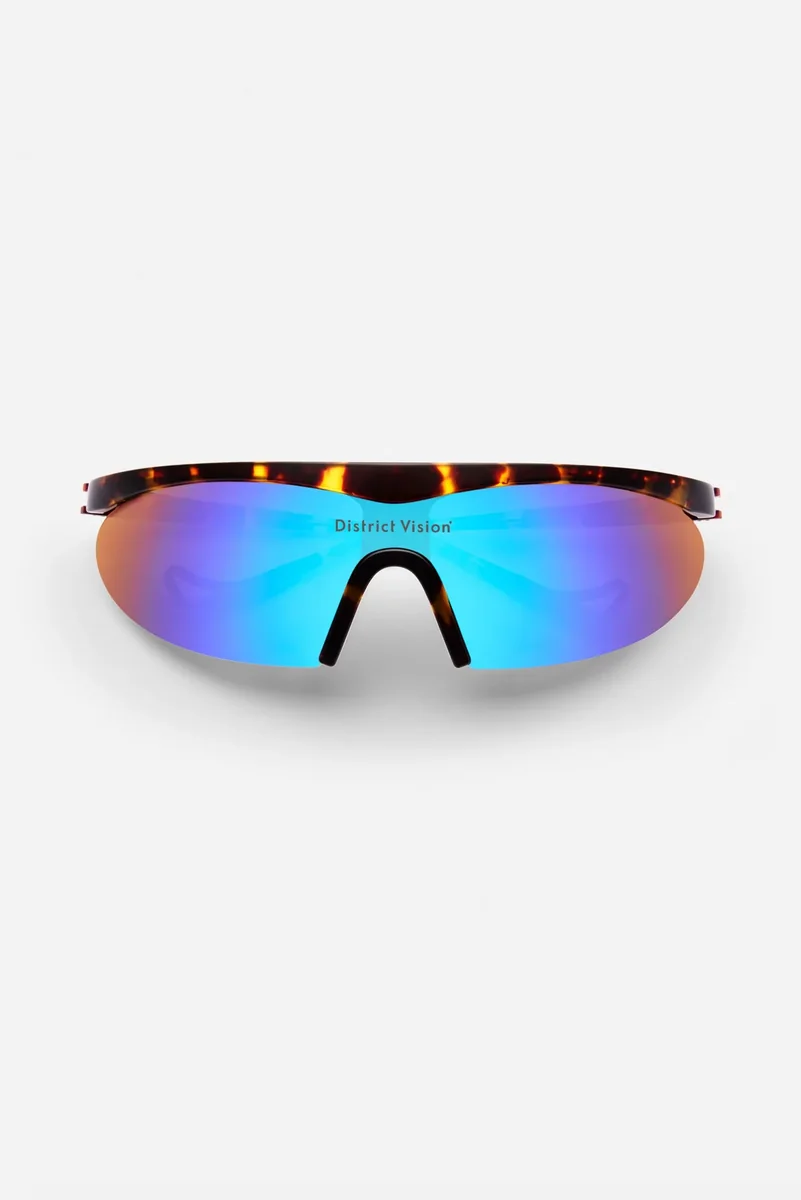
District Vision's D+ lenses double down on eye health with 100% UVA/UVB blocking, interior anti‑reflective coating, and oleophobic surfaces that shrug off sweat and smudges during hard efforts. Mirror variants add infrared screening, enhancing sun protection, and reviewers note the lenses boost contrast for trail reading. However, the lack of polarization is a practical shortfall for water sports or driving, so the protection is specialist‑focused rather than universally glare‑solving.
Lens light transmission and variants
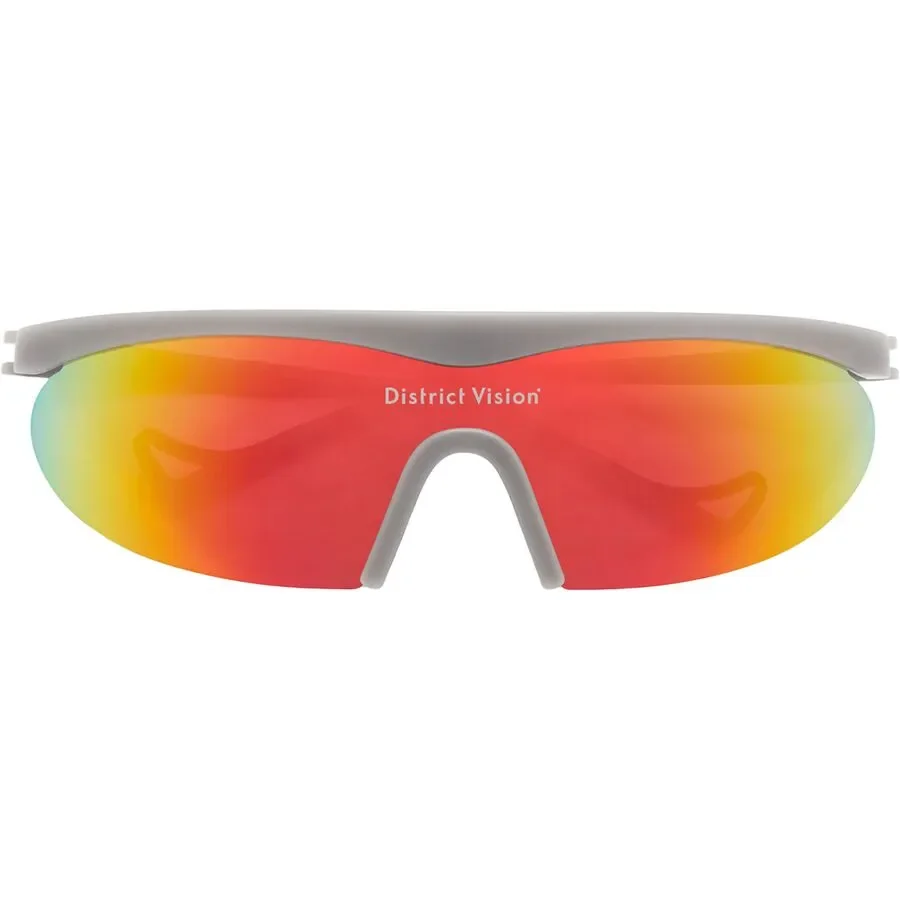
Think of the Koharu Eclipse lenses as a toolkit for light: D+ Black Rose to D+ Onyx Mirror span about 10.03%–16.19% visible transmission, letting you pick what suits trail shadows or glaring descents. The D+ formulation is shatterproof polycarbonate with mirror options offering extra infrared screening, though the brand’s non‑polarized stance means reflected glare from water or road surfaces can still bother some users. Early expert notes praise the contrast and coatings, but real‑world buyers cautious about glare should test the specific variant before committing.
Build quality and materials
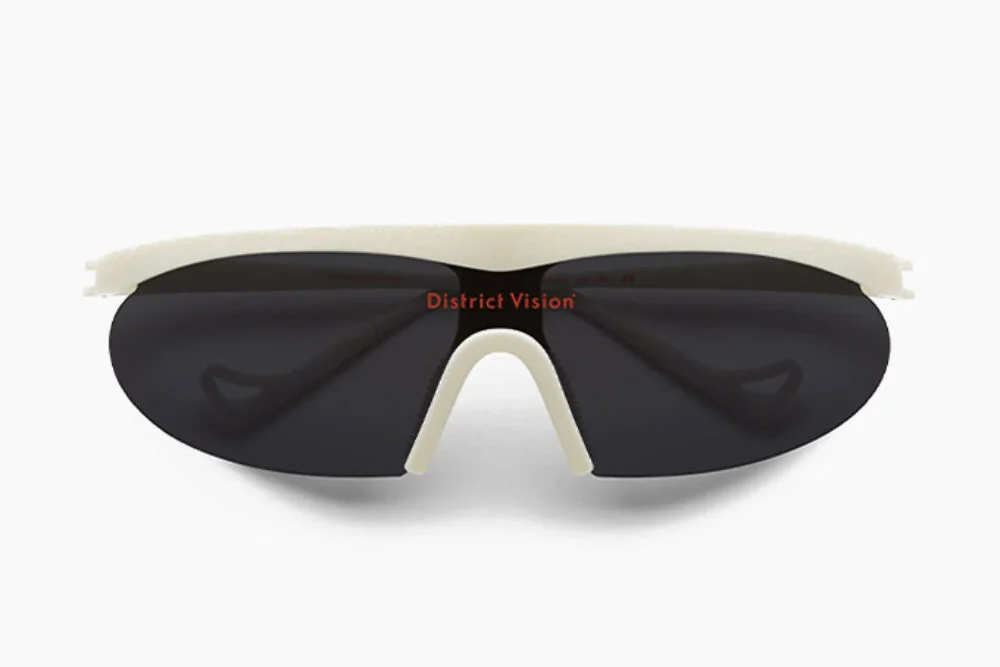
The Koharu marries fine materials and Japanese craft: a Grade 2 titanium core in the temples, six‑base frame geometry, and Made in Japan execution that speak to durability and fit precision. The polycarbonate D+ lenses are impact‑resistant, aligning with crash‑protection claims, while the adjustable rubber components extend lifespan and comfort. Reviews corroborate the premium feel, though that quality underpins the sunglasses' premium price point, which may exceed casual buyers' perceived value.
Ventilation and peripheral vision
Designed to keep your eyes open to the world, the six‑base frame prioritizes optimized airflow and an expansive field of view so you can spot roots and rocks without fisheye distortion. The frame geometry trades some street style for performance ventilation, which reviewers say cuts fog during high‑effort intervals. For athletes the result is clear: improved situational awareness and reduced lens steaming, though style‑first buyers may find the look decidedly technical by design.

Fit and helmet compatibility
If you wear a helmet, the Koharu is built for you: 125mm temples and a six‑base curvature are engineered to sit under helmets with minimal lift, delivering a secure, helmet‑friendly fit that racers value. Adjustable hypoallergenic nose pads and titanium‑core tips fine‑tune stability, though narrower faces may find the frame roomier than expected. Experts and users alike report that the fit favors active use over fashion, so assume performance-first comfort when sizing up for a helmeted sport.
Conclusion
Real-world feedback is still limited, so take these closing notes with careful confidence: the Koharu Eclipse offers a thoughtful toolkit of lens light transmission options (roughly 10–16% VLT) that let runners tailor contrast vs. brightness, but reviewers and users flag the absence of polarization when glare from water or road surfaces matters; its helmet-compatible temples and six‑base geometry deliver a secure, low‑lift fit that athletes praise for stability, while the D+ lenses’ anti‑reflective and oleophobic coatings protect vision from internal glare and sweat. Built with a Grade 2 titanium core and made in Japan, the construction feels premium and durable, and at ~21 g the glasses are genuinely featherlight with excellent ventilation and peripheral sightlines for fast trail work. If you prioritize engineered optics, helmeted sports, and endurance comfort over casual style or polarized glare control, this is a specialist buy that justifies a premium for targeted performance.

Feature Scores
This reflects reviews and ratings from established critics, journalists, and users who have evaluated the item. Their opinions provide a comprehensive assessment.
Performance
UV Protection
5/5
Glare Reduction
4/5
Lens Clarity
4/5
Impact Resistance
5/5
Fit Stability
5/5
Ventilation
4/5
Coverage
4/5
Value
Price To Quality
4/5
Durability Value
4/5
Design
Frame Ergonomics
5/5
Style Appeal
4/5
Sizing Range
3/5
Health
Wear Comfort
5/5
Hypoallergenic Materials
5/5
Eye Strain Reduction
4/5
Safety
Secure Retention
4/5
Lens Shatter Protection
5/5
UV Safety Compliance
5/5
Sustainability
Recycled Materials Use
TBD
Packaging Sustainability
TBD
Repairability
2/5
Experience Style
Adjustment Simplicity
4/5
Lens Change Ease
2/5
Packability
4/5

Specifications
This section outlines the product's key facts, covering essential features, details, dimensions, materials, and any unique characteristics that define its functionality and usability.
Performance
Design
Safety
Sustainability
Experience Style

Frequently Asked Questions
9 Questions
Find Yours
What's your main use for running sunglasses?
Answer to find your best matches.