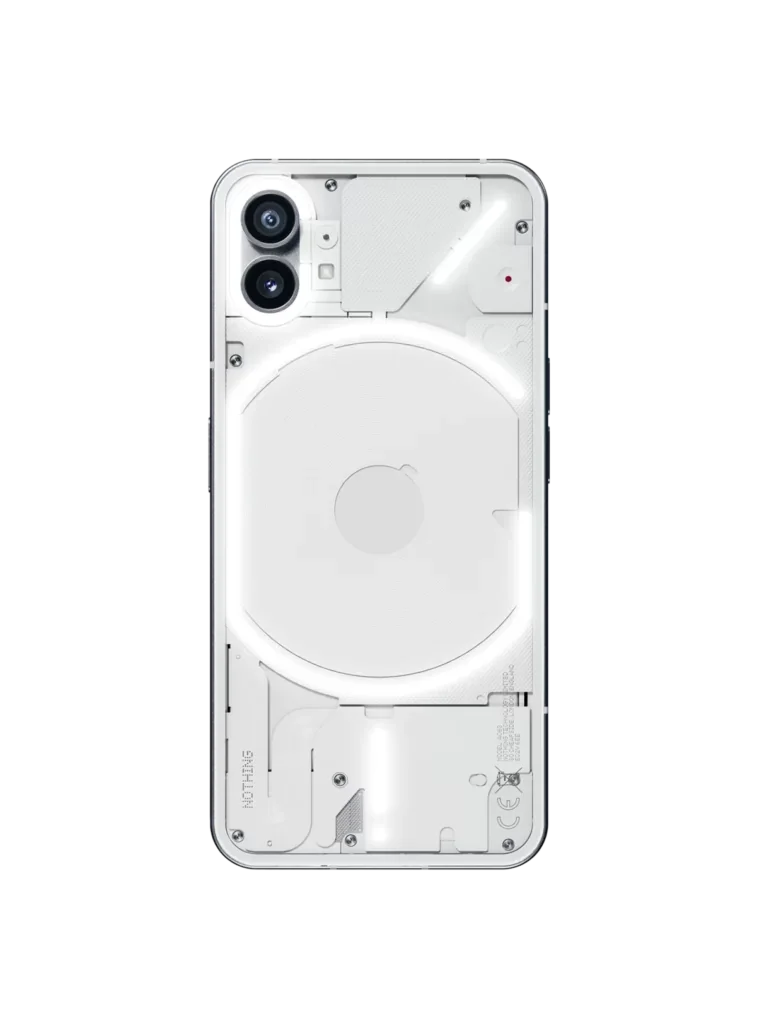
Nothing Phone (1)
Design-forward 120Hz OLED phone with unique Glyph LEDs, solid day camera and good battery, with carrier/setup caveats.
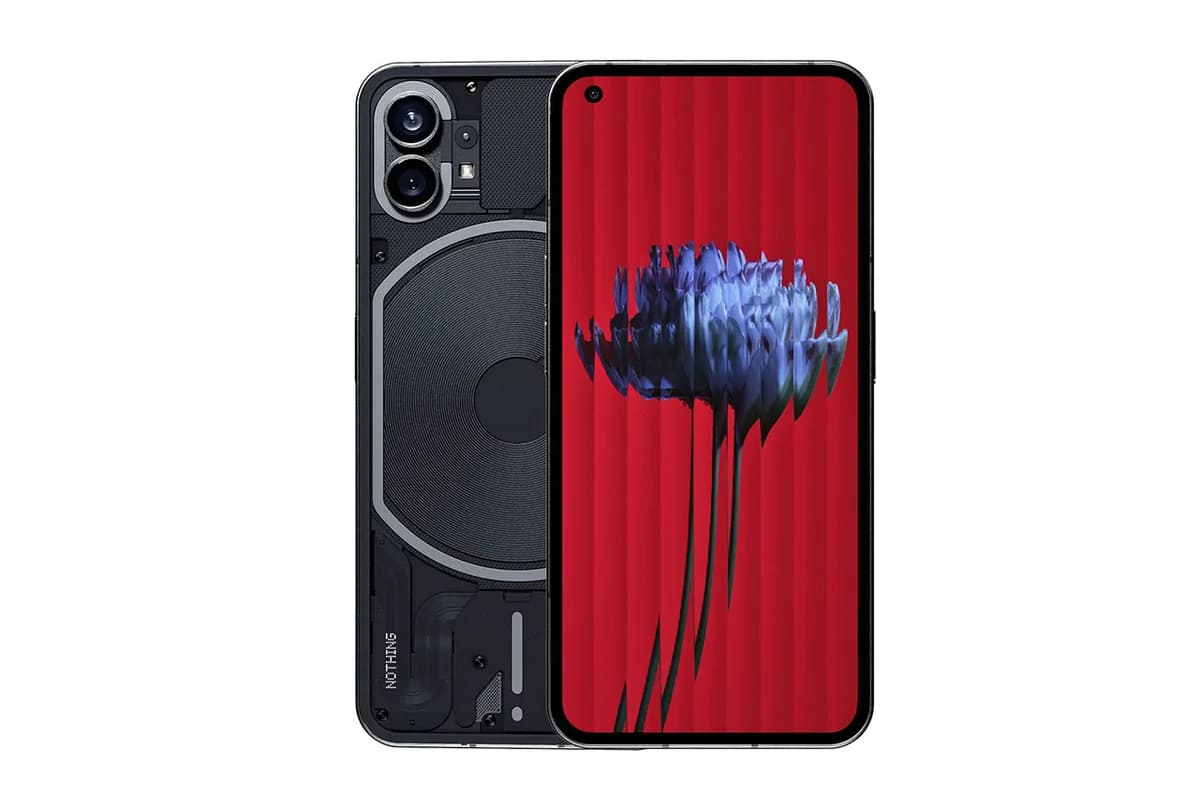
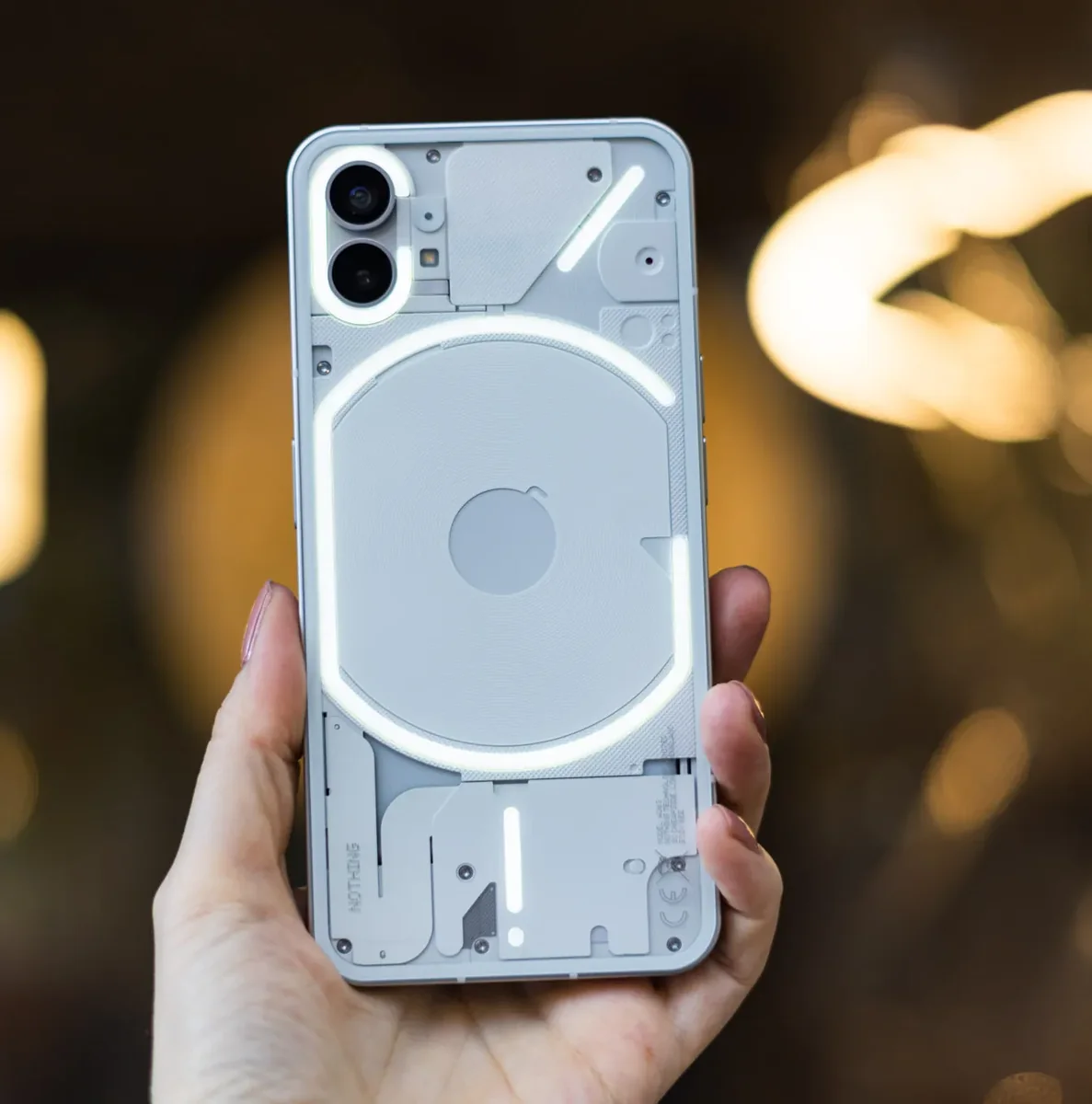
The Nothing Phone (1) is a design‑minded mid‑ranger that trades headline specs for personality — a vivid, playful alternative to anonymous glass slabs. Aimed at buyers who want style, clean software and useful gimmicks instead of raw benchmarks, it delivers a satisfyingly smooth 6.55" 120Hz OLED, a charming Glyph LED notification system, and a clean Nothing OS that reviewers praise for minimal bloat. Daytime photos are sharp from the 50MP IMX766 with OIS, battery life feels day‑long (4500mAh) and wireless charging works as advertised, but the Snapdragon 778G+ shows its midrange limits and the slippery finish nudges you to buy a case — more reviews would help lock down long‑term value.
Find Yours
What's your top priority when choosing a smartphone?
Answer to find your best matches.

The Field
Browse top contenders, or compare all options ranked by score and key attributes.
5 Options

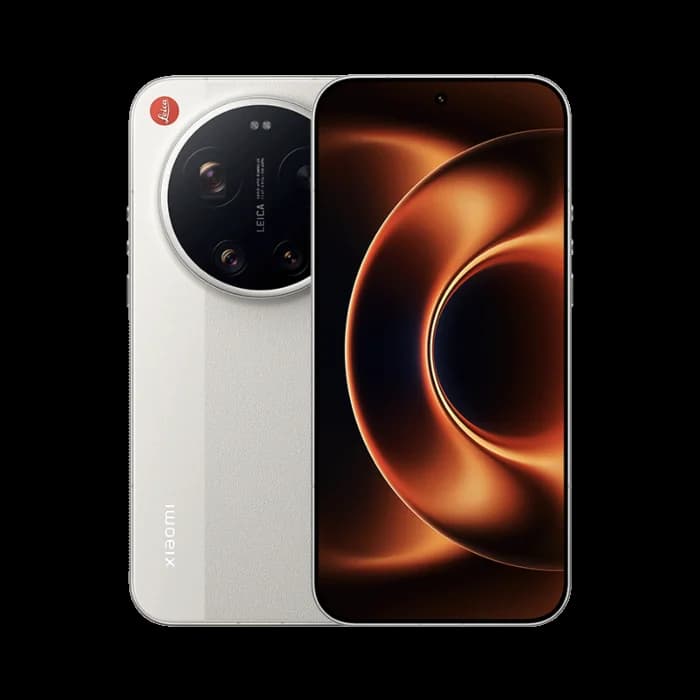


The Scoreboard
Does this improve your life? Considers, health, habits, and environmental impact.
Benefits
Minimal Nothing OS reduces clutter and keeps daily navigation fast and focused.
Rear LEDs let you see notifications without unlocking, cutting needless screen checks.
120Hz OLED makes scrolling and videos feel silky, easier on the eyes.
Recycled aluminum/plastics and fiber packaging let you feel better about impact.
4500mAh with wireless tops gives reliable day use and quick mid-day boosts.
Trade-Offs
Smooth, glossy back makes one-handed use feel precarious and invites a case.
Rear LEDs can be hard to read in bright light, so you still unlock phone.
Nighttime group or wide shots come out noisy and soft, disappointing casual photos.
Gaming, long backups, or fast wireless charging make the phone warm and uncomfortable.
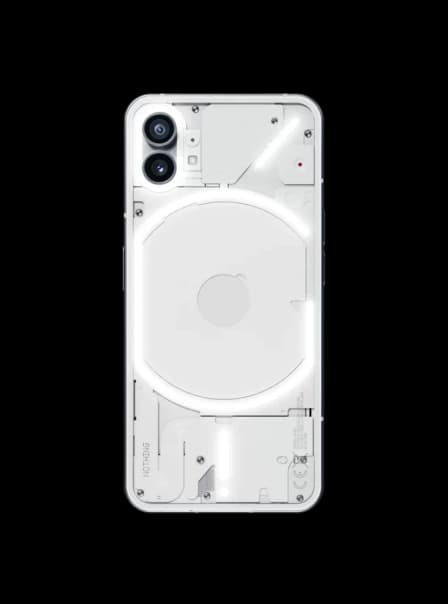
 Alternatives


Join the Circle
Where real meets deal
Know what's worth buying-and when.
Tips, special offers, and rewards for buying and sharing.

Publications
10 LEADING PUBLICATION REVIEWS

Android Authority’s Oliver Cragg praises the Nothing Phone (1) as a striking, well-made midrange debut that punches above its price with standout design, a fun Glyph notification system, a crisp OLED display, solid main camera, and useful extras like wireless and reverse wireless charging. He tempers enthusiasm with clear reservations about the underpowered (for its hype) Snapdragon 778G Plus, anemic early software that shipped with bugs and NFT baggage, middling battery life, a poor ultrawide camera, and only IP53 splash resistance. The review emphasizes Nothing’s rapid post-launch updates and potential—calling the Phone 1 more than mere style—while advising buyers to weigh strong material quality and charm against competitive alternatives and some persistent camera and software shortcomings.
By Oliver Cragg
Dan Seifert from The Verge highlights that the Nothing Phone (1) is a stylish, well-priced midrange handset that mostly delivers on practical fronts while its marquee “glyph” lights lean more toward gimmick than game-changer. Allison Johnson applauds the Phone 1’s smooth 120Hz OLED, reliable under‑display fingerprint reader, solid Snapdragon 778 performance, clean Android skin, and commendable camera hardware (with decent daylight photos and useful OIS), while noting battery life and HDR quirks as real drawbacks. She details the glyph system thoughtfully—useful for selective triage, bright and customizable but limited by visibility, memorability, and manual settings—and praises inclusion of wireless charging and strong fast-charge support (charger sold separately). Overall the tone is measured and mildly approving: the review frames the Phone 1 as a genuine, enjoyable midtier phone that doesn’t live up to hyperbolic marketing but still feels like good value for the price.
By Allison Johnson
Tom's Guide praises the Nothing Phone (1) as an admirable, flashy mid‑range debut that nails design personality, battery life, and an enjoyable OLED display while falling short on raw performance and camera quality. The reviewer is genuinely intrigued—enthusiastic about the glyph LED system, transparent back, clean Nothing OS touches, and strong longevity at a £399 price—yet measured and critical about overexposed, underwhelming photos, a hollow haptic motor, and Snapdragon 778G+ limitations versus the iPhone SE. Unique insights include practical glyph uses (assignable light patterns and charging indicators), solid real-world battery results, and clear comparisons to rivals like the Pixel 5a and Galaxy A53. Overall the tone is positive but balanced: impressed by the phone’s personality and value, cautiously recommending it to buyers who prioritize style and battery over flagship performance or camera prowess.
By Jordan Palmer
TechRadar's Alex Walker-Todd highlights the Nothing Phone (1) as a refreshingly original, well-polished midrange phone that succeeds more on personality and design than on raw specs. He praises the transparent back, lightweight feel, and inventive Glyph Interface—calling its LED-driven notifications and creative uses genuinely fun—alongside a crisp 120Hz OLED, thoughtful Nothing OS tweaks, and competent stereo audio. Criticisms focus on middling battery life, a non-flagship Snapdragon 778G Plus, and cameras that are enjoyable for social shots but not class-leading, especially the weaker ultrawide and low-light performance. Pricing positions it attractively against rivals, and promised multi-year updates add value, though software polish and US network compatibility remain questions. Overall the review is upbeat but measured: the Phone (1) is recommended for buyers who value design, novelty, and everyday capability over top-tier battery endurance or flagship camera performance.
By Alex Walker-Todd
Matt Smith assesses the Nothing Phone (1) as an eye-catching, confidently designed midrange smartphone that largely delivers on style and competent performance without redefining the category. He’s clearly enthusiastic about the phone’s transparent design and the quirky Glyph LED system — calling the look “lovable,” praising Teenage Engineering’s audio/visual touches, and noting thoughtful small details — while also tempering excitement with practical observations about mid-range specs, heat under heavy gaming, and middling battery life under intensive use. Camera performance is praised for its Sony sensor and solid daylight shots, though night images are noisy and telephoto/zoom capabilities are limited. Software is mostly clean Android with a few useful integrations, and Nothing’s promise of three years of updates reassures stability. Overall, Smith finds the Phone (1) a compelling debut: stylish and competent, perhaps a better choice for buyers who prize design over cutting-edge flagship performance.
By Mat Smith
Julian Chokkattu from WIRED praises the Nothing Phone (1) as a refreshingly simple, attractive, and affordable first‑gen smartphone that largely “just works.” He’s charmed by the playful Glyph Interface — 900 rear LEDs and matching sounds — calling it fun rather than essential, and admires the clean software, responsive in‑display fingerprint sensor, strong stereo speakers, reliable battery life, and smooth Snapdragon 778G+ performance. Camera output from the 50MP main sensor is generally impressive (night mode holds up well), though the ultrawide and action shots can disappoint, and Glyphs aren’t ideal for accurate skin tones. He flags IP53 water resistance, potential repairability concerns around the intricate rear design, and the phone’s notable absence from the US market. Overall the tone is warm and mildly enthusiastic: a measured endorsement for buyers outside the US who value design, solid core features, and good value over headline gimmicks.
By Julian Chokkattu
Trusted Reviews praises the Nothing Phone (1) as an eye-catching, well-priced mid-range Android with a standout transparent design, an excellent 120Hz OLED, solid main camera results for daylight and a day-long battery — all for about £399/$390. The reviewer’s tone is appreciative but measured: they enjoy the Glyph LED system and clean Nothing OS but call the lights more gimmick than game-changer and note odd software-related stutters, slow camera app behavior, inconsistent HDR shots, and poor overnight standby. Performance and charging are adequate for the price, wireless charging is a welcome extra, and software-update promises are reasonable, yet the Phone (1) ultimately doesn’t outperform rivals like the Pixel A series or OnePlus Nord 2T. Overall, it’s a stylish, competent all-rounder that’s worth buying mainly for its unique look.
By Max Parker
Andrew Lanxon assesses the Nothing Phone (1) as an impressive first effort that blends standout design with sensible, well-executed basics. He’s clearly enthusiastic about the phone’s transparent back, glyph LED lights and polished, minimalist software, and repeatedly praises the device for feeling premium at an unexpectedly low price (£399). Performance and cameras are described as “good enough” for everyday use—smooth 120Hz display, capable Snapdragon 778G+ and solid 50MP main/ultrawide shooters—while acknowledging they don’t match flagship competitors. Battery life is adequate for a day with moderate use but trails top-tier models, and fast charging requires a separate purchase. Availability, especially the lack of a U.S. launch, is a notable downside. Overall, Lanxon recommends the Phone (1) as a stylish, affordable option for buyers who value design and clean software over flagship-level specs.
By Andrew Lanxon
Kerry Wan at ZDNET praises the Nothing Phone (1) as a refreshing, design-forward midranger that punches above its price. Enthusiastic about the phone’s polished aluminum-and-glass build, playful transparent back and Glyph LED system, Wan calls the Nothing OS a tidy, personality-rich take on stock Android and applauds the bright 6.55-inch 120Hz OLED for punchy colors. Real-world use is framed as mostly positive: the Snapdragon 778G+ handles everyday tasks smoothly, cameras (two 50MP sensors) deliver pleasing stills, and fast charging is adequate. Wan’s excitement is tempered by clear caveats—limited IP53 water resistance, middling battery endurance, occasional performance hiccups under heavy multitasking, tinny loudspeaker output, and weak ultra-wide low-light photos—plus lack of US network support. Overall, the review is upbeat and genuinely impressed, recommending the Phone 1 for style-conscious buyers who accept a few practical trade-offs.
By Kerry Wan
Jason England from Laptop Mag highlights the Nothing Phone (1) as an intriguingly different mid-range smartphone that mixes striking, retro-futuristic design and a very good 120Hz OLED display with some notable first-generation rough edges. He’s enthusiastic about the Glyph Interface’s visual flair, the clean Nothing OS, solid main camera, and balanced everyday performance and battery/charging trade-offs, but he repeatedly flags hardware quality-control reports (dead pixels, dust under glass), middling gaming benchmarks, limited battery longevity for heavy users, and half-baked Glyph utility and video autofocus. Overall his tone is cautiously optimistic—charter praise for creativity and polish in places, tempered by clear reservations about durability, performance limits, and unfinished software features, calling the phone “a diamond in the rough” worth attention but not a universal recommendation.
By Jason England

YouTube
9 LEADING EXPERT & INFLUENCER REVIEWS
 JerryRigEverything
JerryRigEverything finds the Nothing Phone (1) impressively well-built and visually clever—praising the Glyph Interface, transparent layered internals, waterproofing, and removable battery—while sounding measuredly enthusiastic about design and repairability but wary about heavy use of adhesive and a nonfunctional LED after teardown.
GSMArena OfficialWill from GSM Marina recommends the Nothing Phone (1) as a stylish, well‑built mid‑ranger with a charming Glyph Interface, smooth 120Hz OLED, solid Snapdragon 778G+ performance, good cameras and strong battery life; he highlights disappointing headphone audio and slower charging, making it a recommended, characterful pick if those caveats don’t matter.
Marques BrownleeMarques Brownlee finds the Nothing Phone (1) refreshingly creative—praising its standout Glyph Interface, clean Nothing OS, 120Hz OLED, and sustainable materials—while giving a measured, positive verdict: solid mid‑range performance, good battery, and design-forward appeal, but average low‑light cameras, modest speakers, IP53 rating, and limited LED customization.
GeekyranjitGeekyranjit praises the Nothing Phone (1) for its premium build, clean Nothing OS, smooth 120 Hz OLED, solid Snapdragon 778G+ performance, very good main 50MP camera, long battery life, and distinctive Glyph Interface — but he’s cautiously critical about middling 500‑nit peak brightness, average stereo speakers, wireless‑charging heat, and buggy OTA updates that introduced proximity, fingerprint, and stuttering issues, lowering his long‑term confidence.
ShortCircuitShortCircuit praises the Nothing Phone (1) for striking design, standout Glyph Interface style, smooth Nothing OS, excellent haptics, good battery life, and solid 50MP cameras—while noting sloppy stereo balance, quirky gestures/screenshot flow, slippery ergonomics, no charger, and some software rough edges. Overall enthusiastic, measured recommendation.
MrwhosethebossMrwhosetheboss praises the Nothing Phone (1) as a confident, design-forward midranger that feels premium for its £399 price — loving the 120 Hz OLED, refined haptics, stereo speakers, wireless charging and the quirky Glyph Interface — while noting limits: Snapdragon 778G+ performance vs. iPhone, basic camera modes, modest ultrawide and setup tradeoffs like no charger included.
Mary BautistaMary Bautista praises the Nothing Phone (1) as a stylish, well‑rounded mid‑ranger—highlighting the Glyph Interface, 6.55" 120Hz OLED, strong day‑time 50MP photos, clean Nothing OS, solid battery, and haptics—while noting slippery finish, no charger in box, weaker low‑light ultra‑wide/detail, and carrier/setup quirks.
Simple AlpacaSimple Alpaca finds the Nothing Phone (1) still appealing for its design, Glyph Interface, clean Nothing OS, 120 Hz OLED and solid build, but is measured—criticizing middling Snapdragon 778G+ performance, unimpressive low-light camera, aging software support and used-battery risks—ultimately recommending it only if price and style matter.
Real World ReviewMatt from Real World Review praises the Nothing Phone (1) as a surprisingly enduring mid‑ranger—calling it his favorite non‑flagship for smooth Nothing OS, the 120Hz OLED, solid Snapdragon 778G+ performance, unique Glyph Interface, and decent battery—while criticizing the inconsistent cameras, limited glyph apps, and inflated resale/retail prices that keep him from fully recommending it.

Social
6 INFLUENCER REVIEWS
 Isa Marcial
isa_marcial highlights the Nothing Phone (1)’s striking design, unique Glyph interface, AMOLED 120Hz screen, quality stereo sound, wireless + reverse wireless charging, solid updates, and good camera performance. She cautions about no charger or case in-box, no microSD, limited ultra‑wide video zoom and weak security features—still curious overall, asks readers' experiences.
Gadget PilipinasGadget Pilipinas highlights the Nothing Phone (1)’s distinctive unboxing and see-through design, noting the slim packaging, unique box layout, and the glyph interface as standout, curiosity-sparking details—plus the 8GB/128GB model and local availability via Digital Walker. Overall, the reviewer is positively intrigued and mildly promotional—excited about design and novelty but withholding final judgment (promises a full follow-up). They recommend watching for a deeper hands-on review and pricing update rather than buying immediately.
Parker Burtonimparkerburton notes the Nothing Phone 1 impressed with clean software, good camera, long battery life, and a smooth-feeling 120Hz display — but repeatedly flags the mid-range processor causing occasional hiccups and slower app-switching compared with flagships. Overall, Parker recommends the Nothing Phone as a strong, well-priced mid-range option: not flagship-fast, but excellent value for half the price and worth buying if you can accept occasional performance lags.
Carterpcscarterpcs notes the Nothing Phone (1) looks striking from the back but criticizes its video and audio quality—calling the recording “not so hot” and the audio oddly gated; praises the 50MP rear camera while saying the front camera underperforms. Overall, they’re intrigued but mixed—admiring design yet hesitant to fully endorse it.
Belabelas_tech praises the Nothing Phone (1) as a standout budget find — "probably the best phone for €150" used — praising clean Nothing OS and solid optimization despite low AnTuTu scores. They cautiously recommend it for value-focused buyers who prioritize software polish over raw benchmarks, with minor hesitation about performance.
KwizzyKwizzy highlights that the Nothing Phone (1) remains relevant in 2025 — a stylish, distinctive phone with Nothing OS 3.0, a 120Hz display, Snapdragon 778G+, 4500 mAh battery, solid 50 MP Sony main and Samsung ultrawide cameras, 4K30 video with good stabilization, and the standout Glyph design. Overall recommendation: Kwizzy recommends the Phone (1) as a great value at 15–20k ₽ on the second-hand market, praising real-world performance and camera quality while noting its midrange chipset and day‑long battery — essentially calling it a smart buy versus cheaper competitors.

Forum Reviews
CUSTOMER REVIEWS FROM 1 FORUM
Reddit users generally view the Nothing Phone (1) as a stylish, well-built midrange device with a uniquely appealing design and smooth, lightweight software; many praise its display, snappy everyday performance, and satisfying camera results for the price. Critiques cluster around inconsistent battery life, display brightness/tint issues, audio concerns, occasional software bugs and uneven long-term support or repair service. Owners report varied durability and mixed experiences with updates—some say the phone improved over time, others note degrading battery or hardware failures. Upgraders tend to cite aging support and prefer waiting for newer models, while new buyers often recommend it only at a discounted price.
Many comments

In-Depth Review

Highlights
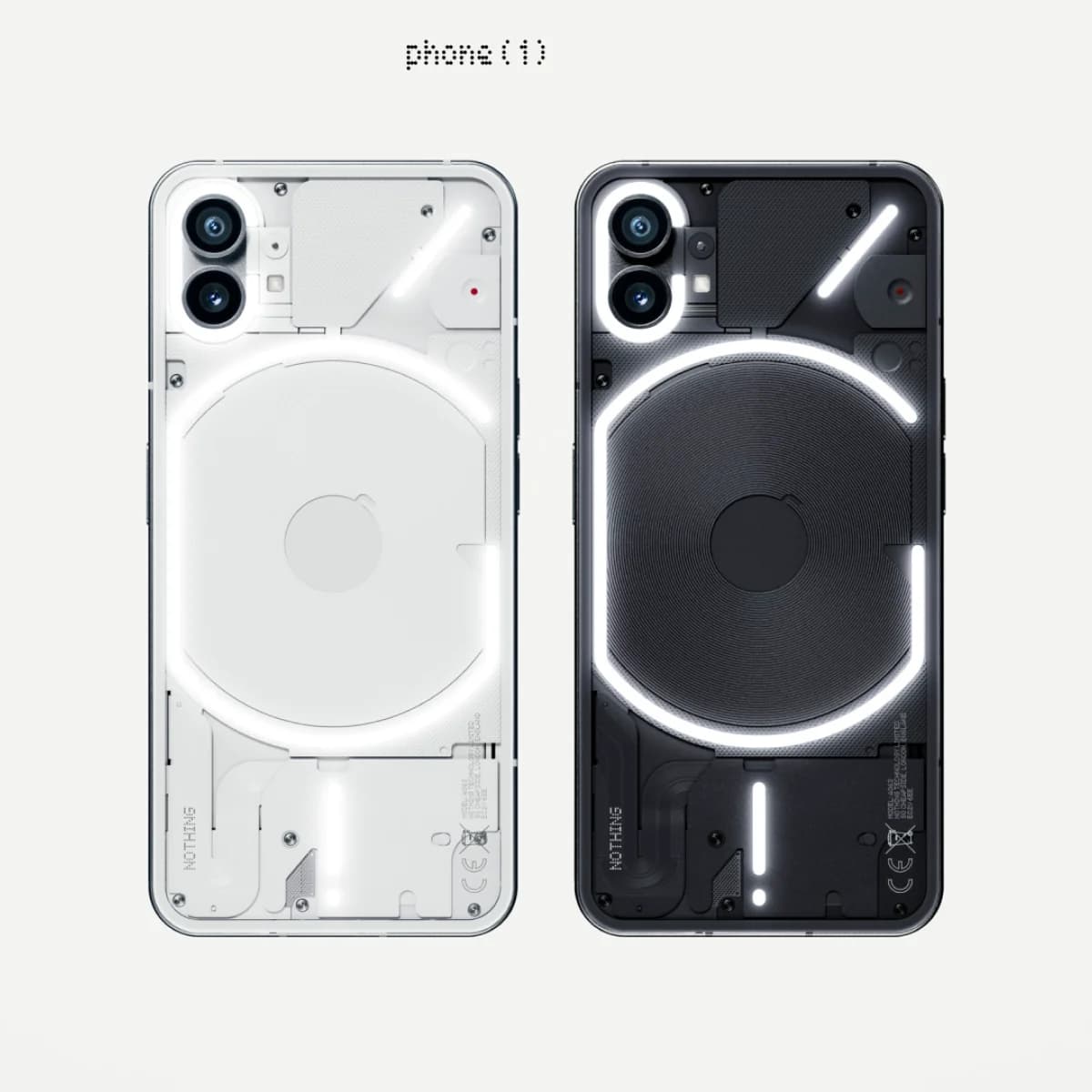
- •Glyph interfaceRear LED array for glanceable alerts
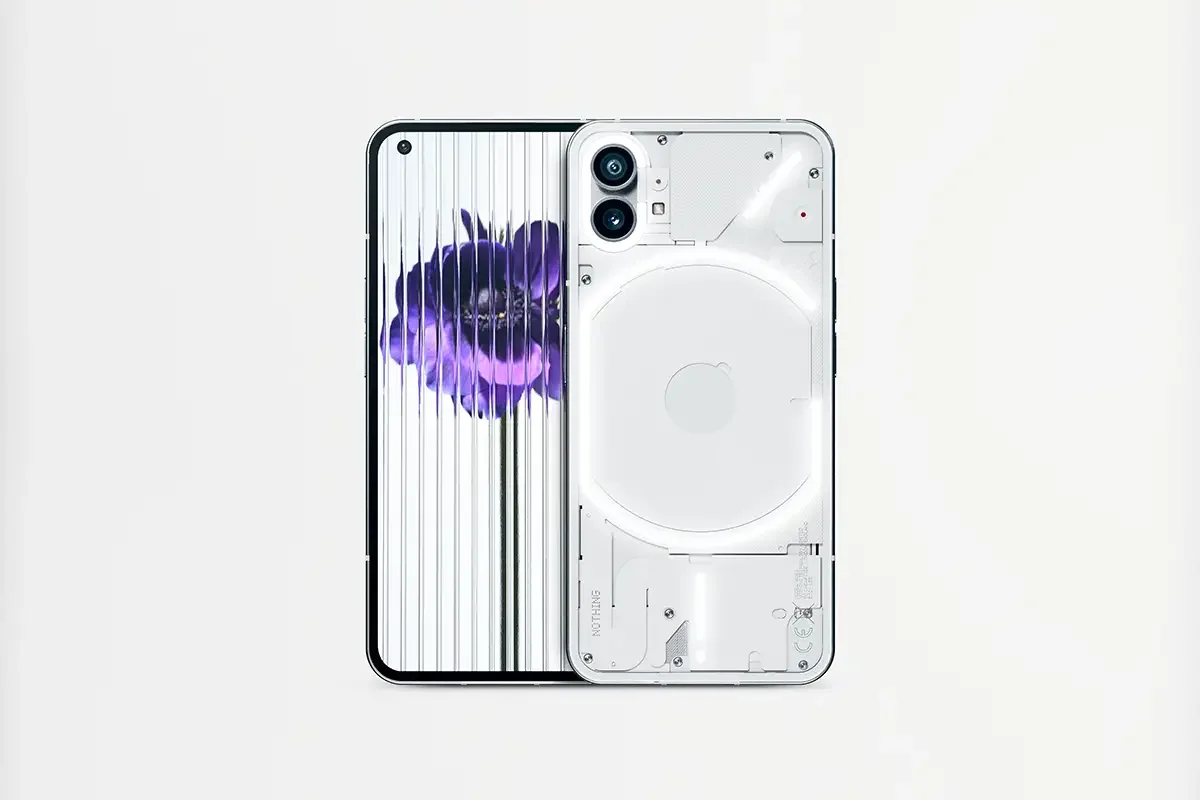
- •120Hz OLED displaySmooth, vibrant 6.55" HDR panel
- •Clean Nothing OSMinimal skin with frequent updates
- •Daytime 50MP main cameraSharp, stabilized daylight shots
- •All-day battery performanceReliable day use; manufacturer testing claims 0–50% in ~30 minutes
- •Wireless and reverse wireless chargingSupports convenient wireless top-ups and sharing

Considerations
- •Carrier compatibility and activationActivation issues with some US carriers
- •Slippery finish and handlingVery slippery back; case recommended
- •Software bugs and update quirksOTA updates have introduced stutters and sensor issues
- •Weak low-light ultrawide performanceNoisy, soft ultrawide shots at night
- •No charging head includedCharging adaptor sold separately
- •Mid-range performance and heatSnapdragon 778G+ can throttle under heavy load
Early real‑world feedback is still limited, so consider these takeaways provisional: Nothing’s debut aimed to remix mid‑range expectations with design-forward flair and a clean Android skin from a brand known for playful hardware experiments. It’s built as a daily driver for style‑minded users who want a smooth 120Hz viewing experience, reliable daytime photography, and unique notification cues rather than flagship brute force. Key draws include a 6.55" OLED with punchy colors, a stabilized 50MP IMX766 main camera, a 4500 mAh battery with wireless topping, and a recycled‑aluminum frame that looks pricier than its parts. Performance sits in the competent mid‑range class (good for social, streaming, and light gaming), while the Glyph LED and high‑fidelity haptics deliver personality you won’t find on a Pixel A‑series clone. If you care about style, clean software, and practical extras, read the sections below—your priorities will decide if the trade‑offs are charming or consequential.
Display (6.55" OLED, 120 Hz, peak brightness)
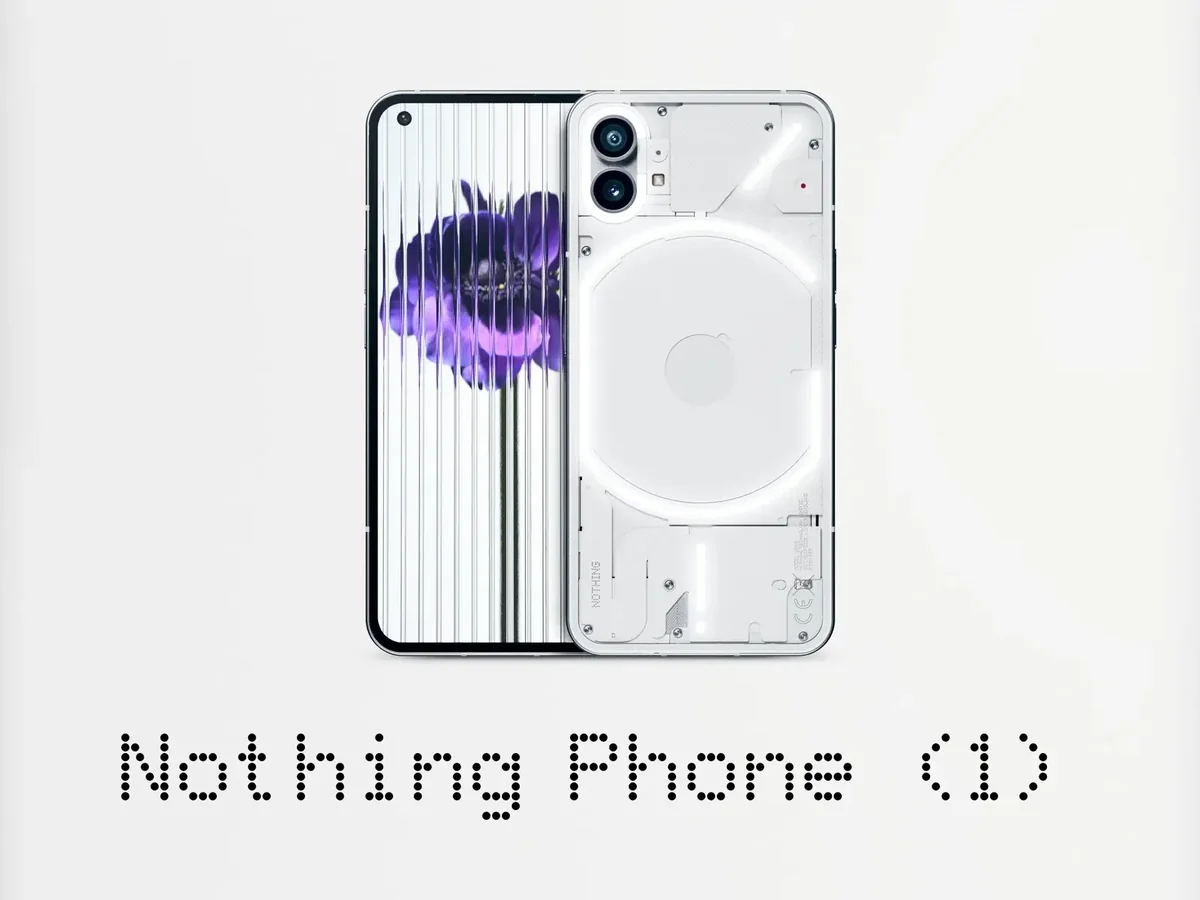
The 6.55" OLED is immediately addictive: buttery 120Hz scrolling, rich HDR10+ colors and a claimed 1200 nits peak that makes daytime viewing usable, though real-world brightness sometimes reads lower in direct sun. Touch response benefits from 240Hz sampling for gaming and gestures, delivering a noticeably smooth feel, while reviewers flagged occasional tint/brightness quirks that software updates addressed partially—still, the screen is one of the Phone 1’s clearest practical wins for media and everyday snappiness. Vibrant and satisfying
Performance and Thermal (Snapdragon 778G+, GPU, benchmarks, sustained load)
Snapdragon 778G+ gives smooth daily performance and decent gaming at medium settings, though benchmarks lag flagship silicon and sustained loads can produce thermal throttling and warmth. The phone shines in UI fluidity thanks to Nothing OS optimizations, but heavy multitasking and intense gaming reveal the chipset’s mid‑range limits—great for most users, less ideal for performance obsessives. Everyday speed, occasional strain
Camera System (50MP main + 50MP ultrawide, stabilization, video)
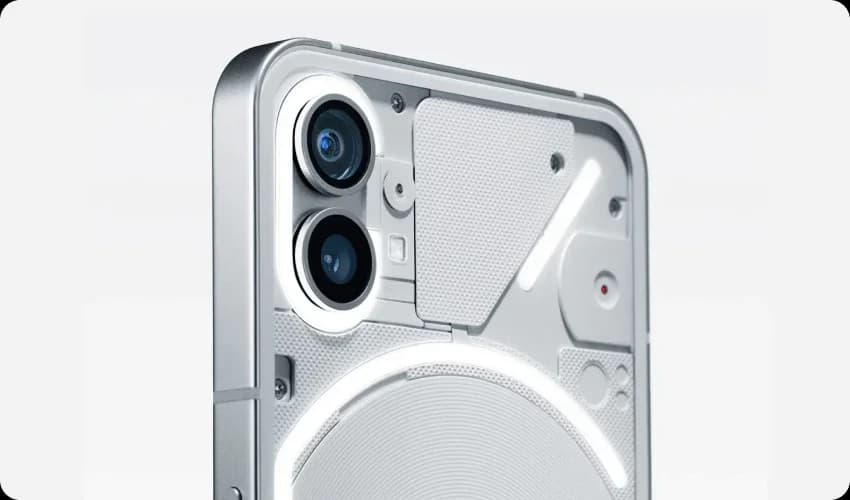
Photos are crisp in daylight thanks to the 50MP IMX766 main sensor with OIS+EIS, producing punchy social-ready shots; the 50MP ultrawide covers wide scenes but shows noisy low-light detail and limited zoom flexibility. Video benefits from solid stabilization at 4K30 but occasional stutters were reported at higher workloads, and reviewers note HDR inconsistencies in mixed light—excellent for day-to-day content, less so for demanding low-light or telephoto needs. Reliable daylight shooter
Build Quality and Materials (recycled aluminum, Gorilla Glass, fit/finish, slipperiness)
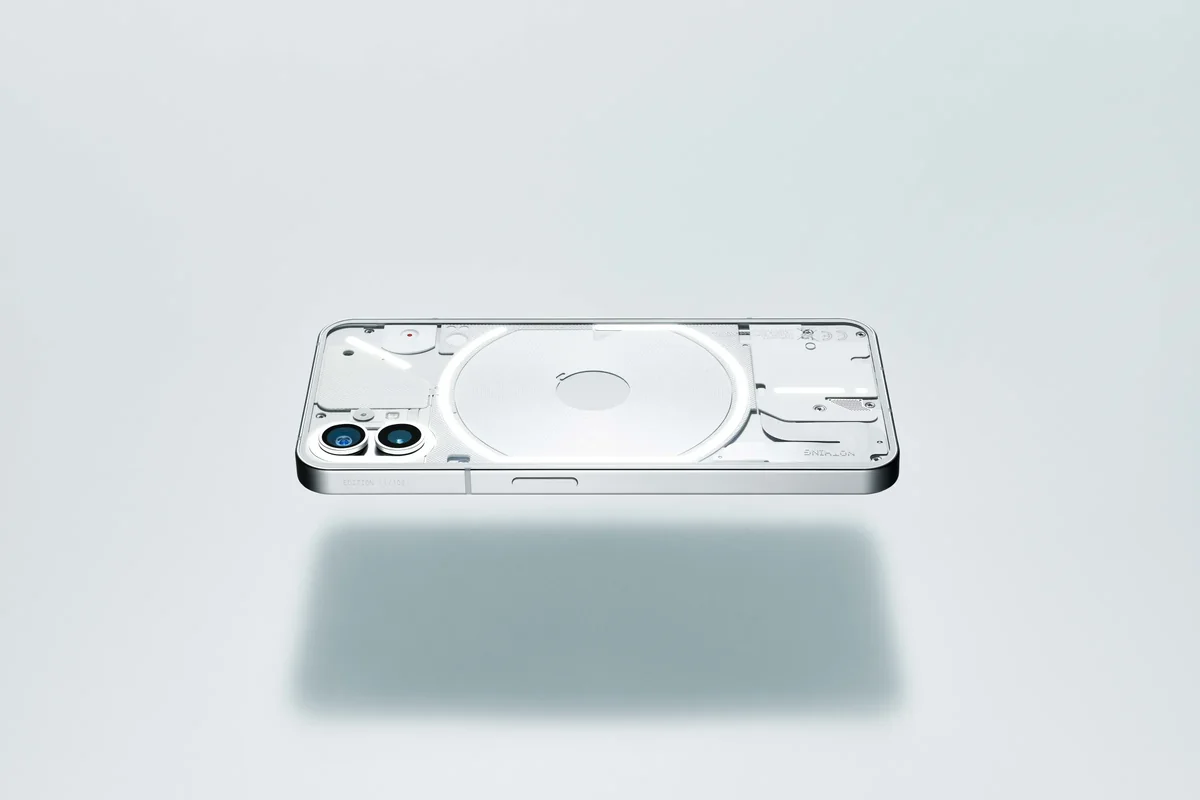
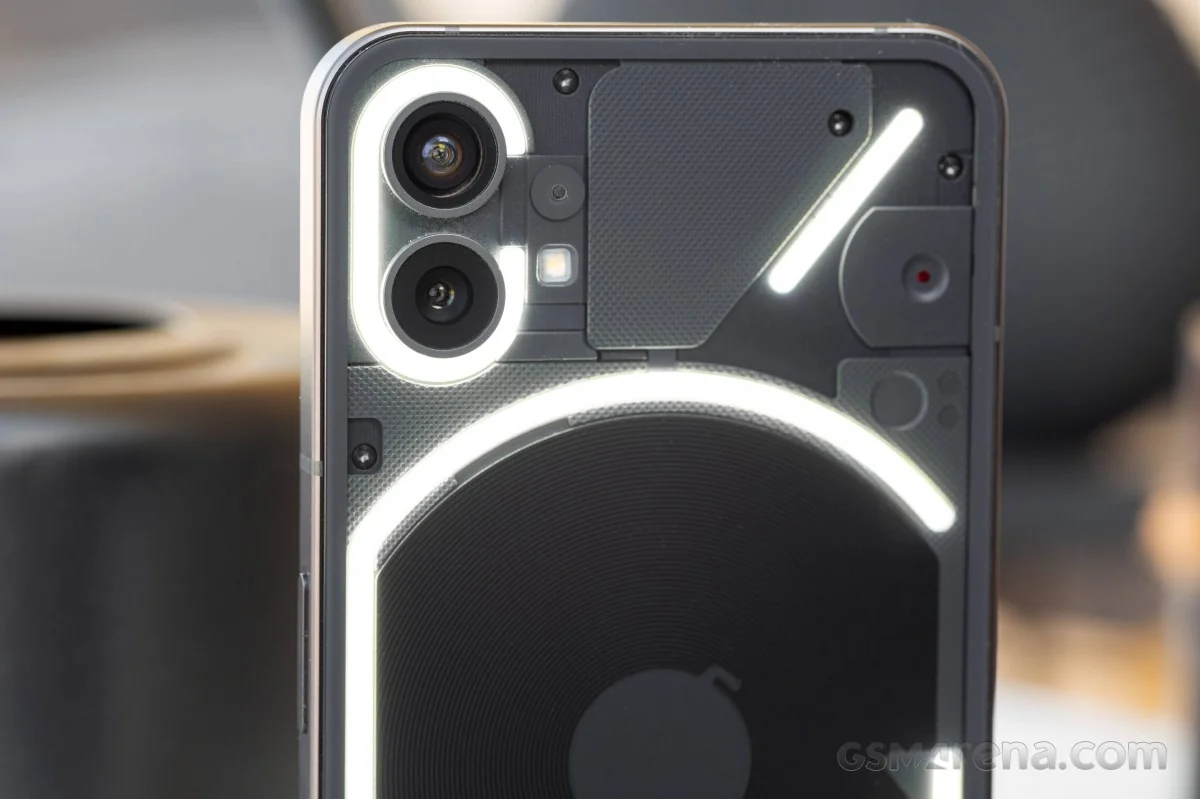
The Phone 1 feels far pricier than its mid‑range internals: a recycled aluminum frame, double‑sided Gorilla Glass, and a distinctive transparent back that draws attention. That glossy finish is gorgeous but very slippery, prompting near‑universal case recommendations; minor QC reports (dust under glass, dead pixels) cropped up in reviews but overall fit and finish score high for design‑led value. Premium look, handle with care
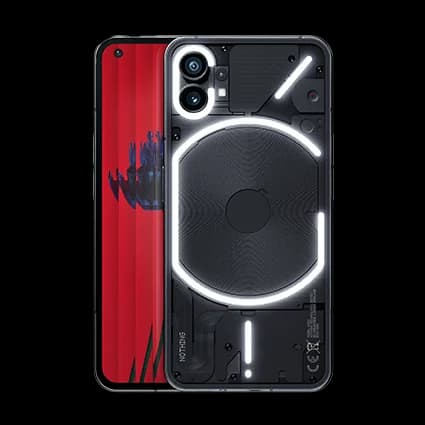
Glyph Interface and Haptics (rear LED array, vibration motors, notification/lighting behavior)
The Glyph-led rear LED array is a genuine conversation starter and functional: customizable patterns for calls, timers and charging make notifications glanceable without unlocking, though visibility dips in bright sunlight and advanced customization remains limited. Paired with high‑fidelity vibration motors, the result is playful and useful rather than essential—reviewers loved the novelty but noted the feature’s utility depends on habits and lighting. Charming, not mission-critical
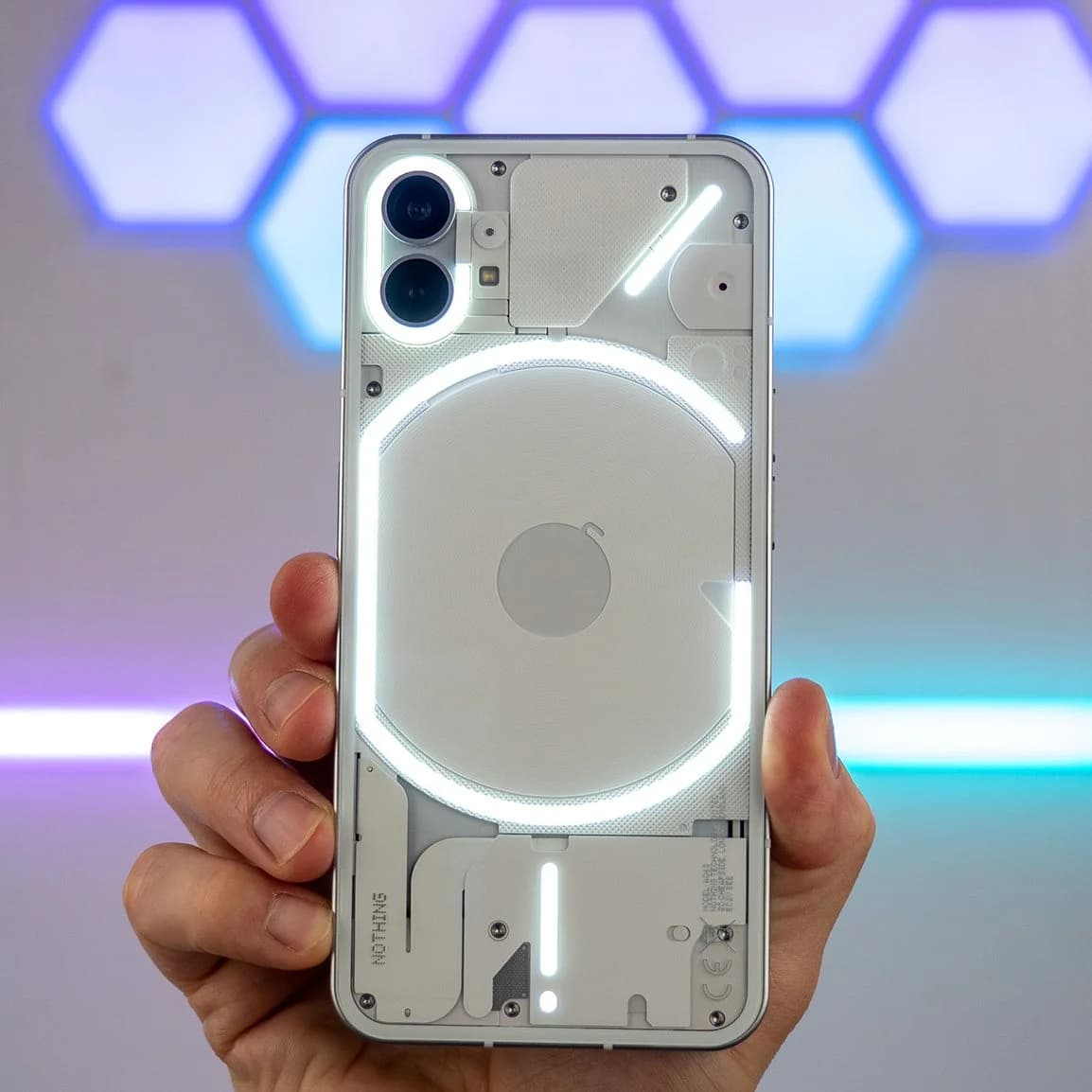
Battery and Charging (4500 mAh, 33W wired, 15W wireless, charge times)
The 4500mAh cell delivers dependable day‑long use under normal loads and supports the brand’s 0–50% ~30min claim with 33W wired; wireless 15W Qi is handy for topping up and reverse charging. Some users observed warmth during heavy tasks and advised several charge cycles to hit optimal longevity, and real-world endurance can vary—solid everyday stamina but not class‑leading for marathon sessions. Convenient, practical power
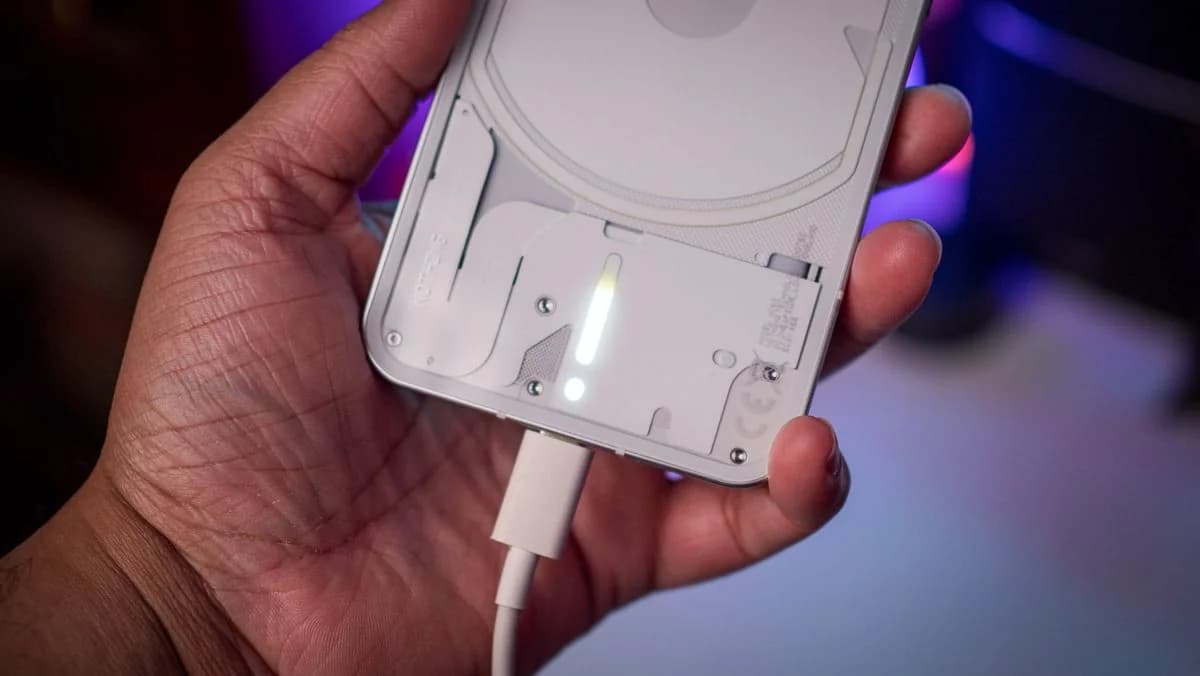
Conclusion
Real-world feedback is still light, so take these closing notes as well‑informed rather than definitive: the 6.55" OLED earns attention for its 120Hz smoothness and vivid HDR but can struggle in direct sun; the dual 50MP setup delivers crisp daytime shots and steadier video thanks to OIS/EIS while the ultrawide falters at night. Battery life is reliably day‑long and fast enough for daily tops—4500mAh with wireless convenience—though heavy loads reveal warmth and throttling. Build quality feels premium with recycled metals and glass, yet the finish is very slippery (case recommended). Performance is pleasant for everyday use but the Snapdragon 778G+ shows its mid‑range limits under sustained gaming. The Glyphs and haptics are a genuine character boost—fun notifications that actually help—but their utility fades in bright light. Recommendation: ideal for style‑first users who value design, clean software, and sensible compromises.

Feature Scores
This reflects reviews and ratings from established critics, journalists, and users who have evaluated the item. Their opinions provide a comprehensive assessment.
Performance
Processor Performance
4/5
Battery Life
4/5
Software Stability & Updates
4/5
Camera System Performance
4/5
Network Connectivity
4/5
Value
Price-to-Performance Ratio
4/5
Resale Value
3/5
Design
Display Quality
4/5
Ergonomics & Comfort
4/5
Materials & Fit/Finish
4/5
Health
RF Emissions
3/5
Blue Light Management
3/5
Safety
Biometric Security
4/5
Data Privacy & Security
4/5
Physical Safety Features
3/5
Sustainability
Repairability & Modular Design
3/5
Energy Efficiency
4/5
Responsible Sourcing
5/5
Experience Style
Customizability
4/5
Ease of Use
4/5
Accessibility Features
3/5

Specifications
This section outlines the product's key facts, covering essential features, details, dimensions, materials, and any unique characteristics that define its functionality and usability.
Performance
Value
Design
Safety
Sustainability
Experience Style

Frequently Asked Questions
6 Questions
Find Yours
What's your top priority when choosing a smartphone?
Answer to find your best matches.