

Nothing Phone (2a) Plus
Stylish transparent design, long battery, 50W charging and 50MP cameras—great for style‑seekers, with some sensor and low‑light tradeoffs.
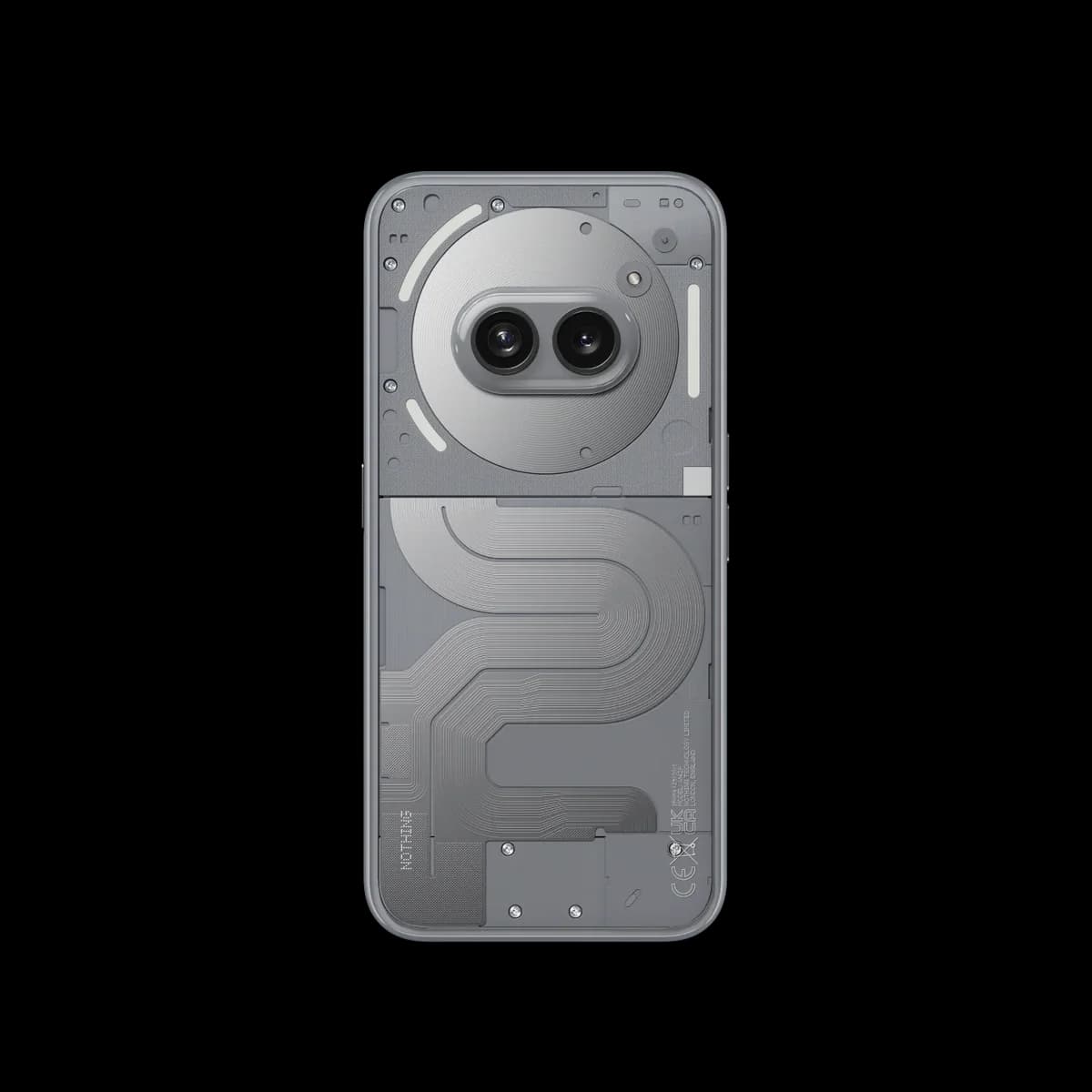
The Nothing Phone (2a) Plus is a charming mid‑ranger that markets personality over pomp — a fashionably quirky phone for style‑minded users who want punchy social photos and all‑day power. Reviewers praise its clean software and lively display, users applaud the stamina and Glyph novelty, and experts flag modest camera and sensor compromises versus flagships; real‑world tests back its 6.7" 120Hz AMOLED, 5000mAh battery, 50W wired charging, Dimensity 7350 Pro, all‑50MP camera array, transparent Glyph design, and in‑display fingerprint hiccups. Good value at the price, but more user data is needed before a firm verdict.
Find Yours
What's your top priority when choosing a smartphone?
Answer to find your best matches.

The Field
Browse top contenders, or compare all options ranked by score and key attributes.
5 Options

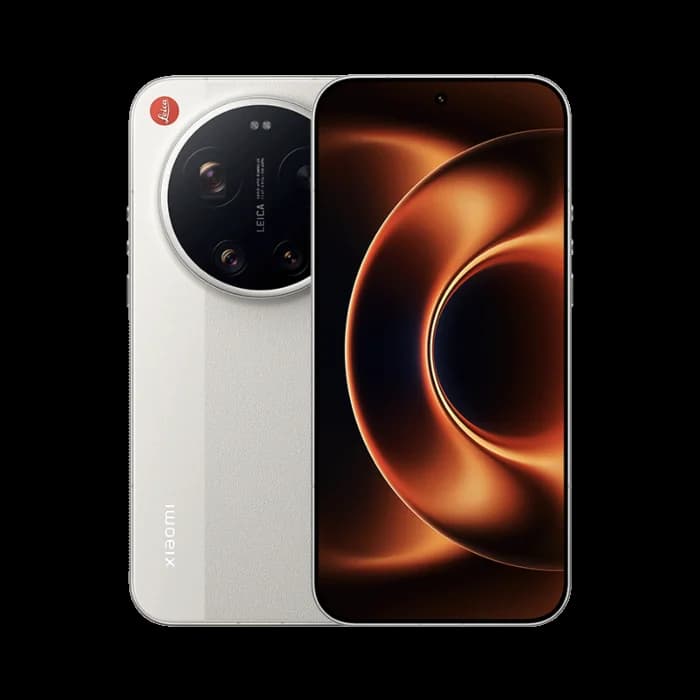


The Scoreboard
Does this improve your life? Considers, health, habits, and environmental impact.
Benefits
One full charge lasts about two days; quick 50W top-ups restore battery fast.
Big 6.7" 120Hz AMOLED makes scrolling and videos feel fluid and engaging.
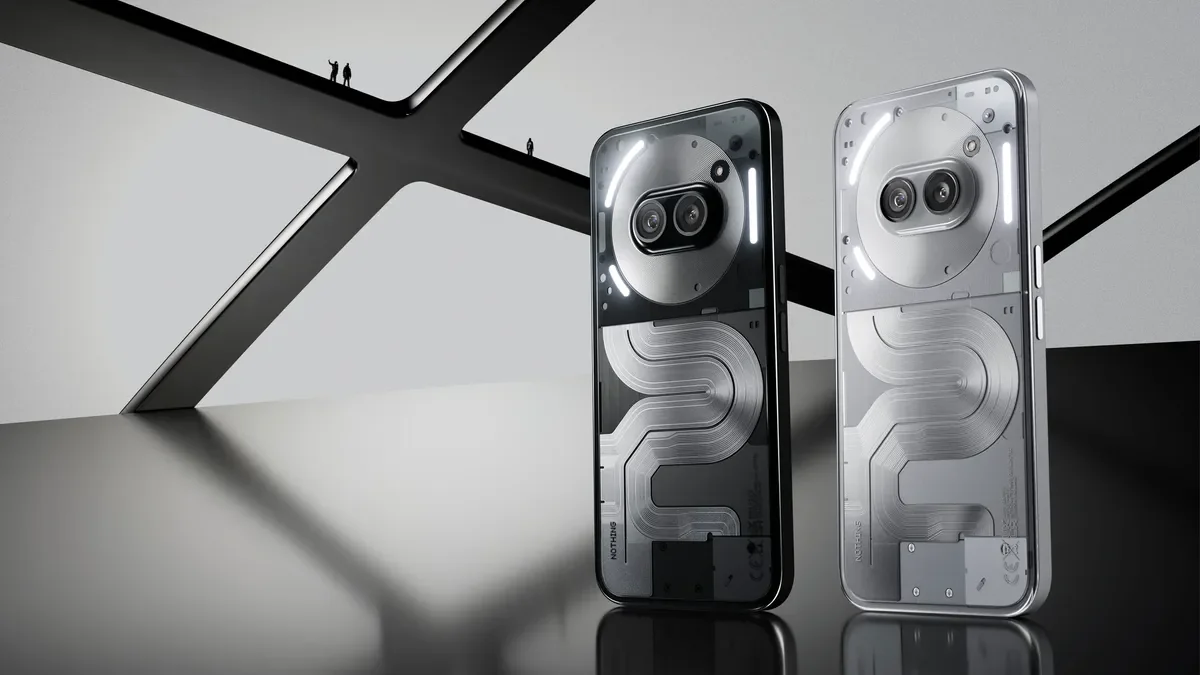
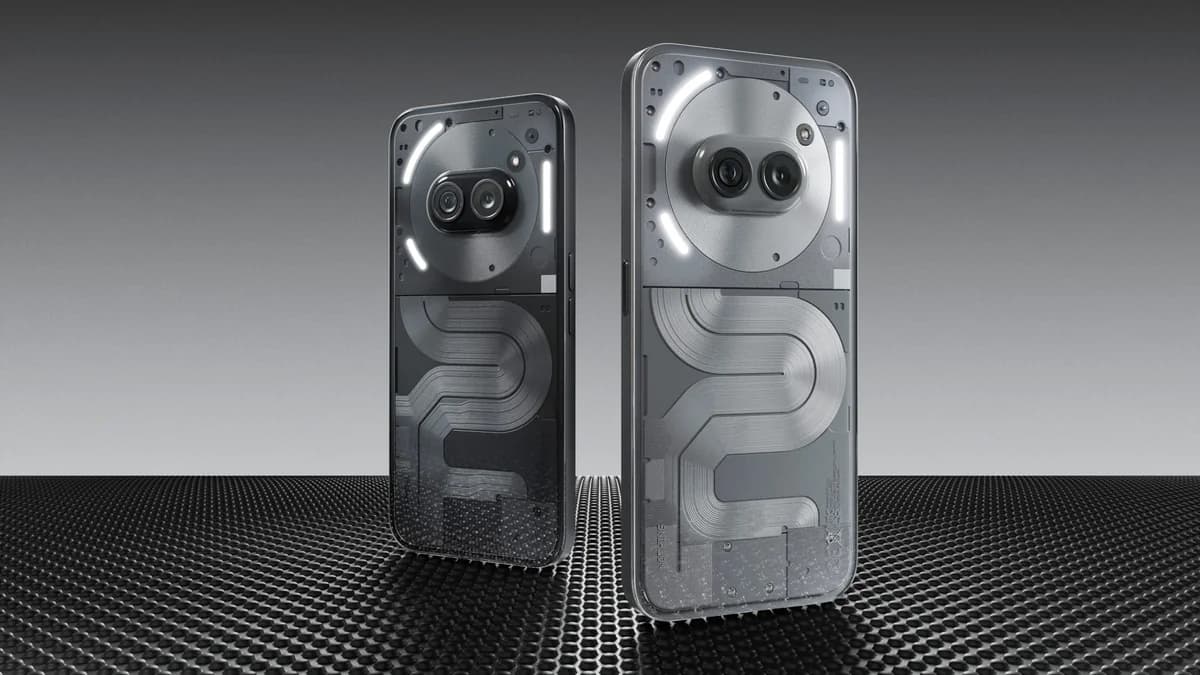
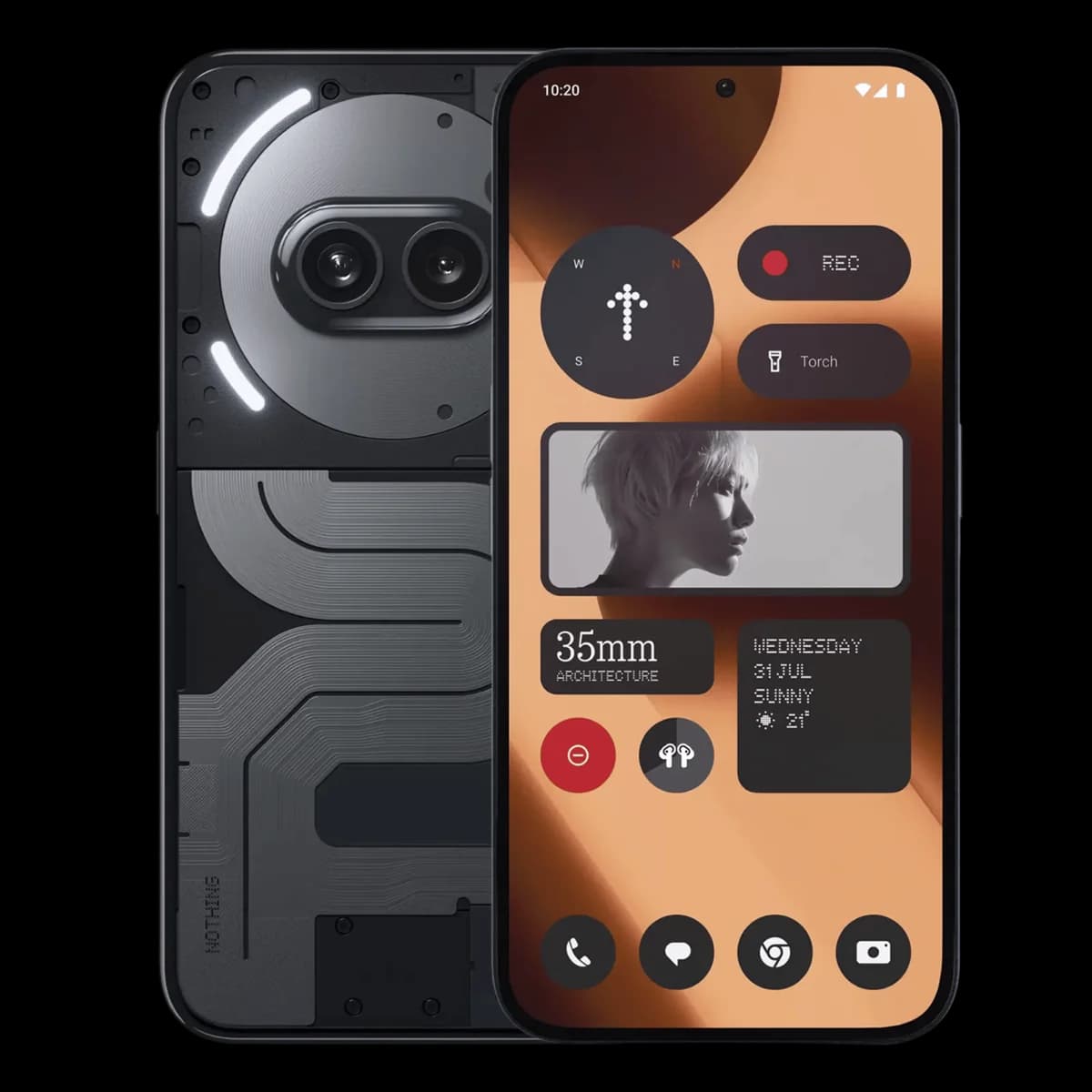
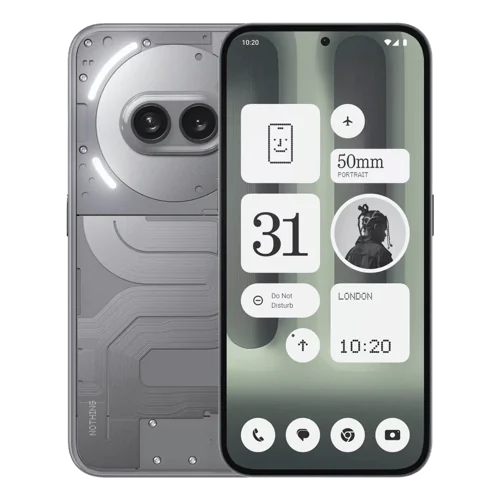
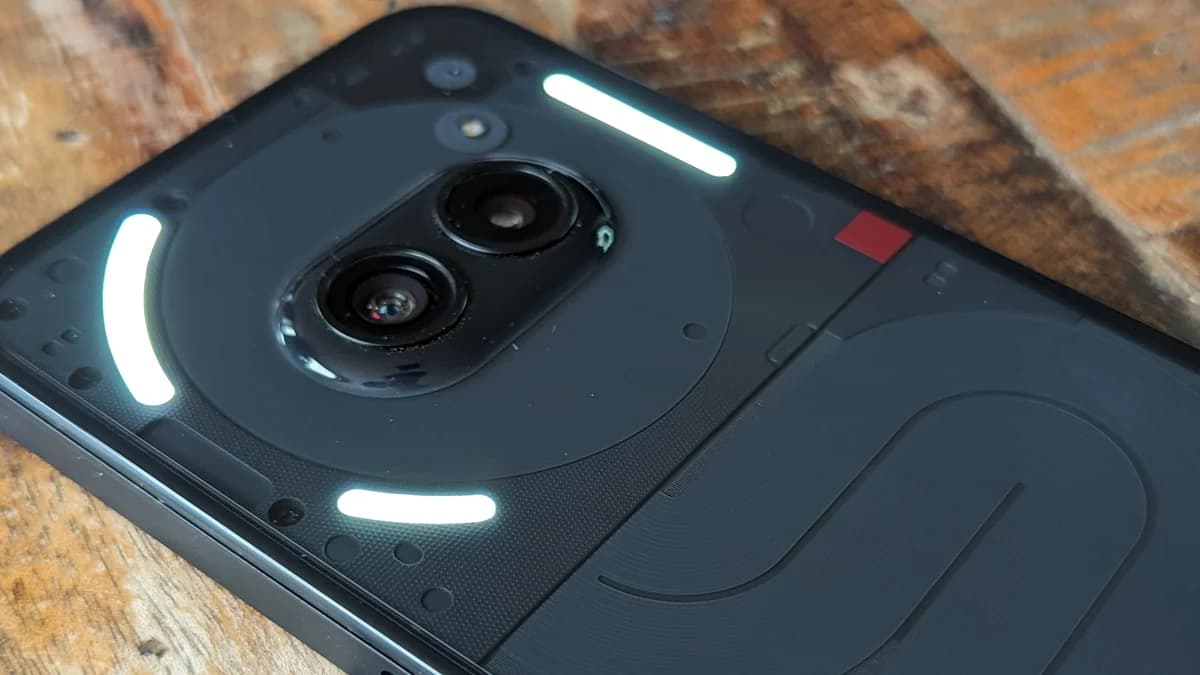
Transparent back with Glyph LEDs adds playful notification cues and social-style flair.
50MP front and all-50MP setup deliver detailed selfies and usable social photos.
Lightweight 190g build and good haptics make daily handling comfortable and pleasant.
Trade-Offs
Fingerprint often fails or delays, forcing repeats and slowing quick unlocks throughout day.
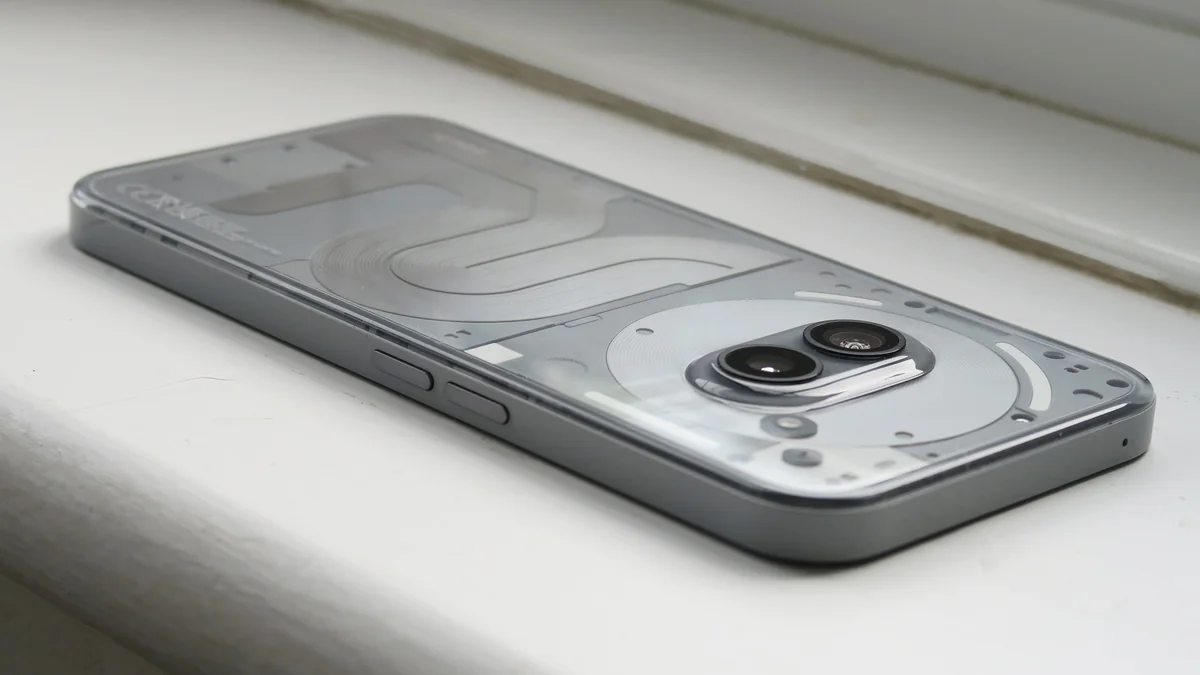
Glossy plastic attracts fingerprints and grease, so you wipe it often to stay presentable.
IP54 protection means avoiding heavy rain or pool use—limits worry-free outdoor use.
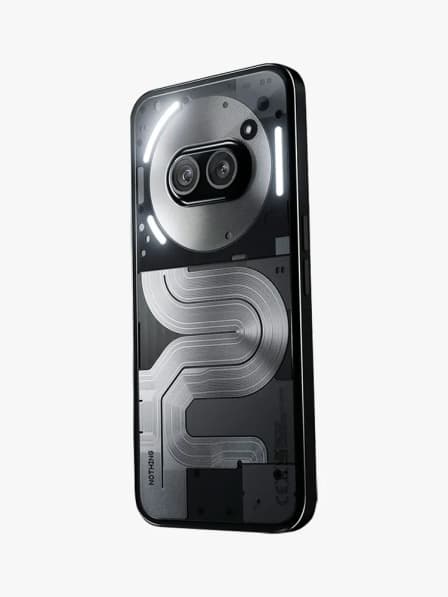
 Alternatives


Join the Circle
Where real meets deal
Know what's worth buying-and when.
Tips, special offers, and rewards for buying and sharing.

Publications
10 LEADING PUBLICATION REVIEWS

Notebookcheck praises the Nothing Phone (2a) Plus as a striking, well-built mid‑ranger that shines in design, haptics, display quality, and battery life, while delivering smooth everyday performance and solid wireless connectivity. The reviewers applaud the exclusive Dimensity 7350 Pro, fast charging, excellent vibration motor, and surprisingly strong Wi‑Fi, but their enthusiasm is measured: camera color accuracy and telephoto capability disappoint, the Plus adds little over the cheaper Phone (2a), and key premium features (wireless charging, robust waterproofing, eSIM, USB 3.1, true telephoto, dual‑band GNSS) are missing. Unique observations include an installed screen protector, unexpectedly working 6 GHz Wi‑Fi in tests, and an objective mismatch between the marketing promises and real‑world camera results. Overall, they like the phone’s personality and daily experience but stop short of recommending the Plus over the base 2a given the price bump.
By Marcus Herbrich; Daniel Schmidt (translated by Daisy Dickson)
PCMag’s Iyaz Akhtar praises the Nothing Phone (2a) Plus for its bold design, bright 6.7‑inch AMOLED, snappy real‑world performance, long 5,000mAh battery, and fast 50W wired charging, calling it a compelling midrange package at $399. He’s enthusiastic about the Glyph lighting and responsive display but stays measured: availability via a US beta program, limited 5G and carrier compatibility, only IP54 protection, middling call audio, and shorter software support dull its appeal. Benchmarks and real‑world gaming, battery rundown, and camera/photo/video notes are cited in detail, yet Akhtar ultimately advises most buyers to spend $100 more for the Pixel 8a for better 5G, cameras, and longer updates. The tone is appreciative but cautious—admiring the phone’s uniqueness and performance while clearly flagging practical limitations that hinder a broad recommendation.
By Iyaz Akhtar
Android Authority praises the Nothing Phone (2a) Plus as a standout budget handset that "feels like a premium flagship"—offering striking design, an excellent sub-$400 display, solid performance from a custom MediaTek Dimensity 7350 Pro, excellent battery life, and faster wired charging. The reviewer is clearly enthusiastic about Nothing OS, the phone’s aesthetic (transparent back and Glyph lights), and useful upgrades like a 50MP selfie camera and 256GB base storage. Criticisms are measured but real: fewer Glyph LEDs, a plastic back, no wireless charging, middling low-light and zoomed camera performance, and confusing US availability that limits carrier 5G support. Overall tone is very positive and recommendatory for buyers outside the US, while the author advises US readers to prefer the Nothing Phone 2 until broader compatibility arrives.
By C. Scott Brown
TechRadar praises the Nothing Phone (2a) Plus as a stylish, mostly successful mid-ranger that tightens the 2a formula with modest but tangible upgrades: a slightly faster Dimensity 7350 Pro chip, 50W charging, a higher-resolution 50MP front camera and a new AI-driven Vivid photo mode — all wrapped in the brand’s distinctive transparent design and Glyph lighting. The reviewer is positively disposed, admiring the build, Nothing OS polish, lively speakers and decent battery life after a month of daily use, while noting the fingerprint sensor lag and limited display customization. Criticisms are measured: the Plus isn’t a compelling upgrade over the 2a, pricing feels marginally steep, software support promises lag behind bigger rivals, and camera low-light and portrait edge-detection remain imperfect. Overall, the tone is approving but pragmatic — enthusiastic about style and UX, reserved about value-for-money and long-term competitiveness.
By Alex Walker-Todd
Sean Cameron at Trusted Reviews praises the Nothing Phone (2a) Plus as a memorable, well-rounded mid‑ranger that pairs standout design and thoughtful software with dependable cameras, stellar two‑day battery life, and capable performance. The review is warm but measured: it celebrates the phone’s transparent aesthetic, Glyph lights, lightweight feel, cohesive Nothing OS, and surprisingly strong battery and selfie performance, while calling out realistic caveats — a plasticky, less durable build that attracts grease, no telephoto or wireless charging, middling waterproofing (IP54), and a screen and camera tuning that favor punchy saturation over subtlety. The reviewer supports impressions with benchmarks, real-world testing, and clear usage notes, concluding that the Phone (2a) Plus is an excellent value for buyers who want distinctive design and long runtime, but not the top choice for those needing flagship-level cameras, durability, or fastest charging.
By Sean Cameron
Tom's Guide’s Dave LeClair praises the Nothing Phone (2a) Plus for delivering standout design, smooth Nothing OS, and strong value at a $399 price point, calling it “a lot of phone for not a lot of money.” He’s enthusiastic about its eye-catching translucent look and Glyph lighting, roomy 6.7-inch 120Hz AMOLED, solid MediaTek Dimensity 7350 Pro performance, fast 50W charging (41% in 15 minutes), and very good battery life (14h 8m in the review’s drain test). Criticisms are measured: cameras are merely respectable (especially in low light), the phone attracts fingerprints, software support is limited to three years of OS updates, and U.S. availability is spotty. Overall his tone is approving but reserved—he likes the phone and recommends it for fans or value seekers, but notes it’s not compelling enough to unseat rivals like the Pixel 8a for most buyers.
By Dave LeClair
Dua Rashid from Gizmodo highlights that the Nothing Phone (2a) Plus is a refreshing, well-built budget handset with standout design flourishes and strong battery life, but its unreliable fingerprint scanner seriously undermines the experience. Rashid praises the phone’s playful transparent chassis, useful Glyph lights, crisp 6.7-inch AMOLED, expandable RAM, efficient MediaTek performance for everyday tasks, and excellent low-light photos, noting real-world tests like Geekbench scores and extended video playback to demonstrate endurance. Criticisms include a frustratingly faulty right-thumb fingerprint reader that persisted after updates, limited zoom functionality when shooting at 50MP, a lower IP54 rating versus competitors, and a US-only beta purchasing process. Overall the tone is appreciative and mildly enthusiastic about the phone’s personality and core strengths, yet decisively concerned that the biometric flaw makes it difficult to fully recommend for typical users.
By Dua Rashid
Android Police critic Taylor Kerns finds the Nothing Phone (2a) Plus to be a competent, stylistically distinctive midranger that tweaks the original 2a with modest spec bumps—new chipset, higher-res selfie camera, and slightly faster charging—without solving its predecessor’s main flaws. Kerns praises Nothing OS, the Glyph lighting, solid battery life, smooth everyday performance, and the phone’s unique design, but voices clear disappointment in the rear camera’s inconsistent dynamic range and the glossy plastic back that attracts smudges and scratches. Uniquely, he emphasizes that the 2a Plus remains unavailable at US retail and lacks key carrier bands, making it a poor fit for most American buyers; he suggests it only suits developers, enthusiasts, or buyers outside the US who prioritize design and software over camera prowess. Overall, the tone is approving but measured—fond of the phone’s charm, wary of its practical limitations.
By Taylor Kerns
Pocket-lint praises the Nothing Phone (2a) Plus as an attractive, well-built mid‑ranger that injects personality into the segment with its Glyph Interface and clean, bloat‑free Nothing OS. The reviewer is upbeat about generous memory/storage, a large 6.7-inch 120Hz AMOLED, long‑life 5,000 mAh battery with 50W charging, and snappy everyday performance from the Dimensity 7350 Pro — all for a $399 price that feels like solid value. Criticisms are measured: cameras are merely “pretty average” in low light, peak brightness isn’t class‑leading, there’s no wireless charging or charger in the box, and the IP54 rating is limited. Overall the tone is positive but measured, treating the Glyph as a fun differentiator while urging buyers to temper expectations on imaging and premium features.
By John Kanellakos
GSMArena Team notes that the Nothing Phone (2a) Plus is a tasteful, modestly upgraded follow-up to the Phone (2a) that leans into design and practical improvements rather than radical change. They highlight a stronger Dimensity 7350 Pro chip with tangible CPU/GPU gains, a 50MP 4K-capable selfie camera, and faster 50W charging as meaningful enhancements, while praising Nothing’s signature aesthetic—eye-catching, fully cardboard packaging and quirky accessory design (transparent connectors, styled SIM tool). Critics are mild: the Plus risks cannibalizing the base model, carries a higher price, and ships with a non-eMarked USB-C cable and no charger in-box. Overall the tone is approving but measured—enthused about the hardware refinements and brand touches, cautious about pricing and incrementalism, and pragmatic about the limited accessory set.
By GSMArena Team

YouTube
13 LEADING EXPERT & INFLUENCER REVIEWS
 Trakin Tech English
Trakin Tech English’s Ershad Kaleebullah finds the Nothing Phone (2a) Plus a modest, measured upgrade—praising its improved Dimensity 7350 performance, better 50MP selfie/low‑light shots, 50W charging, and refined color modes, while critiquing marginal gains, slightly worse battery life, minor throttling, and mostly negligible design changes; overall cautiously positive.
Tech SpurtTech Spurt praises the Nothing Phone (2a) Plus as a spirited, mostly positive mid‑range upgrade — brighter selfie (50MP), Dimensity 7350 Pro performance uplift, 50W charging, and signature Glyphs. Reviewer is enthusiastic but measured, noting minor camera quirks, sluggish selfie stabilization, and few substantive changes from the 2a.
Nick AckermanNick Ackerman praises the Nothing Phone (2A) Plus as a polished, value-packed mid‑ranger—loving its 6.7" AMOLED, Glyph lights, long 5,000mAh battery, snappier Dimensity 7350 Pro performance, and clean Nothing OS—while noting occasional stutters, average low‑light cameras, IP54 limits, and carrier band caveats.
The Tech ChapThe Tech Chap praises the Nothing Phone (2a) Plus for its unique Glyph design, improved Dimensity 7350 Pro performance, 50MP selfie, 50W charging, and pleasing Nothing OS, but remains measured—calling upgrades modest, fingerprint/no wireless charging and limited software support frustrating, and ultimately suggests most buyers should stick with the cheaper 2a.
Joshua VergaraJoshua Vergara praises the Nothing Phone (2a) Plus for its striking transparent design, returning Glyph Interface, solid 6.7" 120Hz AMOLED, roomy 5000mAh battery, and usable Mediatek Dimensity 7350 performance—calling it a measured, value-packed mid‑ranger—while warning about occasional performance hiccups, mixed camera consistency, and limited US availability/network support.
SillycornsSillycorns says the Nothing Phone (2a) Plus feels underwhelming—fun design and improved 50MP selfie, slightly richer rear colors, and a marginal Dimensity 7350/GPU boost, but mostly unchanged (plastic build, same 6.7" screen, modest 50W bump). Tone: measured disappointment with faint praise.
Mark LinsanganMark Linsangan praises the Nothing Phone (2a) Plus as a fun, stylish mid-range upgrade—snappy Nothing OS, vibrant 6.7" AMOLED, improved Dimensity 7350 Pro, 50W charging, and 50MP selfie—while calling camera video processing and performance in heavy games only modest improvements; overall positive and value-focused.
TechEditTechEdit's Basil praises the Nothing Phone (2a) Plus for its striking transparent design, Glyph lights, triple 50MP camera consistency, and smoother Dimensity 7350 Pro performance, while noting modest gaming limits versus the Nord 4, a sluggish in-display fingerprint, and quirky AI news voice — overall upbeat, stylish, and recommended for Nothing fans.
Drew LippsDrew Lipps praises the Nothing Phone (2A) Plus for its striking transparent design, fluid Nothing OS, Glyph features, strong 50W charging, and impressive 6.7" AMOLED battery life, while noting limited eSIM support, no wireless charging, and modest camera gains versus the standard 2A—overall upbeat and recommending.
SHADAT'S DAYOUTShad from Shad Jout finds the Nothing Phone (2a) Plus still a solid, stylish mid‑ranger after two years—praising the transparent Glyph design, vibrant 6.7" 120Hz AMOLED, reliable 50W charging, and usable MediaTek performance—while noting middling low‑light photos and only moderate gaming/headroom compared to flagships.
Gadget SidekickGadget Sidekick praises the Nothing Phone (2a) Plus as a stylish, affordable upgrade—highlighting its Dimensity 7350 Pro performance, smooth 6.7" AMOLED 120Hz display, solid stereo speakers, and surprisingly strong all‑50MP camera results and gaming stamina; notes include plastic/transparent build, warm color tuning, occasional frame drops in Genshin Impact, and a generally enthusiastic, hands‑on endorsement.
WhatsNewWhatsNew praises the Nothing Phone (2a) Plus as a tasteful midcycle refresh—same great build, haptics, 5,000mAh battery and Nothing OS, with modest CPU/charging bumps—but emphasizes the real win is the upgraded 4K-capable 50MP front camera; recommends upgrading only if you value better selfie/video quality over saving ~$70.
ErickErick praises the Nothing Phone (2a) Plus for its standout transparent design and functional Glyph LED lights, vibrant 6.7" 120Hz AMOLED, solid battery with 50W charging, and good mid-range performance for casual gaming; he notes photo optimization, lack of wireless charging, and occasional heating/frame drops as notable downsides.

Social
8 INFLUENCER REVIEWS
 Rajiv Makhni | Gadget Guru
Rajiv Makhni highlights a clear, upbeat take: the Nothing Phone (2a) Plus improves cameras, performance, charging, storage, and adds an AI podcast feature while keeping the signature transparent design and 5,000mAh battery — all at Rs 24,999. Overall, he leans positive: recommends it as a top contender under Rs 25,000, noting missing charger and modest design changes as minor caveats.
TylerTyler finds the Nothing Phone (2a) Plus a surprisingly solid incremental upgrade — he’s upbeat about the sharper 50MP front camera, improved gaming performance, and fast charging, while teasing that the “Plus” name doesn’t mean a bigger phone and noting the front cam feels a bit too zoomed-in. Overall recommendation: Tyler leans positive — calls it “very good” and worth the ~$50 premium, sounding genuinely pleased and mildly impressed rather than exuberant, so he advises it as a sensible, affordable step-up rather than a must-have overhaul.
 Isa Marcial
isa_marcial gives a concise, upbeat rundown of the Nothing Phone (2a) Plus, highlighting its 6.7" 120Hz 1300-nit display, 50MP triple cameras (including 4K on ultrawide and front), stereo sound, 5,000 mAh battery with 50W charging, in-display fingerprint, and promised OS/security updates—presented as clean specs with mild praise for smoothness and camera flexibility. Overall, the reviewer’s tone is positively informative rather than ecstatic; they recommend the phone for users who value a fluid display, strong imaging options, and solid battery life, while noting practical caveats like separate charger purchase and the MediaTek chipset without voicing strong concern.
Matthew MonizMatthew Moniz praises the Nothing Phone (2a) Plus for its upgraded 50MP camera, faster MediaTek chip, big 5,000 mAh battery, and striking design—calling it “one of the nicest looking phones” in its price bracket. He notes trade-offs: potential 5G band incompatibilities in North America and no wireless charging, but finds those acceptable at $399. Overall consensus: Matthew recommends the 2A Plus as a strong budget-to-midrange pick that nails style and core value; he frames the minor connectivity and charging omissions as forgivable for the price and invites viewers to weigh in.
AXDIAZax_diaz destaca el Nothing Phone 2(a) Plus como uno de los mejores lanzamientos de gama media: el creador muestra entusiasmo genuino por el diseño distintivo, la pantalla AMOLED de 6.7" 120 Hz, el PWM alto, el chipset Dimensity 7350 Pro, 12 GB/256 GB y el sorprendente set de cámaras de 50 MP, mientras menciona la batería de 5000 mAh y la carga de 50 W; crítica puntual: solo incluye cable en la caja. En resumen, ax_diaz lo recomienda con entusiasmo como su próximo segundo teléfono por su relación calidad-precio (~$460) y experiencia de uso diferenciada, dejando un enlace en su perfil para quienes quieran comprarlo.
Dr. Mike PhoenixDermDoctor destaca que el Nothing Phone 2A Plus mantiene el diseño familiar y la interfaz Glyph llamativa; el creador elogia mejoras puntuales —frontal de 50 MP, CPU ligeramente más rápida, pantalla AMOLED 120 Hz, 12 GB/256 GB y carga a 50 W— y afirma rendimiento fluido en juegos, aunque las diferencias con el 2A son pequeñas y solo incluye cable en la caja. En conjunto recomienda el teléfono como una actualización incremental y "bastante completa": positivo y práctico para quienes quieran la experiencia Glyph y mejor cámara frontal, pero no imprescindible si ya tienes un 2A.
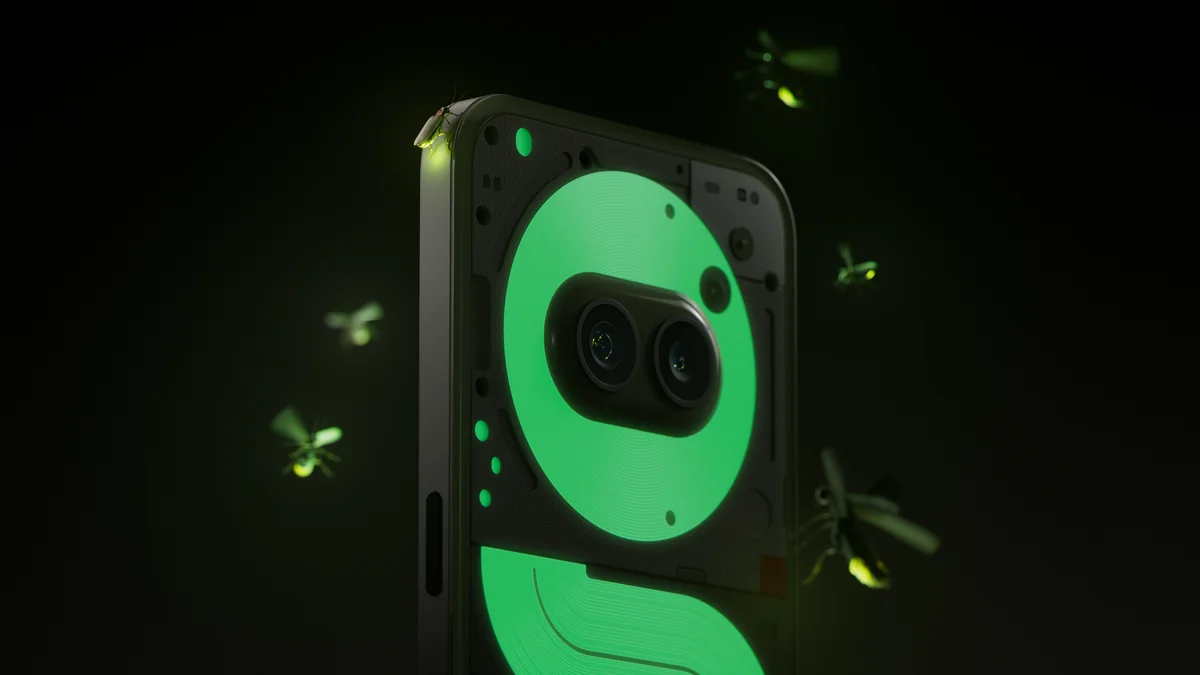
THE ROCOroco_review (THE ROCO) praises the Nothing Phone 2a Plus Community Edition’s standout look — glow-in-the-dark paint, matching luminous box, and preserved Glyph design — calling it “just awesome” and stylish while noting internals are unchanged (6.7" 120Hz OLED, Dimensity 7350 Pro, same cameras). They emphasize it’s a cosmetic, fan-driven limited run (1,000 units), so functionality and battery are unaffected. Overall, THE ROCO feels enthusiastic but realistic: they like the phone’s personality and design but stress it’s essentially the standard 2a Plus with a novelty finish and limited availability; they’d recommend it to fans or collectors willing to try for the $400 drop, not to buyers seeking new performance.
Parker Burtonimparkerburton notes the Nothing Phone (2a) Plus feels like an iterative, slightly upgraded follow-up—clean design, new textured box, faster processor, a 50MP front camera, and quicker 50W charging. They express mild excitement for the tweaks but are clearly frustrated by the phone’s lack of full US support. Overall, the reviewer leans positive about incremental improvements and aesthetics, recommends it mainly for fans or those who value the updated camera/charging, but urges Nothing to enable US support before it can be a broader recommendation.

Forum Reviews
CUSTOMER REVIEWS FROM 1 FORUM
Reddit users are mixed but generally cautiously positive about the Nothing Phone (2a) Plus: many praise its smooth Nothing OS, clean design, solid battery life and snappy everyday performance, while others note only modest upgrades over the 2a. Major criticisms focus on inconsistent OLED display issues (green tint, image retention) often tied to the fingerprint sensor at low brightness, and middling camera and gaming performance compared with higher-tier phones. Some buyers recommend the Plus if priced competitively, but several advise waiting for alternatives or newer models; upgraders are more critical about long-term value and durability than new shoppers.
Many comments

In-Depth Review

Highlights
- •6.7-inch 120Hz AMOLEDSmooth, bright FHD+ viewing
- •Long battery with 50W chargingDesigned to deliver two-day runtime
- •All‑50MP camera systemCompany highlights improved selfie/detail
- •Dimensity 7350 Pro performanceDesigned to offer modest speed uplift
- •Glyph Interface and transparent designCompany highlights playful notification lights
- •Clean Nothing OS and hapticsResponsive software and satisfying feedback

Considerations
- •Unreliable in‑display fingerprintSluggish and often fails at low brightness
- •Display artifacts at low brightnessGreen tint and image retention reported
- •Inconsistent low‑light and zoom photosMiddling night shots; weak telephoto capability
- •Missing premium featuresNo wireless charging or true telephoto
- •Limited water protectionOnly IP54 splash resistance
- •Restricted network availability (US)Spotty carrier/5G support in the US
Early user feedback is still thin, so treat first impressions as tentative—but Nothing’s latest mid‑ranger arrives with a clear flavor: playful design married to pragmatic specs. Built to be a style statement for younger, social‑first users, it pairs a 6.7-inch 120Hz AMOLED for buttery scrolling with a hefty 5,000mAh battery and rapid 50W wired charging that gets you back in the action fast. Imaging leans social‑ready with an all‑50MP camera array including a 50MP selfie, while performance gets a modest bump from the Dimensity 7350 Pro for smooth everyday use. The transparent chassis and trademark Glyph LEDs lend personality, but expect trade‑offs—plastic back, IP54 splash resistance, and a finicky fingerprint reader. If you prize distinctive design, long runtime, and shareable photos at a sub‑$400 price, read on—these sections will unpack whether those headline specs sing in real life.
Biometrics and Sensors
The in-display optical fingerprint and core sensors cover basics but disappoint in polish: the fingerprint reader is frequently described as sluggish or inconsistent, especially at low brightness, which undermines quick unlocks and ties into some reported display artefacts. Other sensors (gyro, proximity, NFC, Wi‑Fi 6) perform solidly, and stereo speakers add to the experience, but the biometric hiccup is a recurring annoyance in reviews and forums. Functional overall, but the fingerprint feels like the weak link. in-display fingerprint, sensor reliability, NFC & Wi‑Fi 6
Display
The 6.7" flexible AMOLED is the phone’s smile — buttery 120Hz adaptive refresh and up to 1300 nits peak brightness make scrolling and HDR videos pop, while the FHD+ panel keeps battery life sane. Reviewers praise vivid tuning and smoothness, though reports of occasional green tint / image retention at low brightness (linked to the fingerprint area) temper the praise; real-world use is mostly excellent for media and social feeds. It’s a flagship-feeling screen with a mid-range caveat: excellent daily wow-factor but not flawless, per users and labs. AMOLED contrast, adaptive 30–120Hz
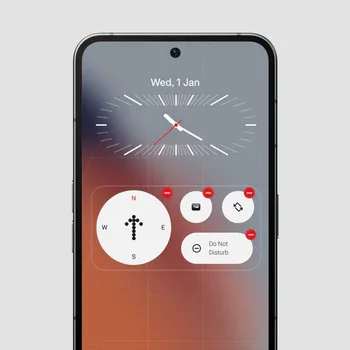
Battery and Charging
Battery life is a crowning hit: the 5,000mAh cell reliably stretches toward a two-day cadence in normal use, and 50W wired charging tops the pack among mid-rangers for quick boosts. Lab runs show long playback and solid browsing endurance, though a few reviewers noted slightly shorter runtimes versus the 2a in specific tests. Nothing’s charging claim holds up in practice — fast, dependable day-to-day power management — making this one of the handset’s clearest strengths. 5000mAh longevity, fast top-ups, real-world endurance
Build and Physical Design
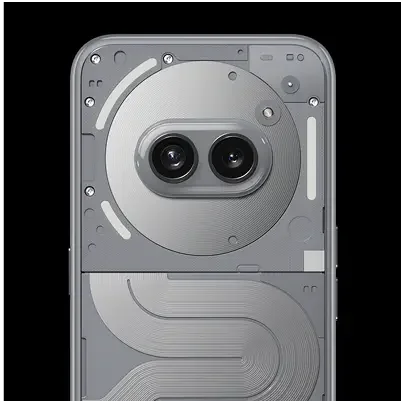
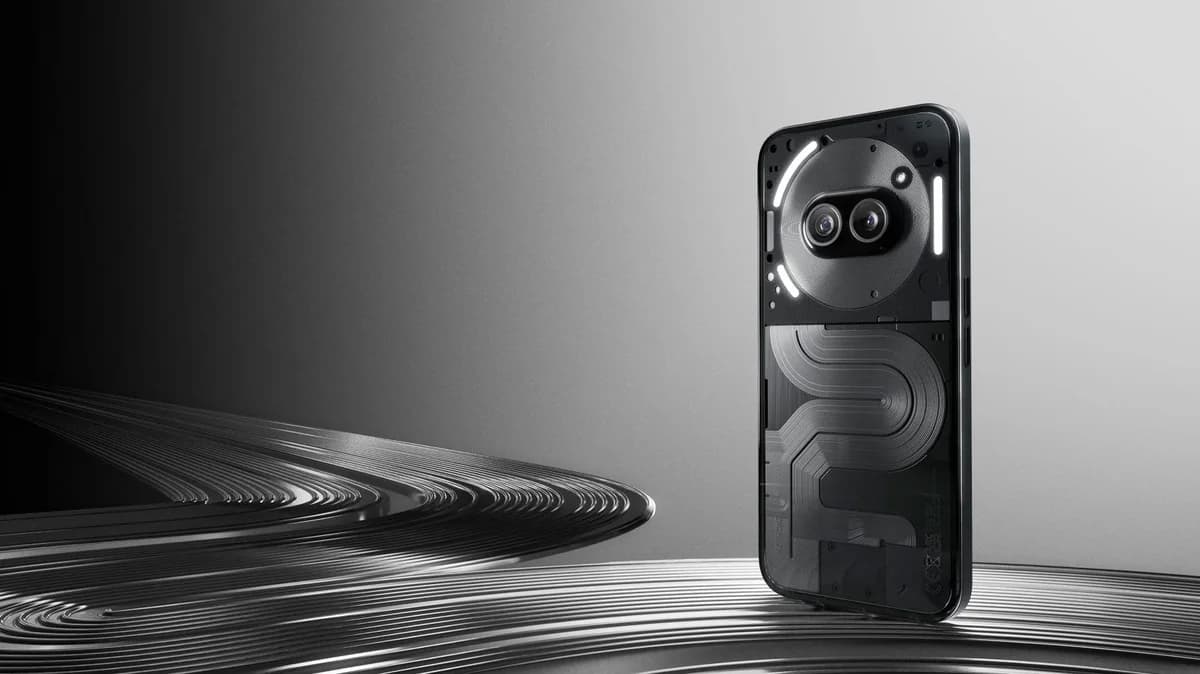
Style is the product’s superpower: the transparent chassis, Glyph LED arrays and light 190g weight create instant personality, with solid haptics and a high 91.65% screen-to-body ratio for immersive looks. Trade-offs include a glossy plastic back that attracts grease, a plastic frame vs metal, and only IP54 splash resistance, so beauty comes with durability limits. In short: arresting design and clever details, but not the toughest in the room — a fashion-forward device with practical caveats. Glyph Interface, 190g lightness, IP54 limitation
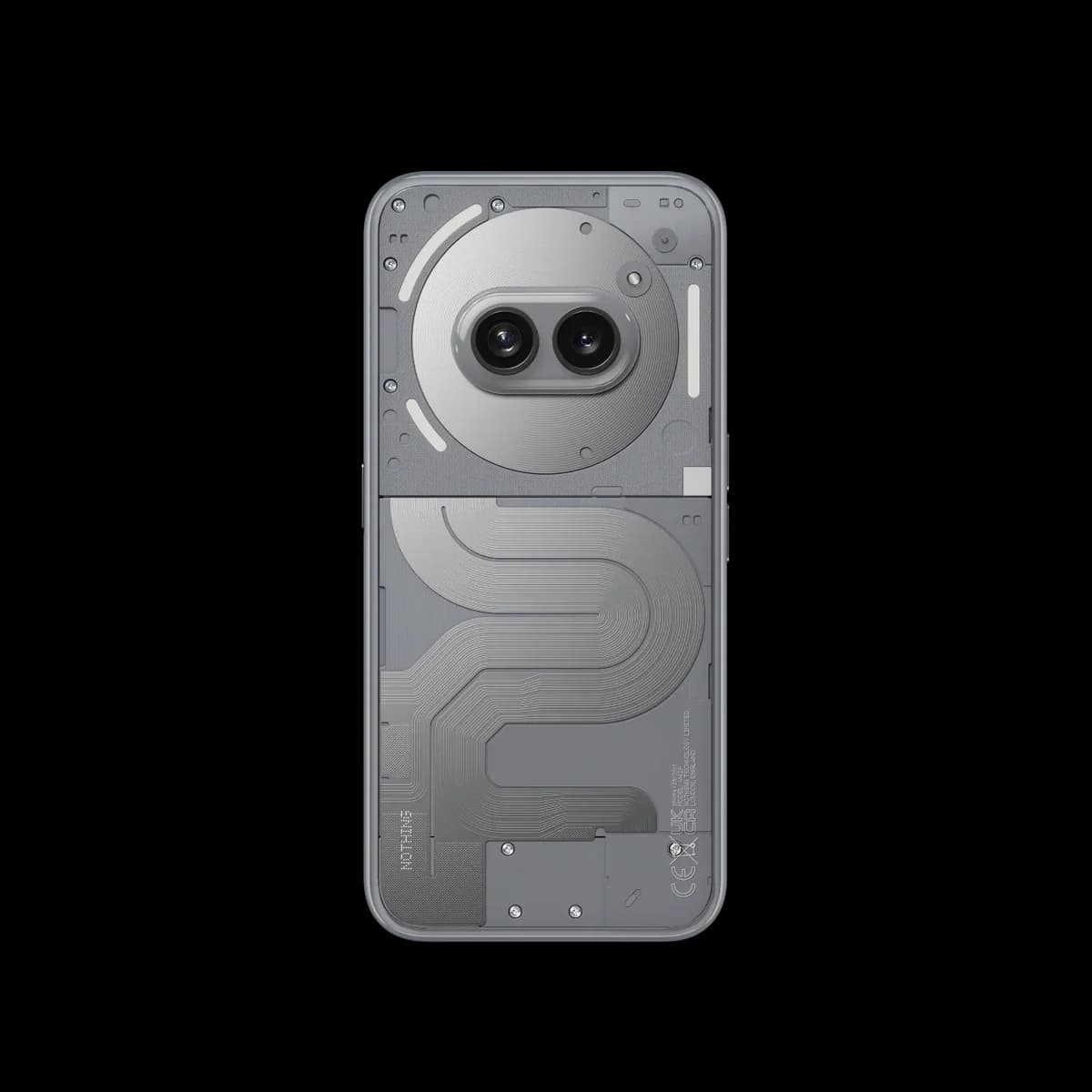
Camera System
The all-50MP approach gives social-ready detail: a stabilized 50MP main (OIS) and a 50MP ultra-wide deliver crisp daylight shots while the upgraded 50MP selfie is a genuine step up for vloggers; AI Vivid mode boosts punch for shareable photos. Weaknesses surface in low light, dynamic range and zoom — reviewers cite inconsistent processing and only average night results — so expect excellent daylight snaps but imperfect flagship-level imaging consistency. OIS stabilization, 4K-capable front, AI Vivid
Performance and Thermal
The Dimensity 7350 Pro gives the Plus a pleasant pep: roughly a 10% CPU uplift over the base 2a, solid AnTuTu and Geekbench figures, and smooth everyday multitasking with minimal heat under moderate load. Gaming holds up for casual and mid-tier titles, though heavy-duty sessions show occasional frame drops and mild throttling noted by reviewers. It’s a refined mid-range performer — good for most users, not quite a flagship thermal champ. Dimensity 7350 Pro, measured throttling, real-world snappiness
Conclusion
Early impressions are cautious but clear: this phone excels where flair meets endurance. The 6.7" panel delivers a pleasing swipe feel and punchy HDR, yet watch for occasional low‑brightness tint—so expect a mostly excellent display experience with occasional caveats. Battery and 50W charging are standout practical wins: long-lasting stamina and fast top-ups keep you moving. The 50MP cameras shine in daylight and selfies but stumble in dim scenes—call it daylight delight, night restraint. The Dimensity 7350 Pro offers smooth multitasking and casual gaming, with modest throttling under sustained load—solid mid-range performance. Design and Glyphs give genuine personality, though the glossy plastic and IP54 rating temper ruggedness—note the style-over-durability tradeoff. The in‑display fingerprint remains the weak link; plan for occasional fuss: biometrics inconsistency. For style-seekers who value battery, a lively screen, and shareable photos, this is a smart pick; power users chasing top cameras or rock‑solid sensors should look elsewhere—plain and simple: personality-first purchase, practical everyday phone.

Feature Scores
This reflects reviews and ratings from established critics, journalists, and users who have evaluated the item. Their opinions provide a comprehensive assessment.
Performance
Processor Performance
4/5
Battery Life
4/5
Software Stability & Updates
3/5
Camera System Performance
4/5
Network Connectivity
3/5
Value
Price-to-Performance Ratio
4/5
Resale Value
3/5
Design
Display Quality
4/5
Ergonomics & Comfort
4/5
Materials & Fit/Finish
4/5
Health
RF Emissions
TBD
Blue Light Management
3/5
Safety
Biometric Security
3/5
Data Privacy & Security
3/5
Physical Safety Features
3/5
Sustainability
Repairability & Modular Design
2/5
Energy Efficiency
4/5
Responsible Sourcing
TBD
Experience Style
Customizability
4/5
Ease of Use
4/5
Accessibility Features
3/5

Specifications
This section outlines the product's key facts, covering essential features, details, dimensions, materials, and any unique characteristics that define its functionality and usability.
Performance
Value
Design
Safety
Sustainability
Experience Style

Frequently Asked Questions
11 Questions
Find Yours
What's your top priority when choosing a smartphone?
Answer to find your best matches.