
Nothing Phone (3)
Design-forward, bright AMOLED and 50MP cameras with strong battery—quirks in charging, performance, and radios.
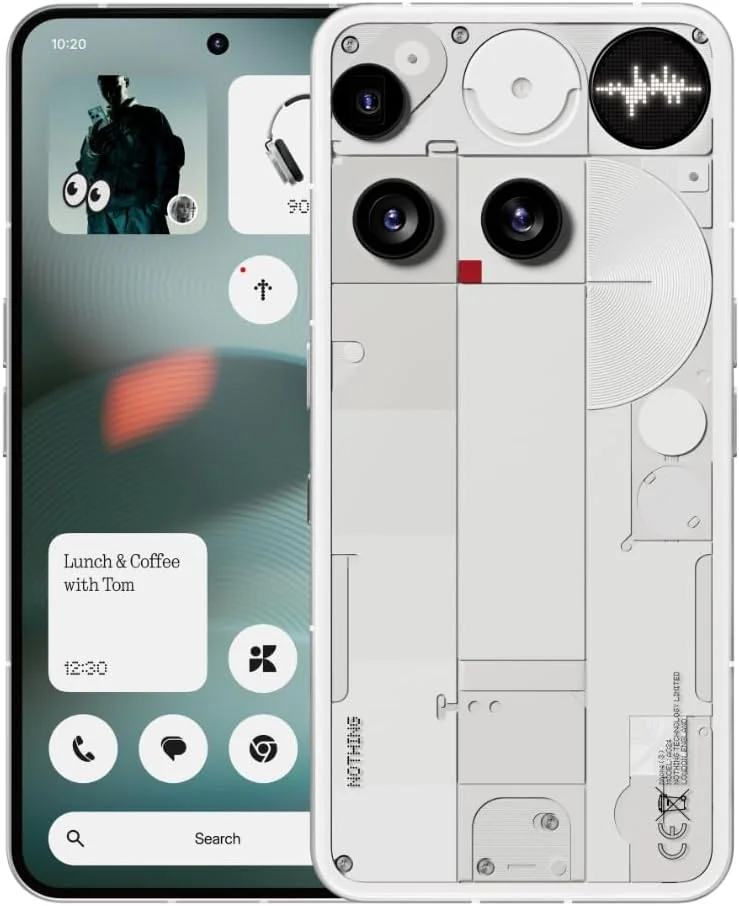
The Nothing Phone (3) is a personality-packed Android handset that markets itself as a stylish flagship for users who want less bloat and more flair—perfect for social shooters, battery-conscious commuters, and design lovers tired of beige phones. Critics and owners praise its 6.67" 120Hz AMOLED, clean Nothing OS, 5150mAh battery with 65W wired charging, and playful Glyph Matrix, yet note the Snapdragon 8s Gen 4 lacks true flagship muscle and cameras show lens-to-lens inconsistency. At about $599 on sale ($799 list) it’s a tempting middle ground; buy value if you prize personality over peak specs, which shapes buy decisions.

Find Yours
What's your top priority when choosing a smartphone?
Answer to find your best matches.

The Field
Browse top contenders, or compare all options ranked by score and key attributes.
5 Options

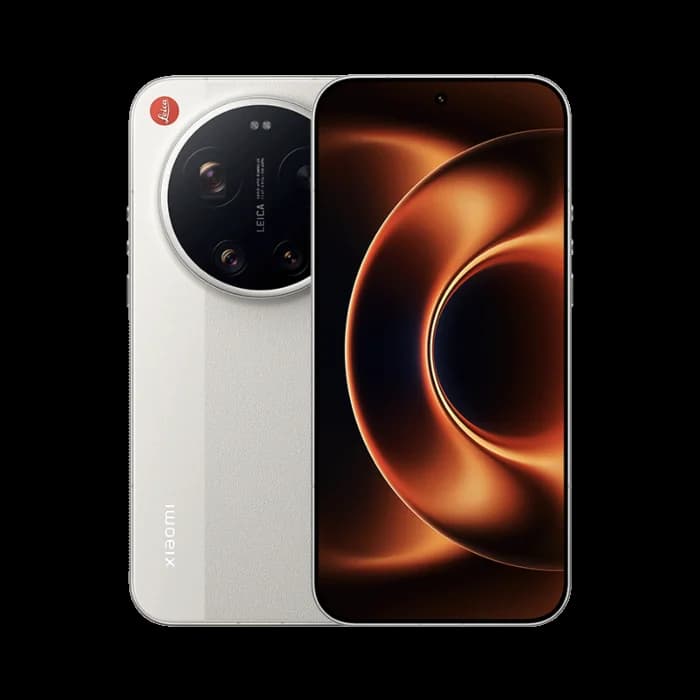


The Scoreboard
Does this improve your life? Considers, health, habits, and environmental impact.
Benefits
Glyph lights let you check alerts without interrupting conversations or pulling out the phone.
Nothing OS reduces visual clutter, so you focus on tasks, not endless app noise.
5150mAh battery reliably lasts day-to-day use, easing worry about midday charging.
Transparent, distinctive look sparks conversations and feels premium in social settings.
120Hz AMOLED with 1000Hz touch makes scrolling smooth and watching media more enjoyable.
Trade-Offs
Placing it on Qi pads often needs micro-adjustments—wireless charging fails unless aligned.
Some users get dropped calls or setup trouble; you might need carrier tweaks to connect.
Shots can show color shifts or detail mismatches between lenses, ruining quick photo batches.
Gaming or heavy apps make the phone warm, uncomfortable to hold and throttling performance.
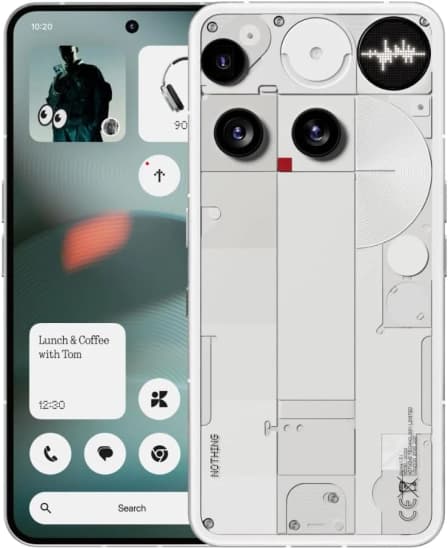
 Alternatives


Join the Circle
Where real meets deal
Know what's worth buying-and when.
Tips, special offers, and rewards for buying and sharing.

Publications
10 LEADING PUBLICATION REVIEWS

Ryan Haines from Android Authority praises the Nothing Phone 3 as the brand’s most recommendable phone yet, calling it a stylish reinvention that marries a striking design, buttery 120Hz AMOLED, strong wired charging, and a versatile triple-camera system with Nothing OS’s polished minimalism. The tone is upbeat but measured—enthusiastic about design flair, camera naturalness, and fast 65W charging, yet clearly reserved about a plasticky-feeling frame, a gimmicky Glyph Matrix, Snapdragon 8s Gen 4 performance that trails true flagship rivals, and battery/runtime quirks. Haines highlights concrete strengths (4,500 nit peak brightness, 5,150mAh battery, 4K60 video, telephoto zoom) while noting meaningful trade-offs for the $799 price and that competitors like the Pixel 9, Galaxy S25, and OnePlus 13 still outclass it in some areas. Overall, it’s a likable, confident recommendation for fans willing to accept a few compromises.
By Ryan Haines
GSMArena Team highlights Nothing’s Phone (3) as a careful, design-led evolution rather than a radical reinvention: the company keeps its signature transparent aesthetic while introducing the Glyph Matrix dot‑matrix back display, a flatter aluminum chassis, and higher‑end glass that push the handset into more premium territory. The review conveys measured enthusiasm for upgrades like the Snapdragon 8s Gen 4, up to 16GB RAM, a large 5,150mAh battery with 65W charging, a brighter 6.67‑inch OLED, and the new 3x 50MP periscope — all solid refinements — but it repeatedly frames the Phone (3) as an incremental step whose higher price forces comparison with true flagships. The unboxing notes (no charger in box for Europe, sturdy eco-friendly packaging, and a useful thick TPU case) and the tone overall are appreciative yet restrained, acknowledging strengths while signaling that the launch is more maturation than a game‑changer.
By GSMArena Team
Andrew Lanxon assesses the Nothing Phone (3) as an attractive, quirky midranger that ultimately falls short of its "true flagship" billing. He praises the phone's distinctive transparent design, the new Glyph Matrix and an exceptional macro camera, and finds performance snappy for everyday use. However, Lanxon is frustrated by inconsistent camera quality (teal/cyan color casts, chromatic aberration, zoom halation), middling battery life, odd design choices (off‑centre telephoto, unused semicircle), and software features that largely mirror the cheaper 3A. His tone is measured but clearly disappointed: he likes the phone's personality and some standout bits, yet feels the $799 price is unjustified given rivals with stronger cameras and flagship silicon. Overall, the review leans toward cautious negativity with pragmatic praise for a few genuine strengths.
By Andrew Lanxon
PCMag praises the Nothing Phone (3) as the company's boldest handset yet — a stylish, well-built flagship contender that pairs an unmistakable design and the new Glyph Matrix with solid everyday performance, great cameras, and an extremely bright 6.67-inch AMOLED. Iyaz Akhtar highlights thoughtful touches like recycled-aluminum construction, the Essential Key/Essential Space workflow, long software support, and impressive charging and battery figures, while noting real limits: no mmWave 5G, weaker peak CPU/graphics scores versus top rivals, spotty Wi‑Fi extremes, and minimal on-device AI or cloud sync for Essential Space. Tone is enthusiastic but measured — clearly recommending the Phone (3) to fans and anyone who wants something different, yet advising mainstream buyers to stick with the more rounded iPhone 16 or Galaxy S25 if broad compatibility and top-tier performance are priorities.
By Iyaz Akhtar
Tom Bedford from TechRadar praises the Nothing Phone (3) as a bold step into the premium space that largely succeeds on substance as well as style. After four weeks of hands-on testing he celebrates the Phone 3’s strong hardware—capable Snapdragon 8s Gen 4 performance, impressive 50MP multi-lens array with a useful periscope, a bright 6.67-inch 120Hz display, and long-lasting battery with fast charging—while warning that Nothing’s intentionally divisive design, 218g heft, quirky Glyph Matrix and Essential Key feel gimmicky or poorly placed for some users. He admires Nothing OS’s coherent aesthetic and useful features but criticizes occasional camera inconsistencies, software hiccups, and a price increase that undercuts the brand’s previous value proposition. Overall the tone is approving but measured: enthusiastic about its capabilities and character, yet realistic about who will truly appreciate it.
By Tom Bedford
Mat Smith assesses the Nothing Phone 3 as a striking, personality-packed device that advances Nothing’s design-led approach but stops short of being a full-fledged flagship. He’s charmed by the phone’s distinctive see-through aesthetic, the redesigned Glyph Matrix, large bright 6.67-inch display, and long‑lasting silicon‑carbon battery, and praises the usable Glyph tools and nothing‑skin polish. However, he’s repeatedly disappointed by inconsistent camera results and a processor that feels middling for an $799 “flagship,” noting color and ISO variability between lenses and missed features like Qi2. Overall the review is appreciative and mildly enthusiastic — impressed by style, display, battery life, and telephoto zoom — yet measured and cautious in recommendation until Nothing tightens up camera tuning and brings more flagship‑level silicon.
By Mat Smith
Tom's Guide praises the Nothing Phone 3 as a bold, characterful first “flagship” that upgrades durability, battery, charging, performance, and a novel Glyph Matrix while retaining Nothing’s distinctive aesthetic. The reviewer balances enthusiasm for the phone’s design, quirky software features, solid Snapdragon 8S Gen 4 performance, and fast charging against clear reservations about camera quality, display brightness versus top-tier rivals, and a higher price that nudges it into competition with the Galaxy S25 and Pixel 9. Unique touches — telephoto-with-macro, the 489-pixel Glyph Matrix widgets, and thoughtful software extras like Essential Search and Flip to Record — are highlighted as reasons to choose personality over pure specs. Overall, the Phone 3 is recommended for buyers who value novelty and style; spec-focused shoppers seeking the best camera or maximum raw performance should look elsewhere.
By Richard Priday
Julian Chokkattu from WIRED praises the Nothing Phone (3) for its playful, distinctive design and surprisingly useful Glyph Matrix, calling the phone a charming, fun alternative to more conventional flagships. He acknowledges it’s not class-leading in raw power or low-light photography, and the software still has small quirks (like limited home-screen batch actions) and a shorter update promise than Pixel/Samsung, but emphasizes reliable real-world performance, excellent battery life, and thoughtful touches like Essential Notifications and an intuitive circular control. Overall, he finds the Phone (3) refined compared with its predecessor, offering strong everyday capabilities and personality that make it worth choosing over technically superior but less whimsical rivals.
By Julian Chokkattu
Samuel Gibbs from The Guardian highlights the Nothing Phone (3) as an eye-catching, quirky flagship that’s fun and well polished but not class-leading. He praises Nothing OS’s slick, customizable dot‑matrix aesthetic, the novel back glyph/matrix screen, solid everyday performance, fast charging and long security support, while noting the Phone 3’s Snapdragon chip trails the absolute top performers, thermals can get hot under load, and battery life is merely respectable. The cameras can produce great shots in bright light but suffer inconsistency, colour shifts between lenses and weaker ultrawide/detail indoors. Gibbs emphasizes that the Phone 3’s unique design and software will appeal to those who want something different, but for buyers prioritizing peak camera quality, top-tier performance, or the longest update support, better options exist at this price.
By Samuel Gibbs
Dan Seifert from The Verge highlights a Phone 3 that’s bold on design but somewhat compromised elsewhere. The reviewist praises Nothing’s distinctive aesthetic—now centered on a subtler Glyph Matrix—and notes strong battery life, fast charging, and ample storage, but emphasizes that the new look is divisive and that Nothing has removed the original Glyph lights many fans loved. Criticisms focus on a chipset that feels weak for the $799 flagship price and camera performance that lags true rivals like the Pixel 9, Galaxy S25, and iPhone 16. Overall the tone is measured: intrigued and appreciative of Nothing’s design risks, yet cautious about recommending the Phone 3 outright against better-rounded competitors.
By Dominic Preston

YouTube
14 LEADING EXPERT & INFLUENCER REVIEWS
 Marques Brownlee
Marques Brownlee finds the Nothing Phone (3) stylishly bold but conflicted: he praises the bright 6.67" AMOLED, Snapdragon 8s Gen 4 snappiness, silicon‑carbon 5150/5500mAh battery, Nothing OS and Glyph Matrix creativity, yet calls its flagship claim overstated—mid‑tier chip, soft camera detail, and gimmicky back screen.
MrMobile [Michael Fisher]Mr. Mobile (Michael Fisher) finds the Nothing Phone (3) refreshingly bold and mostly enjoyable—praising Nothing OS, the tactile Glyph Matrix platform, improved 50MP cameras, bright display, and all-day battery—while expressing measured disappointment in the small Glyph size, buggy pre-release software, modest battery gains, and some polarizing design choices.
Tech SpurtTech Spurt’s Carl praises the Nothing Phone (3)’s distinctive design, Glyph Matrix, clean Nothing OS, bright 6.67" AMOLED, and solid cameras, but flags the Snapdragon 8s Gen 4’s excessive heat during gaming, middling battery/charging vs rivals, and pricey £800 positioning — likable but hard to fully recommend.
9to5GoogleJordan Floyd from 9to5 Google praises the Nothing Phone (3) as an underrated, characterful device—loving the dot‑matrix Glyph, Nothing OS 4.0, community‑driven Playground, solid battery/65W charging, and cinematic 50MP camera vibe—while noting pricing, Essential Space flaws, accidental Essential Key presses, and a less punchy display as key caveats.
ben's gadget reviewsBen from ben's gadget reviews praises the Nothing Phone (3) for its standout design, snappy Snapdragon 8s Gen 4 performance, excellent haptics, long battery life, and playful Nothing OS widgets, while noting higher pricing, a weaker ultra-wide camera, and the replaced Glyph lights with a smaller back dot-matrix display.
ShortCircuitLinus Sebastian from ShortCircuit praises the Nothing Phone (3)’s striking design, solid haptics, 1000Hz touch display, and novel Essential Key/Essential Space, but is cautiously disappointed—calling it “almost flagship” due to chipset choice, mixed camera/software bugs, heavy weight, and battery trade-offs despite bright AMOLED and useful Glyph updates.
Nick AckermanNick Ackerman praises the Nothing Phone (3) as "way better than it looks," highlighting its distinctive Glyph Matrix, clean Nothing OS, sharp all‑50MP cameras, solid Snapdragon 8s Gen4 performance, and long 5150mAh battery life — while noting some design, bezel, camera-zoom, and animation refinements he'd like to see.
6 Months LaterJosh Teder praises the Nothing Phone (3) for its clean Nothing OS, standout display, solid build, excellent battery life, and thoughtful AI features like Essential Space and Essential Search, while remaining measured—criticizing the polarizing back design, middling camera vs. Pixel/Samsung, occasional lag, and underused Glyph Toys/presets after six months.
MrwhosethebossMrwhosetheboss finds the Nothing Phone (3) mixed: praises clean Nothing OS, long battery, and strong 50MP cameras, but criticizes the redesigned Glyph Matrix, uneven transparent design, mid-tier Snapdragon 8s Gen 4 performance versus flagship rivals, and some hardware trade-offs—useful but not a clear flagship winner.
TechMishkaMichael (TechMishka) finds the Nothing Phone (3) brilliant yet puzzling — praising its clean Nothing OS, snappy Snapdragon 8s Gen4 performance, superb telephoto/50MP camera results, and strong standby battery, while criticizing USB 2.0, missing pro video controls, PWM flicker/brightness nuances, and a diminished Glyph; enthusiastic but measured endorsement.
JuanBagnellSomeGadgetGuy (Juan Bagnell) finds the Nothing Phone (3) competent and charming but not for him—he praises performance, camera, Glyph/ticker novelty, and build quality while criticizing perceived gimmickry, premium pricing, and limited practical value (notification overload, UI quirks, and missed ecosystem/portability opportunities).
Nick KendallNick Kendall praises the Nothing Phone (3) for its unique, premium design, snappy Nothing OS, and flagship-feeling performance after six months of daily use, but notes average battery life, underwhelming Glyph Matrix functionality, a non-remappable Essential Key, mixed camera results versus Pixel, and a worrying rattling camera issue.
Jamal LeeJamal Lee praises the Nothing Phone (3) as a stylish, fast, and genuinely useful daily driver—highlighting the Glyph Matrix, Essential Space AI tools, 50MP cameras, and smooth Nothing OS—while noting overheating during gaming, slow USB 2.0 transfers, limited Glyph/toy features, and occasional multitasking/brightness annoyances.
Spencer Scott PughSpencer Scott Pugh praises the Nothing Phone (3) as a fun, design-forward flagship—calling the Glyph dot-matrix, glass/aluminum build, 50MP cameras, stereo speakers, and responsive OS standout—after two weeks daily driving; he lauds battery life and accessories but notes the Glyph button is frequently unreliable, dampening an otherwise enthusiastic endorsement.

Social
5 INFLUENCER REVIEWS
 Austin Evans
Austin Evans finds the Nothing Phone (3) underwhelming—he appreciates the software and playful design history but says the new model feels less fun, and its $800 flagship positioning isn't justified by the middling chip, average battery, or merely "fine" cameras. Overall, his verdict is skeptical: it's okay, "something," but he wouldn’t choose it over other options.
 Versus.com
versus_com calls out clear trade-offs: they criticize the Phone (3)'s $799 positioning and middling flagship performance, awkward camera layout, and Gorilla Glass choice, yet praise its huge 5150mAh battery with 65W charging, solid 50MP triple cameras (including 3x telephoto/macro) and a clean Nothing OS 3.5 — plus the quirky, memorable Glyph Matrix. Overall verdict: Versus.com lands cautiously positive—seeing Phone (3) as a distinctive, fun mid-range alternative rather than a true flagship; recommend for battery-conscious users and those who value unique design, but advise buyers to compare flagship performance if raw power and premium materials matter.
CustomAdventuristcustomadventurist says the Nothing Phone 3 looks “sick” and has cool design vibes, but ultimately feels like a mid-range device priced near flagships — lacking cameras, AI features, and performance. They’re disappointed enough to return it. Overall verdict: Despite liking its aesthetics, they don’t recommend keeping it at flagship prices and will exchange it for a more capable phone.
👑TIK TOK TECH👑tik.tech.tok.5 highlights the Phone (3)’s surprising rigidity and durability—claiming iPhone-level stiffness after a teardown and bend test—while praising value versus rising carrier costs. They also push a sponsor (Tello) as a practical, low-cost alternative and note clear Glyph Matrix internals and intact cameras when the back glass is removed. Overall, the reviewer is upbeat and recommends the Phone (3) for durability-conscious buyers, framing its $799 price as reasonable compared with monthly plan pain; endorsement is tempered by promotional sponsor talk but the device verdict is clearly positive.
TopTechClipzmkbhdtechclipz6 says this isn’t the “first true flagship” Nothing claims — after a week with the Phone (3) the reviewer sounds skeptical and mildly disappointed, calling the flagship label overstated while acknowledging Nothing hasn’t outright lied. The tone is measured, critical but not angry, highlighting that the Phone (3) feels more evolutionary than transformative. Overall consensus: the device is competent but not flagship-worthy in this reviewer’s view; they stop short of condemning it and imply buyers should temper expectations rather than expect a full flagship leap.

Store Reviews
CUSTOMER REVIEWS FROM 1 STORE
Amazon reviewers praise the Nothing Phone (3) for its distinctive design and responsive, uncluttered software. Many buyers highlight the Glyph interface as a genuinely useful notification cue and a playful customization feature, and several say the phone’s clean UI helps them focus by reducing visual clutter. Users report strong camera results for everyday photos, solid all-day battery life, and snappy day-to-day performance even without a top-tier chipset. Reviewers also value the included screen protector and simple silicone case, and some note the phone feels premium for its price. A number of reviewers call out quirks: wireless charging requires careful alignment because the coil sits around the Glyph hardware, and the unique rear design complicates finding third-party cases. A subset of Amazon users experienced carrier or connectivity hiccups—often resolvable with settings changes or carrier checks—so buyers recommend confirming carrier compatibility first. Overall, reviewers portray the Phone (3) as a fresh, practical alternative to mainstream flagships for people who want personality and functional simplicity over heavy OEM bloat.
4.3 Stars / Some verified reviews

Forum Reviews
CUSTOMER REVIEWS FROM 1 FORUM
Reddit sentiment about the Nothing Phone 3 is mixed: many praise its clean NothingOS, solid day-to-day performance, good battery life and distinctive design, calling it a pleasing, well-built phone when bought at discounted prices. Major criticism centers on poor value at flagship pricing—midrange SoC, LTPS display, USB 2.0, slower wireless charging and questionable camera consistency—plus divisive aesthetics (dot matrix/glyphs) and thermal concerns under heavy load. Upgraders note modest gains over prior Nothing models and mixed incentives to switch, while new shoppers weigh unique style and software against better-spec alternatives at similar prices.
Many comments

In-Depth Review

Highlights
- •Bright 6.67" AMOLED displayvivid 120Hz panel with fast touch
- •Versatile 50MP camera arraystrong daylight shots and 4K video
- •Snappy everyday performancesmooth app loads and multitasking
- •Long-lasting battery with fast wired chargeall-day use plus 65W quick top-ups
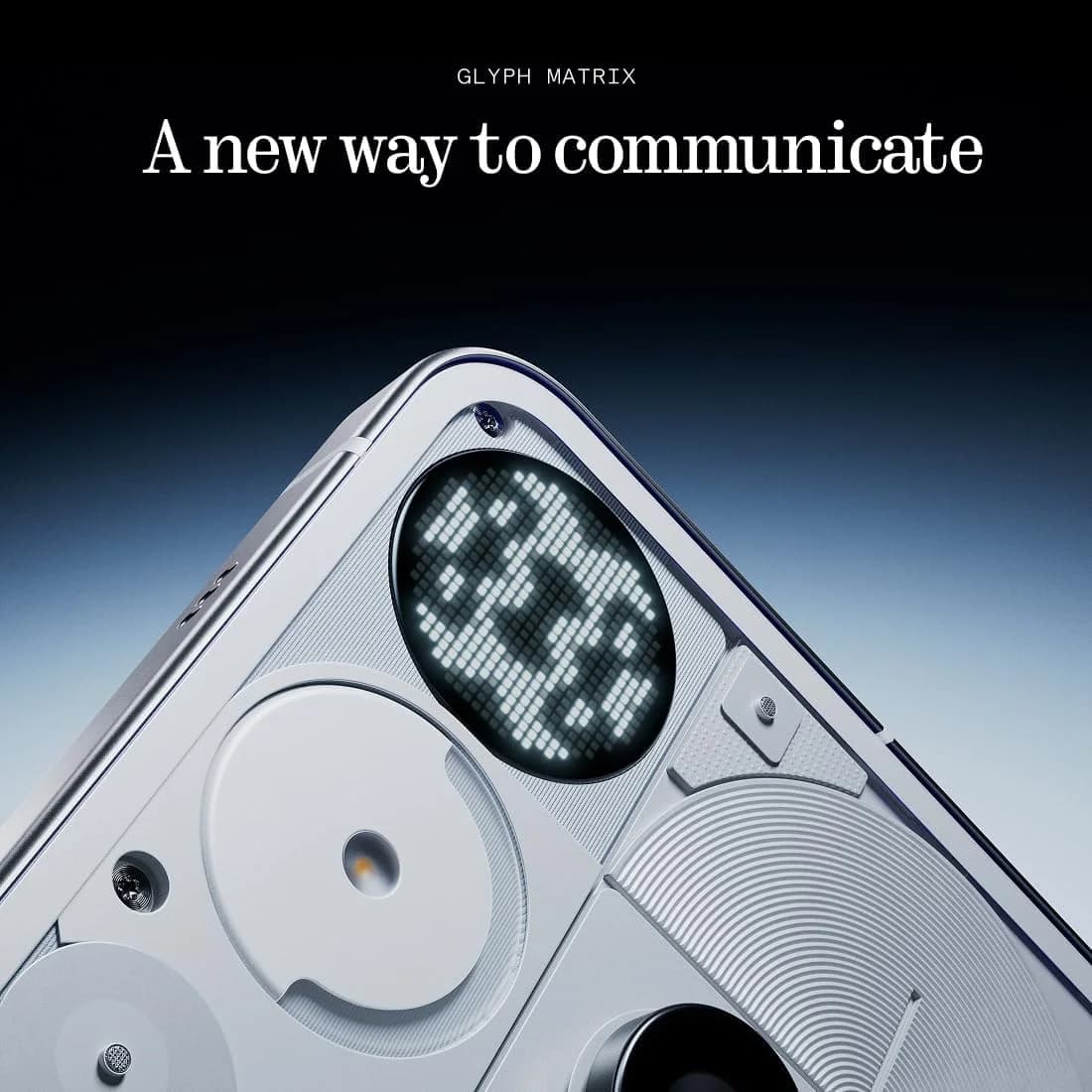
- •Glyph Matrix interactive back interfacedistinctive, discreet notification and utilities
- •Clean, focused Nothing OSuncluttered UI and thoughtful software touches

Considerations
- •Lens-to-lens camera inconsistencycolor shifts and varying detail between lenses
- •Chipset limits sustained peak performancemid-tier SoC can throttle under heavy load
- •Thermals during extended gamingdevice gets warm and may throttle
- •Carrier and connectivity quirkssome users require carrier tweaks to connect
- •Finicky wireless charging alignmentcoil position needs precise placement on pads
- •Accessory and case compatibility issuesrear design complicates third‑party case fit
Nothing’s reputation for playful, design-forward phones continues with its latest flagship, pitched as a personality-packed alternative to cookie‑cutter flagships. Built for people who value style and usability—content creators, gamers on a budget, and anyone tired of bloated skins—it pairs a clean Android 15 skin with hardware that nudges upmarket without going full‑spec war. Expect a dazzling 6.67" 120Hz AMOLED, a unified 50MP quad camera array tuned for social-ready shots, and a powertrain centered on the Snapdragon 8s Gen 4 with UFS 4.0 storage and RAM Boost. Battery life is anchored by a 5150mAh silicon‑carbon cell plus 65W wired charging, while the signature Glyph Matrix rearranges notifications into something genuinely delightful. Read on to weigh display pop, camera quirks, sustained performance, charging behavior, build trade-offs, and radio compatibility—because if you care about style as much as substance, this one’s worth the scrutiny.
Battery and charging
A 5150mAh silicon‑carbon cell plus 65W wired charging means reliable all‑day endurance and quick top-ups—lab runs show strong browsing and video times—while 15W wireless and reverse charging add flexibility. Caveats: wireless charging requires careful coil alignment because of the Glyph layout, and some reviewers note modest thermal/charging trade-offs during heavy use. For commuters and power users who value uptime, this is a major win: dependable day-long life and fast wired fill-ups that rarely leave you stranded. Battery management is thoughtfully tuned.
Display
The 6.67" AMOLED is the Phone (3)’s showpiece: a bright, buttery 120Hz adaptive panel with a claimed 4500 nits peak that delivers vivid HDR and silky scrolling; lab and user notes temper peak figures (measured APL figures are lower) but confirm excellent real-world legibility. Touch feels immediate thanks to 1000Hz sampling, color is punchy without oversaturation, and Gorilla Glass 7i adds durability. Trade-offs: it’s brilliant for media yet not quite the top-tier brightness/contrast of the pricier flagships, so everyday viewing shines while absolute supremacy does not. Display longevity seems solid.
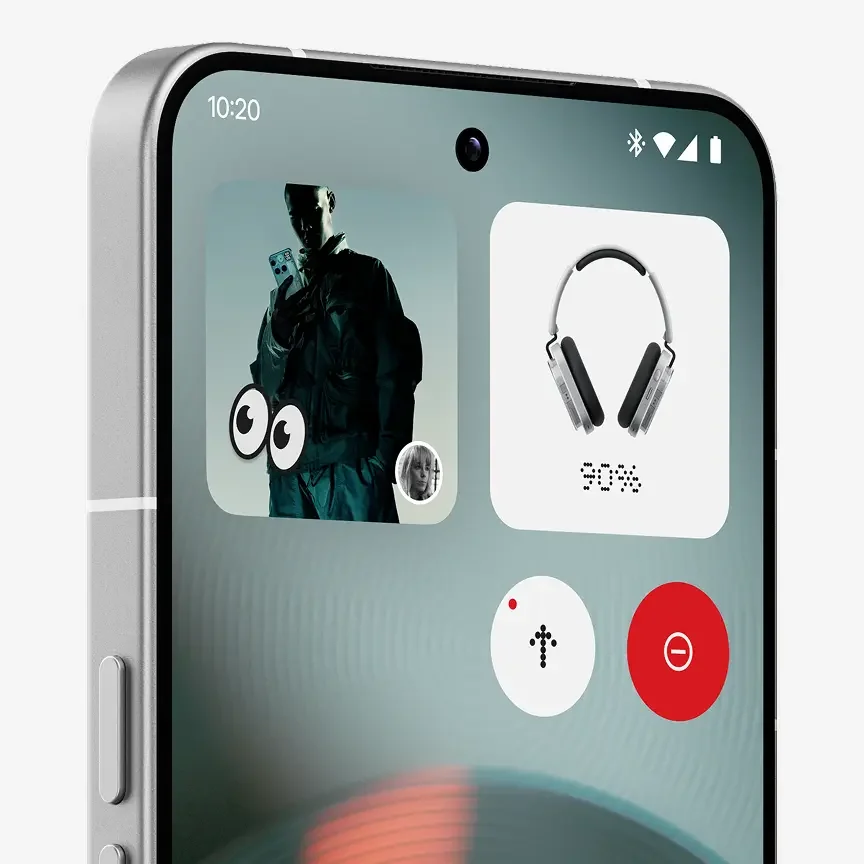
Build and materials (including Glyph placement)
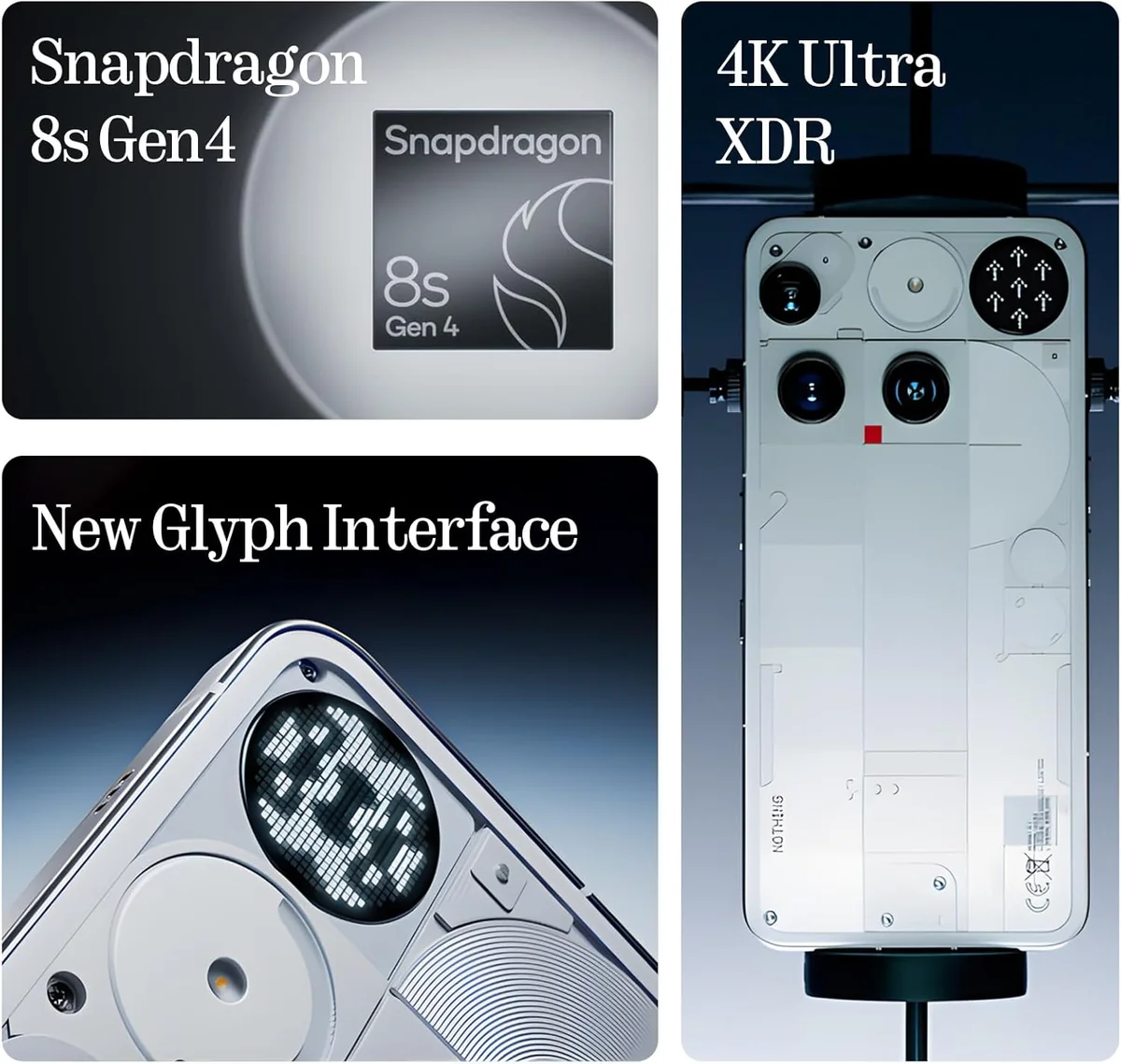
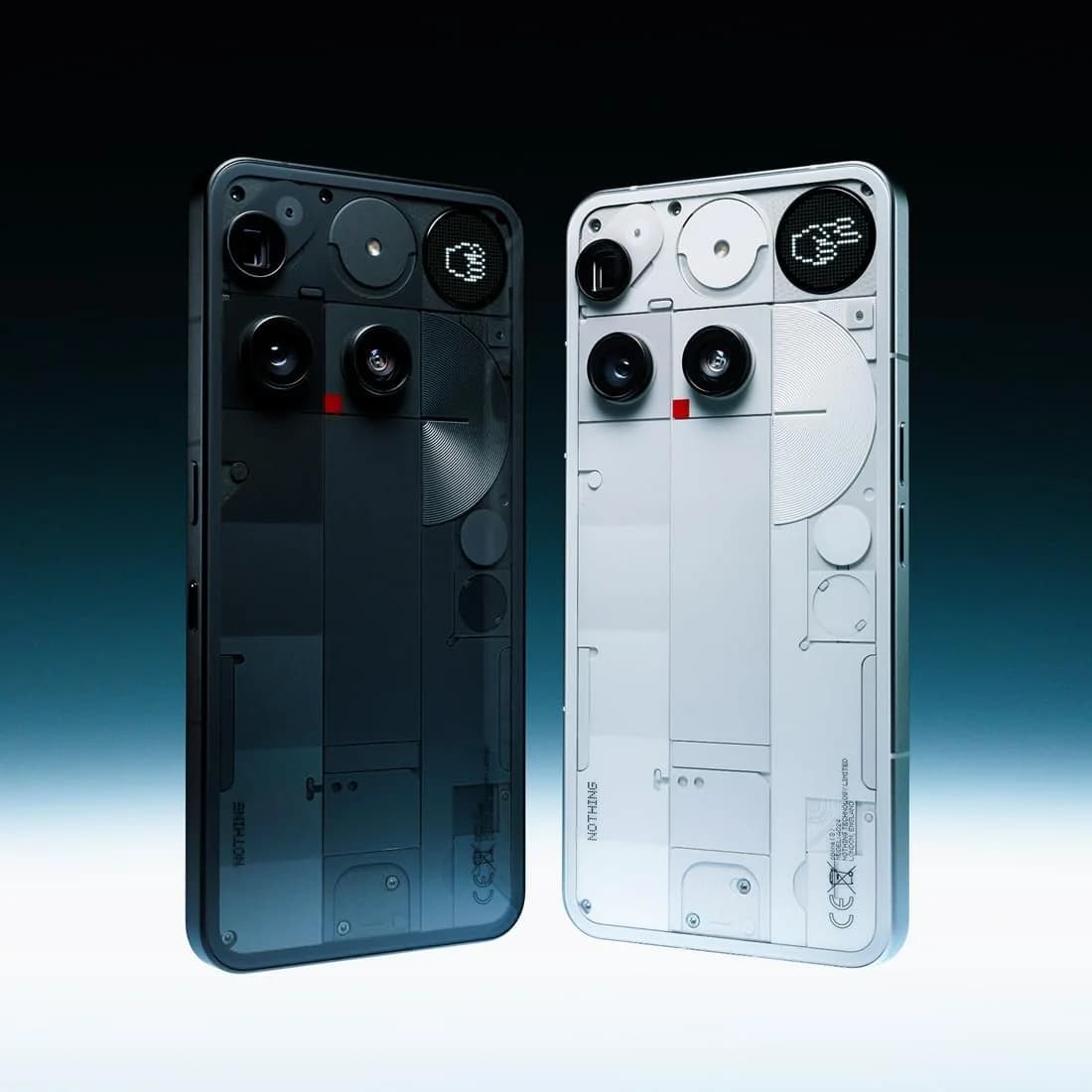
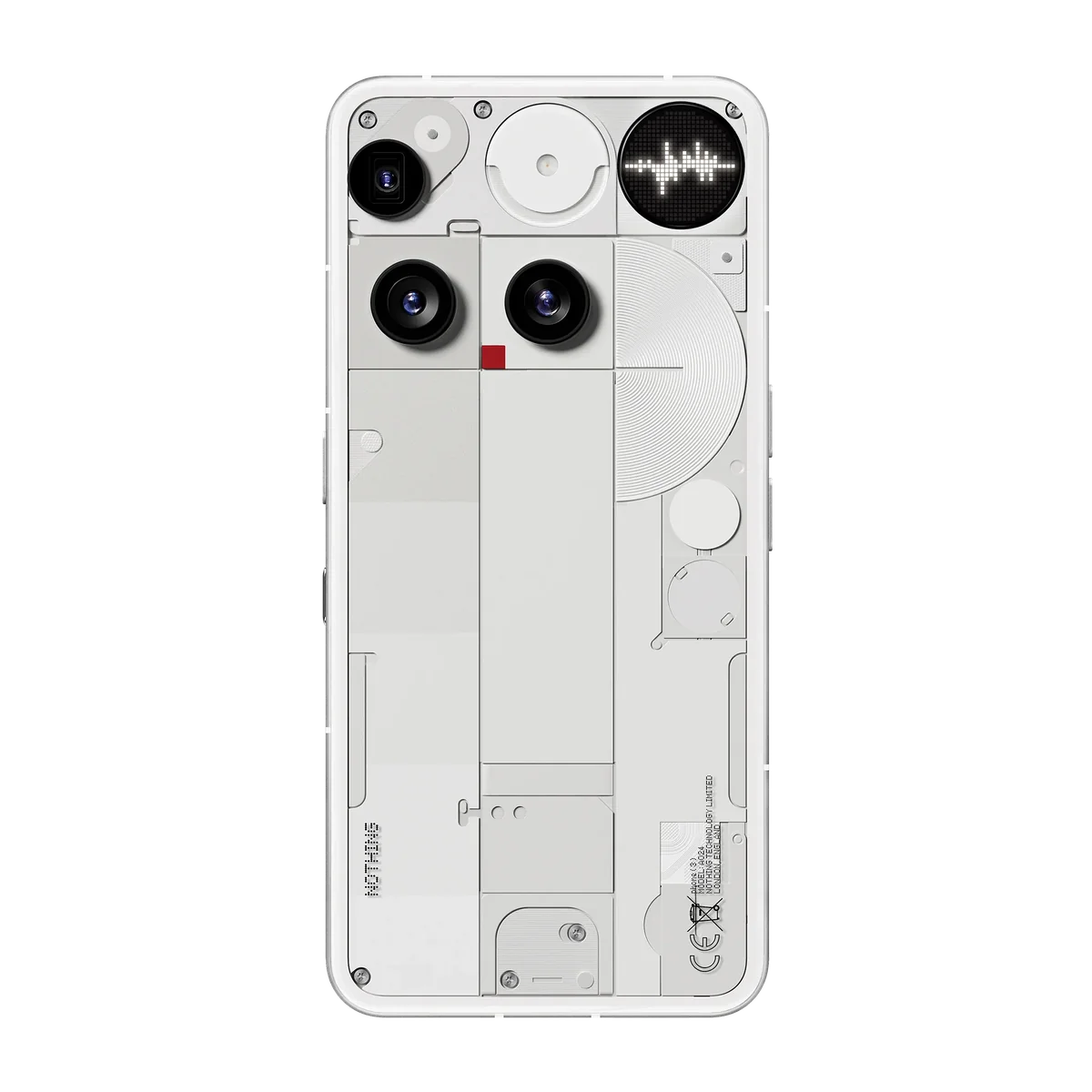
Nothing doubles down on personality with a semi‑transparent rear, aluminium frame and refreshed Glyph Matrix dot display, which looks clever and works as a discreet notification cue—but its placement complicates third‑party cases and wireless coils. The phone feels premium in-hand with strong haptics and Gorilla Glass 7i, yet the heavier 218g chassis and some odd design choices (off‑centre telephoto) divide opinions. It’s a confident statement piece: design-forward and tactile, but ergonomically trade‑off prone for accessory hunters. Glyph usability is a highlight.
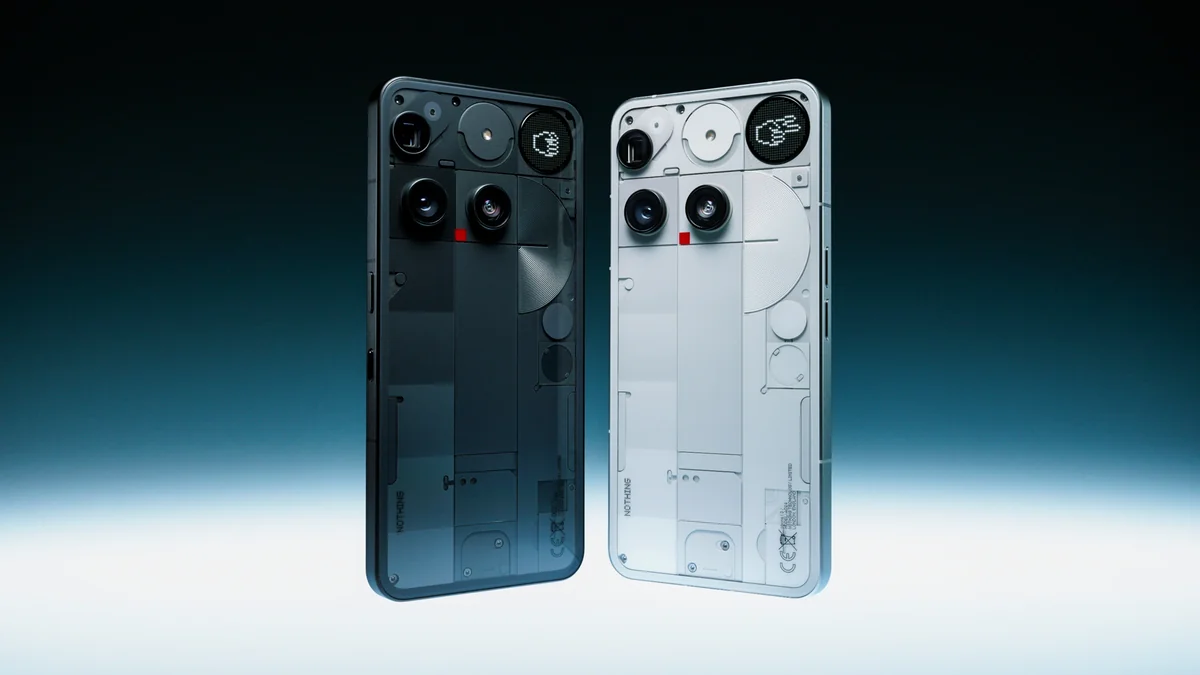
Performance (SoC, RAM, storage)
Snapdragon 8s Gen 4 with LPDDR5X and UFS 4.0 gives snappy daily use, fast app loads, and clever RAM Boost expansion — benchmarks show solid single/multi-core scores but a gulf versus flagship silicon in raw GPU grunt. Gaming is smooth in casual sessions, though reviewers report thermals and throttling under sustained load. Multitasking thrives thanks to up to 16–24GB effective RAM, yet power users seeking top-tier benchmarks should temper expectations; in short, polished real-world speed with measured limits under stress. Storage performance is class-leading.
Connectivity and cellular radios
On paper the Phone (3) covers 5G SA/NSA bands, dual SIM (nano+eSIM), Bluetooth 6.0 and NFC, offering modern flexibility; however, real-world reports cite occasional carrier compatibility quirks and spotty Wi‑Fi extremes that sometimes require settings tweaks. Absence of mmWave and USB 2.0 transfers are practical concessions versus some rivals. If you rely on seamless carrier handoffs or absolute top-tier radio tech, verify band support for your network; for most users, everyday calling, tethering, and NFC payments work reliably after setup. Carrier checks are recommended near purchase.
Camera system
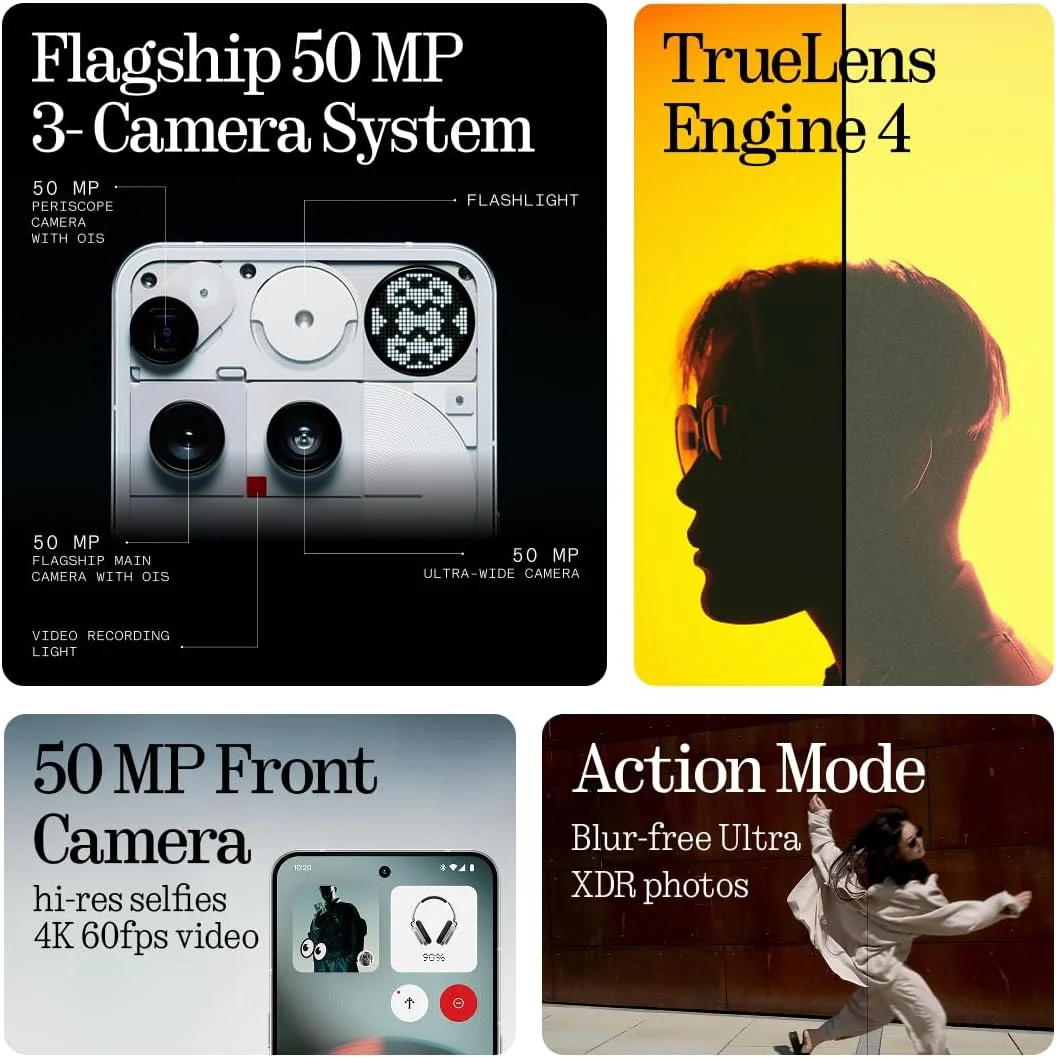
The Phone (3) leans into a camera identity with a quad set of 50MP sensors (main, periscope tele, ultra-wide, 50MP selfie) that shoot crisp daylight images and competent 4K@60 video; AI modes like Portrait Optimiser and Auto Tone polish results. Critics and tests flag color shifts and lens-to-lens inconsistency, so batch shooting can be hit-or-miss, and low-light detail lags true leaders. For social shooters it’s versatile and fun, but pros chasing flawless uniformity will notice the tuning quirks. Periscope zoom is a highlight.
Conclusion
Think of this as a style-first phone that mostly delivers where it counts. The 6.67" 120Hz AMOLED is a genuine showpiece—bright, smooth, and tactile—while the 50MP camera array shines in daylight but shows lens-to-lens inconsistency in mixed lighting. Day-to-day speed is pleasing thanks to Snapdragon 8s Gen 4 and UFS 4.0 storage, though sustained gaming exposes thermal limits. Battery life and 65W wired charging ease real-world anxiety, even if wireless top‑ups demand careful alignment. The semi‑transparent shell and Glyph Matrix placement make for conversation-starting design, but complicate cases and coil positioning. Radios cover modern bands, yet carrier quirks mean a quick compatibility check before purchase. If you prize personality, polished software, and long battery days over absolute flagship benchmarks, this is a confident, character-packed pick.

Feature Scores
This reflects reviews and ratings from established critics, journalists, and users who have evaluated the item. Their opinions provide a comprehensive assessment.
Performance
Processor Performance
4/5
Battery Life
4/5
Software Stability & Updates
4/5
Camera System Performance
4/5
Network Connectivity
4/5
Value
Price-to-Performance Ratio
4/5
Resale Value
3/5
Design
Display Quality
4/5
Ergonomics & Comfort
4/5
Materials & Fit/Finish
4/5
Health
RF Emissions
4/5
Blue Light Management
4/5
Safety
Biometric Security
4/5
Data Privacy & Security
4/5
Physical Safety Features
4/5
Sustainability
Repairability & Modular Design
2/5
Energy Efficiency
4/5
Responsible Sourcing
3/5
Experience Style
Customizability
4/5
Ease of Use
4/5
Accessibility Features
4/5

Specifications
This section outlines the product's key facts, covering essential features, details, dimensions, materials, and any unique characteristics that define its functionality and usability.
Performance
Value
Design
Safety
Sustainability
Experience Style

Frequently Asked Questions
5 Questions
Find Yours
What's your top priority when choosing a smartphone?
Answer to find your best matches.