
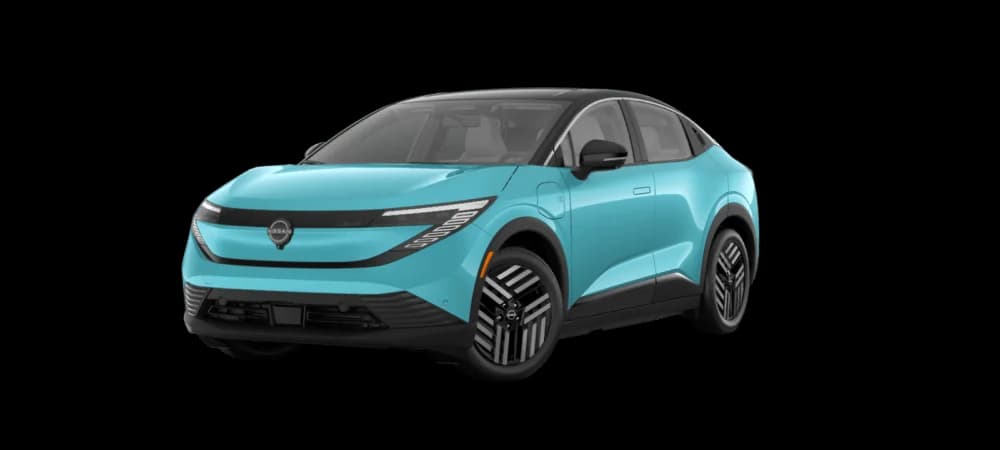
Nissan LEAF (2026)
Long-range, refined, and affordable, it’s a sensible commuter EV, not a sporty road-tripper.
The 2026 Nissan LEAF is the sensible EV comeback story, built for drivers who want to end daily range anxiety without paying luxury-car money. Its headline up-to-303-mile EPA range is supported by encouraging real-world tests, while a quiet cabin, comfortable seats, useful cargo space, and NACS access make commuting refreshingly easy. Experts generally see it as a polished bargain, though the 150-kW fast charging is merely average for frequent road trips, and owners still note cramped rear seating and inconsistent one-pedal braking. At roughly $30,000, it offers exceptional range and refinement, especially in the SV+, but it is more practical tool than performance crossover. Its overall appeal rests on how buyers weigh value, comfort, charging habits, and those everyday compromises.
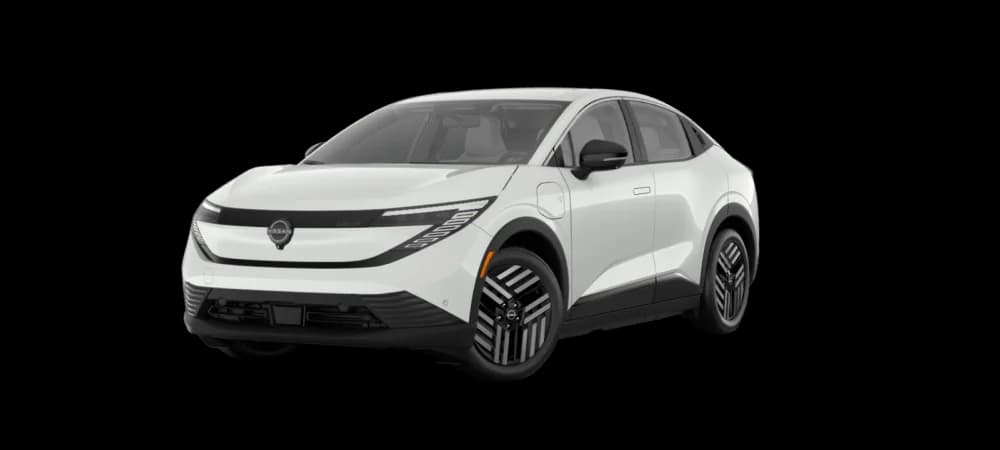
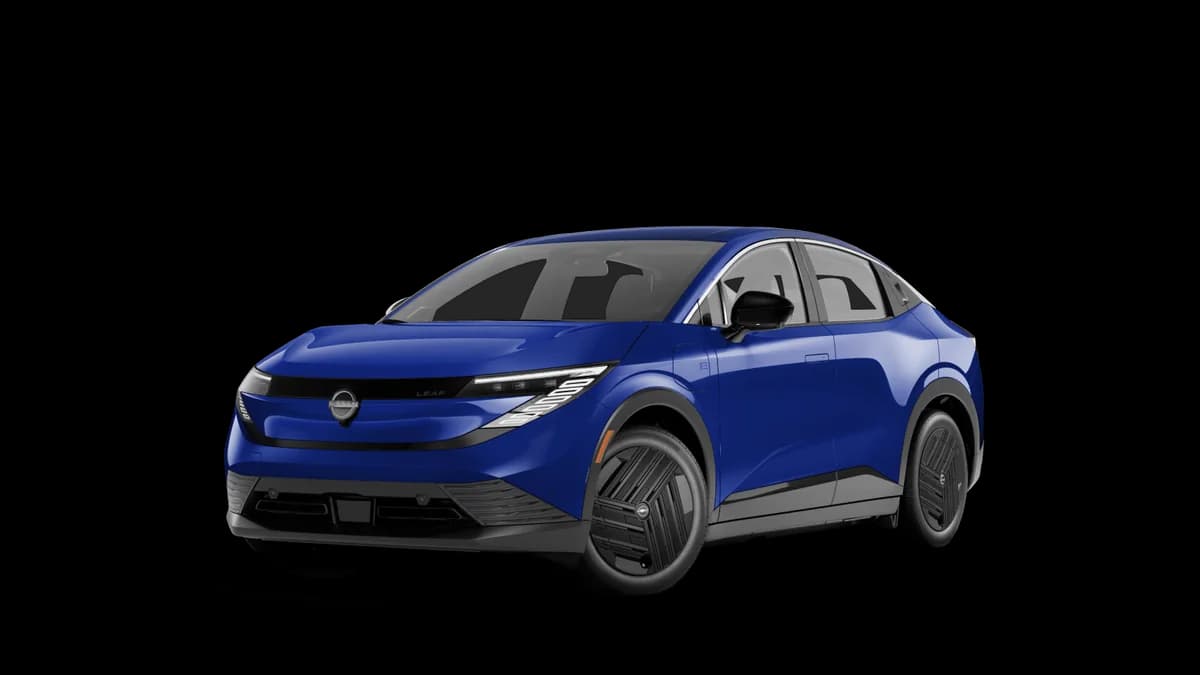
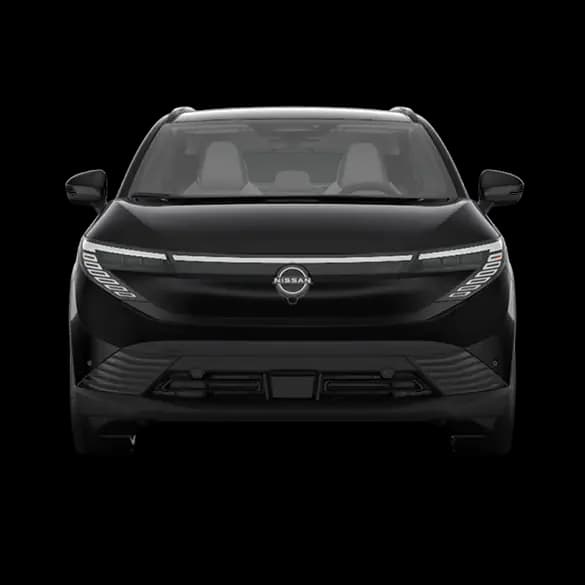

Find Yours
What is your top priority for an Electric SUV's battery performance?
Answer to find your best matches.

The Field
Browse top contenders, or compare all options ranked by score and key attributes.
5 Options
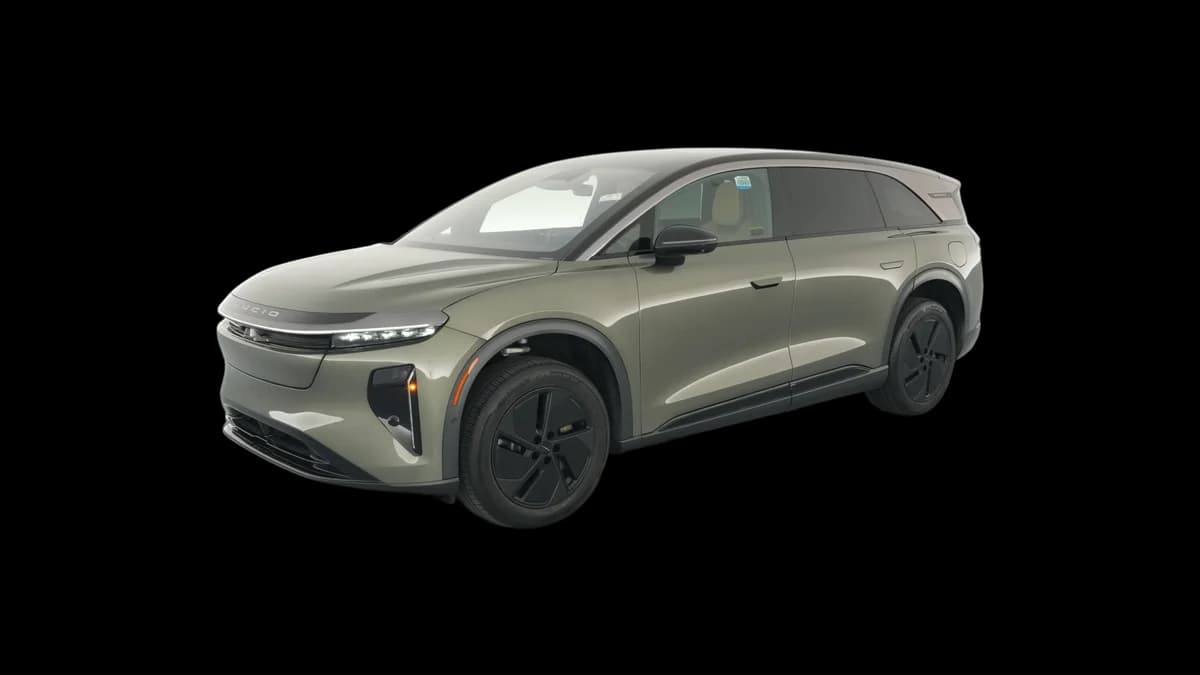

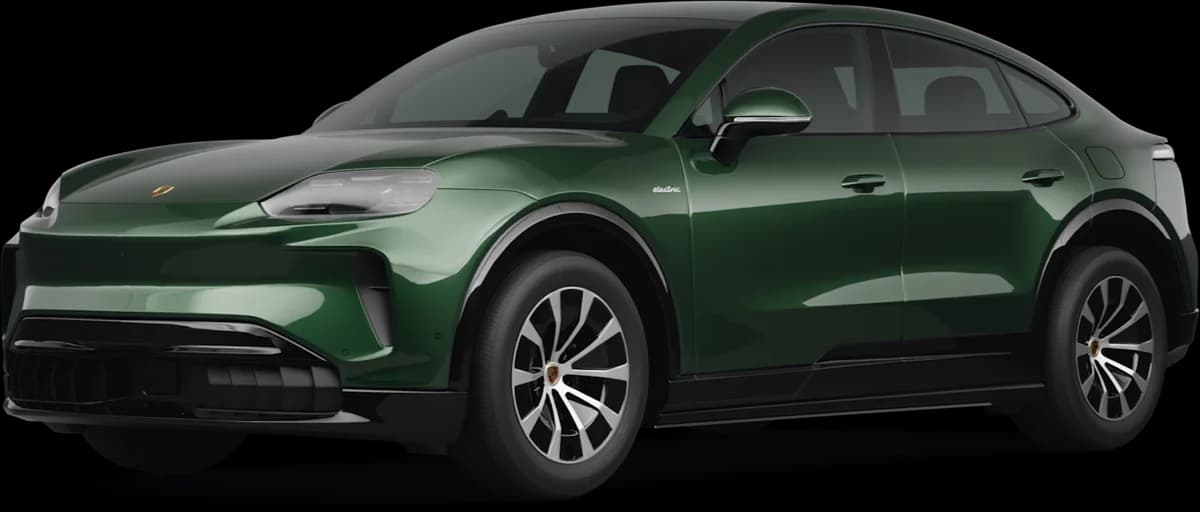
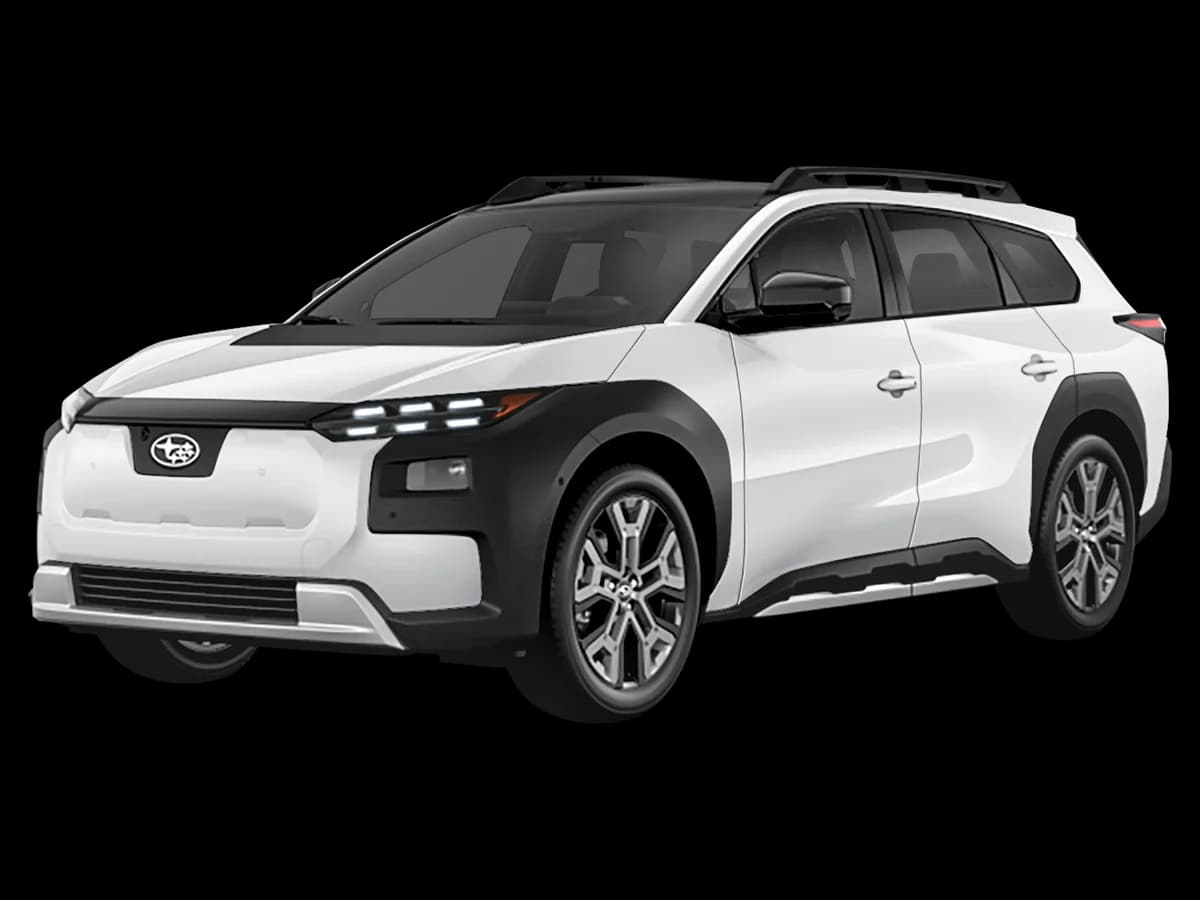

The Scoreboard
Does this improve your life? Considers, health, habits, and environmental impact.
Benefits
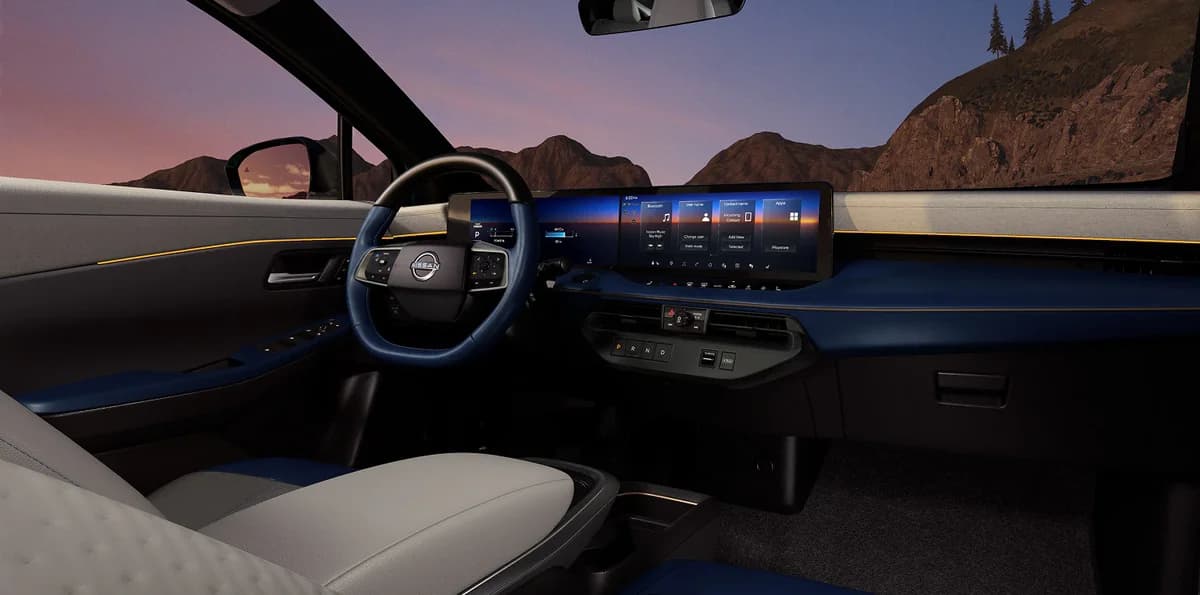
Comfortable seats, calm road manners, and thoughtful controls make everyday driving feel pleasantly low-effort.
The larger battery supports commuting and occasional highway trips without frequent charging stops.
Bright screens, Google trip planning, wireless phone integration, and physical controls keep routine tasks simple.
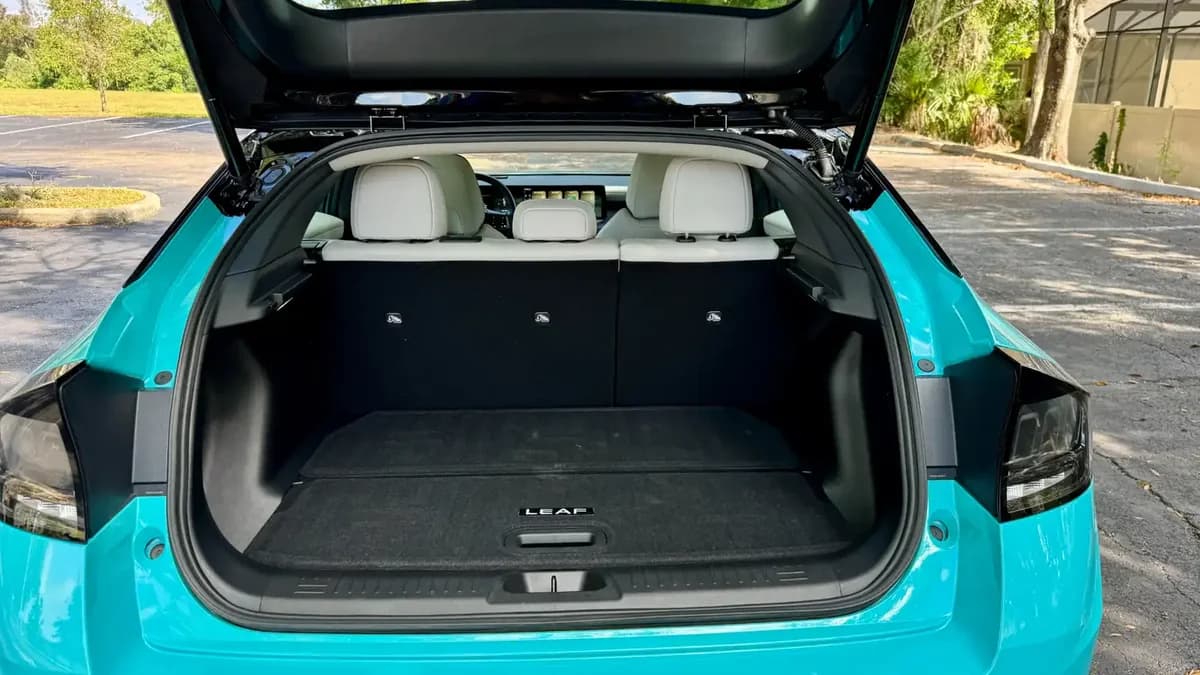
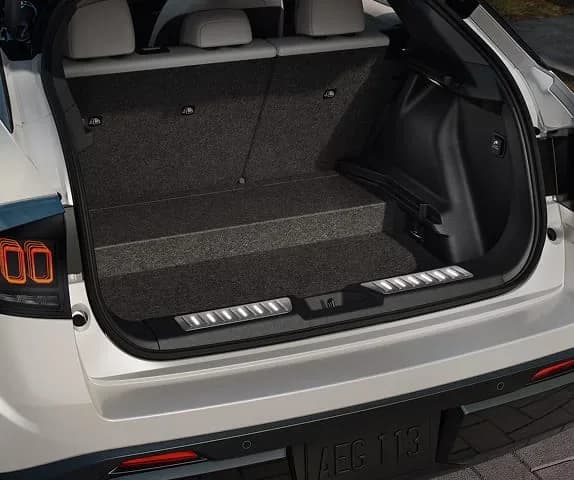
Flat floors, hatchback access, and flexible cargo storage handle errands and small-family routines well.
Native NACS access plus separate AC charging makes public and home charging easier to navigate.
Trade-Offs
Adults sit with limited legroom and headroom, making longer back-seat rides uncomfortable.
Over bumps, the soft suspension can bounce or feel harsh, making passengers less settled.
During longer trips, charging sessions can last longer than quicker-charging rivals, interrupting travel plans.
The strongest setting can stop abruptly, while normal mode requires more brake-pedal work.
 Alternatives


Join the Circle
Where real meets deal
Know what's worth buying-and when.
Tips, special offers, and rewards for buying and sharing.

Publications
11 LEADING PUBLICATION REVIEWS

Car and Driver is enthusiastic about the 2026 Nissan Leaf, calling it a long-overdue redemption. The redesigned electric SUV combines attractive styling, an approachable cabin, strong practicality, and unusually impressive range: up to 303 miles in the affordable S+ and 288 miles in the SV+, with the Platinum+ delivering 250 miles in real-world highway testing. Charging is convenient through both NACS and J1772 ports, though its 150-kW peak and 10-to-90-percent time are merely average. The Leaf is also comfortable, easy to operate, and brisk enough for everyday driving, even if its front-wheel drive, modest performance, limited rear legroom, and easily overwhelmed tires keep it from feeling sporty. With competitive pricing and useful standard equipment—especially the Platinum+’s clever electrochromic roof—the reviewer considers the new Leaf a thoroughly compelling EV that finally fulfills the promise of the original.
By Rich Ceppos
Edmunds is cautiously positive on the 2026 Nissan LEAF, especially at its bargain starting price. The Leaf offers a roomy, practical cabin, easy-to-use technology, standard driver aids, and impressive real-world range—the test car traveled 310 miles versus its 259-mile EPA estimate. Its compact shape makes parking easy, while generous cargo space and dual CCS/NACS charging ports add everyday appeal. But the driving experience is underwhelming: acceleration is merely adequate, the ride can be floaty or harsh, cabin noise is pronounced, and Nissan’s highest e-Pedal setting makes smooth stops difficult. Small rear door openings complicate car-seat installation, and missing conveniences such as dual-zone climate control and automatic passenger windows feel stingy. Edmunds considers the roughly $30,000 base Leaf a good deal, but the $40,000 Platinum+ trim loses its value advantage against quicker-charging, better-driving rivals.
By Jared Gall
Car and Driver is enthusiastic about the 2026 Nissan Leaf, calling it a long-overdue redemption. The redesigned electric SUV combines attractive styling, an approachable cabin, strong practicality, and unusually impressive range: up to 303 miles in the affordable S+ and 288 miles in the SV+, with the Platinum+ delivering 250 miles in real-world highway testing. Charging is convenient through both NACS and J1772 ports, though its 150-kW peak and 10-to-90-percent time are merely average. The Leaf is also comfortable, easy to operate, and brisk enough for everyday driving, even if its front-wheel drive, modest performance, limited rear legroom, and easily overwhelmed tires keep it from feeling sporty. With competitive pricing and useful standard equipment—especially the Platinum+’s clever electrochromic roof—the reviewer considers the new Leaf a thoroughly compelling EV that finally fulfills the promise of the original.
By Rich Ceppos
Edmunds is cautiously positive on the 2026 Nissan LEAF, especially at its bargain starting price. The Leaf offers a roomy, practical cabin, easy-to-use technology, standard driver aids, and impressive real-world range—the test car traveled 310 miles versus its 259-mile EPA estimate. Its compact shape makes parking easy, while generous cargo space and dual CCS/NACS charging ports add everyday appeal. But the driving experience is underwhelming: acceleration is merely adequate, the ride can be floaty or harsh, cabin noise is pronounced, and Nissan’s highest e-Pedal setting makes smooth stops difficult. Small rear door openings complicate car-seat installation, and missing conveniences such as dual-zone climate control and automatic passenger windows feel stingy. Edmunds considers the roughly $30,000 base Leaf a good deal, but the $40,000 Platinum+ trim loses its value advantage against quicker-charging, better-driving rivals.
By Jared Gall
Car and Driver is enthusiastic about the 2026 Nissan Leaf, calling it a long-overdue redemption. The redesigned electric SUV combines attractive styling, an approachable cabin, strong practicality, and unusually impressive range: up to 303 miles in the affordable S+ and 288 miles in the SV+, with the Platinum+ delivering 250 miles in real-world highway testing. Charging is convenient through both NACS and J1772 ports, though its 150-kW peak and 10-to-90-percent time are merely average. The Leaf is also comfortable, easy to operate, and brisk enough for everyday driving, even if its front-wheel drive, modest performance, limited rear legroom, and easily overwhelmed tires keep it from feeling sporty. With competitive pricing and useful standard equipment—especially the Platinum+’s clever electrochromic roof—the reviewer considers the new Leaf a thoroughly compelling EV that finally fulfills the promise of the original.
By Rich Ceppos
Edmunds is cautiously positive on the 2026 Nissan LEAF, especially at its bargain starting price. The Leaf offers a roomy, practical cabin, easy-to-use technology, standard driver aids, and impressive real-world range—the test car traveled 310 miles versus its 259-mile EPA estimate. Its compact shape makes parking easy, while generous cargo space and dual CCS/NACS charging ports add everyday appeal. But the driving experience is underwhelming: acceleration is merely adequate, the ride can be floaty or harsh, cabin noise is pronounced, and Nissan’s highest e-Pedal setting makes smooth stops difficult. Small rear door openings complicate car-seat installation, and missing conveniences such as dual-zone climate control and automatic passenger windows feel stingy. Edmunds considers the roughly $30,000 base Leaf a good deal, but the $40,000 Platinum+ trim loses its value advantage against quicker-charging, better-driving rivals.
By Jared Gall
Car and Driver is enthusiastic about the 2026 Nissan Leaf, calling it a long-overdue redemption. The redesigned electric SUV combines attractive styling, an approachable cabin, strong practicality, and unusually impressive range: up to 303 miles in the affordable S+ and 288 miles in the SV+, with the Platinum+ delivering 250 miles in real-world highway testing. Charging is convenient through both NACS and J1772 ports, though its 150-kW peak and 10-to-90-percent time are merely average. The Leaf is also comfortable, easy to operate, and brisk enough for everyday driving, even if its front-wheel drive, modest performance, limited rear legroom, and easily overwhelmed tires keep it from feeling sporty. With competitive pricing and useful standard equipment—especially the Platinum+’s clever electrochromic roof—the reviewer considers the new Leaf a thoroughly compelling EV that finally fulfills the promise of the original.
By Rich Ceppos
Edmunds is cautiously positive on the 2026 Nissan LEAF, especially at its bargain starting price. The Leaf offers a roomy, practical cabin, easy-to-use technology, standard driver aids, and impressive real-world range—the test car traveled 310 miles versus its 259-mile EPA estimate. Its compact shape makes parking easy, while generous cargo space and dual CCS/NACS charging ports add everyday appeal. But the driving experience is underwhelming: acceleration is merely adequate, the ride can be floaty or harsh, cabin noise is pronounced, and Nissan’s highest e-Pedal setting makes smooth stops difficult. Small rear door openings complicate car-seat installation, and missing conveniences such as dual-zone climate control and automatic passenger windows feel stingy. Edmunds considers the roughly $30,000 base Leaf a good deal, but the $40,000 Platinum+ trim loses its value advantage against quicker-charging, better-driving rivals.
By Jared Gall
Car and Driver is enthusiastic about the 2026 Nissan Leaf, calling it a long-overdue redemption. The redesigned electric SUV combines attractive styling, an approachable cabin, strong practicality, and unusually impressive range: up to 303 miles in the affordable S+ and 288 miles in the SV+, with the Platinum+ delivering 250 miles in real-world highway testing. Charging is convenient through both NACS and J1772 ports, though its 150-kW peak and 10-to-90-percent time are merely average. The Leaf is also comfortable, easy to operate, and brisk enough for everyday driving, even if its front-wheel drive, modest performance, limited rear legroom, and easily overwhelmed tires keep it from feeling sporty. With competitive pricing and useful standard equipment—especially the Platinum+’s clever electrochromic roof—the reviewer considers the new Leaf a thoroughly compelling EV that finally fulfills the promise of the original.
By Rich Ceppos
Edmunds is cautiously positive on the 2026 Nissan LEAF, especially at its bargain starting price. The Leaf offers a roomy, practical cabin, easy-to-use technology, standard driver aids, and impressive real-world range—the test car traveled 310 miles versus its 259-mile EPA estimate. Its compact shape makes parking easy, while generous cargo space and dual CCS/NACS charging ports add everyday appeal. But the driving experience is underwhelming: acceleration is merely adequate, the ride can be floaty or harsh, cabin noise is pronounced, and Nissan’s highest e-Pedal setting makes smooth stops difficult. Small rear door openings complicate car-seat installation, and missing conveniences such as dual-zone climate control and automatic passenger windows feel stingy. Edmunds considers the roughly $30,000 base Leaf a good deal, but the $40,000 Platinum+ trim loses its value advantage against quicker-charging, better-driving rivals.
By Jared Gall
Car and Driver is enthusiastic about the 2026 Nissan Leaf, calling it a long-overdue redemption. The redesigned electric SUV combines attractive styling, an approachable cabin, strong practicality, and unusually impressive range: up to 303 miles in the affordable S+ and 288 miles in the SV+, with the Platinum+ delivering 250 miles in real-world highway testing. Charging is convenient through both NACS and J1772 ports, though its 150-kW peak and 10-to-90-percent time are merely average. The Leaf is also comfortable, easy to operate, and brisk enough for everyday driving, even if its front-wheel drive, modest performance, limited rear legroom, and easily overwhelmed tires keep it from feeling sporty. With competitive pricing and useful standard equipment—especially the Platinum+’s clever electrochromic roof—the reviewer considers the new Leaf a thoroughly compelling EV that finally fulfills the promise of the original.
By Rich Ceppos
Edmunds is cautiously positive on the 2026 Nissan LEAF, especially at its bargain starting price. The Leaf offers a roomy, practical cabin, easy-to-use technology, standard driver aids, and impressive real-world range—the test car traveled 310 miles versus its 259-mile EPA estimate. Its compact shape makes parking easy, while generous cargo space and dual CCS/NACS charging ports add everyday appeal. But the driving experience is underwhelming: acceleration is merely adequate, the ride can be floaty or harsh, cabin noise is pronounced, and Nissan’s highest e-Pedal setting makes smooth stops difficult. Small rear door openings complicate car-seat installation, and missing conveniences such as dual-zone climate control and automatic passenger windows feel stingy. Edmunds considers the roughly $30,000 base Leaf a good deal, but the $40,000 Platinum+ trim loses its value advantage against quicker-charging, better-driving rivals.
By Jared Gall

YouTube
24 LEADING EXPERT & INFLUENCER REVIEWS
 Consumer Reports
Steph Shrader is broadly positive about the 2026 Nissan LEAF, calling it a genuinely fun, practical EV rather than merely a commuter car. She praises its 259–303-mile range, smooth ride, balanced handling, liquid-cooled battery, NACS charging, excellent route planning, and reasonable pricing. The redesigned interior is comfortable and usefully conventional in places, but touch-sensitive climate controls, laggy screens, awkward shifter buttons, inconsistent e-Pedal braking, limited rear visibility, cabin noise, and only 150-kW DC charging hold it back. Overall, she sees strong value and road-trip potential, despite meaningful usability compromises.
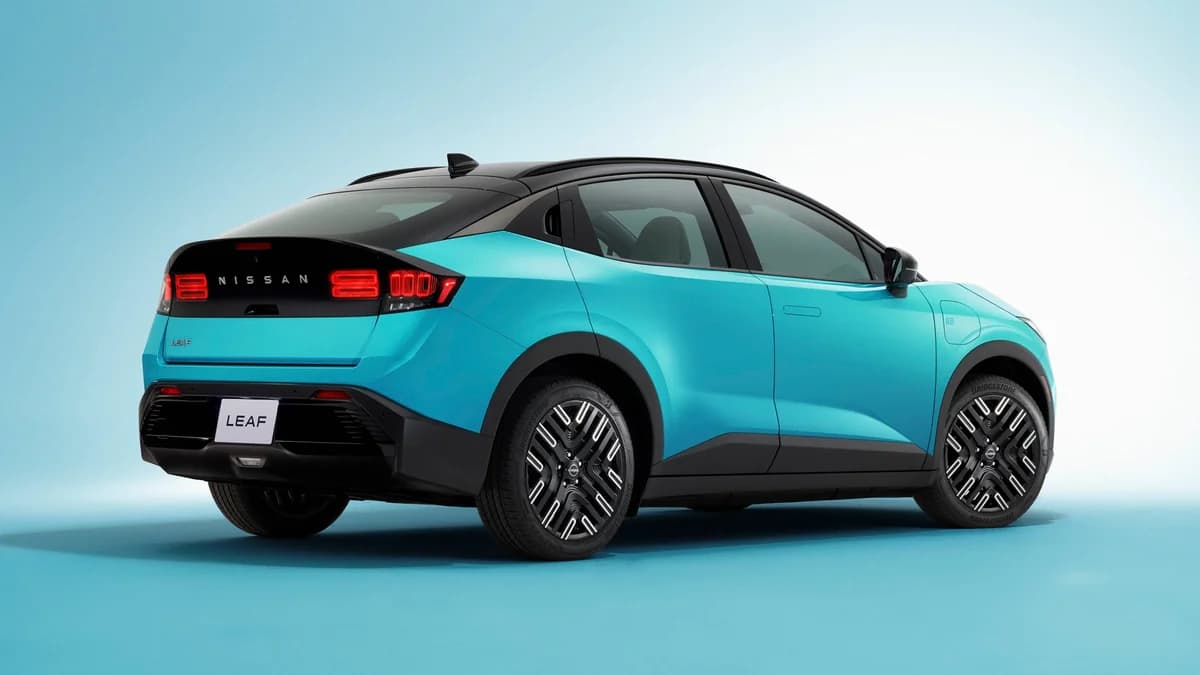
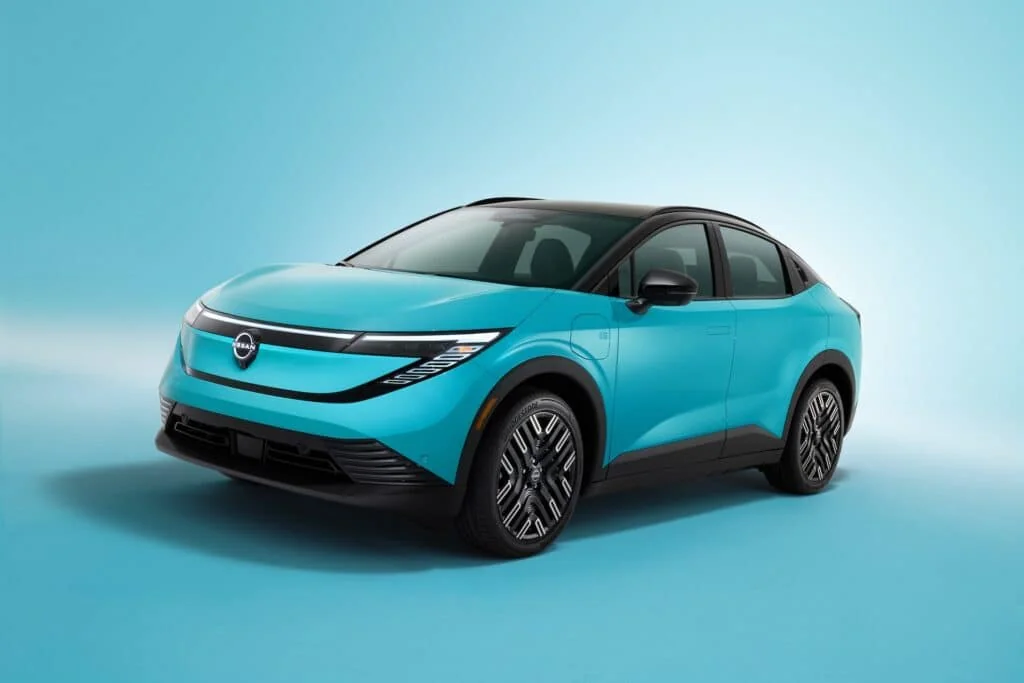
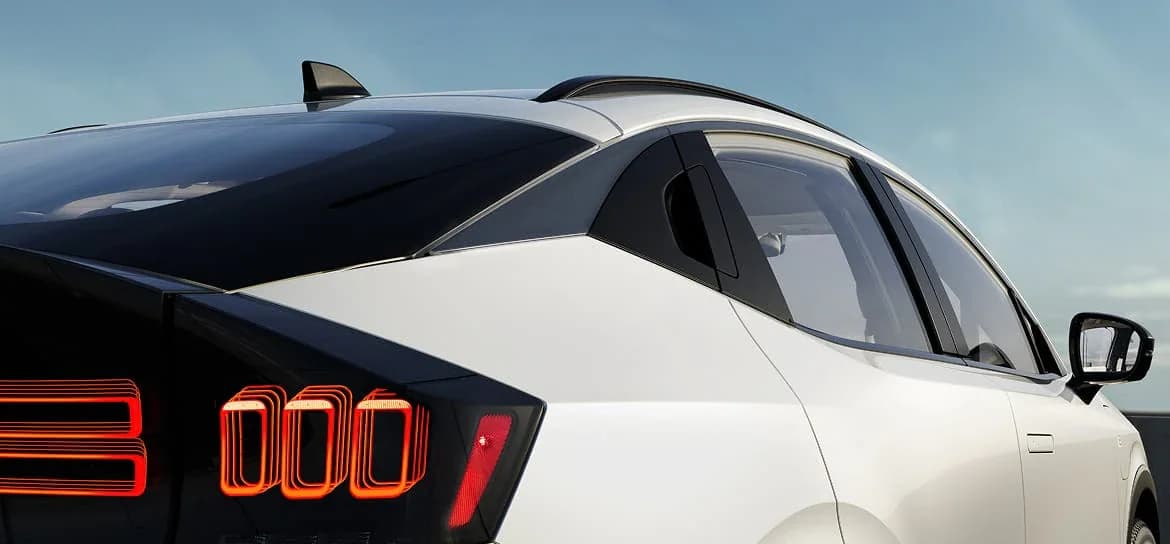
AutogefühlAJ is broadly positive about the 2026 Nissan LEAF, viewing it as a smart, comfortable, practical EV rather than a sporty standout. He praises its quiet ride, refined cabin, clever Google-integrated trip planning, useful driver assistance, maneuverability, and strong cargo space. The fastback styling and holographic rear lights also win him over, though he finds the design somewhat derivative. Reservations include cramped rear headroom, short highway-trip seat comfort, no frunk, limited rear visibility, modest 150-kW charging, average efficiency, and muted front-drive acceleration. Overall, he sees the LEAF as a sensible, good-value all-rounder—especially in the US.
Consumer ReportsSteph Shrader is broadly positive about the 2026 Nissan LEAF, calling it a genuinely fun, practical EV rather than merely a commuter car. She praises its 259–303-mile range, smooth ride, balanced handling, liquid-cooled battery, NACS charging, excellent route planning, and reasonable pricing. The redesigned interior is comfortable and usefully conventional in places, but touch-sensitive climate controls, laggy screens, awkward shifter buttons, inconsistent e-Pedal braking, limited rear visibility, cabin noise, and only 150-kW DC charging hold it back. Overall, she sees strong value and road-trip potential, despite meaningful usability compromises.
AutogefühlAJ is broadly positive about the 2026 Nissan LEAF, viewing it as a smart, comfortable, practical EV rather than a sporty standout. He praises its quiet ride, refined cabin, clever Google-integrated trip planning, useful driver assistance, maneuverability, and strong cargo space. The fastback styling and holographic rear lights also win him over, though he finds the design somewhat derivative. Reservations include cramped rear headroom, short highway-trip seat comfort, no frunk, limited rear visibility, modest 150-kW charging, average efficiency, and muted front-drive acceleration. Overall, he sees the LEAF as a sensible, good-value all-rounder—especially in the US.
Consumer ReportsSteph Shrader is broadly positive about the 2026 Nissan LEAF, calling it a genuinely fun, practical EV rather than merely a commuter car. She praises its 259–303-mile range, smooth ride, balanced handling, liquid-cooled battery, NACS charging, excellent route planning, and reasonable pricing. The redesigned interior is comfortable and usefully conventional in places, but touch-sensitive climate controls, laggy screens, awkward shifter buttons, inconsistent e-Pedal braking, limited rear visibility, cabin noise, and only 150-kW DC charging hold it back. Overall, she sees strong value and road-trip potential, despite meaningful usability compromises.
AutogefühlAJ is broadly positive about the 2026 Nissan LEAF, viewing it as a smart, comfortable, practical EV rather than a sporty standout. He praises its quiet ride, refined cabin, clever Google-integrated trip planning, useful driver assistance, maneuverability, and strong cargo space. The fastback styling and holographic rear lights also win him over, though he finds the design somewhat derivative. Reservations include cramped rear headroom, short highway-trip seat comfort, no frunk, limited rear visibility, modest 150-kW charging, average efficiency, and muted front-drive acceleration. Overall, he sees the LEAF as a sensible, good-value all-rounder—especially in the US.
Consumer ReportsSteph Shrader is broadly positive about the 2026 Nissan LEAF, calling it a genuinely fun, practical EV rather than merely a commuter car. She praises its 259–303-mile range, smooth ride, balanced handling, liquid-cooled battery, NACS charging, excellent route planning, and reasonable pricing. The redesigned interior is comfortable and usefully conventional in places, but touch-sensitive climate controls, laggy screens, awkward shifter buttons, inconsistent e-Pedal braking, limited rear visibility, cabin noise, and only 150-kW DC charging hold it back. Overall, she sees strong value and road-trip potential, despite meaningful usability compromises.
AutogefühlAJ is broadly positive about the 2026 Nissan LEAF, viewing it as a smart, comfortable, practical EV rather than a sporty standout. He praises its quiet ride, refined cabin, clever Google-integrated trip planning, useful driver assistance, maneuverability, and strong cargo space. The fastback styling and holographic rear lights also win him over, though he finds the design somewhat derivative. Reservations include cramped rear headroom, short highway-trip seat comfort, no frunk, limited rear visibility, modest 150-kW charging, average efficiency, and muted front-drive acceleration. Overall, he sees the LEAF as a sensible, good-value all-rounder—especially in the US.
Consumer ReportsSteph Shrader is broadly positive about the 2026 Nissan LEAF, calling it a genuinely fun, practical EV rather than merely a commuter car. She praises its 259–303-mile range, smooth ride, balanced handling, liquid-cooled battery, NACS charging, excellent route planning, and reasonable pricing. The redesigned interior is comfortable and usefully conventional in places, but touch-sensitive climate controls, laggy screens, awkward shifter buttons, inconsistent e-Pedal braking, limited rear visibility, cabin noise, and only 150-kW DC charging hold it back. Overall, she sees strong value and road-trip potential, despite meaningful usability compromises.
AutogefühlAJ is broadly positive about the 2026 Nissan LEAF, viewing it as a smart, comfortable, practical EV rather than a sporty standout. He praises its quiet ride, refined cabin, clever Google-integrated trip planning, useful driver assistance, maneuverability, and strong cargo space. The fastback styling and holographic rear lights also win him over, though he finds the design somewhat derivative. Reservations include cramped rear headroom, short highway-trip seat comfort, no frunk, limited rear visibility, modest 150-kW charging, average efficiency, and muted front-drive acceleration. Overall, he sees the LEAF as a sensible, good-value all-rounder—especially in the US.
Consumer ReportsSteph Shrader is broadly positive about the 2026 Nissan LEAF, calling it a genuinely fun, practical EV rather than merely a commuter car. She praises its 259–303-mile range, smooth ride, balanced handling, liquid-cooled battery, NACS charging, excellent route planning, and reasonable pricing. The redesigned interior is comfortable and usefully conventional in places, but touch-sensitive climate controls, laggy screens, awkward shifter buttons, inconsistent e-Pedal braking, limited rear visibility, cabin noise, and only 150-kW DC charging hold it back. Overall, she sees strong value and road-trip potential, despite meaningful usability compromises.
AutogefühlAJ is broadly positive about the 2026 Nissan LEAF, viewing it as a smart, comfortable, practical EV rather than a sporty standout. He praises its quiet ride, refined cabin, clever Google-integrated trip planning, useful driver assistance, maneuverability, and strong cargo space. The fastback styling and holographic rear lights also win him over, though he finds the design somewhat derivative. Reservations include cramped rear headroom, short highway-trip seat comfort, no frunk, limited rear visibility, modest 150-kW charging, average efficiency, and muted front-drive acceleration. Overall, he sees the LEAF as a sensible, good-value all-rounder—especially in the US.
Consumer ReportsSteph Shrader is broadly positive about the 2026 Nissan LEAF, calling it a genuinely fun, practical EV rather than merely a commuter car. She praises its 259–303-mile range, smooth ride, balanced handling, liquid-cooled battery, NACS charging, excellent route planning, and reasonable pricing. The redesigned interior is comfortable and usefully conventional in places, but touch-sensitive climate controls, laggy screens, awkward shifter buttons, inconsistent e-Pedal braking, limited rear visibility, cabin noise, and only 150-kW DC charging hold it back. Overall, she sees strong value and road-trip potential, despite meaningful usability compromises.
AutogefühlAJ is broadly positive about the 2026 Nissan LEAF, viewing it as a smart, comfortable, practical EV rather than a sporty standout. He praises its quiet ride, refined cabin, clever Google-integrated trip planning, useful driver assistance, maneuverability, and strong cargo space. The fastback styling and holographic rear lights also win him over, though he finds the design somewhat derivative. Reservations include cramped rear headroom, short highway-trip seat comfort, no frunk, limited rear visibility, modest 150-kW charging, average efficiency, and muted front-drive acceleration. Overall, he sees the LEAF as a sensible, good-value all-rounder—especially in the US.
Consumer ReportsSteph Shrader is broadly positive about the 2026 Nissan LEAF, calling it a genuinely fun, practical EV rather than merely a commuter car. She praises its 259–303-mile range, smooth ride, balanced handling, liquid-cooled battery, NACS charging, excellent route planning, and reasonable pricing. The redesigned interior is comfortable and usefully conventional in places, but touch-sensitive climate controls, laggy screens, awkward shifter buttons, inconsistent e-Pedal braking, limited rear visibility, cabin noise, and only 150-kW DC charging hold it back. Overall, she sees strong value and road-trip potential, despite meaningful usability compromises.
AutogefühlAJ is broadly positive about the 2026 Nissan LEAF, viewing it as a smart, comfortable, practical EV rather than a sporty standout. He praises its quiet ride, refined cabin, clever Google-integrated trip planning, useful driver assistance, maneuverability, and strong cargo space. The fastback styling and holographic rear lights also win him over, though he finds the design somewhat derivative. Reservations include cramped rear headroom, short highway-trip seat comfort, no frunk, limited rear visibility, modest 150-kW charging, average efficiency, and muted front-drive acceleration. Overall, he sees the LEAF as a sensible, good-value all-rounder—especially in the US.
Consumer ReportsSteph Shrader is broadly positive about the 2026 Nissan LEAF, calling it a genuinely fun, practical EV rather than merely a commuter car. She praises its 259–303-mile range, smooth ride, balanced handling, liquid-cooled battery, NACS charging, excellent route planning, and reasonable pricing. The redesigned interior is comfortable and usefully conventional in places, but touch-sensitive climate controls, laggy screens, awkward shifter buttons, inconsistent e-Pedal braking, limited rear visibility, cabin noise, and only 150-kW DC charging hold it back. Overall, she sees strong value and road-trip potential, despite meaningful usability compromises.
AutogefühlAJ is broadly positive about the 2026 Nissan LEAF, viewing it as a smart, comfortable, practical EV rather than a sporty standout. He praises its quiet ride, refined cabin, clever Google-integrated trip planning, useful driver assistance, maneuverability, and strong cargo space. The fastback styling and holographic rear lights also win him over, though he finds the design somewhat derivative. Reservations include cramped rear headroom, short highway-trip seat comfort, no frunk, limited rear visibility, modest 150-kW charging, average efficiency, and muted front-drive acceleration. Overall, he sees the LEAF as a sensible, good-value all-rounder—especially in the US.
Consumer ReportsSteph Shrader is broadly positive about the 2026 Nissan LEAF, calling it a genuinely fun, practical EV rather than merely a commuter car. She praises its 259–303-mile range, smooth ride, balanced handling, liquid-cooled battery, NACS charging, excellent route planning, and reasonable pricing. The redesigned interior is comfortable and usefully conventional in places, but touch-sensitive climate controls, laggy screens, awkward shifter buttons, inconsistent e-Pedal braking, limited rear visibility, cabin noise, and only 150-kW DC charging hold it back. Overall, she sees strong value and road-trip potential, despite meaningful usability compromises.
AutogefühlAJ is broadly positive about the 2026 Nissan LEAF, viewing it as a smart, comfortable, practical EV rather than a sporty standout. He praises its quiet ride, refined cabin, clever Google-integrated trip planning, useful driver assistance, maneuverability, and strong cargo space. The fastback styling and holographic rear lights also win him over, though he finds the design somewhat derivative. Reservations include cramped rear headroom, short highway-trip seat comfort, no frunk, limited rear visibility, modest 150-kW charging, average efficiency, and muted front-drive acceleration. Overall, he sees the LEAF as a sensible, good-value all-rounder—especially in the US.
Consumer ReportsSteph Shrader is broadly positive about the 2026 Nissan LEAF, calling it a genuinely fun, practical EV rather than merely a commuter car. She praises its 259–303-mile range, smooth ride, balanced handling, liquid-cooled battery, NACS charging, excellent route planning, and reasonable pricing. The redesigned interior is comfortable and usefully conventional in places, but touch-sensitive climate controls, laggy screens, awkward shifter buttons, inconsistent e-Pedal braking, limited rear visibility, cabin noise, and only 150-kW DC charging hold it back. Overall, she sees strong value and road-trip potential, despite meaningful usability compromises.
AutogefühlAJ is broadly positive about the 2026 Nissan LEAF, viewing it as a smart, comfortable, practical EV rather than a sporty standout. He praises its quiet ride, refined cabin, clever Google-integrated trip planning, useful driver assistance, maneuverability, and strong cargo space. The fastback styling and holographic rear lights also win him over, though he finds the design somewhat derivative. Reservations include cramped rear headroom, short highway-trip seat comfort, no frunk, limited rear visibility, modest 150-kW charging, average efficiency, and muted front-drive acceleration. Overall, he sees the LEAF as a sensible, good-value all-rounder—especially in the US.
Consumer ReportsSteph Shrader is broadly positive about the 2026 Nissan LEAF, calling it a genuinely fun, practical EV rather than merely a commuter car. She praises its 259–303-mile range, smooth ride, balanced handling, liquid-cooled battery, NACS charging, excellent route planning, and reasonable pricing. The redesigned interior is comfortable and usefully conventional in places, but touch-sensitive climate controls, laggy screens, awkward shifter buttons, inconsistent e-Pedal braking, limited rear visibility, cabin noise, and only 150-kW DC charging hold it back. Overall, she sees strong value and road-trip potential, despite meaningful usability compromises.
AutogefühlAJ is broadly positive about the 2026 Nissan LEAF, viewing it as a smart, comfortable, practical EV rather than a sporty standout. He praises its quiet ride, refined cabin, clever Google-integrated trip planning, useful driver assistance, maneuverability, and strong cargo space. The fastback styling and holographic rear lights also win him over, though he finds the design somewhat derivative. Reservations include cramped rear headroom, short highway-trip seat comfort, no frunk, limited rear visibility, modest 150-kW charging, average efficiency, and muted front-drive acceleration. Overall, he sees the LEAF as a sensible, good-value all-rounder—especially in the US.

Social
2 INFLUENCER REVIEWS
 Cars & Bids
Cars & Bids presents the 2026 Nissan Leaf in an upbeat but measured light. The redesign delivers over 300 miles of range at roughly $31,000, a striking improvement over the original Leaf’s 70 miles and $33,000 price. Still, its 214 horsepower limits the acceleration expected from many EVs, and the SUV positioning feels questionable with front-wheel drive only. Doug also appreciates the quirky taillights, combining mirrored 3D detailing with contrasting horizontal and vertical elements. Overall, it sounds like a much more practical, unusually styled Leaf, though not a performance-focused EV.
AllcarnewsAllcarnews is highly enthusiastic about the 2026 Nissan LEAF, calling its power outlets a genuinely useful touch. The video focuses on two 120-volt household sockets, one in the trunk and one for rear passengers, with controls to limit battery usage and switch them off when unnecessary. That practical feature clearly impresses the reviewer, who describes it as “pretty cool” and “very useful.” The broader caption is even more glowing, presenting the redesigned LEAF as exceptionally refined and compelling for its price, though the supplied transcript itself offers no meaningful criticism.

Forum Reviews
CUSTOMER REVIEWS FROM 1 FORUM
Redditors are cautiously positive about the 2026 Nissan LEAF, especially its value and redesigned appearance. Its roughly $30,000 starting price, strong range, improved interior, comfort, efficiency, and familiar Nissan reliability make it appealing as a practical everyday EV. Owners generally describe it as smooth, pleasant, and easy to live with, while many consider the mid-level SV+ the sweet spot. Reservations center on the lack of true one-pedal driving, limited rear space, trim-dependent features, questionable battery-management history, stop-sale and recall concerns, and inconsistent dealership communication. Overall, it looks like a compelling commuter, but not a universally convincing upgrade for existing Leaf owners.
Many comments

In-Depth Review

Highlights
- •Long Driving RangeAdvertised up to 303 miles EPA.
- •Quiet Comfortable CabinReviewers found seats and cabin refined.
- •Flexible Charging AccessPromoted with NACS and J1772 ports.
- •Practical Cargo UtilityHatchback access suits everyday errands.

Considerations
- •Average Fast Charging150-kW peak, with slower sustained rates.
- •Cramped Rear SeatingLimited legroom, headroom, and door access.
- •Inconsistent One-Pedal BrakingStopping can feel abrupt or incomplete.
- •Modest AccelerationPerformance feels adequate rather than sporty.
Nissan’s familiar LEAF has grown from an early EV pioneer into a mainstream electric crossover aimed at making everyday electrification easier. The 2026 redesign brings up to 303 miles of EPA range, a quieter cabin, more useful hatchback practicality, and NACS fast-charging access, making it especially appealing to commuters, urban drivers, and home-charging households. It is not trying to be a sports car: the 214-hp front motor delivers sensible rather than thrilling performance, while its compact footprint keeps parking and errands manageable. The key question is how those headline improvements compare with rivals and older LEAFs once charging speed, rear-seat room, ride quality, cargo flexibility, and real-world maneuverability enter the picture. If you want an affordable EV that behaves more like a calm daily tool than a gadget on wheels, the details ahead will show whether this LEAF truly turns range anxiety into range sanity.
Ride and Handling
Comfort and composure matter more here than excitement. The LEAF’s quiet cabin and comfortable front seats make it pleasant around town and on highways, while steering is generally precise and body control is more settled than in older models. Reviews also report a soft or bouncy ride over broken pavement, noticeable wind noise, muted steering feel, and understeer when pushed. It is a relaxed commuter with respectable grip, but drivers wanting sharper handling or stronger braking feedback should look elsewhere.
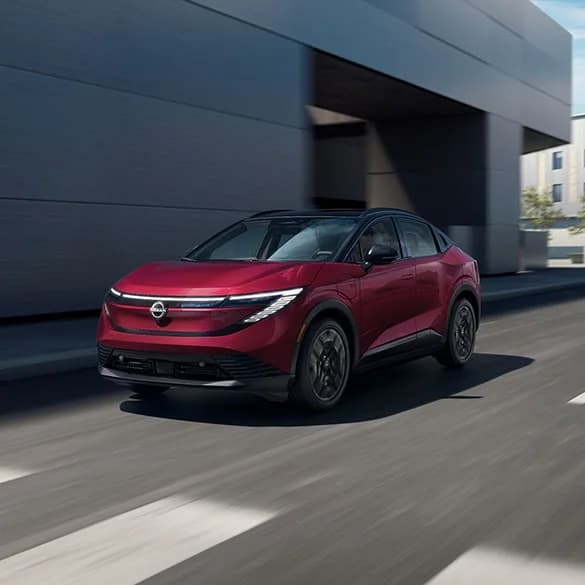
DC Fast Charging
The LEAF is easier to charge than its predecessors, but not exceptionally quick. Its 150-kW DC peak and native NACS port open access to Tesla Superchargers, while a separate J1772 connection handles AC charging. Nissan quotes roughly 35 minutes from 10 to 80 percent under suitable conditions, and testers generally found charging usable rather than class-leading. For home-charging owners this is a minor issue, but frequent road-trippers may prefer rivals with faster, more consistent charging curves.
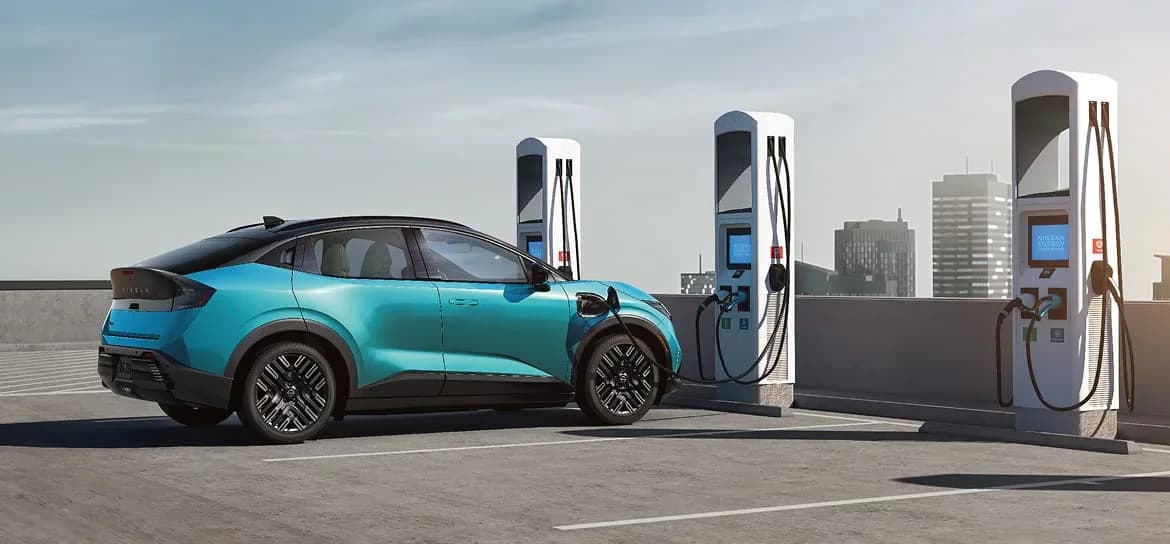
Driving Range
Range is the LEAF’s biggest practical upgrade. Nissan advertises up to 303 miles of EPA range in the S+ with its 75-kWh liquid-cooled battery, while SV+ and Platinum+ versions give up some distance. Early testing has been encouraging, including roughly 280 miles in real-world use and one Edmunds run reaching 310 miles, though cold-weather driving can reduce that substantially. The larger battery makes commuting and occasional road trips realistic, but trim choice and climate matter.
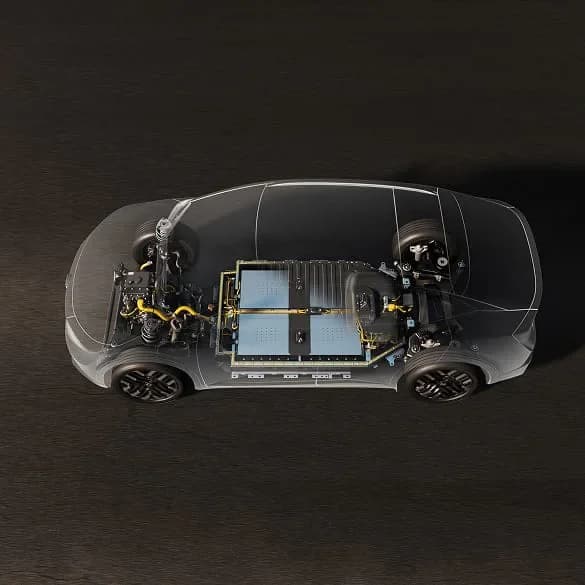
Acceleration and Output
The LEAF feels smooth and adequately brisk, not like a performance EV. Higher trims use a 214-hp front motor producing 261 lb-ft of torque, with testing generally landing around 6.5 to 7.1 seconds from zero to 60 mph. That is plenty for merging and daily traffic, but hard launches can spin the front tires and create torque steer. The base S uses 174 hp, while the missing true one-pedal driving and soft brake response make its power delivery feel less exciting than the numbers suggest.
Urban Maneuverability
The LEAF remains easy to place in tight urban spaces. Its 35.4-foot turning circle, compact 173.4-inch length, camera systems, and hatchback proportions help with parking and errands, while front-wheel drive keeps the powertrain simple. The higher seating position improves crossover usability, though the coupe-like roof reduces rear visibility and there is no rear wiper. Limited ground clearance and cramped rear access also matter, but for solo commuting and city driving, its manageable footprint is a genuine strength.
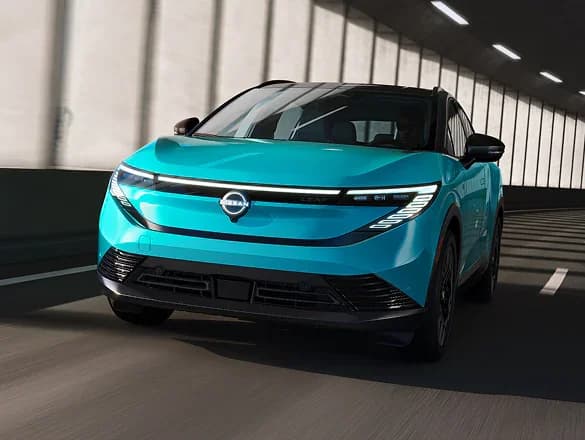
Cargo and Utility
The hatchback body gives the LEAF useful everyday flexibility, even if it is not especially spacious. There are about 20 cubic feet behind the rear seats and roughly 55.5 cubic feet with them folded, plus a clever adjustable cargo floor and available 120-volt outlets for practical V2L-style power. The sloping roof and narrower trunk limit bulky-item capacity, and there is no frunk. It suits groceries, luggage, and routine errands better than full-time family hauling.
Conclusion
The 2026 Nissan LEAF makes the strongest case for itself as a calm, affordable daily EV: its up to 303-mile range eases commuting concerns, while NACS access makes public charging more convenient, even if the 150-kW system is merely average for road trips. The 214-hp motor is smooth and adequate rather than thrilling, and front-wheel traction can limit hard launches. Its hatchback, flexible cargo area, tight turning circle, and quiet cabin suit errands and urban driving, though cramped rear seating, no frunk, soft ride responses, and inconsistent one-pedal braking narrow its appeal. Expert and owner reactions point to the same conclusion: choose the LEAF for home-charged commuting, comfort, and value—not sporty handling or frequent highway charging. That balanced mix of meaningful upgrades and manageable compromises makes it an especially sensible mainstream EV.

Feature Scores
This reflects reviews and ratings from established critics, journalists, and users who have evaluated the item. Their opinions provide a comprehensive assessment.
Performance
Driving Range
5/5
Charging Speed
4/5
Acceleration
4/5
Handling and Ride Comfort
4/5
Energy Efficiency
3/5
Battery Durability
3/5
Value
Purchase Price Competitiveness
5/5
Total Cost of Ownership
4/5
Resale Value
3/5
Design
Exterior Styling
4/5
Interior Space and Packaging
4/5
Ergonomics and Controls
4/5
Health
Cabin Air Quality
TBD
Low-Toxicity Materials
TBD
Safety
Crashworthiness
TBD
Active Safety Systems
4/5
Battery Safety Systems
4/5
Sustainability
Lifecycle Emissions
4/5
Battery Recyclability
TBD
Use of Recycled Materials
TBD
Experience Style
Infotainment and Connectivity
5/5
Charging Ecosystem Integration
5/5
Customization and Driving Modes
3/5

Specifications
This section outlines the product's key facts, covering essential features, details, dimensions, materials, and any unique characteristics that define its functionality and usability.
Performance
Value
Design
Safety
Sustainability
Experience Style

Frequently Asked Questions
11 Questions





Find Yours
What is your top priority for an Electric SUV's battery performance?
Answer to find your best matches.