
Starlink Mini Kit
Portable, fast, low-power satellite internet, best suited to travelers with clear skies.
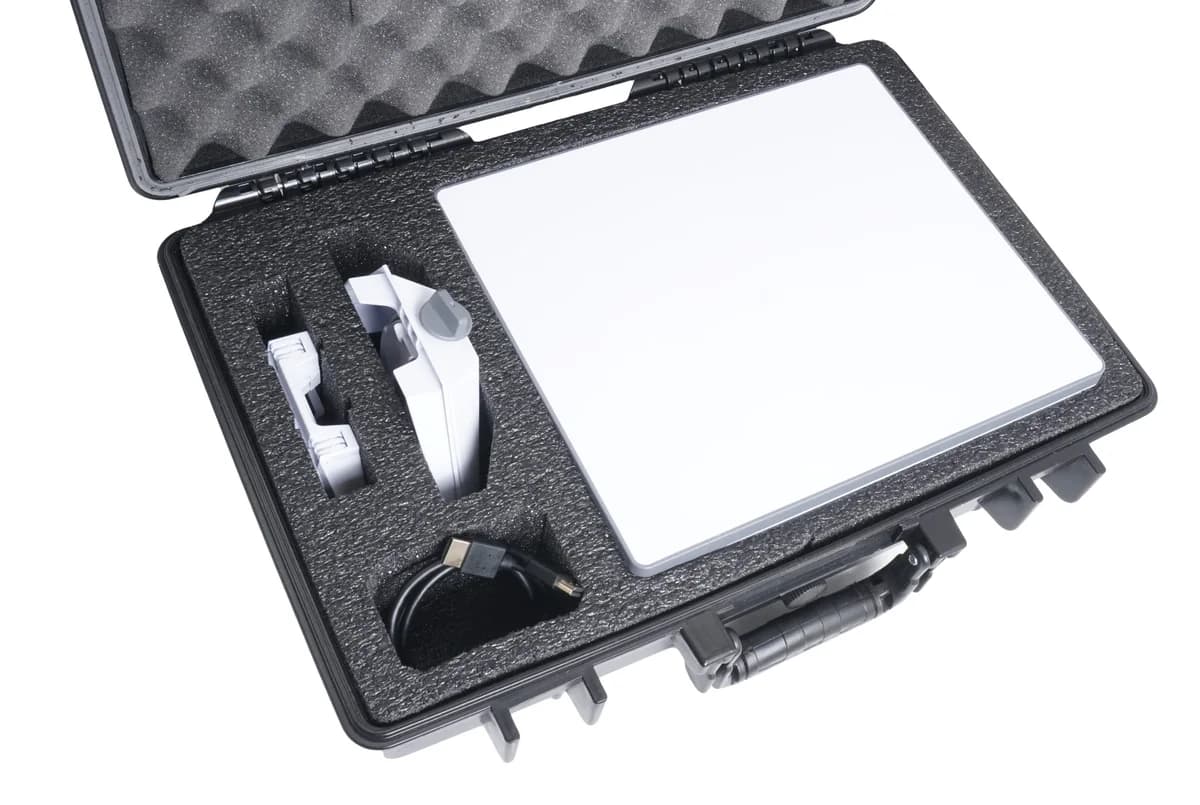
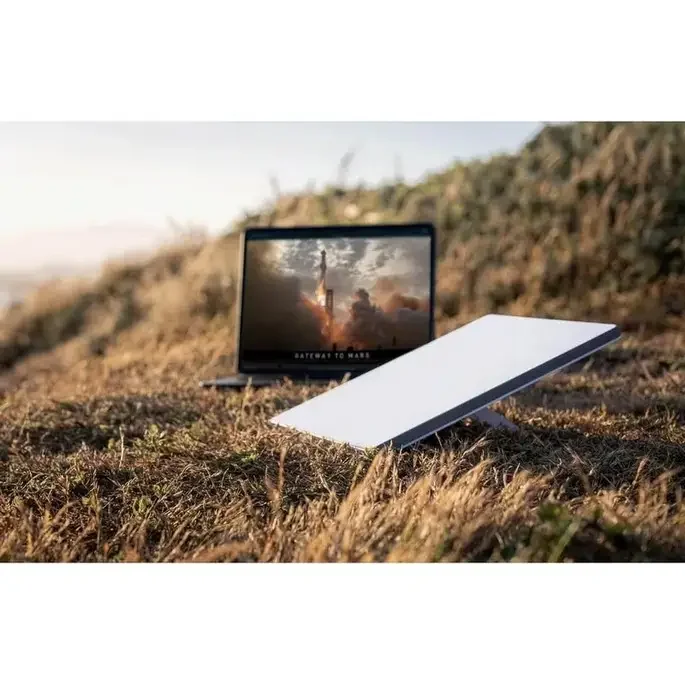
The Starlink Mini Kit is a backpack-sized bridge to the internet for travelers, RVers, remote workers, and emergency users who need connectivity beyond cellular coverage. Its compact 1.1 kg design, integrated Wi-Fi, and 20–40W power draw make off-grid deployment unusually practical, while users and experts report speeds ranging from modest to genuinely broadband-like, often supporting calls, streaming, and remote work. That broadly supports Starlink’s portability claims, though real-world performance depends heavily on location. Trees, buildings, weather, limited Wi-Fi range, and costly service plans complicate the picture, and some buyers encountered regional activation issues. It is strong value for mobile connectivity, but overkill for fixed homes. Overall, portability, power efficiency, performance, and subscription cost shape its recommendation.

Find Yours
What is your primary use case for a mobile broadband device?
Answer to find your best matches.

The Scoreboard
Does this improve your life? Considers, health, habits, and environmental impact.
Benefits
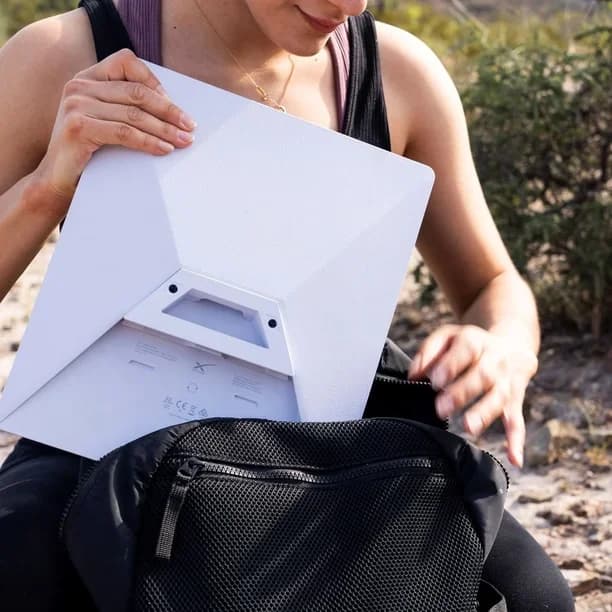
Fits in a backpack or vehicle without turning remote internet into a bulky chore.
Simple deployment gets you online quickly for work, calls, streaming, or directions.
Keeps communication and basic work possible where phones have little or no service.
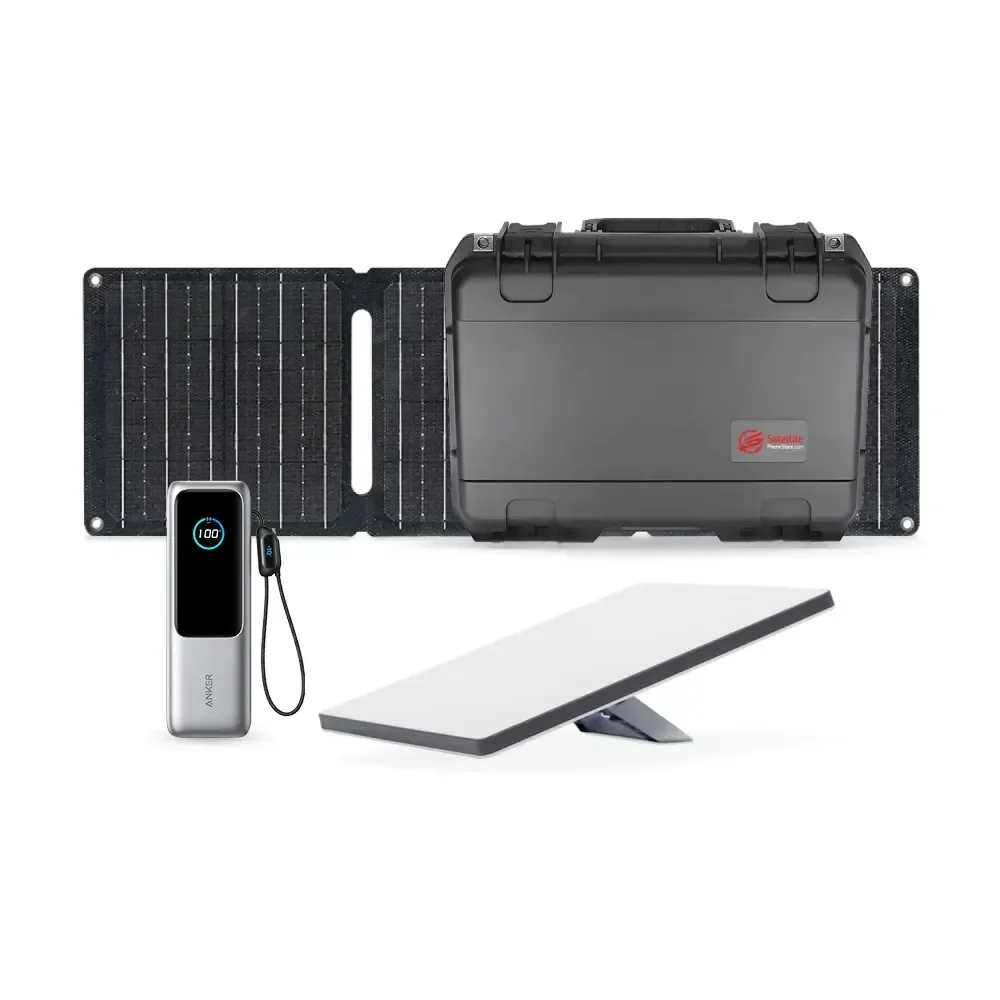
Runs from vehicle, solar, or battery power, making longer remote stays easier.
Built-in Wi-Fi and Ethernet mean fewer boxes, cables, and setup decisions at camp.
Trade-Offs
A leafy campsite can repeatedly drop calls or streams, forcing you to relocate the dish.
Its constant draw means carrying a larger battery or recharging more often during off-grid days.
In larger spaces, weaker range can leave devices disconnected without extra networking gear.
 Alternatives


Join the Circle
Where real meets deal
Know what's worth buying-and when.
Tips, special offers, and rewards for buying and sharing.

Publications
8 LEADING PUBLICATION REVIEWS

The Verge’s Thomas Ricker is highly enthusiastic about the Starlink Mini, calling it a game-changer for remote connectivity. After more than a month testing it across five European countries, while hiking, vanlifing, driving, and working in the city, he found its compact, lightweight design and low power consumption exceptionally useful. It can run from a capable USB-C power bank, support up to 10 devices, and provide fast enough, low-latency internet where cellular networks fail. The trade-offs are meaningful: upload speeds remain weak, the required USB-C cable is sold separately and is too short, tree cover can interrupt service, in-motion reliability varies by country, and the dish can whine or unexpectedly enter heating mode. Still, Ricker considers the roughly 20 percent performance sacrifice versus a larger dish well worth the vastly improved portability, ultimately viewing the Mini as an ideal tool for off-grid work and travel.
By Thomas Ricker
PCMag’s Brian Westover is strongly positive about the Starlink Mini, especially for reliable internet on the move. His two-week Idaho test found a remarkably compact, weather-resistant device that sets up in minutes, uses only about 20 watts, and delivers respectable uploads and low latency. The integrated router, flexible mounting, and portability make it particularly appealing for RV travelers, campers, temporary work sites, and emergency response. Still, the Mini is no residential replacement: average downloads were only 16.5Mbps versus nearly 150Mbps from Starlink’s larger Dish V4, and performance varied sharply despite clear skies and a stationary setup. The $599 hardware and potentially steep $165 monthly unlimited Roam plan also temper its value, while vehicle performance remains untested. Overall, Westover considers it an excellent, rugged travel solution—as long as buyers understand they are trading substantial speed for convenience.
By Brian Westover
CNET’s Joe Supan is impressed by the Starlink Mini, but recommends it only for specific travel situations. His testing made the technology feel almost miraculous: during a 10-mile North Cascades hike, it supported HD NFL streaming, FaceTime, and 4K video, averaging 127Mbps download, 17Mbps upload, and 46ms latency. Setup is simple, the dish is genuinely portable, and it provides dependable connectivity far beyond traditional broadband coverage. Still, the tradeoffs are substantial. Trees can completely block service, the dish draws meaningful power, latency spikes undermine online gaming, and the 50GB Roam plan is inadequate for typical home-style use. Unlimited service is expensive at $165–$195 monthly, depending on the stated plan details, while pausing service now costs extra. Supan ultimately views the Mini as an excellent safety net for RVers, campers, and long-term travelers—not a practical replacement for affordable cable internet.
By Joe Supan
How-To Geek’s Nick Lewis is genuinely enthusiastic about the Starlink Mini, especially for travel and emergencies. After driving roughly 2,000 miles with it mounted to his car, he recorded speeds around 200Mbps in motion and up to 245Mbps while parked, with latency remaining usable even on the move. The compact, sturdy design, simple setup, capable built-in Wi-Fi, and freedom from cellular dead zones make it unusually compelling for remote work, road trips, and disaster preparedness. Lewis is clear about the trade-offs: sharp turns can disrupt service, torrential rain can reduce speeds dramatically, and the hand-tightened car mount feels vulnerable to theft. It also uses more power than a typical hotspot and is overkill for fixed residential use. Still, his overall view is strongly positive: for mobile connectivity, he considers the Mini exceptionally effective and nearly unmatched.
By Nick Lewis
GearLab’s Chris McNamara is enthusiastic about the Starlink Mini as a stationary off-grid internet hub, but clear that it is no emergency messenger. Six months of testing showed speeds surprisingly close to a much heavier Starlink Gen 2, with reliable broadband for video calls, weather data, downloads, and van-based work. The built-in router, intuitive app, compact dish, and flexible battery-and-solar setups are major strengths, and the reviewer particularly favors a permanent vehicle mount. Still, the Mini requires external power, careful cable management, an open sky view, and two to five minutes to connect—sometimes 15 minutes after firmware updates. Its weight and power demands become excessive for hiking, bikepacking, or climbing, while obstructions can severely disrupt service. The verdict is warmly positive but highly conditional: it is exceptional for vehicles and basecamps, yet overkill and impractical for fast-moving travelers or immediate SOS use.
By Chris McNamara
PCMag is positive about the Starlink Mini as a genuinely convenient portable internet solution, though clearly not a replacement for the standard kit at home. Its compact 2.7-pound design, integrated Wi-Fi router, simple setup, rugged weatherproofing, and low 20-watt power draw make it particularly appealing for RVs, camping, temporary sites, emergency response, and off-grid use. The flexible 12-to-48-volt input is a standout advantage for vehicles and battery-powered setups. However, testing found average downloads of just over 16Mbps and uploads around 9Mbps, far below the residential kit’s roughly 150Mbps average downloads. Wi-Fi coverage and wired connectivity are also more limited, while the cheaper $50 Roam plan includes only 50GB and unlimited service costs more than residential service. PCMag’s conclusion is measured: the Mini is excellent for mobility and basic connectivity, but the residential kit is the much better value for demanding fixed-location use.
By PCMag Editors
SFGATE’s Stacey L. Nash is highly positive about the Starlink Mini’s practical reliability. She portrays it as an easy-to-use, genuinely portable lifeline for rural homes during power outages, camping trips, and other places beyond cellular coverage. Setup is nearly effortless, though finding a clear position can take much longer when the obstruction-scanning feature is involved. In testing, speeds of 177–230 Mbps were ample for email, communication, and basic work, but performance varies significantly by location, and the roughly 1,200-square-foot range falls short of the full-size Starlink. Nash also appreciates the flexible subscription options, portable-power compatibility, compact five-pound design, and snow-melting feature. Her main caveats are the required subscription, inconsistent speeds, and occasional positioning hassle, but she ultimately considers the Mini an excellent choice for travelers, campers, and households needing dependable backup internet.
By Stacey L. Nash
Andreas Rivera of SatelliteInternet.com is strongly impressed by the Starlink Mini, despite meaningful portability costs. He found it surprisingly fast and efficient, consistently reaching 100–200 Mbps and peaking at 222 Mbps even in overcast, snowy conditions. In motion, it supported uninterrupted music, podcasts, browsing, simultaneous phone connections, and even high-quality video calls. Its compact backpack-friendly design, built-in router, low latency, and near-unlimited remote coverage make it especially appealing for backcountry travelers, nomads, and weekend adventurers. The main frustration is power: the bulky included supply and cable undermine portability, while a suitable 100W power bank or $45 car adapter adds expense. Wi-Fi 5 is dated, though adequate for a handful of devices, and startup takes several minutes. Overall, Rivera views the Mini as an excellent, reliable mobile-internet tool whose high total cost limits its broader appeal.
By Andreas Rivera

YouTube
9 LEADING EXPERT & INFLUENCER REVIEWS
 Crosstalk Solutions
Crosstalk Solutions is highly enthusiastic about the Starlink Mini Kit. After unboxing and backyard testing, he praises its compact size, integrated Wi‑Fi, easy two-minute setup, and strong performance, recording 138 Mbps in Starlink’s test and 82 Mbps through Ookla. Power use around 20–30W idle and 40W under load is a major advantage for RVs, camping, and off-grid work. He cautions that the full-size dish remains better for fixed locations and higher bandwidth, while Ethernet use can affect the IP67 protection. Overall, he considers the Mini an outstanding portable Starlink option.
DISHYtechDISHYtech is highly impressed by the Starlink Mini’s portability, speed, and unusually low power consumption. The hands-on review covers unboxing, setup, power draw, and real-world speed tests, finding roughly 25 watts at idle and up to 170 Mbps from the terminal. Its integrated Wi‑Fi 5 works well for basic camping connectivity, but range limits speeds at about 50 feet, and home users may need a separate router and two cables. At $599 plus service, it is a premium purchase, yet an excellent choice for RVs, travel, and off-grid use where size and efficiency matter most.
HotshotTekHotshotTek is highly impressed by the Starlink Mini, especially for travel and off-grid use. Its compact backpack-friendly design, low power draw, integrated Wi‑Fi, IP67 protection, and easy setup make it a practical alternative to larger dishes. Backyard testing reached about 120 Mbps down, while the dish remained connected at 60 mph in a vehicle, which he found particularly impressive. Still, the $599 hardware and expensive monthly plans weaken its value for home users, especially where T-Mobile or Verizon 5G is available. Overall, he strongly recommends it for RVers, overlanders, and remote adventurers, not typical households.
Outdoor AutoOutdoor Auto is highly impressed by the Starlink Mini’s portability, low 25–40W power draw, and surprisingly strong real-world performance. Setup is quick, the integrated Wi‑Fi and Ethernet simplify deployment, and driving tests reached 87 Mbps, with even heavy tree cover still producing usable—occasionally excellent—speeds. Manual positioning, Wi‑Fi 5, limited roughly 100-foot wireless range, extreme terrain, and confusing plan restrictions are meaningful caveats. Still, the enthusiastic testing suggests it is an excellent off-grid and mobile internet option, especially for campers, RV users, and remote workers who can manage the subscription cost.
SnowsteadSnowstead is highly enthusiastic about the Starlink Mini, calling it remarkably capable for its size. Hands-on tests found reliable connectivity through heavy snow, behind car glass, while driving, and even under dense tree cover, though obstructed placement reduced performance. Wi‑Fi was fastest nearby, with roughly 100 feet considered ideal, while battery operation proved practical thanks to modest power use. The $5/month standby mode supported low-resolution YouTube and surprisingly responsive remote-camera viewing, but it was far too slow for demanding use. Overall, Snowstead presents the Mini as an impressive, versatile choice for off-grid travel and emergency connectivity.
NPL VenturesNPL Ventures is enthusiastic about the Starlink Mini’s potential but cautious about its cheapest service plan. Testing the $5 standby mode, they found text-heavy sites, Google Finance, Gemini, and 480p YouTube surprisingly usable, with solid 16 ms latency. However, slower loading, failed sites like Koshi and Netflix, and constant buffering at 720p exposed major consistency limits. The Mini hardware and Peakdo battery setup impressed, but NPL Ventures considers the plan unsuitable as a primary Wi‑Fi connection, despite being useful for light browsing and occasional streaming.
Matt ZefiMatt Zefi is highly enthusiastic about the Starlink Mini, calling it transformative for off-grid work and travel. After using it for months while boondocking in Maine, he praises its iPad-like portability, 20–40W power draw, built-in Wi‑Fi, easy setup, and impressive speeds—enough for streaming and moving over a terabyte of work files. Clear skies are essential, though: trees cause inconsistent service and dropped calls. He also flags its high hardware cost, expensive Roam Unlimited plan, residual sleep-mode draw, heat indoors, and slow reconnection after hard power-offs. Overall, he considers it an exceptionally freeing, worthwhile tool despite meaningful costs.
There's A Trick For ThatThere’s A Trick For That is impressed by Starlink Mini’s real-world performance. In a narrow canyon, the portable terminal reached 98 Mbps down and 14.5 Mbps up from a car dashboard, with only modest changes through the sunroof or outdoors. The test also found that the included cable failed to power it directly from a 12V outlet, likely because of voltage drop, while AC operation used roughly 20–40 watts after startup. Although snow and security may make in-car placement appealing, outdoor positioning performed best, leaving a confident, practical impression overall.
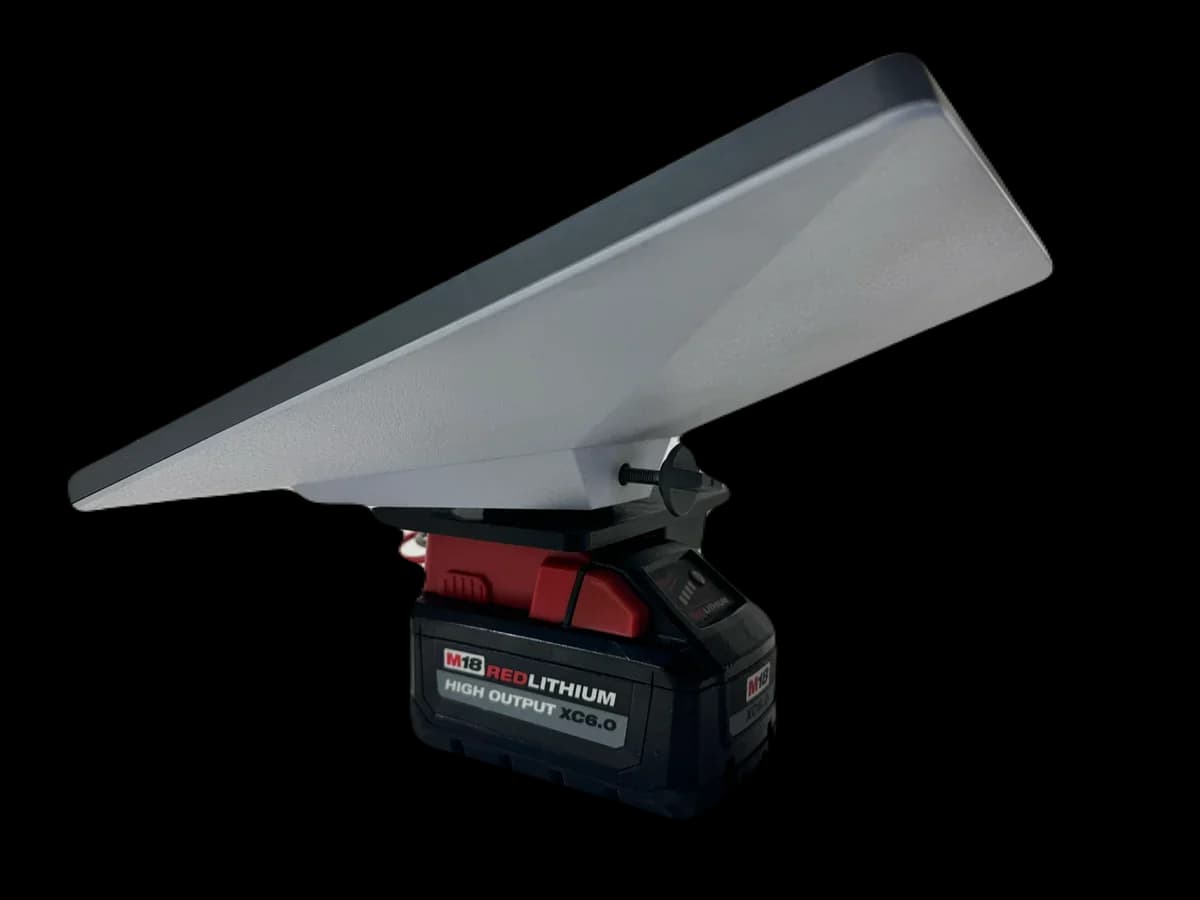
Explore Trek AdventureExplore Trek Adventure is enthusiastic about the Starlink Mini, calling it a strong choice for camping, van life, and emergencies. They found setup straightforward but slower than expected—about 20 minutes—with repeated updates. In remote testing it reached roughly 30 Mbps down and 7 Mbps up, while its built-in Wi‑Fi, AC/DC flexibility, and modest 20–50W consumption impressed them. Practical testing covered solar panels, a Jackery power station, Milwaukee batteries, Wi‑Fi range, weather resistance, and data-saving settings. The main cautions are obstructions, limited 50GB plans, changing in-motion rules, and non-waterproof DIY power connections.

Social
4 INFLUENCER REVIEWS
 Matt Risinger
Matt Risinger is highly enthusiastic about the Starlink Mini Kit, calling it “awesome” and giving it a clear thumbs-up. On a summer RV trip, it delivered over 100 Mbps down and roughly 10–15 Mbps up during 12-hour drives, powered through a Jackery Explorer 2000 that lost about 20% per day and lasted around five days. He also likes the Veritas Vans case, especially its handle and magnets for mounting on a truck. His main caveat is that trees block coverage, so clear skies are essential.
 willmay.roam
Will May is highly enthusiastic about the Starlink Mini for reliable remote work from his van. He loves its unlimited $165 monthly roam plan and portable setup, which lets him run a 50-foot cable to find a clear sky view instead of permanently mounting the dish. The main drawback is that trees and buildings can block service, so he supplements it with an expensive $1,000-plus Peplink cellular backup costing $249 monthly. Overall, he considers Starlink Mini dependable and worthwhile, though his complete internet setup is undeniably costly and complicated.
lookoutformichelleMichelle is very enthusiastic about the Starlink Mini, especially for off-grid summer living. She’s impressed that it runs on 12-volt solar power while using surprisingly little energy, and found the $230 kit reasonably complete with the panel, mount, and charging cord. However, the service can get expensive, with her unlimited Roam plan costing $175 monthly, and she admits she probably should have started with a cheaper tier. Overall, her excitement is genuine but tempered by the subscription cost and some uncertainty about the plan details.
Rob BensonRob Benson is enthusiastic about the Starlink Mini as an affordable off-grid emergency internet option. He presents a $350 setup combining the Mini, a compact power bank, and a $10 USB-C-to-DC cable, emphasizing portability, the bank’s unusual AC outlet, and more efficient direct-DC charging. He also sees value in downgrading to Starlink’s $10 monthly Roam plan for unlimited but very slow emergency connectivity. The recommendation is strongly positive, though practical rather than exuberant, with runtime limited to a few hours of continuous use and several setup alternatives depending on needs.

Store Reviews
CUSTOMER REVIEWS FROM 1 STORE
Walmart reviewers use the Starlink Mini Kit for camping, RV travel, cars, boats, and backup internet, often connecting within minutes. Clear sky access consistently brings strong speeds and reliable service, especially where cellular coverage fails, while portability and the ability to pause service add practical value. The recurring drawbacks are setup and activation confusion, occasional call drops or unstable connections, unclear data consumption, and the need for careful positioning. More seriously, many buyers received international versions with European plugs or activation restrictions, creating unexpected costs and returns. Overall, the hardware performs impressively when correctly configured, but seller and regional-model issues make purchasing directly from Starlink safer.
3.5 Stars / Some verified reviews

Forum Reviews
CUSTOMER REVIEWS FROM 1 FORUM
Redditors generally view the Starlink Mini Kit as an excellent, flexible travel and emergency-internet solution. Its compact all-in-one design, low power draw, car and battery compatibility, and surprisingly capable performance earn consistent praise, especially for camping, road trips, remote work backups, and areas without cellular coverage. Users report reliable video calls and usable speeds with a clear sky view, though dense trees, orientation, limited Wi‑Fi range, and occasional call drops are drawbacks. Standby pricing and refurb or promotional deals make it appealing, but throttled speeds are inadequate for demanding work, and the standard dish remains preferable for permanent home use.
Many comments

In-Depth Review

Highlights
- •Broadband-Like SpeedsReported downloads often reach 100–200 Mbps.
- •Backpack-Friendly DesignDesigned for portable travel and remote deployment.
- •Low Power DrawMeasured use typically stays around 20–40W.
- •Built-In Wi-FiIntegrated networking simplifies mobile setup.

Considerations
- •Ongoing Service CostsMonthly plans can substantially increase ownership costs.
- •Clear Sky RequiredTrees, buildings, and terrain interrupt service.
- •Variable SpeedsPerformance changes significantly by location and conditions.
- •Activation And Region IssuesSome buyers received restricted international versions.
Starlink has made satellite internet mainstream, and the Mini positions that reputation in a genuinely travel-ready package. Built for RVers, campers, remote workers, and emergency backup, it combines 100–200 Mbps reported downloads with a compact terminal far smaller than earlier kits. Its 1.10 kg backpack-friendly design, rugged IP67 protection, and 20–40W typical power draw make off-grid use practical from vehicles, batteries, or solar setups. The built-in dual-band Wi‑Fi 5 also removes the need for a separate router, though range is modest and a clear sky remains essential. The sections ahead examine real-world speed, weather and obstruction resilience, setup, positioning, and networking so you can judge whether portability outweighs subscription costs and variable performance—because the best satellite dish is the one you can actually carry, power, and point skyward.
Obstructions And Weather
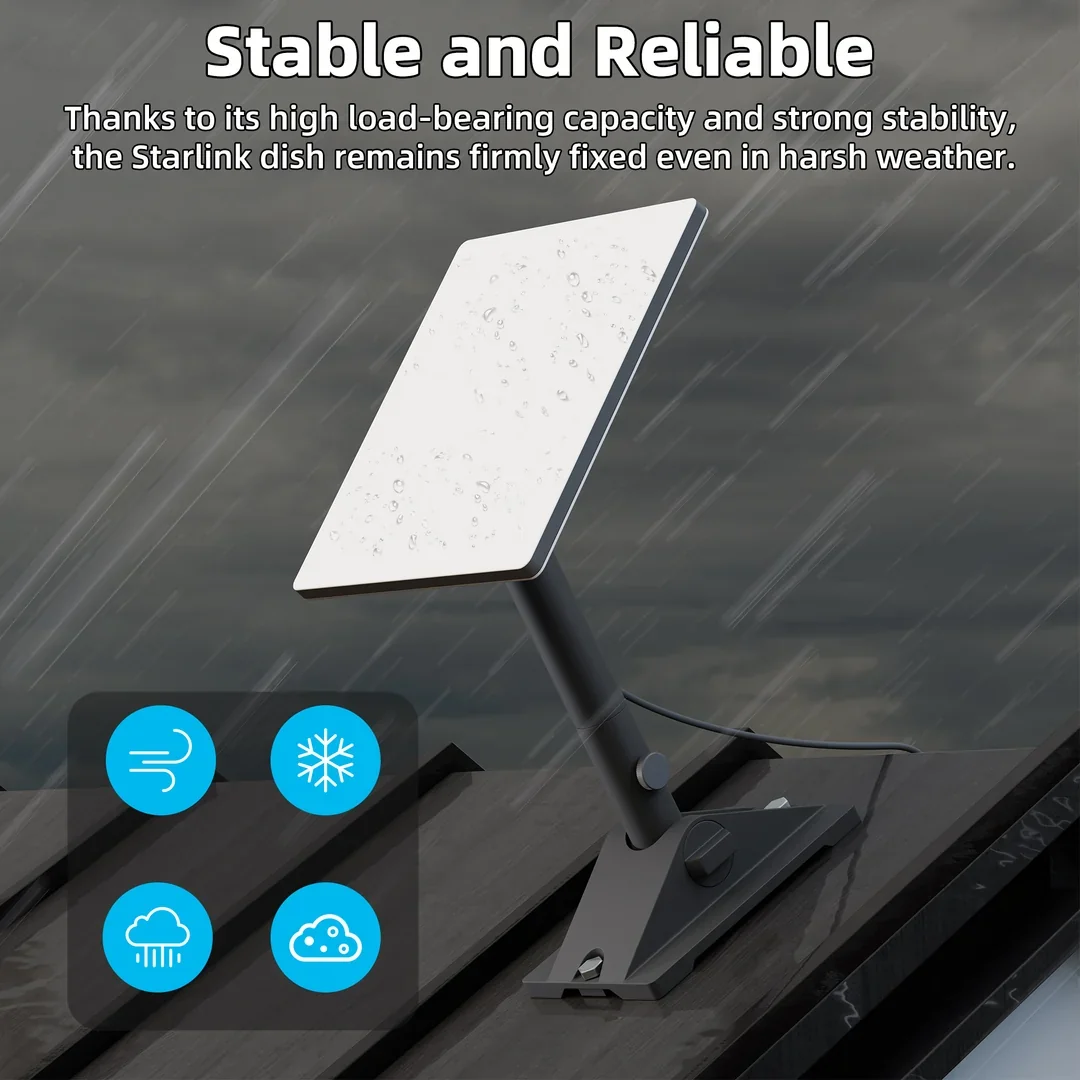
A clear view of the sky matters more than the Mini’s portability suggests. The 110° phased-array field of view helps the terminal find satellites, and reviewers have reported usable service through snow, light obstruction, and even vehicle travel. However, trees and buildings can interrupt service or cause dropped calls, while dense cover and difficult terrain may make speeds inconsistent. Snow melting and IP67 protection are useful safeguards, but they do not overcome blocked sky visibility or eliminate weather-related slowdowns.
Wi-Fi And Networking
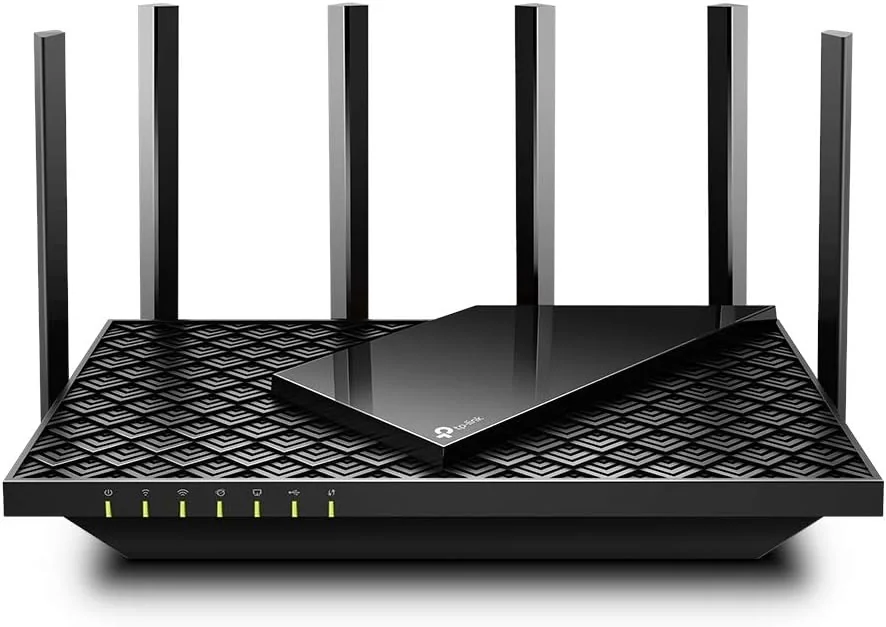
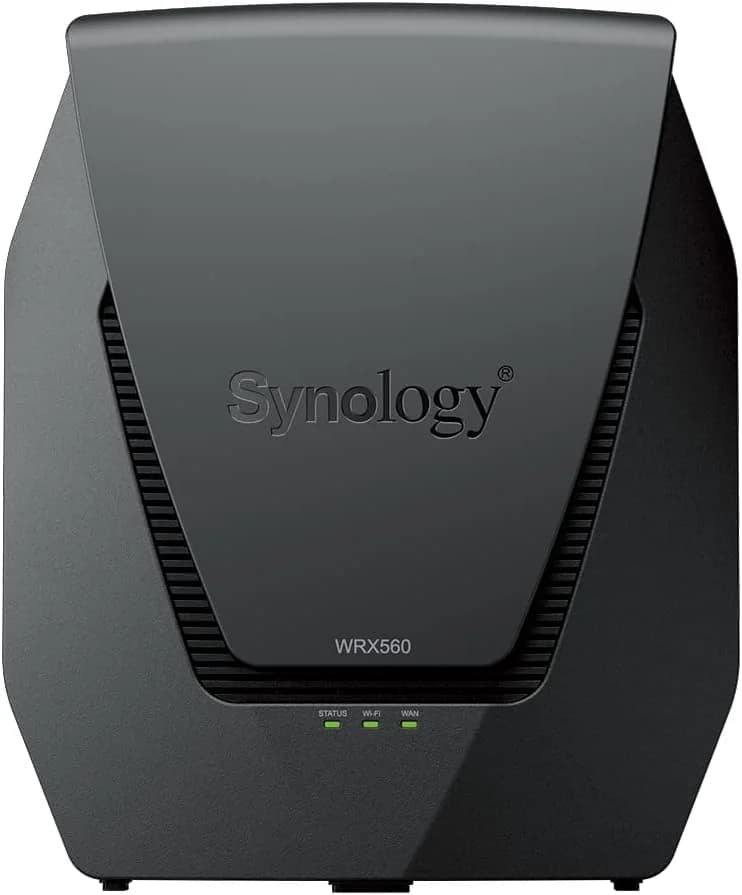
Integrated networking makes the Mini much easier to use than a dish requiring a separate router. Its dual-band Wi‑Fi 5 uses 3×3 MU‑MIMO, supports up to 128 devices, and covers approximately 1,200 square feet under favorable conditions. The included Ethernet LAN port allows connection to a stronger personal router or wired equipment, which advanced users may prefer. In practice, reviewers often found the best wireless performance nearby, with roughly 50–100 feet more realistic than the maximum coverage claim, especially through walls or outdoors.
Speed And Latency
The Mini can deliver genuinely useful broadband away from cellular networks. Starlink’s phased-array terminal has produced roughly 100–200 Mbps downloads in several expert tests, with some readings reaching 222–245 Mbps, though PCMag saw a much lower 16.5 Mbps average in Idaho. Uploads are usually weaker, around 7–17 Mbps, while latency near 16–46 ms can support video calls and streaming but not consistently responsive gaming. Real-world performance is therefore impressive but highly location-dependent, rather than guaranteed by the headline “high-speed” positioning.
Power And Flexibility
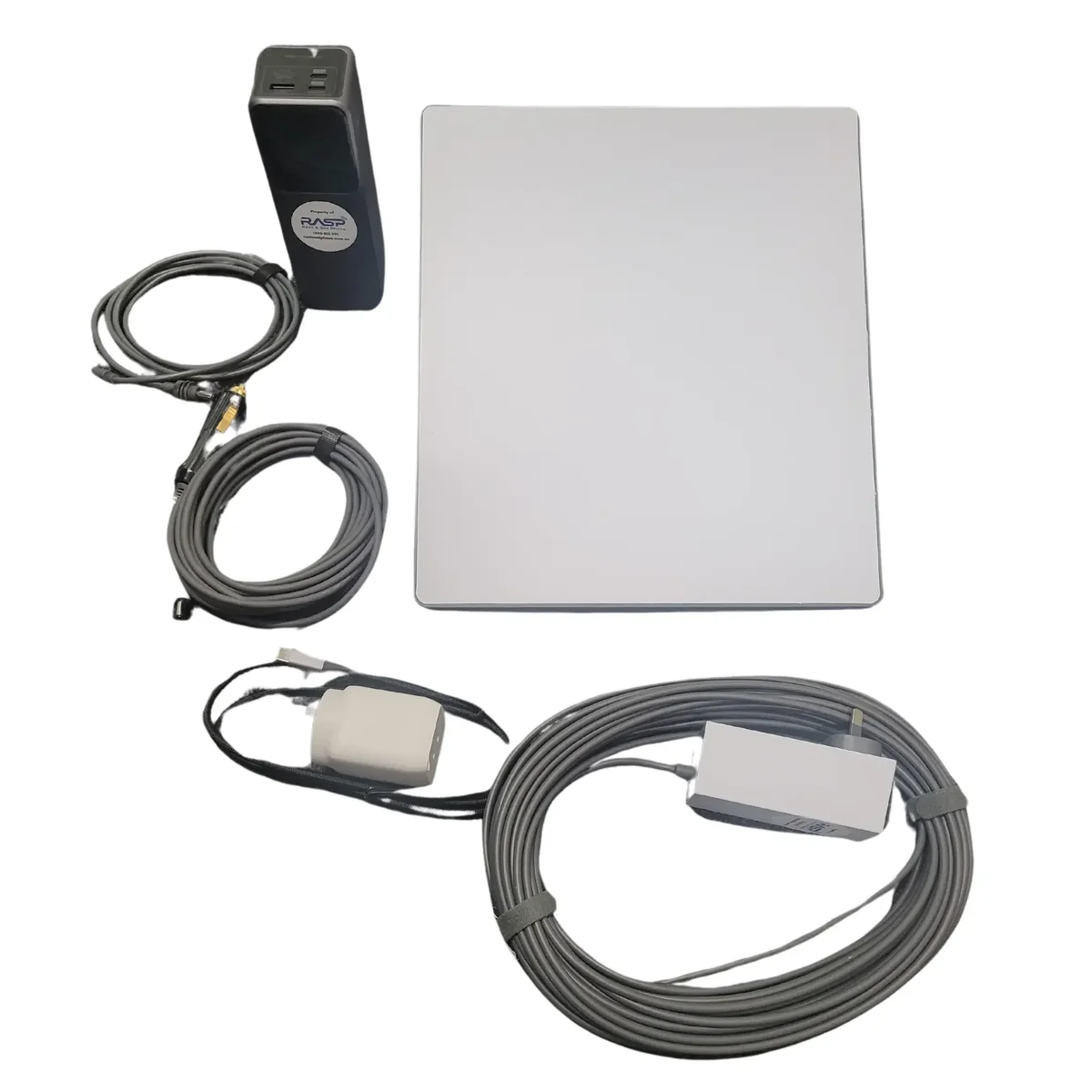
The Mini is unusually practical for battery-powered internet, but it still needs a substantial energy source. Its 20–40W typical draw is far below older Starlink systems, making solar panels, vehicle power, Jackery units, and USB-C power banks viable options. The 12–48V input broadens installation choices, although USB-C operation requires a capable 100W, 20V/5A setup and the correct cable. Tests support the efficiency claim, yet continuous use still drains batteries noticeably, especially during streaming or poor-signal conditions.
Setup And Positioning
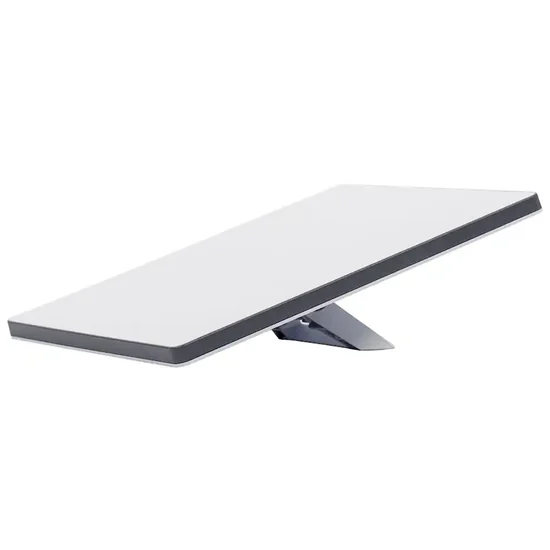
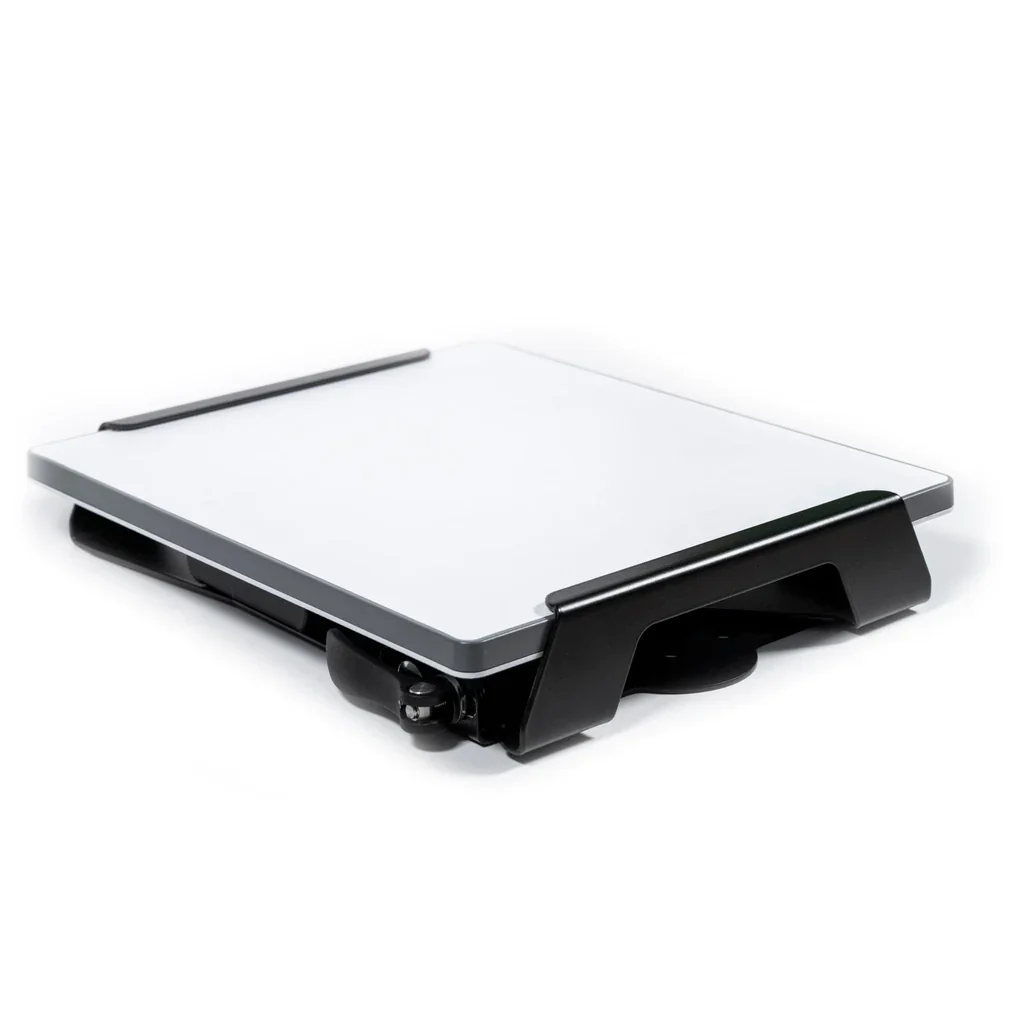
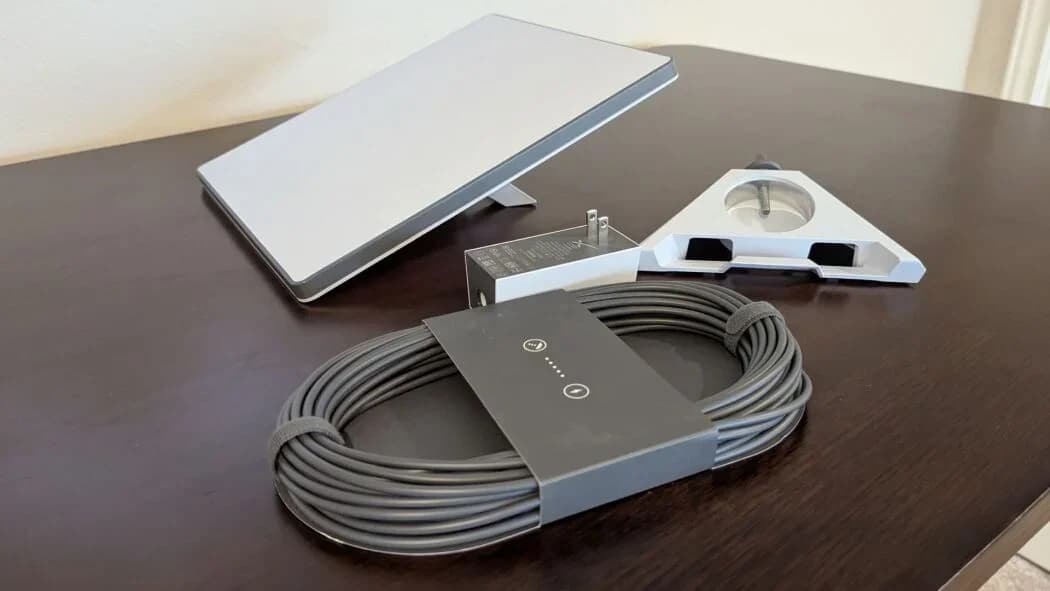
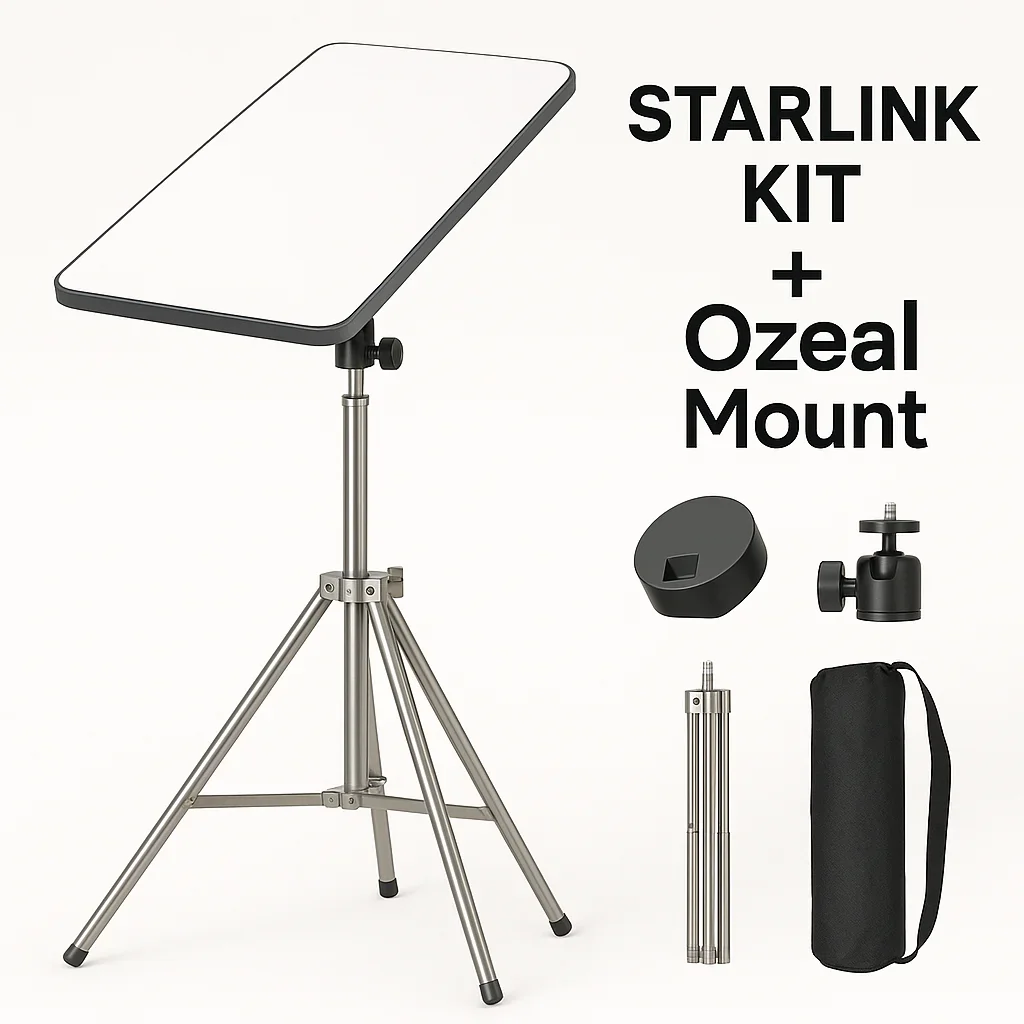
Initial setup is usually simple, but finding the right location determines whether that simplicity lasts. The Starlink mobile app guides software-assisted manual orientation, and several tests achieved a connection in about two minutes, while others needed 15–20 minutes because of updates or obstruction checks. The built-in kickstand and optional flat or pipe mounts help deployment, but users still need to move the dish for a clearer sky view. Activation and regional-version confusion reported by store buyers can also complicate an otherwise approachable setup.
Portability And Build
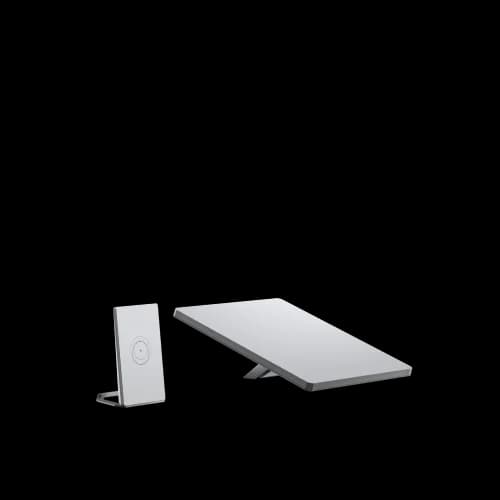
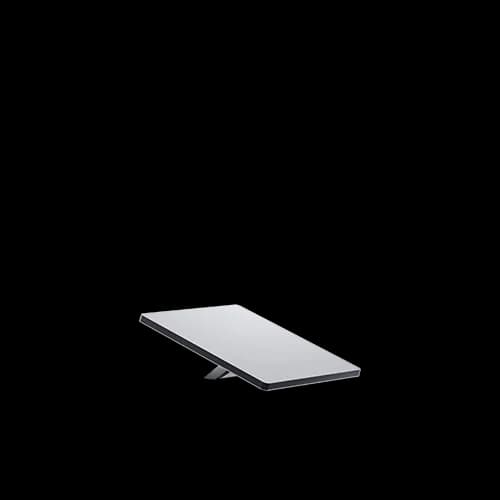
Portability is the Mini’s clearest advantage over full-size Starlink hardware. The 1.10 kg, 298.5 × 259 × 38.5 mm terminal is genuinely backpack- and vehicle-friendly, with integrated Wi‑Fi, a kickstand, and mounting options that simplify mobile deployment. Its IP67-rated enclosure and operating range of -30°C to 50°C support outdoor use, while testing found it functional through snow and vehicle travel. The tradeoff is that the power supply and cables add bulk, and Ethernet use can compromise the stated environmental protection.
Conclusion
The final picture is a portable lifeline, not a pocket-sized home broadband replacement. The Mini can deliver 100–200 Mbps downloads with usable latency for calls, streaming, and remote work, while its 1.10 kg IP67 design travels easily and handles outdoor conditions well. Its 20–40W power draw and 12–48V flexibility suit RVs, batteries, and solar setups, though continuous use still demands real power. Setup is refreshingly quick, but positioning takes patience: trees, buildings, terrain, and weather can disrupt service, and the built-in Wi‑Fi 5 is strongest nearby rather than across a large property. Users and experts consistently praise the freedom it offers beyond cellular coverage, while noting variable speeds, subscription costs, and occasional activation headaches. It fits travelers, off-grid workers, and emergency-minded owners far better than typical households, earning a strong recommendation because its practical mobility outweighs its compromises for the right user.

Feature Scores
This reflects reviews and ratings from established critics, journalists, and users who have evaluated the item. Their opinions provide a comprehensive assessment.
Performance
Network Speed
4/5
Network Compatibility
4/5
Connection Stability
4/5
Battery Endurance
3/5
Value
Purchase Affordability
2/5
Operating Cost
2/5
Feature Value
4/5
Design
Portability
5/5
Interface Usability
4/5
Build Quality
4/5
Health
Radiofrequency Exposure
TBD
Thermal Comfort
3/5
Safety
Electrical Protection
3/5
Network Security
3/5
Regulatory Compliance
TBD
Sustainability
Energy Efficiency
4/5
Material Sustainability
TBD
Repairability
2/5
End-of-Life Management
TBD
Experience Style
Setup Simplicity
4/5
Configuration Flexibility
4/5
Connected Device Support
4/5

Specifications
This section outlines the product's key facts, covering essential features, details, dimensions, materials, and any unique characteristics that define its functionality and usability.
Performance
Value
Design
Safety
Sustainability
Experience Style

Frequently Asked Questions
10 Questions




Find Yours
What is your primary use case for a mobile broadband device?
Answer to find your best matches.