
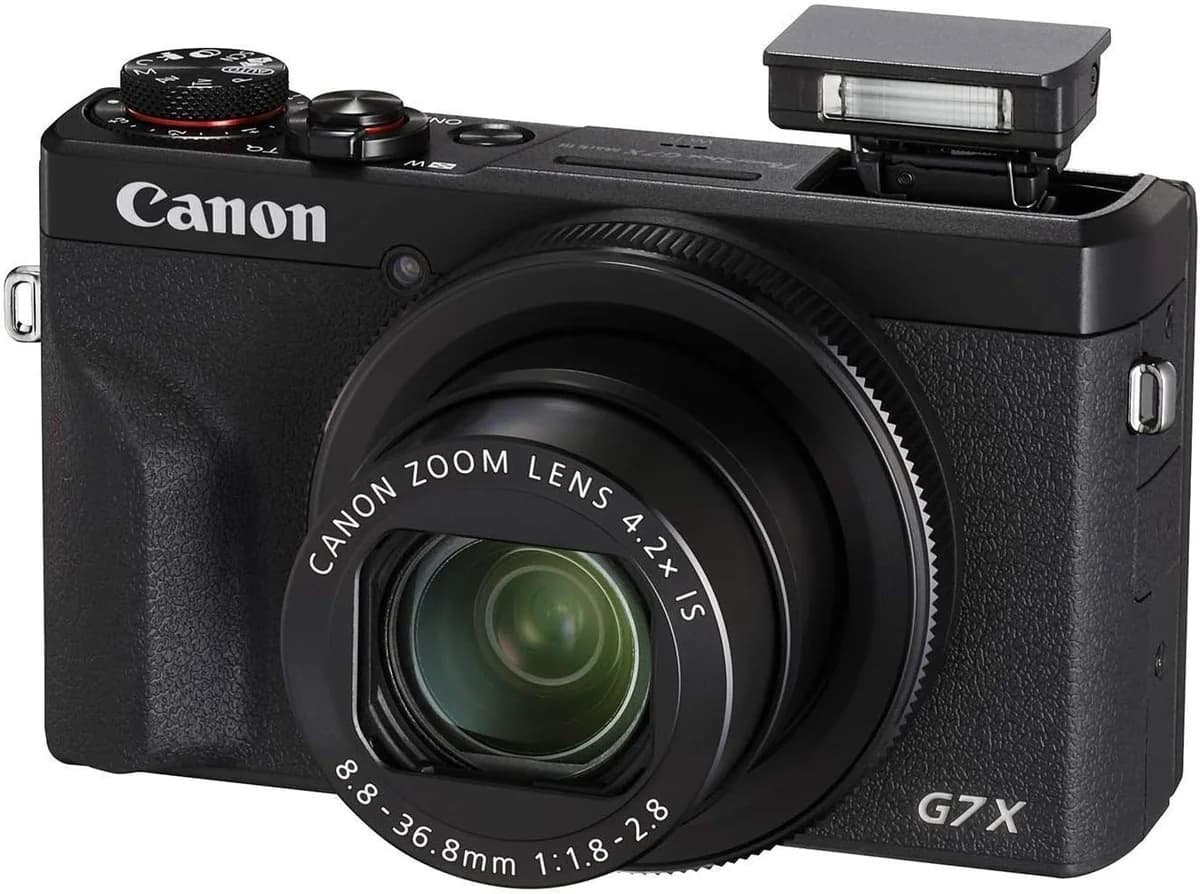
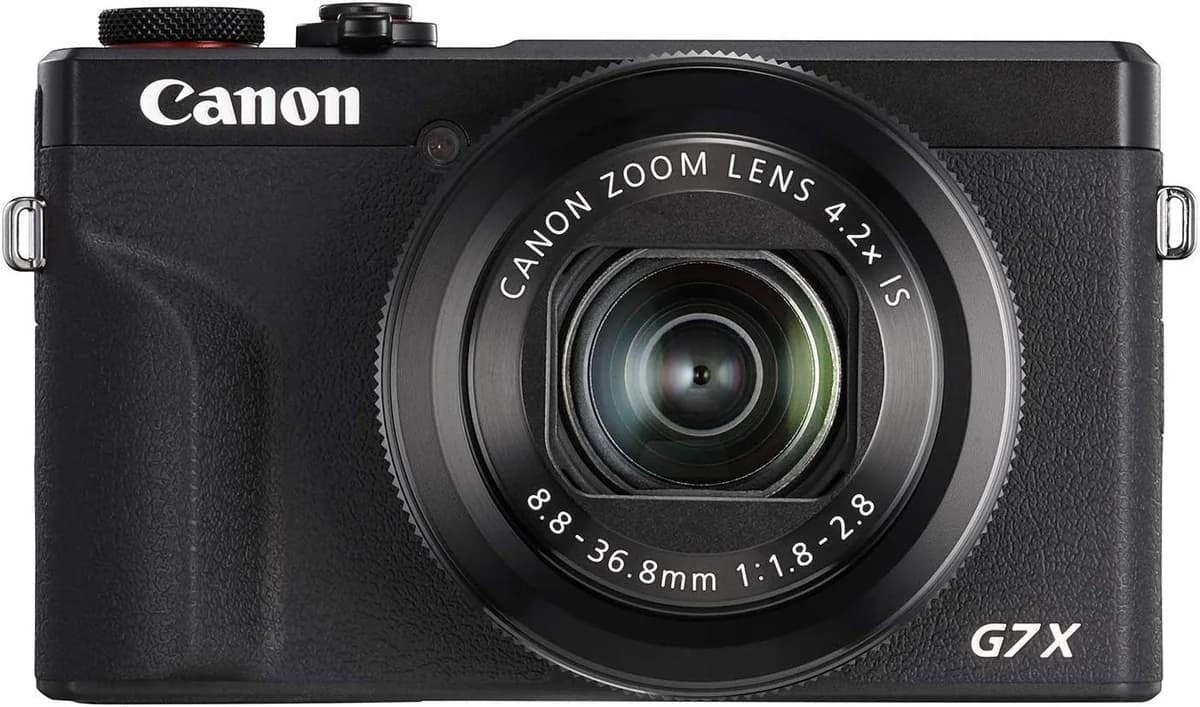
Canon PowerShot G7 X Mark III
Pocketable, bright-lensed camera with pleasing photos and capable video, best for casual creators.
The Canon PowerShot G7 X Mark III is a pocket-sized escape hatch for travelers and creators who want more reach and character than a phone without carrying a camera kit. Its bright 24–100mm zoom and one-inch sensor produce sharp, colorful photos with pleasing low-light results, while the tilting touchscreen and microphone input make short vlogs pleasantly straightforward. Canon’s creator-friendly 4K and livestreaming claims are partly supported, but real-world feedback flags unreliable video autofocus and 10-minute 4K overheating limits. The compact body, stabilization, and RAW flexibility justify a premium over basic cameras, though current pricing demands realistic expectations. Its overall appeal rests on photo quality, portability, ease of use, and how much video compromise you can accept.
Find Yours
What will be your primary use for the camera?
Answer to find your best matches.

The Field
Browse top contenders, or compare all options ranked by score and key attributes.
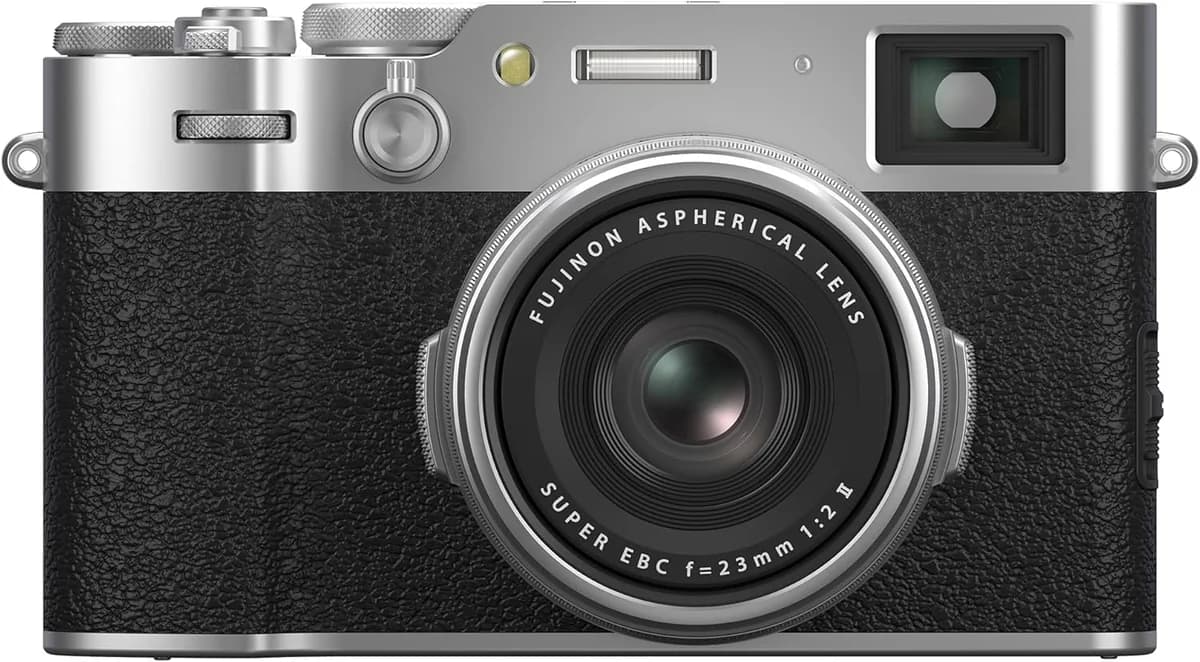
2 Options

The Scoreboard
Does this improve your life? Considers, health, habits, and environmental impact.
Benefits
Fits easily in a pocket or purse, so better photos are always close by.
The bright zoom and larger sensor capture flattering images in dimmer everyday settings.
The tilting touchscreen makes selfies, travel shots, and casual vlogs simpler to compose.
Quick phone transfers and familiar controls make posting photos feel straightforward and low-effort.
Trade-Offs
Autofocus can hunt or soften faces while filming, leaving clips visibly distracting and unusable.
Longer 4K sessions can overheat or stop early, interrupting vlogs and forcing cooldowns.
Video drains the modest battery quickly, requiring frequent recharging during travel or day trips.
Without a viewfinder, bright sunlight can make framing difficult when the screen becomes hard to see.
 Alternatives


Join the Circle
Where real meets deal
Know what's worth buying-and when.
Tips, special offers, and rewards for buying and sharing.

Publications
6 LEADING PUBLICATION REVIEWS

PCMag’s Jim Fisher views the G7 X Mark III as a capable but clearly second-tier compact camera. Its pocketable design, comfortable grip, bright 24-100mm lens, responsive touchscreen, strong image quality, microphone input, and 4K video make it appealing for casual photographers and vloggers who prefer a real camera to a phone. Burst shooting is impressively fast, and the one-inch sensor performs well through moderate ISO settings. Still, Fisher’s enthusiasm is restrained: autofocus tracking disappears during bursts, the lens is softer than Sony’s rivals, battery life is weak, charging compatibility is finicky, and there is no electronic viewfinder. The livestreaming feature feels gimmicky, while buried 4K controls and limited slow-motion quality frustrate. Overall, it is a sound, user-friendly option, but the pricier Canon G5 X Mark II is considered worth the upgrade, while the older G7 X Mark II offers better value.
By Jim Fisher
Cameralabs’ Gordon Laing is strongly positive about the G7 X Mark III, especially for vloggers. He praises its pocketable design, bright 24–100mm lens, responsive touchscreen, useful grip, uncropped 4K, 30fps RAW bursts, microphone input, vertical-video support, and unusual YouTube livestreaming. Compared with Sony’s RX100 VII, the Canon feels more tactile and offers a built-in ND filter, better out-of-camera color, and easier phone transfers with audio. However, its contrast-detect autofocus is noticeably less dependable for moving subjects, high-speed video lacks sound and continuous AF, 4K is limited to 25/30p and 10-minute clips, and Sony provides more detailed video and a viewfinder. Laing’s livestream tests were also unsuccessful on slower connections, though he attributes that to internet speed. Overall, he presents it as an appealing, unusually capable vlogging compact, with meaningful compromises for action photography and serious video work.
By Gordon Laing
Photo Review is broadly positive about the Canon PowerShot G7 X Mark III, especially as a genuinely pocketable travel and vlogging camera. Its 1-inch sensor, RAW support, bright 24–100mm-equivalent lens, excellent close-up bokeh, fast burst shooting, microphone input, and direct YouTube streaming make it versatile and enjoyable for everyday use. Testing found rich outdoor colours, effective backlight handling, negligible chromatic aberration, strong timing performance, and surprisingly reliable 4K recording in temperatures above 30°C. Still, the enthusiasm is measured: there is no viewfinder, battery life is limited, 4K clips are capped at 10 minutes, streaming requires awkward setup and produces weaker audio, and autofocus can hesitate with moving subjects. Image quality is strongest near the centre, while edges soften noticeably, particularly at wide angles. Overall, it is a capable, thoughtfully featured compact, best suited to vloggers and casual photographers who value portability over ultimate image quality.
Photography News is strongly positive about the Canon PowerShot G7 X Mark III as a compact travel and vlogging camera. Its bright 24–100mm-equivalent lens, responsive autofocus, excellent burst options, flip-up touchscreen, uncropped 4K video, microphone input, USB-C power, and livestreaming make it unusually capable for its size. The review is especially enthusiastic about its vlogging credentials, with Daisy Dickinson calling it suitable not merely as a backup but as a main vlogging camera. Image quality is pleasing, colors and detail are good, and handling feels comfortable despite the small body. Still, the small sensor limits texture and large-print potential, battery life is modest at roughly 290 shots, the wide-angle lens softens at the edges, and there is no hot shoe for mounting a microphone. Even so, the reviewer considers its feature set a compelling advantage over smartphones.
Digital Camera World is strongly positive about the Canon PowerShot G7 X Mark III, especially as a pocketable vlogging camera. Its 4K video, uncropped framing, external microphone input, clean HDMI output, and unusually easy YouTube livestreaming make it a meaningful upgrade for creators, while autofocus, stabilization, the flip-up touchscreen, bright 24–100mm-equivalent lens, and excellent burst modes broaden its appeal. Image quality is very good for a one-inch sensor, though it cannot match larger-sensor cameras, and wide-angle corner sharpness softens slightly. The compact design, built-in ND filter, focus stacking, and RAW shooting are welcome extras, but the small rear control wheel and screen glare are minor annoyances. The main drawbacks are the missing viewfinder and relatively high price; for stills-focused buyers, the cheaper G7 X Mark II—or the pricier G5 X Mark II with a viewfinder—may make more sense.
By Angela Nicholson
EFTM’s Scott Plowman is clearly impressed by the Canon PowerShot G7 X Mark III overall. He praises its exceptionally good, natural-looking photos, strong low-light performance, pocketable design, responsive controls, and effective in-camera stabilisation. The flip-up touchscreen, microphone input, 4K video, and straightforward phone connectivity make it particularly appealing to vloggers, while USB-C charging adds everyday convenience. Still, it is not flawless: built-in audio sounds thin, the small on-screen recording button is awkward for larger fingers, lens flare can be pronounced, digital zoom is limited, and YouTube is the only supported livestreaming platform. Plowman also recognises the broader challenge facing compact cameras as smartphones improve. Even so, his conclusion is warmly positive: for travellers or anyone whose phone camera is lacking, the G7 X Mark III remains a genuinely capable, enjoyable pocket camera.
By Scott Plowman

YouTube
14 LEADING EXPERT & INFLUENCER REVIEWS
 DPReview TV
Chris Nichols is enthusiastic about the G7 X Mark III, calling it a fun, intuitive compact camera and a strong value for vloggers. He appreciates its bright 24–100mm lens, excellent ergonomics, built-in ND filter, 4K/30p video, microphone input, and unusually useful Wi‑Fi livestreaming. The camera is pocketable and produces pleasing footage with little rolling shutter, but its contrast-detect autofocus looks jittery, especially in video, and livestream setup is frustratingly complex. Sony’s RX100 VII remains technologically superior, particularly for autofocus and video quality, though it costs much more. Overall, the G7 X III is warmly recommended for creators and casual photographers, less so for demanding hybrid shooters.
The Everyday DadThe Everyday Dad is strongly disappointed by the Canon PowerShot G7 X Mark III for video. He praises its bright 24–100mm f/1.8–2.8 lens, built-in ND filter, touchscreen, microphone input, compact design, and generally good 4K image quality. However, unreliable contrast-detection autofocus and severe overheating—sometimes requiring lengthy cooldowns—make it difficult to trust for vlogging. He also criticizes its limited video exposure modes, lack of 24p, and weaker stabilization and dynamic range than the Sony RX100 VII. Despite calling it a potentially good stills camera, he recommends the Sony without hesitation.
Tech Gear TalkZiggy is impressed by the G7 X Mark III’s portability, lens, image quality, and creator-friendly controls. The bright 24–100mm-equivalent f/1.8–2.8 lens, stabilization, touchscreen, built-in ND filter, time-lapse mode, external microphone input, and clean HDMI make it versatile for travel and vlogging. His enthusiasm is tempered by significant shortcomings: contrast-detection autofocus is unreliable, 4K recording is limited to 10 minutes and can overheat, 24p is absent, and 1080p/120 lacks autofocus and stabilization. With better-value Canon options available around $750, he views it as capable but difficult to recommend unreservedly.
Think MediaSean Cannell is positive about the Canon PowerShot G7 X Mark III, especially for photography and feature-rich content creation. Its stacked sensor, fast DIGIC 8 processor, microphone input, 4K, 120fps slow motion, USB-C power, and excellent lens make it feel impressively capable for a pocket camera. However, autofocus remains unreliable for face-tracked vlogging, and overheating makes 4K and slow motion difficult to depend on. Sean recommends the Mark III for photography, but prefers the cheaper Mark II for straightforward daily vlogging, unless buyers specifically need the newer features and can use manual-focus workarounds.
Georges Cameras TVGeorges Cameras TV remains strongly impressed by the Canon PowerShot G7 X Mark III. Its compact design, bright f/1.8–2.8 zoom, pop-up flash, touchscreen, and flip-up screen make it a particularly capable everyday, travel, and vlogging camera. In beach and low-light comparisons, it produced pleasing color, stronger contrast, balanced exposure, and an especially effective flash. The review acknowledges that newer options can be cheaper, more available, sharper, or more specialized, but still ranks the G7 X Mark III as the best all-rounder, praising its blend of image quality, convenience, and pocketability.
MPBJakub is impressed by the Canon PowerShot G7 X Mark III’s pocketable design, bright 24–100mm lens, image quality, fast burst shooting, ND filter, and vlogging-friendly microphone input. He particularly enjoys it as a travel stills camera, praising its unobtrusive handling, capable ISO performance, tilting touchscreen, and distinctive pop-up-flash look. However, his enthusiasm is sharply tempered by recurring 4K overheating—even in freezing conditions—and dated, unreliable continuous autofocus. Full HD is softer, while 120p sacrifices autofocus, sound, and stabilization. Overall, he finds it a genuinely enjoyable, powerful compact for photos and basic vlogging, but not a dependable 4K video camera.
Wex Photo VideoWex Photo Video is highly positive about the Canon PowerShot G7 X Mark III. They praise its pocketable design, bright 24–100mm-equivalent f/1.8–2.8 lens, effective stabilization, intuitive controls, USB-C charging, and especially its tilting screen for vlogging and travel. The 1-inch sensor and 20.1MP resolution feel well matched to the camera’s size, while burst shooting and capable 4K video add versatility. Autofocus is dated and can hunt because it relies on contrast detection, and the lack of a viewfinder disappoints traditional photographers. Still, the reviewer considers it an excellent, enjoyable all-purpose compact that largely deserves its renewed popularity.
Tech Through The LensRiver is highly enthusiastic about the Canon PowerShot G7 X Mark III, calling it an 11/10 pocket camera for vlogging and travel. He praises its bright 24–100mm lens, smooth stabilization, attractive Canon color, responsive touchscreen, improved audio, 4K video, and live streaming. He’s less impressed by the contrast-detection autofocus, which lacks Canon’s Dual Pixel AF, and the burst modes’ fixed focus. He also sees little reason for G7 X Mark II owners to upgrade and recommends Canon’s EOS M50 for cinematic or more versatile work. Overall, he strongly recommends it for compact creator use.
TbonesTechTbonesTech is highly enthusiastic about the Canon PowerShot G7 X Mark III, calling it a premium compact that “packs a punch.” He praises its sharp 4K video, bright 24–100mm-equivalent f/1.8–2.8 lens, strong low-light performance, responsive touchscreen, smartphone connectivity, and external microphone input. He considers it especially well suited to vloggers, selfies, families, and anyone wanting image quality far beyond a phone. The main drawbacks are the lack of a hot shoe for mounting a microphone and some severe noise at ISO 25,600, but he still considers the roughly $750 price excellent.
Content OdysseyContent Odyssey is strongly positive about the Canon PowerShot G7 X Mark III, despite clear limitations. They praise its pocketable design, simple grab-and-go operation, bright lens, built-in flash, pleasing colors, and especially its photos’ nostalgic, film-like look. It suits everyday creators, travel, casual vlogging, and social content better than demanding professional video work. Autofocus can hunt, battery life is weak, low-light images may show noise, and 4K recording can overheat during longer shoots. Still, the reviewer’s own experience with both Mark II and Mark III leads to an enthusiastic recommendation, particularly for users who value simplicity over advanced autofocus.
ItsLarryGLarry G remains strongly positive about the Canon PowerShot G7 X Mark III, calling it an excellent everyday-carry companion and a worthwhile step above a phone. After years of heavy use, he praises its pocketable size, dependable autofocus, bright zoom, RAW flexibility, built-in ND filter, and surprisingly capable concert photography. He’s clear that its 1-inch sensor cannot match larger cameras, and its weak battery, short 4K recording limit, limited grip, and lack of microphone mount restrict serious video work. Still, for casually documenting life, travel, and social content, he plans to keep it long-term.
Jan RybářJan Rybář is strongly enthusiastic about the Canon PowerShot G7 X Mark III, calling its results more authentic and engaging than smartphone photos. After taking roughly 200 images across Europe, he praises the bright lens, natural optical background blur, 24–100mm optical zoom, large 1-inch sensor, dynamic range, portability, and creative control. He also appreciates remote smartphone control for video and photography. Rybář is fair about its limits: phones may look better straight out of camera, images often benefit from editing, and the camera can be slow with a difficult-to-see screen. Still, its imperfect, camera-like character feels genuinely addictive to him.
edelAdele feels mixed about the Canon PowerShot G7 X Mark III, appreciating its portability more than its video performance. It fits easily in a purse and produces appealing photos with a bright f/1.8–2.8 zoom, but she finds its video colors too orange and its autofocus unreliable for product demonstrations unless manually adjusted. Built-in audio is also merely average without an external microphone. Overall, she considers it a convenient travel-friendly point-and-shoot, but prefers the Sony ZV-E10 for sit-down videos and the DJI Osmo Pocket 3 for vlogging.
Brian ChoBrian Cho is genuinely enthusiastic about the Canon PowerShot G7 X Mark III after using it for three months. He loved its pocketable size, easy auto operation, tilting selfie screen, pop-up flash, and noticeably more distinctive, higher-quality images than an iPhone—especially for outings, sports, and social content. His friend Brianna reinforces its appeal for creators who want attractive photos without editing or technical complexity. The main drawbacks are modest battery life, delicate construction, flash-related delays, limited experimentation with advanced features, and inflated used prices. Cho considers it excellent at retail, but not worth paying over $1,000 for.

Social
3 INFLUENCER REVIEWS
 Joey Pusateri
Joey Pusateri is skeptical of the Canon PowerShot G7 X Mark III despite liking its photos and pocketable design. He connects its built-in flash and “flash photo aesthetic” with its enduring popularity, but argues that the camera’s price has doubled since launch while its video remains dated, more like a 2019 model. His central takeaway is that buyers are paying for the G7 X’s hype rather than corresponding performance. Overall, the tone is clearly disappointed but not dismissive, since he still considers it a convenient everyday camera with genuinely good still-image quality.
Taliya EilersTaliya Eilers is thrilled with her Canon PowerShot G7 X Mark III. She excitedly unboxes the $1,400 camera, appreciating its compact size, included accessories, and flip screen for vlogging. Its portability feels especially appealing compared with her larger, bulky camera, and she is eager to use it on a boat trip with visiting friends. The review is strongly enthusiastic, though it is based almost entirely on anticipation rather than actual photo or video results. Her “investment” justification and plan to pass it down to her children reinforce how confident and emotionally invested she feels in the purchase.
 Mit
MitMit gives the Canon PowerShot G7 X Mark III a mildly positive, balanced assessment. In an autofocus comparison with the Sony ZV-1, Mit finds the Sony locks onto an object faster, while the Canon appears slower or less reliable in that test. However, Mit prefers the Canon’s more contrasty color rendering and considers both cameras capable of producing great-quality video. The review is brief and focused only on autofocus, color, and general image quality, ending without a firm recommendation and inviting viewers to choose their favorite.

Store Reviews
CUSTOMER REVIEWS FROM 2 STORES
Amazon reviewers use the Canon PowerShot G7 X Mark III for travel, everyday photography, and vlogging, often carrying it where larger cameras are impractical. Photos consistently come through as sharp, colorful, and noticeably better than smartphone results, while the flip screen, compact design, easy phone transfers, and microphone input support casual content creation. Still photography is generally reliable and the interface feels familiar to existing Canon users, but video performance is divisive. Autofocus can hunt, lose stationary subjects, or remain soft despite firmware updates, and 4K frequently triggers overheating after only a few minutes. Battery life is adequate for photos but weaker during video, and the high price makes those limitations harder to accept. It suits portable photography and short vlogging clips better than sustained recording or demanding filmmaking.
4.4 Stars / Many verified reviews
Target buyers use the Canon PowerShot G7 X Mark III for travel, everyday photos, and content creation, often finding it compact, intuitive, and capable of sharp, attractive images. Many describe it as worth the wait and especially enjoy its portability, touchscreen, flip screen, and easy controls. However, reliability is inconsistent: several units reportedly stopped working within days, while others experienced slow or unreliable autofocus, overheating during 4K recording, and frustrating video-transfer or audio-accessory issues. The most serious concerns involve Target orders being repeatedly canceled, lost, or delivered without adequate security, though those fulfillment issues are separate from the camera’s performance. Overall, successful owners are enthusiastic about photo quality and convenience, but prospective buyers should weigh reports of autofocus, video, and early-failure problems against the positive experiences.
3.7 Stars / Some verified reviews

In-Depth Review

Highlights
- •Colorful Still PhotosProduces attractive files beyond typical phones.
- •Bright Optical ZoomOffers useful reach in low light.
- •Pocketable BodyFits easily in pockets or purses.
- •Uncropped 4K VideoSharp footage with little rolling shutter.

Considerations
- •Unreliable Video FocusCan hunt or jitter on faces.
- •4K Overheating LimitsTen-minute clips can trigger overheating.
- •Weak Battery EnduranceRequires frequent recharging during travel.
- •No Electronic ViewfinderBright sunlight makes framing difficult.
Canon’s respected G-series has long paired serious imaging with everyday portability, and this model remains a popular creator compact. Built for travelers, casual photographers, and vloggers, it combines a 24–100mm f/1.8–2.8 lens, a one-inch sensor, and a pocket-friendly body that is easier to carry than a mirrorless kit. Its uncropped 4K, microphone input, and tilting screen make it more capable than a typical phone, while its Canon color and tactile controls distinguish it from rivals such as Sony’s RX100 line. The trade-off is that contrast-detect autofocus and 4K overheating limits matter more for serious video than for short clips. We’ll examine image quality, optical performance, burst shooting, handling, and vlogging ergonomics to clarify who gets the most from it. In short, it’s a charming pocket camera—provided you investigate whether its video quirks fit your ambitions.
Autofocus And Burst Shooting
Burst performance is impressive, but autofocus depends heavily on the situation. The camera can shoot up to 20 fps with AF tracking, while Raw Burst reaches 30 fps with focus effectively fixed, making it useful for fleeting moments. For ordinary stills, users often find focusing responsive and dependable. The larger concern is contrast-detection continuous AF, which can hunt, lose moving subjects, or look jittery during video. Burst modes also restrict tracking behavior, so action photographers should not mistake speed for equivalent subject-following sophistication.
Video Recording Performance
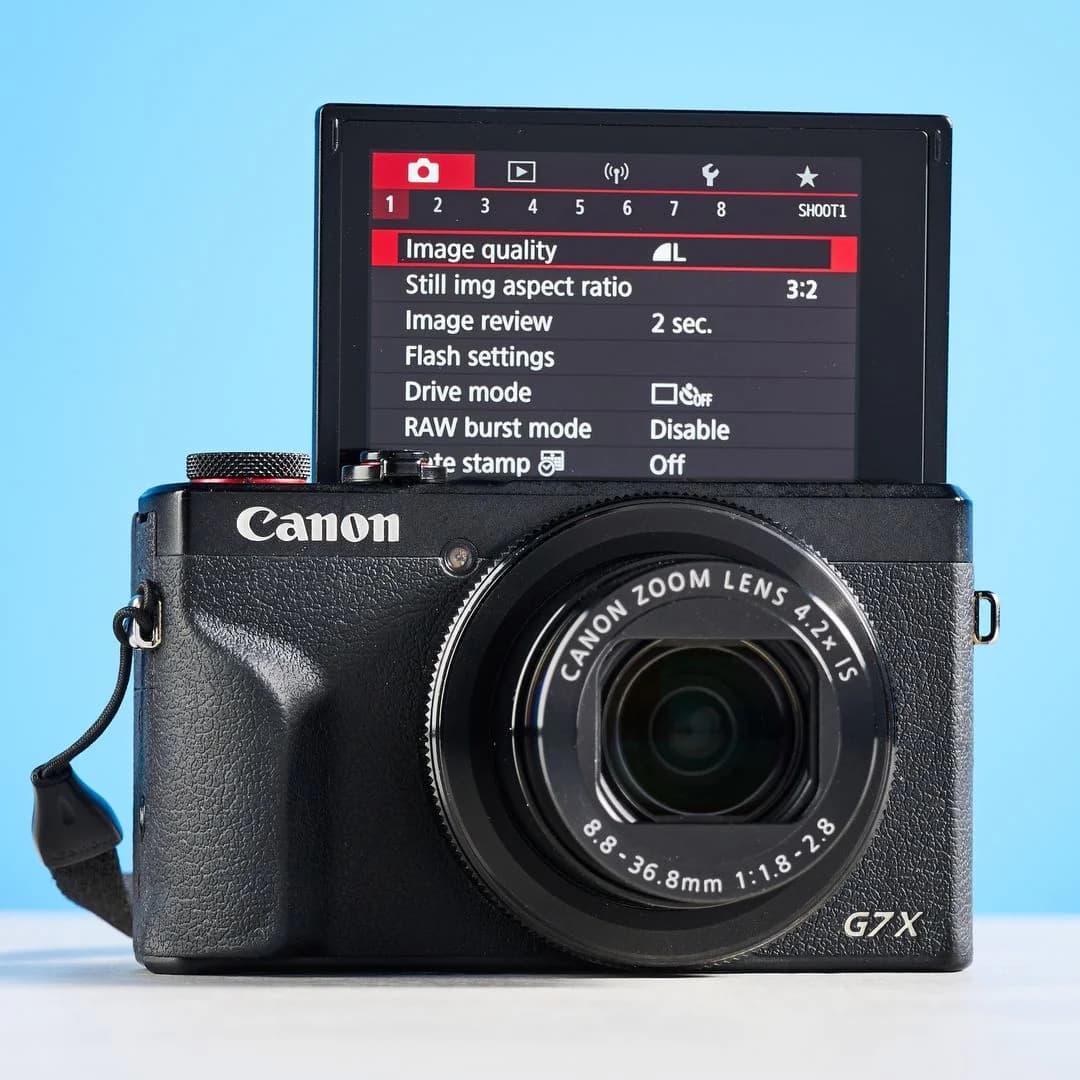
Video is the G7 X Mark III’s most useful feature and its biggest liability. Uncropped 4K/30p, Full HD up to 120p, clean HDMI, a microphone input, USB-C power, and YouTube livestreaming give creators capabilities beyond a phone. Footage is generally sharp with pleasing color and little rolling shutter, but contrast-detect autofocus can hunt or jitter on faces. Reviewers and owners also report 10-minute 4K limits and overheating, sometimes requiring long cooldowns, so it is better for short clips than dependable extended production.
Compact Body And Handling
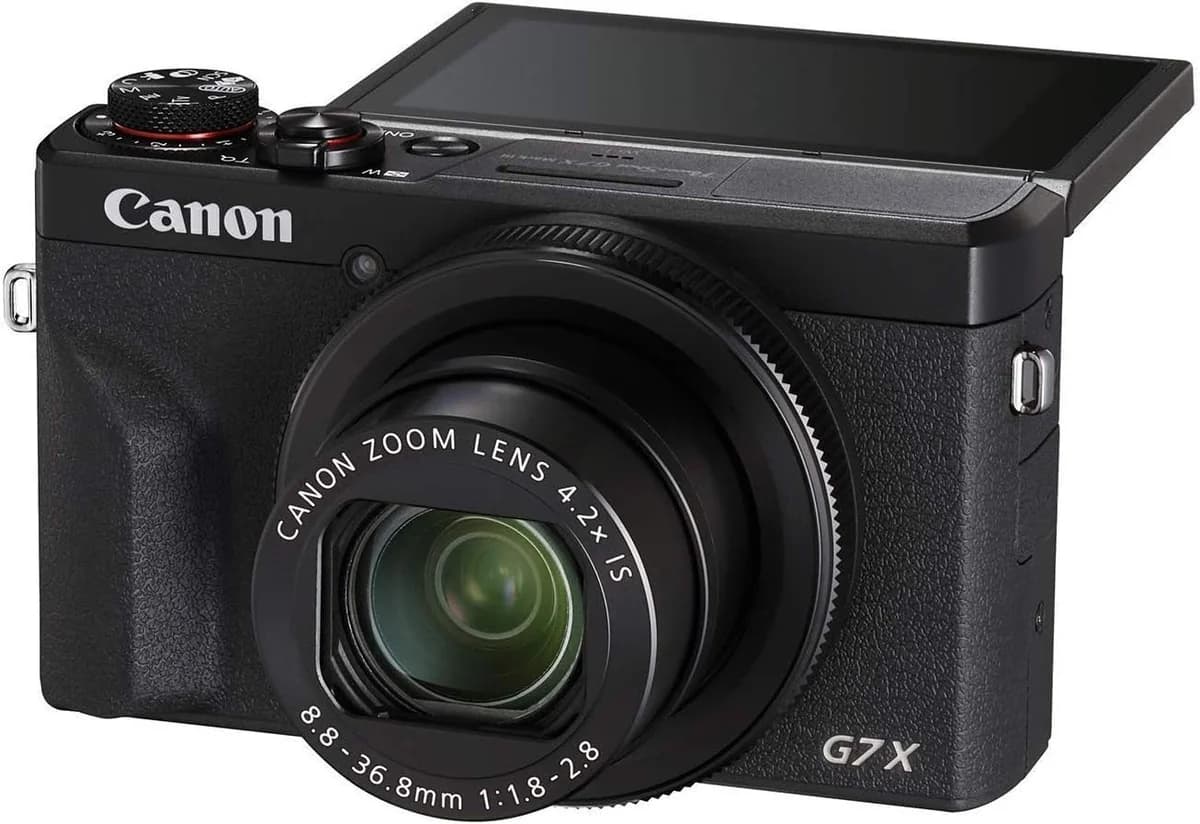
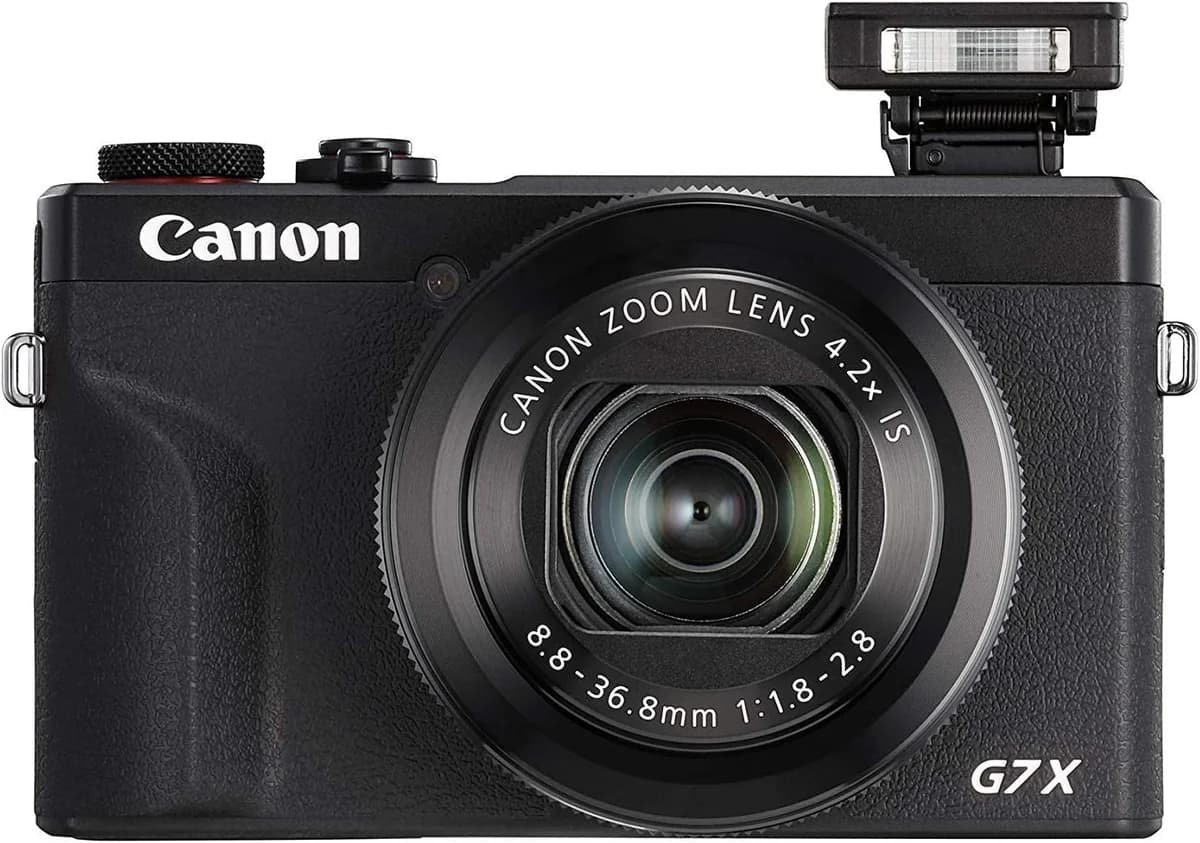
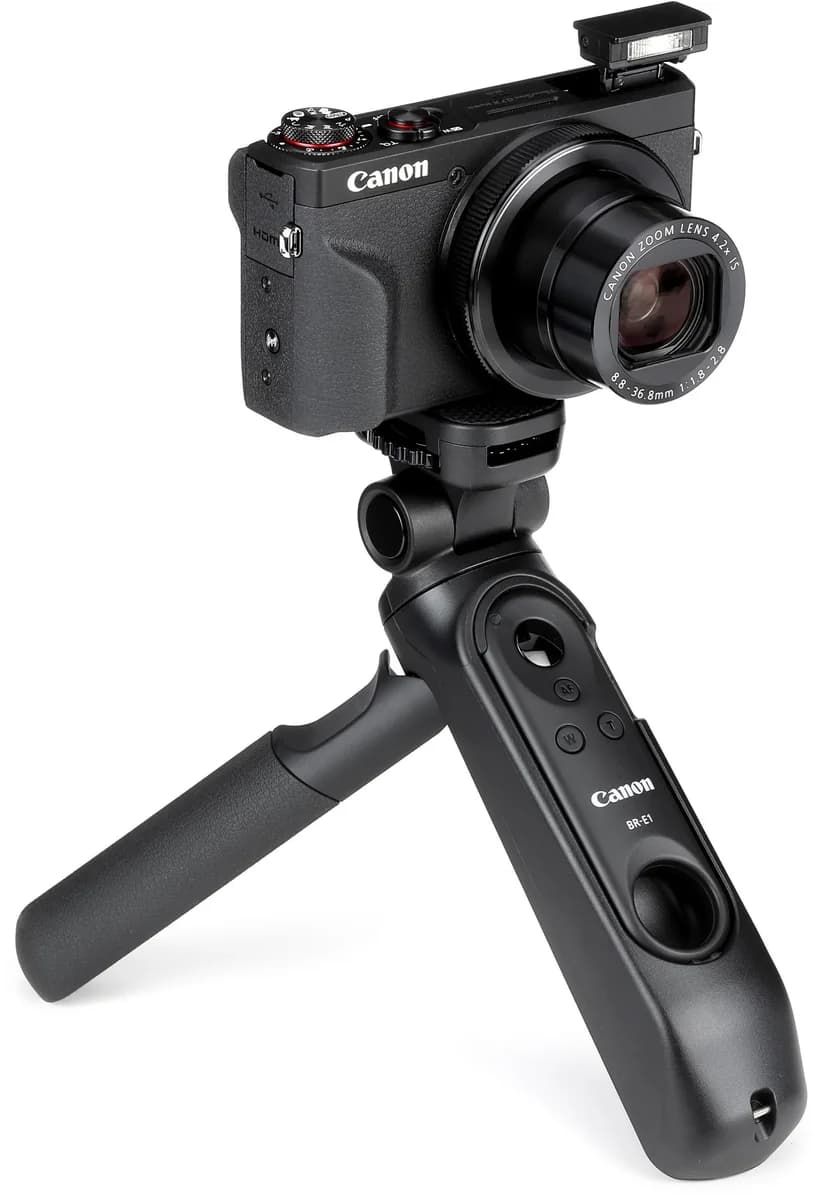
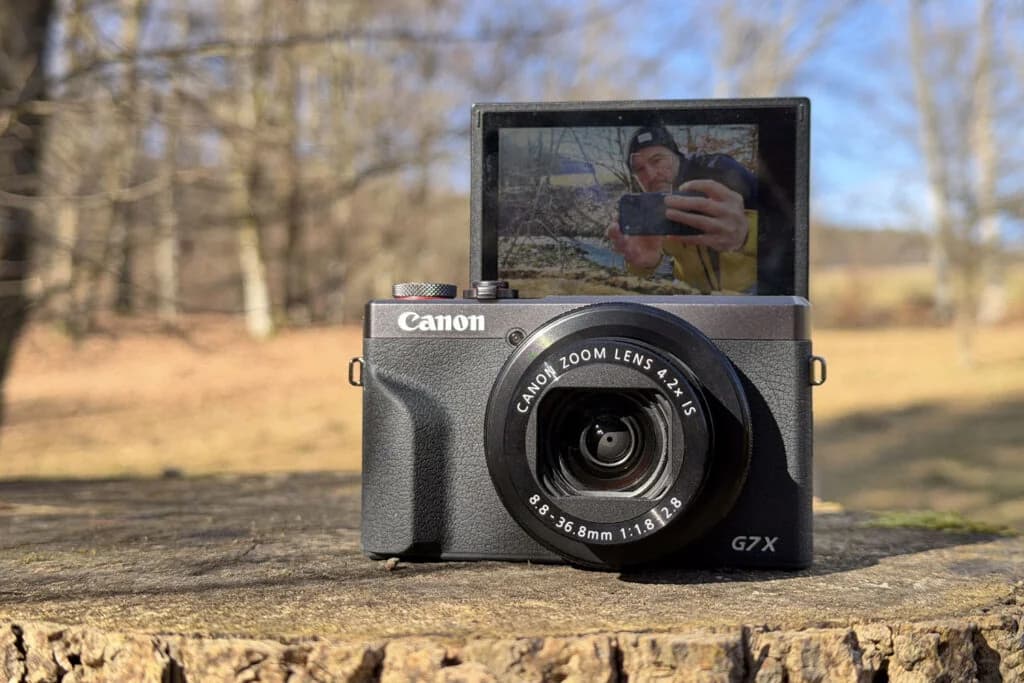
Portability is the G7 X Mark III’s clearest everyday advantage. At roughly 304 grams with battery and card, its small body slips into a pocket or purse while retaining a useful grip, pop-up flash, physical controls, and a bright zoom lens. Reviewers describe it as tactile and intuitive, and owners regularly carry it where larger cameras stay home. The compromises are equally practical: no electronic viewfinder makes bright sunlight harder, the battery is modest, and the compact grip can feel limited during longer sessions.
Still Image Quality
The camera produces genuinely attractive photos for a pocketable model. Its 20.1MP stacked 1-inch CMOS sensor delivers sharp, colorful files with useful RAW flexibility and better low-light results than typical phones. Users particularly value the natural Canon color and more distinctive background blur, while testing found strong outdoor color, contrast, and backlight handling. The limitation is physical: one-inch sensor detail cannot match larger cameras for heavy cropping or large prints, and wide-angle edge softness means the center is usually strongest.
Lens Optical Performance
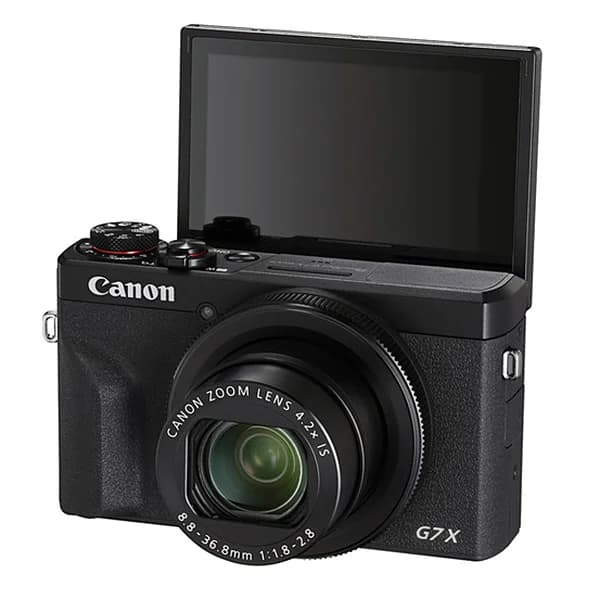
The lens is arguably the reason this camera remains so appealing. Its 24–100mm-equivalent zoom covers landscapes, portraits, travel details, and casual events without changing lenses, while the f/1.8–2.8 aperture helps in dim light and creates more natural separation than a phone. Optical stabilization and the built-in three-stop ND filter add practical flexibility for handheld shots and video. Real-world feedback is strongly positive, though reviewers note softer corners at wide angles and less edge sharpness than some Sony rivals.
Tilting Touchscreen And Vlogging
The screen makes solo shooting unusually straightforward. Its 3-inch tilting touchscreen flips upward for self-framing and supports touch focus, menus, and playback, which is valuable for travel clips, selfies, and quick social posts. Combined with an external microphone input, stabilization, vertical-video support, and wireless phone control, the ergonomics are creator-friendly without becoming complicated. Feedback supports that convenience, but built-in audio is only average, the recording button can feel small, and autofocus may undermine otherwise easy vlogging setups.
Conclusion
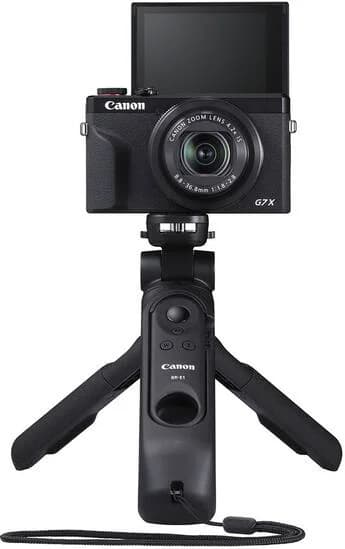
The verdict is clear: the G7 X Mark III is a pocket camera with excellent still-image quality, thanks to its bright 24–100mm lens, pleasing color, and useful low-light performance. Its compact handling and tilting touchscreen make travel, selfies, and casual vlogging genuinely convenient, while fast bursts add fun for fleeting moments. Creators get sharp uncropped 4K, microphone input, stabilization, and livestreaming, but contrast-detect autofocus can hunt, and 10-minute 4K limits plus overheating make extended video a gamble. The screen-only design and modest battery reinforce its casual, carry-everywhere character. Users and experts generally see a charming, capable alternative to a phone—best for travelers, social creators, and photographers who prioritize portability and short clips, not demanding filmmakers or action specialists. Its strong image-making experience earns a confident recommendation, tempered by video reliability and premium-price compromises.

Feature Scores
This reflects reviews and ratings from established critics, journalists, and users who have evaluated the item. Their opinions provide a comprehensive assessment.
Performance
Image Quality
4/5
Low-Light Performance
4/5
Autofocus Speed
3/5
Image Stabilization
4/5
Zoom Versatility
5/5
Burst Shooting Speed
5/5
Video Quality
4/5
Battery Life
3/5
Reliability
3/5
Value
Price to Quality Ratio
3/5
Resale Value
4/5
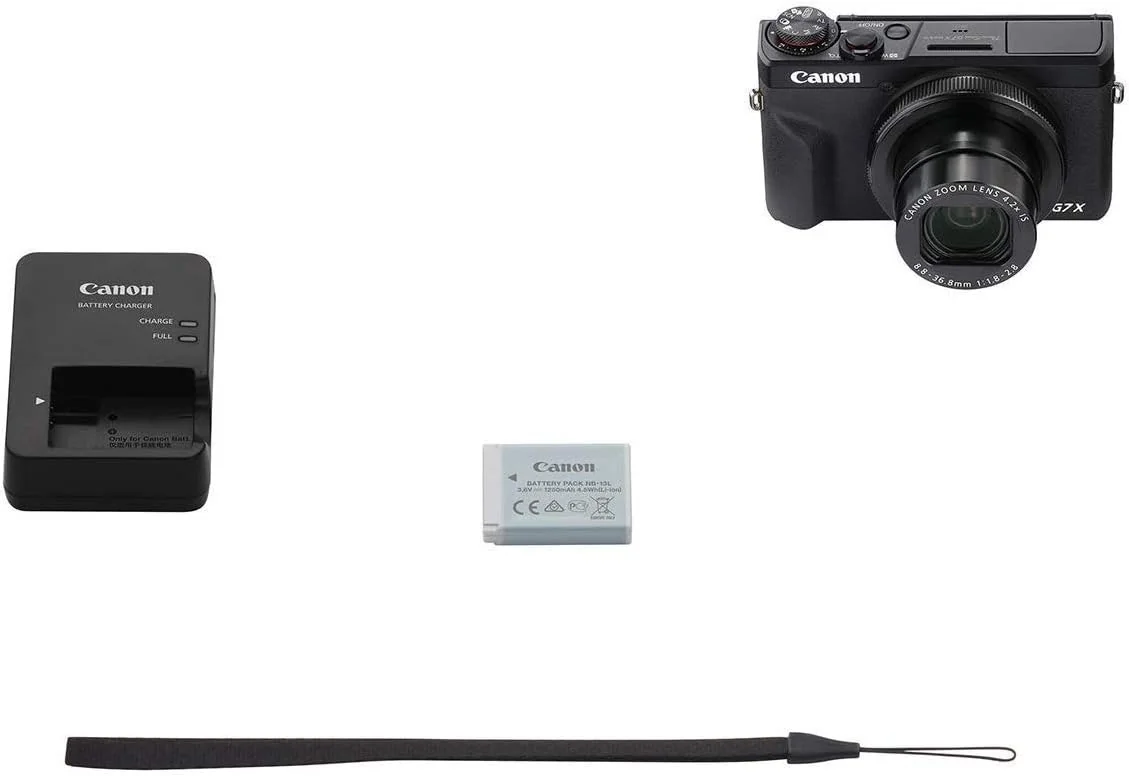
Included Accessories
4/5
Design
Ergonomics
4/5
Aesthetic Appeal
4/5
Portability
5/5
Health
Materials Safety
TBD
Battery Chemical Safety
TBD
Safety
Flash Eye Safety
TBD
Electrical Safety Compliance
TBD
Sustainability
Energy Efficiency
3/5
Repairability
2/5
Recyclability of Materials
2/5
Sustainable Packaging
2/5
Experience Style
Ease of Use
4/5
Menu Simplicity
4/5
Customization Options
4/5
Connectivity Features
4/5

Specifications
This section outlines the product's key facts, covering essential features, details, dimensions, materials, and any unique characteristics that define its functionality and usability.
Performance
Design
Value
Experience Style

Frequently Asked Questions
6 Questions



Find Yours
What will be your primary use for the camera?
Answer to find your best matches.