
Bambu Lab A1 Mini
Compact, fast, and user-friendly with vibrant multi-color printing, though limited by build size and filament waste.
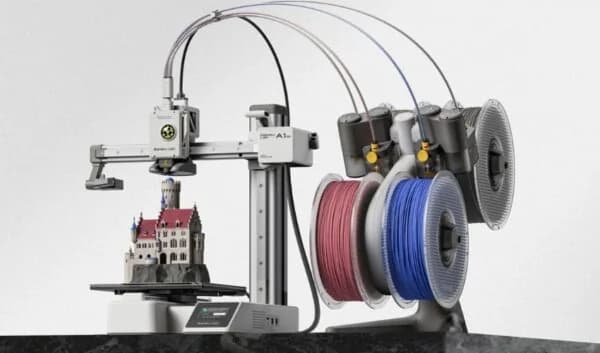
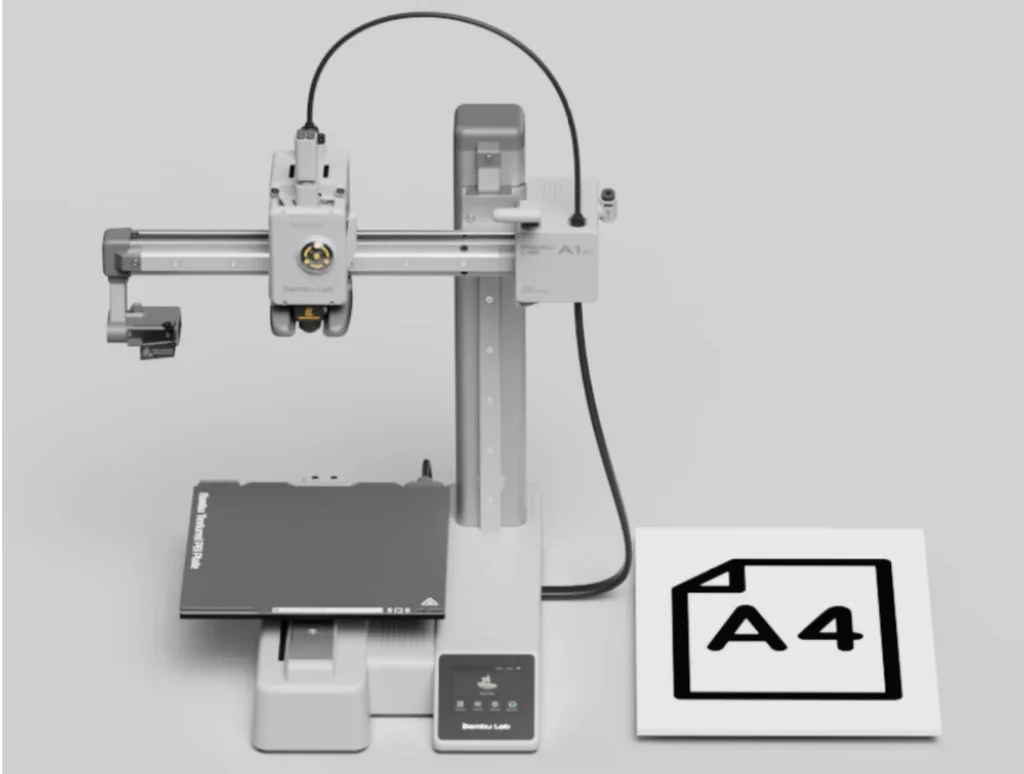
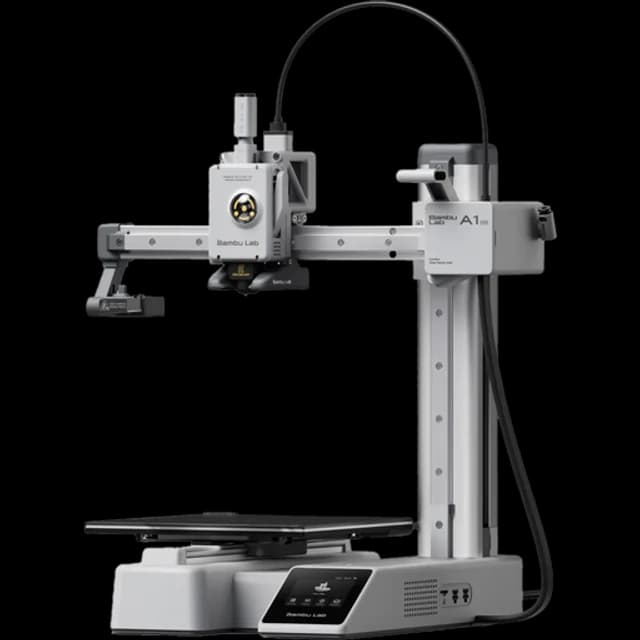
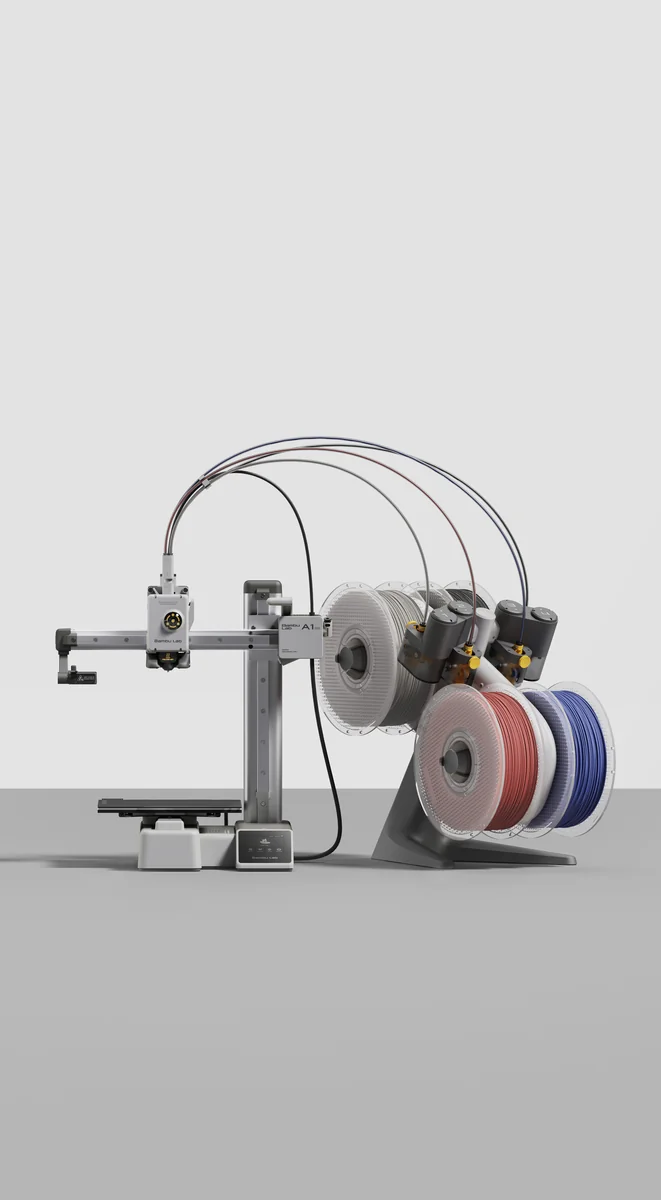
The Bambu Lab A1 Mini is a compact powerhouse that makes multi-color 3D printing delightfully accessible for beginners and hobbyists cramped for space. Praised for its Plug-N-Play setup, fast print speeds up to 500 mm/s, and automatic calibration wizardry, it delivers sharp, consistent prints that rival pricier rivals. Experts applaud the clever AMS Lite system unlocking vibrant colors, despite notable filament purge waste—a trade-off users learn to live with. Its quiet operation and smart sensors keep frustrations low, though the modest build volume nudges some toward larger models. At this price point, it’s an impressive blend of speed, precision, and playful creativity all in one tidy package.


Find Yours
What is your primary use for a 3D printer?
Answer to find your best matches.

The Field
Browse top contenders, or compare all options ranked by score and key attributes.
5 Options



The Scoreboard
Does this improve your life? Considers, health, habits, and environmental impact.
Benefits
Full-auto calibration and guided setup reduce user frustration and learning curve, unlike hobbyist barebones printers.
AMS Lite and four-color support expand creative projects and family learning, unlike single-filament minis.
Smart diagnostics, auto-tuning, and reliable prints cut troubleshooting time compared to DIY, manual-tune printers.
Active Flow Rate and input-shaping deliver dimensional accuracy and surface quality, exceeding many budget rivals.
Small footprint fits desks and classrooms, reducing setup friction versus bulkier AMS-enabled full-size printers.
Trade-Offs
AMS Lite purges between colors, creating notable filament waste per multicolor print versus optimized systems.
Open frame and limited bed temperature restrict ABS and carbon-fiber use, unlike enclosed printers.
Fans, purge events, and AMS activity create audible noise that can disrupt concentration at home.
Purge nests, discarded filament segments and extra spool handling increase plastic waste versus low-waste printers.
Firmware and software favor Bambu profiles, making third-party filament setup more fiddly and constrained.
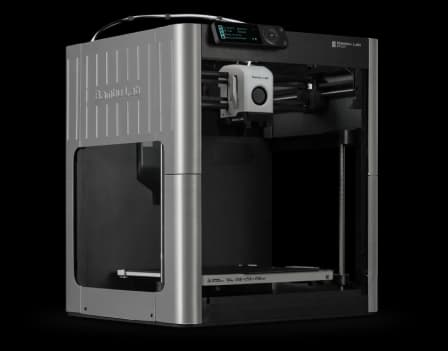
 Alternatives


Join the Circle
Where real meets deal
Know what's worth buying-and when.
Tips, special offers, and rewards for buying and sharing.

Publications
10 LEADING PUBLICATION REVIEWS

Ted Needleman from PCMag highlights the Bambu Lab A1 Mini as an outstanding, budget-friendly 3D printer ideal for beginners and hobbyists. He praises its ease of setup, fast printing speeds, and high-quality output, noting it as the most affordable four-color FDM printer on the market. The review emphasizes the printer’s nearly complete out-of-box assembly, intuitive software, and versatile filament compatibility, making it accessible even to novices. Unique insights include detailed benchmarking results showing excellent dimensional accuracy and print quality uncommon at this price point. Criticisms focus on the small print bed size, a somewhat cramped control panel for larger fingers, and notable filament waste during multicolor printing due to color changes. Despite these minor drawbacks, Needleman’s tone is enthusiastic and confident, awarding the A1 Mini an Editors’ Choice for its stellar performance, user-friendly design, and value, making it a top pick for those seeking a reliable, multicolor-capable 3D printer without breaking the bank.
By Ted Needleman
Matthew Mensley from All3DP highlights the Bambu Lab A1 Mini as a surprisingly capable and well-rounded 3D printer that punches above its $299 price point. Praising its speed, smart self-calibration, and high-quality prints, Mensley emphasizes the printer’s beginner-friendly setup and seamless integration with Bambu Lab’s software ecosystem, including the innovative MakerWorld model repository. The companion AMS Lite accessory adds valuable multi-material capabilities, though it has limitations such as incompatibility with flexible filaments and a larger desk footprint. While the review is enthusiastic about the A1 Mini’s stability, quiet operation, and print consistency, it also candidly notes minor drawbacks like the noisy and sometimes unreliable purge wiper, a laggy UI, and limited portability due to a fixed power cable and no handle. Overall, Mensley regards the A1 Mini as a “knockout punch” in its category, offering advanced features and excellent value, making it a compelling choice for users seeking a compact, fast, and smart 3D printer without breaking the bank.
By Matthew Mensley
Denise Bertacchi from Tom’s Hardware highlights the Bambu Lab A1 Mini as an impressively fast, compact, and user-friendly 3D printer that brings color printing within reach for budget-conscious beginners. Praising its intuitive touchscreen, mostly pre-assembled design, and innovative AMS Lite system that simplifies multi-filament use, she emphasizes the printer’s standout speed and ease of maintenance. Unique insights include the magnetic quick-swap nozzles and the AMS’s compatibility with a wider range of third-party filaments. While the AMS wastes considerable filament during color purging and slows print times, these trade-offs are balanced by the printer’s overall reliability and print quality across PLA, PETG, and TPU. Bertacchi also notes the helpful Bambu Slicer software and Maker World ecosystem, enhancing user experience. Though the A1 Mini’s smaller build volume limits some projects, it’s a compelling choice for newcomers seeking affordable, high-speed color 3D printing with thoughtful design and solid performance.
By Denise Bertacchi
James Bricknell from CNET highlights the Bambu Lab A1 Mini Combo as an impressively accessible 3D printer designed specifically for beginners who prioritize ease and quality over technical complexity. Praising its straightforward setup, intuitive color-coded assembly, and seamless software integration—including a handy mobile app and direct model downloads—he emphasizes how the A1 Mini delivers surprisingly high-quality prints with minimal effort. The standout feature is the AMS Lite system, enabling multi-color printing at a price point rarely seen for such capability. However, Bricknell notes some limitations: the smaller build volume, the large overall footprint due to the AMS Lite and waste collection, and compatibility issues with other Bambu Lab machines. He also raises concerns about the Makerworld model repository’s security and the waste generated by filament purging. Ultimately, he sees the A1 Mini as a “fun little machine that just works,” ideal for newcomers seeking reliable results without the learning curve, though less suited for experienced users.
By James Bricknell
Alastair Jennings from TechRadar highlights the Bambu Lab A1 Mini as a standout 3D printer that combines impressive speed, quality, and multi-filament capabilities at an accessible price point. Praising its innovative AMS Lite system, which supports up to four filaments typically found only in high-end models, Jennings emphasizes the printer’s user-friendly, near plug-and-play setup and advanced features like Active Motor Noise Cancellation and automatic filament management. While the A1 Mini excels in single-filament speed and print quality, multi-filament printing is slower, and the printer does produce filament purge “nests” that users must manage. The review notes minor quirks such as a non-smartphone-responsive touchscreen and the absence of an enclosure, limiting some use cases. Overall, Jennings regards the A1 Mini as a landmark in 3D printing evolution, offering exceptional value and performance for both beginners and enthusiasts, with a few manageable trade-offs that do not detract from its strong appeal.
By Alastair Jennings
Dave Gershgorn from Wirecutter praises the Bambu Lab A1 Mini as an exceptionally user-friendly 3D printer that excels in ease of setup and consistent print quality without requiring manual calibration. He highlights its compact size, making it suitable for most desks, and its guided setup process supported by intuitive mobile and desktop software. The A1 Mini delivers fast, precise prints with minimal maintenance, aided by helpful diagnostics and clear instructions. While it lacks advanced features for specialty materials like ABS or carbon fiber, it meets the needs of most hobbyists and beginners. The optional AMS Lite multi-material system adds multicolor printing capabilities, though filament spool compatibility can be limited. Gershgorn notes minor issues such as filament spool jams and software restrictions favoring Bambu Lab’s ecosystem but considers these manageable. Overall, the review conveys enthusiasm for the A1 Mini’s balance of simplicity, performance, and value, positioning it as the top pick for newcomers and casual users seeking reliable, high-quality 3D printing.
By Dave Gershgorn
Matt Lighthart from GearLab praises the Bambu Lab A1 Mini as a polished, compact 3D printer that excels as an entry point for multicolor printing enthusiasts. The review highlights its rich feature set, including an intuitive touchscreen, onboard camera, and the optional AMS multicolor accessory, which significantly expands creative possibilities. While print quality is generally good with excellent surface finishes and sharp details, some issues appear in bridging and overhangs, and support removal can be tricky. Ease of use is a strong point, with quick setup and user-friendly Bambu Studio software. However, the small build volume and lack of an enclosure limit its suitability for specialty filaments, which the manufacturer does not recommend. Support resources are comprehensive but lack direct phone contact. Overall, the A1 Mini is celebrated for its balance of features, performance, and price, making it a top choice for designers seeking multicolor capability in a compact form, though it requires some user finesse for advanced materials.
By Graham Faulknor
David Morelo from Make Tech Easier highlights the Bambu Lab A1 Mini as a transformative 3D printer that delivers a truly hassle-free, plug-and-play experience. Praising its fully automated calibration system and intelligent features like Active Flow Rate Compensation, he emphasizes how the compact printer produces high-quality prints with minimal user intervention. Morelo appreciates the intuitive touchscreen interface and the seamless integration with Bambu Studio slicer software, while also exploring alternative slicers like OrcaSlicer for advanced settings. He shares unique, practical use cases—from custom household fixes to creative projects for his children—showcasing the printer’s versatility and reliability. Although he notes minor issues such as filament waste and spool tangling, these were easily resolved with community-designed 3D-printed accessories, underscoring the supportive MakerWorld ecosystem. Overall, Morelo’s enthusiastic yet balanced review conveys genuine delight and confidence in the A1 Mini’s value, especially for users seeking quality prints without the typical 3D printing frustrations.
By David Morelo
Julie Strietelmeier from The Gadgeteer highlights the Bambu Lab A1 Mini as an impressive entry-level 3D printer that excels in multi-color printing thanks to its AMS Lite accessory. She expresses genuine enthusiasm for its ease of use, minimal assembly, and fast, high-quality prints, noting the innovative automatic filament detection and smooth print removal from the textured PEI build plate. While the compact size and portability are praised, she candidly discusses the “poop” issue—excess filament purging during color changes—which can be wasteful for multi-color prints. The review also mentions some vibration during printing, though it does not affect print quality. Julie appreciates the convenience of cloud-connected software and mobile notifications, making the printing process seamless. Despite a recent heatbed cable recall (which did not affect her unit), she finds the A1 Mini reliable and a great gateway into more advanced 3D printing. Overall, the tone is warmly positive with balanced insights into both strengths and minor drawbacks.
By Julie Strietelmeier
Dan Seifert from Overclocking.com EN highlights the Bambu Lab A1 Mini’s impressive print quality and ease of use, emphasizing its near-perfect calibration and effective vibration control thanks to input shaping technology. The reviewer appreciates the thoughtful inclusion of practical accessories like the spatula/scraper and notes the printer’s reliable first-layer adhesion without the need for glue on the PEI plate—a notable convenience rarely seen in competing models. Testing with various filaments, including Bambu Lab’s Galaxy and Elegoo’s PETG-PRO, the printer delivered clean, dimensionally accurate prints with minimal issues, aside from some overhang challenges. The review also underscores the printer’s ability to handle both simple and ambitious projects effectively, with prints peeling off effortlessly once cooled. Overall, the tone is positive and measured, conveying confidence in the A1 Mini’s performance while providing detailed, real-world insights into its strengths and minor limitations.

YouTube
15 LEADING EXPERT & INFLUENCER REVIEWS
 Teaching Tech
Teaching Tech praises the Bambu Lab A1 Mini with AMS Lite as a polished, beginner-friendly 3D printer featuring full-auto calibration, fast print speeds, and smart compensation technologies. While impressed by its ease of use and print quality, he notes filament wastage, the AMS Lite’s bulky size, and some PETG adhesion issues as areas for improvement.
Maker's MuseMaker’s Muse praises the Bambu Lab A1 Mini for its beginner-friendly full-auto calibration, impressive speed, and clever AMS Lite multi-color system. While the compact design and smart compensation features impress, he notes drawbacks like the filament “pooping” mess, slower multi-color printing due to frequent purges, and limited material compatibility. Overall, it’s a solid, well-engineered entry-level printer with room for firmware improvements.
Adam Savage’s TestedNorm from Tested praises the Bambu Lab A1 Mini for its impressive speed, high print quality comparable to higher-end models, and innovative AMS Lite multi-material system. He highlights its easy setup, quiet operation with audio compensation, and smart calibration features. Some drawbacks include a small, less responsive touchscreen, filament purge waste, and a sizable footprint with AMS Lite. Overall, he finds it a compelling, affordable entry-level printer with strong potential for hobbyists and small-scale manufacturing.
Tomb of 3D Printed Horrors (Fat Dragon Games)Tom Tulis enthusiastically praises the Bambu Lab A1 Mini as the best 3D printer he’s used, highlighting its groundbreaking active flow rate and vibration compensation for fast, high-quality prints. He values the ultra-quick, safe nozzle swaps and versatility for miniatures and terrain. Minor issues like cabling are addressed with user solutions.
Buster Beagle 3D®Buster Beagle 3D enthusiastically recommends the Bambu Lab A1 Mini as the easiest, most beginner-friendly 3D printer he’s used, praising its full-auto calibration, quiet operation, and fast, high-quality prints. He notes minor issues with the spool holder but values the printer’s affordability and reliability, making it ideal for newcomers and practical users.
Uncle JessyUncle Jessy praises the Bambu Lab A1 Mini Combo with AMS Lite as an aggressively affordable, fast, and mostly reliable entry-level 3D printer with excellent print quality and a user-friendly touchscreen. He highlights the AMS Lite’s easier maintenance and filament support but notes significant space requirements, occasional clogs, filament waste in multi-color prints, and fan noise as drawbacks.
Aurora TechAurora Tech praises the Bambu Lab A1 Mini for its exceptional speed, print quality, and beginner-friendly full-auto calibration. The intuitive touchscreen and robust network features stand out. While multi-color printing with the AMS Lite wastes filament and the auto bed leveling isn’t perfect, firmware updates are expected to improve these. Overall, it’s a highly recommended, competitively priced mini 3D printer.
3D Print Dood3D Print Dood enthusiastically recommends the Bambu Lab A1 Mini as the best beginner-friendly, cost-effective 3D printer after 9 months of regular use. He praises its plug-and-play setup, reliability, compact size, and print quality, while noting the small build volume and poor built-in camera as minor drawbacks.
FauxHammerFauxHammer praises the Bambu Lab A1 Mini as the ultimate beginner 3D printer, highlighting its full-auto calibration, plug-and-play setup, and fun, guided printing experience. While noting its small build volume and minor software quirks, he emphasizes its family-friendly design, innovative AMS Lite option, and strong potential with ongoing support.
Keo PrintsKeo Prints enthusiastically recommends the Bambu Lab A1 Mini as a compact, fast, and reliable 3D printer with advanced features like full-auto calibration, vibration compensation, and a quick-swap nozzle. Despite minor maintenance challenges like Z banding, its exceptional print quality, multi-color AMS Lite support, and affordability make it a standout entry-level powerhouse.
Arne BornheimArne Bornheim praises the Bambu Lab A1 Mini for its affordable price, compact size, and ease of use, making it ideal for beginners or as a secondary printer. He highlights its full-auto calibration and AMS Lite compatibility but notes the limited 180x180x180mm build volume as a key drawback. He advises considering the larger A1 for more versatility, especially when using the AMS unit.
Rad Dad's Print LabRad Dad praises the Bambu Lab A1 Mini as an affordable, feature-packed 3D printer ideal for beginners and experienced makers alike. He highlights its full-auto calibration, active flow rate compensation, and quiet operation, while noting the smaller 180mm³ build volume and occasional auto bed-leveling hiccups. The AMS Lite upgrade adds valuable multi-color printing, and despite minor Wi-Fi and camera limitations, he finds it a compelling, fast, and reliable compact printer.
The Outlaw EffectThe Outlaw Effect praises the Bambu Lab A1 Mini as an exceptionally beginner-friendly, fast, and quiet 3D printer with seamless plug-and-play setup and full-auto calibration. He highlights its compact footprint, responsive touchscreen, and remote monitoring via the Bambu Handy app. While the limited 7-inch build volume and filament waste during multi-color printing with AMS Lite are noted drawbacks, the reviewer values its ease of use, reliability, and extensive free design files, recommending it especially for newcomers or those on a budget.
XykitXykit praises the Bambu Lab A1 Mini for its compact size, affordability, and print quality nearly matching the flagship X1 Carbon. While setup took longer than advertised and some prints showed minor imperfections, the fully automated calibration and reliable performance make it a strong recommendation for beginners willing to stay within the Bambu ecosystem.
Gadget SquaredGadget Squared praises the Bambu Lab A1 Mini for its excellent print quality and compact design but warns buyers to get the AMS Lite combo upfront to avoid costly upgrades. He highlights limitations like the small build plate, restricted filament types, and touchscreen usability, advising those needing larger prints or more colors to consider bigger models like the P1S.

Social
6 INFLUENCER REVIEWS
 Chris Weber
Chris Weber highlights the Bambu Lab A1 Mini’s ease of setup and consistent reliability over nine months of regular use. He praises its quick start—printing within 30 minutes—and solid print quality across diverse projects, emphasizing the printer’s durability and dependable performance under sustained workload. Overall, Chris offers a positive, measured endorsement of the A1 Mini, noting it has “held up really well” and met his expectations for reliability. While not overly effusive, his firsthand experience suggests the printer is a strong choice for users seeking a dependable, easy-to-use 3D printer that performs consistently over time.
 ImpresoEn3D
ImpresoEn3D highlights the Bambu Lab A1 Mini as a strong choice for beginners in 3D printing, praising its automatic first-layer leveling and notably faster print speeds—up to four times quicker than competitors. They acknowledge the smaller 18 cm build volume but find it sufficient based on personal experience, and mention flexible financing options that ease the price concern. A unique insight is their preference to pair the AMS multi-color system with a different printer, keeping the A1 Mini portable, enhanced by a custom handle they 3D printed for easy transport. Overall, ImpresoEn3D offers a positive, practical recommendation for the A1 Mini, emphasizing its user-friendly setup, speed, and portability as key benefits. While price and build volume are noted as considerations, the reviewer’s hands-on experience and thoughtful customization suggest it’s a worthwhile investment for newcomers seeking convenience and versatility.
Jayasanka WeerasingheJayasanka Weerasinghe shares his enthusiastic first experience unboxing and using the Bambu Lab A1 Mini, marveling at how digital designs transform into tangible objects. He highlights the smooth matte filament finish and the printer’s ease of use, expressing genuine excitement despite being new to 3D printing. Overall, Jayasanka’s review is highly positive and energetic, conveying a sense of discovery and delight. While he doesn’t delve into technical drawbacks, his fresh perspective and hands-on enthusiasm strongly recommend the A1 Mini as an accessible entry point for beginners eager to explore 3D printing.
Shailendra PatelShailendra Patel highlights the Bambu Lab A1 Mini’s impressive speed, multi-color printing, and user-friendly features like the quick-swap hotend and Active Motor Noise Cancelling. Despite some playful frustrations with setup, he showcases practical prints and emphasizes the printer’s reliability and versatility. Overall, Shailendra finds the A1 Mini a compact, powerful 3D printer worth considering for makers seeking efficiency and quality in a small package.
DangerrrPrintzDangerrrPrintz shares a candid and somewhat frustrated take on the Bambu Lab A1 Mini, highlighting its affordability and advanced AMS feature for multi-filament use but also revealing a significant mechanical issue with the filament clip that caused a print failure. The review balances appreciation for the printer’s capabilities with the real challenges of maintenance. Overall, DangerrrPrintz conveys cautious optimism about the A1 Mini, acknowledging its value for smaller prints and multi-material projects while warning that users should be prepared for potential technical hiccups. The recommendation feels honest and practical rather than outright enthusiastic.
BV DesignBV Design shares their experience with the Bambu Lab A1 Mini, noting nearly a year of reliable use before encountering a minor issue with vibrations loosening the hotend screws, which affected print quality. They emphasize the problem was easy to fix, reflecting practical maintenance insight. Overall, BV Design’s review conveys a cautiously positive sentiment, appreciating the printer’s performance while acknowledging occasional upkeep needs. They implicitly recommend the A1 Mini for users comfortable with minor DIY repairs, highlighting its durability and manageable troubleshooting.

Store Reviews
CUSTOMER REVIEWS FROM 4 STORES
Customers on Best Buy provide positive feedback for the Bambu Lab A1 Mini, reflecting general satisfaction in their ratings and experiences.
4.9 Stars / Many reviews
Users on Micro Center provide positive feedback for the Bambu Lab A1 Mini, reflecting general satisfaction in their ratings and experiences.
5 Stars / Some reviews
Users on Additive X consistently praise the Bambu Lab A1 Mini for its reliability, speed, and ease of use, highlighting it as an excellent budget-friendly 3D printer. Reviewers emphasize the printer’s Plug-N-Play setup, noting it arrives fully assembled and precision-tuned, allowing them to start printing within about 20 minutes. Many appreciate the advanced flow control system, which uses a high-frequency eddy current sensor to dynamically adjust nozzle pressure and extrusion, resulting in precise prints. Customers also value the printer’s automatic fine-tuning of Z-offsets, bed leveling, vibration resonance, and motor noise reduction, which contribute to smoother operation and consistent quality. Additive X users frequently mention the company’s outstanding customer service and technical support, praising their quick responses and helpful guidance. The platform’s fast next-day delivery and competitive pricing further enhance the overall buying experience. Several reviewers highlight the availability of useful reference materials provided by Additive X to assist with setup and troubleshooting. Additionally, the AMS Lite accessory receives positive remarks for making multi-color printing accessible without sacrificing reliability. Overall, the community on Additive X finds the Bambu Lab A1 Mini to be a compact yet powerful desktop printer that balances affordability with sophisticated features, supported by a retailer that excels in service and support.
4.9 Stars / Many reviews
Customers on Ubuy Global generally provide positive feedback for the Bambu Lab A1 Mini based on their overall purchase experiences.
4.6 Stars / Many reviews

Forum Reviews
CUSTOMER REVIEWS FROM 1 FORUM
Reddit users generally view the Bambu Lab A1 Mini as a reliable, user-friendly 3D printer ideal for beginners and those with limited space, praising its print quality, ease of use, and quiet operation. The compact design and smaller build plate are seen as both a strength for portability and a limitation for larger projects. While many appreciate its performance for functional prints, some note issues like frequent maintenance, filament handling quirks, and touchscreen responsiveness. Experienced users often recommend upgrading to the full-sized A1 for greater versatility, but newcomers find the Mini a solid entry point despite its size constraints.
Many comments

In-Depth Review

Highlights
- •Out‑of‑Box SetupPre‑assembled; prints quickly first time
- •Auto calibration & sensorsAutomatic Z, bed mesh, pressure tuning
- •Print qualityConsistent layers and fine detail
- •Print speedHigh travel and acceleration performance
- •AMS multi‑color capabilityMarketed as simplifying 4‑color prints
- •Quiet operationActive motor noise reduction observed

Considerations
- •Filament purge wasteLarge material waste from color purges
- •Small build volume180 × 180 × 180 mm limits size
- •AMS footprint & spool fitAMS adds desk space; spool incompatibilities
- •Limited high‑temp materialsNot recommended for ABS or fiber‑filled filaments
- •Touchscreen responsivenessOccasional UI lag reported by reviewers
- •Maintenance itemsSome reports of loose screws and clogs
Bambu Lab, known for pushing 3D printing boundaries, positions the A1 Mini as a compact powerhouse tailored for hobbyists and beginners seeking precision without complexity. Designed to fit tight workspaces, this printer boasts high-speed printing up to 500 mm/s paired with advanced active flow rate compensation, ensuring smooth layers and sharp details. Its standout feature is the AMS Lite system, marketed to enable accessible multi-material prints in vibrant colors—though not without some filament waste trade-offs. The fully automated calibration suite promises hassle-free setup while sensors vigilantly monitor print health, elevating reliability over long runs. Complemented by a magnetic textured PEI build plate for effortless part removal, it offers an elegant blend of convenience and performance that challenges larger competitors. Whether you’re crafting intricate miniatures or rapid prototypes, understanding how these features play out will help you decide if this nimble contender fits your creative ambitions perfectly—let’s unpack what makes it tick.
Multi‑Material / AMS Performance
Unlock vibrant creativity with the AMS Lite system enabling four-color printing; however, purging between colors generates notable filament waste dubbed “poop.” Despite slower multi-material print speeds due to necessary nozzle cleaning routines during color changes, this accessory impresses by simplifying complex projects previously reserved for higher-end setups. Though not perfect—for example spool size compatibility varies—the AMS Lite offers accessible multi-color workflows that open fresh avenues while challenging users to manage extra material consumption effectively.
Auto Calibration & Sensors
Say goodbye to manual tweaks thanks to full-auto calibration features like Z-offset tuning, bed leveling, vibration resonance adjustments, and pressure advanced algorithms. Integrated sensors continuously monitor filament runout, tangle detection, and power loss recovery—keeping prints safe from common mishaps. Reviewers applaud how these smart systems reduce setup time dramatically while enhancing reliability across jobs. This hands-off approach sets new standards for beginner-friendly printers by minimizing user error and maximizing first-print success rates.
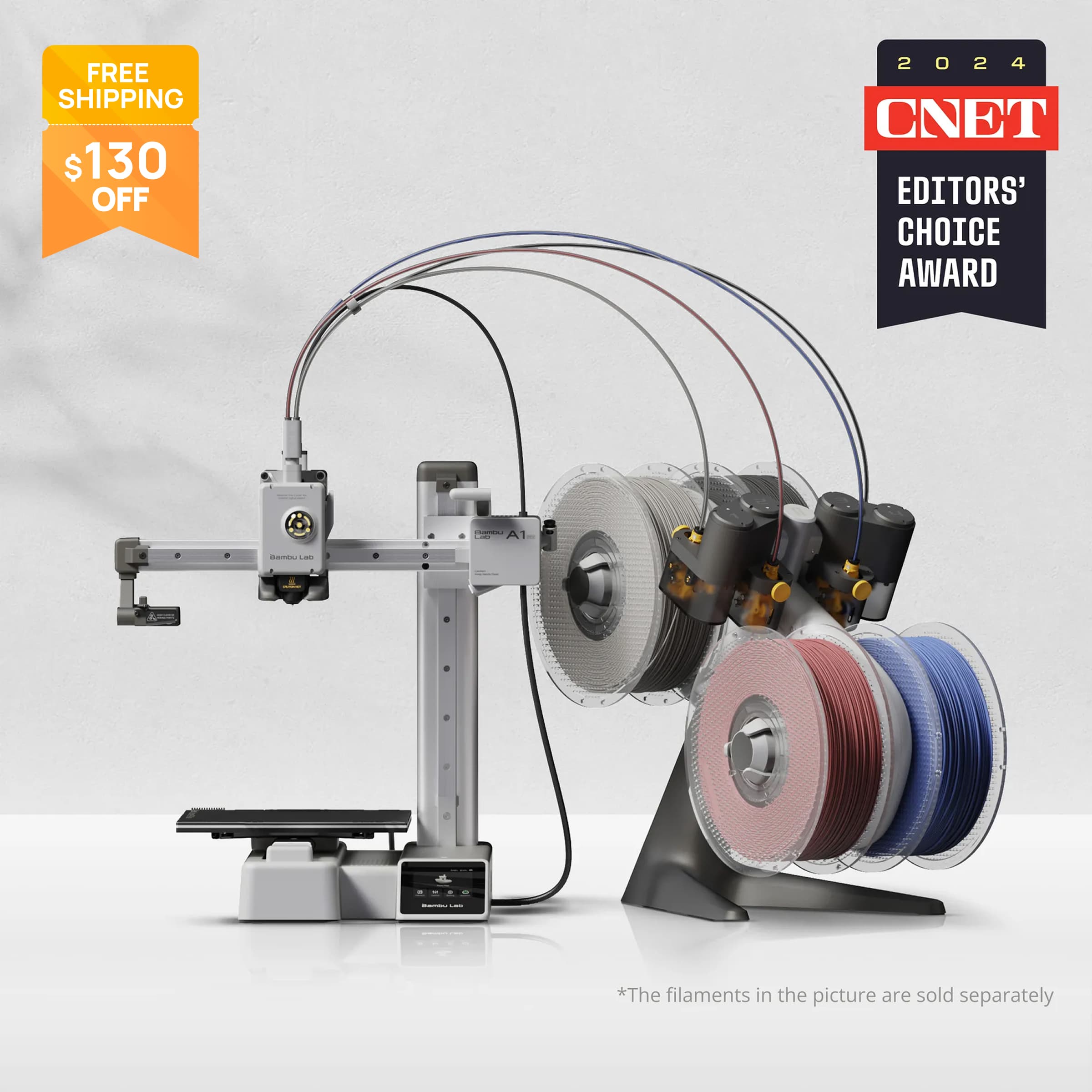
Print Speed & Motion Performance
This machine races through prints at speeds up to 500 mm/s paired with impressive acceleration capped at 10,000 mm/s² — fast enough to thrill but balanced against stability concerns inherent in bed-slinger designs. Active vibration compensation or input shaping cancels wobble-induced defects even when zipping around tight corners or long travel moves. Users report quick turnaround times coupled with minimal ringing artifacts—a sweet spot where speed meets control—making it an ideal tool for rapid prototyping without sacrificing finesse.
Print Quality
Dive into the world of sharp details and consistent layers with this printer’s active flow compensation, delivering crisp results that rival pricier machines. The clever use of a high-resolution eddy current sensor means every extrusion is finely tuned for smooth finishes. While experts praise its accuracy in dimensional tests, some note minor imperfections on steep overhangs—yet overall it earns kudos for reliable output. This blend of technology ensures users enjoy standout print quality without fuss, making it a go-to choice for those craving precision.
Conclusion
Bold moves in compact printing often come with trade-offs, and this machine’s print quality punches well above its size class thanks to smart auto calibration & sensors that minimize setup fuss. Its nimble print speed & motion performance dazzles, though the bed-slinger design gently limits maximum build volume. The AMS Lite multi-material system, while a gateway to vibrant color work, carries the cost of notable filament purge waste—a quirk users learn to manage. Reviewers applaud the flexible yet sturdy build plate & part removal, easing post-print frustrations across runs marked by dependable longevity. For creatives craving precision without bulk or complexity, it stands as an elegant choice; for those needing expansive capacity or minimal material loss on multi-color jobs, perhaps less so. This blend of thoughtful engineering and approachable automation invites newcomers and pros alike into rapid prototyping bliss—proof that sometimes small packages deliver surprisingly big delights.

Feature Scores
This reflects reviews and ratings from established critics, journalists, and users who have evaluated the item. Their opinions provide a comprehensive assessment.
Performance
Print Quality
5/5
Print Speed
4/5
Reliability
4/5
Build Volume
3/5
Dimensional Accuracy
5/5
Material Compatibility
4/5
Value
Price-to-Quality Ratio
5/5
Consumable Cost
3/5
Maintenance Cost
4/5
Total Cost of Ownership
4/5
Design
Physical Build Quality
5/5
Compactness
4/5
Ergonomics
4/5
Health
Emissions Control
2/5
Material Toxicity Transparency
3/5
Enclosure Availability
2/5
Safety
Moving Parts Guards
2/5
Sustainability
Energy Efficiency
4/5
Consumable Waste Management
2/5
Experience Style
Ease of Setup
5/5
Software Ecosystem
4/5
Customization
3/5
Community Support
4/5

Specifications
This section outlines the product's key facts, covering essential features, details, dimensions, materials, and any unique characteristics that define its functionality and usability.
Performance
Value
Design
Safety
Sustainability
Experience Style

Frequently Asked Questions
11 Questions
Find Yours
What is your primary use for a 3D printer?
Answer to find your best matches.