
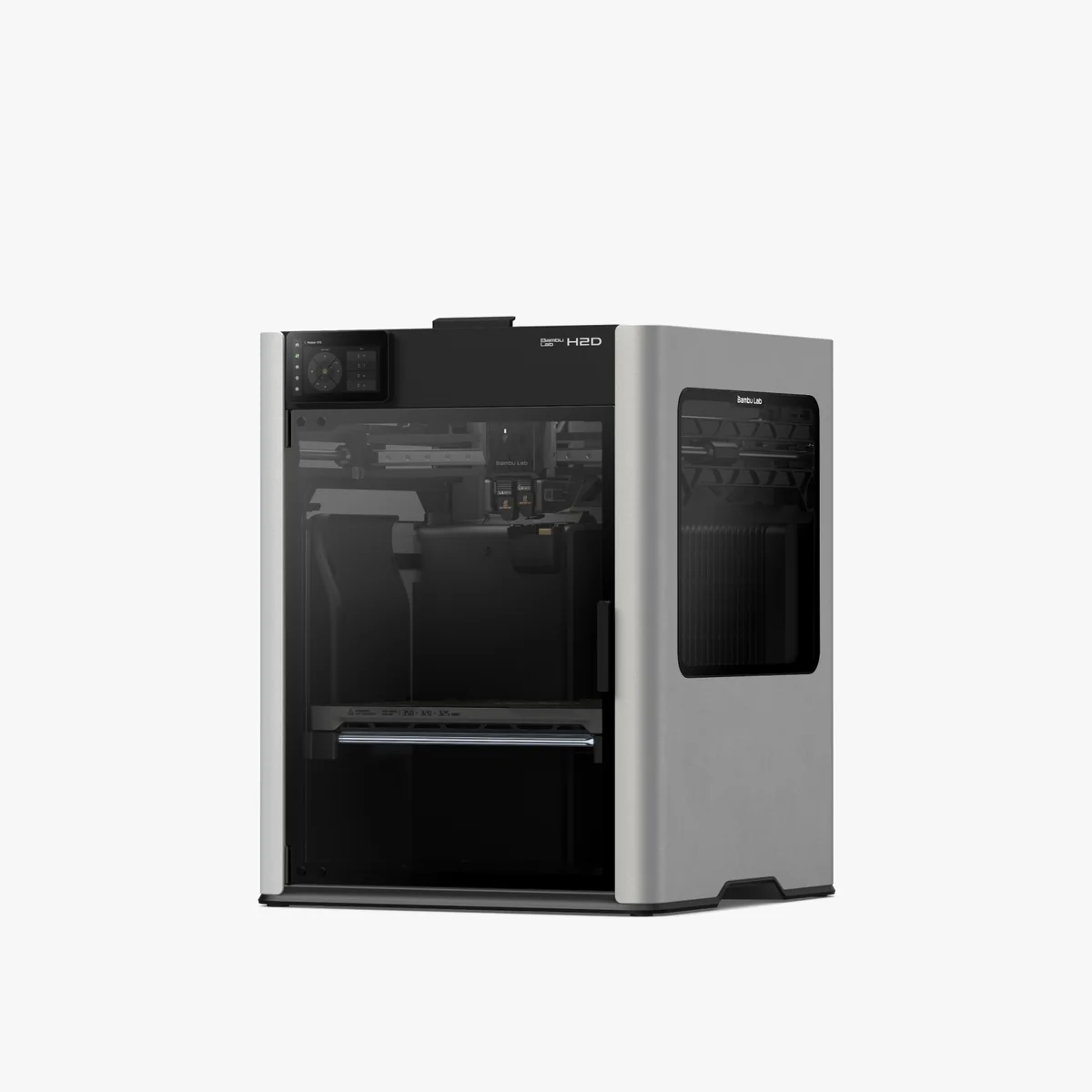
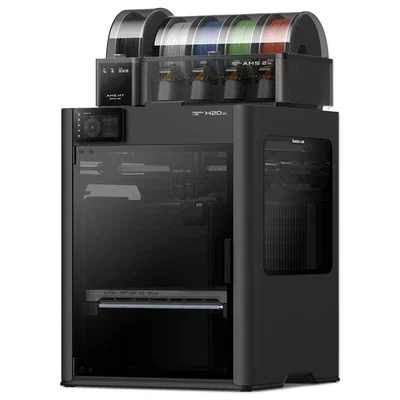
Bambu Lab H2D
Large build volume and dual-nozzle speed meet high-temp precision, with minor software and filament quirks.
The Bambu Lab H2D is a multi-tool marvel designed for makers craving speed, size, and serious material muscle. With its generous 350×320×325 mm³ build volume and dual independent nozzles, it slashes print times while juggling multi-material magic. Experts praise its 350°C hotend and active chamber heating for warp-free engineering plastics prints, though users note some quirks with TPU feeding and software polish. The integrated laser adds flair but splits opinions on value versus standalone gear. At a premium price point, this powerhouse blends precision with pace—delivering robust versatility that demands desk space—and sparks debate over firmware limits impacting long-term upgrades.

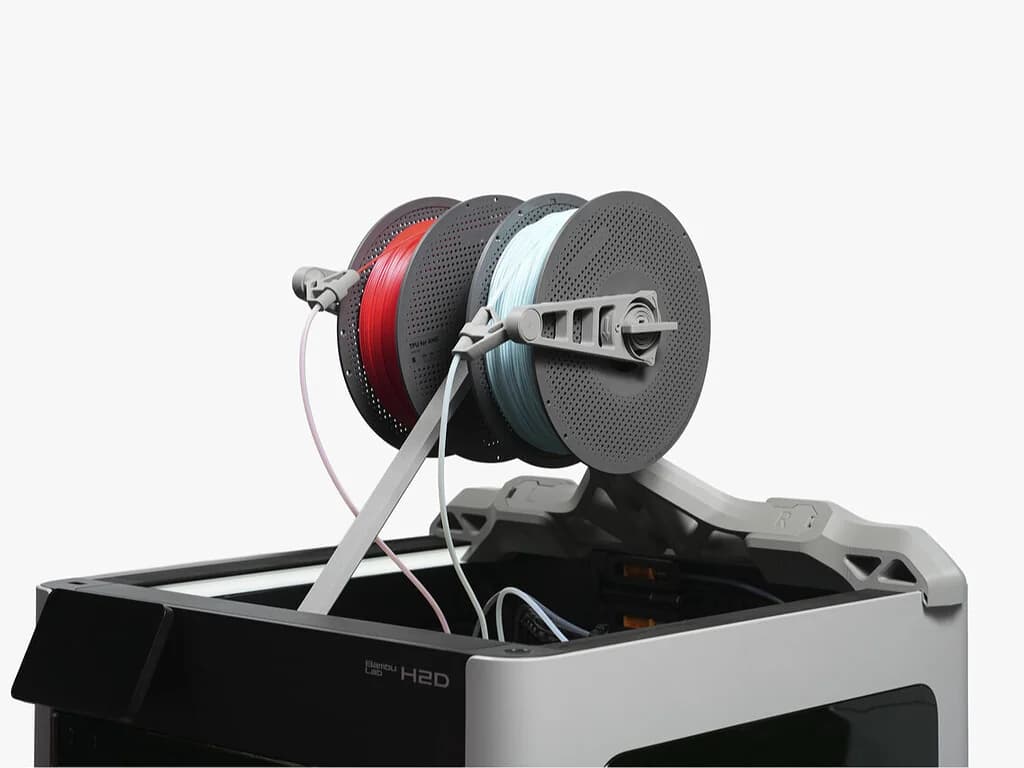
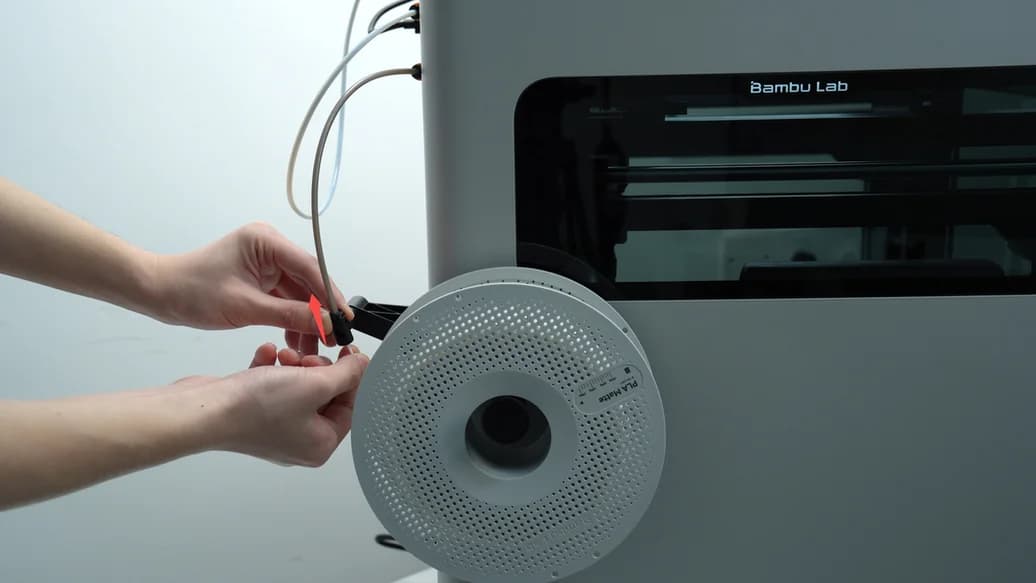
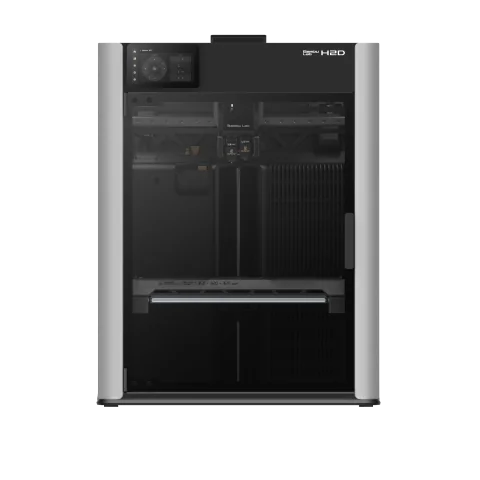

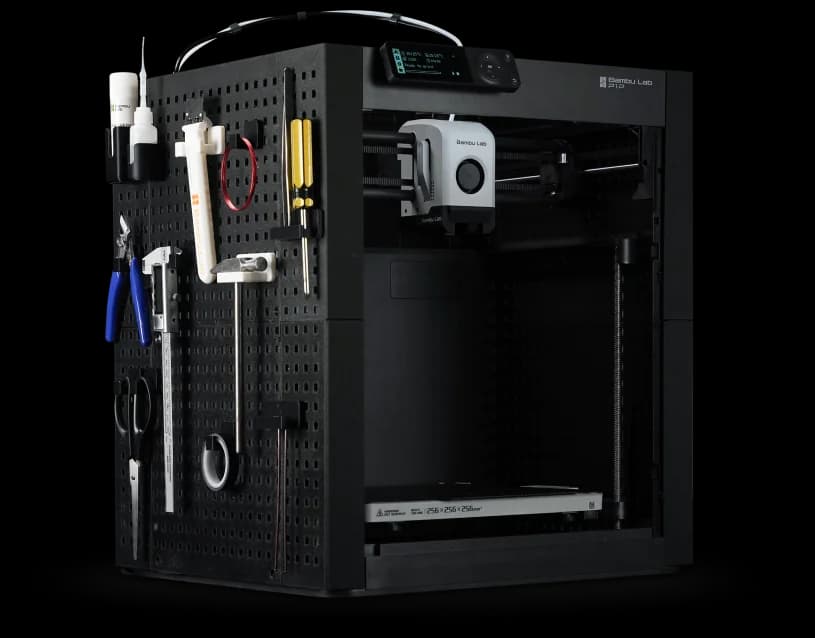

Find Yours
What is your primary use for a 3D printer?
Answer to find your best matches.

The Field
Browse top contenders, or compare all options ranked by score and key attributes.
5 Options


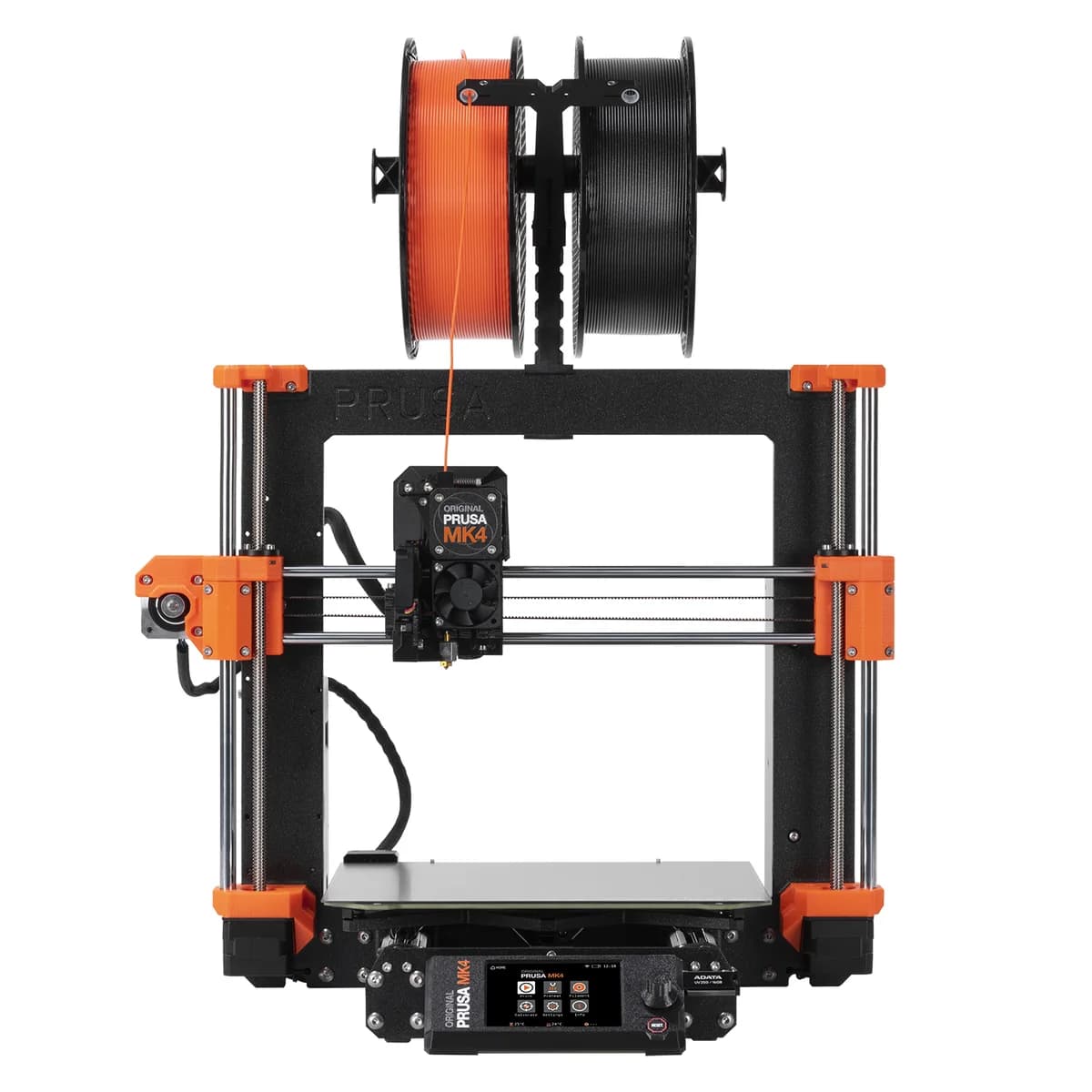

The Scoreboard
Does this improve your life? Considers, health, habits, and environmental impact.
Benefits
Dual nozzles + AMS cut swaps and filament waste versus single-extruder rivals.
350×320×325mm volume reduces assembly and join-fail stress compared to smaller printers.
350°C nozzle and 65°C chamber enable engineering plastics printability with fewer warps.
15 sensors and AI monitoring reduce failed prints and frustration, lowering material waste.
Integrated laser/plotter consolidates tools, saving space and reducing multiple-device environmental footprint.
Trade-Offs
Active chamber heating and high-speed motion increase power use versus passive printers.
Cutting/engraving produces particulates and off-gassing; adequate ventilation matters for health.
Firmware limitations and proprietary parts can limit repairs, extending electronic waste risks.
Dual-extrusion and sacrificial supports reduce reprints but create extra disposed support material.
Support for PA/PC/PPS means more non-biodegradable filament, tougher recycling than PLA.
Large enclosure, fans, and fast motion raise noise and spatial intrusion in homes.
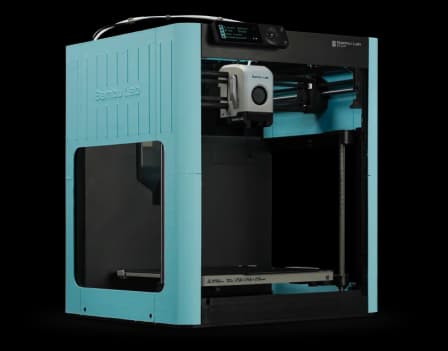
 Alternatives


Join the Circle
Where real meets deal
Know what's worth buying-and when.
Tips, special offers, and rewards for buying and sharing.

Publications
8 LEADING PUBLICATION REVIEWS

Jonny Edge from All3DP highlights the Bambu Lab H2D as a bold evolution of the already impressive X1C, boasting a larger build volume, faster speeds, and innovative features like dual extrusion and an integrated laser engraver. He praises its sleek design, enhanced stability with linear rails, and the creative versatility offered by interchangeable toolheads and the new Bambu Suite software. However, the review tempers enthusiasm with practical concerns: the H2D’s printing experience is not yet as refined as the X1C’s, especially with challenging materials like TPU, and recent tariff-driven price hikes make it a significantly more expensive option. While the H2D’s multi-disciplinary capabilities set it apart from typical 3D printers, the value proposition is less clear for current X1C owners. Edge suggests waiting for software updates and price stabilization before upgrading, positioning the H2D as a fascinating, capable machine best suited for creators seeking more than just 3D printing and who have the budget to match.
By Jonny Edge
Denise Bertacchi from Tom’s Hardware highlights the Bambu Lab H2D as a premium, feature-rich 3D printer designed for serious crafters and small business owners rather than casual hobbyists. Praising its larger build volume, filament-saving dual hotend, and advanced automatic material system (AMS) with drying capabilities, she emphasizes the machine’s precision, ease of use, and excellent auto bed leveling. The optional laser combo transforms the H2D into a versatile craft factory capable of printing, cutting, and engraving, appealing to elite makers who need space-saving multifunctionality. While the price points—ranging from $1,899 for the standalone printer to $3,499 for the full laser combo—place it beyond entry-level budgets, Bertacchi finds the investment justified by the machine’s performance and thoughtful design. She notes minor drawbacks like storage challenges for all the accessories and the proprietary nature of some parts but ultimately calls the H2D a standout in its class, especially for those seeking a powerful, all-in-one crafting solution.
By Denise Bertacchi
Alastair Jennings from TechRadar Pro highlights the Bambu Lab H2D Laser Edition as a highly versatile and well-engineered multifunctional manufacturing platform, combining advanced 3D printing, laser engraving, and digital cutting/plotting in a compact footprint. He praises its dual nozzle system and upgraded AMS 2 filament management for delivering excellent print quality, especially with multi-material projects involving TPU and carbon fiber. The machine’s precision is enhanced by features like the Vision Encoder Plate and AI-assisted error detection, making it suitable for professional and educational settings. While the laser engraving and cutting capabilities are impressive, the relatively small bed size limits larger projects. Some workflow quirks exist, such as managing filament feeds and software split between Bambu Studio and Bambu Suite, but these are outweighed by the machine’s reliability and multifunctionality. Jennings sees the H2D as a compelling step up from the X1C Carbon, ideal for makers and studios needing a compact, all-in-one solution.
By Alastair Jennings
James Bricknell from CNET highlights the Bambu Lab H2D as an ambitious multifunctional manufacturing hub that impressively combines 3D printing, laser engraving, and vinyl cutting in one machine. He expresses cautious enthusiasm, particularly praising the 3D printing capabilities—spotlighting its large build volume, reliable dual-nozzle system, and upgraded AMS 2 filament management. The laser modules, available in 10W and 40W versions, deliver strong performance with effective extraction and air assist, while the vinyl cutter, though slower than dedicated machines, offers accurate cuts suitable for small projects. Bricknell appreciates the thoughtful design and potential space-saving benefits but remains tentative about the long-term maintenance demands, especially when frequently using the laser. He notes the H2D’s versatility and value proposition, especially for users seeking to consolidate multiple tools, but stops short of a full endorsement pending further testing. Overall, the review conveys measured optimism with detailed insights into the machine’s innovative features and practical trade-offs.
By James Bricknell
Cameron Coward highlights the Bambu Lab H2D as a groundbreaking and influential 3D printer for 2025, praising its substantial build volume increase, dual nozzles, and advanced thermal management. The review enthusiastically details the printer’s novel features, including optional laser and cutting blade modules, a comprehensive sensor suite, and modular AMS filament systems, emphasizing their practical benefits and versatility. Coward offers unique insights into the dual nozzle setup’s filament feeding limitations and the laser module’s pros and cons, noting community concerns but sharing his positive hands-on experience. While acknowledging the printer’s large size and premium price, he appreciates the seamless integration within Bambu Lab’s ecosystem, likening it to Apple’s controlled environment—ideal for users valuing reliability over customization. The review balances excitement with measured caveats, ultimately recommending the H2D as a top-tier choice for prosumers seeking a powerful, feature-rich machine that “just works” for serious 3D printing and creative applications.
By Cameron Coward
Alastair Jennings from The Independent highlights the Bambu Lab H2D laser full combo as a versatile and ambitious personal manufacturing hub that integrates 3D printing, laser engraving, cutting, and plotting into one machine. Praising its near-out-of-the-box ease of setup and robust multifilament printing capabilities, Jennings emphasizes the machine’s reliability with standard materials and its ability to handle specialist filaments like TPU, albeit with some fiddly setup. The review appreciates the streamlined software experience, though notes a learning curve with the Bambu Suite for laser and cutting functions. Jennings also details practical testing, including producing multiple high-impact 3D prints and custom packaging, showcasing the H2D’s multi-tool functionality. While the laser cutter’s workspace is somewhat limited and filament swapping can cause waste, the overall impression is of a highly capable, well-engineered device with strong potential for small-scale production and creative projects. The review balances enthusiasm with measured critique, underscoring the H2D’s innovative design and real-world utility.
By Alastair Jennings
Mark Campbell from Overclock3D (OC3D) highlights the Bambu Lab H2D as a versatile and feature-rich 3D printer that pushes beyond traditional boundaries by integrating cutting, laser engraving, and pen plotting capabilities. Praising its innovative dual-nozzle system, he emphasizes how it reduces material waste and speeds up multi-material printing, while the easy-to-swap hot-ends and build plate design enhance user convenience. The review appreciates Bambu Lab’s attention to detail, including comprehensive maintenance tools and thoughtful software features like time-lapse printing and integrated cameras. However, Campbell notes practical considerations such as the printer’s large size limiting home placement and the minor inconvenience of requiring a USB drive for time-lapse storage. Overall, the review conveys a strong enthusiasm for the H2D’s advanced functionality and user-friendly design, balanced with realistic insights about its physical footprint and workflow nuances, making it a compelling choice for serious makers seeking a multi-purpose desktop machine.
By Mark Campbell
Mischa from Overclocking.com highlights the Bambu Lab H2D as a versatile and evolving 3D printer that goes beyond traditional printing by incorporating laser engraving, cutting, and drawing capabilities within a spacious XL build volume. While the printer’s initial reception was mixed, ongoing optimizations by Bambu Lab have improved its appeal. The review emphasizes the brand’s commitment to user-friendly design, particularly through its straightforward software available on both PC and mobile devices, complemented by a free MakerWorld design catalog that enhances creative possibilities. Although the review acknowledges some early criticisms, it conveys a cautiously positive tone, appreciating the H2D’s multifunctionality and ease of use as key strengths. This positions the H2D as a compelling option for users seeking an all-in-one creative tool with a growing ecosystem, though the full assessment across multiple pages likely explores additional nuances and performance details.
By Mischa

YouTube
18 LEADING EXPERT & INFLUENCER REVIEWS
 Adam Savage’s Tested
Norm from Tested praises the Bambu Lab H2D for its large build volume, dual-extruder system, and seamless multi-material printing, highlighting its ability to produce life-size, high-speed prints with excellent accuracy. He also notes the innovative laser cutter and plotter add-ons, though cautions about safety and workflow changes due to firmware updates.
Teaching TechTeaching Tech praises the Bambu Lab H2D for its large build volume, dual-nozzle IDEX system, and reliable multi-material printing, especially with PLA and TPU. While impressed by its speed, filament drying AMS units, and active chamber heating, he notes software bugs, PETG warping due to chamber airflow, and some slicer limitations as areas needing improvement.
3D Printing Nerd3D Printing Nerd praises the Bambu Lab H2D for its impressive dual-nozzle system, high-temperature capability (up to 350°C), and versatile multi-material printing with AMS integration. He highlights the precise automatic nozzle calibration and robust build quality but notes TPU printing challenges and some software quirks. The laser and cutter add-ons expand creative options, though the build volume falls short of some expectations. Overall, he views the H2D as a solid, well-engineered flagship with room for firmware and software improvements.
CNC KitchenStefan from CNC Kitchen praises the Bambu Lab H2D as a well-built, versatile maker station excelling in dual-nozzle multi-material printing, heated chamber performance, and innovative AMS filament drying. He highlights its clever nozzle design and laser/drag knife integration but notes some bed adhesion issues, TPU feeding challenges, and slower multi-color speeds versus tool changers.
Clough42James from Clough42 praises the Bambu Lab H2D for its seamless setup, precise dual-nozzle system, and robust multi-material support including TPU. He highlights its quiet operation, advanced sensor suite, and effective nozzle cleaning. While noting minor issues like power draw and filament fatigue, he values its reliability and integrated laser/blade options, calling it a powerful all-in-one tool for serious users.
Aurora TechAurora Tech praises the Bambu Lab H2D for its exceptional print quality, dual-extruder efficiency, and advanced AMS filament management that reduces waste and print time. The heated chamber and versatile material support impress, while the laser module is noted as well-designed but limited by small work area and high cost. Some speed and flexibility trade-offs are acknowledged, but overall it’s deemed the most advanced midsize 3D printer available.
The 3D Printing ZoneThe 3D Printing Zone praises the Bambu Lab H2D for its exceptional multi-color, dual-nozzle printing that significantly reduces time and material costs, especially for print farms. While highlighting its high quality and speed, they caution it’s not ideal for single-color printing and note occasional print failures tied to support settings, urging buyers to evaluate their specific needs first.
Jays Tech VaultJays Tech Vault praises the Bambu Lab H2D for its versatile dual-nozzle system, large build volume, and seamless integration of laser and cutting modules. He highlights the enclosed, eye-safe design and effective AMS2 filament drying. While noting some calibration quirks and material costs, he values its multi-functionality and recommends the single-nozzle plus laser combo for most users.
FauxHammerFauxHammer praises the Bambu Lab H2D for its exceptional dual-nozzle system, AMS2 integration, and user-friendly features that deliver high-quality prints and convenience. However, he criticizes its awkward build volume limits, high price, lack of Ethernet, and some design choices. Despite flaws, he calls it his favorite printer for hobbyists valuing ease and performance.
Make or Break ShopBrandon from Make or Break Shop praises the Bambu Lab H2D’s laser integration for its ease of setup, powerful 40W diode option, effective exhaust system, and innovative dual-camera views with live laser feed. He highlights excellent autofocus and safety features but notes software limitations, a smaller laser work area, and the inability to run laser and 3D print simultaneously. Overall, he recommends the laser upgrade for occasional use alongside 3D printing but suggests a dedicated laser machine for heavy laser work.
Ricky ImpeyRicky Impey praises the Bambu Lab H2D for its innovative dual-nozzle system, heated chamber, and AI-driven print monitoring, delivering high-quality, large-volume prints with impressive material versatility. He highlights real-world benefits like reduced filament waste and multi-material printing but notes minor bed adhesion issues, TPU handling quirks, and power demands.
My Tech FunMy Tech Fun praises the Bambu Lab H2D for its dual independent hotends, high-temperature capability (350°C nozzle, 65°C chamber), and versatile multi-material printing, especially with brittle and engineering filaments. The reviewer highlights excellent layer adhesion, minimal waste, and robust support removal, while noting minor color limitations and ventilation needs.
Loyal MosesLoyal Moses praises the Bambu Lab H2D as a top-tier, fast, and reliable 3D printer with standout features like its dual-nozzle design, large helmet-class build volume, and seamless Bambu Studio software. However, he candidly highlights real-world annoyances including strong vibration, fragile rubber feet, heavy weight, TPU filament setup complexity, and a steep price, framing these as manageable trade-offs for its overall excellence.
NicksNacks3DNick Ackerman praises the Bambu Lab H2D as his new primary workhorse, highlighting its large build volume, dual independent nozzles, and advanced AI-driven features that deliver fast, reliable, and high-quality multi-material prints. He notes minor quirks like nozzle reach limits, filament loading challenges, and laser ventilation needs but emphasizes its efficiency and production value for prosumers.
JIVE EngineeringJIVE Engineering praises the Bambu Lab H2D for its true dual-nozzle system, large build volume, and cost-saving use of sacrificial materials with exotic filaments. While impressed by multicolor printing and interface improvements, they note challenges with ABS removal and bed adhesion, advising the H2D mainly for advanced users needing multi-material precision.
I built a thing A seasoned 3D printing expert praises the Bambu Lab H2D’s exceptional build quality, silent operation, and true dual-nozzle extrusion enabling versatile multi-material prints, especially TPU support. He highlights thoughtful engineering like active chamber heating and improved nozzle cleaning but notes annoyances with spool placement, the “poop chute” design, and slow AMS material switching.
Widget KCWidget KC praises the Bambu Lab H2D for its ease of use, reliability, and advanced features like the Automatic Material System with built-in filament drying and tool-free nozzle changes. Ideal for both beginners and pros, it excels in high-temp dual extrusion and large-volume printing, though its size and price may be overkill for casual PLA users.
Directed T3CHDirected T3CH praises the Bambu Lab H2D for its exceptional dual-nozzle precision, AI-driven monitoring, and versatile multi-material printing, highlighting features like the AMS filament system and heated chamber for warp-free ASA prints. While impressed by build quality and quiet operation, they note complexity in build volume, longer preprint times, and a locked ecosystem as trade-offs.

Social
5 INFLUENCER REVIEWS
 Uptime Lab
Uptime Lab shares their thoughts on the Bambu Lab H2D, emphasizing its impressive reliability with over 2,500 hours of maintenance-free operation. Despite some community doubts, they express genuine appreciation for the printer’s consistent performance and durability, highlighting its endurance as a standout feature. Overall, Uptime Lab conveys a confident, positive view of the H2D, recommending it for users seeking a dependable 3D printer that can handle extended use without frequent upkeep. Their endorsement feels grounded in long-term hands-on experience, making the H2D a compelling choice for serious hobbyists or professionals.
marsgizmomarsgizmo highlights the Bambu Lab H2D as a groundbreaking, easy-to-use 3D printer packed with innovative features like dual nozzles, a large print bed, advanced filament drying units, and powerful laser cutting modules. They emphasize its versatility, excellent pricing, and user-friendly design based on extensive personal testing over five years. Overall, marsgizmo enthusiastically recommends the H2D as one of the best-value, most capable 3D printers available today, calling it an easy choice for creatives seeking professional-grade performance in a compact system. They plan to share more detailed insights soon and encourage questions from their audience.
 Downpourprinting
Downpourprinting highlights the Bambu Lab H2D’s impressive efficiency, showcasing a gemstone wyvern dragon print that cut print time from 24 to 14 hours and drastically reduced filament waste compared to the P1S model. They emphasize the larger build plate, minimal stringing, and significant material savings, especially for two-color prints. Overall, Downpourprinting’s experience is very positive, praising the H2D’s speed and eco-friendly benefits without mentioning major drawbacks. They recommend the printer for users seeking faster, cleaner multi-color 3D printing with less waste, underscoring its practical advantages through a clear, hands-on example.
Mike's Quest LogMike’s Quest Log highlights the Bambu Lab H2D’s combination of 3D printing and 10-watt laser engraving but questions its value compared to cheaper alternatives. He emphasizes significant cost savings by pairing standalone laser engravers with other printers, noting similar engraving performance and larger build volumes elsewhere. He also points out the challenging cleanup when using the H2D’s laser. Overall, Mike’s Quest Log offers a cautiously critical view, acknowledging the H2D’s capabilities but recommending potential buyers consider more affordable, flexible setups. His insight encourages thoughtful comparison rather than an outright endorsement, making the H2D a less compelling choice for budget-conscious or multi-device users.
Dan Zhu | Dancyn 3DDan Zhu | Dancyn 3D highlights the Bambu Lab H2D as arguably the best 3D printer currently available for hobbyists, praising its performance and value with a vivid example of a detailed jet engine model. However, he cautions that its cost and economics make it unsuitable for large-scale print farms or business use. Overall, Dan Zhu recommends the H2D enthusiastically for personal or hobbyist use, emphasizing its quality and capabilities, but advises professionals running print farms to consider the financial impracticality before investing.

Forum Reviews
CUSTOMER REVIEWS FROM 1 FORUM
Reddit users generally view the Bambu Lab H2D positively, praising its ease of use, reliable multi-material printing capabilities, and fast print speeds, especially with the dual extruder system. Many appreciate its out-of-the-box performance and advanced features like enclosure temperature regulation and hardened steel nozzles. However, some critiques focus on design choices such as the dual-head build volume limitations and the integrated laser module, which some find unnecessary or problematic. Users also express concerns about firmware lockdown and limited upgrade paths compared to competitors. Overall, new users tend to highlight its user-friendly nature, while experienced users note both its strengths and areas needing improvement.
Many comments

In-Depth Review

Highlights
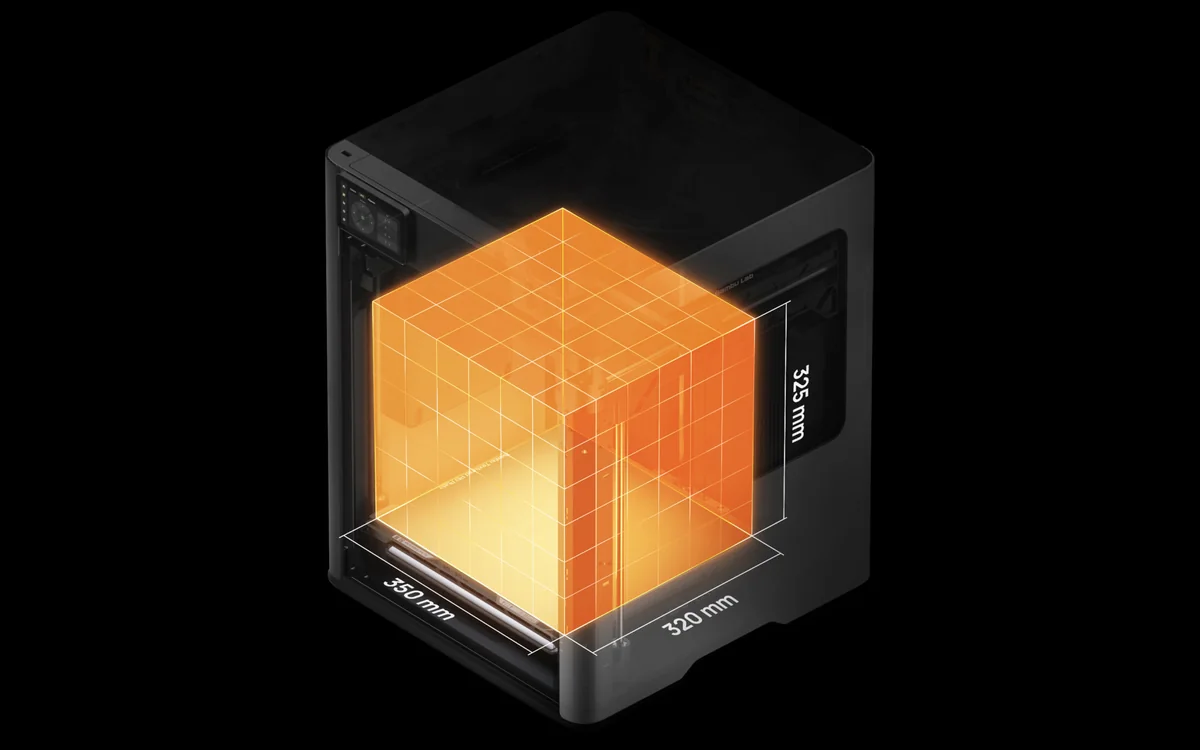
- •Large build volumeMarketed as 350×320×325 mm³ capacity.
- •High-temperature printingDesigned to reach 350°C nozzle, 65°C chamber.
- •Fast motion systemPromoted as up to 600 mm/s printing.
- •Precision calibrationCompany highlights its 5μm optical motion calibration.
- •Advanced filament managementAdvertised to use AMS plus 15 sensors.
- •Dual independent nozzlesManufacturer testing claims simultaneous multi-material/color printing.

Considerations
- •Flexible filament handling issuesTPU feeding and setup remain fiddly.
- •Software and firmware quirksReviewers reported bugs and workflow inconsistencies.
- •Laser workflow limitationsLaser area small and not simultaneous.
- •Dual-nozzle travel reductionDual mode limits X travel to 300 mm.
- •Closed ecosystem and upgrade limitsFirmware lockdown and restricted aftermarket upgrades.
- •Ventilation and power needsHigher power draw; laser fumes need extraction.
Bambu Lab’s latest flagship pushes the boundaries of desktop fabrication, carving out a niche for makers who crave speed, precision, and versatility all in one sleek package. Built to tackle ambitious projects—from oversized prototypes to multi-material masterpieces—this powerhouse boasts a generous 350×320×325 mm³ build volume that leaves most competitors playing catch-up. Its secret sauce? A blistering 350°C nozzle paired with active chamber heating, unlocking engineering-grade materials without warping headaches. Fast doesn’t even begin to cover it: print speeds soar up to 600 mm/s, backed by razor-sharp 5μm optical calibration ensuring every detail is crisp as a fresh dollar bill. The dual-nozzle system juggles colors and materials seamlessly while an advanced sensor suite keeps extrusion in check like clockwork. Ideal for prosumers and serious hobbyists hungry for creative autonomy, this machine demands attention—and maybe some desk space. Ready or not, let’s unpack what makes this multi-tool marvel stand apart from the pack.
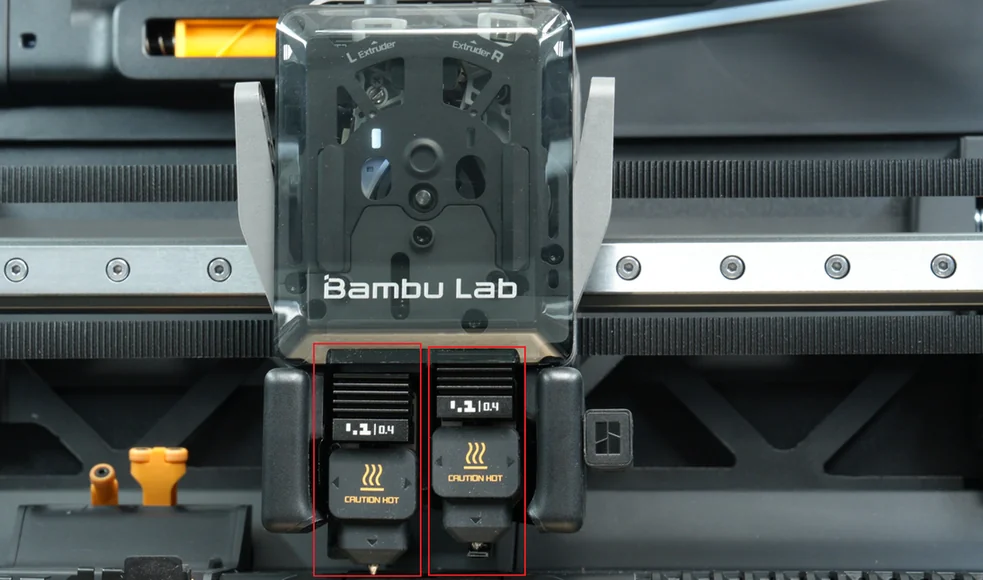
Dual-Nozzle Multi-Material System
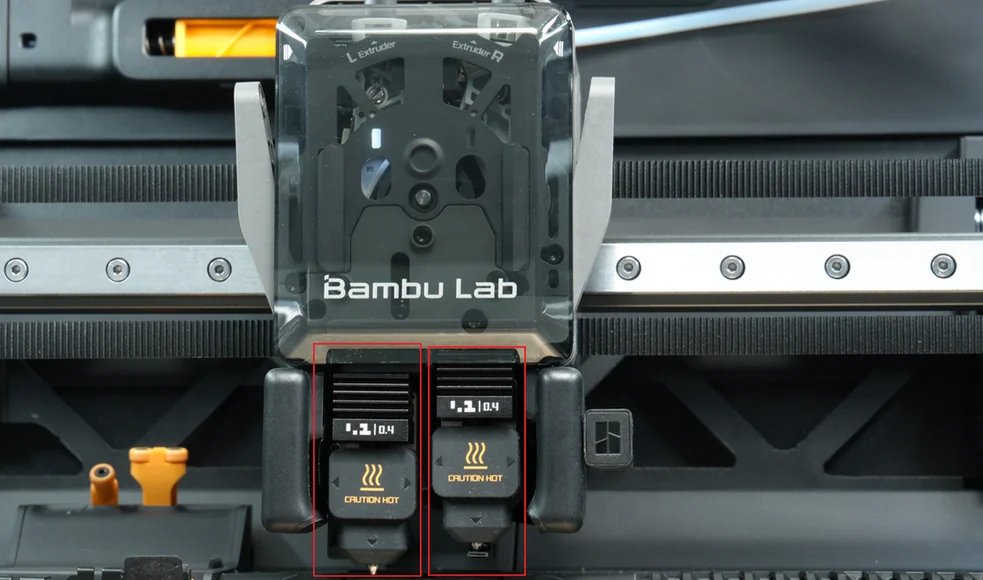
Double trouble? More like double delight—the independent dual-nozzle setup allows simultaneous printing of multiple colors or materials within one job without swapping spools mid-run. Users love how this innovation reduces downtime and filament waste while enabling bold creative combos impossible on single-extruder machines. Despite minor trade-offs like slightly reduced X travel when both nozzles engage together, expert consensus praises its clever design marrying efficiency with versatility—a standout feature turning complex workflows into smooth sailing adventures under one hood.
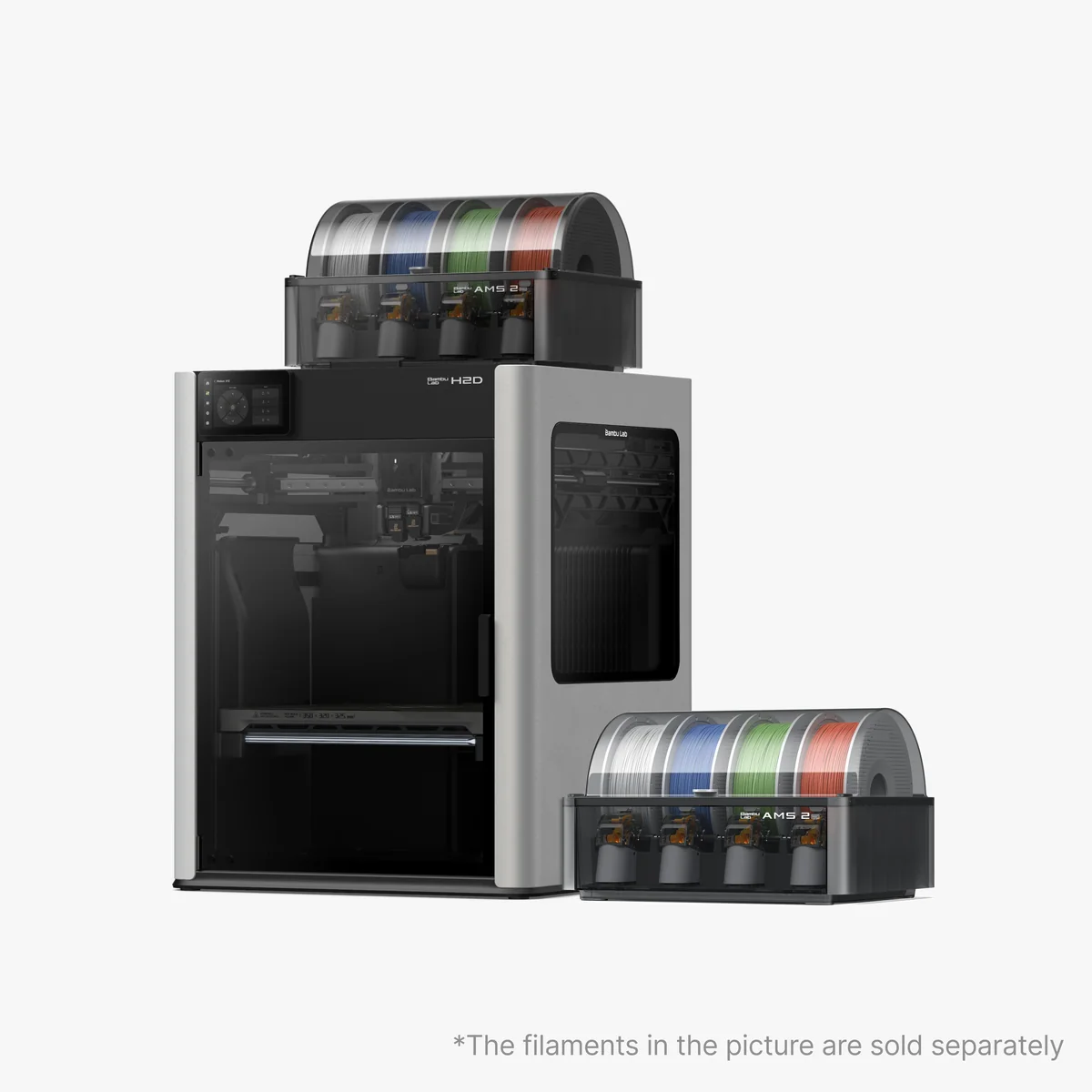
High-Temperature Capability
Hot stuff alert: the H2D’s all-metal hotend heats up to a blistering 350°C, paired with active chamber heating at 65°C to tame warping on tricky engineering filaments like PPA and PPS. This thermal muscle unlocks durable, functional parts beyond PLA's playground while keeping prints warp-free—a feature both experts and prosumers laud as essential for serious makers venturing into advanced materials. The robust temperature control is no gimmick; it’s a core strength powering high-temp reliability in this premium machine.
Precision & Calibration
The devil is in the details—and here precision shines bright thanks to 5μm optical motion calibration complemented optionally by Vision Encoder tech boosting accuracy further (down near industry-leading 50μm). Reviewers applaud this laser-focused approach ensuring crisp layers, tight tolerances, and consistent results across complex multi-material jobs where exactitude counts most. It’s not just marketing fluff: real-world tests confirm the H2D nails intricate geometries reliably while maintaining stable performance throughout lengthy prints—precision done right.
Print Speed & Motion Performance
Speed demons rejoice! The H2D blazes through prints at up to 600 mm/s, propelled by closed-loop servo extruders and toolhead speeds hitting 1000 mm/s with acceleration of 20,000 mm/s². This turbocharged motion system shaves hours off production runs without sacrificing quality—turning rapid prototyping dreams into reality. User feedback highlights how these blistering speeds slash print times significantly compared to prior models, reinforcing Bambu Lab’s claim of desktop FDM speed supremacy alongside smooth multi-tool transitions.
Build Volume
If size matters, the Bambu Lab H2D delivers a generous 350×320×325 mm³ build volume, perfect for ambitious creators craving room to stretch their imagination. While dual-nozzle mode trims width to 300 mm, users still enjoy an expansive workspace that beats many competitors. This “king-size work zone” empowers large prototypes and multi-material masterpieces without constant interruptions or part swaps—garnering praise for its ability to handle projects that push desktop boundaries with reliable consistency and out-of-the-box spaciousness.
Conclusion
When size, speed, and precision converge, you get a machine that plays in the big leagues. The generous build volume lets creativity run wild without constant resets, while the 350°C hotend and active chamber heating tackle high-temp filaments like a pro—no warping tantrums here. Its blistering 600 mm/s print speeds, paired with razor-sharp 5μm optical calibration, ensure your designs don’t just fly off the bed—they land flawlessly. The true dual-nozzle system doesn’t just double output; it multiplies possibilities with seamless multi-material magic. Add to this an impressive suite of sensors driving its closed-loop extrusion, and you’ve got consistency that keeps both hobbyists and pros nodding in approval. Sure, some quirks around filament handling and firmware hint at growing pains—but for those chasing creative autonomy wrapped in industrial-grade reliability, this is a powerhouse worth making room for on your desk—and in your workflow.

Feature Scores
This reflects reviews and ratings from established critics, journalists, and users who have evaluated the item. Their opinions provide a comprehensive assessment.
Performance
Print Quality
5/5
Print Speed
5/5
Reliability
4/5
Build Volume
5/5
Dimensional Accuracy
5/5
Material Compatibility
4/5
Value
Price-to-Quality Ratio
4/5
Consumable Cost
4/5
Maintenance Cost
4/5
Total Cost of Ownership
4/5
Design
Physical Build Quality
5/5
Compactness
3/5
Ergonomics
4/5
Health
Emissions Control
4/5
Material Toxicity Transparency
2/5
Enclosure Availability
4/5
Safety
Thermal Safety Protections
4/5
Electrical Safety Certifications
TBD
Moving Parts Guards
4/5
Emergency Shutdown
4/5
Sustainability
Energy Efficiency
3/5
Recyclability
3/5
Recycled Materials Usage
2/5
Consumable Waste Management
4/5
Experience Style
Ease of Setup
4/5
Software Ecosystem
4/5
Customization
3/5
Community Support
5/5

Specifications
This section outlines the product's key facts, covering essential features, details, dimensions, materials, and any unique characteristics that define its functionality and usability.
Performance
Value
Design
Safety
Sustainability
Experience Style

Frequently Asked Questions
9 Questions
Find Yours
What is your primary use for a 3D printer?
Answer to find your best matches.