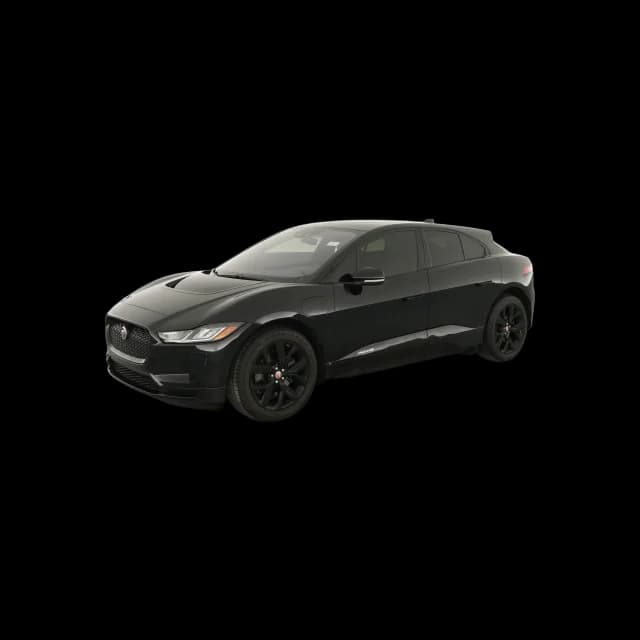
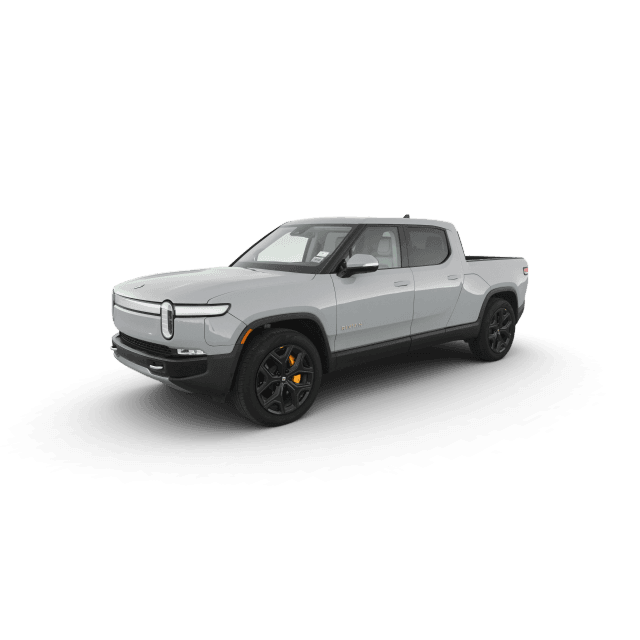
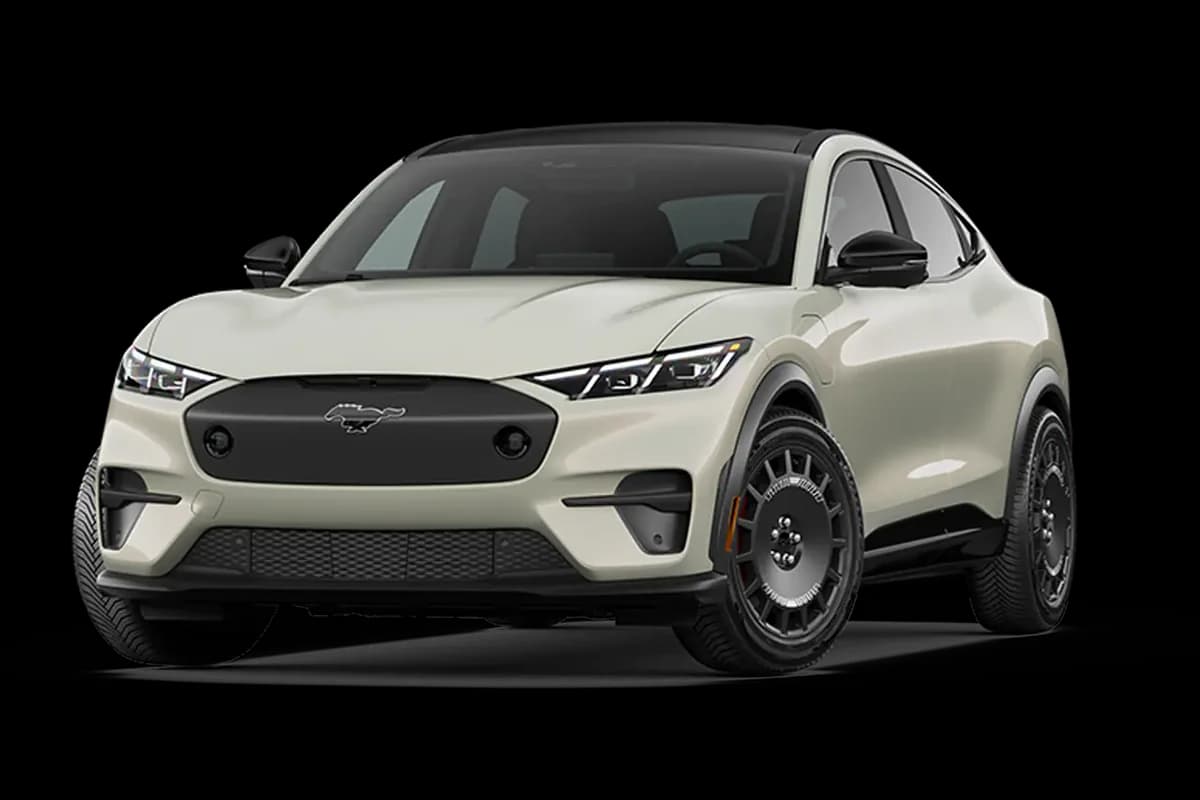
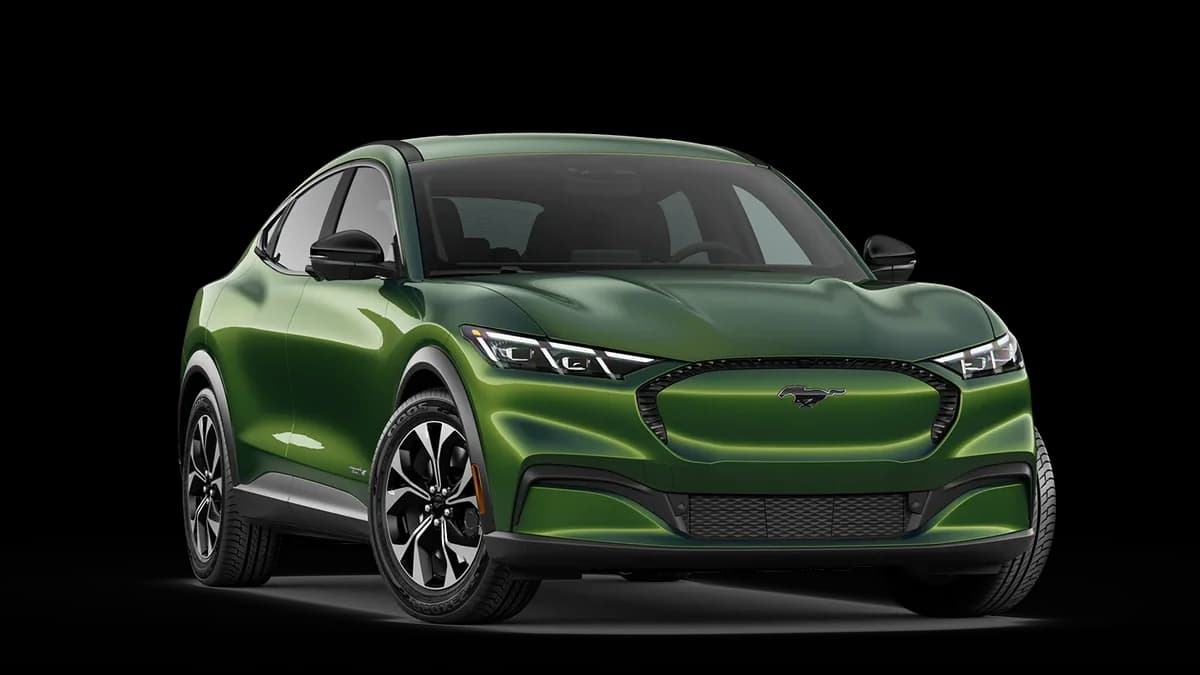
Ford Mustang Mach-E (2026)
Sporty, practical electric SUV with rapid acceleration, but ride and charging remain compromises.
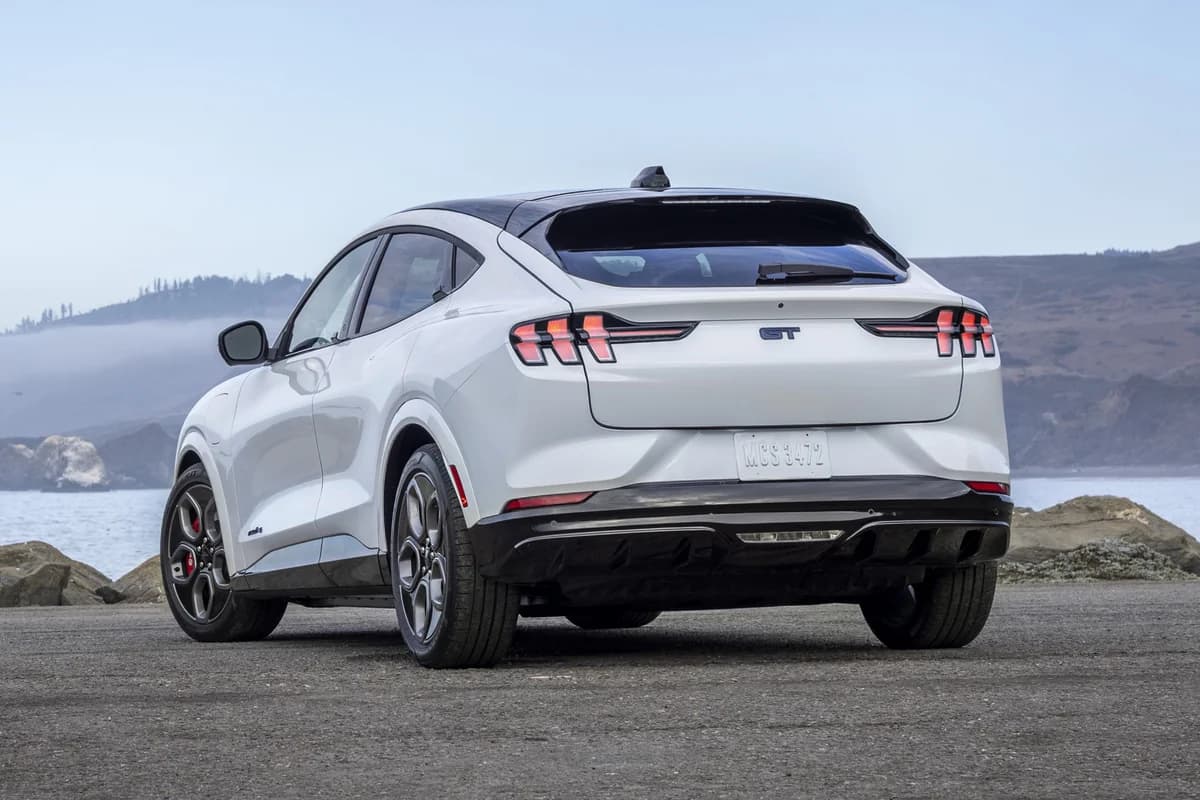
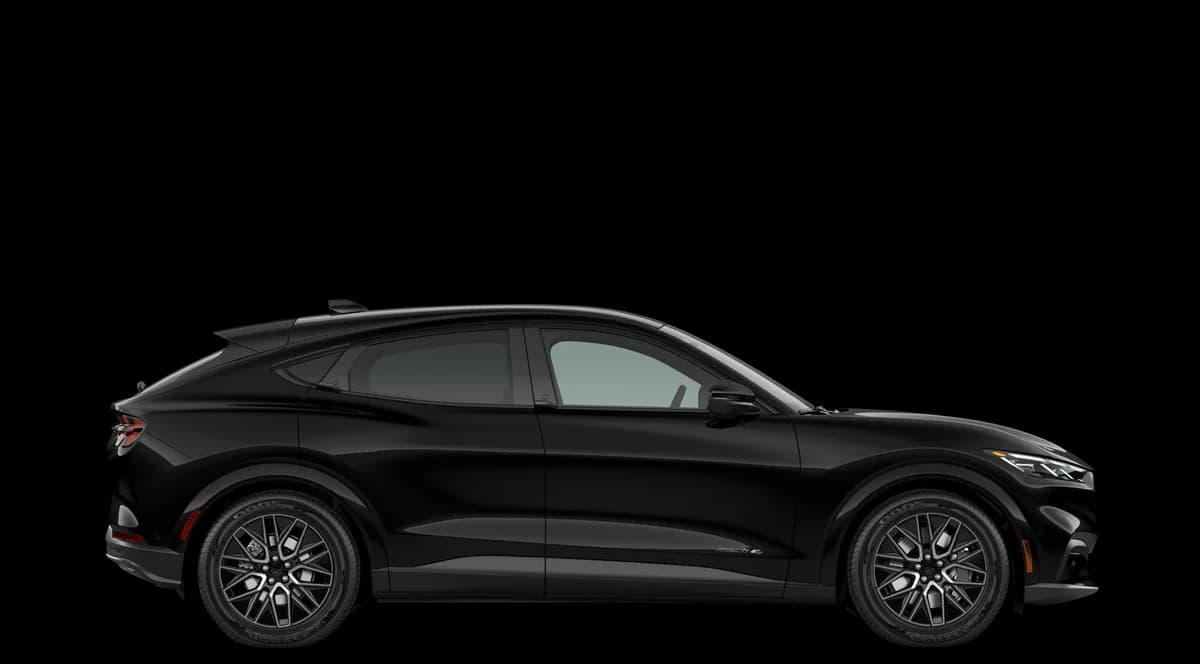
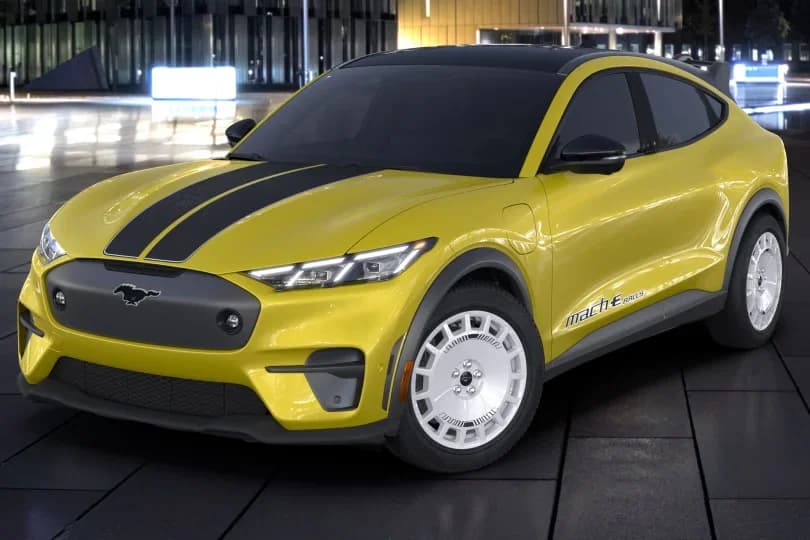
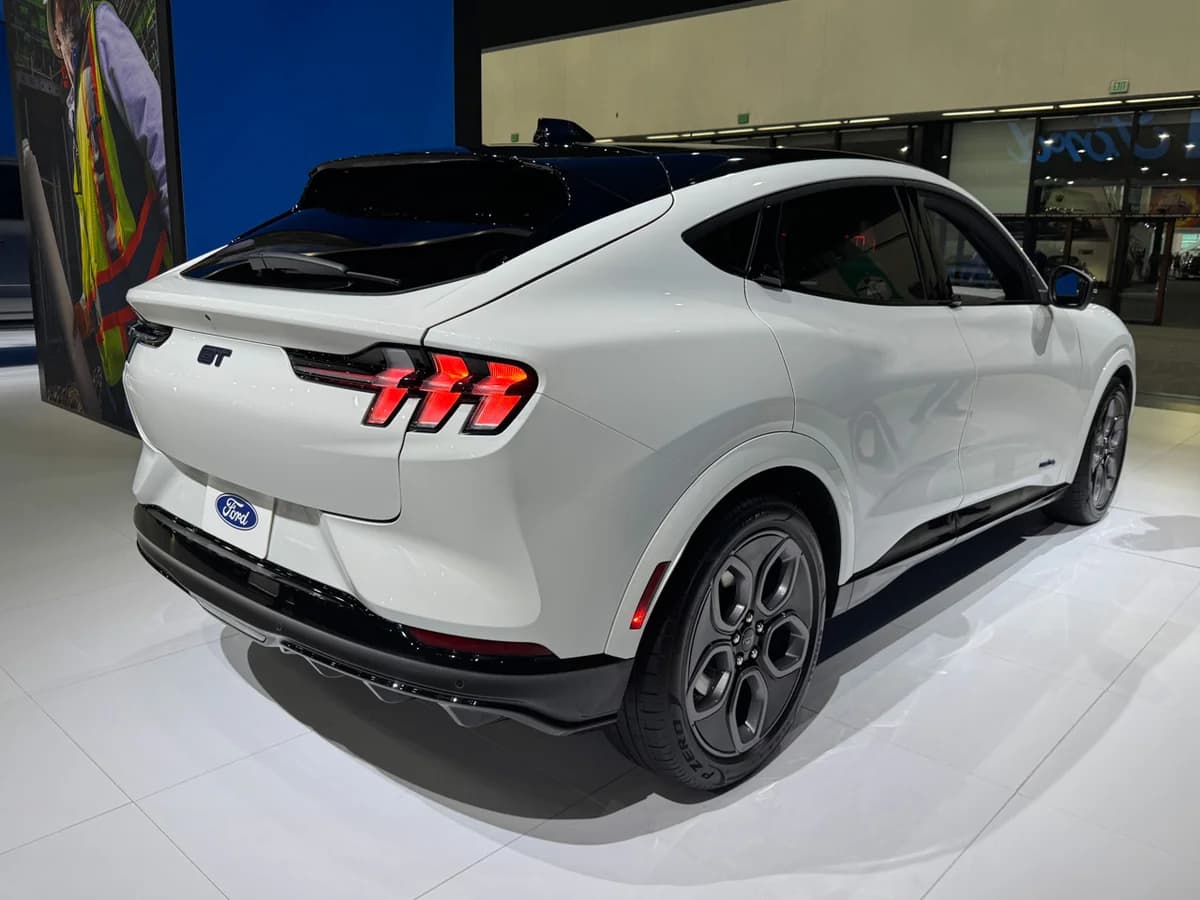
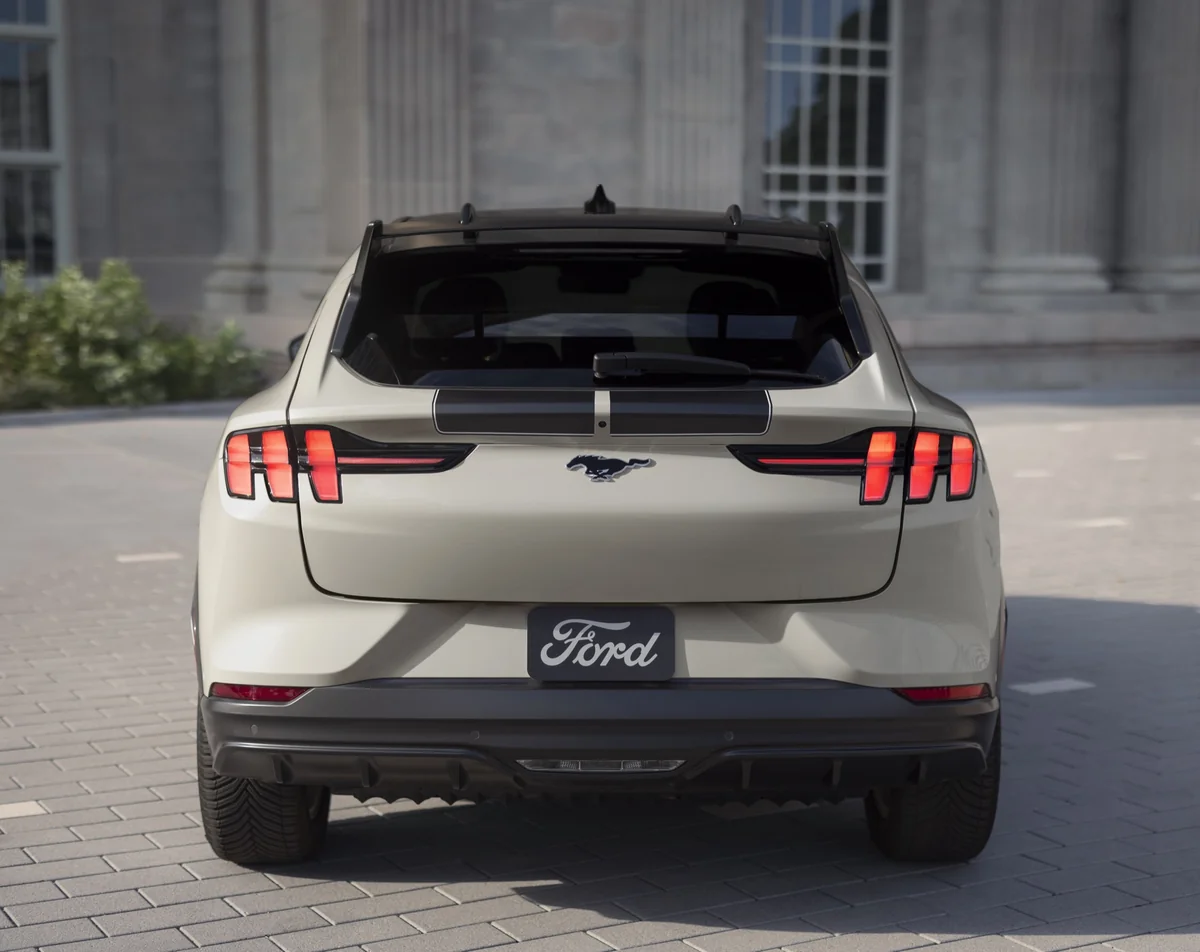
The Ford Mustang Mach-E (2026) is a family-friendly electric SUV with a mischievous streak, aimed at drivers who want practical transport without settling for bland appliance energy. Its instant acceleration, quiet cabin, physical controls, and useful cargo space win praise, while GT and Rally versions add real excitement. Ford’s range claims are broadly useful, but owners and testers report sharper winter losses and less efficiency than a Tesla Model Y. The bigger compromises are a firm ride, tight rear headroom, and slower DC charging than newer Kia and Hyundai rivals. With home charging and incentives, it can be compelling, especially used, but expensive trims are harder to justify. Its overall appeal rests on how much you value character, performance, practicality, and charging convenience.
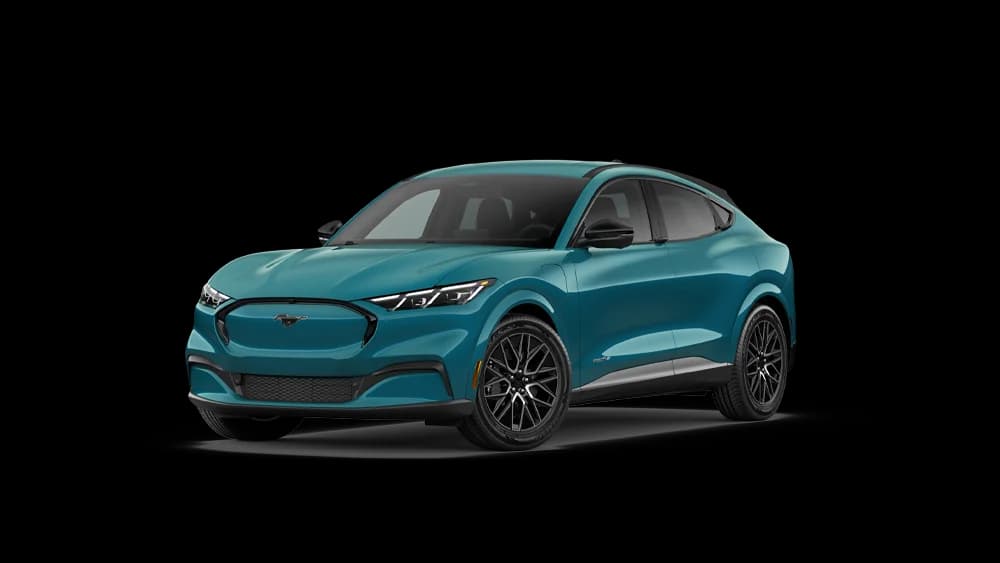
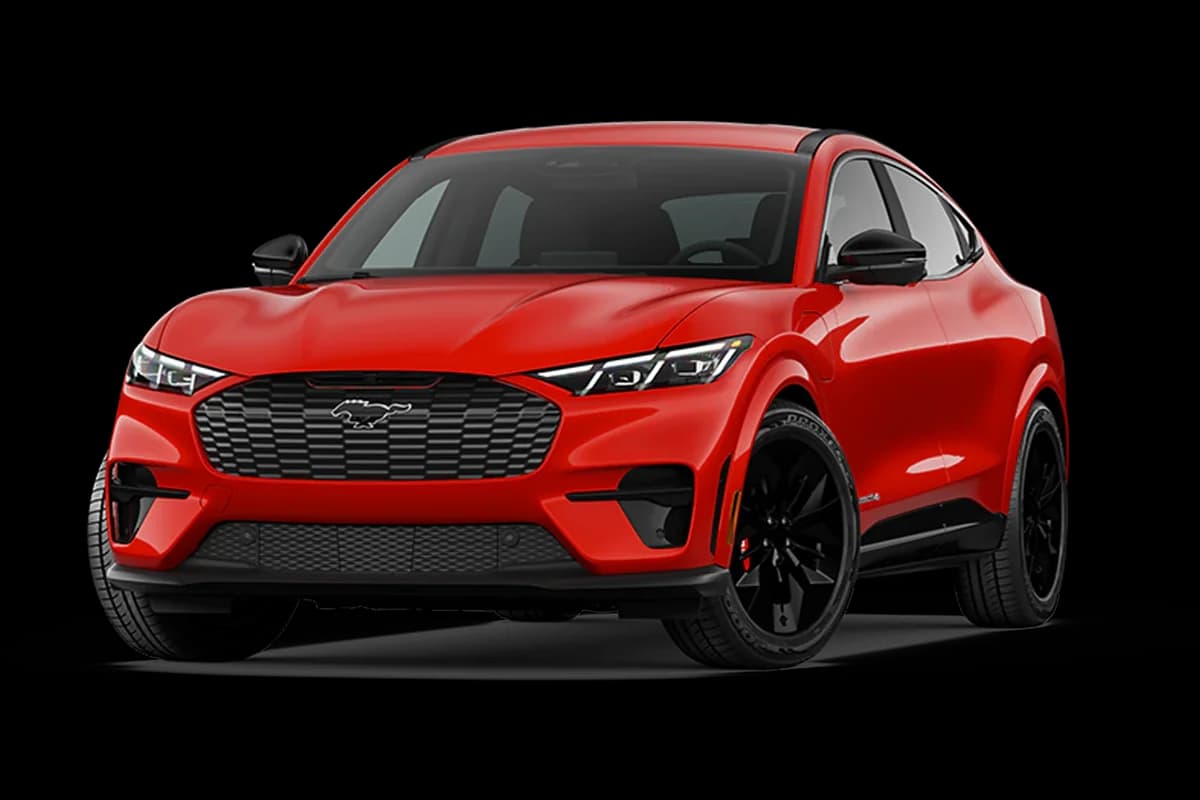
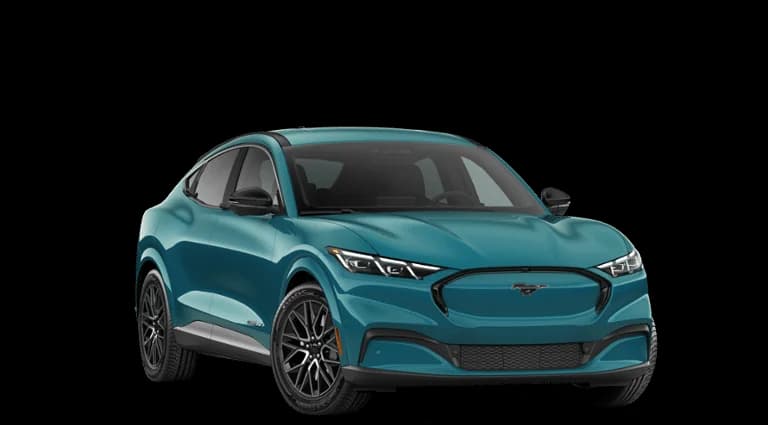
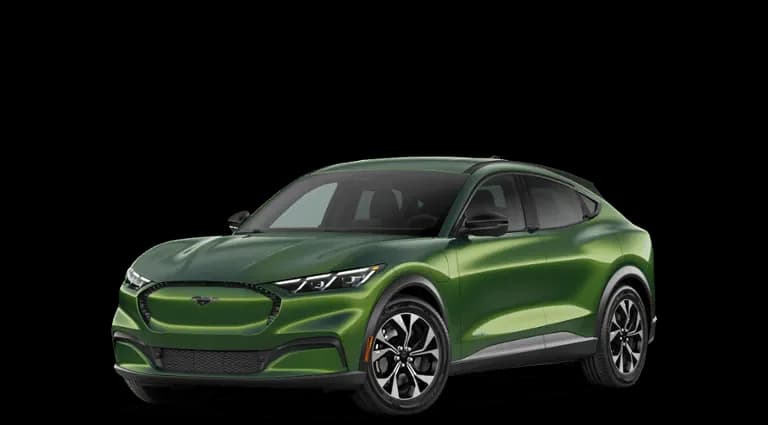

Find Yours
What is your top priority for an Electric SUV's battery performance?
Answer to find your best matches.

The Field
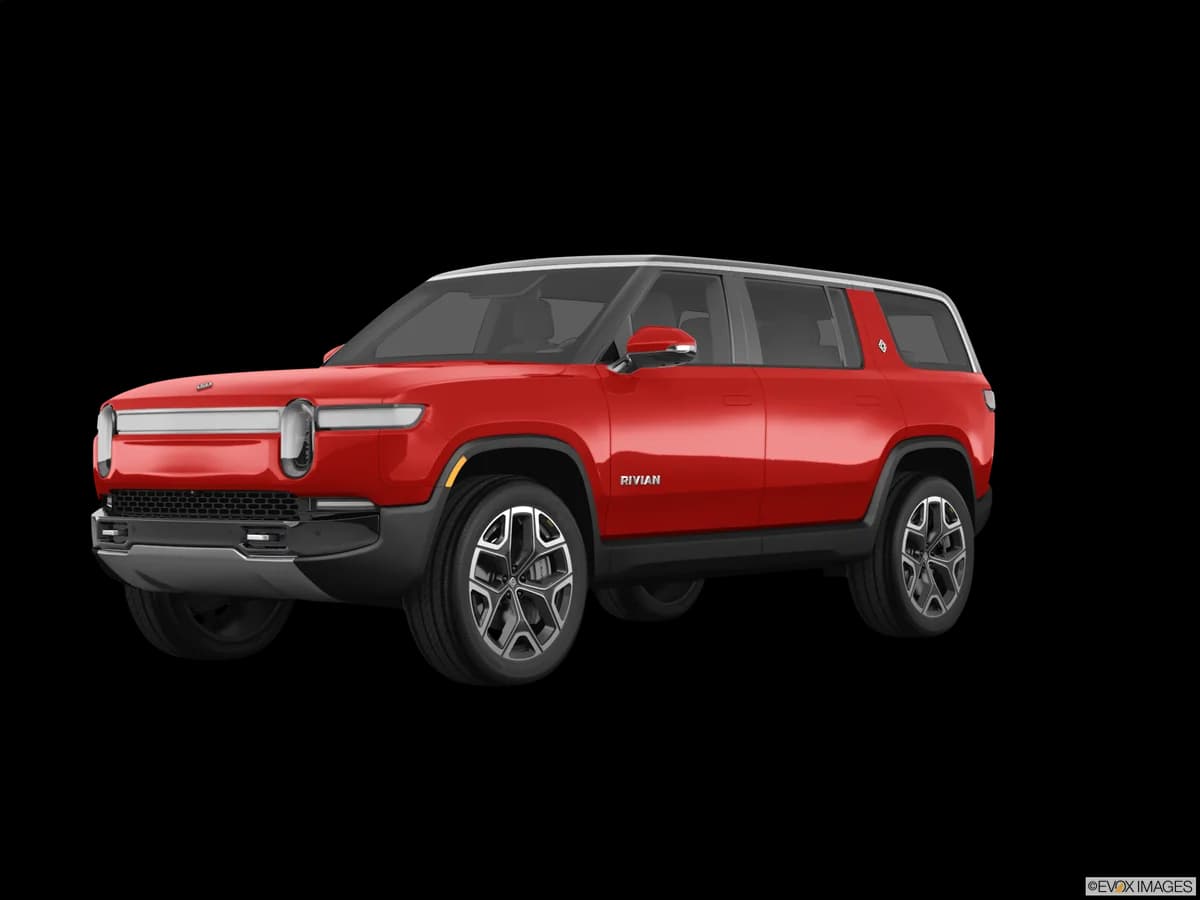
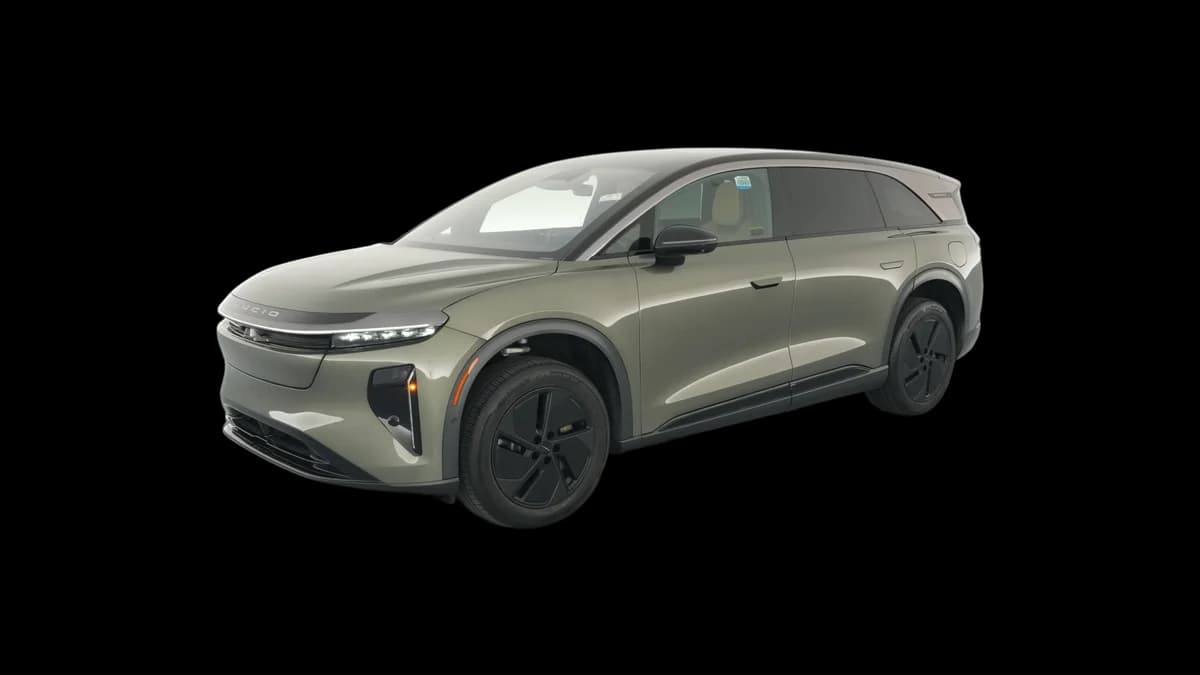
Browse top contenders, or compare all options ranked by score and key attributes.
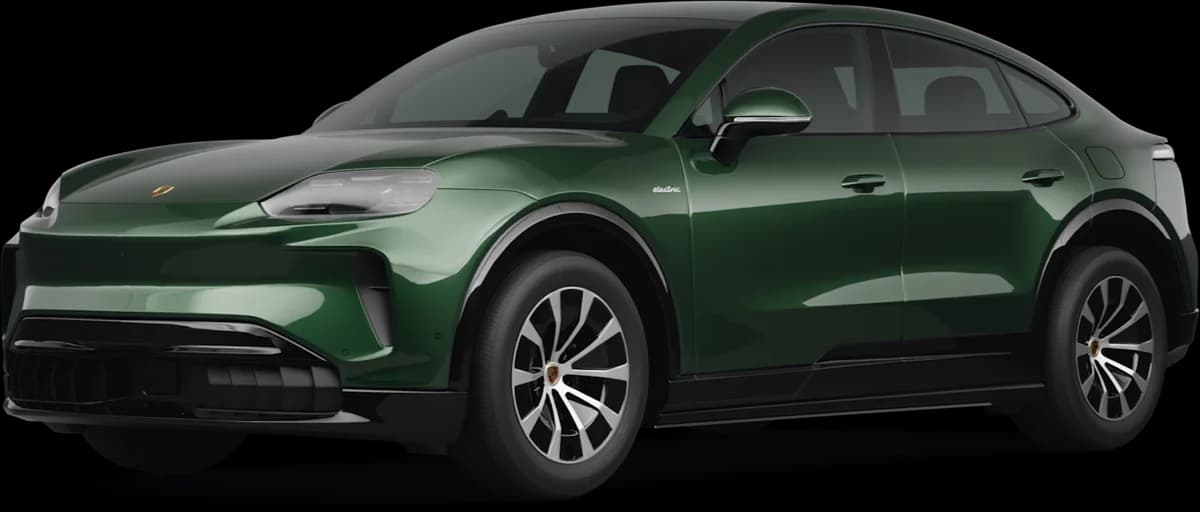
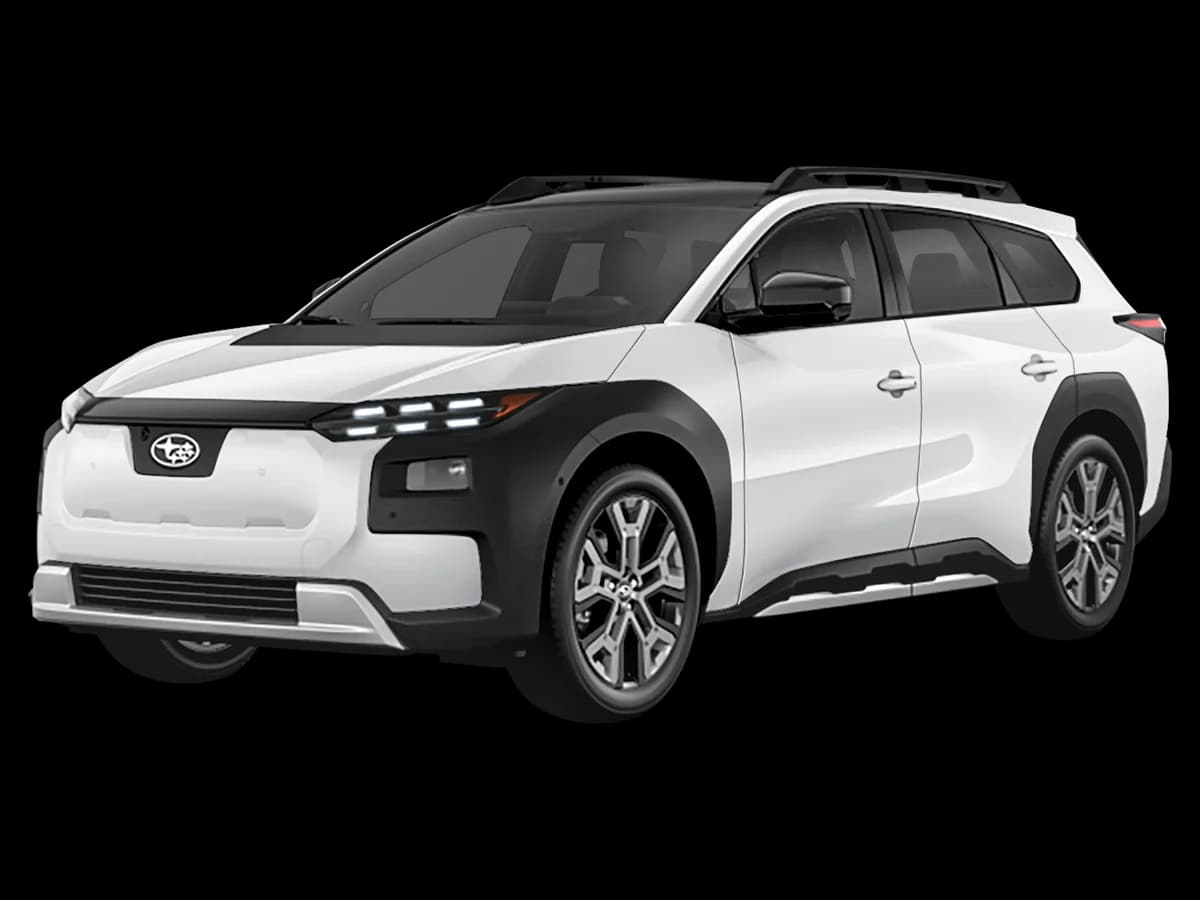
5 Options


The Scoreboard
Does this improve your life? Considers, health, habits, and environmental impact.
Benefits
Smooth, quiet cruising makes commuting and longer family trips feel pleasantly easy.
Strong instant acceleration makes merging, passing, and carrying passengers feel reassuringly simple.
Five seats, useful cargo room, and a front boot handle everyday family errands.
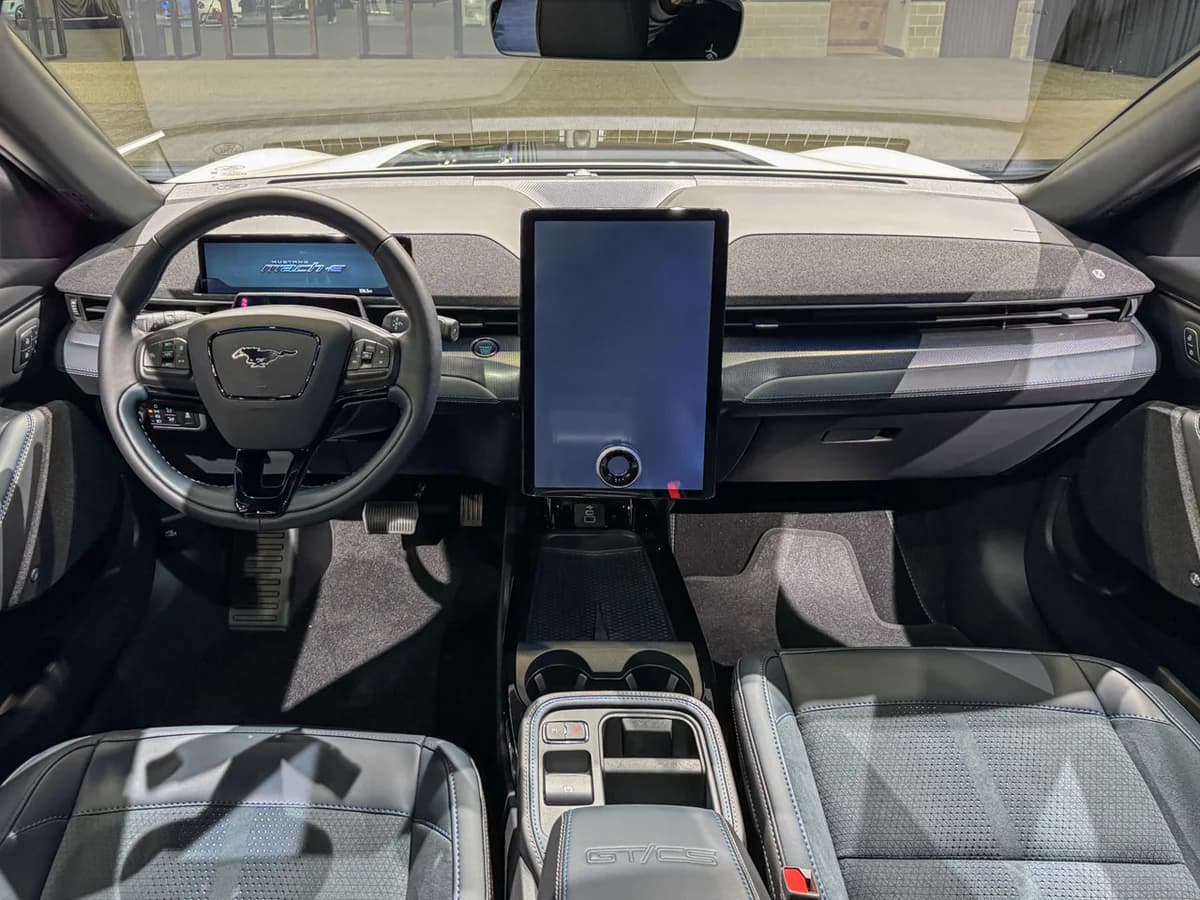
Physical controls, driver information, and phone integration reduce adjustment during ordinary daily driving.
Stable handling and effective driver assistance make highway journeys feel more relaxed and manageable.
Trade-Offs
Sharp bumps and stiff suspension can make ordinary city driving feel uncomfortable for passengers.
Public fast-charging breaks take longer than in newer rivals, interrupting longer journeys more noticeably.
Winter temperatures can cut expected driving distance, requiring more frequent charging on normal trips.
The sloping roof makes back-seat entry, child-seat fitting, and taller passengers less comfortable.
 Alternatives


Join the Circle
Where real meets deal
Know what's worth buying-and when.
Tips, special offers, and rewards for buying and sharing.

Publications
7 LEADING PUBLICATION REVIEWS

What Car? gives the Ford Mustang Mach-E a distinctly lukewarm verdict. It praises the well-equipped cabin, spacious rear seating, useful front boot, responsive infotainment, playful handling, and strong real-world range from the Extended Range versions. The entry-level Standard Range RWD is considered the smartest buy, offering ample performance and useful equipment, while the GT delivers genuinely rapid acceleration and the Rally Pack brings the best-riding setup. Still, the review’s enthusiasm is outweighed by an average ride, inconsistent steering and braking, road noise, mediocre interior quality, limited boot space, slow charging compared with the Kia EV6, and weak value retention. BlueCruise also feels undermined by frequent prompts to keep your hands on the wheel. Overall, the Mach-E is capable and distinctive, but its compromises make it difficult to recommend confidently, reflected in the publication’s 2/5-star rating.
By Lawrence Cheung
Car and Driver views the 2026 Mustang Mach-E as a capable, sensible electric SUV rather than an especially thrilling Mustang. The base Select delivers punchy initial acceleration, a comfortable and spacious cabin, useful cargo capacity, smooth city manners, and excellent BlueCruise assistance. New rear-door grab handles are welcome, while the California Special adds mostly cosmetic flair. But the entry model feels heavy in corners, with modest grip and disappointing braking compared with a Tesla Model Y, and its 115-kW charging rate means a relatively long stop. Ford has also made some formerly standard equipment optional. Overall, the Mach-E is practical, quick enough, and increasingly accepted by buyers, but the Select trim lacks the dynamic excitement associated with the Mustang name. It makes the strongest case as a comfortable, flexible daily EV—not a substitute for Ford’s visceral V-8 coupe.
By Elana Scherr
Auto Express is positive about the Mustang Mach-E, though its praise is measured rather than gushing. It sees a stylish, family-friendly electric SUV with generous standard equipment, strong claimed range, useful charging capability, and genuinely engaging handling; even the regular versions feel quick and refined, while the GT brings startling 3.6-second acceleration. The review’s standout practical insight is that the Mach-E remains comfortable and composed on longer trips, but feels less convincing around town, where its firm ride and grabby brakes can make traffic jerky. Real-world range also falls well short of Ford’s figures, and charging is slower than key rivals. The cabin is spacious but somewhat generic, the boot is notably smaller than competitors’, and poor depreciation, high insurance, and luxury-car tax weaken its value. Overall, Auto Express recommends the entry-level Select as the smartest buy.
By Shane Wilkinson; Dean Gibson
U.S. News’ John M. Vincent views the 2026 Mustang Mach-E as a thrilling but increasingly compromised electric SUV. Its GT delivers breathtaking acceleration, sharp handling, strong safety credentials, useful cargo space, and a relatively attractive price, while the Rally adds genuine loose-surface fun. Yet the experience is tempered by firm, sometimes busy ride quality, cramped rear seating, substantial road and wind noise, mediocre fast-charging performance, and real-world range that can fall short when driven enthusiastically. Ford’s decision to make formerly standard features—particularly the frunk and surround-view camera—optional also hurts its value, especially as newer rivals arrive. The Mach-E remains a compelling choice for drivers who prioritize performance and Mustang character, but Vincent presents it as an aging model whose advantages no longer come without meaningful trade-offs.
By John M. Vincent
CarExpert’s Max Davies is disappointed that the updated Mustang Mach-E still feels underdeveloped. He praises its polished, upmarket cabin, smooth and powerful drivetrain, playful rear-drive character, strong safety equipment, and effective new heat pump. It is quiet and easy to drive around town, while the GT offers genuinely rapid acceleration and some welcome personality. However, those strengths are undermined by a punishing ride, especially with the GT’s MagneRide suspension, plus awkward door access, fiddly climate controls, limited rear-seat practicality, and high pricing in a crowded Australian EV market. Davies also questions the Mustang branding, arguing that the SUV has little connection to the sports car beyond styling cues and occasional tail-out fun. The Select is his preferred version, but even that is difficult to recommend over cheaper, more accomplished rivals such as the Tesla Model Y, Kia EV5, and Skoda Enyaq.
By Max Davies
Observer reviewer John Scott Lewinski is cautiously positive about the 2026 Mustang Mach-E, but remains unconvinced by its name. He praises the Premium AWD’s quick 4.2-second acceleration, roughly 300-mile range, comfortable ride, attractive crossover styling, and useful charging options. The Mach-E comes across as a genuinely competitive, practical electric SUV that works well for commuting and offers an appealing blend of speed and efficiency. Still, Lewinski’s personal history with traditional Mustangs makes the branding feel especially problematic: to him, a crossover wearing the iconic pony-car badge seems like a calculated marketing stunt rather than an authentic Mustang. The review’s central tension is that the Mach-E is good on its own terms, yet its borrowed identity keeps distracting from those strengths. Its infotainment layout and charging times receive only passing criticism, while authenticity—not performance—ultimately shapes the reviewer’s reservations.
By John Scott Lewinski
Capital One Auto Navigator’s Jim Resnick is clearly impressed by the 2026 Mustang Mach-E GT, despite meaningful rough edges. He praises its explosive 480-hp acceleration, unusually communicative steering, strong grip, quiet cabin, useful cargo space, and comfortable adult-sized back seat. The GT feels genuinely sporting rather than merely borrowing the Mustang name, and its 280-mile EPA range and efficient real-world results make it practical for everyday driving. Still, the ride is notably harsh, braking can feel nonlinear, and the lane-centering assistance struggles with curves and grooved or poorly marked roads. BlueCruise is also less widely usable than GM’s Super Cruise. The infotainment works better than it looks, though voice navigation failed during testing. Overall, Resnick views the Mach-E GT as a compelling, fast, versatile EV with enough compromises to keep it from feeling fully polished.
By Jim Resnick

YouTube
13 LEADING EXPERT & INFLUENCER REVIEWS
 Edmunds Cars
Edmunds is broadly positive about the Mustang Mach-E, calling it quietly excellent after two years and 18,000 miles. The team praised its smooth, quiet cabin, easy driving manners, impressive real-world range, and flawless reliability, with no dealer visits required. Criticisms included bouncy suspension, awkward door handles, flat seats, mediocre interior materials, and unconvincing adaptive cruise control. Its steep depreciation also hurt, falling from $61,000 to $28,000. Edmunds considers it a solid used EV, but not a top choice anymore, recommending shoppers also consider the Hyundai Ioniq 5, Ioniq 6, and Kia EV6.
Kelley Blue BookMike Danger and Lyn Woodward are positive on the 2026 Ford Mustang Mach-E, but ultimately favor the refreshed Tesla Model Y. They praise the Mach-E’s muscular styling, familiar cabin, physical controls, wireless Apple CarPlay and Android Auto, smooth one-pedal driving, strong power, and slightly quieter ride. However, its roughly 300-mile range trails the Tesla, charging is less convenient, rear legroom is tighter for tall passengers, and the ride can feel rough over bumps. Their verdict is that the Mach-E remains a compelling, sportier alternative, especially for buyers valuing character and performance over maximum range and charging access.
The Car Care Nut ReviewsThe Car Care Nut is cautiously positive about the 2026 Mustang Mach-E, but far from enthusiastic. He considers the 2025-and-newer version a much better value, praising its added heat pump, strong GT and Rally performance, comfortable ride, good audio, storage, and protective underbody design. Still, he is deeply critical of Ford’s sprawling coolant hoses, multiple pumps, plastic components, and inefficient legacy heating architecture. He also dislikes the electronic doors, especially the awkward emergency-access procedure when the 12-volt battery dies. His verdict: finally sensible for most climates, but still an overcomplicated, imperfect package.
EatSleepDriveEatSleepDrive is highly enthusiastic about the 2026 Ford Mustang Mach-E Premium. He praises its lively, playful snow performance, quiet cabin, improved suspension tuning, strong 365-hp/500-lb-ft output, and more intuitive column-mounted shifter. While traction control is intrusive and all-season tires limit the test, he finds the AWD Mach-E remarkably capable and engaging. He considers it better built and more characterful than a Tesla Model Y, sees little reason to choose the firmer GT for daily use, and is especially excited about the more powerful, lifted Rally.
Matt Maran MotoringMatt Moran remains strongly positive about the Mustang Mach-E after three years and 19,000 miles. He calls it a reliable, low-cost family EV with solid range for his needs, a durable interior, enjoyable road-trip manners, and an otherwise uneventful ownership experience. His main complaints are recurring rear-rotor scoring, disappointing OEM tire wear, poor automatic wipers, and Ford’s removal of a numerical battery percentage. The sloping roof also makes loading larger children awkward. He is selling primarily because of tax-credit timing and better current deals elsewhere, not because the Mach-E failed him, and still highly recommends used examples.
The_Car_MomKelly is highly enthusiastic about the 2026 Mustang Mach-E, especially its sporty design, sharp handling, and impressive acceleration. She calls it a genuinely fun EV and feels the Mustang name is justified, while praising the comfortable front cabin, Ford keypad, spacious trunk, and family-oriented practicality. Her main reservations are the awkward button-operated door handles, oversized screen that looks tacked on, limited rear-seat ventilation, and challenging rear-facing car-seat fit caused by the seat angle. Still, with the right compact car seat, she finds the Mach-E surprisingly workable for families, though not ideal for three-across seating.
Ben HardyBen Hardy is cautiously positive, viewing the 2026 Mustang Mach-E as a surprisingly good electric appliance despite his EV skepticism. He likes its sharp styling, roomy cabin, comfortable seats, smooth tuning, useful one-pedal driving, and strong-but-manageable acceleration. However, he criticizes the paid frunk option, manual liftgate, limited 300-mile range, charging anxiety, and heavy, clumsy ride over bumps. Overall, he considers it one of the better electric cars for practical driving, but remains unconvinced that its range and charging infrastructure overcome the broader drawbacks of EV ownership.
GjeebsGjeebs is positive on the 2026 Mustang Mach-E, especially its styling, comfort, performance, and engaging driving manners. He praises the familiar controls, strong air conditioning, MagneRide suspension, and capable BlueCruise system, while acknowledging it trails Tesla in software, efficiency, charging speed, rear-seat tech, and value. The CCS port, laggy infotainment, weak warranty, and disappointing 57-minute 10–80% charging test are notable drawbacks, though extreme Phoenix heat may have affected results. Overall, he considers the Mach-E a solid, enjoyable EV—particularly with discounts—but believes Ford needs more substantial updates.
Tall Guy Car Reviews Tall Guy Car Reviews is strongly impressed by the 2026 Mustang Mach-E GT/California Special, especially its 480 horsepower, 700 lb-ft of torque, 3.1-second 0–60 time, comfortable seats, roomy front cabin, intuitive screen, and genuinely useful cargo area. His enthusiasm is tempered by a $65,000 as-tested price, 280-mile range, minimal rear-door storage, weak ambient lighting, an unshaded panoramic roof, and the absence of hands-free driving. Still, the Mach-E feels like a rocket with convincing SUV practicality, and his criticisms are mostly expectations around technology and refinement rather than fundamental dissatisfaction.
The Future is ElectricLuke Zammit is strongly positive about the 2026 Mustang Mach-E, especially its effortless acceleration, composed driving position, quiet confidence, and unusually effective safety systems. His real-world 50-km test produced an estimated 360-km range—well below the 470-km WLTP figure—but he considers that sufficient for roughly two weeks of typical Maltese driving. He also demonstrates one-pedal driving and the three drive modes, while citing an older Mach-E with 500,000 km and only 8% battery degradation. Overall, he sees the entry-level Select as practical, powerful, and convincing, despite disappointing cold-weather range.
Charging the RoadMerch Batista remains deeply enthusiastic about his Mustang Mach-E after more than 106,000 miles. He praises its smooth driving, enjoyable handling, practical road-trip ability, durable battery—roughly 5% degradation despite heavy DC fast charging—and generally strong build quality. However, ownership included three high-voltage battery junction-box failures, including a frustrating seven-month repair, plus worn tires, cosmetic damage, screen lag, and an unpleasantly harsh ride on Chicago’s rough roads. Even with those serious caveats, his affection is unmistakable: he calls it the best car he has owned and would buy another, preferably a GT.
AUTO TVAUTO TV is cautiously positive about the 2026 Mustang Mach-E, viewing it as a more compelling alternative to the Model Y than before. Ford wins on the cabin, with a driver display, physical volume dial, thoughtful storage, and comfortable seats, while the standard heat pump and newly available Supercharger access strengthen its case. However, the Mach-E remains heavier and less efficient, with software and door-latch reliability concerns, plus compromised rear headroom from its sloping roof. The verdict is measured: choose the Mach-E for its human-friendly interior and personality, not for efficiency or running costs.
Studz StudiosStudz Studios remains clearly positive about the 2026 Mustang Mach-E. Comparing a dealer Select with his own 2022, he appreciates the new rear-door handles, easier 12-volt battery access, heat pump, fresh colors, and smoother retuned suspension. He considers the optional frunk a worthwhile cost-saving choice, though buyers who value cargo space should seek a 2021–2024 model. CCS charging and the lack of major 2026 driving changes are minor drawbacks. His 30,000-mile ownership experience has been very reliable aside from an intermittent, temperature-related BlueCruise camera issue, leaving him confident the Mach-E remains a practical, fun family EV.

Social
3 INFLUENCER REVIEWS
 Austin Flynn
Austin Flynn is strongly impressed by the Mustang Mach-E Premium, despite initially questioning the Mustang name on an electric SUV. He admires its nearly full-length panoramic roof, washable waterproof frunk, and well-integrated 15.5-inch vertical display. His main reservation is charging access, since apartment dwellers may depend heavily on public stations while the Mach-E clearly suits homeowners with garages. Ultimately, he sees it less as a replacement for a V8 than an EV confidently moving beyond that tradition.
Healey BrothersHealey Brothers is mildly positive about the 2026 Mustang Mach-E, framing its updates as practical rather than exciting. The frunk, standard on the 2025 model, becomes a paid option because Ford says owners rarely used it, helping lower the 2026 price by about $1,400. Two new colors, Race Red and Adriatic Blue, add choice, but the video leaves the central tradeoff open: whether buyers would prefer the savings or a standard frunk.
autumnAutumn feels genuinely positive about her Mustang Mach-E and its everyday charging convenience. She reports roughly 250 miles of winter range from the Extended Range model’s approximately 320-mile estimate, expecting improvement in spring. Home and workplace charging mean she has not visited a gas station or public charger, and overnight charging keeps her ready each morning. Her recommendation is conditional, though: the Mach-E suits drivers with manageable commutes and reliable home charging, while cold-weather range loss remains an important consideration.

Forum Reviews
CUSTOMER REVIEWS FROM 1 FORUM
Redditors are cautiously positive about the 2026 Mach-E, especially as a used-value proposition. It remains attractive, quick, comfortable, practical, and genuinely fun, with styling that many prefer to the Model Y. However, Ford’s pricing and newly optional features—particularly the frunk and MagneRide—draw sharp criticism. Owners also cite mediocre software, slow charging, winter range loss, depreciation, stiff or unrefined suspension, and inconsistent dealer service. The Mustang branding remains divisive, though most agree the car itself is compelling. The consensus favors buying used or choosing a longer-range trim, ideally with reliable home charging and local EV-capable service.
Many comments

In-Depth Review

Highlights
- •Rapid Electric AccelerationGT delivers exhilarating, effortless straight-line power.
- •Quiet, Familiar CabinPhysical controls and phone integration simplify driving.
- •Sporty EV CharacterMarketed as a more engaging electric crossover.
- •Useful Family PracticalityFive seats and flexible cargo support errands.

Considerations
- •Firm, Busy RideBroken pavement can feel harsh and unsettled.
- •Variable Real-World RangeCold weather and spirited driving reduce distance.
- •Slower Charging StopsDC charging trails newer rapid-charging rivals.
- •Limited Rear PracticalitySloping roof restricts headroom and child-seat fit.
Ford’s Mustang Mach-E brings the brand’s performance image into the practical electric-SUV market. Positioned between mainstream crossovers and premium EVs, it combines Mustang-inspired styling with five-seat usability, available all-wheel drive, and a range of trims for commuters, families, and enthusiasts. Its strongest appeal is the blend of instant electric acceleration, familiar controls, and useful cargo space—though rivals such as the Tesla Model Y and Kia EV6 are generally more efficient or faster to charge. The details matter: reviewers’ experiences vary with suspension tuning, cold-weather range, braking feel, traction, and rear-seat practicality. Extended-range batteries and home charging can make it a comfortable daily companion, while the GT and Rally add genuine attitude. Before choosing one, examine DC fast-charging performance and the ride closely; this is an EV with personality, but personality still has to survive potholes and road trips.
Handling and Traction
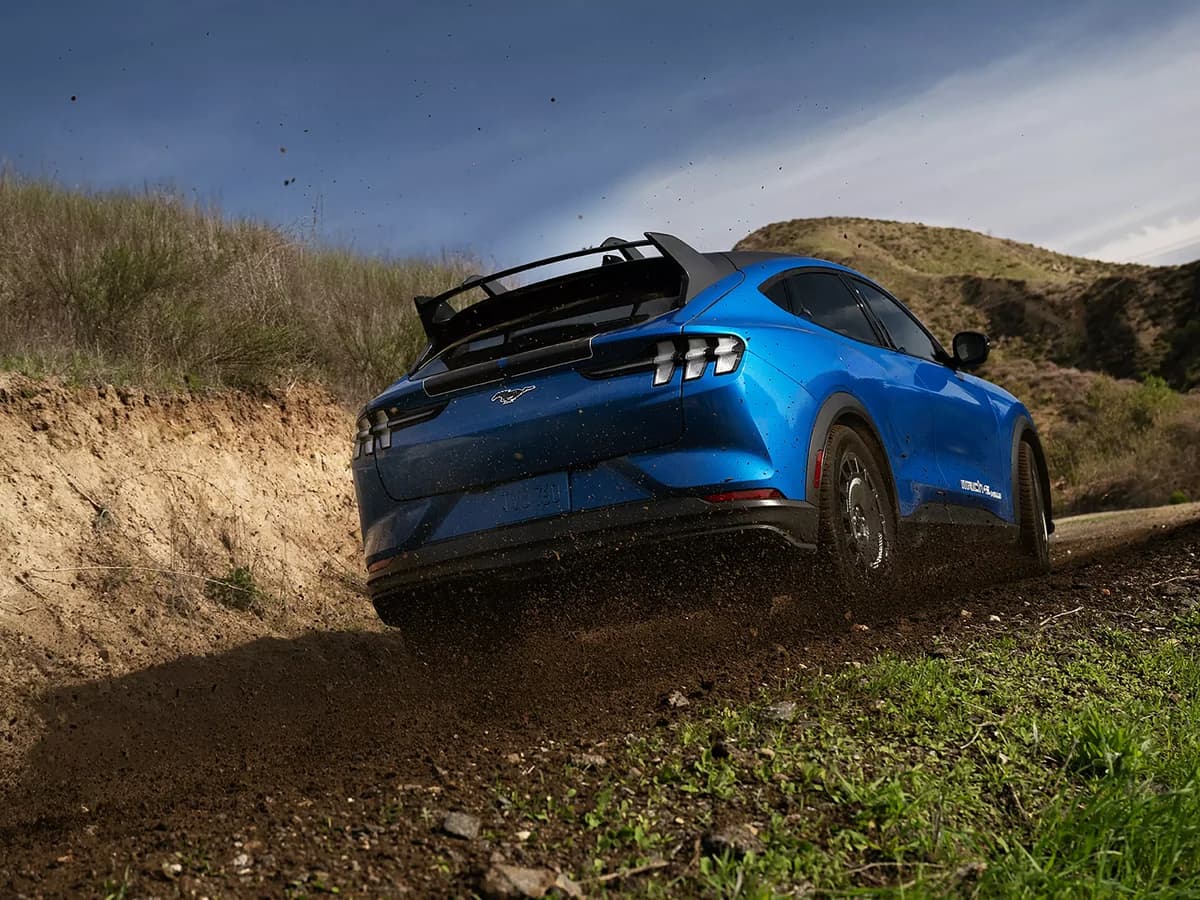
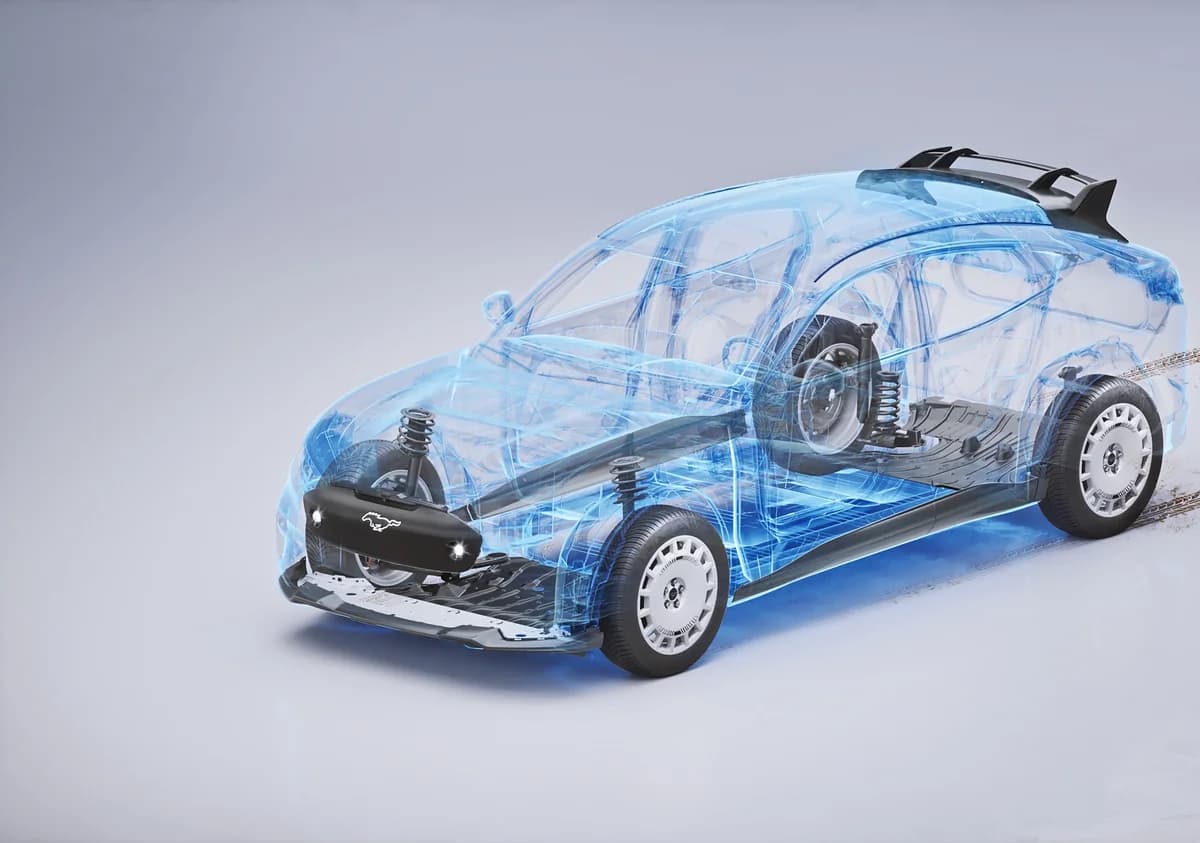
The Mach-E drives with more personality than a typical family EV, especially in its rear-drive-oriented feel. Its selectable drive modes and one-pedal driving make power delivery easy to tailor, while dual-motor eAWD provides reassuring grip in rain or snow. The Rally adds dedicated loose-surface modes and a lifted setup, giving it unusual capability for an electric crossover. Steering is often praised as communicative, but the vehicle’s roughly 4,800-pound mass and intrusive traction control can limit playfulness, so it is engaging rather than genuinely light-footed.
Range and Efficiency
Range is useful for daily driving, but configuration and weather matter more than the headline number. Ford offers standard- and extended-range batteries, with rear-drive versions generally providing the strongest estimates and some extended-range models approaching 300–320 miles. Real-world tests have landed around 250 winter miles or roughly 360 km in mild conditions, while enthusiastic driving and cold temperatures reduce that margin. The Mach-E is less efficient and heavier than a Model Y, but home charging makes its practical range feel much more reassuring for regular commuters.
Ride and Suspension
The Mach-E feels composed on smooth roads but can become noticeably busy over broken pavement. Ford’s available MagneRide adaptive suspension helps the GT stay controlled during spirited driving, while newer models benefit from revised tuning and a standard heat pump that improves cold-weather usability rather than ride comfort. Reviews differ by trim, but the recurring criticism is a firm, sometimes harsh ride, particularly with larger wheels or GT hardware. That makes it enjoyable on sweeping roads, yet less relaxing in urban traffic than the quiet cabin suggests.
DC Fast Charging
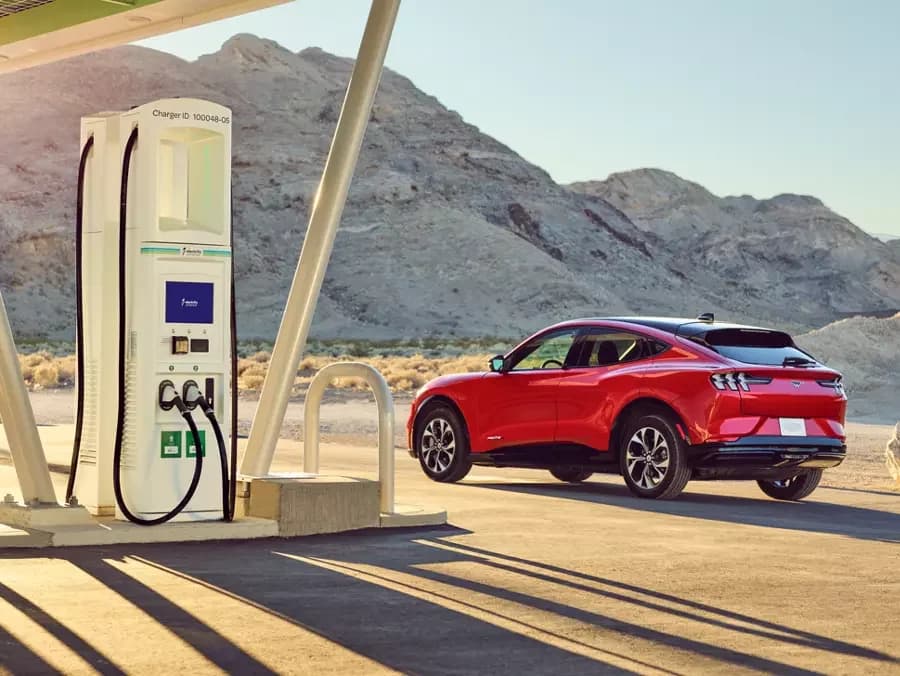
The Mach-E can handle road trips, though charging is a clear area where newer rivals pull ahead. Depending on trim and source, Ford quotes roughly 115–150 kW peak DC charging, with some versions reaching 10–80% in about 32–36 minutes. Independent testing has sometimes been less flattering, including a roughly 57-minute 10–80% result, although extreme heat may have affected it. Battery preconditioning and expanding access to Tesla Superchargers help, but its CCS hardware and slower charging curve still demand more patience than an Ioniq 5 or EV6.
Cabin and Cargo Space
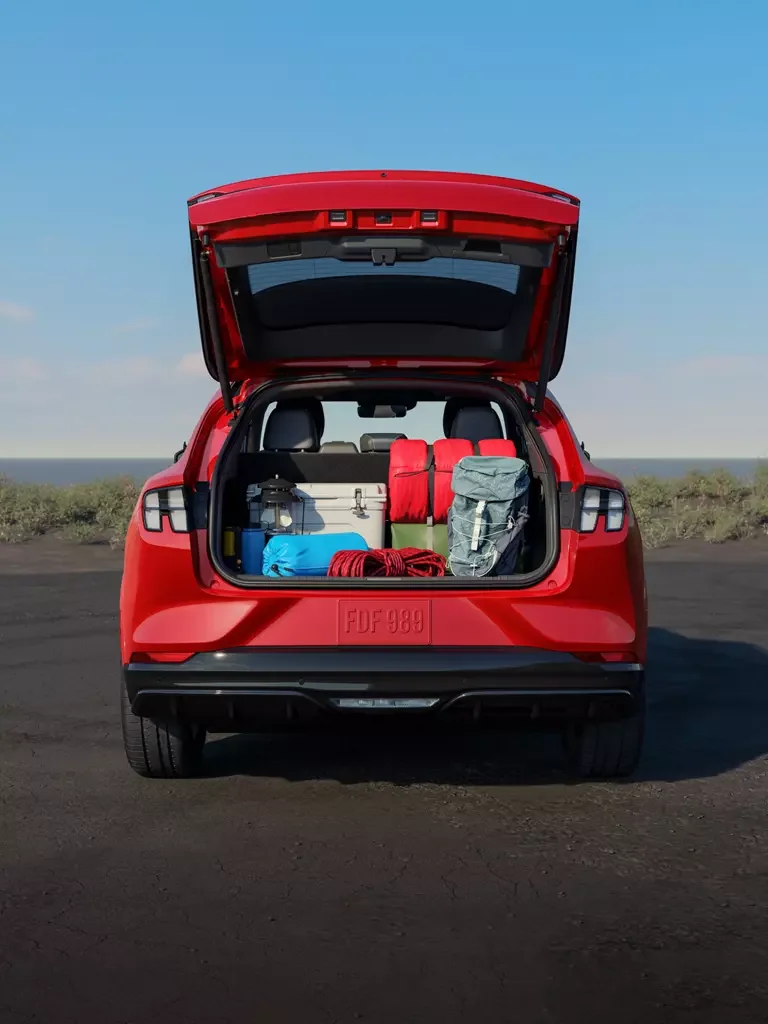
The Mach-E is a practical five-seat crossover, though its sloping roof creates compromises. The 15.5-inch portrait touchscreen, physical volume dial, driver display, and wireless Apple CarPlay and Android Auto make the cabin feel more approachable than Tesla’s minimalist layout. Behind the rear seats, roughly 29.7–34.4 cubic feet of cargo space is useful for errands, expanding to about 59.7 cubic feet folded, with a 2.6-cubic-foot frunk when equipped. Front space is comfortable, but rear headroom, child-seat fit, and limited door storage are weaker points.
Acceleration and Braking
Instant torque is one of the Mach-E’s strongest reasons to exist. Even the Select feels punchy in normal driving, while the GT’s 480 horsepower and 600 lb-ft deliver genuinely rapid acceleration, with some tested versions reaching 60 mph in about 3.1 seconds. AWD improves traction and passing confidence, but speed is not matched by equally polished stopping performance. Reviewers report grabby or nonlinear brakes, especially in traffic, and the heavy body can make repeated aggressive driving feel less tidy than the acceleration suggests.
Conclusion
The Mach-E’s final case is less about being perfect than being distinctly enjoyable: its firm suspension can jar over broken pavement, but the quiet cabin and revised tuning help on smoother roads. Real-world range is useful—especially in extended-range, home-charged versions—though cold weather and spirited driving expose its efficiency gap. DC fast charging is workable rather than class-leading, so road trips require more patience than in newer rivals. The payoff is instant acceleration, confident AWD traction, and steering that feels more communicative than most family EVs, even if braking can be grabby and the weight is obvious. Five seats and flexible cargo make it practical, but sloping-roof rear space limits tall passengers and bulky child-seat setups. It suits drivers who value character, performance, and familiar controls over maximum efficiency; for everyone else, competitors are easier to justify. A compelling, imperfect EV, it earns a solid recommendation rather than an automatic one.

Feature Scores
This reflects reviews and ratings from established critics, journalists, and users who have evaluated the item. Their opinions provide a comprehensive assessment.
Performance
Driving Range
4/5
Charging Speed
3/5
Acceleration
5/5
Handling and Ride Comfort
3/5
Energy Efficiency
3/5
Battery Durability
4/5
Value
Purchase Price Competitiveness
3/5
Total Cost of Ownership
4/5
Resale Value
2/5
Design
Exterior Styling
4/5
Interior Space and Packaging
4/5
Ergonomics and Controls
4/5
Health
Cabin Air Quality
TBD
Low-Toxicity Materials
TBD
Safety
Crashworthiness
TBD
Active Safety Systems
4/5
Battery Safety Systems
4/5
Sustainability
Lifecycle Emissions
4/5
Battery Recyclability
TBD
Use of Recycled Materials
TBD
Experience Style
Infotainment and Connectivity
4/5
Charging Ecosystem Integration
3/5
Customization and Driving Modes
4/5

Specifications
This section outlines the product's key facts, covering essential features, details, dimensions, materials, and any unique characteristics that define its functionality and usability.
Performance
Value
Design
Safety
Sustainability
Experience Style

Frequently Asked Questions
7 Questions

Find Yours
What is your top priority for an Electric SUV's battery performance?
Answer to find your best matches.