












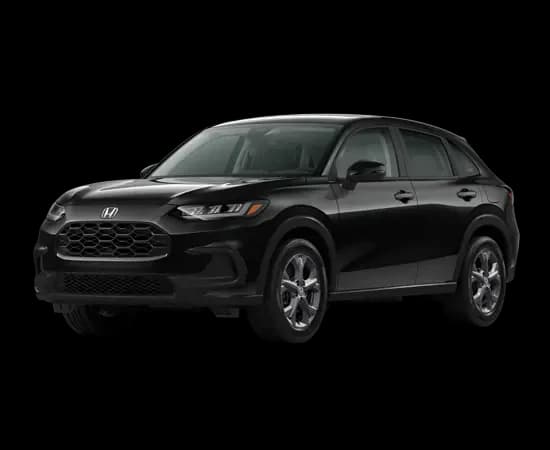
Honda HR-V (2027)
Roomy, comfortable, safe, and practical, but slow and best for unhurried commuters.
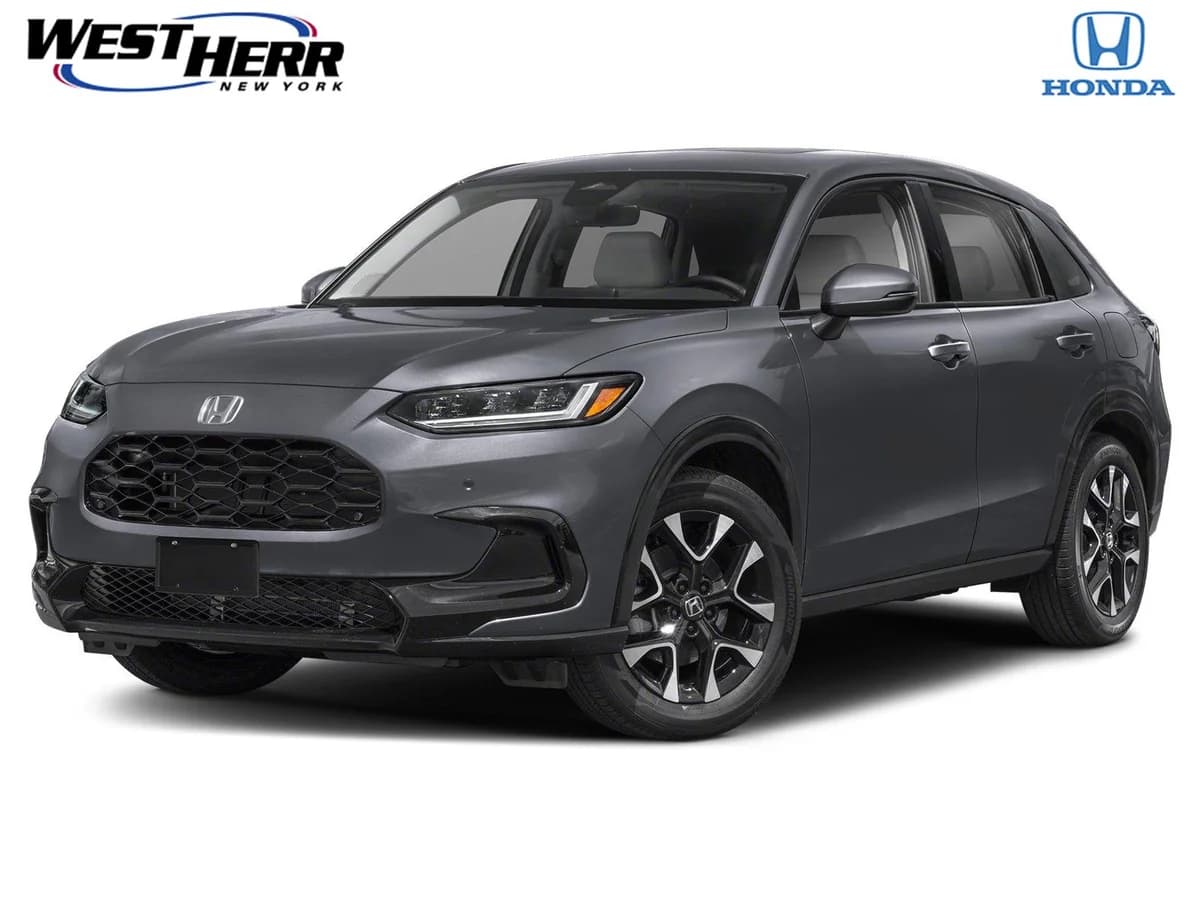
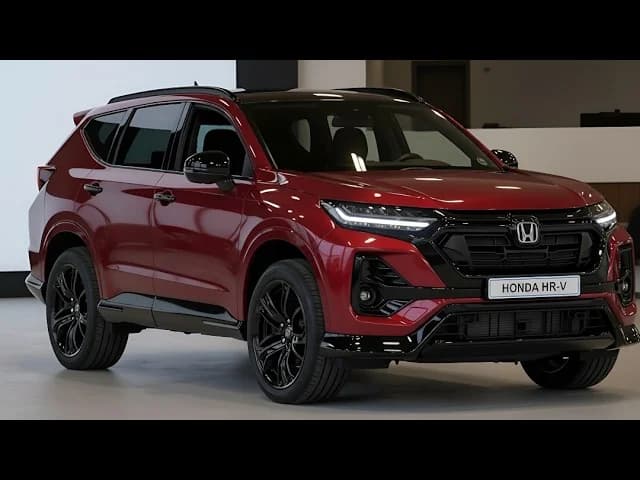
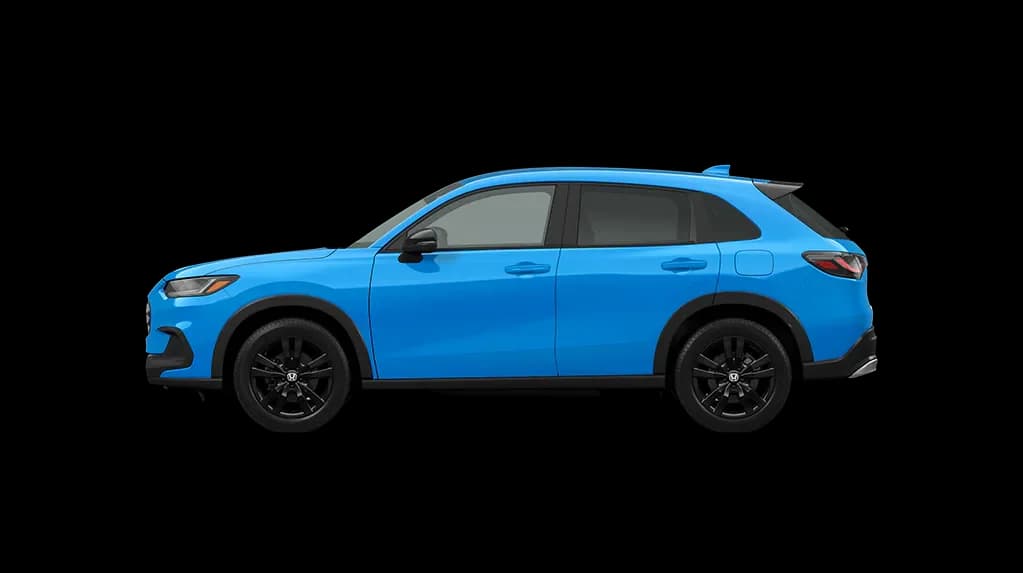
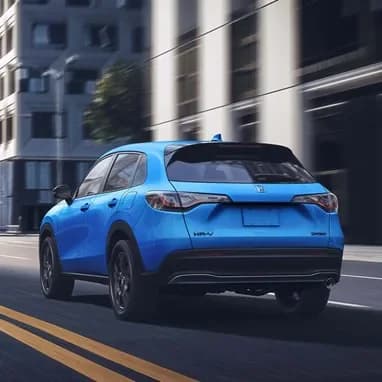
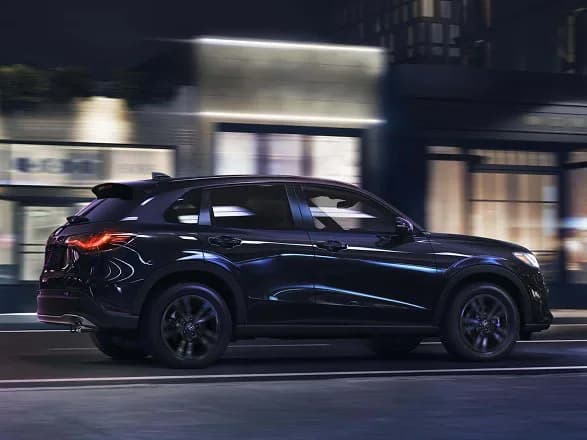
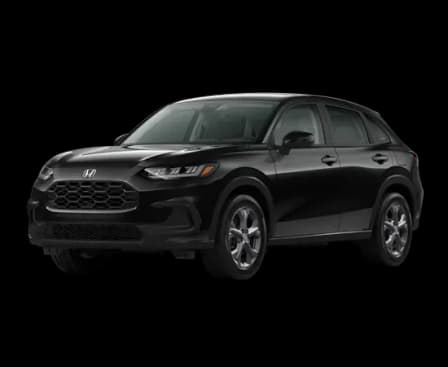
The Honda HR-V (2027) is the automotive equivalent of comfortable shoes: practical, reassuring, and not especially fast. It targets commuters, couples, and small families who need roomy rear seating, flexible cargo space, and easy urban manners without stepping up to a larger SUV. Honda’s value story is supported by reviewers praising the calm ride, polished cabin, standard safety technology, and AWD availability, though real-world feedback consistently undercuts any sporty impression. The 158-hp engine and CVT are slow and noisy when merging, while fuel economy is merely adequate and there is no hybrid. At roughly $26,000 to $32,000, it is sensible if comfort and resale matter more than excitement. Its overall appeal rests on practicality, refinement, and reliability, balanced against performance and efficiency compromises.
Find Yours
What is your primary use for a Gas-Powered SUV?
Answer to find your best matches.

The Field
Browse top contenders, or compare all options ranked by score and key attributes.
5 Options



The Scoreboard
Does this improve your life? Considers, health, habits, and environmental impact.
Benefits
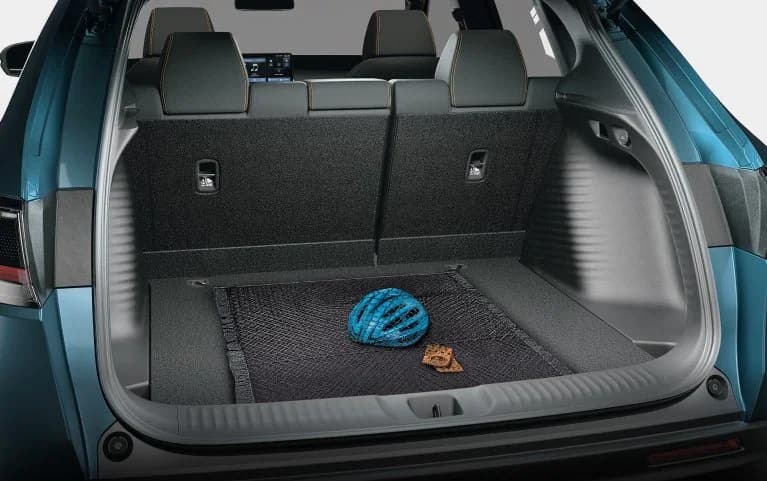
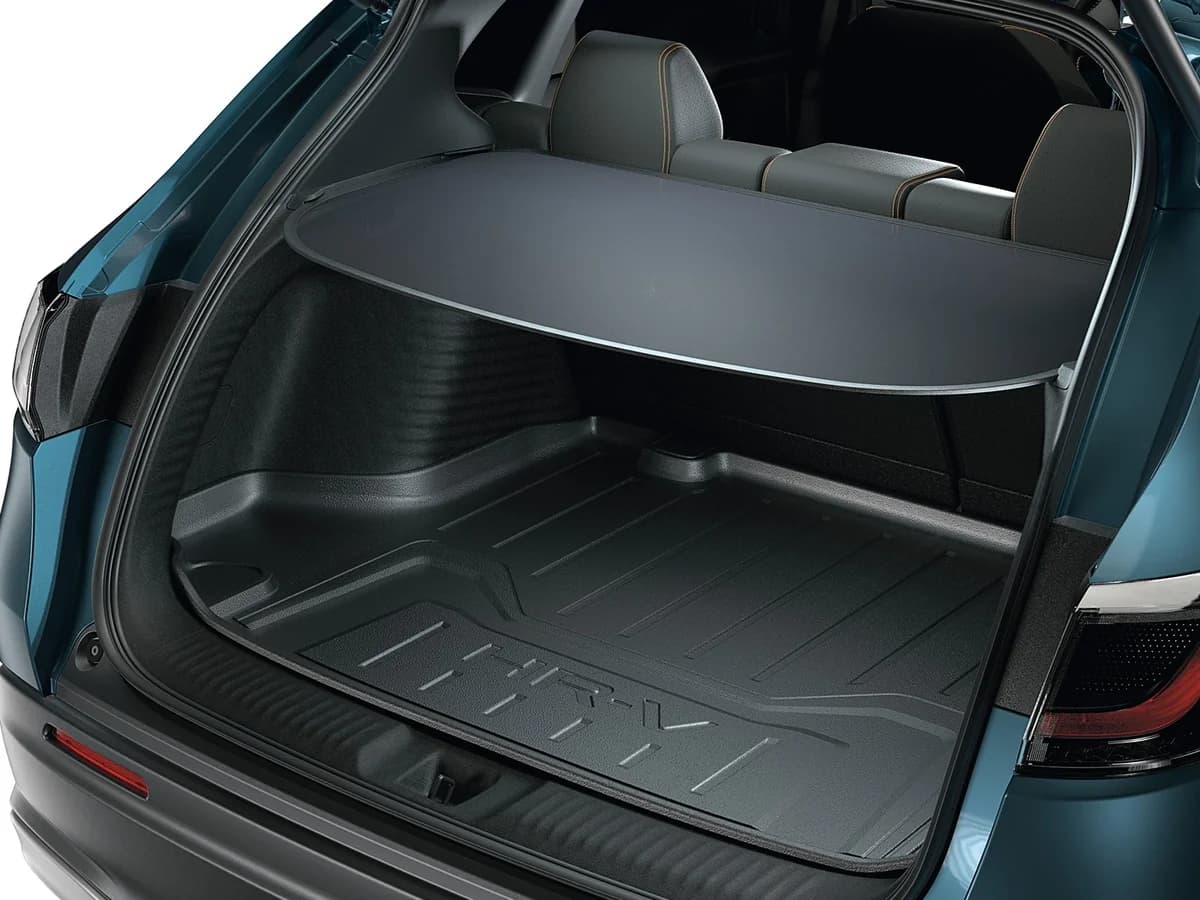
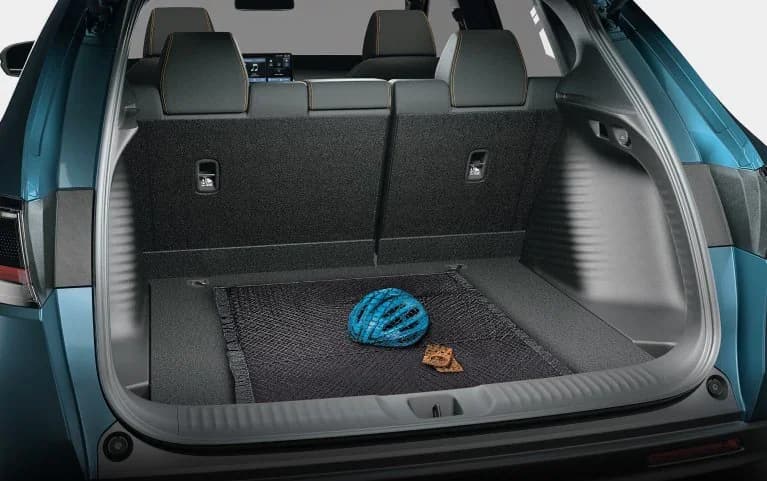
Roomy rear seating and fold-flat cargo space make errands, passengers, and weekend gear easier.
A smooth, calm ride and supportive seats make daily driving feel relaxed and manageable.
Standard driver assistance reduces workload during traffic, lane changes, and longer everyday drives.
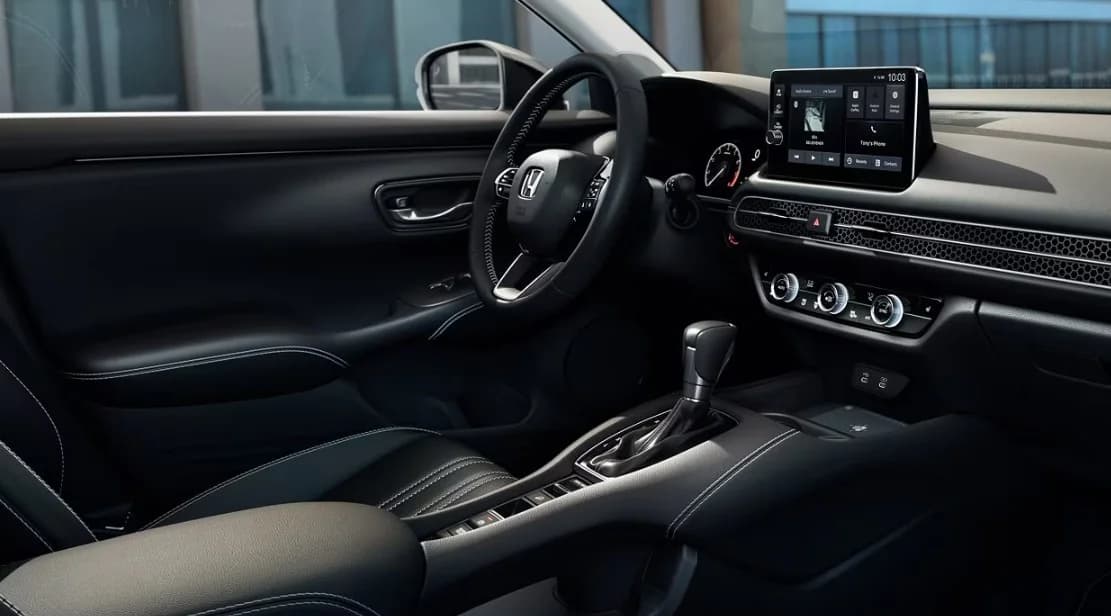
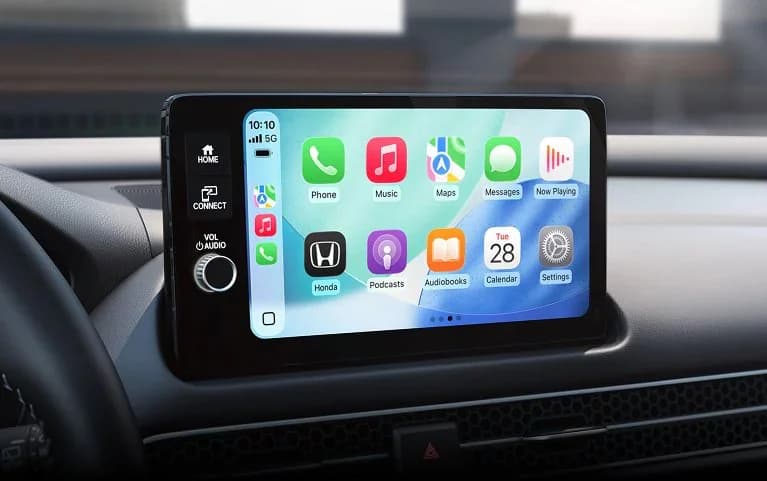
Wireless smartphone integration and physical controls keep navigation, music, and climate adjustments straightforward.
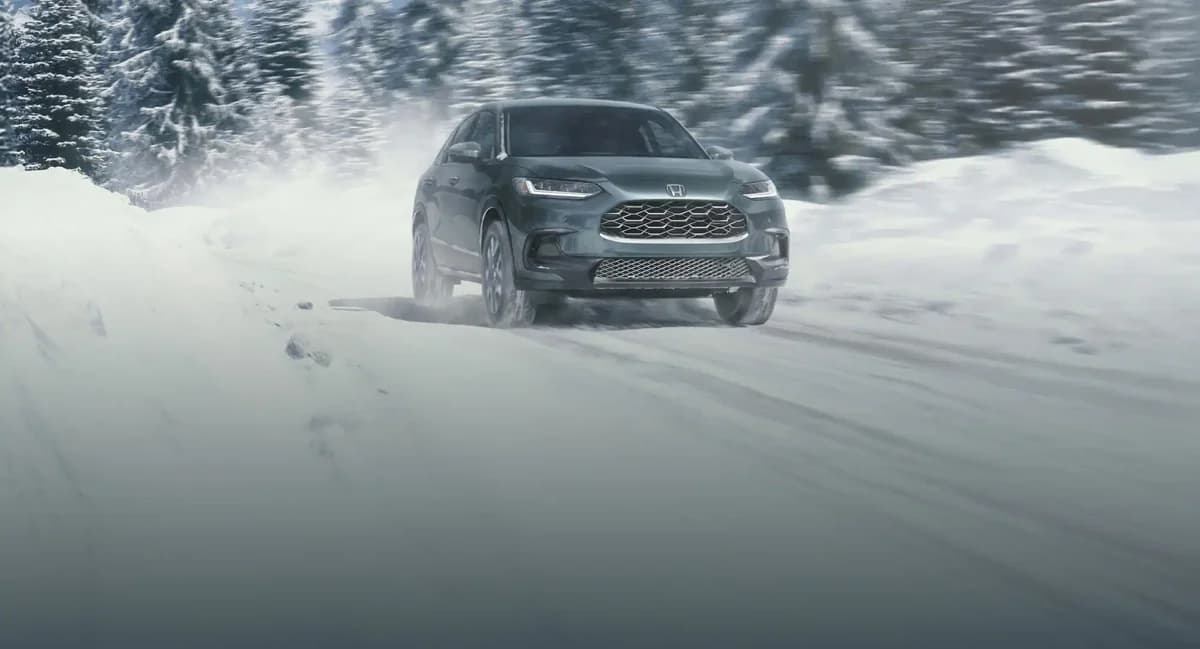
Available AWD on every trim adds reassurance for rainy roads, snow, and weekend travel.
Trade-Offs
Merging onto highways or passing uphill takes patience, making routine traffic moves feel labored.
Pressing hard on the gas brings coarse engine noise, making conversations less comfortable.
Back-seat passengers lack air vents, USB ports, and a center armrest on regular trips.
Frequent commuting uses more fuel than hybrid alternatives, especially in stop-and-go everyday driving.
 Alternatives


Join the Circle
Where real meets deal
Know what's worth buying-and when.
Tips, special offers, and rewards for buying and sharing.

Publications
3 LEADING PUBLICATION REVIEWS

Car and Driver is positive on the 2027 Honda HR-V, though its weak powertrain tempers the praise. The HR-V earns credit for its airy, comfortable cabin, useful cargo space, competitive fuel economy, attractive styling, and generous standard equipment. It’s sensible, easygoing transportation, with the Sport trim offering worthwhile upgrades such as heated seats, remote start, and blind-spot monitoring. But the 158-hp engine and CVT produce sluggish acceleration—9.4 seconds to 60 mph—and a coarse, grumpy sound when pushed. That matters because rivals such as the Mazda CX-30 and Kia Seltos offer more responsive turbocharged options, while the HR-V lacks a hybrid in the U.S. Its warranty is also merely average. Overall, Car and Driver views it as a well-equipped, spacious, and practical choice for buyers who prioritize uncomplicated commuting over driving excitement.
By Andrew Wendler
Kelley Blue Book views the 2027 Honda HR-V as a smart, well-rounded buy with limited driving excitement. Its roomy, thoughtfully organized cabin, strong standard safety and convenience equipment, available AWD, easy maneuverability, and above-average resale value make it especially practical for everyday buyers. The Sport trim stands out as the sweet spot, adding desirable features for a reasonable $1,800 premium. Still, the 158-horsepower engine and CVT feel strained under hard acceleration, and the HR-V is slower and less lively than rivals such as the Mazda CX-30. KBB also regrets the absence of the Civic’s efficient hybrid powertrain. Overall, the HR-V comes across as calm, comfortable, spacious, and dependable rather than thrilling—a sensible choice for buyers who prioritize usability, refinement, and long-term value.
By Robert Duffer
Alex Kwanten of U.S. News & World Report is strongly positive about the 2027 Honda HR-V’s everyday value. After a week driving an all-wheel-drive EX-L across Western Washington, he portrays it as a roomy, refined, well-built, and remarkably easygoing commuter with excellent ergonomics, useful technology, strong safety features, and better-than-expected real-world fuel economy. Its $26,600 starting price makes the base model especially appealing, and the HR-V feels more polished than the Toyota Corolla Cross. The central compromise is performance: the 158-horsepower engine feels painfully slow during highway acceleration, hill climbs, and passing, while rivals such as the Mazda CX-30 and Hyundai Kona offer more excitement. Cargo efficiency, warranty coverage, and off-road ability also lag certain competitors. Still, Kwanten’s verdict is warm and practical: if you can live with its lack of power, the HR-V is a hassle-free, comfortable bargain and earns an 8.6/10.
By Alex Kwanten

YouTube
10 LEADING EXPERT & INFLUENCER REVIEWS
 Car Confections
Car Confections gives the 2027 Honda HR-V a measured thumbs-up as a practical, well-built small SUV. They praise its unusually roomy rear seat, useful cargo space, polished interior materials, standard safety technology, and simple powertrain they expect to be highly reliable. The comfortable ride and confident handling add appeal, but enthusiasm fades around its sluggish acceleration, mediocre fuel economy, loud cabin, and lack of a hybrid option. Their verdict is that it’s a sensible, value-focused choice—especially for practicality and longevity—but buyers wanting stronger performance or efficiency should consider rivals or step up to the CR-V.
Ben HardyBen Hardy is clearly positive about the 2027 Honda HR-V, calling it stylish, practical, comfortable, and surprisingly premium inside for a subcompact SUV. He appreciates its roomy cargo area, flat-folding seats, spare tire, useful controls, standard all-wheel-drive availability, and smooth ride, while accepting typical road noise and modest acceleration. His biggest criticism is the lack of a hybrid option: the 158-hp engine and CVT work adequately but require effort, especially beside quicker Corolla Cross and RAV4 hybrids. Overall, he views the HR-V Sport as a well-executed, affordable package, though an affordable hybrid would make it far more compelling.
Car Help CornerShari Prymak is strongly positive about the 2027 Honda HR-V, calling it the best-rounded SUV here. He praises its quiet, comfortable ride, balanced handling, high-quality interior, responsive controls, excellent cargo and passenger space, and proven 2.0-liter powertrain. The main frustration is its modest acceleration and lack of a hybrid option, especially beside the efficient Corolla Cross Hybrid. Still, Prymak considers the HR-V an excellent value and the most practical gas-powered choice, even though his personal favorite is the sportier, more premium Mazda CX-30.
Chabby's RidesChabby’s Rides is cautiously positive about the 2027 Honda HR-V Sport AWD. He likes its attractive Nordic Forest styling, smooth ride, visibility, roomy back seat, practical cargo area, safety features, wireless connectivity, and sensible everyday usability. However, he calls it an “economical appliance” rather than an exciting SUV, criticizing the weak acceleration, ineffective Sport mode, missing rear USB ports and armrest, and lack of a hybrid option. At nearly $32,000, it seems expensive, though he considers it relatively affordable against today’s new-car prices.
Gold PonyGold Pony is highly enthusiastic about the 2027 Honda HR-V, calling it nearly perfect for practical buyers. He praises its IIHS Top Safety Pick+ rating, expected long-term reliability, comfortable ride, usable cargo space, standard 9-inch touchscreen, and surprisingly strong braking feel. The 158-hp engine is notably slow and the steering feels numb, but he considers those acceptable compromises for a commuter-focused SUV. His main complaints concern rear passengers, who lack USB ports, air vents, and a center armrest with cupholders. Overall, he views the HR-V as an excellent, dependable everyday vehicle rather than an exciting one.
Discerning CarsDiscerning Cars is decidedly unimpressed with the 2027 Honda HR-V, despite being a self-described Honda fan. The review criticizes its sluggish 158-hp engine and merely average fuel economy, arguing that rivals such as the hybrid Toyota Corolla Cross and Mazda CX-30 offer stronger performance or efficiency. Still, the HR-V earns credit for its roomy cabin, comfortable handling, attractive layout, physical climate controls, easy step-in height, and likely resale value. Overall, it is presented as a sensible but weakly competitive choice, with the reviewer cautioning viewers to verify dealership claims about supposedly new colors and features.
W.T.F Car ReviewsW.T.F Car Reviews is highly positive about the 2027 Honda HR-V, calling it nearly perfect apart from its weak engine. He praises the upscale styling, exceptionally roomy and comfortable cabin, practical cargo space, sharp steering, smooth ride, quiet manners, and responsive throttle. The 158-hp four-cylinder feels adequate around town but sluggish under hard acceleration, with the CVT limiting performance and possibly fuel-efficiency potential. Still, he considers the HR-V an outstanding value near $30,000 and wholeheartedly recommends it for buyers comfortable with leisurely acceleration.
Automotive Anonymous Odd Motive Anonymous is clearly positive about the 2027 Honda HR-V, calling it a practical, safe, and enjoyable subcompact SUV. The Sport’s excellent visibility, comfortable heated seats, effective lane-centering system, available AWD, and usable cargo area earn particular praise. He appreciates the simple, serviceable 2.0-liter engine and durable-feeling interior, though hard plastics, limited rear amenities, modest fuel economy, and sluggish 11.08-second 0–60 performance temper the enthusiasm. Overall, he considers the HR-V highly competitive around $26,000–$35,000, especially for buyers prioritizing safety, everyday comfort, and AWD over quick acceleration.
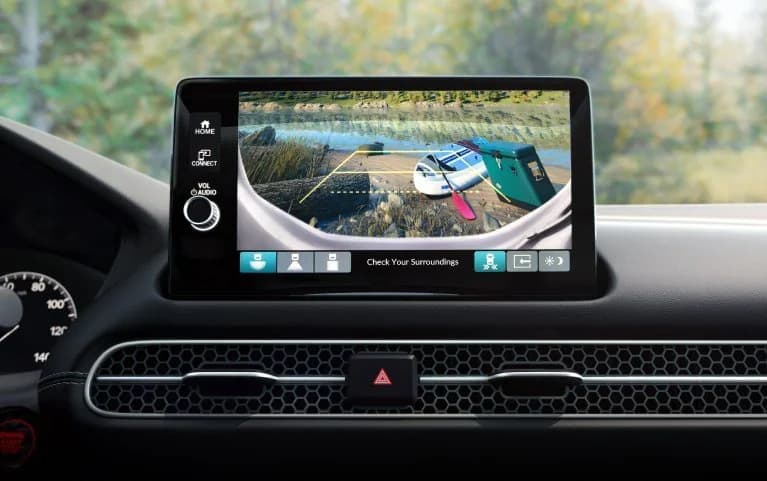
Executive AutoExecutive Auto is strongly positive about the 2027 Honda HR-V LX AWD, calling it comfortable, practical, quiet, and well suited to daily family driving. The reviewer especially appreciates its supportive cloth seats, roomy rear accommodations, flexible cargo area with a spare tire, simple infotainment, wireless smartphone integration, and effective adaptive cruise and lane-centering systems. Acceleration is merely adequate, body roll is noticeable, the ride communicates potholes, and the backup camera and lack of blind-spot monitoring disappoint. Still, Executive Auto views the HR-V’s proven engine, straightforward technology, AWD availability, and perceived reliability as compelling reasons to choose it over newer, more complicated rivals.
Dick's Auto GroupDick’s Auto Group is highly positive about the 2027 Honda HR-V, calling it nearly perfect despite one major drawback: its underpowered, non-hybrid powertrain. The 158-hp engine can feel sluggish during freeway merging and passing, but everyday acceleration, braking, and handling remain reassuring for routine commuting. The review especially praises the HR-V’s comfortable, spacious cabin, excellent rear-seat room, abundant console storage, premium-feeling EX-L materials, and attractive rear styling. Wireless smartphone integration and physical controls add convenience, though the infotainment is basic and the cupholders are awkward. Overall, it’s presented as a practical, comfortable, safe, and easygoing SUV rather than an enthusiast’s choice.

Social
1 INFLUENCER REVIEW
 Redline Reviews
Redline Reviews views the Honda HR-V as practical and reasonably priced, but only cautiously competitive. The spacious rear seat and cargo area, improved 9-inch touchscreen, attractive EX-L interior, and $33,455 price earn credit, while the 2.0-liter engine feels sluggish and noisy, taking 9.3 seconds to reach 60 mph. Missing rear A/C vents, USB ports, an armrest, cooled seats, and a heated steering wheel further expose its age. Redline Reviews also questions the lack of a hybrid option, leaving the HR-V as a sensible value rather than an exciting choice.

Forum Reviews
CUSTOMER REVIEWS FROM 1 FORUM
Redditors generally feel positive about the 2027 Honda HR-V, valuing its comfort, reliability, practicality, and attractive styling. Owners praise its capable road-trip manners, AWD suitability for snow, safety technology, fuel economy, and strong sense of upgrade from older or troublesome vehicles. The main reservations involve modest acceleration, the loss of magic seats, occasional panel or infotainment issues, and reports of possible early-production engine defects. Pricing also draws criticism, especially compared with the Civic, though buyers still describe the HR-V as a sensible, dependable choice.
Many comments

In-Depth Review

Highlights
- •Roomy Cabin SpaceDesigned to accommodate passengers and gear.
- •Comfortable Ride QualityMarketed as easygoing everyday transportation.
- •Standard Safety EquipmentAdvertised to reduce driving workload.
- •All-Trim AWD AvailabilityCompany highlights available AWD across trims.

Considerations
- •Slow Highway Acceleration158-hp engine needs patience under load.
- •No Hybrid OptionConventional powertrain trails electrified rivals.
- •Sparse Rear AmenitiesNo vents, USB ports, or armrest.
- •Engine Noise IncreasesEngine gets coarse when accelerating hard.
Honda’s HR-V remains a sensible small SUV from a brand known for durable, practical transportation. Positioned below the CR-V, the 2027 model serves commuters, couples, and small families with roomy rear seating, flexible cargo space, and available AWD on every trim. Its calm ride, easy maneuverability, and standard safety technology make it well suited to errands, road trips, and daily urban driving, while rivals such as the Corolla Cross Hybrid and Mazda CX-30 can answer its 158-hp engine with stronger efficiency or quicker response. The sections ahead examine how its 24.4–55.1-cubic-foot cargo area, refinement, fuel use, handling, and driver assistance perform in real-world use. If practicality matters more than pace, this Honda makes a persuasive case—provided you’re willing to let the highway merge happen on Honda time.
Handling And Maneuvering
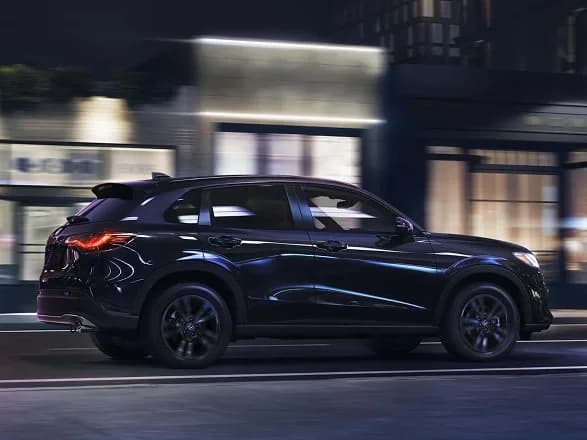
The HR-V feels easy to place in traffic and parking spaces thanks to its 35.1-foot turning diameter, compact dimensions, and strong outward visibility. Reviewers describe the steering as balanced or sharp enough for daily use, while the ride remains settled rather than sporty. Available AWD on every trim adds confidence in rain and snow, but it does not transform the vehicle into an off-road SUV. Noticeable body roll and numb steering in some evaluations reinforce its role as a practical commuter, not an enthusiast’s crossover.
Driver Assistance
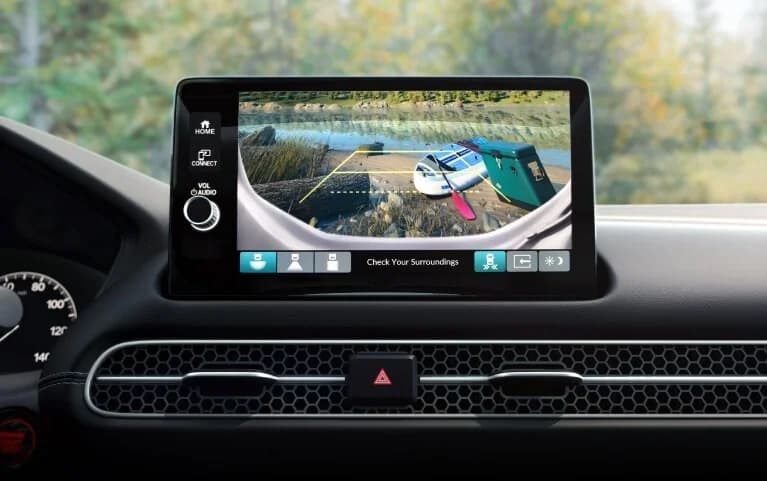
Safety technology is a genuine everyday advantage, beginning with standard Honda Sensing-style assistance on the LX. Automatic emergency braking, adaptive cruise control, lane keeping assistance, traffic jam assist, automatic high beams, and traffic sign recognition reduce workload in routine driving. Reviewers generally find the adaptive cruise and lane-centering systems effective, supporting Honda’s safety-focused positioning. Blind-spot monitoring becomes available on Sport, while EX-L adds parking sensors, though some feedback criticizes the backup camera and notes that rear convenience features remain sparse.
Fuel Economy
The HR-V delivers adequate rather than standout efficiency, with documented FWD figures of 26/32/28 mpg city/highway/combined. That is reasonable for a gasoline subcompact crossover, but the conventional 2.0-liter engine lacks the fuel-saving advantage of a hybrid system. AWD can also reduce economy, so buyers should verify the exact rating before ordering. Real-world feedback is mixed but generally accepts the results for commuting, while reviewers consistently identify no hybrid option as a meaningful weakness against Corolla Cross Hybrid and other electrified competitors.
Ride Comfort
Comfort is one of the HR-V’s most dependable qualities, with a smooth, composed ride and supportive seats that suit commuting and road trips. The cabin feels well organized and relatively upscale, particularly in EX-L trim with leather-trimmed seating and dual-zone climate control. Handling is confident and controls remain straightforward, but road and engine noise become more noticeable when the CVT holds revs. Expert feedback broadly supports Honda’s easygoing positioning, while some reviews find pothole impacts and cabin quietness less polished than the best rivals.
Powertrain Performance
The HR-V’s biggest compromise is its 158-hp 2.0-liter four-cylinder. The naturally aspirated engine and CVT feel smooth around town, but reviews commonly record roughly 9.3–9.4 seconds to 60 mph, with especially slow highway merging, passing, and hill climbing. Hard acceleration also produces coarse engine noise. Honda’s simple powertrain may appeal to reliability-minded buyers, yet the absence of a hybrid or turbo option leaves it behind quicker Corolla Cross, Mazda CX-30, and Kona alternatives.
Cabin And Cargo
The HR-V makes excellent use of its compact footprint, with a roomy rear seat that several reviewers consider unusually generous for the class. Its cargo area expands from 24.4 cubic feet behind the seats to 55.1 cubic feet folded, making groceries, luggage, and weekend gear easy to manage. The flat-folding rear seats and useful console storage support everyday flexibility, although rear passengers miss air vents, USB ports, and a center armrest. Practicality is a clear strength, even without the older magic-seat design.
Conclusion
The HR-V’s final verdict is refreshingly clear: it is built to make daily driving easier, not faster. Its roomy cabin and flexible cargo area give commuters and small families practical space, while the comfortable ride, tidy handling, compact dimensions, and effective driver-assistance systems make it easy to live with. The 158-hp engine and CVT are the defining drawback, feeling strained during highway merges and sounding coarse when pushed. Fuel economy is acceptable, but the absence of a hybrid leaves efficiency-minded shoppers better served elsewhere. Owners and experts broadly see a reliable, calm, well-equipped commuter, though sparse rear amenities and occasional refinement concerns limit its appeal. Choose the HR-V for comfort, AWD availability, safety, and long-term practicality—not excitement. That balanced mix earns a solid recommendation for sensible buyers, but its slow powertrain and middling efficiency keep it from being a class leader.

Feature Scores
This reflects reviews and ratings from established critics, journalists, and users who have evaluated the item. Their opinions provide a comprehensive assessment.
Performance
Engine Power
3/5
Acceleration
2/5
Towing Capacity
TBD
Fuel Efficiency
3/5
Reliability
4/5
Durability
4/5
Value
Purchase Price
3/5
Operating Cost
3/5
Resale Value
4/5
Design
Interior Space
4/5
Cargo Capacity
4/5
Ergonomics
4/5
Exterior Styling
4/5
Safety
Crashworthiness
4/5
Active Driver Assistance
4/5
Braking Performance
4/5
Visibility and Lighting
4/5
Sustainability
Tailpipe Emissions
2/5
Fuel Lifecycle Emissions
2/5
Use of Recycled Materials
TBD
End-of-Life Recyclability
TBD
Experience Style
Infotainment Features
4/5
Ride Comfort Tuning
4/5
Customization Options
4/5

Specifications
This section outlines the product's key facts, covering essential features, details, dimensions, materials, and any unique characteristics that define its functionality and usability.
Performance
Value
Design
Safety
Sustainability
Experience Style

Frequently Asked Questions
2 Questions

Find Yours
What is your primary use for a Gas-Powered SUV?
Answer to find your best matches.