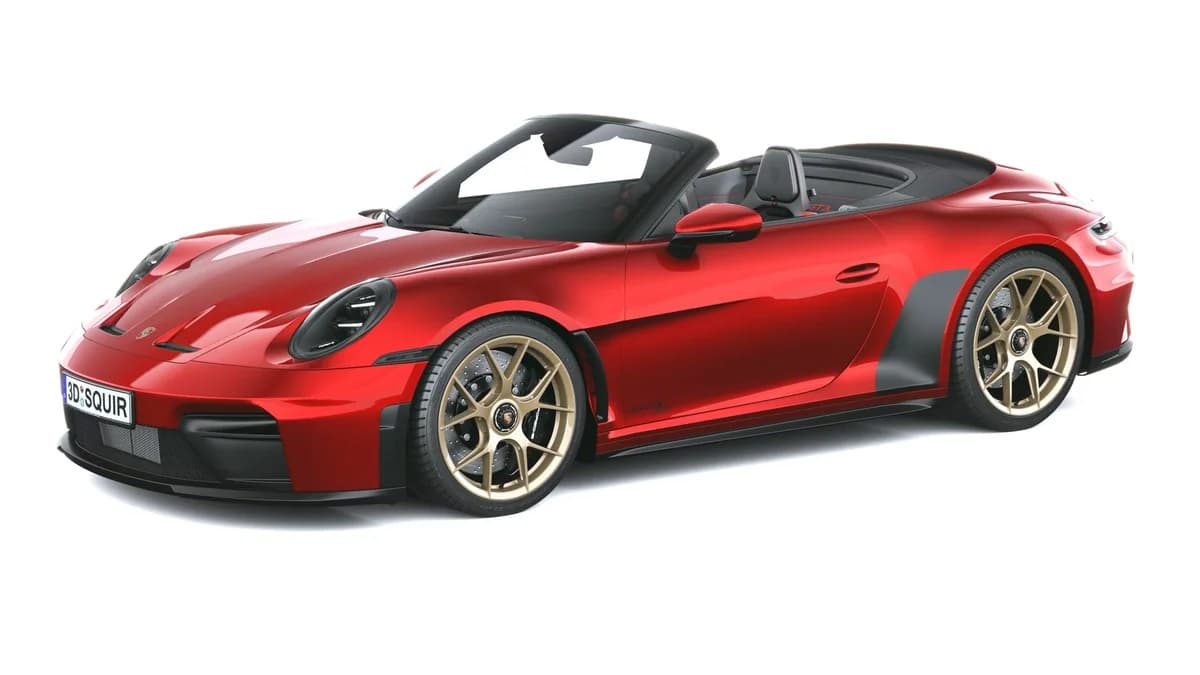
Porsche 911 (2027)
Benchmark sports-car polish, hybrid punch, and daily usability, albeit at a steep price.
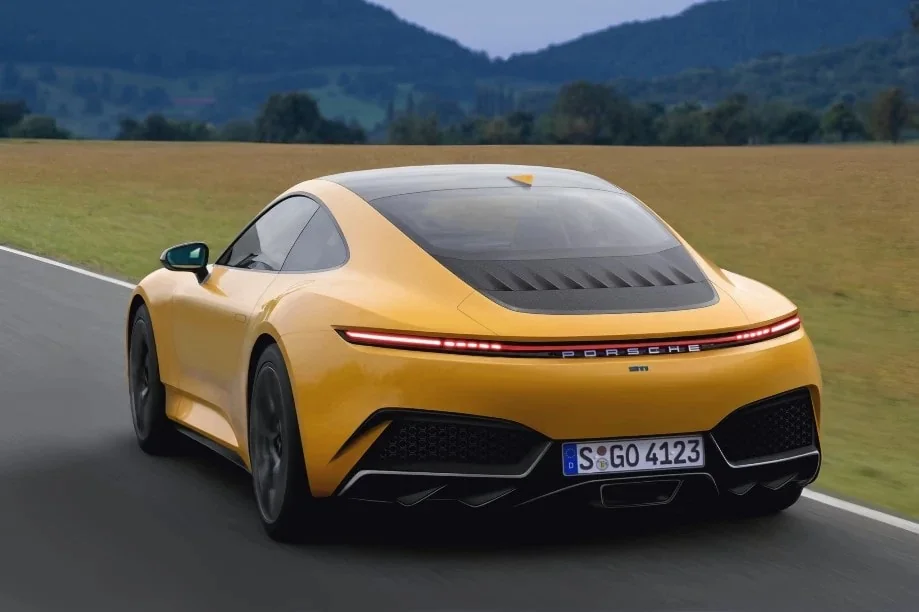
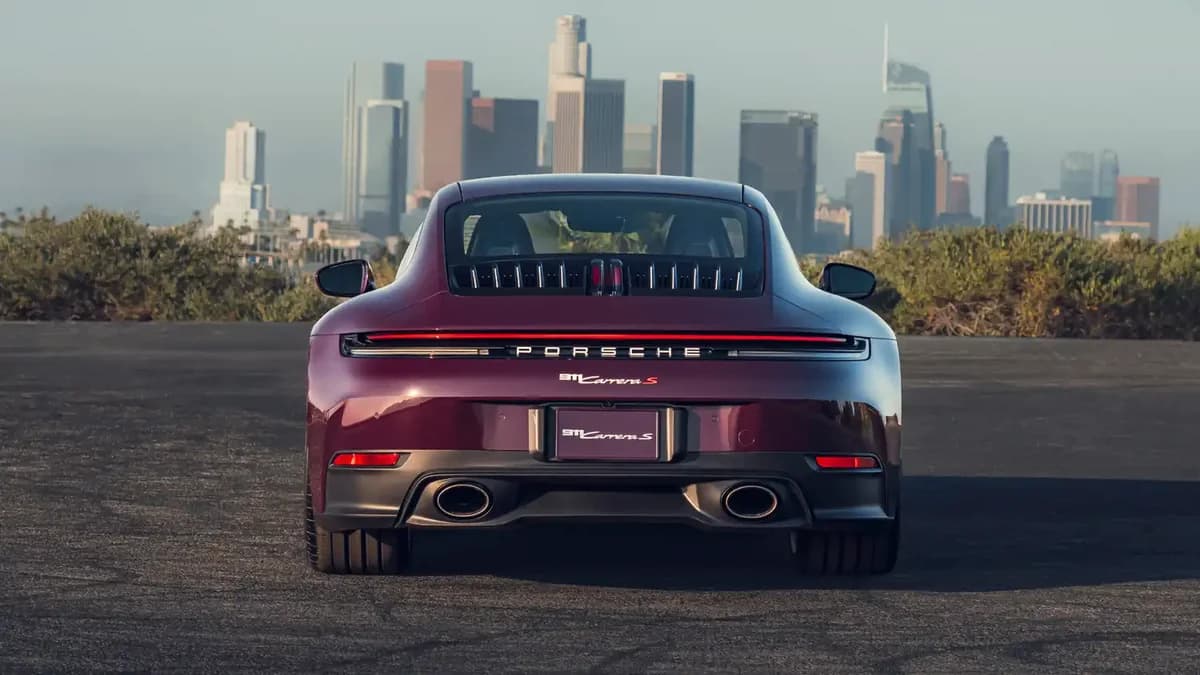
The 2027 Porsche 911 is the sports car for people trying to reconcile weekday usability with weekend thrills. Its broad range solves different versions of that problem, from practical Carrera models to the 711-hp hybrid Turbo S, whose instant acceleration, all-weather grip, comfort, and braking impressed experts and drivers alike. Porsche’s promise of effortless performance is supported in real-world feedback, although added weight and quieter delivery can make the Turbo feel clinical beside a GT3. The standout manual GT3 S/C convertible adds rare emotional appeal, but at a steep price, expensive options, cramped rear seats, and fussy digital controls, value depends heavily on choosing carefully. Its overall appeal rests on extraordinary polish, versatility, and how much performance you can justify.
Find Yours
What kind of driving experience are you looking for?
Answer to find your best matches.

The Field
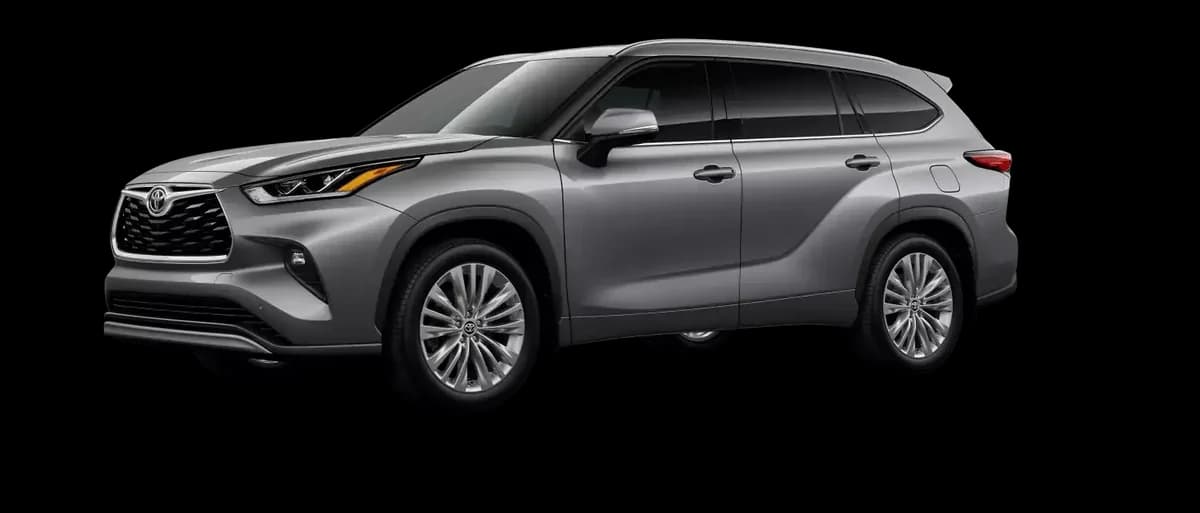
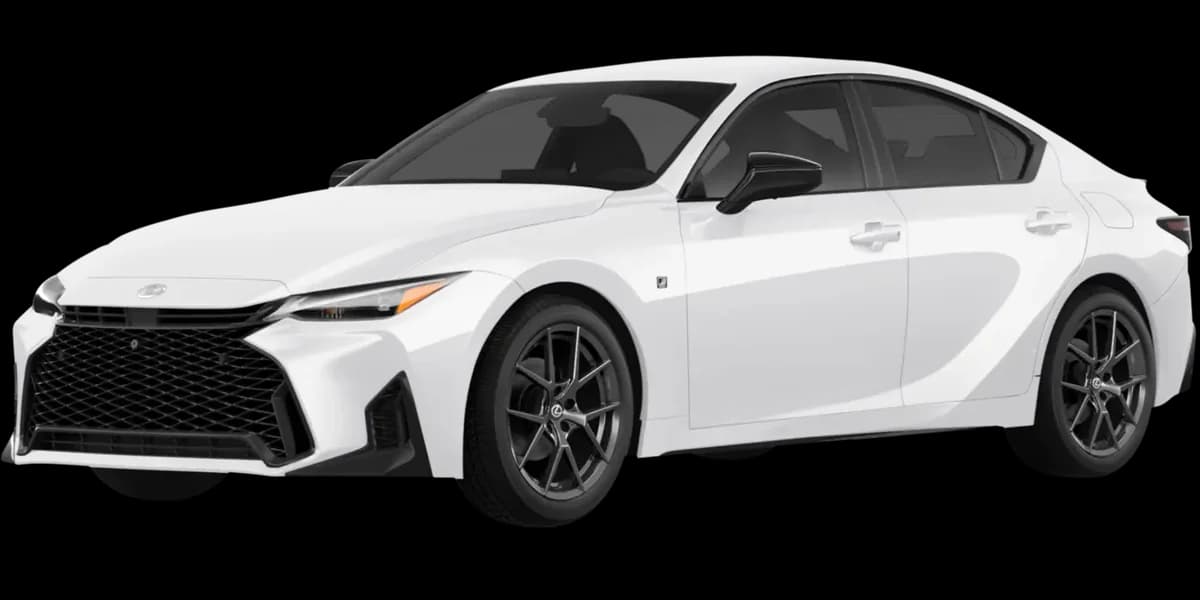
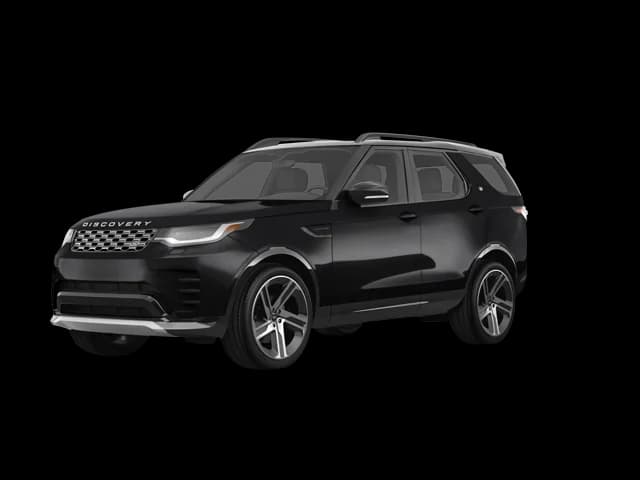
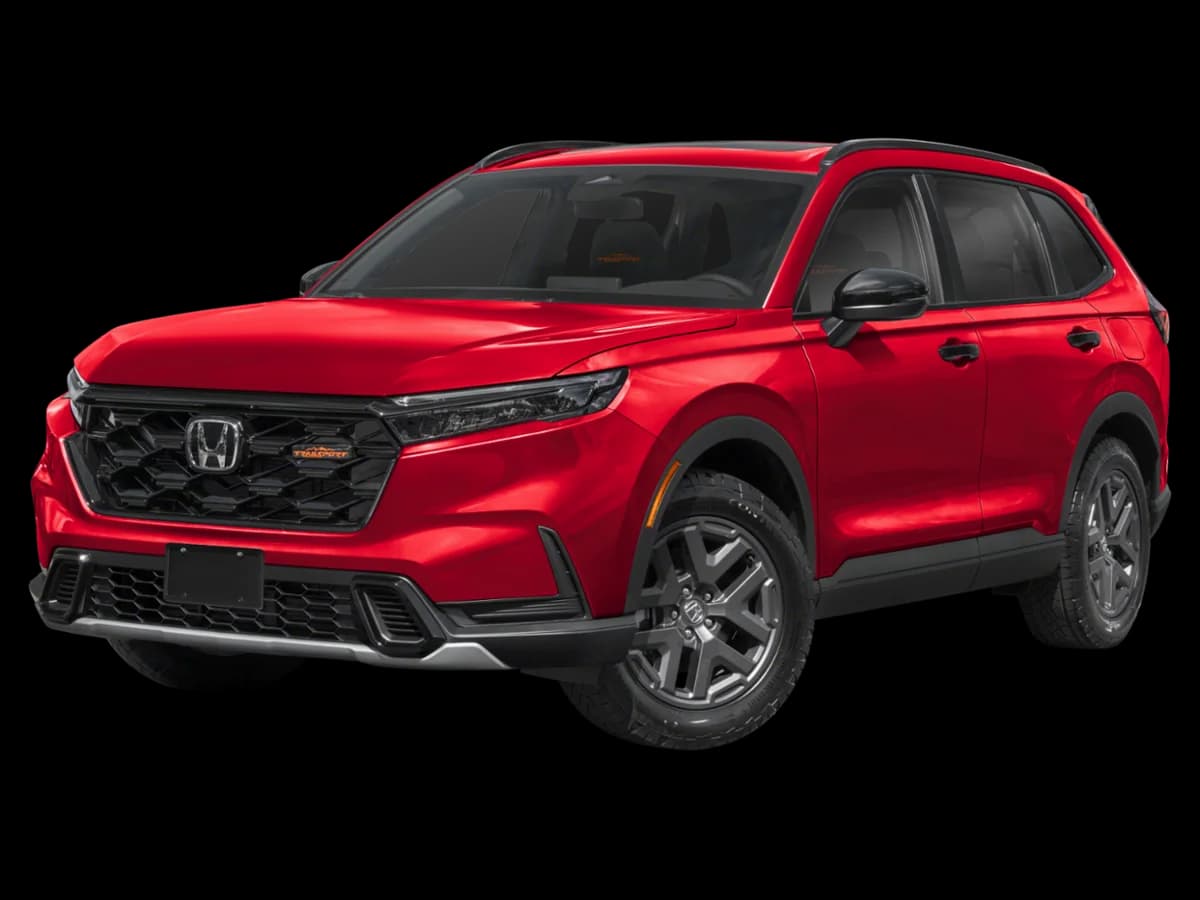
Browse top contenders, or compare all options ranked by score and key attributes.
5 Options
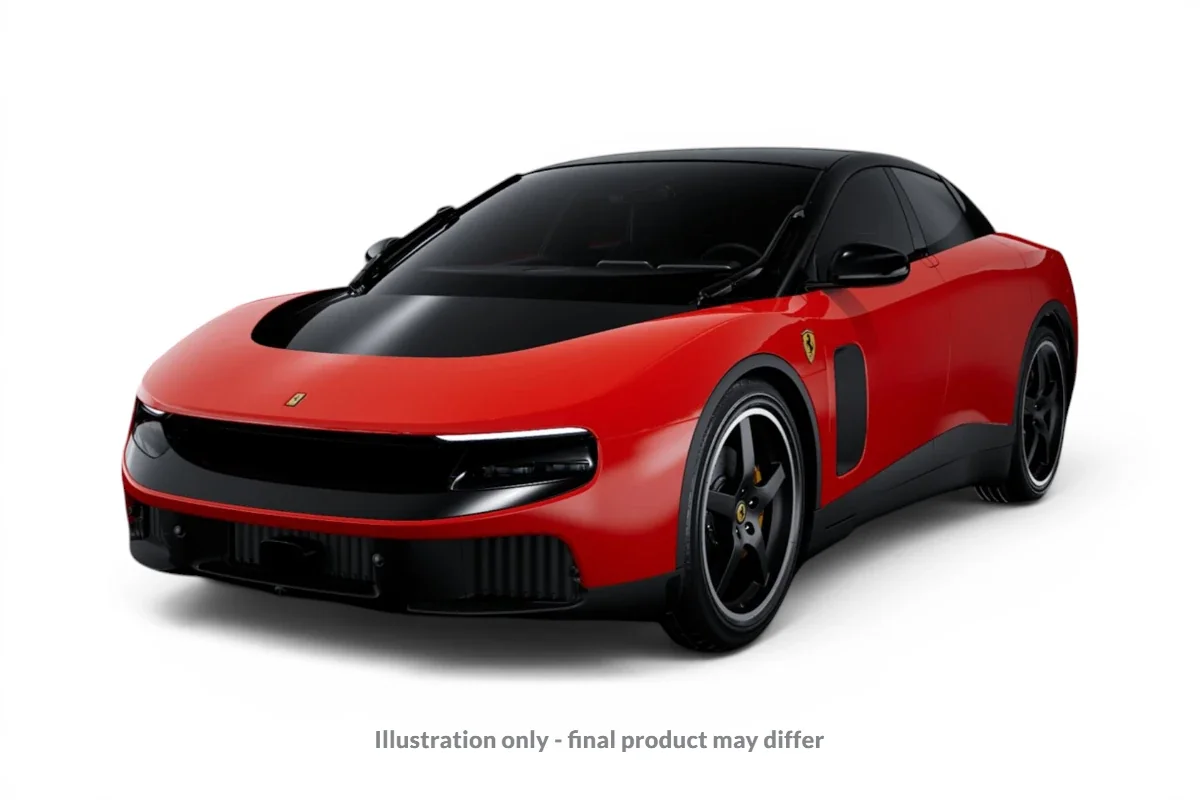
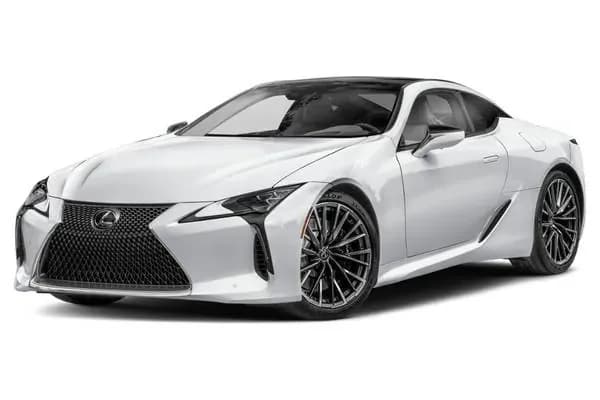
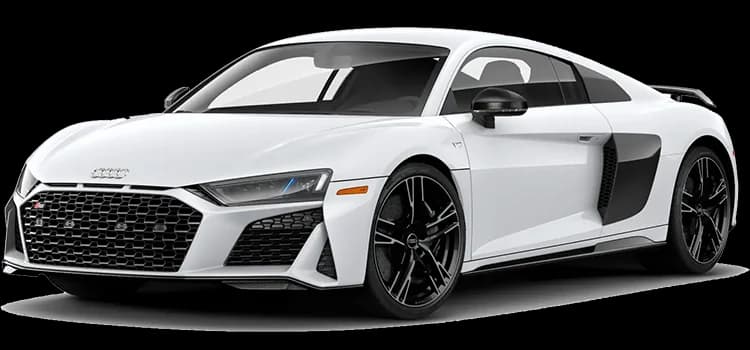
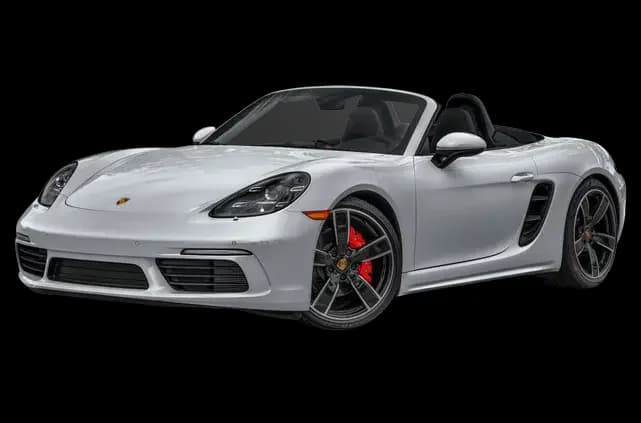

The Scoreboard
Does this improve your life? Considers, health, habits, and environmental impact.
Benefits
Quick acceleration and polished controls make ordinary commutes feel easy and engaging.
Quiet modes, supportive seats, and composed suspension make extended drives surprisingly relaxing.
Available all-wheel drive and stable handling make wet or cold-road trips feel manageable.
A front trunk and occasional rear seats make short errands more practical than expected.
Iconic styling and broad usability make performance feel special without seeming impractical.
Trade-Offs
Adults squeezed into the back quickly lose legroom, making even short passenger trips uncomfortable.
Small storage areas make grocery runs or weekend packing awkward, especially with passengers aboard.
Frequent logins and screen-based controls add extra steps when starting or adjusting everyday functions.
 Alternatives


Join the Circle
Where real meets deal
Know what's worth buying-and when.
Tips, special offers, and rewards for buying and sharing.

Publications
1 LEADING PUBLICATION REVIEWS

Car and Driver’s Andrew Krok is highly enthusiastic about the 2027 Porsche 911. He portrays it as the benchmark sports car: thrilling, exceptionally polished, and nearly unmatched for driving enjoyment, with a variant for almost every taste. The new manual option for the 473-hp Carrera S adds welcome engagement, while the hybrid GTS stands out for delivering a substantial acceleration boost without feeling intrusive. Instrumented testing reinforces the praise, with the GTS reaching 60 mph in 2.5 seconds and the Carrera T returning an impressive 29 mpg on the highway. Still, the 911’s six-figure pricing, overwhelming trim lineup, cramped rear seats, limited cargo space, and sparse base interior temper its practicality and value. Optional driver-assistance features also feel stingy. Overall, the review treats those compromises as manageable costs for what it considers one of the finest driving experiences available.
By Andrew Krok

YouTube
8 LEADING EXPERT & INFLUENCER REVIEWS
 Throttle House
Thomas and James are impressed by the 911 Turbo S, but not especially tempted by it. They praise its astonishing acceleration, cornering confidence, braking, and all-weather daily usability, calling it the ultimate high-performance daily sports car. Yet the hybrid system makes its already clinical character even smoother and less dramatic, while the added weight, muted sound, extensive options, and roughly $270,000 starting price undermine its appeal. Compared with the much cheaper 911 GTS, it feels difficult to justify; for driving excitement, they would choose a GT3, while buyers seeking character might prefer an Aston Martin, Corvette, McLaren, or Ferrari.
Harry's garageHarry finds the 2027 Porsche 911 Turbo S astonishingly fast and technologically impressive, but not especially dramatic. After several days, he praises its electric turbos, instant response, superb traction, controlled handling, comfort, and everyday usability. The 711-hp hybrid powertrain feels quicker than Porsche’s 2.6-second 0–62-mph claim, while the suspension makes the heavy 1,820-kg cabriolet remarkably capable. Still, its £221,139 price, small fuel tank, subdued styling, quieter exhaust, and sheer weight temper the excitement. He deeply admires this exceptionally effective speed machine, yet isn’t sure it inspires the emotional pull of a true supercar.
Throttle HouseThomas and James are impressed by the 911 Turbo S, but not especially tempted by it. They praise its astonishing acceleration, cornering confidence, braking, and all-weather daily usability, calling it the ultimate high-performance daily sports car. Yet the hybrid system makes its already clinical character even smoother and less dramatic, while the added weight, muted sound, extensive options, and roughly $270,000 starting price undermine its appeal. Compared with the much cheaper 911 GTS, it feels difficult to justify; for driving excitement, they would choose a GT3, while buyers seeking character might prefer an Aston Martin, Corvette, McLaren, or Ferrari.
Harry's garageHarry finds the 2027 Porsche 911 Turbo S astonishingly fast and technologically impressive, but not especially dramatic. After several days, he praises its electric turbos, instant response, superb traction, controlled handling, comfort, and everyday usability. The 711-hp hybrid powertrain feels quicker than Porsche’s 2.6-second 0–62-mph claim, while the suspension makes the heavy 1,820-kg cabriolet remarkably capable. Still, its £221,139 price, small fuel tank, subdued styling, quieter exhaust, and sheer weight temper the excitement. He deeply admires this exceptionally effective speed machine, yet isn’t sure it inspires the emotional pull of a true supercar.
Throttle HouseThomas and James are impressed by the 911 Turbo S, but not especially tempted by it. They praise its astonishing acceleration, cornering confidence, braking, and all-weather daily usability, calling it the ultimate high-performance daily sports car. Yet the hybrid system makes its already clinical character even smoother and less dramatic, while the added weight, muted sound, extensive options, and roughly $270,000 starting price undermine its appeal. Compared with the much cheaper 911 GTS, it feels difficult to justify; for driving excitement, they would choose a GT3, while buyers seeking character might prefer an Aston Martin, Corvette, McLaren, or Ferrari.
Harry's garageHarry finds the 2027 Porsche 911 Turbo S astonishingly fast and technologically impressive, but not especially dramatic. After several days, he praises its electric turbos, instant response, superb traction, controlled handling, comfort, and everyday usability. The 711-hp hybrid powertrain feels quicker than Porsche’s 2.6-second 0–62-mph claim, while the suspension makes the heavy 1,820-kg cabriolet remarkably capable. Still, its £221,139 price, small fuel tank, subdued styling, quieter exhaust, and sheer weight temper the excitement. He deeply admires this exceptionally effective speed machine, yet isn’t sure it inspires the emotional pull of a true supercar.
Throttle HouseThomas and James are impressed by the 911 Turbo S, but not especially tempted by it. They praise its astonishing acceleration, cornering confidence, braking, and all-weather daily usability, calling it the ultimate high-performance daily sports car. Yet the hybrid system makes its already clinical character even smoother and less dramatic, while the added weight, muted sound, extensive options, and roughly $270,000 starting price undermine its appeal. Compared with the much cheaper 911 GTS, it feels difficult to justify; for driving excitement, they would choose a GT3, while buyers seeking character might prefer an Aston Martin, Corvette, McLaren, or Ferrari.
Harry's garageHarry finds the 2027 Porsche 911 Turbo S astonishingly fast and technologically impressive, but not especially dramatic. After several days, he praises its electric turbos, instant response, superb traction, controlled handling, comfort, and everyday usability. The 711-hp hybrid powertrain feels quicker than Porsche’s 2.6-second 0–62-mph claim, while the suspension makes the heavy 1,820-kg cabriolet remarkably capable. Still, its £221,139 price, small fuel tank, subdued styling, quieter exhaust, and sheer weight temper the excitement. He deeply admires this exceptionally effective speed machine, yet isn’t sure it inspires the emotional pull of a true supercar.

Social
1 INFLUENCER REVIEW
 Faisal Khan
Faisal Khan is highly enthusiastic about the Porsche 911, calling it the world’s best sports car and an exceptionally refined driver’s car. He admires its unusually capable blend of sharp handling, decent ride comfort, practicality, and rapid performance, with the base Carrera reaching 100 km/h in 3.9 seconds despite its rear-engine layout. His excitement peaks when comparing the Turbo S with the GT3 RS, though he flags the 911’s major drawback as its steep price, especially once optional extras are added.

Forum Reviews
CUSTOMER REVIEWS FROM 1 FORUM
Redditors are broadly impressed by the 2027 Porsche 911, though its price and excess performance temper the enthusiasm. Users admire its astonishing acceleration, all-weather grip, track durability, refinement, and unusual everyday usability, with many calling the Turbo S an ideal do-everything sports car. Owners especially praise daily comfort, practicality, and reliability. Critics object to the weight, escalating pricing, costly special-edition markups, hybrid complexity, and performance that is difficult to enjoy legally. Some prefer slower trims or older models for greater involvement, while design reactions are mostly positive aside from divisive exhaust and digital-interface details.
Many comments

In-Depth Review

Highlights
- •Hybrid Instant ResponseReviewers found electric assistance exceptionally immediate.
- •All-Weather ConfidenceReviewers noted secure, planted traction.
- •Everyday Supercar UsabilityComfort and refinement support daily driving.
- •Open-Top Manual GT3Marketed as Porsche’s first convertible GT3.

Considerations
- •High Ownership CostsOptions and maintenance raise financial commitment.
- •Added Hybrid WeightExtra mass tempers agility and drama.
- •Cramped Rear SeatingAdults quickly lose usable legroom.
- •Digital Cabin FrictionLogin-heavy controls add daily friction.
Porsche’s 911 remains the benchmark for blending sports-car pedigree with surprising everyday polish. The 2027 family serves commuters, touring drivers, and serious enthusiasts, ranging from approachable Carrera models to the 711-hp hybrid Turbo S and the first open-top GT3. Its appeal rests on more than straight-line speed: rear- or all-wheel-drive options, adaptive chassis technology, and powerful brakes shape how confidently it performs on road and track. The new GT3 S/C adds an especially rare combination of six-speed manual transmission and cabriolet freedom, while the broader range remains more versatile than most direct rivals. Buyers should weigh the sharper involvement of lighter, purer trims against the Turbo’s effortless pace, then consider the compact rear seats, storage limits, and ownership costs. Explore each feature closely—the right 911 is less about having everything than choosing which kind of impossible you want.
Convertible Body And Dimensions
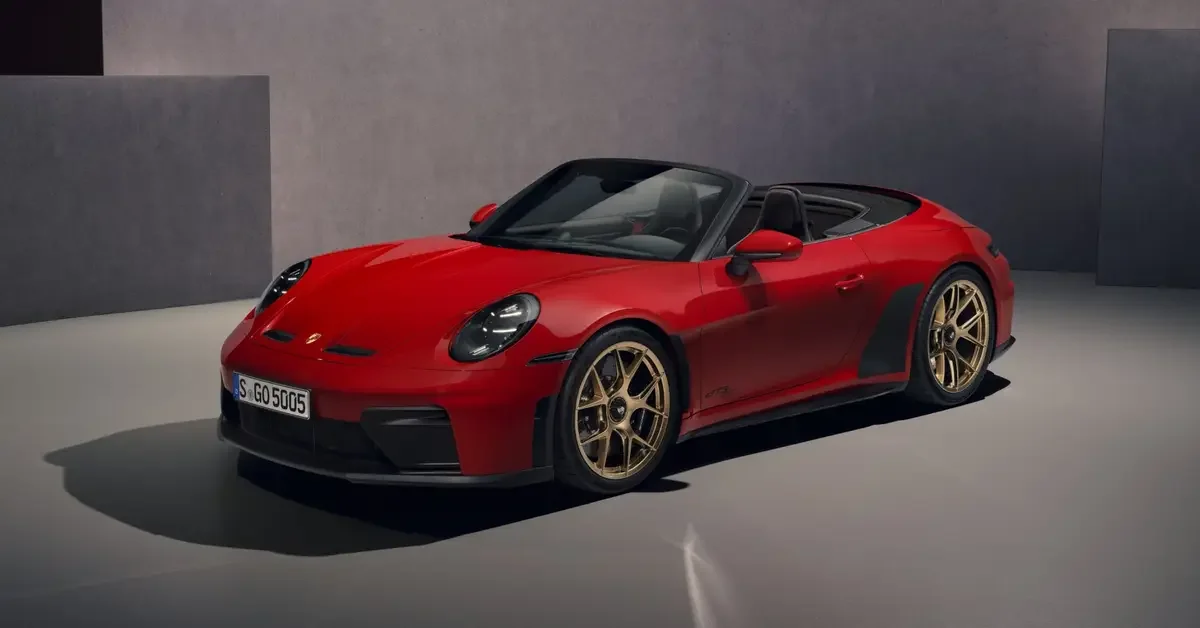
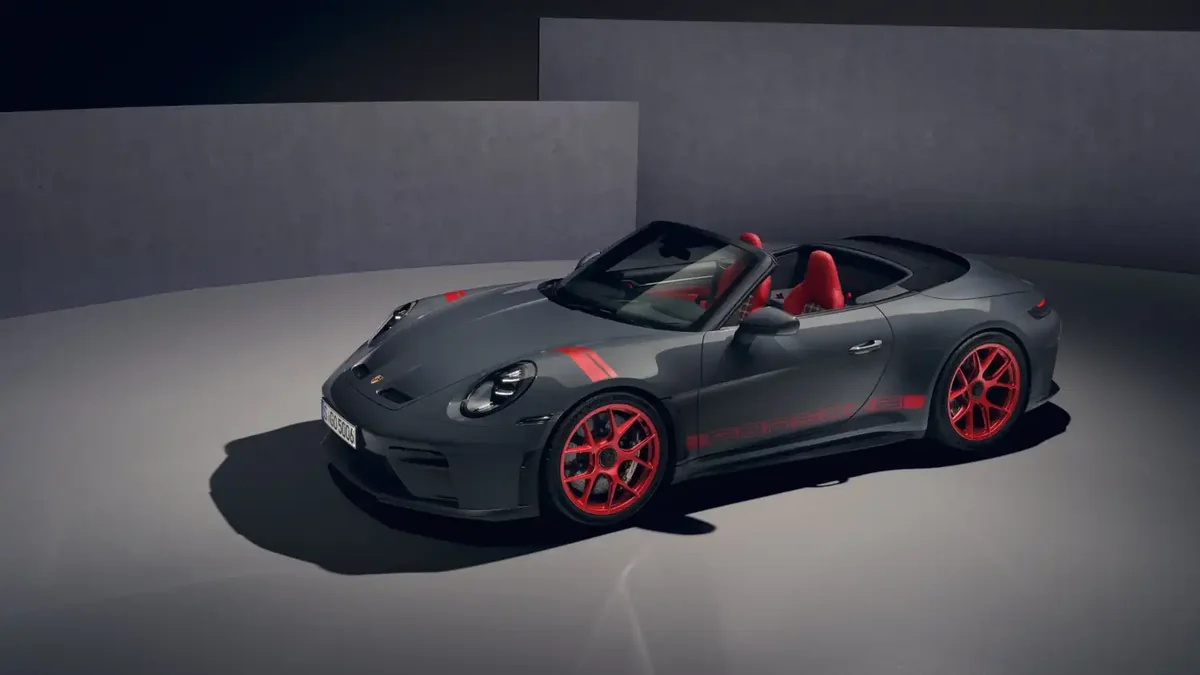
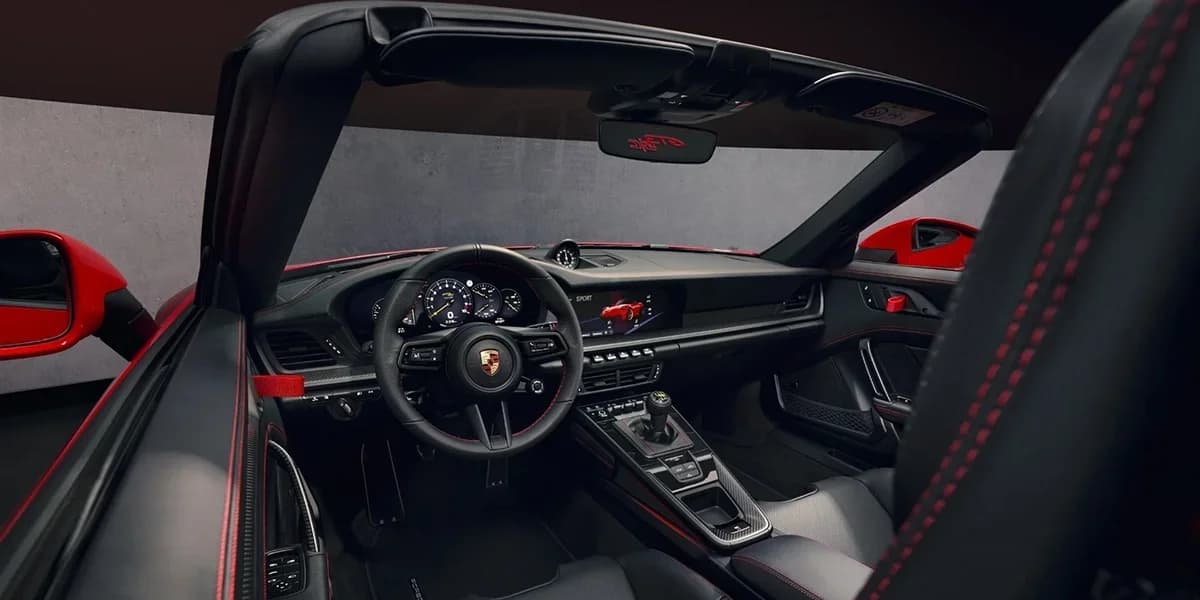
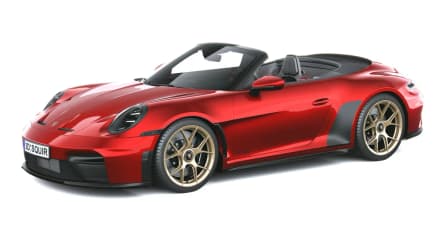
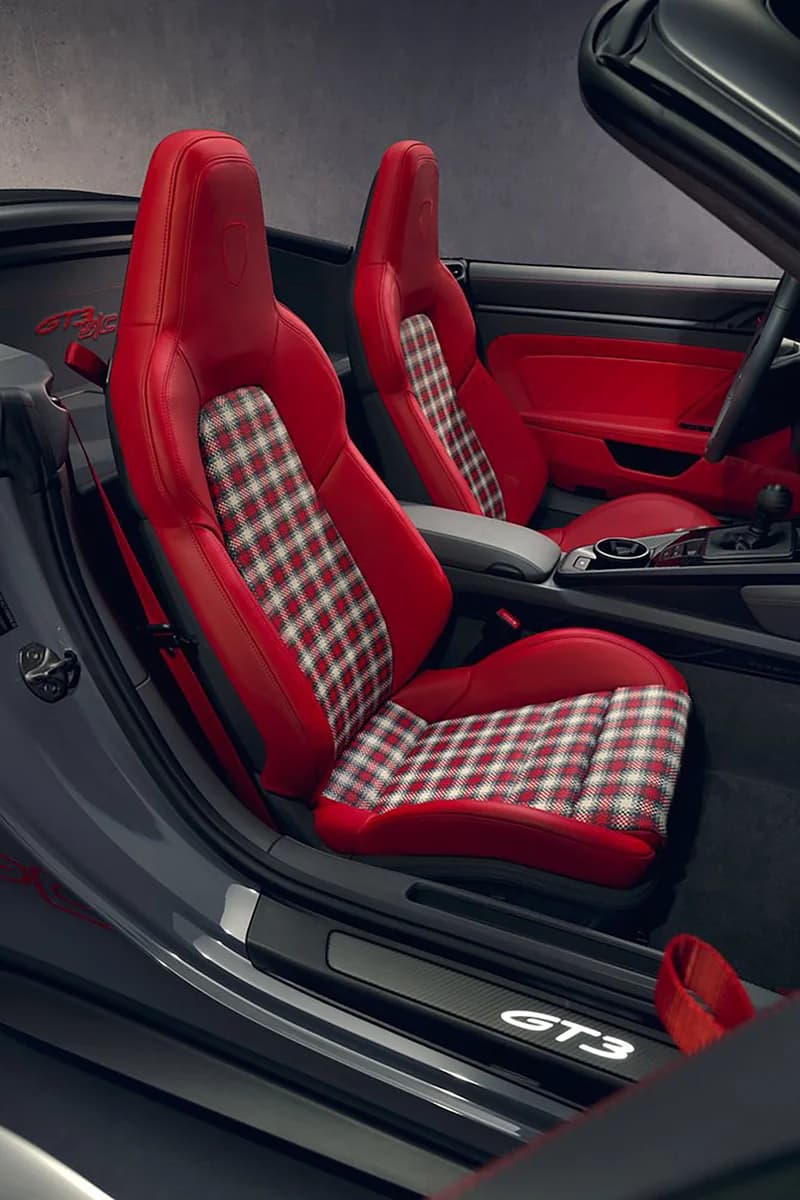
The new GT3 S/C adds open-air appeal without abandoning the GT3 formula. Its cabriolet body style is significant because Porsche has not previously offered a production GT3 convertible, and the available manual gearbox makes it especially unusual. Hammond found the small rigidity compromise largely irrelevant in real driving, while the roof adds emotional appeal and touring enjoyment. At roughly 180 inches long, 80 inches wide, and 50.4 inches high, the 911 remains compact, though its width can feel substantial on narrow roads.
Braking Performance
Strong brakes are essential because the 911’s acceleration can arrive almost instantly. Performance braking hardware and carefully managed chassis electronics give Turbo and GT variants powerful, repeatable stopping ability, with reviewers consistently praising braking confidence alongside cornering stability. The high-performance brake system supports both rapid road driving and track use, although tire limitations and the car’s increased weight can affect ultimate circuit feel. In everyday use, the benefit is reassuring control rather than simply shorter stops.
Seating Storage And Practicality
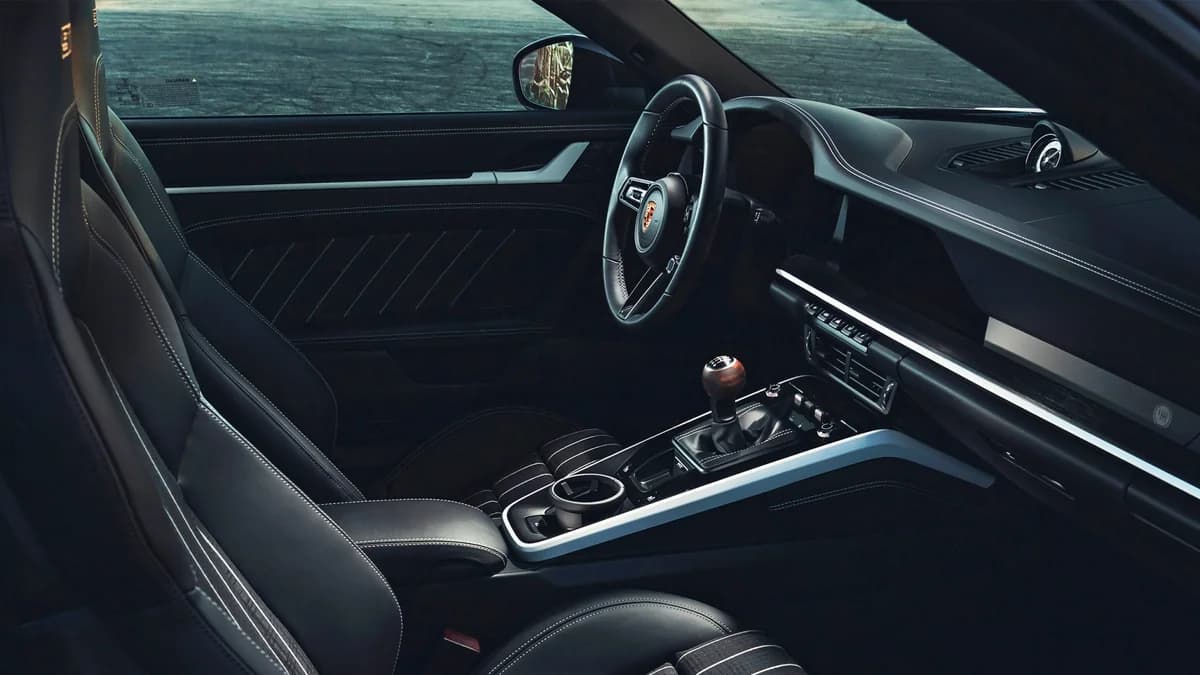
The 911 is more usable day to day than its exotic performance suggests, but it is not spacious. A front trunk and folding rear seats provide useful flexibility, and lower trims can work as commuting or touring cars; reviewers also praise supportive seats, quiet cruising, and composed suspension. The rear seats are best treated as occasional perches, while limited cargo volume complicates longer trips. Digital controls and login-heavy interfaces have also drawn criticism, slightly weakening an otherwise impressive blend of speed and practicality.
Engine Power Delivery
The 911’s powertrain ranges from polished speed to genuinely explosive acceleration. The 2027 lineup uses several flat-six configurations, with the hybrid-assisted Turbo S combining a 711-hp turbocharged flat-six with electric assistance for immediate response and stronger top-end shove. Independent videos describe it as exceptionally quick, while one dyno reportedly measured 725 horsepower, above Porsche’s claim. The trade-off is added mass and a quieter, more clinical character, so buyers seeking maximum drama may prefer a GT3.
Handling And Steering
The 911’s chassis makes its performance unusually usable outside a racetrack. Adaptive dampers, rear-wheel steering, torque management, and available all-wheel drive help keep the car planted, while reviewers praise the Turbo S for making roughly 4,000 pounds feel remarkably controlled. The rear-engined layout gives the car distinctive traction and confidence, especially in poor weather. Steering feel is generally precise, although some testers note that electric assistance is less communicative and that the extra hybrid weight becomes noticeable during harder driving.
Transmission And Drivetrain
The drivetrain determines whether the 911 feels effortless or deeply involving. Rear-wheel drive remains central to the range, while Carrera 4, Targa 4S, and Turbo variants add all-wheel-drive traction. The standout GT3 S/C pairs its open body with a six-speed GT Sport manual, a combination praised by enthusiasts for preserving mechanical engagement. Turbo S models use an electrified automatic setup that delivers astonishingly fast launches and dependable all-weather grip, though some reviewers find the experience less emotional than a manual GT3.
Conclusion
The 2027 Porsche 911 makes its case by turning extreme performance into something remarkably usable: its hybrid power delivery is immediate, its available all-wheel drive inspires confidence, and reviewers praise the composed suspension, precise handling, and powerful brakes. The range still offers meaningful choice, from involving rear-drive manuals to the unusual open-top GT3 with a six-speed gearbox, though the added Turbo S weight can mute some drama. Its compact dimensions help on the road, but cramped rear seats and limited storage keep practicality in the “useful enough” category rather than family-car territory. That makes the 911 a strong fit for enthusiasts who want one polished, fast, weather-capable sports car—not buyers chasing lightness, simplicity, or bargain value. With high ownership costs and fussy digital details offsetting exceptional breadth and execution, its strong overall recommendation is well earned, but deliberately selective.

Feature Scores
This reflects reviews and ratings from established critics, journalists, and users who have evaluated the item. Their opinions provide a comprehensive assessment.
Performance
Acceleration
5/5
Handling Agility
5/5
Braking Performance
5/5
Ride Quality
4/5
Powertrain Refinement
5/5
Long-Term Reliability
4/5
Cargo Utility
4/5
Value
Performance Value
4/5
Ownership Cost
3/5
Resale Retention
4/5
Design
Exterior Styling
5/5
Interior Ambiance
4/5
Seating Support
4/5
Cabin Ergonomics
4/5
Health
Cabin Air Quality
TBD
Noise Exposure
4/5
Safety
Crash Protection
3/5
Driver Assistance
4/5
High-Speed Control
5/5
Visibility
3/5
Sustainability
Fuel Efficiency
2/5
Emissions Performance
1/5
Material Efficiency
2/5
End-of-Life Recyclability
TBD
Experience Style
Driving Engagement
5/5
Everyday Usability
4/5
Customization Flexibility
5/5

Specifications
This section outlines the product's key facts, covering essential features, details, dimensions, materials, and any unique characteristics that define its functionality and usability.
Performance
Design
Safety
Sustainability
Experience Style

Frequently Asked Questions
10 Questions


Find Yours
What kind of driving experience are you looking for?
Answer to find your best matches.