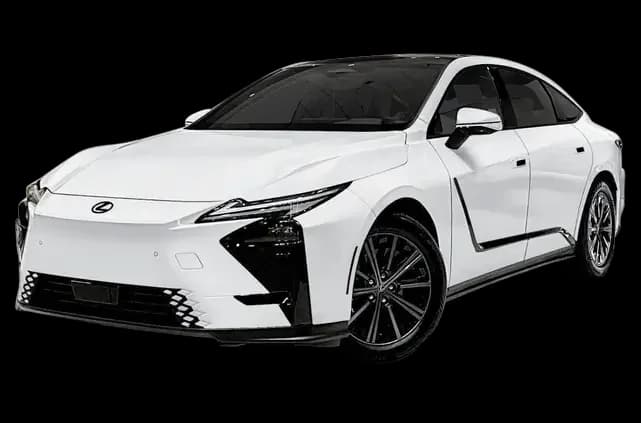
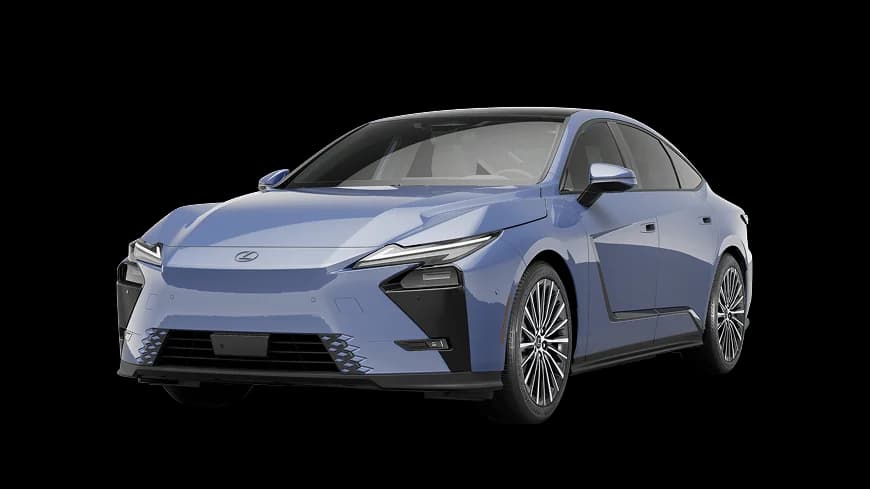
Lexus ES (2026)
Quiet, spacious, and efficient luxury with polished comfort, but limited sporting appeal.
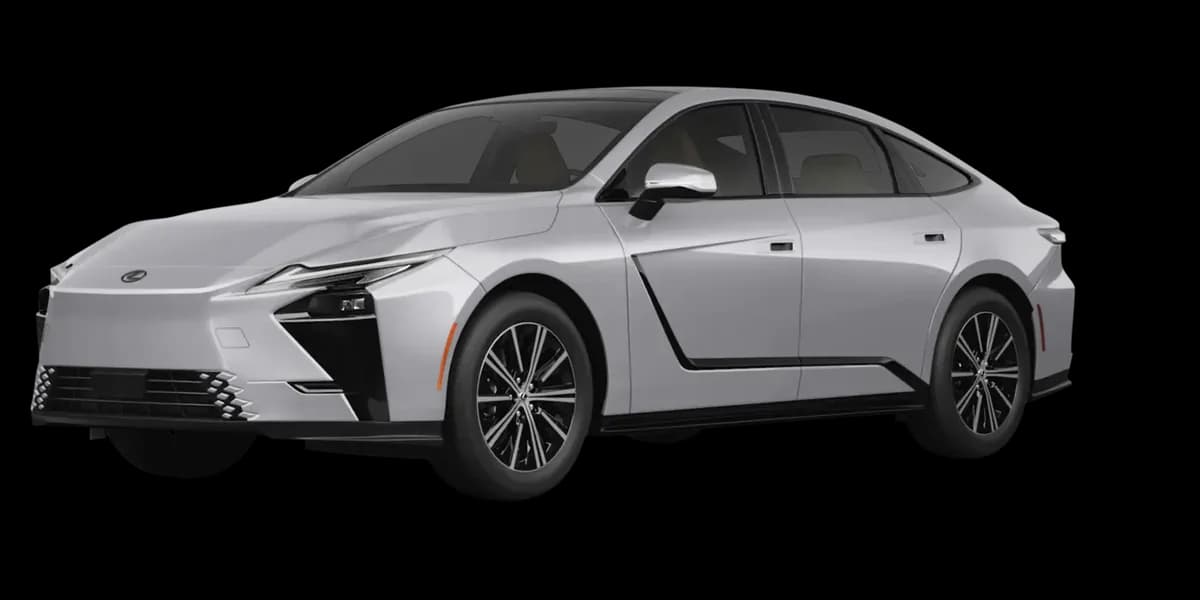
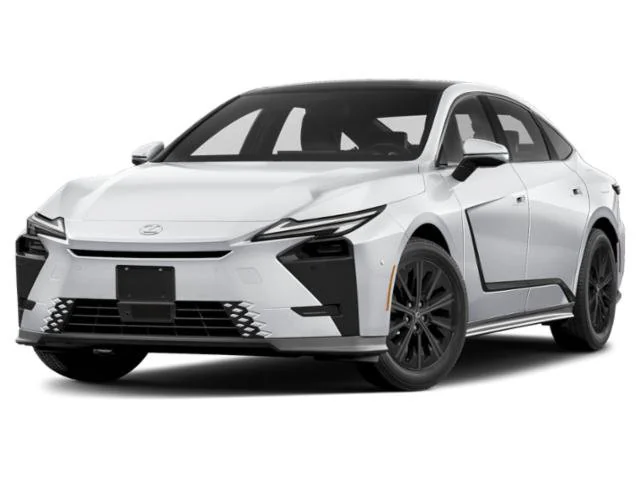
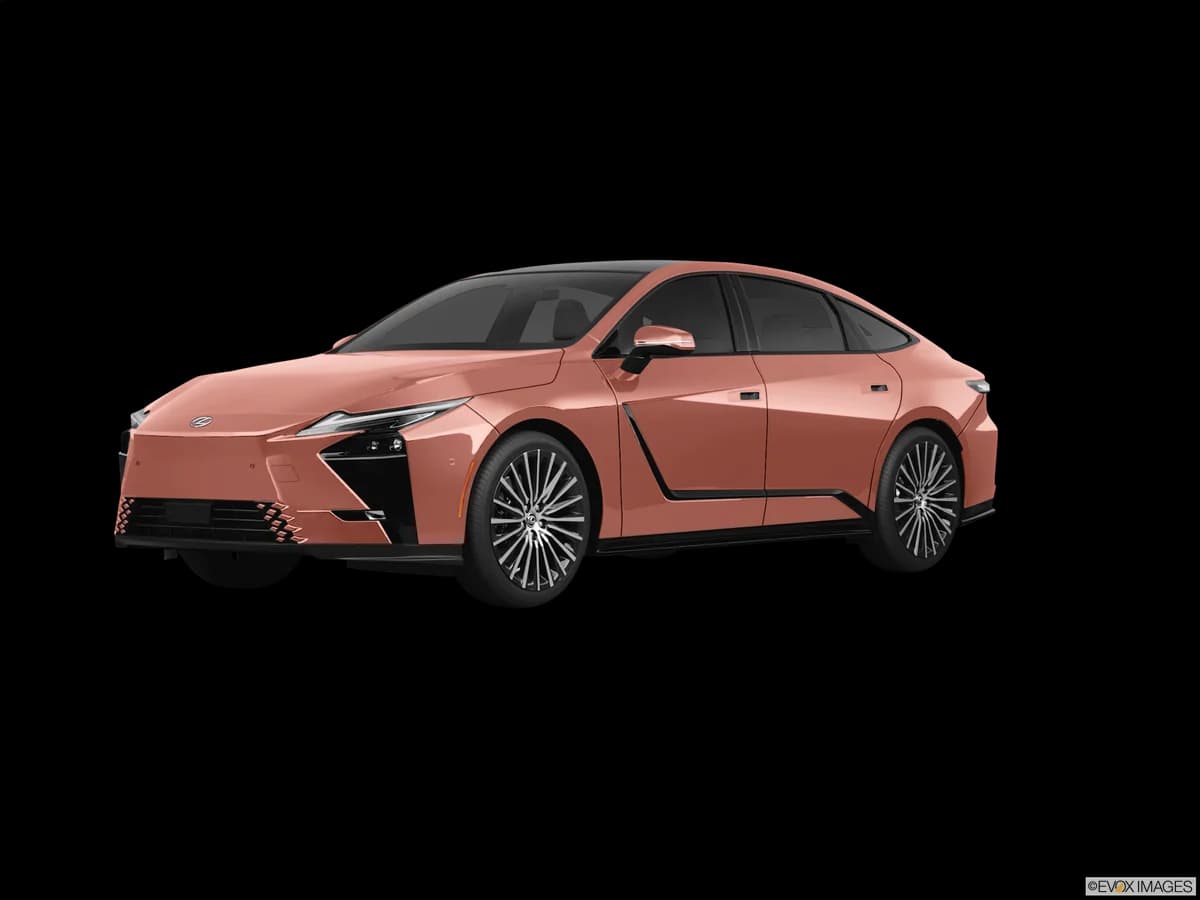
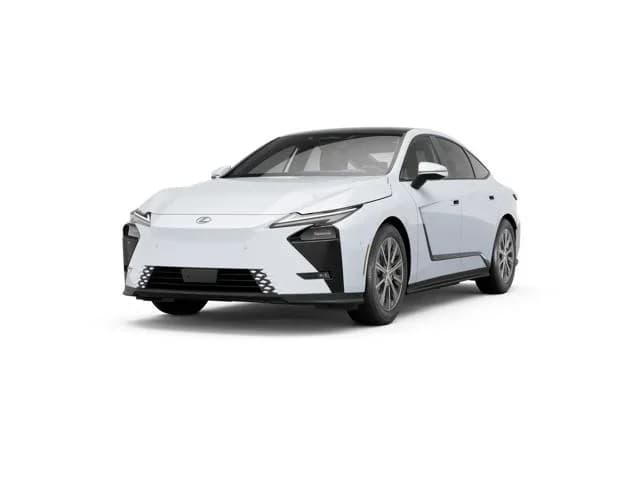
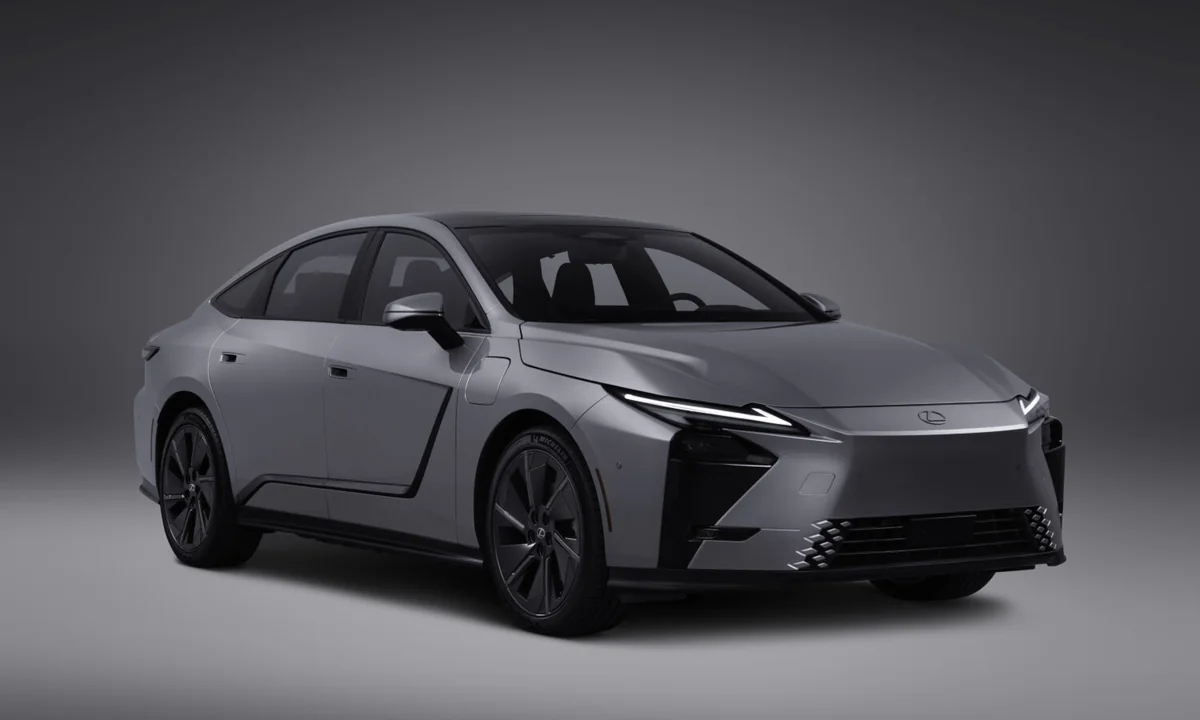
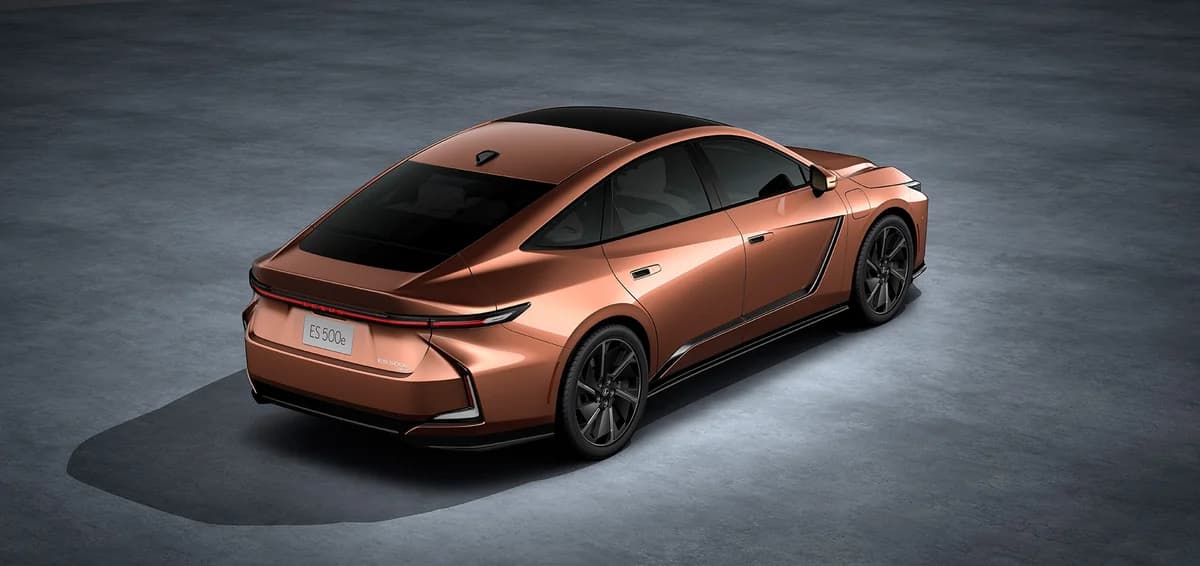
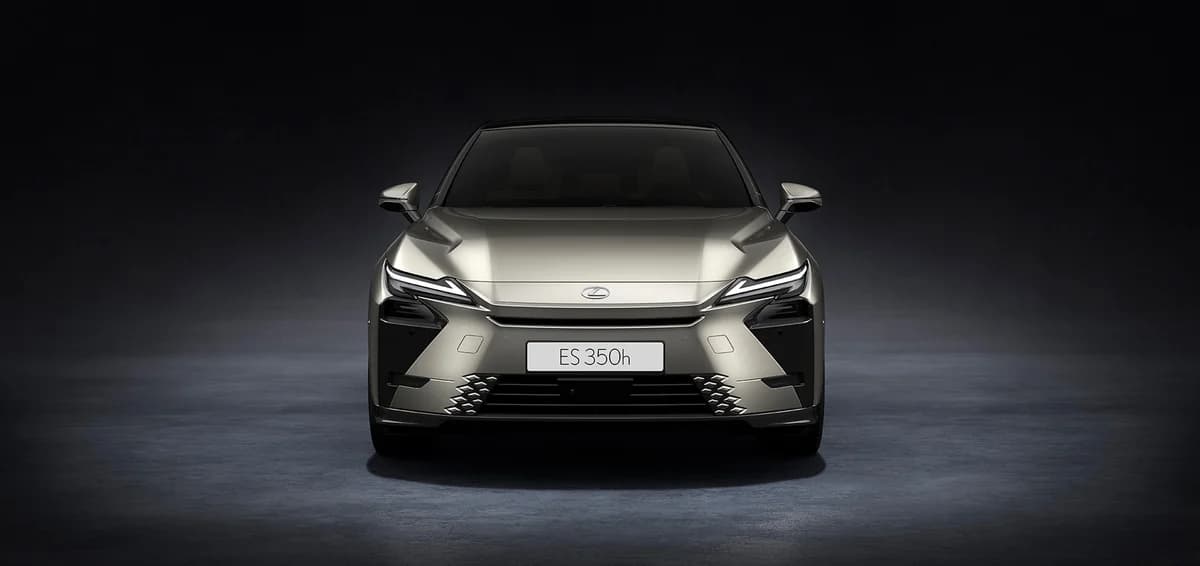
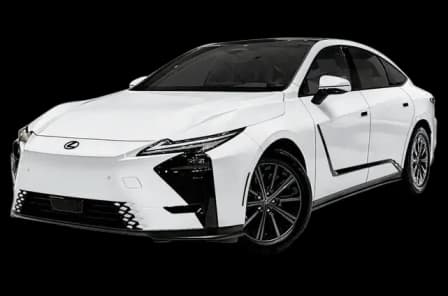
The 2026 Lexus ES is a quiet, roomy refuge for commuters, families, and long-distance travelers who want luxury without driving drama. Its comfort-first mission is supported by an impressively hushed ride, generous rear seating, and a hybrid that can reach 46 mpg combined, while the EV versions add smoothness and the 338-hp ES 500e brings genuine pace. Experts generally praise the polished technology and pricing below many German rivals, but real-world feedback also flags touchscreen-heavy controls, uneven plastics, and a four-cylinder that gets loud when pushed. The hybrid is the sensible value choice, while the EVs suit shoppers who prioritize serene electric travel over class-leading charging. Overall appeal rests on comfort, efficiency, and space, tempered by muted handling and mixed reactions to Lexus’s new direction.
Find Yours
What is your top priority for a hybrid vehicle?
Answer to find your best matches.

The Field
Browse top contenders, or compare all options ranked by score and key attributes.
5 Options




The Scoreboard
Does this improve your life? Considers, health, habits, and environmental impact.
Benefits
Soft suspension and hushed driving make commutes, conversations, and long trips noticeably easier.
Generous rear legroom lets adults stretch out, making family rides and airport runs easier.
The 350h delivers excellent mileage and hundreds of miles between fuel stops for everyday driving.
The larger display, clearer controls, and route planning reduce fuss during regular driving.
Hybrid and EV versions let households choose familiar refueling or quieter electric commuting.
Trade-Offs
Adjusting climate settings means looking away from traffic, adding hassle during nearly every drive.
Non-folding rear seats make long or bulky cargo harder to carry, limiting spontaneous errands.
Pressing hard to merge or climb hills makes the four-cylinder loud, interrupting the cabin’s calm.
Frequent attention reminders can interrupt normal driving until you disable the overly sensitive monitoring system.
 Alternatives


Join the Circle
Where real meets deal
Know what's worth buying-and when.
Tips, special offers, and rewards for buying and sharing.

Publications
5 LEADING PUBLICATION REVIEWS

Zach Doell of U.S. News & World Report is highly favorable toward the redesigned 2026 Lexus ES Hybrid. He portrays the ES 350h as a smooth, quiet, spacious cruiser with impressive acceleration, excellent ride comfort, intuitive technology, and exceptional fuel economy—up to 46 mpg combined, with real-world testing returning 44.2 mpg. Its starting price also undercuts many luxury midsize rivals, making it a compelling value. The review is balanced, however: the ES is composed rather than sporty, its cabin lacks the opulence of the Mercedes-Benz E-Class, Genesis G80, and Audi A6, and the rear seats do not fold. A driver-monitoring system is also overly sensitive, though it can be switched off. Overall, the ES Hybrid earns strong praise as a comfortable, efficient, well-equipped luxury sedan whose sensible strengths outweigh its modest shortcomings.
By Zach Doell
MotorTrend views the 2026 Lexus ES EV as a surprisingly compelling, comfort-first luxury sedan. The electric ES is markedly quieter, smoother, and more polished than the hybrid, with a premium cabin, excellent seats, crisp 14-inch infotainment, and a relaxed ride that suits commuting. The dual-motor ES500e adds genuinely brisk acceleration, while both versions benefit from composed handling despite their considerable weight. Lexus also makes the EV unusually easy to justify: pricing undercuts the hybrid, operating costs should be lower, and NACS access opens Tesla’s Supercharger network. Still, it is not a driver’s car, with muted steering and less engaging dynamics than rivals such as the Mercedes-Benz E-Class. Range tops out at 307 miles, and 150-kW charging is merely adequate, while the larger body surprisingly sacrifices a little front legroom and cargo space. Overall, the ES EV feels like a thoughtful, convincing evolution rather than a segment-leading electric sedan.
By Bob Hernandez
Zach Doell of U.S. News & World Report is highly favorable toward the redesigned 2026 Lexus ES Hybrid. He portrays the ES 350h as a smooth, quiet, spacious cruiser with impressive acceleration, excellent ride comfort, intuitive technology, and exceptional fuel economy—up to 46 mpg combined, with real-world testing returning 44.2 mpg. Its starting price also undercuts many luxury midsize rivals, making it a compelling value. The review is balanced, however: the ES is composed rather than sporty, its cabin lacks the opulence of the Mercedes-Benz E-Class, Genesis G80, and Audi A6, and the rear seats do not fold. A driver-monitoring system is also overly sensitive, though it can be switched off. Overall, the ES Hybrid earns strong praise as a comfortable, efficient, well-equipped luxury sedan whose sensible strengths outweigh its modest shortcomings.
By Zach Doell
MotorTrend views the 2026 Lexus ES EV as a surprisingly compelling, comfort-first luxury sedan. The electric ES is markedly quieter, smoother, and more polished than the hybrid, with a premium cabin, excellent seats, crisp 14-inch infotainment, and a relaxed ride that suits commuting. The dual-motor ES500e adds genuinely brisk acceleration, while both versions benefit from composed handling despite their considerable weight. Lexus also makes the EV unusually easy to justify: pricing undercuts the hybrid, operating costs should be lower, and NACS access opens Tesla’s Supercharger network. Still, it is not a driver’s car, with muted steering and less engaging dynamics than rivals such as the Mercedes-Benz E-Class. Range tops out at 307 miles, and 150-kW charging is merely adequate, while the larger body surprisingly sacrifices a little front legroom and cargo space. Overall, the ES EV feels like a thoughtful, convincing evolution rather than a segment-leading electric sedan.
By Bob Hernandez
Zach Doell of U.S. News & World Report is highly favorable toward the redesigned 2026 Lexus ES Hybrid. He portrays the ES 350h as a smooth, quiet, spacious cruiser with impressive acceleration, excellent ride comfort, intuitive technology, and exceptional fuel economy—up to 46 mpg combined, with real-world testing returning 44.2 mpg. Its starting price also undercuts many luxury midsize rivals, making it a compelling value. The review is balanced, however: the ES is composed rather than sporty, its cabin lacks the opulence of the Mercedes-Benz E-Class, Genesis G80, and Audi A6, and the rear seats do not fold. A driver-monitoring system is also overly sensitive, though it can be switched off. Overall, the ES Hybrid earns strong praise as a comfortable, efficient, well-equipped luxury sedan whose sensible strengths outweigh its modest shortcomings.
By Zach Doell
MotorTrend views the 2026 Lexus ES EV as a surprisingly compelling, comfort-first luxury sedan. The electric ES is markedly quieter, smoother, and more polished than the hybrid, with a premium cabin, excellent seats, crisp 14-inch infotainment, and a relaxed ride that suits commuting. The dual-motor ES500e adds genuinely brisk acceleration, while both versions benefit from composed handling despite their considerable weight. Lexus also makes the EV unusually easy to justify: pricing undercuts the hybrid, operating costs should be lower, and NACS access opens Tesla’s Supercharger network. Still, it is not a driver’s car, with muted steering and less engaging dynamics than rivals such as the Mercedes-Benz E-Class. Range tops out at 307 miles, and 150-kW charging is merely adequate, while the larger body surprisingly sacrifices a little front legroom and cargo space. Overall, the ES EV feels like a thoughtful, convincing evolution rather than a segment-leading electric sedan.
By Bob Hernandez

YouTube
14 LEADING EXPERT & INFLUENCER REVIEWS
 Consumer Reports
Keith Barry is highly positive about the 2026 Lexus ES 500e, especially its exceptional quietness, supple ride, and road-trip comfort. He praises the spacious rear seat, polished interior details, intuitive controls, and well-tuned brakes, calling it unusually refined among electric sedans. The ES is not the fastest, longest-range, or quickest-charging EV, and its lack of one-pedal driving, frunk, folding rear seats, standard surround-view camera, and occasional phone-connectivity glitches are meaningful compromises. Still, Barry views those drawbacks as secondary to the Lexus’s comfort-first mission, concluding that it makes a compelling, livable luxury EV.
Edmunds CarsEdmunds is positive about the 2026 Lexus ES 350e, but clearly sees it as a comfort-first EV rather than a performance sedan. Its standout strengths are quietness, generous space, upscale features, intuitive technology, and strong value versus the BMW i5, Audi A6 e-tron, Mercedes EQE, and Lucid Air. Edmunds’ testing found nearly 293 miles of range and competitive efficiency, though charging is slower than rivals. The 221-hp front-drive model feels sluggish above 60 mph, while the ride is less plush than the previous ES and lacks one-pedal driving. Overall, it’s a compelling, affordable luxury EV if serenity matters more than speed.
Consumer ReportsKeith Barry is highly positive about the 2026 Lexus ES 500e, especially its exceptional quietness, supple ride, and road-trip comfort. He praises the spacious rear seat, polished interior details, intuitive controls, and well-tuned brakes, calling it unusually refined among electric sedans. The ES is not the fastest, longest-range, or quickest-charging EV, and its lack of one-pedal driving, frunk, folding rear seats, standard surround-view camera, and occasional phone-connectivity glitches are meaningful compromises. Still, Barry views those drawbacks as secondary to the Lexus’s comfort-first mission, concluding that it makes a compelling, livable luxury EV.
Edmunds CarsEdmunds is positive about the 2026 Lexus ES 350e, but clearly sees it as a comfort-first EV rather than a performance sedan. Its standout strengths are quietness, generous space, upscale features, intuitive technology, and strong value versus the BMW i5, Audi A6 e-tron, Mercedes EQE, and Lucid Air. Edmunds’ testing found nearly 293 miles of range and competitive efficiency, though charging is slower than rivals. The 221-hp front-drive model feels sluggish above 60 mph, while the ride is less plush than the previous ES and lacks one-pedal driving. Overall, it’s a compelling, affordable luxury EV if serenity matters more than speed.
Consumer ReportsKeith Barry is highly positive about the 2026 Lexus ES 500e, especially its exceptional quietness, supple ride, and road-trip comfort. He praises the spacious rear seat, polished interior details, intuitive controls, and well-tuned brakes, calling it unusually refined among electric sedans. The ES is not the fastest, longest-range, or quickest-charging EV, and its lack of one-pedal driving, frunk, folding rear seats, standard surround-view camera, and occasional phone-connectivity glitches are meaningful compromises. Still, Barry views those drawbacks as secondary to the Lexus’s comfort-first mission, concluding that it makes a compelling, livable luxury EV.
Edmunds CarsEdmunds is positive about the 2026 Lexus ES 350e, but clearly sees it as a comfort-first EV rather than a performance sedan. Its standout strengths are quietness, generous space, upscale features, intuitive technology, and strong value versus the BMW i5, Audi A6 e-tron, Mercedes EQE, and Lucid Air. Edmunds’ testing found nearly 293 miles of range and competitive efficiency, though charging is slower than rivals. The 221-hp front-drive model feels sluggish above 60 mph, while the ride is less plush than the previous ES and lacks one-pedal driving. Overall, it’s a compelling, affordable luxury EV if serenity matters more than speed.
Consumer ReportsKeith Barry is highly positive about the 2026 Lexus ES 500e, especially its exceptional quietness, supple ride, and road-trip comfort. He praises the spacious rear seat, polished interior details, intuitive controls, and well-tuned brakes, calling it unusually refined among electric sedans. The ES is not the fastest, longest-range, or quickest-charging EV, and its lack of one-pedal driving, frunk, folding rear seats, standard surround-view camera, and occasional phone-connectivity glitches are meaningful compromises. Still, Barry views those drawbacks as secondary to the Lexus’s comfort-first mission, concluding that it makes a compelling, livable luxury EV.
Edmunds CarsEdmunds is positive about the 2026 Lexus ES 350e, but clearly sees it as a comfort-first EV rather than a performance sedan. Its standout strengths are quietness, generous space, upscale features, intuitive technology, and strong value versus the BMW i5, Audi A6 e-tron, Mercedes EQE, and Lucid Air. Edmunds’ testing found nearly 293 miles of range and competitive efficiency, though charging is slower than rivals. The 221-hp front-drive model feels sluggish above 60 mph, while the ride is less plush than the previous ES and lacks one-pedal driving. Overall, it’s a compelling, affordable luxury EV if serenity matters more than speed.
Consumer ReportsKeith Barry is highly positive about the 2026 Lexus ES 500e, especially its exceptional quietness, supple ride, and road-trip comfort. He praises the spacious rear seat, polished interior details, intuitive controls, and well-tuned brakes, calling it unusually refined among electric sedans. The ES is not the fastest, longest-range, or quickest-charging EV, and its lack of one-pedal driving, frunk, folding rear seats, standard surround-view camera, and occasional phone-connectivity glitches are meaningful compromises. Still, Barry views those drawbacks as secondary to the Lexus’s comfort-first mission, concluding that it makes a compelling, livable luxury EV.
Edmunds CarsEdmunds is positive about the 2026 Lexus ES 350e, but clearly sees it as a comfort-first EV rather than a performance sedan. Its standout strengths are quietness, generous space, upscale features, intuitive technology, and strong value versus the BMW i5, Audi A6 e-tron, Mercedes EQE, and Lucid Air. Edmunds’ testing found nearly 293 miles of range and competitive efficiency, though charging is slower than rivals. The 221-hp front-drive model feels sluggish above 60 mph, while the ride is less plush than the previous ES and lacks one-pedal driving. Overall, it’s a compelling, affordable luxury EV if serenity matters more than speed.
Consumer ReportsKeith Barry is highly positive about the 2026 Lexus ES 500e, especially its exceptional quietness, supple ride, and road-trip comfort. He praises the spacious rear seat, polished interior details, intuitive controls, and well-tuned brakes, calling it unusually refined among electric sedans. The ES is not the fastest, longest-range, or quickest-charging EV, and its lack of one-pedal driving, frunk, folding rear seats, standard surround-view camera, and occasional phone-connectivity glitches are meaningful compromises. Still, Barry views those drawbacks as secondary to the Lexus’s comfort-first mission, concluding that it makes a compelling, livable luxury EV.
Edmunds CarsEdmunds is positive about the 2026 Lexus ES 350e, but clearly sees it as a comfort-first EV rather than a performance sedan. Its standout strengths are quietness, generous space, upscale features, intuitive technology, and strong value versus the BMW i5, Audi A6 e-tron, Mercedes EQE, and Lucid Air. Edmunds’ testing found nearly 293 miles of range and competitive efficiency, though charging is slower than rivals. The 221-hp front-drive model feels sluggish above 60 mph, while the ride is less plush than the previous ES and lacks one-pedal driving. Overall, it’s a compelling, affordable luxury EV if serenity matters more than speed.
Consumer ReportsKeith Barry is highly positive about the 2026 Lexus ES 500e, especially its exceptional quietness, supple ride, and road-trip comfort. He praises the spacious rear seat, polished interior details, intuitive controls, and well-tuned brakes, calling it unusually refined among electric sedans. The ES is not the fastest, longest-range, or quickest-charging EV, and its lack of one-pedal driving, frunk, folding rear seats, standard surround-view camera, and occasional phone-connectivity glitches are meaningful compromises. Still, Barry views those drawbacks as secondary to the Lexus’s comfort-first mission, concluding that it makes a compelling, livable luxury EV.
Edmunds CarsEdmunds is positive about the 2026 Lexus ES 350e, but clearly sees it as a comfort-first EV rather than a performance sedan. Its standout strengths are quietness, generous space, upscale features, intuitive technology, and strong value versus the BMW i5, Audi A6 e-tron, Mercedes EQE, and Lucid Air. Edmunds’ testing found nearly 293 miles of range and competitive efficiency, though charging is slower than rivals. The 221-hp front-drive model feels sluggish above 60 mph, while the ride is less plush than the previous ES and lacks one-pedal driving. Overall, it’s a compelling, affordable luxury EV if serenity matters more than speed.

Social
1 INFLUENCER REVIEW
 drivewithpaul
Drive with Paul is clearly positive about the 2026 Lexus ES, especially its sharper styling, clean redesigned cabin, and generous space. He appreciates the 14-inch display, available second wireless charger, simplified shifter, and room for tall occupants, citing about four inches of rear knee room and three inches of headroom at 6-foot-2. The trunk is roomy enough for him to fit inside. His main reservation is Lexus removing most physical dashboard buttons, forcing greater reliance on the touchscreen.

Forum Reviews
CUSTOMER REVIEWS FROM 1 FORUM
Redditors are largely disappointed by the 2026 Lexus ES, seeing it as less luxurious and less distinctive than its predecessors. The Tesla-like cabin, reduced physical controls, missing wood and leather options on hybrids, awkward styling details, and loss of the V6 have drawn especially sharp criticism. Some appreciate the roomier exterior, smooth ride, efficient hybrid choices, and genuinely comfortable EV experience, while a few buyers are enthusiastic about the ES 500e. Still, many longtime owners feel Lexus abandoned its understated craftsmanship and legacy customers, with several choosing to keep or buy 2025-and-earlier models instead.
Many comments

In-Depth Review

Highlights
- •Quiet, Smooth RideDesigned for serene, low-noise travel.
- •Hybrid Fuel EconomyAdvertised to reach 46 mpg combined.
- •Generous Rear SpaceDesigned to give adults substantial legroom.
- •Flexible Electrified PowertrainsMarketed as offering hybrid and EV choices.

Considerations
- •Muted Driving ResponseSoft steering and handling limit driver involvement.
- •Touchscreen-Heavy ControlsClimate adjustments require more screen interaction.
- •EV Charging LimitsCharging speed is adequate, not class-leading.
- •Uneven Cabin MaterialsSome plastics fall short of luxury expectations.
Lexus has long built its reputation around quiet, dependable luxury, and the redesigned 2026 ES carries that comfort-first mission into an electrified market. Intended for commuters, families, and long-distance travelers, it pairs a 244-hp full-hybrid system with available EV powertrains, including the 338-hp ES 500e, while adding a roomier cabin and more modern technology than before. Real-world feedback remains limited, so it is worth weighing the promise of up to 46 mpg combined against the EVs’ merely adequate charging pace and range. Reviewers consistently highlight serene travel, generous rear seating, and generally polished materials, though touchscreen-heavy controls, uneven trim quality, and soft handling may matter to shoppers comparing BMW, Mercedes-Benz, or Genesis alternatives. Explore each feature closely—this Lexus may not chase excitement, but it makes a strong case for letting comfort do the talking.
Materials And Interior Quality
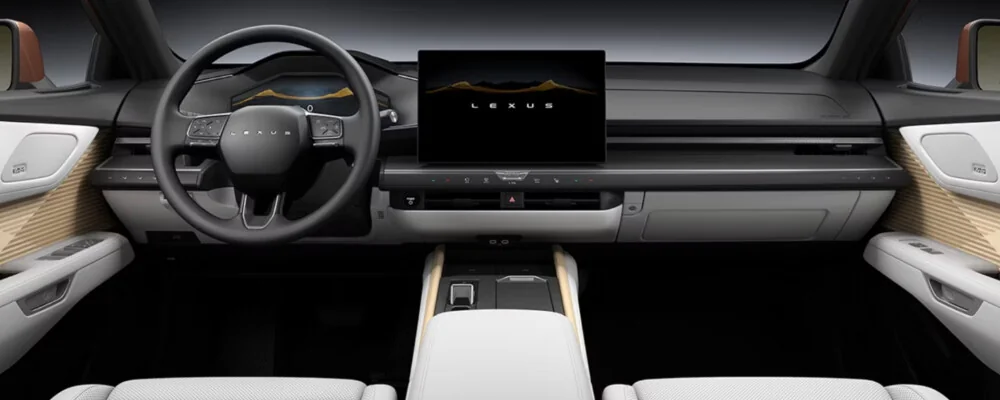
The cabin is cleaner and more modern, but its luxury execution is somewhat uneven. The 14.0-inch touchscreen and 12.3-inch digital cluster are quick and generally intuitive, while improved physical controls, ambient lighting, and available Mark Levinson audio elevate higher trims. Expert feedback supports the technology and polish, yet some reviewers notice plasticky trim, limited gauge customization, and touchscreen-heavy climate controls. Reddit reactions are harsher, with some longtime Lexus shoppers missing the wood and leather choices and understated craftsmanship of earlier ES models.
EV Range And Performance
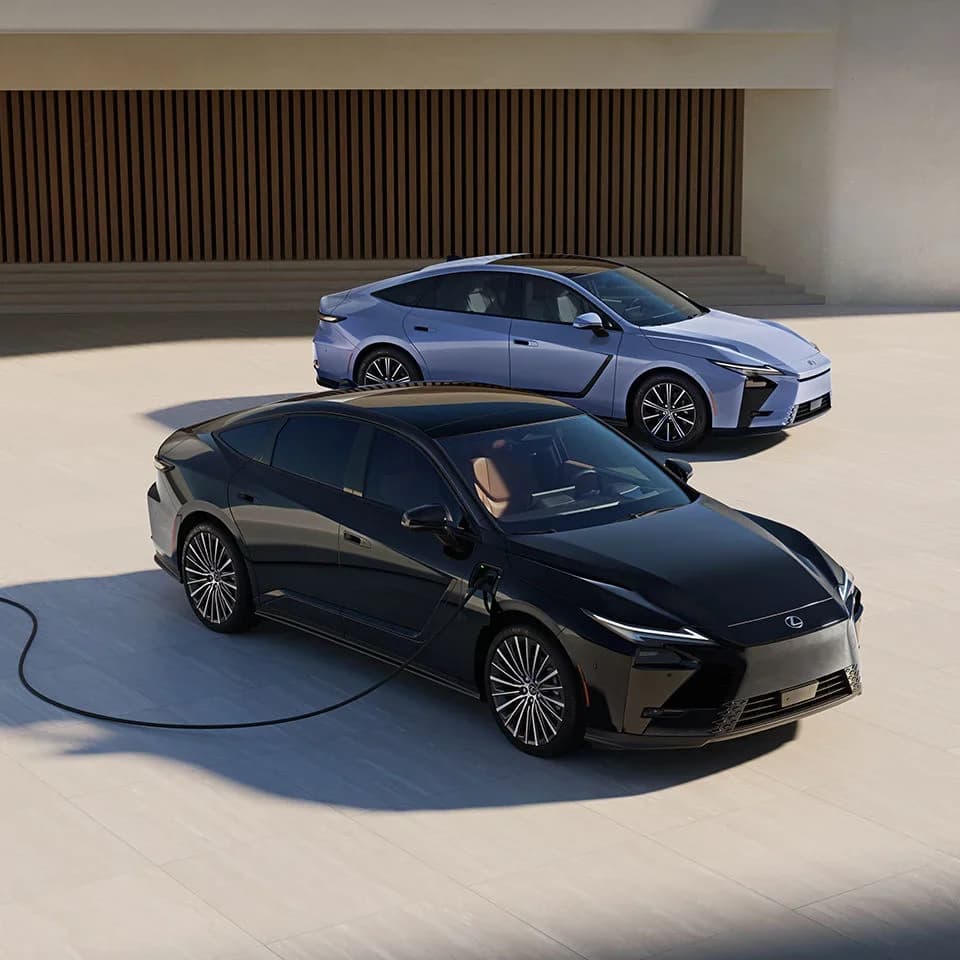
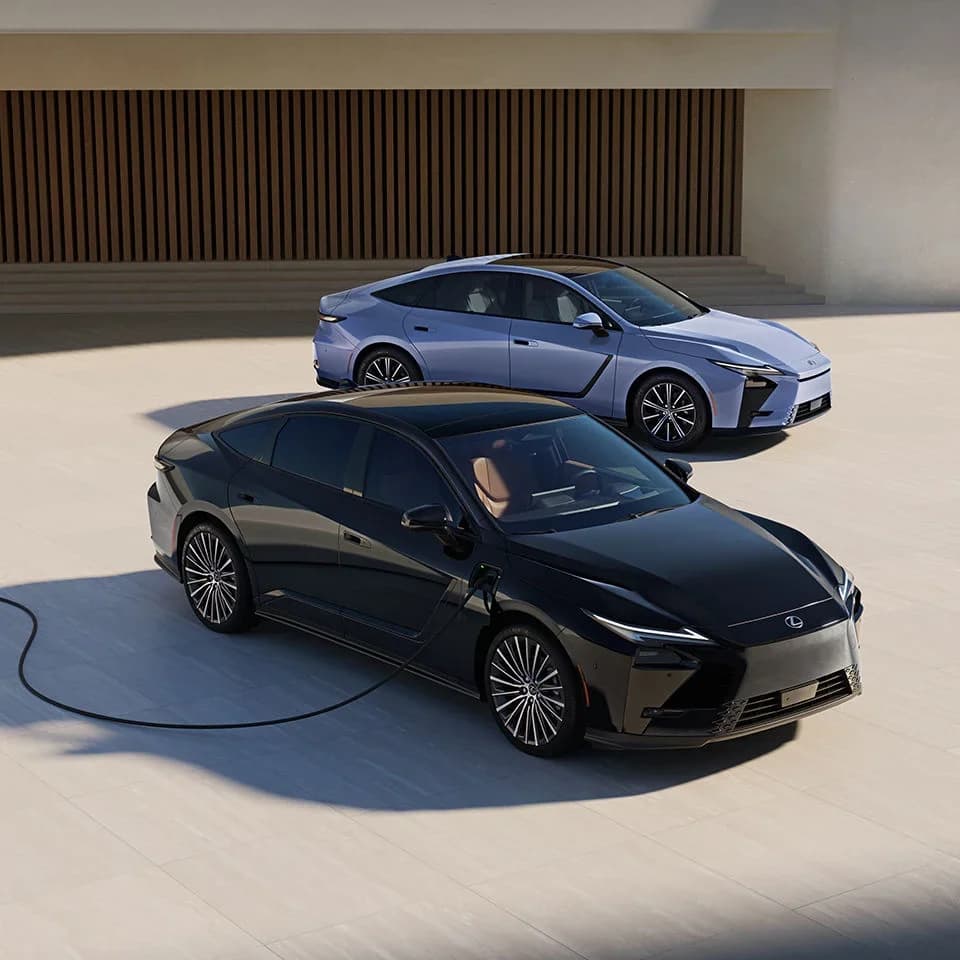
The electric versions offer a refined alternative, but their strengths are smoothness and comfort rather than outright pace. The 221-hp ES 350e uses front-wheel drive, while the 338-hp dual-motor ES 500e adds DIRECT4 all-wheel drive and noticeably quicker acceleration. Reported range reaches roughly 272 to 307 miles, with testing near 293 miles, while the 74.7-kWh battery and 150-kW charging are competitive but not exceptional. The lack of one-pedal driving and a frunk also limits convenience.
Hybrid Economy And Range
The ES 350h’s efficiency is one of its clearest practical advantages. Its 244-hp 2.5-liter full-hybrid system is rated up to 46 mpg combined in front-wheel-drive form and 44 mpg with AWD. Real-world reports are encouraging, with testing around 44.2 mpg, routine results above 40 mpg, and an indicated range near 600 to 667 miles. That supports easy commuting and road trips, although the engine sounds strained when pushed and there is no plug-in option.
Quiet, Comfortable Ride
The ES is built to make long drives feel unusually calm and effortless. Its soft, quiet suspension tuning suppresses road and wind noise impressively, while reviewers consistently praise the composed ride and comfortable seats. The hybrid is serene in normal use, though its four-cylinder engine can become loud under hard acceleration, and larger wheels may add firmness. The EVs are quieter still, supporting Lexus’s comfort-first claim, but some testing suggests the ride is good rather than class-leading.
Spacious, Comfortable Cabin
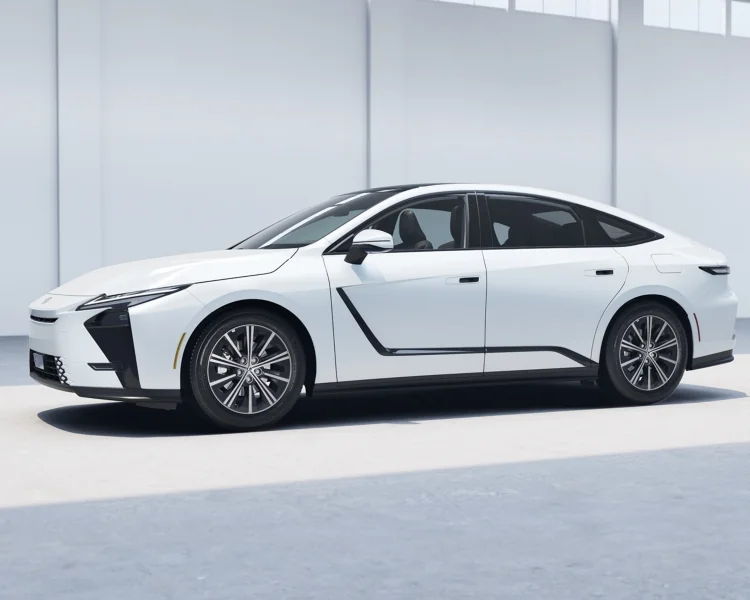
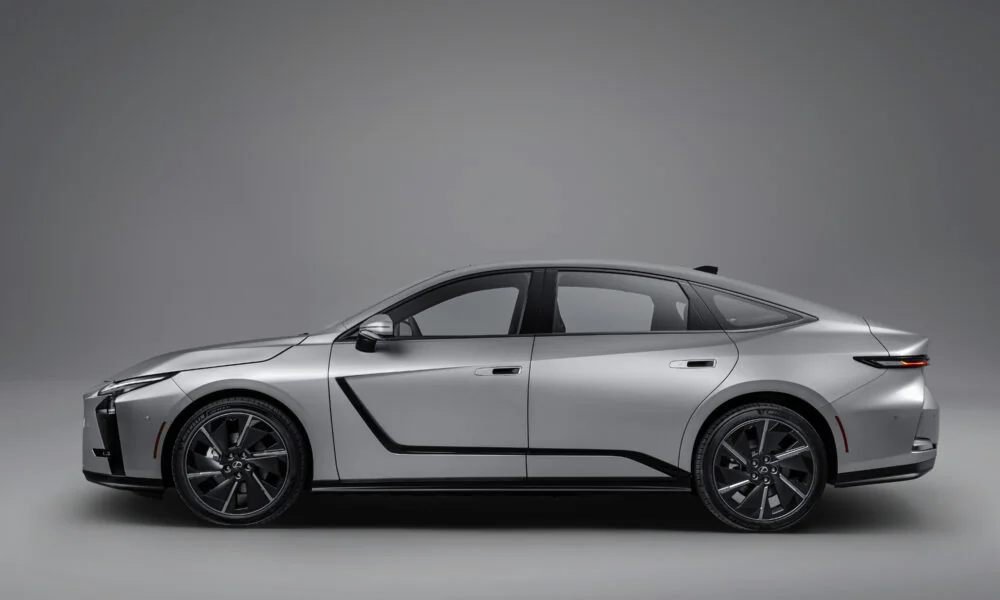
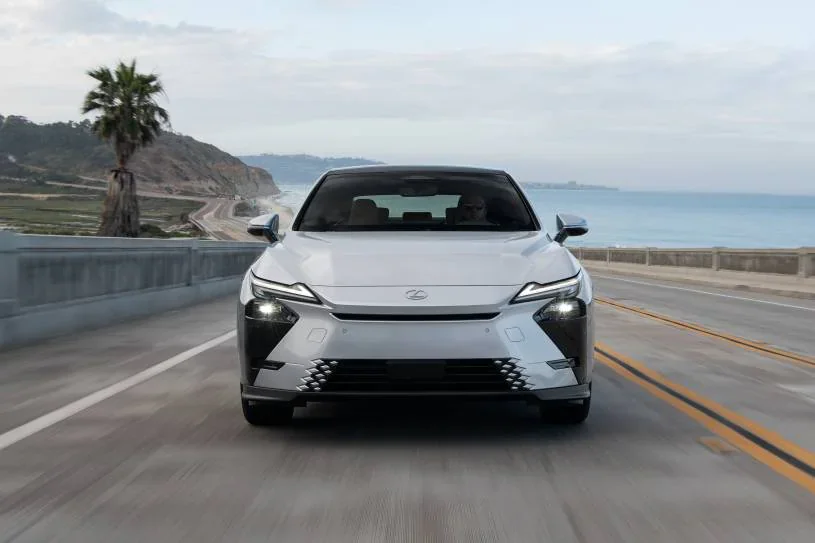
The redesigned ES makes rear-seat comfort a genuine selling point. Its 116.1-inch wheelbase and six-plus-inch increase in overall length create generous legroom, with one tall-driver test noting about four inches of rear knee room. The seats, quiet atmosphere, and available executive rear-seat package suit passengers on longer trips, and the trunk is usefully sized. However, fixed rear seatbacks reduce cargo flexibility, panoramic-roof versions can compromise rear headroom, and storage is less generous than the exterior suggests.
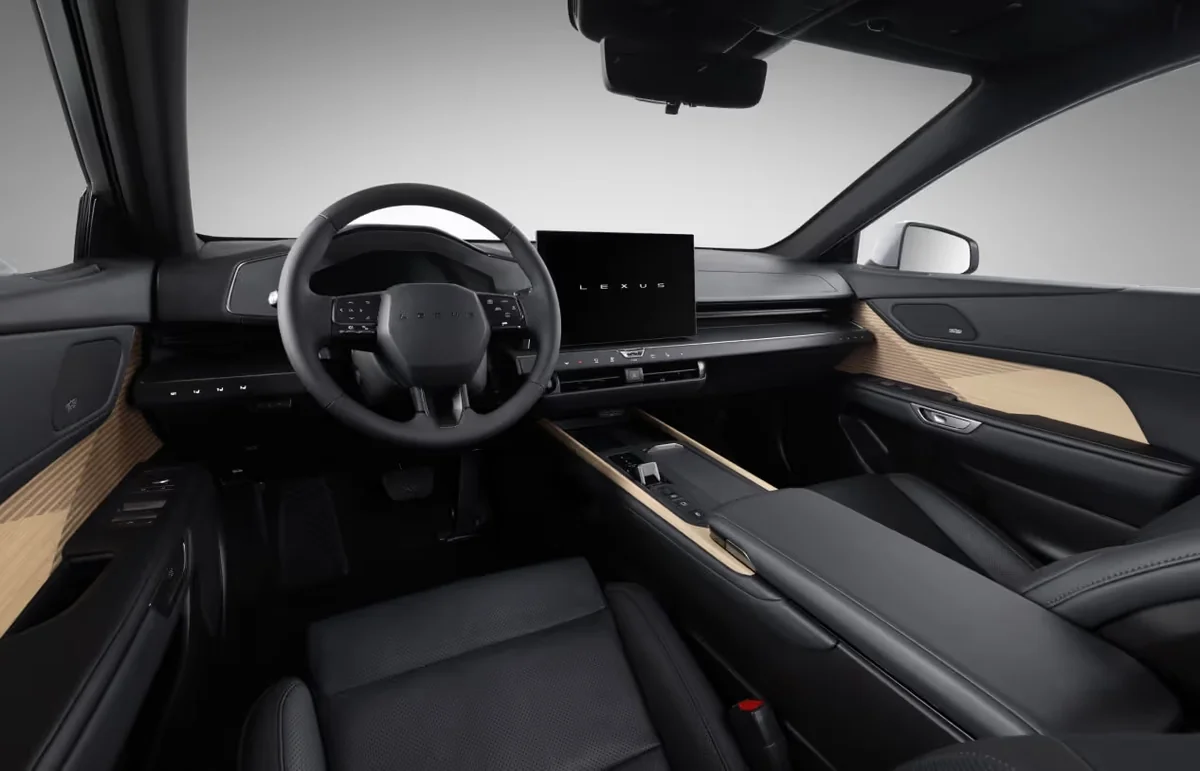
Acceleration And Handling
The ES prioritizes stability and relaxation over driver involvement. Its comfort-biased suspension and light steering make it easy to place and pleasant on winding roads, but muted feedback and soft handling disappoint anyone expecting BMW 5 Series sharpness. The 350h’s 244 horsepower is adequate for daily driving, though its CVT can amplify engine noise during hard launches. The 500e supplies genuinely brisk acceleration and composed all-wheel-drive traction, yet even that version remains more polished than sporty.
Conclusion
The 2026 Lexus ES makes its clearest case by turning every journey into a quieter, roomier experience. Its serene ride and generous seating suit commuters, families, and long-distance passengers, while the 350h’s up to 46-mpg economy and impressive cruising range offer the easiest ownership story. The EVs add smooth, polished performance, with the 500e bringing genuinely brisk acceleration, though range and charging speed are merely adequate. Reviewers praise the modern technology and comfort, but uneven materials, touchscreen-heavy controls, and the 350h’s noisy four-cylinder under hard acceleration keep it short of effortless luxury. Soft steering and restrained handling will satisfy relaxed drivers, not enthusiasts. For buyers prioritizing refinement, space, and efficiency over athleticism or traditional craftsmanship, the ES is a sensible, well-priced choice; its mixed early user reaction and compromises explain why it feels compelling rather than definitive.

Feature Scores
This reflects reviews and ratings from established critics, journalists, and users who have evaluated the item. Their opinions provide a comprehensive assessment.
Performance
Fuel Efficiency
5/5
Electric Only Range
4/5
Acceleration
3/5
Handling
3/5
Reliability
4/5
Battery Longevity
TBD
Charging Speed
3/5
Value
Purchase Price
4/5
Total Cost of Ownership
4/5
Resale Value
4/5
Incentives Availability
TBD
Design
Interior Comfort
5/5
Cargo Space
3/5
Ergonomics
4/5
Exterior Styling
3/5
Health
Cabin Air Quality
TBD
Low VOC Materials
TBD
Noise Vibration Harshness
5/5
Safety
Crashworthiness
TBD
Active Safety Systems
4/5
Battery Safety
TBD
Sustainability
Lifecycle Emissions
4/5
Renewable Energy Use Potential
4/5
Battery Recycling
TBD
Sustainable Materials Use
TBD
Experience Style
Infotainment and Connectivity
4/5
Driving Customizability
3/5
Charging and Refueling Convenience
4/5

Specifications
This section outlines the product's key facts, covering essential features, details, dimensions, materials, and any unique characteristics that define its functionality and usability.
Performance
Design
Sustainability
Experience Style

Frequently Asked Questions
5 Questions


Find Yours
What is your top priority for a hybrid vehicle?
Answer to find your best matches.