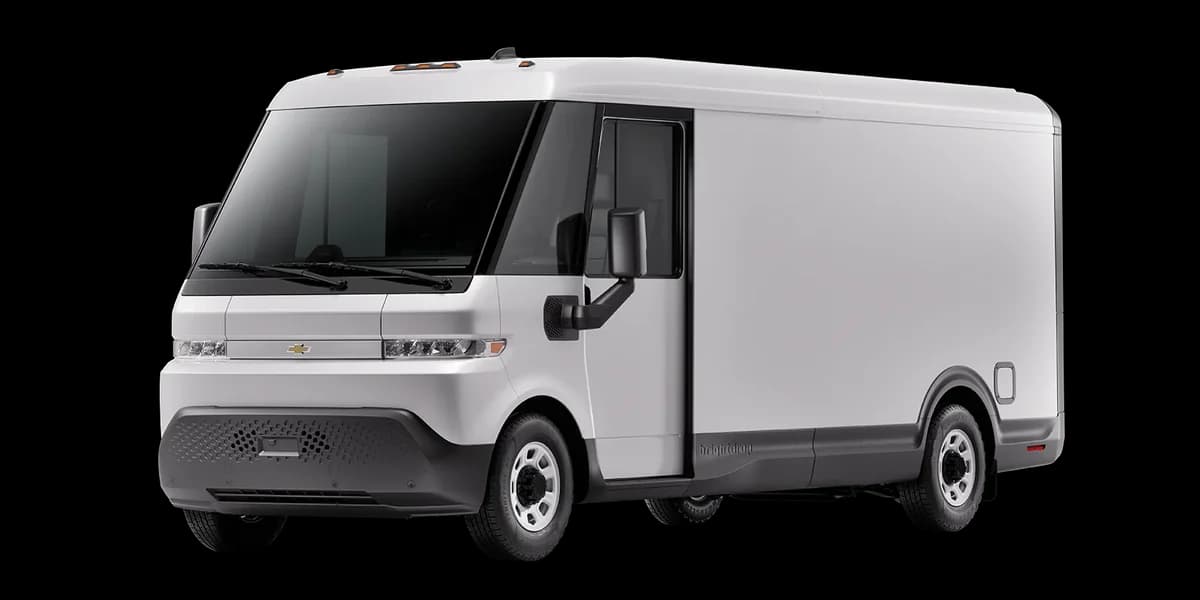
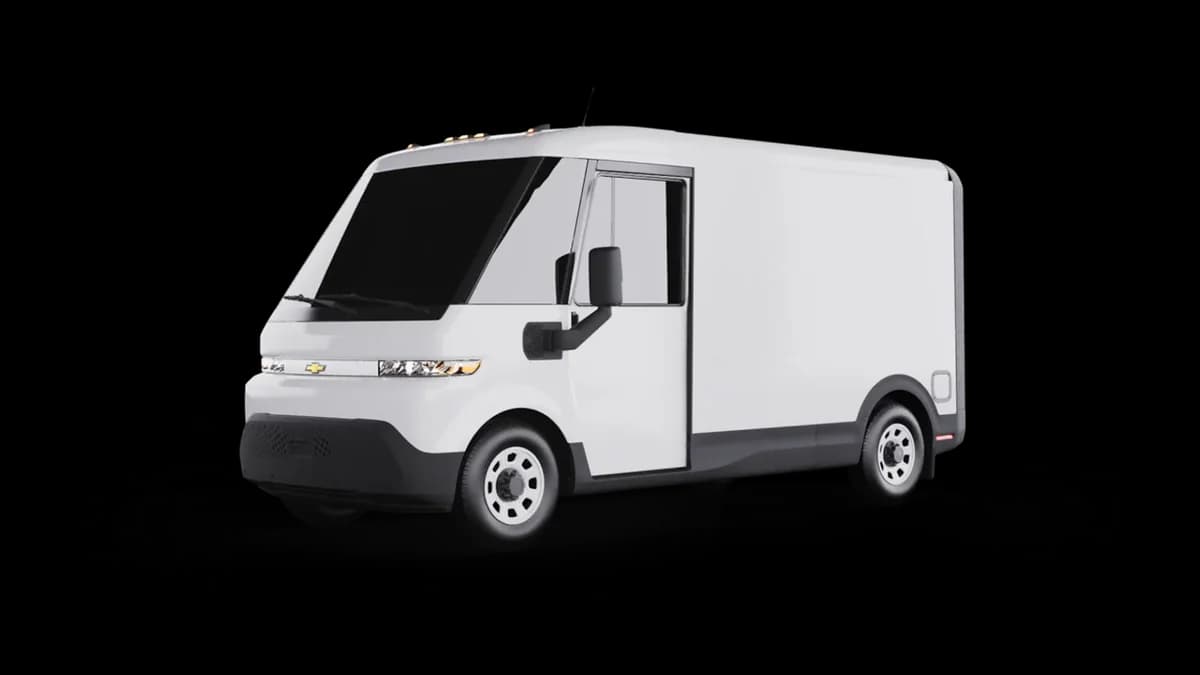
Chevrolet BrightDrop (2026)
Clever, spacious, and easy to drive, but range, price, and support limit its appeal.
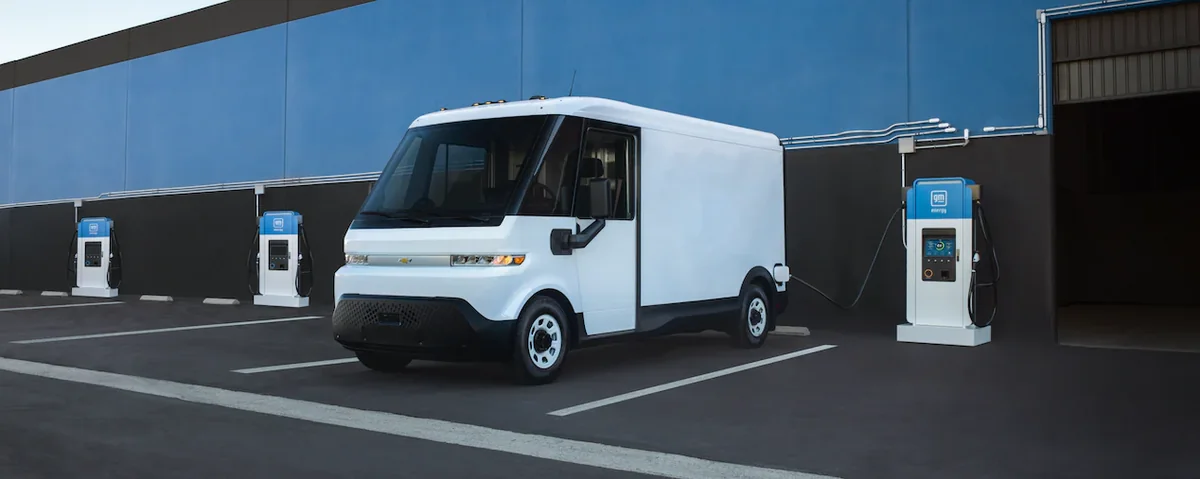
The Chevrolet BrightDrop (2026) is an electric delivery van for operators trying to move serious cargo without gasoline, and it is best understood as a clever, boxy workhorse rather than a polished passenger vehicle. Its square, conversion-friendly cargo area, strong payload, excellent visibility, and easy one-pedal driving impressed professional reviewers, while van-life owners praise its livability and real-world capability. Chevrolet’s range flexibility is supported by some drivers exceeding conservative estimates, but loaded trips, cold weather, and modest fast-charging performance still demand planning. At roughly $65,000 to $70,000 before configuration, discounts can make it compelling, although cabin noise, an uncomfortable jump seat, and uncertain post-discontinuation support weaken the long-term bargain. Overall, practical capacity, route fit, pricing, and ownership confidence determine its recommendation.




Find Yours
Which type of on-road motor vehicle best suits your needs?
Answer to find your best matches.

The Field
Browse top contenders, or compare all options ranked by score and key attributes.
5 Options





The Scoreboard
Does this improve your life? Considers, health, habits, and environmental impact.
Benefits
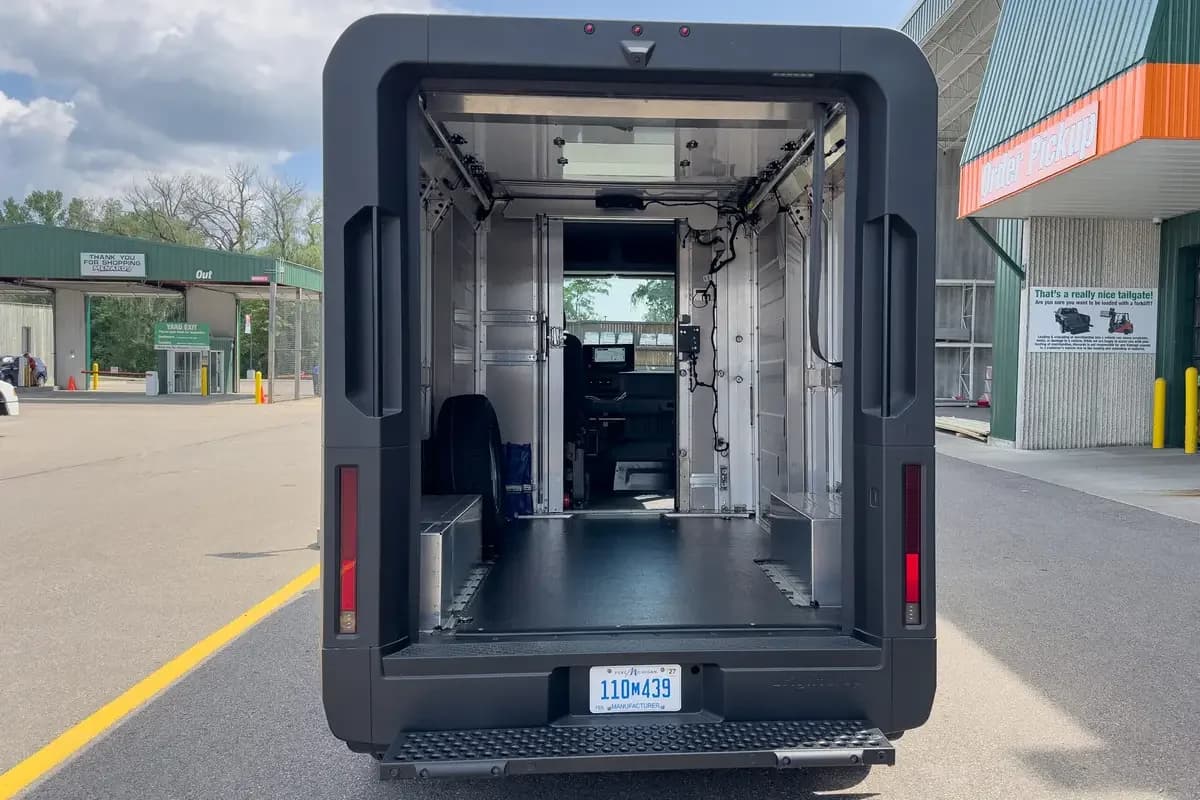
Square walls and a low floor make loading, organizing, and upfitting bulky gear noticeably easier.
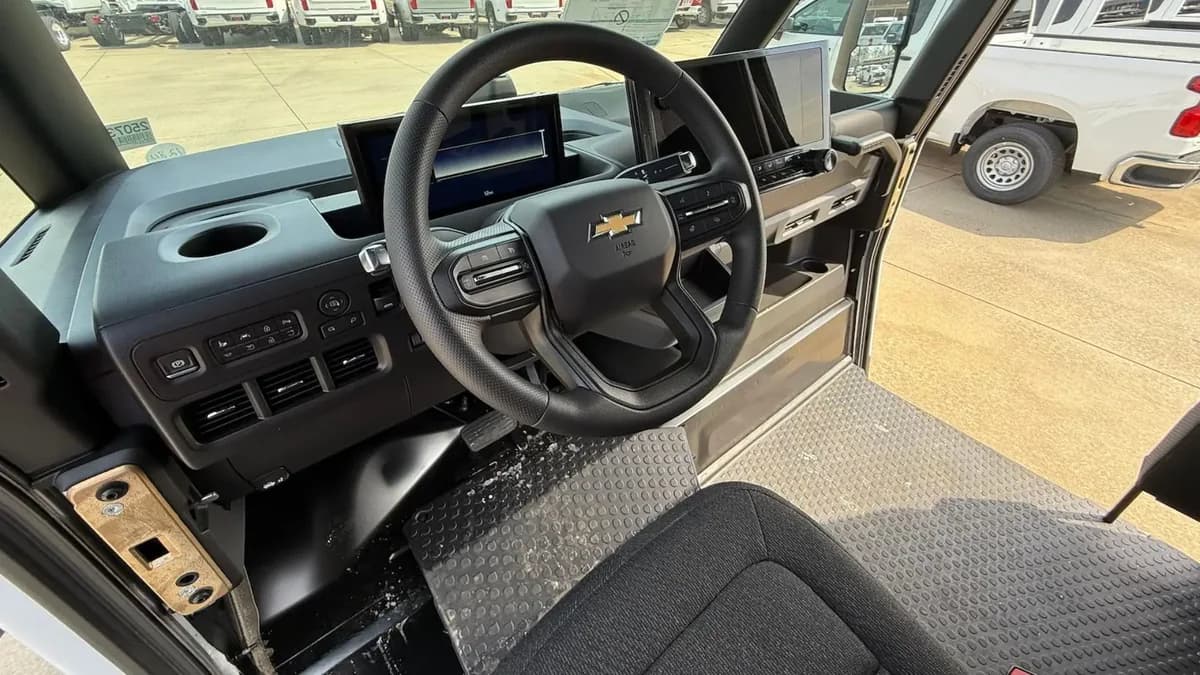
Excellent visibility, cameras, and tight turning help drivers maneuver confidently around streets and loading areas.
Smooth acceleration and one-pedal driving make stop-and-go routes calmer and less tiring.
Multiple batteries and available AWD let fleets match range and traction to their routes.
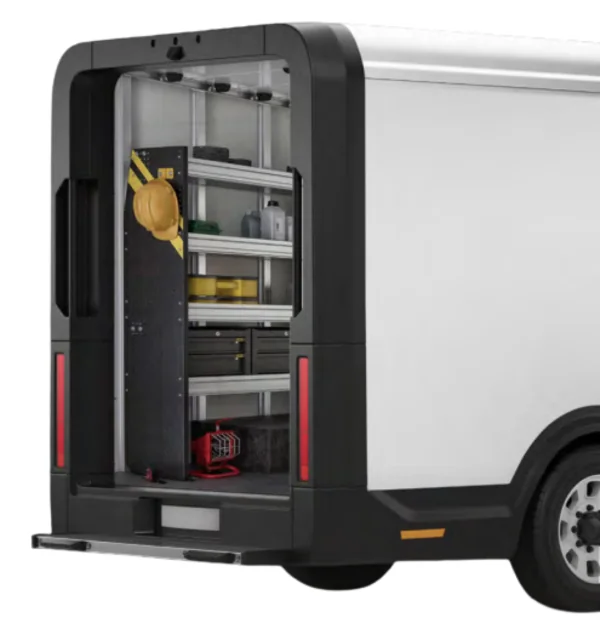
Large cargo space supports secure deliveries, service equipment, and practical camper conversions.
Trade-Offs
The jump seat feels uncomfortable on longer drives, leaving passengers with little support or room.
Cabin rattles and wind noise get distracting on highways, making conversation and concentration harder.
Modest range and lengthy fast charging can turn longer routes into inconvenient charging stops.
Rear doors can be awkward to operate, slowing down frequent loading and unloading.
 Alternatives


Join the Circle
Where real meets deal
Know what's worth buying-and when.
Tips, special offers, and rewards for buying and sharing.

Publications
3 LEADING PUBLICATION REVIEWS

MotorTrend’s Erik Johnson views the discontinued BrightDrop as a genuinely clever, capable van rather than a failure. Its delivery-focused details—blind-spot cameras, huge staging shelf, emergency flasher, and especially powered passenger and bulkhead doors—make daily work easier, while smooth acceleration, excellent one-pedal driving, stability, and surprisingly good loaded ride quality earn real admiration. The review is playful and affectionate, even admitting the editors opened the doors “for fun.” Still, the BrightDrop has meaningful compromises: an offset steering wheel, merely acceptable unloaded ride, worse ride quality than the Mercedes eSprinter, modest 175-mile range, slow 120-kW charging, and eye-watering pricing near $80,000. Finishing third in MotorTrend’s Truck of the Year voting, it performed strongly on engineering and intended function but stumbled on value. Overall, it comes across as a well-engineered urban delivery tool whose untimely cancellation makes an already unusual review feel bittersweet.
By Erik Johnson
Autoweek’s Mark Vaughn is strongly impressed by the BrightDrop, despite its bafflingly weak sales. He portrays the electric van as practical, easy, quiet, and genuinely enjoyable to drive, with enormous cargo space, excellent visibility, configurable regenerative braking, and enough power for delivery work. Its newly reduced pricing—below comparable electric and even some gas-powered vans—combined with potentially substantial fuel and maintenance savings makes a compelling business case. Vaughn does acknowledge practical annoyances, including its nine-foot height, awkward rear-door operation, limited range-certification clarity, and the need to manage charging costs and infrastructure. He also questions GM’s sales strategy, dealership availability, and perhaps even the van’s unfortunate name. Still, the overall verdict is emphatic: for fleets and small businesses able to charge reliably, the BrightDrop seems like an unusually sensible, underappreciated work vehicle, though buyers should calculate their own routes and operating needs carefully.
By Mark Vaughn
MotorTrend’s Erik Johnson views the discontinued BrightDrop as a genuinely clever, capable van rather than a failure. Its delivery-focused details—blind-spot cameras, huge staging shelf, emergency flasher, and especially powered passenger and bulkhead doors—make daily work easier, while smooth acceleration, excellent one-pedal driving, stability, and surprisingly good loaded ride quality earn real admiration. The review is playful and affectionate, even admitting the editors opened the doors “for fun.” Still, the BrightDrop has meaningful compromises: an offset steering wheel, merely acceptable unloaded ride, worse ride quality than the Mercedes eSprinter, modest 175-mile range, slow 120-kW charging, and eye-watering pricing near $80,000. Finishing third in MotorTrend’s Truck of the Year voting, it performed strongly on engineering and intended function but stumbled on value. Overall, it comes across as a well-engineered urban delivery tool whose untimely cancellation makes an already unusual review feel bittersweet.
By Erik Johnson
Autoweek’s Mark Vaughn is strongly impressed by the BrightDrop, despite its bafflingly weak sales. He portrays the electric van as practical, easy, quiet, and genuinely enjoyable to drive, with enormous cargo space, excellent visibility, configurable regenerative braking, and enough power for delivery work. Its newly reduced pricing—below comparable electric and even some gas-powered vans—combined with potentially substantial fuel and maintenance savings makes a compelling business case. Vaughn does acknowledge practical annoyances, including its nine-foot height, awkward rear-door operation, limited range-certification clarity, and the need to manage charging costs and infrastructure. He also questions GM’s sales strategy, dealership availability, and perhaps even the van’s unfortunate name. Still, the overall verdict is emphatic: for fleets and small businesses able to charge reliably, the BrightDrop seems like an unusually sensible, underappreciated work vehicle, though buyers should calculate their own routes and operating needs carefully.
By Mark Vaughn

YouTube
3 LEADING EXPERT & INFLUENCER REVIEWS
 Bryantclan Adventures
Bryantclan Adventures is strongly impressed by the Chevrolet BrightDrop’s real-world range and driving manners. On a roughly 200-mile highway trip, the van averaged about 1.5–1.7 mi/kWh and arrived with far more charge than its conservative estimate predicted, suggesting a realistic 270–300-mile range. It felt quick, tracked straight, and worked well with adaptive cruise control, though cabin noise was noticeable. The charging test was inconclusive because transport mode limited DC fast charging to about 65 kW, while the available charger was slow. Overall, it looks like a surprisingly capable platform for the planned RV conversion.
Drive with PaulDrive with Paul is highly impressed by the 2024 BrightDrop ZEVO 600 AWD, especially its carlike acceleration, remarkably tight turning radius, excellent visibility, planted handling, strong winter traction, and surprisingly good cabin technology. The fleet owner’s half-price purchase makes its range and features unusually compelling, while heated seats, adaptive cruise, 360-degree cameras, and abundant storage add practical value. Still, the van has flimsy interior panels, almost no enclosed storage, aggressive regenerative braking, and potential warranty-service and towing headaches because few dealers are equipped to support it. Overall, enthusiasm is strong, but this is clearly a first-impressions review, not proof of long-term durability.
Bryantclan AdventuresBryantclan Adventures is strongly impressed by the Chevrolet BrightDrop’s real-world range and driving manners. On a roughly 200-mile highway trip, the van averaged about 1.5–1.7 mi/kWh and arrived with far more charge than its conservative estimate predicted, suggesting a realistic 270–300-mile range. It felt quick, tracked straight, and worked well with adaptive cruise control, though cabin noise was noticeable. The charging test was inconclusive because transport mode limited DC fast charging to about 65 kW, while the available charger was slow. Overall, it looks like a surprisingly capable platform for the planned RV conversion.
Drive with PaulDrive with Paul is highly impressed by the 2024 BrightDrop ZEVO 600 AWD, especially its carlike acceleration, remarkably tight turning radius, excellent visibility, planted handling, strong winter traction, and surprisingly good cabin technology. The fleet owner’s half-price purchase makes its range and features unusually compelling, while heated seats, adaptive cruise, 360-degree cameras, and abundant storage add practical value. Still, the van has flimsy interior panels, almost no enclosed storage, aggressive regenerative braking, and potential warranty-service and towing headaches because few dealers are equipped to support it. Overall, enthusiasm is strong, but this is clearly a first-impressions review, not proof of long-term durability.

Social
2 INFLUENCER REVIEWS
 Allcarnews
Allcarnews takes a strongly negative, almost elegiac view of the Chevrolet BrightDrop. The post frames GM’s commercial EV van as a failed strategy, pointing to weak market momentum, slowed EV adoption, lost tax credits, poor original pricing, and production ending in Canada. It does acknowledge roughly 4,000 sales in 2025 and up to 272 miles of range with the larger battery and AWD, but those positives feel secondary. Calling the vans “funky looking,” largely “DOA,” and unfortunate to see at a Supercharger conveys disappointment more than enthusiasm.
 GusBusBoondocks
Gus is exuberantly positive about his Chevrolet BrightDrop Zevo 400 after a full year of van life. Calling 365 days “fucking awesomeness,” he celebrates the electric DIY camper with cake and describes practical wins, including easy reversing, bed-level views, a TV and computer setup, and a convertible bedroom designed to accommodate another person. The clip offers no criticism or hard performance metrics, and it ends mid-thought, but Gus’s enthusiasm and firsthand use clearly suggest the BrightDrop has worked exceptionally well as his full-time home on wheels.

Forum Reviews
CUSTOMER REVIEWS FROM 1 FORUM
Redditors are cautiously positive about the Chevrolet BrightDrop, especially when discounted, but practical concerns limit its appeal. Its boxy shape, straight walls, generous payload, and workable real-world range suit van builds and urban deliveries, while owners describe promising highway and grade performance. Still, the tall body, limited range when loaded, charging dependence, steep original pricing, and discontinued status create real hesitation. Questions about warranty, parts, repairs, roof strength, heating energy use, and long-term software support further cloud confidence. It seems compelling for budget-conscious, local-use buyers, but risky for long-distance or unsupported travel.
Many comments

In-Depth Review

Highlights
- •Cargo Conversion SpaceDesigned to simplify shelving and conversions.
- •Flexible Driving RangePromoted as offering multiple range choices.
- •Serious Payload CapacityUp to 3,710-pound payload on 400 FWD.
- •Calm Route DrivingSmooth acceleration and one-pedal control.

Considerations
- •Route Planning DemandsLoaded range can lengthen charging stops.
- •Ownership Support UncertaintyPost-discontinuation parts and service remain uncertain.
- •High Purchase CostPricing can exceed comparable work vans.
- •Cabin Refinement IssuesNoise, rattles, and jump-seat discomfort persist.
Chevrolet’s BrightDrop positions GM as a serious player in commercial electrification, pairing purpose-built cargo space with the practical needs of delivery and service fleets. Available in 400 and 600 lengths, it suits urban couriers, tradespeople, municipalities, and conversion-minded buyers who value a square, low-floor interior more than passenger-van polish. The 2026 model adds multiple battery choices, available AWD, and stronger charging hardware, while its payload ratings and useful doors make repetitive loading less tedious. Reviews also suggest unusually approachable manners for a tall work van, thanks to one-pedal driving, good visibility, and confident handling. Still, real-world range, charging stops, cabin refinement, and post-discontinuation support deserve careful scrutiny against rivals such as the E-Transit and eSprinter. The following sections examine where this clever workhorse earns its keep—and where its batteries, budget, and backup plan need watching.
Range Charging Reality
Range flexibility helps, but route planning still matters more than the headline number. Depending on battery and drivetrain, Chevrolet quotes up to 285–286 miles of range, with Standard and Extended Range versions covering shorter routes at lower cost. The 2026 model adds a 19.2-kW AC charger, while DC charging reaches 120 kW in reported testing and can add about 160 miles per hour under ideal conditions. Real-world drivers have sometimes exceeded conservative estimates, but loaded range, cold weather, and charging access remain significant constraints.
Driving And Regeneration
The BrightDrop is easier to drive than its size suggests. Its single-motor FWD system produces about 233 horsepower and 300 lb-ft of torque, while available AWD rises to 300 horsepower and 390 lb-ft, giving it smooth acceleration in traffic and on grades. Reviewers particularly like the configurable regenerative braking and one-pedal control for stop-and-go work. Some drivers find the strongest regeneration aggressive at first, but the calm response and tight turning radius make daily routes less tiring.
Visibility Safety Tech
Good outward visibility makes the BrightDrop feel more manageable in dense delivery environments. The upright cabin, large windows, blind-spot cameras and 360-degree cameras help drivers judge its tall, boxy body around traffic, docks, and tight loading areas. Standard driver assistance and adaptive cruise are useful additions, while the dedicated emergency flasher suits roadside work. These features support Chevrolet’s fleet-focused claims, although they do not eliminate the need for care when reversing or navigating the van’s substantial height.
Payload And Capacity
This is a serious work van rather than merely a large EV. The BrightDrop 400 FWD can carry up to 3,710 pounds, while the longer 600 FWD is rated for up to 3,350 pounds; AWD versions give up some payload for added traction. That capacity supports delivery loads, service equipment, and substantial upfits, and expert reviewers found the platform useful even when loaded. Buyers should match the body style and battery carefully, since heavier configurations can reduce both payload headroom and practical range.
Cargo Loading Utility
The BrightDrop’s square cargo bay is one of its clearest practical advantages. The 400 and 600 body styles offer roughly 400 or 600 cubic feet of space, while the low floor and straight walls simplify shelving, parcel organization, and camper conversions. Chevrolet also offers powered passenger and bulkhead doors, a genuinely useful touch on repetitive routes. The tradeoff is that rear-door operation can feel awkward, and some reviewers noticed unfinished insulation or rattles in the cargo area.

Ride Handling Balance
Handling is a quiet BrightDrop strength, though refinement depends on the route. Drivers describe planted handling and strong winter traction, and the tall van tracks confidently in wind and corners despite its height. Loaded ride quality has earned praise, with the suspension settling better under working weight than when empty. Still, the unloaded ride is only acceptable, and reviewers report cabin rattles and wind noise. It feels composed and useful, not luxurious, especially on long highway stretches.
Conclusion
The BrightDrop’s story is clearest when treated as a work tool first: square cargo space and strong payload make the 400 and 600 genuinely useful for deliveries, service equipment, and camper conversions. Its smooth acceleration, configurable one-pedal control, tight turning circle, and confident handling earn praise from experienced drivers, while excellent visibility and camera assistance make the tall body less intimidating. The catch is range and charging dependence: battery choices help, but loaded routes, cold weather, and limited fast-charging speed demand planning. Cabin rattles, wind noise, an awkward jump seat, and uncertain post-discontinuation support also temper enthusiasm. This is a smart fit for fleets and local operators with dependable charging, less so for long-distance work or buyers prioritizing polished support. Its flexible configurations, serious payload, and approachable driving justify a favorable recommendation, but the price and ownership risks keep it from being an easy choice.

Feature Scores
This reflects reviews and ratings from established critics, journalists, and users who have evaluated the item. Their opinions provide a comprehensive assessment.
Performance
Fuel Efficiency
4/5
Reliability
3/5
Durability
3/5
Handling
4/5
Value
Purchase Price
2/5
Maintenance Cost
4/5
Resale Value
2/5
Feature Value
4/5
Design
Exterior Styling
3/5
Interior Comfort
3/5
Ergonomics
4/5
Infotainment Design
4/5
Health
Cabin Air Quality
TBD
Noise Levels
2/5
Ergonomic Support
3/5
Thermal Comfort
4/5
Safety
Crashworthiness
TBD
Active Safety Systems
4/5
Lighting Visibility
TBD
Brake Performance
4/5
Sustainability
Tailpipe Emissions
5/5
Manufacturing Impact
TBD
Recyclability
TBD
Energy Source Flexibility
4/5
Experience Style
User Interface Simplicity
4/5
Customization Options
5/5
Connectivity Features
4/5
Driving Modes
3/5

Specifications
This section outlines the product's key facts, covering essential features, details, dimensions, materials, and any unique characteristics that define its functionality and usability.
Performance
Value
Design
Safety
Sustainability
Experience Style

Frequently Asked Questions
10 Questions








Find Yours
Which type of on-road motor vehicle best suits your needs?
Answer to find your best matches.