Jeep Recon (2026)
650-hp trail-ready EV with removable panels, though range and price limit its appeal.
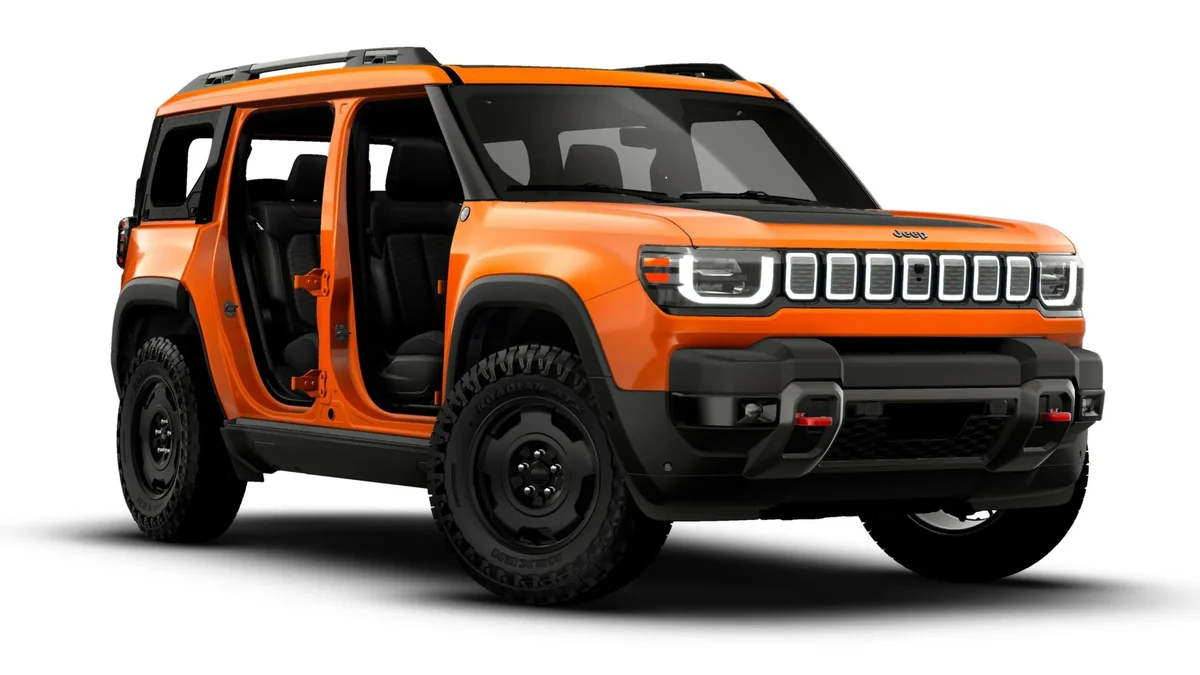
The Jeep Recon (2026) is an electric adventure rig for drivers who want to solve the “capable Jeep, zero-emissions daily vehicle” dilemma without settling for a bland crossover. Its 650-hp dual-motor 4WD powertrain is startlingly quick, and reviewers praise the removable doors and glass, trail hardware, spacious washable cabin, and genuine Jeep personality. The brand’s Trail Rated promise is broadly supported, though experts see it as better suited to recreational trails than Wrangler-level expeditions. The roughly 230–250-mile range can shrink quickly off-road, charging remains less convenient without NACS, and launch pricing near $70,000 makes it a specialized indulgence rather than an obvious bargain. Its overall appeal depends on adventure character, charging access, refinement, and ownership confidence.
Find Yours
What is your top priority for an Electric SUV's battery performance?
Answer to find your best matches.

The Field
Browse top contenders, or compare all options ranked by score and key attributes.
5 Options


The Scoreboard
Does this improve your life? Considers, health, habits, and environmental impact.
Benefits
Tall seating, comfortable seats, and generous headroom make long drives easier for people and gear.
Smooth, quiet power makes commuting feel calmer while delivering startling acceleration whenever you want it.
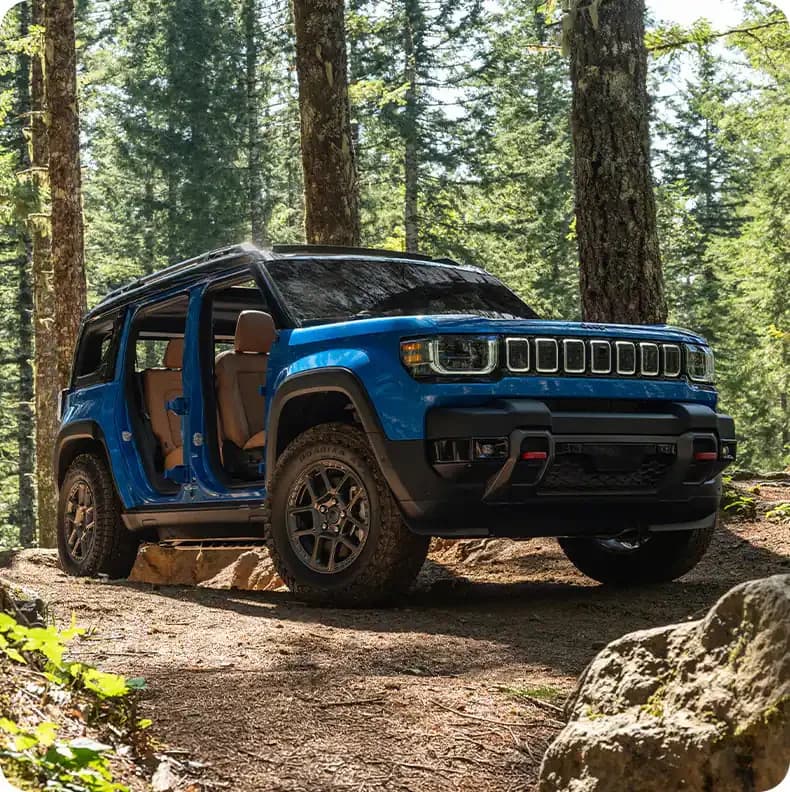
Removable doors, windows, and roof panels make trail days feel more social and connected.
Useful storage, reclining rear seats, and washable materials keep everyday gear organized and manageable.
Standard four-wheel drive, ground clearance, and low-speed electric torque make rough paths feel more controlled.
Trade-Offs
Adjusting temperature through the touchscreen takes extra glances when you just want quick changes.
The high cargo floor makes lifting groceries, strollers, or heavier gear in and out harder.
Modest real-world range means more charging stops and planning on longer trips away from home.
 Alternatives


Join the Circle
Where real meets deal
Know what's worth buying-and when.
Tips, special offers, and rewards for buying and sharing.

Publications
1 LEADING PUBLICATION REVIEWS

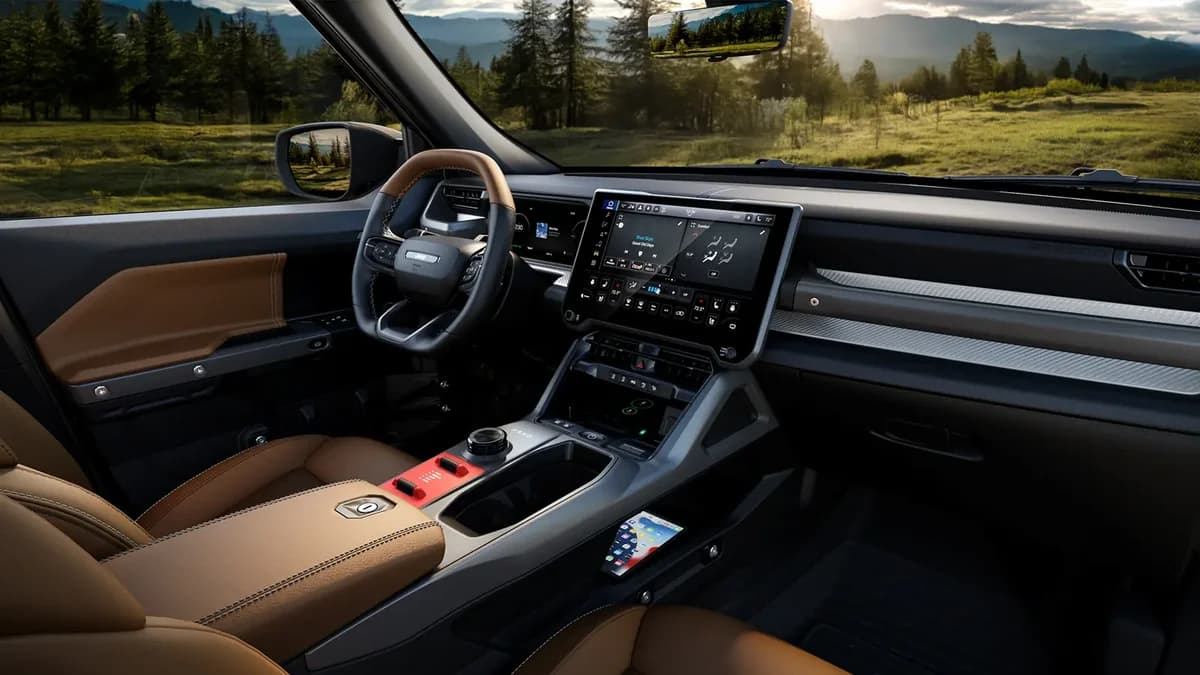
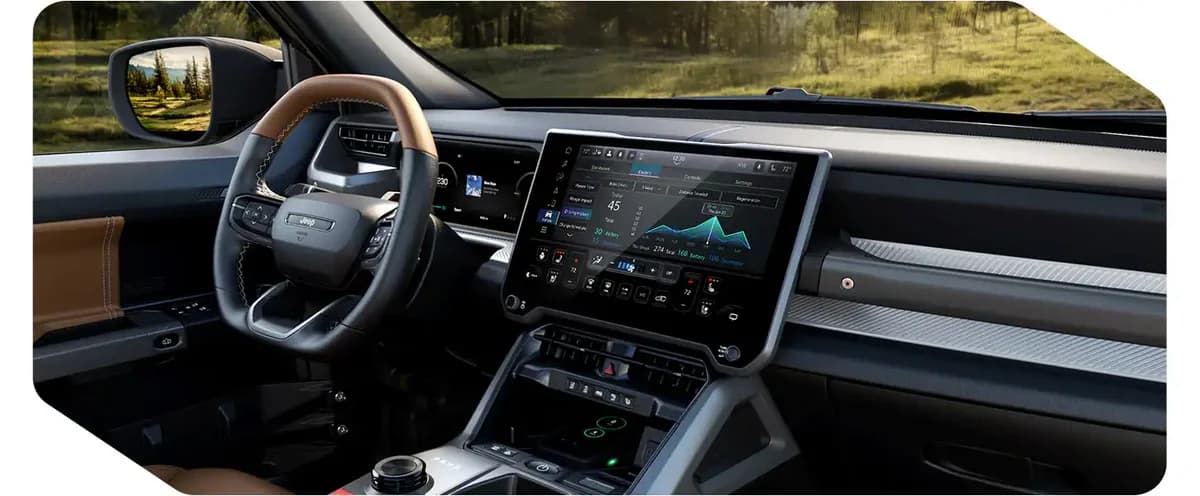
MotorTrend’s Alex Leanse comes away favorable about the Recon’s rugged, practical, and thoughtfully designed interior. The boxy cabin feels spacious, with comfortable seats, ample headroom, useful storage, easy-clean materials, and clever touches such as phone-friendly cupholders, cable pass-throughs, removable windows, and tool-free glass panels. The 14.5-inch Uconnect system is colorful and intuitive, while dedicated off-road camera views should be valuable on the Moab trim. Still, the review is based on a pre-production vehicle, and visible panel misalignments, a slightly sluggish touchscreen, screen-based climate controls, floppy cargo straps, limited front storage, and the lack of a place to stow removed doors or glass temper the enthusiasm. Overall, Leanse sees a distinctive, functional cabin that fits the Recon’s adventurous mission, though some details need refinement before it reaches customers.
By Alex Leanse

YouTube
6 LEADING EXPERT & INFLUENCER REVIEWS
 Auto Buyers Guide | Alex on Autos
Alex on Autos is strongly impressed by the Recon’s authentic Jeep character and clever open-air design. He appreciates the removable doors and windows, full-size spare, upright cabin, practical cargo area, 9.1 inches of ground clearance, locking rear differential, and substantial skid plates. The 650-horsepower dual-motor setup should be exceptionally quick and useful off-road, though he cautions that its unibody construction and independent suspension make it more Grand Cherokee than Wrangler. His main concern is efficiency: the boxy shape, spare tire, and 6,112-pound weight limit range to roughly 230 miles, while climate controls and some underbody protection feel compromised. Overall, he views it as the Jeep EV that should have come first.
Cars.comAaron Bragman is cautiously positive about the 2026 Jeep Recon, especially its surprisingly spacious, tall cabin and distinctive removable-door, open-air design. Compared with the Rivian R2, the Recon feels larger inside and uses practical, wipe-clean materials suited to off-road adventures, though they seem less upscale. Its 650 horsepower and 3.6-second sprint are impressive, but roughly 250 miles of range trails the Rivian’s target. Bragman’s biggest concern is price: the launch-edition Moab starts around $68,000, leaving the Recon looking expensive unless more affordable versions arrive.
Auto Buyers Guide | Alex on AutosAlex on Autos is strongly impressed by the Recon’s authentic Jeep character and clever open-air design. He appreciates the removable doors and windows, full-size spare, upright cabin, practical cargo area, 9.1 inches of ground clearance, locking rear differential, and substantial skid plates. The 650-horsepower dual-motor setup should be exceptionally quick and useful off-road, though he cautions that its unibody construction and independent suspension make it more Grand Cherokee than Wrangler. His main concern is efficiency: the boxy shape, spare tire, and 6,112-pound weight limit range to roughly 230 miles, while climate controls and some underbody protection feel compromised. Overall, he views it as the Jeep EV that should have come first.
Cars.comAaron Bragman is cautiously positive about the 2026 Jeep Recon, especially its surprisingly spacious, tall cabin and distinctive removable-door, open-air design. Compared with the Rivian R2, the Recon feels larger inside and uses practical, wipe-clean materials suited to off-road adventures, though they seem less upscale. Its 650 horsepower and 3.6-second sprint are impressive, but roughly 250 miles of range trails the Rivian’s target. Bragman’s biggest concern is price: the launch-edition Moab starts around $68,000, leaving the Recon looking expensive unless more affordable versions arrive.
Auto Buyers Guide | Alex on AutosAlex on Autos is strongly impressed by the Recon’s authentic Jeep character and clever open-air design. He appreciates the removable doors and windows, full-size spare, upright cabin, practical cargo area, 9.1 inches of ground clearance, locking rear differential, and substantial skid plates. The 650-horsepower dual-motor setup should be exceptionally quick and useful off-road, though he cautions that its unibody construction and independent suspension make it more Grand Cherokee than Wrangler. His main concern is efficiency: the boxy shape, spare tire, and 6,112-pound weight limit range to roughly 230 miles, while climate controls and some underbody protection feel compromised. Overall, he views it as the Jeep EV that should have come first.
Cars.comAaron Bragman is cautiously positive about the 2026 Jeep Recon, especially its surprisingly spacious, tall cabin and distinctive removable-door, open-air design. Compared with the Rivian R2, the Recon feels larger inside and uses practical, wipe-clean materials suited to off-road adventures, though they seem less upscale. Its 650 horsepower and 3.6-second sprint are impressive, but roughly 250 miles of range trails the Rivian’s target. Bragman’s biggest concern is price: the launch-edition Moab starts around $68,000, leaving the Recon looking expensive unless more affordable versions arrive.

Social
1 INFLUENCER REVIEW
 SOCIAL Magazine
SOCIAL Magazine is moderately positive about the 2026 Jeep Recon, while remaining alert to its compromises. The electric SUV preserves Jeep’s boxy design, removable doors, and off-road identity, with instant torque making climbs feel effortless and road manners notably quiet and refined. Still, the reviewer finds it less raw and mechanical than traditional Jeeps, and warns that off-road range can fall quickly while remote charging is difficult. Ultimately, the Recon’s modern technology and capability appeal depends on whether buyers value electric performance over old-school Jeep character.

Forum Reviews
CUSTOMER REVIEWS FROM 1 FORUM
Redditors are mostly skeptical of the 2026 Jeep Recon, despite appreciating its adventurous design. Its removable doors, open-air roof, trail-focused hardware, and familiar Jeep identity earn genuine praise, with some owners excited to order one or add it alongside another Jeep. Still, the prevailing view is that roughly 220–250 miles of range, mediocre efficiency and charging, and a missing NACS port undermine an expensive $60,000–$70,000 EV off-roader. Concerns about Stellantis’ reliability, first-year quality, service, and real-world capability deepen the hesitation, leaving many interested but waiting for price cuts, better specifications, or proven ownership results.
Many comments

In-Depth Review

Highlights
- •Trail-Ready HardwareDesigned for moderate trail driving.
- •Rapid Electric Acceleration650 hp delivers startling response.
- •Spacious Practical CabinReviewers noted room and washable surfaces.
- •Removable Open-Air PanelsDesigned for tool-free open-air driving.

Considerations
- •Unfinished Interior DetailsPre-production fit and interface issues noted.
- •Limited Adventure RangeTrail driving can reduce range quickly.
- •High Launch PricingMoab pricing approaches $70,000.
- •Remote Trail LimitsIndependent suspension favors recreational trails.
Jeep brings its trail-tested identity into the EV market with a Recon aimed at adventurous drivers, not just commuters. Its Trail Rated hardware, removable doors and glass, and upright design give it more personality than mainstream electric SUVs, while 650 horsepower adds startling speed to weekend trail runs and everyday driving. The spacious, washable cabin should suit families, gear haulers, and Jeep loyalists, but reviewers also flag unfinished details and a less rugged foundation than a Wrangler. Range and charging deserve close attention, particularly for remote trips, as does the practical value of its cargo area and open-air features. Explore how its roughly 230–250-mile range, 400-volt charging, and useful utility balance the premium price—because this Jeep may be happiest where the pavement ends, provided the charger comes along.
Cargo Utility Space
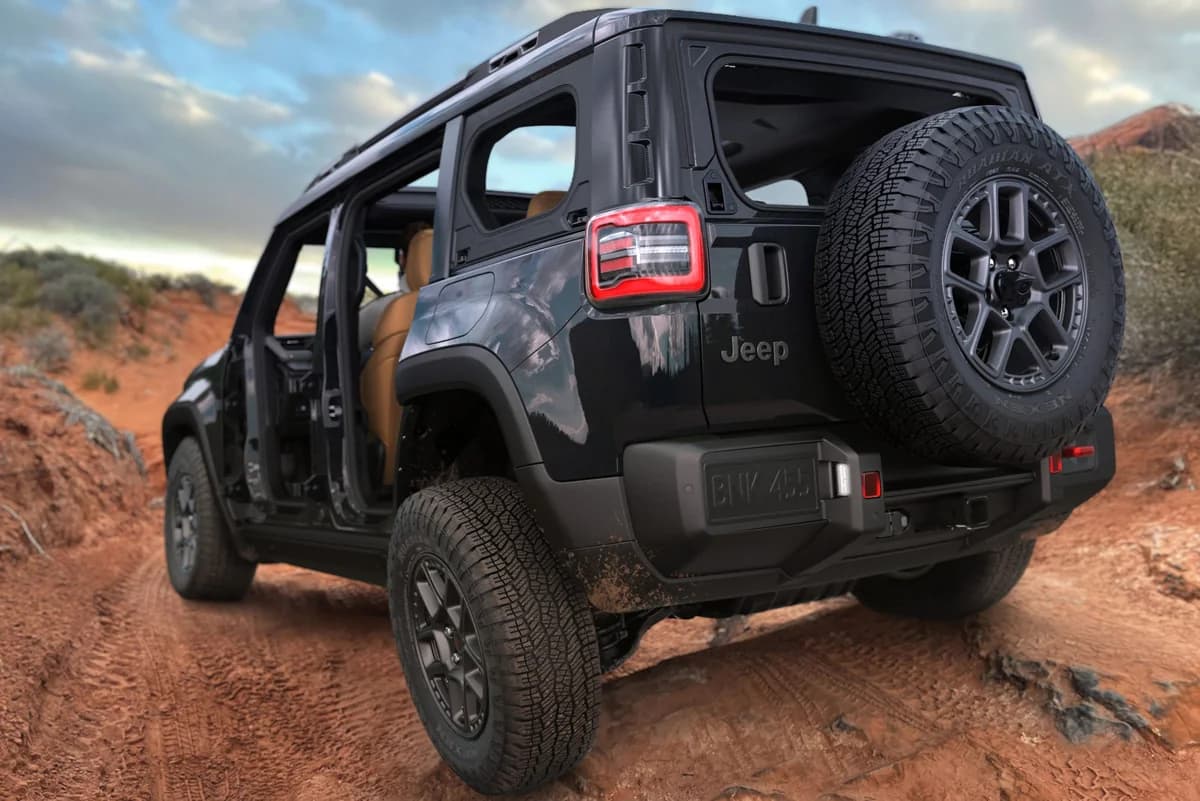
The Recon offers useful room for people and recreational equipment, though loading is not effortless. Its five-seat cabin provides about 30 to 33 cubic feet behind the rear seats and roughly 66 to 69 cubic feet with them folded, plus a small front storage compartment. The boxy profile and reclining rear seats support practical gear hauling, while the full-size spare reinforces its adventure focus. Reviewers note a high cargo lift-over and limited front storage, so bulky or heavy items may be harder to load than the generous volume suggests.

Electric Power Performance
The Recon’s acceleration is its most dramatic party trick, but the power also has practical trail value. Its dual motors produce 650 horsepower and 620 lb-ft of torque, giving it an estimated 0–60 mph time near 3.6 seconds, or about 3.8 seconds in some reports. That instant response can make low-speed climbs smooth and controllable, while quiet operation improves trail awareness. Reviewers consistently praise the performance, although extreme off-road use will likely reduce range and the high output does not make the Recon a replacement for a fully equipped Wrangler.
Trail Capability Hardware
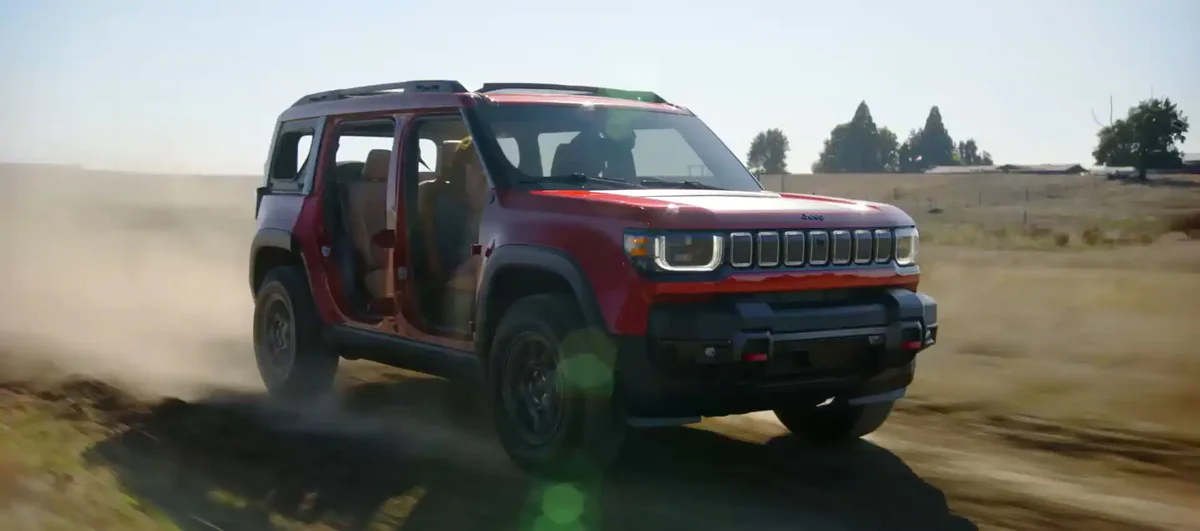
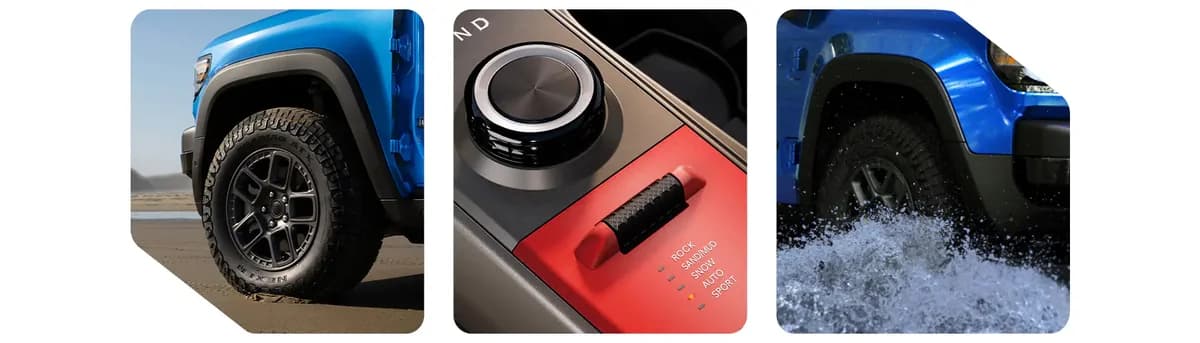
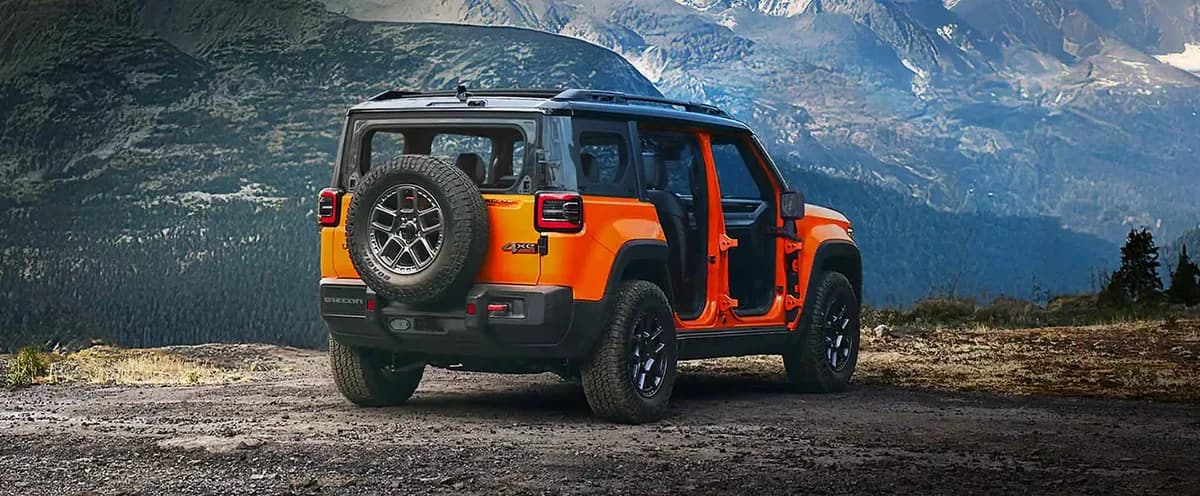
The Recon is built to make moderate trails feel genuinely approachable. Jeep’s Trail Rated positioning is supported by standard dual-motor 4WD, 9.1 inches of ground clearance, 33-inch all-terrain tires, skid plates, dedicated trail camera views, and a locking rear differential on relevant configurations. Its 33.8-degree approach angle and roughly 33-degree departure angle are useful, while independent suspension and unibody construction make it less specialized than a Wrangler. Expert reactions support real capability, but reviewers caution that it is better suited to recreational trails than remote expeditions.
Interior Practicality Quality
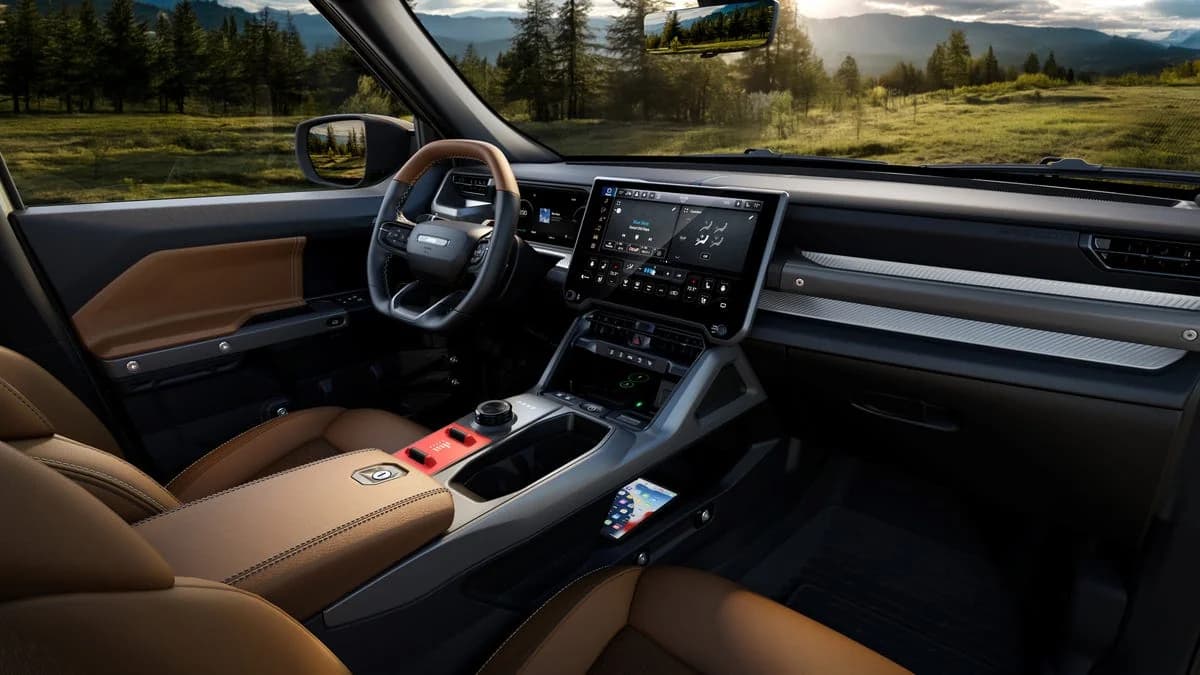
The upright cabin is one of the Recon’s more convincing everyday strengths. Reviewers describe spacious seating and generous headroom, with comfortable seats, reclining rear backs, washable surfaces, phone-friendly cupholders, cable pass-throughs, and useful underfloor storage. The 14.5-inch Uconnect touchscreen is colorful and generally intuitive, though screen-based climate controls are less convenient than physical switches. Pre-production panel misalignments, a sluggish interface, floppy cargo straps, limited front storage, and nowhere obvious to stow removed glass keep the interior from feeling fully polished.
Range Charging Reality
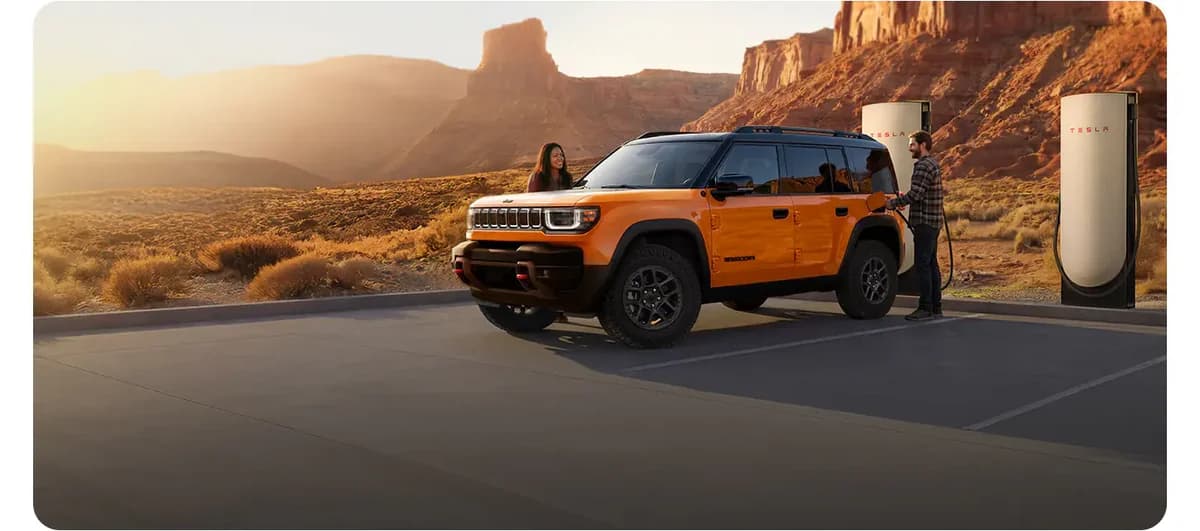
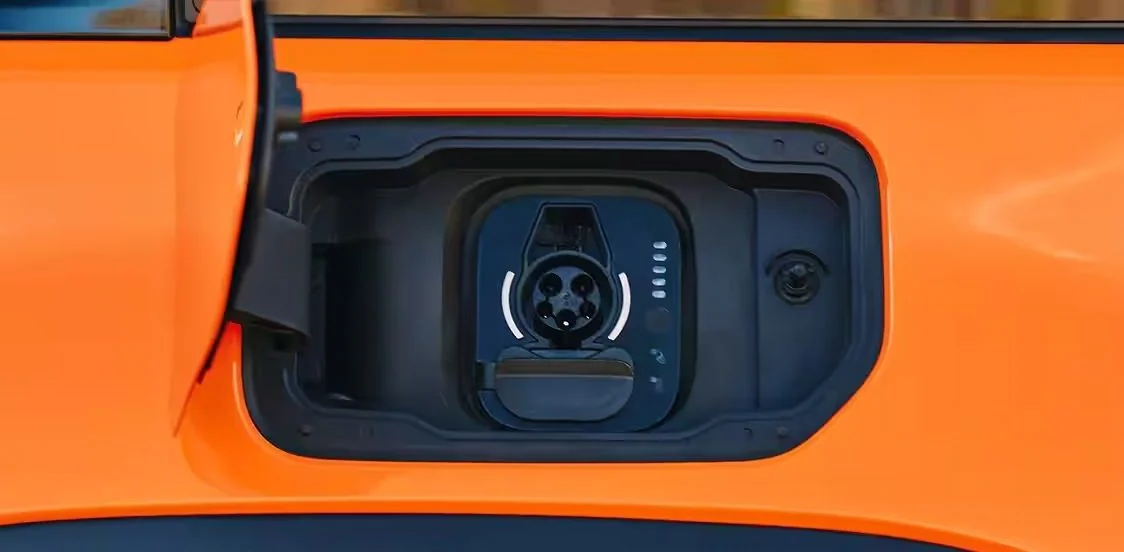
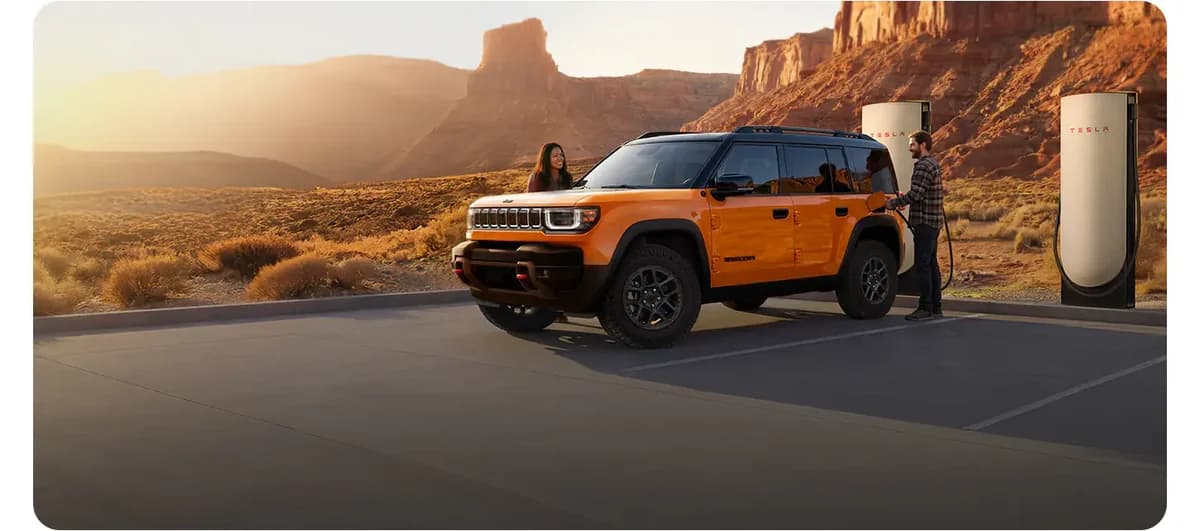
Battery endurance is the Recon’s clearest practical compromise. The 100.5-kWh pack is advertised at up to roughly 230 to 250 miles of range, depending on trim and configuration, but its boxy body, full-size spare, weight, and off-road tires work against efficiency. The 400-volt system and reported 10–80 percent DC charging time of about 28 minutes are respectable, yet the charging setup and missing NACS port concern shoppers. Reviews also warn that trail driving can drain the battery quickly, making remote adventures dependent on careful route planning.
Open Air Design
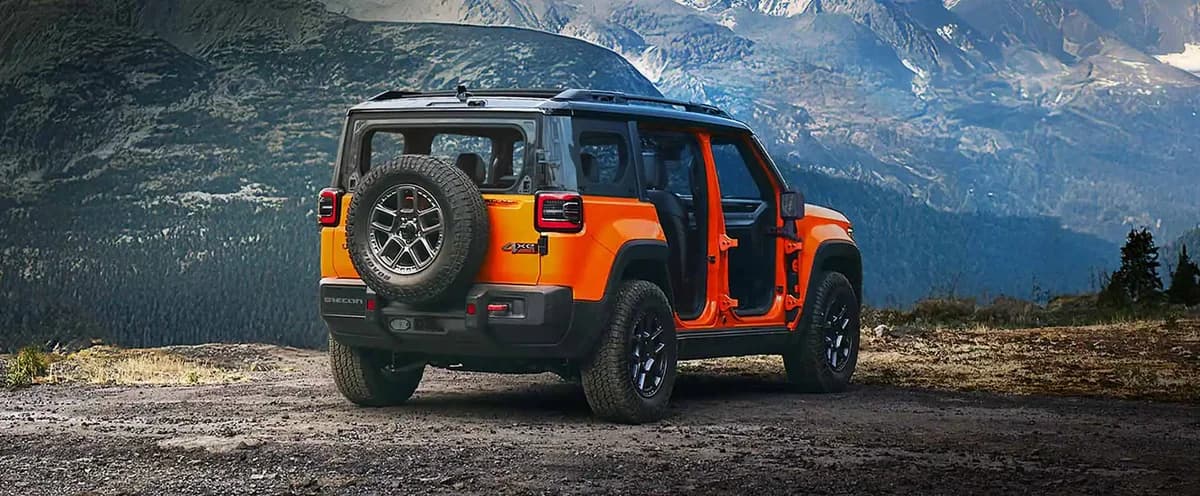
Removable panels give the Recon a personality few electric SUVs can match. Tool-free removable doors, windows, and glass panels support open-air driving while preserving Jeep’s familiar visual identity, and the upright shape makes the cabin feel connected to the trail. Reviewers see this as a genuine differentiator rather than decoration, although removed pieces lack a dedicated onboard storage location. The experience is quieter and more refined than a traditional Jeep, which some appreciate and others find less raw, so its appeal depends on how much old-school Jeep character you want.
Conclusion
The Recon makes its case where pavement fades: Trail Rated hardware, 4WD, clearance, skid plates, and a locking rear differential give it credible recreational-trail ability, while 650 horsepower makes every launch memorable and low-speed control effortless. Its removable doors and glass deliver genuine Jeep personality, and the spacious, washable cabin plus useful cargo room suit gear-heavy weekends. Yet the practical picture is mixed: pre-production fit-and-finish issues and screen-based climate controls need refinement, while 230–250-mile range, trail-related energy loss, 400-volt charging, and the absent NACS port complicate remote adventures. Experts see a distinctive lifestyle EV rather than a Wrangler replacement; cautious shoppers also question launch pricing and first-year ownership confidence. The Recon fits Jeep loyalists and weekend explorers with reliable charging access, but commuters seeking effortless road-trip value or hardcore expedition travelers should look elsewhere. Its compelling character earns consideration, though the compromises keep it from being an easy recommendation.

Feature Scores
This reflects reviews and ratings from established critics, journalists, and users who have evaluated the item. Their opinions provide a comprehensive assessment.
Performance
Driving Range
3/5
Charging Speed
3/5
Acceleration
5/5
Handling and Ride Comfort
4/5
Energy Efficiency
2/5
Battery Durability
3/5
Value
Purchase Price Competitiveness
3/5
Total Cost of Ownership
3/5
Resale Value
3/5
Design
Exterior Styling
5/5
Interior Space and Packaging
4/5
Ergonomics and Controls
3/5
Health
Cabin Air Quality
TBD
Low-Toxicity Materials
TBD
Safety
Crashworthiness
TBD
Active Safety Systems
TBD
Battery Safety Systems
TBD
Sustainability
Lifecycle Emissions
4/5
Battery Recyclability
TBD
Use of Recycled Materials
TBD
Experience Style
Infotainment and Connectivity
4/5
Charging Ecosystem Integration
2/5
Customization and Driving Modes
4/5

Specifications
This section outlines the product's key facts, covering essential features, details, dimensions, materials, and any unique characteristics that define its functionality and usability.
Performance
Value
Design
Safety
Sustainability
Experience Style

Frequently Asked Questions
13 Questions






Find Yours
What is your top priority for an Electric SUV's battery performance?
Answer to find your best matches.