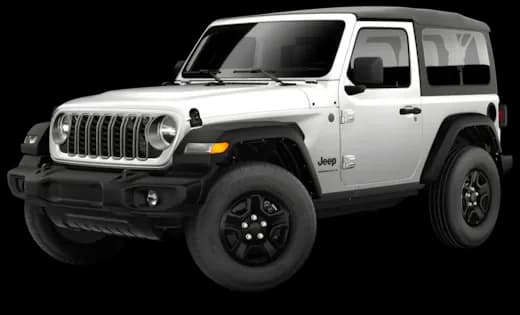
Jeep Wrangler (2026)
Trail-ready and open-air fun with modern tech, but highway manners remain demanding.
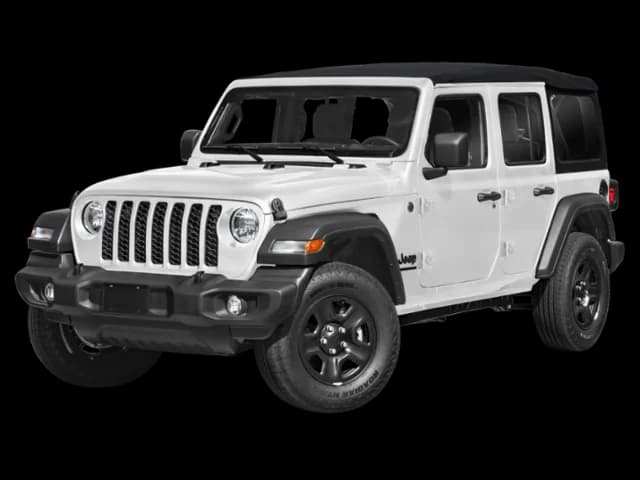
The 2026 Jeep Wrangler is an adventure machine disguised as an SUV, built for people who want to solve the problem of reaching trails, campsites, and weekend escapes without giving up everyday usability. Its standard four-wheel drive, genuine trail hardware, and removable roof and doors support Jeep’s rugged claims, while owners and experts say improved steering, ride quality, and cabin tech make it more livable than expected. Still, vague highway tracking, road noise, tight access, uneven safety equipment, and real-world fuel economy below 20 mpg temper the experience. Starting near $36,890, it offers compelling character and capability, but pricier trims demand genuine off-road use. Its overall recommendation rests on whether adventure value outweighs refinement and ownership compromises.
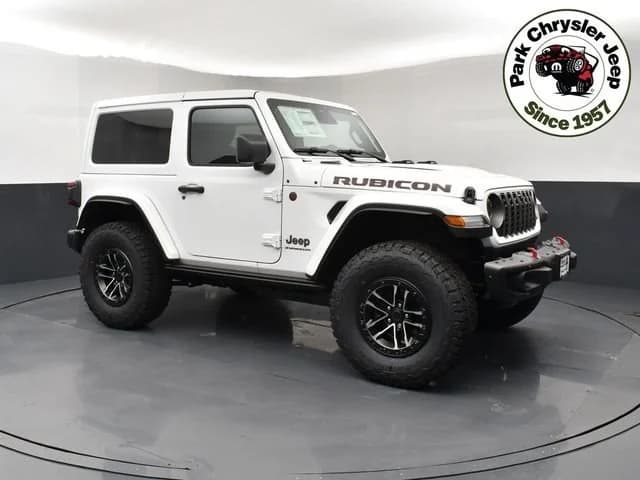
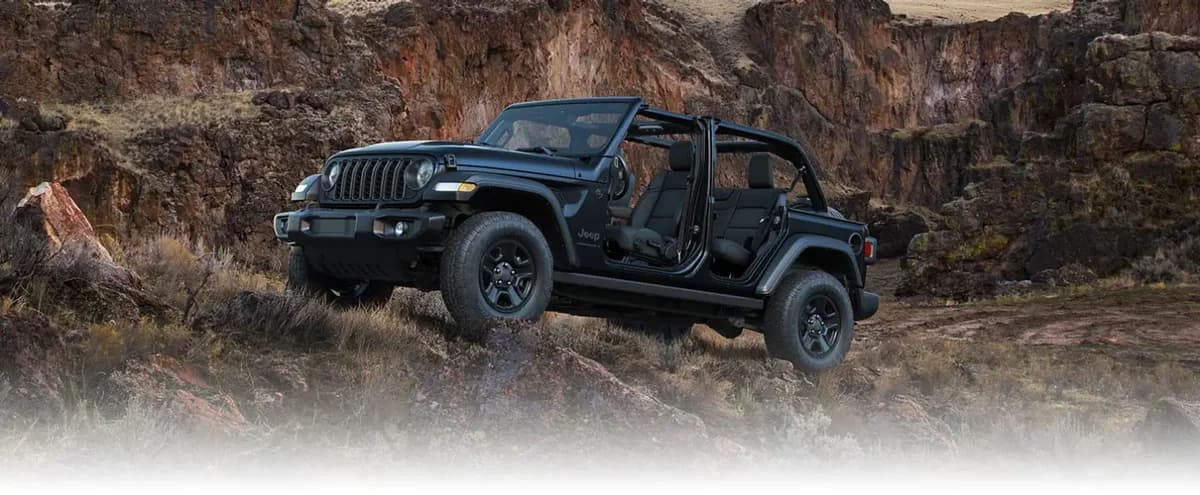
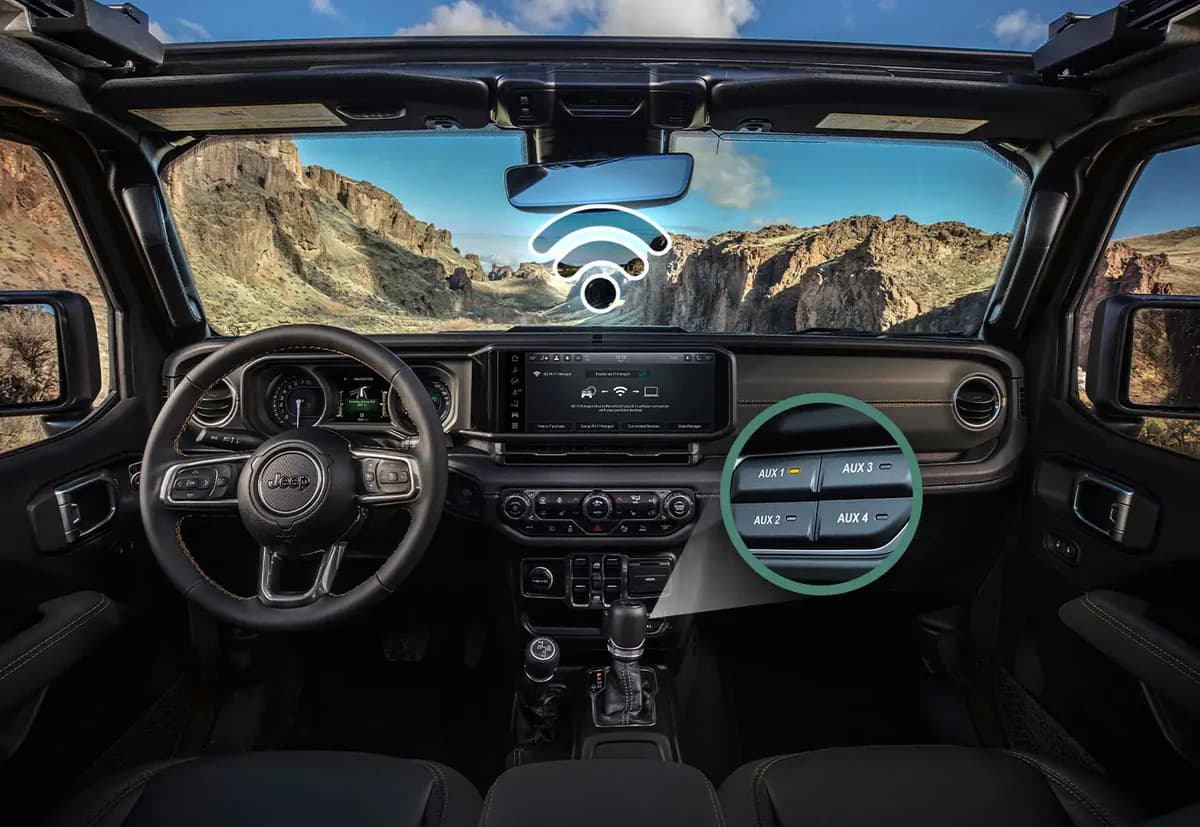
Find Yours
What is your primary use for a Gas-Powered SUV?
Answer to find your best matches.

The Field
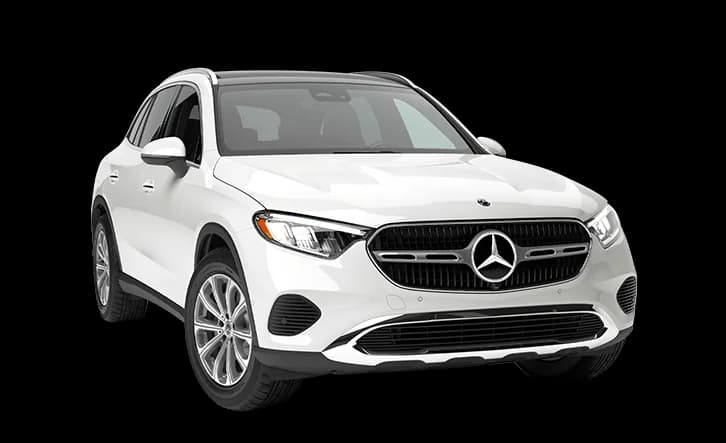
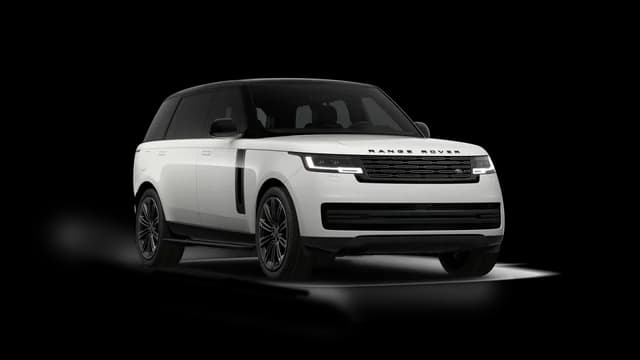
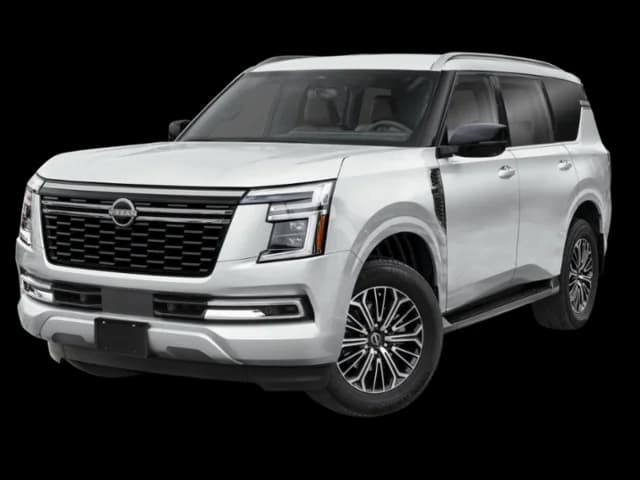
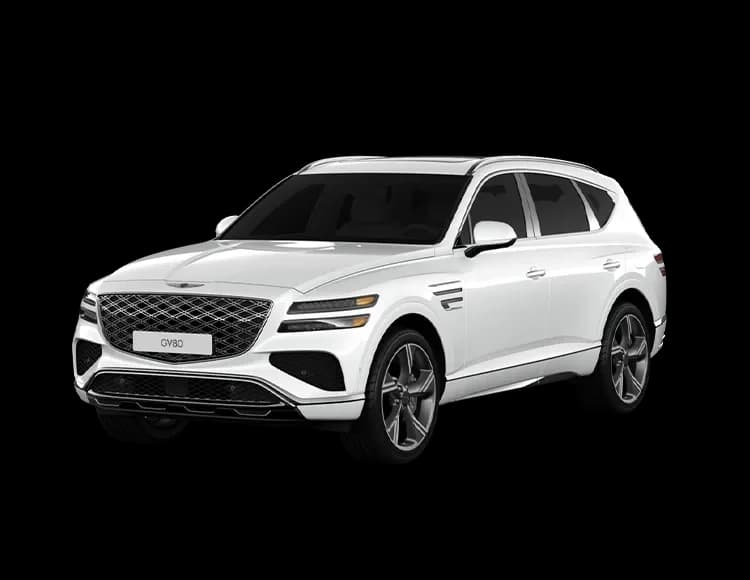
Browse top contenders, or compare all options ranked by score and key attributes.
5 Options

The Scoreboard
Does this improve your life? Considers, health, habits, and environmental impact.
Benefits
Removing roof panels and doors turns ordinary drives into memorable outdoor time.
Strong traction and purpose-built hardware make rough trails feel manageable, not intimidating.
Clear controls and large touchscreen make music, navigation, and phone use straightforward.
Its compact footprint and upright visibility make parking and tight streets easier.
Trade-Offs
Wind and tire noise make conversations, calls, and quiet highway driving harder.
Flat seats and limited support can leave longer drives feeling uncomfortable and tiring.
Frequent steering corrections and jolts make routine highway trips less relaxed than expected.
Tight cabin space and clumsy rear access make loading passengers, groceries, or gear frustrating.
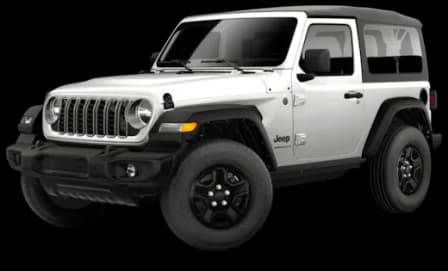
 Alternatives


Join the Circle
Where real meets deal
Know what's worth buying-and when.
Tips, special offers, and rewards for buying and sharing.

Publications
6 LEADING PUBLICATION REVIEWS

Car and Driver views the 2026 Wrangler positively, though mainly as a specialized off-roader rather than a refined daily SUV. Its enduring appeal lies in its boxy design, removable doors and roof, immense customization, and genuinely impressive trail capability. The review appreciates the easy-to-use 12.3-inch Uconnect system, strong engine choices, and quick 392, while recommending the practical four-door Willys with the hybrid four-cylinder for everyday owners. Still, the Wrangler remains compromised on pavement: steering is wayward, the ride can be rough—especially in the two-door—and visibility, cargo practicality, fuel economy, towing, and available driver assistance trail modern rivals. Car and Driver’s 7.5/10 verdict captures the trade-off well: this is an unapologetically brutish, highly capable Jeep that remains iconic and fun, but borderline unwieldy outside its off-road comfort zone.
By Beth Nichols
Edmunds’ Josh Jacquot is lukewarm on the 2026 Jeep Wrangler, despite respecting its unmatched off-road identity. The Rubicon, especially with the Xtreme package, tackles rocky trails and sand confidently, while the removable roof and doors deliver a genuinely distinctive open-air experience. It also offers useful technology, easy controls, strong towing capacity, and a broad price range that makes it feel reasonably worthwhile. However, everyday driving exposes significant compromises: vague highway steering, sluggish V6 acceleration, long emergency stopping distances, optional driver aids, uncomfortable seats, and punishing wind and tire noise. The narrow cabin and limited storage further trail the Ford Bronco, though the boxy body remains practical and the ride handles rough pavement well. Overall, the Wrangler remains a compelling enthusiast vehicle with decades of heritage, but its poor on-road refinement keeps it below average as an all-purpose SUV.
By Josh Jacquot
Car and Driver views the 2026 Wrangler positively, though mainly as a specialized off-roader rather than a refined daily SUV. Its enduring appeal lies in its boxy design, removable doors and roof, immense customization, and genuinely impressive trail capability. The review appreciates the easy-to-use 12.3-inch Uconnect system, strong engine choices, and quick 392, while recommending the practical four-door Willys with the hybrid four-cylinder for everyday owners. Still, the Wrangler remains compromised on pavement: steering is wayward, the ride can be rough—especially in the two-door—and visibility, cargo practicality, fuel economy, towing, and available driver assistance trail modern rivals. Car and Driver’s 7.5/10 verdict captures the trade-off well: this is an unapologetically brutish, highly capable Jeep that remains iconic and fun, but borderline unwieldy outside its off-road comfort zone.
By Beth Nichols
Edmunds’ Josh Jacquot is lukewarm on the 2026 Jeep Wrangler, despite respecting its unmatched off-road identity. The Rubicon, especially with the Xtreme package, tackles rocky trails and sand confidently, while the removable roof and doors deliver a genuinely distinctive open-air experience. It also offers useful technology, easy controls, strong towing capacity, and a broad price range that makes it feel reasonably worthwhile. However, everyday driving exposes significant compromises: vague highway steering, sluggish V6 acceleration, long emergency stopping distances, optional driver aids, uncomfortable seats, and punishing wind and tire noise. The narrow cabin and limited storage further trail the Ford Bronco, though the boxy body remains practical and the ride handles rough pavement well. Overall, the Wrangler remains a compelling enthusiast vehicle with decades of heritage, but its poor on-road refinement keeps it below average as an all-purpose SUV.
By Josh Jacquot
Car and Driver views the 2026 Wrangler positively, though mainly as a specialized off-roader rather than a refined daily SUV. Its enduring appeal lies in its boxy design, removable doors and roof, immense customization, and genuinely impressive trail capability. The review appreciates the easy-to-use 12.3-inch Uconnect system, strong engine choices, and quick 392, while recommending the practical four-door Willys with the hybrid four-cylinder for everyday owners. Still, the Wrangler remains compromised on pavement: steering is wayward, the ride can be rough—especially in the two-door—and visibility, cargo practicality, fuel economy, towing, and available driver assistance trail modern rivals. Car and Driver’s 7.5/10 verdict captures the trade-off well: this is an unapologetically brutish, highly capable Jeep that remains iconic and fun, but borderline unwieldy outside its off-road comfort zone.
By Beth Nichols
Edmunds’ Josh Jacquot is lukewarm on the 2026 Jeep Wrangler, despite respecting its unmatched off-road identity. The Rubicon, especially with the Xtreme package, tackles rocky trails and sand confidently, while the removable roof and doors deliver a genuinely distinctive open-air experience. It also offers useful technology, easy controls, strong towing capacity, and a broad price range that makes it feel reasonably worthwhile. However, everyday driving exposes significant compromises: vague highway steering, sluggish V6 acceleration, long emergency stopping distances, optional driver aids, uncomfortable seats, and punishing wind and tire noise. The narrow cabin and limited storage further trail the Ford Bronco, though the boxy body remains practical and the ride handles rough pavement well. Overall, the Wrangler remains a compelling enthusiast vehicle with decades of heritage, but its poor on-road refinement keeps it below average as an all-purpose SUV.
By Josh Jacquot

YouTube
11 LEADING EXPERT & INFLUENCER REVIEWS
 The Fast Lane Car
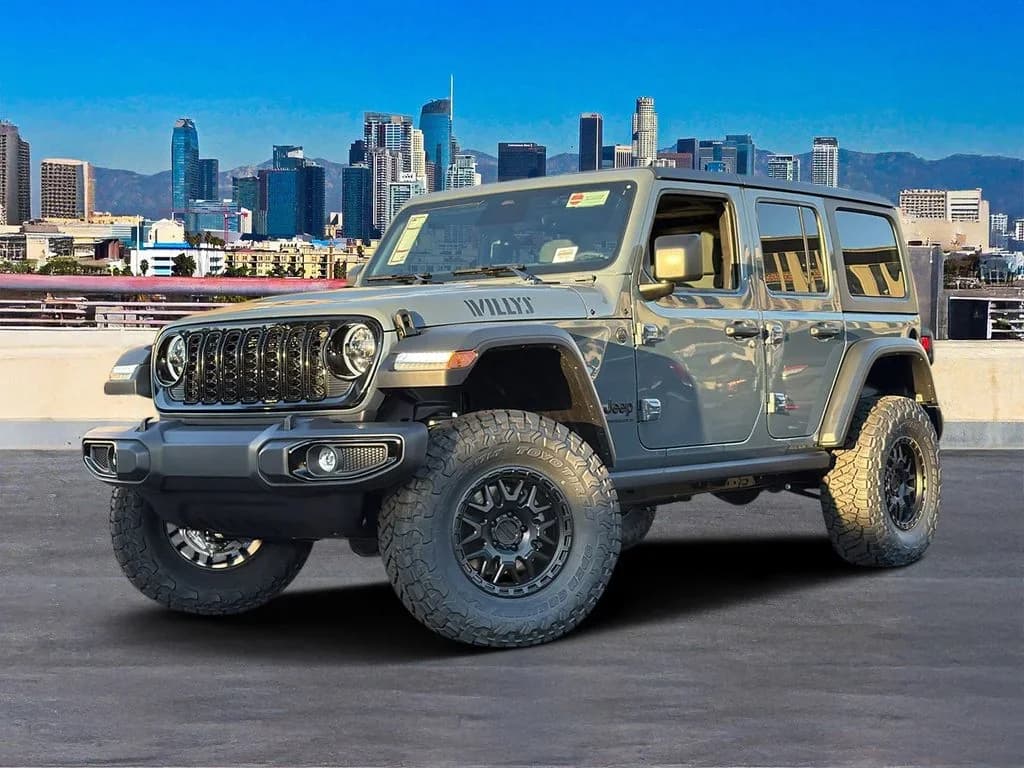
TFL Car is strongly positive about the 2026 Jeep Wrangler as a daily driver. After 3,000 miles across commuting, Moab, Utah trails, and snow, the team found its steering, compliant ride, cabin refinement, and open-air hardware far better than the Wrangler’s reputation suggests. They especially like its nimble size, strong off-road ability, airy cabin, easy roof and door removal, and V6’s practicality. Still, the seats are notably flat and unsupportive, rear-seat amenities are sparse, fuel economy is merely acceptable, and pricing is steep—about $57,000 for this Willys 41 Edition. Overall, compromises feel worthwhile for buyers wanting capability and character.
Ben HardyBen Hardy is frustrated with the Wrangler and regrets giving Jeep another chance. His modified Rubicon 392 is remarkably capable off-road, quiet and rattle-free despite aggressive use, and thrilling when everything works. But recurring infotainment crashes and lag, unreliable keyless entry, inaccurate fuel readings, and intermittent power-steering loss create a steady stream of irritating “gremlins.” Hardy stresses that none has stranded him yet, though their frequency undermines confidence, especially beside his consistently dependable Land Cruiser and Ineos Grenadier. Overall, he still enjoys the Wrangler’s performance and character, but cannot recommend its reliability without reservations.
The Fast Lane CarTFL Car is strongly positive about the 2026 Jeep Wrangler as a daily driver. After 3,000 miles across commuting, Moab, Utah trails, and snow, the team found its steering, compliant ride, cabin refinement, and open-air hardware far better than the Wrangler’s reputation suggests. They especially like its nimble size, strong off-road ability, airy cabin, easy roof and door removal, and V6’s practicality. Still, the seats are notably flat and unsupportive, rear-seat amenities are sparse, fuel economy is merely acceptable, and pricing is steep—about $57,000 for this Willys 41 Edition. Overall, compromises feel worthwhile for buyers wanting capability and character.
Ben HardyBen Hardy is frustrated with the Wrangler and regrets giving Jeep another chance. His modified Rubicon 392 is remarkably capable off-road, quiet and rattle-free despite aggressive use, and thrilling when everything works. But recurring infotainment crashes and lag, unreliable keyless entry, inaccurate fuel readings, and intermittent power-steering loss create a steady stream of irritating “gremlins.” Hardy stresses that none has stranded him yet, though their frequency undermines confidence, especially beside his consistently dependable Land Cruiser and Ineos Grenadier. Overall, he still enjoys the Wrangler’s performance and character, but cannot recommend its reliability without reservations.
The Fast Lane CarTFL Car is strongly positive about the 2026 Jeep Wrangler as a daily driver. After 3,000 miles across commuting, Moab, Utah trails, and snow, the team found its steering, compliant ride, cabin refinement, and open-air hardware far better than the Wrangler’s reputation suggests. They especially like its nimble size, strong off-road ability, airy cabin, easy roof and door removal, and V6’s practicality. Still, the seats are notably flat and unsupportive, rear-seat amenities are sparse, fuel economy is merely acceptable, and pricing is steep—about $57,000 for this Willys 41 Edition. Overall, compromises feel worthwhile for buyers wanting capability and character.
Ben HardyBen Hardy is frustrated with the Wrangler and regrets giving Jeep another chance. His modified Rubicon 392 is remarkably capable off-road, quiet and rattle-free despite aggressive use, and thrilling when everything works. But recurring infotainment crashes and lag, unreliable keyless entry, inaccurate fuel readings, and intermittent power-steering loss create a steady stream of irritating “gremlins.” Hardy stresses that none has stranded him yet, though their frequency undermines confidence, especially beside his consistently dependable Land Cruiser and Ineos Grenadier. Overall, he still enjoys the Wrangler’s performance and character, but cannot recommend its reliability without reservations.
The Fast Lane CarTFL Car is strongly positive about the 2026 Jeep Wrangler as a daily driver. After 3,000 miles across commuting, Moab, Utah trails, and snow, the team found its steering, compliant ride, cabin refinement, and open-air hardware far better than the Wrangler’s reputation suggests. They especially like its nimble size, strong off-road ability, airy cabin, easy roof and door removal, and V6’s practicality. Still, the seats are notably flat and unsupportive, rear-seat amenities are sparse, fuel economy is merely acceptable, and pricing is steep—about $57,000 for this Willys 41 Edition. Overall, compromises feel worthwhile for buyers wanting capability and character.
Ben HardyBen Hardy is frustrated with the Wrangler and regrets giving Jeep another chance. His modified Rubicon 392 is remarkably capable off-road, quiet and rattle-free despite aggressive use, and thrilling when everything works. But recurring infotainment crashes and lag, unreliable keyless entry, inaccurate fuel readings, and intermittent power-steering loss create a steady stream of irritating “gremlins.” Hardy stresses that none has stranded him yet, though their frequency undermines confidence, especially beside his consistently dependable Land Cruiser and Ineos Grenadier. Overall, he still enjoys the Wrangler’s performance and character, but cannot recommend its reliability without reservations.
The Fast Lane CarTFL Car is strongly positive about the 2026 Jeep Wrangler as a daily driver. After 3,000 miles across commuting, Moab, Utah trails, and snow, the team found its steering, compliant ride, cabin refinement, and open-air hardware far better than the Wrangler’s reputation suggests. They especially like its nimble size, strong off-road ability, airy cabin, easy roof and door removal, and V6’s practicality. Still, the seats are notably flat and unsupportive, rear-seat amenities are sparse, fuel economy is merely acceptable, and pricing is steep—about $57,000 for this Willys 41 Edition. Overall, compromises feel worthwhile for buyers wanting capability and character.
Ben HardyBen Hardy is frustrated with the Wrangler and regrets giving Jeep another chance. His modified Rubicon 392 is remarkably capable off-road, quiet and rattle-free despite aggressive use, and thrilling when everything works. But recurring infotainment crashes and lag, unreliable keyless entry, inaccurate fuel readings, and intermittent power-steering loss create a steady stream of irritating “gremlins.” Hardy stresses that none has stranded him yet, though their frequency undermines confidence, especially beside his consistently dependable Land Cruiser and Ineos Grenadier. Overall, he still enjoys the Wrangler’s performance and character, but cannot recommend its reliability without reservations.
The Fast Lane CarTFL Car is strongly positive about the 2026 Jeep Wrangler as a daily driver. After 3,000 miles across commuting, Moab, Utah trails, and snow, the team found its steering, compliant ride, cabin refinement, and open-air hardware far better than the Wrangler’s reputation suggests. They especially like its nimble size, strong off-road ability, airy cabin, easy roof and door removal, and V6’s practicality. Still, the seats are notably flat and unsupportive, rear-seat amenities are sparse, fuel economy is merely acceptable, and pricing is steep—about $57,000 for this Willys 41 Edition. Overall, compromises feel worthwhile for buyers wanting capability and character.
Ben HardyBen Hardy is frustrated with the Wrangler and regrets giving Jeep another chance. His modified Rubicon 392 is remarkably capable off-road, quiet and rattle-free despite aggressive use, and thrilling when everything works. But recurring infotainment crashes and lag, unreliable keyless entry, inaccurate fuel readings, and intermittent power-steering loss create a steady stream of irritating “gremlins.” Hardy stresses that none has stranded him yet, though their frequency undermines confidence, especially beside his consistently dependable Land Cruiser and Ineos Grenadier. Overall, he still enjoys the Wrangler’s performance and character, but cannot recommend its reliability without reservations.

Forum Reviews
CUSTOMER REVIEWS FROM 1 FORUM
Redditors are cautiously positive about the 2026 Jeep Wrangler, but reliability concerns remain prominent. Owners appreciate its improved steering, smoother ride, strong off-road hardware, removable roof and doors, and surprisingly capable daily-driving manners. The 2.0-liter turbo is generally viewed favorably, while gas mileage, wind noise, limited comfort, and awkward practicality remain familiar compromises. Some believe the 2026 feels more refined than earlier JL models, though others see only minor updates. New buyers are advised to avoid unnecessary Rubicon equipment for street use, negotiate aggressively, and scrutinize warranty coverage given recurring electrical, transmission, recall, and parts-availability complaints.
Many comments

In-Depth Review

Highlights
- •Trail-Ready HardwareDesigned for demanding terrain; reviewers found it highly capable.
- •More Livable DrivingReviewers noted smoother rides and improved steering.
- •Removable Roof And DoorsReviews found open-air driving genuinely distinctive.
- •Broad Powertrain ChoiceTurbo, V6, manual, and V8 options.

Considerations
- •Unsettled Highway MannersVague tracking demands frequent steering corrections.
- •High Fuel ConsumptionReal-world economy often falls below 20 mpg.
- •Tight Cabin AccessNarrow space and awkward rear access frustrate.
- •Limited Safety EquipmentDriver aids vary, with lengthy stopping distances.
The 2026 Jeep Wrangler remains the market’s most recognizable open-air off-road SUV, trading crossover polish for genuine adventure hardware. Built for trail driving, camping, and outdoor-minded daily use, it stands apart from the Ford Bronco and newer crossovers with standard four-wheel drive, solid-axle capability, and a broad trim range. Reviews suggest it is more livable than earlier Wranglers, but highway steering and ride manners still demand patience. We’ll examine how its turbo, V6, manual, and V8 options balance performance with fuel use, then consider the practical realities of removable doors and roof, cabin space, cargo access, braking, and driver assistance. Serious off-roaders, lifestyle buyers, and enthusiasts will find the strongest case here; everyone else should inspect the compromises closely—because this Jeep is happiest where the pavement ends.
Braking And Safety
The Wrangler’s safety story is less convincing than its trail hardware. Available driver-assistance features can add useful monitoring and alerts, but equipment varies by trim and blind-spot monitoring is not always included. Testing and reviews have raised concerns about long stopping distances, with one Rubicon taking 139 feet from 60 mph, while the model’s one-star Euro NCAP result remains an uncomfortable reference. The missing 360-degree camera on some expensive versions and limited standard technology make careful option comparison important.
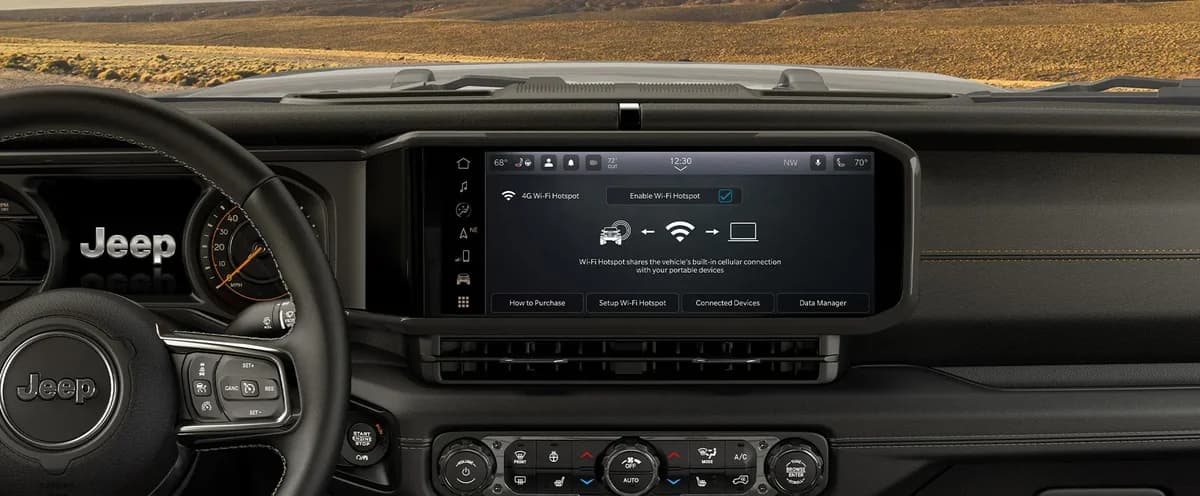
Removable Roof And Doors
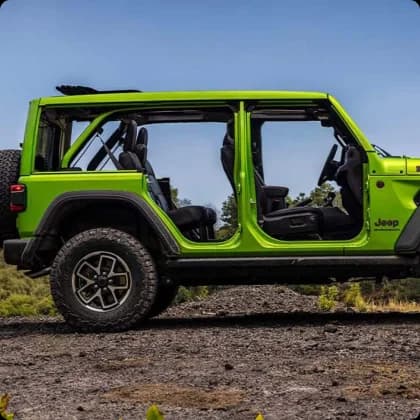
Open-air flexibility is what makes the Wrangler feel unlike an ordinary SUV. Removable doors and roof panels support doorless trail driving, while the available Sky One-Touch power top offers exposure without requiring a full manual teardown. Recent reviews describe the process as easier than expected, and owners consistently value the sense of occasion it creates. However, door removal can still be awkward, accessory mirrors may require tools, and weather, storage, and road noise limit how often the feature is practical.
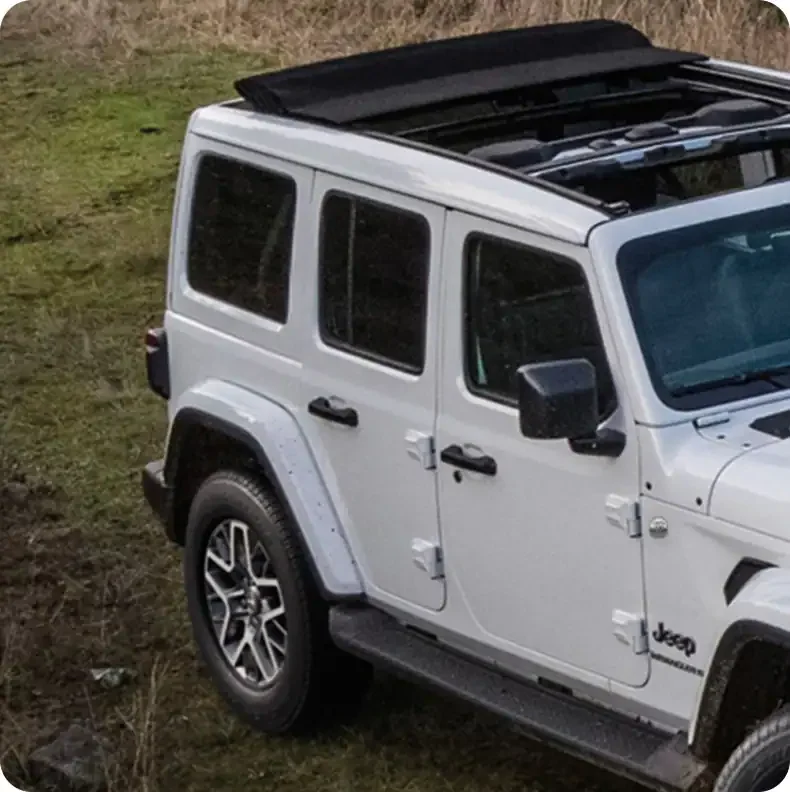
Powertrain And Economy
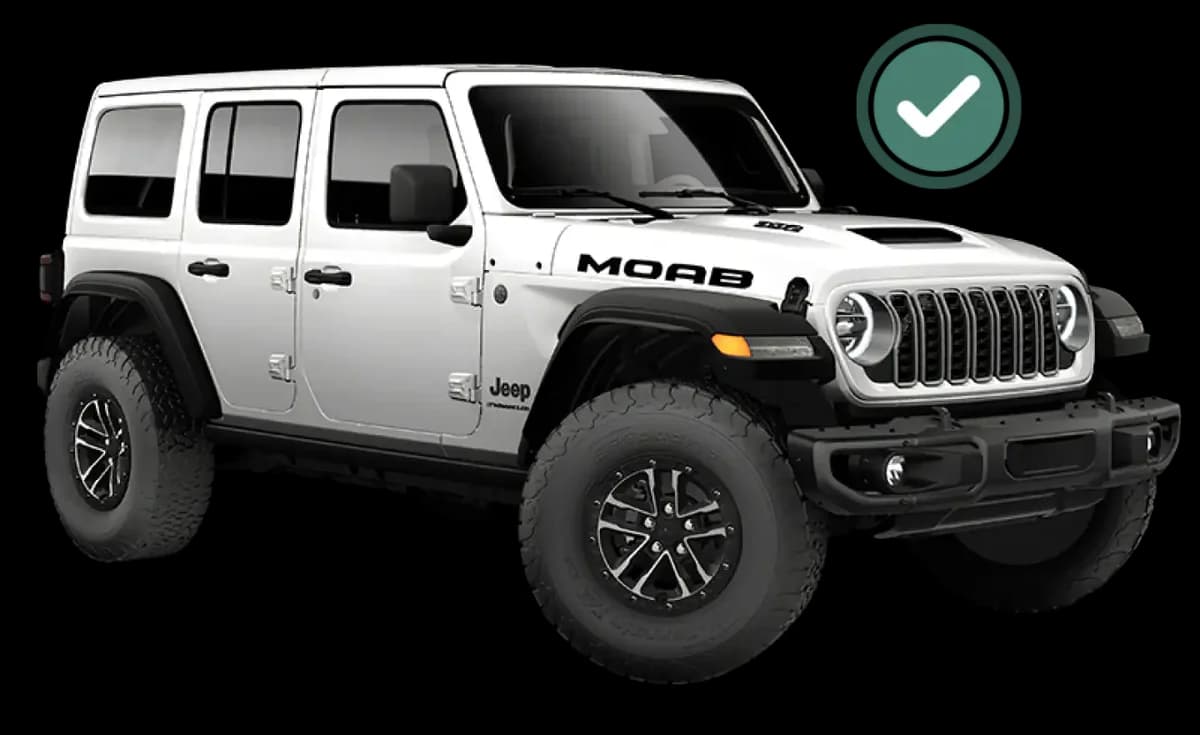
The engine lineup lets you choose between efficiency, involvement, and excess. The 2.0L turbo-four makes 270 horsepower and 295 lb-ft, and reviewers often prefer its torque and economy to the V6, while the 3.6L Pentastar offers 285 horsepower and an available six-speed manual. The 6.4L V8 in the Moab 392 produces 470 horsepower and 470 lb-ft, reaching 60 mph in about four seconds, but fuel use and purchase price rise sharply. Real-world reports around 16 mpg show the official maximum is difficult to match.
Cabin Space And Cargo
The four-door Wrangler is usable for families and gear, but it is not especially spacious or polished. Upright visibility, a 12.3-inch Uconnect touchscreen, wireless smartphone integration, and available heated 12-way power seats improve daily usability. Cargo volume reaches about 31.7 cubic feet, or 897.3 liters, behind the rear seats, yet the narrow cabin, flat front seats, sparse rear amenities, and clumsy rear access remain recurring complaints. The two-door seats four but is notably tighter, making the four-door the more sensible adventure base.
Ride And Steering
Road manners are improved, but the Wrangler still asks you to accept trucklike behavior. Owners and reviewers notice better steering and a smoother ride than earlier JL models, especially in four-door Sahara and Willys versions, with a compact footprint that helps around town. Highway driving remains less relaxed than in a Bronco or crossover because of vague tracking, body motion, wind noise, and tire roar. The two-door is generally rougher, while solid axles preserve trail strength at the cost of frequent steering corrections.
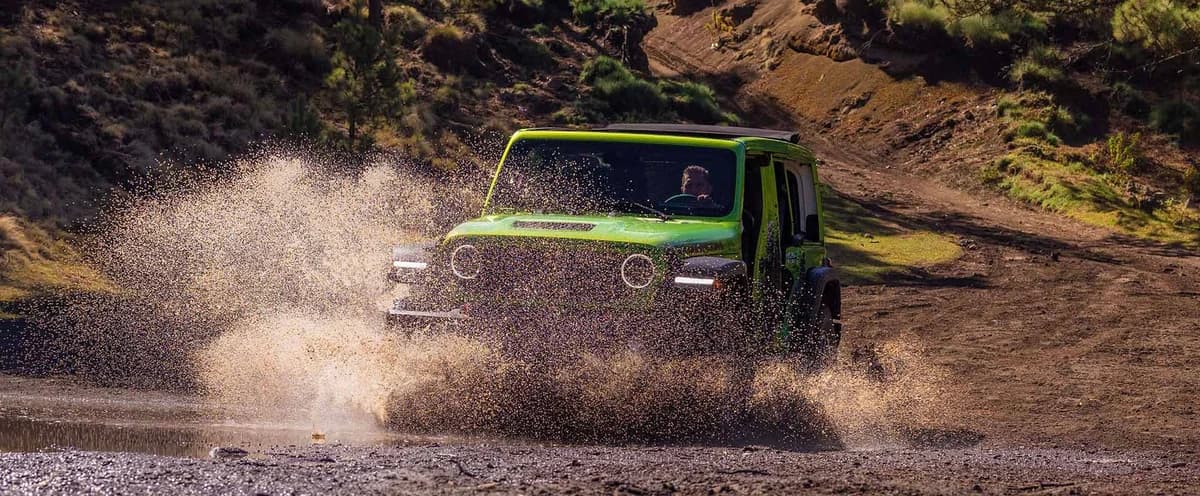
Off-Road Hardware
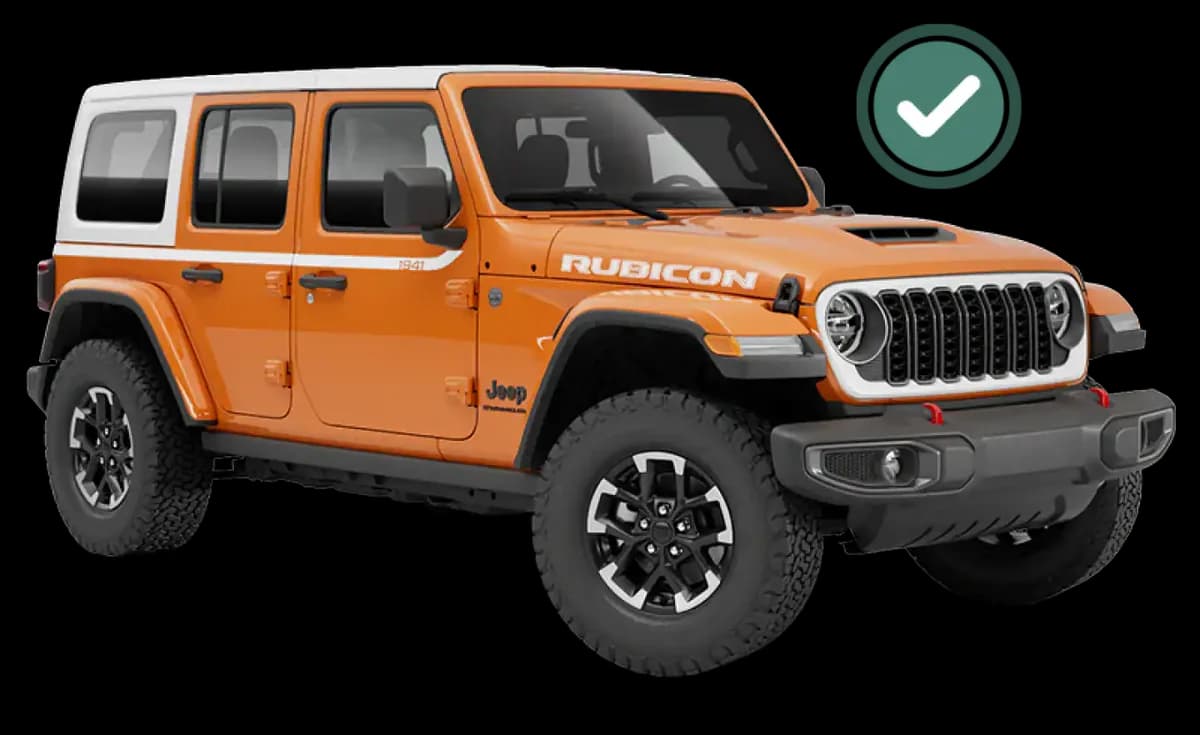
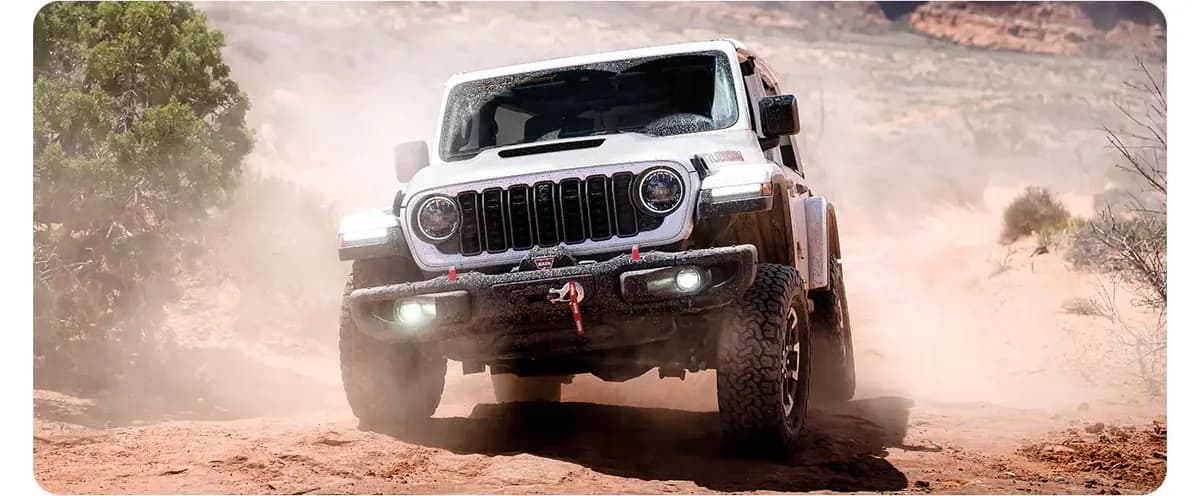
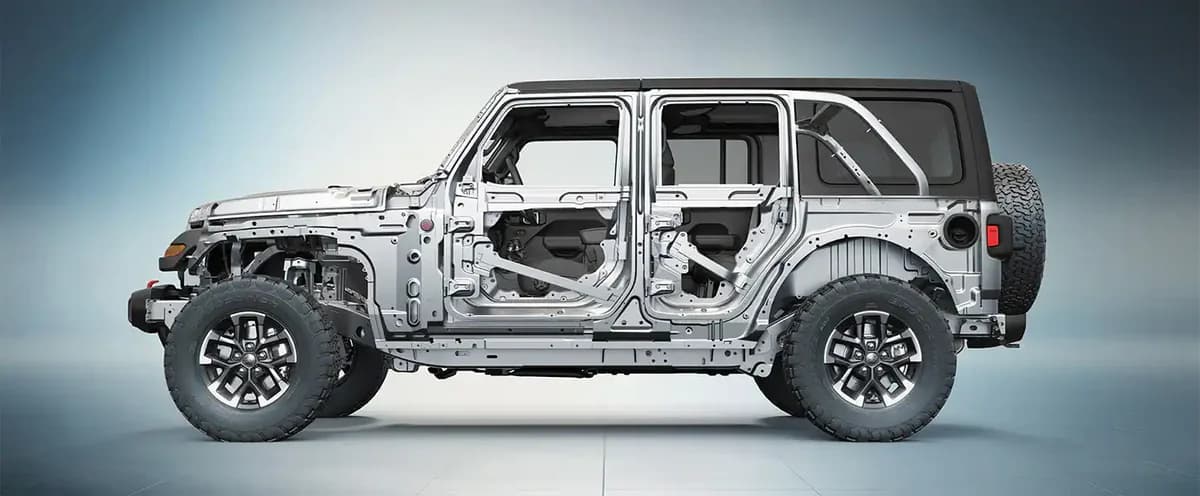
The Wrangler’s strongest argument is genuine trail capability rather than cosmetic ruggedness. Standard four-wheel drive supports every trim, while Rubicon versions add locking differentials, a disconnecting sway bar, rock rails, low-range gearing, and available 35-inch tires. Jeep’s Trail Rated claim is supported by impressive geometry, including up to a 47.4-degree approach angle and 32.4-degree breakover angle, plus roughly 760mm of water fording capability. Expert testing found it more capable than some larger rivals, though street-focused buyers may pay for hardware they rarely use.
Conclusion
The Wrangler’s appeal becomes clearest when you stop asking it to behave like a crossover: Trail-ready hardware and impressive geometry make serious terrain feel manageable, while removable doors and roof deliver an experience users genuinely value. Its turbo-four, V6/manual, and V8 choices add personality, though fuel consumption rises quickly, especially in the 392. Reviews acknowledge improved steering and ride quality, yet highway tracking, wind noise, and body motion remain real compromises. The four-door is the sensible choice for people and gear, but tight access, flat seats, and limited storage reduce family practicality. Braking distances and inconsistent active-safety equipment also deserve careful trim-by-trim checking. This is a strong match for off-roaders and adventure-minded owners who will use its open-air versatility; commuters seeking quiet comfort should look elsewhere. With capability and character outweighing—but not erasing—its costs, it earns a qualified recommendation.

Feature Scores
This reflects reviews and ratings from established critics, journalists, and users who have evaluated the item. Their opinions provide a comprehensive assessment.
Performance
Engine Power
4/5
Acceleration
4/5
Towing Capacity
4/5
Fuel Efficiency
2/5
Reliability
2/5
Durability
3/5
Value
Purchase Price
3/5
Operating Cost
2/5
Resale Value
4/5
Design
Interior Space
3/5
Cargo Capacity
3/5
Ergonomics
2/5
Exterior Styling
5/5
Health
Cabin Air Quality
TBD
Interior Material Toxicity
TBD
Safety
Crashworthiness
2/5
Active Driver Assistance
2/5
Braking Performance
2/5
Visibility and Lighting
3/5
Sustainability
Tailpipe Emissions
1/5
Fuel Lifecycle Emissions
1/5
Use of Recycled Materials
TBD
End-of-Life Recyclability
2/5
Experience Style
Infotainment Features
4/5
Ride Comfort Tuning
3/5
Customization Options
5/5

Specifications
This section outlines the product's key facts, covering essential features, details, dimensions, materials, and any unique characteristics that define its functionality and usability.
Performance
Value
Design
Safety
Sustainability
Experience Style

Frequently Asked Questions
6 Questions


Find Yours
What is your primary use for a Gas-Powered SUV?
Answer to find your best matches.