





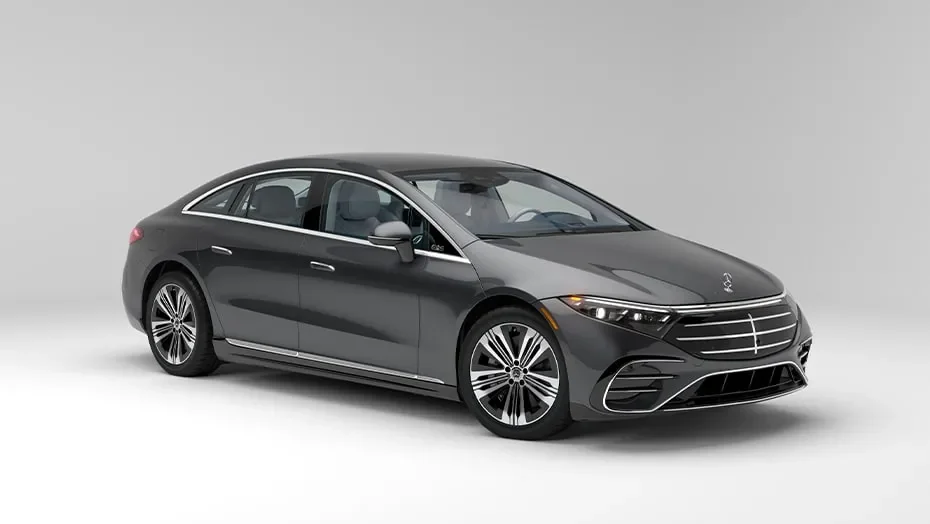
Mercedes-Benz EQS Sedan (2026)
Flagship quiet, long-range luxury with standout tech, but costly and imperfect.
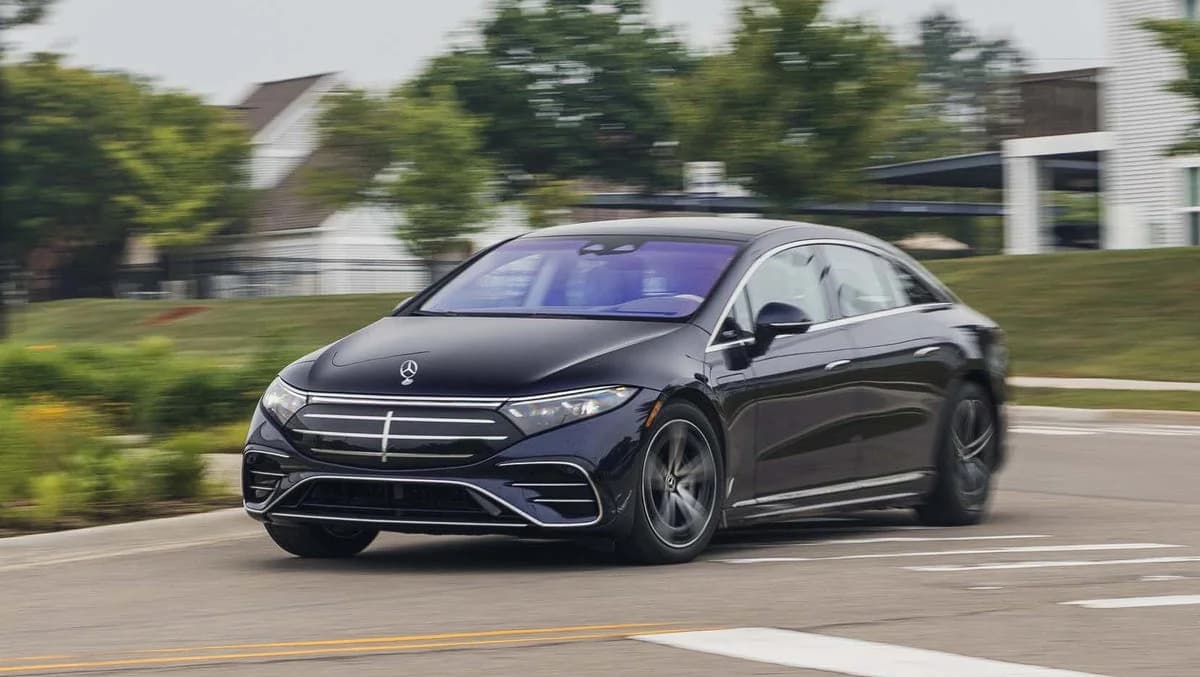
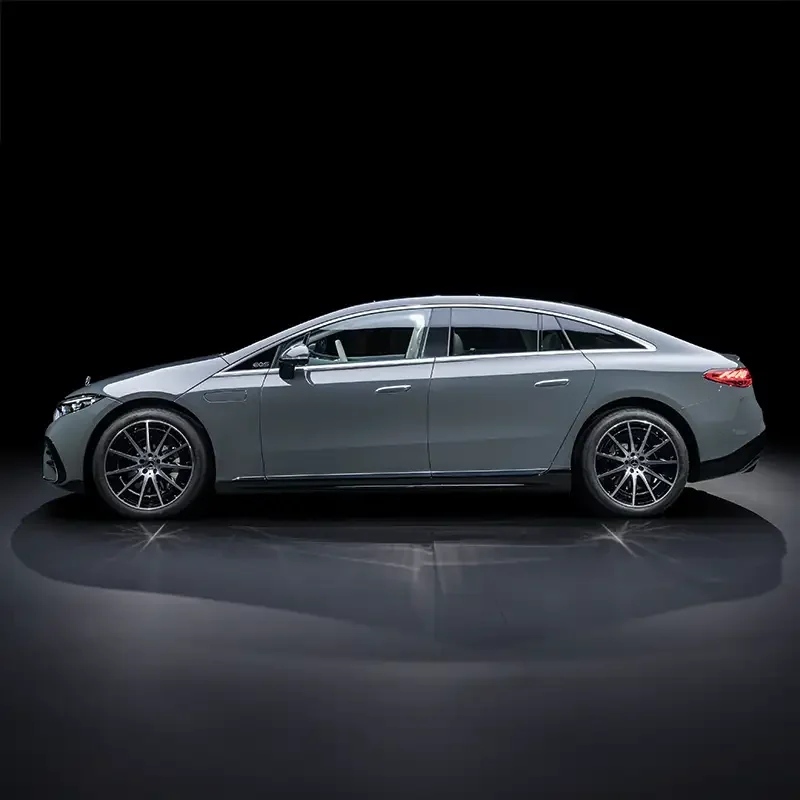
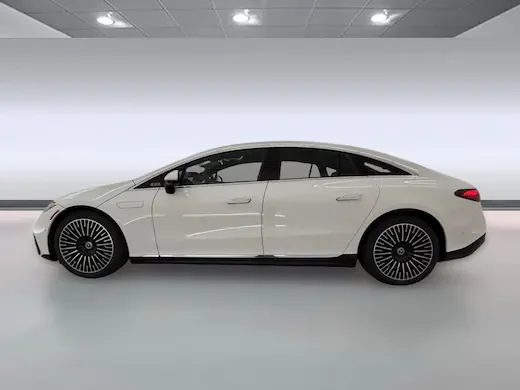
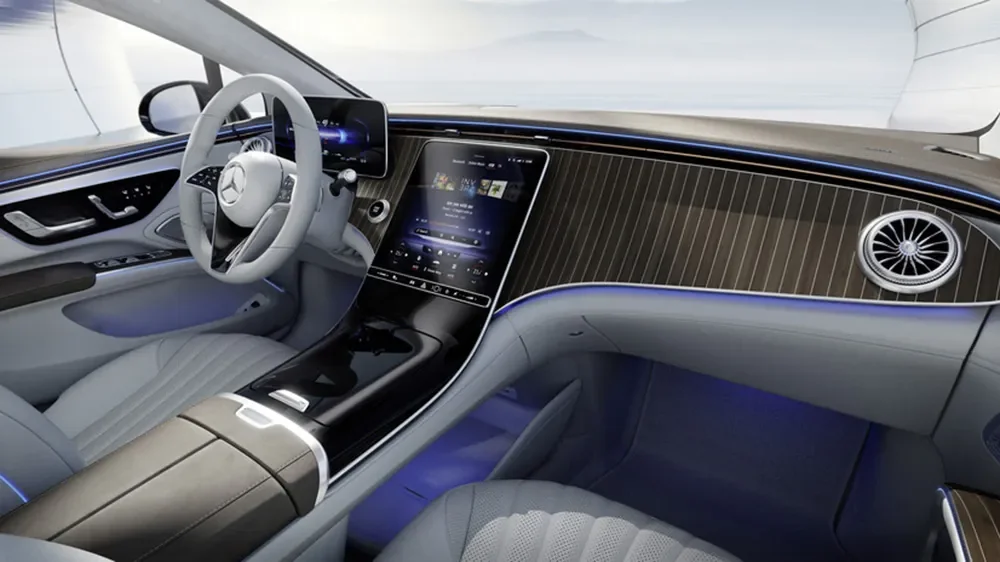
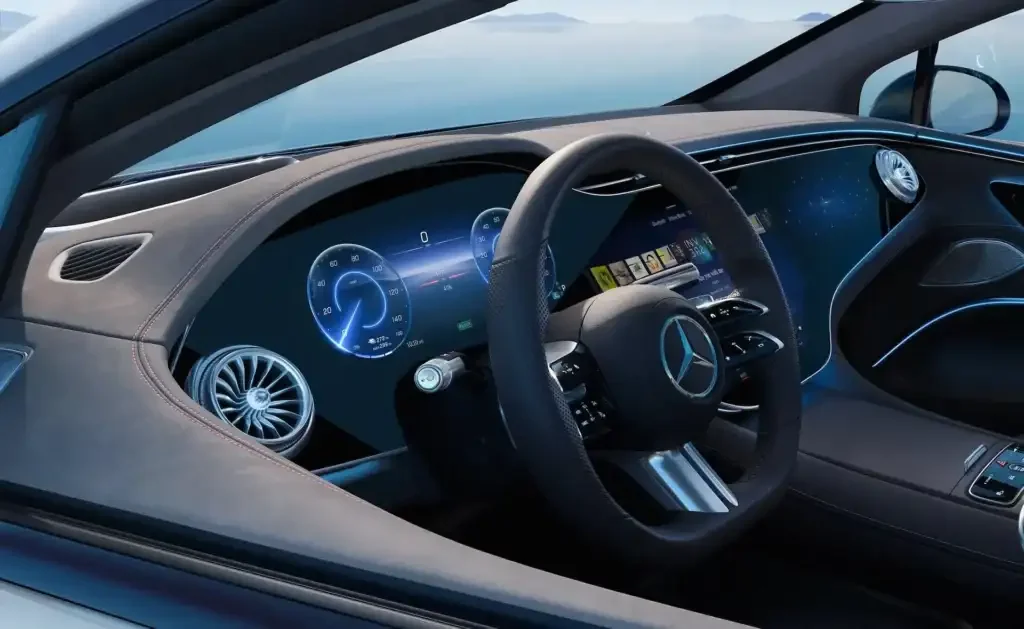
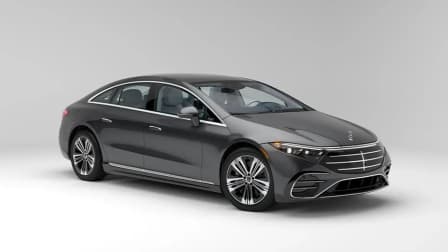
The Mercedes-Benz EQS Sedan (2026) is a serene electric limousine for drivers who want long journeys to feel like downtime. It targets luxury buyers seeking near-silent comfort, generous space, and less charging anxiety, and real-world testing broadly supports Mercedes’ range promise, with the 450+ delivering roughly 380 to 392 miles in favorable conditions. The 17.7-inch Hyperscreen and rear-wheel steering add genuine theater and surprising maneuverability, though reviewers question the distracting controls, inconsistent materials, cramped rear seating, and merely average charging speed. At six-figure prices, options and depreciation make its value difficult to defend, but it becomes compelling used with warranty protection. Overall, serenity, range, and prestige lift its appeal, while execution, charging, and cost temper the recommendation.
Find Yours
What is your primary intended use for an electric sedan or compact?
Answer to find your best matches.

The Field
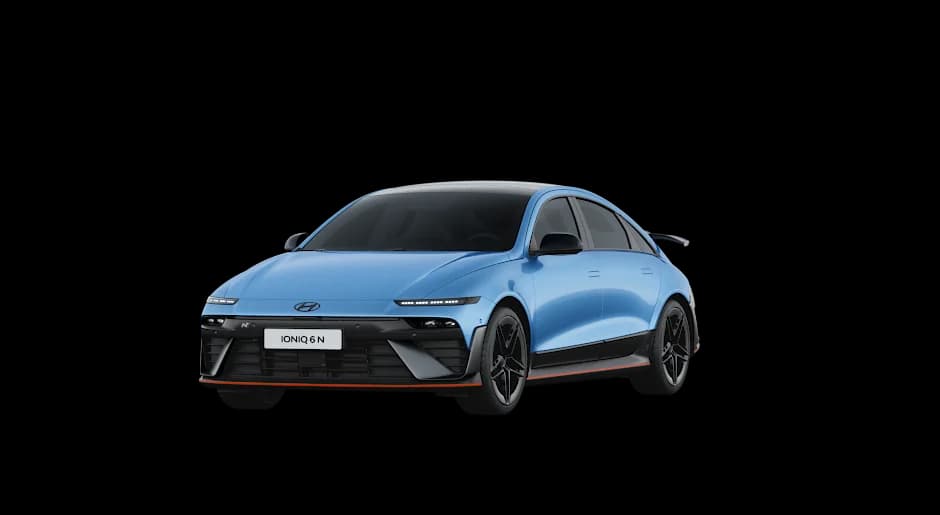
Browse top contenders, or compare all options ranked by score and key attributes.
5 Options



The Scoreboard
Does this improve your life? Considers, health, habits, and environmental impact.
Benefits
Near-silent travel makes long motorway trips feel restful instead of tiring.
Smooth suspension, supportive seats, and effortless power keep daily travel calm and comfortable.
Rear-wheel steering makes tight streets and parking easier despite the sedan’s enormous footprint.
The fastback opening swallows bulky luggage more easily than a conventional luxury sedan.
Excellent real-world range reduces charging stops and makes extended journeys feel more relaxed.
Trade-Offs
Its huge footprint complicates tight parking and narrow streets, even with rear-wheel steering.
Screen-heavy controls make simple adjustments distracting when you should be watching traffic.
On broken city roads, the suspension can thump and leave passengers unsettled.
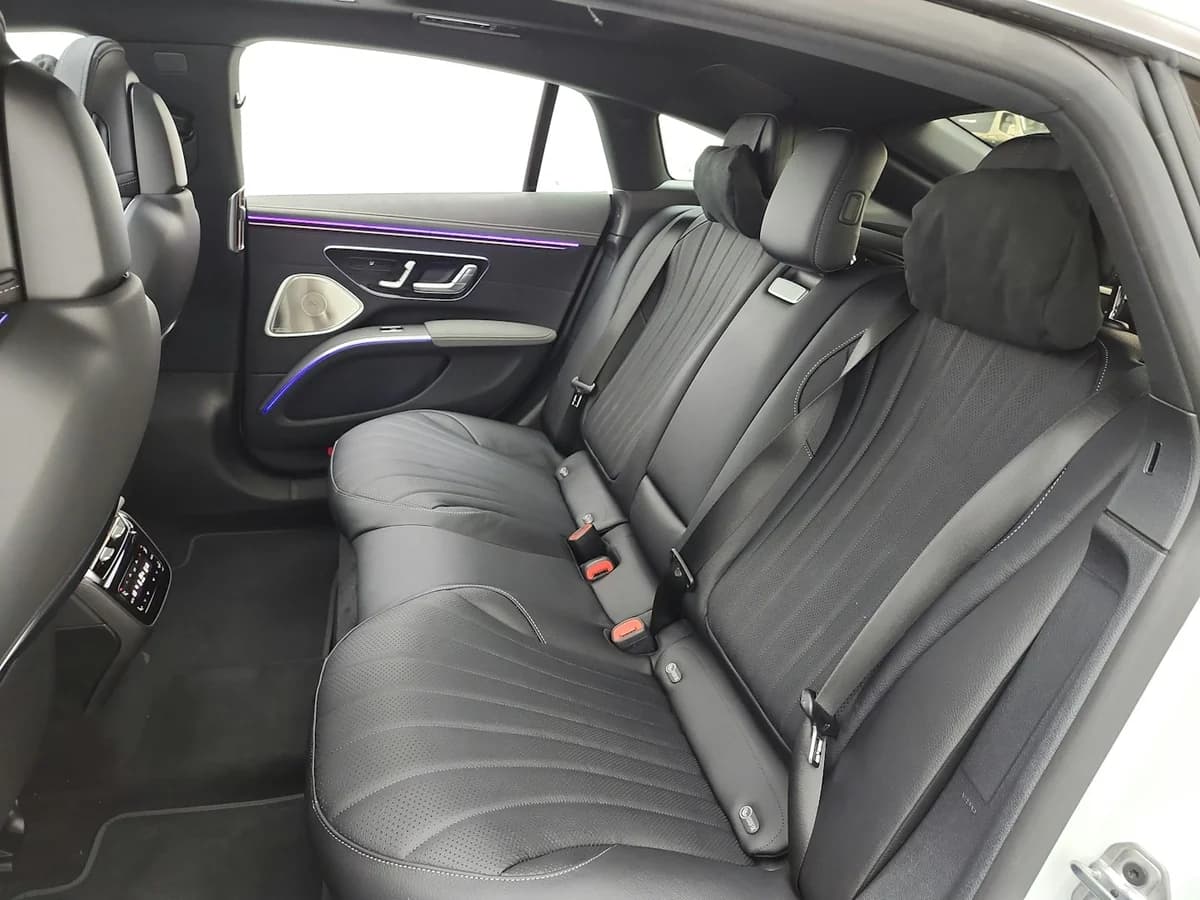
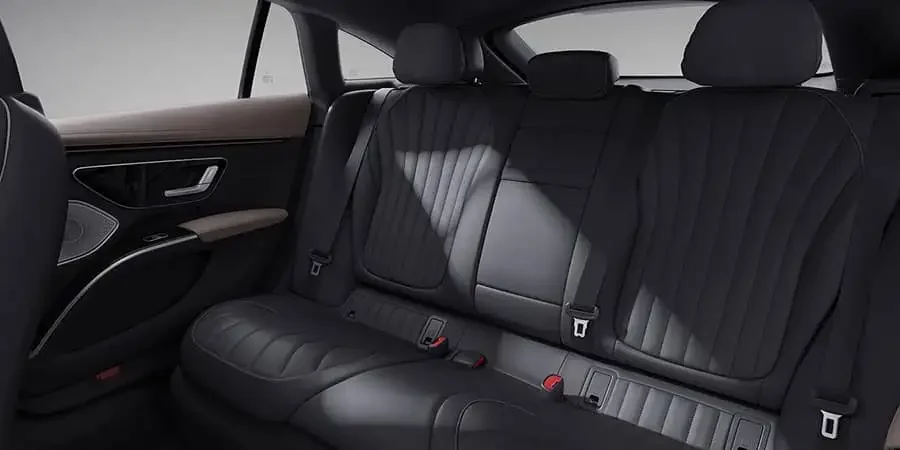
Upright rear seating and a raised floor can make longer rides uncomfortable for passengers.
 Alternatives


Join the Circle
Where real meets deal
Know what's worth buying-and when.
Tips, special offers, and rewards for buying and sharing.

Publications
7 LEADING PUBLICATION REVIEWS

MotorTrend views the 2026 Mercedes-Benz EQS450+ favorably, but with measured enthusiasm. Its real strengths are exceptional comfort, a polished high-end cabin, direct steering, serene highway manners, and genuinely impressive range—the test car traveled 392 miles at 70 mph. The added battery capacity and standard NACS adapter make it a stronger long-distance luxury EV, while rear-wheel steering gives this enormous sedan surprising maneuverability. Still, the EQS remains deliberately soft rather than exciting: it is only marginally quicker, weighs more than before, leans noticeably in corners, and trails the much lighter Lucid Air Pure in acceleration and handling. Its four-seat layout and heavily optioned price, roughly $54,000 above a loaded Air Pure, further weaken its value. Hernandez’s verdict is essentially that the updates refine the EQS without redefining it: a wonderfully quiet, plush, easygoing flagship for buyers who prioritize comfort over speed, engagement, or outright value.
By Bob Hernandez
Autocar’s Matt Saunders views the Mercedes-Benz EQS as a strong but incomplete electric luxury limousine. The updated EQS impresses with a genuinely spacious, quiet cabin, excellent seats, confident performance, polished braking, and unusually nimble low-speed maneuverability from its four-wheel steering. Its 118kWh battery delivers more than 300 real-world motorway miles, while the refined Hyperscreen system and generous hatchback boot add everyday appeal. Yet the review is measured rather than enthusiastic: ride control can become unsettled on rougher roads, the steering feels artificial at times, rear-seat comfort falls short of the BMW i7, and the 400V architecture produces merely average rapid-charging speeds. Despite improved equipment and range, it remains expensive and struggles to match rivals for efficiency, outright power, and effortless sophistication. Saunders considers it accomplished and substantially improved, but not quite the “electric S-Class” Mercedes intended.
By Matt Saunders
Carwow’s Mario Christou is impressed by the EQS, though he finds its size, complexity, and price hard to ignore. This is an exceptionally comfortable, genuinely luxurious EV with a superbly quiet motorway ride, clever air suspension, abundant space, and remarkable real-world range; a tested 450+ managed 3.41 miles per kWh on a motorway-heavy journey. The hatchback boot adds useful practicality, while rear-wheel steering makes the huge saloon more manageable than expected. Still, it feels awkward in tight streets and parking spaces, the spongy brake pedal can unsettle town driving, and its 22-inch wheels add noise on rough surfaces. The Hyperscreen looks spectacular but is distracting, with some cheap-feeling plastics undermining an otherwise excellent cabin. Christou’s overall view is warmly positive but measured: the EQS is outstanding for long-distance luxury travel, yet its formidable cost and sheer bulk mean it suits a specific kind of buyer.
By Mario Christou
BBC Top Gear is highly enthusiastic about the Mercedes-Benz EQS, calling it a new champion for luxury-car refinement. The review praises its near-silent, remarkably comfortable long-distance cruising, impressive performance, spacious and beautifully built cabin, clever technology, and EV advantages without sacrificing the traditional Mercedes sense of occasion. It considers the optional Hyperscreen a spectacular, concept-car-like interface and appreciates details such as rear-wheel steering, air suspension, and effortless power. The main reservations are that standout features cost extra, charging is slower than some rivals, touch-sensitive controls may frustrate technophobes, and real-world driving can reduce the claimed range substantially. Even so, these concerns are treated as manageable rather than fundamental flaws. Overall, Top Gear views the EQS as an exceptionally complete, technically ambitious electric luxury car that proves Mercedes can challenge Tesla and other EV specialists on their own ground.
By Top Gear Team
Mack Hogan’s InsideEVs review is appreciative but ultimately unconvinced by the Mercedes-Benz EQS Sedan. He praises its exceptionally smooth, silent powertrain, excellent highway manners, impressive rear-wheel steering, strong real-world range, practical liftback, superb seats, and advanced driver assistance. The EQS feels genuinely innovative, especially with its fast, stable Hyperscreen and outstanding audio system, but Hogan argues that Mercedes pursued technology at the expense of cohesion and traditional luxury. Its heavy, unsettled ride falls short of the S-Class, the screen-heavy cabin can feel cluttered and confusing, and the styling and software lack the polish of Tesla or Rivian. Charging is adequate rather than class-leading, while the limited availability of Drive Pilot weakens its appeal. Hogan views the EQS as a bold, useful test bed whose best ideas may shape Mercedes’ future, but not as a compelling flagship or clear recommendation today.
By Mack Hogan
What Car? deputy reviews editor Neil Winn is impressed by the EQS’s range and refinement but remains unconvinced by its luxury credentials. The 450+ offers an exceptional official range, quiet motorway cruising, strong practicality, clever four-wheel steering and rapid charging, while the AMG 53 adds genuinely thrilling, supercar-like acceleration. Yet the EQS feels less convincing away from smooth roads: its ride can thump over urban imperfections, handling is compromised by its weight, and the steering and brakes lack polish. Winn is especially critical of the cramped, upright rear seating, awkward driving position, fiddly touchscreen-heavy controls and disappointing interior build quality, which falls short of the BMW i7 and traditional S-Class. It makes most sense as a company car, where tax savings and low running costs offset its high price, but the overall 3/5 rating reflects a capable long-distance cruiser that does not fully justify its “electric S-Class” billing.
By Neil Winn
CARFAX’s Warren Clarke is broadly positive about the 2026 Mercedes-Benz EQS, especially as a serene, lavish luxury EV. Its exceptionally smooth, quiet ride, plush interior, generous standard equipment, and sedan’s impressive 390-mile range make comfort the clear priority. The review also appreciates the EQS’s polished technology, including the expansive MBUX Hyperscreen, and considers the base SUV a surprisingly strong value within the lineup. However, this is a measured endorsement rather than a rave: the EQS is notably expensive, and rivals such as the Tesla Model S, Model X, Rivian R1S, BMW iX, and Porsche Taycan offer better range, speed, or agility. The tested SUV felt quick enough, but its weight and height prevent genuinely engaging handling, while the optional third row is mainly suitable for children. Overall, the EQS is recommended for buyers who value refinement and Mercedes-Benz prestige above performance or affordability.
By Warren Clarke

YouTube
9 LEADING EXPERT & INFLUENCER REVIEWS
 Autogefühl
Autogefühl is strongly impressed by the 2026 Mercedes-Benz EQS Sedan, especially its serene ride, exceptional quietness, efficiency, and real-world range. The EQS 450+ covered about 615 km (380 miles) in varied alpine conditions, while rear-axle steering made the huge sedan surprisingly agile and enjoyable on winding roads. The Hyperscreen, ambient lighting, automatic doors, air suspension, and refined construction reinforce its flagship appeal. Still, enthusiasm is tempered by its polarizing design, expensive options, mediocre base-seat comfort—particularly in back—limited animal-free upholstery in some markets, and slower charging than newer rivals. Autogefühl’s verdict is that a sensibly equipped EQS 450+ remains compelling, but over-optioning weakens its value.
AutotraderRory is hugely enthusiastic about the Mercedes-Benz EQS, calling it a “spaceship” and a potential S-Class replacement. The back-to-back test finds its electric powertrain dramatically smoother and quieter than the S500, with exceptional ride comfort, clever rear-wheel steering, impressive range, sophisticated charging navigation, and genuinely useful technology. He also enjoys its strong body control and effortless torque, despite its luxury-first character. Reservations include its divisive bubble-shaped styling, elevated rear-seat floor, less comfortable seats than the S-Class, optional full rear-wheel steering, prototype-quality rattles, and a six-figure price. Even so, Rory considers the EQS an emphatic home run and a new benchmark.
Hoovies GarageHoovies Garage is sharply negative about the EQS’s build quality and value. His inspection of the roughly $118,000 flagship finds unfinished paint under the hood, hidden and awkward hood hardware, loose door panels, flimsy climate vents, and a cloth-like underbody battery cover. He also criticizes extreme depreciation, noting he bought a low-mileage example for about $34,000 after roughly $80,000 in value loss. Still, he acknowledges its exceptionally quiet ride, effective rear-axle steering, simple-looking EV layout, long-range potential, and appealing interior styling. Overall, it seems comfortable and compelling used, but disappointing as a new luxury purchase.
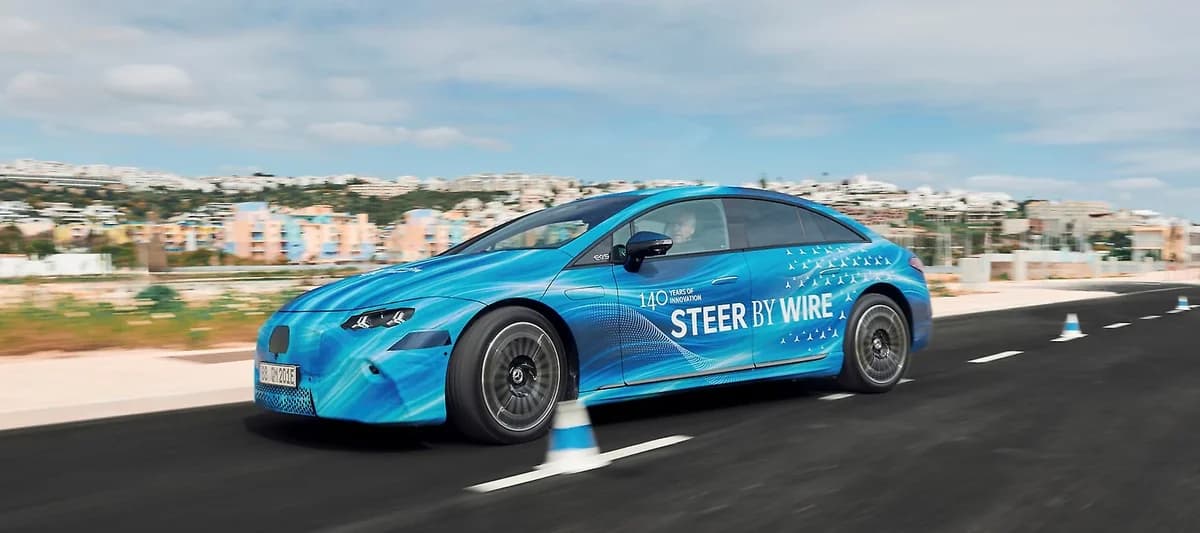
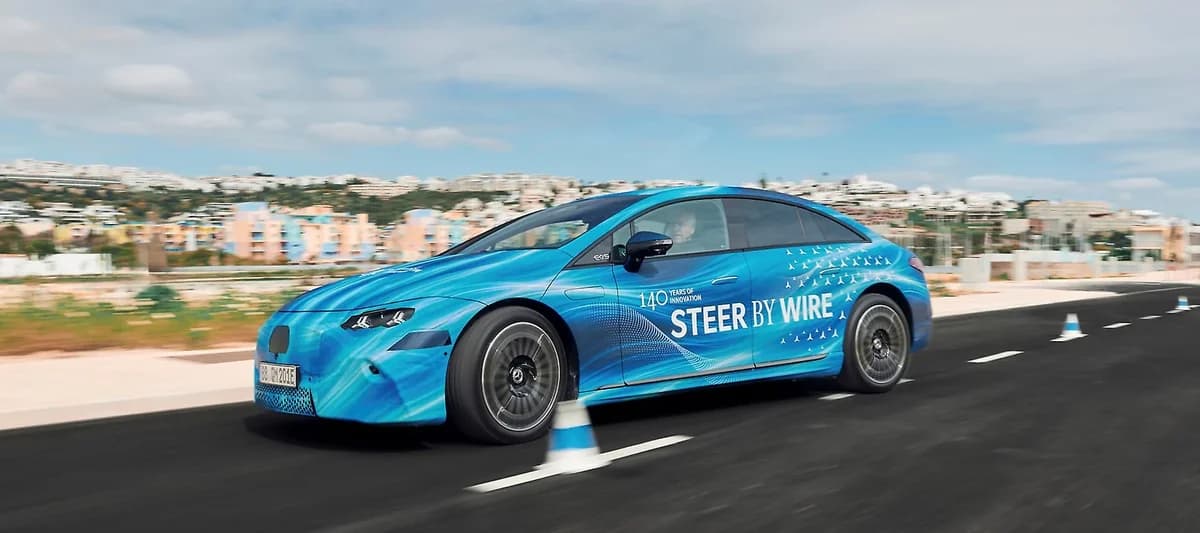
ElectrifyingGinny Buckley is highly enthusiastic about the 2026 Mercedes-Benz EQS Sedan. She sees its subtle facelift as a major technical leap, praising the 122-kWh battery, claimed 574-mile WLTP range, 800-volt/350-kW charging, efficient motors, two-speed gearbox, and exceptionally intuitive steer-by-wire yoke. Her hands-on experience was especially positive: the huge EQS reportedly turns like a much smaller car, while heated seatbelts add a charming luxury touch. She remains cautious about real-world charging performance, pricing, and dazzlingly bright headlights, but considers the update a potential new king of luxury EVs.
Jimi RosaJimi Rosa is exceptionally enthusiastic, calling the EQS one of the best cars he has ever driven. He praises its near-silent, exceptionally smooth ride, spacious chauffeur-oriented rear cabin, polished Hyperscreen technology, excellent navigation and charging-route planning, powerful Burmester audio, class-leading headlights, and unobtrusive driver assistance. The EQS feels genuinely relaxing and worthy of its S-Class role, with rear-axle steering adding surprising maneuverability. Still, Rosa questions its expensive, less distinctive styling, dislikes the flush door handles and missing frunk, finds the rear screens less impressive than the BMW i7’s, and flags its 400-volt, 200-kW charging limitation. Overall, his admiration is unmistakable.
Nick O'LearyNick O’Leary is impressed by the EQS facelift, especially its remarkable claimed 575-mile range and faster charging. He appreciates the improved aerodynamics, efficient heat pump, responsive MBUX Generation 4 system, standard air suspension, and clever pothole-informed ride adjustments. His hands-on steer-by-wire experience is more tentative: it felt extremely sensitive and maneuverable, but also strange enough to require considerable acclimatization. Overall, he views the update as a welcome collection of useful refinements rather than a dramatic redesign, while remaining curious about UK pricing, specifications, and longer-term driving impressions.
Infinite ShiftsInfinite Shifts is strongly critical of the EQS, arguing that its jellybean styling, lack of emotional appeal, heavy depreciation, numb handling, odd brake feel, and charging hassles make it unattractive to traditional Mercedes and EV buyers. Still, the review reveals a compelling used-car proposition: the EQS offers exceptional quietness, an extraordinarily smooth ride, lavish technology, extensive massage seats, ambient lighting, and generous luxury for roughly $35,000 after steep depreciation. The verdict is dismissive for new-car shoppers but enthusiastic for bargain hunters willing to overlook its appearance and sell it before the warranty expires.
AccentOnCarsAccentOnCars is impressed by the EQS’s serenity but ultimately views it as an overpriced compromise. The ride quality, nimble rear-axle steering, quiet cabin, smooth instant acceleration, accurate range, spacious rear seats, and practical liftback earn strong praise, making it especially compelling as a used luxury EV. However, the polarizing fastback profile, absent frunk, distracting dashboard reflections, screen-heavy controls, questionable paint quality, uncomfortable seats, numb brake pedal, and E-Class-like interior disappoint at S-Class pricing. The conclusion is enthusiastic for a heavily depreciated EQS, but firmly negative at its original $120,000–$130,000 price.
Blackbird ProductionsJohn is skeptical of buying a used Mercedes-Benz EQS, despite admiring its premium construction and technology. He praises the rigid steel-and-aluminum body, impressive range, liquid-cooled battery, and Hyperscreen-equipped luxury interior, but his enthusiasm fades when discussing ownership risks. Potential repairs—including an $8,500-plus grille and $12,000-plus Hyperscreen replacement—make the EQS feel more like a depreciated supercar than a bargain. John’s verdict is cautious and personal: unless it comes with comprehensive warranty coverage and suits low-mileage urban driving, he would keep his Tesla rather than risk expensive repairs.

Social
2 INFLUENCER REVIEWS
 Tudor Bratu
Tudor Bratu este clar entuziasmat de Mercedes-Benz EQS 2026 și de direcția sa steer-by-wire. În demonstrația de slalom, el arată cât de ușor se manevrează mașina cu noul volan, comparativ cu direcția convențională asistată electrohidraulic. Totuși, videoclipul nu oferă o evaluare completă a modelului și nu discută dezavantaje, siguranță sau senzația la drum. Sistemul va fi opțional, iar Bratu îi lasă publicului alegerea între soluția clasică și steer-by-wire.
MotordebatteMotordebatte is strongly unimpressed by the 2026 Mercedes-Benz EQS facelift. They call the design “less ugly” rather than beautiful, criticizing its unchanged egg-shaped profile and unattractive rear, while admitting the CLA-like front and interior look better. The reviewer also points to lingering display bezels, but credits Mercedes with introducing steer-by-wire in a German production car, along with a likable new steering wheel, up to 516 horsepower, and a 4.1-second 0–100 km/h time. Overall, the EQS inspires virtually no emotion for them.

Forum Reviews
CUSTOMER REVIEWS FROM 1 FORUM
Redditors are divided on the 2026 Mercedes-Benz EQS Sedan, praising its luxury while questioning its looks and value. Owners frequently praise the exceptionally quiet, comfortable cabin, spacious hatchback, impressive range, efficient charging, rear-wheel steering, and polished driver assistance. The interior and road-trip capability can feel genuinely flagship-grade, especially at today’s heavily depreciated used prices. Still, many consider the styling awkward or outright ugly, and the original pricing and steep depreciation undermine confidence. Reliability experiences vary from trouble-free ownership to major battery and sensor failures, making warranty coverage important. Overall, it appeals more as a discounted luxury bargain than a compelling new purchase.
Many comments

In-Depth Review

Highlights
- •Serene Ride ComfortMarketed as a serene flagship cruiser.
- •Long Driving RangeAdvertised to deliver up to 390 miles.
- •Immersive Cabin TechnologyPromoted as having a spectacular Hyperscreen.
- •Agile Large-Car HandlingDesigned to improve low-speed maneuverability.

Considerations
- •High Ownership CostOptions and depreciation weaken purchase value.
- •Polarizing Exterior StylingFastback proportions divide buyer opinions.
- •Average Charging Speeds400-volt hardware trails newer architectures.
- •Inconsistent Cabin ExecutionRattles, plastics, and controls draw criticism.
Mercedes-Benz positions the EQS as a flagship electric limousine, pairing S-Class-inspired luxury with the long-distance advantages of a premium EV. Built for executives, frequent road-trippers, and comfort-first buyers, it prioritizes a hushed, effortless journey over sporty thrills. Its 118-kWh battery and up-to-390-mile range give it a meaningful edge for highway travel, while the spectacular 17.7-inch OLED Hyperscreen supplies the expected dose of digital theater. Compared with rivals such as the BMW i7 and Lucid Air, the EQS counters with a practical liftback and 4.5-degree rear-axle steering, though its charging speed, cabin execution, and value deserve closer scrutiny. The following sections examine how its materials, ride, efficiency, charging, maneuverability, and passenger space hold up in everyday use—because this is a very large car that aims to make inconvenience feel optional.
Space and Cargo Usefulness
The EQS combines generous passenger room with a useful liftback, giving it more everyday flexibility than a conventional luxury sedan. Its fastback hatch opening makes bulky luggage easier to load, and the cargo area offers about 22 cubic feet behind the rear seats, expanding substantially when folded. Front passengers receive excellent space, and the long wheelbase supports a roomy cabin. Rear-seat comfort is less definitive, however, because the raised floor and upright seating can feel cramped or less relaxing than a BMW i7 or S-Class.
Ride Comfort and Quiet
The EQS is at its best when it turns long drives into remarkably calm, quiet journeys. Its air suspension, substantial sound insulation, and smooth electric powertrain create the near-silent highway experience reviewers consistently praise. MotorTrend recorded a relaxed 392-mile, 70-mph test, while other testers noted excellent motorway composure and effortless acceleration. The trade-off is less impressive on broken urban roads, where the suspension can thump, lean, or feel unsettled. It delivers flagship serenity more convincingly than sporty involvement.
Interior Quality and Materials
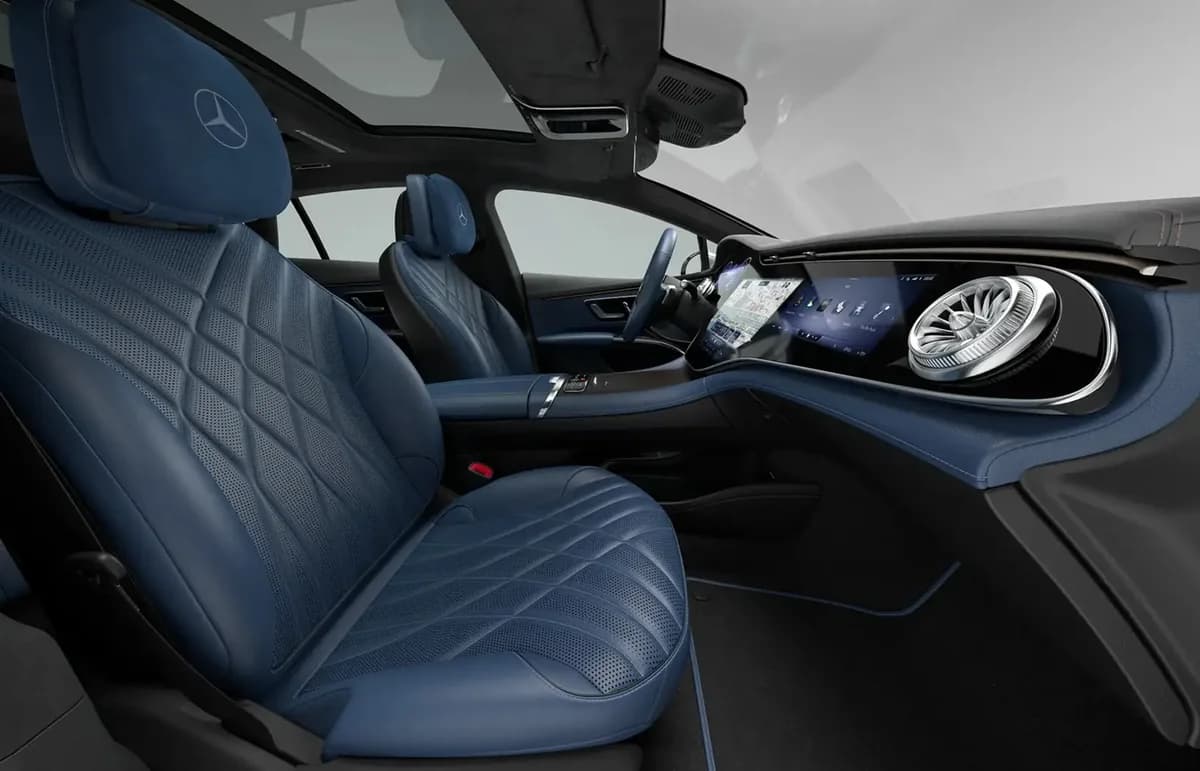
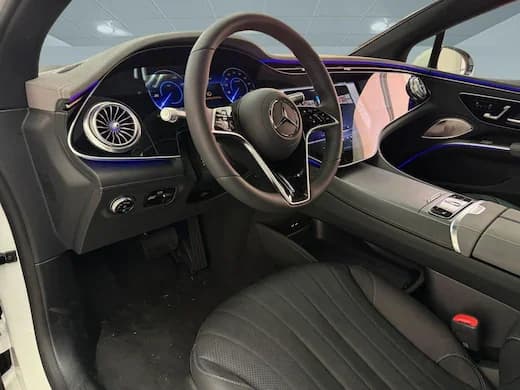
The cabin feels luxurious at first glance, thanks to the 17.7-inch OLED Hyperscreen, ambient lighting, excellent audio options, and an impressively hushed environment. Its digital presentation is genuinely spectacular, and the seats and driver-assistance systems earn frequent praise. However, the execution is not uniformly S-Class-grade: reviewers mention distracting reflections, screen-heavy controls, cheap-feeling plastics, rattles, and questionable trim or paint quality. The EQS is technologically ambitious, but its material consistency and interface cohesion can fall short of its price.
Charging Performance
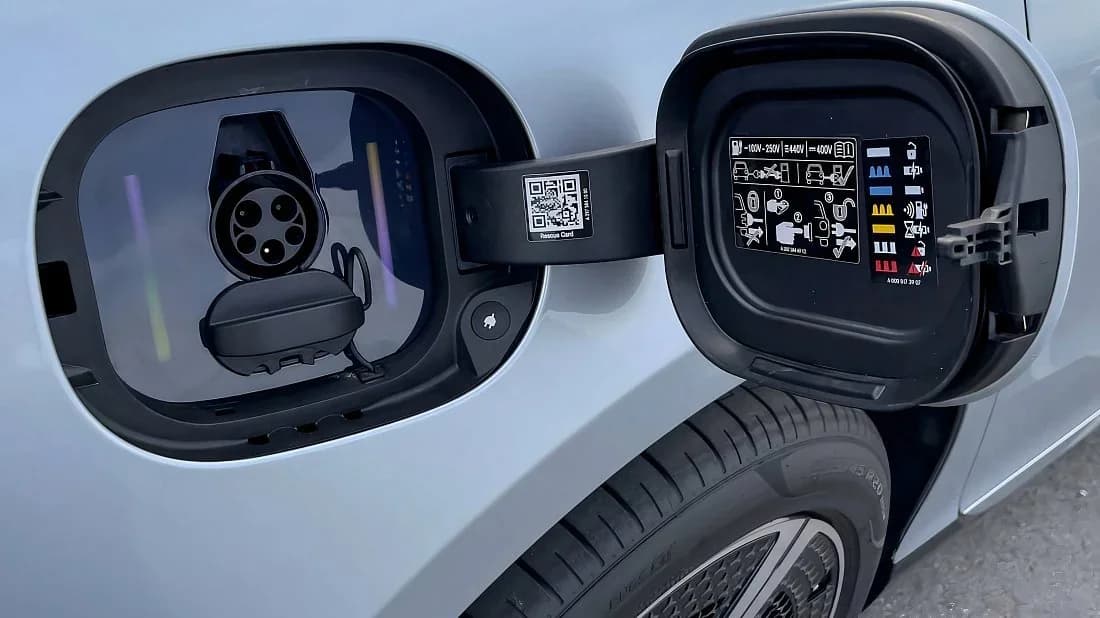
Charging is adequate for a flagship EV, but it is no longer a standout advantage. The 118-kWh pack supports up to 200 kW DC charging and a stated 10-to-80% session of about 31 minutes, while the 9.6-kW AC rate suits overnight home charging. Mercedes’ navigation can intelligently plan charging stops, and the standard NACS adapter improves access in the U.S. Still, its 400-volt architecture and average peak speeds trail newer 800-volt rivals, making road-trip stops less competitive.
Range and Efficiency
Range is one of the EQS’s strongest practical arguments, particularly in the rear-drive 450+. Mercedes lists about 390 miles of rated range from its 118-kWh NMC battery, and MotorTrend managed 392 miles at 70 mph, unusually strong real-world evidence. Autogefühl also covered roughly 380 miles in varied alpine conditions, supporting the car’s long-distance credentials. Efficiency-focused aerodynamics help, but heavier AWD versions give up some range, and cold weather, speed, and climate use still reduce results.
Rear Steering and Agility
Rear-axle steering makes this exceptionally large sedan feel far less cumbersome than its dimensions suggest. The system can steer the rear wheels by up to 4.5 degrees, tightening low-speed turns and helping with parking, while testers found the EQS surprisingly agile on winding roads. That benefit is real, though it does not erase the car’s 207.7-inch length or roughly 5,600-pound mass. Optional expanded steering capability may improve maneuverability further, but buyers should still expect a substantial car in tight urban spaces.
Conclusion
The EQS makes its case by turning distance into downtime: its near-silent ride and plush suspension are superb on highways, while the 450+’s up-to-390-mile range supports genuinely relaxed road trips. The Hyperscreen-led cabin feels special, though rattles, plastics, reflections, and fussy controls keep materials and usability below the best S-Class or i7 standards. Charging is workable rather than class-leading, with 200-kW DC capability and a 400-volt system that newer rivals surpass. Rear-axle steering helps disguise the sedan’s enormous size, but it cannot make tight cities feel small. Passenger room is generous and the liftback is practical, even if the raised rear floor compromises back-seat comfort. This is a strong fit for buyers who prize serenity, range, and Mercedes prestige—and a poor one for drivers seeking agility, flawless execution, or convincing value. Its polished strengths justify a favorable recommendation, but the compromises keep it from being an easy luxury-EV winner.

Feature Scores
This reflects reviews and ratings from established critics, journalists, and users who have evaluated the item. Their opinions provide a comprehensive assessment.
Performance
Driving Range
5/5
Charging Speed Capability
3/5
Energy Efficiency
4/5
Acceleration Performance
4/5
Handling and Ride Quality
4/5
Reliability and Durability
2/5
Battery Longevity
4/5
Value
Purchase Price Competitiveness
2/5
Total Cost of Ownership
3/5
Resale Value
1/5
Design
Exterior Design Appeal
2/5
Interior Materials Quality
3/5
Seating Comfort and Ergonomics
3/5
Cargo and Cabin Practicality
4/5
Health
Cabin Air Quality
TBD
Interior Material Safety
TBD
Safety
Crashworthiness
TBD
Advanced Driver Assistance Systems
4/5
Battery Safety and Thermal Management
4/5
Sustainability
Battery End-of-Life Management
TBD
Use of Recycled Materials
TBD
Operational Emissions (Well-to-Wheel)
5/5
Experience Style
Infotainment and Connectivity
4/5
Over-the-Air Software Support
3/5
Charging Ecosystem Convenience
4/5

Specifications
This section outlines the product's key facts, covering essential features, details, dimensions, materials, and any unique characteristics that define its functionality and usability.
Performance
Value
Design
Sustainability
Experience Style

Frequently Asked Questions
7 Questions


Find Yours
What is your primary intended use for an electric sedan or compact?
Answer to find your best matches.