










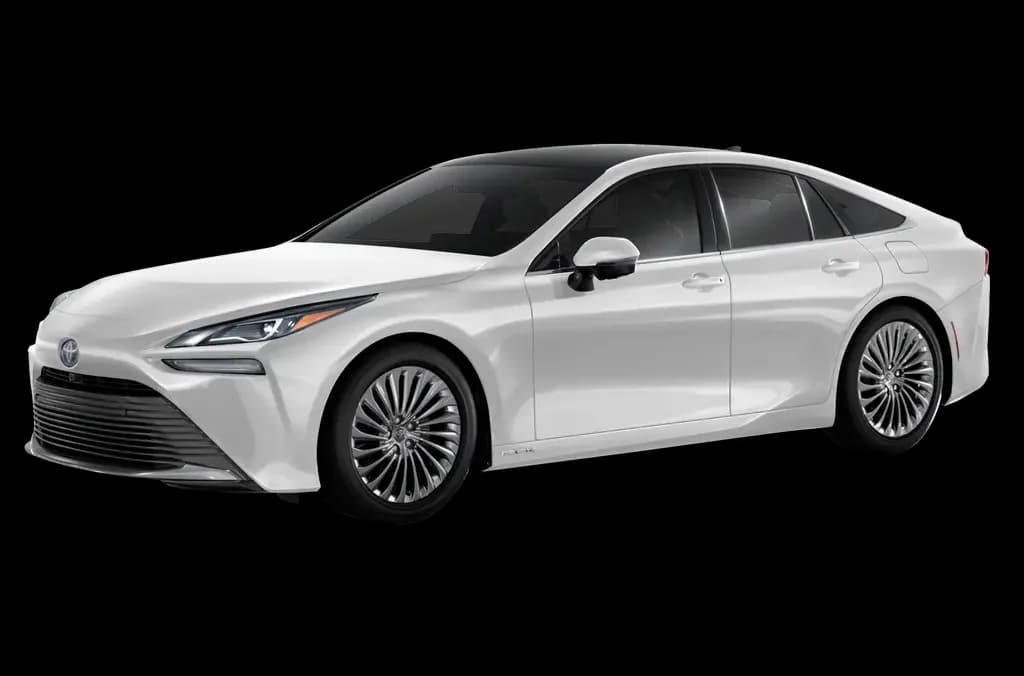
Toyota Mirai (2026)
Quiet, premium, long-range hydrogen driving, best for buyers near reliable stations.
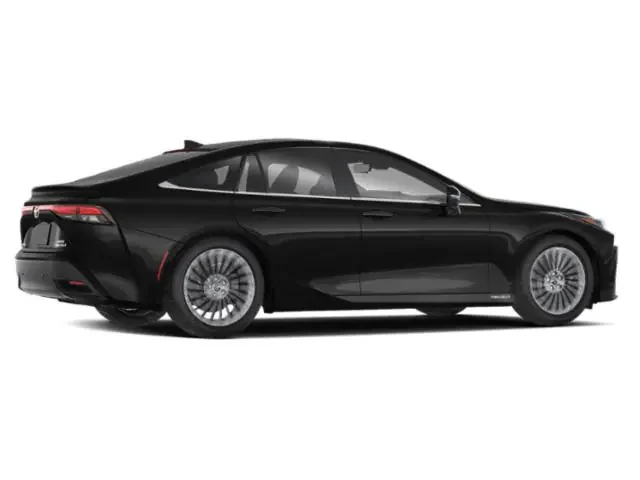
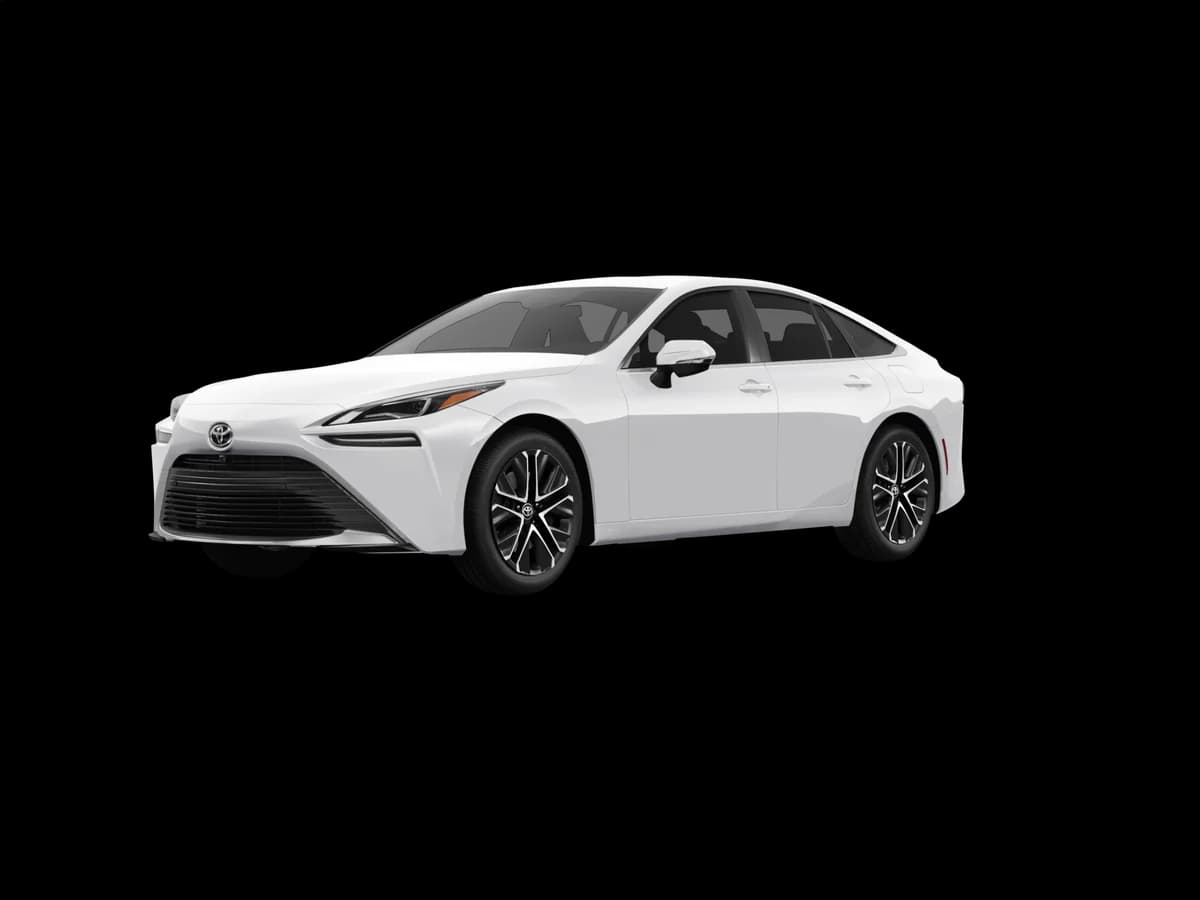
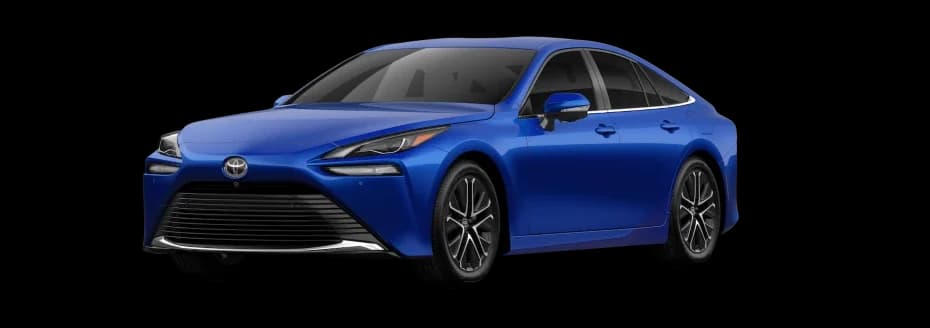
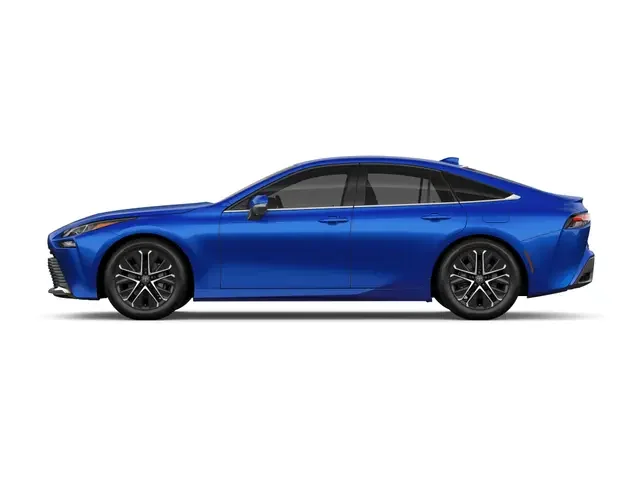
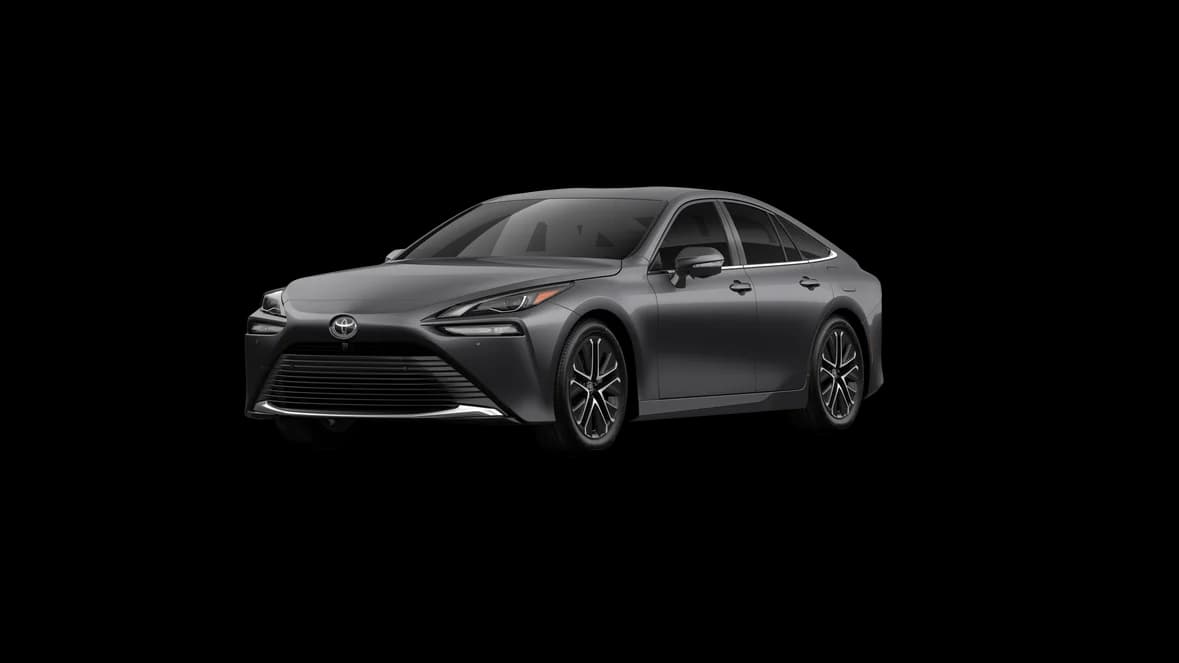
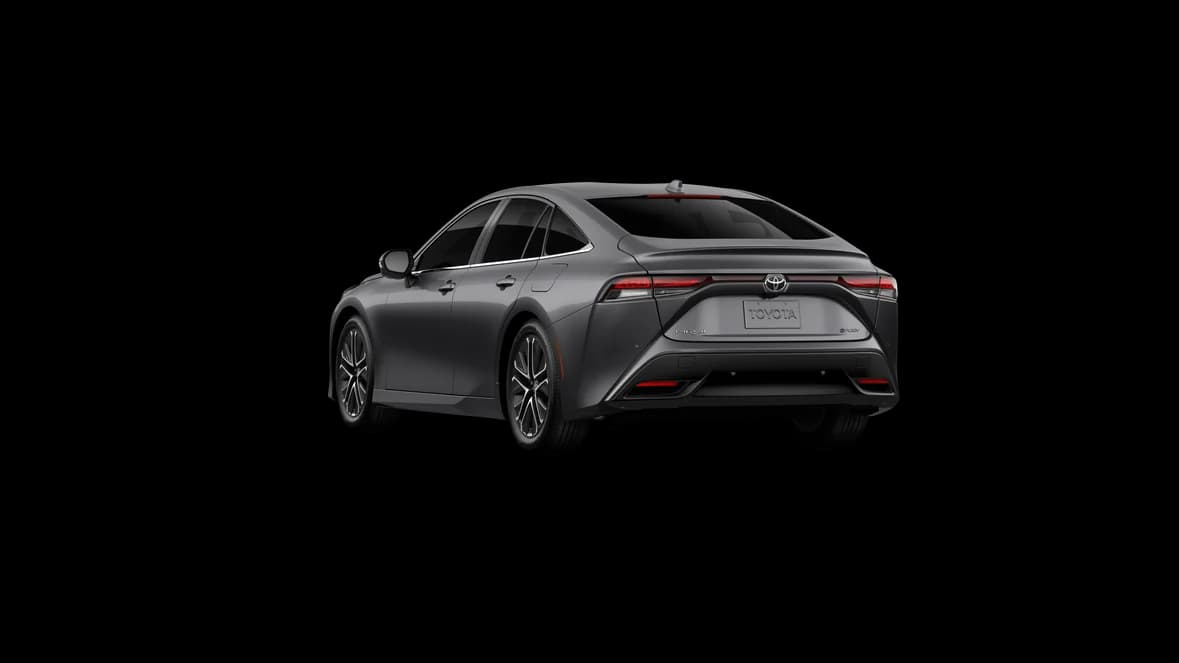
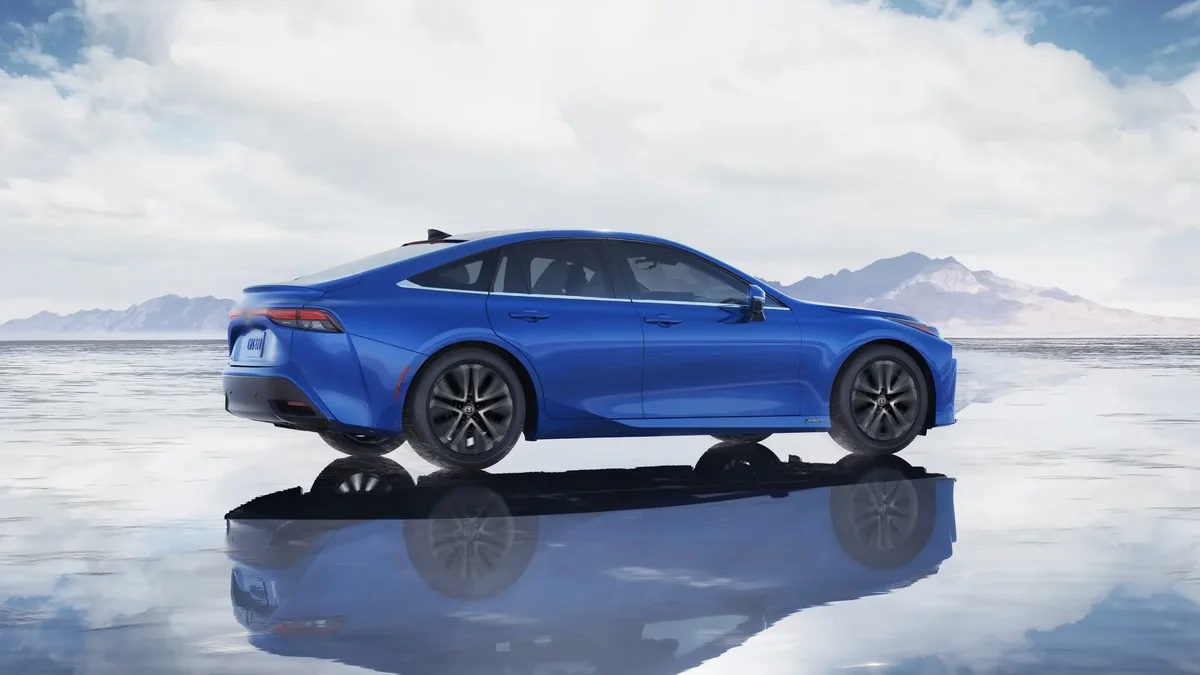
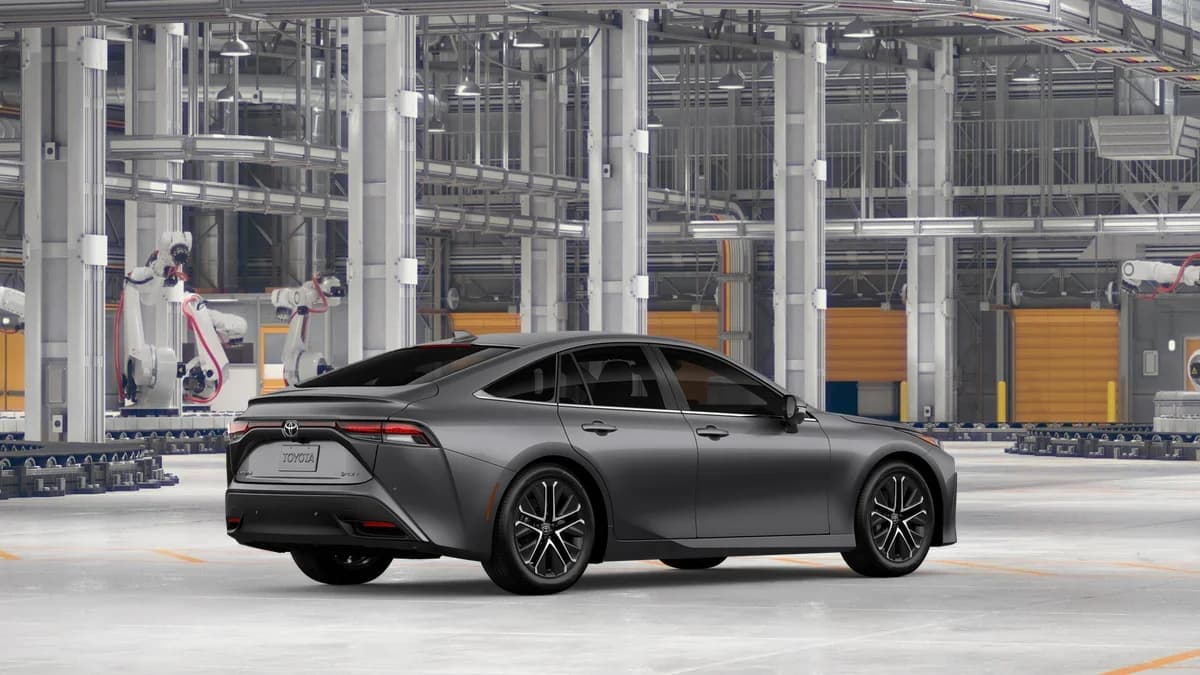
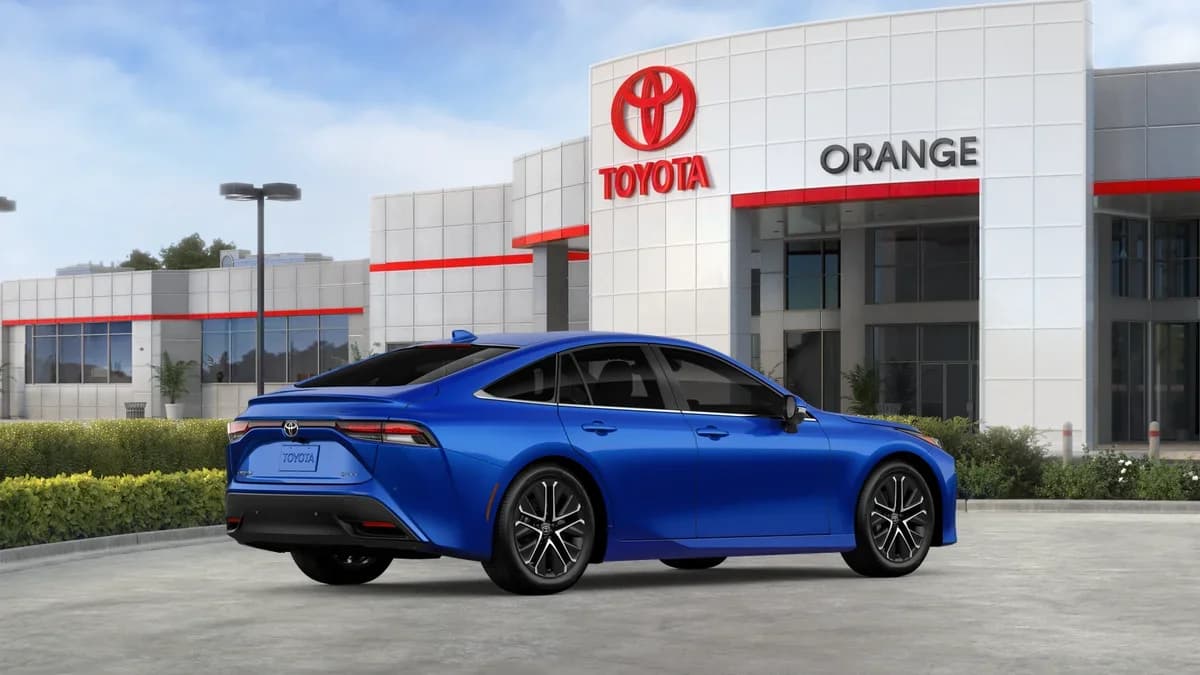
The Toyota Mirai is a luxury sedan with a futuristic trick: it makes electricity from hydrogen, then drives like a quiet EV without plugging in. It targets commuters and clean-tech enthusiasts trying to solve long charging stops, offering a claimed up to 402-mile range and roughly 10-minute refueling. Experts largely confirm the Mirai is serene, polished, and surprisingly composed, while owners and testers stress that those benefits depend on finding a working station. The quiet, cushioned ride feels premium, but modest acceleration, cramped rear seating, and a 9.6-cubic-foot trunk limit its versatility. At around $50,000 before incentives, it is compelling only with reliable local hydrogen, fuel support, and backup transportation, factors that shape its measured overall appeal.
Find Yours
What is your primary intended use for an electric sedan or compact?
Answer to find your best matches.

The Field
Browse top contenders, or compare all options ranked by score and key attributes.
5 Options



The Scoreboard
Does this improve your life? Considers, health, habits, and environmental impact.
Benefits
The calm cabin and soft ride make commuting feel easy, relaxed, and more comfortable.
Go hundreds of miles, then refuel in minutes instead of waiting beside a charger.
Lexus-like quietness, polished materials, and effortless electric drive make ordinary trips feel unusually upscale.
Water-only tailpipe emissions make neighborhood driving cleaner and quieter for people nearby.
Trade-Offs
Planning ordinary trips around available stations can turn a simple refill into a detour.
A pump that fails or fills slowly can leave drivers waiting, retrying, or changing plans.
Tight rear headroom and legroom make longer rides uncomfortable for adults sitting behind.
The small trunk and non-folding rear seats make everyday luggage, groceries, or bulky gear awkward.
 Alternatives


Join the Circle
Where real meets deal
Know what's worth buying-and when.
Tips, special offers, and rewards for buying and sharing.

Publications
4 LEADING PUBLICATION REVIEWS

Autocar’s Matt Saunders is strongly impressed by the Mirai, despite practical reservations. He portrays this second-generation hydrogen sedan as a remarkably refined, comfortable, and genuinely premium alternative to the Prius-derived original, with serene road manners, excellent high-speed quietness, crisp low-speed response, and an impressive claimed 400-mile range. Its rear-drive Lexus LS underpinnings give it a relaxed, effortless character rather than sporty handling, which suits the car even if the vague brakes, soft steering, and limited dynamic appeal disappoint enthusiasts. The cabin feels expensive, but rear legroom, headroom, and boot capacity are compromised by the hydrogen hardware. The larger issue is infrastructure: sparse UK refuelling stations and costly hydrogen undermine its running-cost case versus battery EVs. Even so, Saunders views the Mirai as a courageous, credible technological showcase whose shortcomings are mostly circumstantial rather than fundamental.
By Matt Saunders
What Car? is cautiously positive about the Toyota Mirai, praising its refinement while questioning its practicality and value. Steve Huntingford considers it the nicest-driving hydrogen car he has tested, with accurate handling, a comfortable ride, near-silent operation, quick refuelling, and impressive range. The Mirai also feels more polished and engaging than the Hyundai Nexo, while its lower price makes it the more appealing hydrogen option. However, the enthusiasm is clearly qualified. Acceleration is modest for a luxury sedan, infotainment is less intuitive than rivals’, and interior materials and passenger-seat adjustment fall short of the BMW 5 Series. Hydrogen tanks severely compromise rear-seat comfort and boot space, while limited refuelling infrastructure restricts ownership to certain regions. Running costs are also higher than for a battery-electric car. Overall, it is a smooth, unusual, and compelling niche choice, but not an easy recommendation for most buyers.
By Steve Huntingford
BBC Top Gear is impressed by the Mirai but ultimately recommends it only to niche hydrogen users. It praises the car’s quiet, smooth, luxurious character, elegant styling, relaxed ride, and surprisingly refined rear-drive dynamics. The fuel-cell system also brings meaningful advantages over battery EVs, including a longer range and roughly 10-minute refuelling, while the new model is cheaper and more polished than its awkward predecessor. Yet the practical case in Britain is undermined by scarce, expensive hydrogen stations and concerns about how renewably that hydrogen is produced. Top Gear sees the Mirai as an impressive culmination of Toyota’s engineering work and a potentially important stepping stone for hydrogen transport, but not a sensible mainstream purchase today. Its appeal is strongest for specialist fleets, regional taxi or limousine operators, or committed hydrogen advocates with reliable access to a pump.
By Top Gear Team
Carwow gives the Toyota Mirai a cautiously negative verdict, praising its refinement while questioning its practicality. The hydrogen saloon is impressively quiet, comfortable, and genuinely enjoyable to drive, with brisk 0–60mph performance, excellent ride quality, confident handling, and a well-made, luxurious-feeling cabin. However, those strengths are undermined by hydrogen’s cost and scarcity: refuelling costs around £70 and the UK has only 11 stations, making longer trips potentially stressful. The Mirai also offers limited rear headroom, an almost unusable middle seat, and a relatively small 321-litre boot without folding rear seats. Carwow’s conclusion is that it suits buyers seeking something distinctive who live near a station, but most drivers would be better served by a conventional battery-electric car.
By Mat Watson

YouTube
12 LEADING EXPERT & INFLUENCER REVIEWS
 Autogefühl
Thomas and Autogefühl are strongly positive about the Toyota Mirai’s refined, quiet, sporty-luxury character. They praise its longer range, rear-wheel drive, comfortable ride, precise steering, quick hydrogen refueling, and premium-feeling cabin, calling it a compelling alternative where hydrogen stations are convenient. The review is candid about compromises: acceleration is merely adequate, rear-seat headroom and legroom are tight, the trunk is limited, the seats don’t fold, and the infotainment feels dated. Ultimately, the Mirai is presented as an unusually pleasant cruising sedan whose appeal depends almost entirely on local hydrogen infrastructure and how that energy is produced.
DonutDonut approaches the Toyota Mirai with curiosity but lands on a guarded, infrastructure-driven verdict. They enjoy its quiet, comfortable ride, impressive technology, rear-wheel-drive feel, and simple hydrogen refueling, while the fuel-cell system earns genuine admiration. However, sparse and unreliable California stations, potentially lower real-world range, expensive hydrogen, limited interior space, and a $51,000–$67,000 price make ownership difficult. Donut views the Mirai as a pleasant, forward-looking car whose biggest problem is not the vehicle itself but the hydrogen ecosystem supporting it.
Doug DeMuroDoug DeMuro is impressed by the redesigned Mirai, but his enthusiasm remains carefully qualified. He praises its sleek, Lexus-like styling, quiet and comfortable ride, clever luxury features, long range, and quick hydrogen refueling, calling it probably the best hydrogen vehicle yet. Still, it is slow, not genuinely sporty despite Toyota’s positioning, cramped in back, short on trunk space, and missing conveniences such as an opening sunroof and power trunk. Limited hydrogen infrastructure and a steep price further weaken its appeal. Doug likes the Mirai, but considers a Tesla Model 3 the better overall vehicle.
The Fast Lane CarTommy is highly impressed by the Toyota Mirai, while acknowledging that hydrogen infrastructure severely limits its appeal. He praises its quiet, exceptionally comfortable ride, elegant design, quick three-to-five-minute refueling, long range, cold-weather potential, and impressive technology for the price. He also appreciates how normal and refined the fuel-cell system feels, despite its unusual engineering. However, the Mirai is slow, not especially fun to drive, loses performance at altitude, has limited trunk practicality, and remains expensive to refuel once Toyota’s hydrogen credit expires. Overall, Tommy sees a remarkably polished, compelling car whose biggest problem is the lack of hydrogen stations.
AutovisieAutovisie is impressed by the Toyota Mirai, but not convinced it is ready for most buyers. The second-generation hydrogen sedan feels luxurious, beautifully finished, smooth, and unusually distinctive, while offering quick refueling, roughly 500 kilometers of real-world range, and attractive tax advantages. Yet its heavy, moderately powered chassis lacks modern EV acceleration, rear-seat and cargo practicality suffer from the hydrogen hardware, and the ownership case depends almost entirely on station access. Autovisie’s sharpest conclusion is that the Mirai is an excellent product trapped by an uneconomical infrastructure chicken-and-egg problem—perhaps 40 years too early or too late.
DRIVETRIBEJames May is genuinely delighted by the Toyota Mirai, calling it exceptionally quiet, civilized, comfortable, and “simply lovely.” He appreciates its improved ride, composed rear-wheel-drive handling, refined technology, long range, and the way it makes hydrogen driving feel like a proper luxury car rather than an experiment. The major drawback is infrastructure: with only a handful of working hydrogen stations in Britain, refueling requires careful planning. May’s enthusiasm is therefore conditional, but his broader view is emphatic—the Mirai feels like a compelling glimpse of cleaner motoring’s future, held back mainly by the hydrogen network rather than the car itself.
Aging WheelsAging Wheels is disappointed by the Toyota Mirai’s real-world practicality. He appreciates its quiet, smooth rear-wheel-drive experience, long range, five-minute refueling, and zero tailpipe emissions, while explaining the fuel-cell system clearly. But sparse, unreliable hydrogen stations, roughly $170 fill-ups without incentives, limited availability, and the car’s sluggish, non-EV-like driving experience overwhelm those benefits. His most insightful criticism is that hydrogen’s complex production and distribution chain delivers far lower overall efficiency than a battery EV. He remains interested in hydrogen for trucks, buses, and other demanding applications, but considers the Mirai an experimental niche car rather than a compelling mainstream choice.
TheTopherTheTopher is pleasantly surprised by the Toyota Mirai, finding it comfortable, quiet, and genuinely enjoyable to drive. After only about 10 miles, he praises its smooth EV-like power delivery, planted ride, upscale Lexus-inspired cabin, five-minute hydrogen refueling, and Toyota’s $15,000 fuel credit. He also flags its modest acceleration, weight, cramped rear seat, small trunk, and especially the near-total dependence on California’s limited hydrogen infrastructure. Still, his enthusiasm is clear: the Mirai feels like a compelling, futuristic clean-vehicle solution if hydrogen stations expand, though this early impression doesn’t establish long-term ownership practicality.
Auto Auction RebuildsRandy Shear is initially enthusiastic about the Mirai, then becomes sharply disillusioned. He praises its Lexus-like quietness, exceptionally comfortable ride, cushy materials, refined cabin, attractive design, safety tech, and roughly 400-mile range. But the ownership experiment quickly turns into an infrastructure nightmare: multiple hydrogen stations are offline, pumps repeatedly fail, refueling takes hours, and fuel costs around $26–$30 per kilogram. Even conserving climate control and accessories becomes necessary during the road trip. Although he intermittently rediscovers the car’s charm on scenic roads, the practical verdict is overwhelmingly negative—an excellent-feeling sedan undermined by unreliable, scarce hydrogen fueling.
FadCult MediaFadCult Media views the Toyota Mirai positively as a comfortable, distinctive hydrogen sedan, but not a sensible mainstream buy. Sam’s long-term ownership brings useful reality checks: smooth rear-wheel-drive dynamics, four-to-five-minute refueling, and Toyota reliability, yet hydrogen prices, station outages, fueling glitches, and limited availability undermine its value. The Mirai’s modest range, cramped rear seats, and non-folding backrests further limit practicality. Sam would still choose it as a car enthusiast drawn to unusual technology, especially with incentives or a used fuel card, but commuters and financially minded buyers should look elsewhere.
Jeremy CatoJeremy Cato is highly impressed by the Toyota Mirai, calling it one of the most interesting electric vehicles he has driven. He praises its smooth, quiet power, premium comfort, responsive rear-wheel-drive handling, long range, quick hydrogen refueling, and upscale design. The Mirai feels like a convincing luxury sedan rather than an experiment, and Cato says he could live with it easily. His major reservation is practical: hydrogen stations remain scarce, refueling is more complicated than gasoline, and the limited trunk space and tight rear headroom reduce everyday usability. He views the Mirai as an excellent proof of concept, though mainstream adoption remains uncertain.
Mirai ClubMirai Club is broadly positive about the Mirai after nearly four years of ownership. They praise its quiet, plush ride, easy driving manners, styling, technology, and low maintenance costs, while acknowledging that hydrogen availability can be frustrating even in Southern California. Practicality is the bigger weakness: cramped rear seating, a tiny trunk, no pass-through, and an imposing center tunnel. Minor issues included creaking bushings, heat-related driver-assistance shutdowns, tire and brake replacement needs, and unsettling braking over bumps. Overall, it remains an enjoyable, distinctive cruiser, but the owner is selling because its fuel card expired and near-term costs are mounting.

Social
2 INFLUENCER REVIEWS
 The Autopian
David is sharply negative about the Toyota Mirai’s hydrogen-fueling economics and experience. He reacts with surprise that $110 did not fill the tank, then becomes confused when a $7 fueling session appears to add no range, leaving the car at 42 miles. Although he briefly enjoys the satisfying fueling hardware and feels the car’s power, those moments are overwhelmed by frustration, calling the $7 the worst money he has spent because it “got us nowhere.”
 GaudinX
GaudinX views the Toyota Mirai as an intriguing but impractical hydrogen car for most Americans. He points to its water-only exhaust and unusually low used prices, with 2023–24 examples reportedly available around $6,000 with 30,000 miles. However, hydrogen can cost roughly $250 per fill for about 300–400 miles, and refueling is effectively limited to California. The tone is curious and mildly impressed by the bargain, but ultimately skeptical, framing the Mirai as a great idea undermined by expensive fuel and scarce infrastructure.

Forum Reviews
CUSTOMER REVIEWS FROM 1 FORUM
Redditors are overwhelmingly negative about the 2026 Toyota Mirai despite appreciating its sleek design and low purchase price. The car is comfortable, quiet, quick to refuel in theory, and compelling when rebates and fuel cards reduce it to roughly $20,000. In practice, owners and observers describe unreliable, sparse hydrogen stations, lengthy or failed fill-ups, sharply rising fuel costs, weak resale value, and steep depreciation. Environmental benefits are also debated, especially when hydrogen comes from fossil fuels or inefficient electricity conversion. It may suit a low-mileage California commuter with backup transportation, but most recommend a conventional hybrid or EV instead.
Many comments

In-Depth Review

Highlights
- •Extended Driving RangeAdvertised to reach up to 402 miles.
- •Quick Hydrogen RefuelingDesigned for refueling in roughly 10 minutes.
- •Quiet Comfortable RideReviewers consistently note serene, cushioned cruising.
- •Premium Cabin FeelLexus-like materials and refinement elevate daily driving.

Considerations
- •Unreliable Station AccessSparse, malfunctioning stations can disrupt routine travel.
- •Cramped Passenger CargoTight rear seating and small trunk limit usability.
- •High Fueling CostsHydrogen prices can undermine ownership economics.
- •Modest AccelerationHeavy weight limits performance versus modern EVs.
Toyota’s Mirai brings the brand’s engineering reputation into a niche shaped by hydrogen rather than plugs. Positioned as a premium alternative to battery EVs, it suits California commuters and clean-tech enthusiasts who value up to 402 miles of range and roughly 10-minute refueling—provided a dependable station is nearby. Its strongest everyday appeal is the quiet, cushioned ride, while rear-wheel drive adds poised, Lexus-like composure. The trade-offs are equally important: hydrogen hardware limits rear comfort and the 9.6-cubic-foot trunk, and the heavy sedan’s acceleration is adequate rather than thrilling. We’ll also examine its steering and braking feel, cabin materials, and infotainment against newer EV rivals. If serenity and quick refueling matter more than cargo flexibility or infrastructure freedom, this zero-tailpipe-emission sedan deserves a closer look—just check the station map before falling for the future.
Passenger Cargo Space
The Mirai’s packaging is one of its clearest compromises. Hydrogen tanks and the fuel-cell hardware leave only 9.6 cubic feet of trunk space, and the rear seats do not fold, limiting flexibility for luggage or bulky purchases. Adults may also find tight rear headroom and legroom, while the raised center area makes the middle seat particularly awkward. The five-passenger rating remains useful for short trips, but experts and owners describe the car as better suited to four occupants and light cargo than family-hauling duty.
Quiet Comfortable Ride
The Mirai feels more luxurious in motion than its niche status suggests. Its fuel-cell system and electric motor deliver near-silent operation, while the softly tuned chassis absorbs road imperfections with impressive calm. Reviewers commonly praise the Lexus-like cabin refinement and relaxed long-distance character, making it especially appealing as a commuter or cruiser. That comfort is supported by the rear-wheel-drive platform, though the Mirai’s 4,255-pound weight and modest output mean it feels composed rather than energetic. The payoff is serenity, not sport-sedan excitement.
Handling Steering Braking
Rear-wheel drive gives the Mirai a planted, balanced feel that distinguishes it from many front-drive hybrids. The single-speed electric drivetrain responds smoothly, and reviewers generally like its accurate handling and stable high-speed manners. Still, its steering can feel soft or vague, while brake response has drawn criticism for feeling less natural, especially over uneven surfaces. The car is enjoyable and reassuring rather than genuinely sporty, so buyers should value composure and comfort more than sharp feedback or aggressive cornering ability.
Acceleration Power Delivery
The Mirai’s electric motor delivers immediate, smooth response, but outright performance is restrained. With 182 horsepower and 221 lb-ft of torque moving a heavy sedan, published testing places 0–60 mph around 9.1 to 9.2 seconds, adequate for normal traffic but slow beside modern battery EVs. Reviewers generally appreciate the seamless power delivery, yet some note weaker performance at altitude and a lack of sporty urgency. It feels effortless around town, not fast, so acceleration should not be the reason to choose it.
Cabin Quality Materials
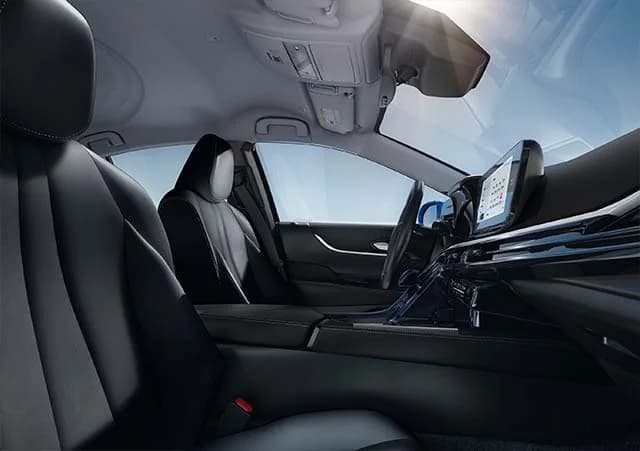
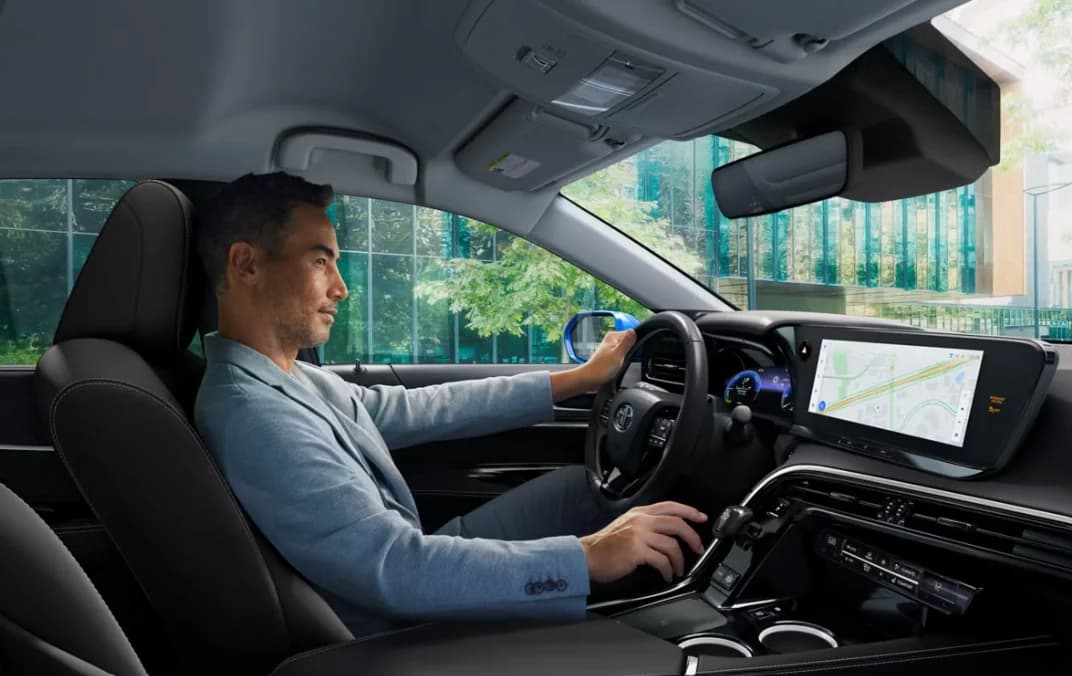
The Mirai makes a stronger premium impression than its Toyota badge might suggest. Reviewers highlight Lexus-inspired styling, cushioned materials, and thoughtful technology, with the quiet drivetrain helping the interior feel genuinely upscale. The large 12.3-inch infotainment display adds visual impact, although its interface is sometimes considered dated or less intuitive than newer EV systems. A few details, including limited seat adjustability and missing conveniences such as a power trunk or opening sunroof, keep it short of true luxury-brand polish.
Hydrogen Range Refueling
The Mirai’s headline advantage is going farther without plugging in. Toyota estimates up to 402 miles of range, and its hydrogen tanks can be replenished in roughly 10 minutes, a meaningful time-saver versus charging an EV. Reviews support the car’s smooth, convenient refueling experience when a station is operating, but real-world ownership tells a harsher story: scarce locations, outages, failed pumps, and fuel prices that can reach roughly $170 or more per fill. The benefit is compelling only with a dependable station nearby.
Conclusion
The Mirai’s final lesson is that hydrogen refueling can be wonderfully fast and its up-to-402-mile range genuinely useful—if your local station is reliable. Inside, the near-silent, cushioned ride and polished materials give this sedan a convincing premium character, while rear-wheel drive brings stable, composed handling. Yet tight rear seating, a 9.6-cubic-foot trunk, and non-folding seats limit family and cargo duty; soft steering and criticized brake feel reinforce its comfort-first personality. The 182-hp powertrain delivers smooth, predictable response, but acceleration is merely adequate beside modern EVs. Experts and owners largely agree: this is a refined, distinctive cruiser, not a carefree all-purpose car. It makes sense for a California commuter or technology enthusiast with dependable station access and backup transportation, but scarce pumps and costly fuel weaken its broader value—justifying a measured recommendation rather than an easy one.

Feature Scores
This reflects reviews and ratings from established critics, journalists, and users who have evaluated the item. Their opinions provide a comprehensive assessment.
Performance
Driving Range
4/5
Charging Speed Capability
4/5
Energy Efficiency
3/5
Acceleration Performance
2/5
Handling and Ride Quality
4/5
Reliability and Durability
3/5
Battery Longevity
4/5
Value
Purchase Price Competitiveness
3/5
Total Cost of Ownership
2/5
Resale Value
1/5
Design
Exterior Design Appeal
4/5
Interior Materials Quality
4/5
Seating Comfort and Ergonomics
3/5
Cargo and Cabin Practicality
2/5
Health
Cabin Air Quality
TBD
Interior Material Safety
TBD
Safety
Crashworthiness
TBD
Advanced Driver Assistance Systems
4/5
Battery Safety and Thermal Management
TBD
Sustainability
Battery End-of-Life Management
TBD
Use of Recycled Materials
TBD
Operational Emissions (Well-to-Wheel)
3/5
Experience Style
Infotainment and Connectivity
3/5
Over-the-Air Software Support
TBD
Charging Ecosystem Convenience
1/5

Specifications
This section outlines the product's key facts, covering essential features, details, dimensions, materials, and any unique characteristics that define its functionality and usability.
Performance
Value
Design
Safety
Sustainability
Experience Style

Frequently Asked Questions
7 Questions


Find Yours
What is your primary intended use for an electric sedan or compact?
Answer to find your best matches.