










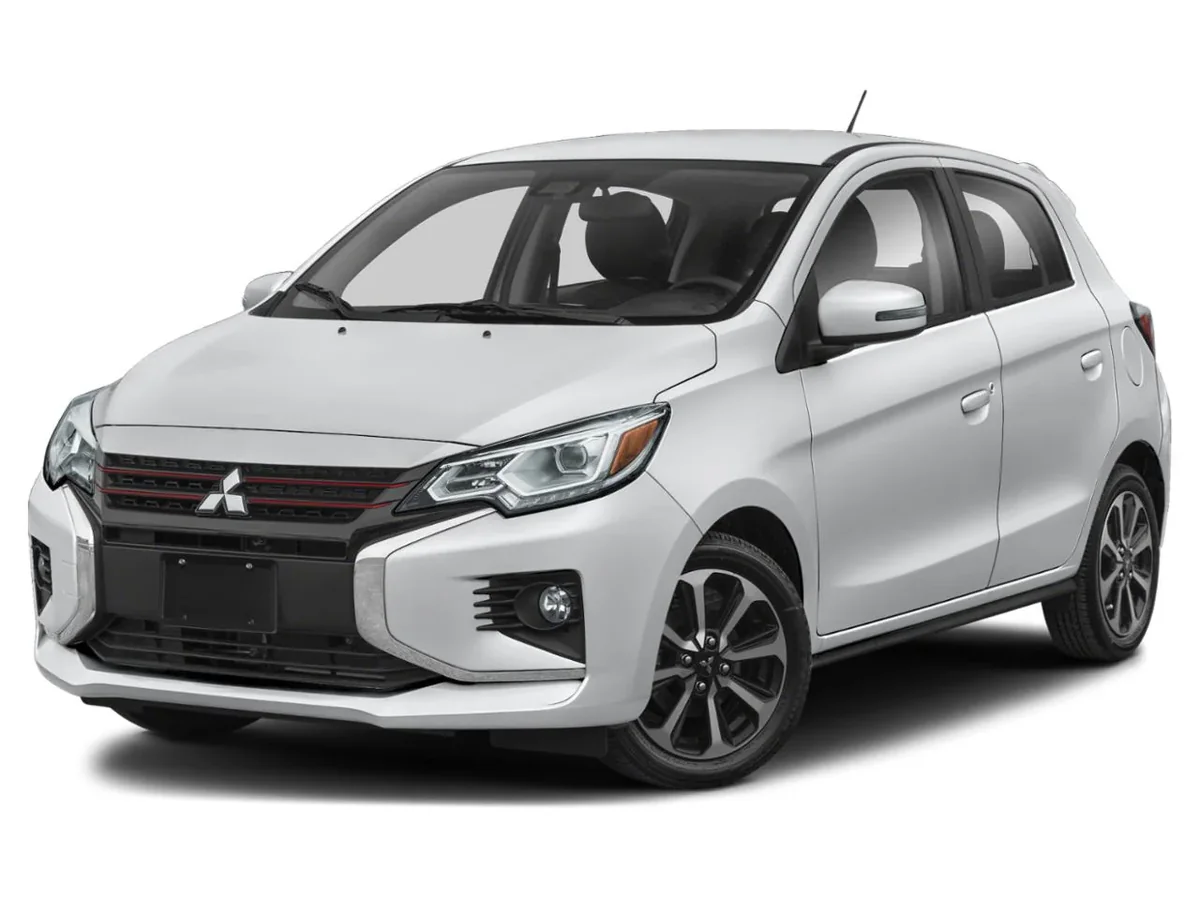
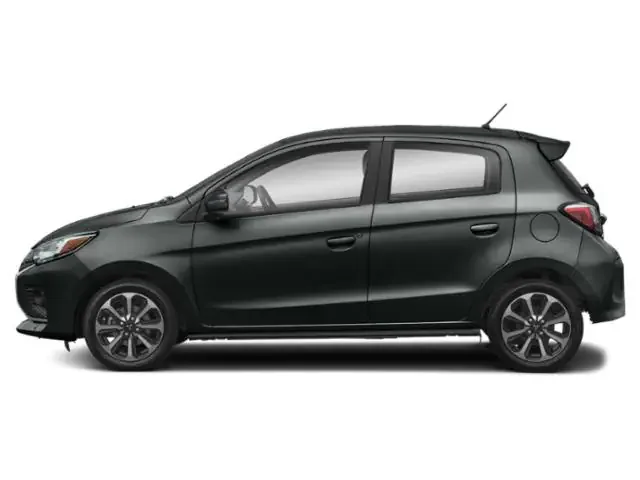
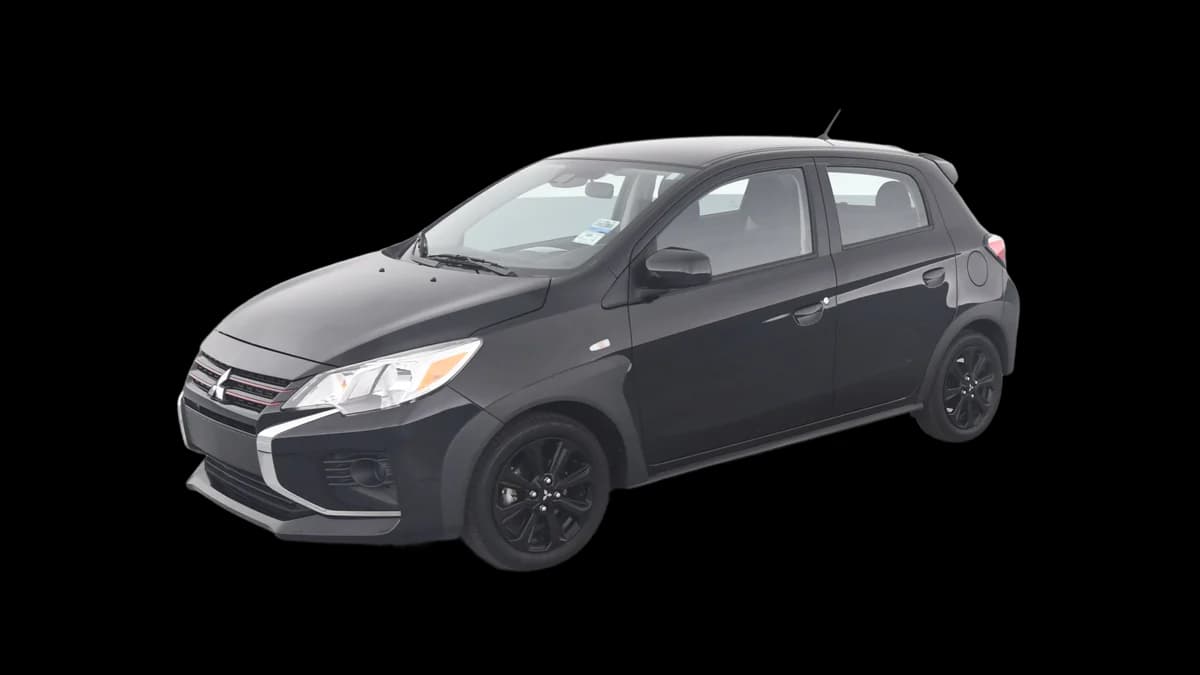
Mitsubishi Mirage (2024)
Affordable, fuel-efficient hatchback with long warranty coverage, best for city commuters.
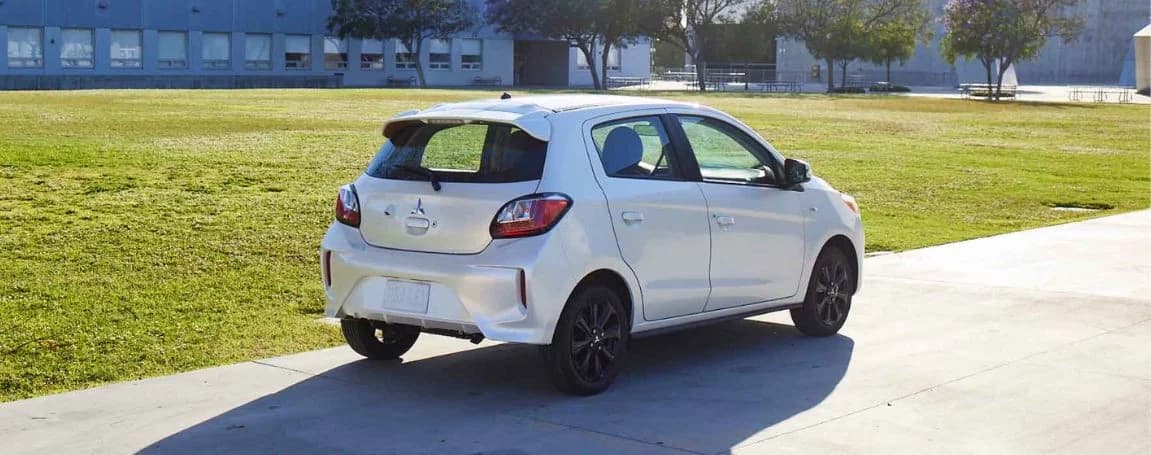
The Mitsubishi Mirage (2024) is a “buy new, spend little” hatchback for shoppers solving a practical problem: needing dependable transportation without used-car uncertainty or high fuel bills. Its 39 mpg combined rating, compact footprint, smartphone integration, and unusually generous warranty make the price compelling, and owners generally confirm it is easy to park, economical, and useful with the seats folded. But reviewers also agree the 78-hp three-cylinder is painfully slow, while engine and wind noise, basic materials, and cramped rear seating limit comfort. The Mirage delivers its best value for city commuters, students, and careful budget buyers, not frequent highway travelers. Its overall appeal depends on how much you prioritize low ownership costs, hatchback practicality, and warranty protection over refinement and performance.
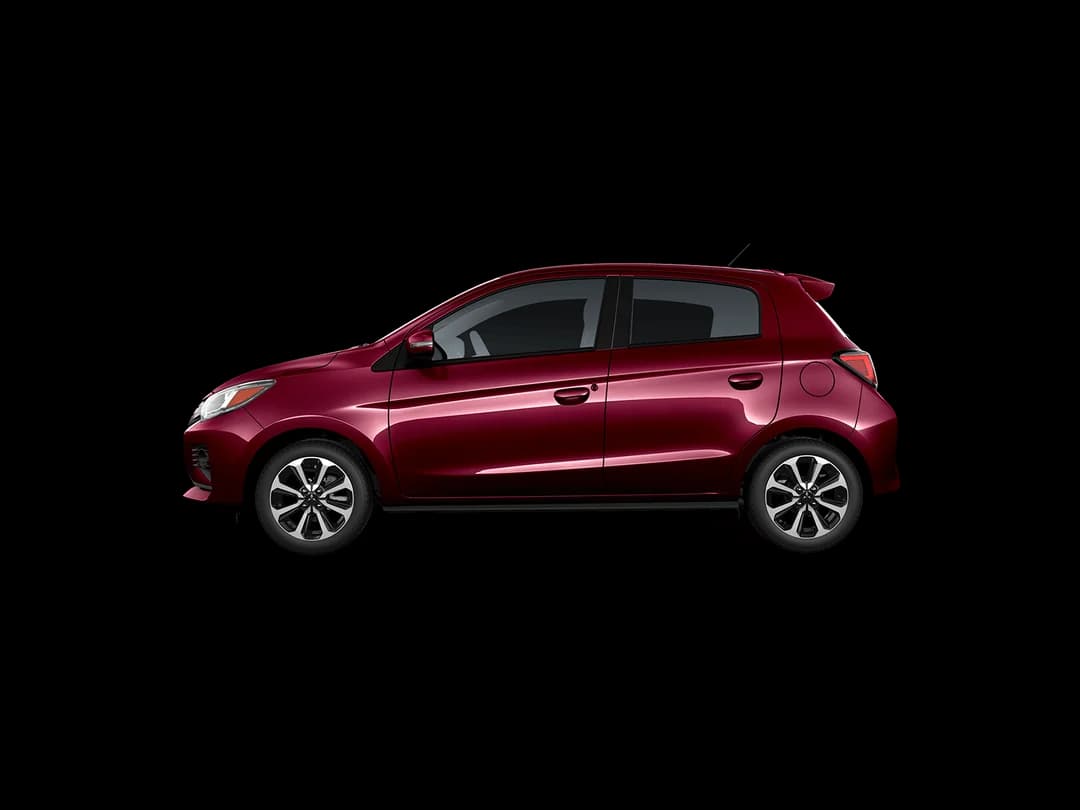
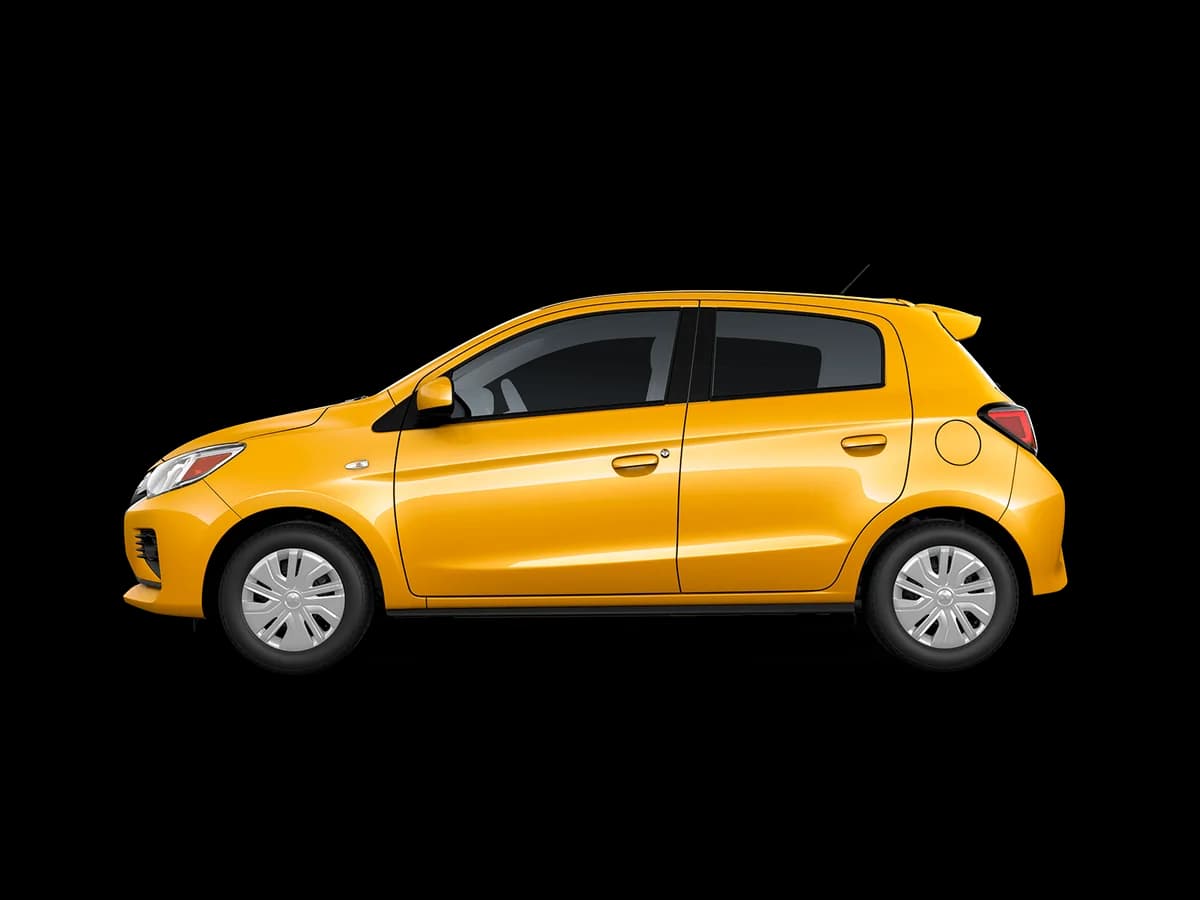
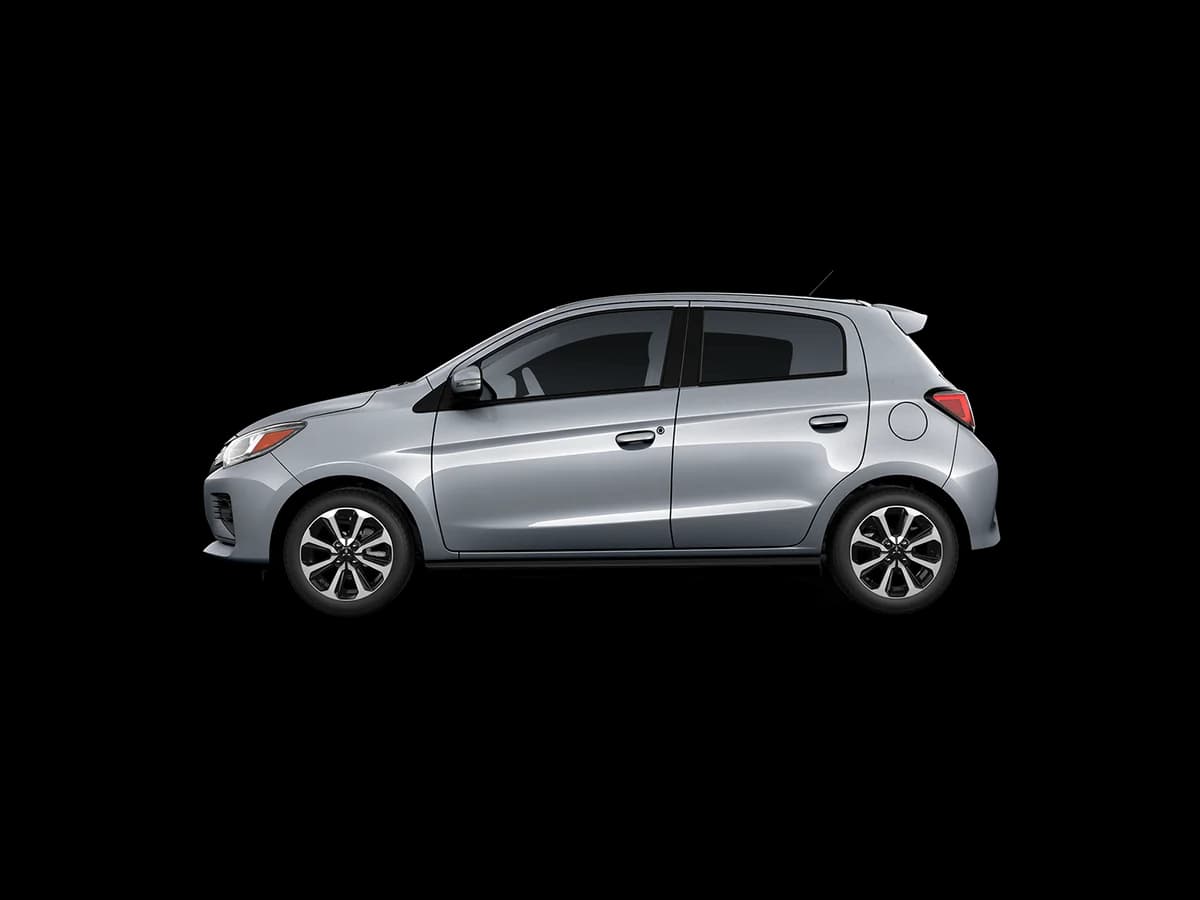
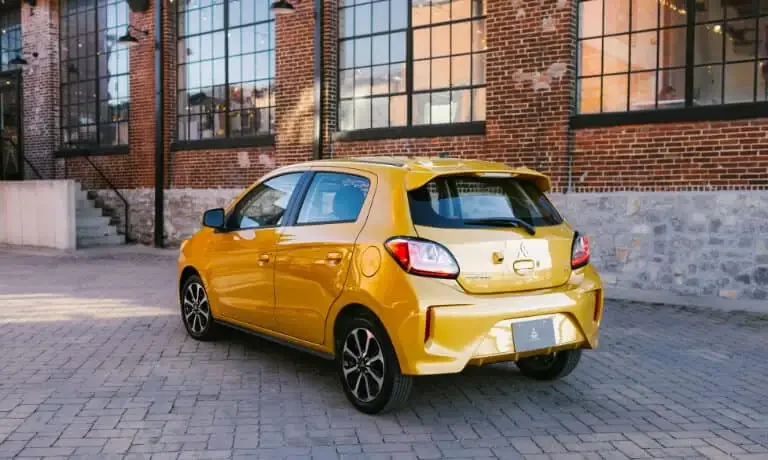
Find Yours
What is your primary use for a gas-powered sedan or compact?
Answer to find your best matches.

The Field
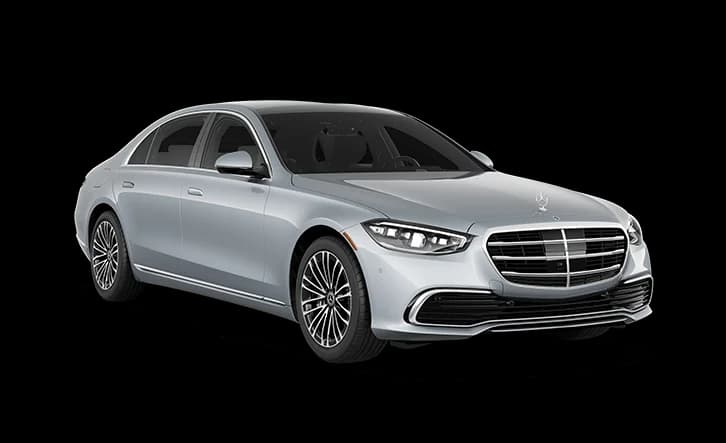
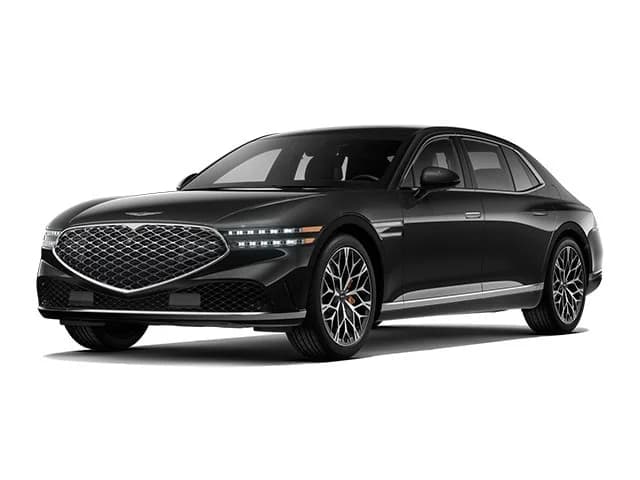
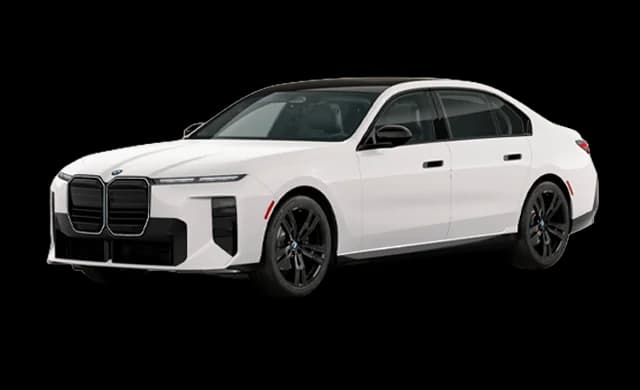
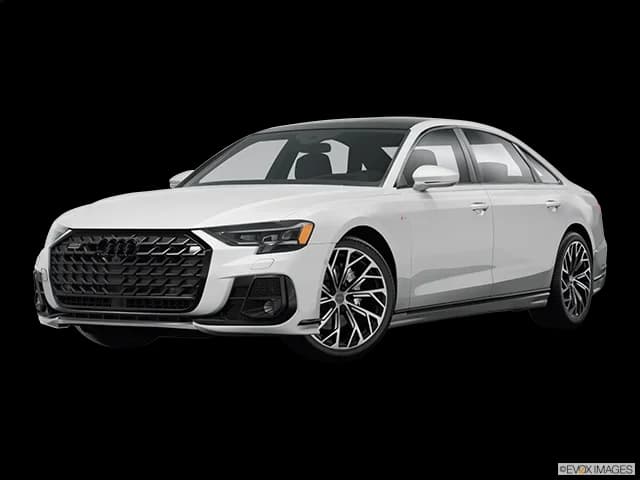
Browse top contenders, or compare all options ranked by score and key attributes.
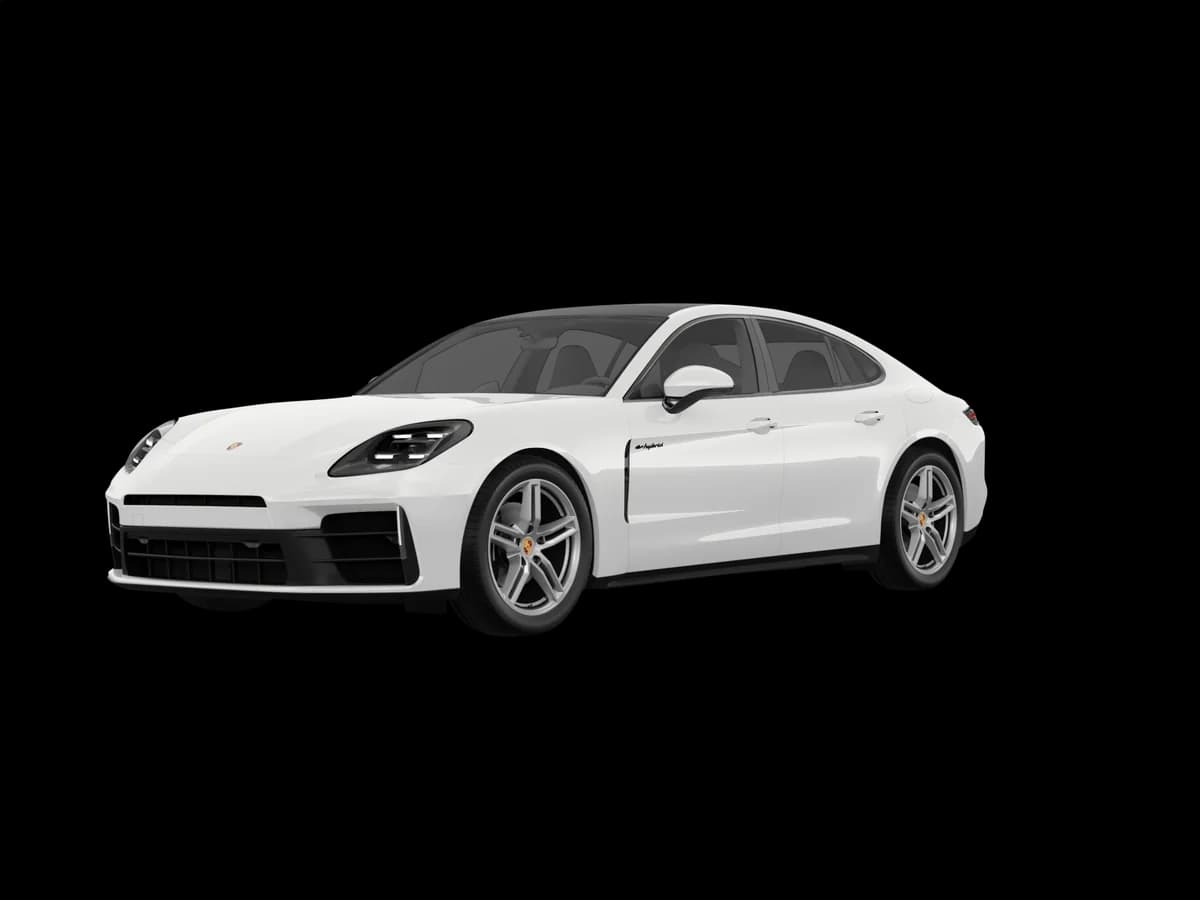
5 Options

The Scoreboard
Does this improve your life? Considers, health, habits, and environmental impact.
Benefits
Excellent mileage keeps everyday commuting cheaper and reduces interruptions at the pump.
Small dimensions and clear visibility make tight parking and crowded streets feel manageable.
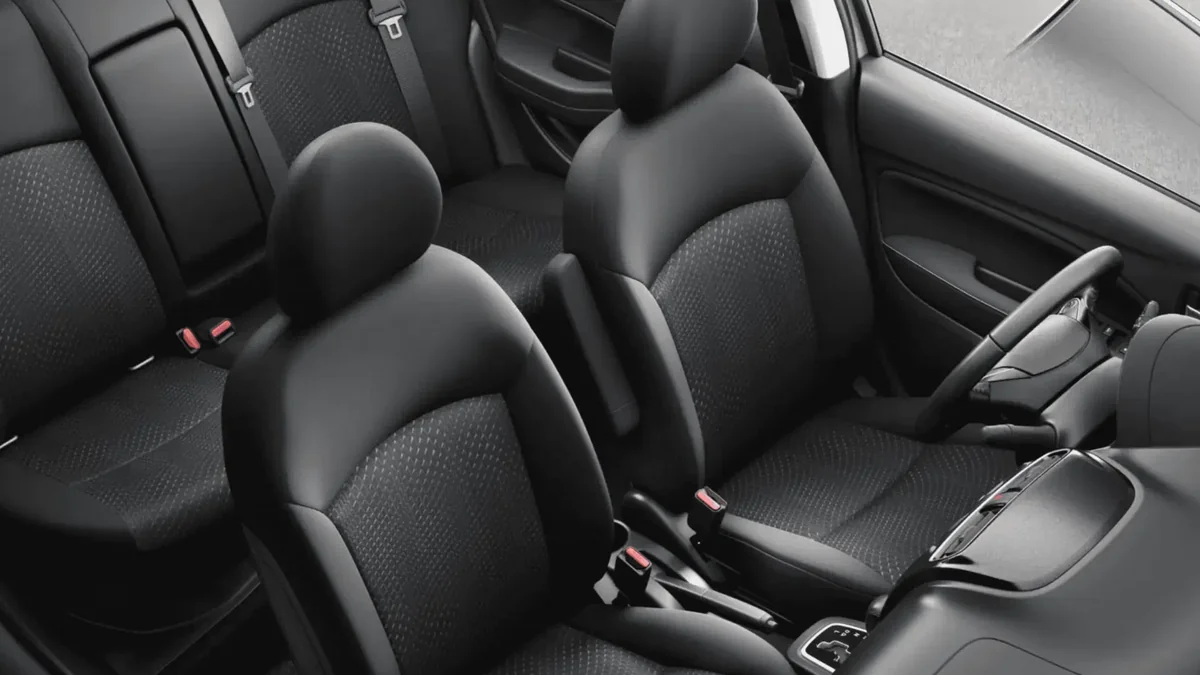
Foldable rear seats handle errands and bulky purchases better than its tiny footprint suggests.
Long coverage and roadside assistance make basic ownership feel more protected and predictable.
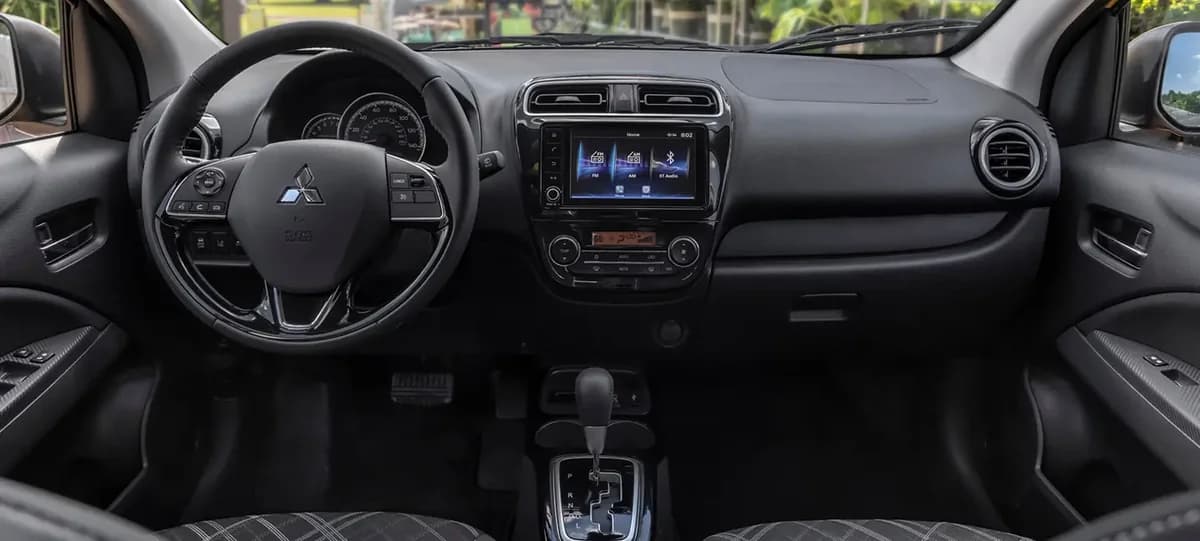
Apple CarPlay and Android Auto keep familiar navigation, calls, and music within easy reach.
Trade-Offs
Joining highways or passing traffic takes planning because acceleration stays weak and noisy.
Engine roar and wind noise make highway conversations and longer drives noticeably less comfortable.
Adults in back quickly run short on legroom, making ordinary group trips uncomfortable.
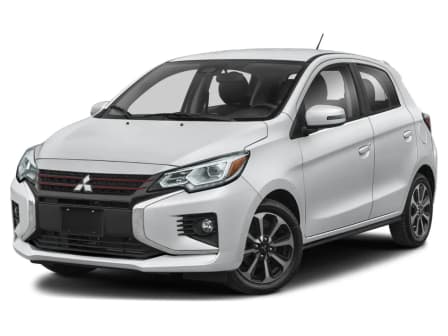
 Alternatives


Join the Circle
Where real meets deal
Know what's worth buying-and when.
Tips, special offers, and rewards for buying and sharing.

YouTube
10 LEADING EXPERT & INFLUENCER REVIEWS
 Doug DeMuro
Doug DeMuro is sharply negative on the Mitsubishi Mirage, calling it the worst new car you can buy. He criticizes its painfully slow acceleration, loud cabin, vague handling, harsh ride, cheap materials, sparse equipment, and odd cost-cutting details. Still, his frustration is tempered by an important insight: at heavily discounted prices, the Mirage offers genuinely strong fuel economy, useful cargo space, and unusually long warranty coverage. He understands its appeal as basic, new, dependable transportation for buyers who cannot risk an aging used car, but finds it deeply unpleasant by normal automotive standards.
Gold PonyGold Pony is positive but realistic about the 2024 Mitsubishi Mirage. He appreciates its exceptionally low price, 39-mpg combined fuel economy, complimentary maintenance, strong warranty coverage, standard smartphone integration, automatic climate control, and excellent visibility. His test found ride quality and steering surprisingly agreeable, though acceleration is very slow, braking feels soft, cabin noise rises under throttle, and the basic interior lacks comfortable door padding. The four-speaker audio system offers more bass than expected but limited clarity. Overall, he views the Mirage as an inexpensive, practical city commuter whose compromises are acceptable for budget-focused buyers.
Ben HardyBen Hardy is remarkably enthusiastic about the 2024 Mitsubishi Mirage, calling it his favorite car of the week—even alongside six-figure vehicles. He praises its comfortable seats, surprisingly roomy cabin, quick infotainment, decent backup camera, easy maneuverability, strong fuel economy, and sub-$20,000 price with a full warranty. The three-cylinder is undeniably slow, especially for highway passing, but he finds the Mirage enjoyable because it is exceptionally light and tossable. His boldest takeaway is that its perceived build quality and likely reliability exceed those of recent Ford, Ram, and Chevrolet vehicles he has reviewed.
Overdrive ReviewsOverdrive Reviews is cautiously positive about the 2024 Mitsubishi Mirage. It praises the remarkably low price, 39-mpg combined economy, easy city maneuverability, standard Apple CarPlay/Android Auto, safety braking, and excellent warranty. However, the enthusiasm stops there: the 78-hp engine is painfully slow and noisy, the interior feels cheaply built and outdated, rear space is tight, road noise is substantial, and the seats lack support. The Mirage makes sense as inexpensive A-to-B transportation for students or urban commuters, but the reviewer considers the Nissan Versa a much better-rounded choice for buyers able to spend a little more.
Extra lockExtra lock is strongly positive about the 2024 Mitsubishi Mirage after a year and 26,645 miles, reporting no mechanical problems and an impressive 52.7 mpg. He praises its practicality, including nearly flat-folding rear seats that accommodated a full-size refrigerator, while finding the interior durable overall. The main drawbacks are predictable: limited rear-seat space, easy-to-scratch plastics, modest power, and tires that seem to wear quickly. Mountain driving, air conditioning, and high elevation can make it extremely sluggish, but he still considers the Mirage dependable, economical, and capable enough for his mostly highway and mountain use.
TheAuto101TheAuto101 is ultimately disappointed by the 2024 Mitsubishi Mirage, despite appreciating its low-speed agility and practicality. The reviewer praises its roomy packaging, durable-feeling cabin, responsive Apple CarPlay system, and strong warranty, making it useful for city driving or a weekend trip for two. However, steep hills, highway passing, fast back roads, and high-altitude driving expose its weak 1.2-liter three-cylinder engine, strained fuel economy, small brakes, and limited confidence. With used cars offering more capability at similar prices, the Mirage’s main advantages are being new, inexpensive, and warranty-backed—not being an especially well-rounded commuter.
Rick PhillipsRick Phillips is strongly impressed by the 2024 Mitsubishi Mirage after a week of rental driving. He tested it on city streets, steep mountain passes, and 83-mph freeway cruising between Salt Lake City and St. George, finding its acceleration perfectly adequate and the car responsive despite its modest engine. He praises its easy maneuverability, comfortable and durable-feeling cabin, and suitability as inexpensive everyday transportation. Engine noise is his main criticism, while the sparse interior and limited features seem appropriate for the price. Overall, he considers the Mirage a surprisingly excellent buy and regrets choosing a Chevy Spark instead.
The Long Last ExpertThe Long Last Expert is strongly positive about the 2024 Mitsubishi Mirage’s long-term reliability. Despite its weak acceleration, noisy cabin, basic interior, body roll, rust concerns, and known early CVT and rear-alignment issues, the review portrays the lightweight Mirage as surprisingly durable when maintained properly. The 1.2-liter engine is considered dependable, while the Jatco CVT can exceed 200,000 miles with careful fluid service and gentle driving; the manual is even more reassuring. Later models, especially after the 2017 facelift, receive the clearest endorsement, making the Mirage an appealing low-cost commuter rather than an exciting car.
Oklahoma Coaster FanOklahoma Coaster Fan is highly enthusiastic about the 2024 Mitsubishi Mirage, calling it an ideal fit for his needs. He praises its genuinely small hatchback design, excellent fuel economy, low ownership cost, simple dashboard, physical controls, real key, steel wheels, spare tire, and easy-to-service engine bay. His personal experience—over 1,000 miles of gentle driving—supports his confidence, though long-term CVT durability remains a concern. He criticizes limited cargo flexibility, tight rear space, missing features, and some confusing displays, while strongly rejecting intrusive driver-assistance technology. Overall, he considers the Mirage an affordable, practical, refreshingly old-school commuter that “gets the job done,” despite not being perfect.
ReedmssReedmss is strongly negative on the 2024 Mitsubishi Mirage, calling it “laughably bad” to drive. He acknowledges its low price, light weight, excellent fuel economy, simple controls, touchscreen, and surprisingly useful spare tire, but those positives barely offset the 78-hp engine, painfully slow acceleration, ultra-light steering, cramped cabin, and visibly budget-grade construction. After using one as a rental, he argues that buyers seeking inexpensive transportation would be better served by a used Camry or another alternative, concluding that the Mirage mainly appeals to people determined to buy a new car for under $20,000.

Social
2 INFLUENCER REVIEWS
 matgro1
matgro_ is distinctly unimpressed with the Mitsubishi Mirage, calling it nearly thrill-free and poorly equipped. He points to apparent blank or missing buttons, just one automatic window, and the backup camera as a government-mandated afterthought. His sharpest joke is that most Mirages seem to be rental cars in Maui. Still, the criticism is tempered by a practical concession: despite its sparse interior and lack of excitement, the Mirage performed well enough for their island driving needs. Overall, the tone is sarcastic, dismissive, and mildly appreciative of its basic usefulness.
Younger CarsYounger Cars views the 2024 Mitsubishi Mirage favorably, especially for its low $16,695 price and excellent fuel economy. The compact hatchback offers a modest 78-horsepower three-cylinder, claimed durability beyond 200,000 miles, automatic climate control, and a standout 20-year, 200,000-mile powertrain warranty through the Hagerstown dealer. However, the review is measured rather than enthusiastic, pointing out that the rear seat feels cramped for someone six feet tall and that the cabin uses basic equipment such as key ignition and analog gauges. Overall, it appears practical and affordable, but clearly built around value rather than performance or refinement.

Forum Reviews
CUSTOMER REVIEWS FROM 1 FORUM

Redditors are divided on the 2024 Mitsubishi Mirage, appreciating its practicality but criticizing its limitations. Owners commonly praise its exceptional fuel economy, low running costs, simple maintenance, reliability, warranty, and surprisingly roomy hatchback or G4 sedan. It suits urban commuting and buyers prioritizing inexpensive, dependable transportation over refinement. The recurring drawbacks are very weak acceleration, noisy and wind-sensitive highway manners, modest comfort, basic materials, and questionable value when priced near better used cars. Safety concerns also surface, though some owners report confident mountain and freeway driving. The consensus is favorable for careful budget shoppers with modest needs, but poor for frequent highway travel or anyone expecting performance or polish.
Many comments

In-Depth Review

Highlights
- •Strong Fuel EconomyRated at 39 mpg combined.
- •Extended Warranty CoverageAdvertised with 10-year powertrain coverage.
- •Easy City ManeuveringCompact size simplifies parking and errands.
- •Useful Hatchback SpaceFolded seats accommodate bulky purchases.

Considerations
- •Very Slow AccelerationHighway merging and hills require planning.
- •Noisy Highway DrivingEngine and wind noise rise noticeably.
- •Basic Cabin MaterialsInterior feels sparse, dated, and inexpensive.
- •Cramped Rear SeatingTall adults may find the back uncomfortable.
Mitsubishi’s Mirage is a budget-first new car for buyers who value low costs over polish or pace. Its main job is simple transportation—commuting, errands, and city parking—with standout 39 mpg combined fuel economy, standard smartphone integration, and unusually long warranty coverage. Compared with pricier rivals such as the Nissan Versa, it offers a lower entry point and useful hatchback flexibility, but its 78-hp three-cylinder makes highway merges and hills a careful exercise. The compact footprint and visibility suit students, urban drivers, and cost-conscious commuters, while ride quality, cargo practicality, and rear-seat comfort determine how livable it feels day to day. Review the areas that match your routine most closely; the Mirage keeps ownership economical, but its tiny engine has a very large opinion about patience.
Fuel Economy
Fuel savings are the Mirage’s clearest everyday advantage. Mitsubishi rates the hatchback at 39 mpg combined, with 36 city and 43 highway, using regular gasoline and a 34.8-liter tank. Some real-world reports are even better, including one owner’s claimed 52.7 mpg, though results depend heavily on speed, terrain, weather, and driving style. Experts and owners generally support its efficiency, making it particularly appealing for commuters who want fewer fuel stops and lower running costs. The trade-off is that hills, altitude, air conditioning, and sustained highway speeds can reduce economy while exposing the engine’s limited power.
Ride And Handling
The Mirage feels easy to place in traffic, though refinement is limited. Its front-wheel-drive layout, compact footprint, and clear outward visibility help with parking and low-speed maneuvering. Feedback on the ride is mixed: some testers find the steering agreeable and the suspension comfortable enough, while others note body roll, vague handling, small brakes, and a harsh or unsettled feel. Engine and road noise rise quickly under throttle, and wind can affect highway stability. It is usable rather than polished, with its light weight favoring urban agility over high-speed confidence.
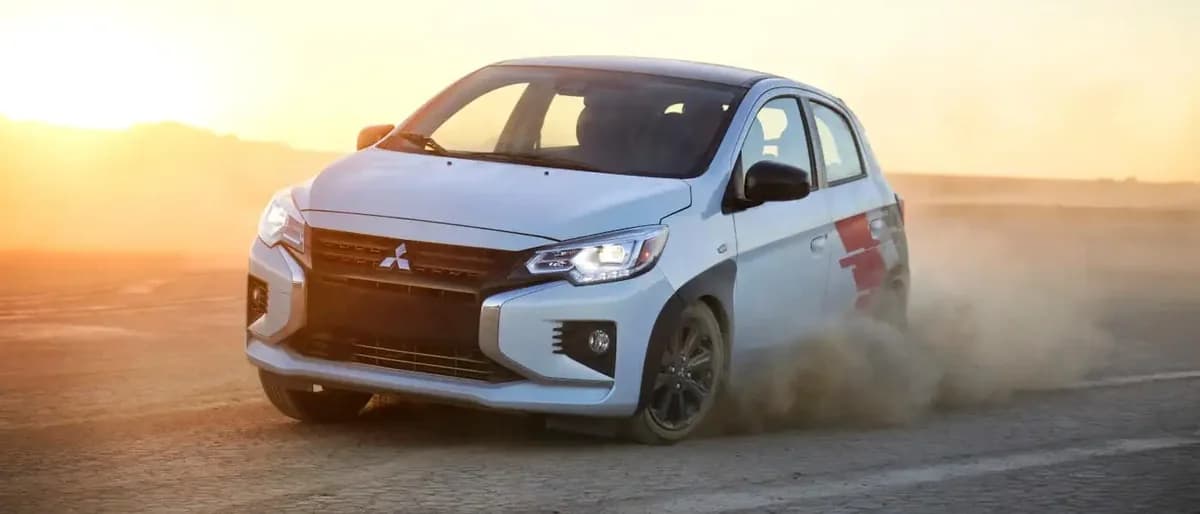
Cargo And Versatility
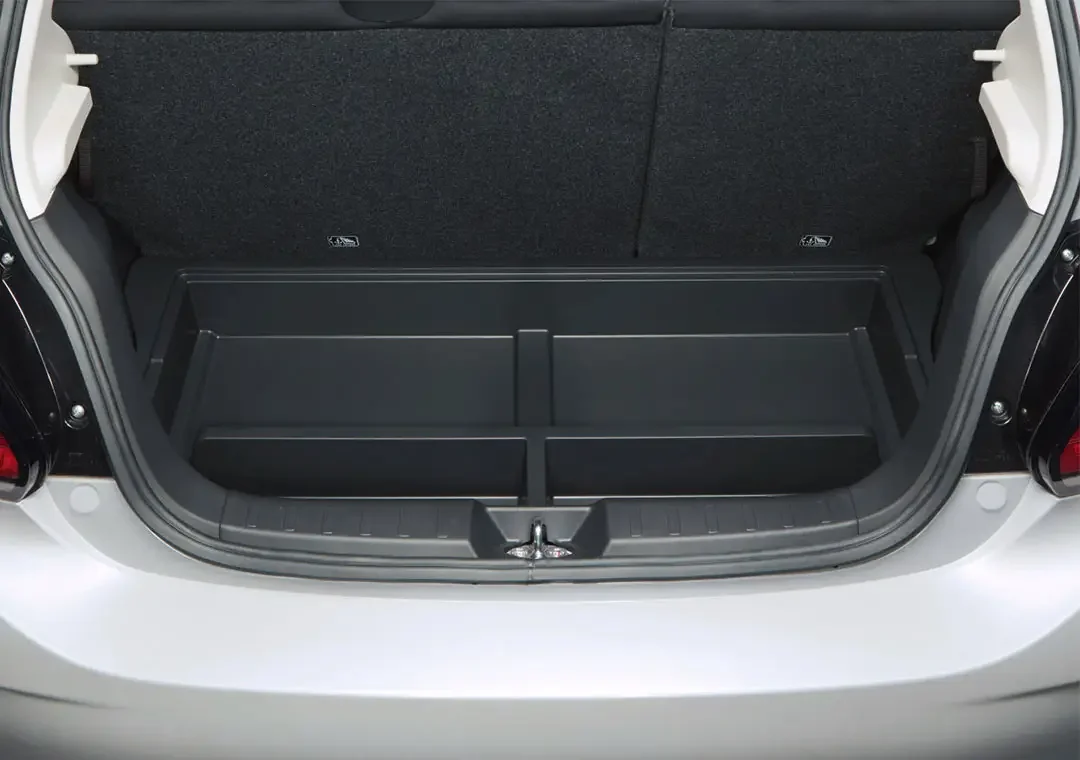
This small hatchback carries more practical value than its exterior suggests. The Mirage offers 17.1 cubic feet behind the rear seats and up to 1,331 liters with them folded, creating useful room for groceries, luggage, and occasional bulky purchases. One long-term owner even reported fitting a full-size refrigerator, although that is an exceptional use rather than a typical expectation. The five-door layout and foldable rear bench suit solo commuters and couples well. Still, cargo flexibility and seat-folding details may feel less sophisticated than in larger, better-equipped rivals.
Compact City Maneuvering
Small dimensions are central to the Mirage’s usability. At about 151.4 inches long and 65.6 inches wide, it slips into tight parking spaces and feels approachable on crowded streets. The hatchback body, light curb weight of about 955 kg, and good visibility reinforce that city-friendly character. Owners and reviewers generally appreciate its easy maneuverability, while the simple controls keep routine driving uncomplicated. The same lightweight construction contributes to wind sensitivity and a less planted highway feel, so its compactness is a meaningful urban strength rather than an all-purpose advantage.
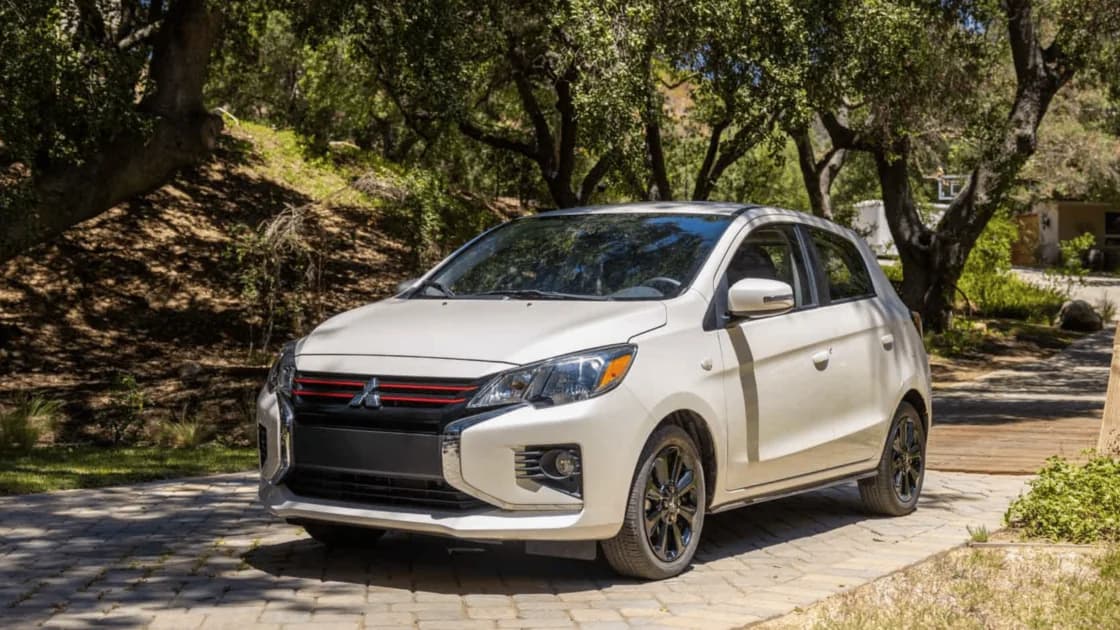
Engine Performance
The Mirage is adequate around town but distinctly slow when speed matters. Its 1.2-liter three-cylinder produces just 78 horsepower and 100.3 Nm of torque, with roughly an 11-second 0–60 mph time through a CVT. Reviewers consistently report noisy, strained acceleration, especially during highway merging, passing, mountain driving, or at high altitude. A few testers found it responsive enough for ordinary freeway use, so the experience depends on expectations and route. For city errands, the light weight is manageable, but buyers needing confident performance should look elsewhere.
Rear-Seat Space
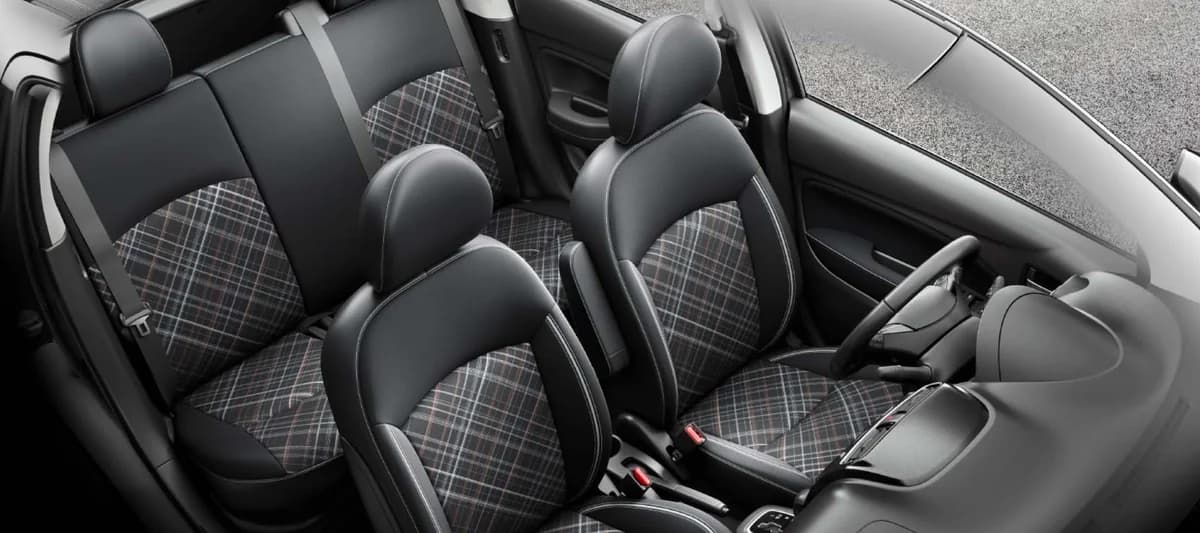
The rear seats are best treated as occasional seating for adults. Mitsubishi lists 34.2 inches of rear legroom, and the cabin can technically accommodate five people, but taller passengers commonly find the second row cramped. Reviewers specifically note discomfort for adults around six feet tall, while owners describe the front seating and overall hatchback packaging as more generous than expected. That makes the Mirage practical for children, short trips, or a small household, but less suitable for regular group travel. Buyers should sit in the back before choosing it as a primary family car.
Conclusion
The Mirage makes its case with 39 mpg combined, tiny dimensions, and hatchback practicality: it is easy to park, inexpensive to run, and surprisingly useful with the rear seats folded. Owners and reviewers generally find the ride manageable around town, but the 78-hp three-cylinder demands patience for highway merges, hills, and passing, while engine and wind noise limit long-distance comfort. Its light, maneuverable feel suits urban errands, yet the cramped rear seat is better for occasional passengers than adults on regular trips. That leaves a clear verdict: the Mirage is a sensible choice for students, city commuters, and buyers who prioritize a new-car warranty over refinement; it is a poor fit for frequent highway travel, full-time family use, or drivers expecting effortless performance. Its long warranty coverage and low operating costs make the compromises defensible, but only for the right routine.

Feature Scores
This reflects reviews and ratings from established critics, journalists, and users who have evaluated the item. Their opinions provide a comprehensive assessment.
Performance
Engine Power
1/5
Acceleration
1/5
Reliability & Durability
4/5
Handling & Ride Comfort
3/5
Braking Performance
2/5
Value
Purchase Price Competitiveness
4/5
Cost of Ownership
4/5
Resale Value
2/5
Feature Value
4/5
Design
Exterior Styling
2/5
Interior Ergonomics
3/5
Cargo Space
3/5
Infotainment Quality
3/5
Health
Cabin Air Quality
TBD
Material Toxicity
TBD
Safety
Crashworthiness
3/5
Active Safety Systems
4/5
Visibility & Lighting
4/5
Child Occupant Protection
2/5
Sustainability
Fuel Efficiency
5/5
Tailpipe Emissions
4/5
Recyclability
TBD
Manufacturing Footprint
TBD
Experience Style
Driver Engagement
2/5
Customization Options
2/5
Ease of Use
4/5
Ownership Convenience
4/5

Specifications
This section outlines the product's key facts, covering essential features, details, dimensions, materials, and any unique characteristics that define its functionality and usability.
Performance
Value
Design
Safety
Sustainability
Experience Style

Frequently Asked Questions
6 Questions



Find Yours
What is your primary use for a gas-powered sedan or compact?
Answer to find your best matches.