
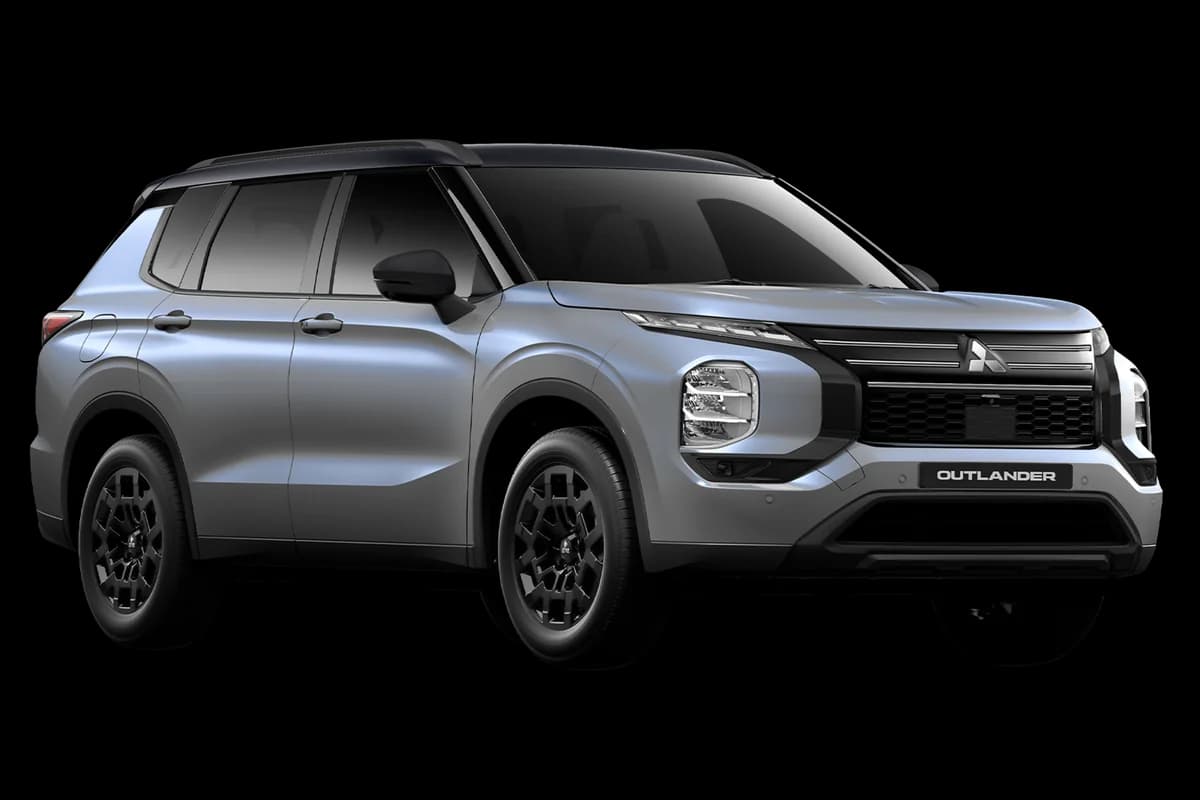
Mitsubishi Outlander (2026)
Upscale, family-friendly seven-seat SUV with strong tech, but sluggish performance and a cramped third row.
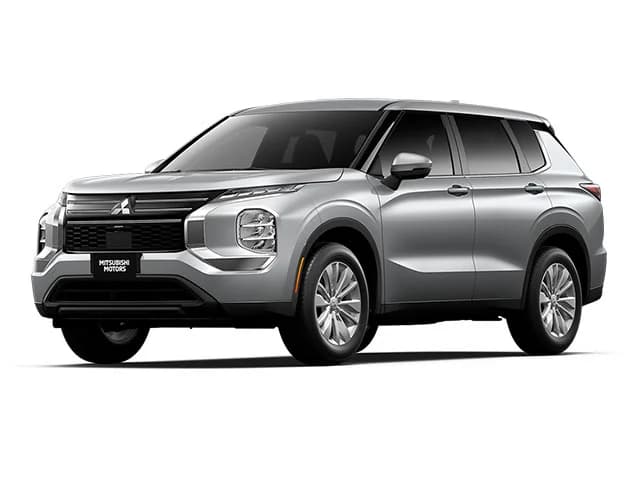
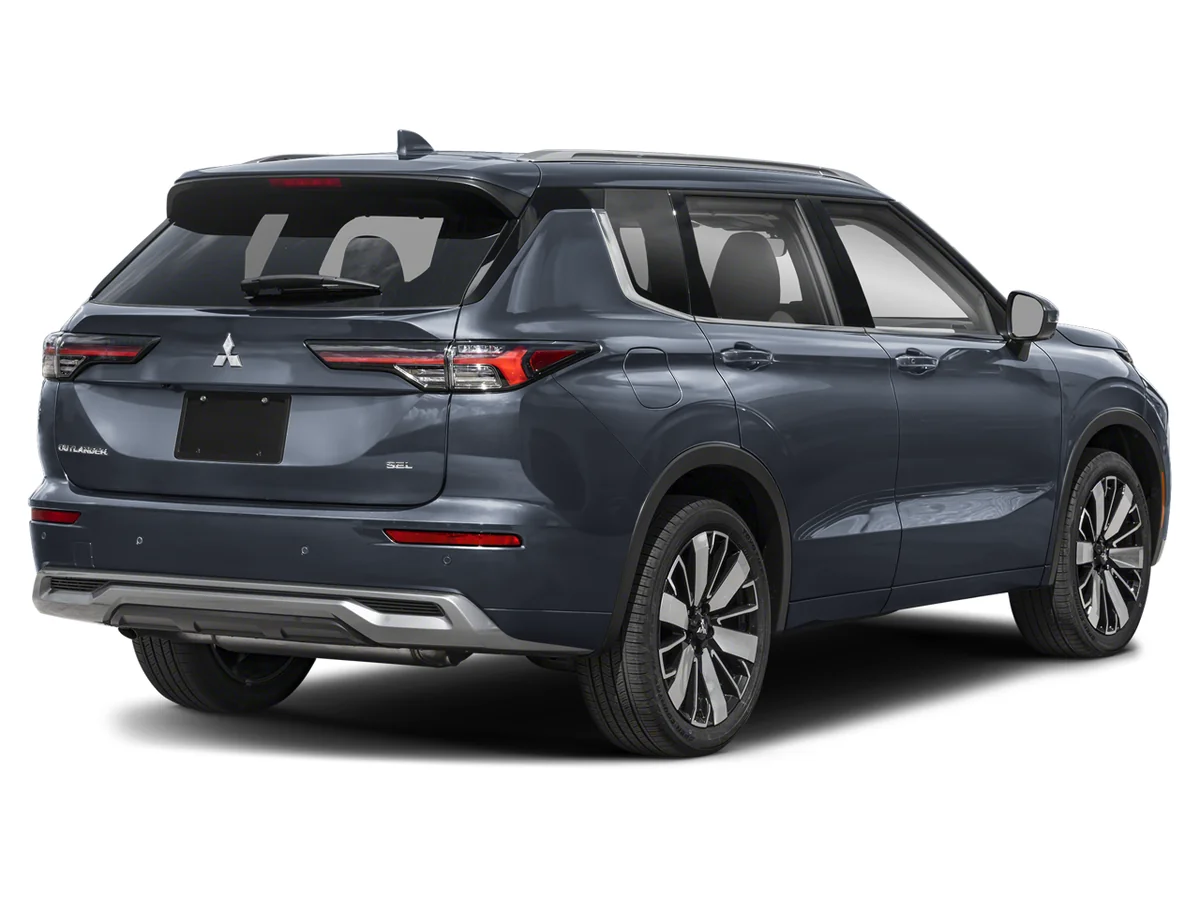
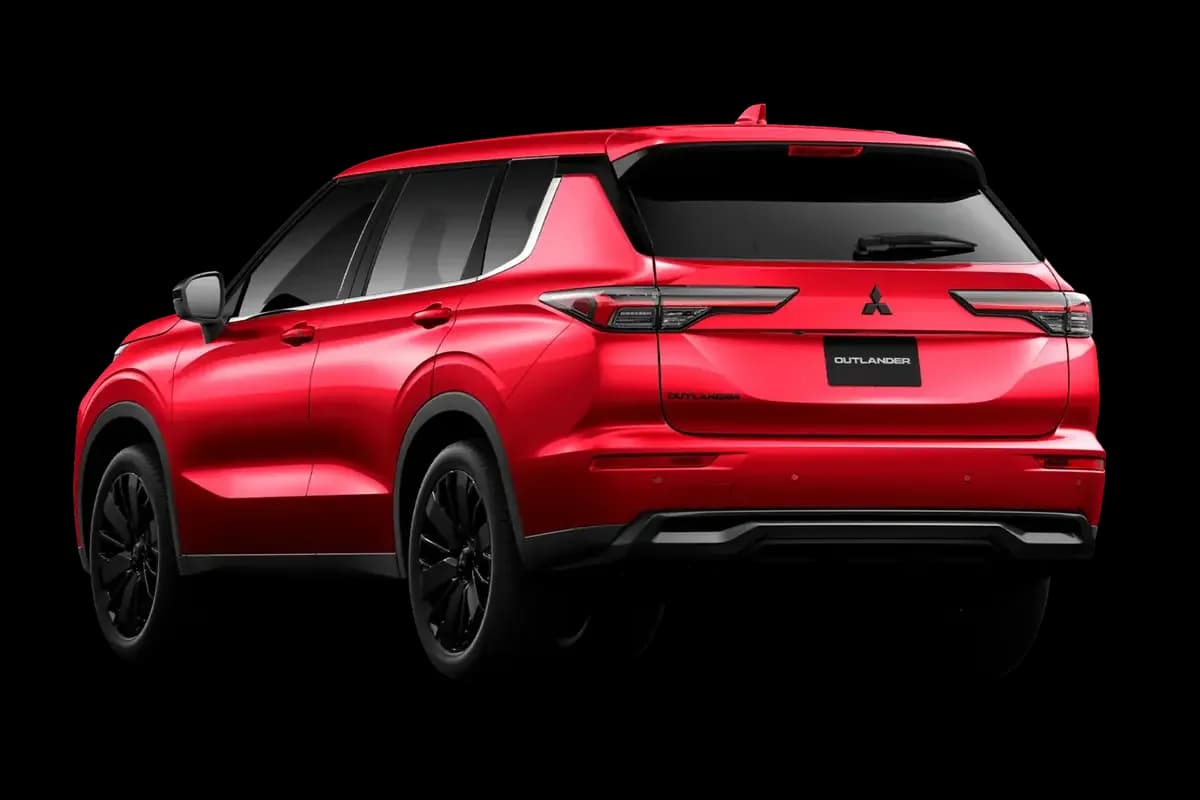
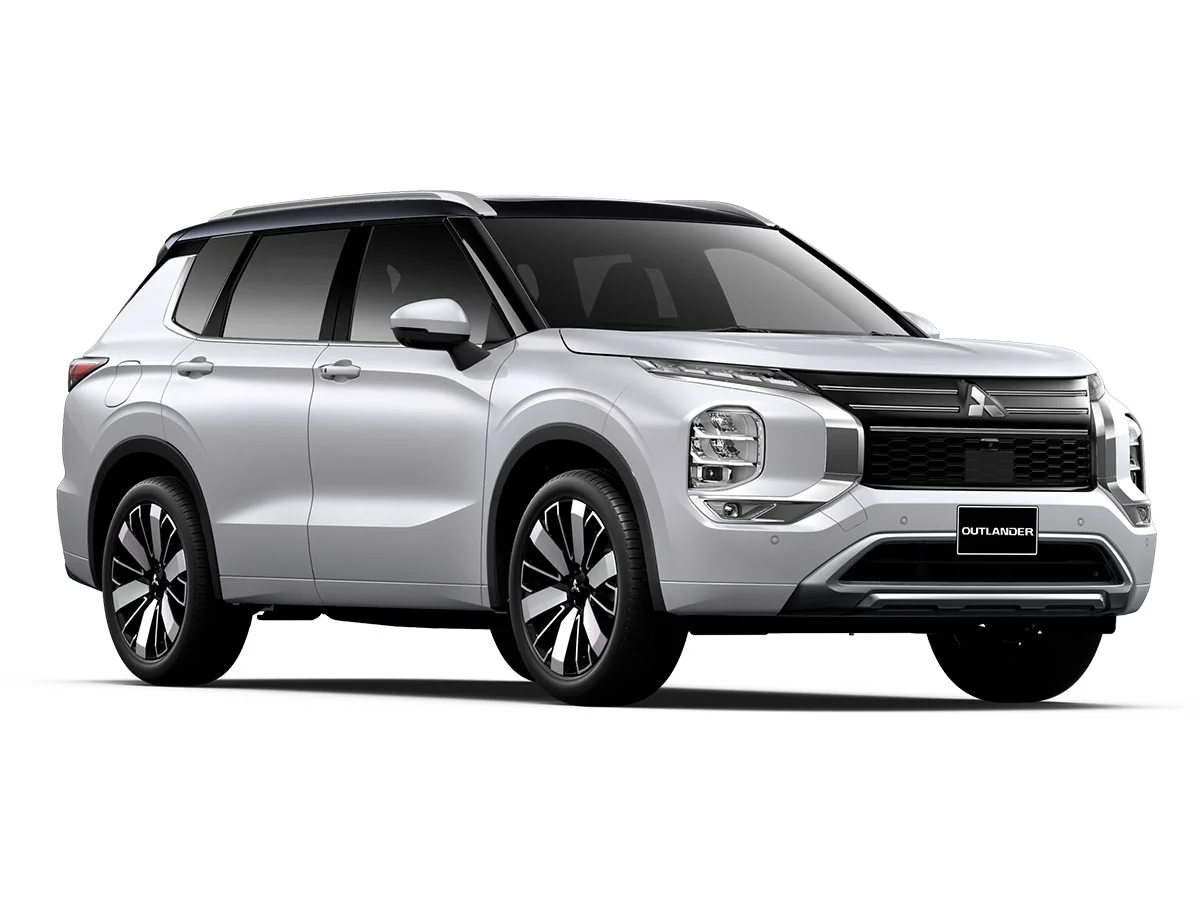
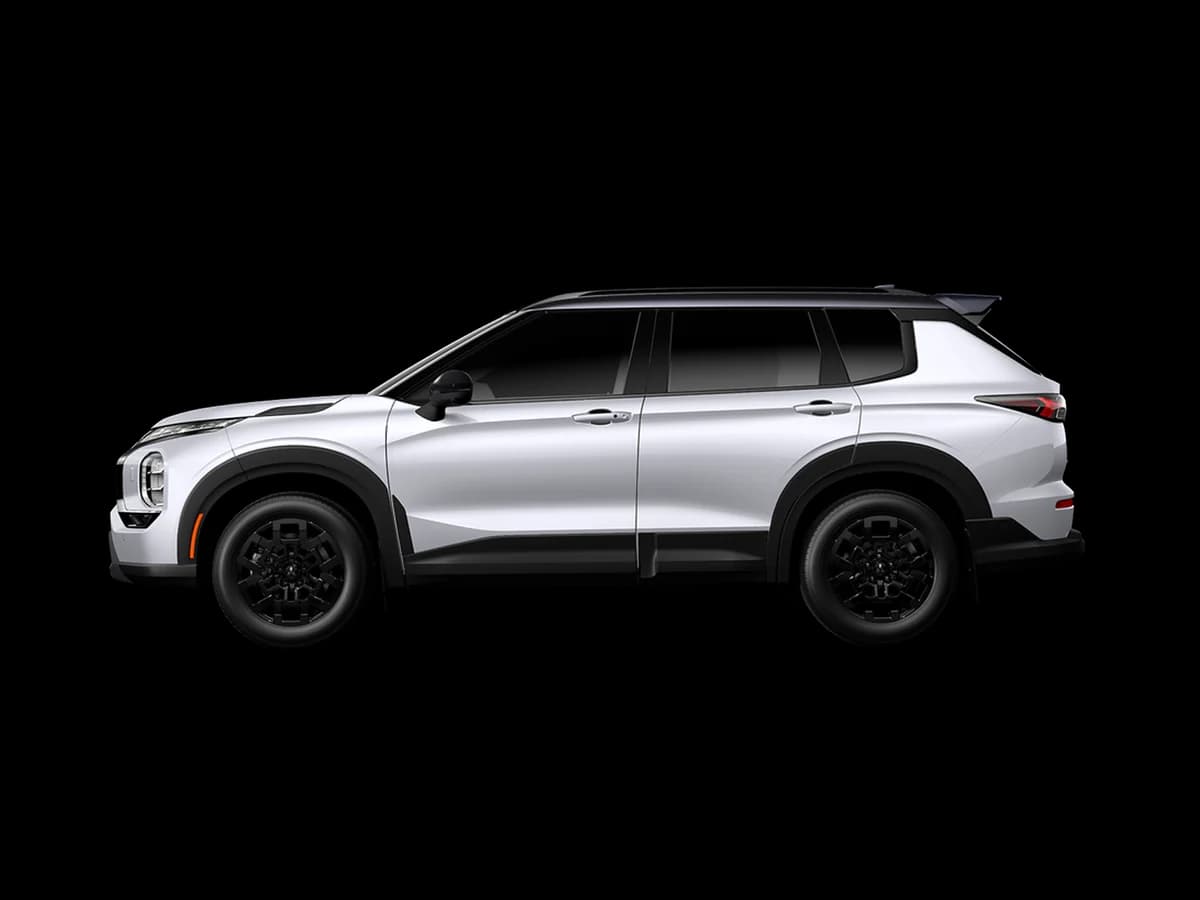
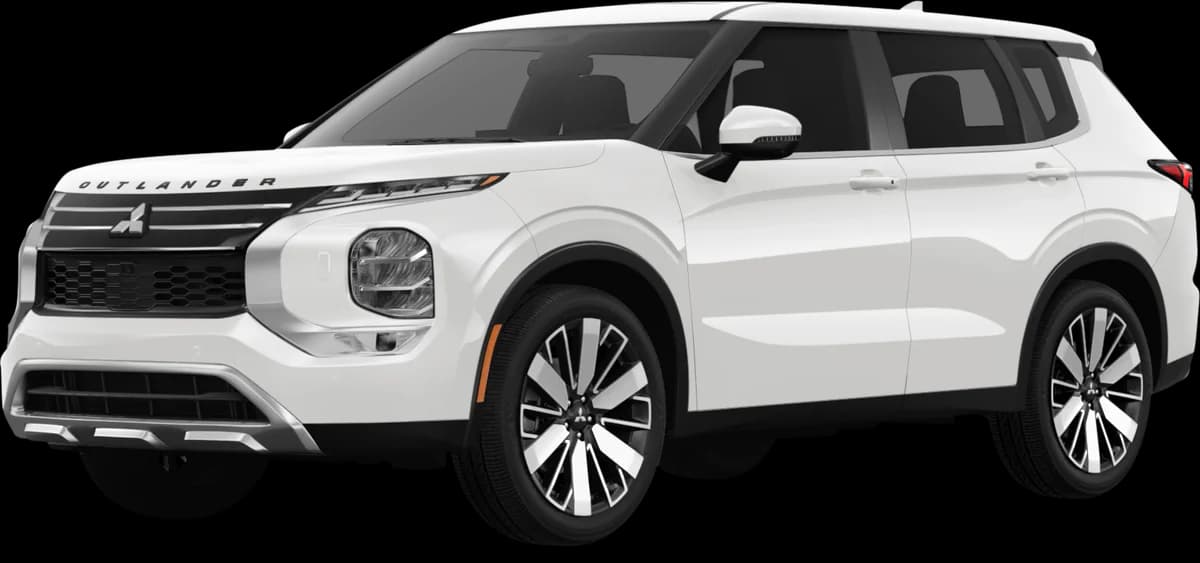
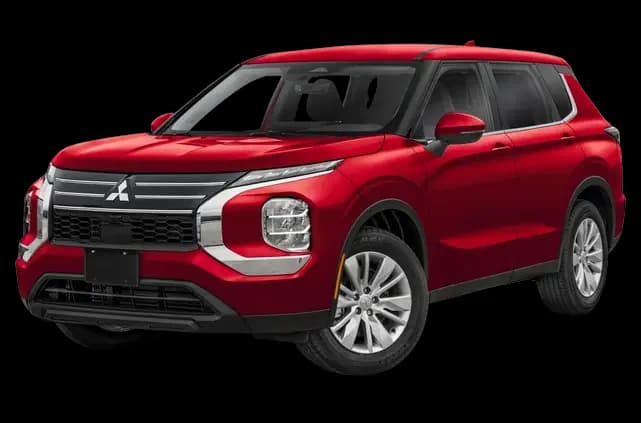
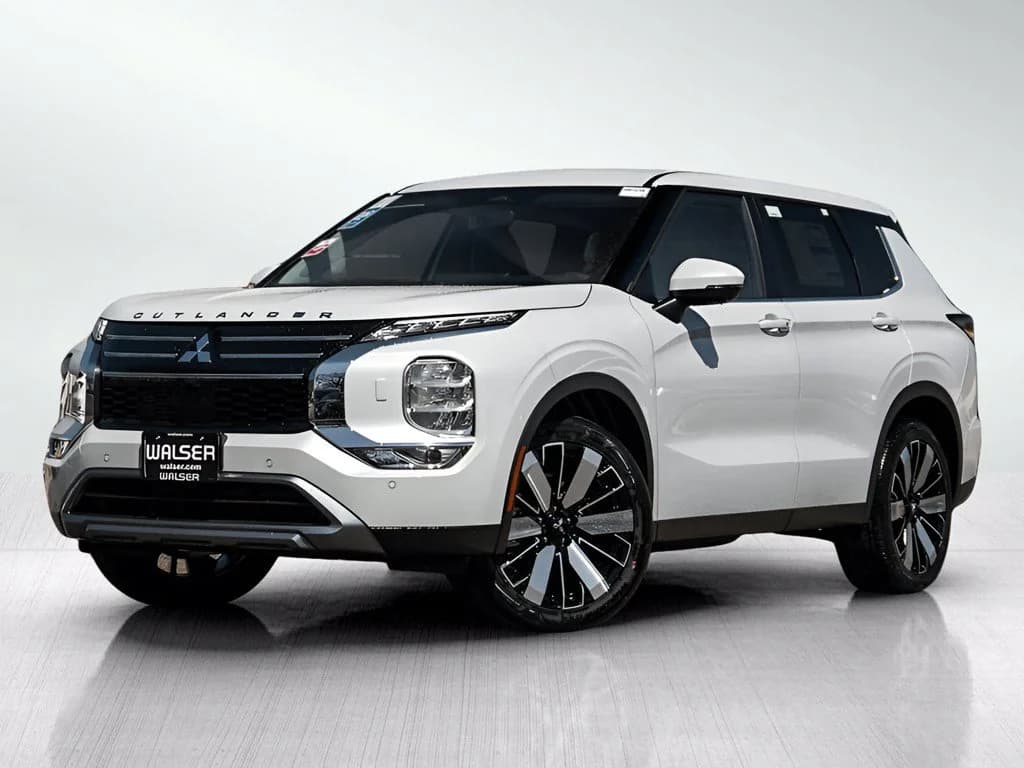
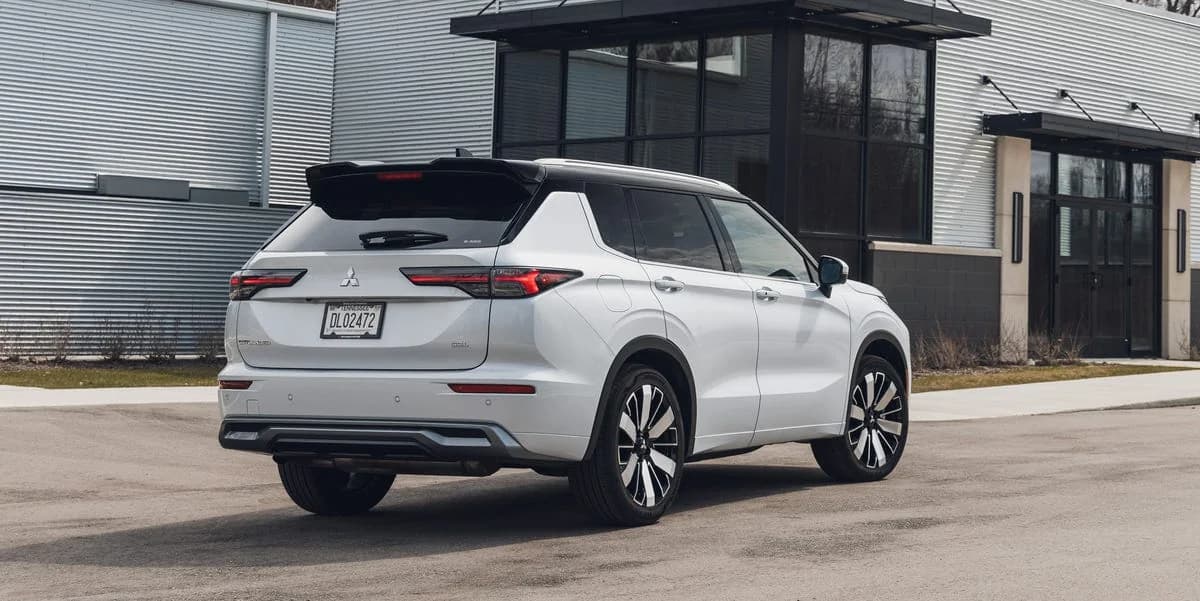
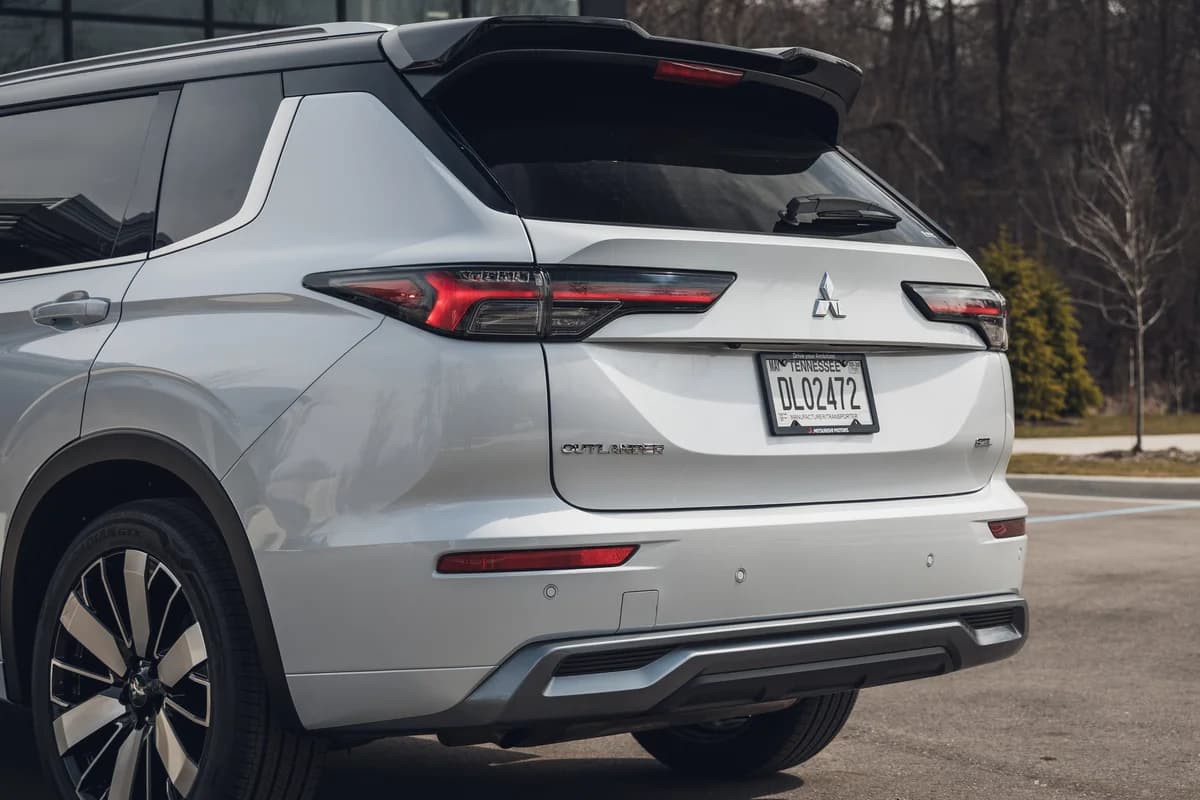
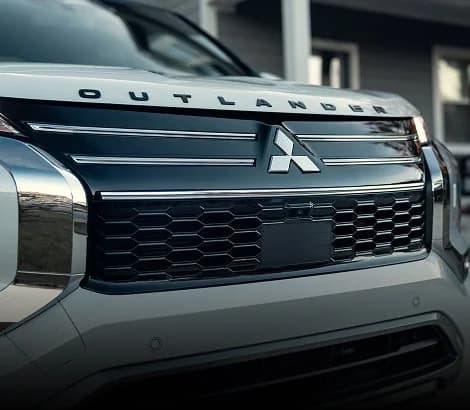
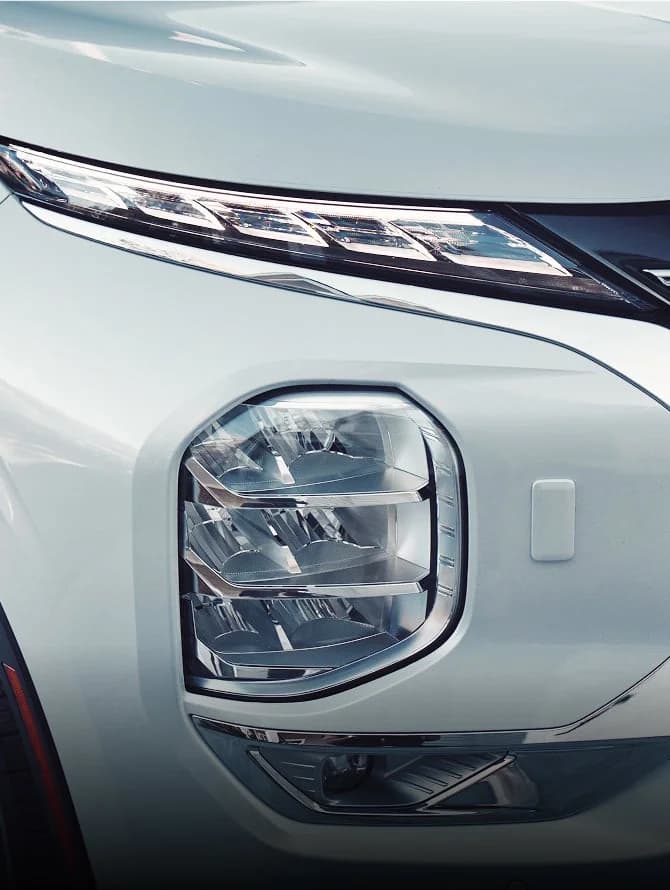
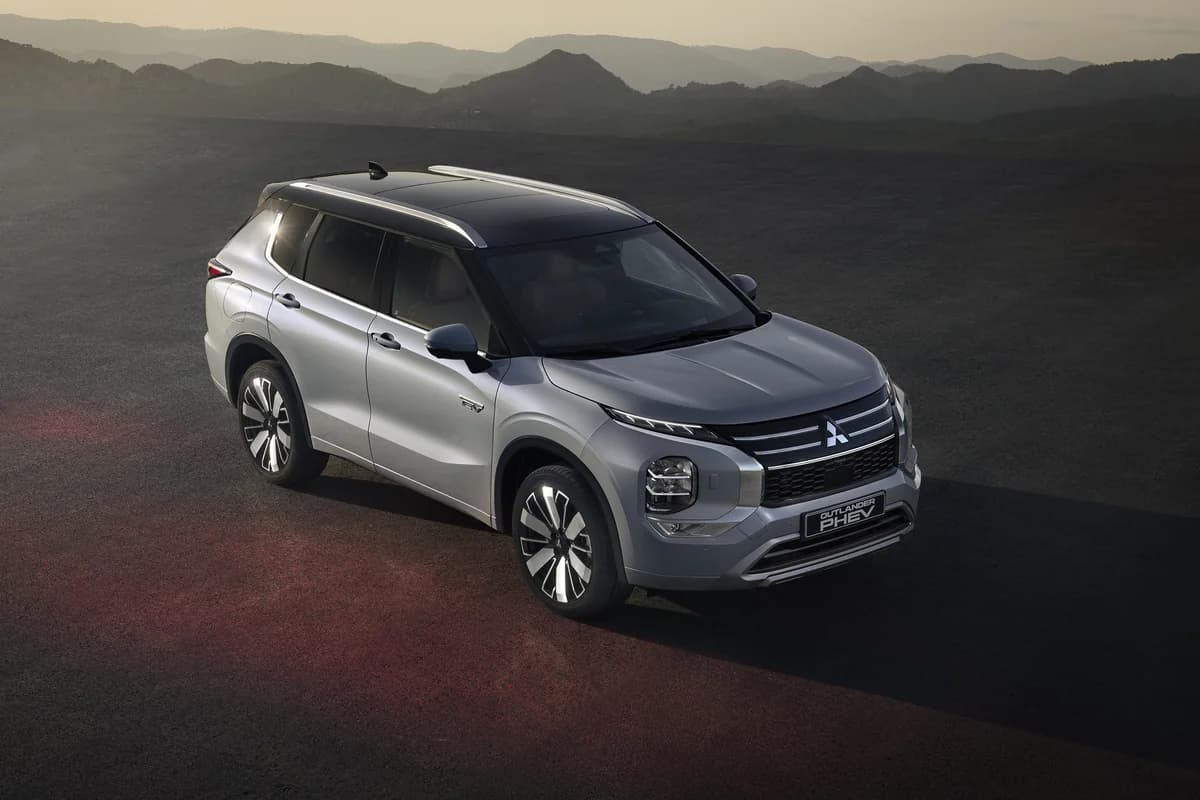
The 2026 Mitsubishi Outlander is the compact SUV for families solving a tricky problem: occasional seven-passenger duty without paying for a larger vehicle. It brings an upscale, tech-rich cabin, superb Yamaha audio, comfortable seats, and available AWD, giving it genuine polish for the price. Mitsubishi’s new mild-hybrid setup promises better efficiency, but real-world feedback is less flattering, citing noisy, sluggish acceleration and awkward stop-start behavior. The third row is handy for children or emergencies, not adult road trips, and cargo space shrinks with all seats occupied. The PHEV is more compelling if home charging is easy, thanks to useful electric range, but costs more. Overall, value depends on discounts, charging access, and whether flexibility matters more than refinement, which shapes its favorable-but-qualified Buyary outcome.
Find Yours
What's your main motivation for choosing a Hybrid SUV?
Answer to find your best matches.

The Field
Browse top contenders, or compare all options ranked by score and key attributes.
5 Options

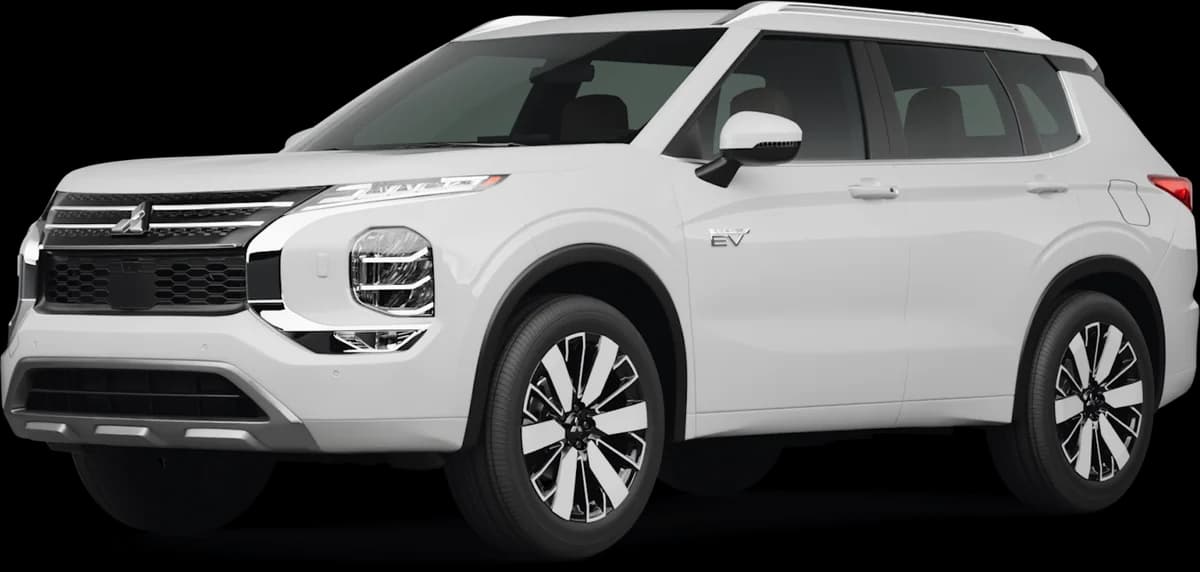


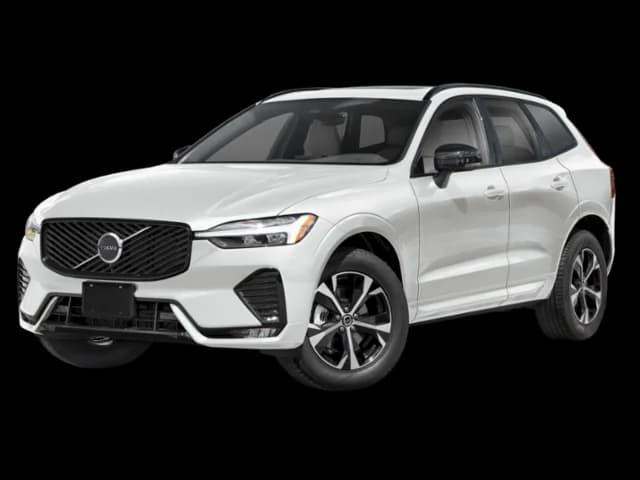

The Scoreboard
Does this improve your life? Considers, health, habits, and environmental impact.
Benefits
Supportive seats and polished materials make commuting and family errands feel easier.
Extra row handles school pickups and occasional passengers without requiring a larger SUV.
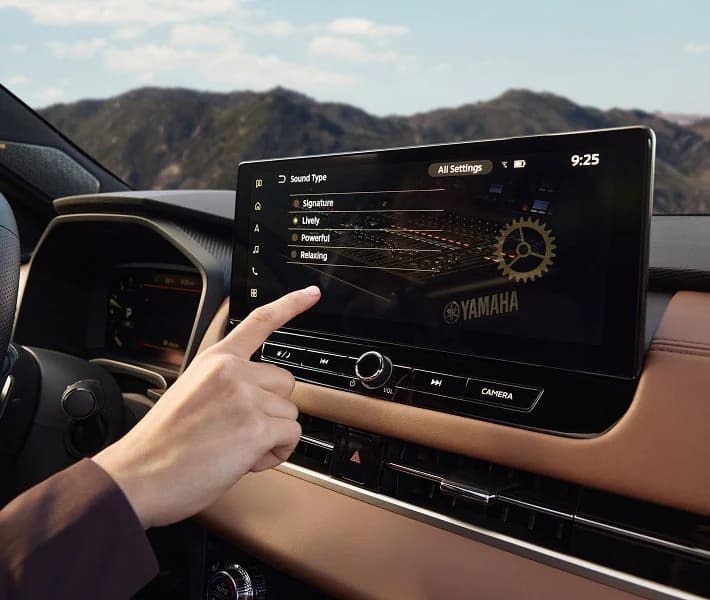
Clear screens, physical controls, cameras, and Yamaha audio make driving simpler and more enjoyable.
Mild-hybrid gas or PHEV options offer efficiency without requiring a fully electric vehicle.
Trade-Offs
Pressing hard for merging or passing brings engine noise without especially brisk response.
Adults quickly run out of legroom, making longer seven-person trips uncomfortable and awkward.
Broken pavement can make the cabin bounce and passengers less comfortable during ordinary city driving.
Frequent restarts and inconsistent braking can interrupt smooth low-speed driving in traffic.
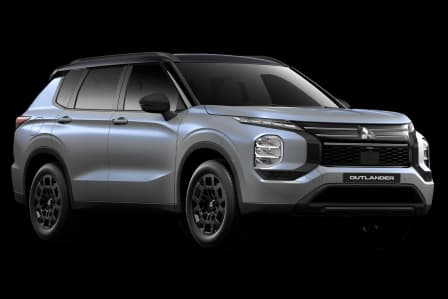
 Alternatives


Join the Circle
Where real meets deal
Know what's worth buying-and when.
Tips, special offers, and rewards for buying and sharing.

Publications
7 LEADING PUBLICATION REVIEWS

MotorTrend’s Eric Tingwall is sharply critical of the 2026 Mitsubishi Outlander, despite recognizing meaningful progress. The new turbocharged engine adds torque and slightly improves acceleration, but its 8.6-second 0–60 time, noisy delivery, and weak passing power fail to solve the longstanding performance problem. The Outlander earns credit for comfortable, stylish seats, an impressively clear 12-speaker Yamaha audio system, improved city fuel economy, and unusually strong warranty coverage. Yet those strengths are undermined by a $47,285 test price, mediocre driver-assistance and navigation systems, harsh ride and sloppy handling on rough roads, and a nearly unusable third row. Tingwall considers it vastly better than older Outlanders and finally credible enough to mention alongside the CR-V and RAV4, but still believes those rivals—and several other compact SUVs—are better buys.
By Eric Tingwall
TopGear’s Paul Horrell is positive about the Outlander PHEV, but only for the right kind of buyer. He praises its exceptionally smooth, well-integrated powertrain, pleasant cabin, practical seven-seat layout, four-wheel drive, and useful 1,600kg towing capacity. It feels well made, rides acceptably, handles moderate off-roading, and avoids the awkward power delivery common in rival PHEVs. The central caveat is that its advantages depend heavily on regular charging or towing: without home charging, it offers little running-cost benefit over a conventional hybrid, while depleted-battery fuel economy is only around 35mpg. Long-distance charging is also slow, and a pure EV may be more capable for extended journeys. Overall, Horrell views it as a fine, distinctive choice for families who tow or need seven seats and all-weather traction, but a questionable proposition for everyone else.
By Paul Horrell
What Car? is cautiously positive on the 2026 Mitsubishi Outlander, awarding it three stars. Its strongest appeal is unusual: a plug-in hybrid SUV with seven seats, a useful 53-mile electric range, generous standard equipment, physical controls, and an excellent eight-year warranty. It is comfortable and easy to drive at normal speeds, with responsive performance, a practical five-seat boot, and predictable handling. However, the seven-seat layout is really for occasional use, with cramped third-row space and awkward access. The ride is fidgety, refinement is mediocre, braking feel is inconsistent, and the cabin’s cheaper materials and dated infotainment undermine its upscale appearance. Against newer rivals, it is also expensive, less fuel-efficient, and not especially strong on value. The Outlander makes sense for company-car users who prioritize electric range and occasional extra seats, but the cheaper MG S9 and more practical alternatives make it a difficult overall recommendation.
By Lawrence Cheung; John Howell
Auto Express’s Dean Gibson is strongly impressed by the 2026 Mitsubishi Outlander PHEV, while keeping a few reservations in view. He praises its exceptionally smooth hybrid system, quiet and comfortable ride, useful 53-mile electric range, capable four-wheel-drive hardware, and generous standard equipment. The seven-seat Nativa adds welcome flexibility, though its rearmost seats are really intended for children or short journeys. Gibson also sees strong value in the competitive pricing, luxurious Diamond trim, eight-year warranty, and Mitsubishi’s expanding UK support network. The Outlander is easy to drive and surprisingly effective off-road, with hill-descent control working in reverse as well as forwards, but it lacks excitement on faster roads. The cabin’s mixture of materials and busy layout are minor blemishes, yet the overall verdict is enthusiastic: this is a refined, practical, well-equipped family PHEV returning to the UK at an opportune moment.
By Dean Gibson
Cars.com’s Brian Normile is notably unimpressed with the 2026 Mitsubishi Outlander. He argues that its new turbocharged mild-hybrid engine is neither quicker nor smoother than the outgoing four-cylinder, criticizing its abrupt stop-start behavior, rattly startup, and overall noise. The standard third row remains a distinctive advantage, but Normile found it cramped and rarely useful, while the raised head restraints obstruct rear visibility. In his subjective comparison scoring, the Outlander earned just 53 of 110 points, falling below even the eighth-place Ford Bronco Sport. Its fuel economy appears unlikely to rival the tested hybrids, and the $47,035 SEL felt expensive without matching competitors’ refinement, particularly the Volkswagen Tiguan. The reviewer does acknowledge one genuine strength: as the least expensive new three-row vehicle, a base Outlander can make sense for budget-minded shoppers who occasionally need extra seats. Overall, however, he considers it merely acceptable and recommends looking at better-equipped, more polished alternatives such as the Hyundai Santa Fe.
By Brian Normile
Autoblog’s Cole Attisha is pleasantly surprised by the 2026 Outlander, despite its notably dull powertrain. The compact three-row SUV impresses with a refined, upscale GT Premium cabin, excellent ventilation, seamless technology, useful cameras, strong safety calibration, and an outstanding Yamaha sound system. Its manageable size, available all-wheel drive, flexible second row, and reasonable pricing make it unusually well suited to urban families who need occasional seven-seat capacity without driving a giant SUV. But the third row is strictly for children or emergencies, while the 1.5-liter mild-hybrid engine and simulated-shift CVT feel leisurely, artificial, and disconnected. Handling is soft and secure rather than engaging, and the engine becomes noisy under load. Overall, Attisha views the Outlander as a genuinely convincing, distinctive modern MPV substitute: not a driver’s choice, but a smart, comfortable, well-equipped family hauler whose premium cabin outweighs its lack of powertrain polish.
By Cole Attisha
CarBuzz’s Evan Williams is highly impressed by the 2026 Mitsubishi Outlander PHEV, despite two notable flaws. The new battery delivers a genuine 45-plus miles of electric range, stronger overall power, improved efficiency, quieter cruising, and a polished ride that Williams considers exceptionally relaxing for this class. He is especially enthusiastic about the standard Yamaha audio system, which sounds outstanding even in the base model, while thoughtful physical controls and practical cabin updates add to the appeal. The third row remains cramped, the infotainment looks dated beside the competition, and acceleration above 40 mph feels disappointingly sluggish despite the horsepower increase. More oddly, the suspension bounces after stopping, sometimes repeatedly. Still, Williams views the Outlander as a rare combination of comfort, space, technology, and likely value, calling it a must-drive for mainstream PHEV shoppers and a meaningful upgrade over the previous model.
By Evan Williams

YouTube
9 LEADING EXPERT & INFLUENCER REVIEWS
 Consumer Reports
Joe Veslak is distinctly unimpressed with the 2026 Mitsubishi Outlander. He appreciates its easy entry, comfortable front seats, straightforward physical controls, useful safety features, good visibility, and flexible flat cargo floor. However, the new 1.5-liter turbo mild-hybrid feels strained and noisy during acceleration, while the steering lacks confidence and the ride becomes choppy on rough roads. The third row is especially cramped, forcing uncomfortable compromises between passengers. Although the Outlander looks appealing and offers seven seats, Veslak sees little reason to choose it over stronger rivals unless it is heavily discounted.
savagegeeseSavageGeese is surprisingly positive about the 2026 Mitsubishi Outlander, though hardly enthusiastic. He praises its spacious, upscale-feeling cabin, comfortable ride, physical controls, strong Nissan-based safety technology, excellent Yamaha audio system, and useful three-row flexibility. The mild-hybrid 1.5-liter turbo offers decent economy and low-end torque, but the CVT becomes wheezy and rubber-band-like under sustained acceleration. He also questions its high MSRP and steep depreciation, arguing that a CR-V or RAV4 may cost less to own long term. Overall, it is a compelling discounted test-drive candidate, not his first choice.
MotormouthMotormouth is strongly positive about the 2026 Mitsubishi Outlander, calling it practical, comfortable, and unusually upscale for a non-luxury SUV. The new 1.5-liter turbo mild-hybrid feels well matched to its CVT, with useful torque, sufficient passing power, quiet cruising, and improved city economy. Its standout strengths are the polished cabin, excellent Yamaha audio system, easy maneuverability, and rare kid-friendly third row. Still, the third row is genuinely cramped, ride comfort over rough pavement could improve, and it lacks a passenger-seat height adjustment. Overall, it is a compelling value, though buyers should weigh its gas-only efficiency against affordable hybrid rivals.
Kirk KreifelsKirk Kreifels is cautiously positive about the 2026 Mitsubishi Outlander, calling it a solid buy only below $30,000. He praises its handsome styling, upscale cabin, excellent Yamaha audio, quiet ride, strong handling, practical cargo space, and useful emergency third row. However, the new mild-hybrid powertrain is the major disappointment: acceleration is sluggish, fuel economy trails hybrid rivals, engine stop-start behavior feels intrusive, and braking lacks pedal weight. Kirk prefers the Nissan Rogue’s powertrain and considers the Kia Sportage Hybrid and Toyota RAV4 stronger choices, though buyers needing occasional extra seating may still find the discounted Outlander appealing.
Raiti's RidesJoe Raiti is clearly positive about the 2026 Mitsubishi Outlander, though he sees the powertrain as its weak spot. He praises the attractive, upscale cabin, excellent technology, ventilated seats, head-up display, Yamaha audio, comfortable ride, confident S-AWC all-wheel drive, and unusual three-row flexibility. He especially prefers its interior to the Toyota RAV4’s. However, the 174-hp turbo four-cylinder feels loud and underpowered, while the CVT dulls the driving experience and its 8.5-second acceleration disappoints. Overall, Raiti views the Outlander as a well-equipped, practical value with meaningful family appeal, not a performance standout.
Car ConfectionsCar Confections is moderately positive about the 2026 Mitsubishi Outlander, but not convinced it is a true hidden gem. After seven days, they praised its handsome styling, unusually upscale SEL Premium cabin, comfortable ride, quiet interior, strong Yamaha audio, useful technology, and standard third row. However, that third row is strictly for children, cargo space trails rivals, and the 1.5-liter mild-hybrid powertrain feels slow, coarse, and insufficiently efficient. The mild-hybrid stop-start system can also be awkward. Attractive discounts improve its value, but weak resale and below-average reliability temper the recommendation.
ReDrivenReDriven is cautiously positive about the 2026 Mitsubishi Outlander, viewing it as a sensible used family SUV rather than an exciting one. Its comfortable, premium-feeling cabin, refined ride, useful technology, strong value, and capable AWD earn praise, while the cramped third row, limited cargo space, infotainment glitches, possible brake wear, and PHEV break-even costs temper enthusiasm. The most reassuring insight is that, despite the CVT’s reputation, ReDriven found few serious Outlander-specific mechanical failures. With meticulous servicing and a clean inspection, it considers a used Outlander a safe, practical buy.
Ben HardyBen Hardy is highly impressed by the 2026 Mitsubishi Outlander PHEV, especially its seamless acceleration, comfortable ride, quiet cabin, spaciousness, and genuinely useful third row. He considers its 44-mile electric range, strong warranty, lower pricing, and dealer discounts compelling alternatives to the hard-to-find Toyota RAV4 Prime. Hardy still trusts Toyota’s hybrid system more for long-term reliability and acknowledges that the Outlander is less efficient and makes an unusual whirring sound. Even so, his enthusiasm is clear: he urges shoppers to test-drive both models rather than automatically joining Toyota’s waiting list.
Steven's Car ReviewsSteven is cautiously positive on the 2026 Mitsubishi Outlander, calling it better than expected but not a class leader. He appreciates its attractive design, spacious second row, useful cargo flexibility, standard 12.3-inch infotainment, quiet ride, comfortable driving manners, and unusually affordable seven-seat layout. However, the third row is genuinely cramped, while the base ES feels stripped down with no keyless entry, power liftgate, adaptive cruise control, heated seats, or impressive audio. The new 1.5-liter turbo is adequate rather than exciting, and Steven prefers the Honda CR-V, Toyota RAV4, Tucson, and Sportage unless buyers specifically need occasional extra seating.

Social
1 INFLUENCER REVIEW
 Andrea Spencer
Andrea Spencer is clearly positive about the 2026 Mitsubishi Outlander, presenting it as a comfortable, practical, and well-priced hybrid SUV. She especially likes its usable third row, upscale GT Premium interior, impressive Yamaha audio, strong technology, and improved city fuel economy. The 1.5-liter turbo mild-hybrid gives up some horsepower but adds torque, which she considers more useful for everyday driving. Her enthusiasm is measured rather than exuberant, with the power described as merely adequate and the third row best suited to smaller children. Overall, she sees the Outlander as a versatile, quiet, value-focused choice with broad trim availability.

Forum Reviews
CUSTOMER REVIEWS FROM 1 FORUM
Redditors are cautiously positive about the 2026 Mitsubishi Outlander, though performance and pricing remain divisive. Owners generally praise Mitsubishi’s reliability, comfortable and upscale interior, useful features, AWD capability, and strong warranty value. The newer 1.5-liter turbo mild-hybrid powertrain is viewed as promising, with users citing years of service in related models, but skeptics worry about long-term turbo, CVT, and variable-compression complexity. Critics also call the Outlander underpowered, noisy under acceleration, and expensive when heavily marked up. Its third row is cramped, resale trails Toyota, and dealer availability can be limited, but many owners would buy another.
Many comments

In-Depth Review

Highlights
- •Upscale Cabin TechComfortable seats, clear screens, physical controls.
- •Seven-Seat FlexibilityDesigned for occasional extra passengers.
- •Yamaha Audio SystemAvailable system delivers exceptionally clear sound.
- •Electric Driving RangeAdvertised to deliver 44–53 electric miles.

Considerations
- •Sluggish Gas PowertrainAcceleration is noisy and leisurely.
- •Cramped Third RowAdults face limited legroom and access.
- •Rough-Road RideBroken pavement can feel choppy.
- •Charging-Dependent PHEVBenefits depend on regular home charging.
The 2026 Mitsubishi Outlander is a value-minded family SUV with a few clever tricks and a few familiar compromises. Mitsubishi positions it as an affordable alternative to larger three-row models, pairing an upscale cabin and standard seven-seat flexibility with available AWD for school runs, commuting, and weekend trips. This year’s 1.5-liter turbo mild-hybrid replaces the previous engine, while the pricier PHEV offers meaningful electric driving for households that can charge regularly. Reviews also make the 12.3-inch touchscreen, Yamaha audio, and comfortable seating look like genuine class strengths, even as the gas model’s noisy acceleration and the cramped third row invite scrutiny. We’ll examine performance, ride behavior, materials, charging, space, and towing so families can separate useful versatility from showroom cleverness—and decide whether its discount-friendly value outweighs the compromises.
PHEV Range And Charging
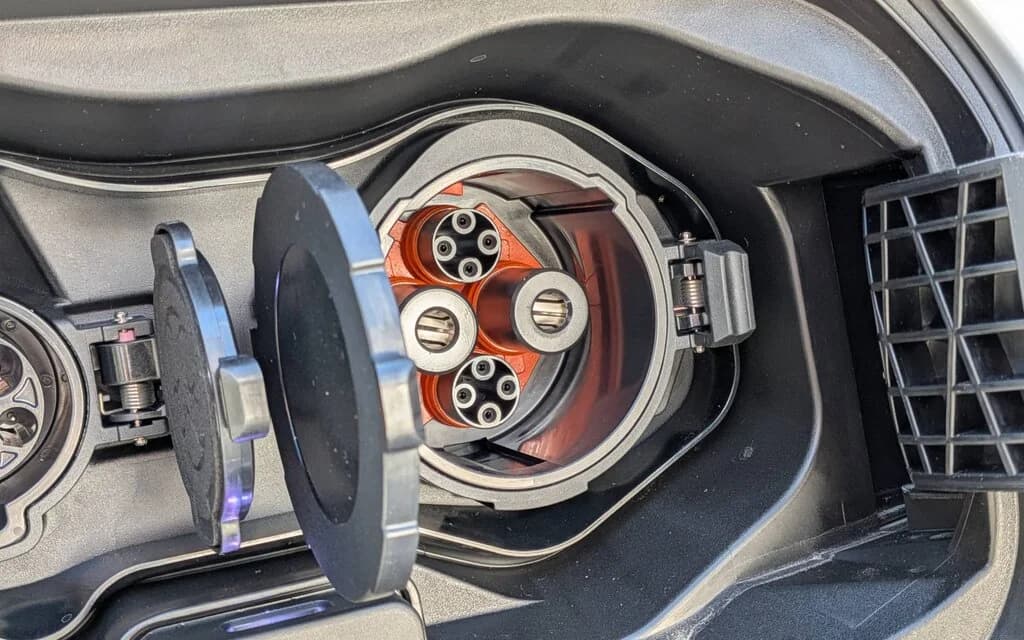
The PHEV makes the most sense when regular charging is part of your routine. Its 22.7-kWh lithium-ion battery supports roughly 44–53 miles of electric driving depending on test cycle and market, enough to cover many daily commutes without using gasoline. Charging takes about 6.5 hours under the listed conditions, and depleted-battery economy is reported around 35 mpg, so long trips without charging reduce its advantage. Experts generally see it as compelling for home-charging families, but less convincing for buyers who cannot plug in regularly.
AWD And Towing
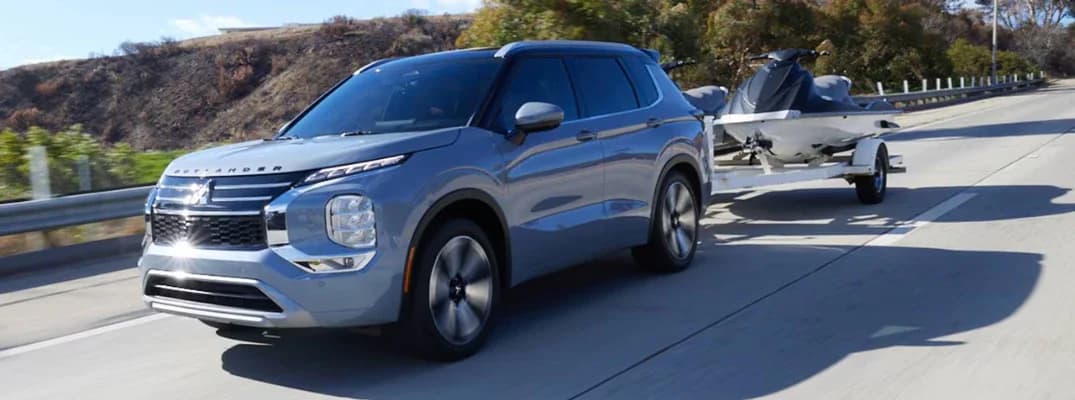
All-wheel drive broadens the Outlander’s usefulness beyond ordinary city duty. Available Super All-Wheel Control supports traction in rain, snow, and light off-road conditions, and reviewers generally find the system reassuring rather than sporty. The gas model can tow up to 2,000 pounds, while the PHEV’s listed capacity is lower at 1,500 pounds in U.S. sources, with some other-market specifications showing 680 kg. That makes it suitable for small trailers or recreational gear, but buyers with serious towing needs should verify the exact trim, market rating, and equipment.
Cabin Quality And Tech
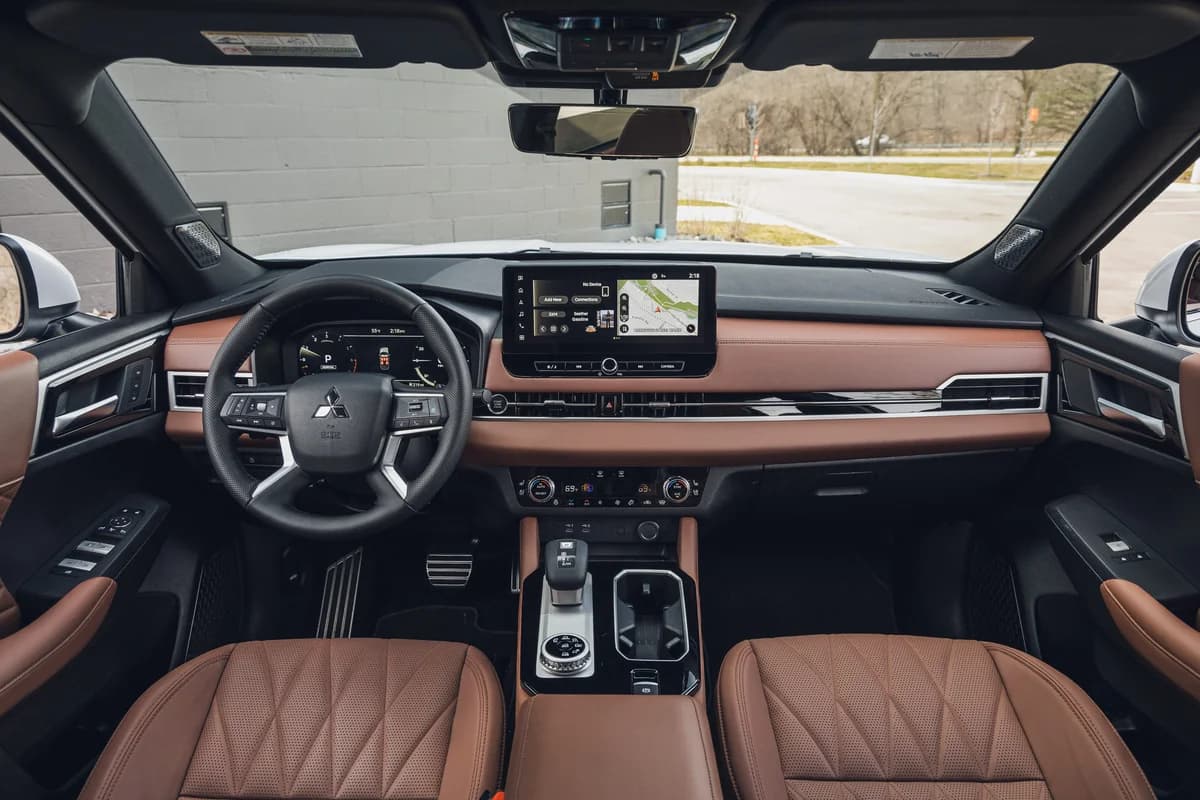
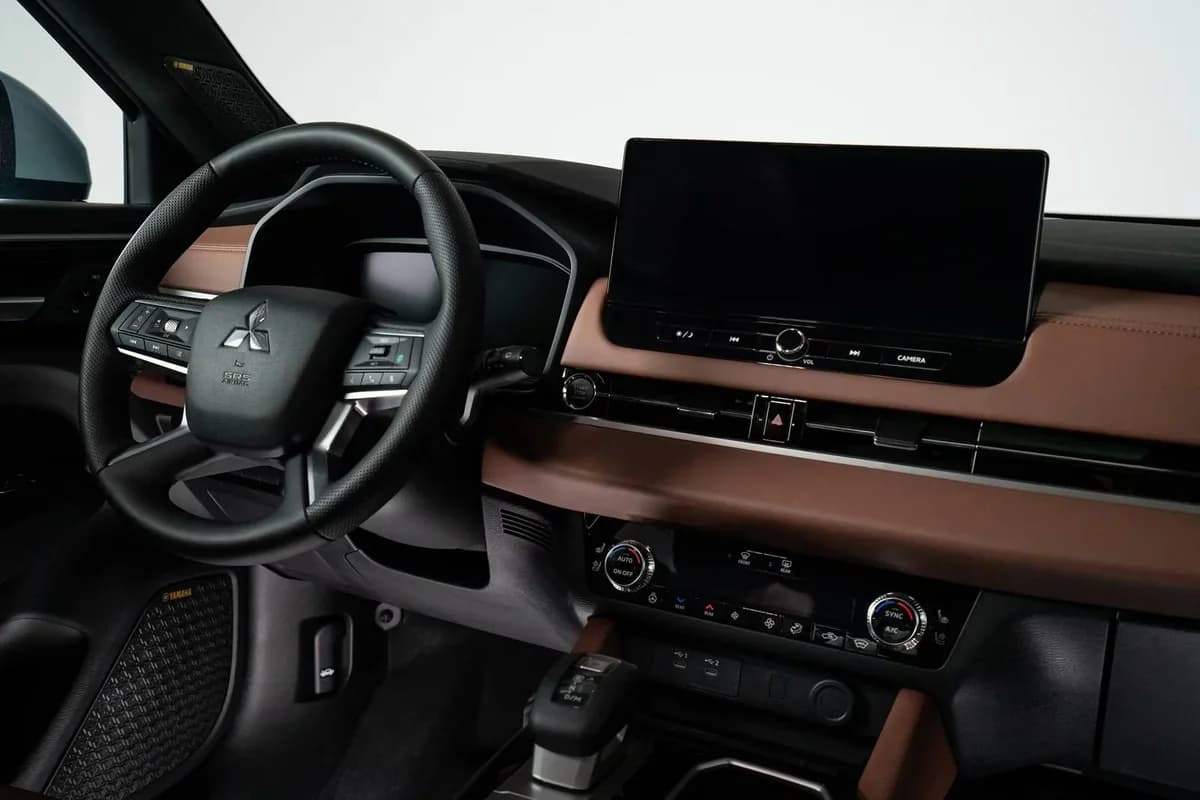
The cabin is where the Outlander most convincingly exceeds its price class. Supportive seats, useful physical controls, available ventilated seating, and a 12.3-inch touchscreen create an attractive, family-friendly environment. The available 12-speaker Yamaha system receives especially strong praise for clarity and power, while wireless Apple CarPlay and Android Auto improve daily usability. Some reviewers note cheaper materials, dated-looking infotainment, occasional glitches, and a stripped-down ES trim. Even so, the upscale design and generous equipment remain genuine strengths, particularly in higher trims such as SEL Premium or GT Premium.
Third-Row Space
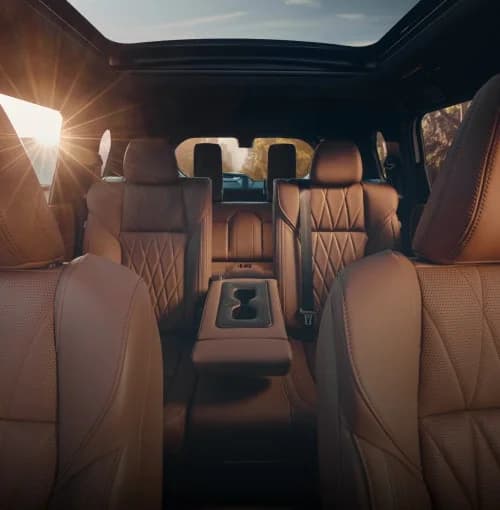
The Outlander’s third row is its clearest practical distinction, but it is not a full-size family solution. The seven-seat layout can handle school pickups, short trips, or emergency passengers, and reviewers generally appreciate having that flexibility in a compact footprint. Access and second-row adjustability help, yet the rearmost seats are consistently described as best for children, with limited legroom and a compromised seating position. With all seats occupied, the 10.9-cubic-foot cargo area is also modest, so families should treat the row as occasional-use capacity rather than comfortable adult seating.
Ride And Handling
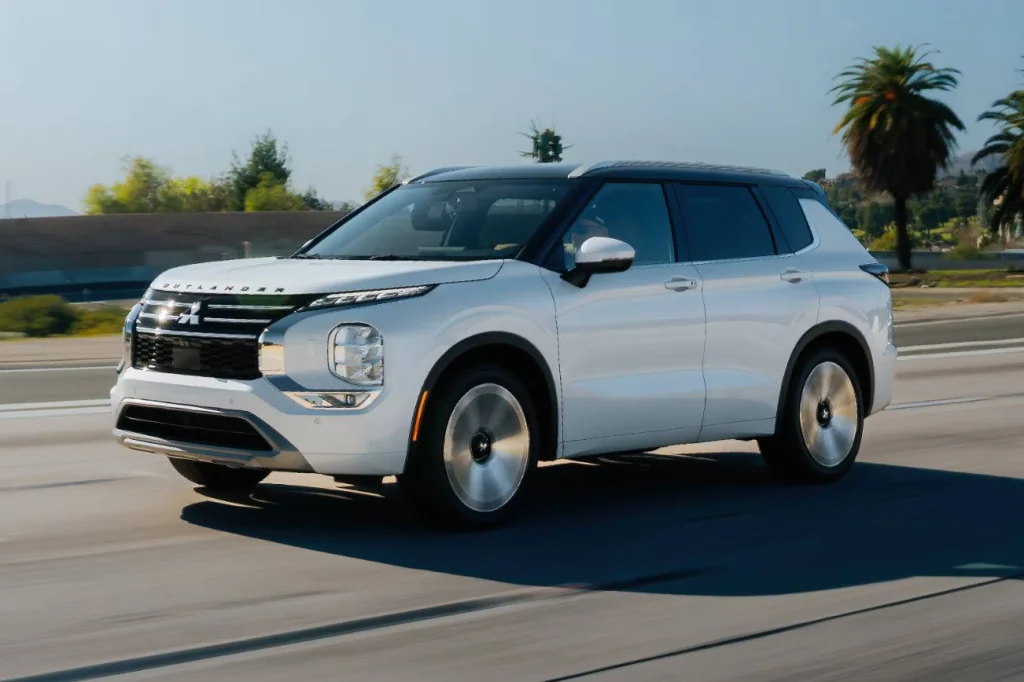
The Outlander is easygoing in normal driving, though rough pavement exposes its compromises. Its comfortable, quiet ride and manageable dimensions suit commuting and urban family use, while available Super All-Wheel Control can add confidence in poor weather. Feedback is mixed on broken roads: some testers find the body secure and composed, but others report choppy suspension movements, bouncing, vague steering, and inconsistent brake feel. It is fundamentally a comfort-oriented SUV, not an agile one, so a test drive on your usual roads matters.
Powertrain Performance
The new gas powertrain modernizes the Outlander without making it especially quick. Its 1.5-liter turbo mild-hybrid produces about 174–177 hp and 206–207 lb-ft, adding useful low-speed torque and smoother engine-off periods in Mitsubishi’s view. Real-world reviewers are less consistent: some find it adequate and reasonably quiet at cruising speeds, while others report noisy acceleration, strained passing power, intrusive stop-start behavior, and a wheezy CVT. The available PHEV is the stronger performer, with 297 hp and a claimed 0–100 km/h time of 6.9 seconds, but it costs more.
Conclusion
The Outlander’s clever formula works best when its compromises are understood: the mild-hybrid powertrain is adequate but noisy and slow under pressure, while the third row offers useful emergency capacity rather than adult comfort. Its ride is generally quiet and easygoing, though rough pavement can expose choppy handling and vague braking. The PHEV is the more compelling choice for households that can charge regularly, delivering meaningful electric range; without that routine, its advantage fades. Inside, supportive seats, physical controls, and Yamaha audio give the cabin genuine polish, although some materials and infotainment details feel dated. Available AWD adds confidence, but towing remains modest. This is a sensible pick for families needing occasional extra seats, comfort, and equipment—especially at a discount—not for drivers demanding refinement, brisk performance, or class-leading efficiency. Its appeal is real but specialized, which makes the recommendation favorable with reservations rather than easy.

Feature Scores
This reflects reviews and ratings from established critics, journalists, and users who have evaluated the item. Their opinions provide a comprehensive assessment.
Performance
Powertrain Efficiency
4/5
Acceleration and Throttle Response
3/5
Reliability and Durability
3/5
Combined Driving Range
4/5
Charging Convenience
3/5
Value
Purchase Price Competitiveness
3/5
Ownership Cost
3/5
Resale Value
2/5
Feature to Price Ratio
4/5
Design
Interior Space and Packaging
4/5
Exterior Styling Appeal
4/5
Ergonomics and Controls
4/5
Cargo Flexibility
4/5
Ride and Handling Balance
3/5
Health
Cabin Air Quality
TBD
Material Toxicity
TBD
Noise and Vibration
3/5
Safety
Crash Protection
TBD
Active Driver Assistance
3/5
Battery Safety
TBD
Child Safety and Seating Anchors
TBD
Sustainability
Tailpipe Emissions Reduction
4/5
Lifecycle Battery Impact
TBD
Recyclability and End of Life
TBD
Fuel Source Flexibility
4/5
Experience Style
Tech and Connectivity Richness
4/5
Ease of Use and Simplicity
4/5
Comfort and Luxury Appointments
4/5

Specifications
This section outlines the product's key facts, covering essential features, details, dimensions, materials, and any unique characteristics that define its functionality and usability.
Performance
Value
Design
Safety
Sustainability
Experience Style

Frequently Asked Questions
5 Questions


Find Yours
What's your main motivation for choosing a Hybrid SUV?
Answer to find your best matches.