













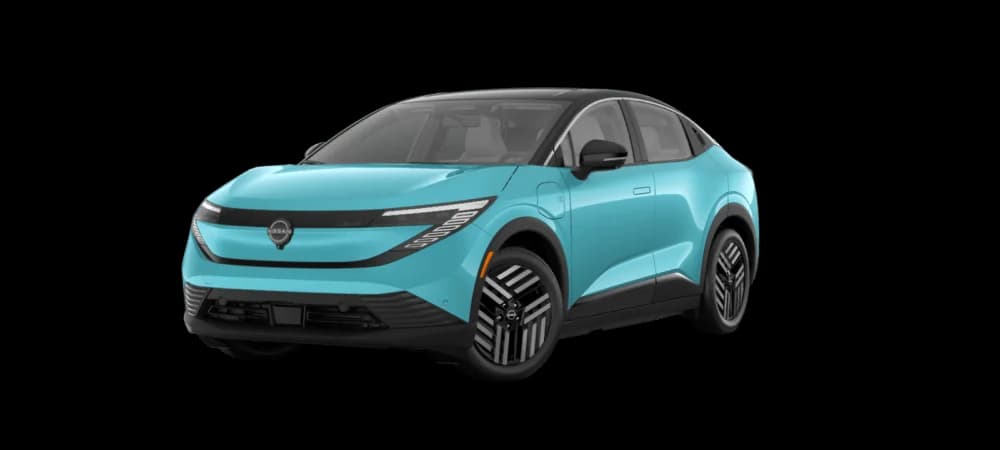
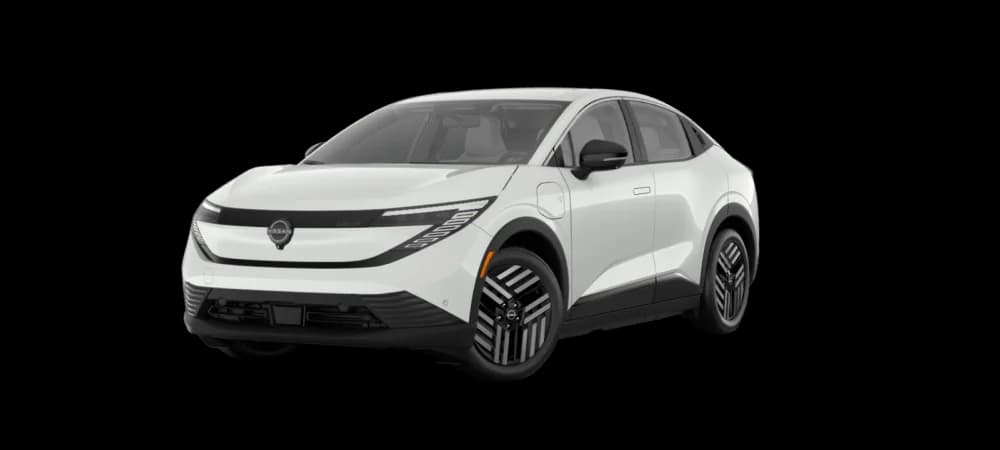
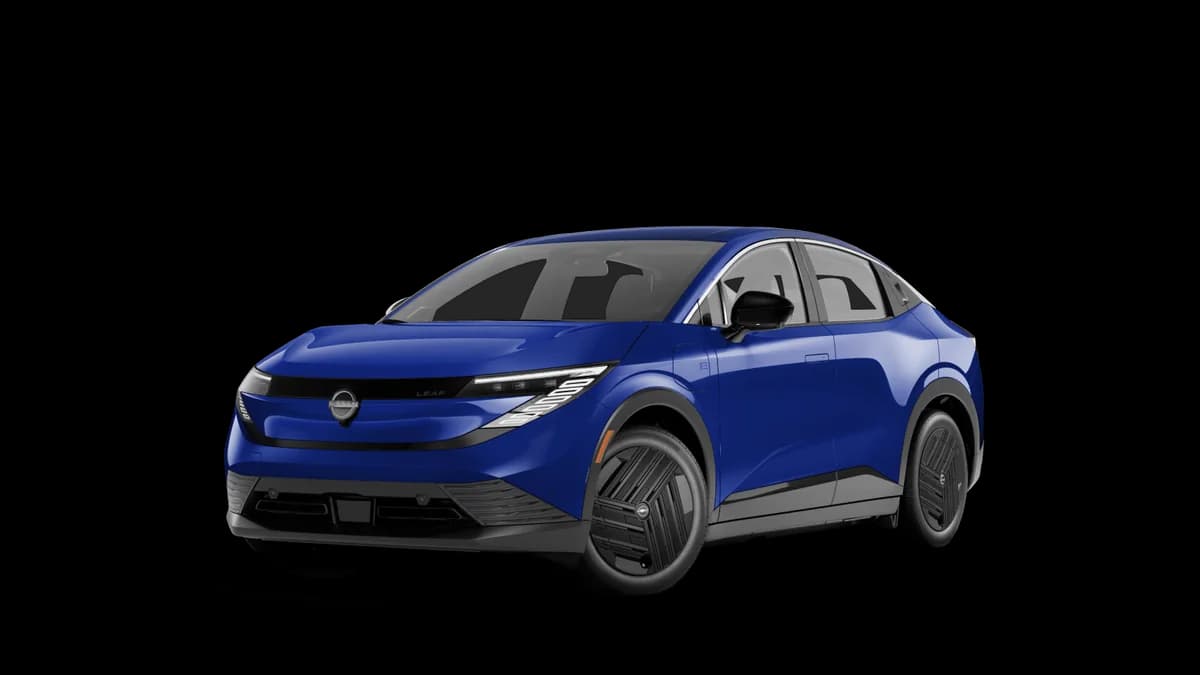
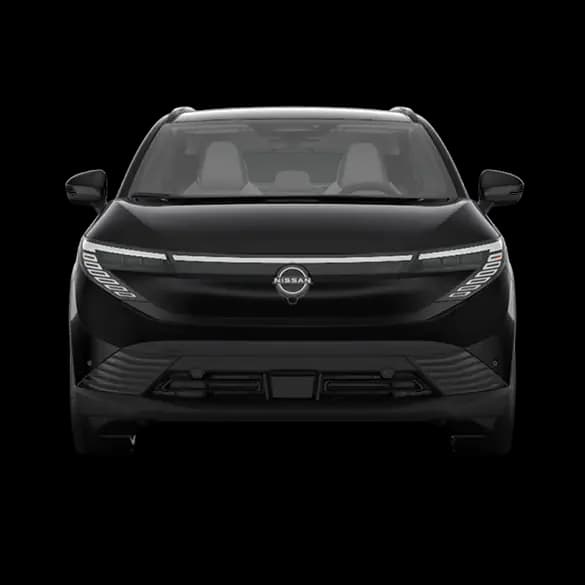
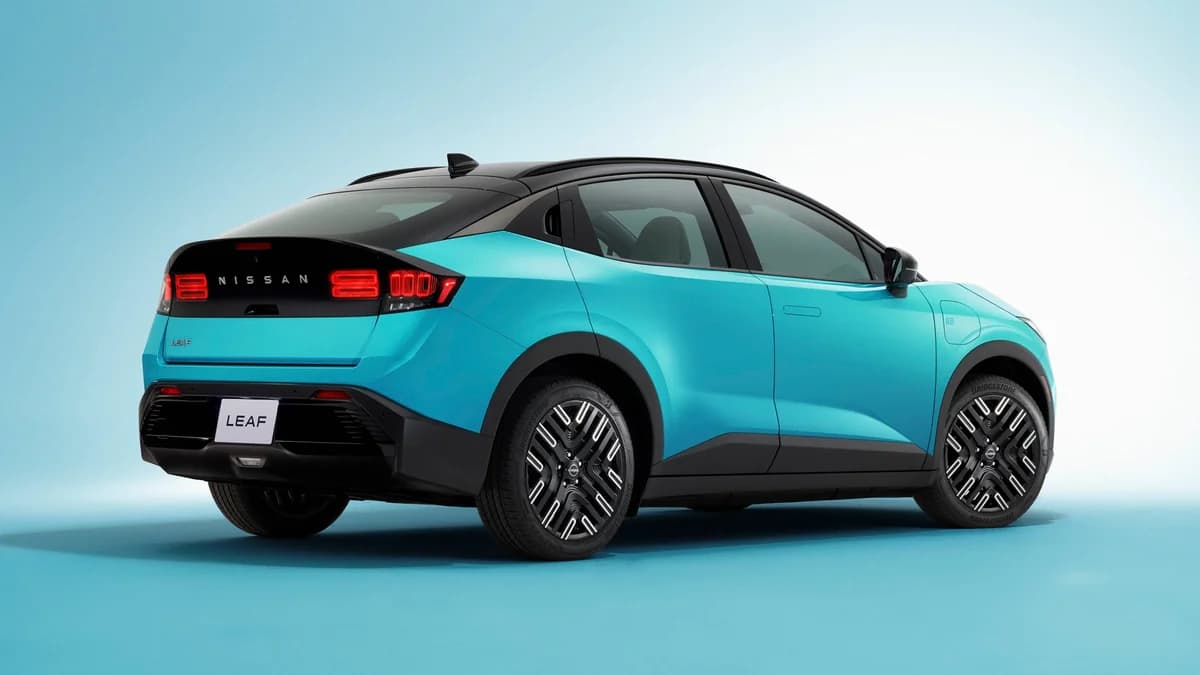
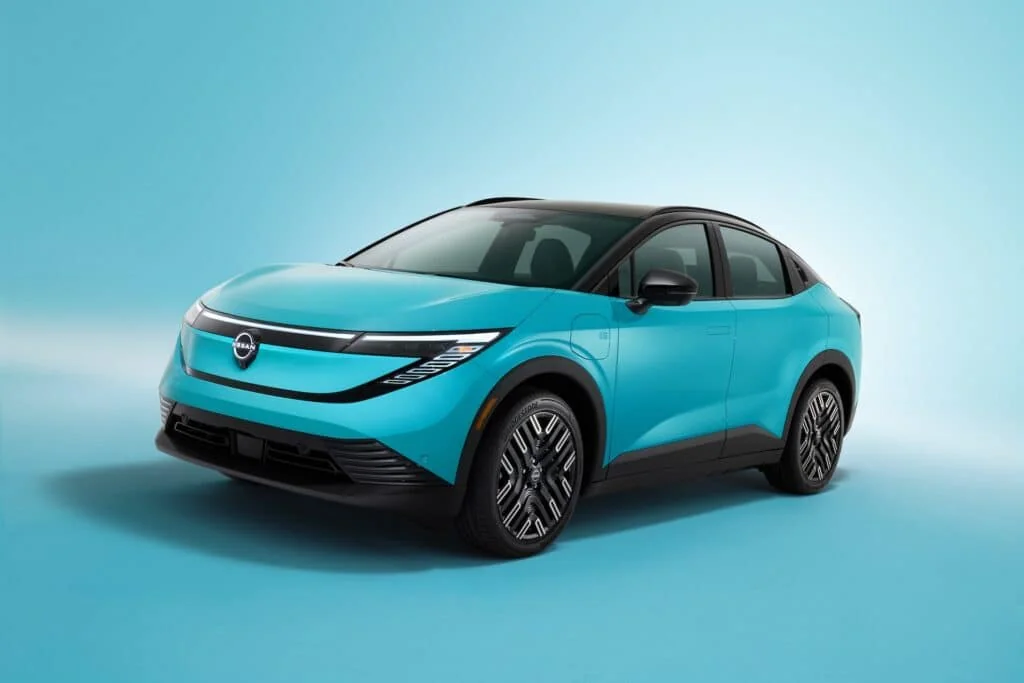
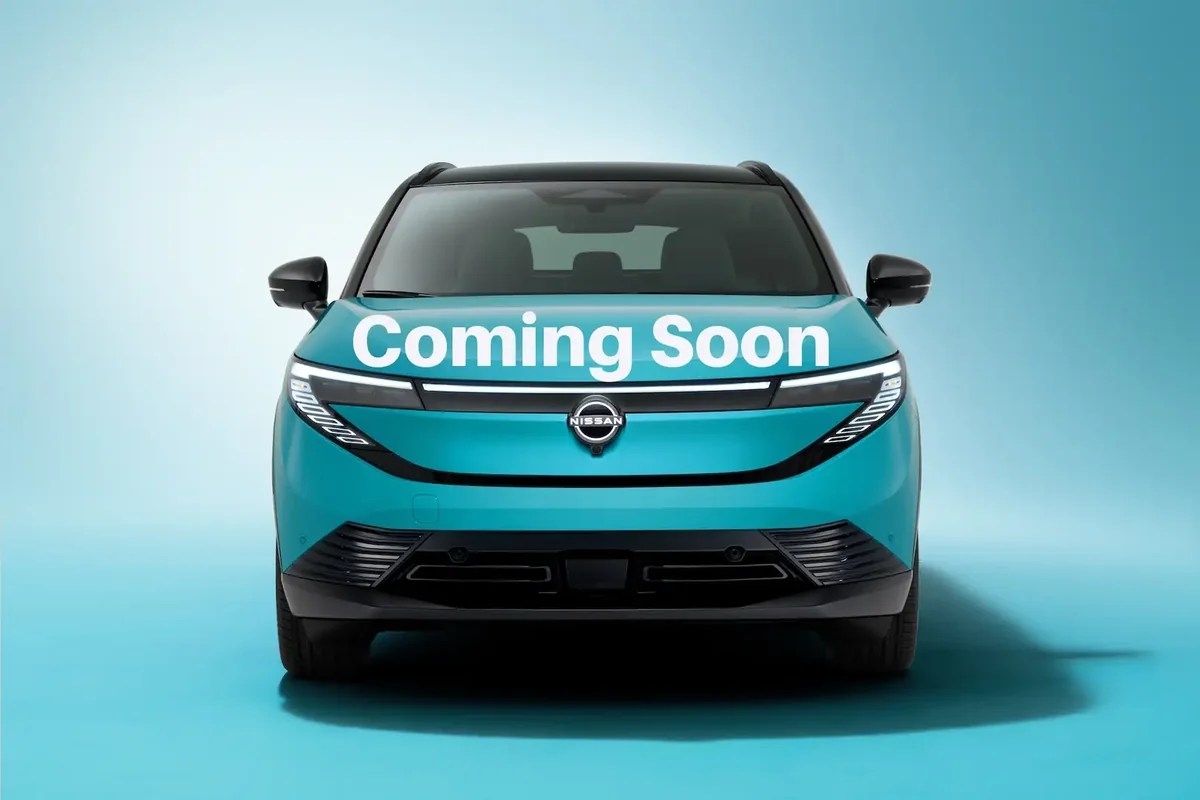
Nissan LEAF (2026)
Long-range, refined, and affordable, it’s a sensible commuter EV, not a sporty road-tripper.
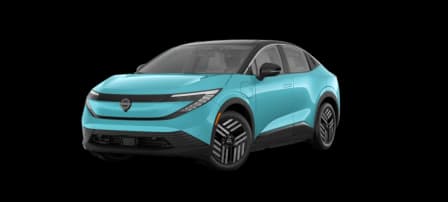
The 2026 Nissan LEAF is the sensible EV comeback story, built for drivers who want to end daily range anxiety without paying luxury-car money. Its headline up-to-303-mile EPA range is supported by encouraging real-world tests, while a quiet cabin, comfortable seats, useful cargo space, and NACS access make commuting refreshingly easy. Experts generally see it as a polished bargain, though the 150-kW fast charging is merely average for frequent road trips, and owners still note cramped rear seating and inconsistent one-pedal braking. At roughly $30,000, it offers exceptional range and refinement, especially in the SV+, but it is more practical tool than performance crossover. Its overall appeal rests on how buyers weigh value, comfort, charging habits, and those everyday compromises.

Find Yours
What is your top priority for an Electric SUV's battery performance?
Answer to find your best matches.

The Field
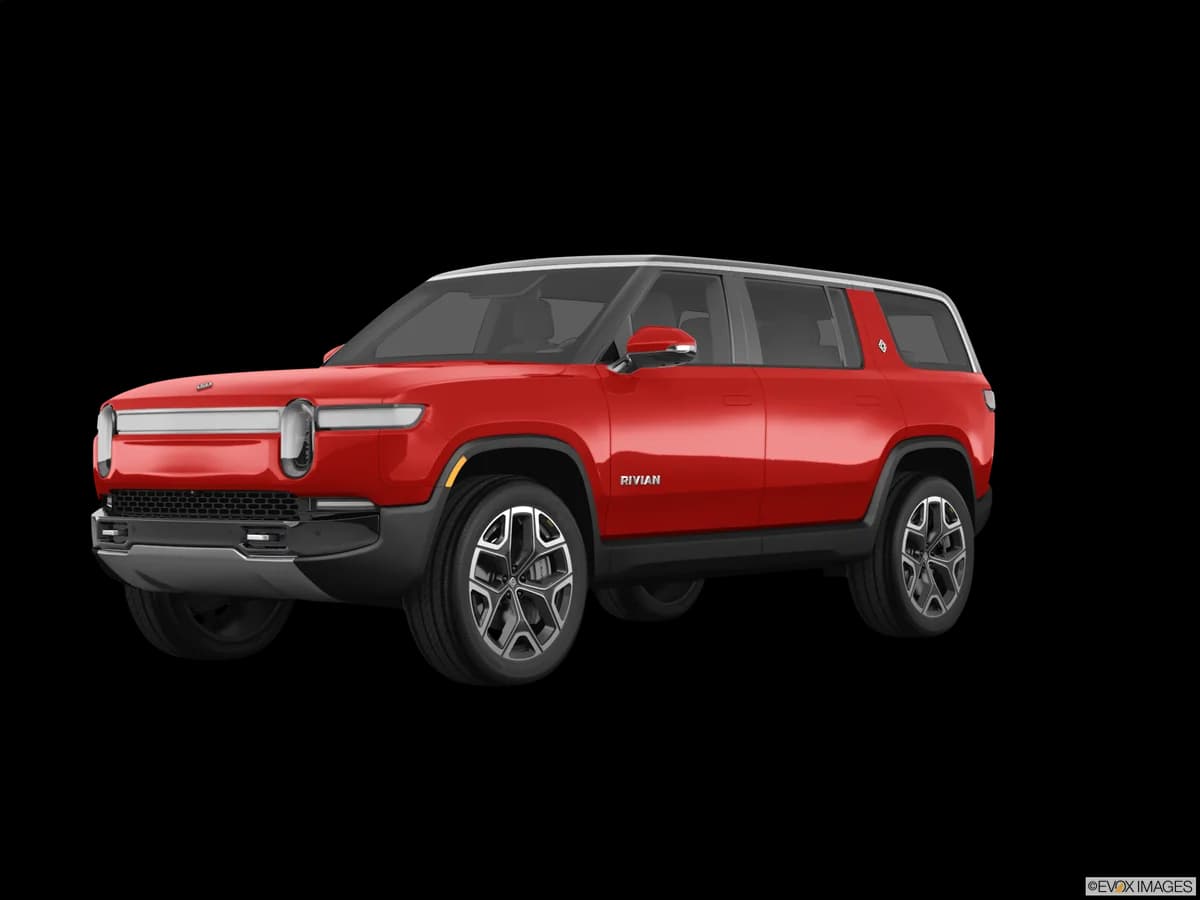
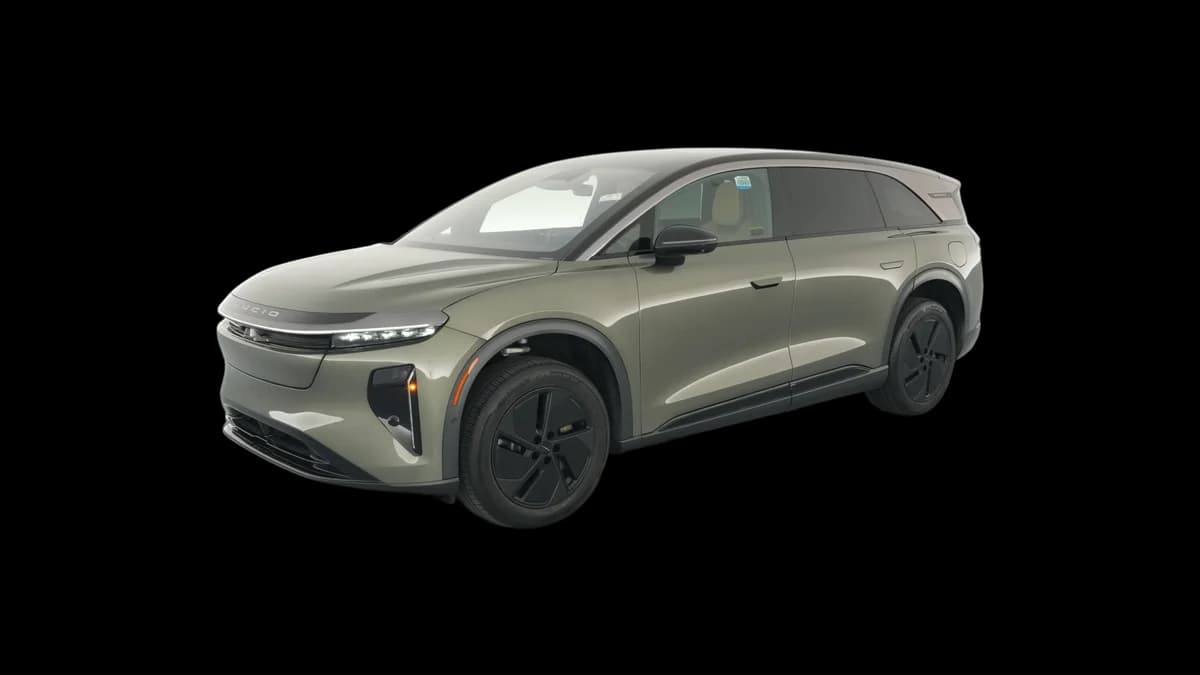
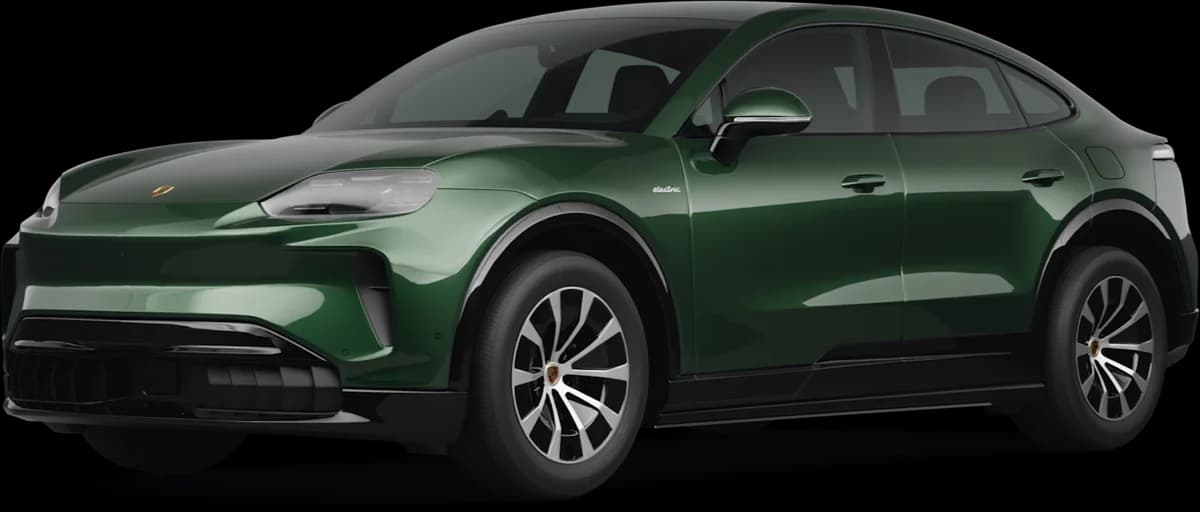
Browse top contenders, or compare all options ranked by score and key attributes.
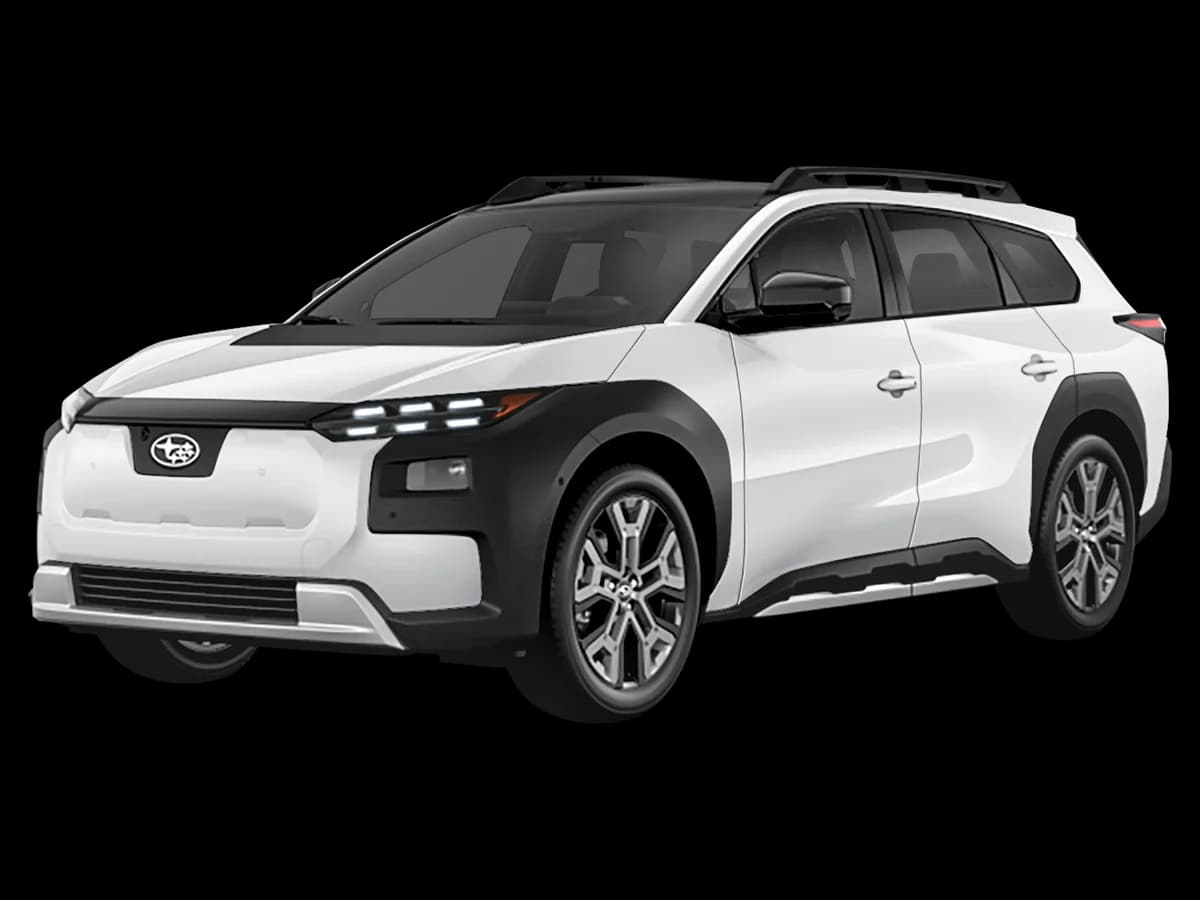
5 Options


The Scoreboard
Does this improve your life? Considers, health, habits, and environmental impact.
Benefits
Comfortable seats, calm road manners, and thoughtful controls make everyday driving feel pleasantly low-effort.
The larger battery supports commuting and occasional highway trips without frequent charging stops.
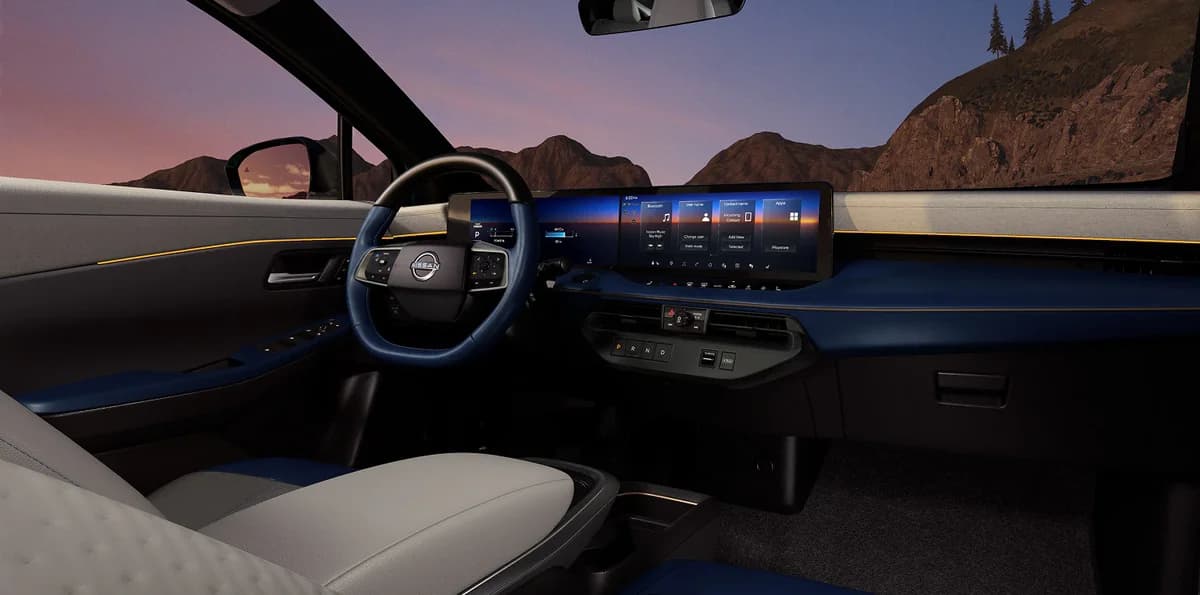
Bright screens, Google trip planning, wireless phone integration, and physical controls keep routine tasks simple.
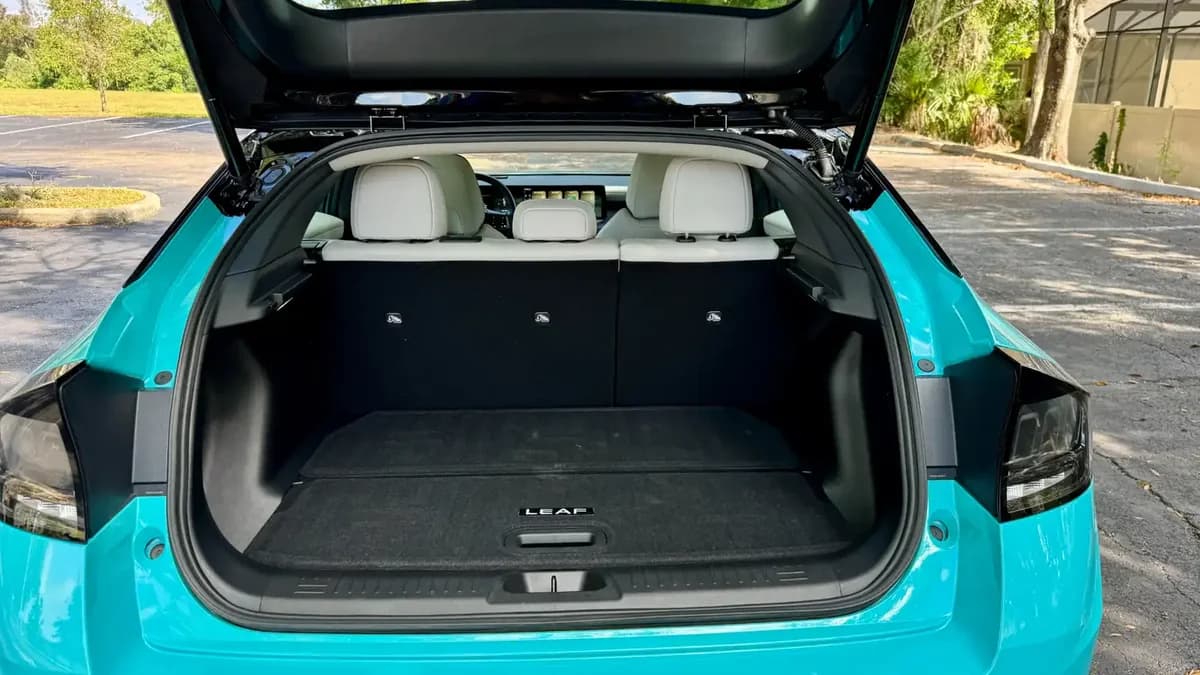
Flat floors, hatchback access, and flexible cargo storage handle errands and small-family routines well.
Native NACS access plus separate AC charging makes public and home charging easier to navigate.
Trade-Offs
Adults sit with limited legroom and headroom, making longer back-seat rides uncomfortable.
Over bumps, the soft suspension can bounce or feel harsh, making passengers less settled.
During longer trips, charging sessions can last longer than quicker-charging rivals, interrupting travel plans.
The strongest setting can stop abruptly, while normal mode requires more brake-pedal work.
 Alternatives


Join the Circle
Where real meets deal
Know what's worth buying-and when.
Tips, special offers, and rewards for buying and sharing.

Publications
11 LEADING PUBLICATION REVIEWS

Car and Driver is enthusiastic about the 2026 Nissan Leaf, calling it a long-overdue redemption. The redesigned electric SUV combines attractive styling, an approachable cabin, strong practicality, and unusually impressive range: up to 303 miles in the affordable S+ and 288 miles in the SV+, with the Platinum+ delivering 250 miles in real-world highway testing. Charging is convenient through both NACS and J1772 ports, though its 150-kW peak and 10-to-90-percent time are merely average. The Leaf is also comfortable, easy to operate, and brisk enough for everyday driving, even if its front-wheel drive, modest performance, limited rear legroom, and easily overwhelmed tires keep it from feeling sporty. With competitive pricing and useful standard equipment—especially the Platinum+’s clever electrochromic roof—the reviewer considers the new Leaf a thoroughly compelling EV that finally fulfills the promise of the original.
By Rich Ceppos
Edmunds is cautiously positive on the 2026 Nissan LEAF, especially at its bargain starting price. The Leaf offers a roomy, practical cabin, easy-to-use technology, standard driver aids, and impressive real-world range—the test car traveled 310 miles versus its 259-mile EPA estimate. Its compact shape makes parking easy, while generous cargo space and dual CCS/NACS charging ports add everyday appeal. But the driving experience is underwhelming: acceleration is merely adequate, the ride can be floaty or harsh, cabin noise is pronounced, and Nissan’s highest e-Pedal setting makes smooth stops difficult. Small rear door openings complicate car-seat installation, and missing conveniences such as dual-zone climate control and automatic passenger windows feel stingy. Edmunds considers the roughly $30,000 base Leaf a good deal, but the $40,000 Platinum+ trim loses its value advantage against quicker-charging, better-driving rivals.
By Jared Gall
What Car? reviewer Dan Jones is clearly impressed, calling the 2026 Nissan Leaf one of the very best electric cars. Its biggest strength is range: the 75kWh version officially manages 386 miles, while charging from 20–80% takes about 30 minutes. It is quiet, well equipped, safe, reasonably quick, and more premium inside than a Ford Puma Gen-E, with strong grip, accurate steering, and useful practicality. Still, the praise is measured rather than breathless. The ride can feel unsettled, the brake pedal lacks consistency, and rivals such as the Kia EV3 offer a better overall ride-and-handling balance and more rear headroom. The Leaf’s sloping roof also compromises back-seat space, while its warranty is merely average. Overall, Jones views it as a highly capable, competitively priced family EV, especially attractive to buyers who prioritize long-distance range over maximum agility or cabin practicality.
By Dan Jones
MotorTrend’s Kristen Lee is warmly impressed by the 2026 Nissan Leaf’s bright, clever, and genuinely pleasant interior. The airy cabin, flat floors, comfortable front seats, intuitive screens, wireless smartphone integration, ProPilot Assist, and thoughtful touches such as headrest-mounted Bose speakers make the Leaf feel unusually livable and tech-rich. The Platinum+ trim’s head-up display and vehicle-to-load outlet add useful convenience, though the dimming roof feels more gimmicky than essential. There are practical compromises: the light upholstery may stain, the front seat cushion becomes firm on longer drives, rear legroom remains tight, and the trunk is deep but narrow. Still, after testing the car in wintry New York, Lee considers the $41,930 Platinum+ a very good deal, while calling the $4,000-cheaper SV+ especially compelling. The overall verdict is enthusiastic: charming, distinctive, and impressively well-equipped, even if it is not an ideal full-time family vehicle.
By Kristen Lee
BBC TopGear’s Paul Horrell is strongly impressed by the new Nissan Leaf, awarding it 8/10. He views it as a genuine generational leap: efficient enough to achieve up to 375 miles of WLTP range from a relatively modest battery, capable of 267 miles at a steady 70mph, and finally quick enough to make long trips realistic. The Leaf also earns praise for its smooth, predictable handling, comfortable ride, roomy cabin, practical flat floor, improved interior, and unusually sensible controls and driver-assistance systems. Horrell’s main reservation is that its 150kW charging performance is merely competitive rather than class-leading, while the tall shape may not appeal to everyone. Overall, he considers it a well-rounded, likeable family EV that has caught up with—and in efficiency, refinement, and usability sometimes matches—the best cars in its class.
By Paul Horrell
Road & Track’s John Pearley Huffman views the 2026 Leaf as an impressive bargain, but hardly an exciting EV. The third-generation model brings dramatically better range, attractive styling, a polished interior, useful charging-port flexibility, and a starting price that makes it the least expensive new electric car in the U.S. Yet its advantages are practical rather than emotional: acceleration is merely adequate, steering is muted, regenerative braking is surprisingly mild, and there’s no one-pedal driving. The Leaf also feels cramped in back, offers limited cargo flexibility, and its “crossover” identity is mostly marketing. Huffman considers it a pleasant, efficient appliance for commuters with reliable charging at home or work, especially given access to Tesla’s Supercharger network. However, buyers who need one vehicle for road trips or want engaging performance should look elsewhere.
By John Pearley Huffman
MotorWeek is clearly impressed by the 2026 Nissan LEAF’s transformation into a stylish, smartly priced EV. The redesigned coupe-like SUV brings stronger road presence, a polished cabin, useful technology, available upscale touches, and up to 303 miles of range. It also proves more enjoyable than expected on the handling course, with responsive steering, good grip, modest body roll, and a relaxed but respectable 7.1-second 0–60 time. Yet the review is not uncritical: real-world range in the tested Platinum+ appeared closer to 196 miles, rear-seat space remains limited for adults, cargo capacity falls behind the old model, and braking feel is soft, with minor lock-up during testing. Even so, MotorWeek views the Leaf as a convincing comeback—an experienced EV made substantially more modern, practical, and competitive without abandoning its accessible pricing.
Autoblog’s Cole Attisha is highly impressed by the 2026 Nissan LEAF’s transformation and value. He portrays it as a multigenerational leap, pairing striking crossover styling, a contemporary and comfortable cabin, 300 miles of range, quick charging, V2L capability, and thoughtful NACS-plus-AC charging flexibility with unusually aggressive pricing. The LEAF feels refined and easy to drive on both highways and twisty roads, with strong ride comfort and minimal tire or road noise. Attisha does acknowledge shortcomings: acceleration is merely adequate, all-wheel drive and a frunk are absent, ePedal can feel abrupt, hard cornering brings predictable understeer, and highway wind noise from the mirrors is distracting. Still, he treats these as manageable compromises rather than deal-breakers, arguing that the LEAF’s affordability, premium-feeling equipment, and broad usability far outweigh its flaws and could help restore confidence in Nissan.
By Cole Attisha
WIRED’s John Voelcker is clearly impressed by the 2026 Nissan Leaf, while keeping its compromises in view. He sees a much-needed modernization: up to 303 miles of range, a liquid-cooled battery, separate AC and NACS DC ports, Plug & Charge, Google routing, and an unusually quiet, refined cabin for a roughly $30,000 EV. The Leaf’s steering especially wins him over, feeling direct and unusually polished for this class, while its comfortable seats and competitive pricing strengthen its appeal as an affordable commuter. Still, enthusiasm is tempered by weak regenerative braking that drops out before a full stop, no true one-pedal driving, unavailable all-wheel drive, limited rear legroom for tall passengers, no frunk, and a base trim missing some useful tech. Overall, Voelcker views it as a compelling, thoughtfully improved entry-level EV rather than a revolutionary one, reflected in WIRED’s 7/10 rating.
By John Voelcker
Engadget’s Devindra Hardawar is genuinely enthusiastic about the 2026 Leaf, calling it the budget EV to beat. The redesign gives it confident compact-SUV styling, a much more premium-feeling cabin, exceptionally comfortable seats, huge bright screens, wireless smartphone integration, and an excellent clever sunroof. It is also quieter, roomier for rear passengers, more stable at highway speeds, and far more road-trip capable thanks to up to 300 miles of range and a NACS charging port. Hardawar’s family testing adds useful perspective: car-seat access is good, but cargo space is tight with the rear seats up. The loss of true one-pedal driving is another meaningful annoyance, while the Bose system struggles with bass and top trims sacrifice some efficiency. Still, these are minor blemishes in his view. Against similarly priced rivals, and even considering used alternatives, the Leaf comes across as an unusually polished, practical, and exciting affordable EV.
By Devindra Hardawar
Ars Technica’s Jonathan M. Gitlin is warmly impressed by the 2026 Nissan Leaf, calling it the best budget EV available. A week of freezing-weather driving reinforced his view that the Leaf is practical, affordable, and easy to live with, offering more than 200 miles of real-world winter range, quick Tesla Supercharger access through its native NACS port, excellent seat heaters, useful physical controls, and strong camera quality. The review is hardly uncritical: the ride is firm and bouncy, front-wheel traction is limited, cornering brings pronounced understeer, and the lack of true one-pedal driving is frustrating. Charging also fell slightly short of Nissan’s claim, though it remained reasonably quick at 37 minutes from 29 to 80 percent. Overall, Gitlin sees the Leaf’s shortcomings as manageable compromises, especially given its low price, modern technology, and everyday usability.
By Jonathan M. Gitlin

YouTube
24 LEADING EXPERT & INFLUENCER REVIEWS
 Consumer Reports
Steph Shrader is broadly positive about the 2026 Nissan LEAF, calling it a genuinely fun, practical EV rather than merely a commuter car. She praises its 259–303-mile range, smooth ride, balanced handling, liquid-cooled battery, NACS charging, excellent route planning, and reasonable pricing. The redesigned interior is comfortable and usefully conventional in places, but touch-sensitive climate controls, laggy screens, awkward shifter buttons, inconsistent e-Pedal braking, limited rear visibility, cabin noise, and only 150-kW DC charging hold it back. Overall, she sees strong value and road-trip potential, despite meaningful usability compromises.
AutogefühlAJ is broadly positive about the 2026 Nissan LEAF, viewing it as a smart, comfortable, practical EV rather than a sporty standout. He praises its quiet ride, refined cabin, clever Google-integrated trip planning, useful driver assistance, maneuverability, and strong cargo space. The fastback styling and holographic rear lights also win him over, though he finds the design somewhat derivative. Reservations include cramped rear headroom, short highway-trip seat comfort, no frunk, limited rear visibility, modest 150-kW charging, average efficiency, and muted front-drive acceleration. Overall, he sees the LEAF as a sensible, good-value all-rounder—especially in the US.
Auto Buyers Guide | Alex on AutosAlex on Autos is highly enthusiastic about the 2026 Nissan LEAF, calling it an exceptional EV value and a credible answer to Tesla’s missing affordable model. He praises its comfortable seats, quiet cabin, attractive interior, useful cargo space, strong range, standard CarPlay/Android Auto, and surprisingly complete base equipment. The main drawbacks are firm ride quality, cramped rear-seat space, slow 7.2-kW AC charging, front-wheel-drive traction limits, and the unusual split charging setup: J1772 for AC and NACS for DC. Overall, he views the LEAF as a practical, unusually affordable everyday EV with compelling mainstream potential.
savagegeeseSavagegeese is highly impressed by the 2026 Nissan LEAF, especially for its price and refinement. They praise the thoughtfully laid-out interior, excellent storage, spacious back seat, smooth electric powertrain, and strong value against basic gas-powered Nissans. However, it is not a great road-trip EV: the 400-volt system and 150-kW charging lag behind rivals, while front-wheel drive, cabin boom, airborne noise, and an overly soft brake pedal hurt the experience. Their verdict is enthusiastic but conditional—an outstanding commuter when home charging is available, particularly discounted or used, but a poor fit for frequent public charging.
Driven Car Reviews With Tom VoelkTom Voelk is clearly positive on the 2026 Nissan LEAF, calling it a practical, comfortable, good-value EV with genuinely useful range and modern technology. After a week with the top Platinum+ trim, he recorded roughly 230 miles in mixed, cool-weather driving—close to its EPA estimate—and appreciated the quiet ride, supportive seats, intuitive interface, Apple CarPlay, Android Auto, and clever cargo floor. The soft suspension bounces over bumps, handling is unremarkable, rear space suits smaller passengers best, and 150-kW charging is merely average for road trips. Still, he considers the LEAF an especially usable affordable EV for home-charging households.
MotormouthMotormouth is very positive about the 2026 Nissan LEAF, calling it smooth, quiet, zippy, and impressively well packaged. They praise its comfortable ride, sharp styling, modern cabin, useful cargo flexibility, strong range, fast charging, and easy-to-use technology. The standout criticism is pricing: in Canada especially, the LEAF costs as much as larger all-wheel-drive EVs such as the Chevrolet Equinox EV, Toyota bZ, and Kia EV5. Its front-wheel-drive layout can also spin the tires under hard acceleration, while the coupe-like design compromises rear visibility and eliminates the rear wiper. Overall, it feels excellent for urban commuting but overpriced.
Redline ReviewsRedline Reviews is genuinely impressed by the 2026 Nissan LEAF, calling it a surprisingly polished bargain EV. The redesigned Leaf feels quieter, more substantial, and far more premium than its predecessor, while its roughly 6.5-second acceleration, about 280 miles of real-world range, NACS fast charging, excellent infotainment, and practical cargo area make it compelling for commuting. Still, the reviewer flags modest rear-seat space, slow 7.2-kW AC charging, no cooled seats or digital rearview mirror, limited steering feel, and front-wheel spin. Overall, enthusiasm is strong: Nissan has made the Leaf an easy-to-live-with standout value.
Brian MakseBrian Makse is strongly positive about the 2026 Nissan LEAF, praising its honest, drama-free approach. He found the 214-hp EV composed, quiet, easy to maneuver, and surprisingly solid, with real-world range potentially exceeding its 288-mile EPA estimate. The quick-heating cabin, clear visibility, generous cargo area, and effective ProPILOT assistance also impressed him. Criticisms include limited rear-seat space, absent lumbar adjustment, awkward screen ergonomics, wind noise, torque steer, delayed cornering responses, soft initial braking, and the loss of true one-pedal stopping. He recommends it enthusiastically for practical commuters, though performance-minded drivers may find it dull.
Kelley Blue BookMike Danger is clearly positive on the 2026 Nissan LEAF, calling it a pleasant, easy-driving EV with competitive range, pricing, and much-improved styling. He enjoyed its quiet ride, precise steering, strong acceleration, comfortable front seats, useful cargo space, and 150-kW DC charging with standard NACS access. Still, the enthusiasm is measured: brakes feel artificial, Sport mode adds little, there’s no true one-pedal driving, rear-seat space is tight for adults, and some interior plastics and gloss-black trim feel cost-cut. Overall, he sees the LEAF as an appealing commuter and practical compact EV, especially in the 303-mile S+ trim.
Doug DeMuroDoug DeMuro is pleasantly surprised by the 2026 Nissan LEAF, calling it a genuinely good, affordable EV rather than an exciting driver’s car. He appreciates its strong range for the money, quick charging, quiet ride, intuitive infotainment, excellent configurable gauge cluster, distinctive styling, and practical household outlets. Still, the LEAF’s 214-hp motor feels merely adequate, handling is unremarkable, rear-seat space is surprisingly cramped, cargo capacity suffers from the sloping roof, and front-wheel drive undermines its SUV billing. Doug ultimately considers it a compelling value-focused electric hatchback, though he would personally choose a similarly priced Prius.
CarGurusMark Takahashi is strongly positive about the redesigned 2026 Nissan LEAF, calling it a smart choice for most drivers. He praises its affordability, substantially improved range, smooth power delivery, attractive styling, practical cargo area, and responsive technology. Still, the experience is more sensible than thrilling: acceleration is merely adequate, the ride is choppy, road noise is noticeable, rear-seat space is cramped, and the interior feels drab. He also questions the value of the Platinum+ trim, panoramic roof, and subscription-based navigation. Overall, Takahashi views the LEAF as a remarkably capable, accessible EV whose limitations are manageable for everyday commuting.
Kirk KreifelsKirk Kreifels remains highly enthusiastic about the 2026 Nissan LEAF, calling it an excellent purchase and preferring it to his Golf R. He praises its striking design, genuinely upscale Platinum+ interior, exceptional comfort, quiet ride, intuitive software, strong steering feel, and useful NACS charging. However, the LEAF’s efficiency, soft and sometimes unpredictable braking, front-wheel traction, modest acceleration, limited rear-seat space, and weak incentives hold it back. Kreifels believes the SV+ is the sweet spot below $35,000, but says Toyota’s C-HR is faster, more efficient, all-wheel drive, and better valued. Overall, it earns 82/100 and A-tier status—not his former S-tier.
Sarah -n- TunedSarah -n- Tuned is genuinely impressed by the 2026 Nissan LEAF, despite usually not being drawn to EVs. She praises its upscale, distinctive cabin, excellent Bose audio, comfortable ride, strong range, improved build quality, and exceptional value—especially the base model’s sub-$30,000 price and 300-plus-mile potential. The detailed lift inspection also reveals thoughtful construction and easy-clean underbody cladding. Still, she finds the Platinum+ too large and heavy to feel like the compact Leaf she liked, with soft, floaty handling, mediocre launch response, and limited enthusiast appeal. Overall, it’s a highly likable, practical EV rather than a sporty one.
Marek Drives in EnglishMarek Drives is clearly impressed by the 2026 Nissan LEAF’s transformation into a refined, practical crossover. He praises its quiet, comfortable ride, capable handling, strong Google Built-in infotainment, useful charging-route planning, improved thermal management, and roughly 450 km of real-world range in his drive. The review is balanced, though: 20–80% fast charging feels less impressive than advertised, rear footroom is tight, scratchy plastics can rattle, and the missing rear wiper is untested. Overall, he views the LEAF as a major leap forward, with pricing ultimately determining whether it becomes a standout or struggles.
ElectrifyingGinny Buckley is clearly impressed by the 2026 Nissan LEAF, though she sees it as sensible rather than thrilling. She praises its sleek, aerodynamic redesign, calm and refined driving manners, intuitive Google-based infotainment, clever practicality, and potentially exceptional range-per-pound after the UK grant. The 75-kWh version feels genuinely road-trip capable, but her testing returned 3.7 miles/kWh versus Nissan’s 4.5 claim. Rear space and boot capacity trail key rivals, acceleration is adequate rather than exciting, and the three-year vehicle warranty feels stingy. Overall, it’s a polished, comfortable, competitively priced EV with broad appeal, not a class-leading driver’s car.
Auto FocusAuto Focus is genuinely impressed by the 2026 Nissan LEAF’s transformation into a stylish, well-equipped, practical EV. After driving it for several days, the reviewer praises its comfortable ride, responsive acceleration, 260-mile range, quality interior, HUD, Bose audio, wireless smartphone integration, and electrochromic sunroof. The LEAF feels like a major upgrade from its awkward predecessors and is now easy to recommend. Criticisms include cramped rear-seat footroom, imperfect haptic HVAC controls, and confusing e-Step behavior that slows to about 5 mph instead of delivering true one-pedal driving.
Adam's Everything EVAdam’s Everything EV is enthusiastic about the 2026 Nissan LEAF SV+, calling it the best-value trim and praising its comfort, spaciousness, smooth 214-hp performance, competitive range, Google Maps, NACS fast charging, and standard lane centering. He considers it especially well suited to commuters, city dwellers, and Uber drivers. The main drawbacks are the absence of true one-pedal driving, mediocre audio, piano-black trim, manual liftgate, and limited cold-weather practicality without the optional battery heater. He strongly recommends the SV+ but views the S+ as a warm-climate-only choice and the Platinum+ as difficult to justify.
GjeebsGjeebs is genuinely enthusiastic about the 2026 Nissan LEAF, calling it wildly underrated after a week of driving. He especially enjoys its exceptionally comfortable Zero Gravity seats, smoother suspension, higher seating position, quiet cabin, useful hatchback cargo access, Apple CarPlay, V2L capability, and straightforward Tesla Supercharger access through NACS. Still, the Tesla Model 3 wins on range, rear-seat room, storage, charging availability, and driver-assistance sophistication. Gjeebs also criticizes the cramped back seat, lack of a frunk and true one-pedal driving, manual battery preconditioning, and non-native software integration. Overall, he strongly recommends considering the LEAF for comfortable local driving and occasional road trips.
Outsider ReviewsPat is highly enthusiastic about the redesigned 2026 Nissan LEAF, especially its refined interior, plush comfort, quiet ride, sharp handling, and surprisingly capable snow performance. His real-world testing in Quebec found winter range around 217 miles, roughly 25% below the estimate, while front-wheel drive remained manageable with winter tires and Eco mode. He praises the Google-integrated navigation, wireless smartphone connectivity, vehicle-to-load capability, and strong value in the SV+ trim. Reservations include limited thigh support, low rear seating, no full one-pedal driving, an awkward button shifter, manual wipers requiring maintenance mode, and no key-fob climate start.
Nobby On CarsNobby On Cars is highly positive about the 2026 Nissan LEAF, calling it a major step beyond its predecessors. He praises its efficient 72-kWh battery, rapid charging, comfortable ride, refined interior, clever storage, and practical 600-kilometer capability. The review feels genuinely hands-on, with real-world efficiency observations and comparisons to the Nissan Ariya. Reservations include cramped rear seating, wind noise at motorway speeds, questionable durability of light interior fabrics, no frunk, and an expected price increase. Even so, Nobby considers it a well-balanced, comfortable, competitive EV that buyers should not overlook.
Raiti's RidesJoe Raiti is highly enthusiastic about the redesigned 2026 Nissan LEAF, calling it a stylish, affordable EV that finally feels competitive. He praises its modern sportback design, roomy and quiet cabin, excellent camera system, comfortable seats, usable cargo space, quick handling, and real-world range after driving it around Tampa for a week. The $26,000 starting price especially impresses him, while the Platinum Plus feels well equipped at about $42,000. His caveats are modest: the acceleration is adequate rather than thrilling, some interior cloth and flat-black trim feel underwhelming, and the top trim lacks ventilated seats and dual-zone climate control.
Seb On WheelsSeb On Wheels is highly impressed by the 2026 Nissan LEAF, calling it comfortable, refined, intuitive, and genuinely fun-looking. He praises its aerodynamic efficiency, long range, smooth ride, clear dual-screen interface, spacious cabin, strong visibility, and useful ProPILOT Assist route planning. The 75-kWh version’s 622-km range feels especially practical, while the smaller battery remains appealing for shorter trips. His reservations are limited but specific: charging drops off quickly, 150-kW DC charging is merely adequate, the camera resolution is mediocre, some controls feel fiddly, and the front-wheel-drive setup can spin and understeer. Overall, he sees the LEAF as a compelling, likeable comeback.
DownshiftMatt is clearly impressed by the 2026 Nissan LEAF, despite several practical compromises. He criticizes its heavier, shorter body, reduced cargo and rear-seat space, lack of a frunk, front-wheel-drive-only layout, and mediocre charging speeds. Still, he considers it smooth, comfortable, refined, tech-rich, and surprisingly well equipped, with useful V2L capability, strong highway efficiency, and compelling pricing. The LEAF’s conventional controls and easygoing driving experience especially appeal to him versus more screen-dependent EVs. Overall, Matt calls it one of the most complete and best-value small EVs, provided buyers can accept its cramped rear quarters.
EverAndrew Lambrecht is highly enthusiastic about the 2026 Nissan Leaf, calling it a massive glow-up and a genuinely competitive affordable EV. He praises its 303-mile range, liquid-cooled battery, NACS fast charging, polished cabin, strong standard safety technology, Google-based route planning, and comfortable, quiet ride. The SV+ is his preferred trim for balancing equipment, range, and price. Still, he flags cramped rear seating, modest cargo space, vague steering, a relatively slow 7.2-kW AC charger, and the frustrating loss of true one-pedal driving. Overall, he believes the Leaf’s advantages clearly outweigh its shortcomings.

Social
2 INFLUENCER REVIEWS
 Cars & Bids
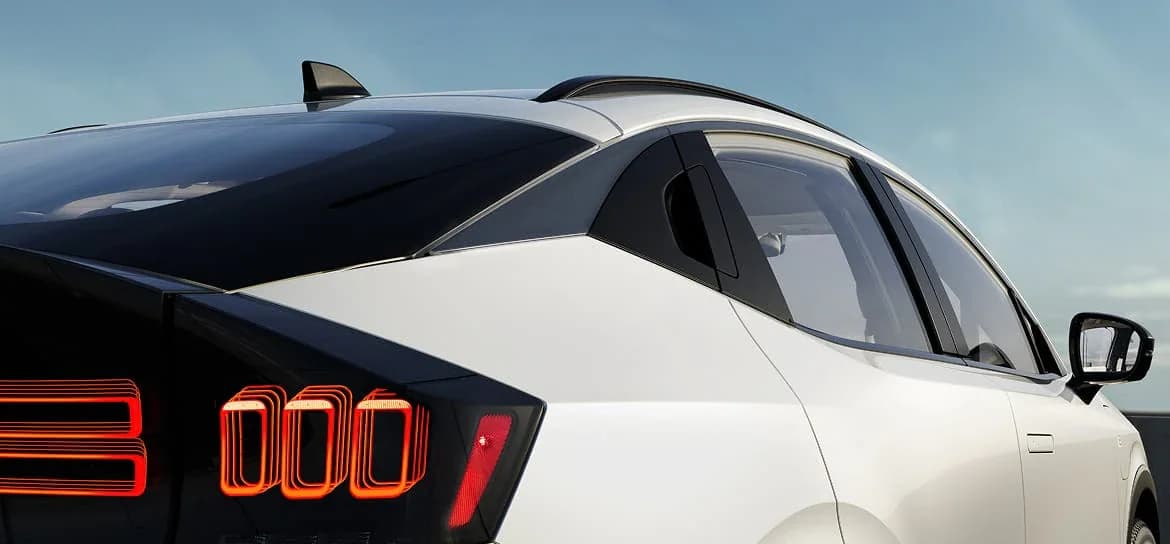
Cars & Bids presents the 2026 Nissan Leaf in an upbeat but measured light. The redesign delivers over 300 miles of range at roughly $31,000, a striking improvement over the original Leaf’s 70 miles and $33,000 price. Still, its 214 horsepower limits the acceleration expected from many EVs, and the SUV positioning feels questionable with front-wheel drive only. Doug also appreciates the quirky taillights, combining mirrored 3D detailing with contrasting horizontal and vertical elements. Overall, it sounds like a much more practical, unusually styled Leaf, though not a performance-focused EV.
AllcarnewsAllcarnews is highly enthusiastic about the 2026 Nissan LEAF, calling its power outlets a genuinely useful touch. The video focuses on two 120-volt household sockets, one in the trunk and one for rear passengers, with controls to limit battery usage and switch them off when unnecessary. That practical feature clearly impresses the reviewer, who describes it as “pretty cool” and “very useful.” The broader caption is even more glowing, presenting the redesigned LEAF as exceptionally refined and compelling for its price, though the supplied transcript itself offers no meaningful criticism.

Forum Reviews
CUSTOMER REVIEWS FROM 1 FORUM
Redditors are cautiously positive about the 2026 Nissan LEAF, especially its value and redesigned appearance. Its roughly $30,000 starting price, strong range, improved interior, comfort, efficiency, and familiar Nissan reliability make it appealing as a practical everyday EV. Owners generally describe it as smooth, pleasant, and easy to live with, while many consider the mid-level SV+ the sweet spot. Reservations center on the lack of true one-pedal driving, limited rear space, trim-dependent features, questionable battery-management history, stop-sale and recall concerns, and inconsistent dealership communication. Overall, it looks like a compelling commuter, but not a universally convincing upgrade for existing Leaf owners.
Many comments

In-Depth Review

Highlights
- •Long Driving RangeAdvertised up to 303 miles EPA.
- •Quiet Comfortable CabinReviewers found seats and cabin refined.
- •Flexible Charging AccessPromoted with NACS and J1772 ports.
- •Practical Cargo UtilityHatchback access suits everyday errands.

Considerations
- •Average Fast Charging150-kW peak, with slower sustained rates.
- •Cramped Rear SeatingLimited legroom, headroom, and door access.
- •Inconsistent One-Pedal BrakingStopping can feel abrupt or incomplete.
- •Modest AccelerationPerformance feels adequate rather than sporty.
Nissan’s familiar LEAF has grown from an early EV pioneer into a mainstream electric crossover aimed at making everyday electrification easier. The 2026 redesign brings up to 303 miles of EPA range, a quieter cabin, more useful hatchback practicality, and NACS fast-charging access, making it especially appealing to commuters, urban drivers, and home-charging households. It is not trying to be a sports car: the 214-hp front motor delivers sensible rather than thrilling performance, while its compact footprint keeps parking and errands manageable. The key question is how those headline improvements compare with rivals and older LEAFs once charging speed, rear-seat room, ride quality, cargo flexibility, and real-world maneuverability enter the picture. If you want an affordable EV that behaves more like a calm daily tool than a gadget on wheels, the details ahead will show whether this LEAF truly turns range anxiety into range sanity.
Ride and Handling
Comfort and composure matter more here than excitement. The LEAF’s quiet cabin and comfortable front seats make it pleasant around town and on highways, while steering is generally precise and body control is more settled than in older models. Reviews also report a soft or bouncy ride over broken pavement, noticeable wind noise, muted steering feel, and understeer when pushed. It is a relaxed commuter with respectable grip, but drivers wanting sharper handling or stronger braking feedback should look elsewhere.
DC Fast Charging
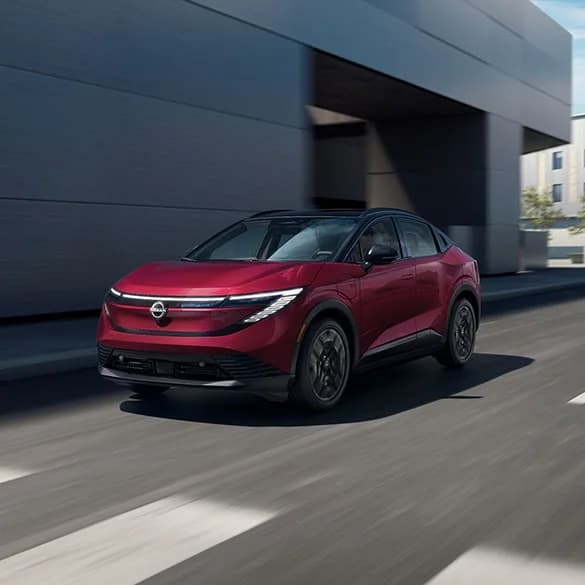
The LEAF is easier to charge than its predecessors, but not exceptionally quick. Its 150-kW DC peak and native NACS port open access to Tesla Superchargers, while a separate J1772 connection handles AC charging. Nissan quotes roughly 35 minutes from 10 to 80 percent under suitable conditions, and testers generally found charging usable rather than class-leading. For home-charging owners this is a minor issue, but frequent road-trippers may prefer rivals with faster, more consistent charging curves.
Driving Range
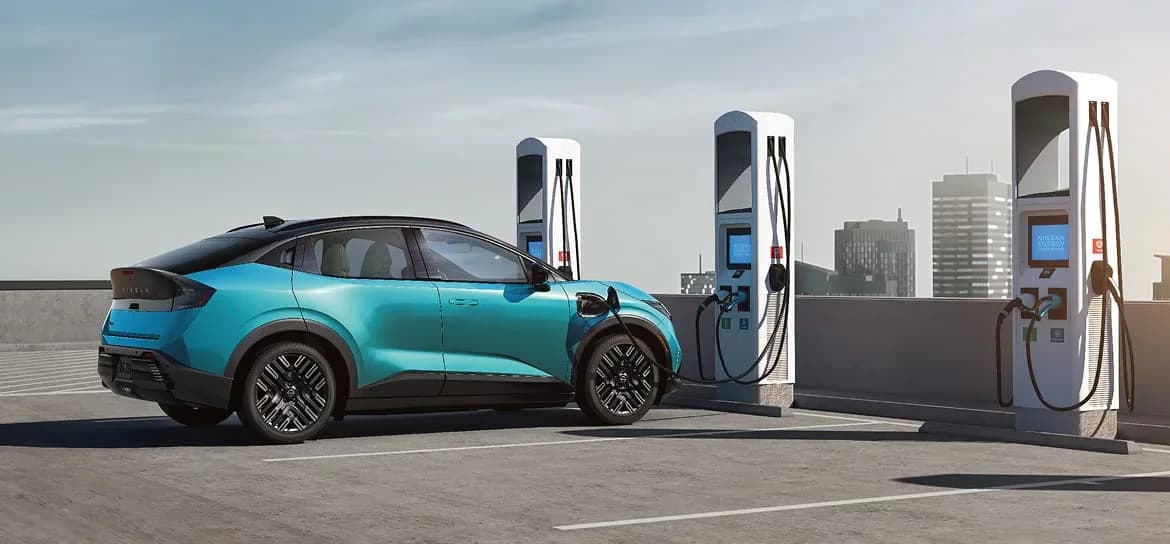
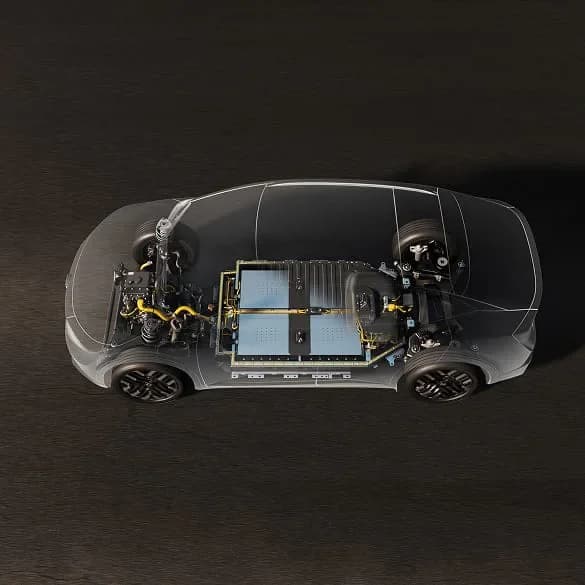
Range is the LEAF’s biggest practical upgrade. Nissan advertises up to 303 miles of EPA range in the S+ with its 75-kWh liquid-cooled battery, while SV+ and Platinum+ versions give up some distance. Early testing has been encouraging, including roughly 280 miles in real-world use and one Edmunds run reaching 310 miles, though cold-weather driving can reduce that substantially. The larger battery makes commuting and occasional road trips realistic, but trim choice and climate matter.
Acceleration and Output
The LEAF feels smooth and adequately brisk, not like a performance EV. Higher trims use a 214-hp front motor producing 261 lb-ft of torque, with testing generally landing around 6.5 to 7.1 seconds from zero to 60 mph. That is plenty for merging and daily traffic, but hard launches can spin the front tires and create torque steer. The base S uses 174 hp, while the missing true one-pedal driving and soft brake response make its power delivery feel less exciting than the numbers suggest.
Urban Maneuverability
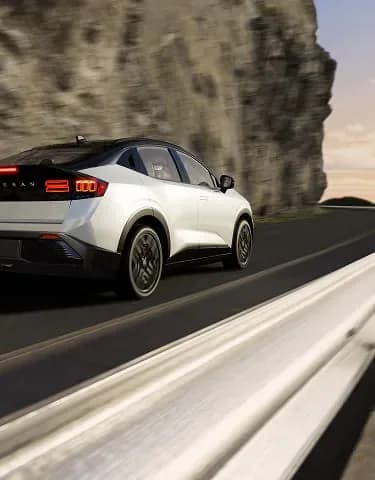
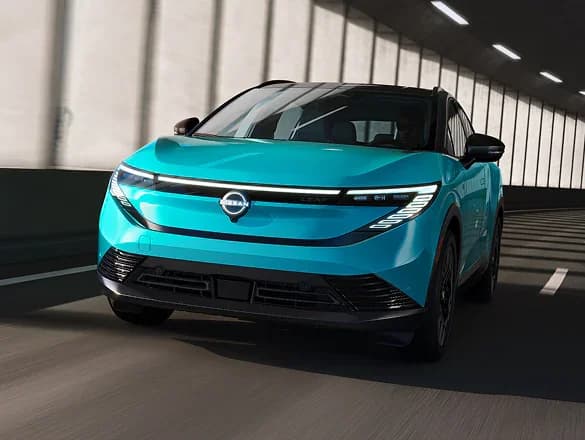
The LEAF remains easy to place in tight urban spaces. Its 35.4-foot turning circle, compact 173.4-inch length, camera systems, and hatchback proportions help with parking and errands, while front-wheel drive keeps the powertrain simple. The higher seating position improves crossover usability, though the coupe-like roof reduces rear visibility and there is no rear wiper. Limited ground clearance and cramped rear access also matter, but for solo commuting and city driving, its manageable footprint is a genuine strength.
Cargo and Utility
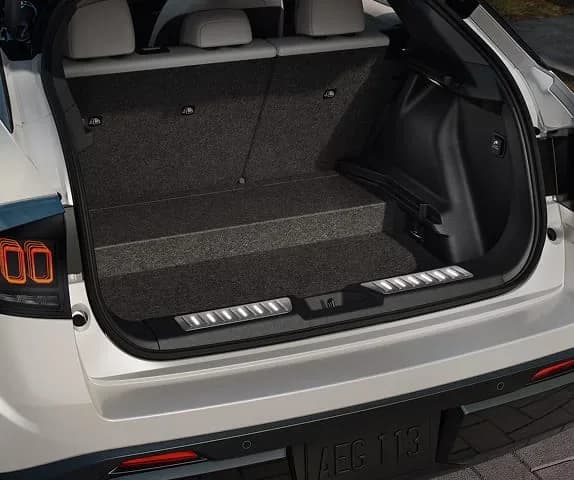
The hatchback body gives the LEAF useful everyday flexibility, even if it is not especially spacious. There are about 20 cubic feet behind the rear seats and roughly 55.5 cubic feet with them folded, plus a clever adjustable cargo floor and available 120-volt outlets for practical V2L-style power. The sloping roof and narrower trunk limit bulky-item capacity, and there is no frunk. It suits groceries, luggage, and routine errands better than full-time family hauling.
Conclusion
The 2026 Nissan LEAF makes the strongest case for itself as a calm, affordable daily EV: its up to 303-mile range eases commuting concerns, while NACS access makes public charging more convenient, even if the 150-kW system is merely average for road trips. The 214-hp motor is smooth and adequate rather than thrilling, and front-wheel traction can limit hard launches. Its hatchback, flexible cargo area, tight turning circle, and quiet cabin suit errands and urban driving, though cramped rear seating, no frunk, soft ride responses, and inconsistent one-pedal braking narrow its appeal. Expert and owner reactions point to the same conclusion: choose the LEAF for home-charged commuting, comfort, and value—not sporty handling or frequent highway charging. That balanced mix of meaningful upgrades and manageable compromises makes it an especially sensible mainstream EV.

Feature Scores
This reflects reviews and ratings from established critics, journalists, and users who have evaluated the item. Their opinions provide a comprehensive assessment.
Performance
Driving Range
5/5
Charging Speed
4/5
Acceleration
4/5
Handling and Ride Comfort
4/5
Energy Efficiency
3/5
Battery Durability
3/5
Value
Purchase Price Competitiveness
5/5
Total Cost of Ownership
4/5
Resale Value
3/5
Design
Exterior Styling
4/5
Interior Space and Packaging
4/5
Ergonomics and Controls
4/5
Health
Cabin Air Quality
TBD
Low-Toxicity Materials
TBD
Safety
Crashworthiness
TBD
Active Safety Systems
4/5
Battery Safety Systems
4/5
Sustainability
Lifecycle Emissions
4/5
Battery Recyclability
TBD
Use of Recycled Materials
TBD
Experience Style
Infotainment and Connectivity
5/5
Charging Ecosystem Integration
5/5
Customization and Driving Modes
3/5

Specifications
This section outlines the product's key facts, covering essential features, details, dimensions, materials, and any unique characteristics that define its functionality and usability.
Performance
Value
Design
Safety
Sustainability
Experience Style

Frequently Asked Questions
11 Questions





Find Yours
What is your top priority for an Electric SUV's battery performance?
Answer to find your best matches.