
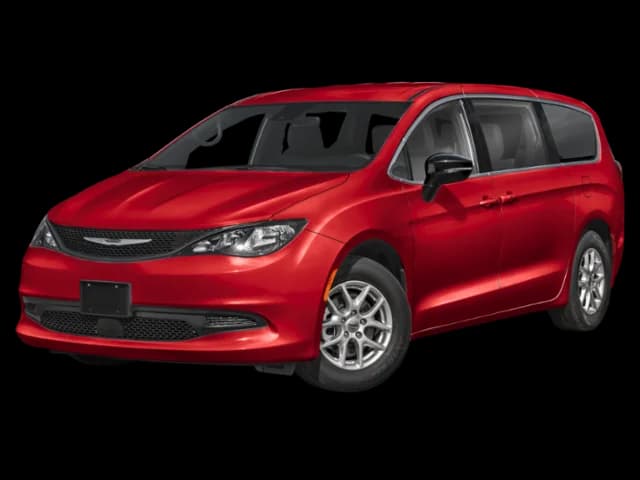
Chrysler Voyager (2026)
Roomy, flexible seven-seat family transport with a smooth V6, best for practical buyers.
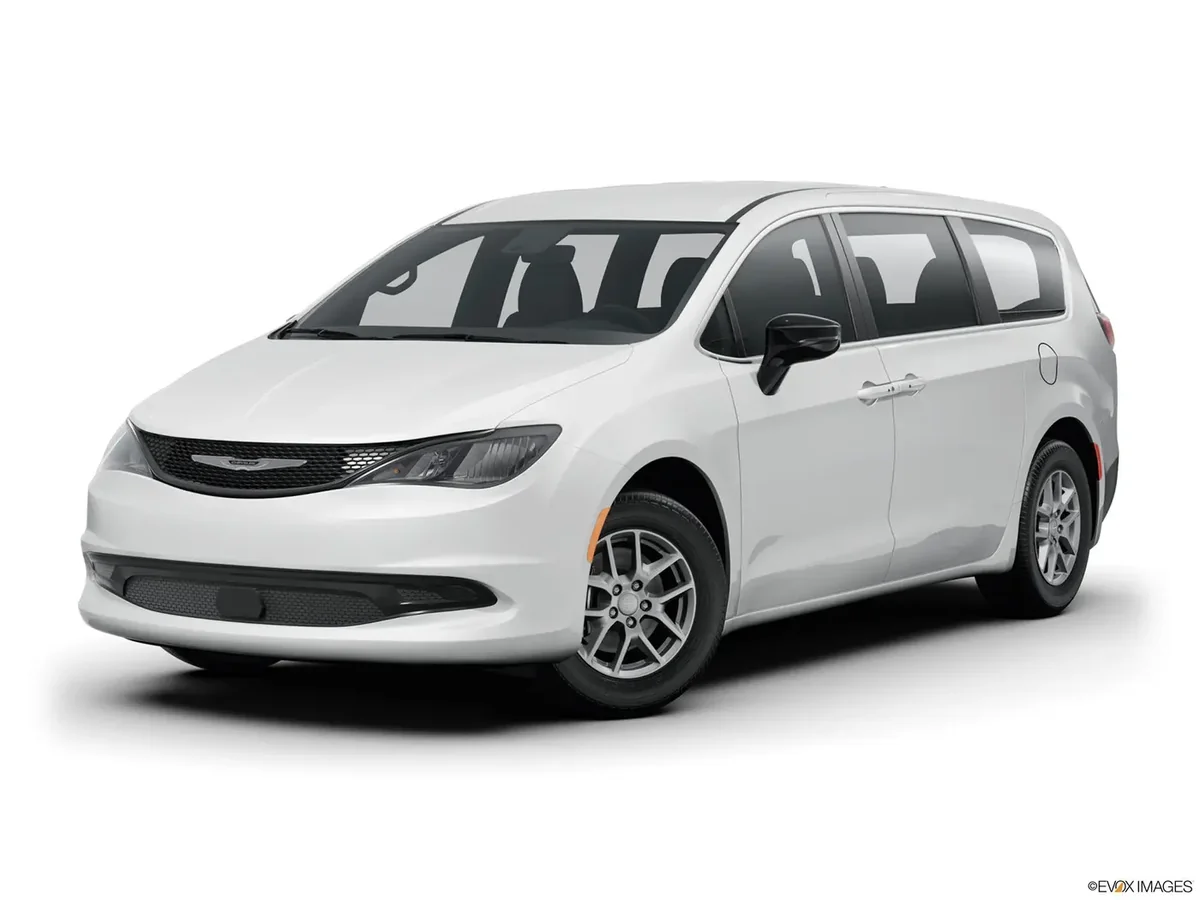
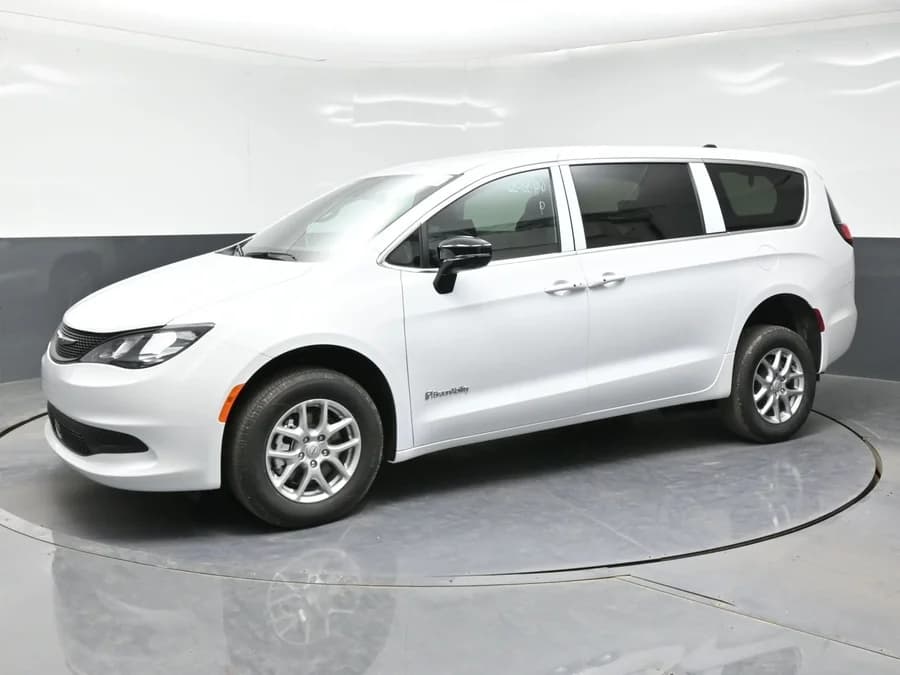
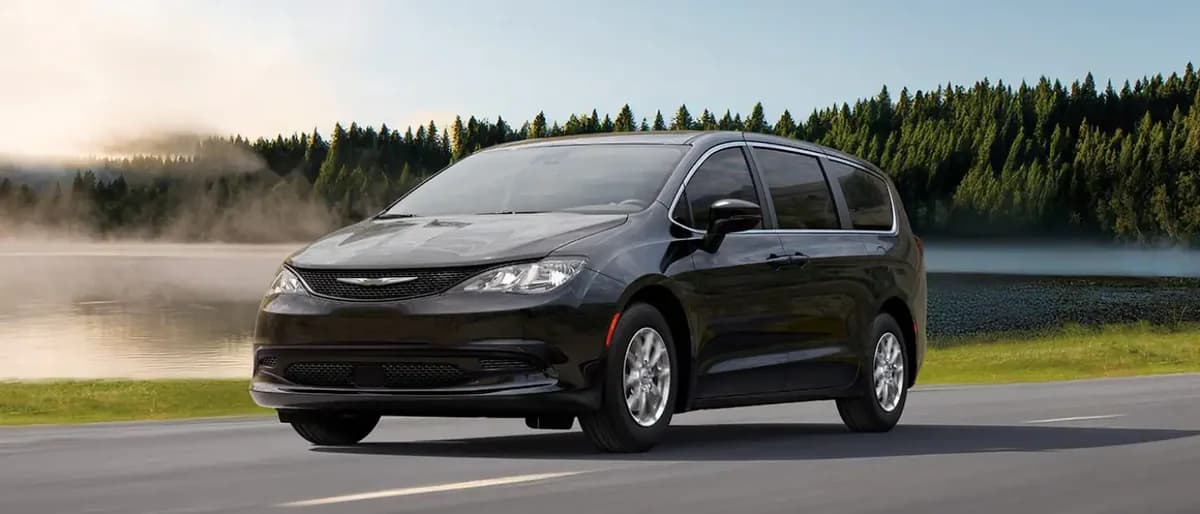
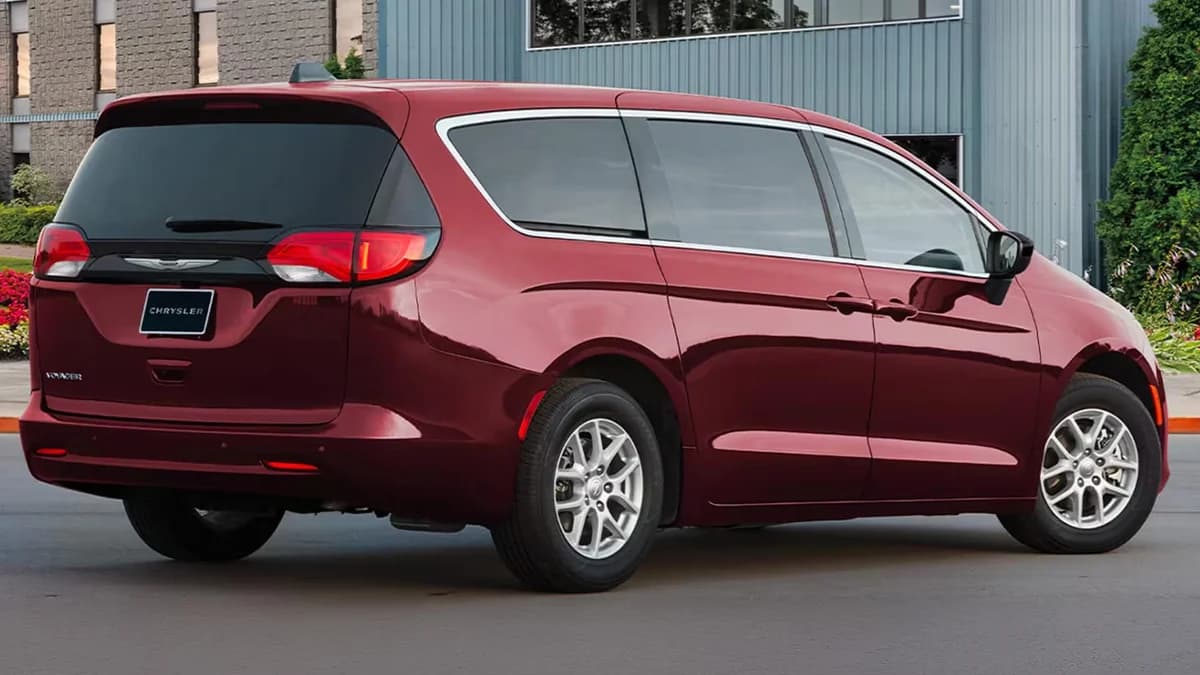
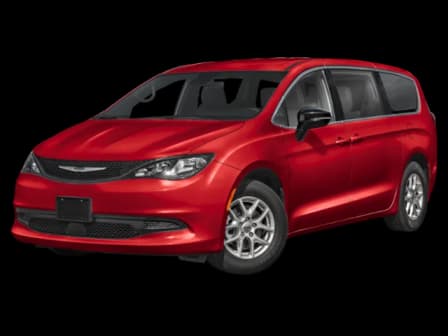
The Chrysler Voyager (2026) is the sensible family shuttle for people who need to move children, groceries, and oversized gear without paying Pacifica money. Its standout Stow ’n Go seating and roomy seven-seat cabin win consistent praise, while the smooth 287-hp V6 keeps daily driving relaxed rather than exciting. Chrysler’s practicality pitch is supported by power sliding doors, flexible cargo space, and easy controls, though reviewers counter with a basic backup camera, limited charging, road noise, and awkward adaptive-cruise behavior. At roughly $42,000 to $43,000, it is useful but not an obvious bargain against the Kia Carnival or hybrid Toyota Sienna. The overall recommendation depends on how much you value family versatility over efficiency, polish, and confidence in long-term ownership.
Find Yours
What will you primarily use your gas-powered van or minivan for?
Answer to find your best matches.

The Field
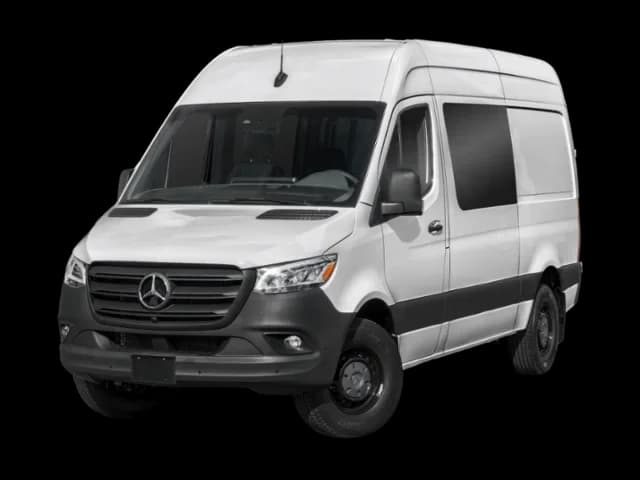
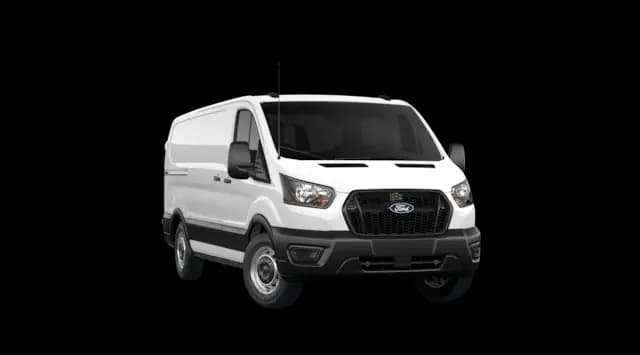
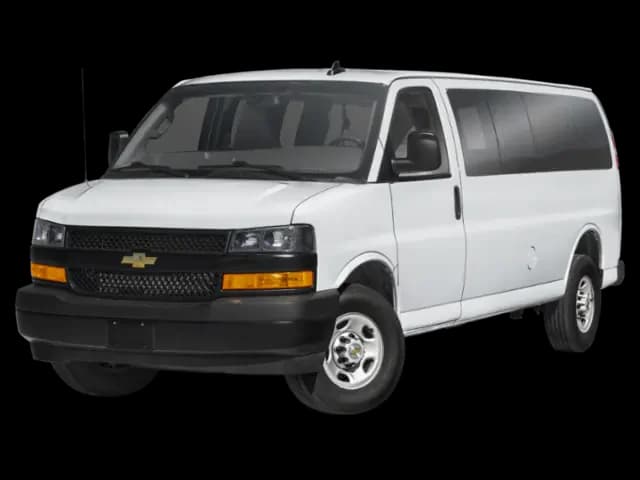
Browse top contenders, or compare all options ranked by score and key attributes.
5 Options

The Scoreboard
Does this improve your life? Considers, health, habits, and environmental impact.
Benefits
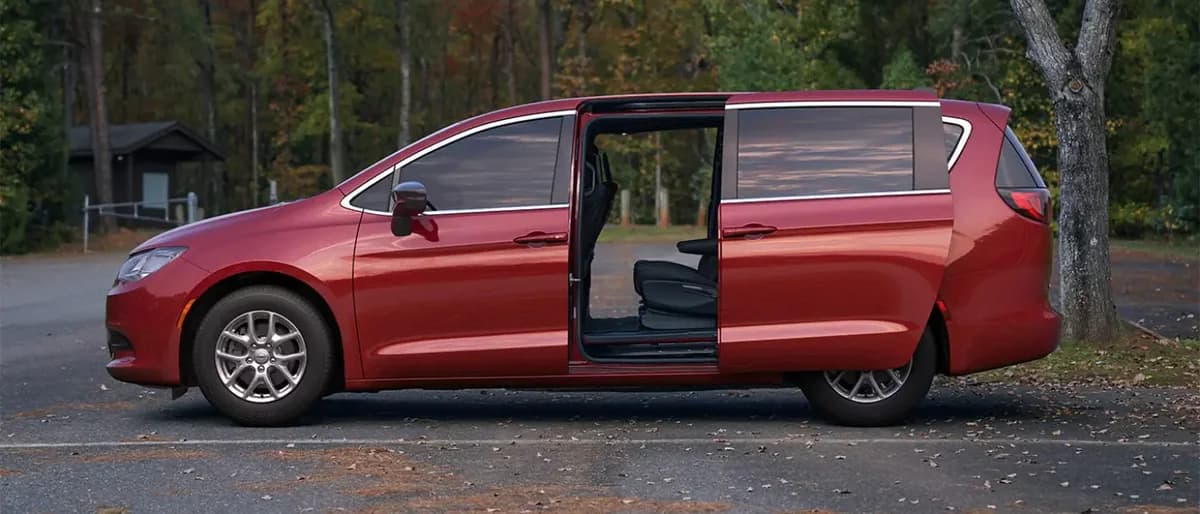
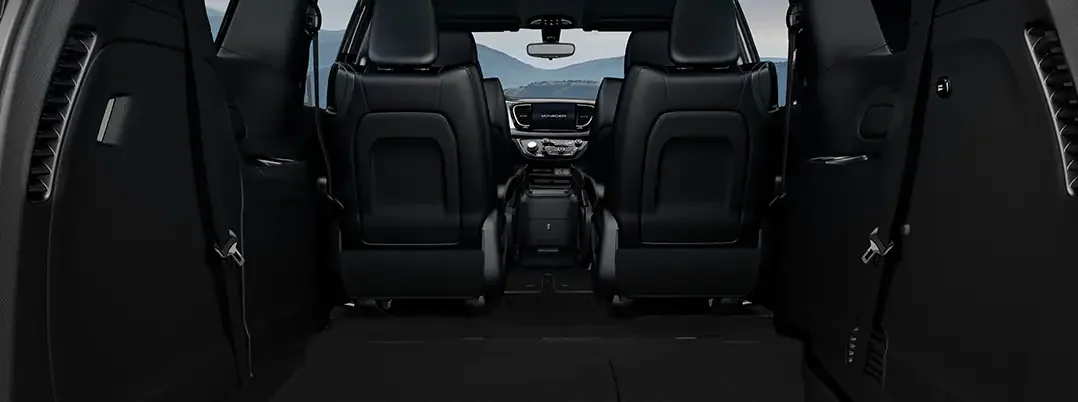
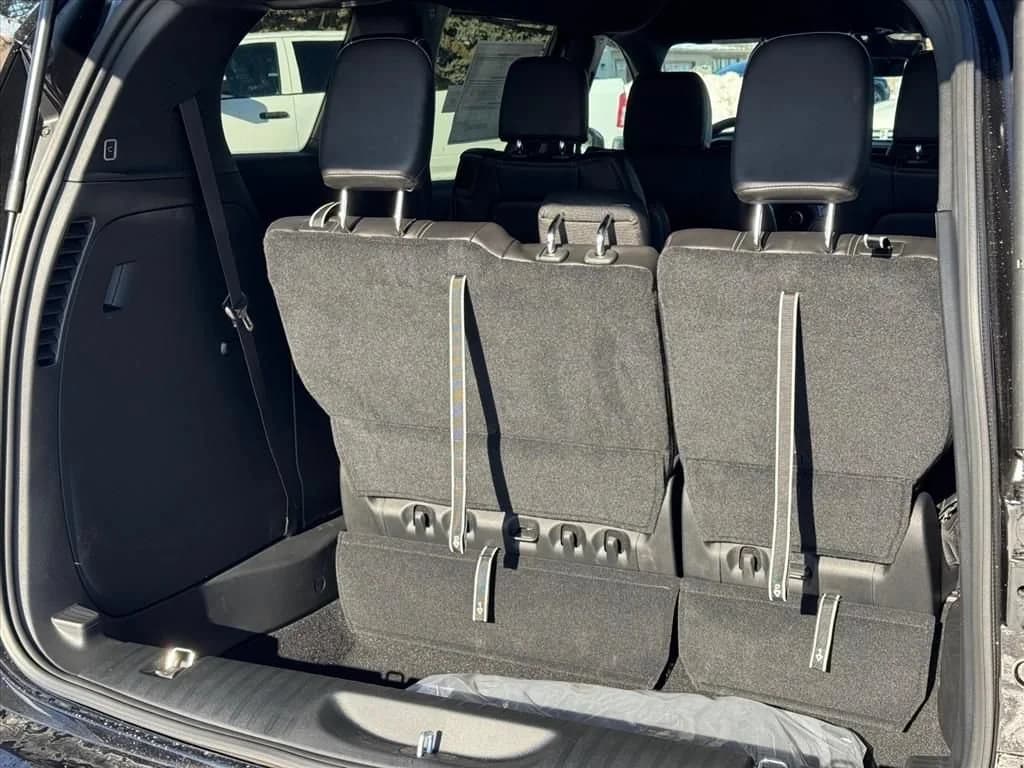
Stow ’n Go seats quickly create room for groceries, luggage, or bulky family gear.
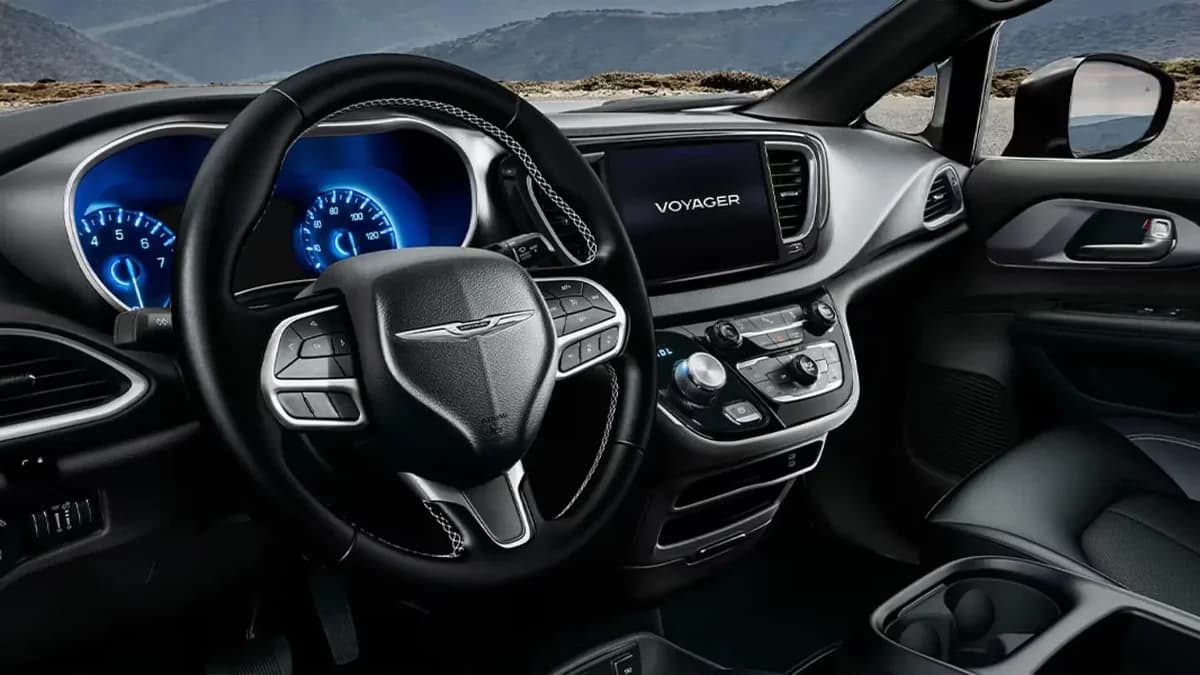
Spacious seating, leatherette upholstery, and three-zone climate control keep everyone comfortable on longer drives.
Power sliding doors and child-seat-friendly space make daily school runs simpler.
Standard driver aids add reassurance in traffic, parking lots, and busy family trips.
The smooth V6 and simple controls make everyday driving calm and easy to manage.
Trade-Offs
Road noise becomes noticeable on longer drives, making conversation and quiet time harder.
The basic backup camera can make tight parking and reversing less clear than alternatives.
Limited USB availability can leave rear passengers sharing ports or arriving with low batteries.
Adaptive cruise can brake and accelerate awkwardly in traffic, prompting frequent driver corrections.
 Alternatives


Join the Circle
Where real meets deal
Know what's worth buying-and when.
Tips, special offers, and rewards for buying and sharing.

Publications
1 LEADING PUBLICATION REVIEWS

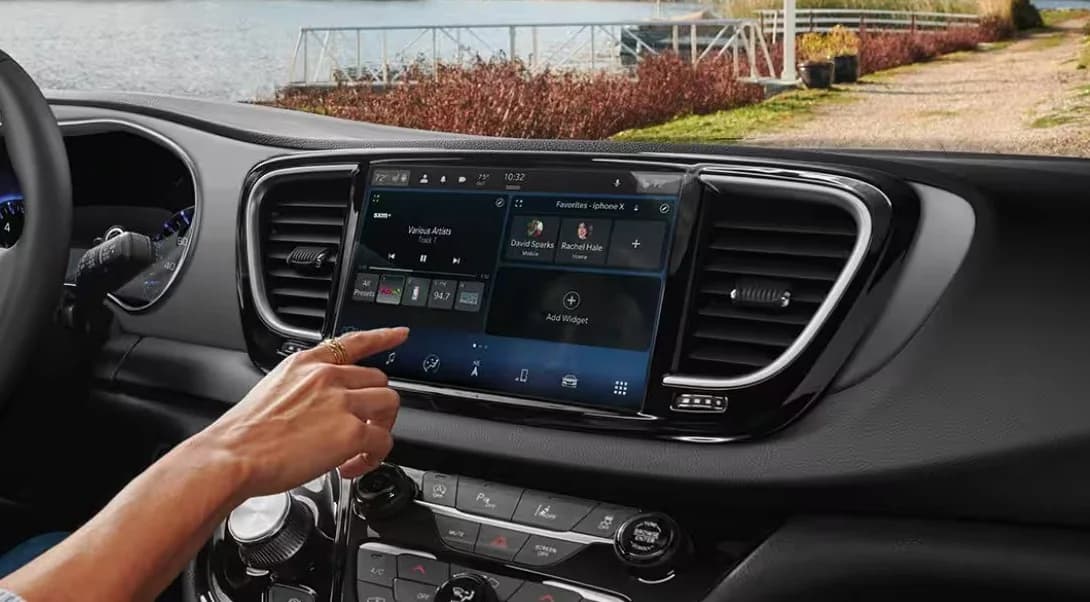
Kelley Blue Book views the 2026 Chrysler Voyager as a practical, reassuringly affordable family van. Its smooth, comfortable ride, strong V6, user-friendly Uconnect system, and especially clever Stow ’n Go seating make it easy to live with, whether hauling children or cargo. Standard safety technology, leatherette upholstery, tri-zone climate control, and useful passenger comforts add value at its $43,390 starting price. Still, the bargain is relative: the Kia Carnival and Toyota Sienna start lower, while the Voyager’s aging Pacifica-derived design, single trim, limited colors, front-wheel drive, and lack of hybrid power leave it feeling dated beside newer rivals. Its fuel economy is merely average, and families needing eight seats will have to look elsewhere because Stow ’n Go limits capacity to seven. Overall, KBB considers it a solid, no-frills choice for buyers prioritizing flexibility and straightforward family transportation over freshness or efficiency.
By Eric Brandt

YouTube
3 LEADING EXPERT & INFLUENCER REVIEWS
 TheStraightPipes
Yuri is warmly positive about the Chrysler Voyager, calling it a practical, comfortable family van rather than a thrill ride. He personally used its Stow ’n Go seating to move three large loads of collectibles and found the cargo system exceptionally easy and flexible. The roomy cabin, child-seat compatibility, storage, quiet ride, straightforward controls, wireless Apple CarPlay, and strong audio also impress him. Still, acceleration is merely adequate, adaptive cruise control is poorly tuned, the backup camera is basic, and missing USB ports, a 360-degree camera, folding mirrors, and rear entertainment expose its budget compromises. Overall, he’d be happy with one, though he prefers a Pacifica.
Chabby's RidesChabby’s Rides is mildly positive about the 2026 Chrysler Voyager, but thinks its pricing undermines the concept. He appreciates the roomy seven-seat cabin, comfortable leatherette interior, easy-to-use Stow ’n Go seating, strong V6, useful safety tech, and generous cargo capacity. The minivan feels practical for families and road trips, though road noise, dated exterior lighting, and a poor backup-camera image weaken the experience. His main criticism is value: at roughly $42,000, it is only modestly cheaper than a Pacifica and can cost more than a Kia Carnival. He believes it needs to be several thousand dollars cheaper to make sense.
TheStraightPipesYuri is warmly positive about the Chrysler Voyager, calling it a practical, comfortable family van rather than a thrill ride. He personally used its Stow ’n Go seating to move three large loads of collectibles and found the cargo system exceptionally easy and flexible. The roomy cabin, child-seat compatibility, storage, quiet ride, straightforward controls, wireless Apple CarPlay, and strong audio also impress him. Still, acceleration is merely adequate, adaptive cruise control is poorly tuned, the backup camera is basic, and missing USB ports, a 360-degree camera, folding mirrors, and rear entertainment expose its budget compromises. Overall, he’d be happy with one, though he prefers a Pacifica.
Chabby's RidesChabby’s Rides is mildly positive about the 2026 Chrysler Voyager, but thinks its pricing undermines the concept. He appreciates the roomy seven-seat cabin, comfortable leatherette interior, easy-to-use Stow ’n Go seating, strong V6, useful safety tech, and generous cargo capacity. The minivan feels practical for families and road trips, though road noise, dated exterior lighting, and a poor backup-camera image weaken the experience. His main criticism is value: at roughly $42,000, it is only modestly cheaper than a Pacifica and can cost more than a Kia Carnival. He believes it needs to be several thousand dollars cheaper to make sense.

Forum Reviews
CUSTOMER REVIEWS FROM 1 FORUM
Redditors are cautiously positive about the 2026 Chrysler Voyager, valuing its practicality and lower price but questioning reliability. Its Pacifica-based design offers useful space, available Stow ’n Go seating, power sliding doors, safety aids, and fewer subscription concerns, though standard equipment varies by trim and the infotainment interface draws criticism. Owners report comfortable, trouble-free use when maintenance is timely, while others warn about auxiliary batteries, oil-related repairs, electrical glitches, and occasional shutdown concerns. The consensus is that it can be a sensible, well-equipped value—especially for simple needs—but an extended warranty and careful maintenance are strongly recommended.
Many comments

In-Depth Review

Highlights
- •Flexible Cargo SeatingDesigned to quickly switch between passengers and cargo.
- •Roomy Family CabinReviews find space comfortable for adults and children.
- •Smooth V6 DrivingThe V6 delivers relaxed, adequate family-van performance.
- •Easy Family AccessPower sliding doors simplify loading in tight spaces.

Considerations
- •Questionable Price PositionReviewers question affordability near $43,000.
- •Basic Equipment MixSingle trim limits features, colors, and customization.
- •Limited Camera ClarityThe backup camera provides a basic image.
- •Reported Reliability ConcernsForums mention battery, oil, and electrical issues.
Chrysler’s Voyager is a no-frills family van aimed at buyers who value practicality over Pacifica-style polish. Built for school runs, road trips, and everyday hauling, it pairs a roomy seven-seat cabin with clever cargo flexibility and Stow ’n Go seating, giving families and fleet users useful versatility without luxury pricing. Its familiar 287-hp Pentastar V6 and nine-speed automatic favor smooth, adequate transport, while fuel economy remains ordinary beside hybrid rivals such as the Toyota Sienna. Power sliding doors, a liftgate, and straightforward controls further suit busy households, although the van’s size, basic camera, and limited equipment deserve attention. Before deciding, examine how its 19 mpg city/28 mpg highway ratings, storage layout, access features, and maneuverability fit your routine. In short, the Voyager makes a practical case—provided your definition of value leaves room for a little minivan math.
Fuel Economy and Range
Fuel costs are acceptable for a gasoline minivan, but efficiency is not a standout strength. The Voyager is rated at 19 mpg city and 28 mpg highway, or 22 mpg combined, which is broadly usable for commuting and road trips. Its 19-gallon fuel tank supports a practical travel range, while the V6 runs on regular gasoline. However, experts describe economy as average, and hybrid competitors such as the Toyota Sienna can make more sense for high-mileage families despite potentially different upfront pricing.
Size and Maneuverability
Despite its large cabin, the Voyager remains manageable with some practice. Its 5,177-mm overall length and 12.1-meter turning circle explain why tight garages and parking lots require attention, while the front-wheel-drive layout keeps the driving behavior familiar. Rear parking sensors and ParkView camera assistance help, but reviewers criticize the camera’s basic image quality and note the absence of a 360-degree view. It is practical in town, though not especially compact or agile.
Flexible Seating Layout
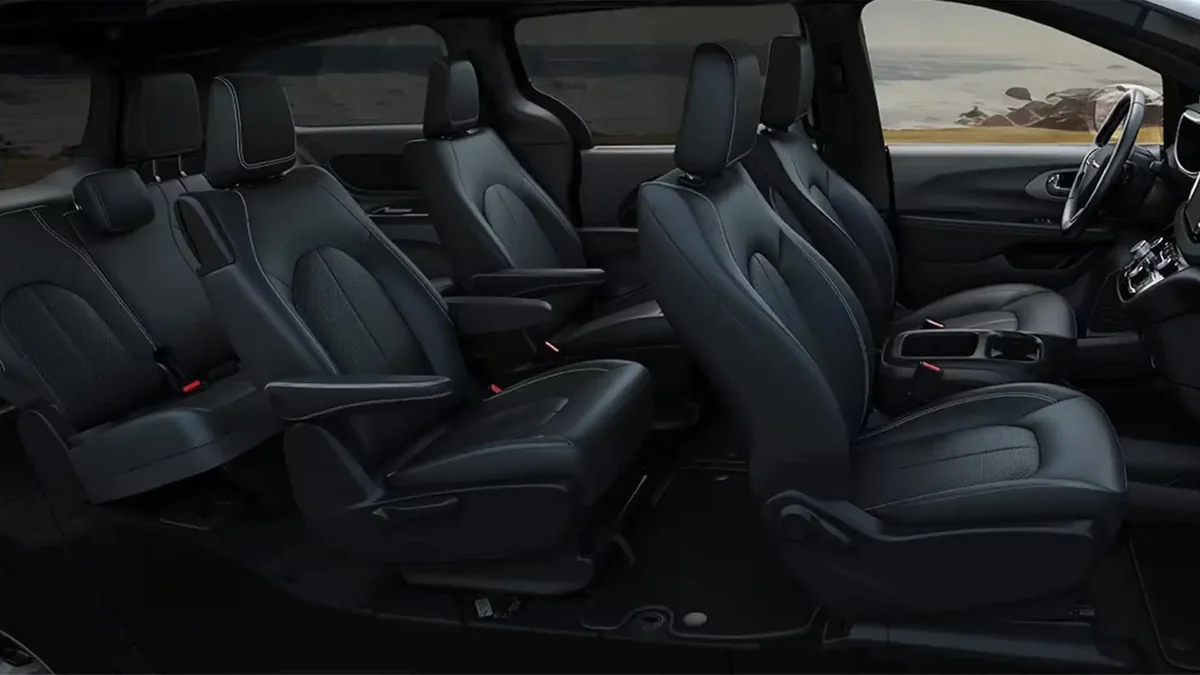
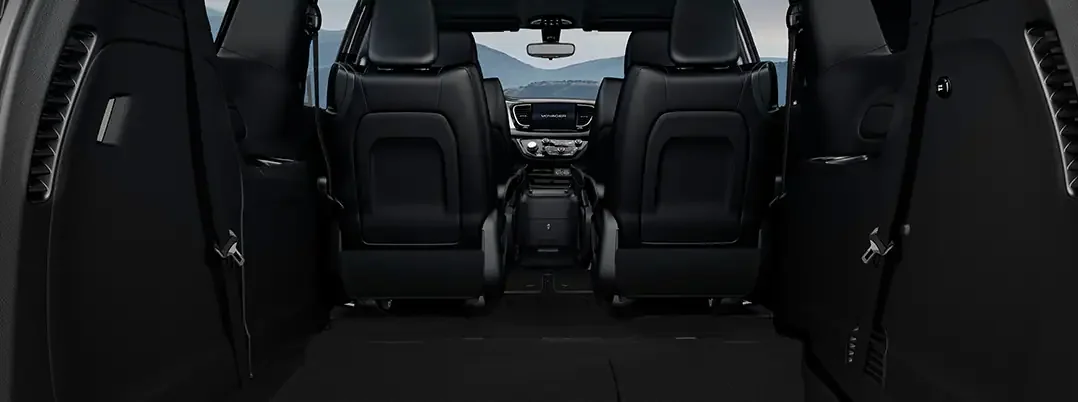
The seating system is one of the Voyager’s clearest practical advantages. Stow ’n Go seating lets owners quickly switch between passengers and cargo, and the stowable third row makes bulky items easier to carry without removing seats. Reviewers specifically praise how simple the system is for road trips, errands, and large loads. The compromise is capacity: this configuration seats seven rather than eight, so buyers needing maximum passenger space should consider alternatives such as the Honda Odyssey.
Interior Space and Cargo
The Voyager’s cabin is genuinely useful for families who carry people and gear. Its seven-seat layout leaves room for adults and child seats across three rows, while the 913.8-liter standard cargo area handles everyday shopping and luggage. Fold or stow the seats and capacity reaches a listed 3,977 liters, a figure supported by reviewers who used the van for bulky loads. The tradeoff is a dated-feeling interior, limited charging access, and less polish than a Pacifica or newer rivals.
Sliding Doors and Liftgate
The Voyager’s access features make everyday family loading noticeably easier. Power sliding doors open wide in tight parking spaces, helping children enter without swinging a door into another vehicle, while the power liftgate simplifies access to rear cargo. These conveniences reinforce the van’s family-first purpose and are consistent with positive feedback about school runs and passenger duty. Still, sparse USB availability and the basic backup-camera image limit the otherwise easy, confidence-building loading experience.
V6 Power and Response
The Voyager drives smoothly, but it is tuned for calm transport rather than quick acceleration. Its 287-hp 3.6-liter Pentastar V6 supplies familiar, adequate power, and the nine-speed automatic generally suits relaxed family driving. Reviewers appreciate the strong, straightforward engine, though acceleration can feel merely sufficient when the van is fully loaded. Adaptive cruise control is a weaker point, with some testing noting awkward braking and acceleration that can require driver intervention.
Conclusion
The Voyager makes its strongest case when family life looks more like loading gear than chasing luxury: its roomy seven-seat cabin and Stow ’n Go flexibility handle people, groceries, and bulky cargo with unusual ease. The smooth V6 and nine-speed automatic are reassuringly straightforward, though acceleration is merely adequate and the adaptive cruise can feel awkward. Power sliding doors and the liftgate simplify daily loading, while the stowable third row adds versatility but limits capacity to seven. Fuel economy is usable rather than impressive, and the large dimensions, basic camera, and 12.1-meter turning circle demand parking attention. Expert and owner feedback therefore points to a capable, comfortable choice for practical families or fleets—not buyers seeking hybrid efficiency, premium polish, or a truly cheap van. Its sensible utility earns consideration, but the price and dated compromises keep the recommendation measured rather than enthusiastic.

Feature Scores
This reflects reviews and ratings from established critics, journalists, and users who have evaluated the item. Their opinions provide a comprehensive assessment.
Performance
Acceleration Responsiveness
3/5
Highway Passing Capability
3/5
Ride Comfort
4/5
Cabin Quietness
3/5
Fuel Economy
3/5
Powertrain Reliability
3/5
Cargo Flexibility
5/5
Towing Capability
3/5
Purchase Affordability
2/5
Operating Cost
3/5
Resale Value
2/5
Warranty Coverage
3/5
Design
Exterior Proportions
3/5
Interior Ergonomics
4/5
Passenger Space
5/5
Access Convenience
4/5
Interior Material Quality
3/5
Health
Cabin Air Quality
3/5
Seating Support
4/5
Occupant Vibration Comfort
4/5
Safety
Crash Protection
3/5
Driver Assistance
4/5
Child Passenger Protection
4/5
Visibility
3/5
Parking Maneuverability
3/5
Sustainability
Tailpipe Emissions
2/5
Fuel Consumption Impact
2/5
Material Efficiency
3/5
End-of-Life Recyclability
3/5
Experience Style
Control Simplicity
4/5
Seating Configurability
5/5
Family Convenience Features
4/5
Technology Integration
3/5

Specifications
This section outlines the product's key facts, covering essential features, details, dimensions, materials, and any unique characteristics that define its functionality and usability.
Performance
Value
Design
Safety
Sustainability
Experience Style

Frequently Asked Questions
6 Questions




Find Yours
What will you primarily use your gas-powered van or minivan for?
Answer to find your best matches.


